Pasta has become one of the most beloved dishes around the world, and in Italy, its story is celebrated in a unique way. There is a museum dedicated entirely to pasta, the food that has shaped Italian cuisine and culture for centuries. Visitors can explore the many different kinds of pasta, learn about its origins, and see how it is made, from simple ingredients to a hearty meal.
Inside the museum, displays trace the journey of pasta from ancient times to the present. Exhibits feature traditional tools used for making pasta, old recipes, and photographs showing how pasta became a staple in Italian households. The museum explains the cultural significance of pasta in Italy and how it spread to kitchens around the globe.
Hundreds of shapes and varieties are showcased throughout the museum, from well-known favorites like spaghetti and penne to less familiar regional specialties. Interactive displays and videos demonstrate different pasta-making techniques, both by hand and machine. Visitors gain insight into the ways pasta is enjoyed in different parts of Italy, each region adding its own twist and flavors.
The museum often hosts tastings and classes, allowing guests to try fresh pasta and understand the steps involved in its preparation. This hands-on experience brings the traditions to life and highlights why pasta continues to be a symbol of comfort and creativity in Italian cuisine.
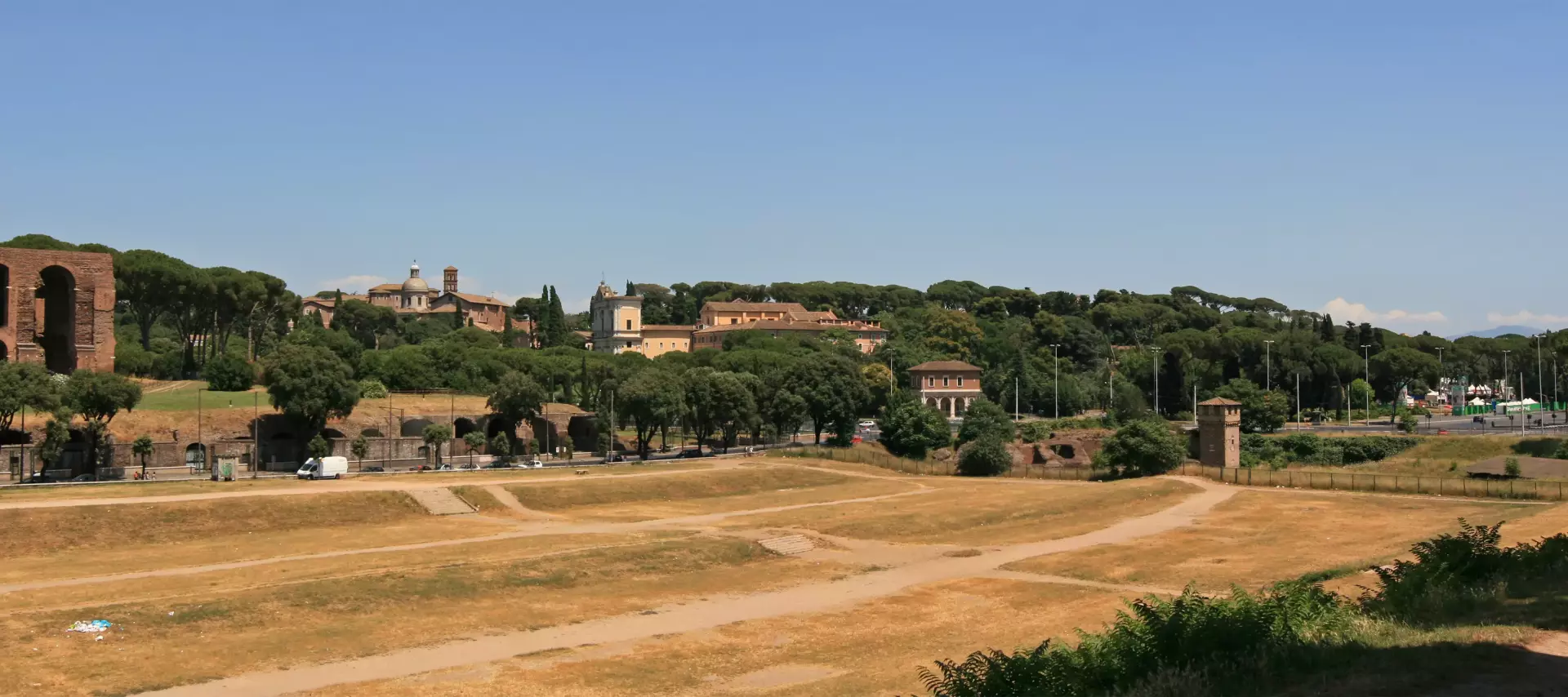
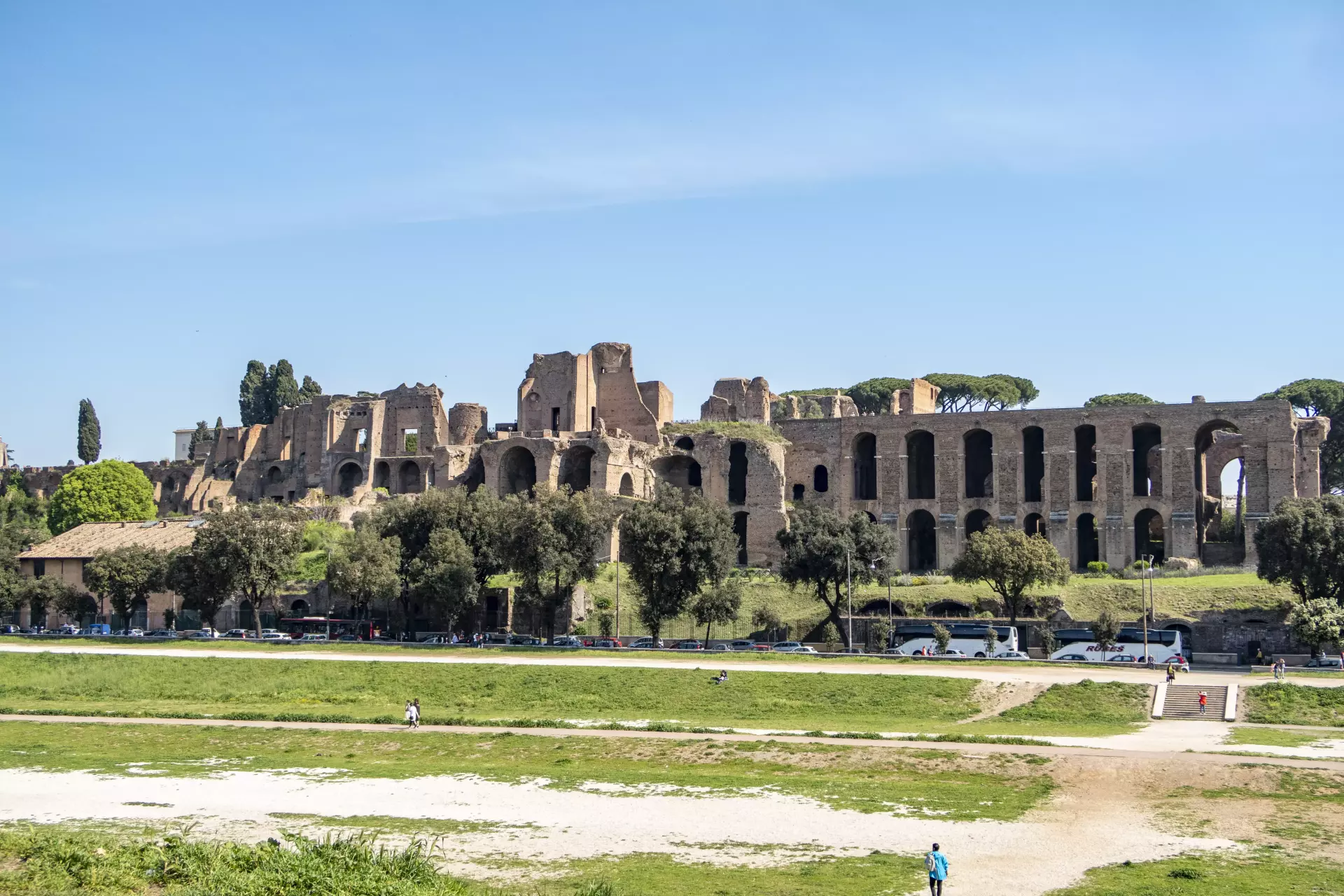
The contours of the ancient stadium, built in the 6th Century B.C., are still visible in what is now a park in the shadow of the Palatine. Circus Maximus was primarily devoted to chariot races and was used for this purpose until around 550 AD. The stadium could seat up to 150,000 people. Originally built of wood, it burnt down twice, on the second occasion starting the great fire when the Emperor Nero was said to fiddle while Rome burned. It was in one of the tunnels here that Caligula met his end. Excavations began in 2009 at the east end of the circus and are likely to go on for some years.
An underrated way to see fantastic art made after the Renaissance. Mainly Italian artists, notably De Chirico, but Cézanne, Degas, Kandinsky, Man Ray, Modigliani, Monet, Pollock and Van Gogh are also represented.
This church, which was commissioned by Ferdinand and Isabella of Spain, marks the point where, according to tradition, St. Peter was crucified. Particularly interesting for Irish visitors as it contains the graves of three Gaelic Chiefs who fled Ireland in 1607.
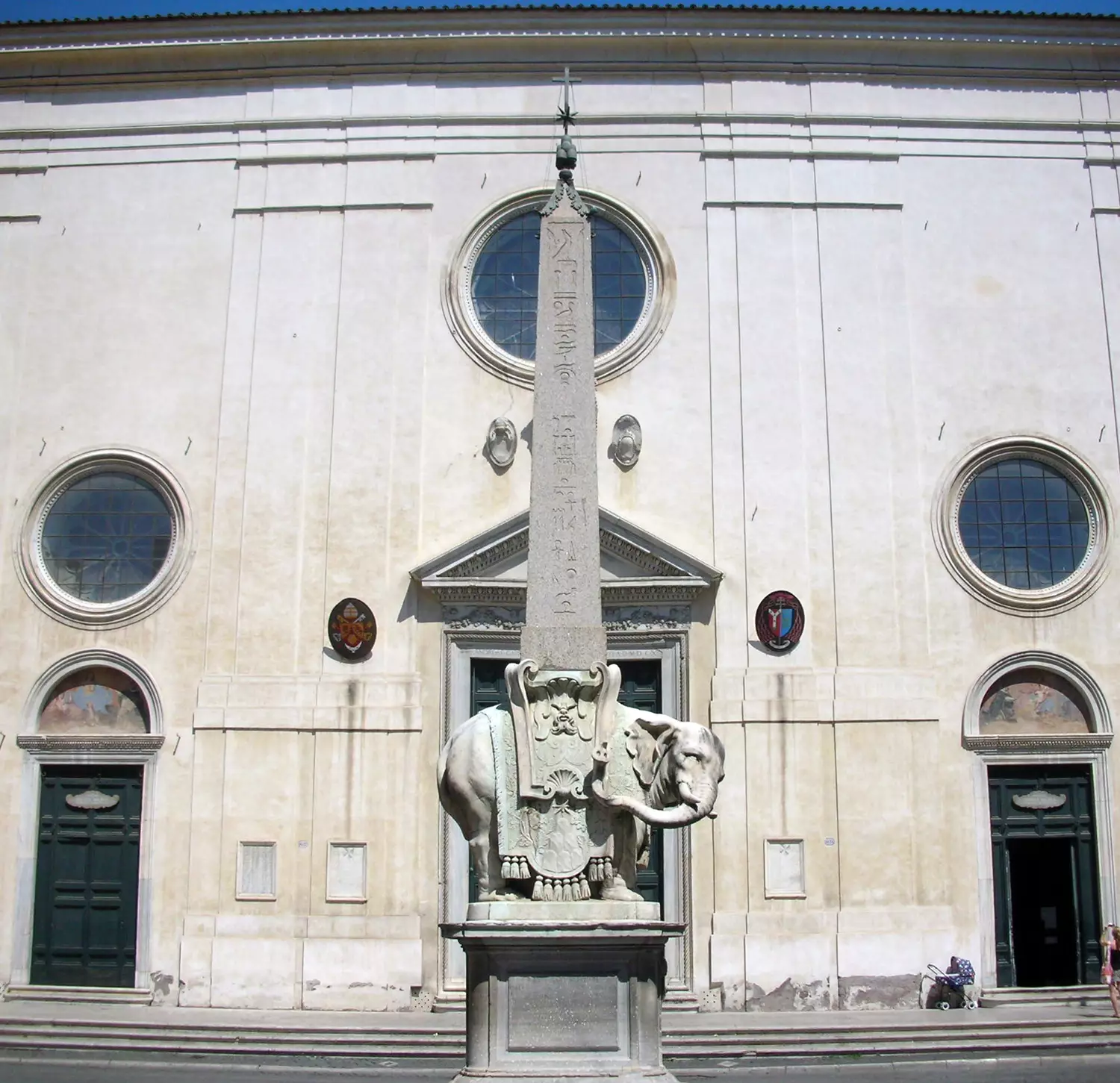
One of Bernini's masterpieces, an obelisk on the back of an elephant.
A 1st-century tomb surrounded by two farmhouses from the Middle Ages, one of which used to be a cheese store. Rather hidden behind a high wall, the tomb is rarely open to the public. You might be lucky on a Sunday: on the third Sunday of every month there is a guided tour at 11:00.
Permanent collection features paintings and drawings of Rome between the 18th and 20th centuries together with a fascinating black and white photo exhibition of Rome from 1950-80. Also offers rotating exhibitions, usually of the work of photographers.
This well-preserved Roman circus was built at the beginning of the fourth century. It was part of an imperial villa built by Maxentius and the complex also contains the Mausoleum of his son, Romolo.
Built after 1631, the crypt of the church contains a macabre display - a series of chapels decorated with the bones of 3700 dead friars. The bones are glued to the walls and ceilings in bizarre and striking decorations.
Inaugurated in 217 AD and used until the 6th Century. The baths were big enough for 1600 bathers at a time. Impressive and well-preserved. Used for operas in summer months (see Opera di Roma for details) and was the location for the famous "three tenors" concert in July 1990, at the time of the World Cup (soccer).