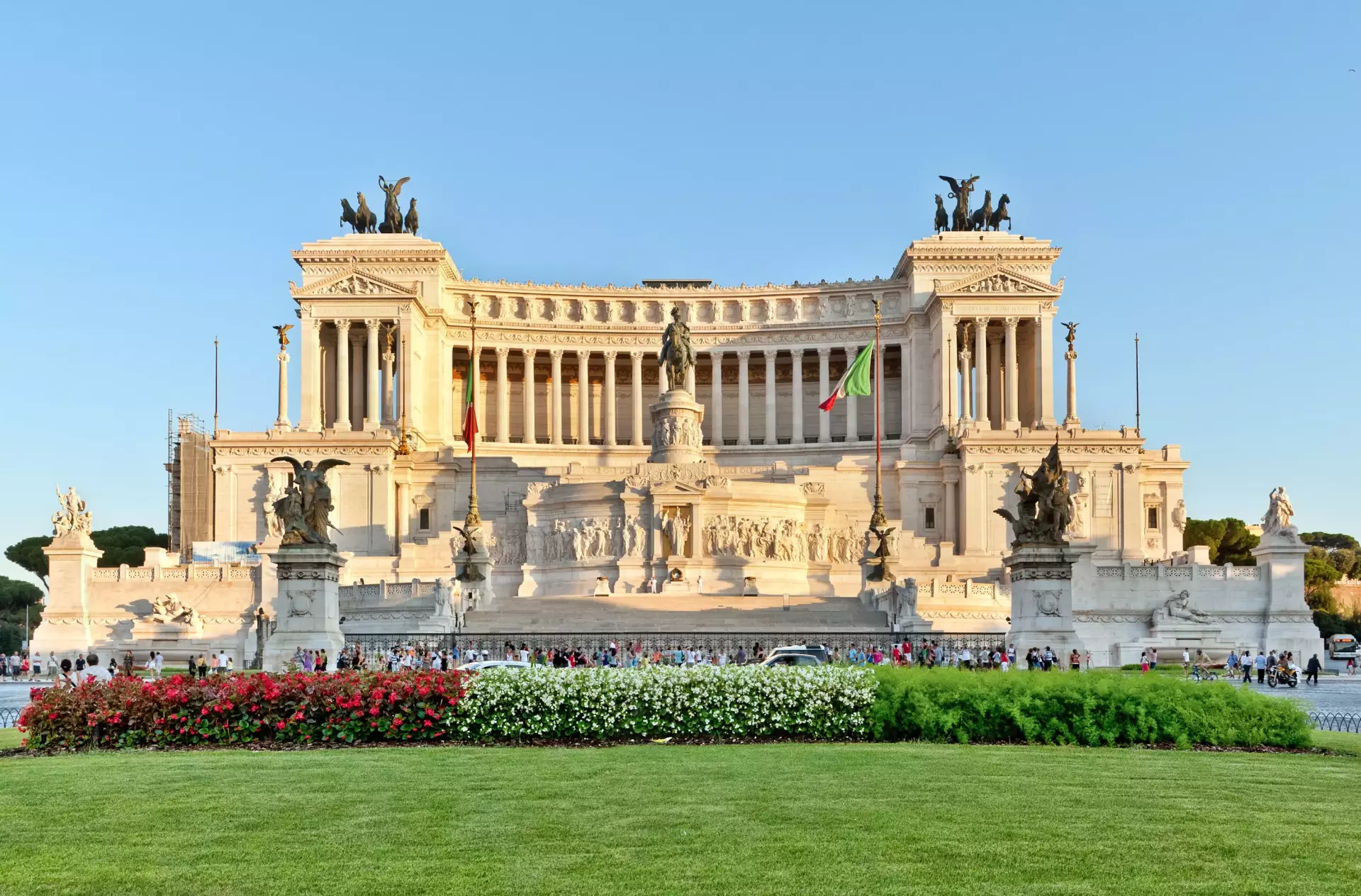
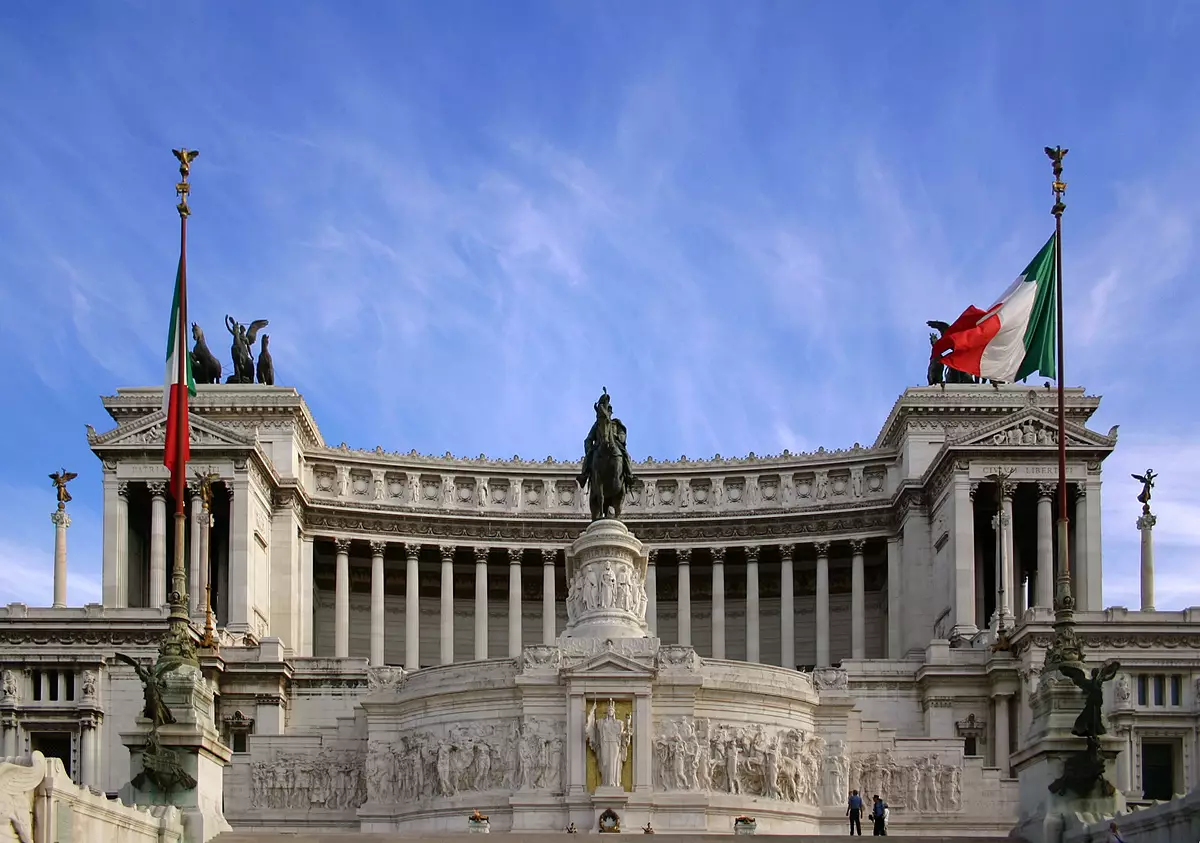
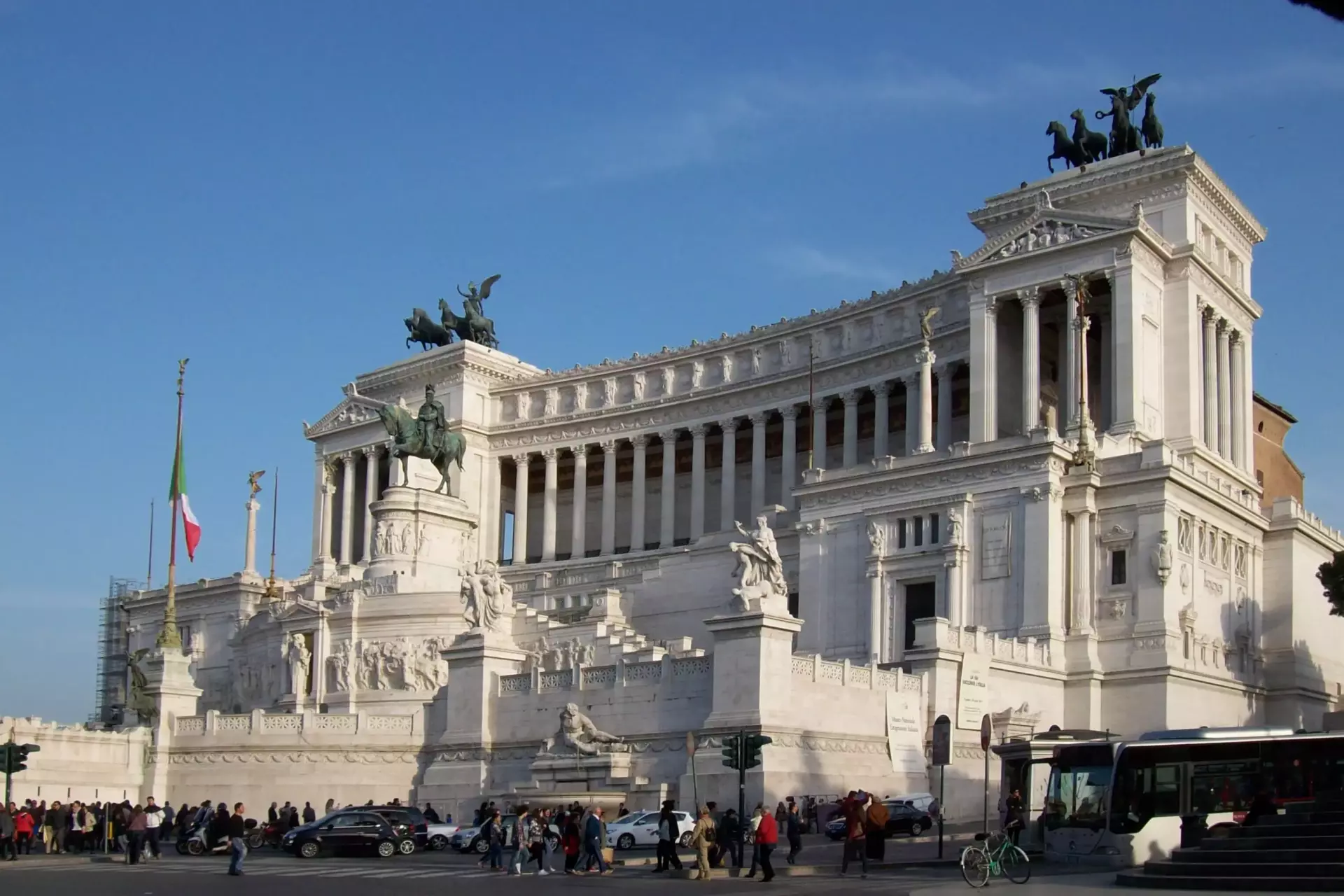
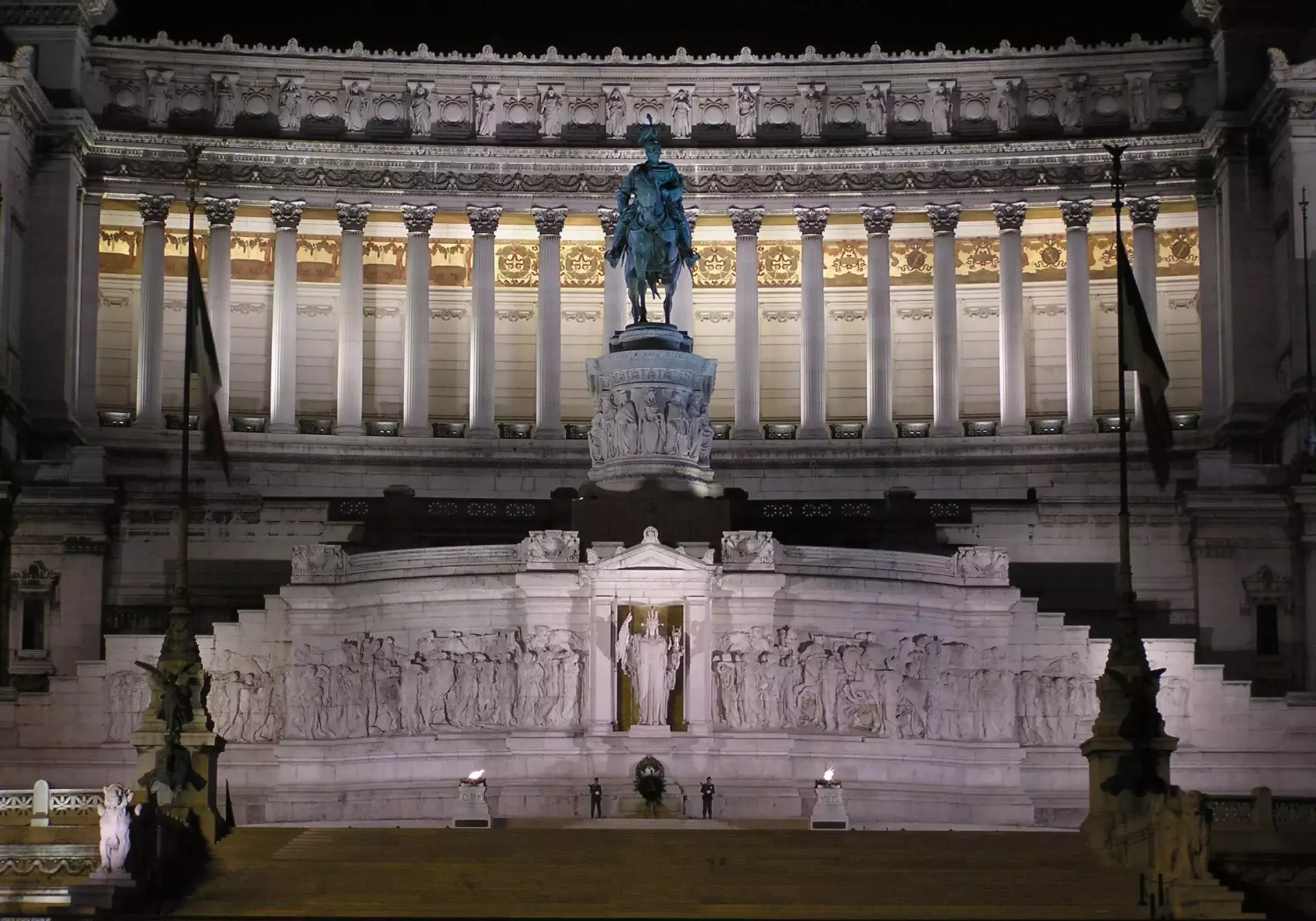
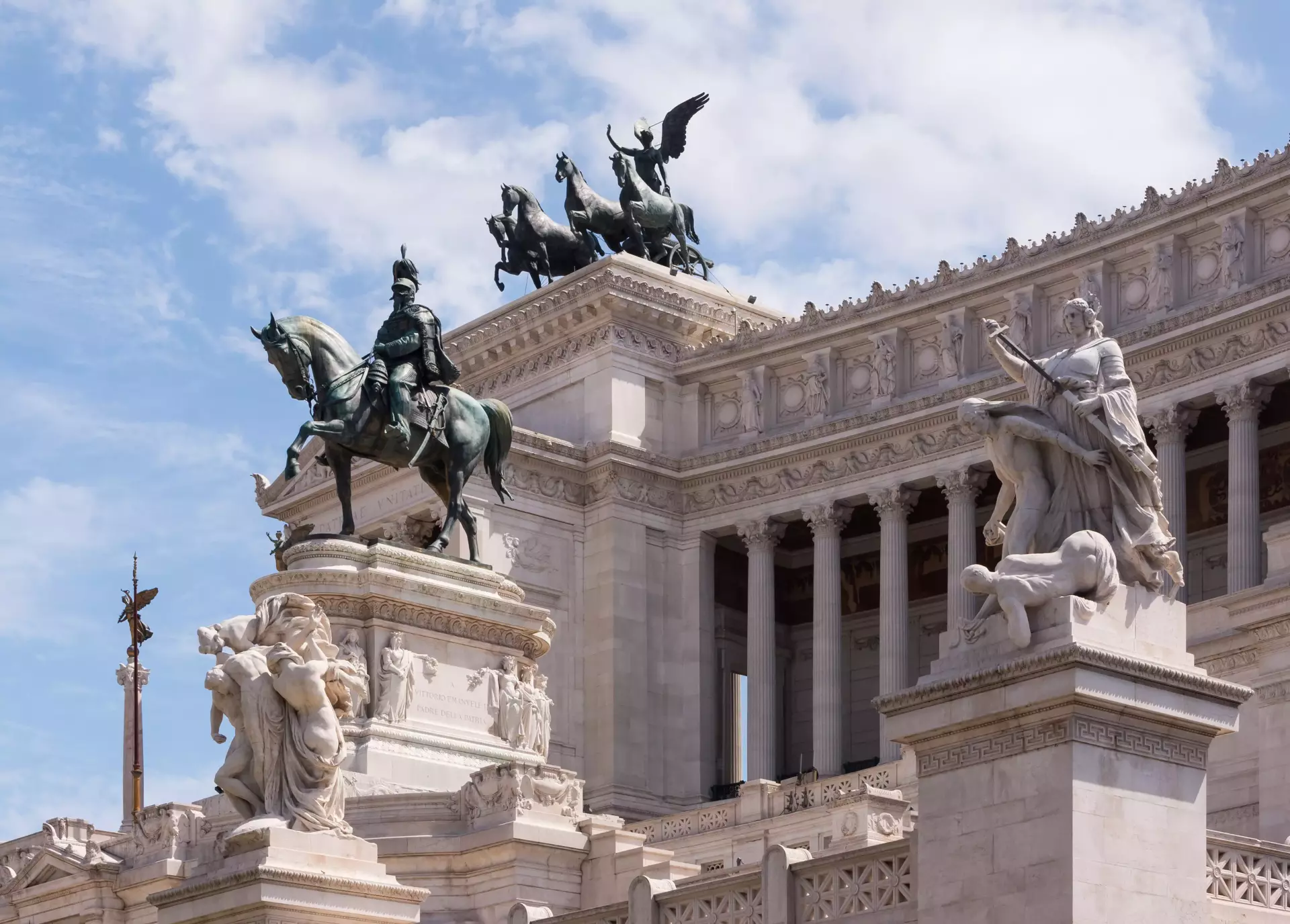
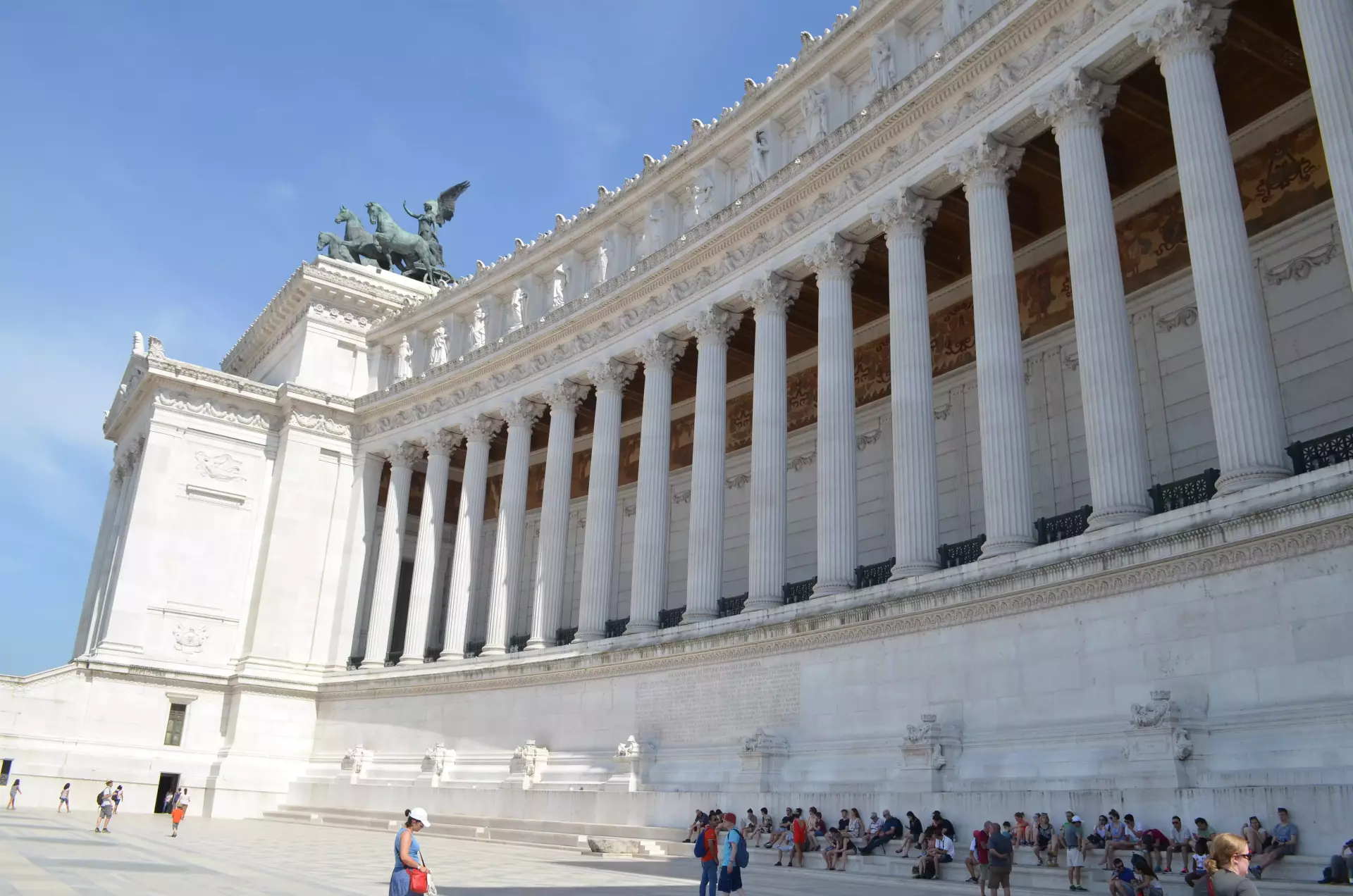
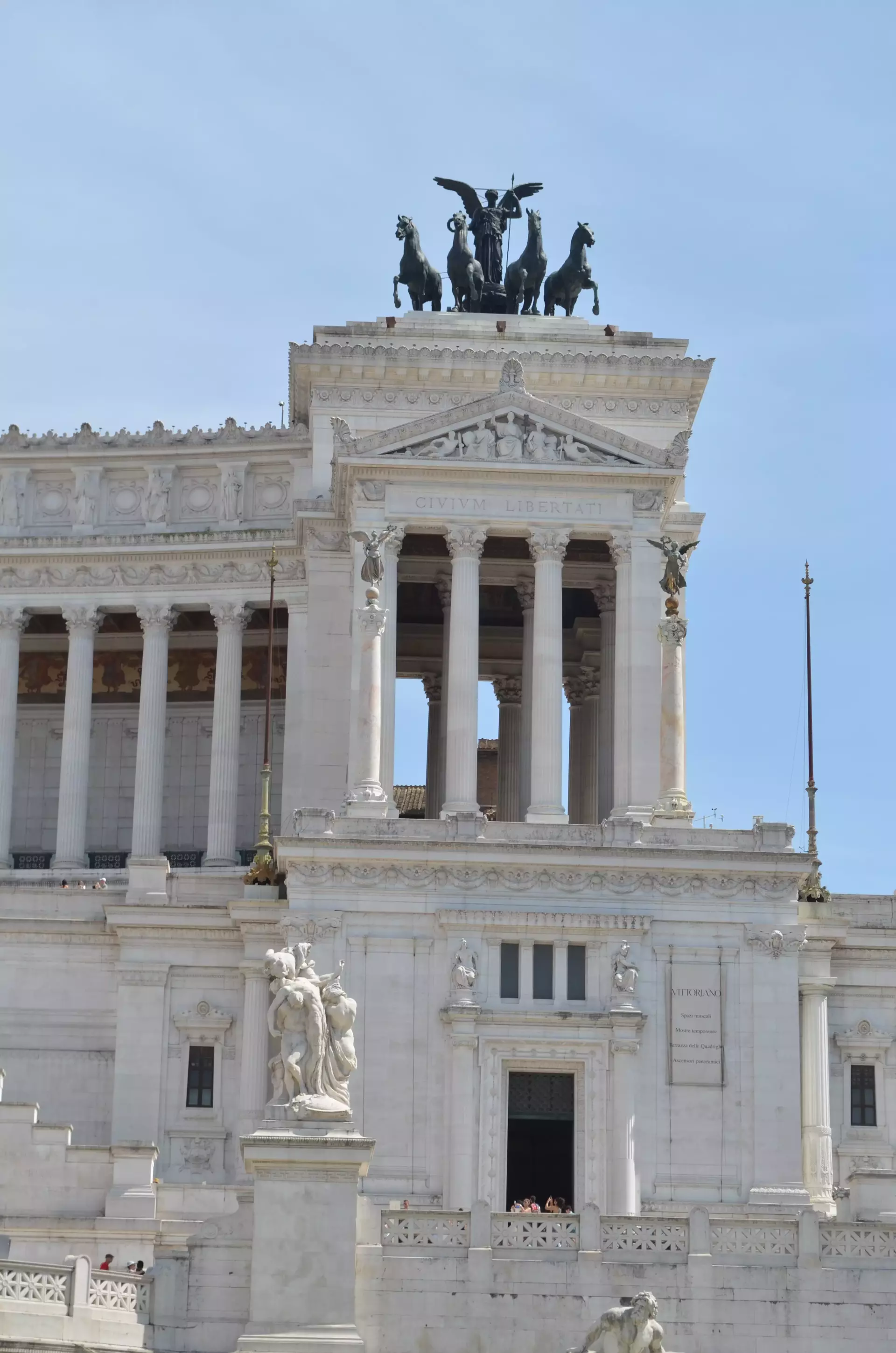
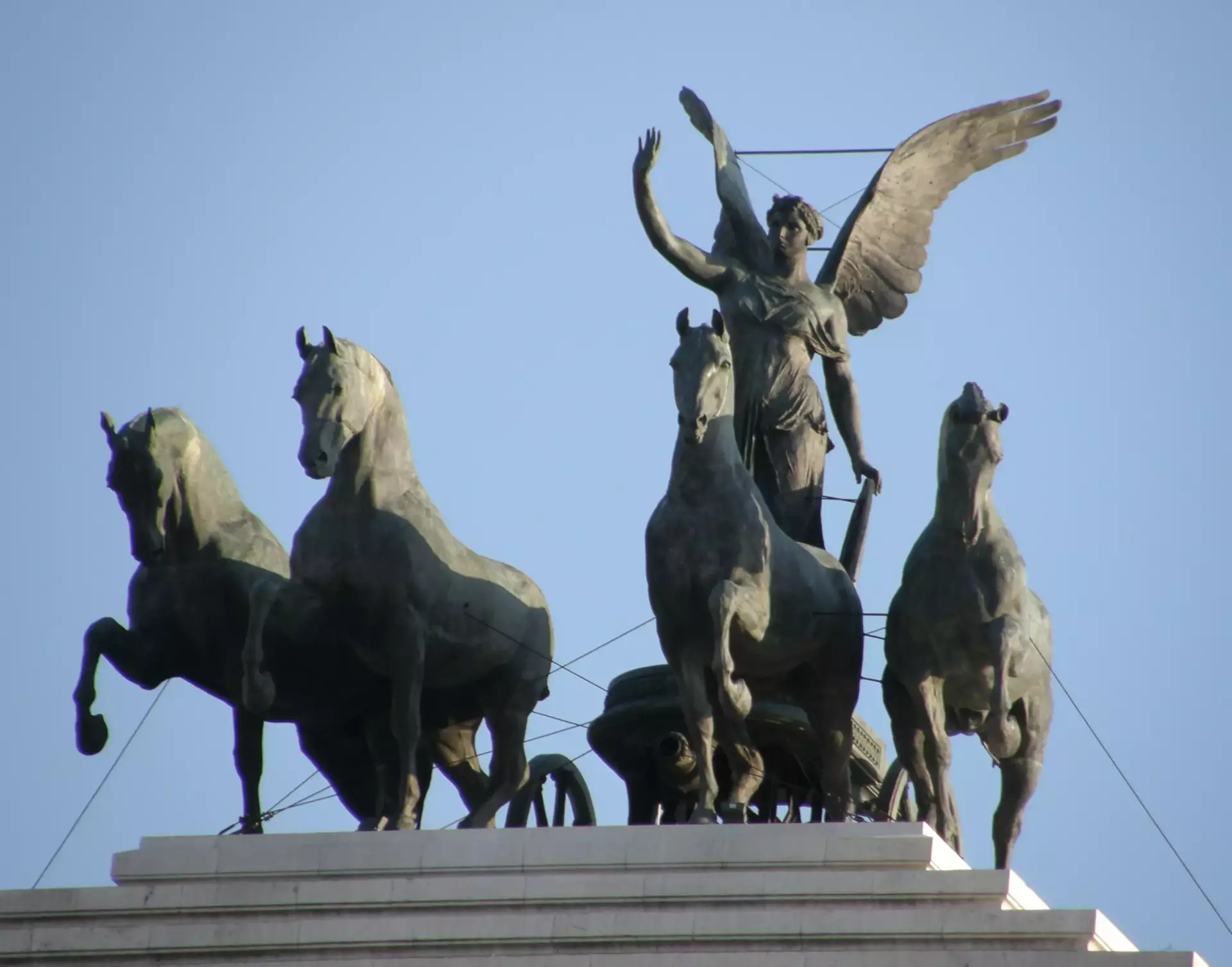
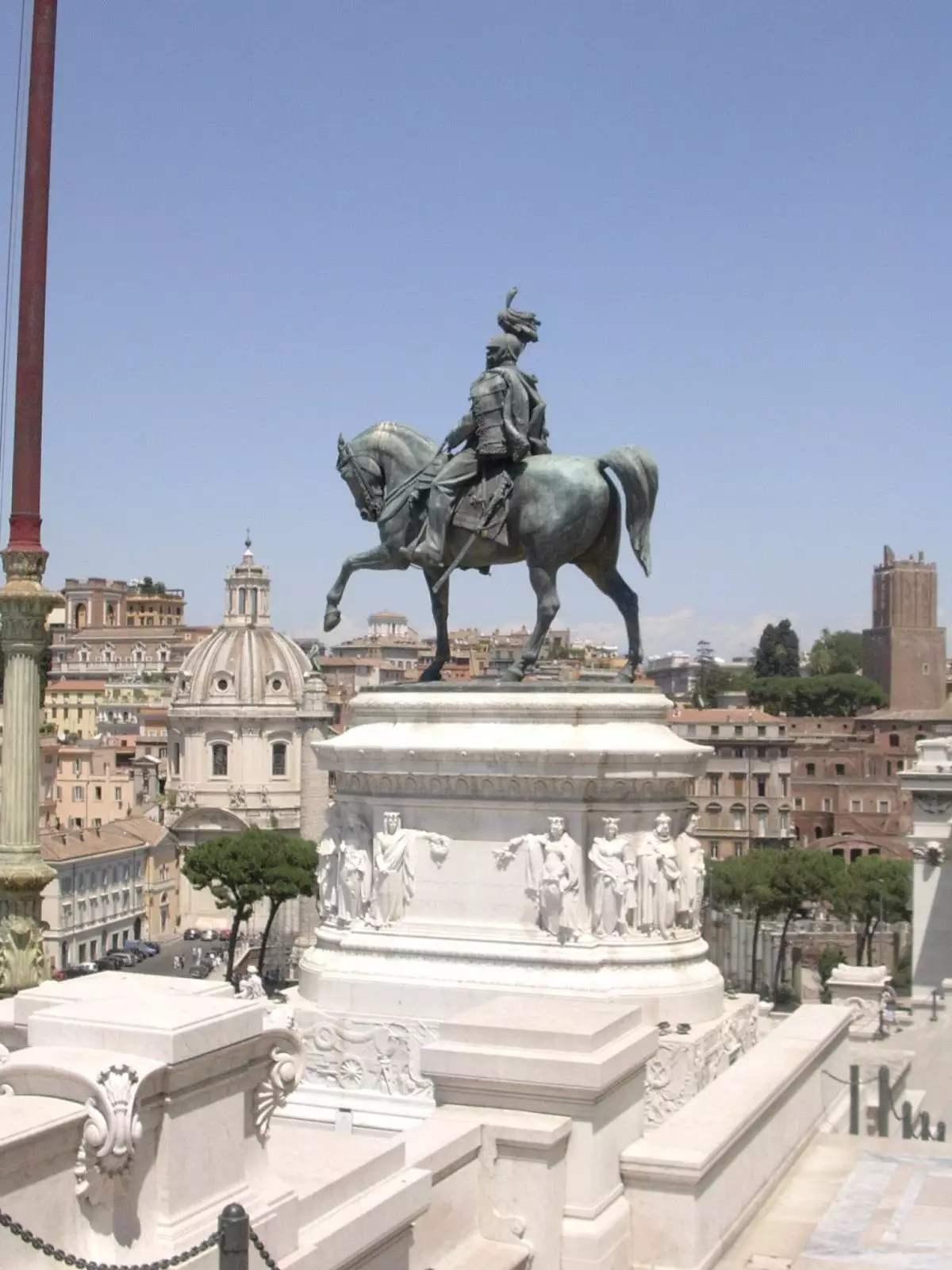
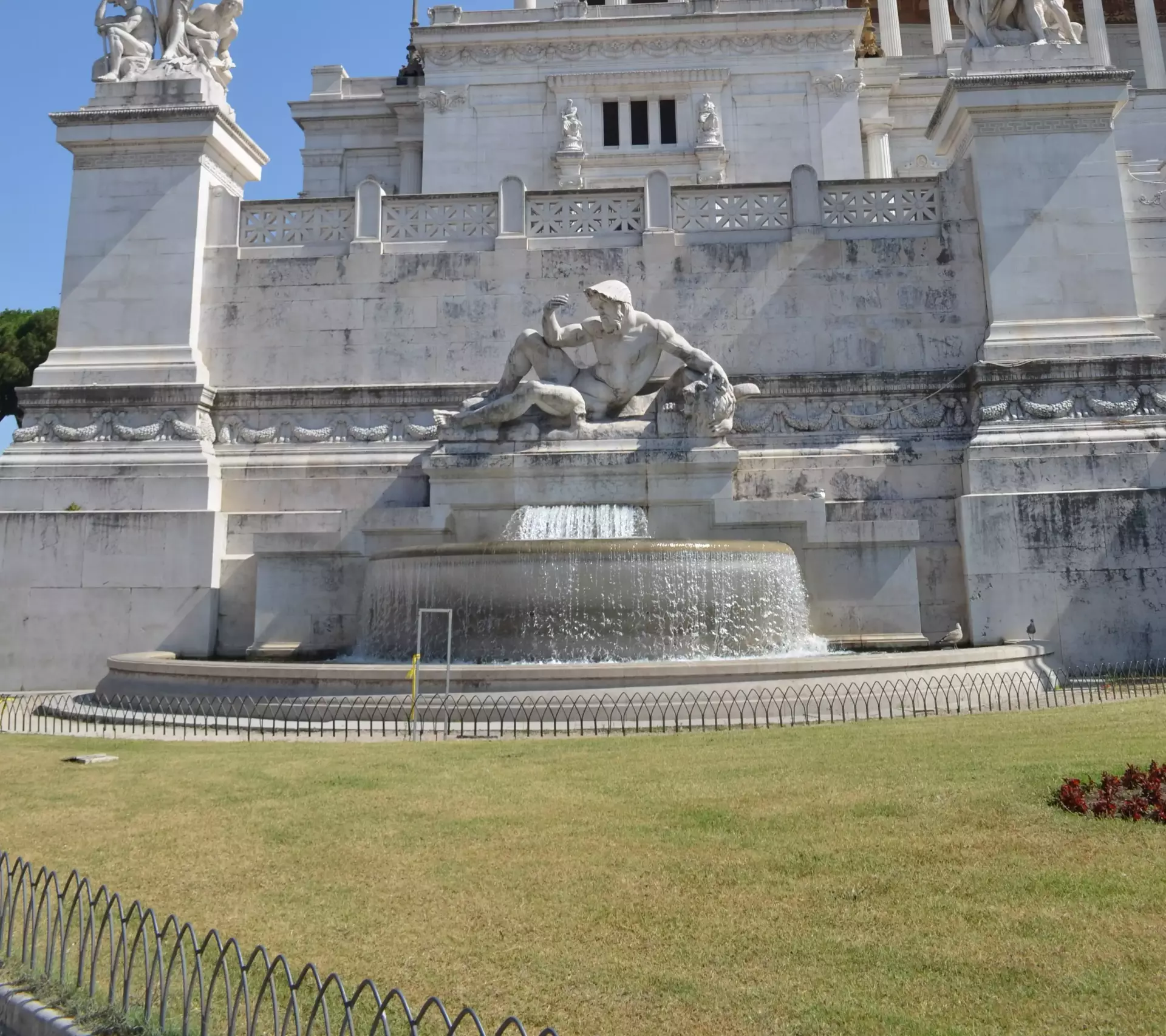
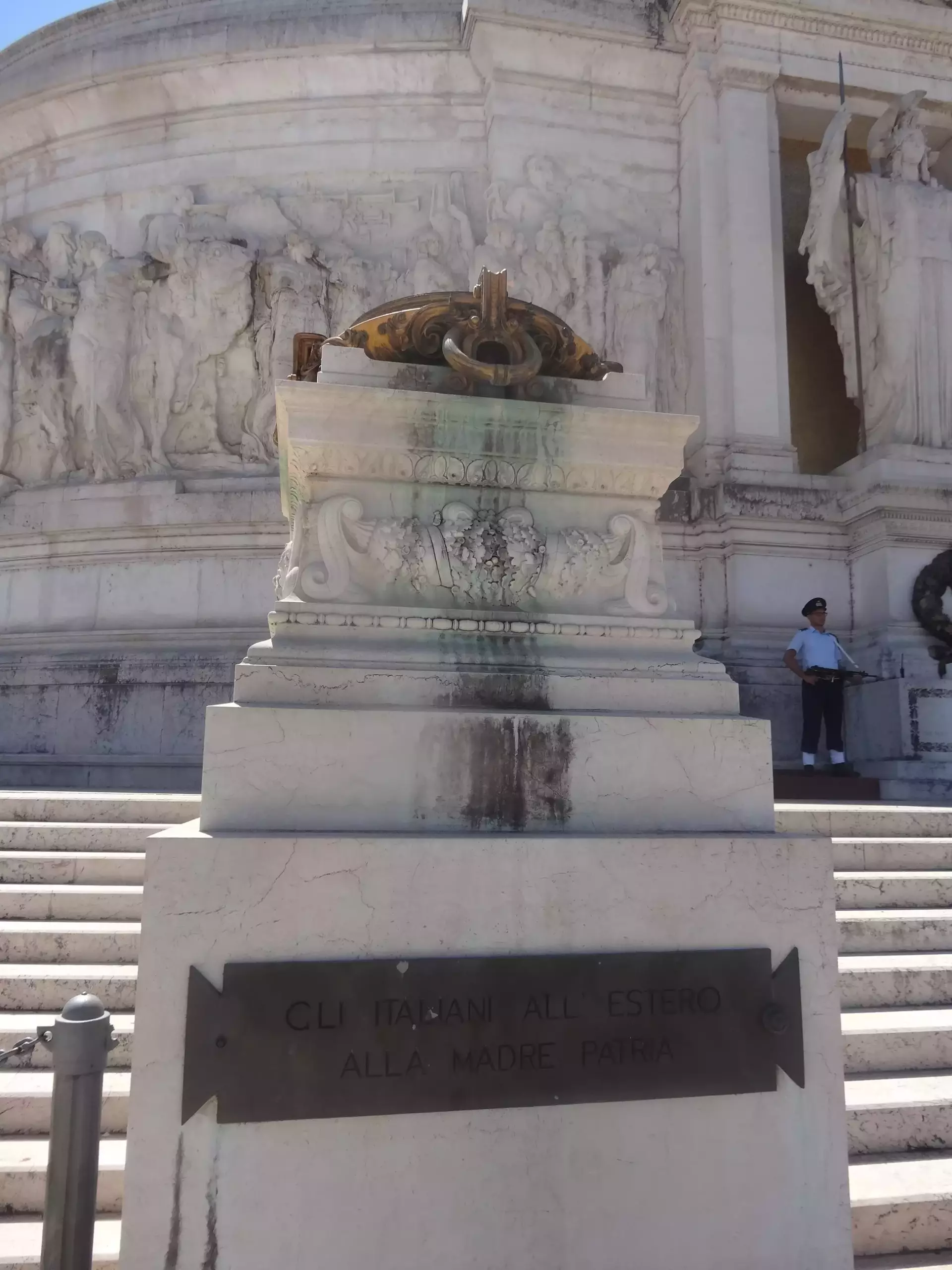
Dominating the heart of Rome with its striking presence, the Altare della Patria stands as a grand tribute to Victor Emmanuel II, the first king of a unified Italy. At first glance, its imposing white marble façade may seem purely monumental, but step inside and you'll discover a wealth of history tucked within its walls.
Beneath its gleaming exterior, the Altare della Patria houses a series of engaging museums. Two permanent exhibitions invite visitors to journey through pivotal moments in Italian history: one chronicles the dramatic story of Italian unification, while the other pays homage to the millions who emigrated from Italy in search of new opportunities. These thoughtful displays offer a deeper appreciation for the struggles and triumphs that have shaped modern Italy.
Wandering through the structure, you’ll pass through the solemn Flag Room—a space that resonates with national pride and remembrance. This path leads to one of the monument’s most poignant sites: the tomb of the unknown soldier, a powerful symbol honoring those who gave their lives for their country.
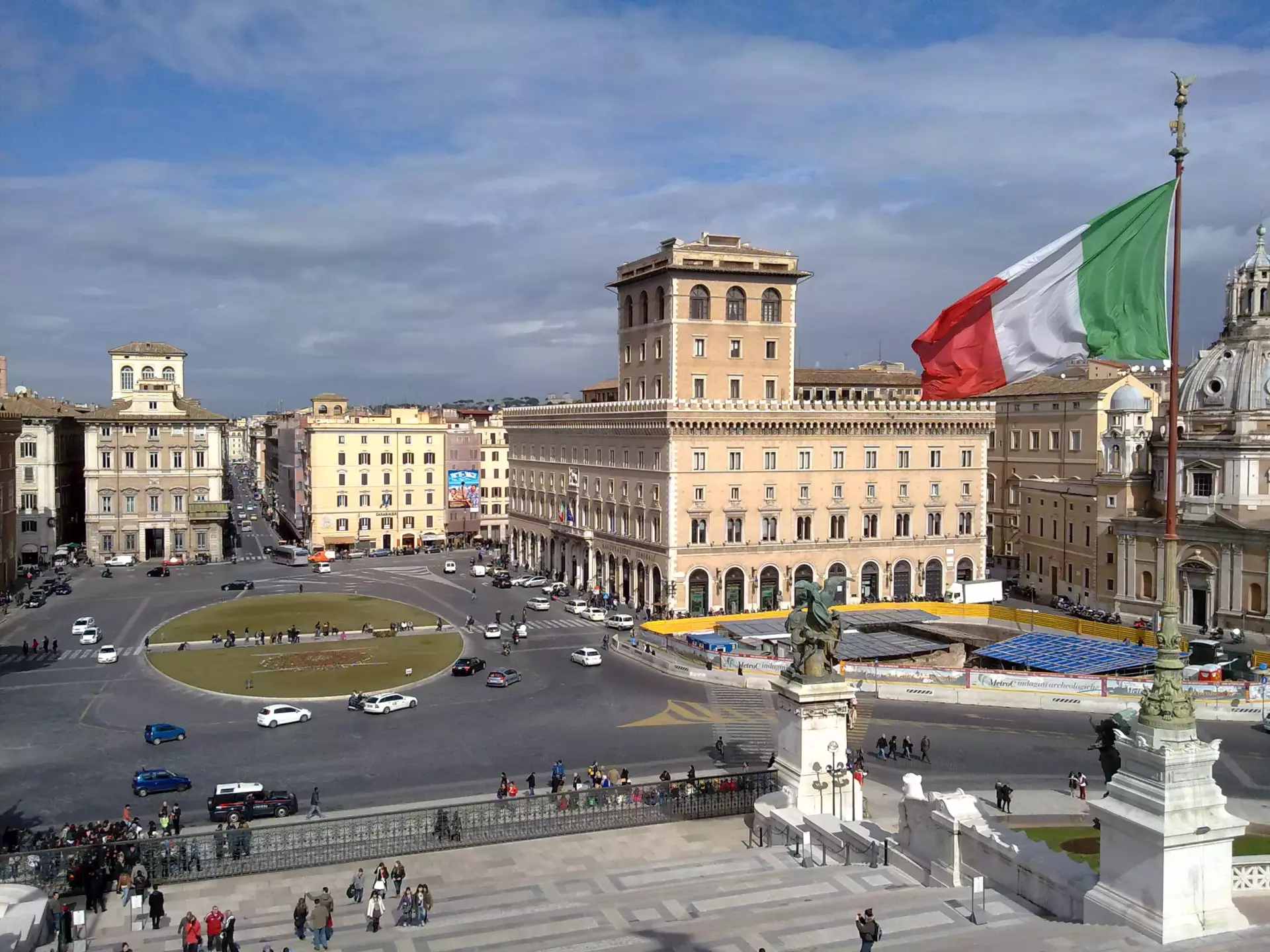
While the Altare della Patria’s historical treasures are reason enough to visit, its panoramic vistas are truly unforgettable. Even from halfway up, visitors are treated to impressive views across the city’s rooftops and ancient landmarks. For those eager to see it all, a glass elevator ride to the very top is available for €10 (or just €2 for concessions), offering a breathtaking, 360-degree perspective of the Eternal City sprawling below.
Whether you’re a history enthusiast or simply searching for the best views in Rome, the Altare della Patria delivers an experience that’s both inspiring and unforgettable.
Source - https://en.wikipedia.org/wiki/Victor_Emmanuel_II_Monument
Built in 141 AD and dedicated to the Empress Faustina; after her husband emperor Antoninus Pius died in 161 AD the temple was rededicated to the couple.
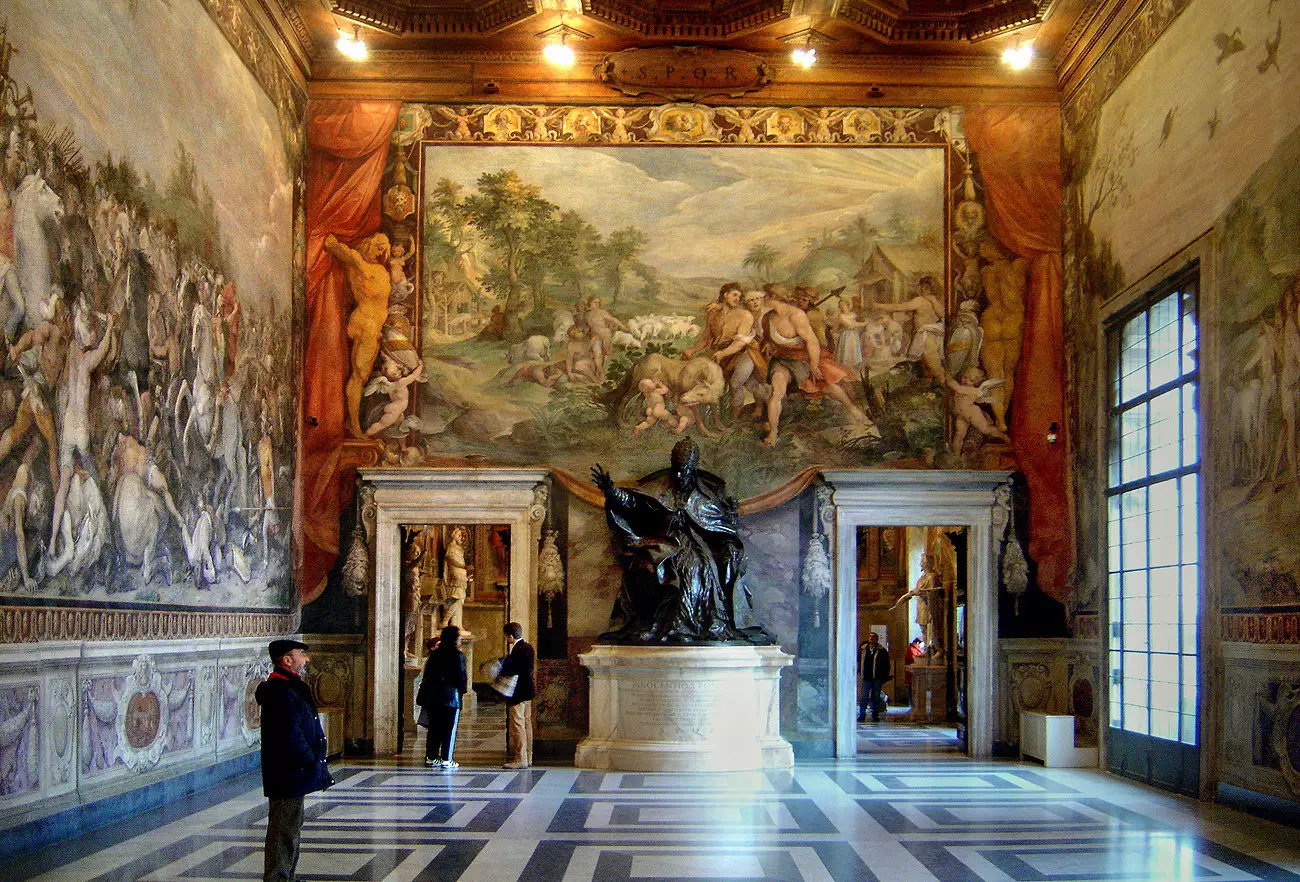
Also based on a Michelangelo architectural plan, this compact gallery is well endowed in classical sculpture and paintings. Highlights include the small 1st-century-BC bronze Lo Spinario, a Greek statue of a little boy picking a thorn from his foot; the Lupa Capitolina (Capitoline Wolf), a rare Etruscan bronze statue probably dating from the 5th century BC; and (in the entrance courtyard), the massive head, hands, foot and kneecap from a colossal statue of Constantine the Great. The palace also contains a Pinacoteca (Picture Gallery) with paintings mainly from the 16th and 17th centuries - highlights include: Caravaggio's Fortune-Teller and his curious John the Baptist; The Holy Family, by Dosso Dossi; Romulus and Remus, by Rubens; and Titian's Baptism of Christ.
This is the attractive park on the hillside directly west of the Colosseum. Visible ruins in the area come from the Baths of Trajan. These baths were built on the top of the ruins of Domus Aurea - the Golden House of Nero (the Colosseum was built on the drained site of Nero's lake). The area underneath the park contains an enormous area from Nero's villa. It was restored at great expense in the 1980s and 1990s, opened to the public, and then closed again after a few years when it began to leak!
According to the legendary passio, two brothers, John and Paul, who were officials at the imperial court, suffered martyrdom in 362 in their home on the Caelian hill, during the reign of emperor Flavius Claudius Julianus. This basilica dedicated to these two Roman officers was erected starting from 398 and was used first as a domus ecclesiae by the Christian community.
Church built on the site of three Roman pagan temples, which can be explored underground for a small fee paid at a desk near the church entrance.
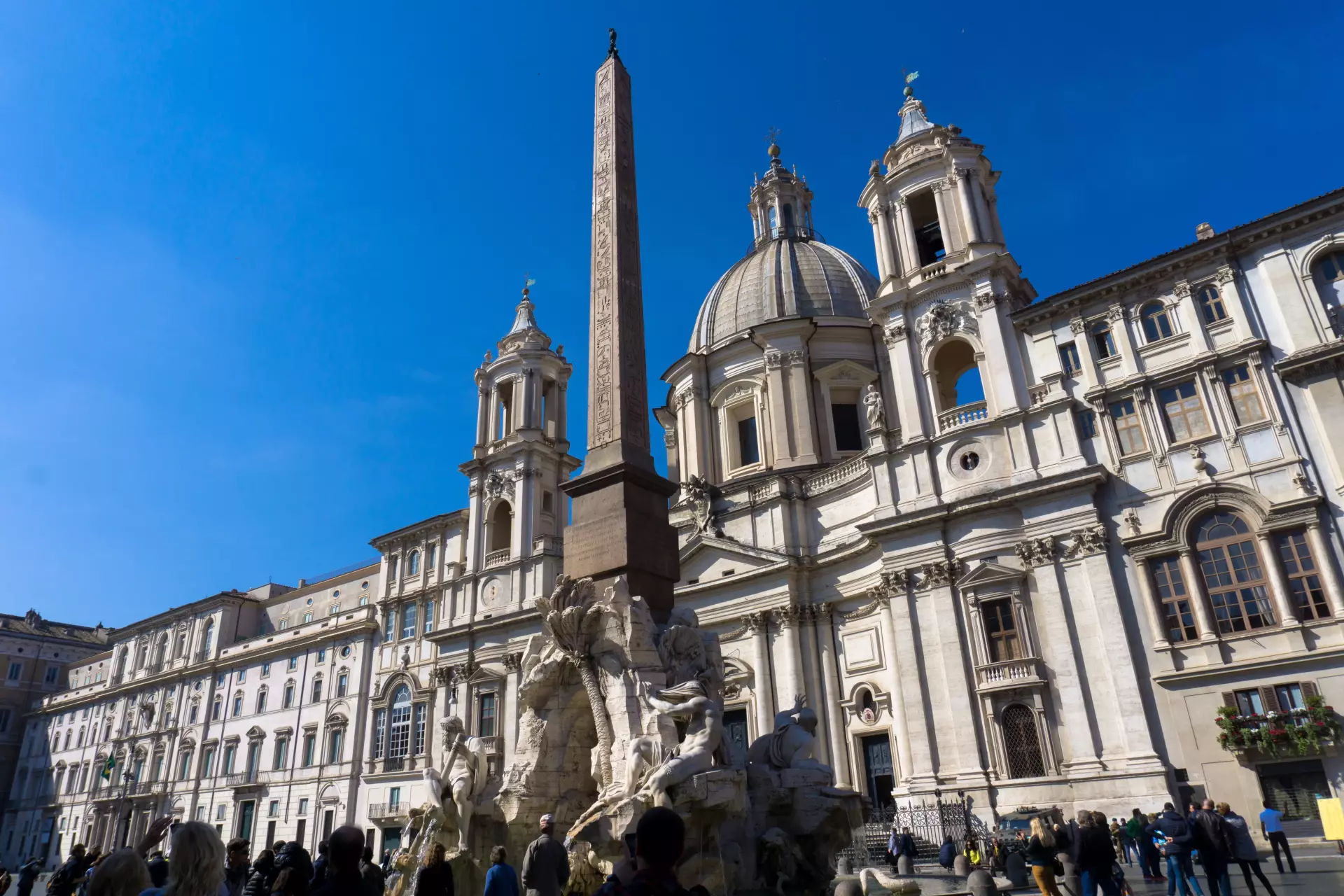
By Bernini, in the very centre of Piazza Navona. Incorporates an Egyptian obelisk and symbolises four of the world's great rivers (the Ganges, the Nile, the Danube and the Plata), representing the four continents known at the time.
This well-preserved Roman circus was built at the beginning of the fourth century. It was part of an imperial villa built by Maxentius and the complex also contains the Mausoleum of his son, Romolo.
A very ancient church named after a saint who was in 1969 removed from the Roman Catholic calendar of saints for the lack of details of her life. But the church retains the name and is well worth visiting for an excellent 4th-century mosaic and attractive decorations on the facade. Visiting hours are short, but if you arrive close to 11:30, try talking to the attendant if you see him, and he might let you visit for a few minutes. The church is small, so 15 minutes should be long enough to see and absorb everything.
Erected in 203. You can see it close up from Via della Curia also (without entering the Forum).
A strange building, constructed by Reginald Pole, an English cardinal and later Archbishop of Canterbury, allegedly on the spot where he was able to escape from assassins sent by the English King Henry VIII.
A 19th-century addition to the square, made to balance the Fontana del Moro.
This church can be an interesting deviation if you are passing through its neighbourhood. It is believed to be the grave of the Saints Ciro and Giovanni, killed during the time of the Emperor Diocletian. The original name was Abba Cyrus and through Appaciro and then Appacero it finally became Pacera, very close to today's Passera. The building is on top of a 3rd century building still visible in the lower floor and in the underground. The main part of the building dates back to the 9th century as do the frescoes on the higher floor. Some of the frescoes have been restored. Downstairs there is a small quadrangular room and the underground, where the remains of the two Saints are supposed to be. There are still visible 3rd century traces of Roman frescoes; in front of the stair you can enjoy a small bird, the Justice, and an athlete while in the vault some eight apex stars. Bus 128,780,781,775 (first stop in Via della Magliana).
An ethnographic collection of around 60,000 pieces from European indigenous cultures. Documents evolution from the Palaeolithic age to the Iron Age.
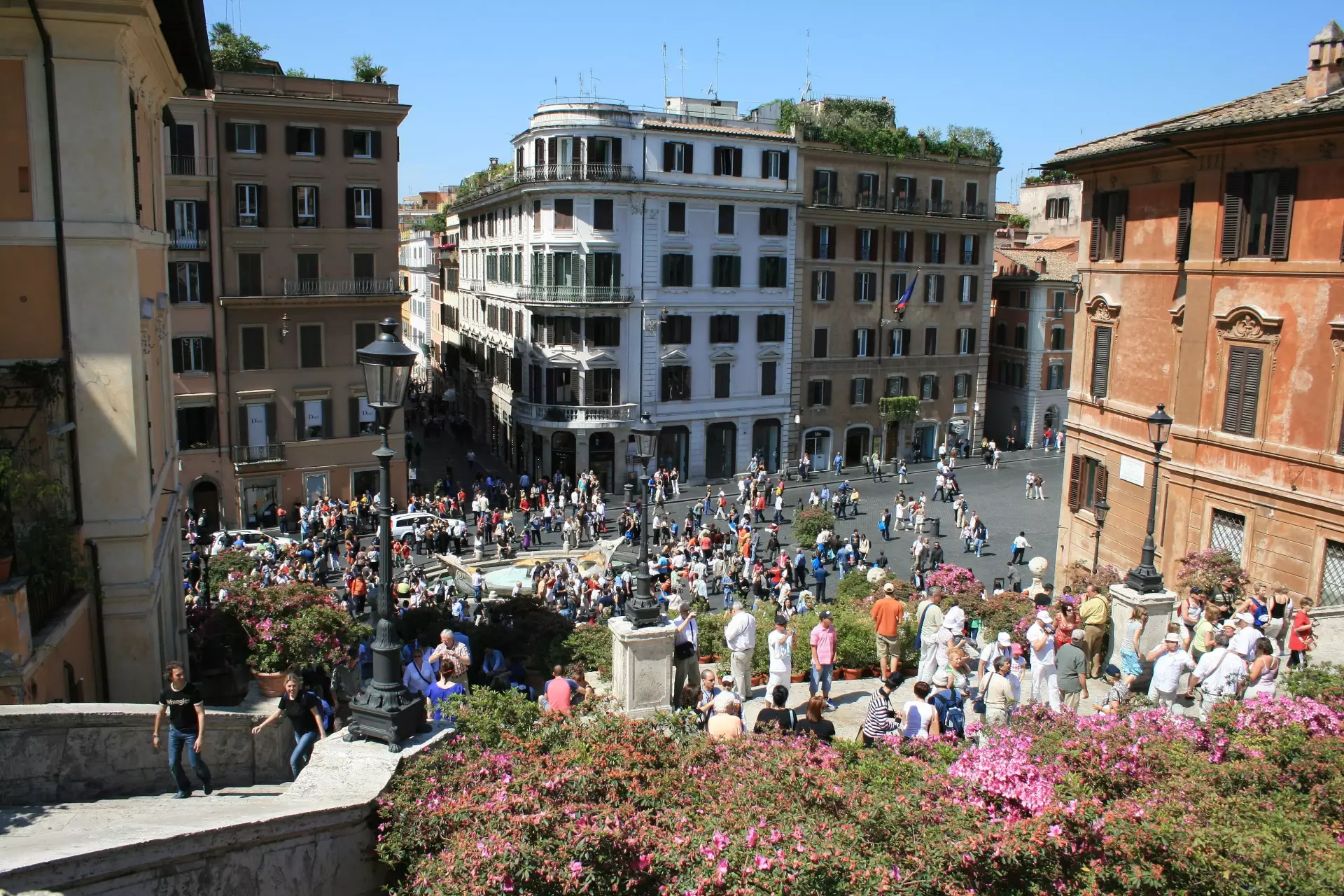
Baroque church more noted for its position at the top of the Spanish Steps than it is for the church. Backdrop for numerous movies including Audrey Hepburn and Gregory Peck in Roman Holiday.
Ballroom-like church which crowns part of the Capitoline Hill. Don't be fooled by the plain stone exterior.