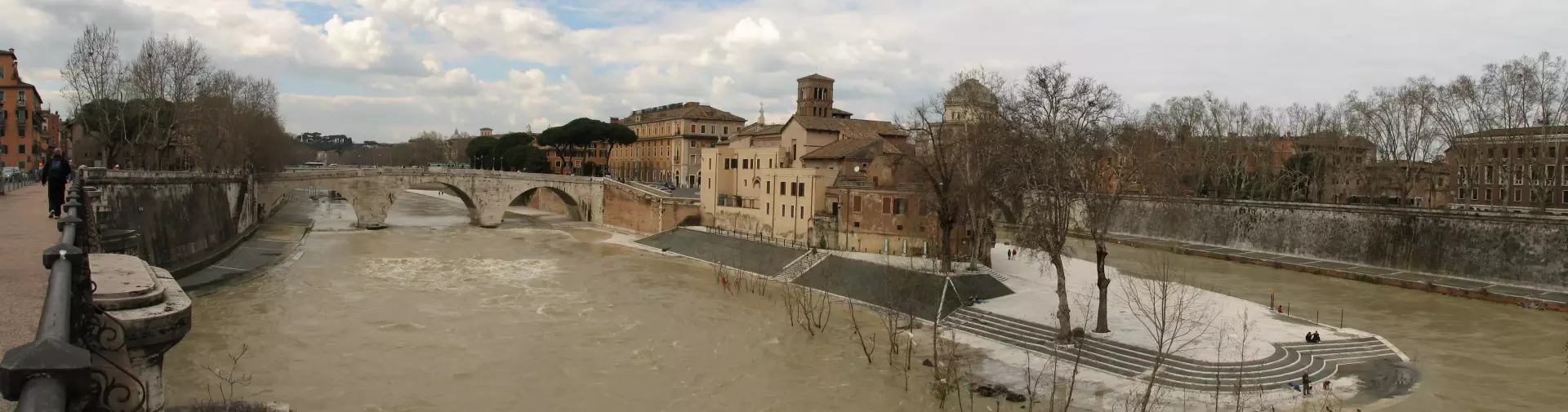
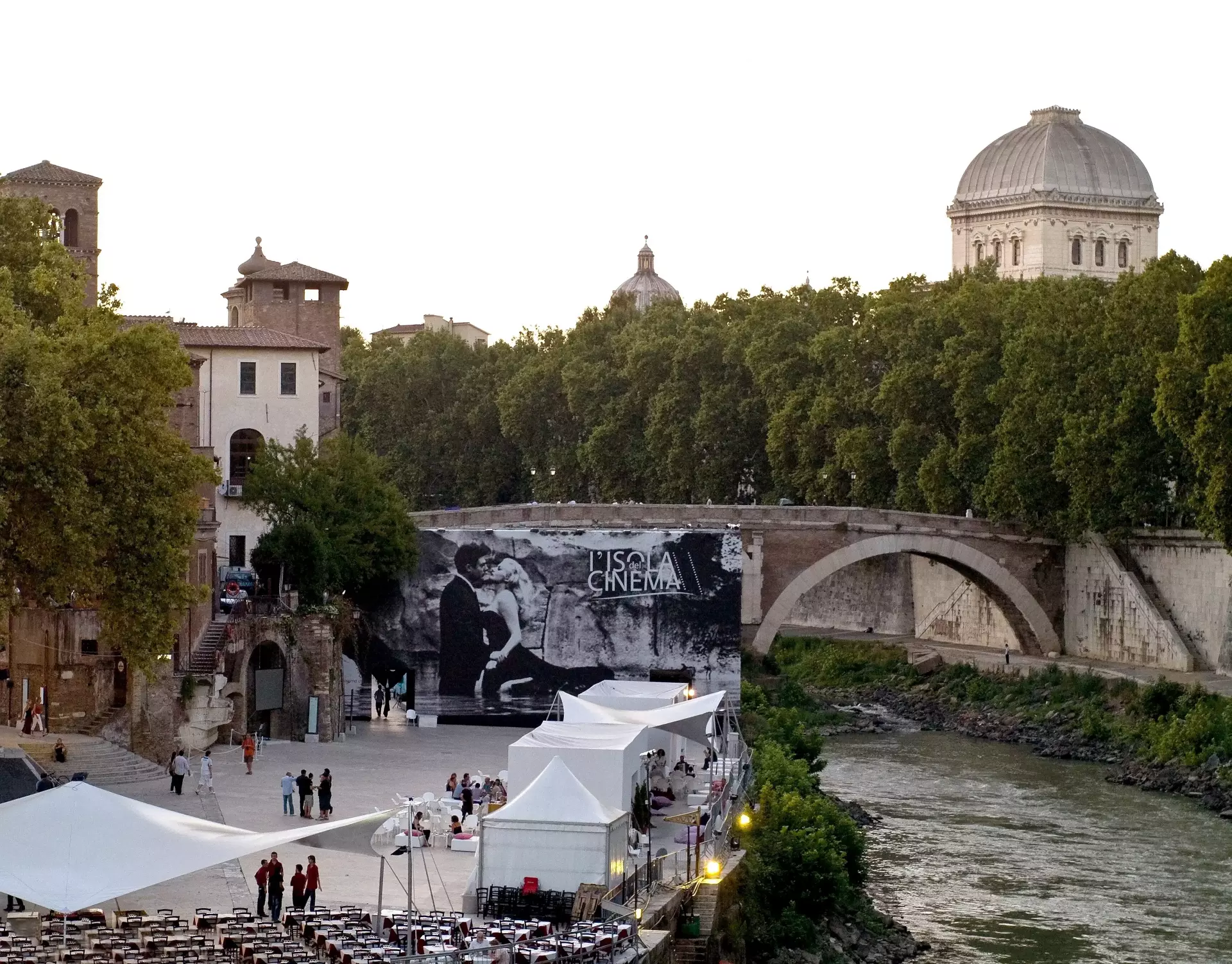
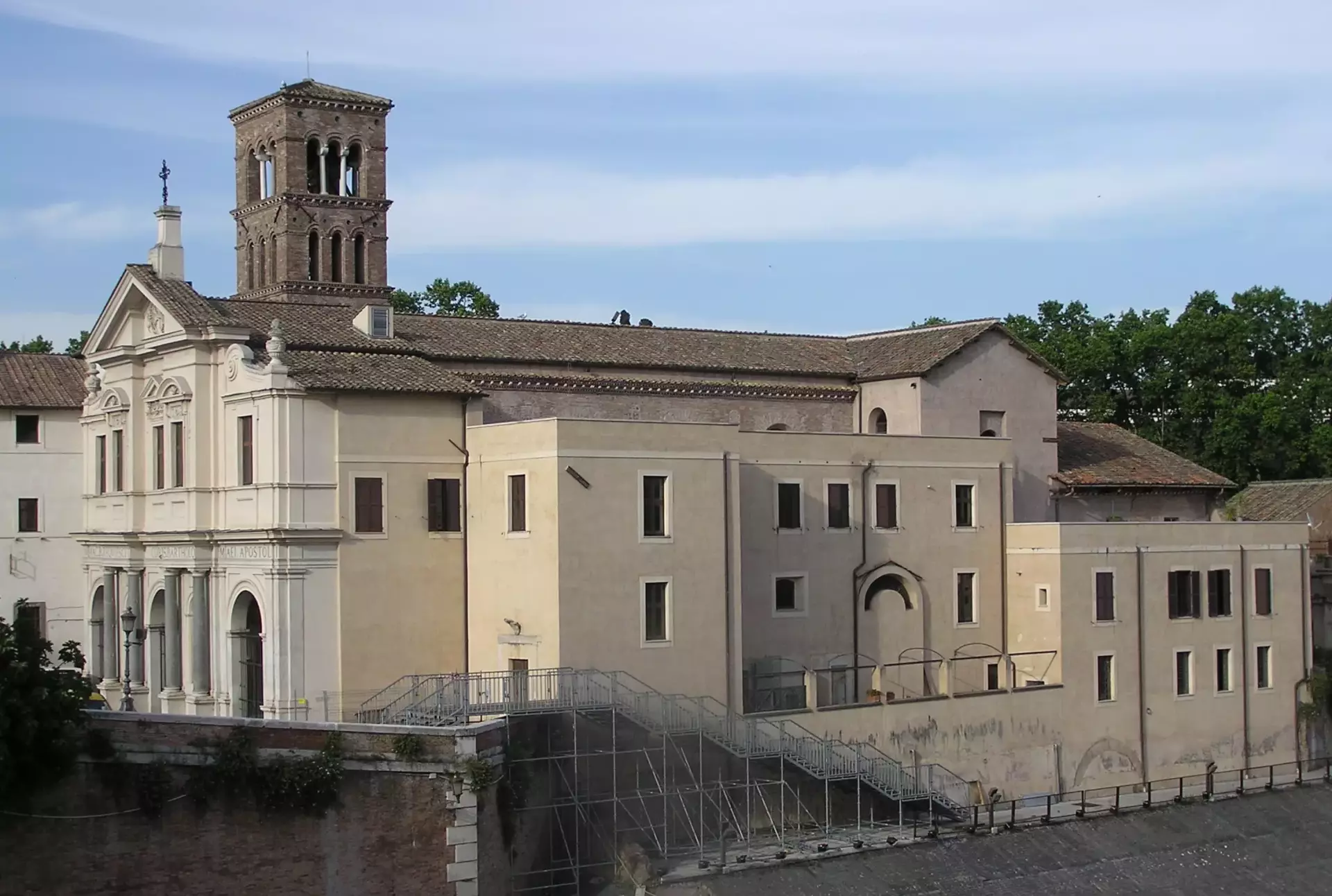
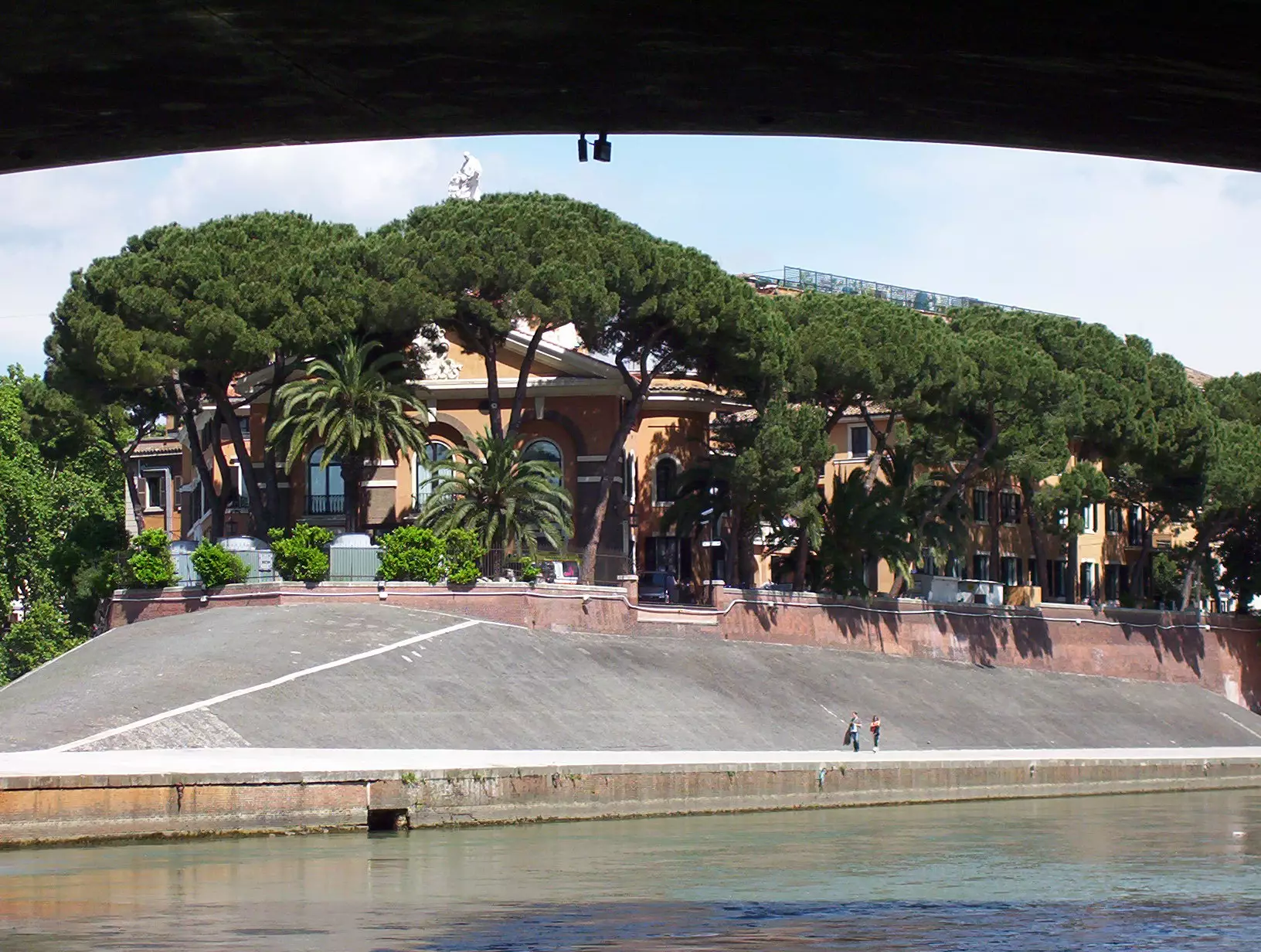
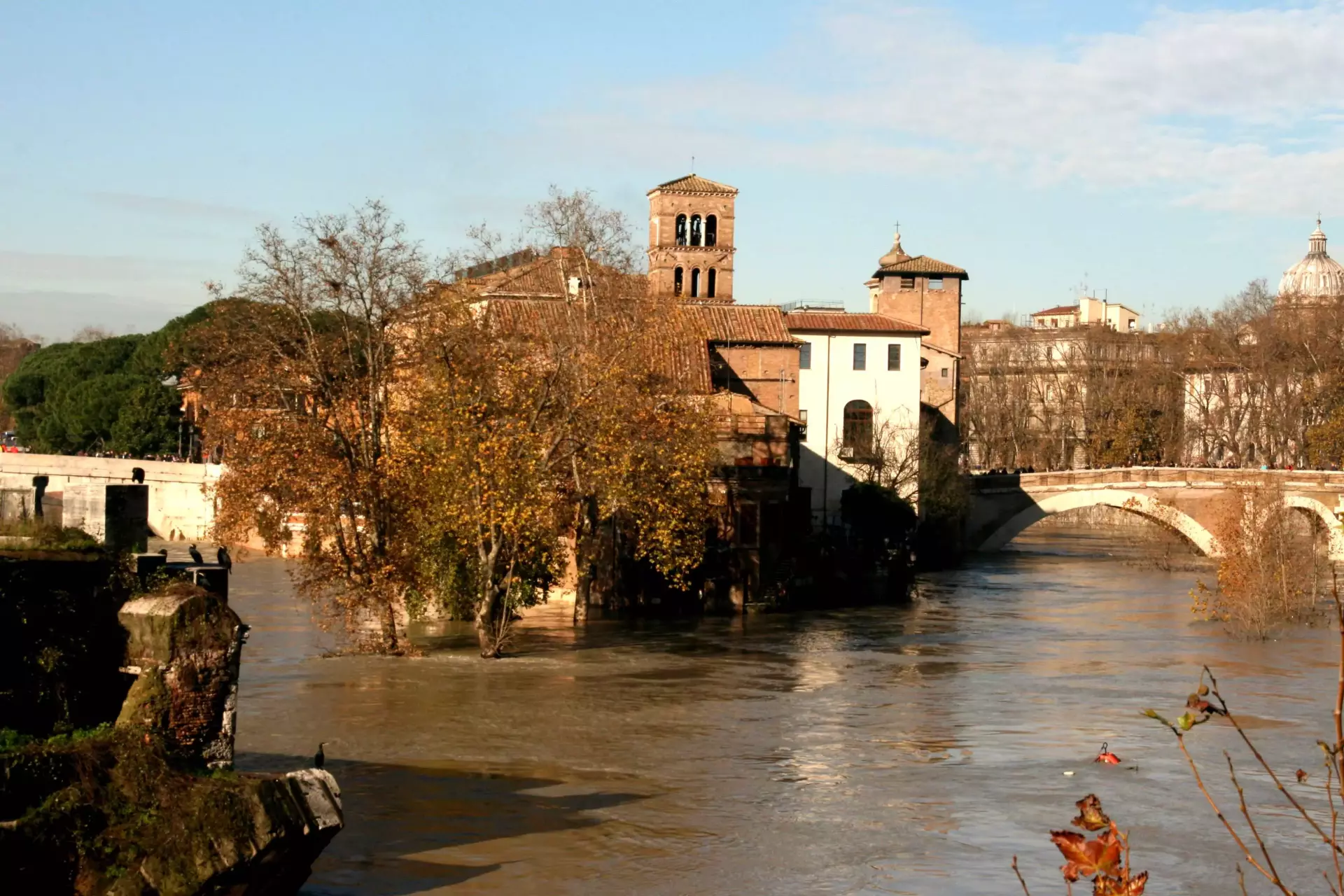
In the center of the Tiber River, between central Rome and Trastevere, lies a unique island. This peaceful spot, known as Tiber Island, connects two lively parts of the city and stands out with its special size—270 meters long and up to 67 meters wide. The island is not only a passageway, but also full of fascinating history and places to discover.
Tiber Island is home to the Fatebenefratelli Hospital, one of Rome’s major medical centers. Alongside its modern role, the island holds a quiet secret from the Second World War: a small synagogue that was hidden from public view. When the main synagogue of Rome had to close, this smaller place offered a safe haven for worship.
Today, visitors will also find a cozy café and a gelateria on the side facing Rome. The island is a pleasant route for those walking between the historic city center and the charming Trastevere district.
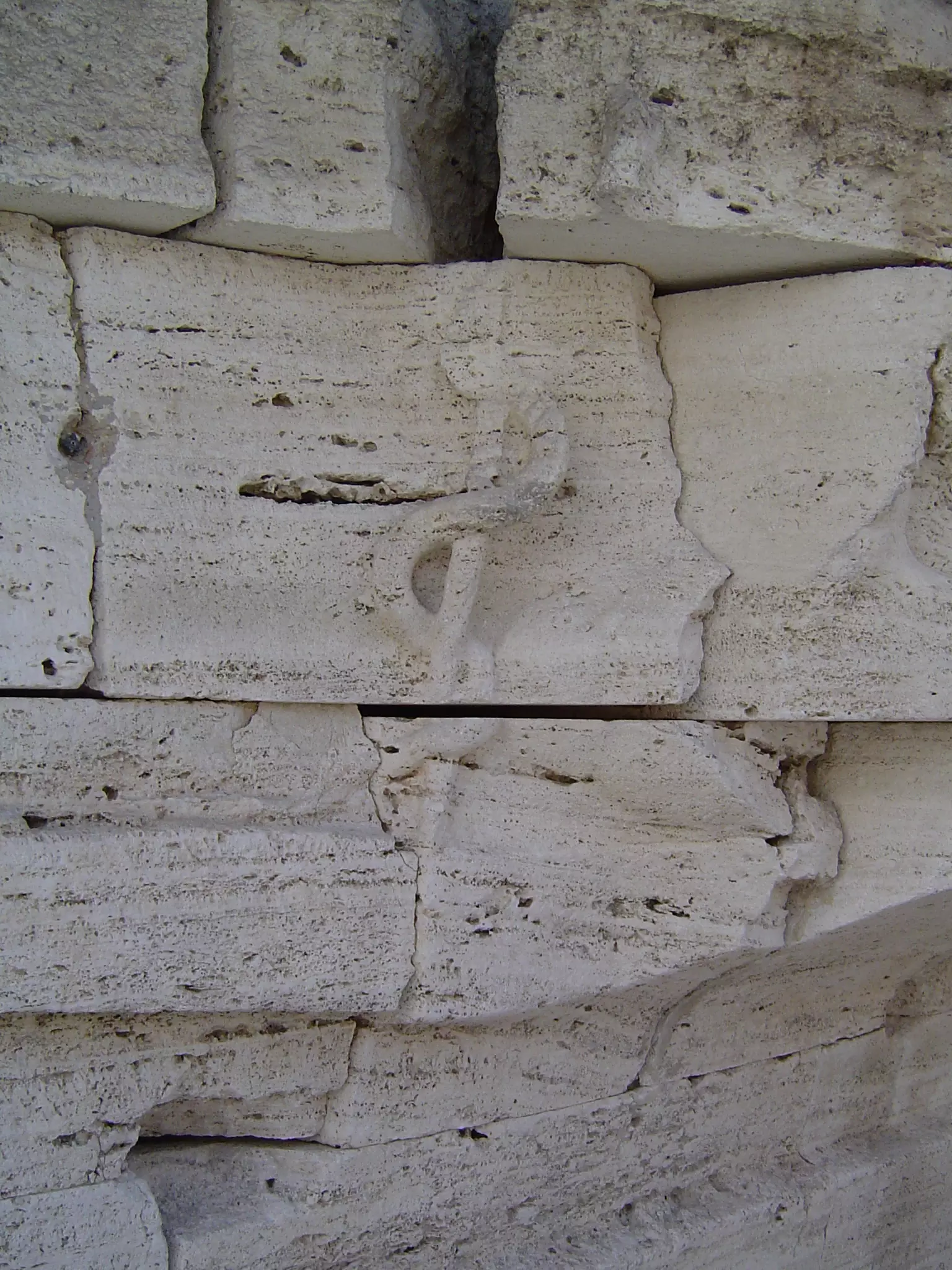
Legends have long surrounded Tiber Island. In 291 BC, as the story goes, envoys traveled all the way to Epidauros in Greece to visit the temple of Asklepius, the god of healing, seeking help during an epidemic in Rome. When they returned, they brought back one of the sacred snakes, a symbol of the god. The snake is said to have swum to Tiber Island, marking the spot where a temple for Asklepius was then built.
This ancient sanctuary was eventually replaced by the Church of San Bartolomeo, built by Emperor Otto III around the year 1000. The church stands as a reminder of the island’s long spiritual history.
The bridges connecting Tiber Island to the city have stories of their own. The remains of the Ponte Rotto, once known as the Pons Aemilius, can still be seen nearby. Built around 180 BC, it was the oldest stone bridge over the Tiber, but suffered damage in a major flood in 1557 and was finally demolished in the late 16th century. Another bridge, the Ponte Fabricio, was erected in 62 BC, replacing an older wooden footbridge and still stands today, guiding travelers across the river.
From the Ponte Garibaldi, the views of Tiber Island are especially beautiful, offering a perfect spot for photographs and a closer look at this remarkable landmark in Rome.
Source - https://en.wikipedia.org/wiki/Tiber_Island
The Servian Wall was the first wall around Rome, built around the 3rd century BC. This well-preserved section provides a good opportunity to observe the construction methods of that time, particularly the use of tufa rock blocks
Not, as commonly believed, named after the country but after the city of Strasbourg (Argentoratum in Latin), from which came a courtesan of Pope Alexander VI who lived nearby. Four Roman Republican-era temples, Pompey's theater and a Roman public toilet ("Latrina") have been excavated. The Pompey Theater is the site where Julius Caesar was stabbed to death by senators in 44 BC. The largo is also home to a large number of cats which are tended by the local animal rights organization - purportedly a jab at Mussolini who excavated the area and is said to have hated cats. As of September 2024 no cats could be seen at least from the street.
Regular shows plus an excellent astronomical museum.
Beautiful park, the 2nd largest in Rome (after Villa Doria Pamphili) at 450 acres/182 hectares. Hosts concerts on summer evenings. former summer residence of Italian monarchs. Also known for it's bunker.
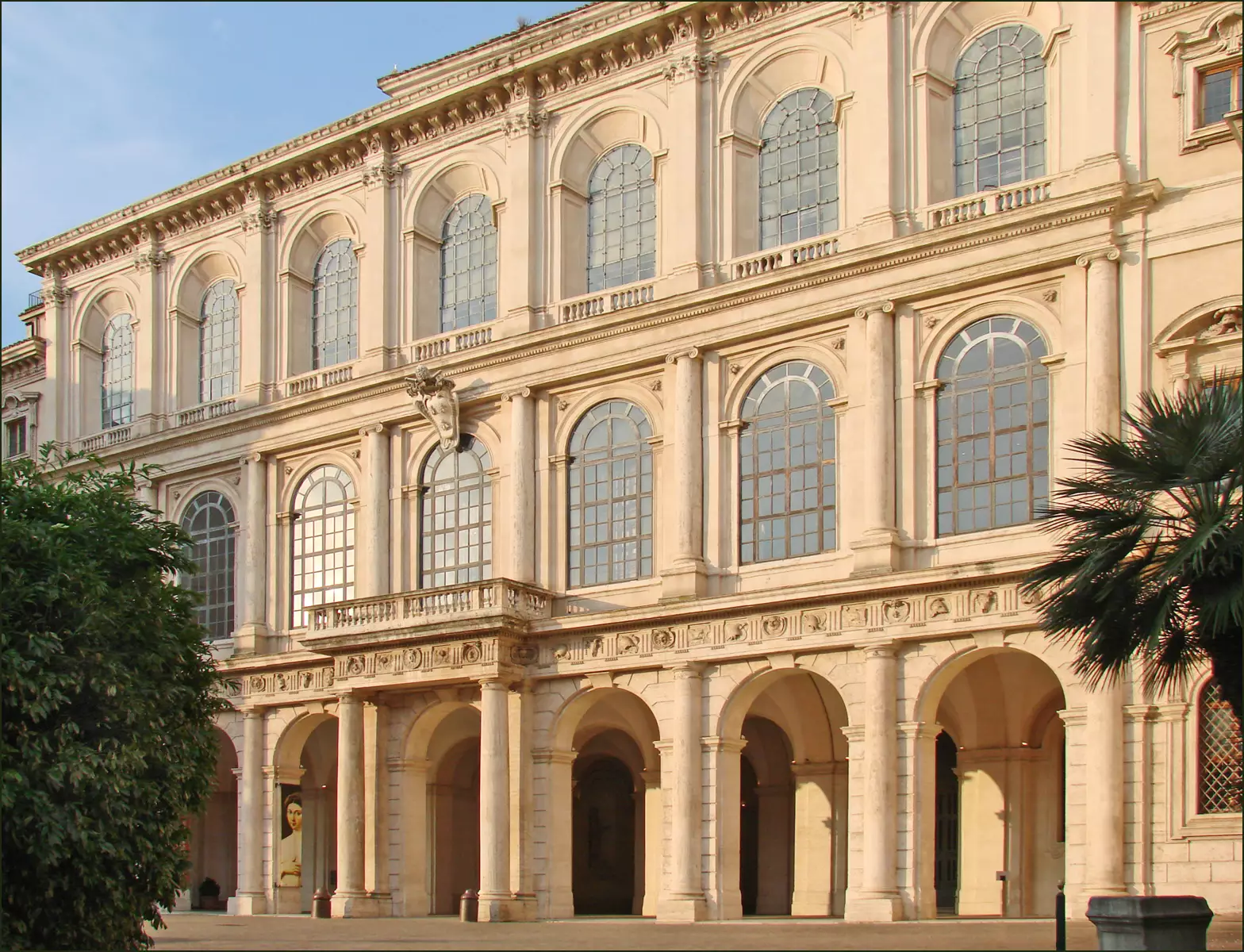
The palace was built by the architect Baldassare Peruzzi on behalf of the Massimo family. The former palace was destroyed during the pillage of Rome in 1527. The Massimo family can be traced back to Quintus Fabius Maximus who defeated Hannibal in the 3rd century BC. The building is open to the public on March 16, only in order to commemorate the miraculous reanimation of Paolo Massimo by St. Philip Neri in 1538.
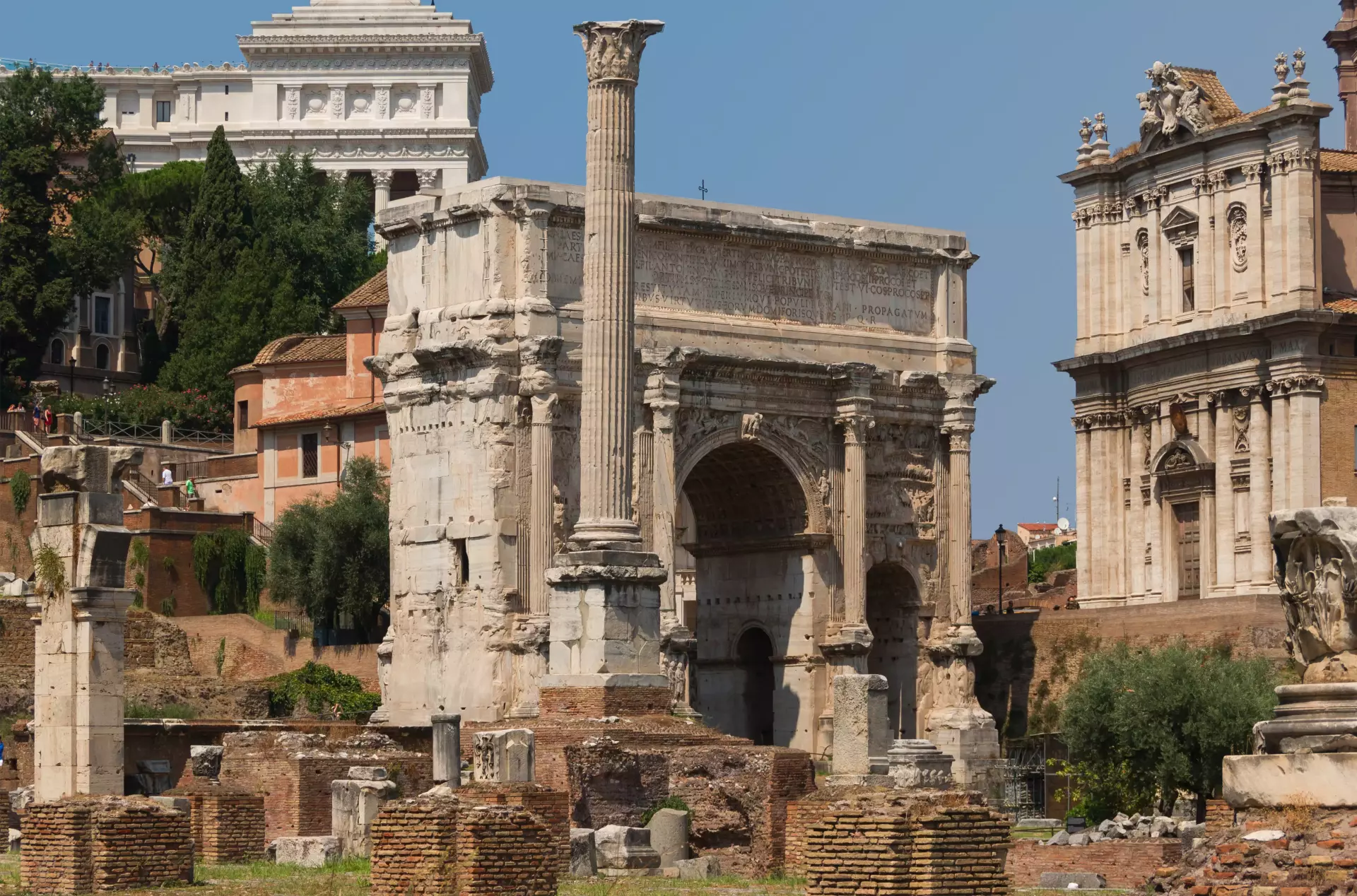
Located a short walk west of the Colosseum, this well-preserved monumental arch was erected (soon after 315) to commemorate the victory of Constantine, the first Christian emperor, over his rival Maxentius at the Battle of the Milvian Bridge in 312. In general design, the Arch of Constantine imitates the century-earlier Arch of Septimius Severus (nearby in the Forum). The three arches are decorated utilizing mainly materials plundered from other imperial monuments by Trajan, Hadrian and Marcus Aurelius. The quality of its sculptural decoration, however, betrays the slow degradation that Classical Roman sculpture had experienced in the 3rd century AD.
Like Pasquino, the Facchino is one the so-called "speaking figures" which are peculiar to Rome. He is looking out of the Banco di Roma building. The man depicted is holding a barrel in his hands and is carrying water. It is sometimes said that he is looking similar to Martin Luther, but more probably a porter who died while carrying a barrel is depicted here.
The temple of the Emperor Hadrian was consecrated in 145 AD by Emperor Antoninus Pius. The remains of the antique temple were incorporated into a new building that served as the Papal Customs House. It was finished around 1690 and today accommodates the Stock Exchange (Borsa).
Contains the tomb of Pope Hadrian IV, the last non-Italian pope before Pope John Paul I.
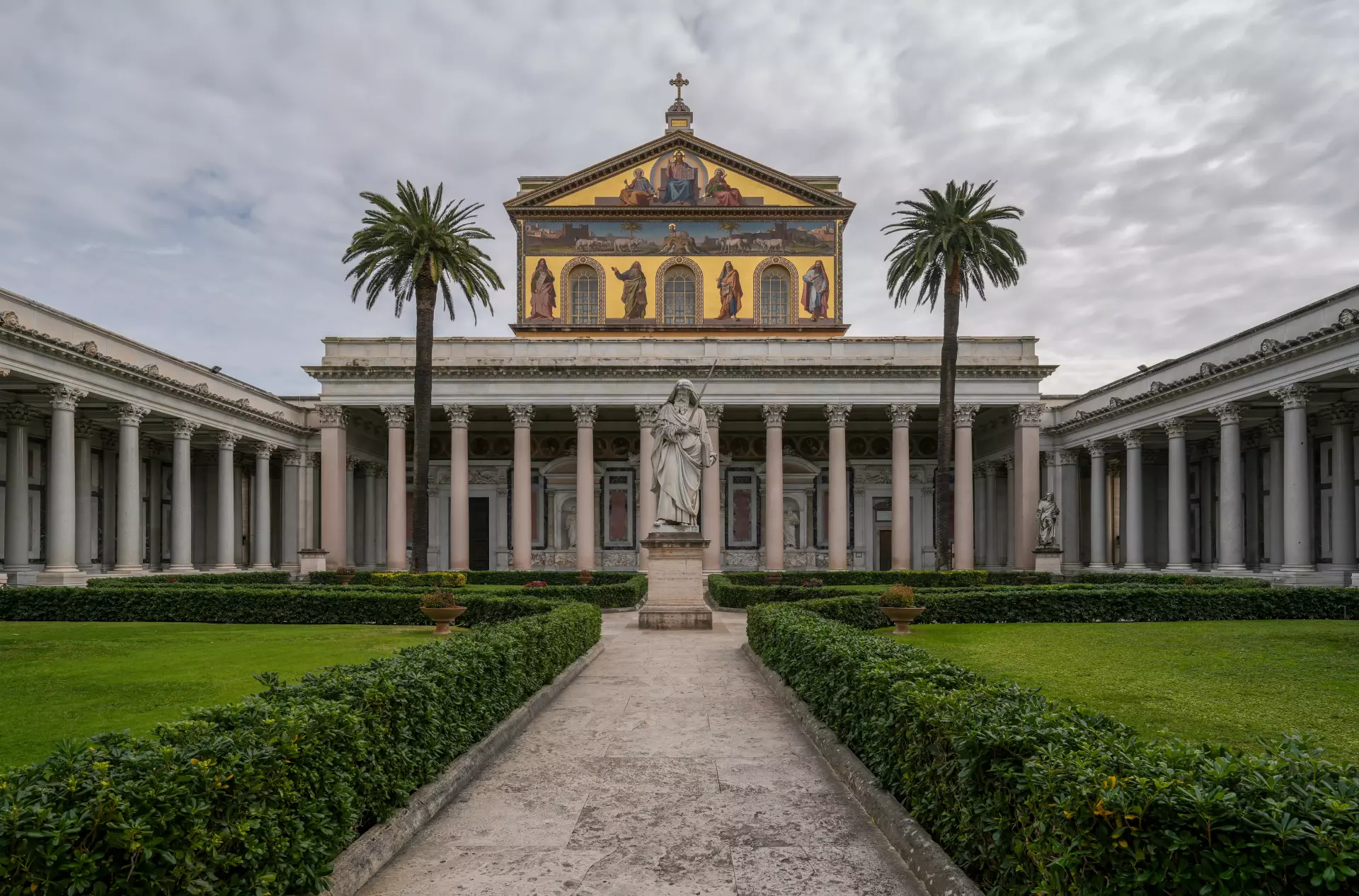
Home of the Abbot Primate of the Benedictine Confederation and Benedictine monks studying in Rome. Visit the monastic produce shop and listen to the best Gregorian chant in Rome during Vespers (19:15 each evening).
The contours of the ancient stadium, built in the 6th Century B.C., are still visible in what is now a park in the shadow of the Palatine. Circus Maximus was primarily devoted to chariot races and was used for this purpose until around 550 AD. The stadium could seat up to 150,000 people. Originally built of wood, it burnt down twice, on the second occasion starting the great fire when the Emperor Nero was said to fiddle while Rome burned. It was in one of the tunnels here that Caligula met his end. Excavations began in 2009 at the east end of the circus and are likely to go on for some years.
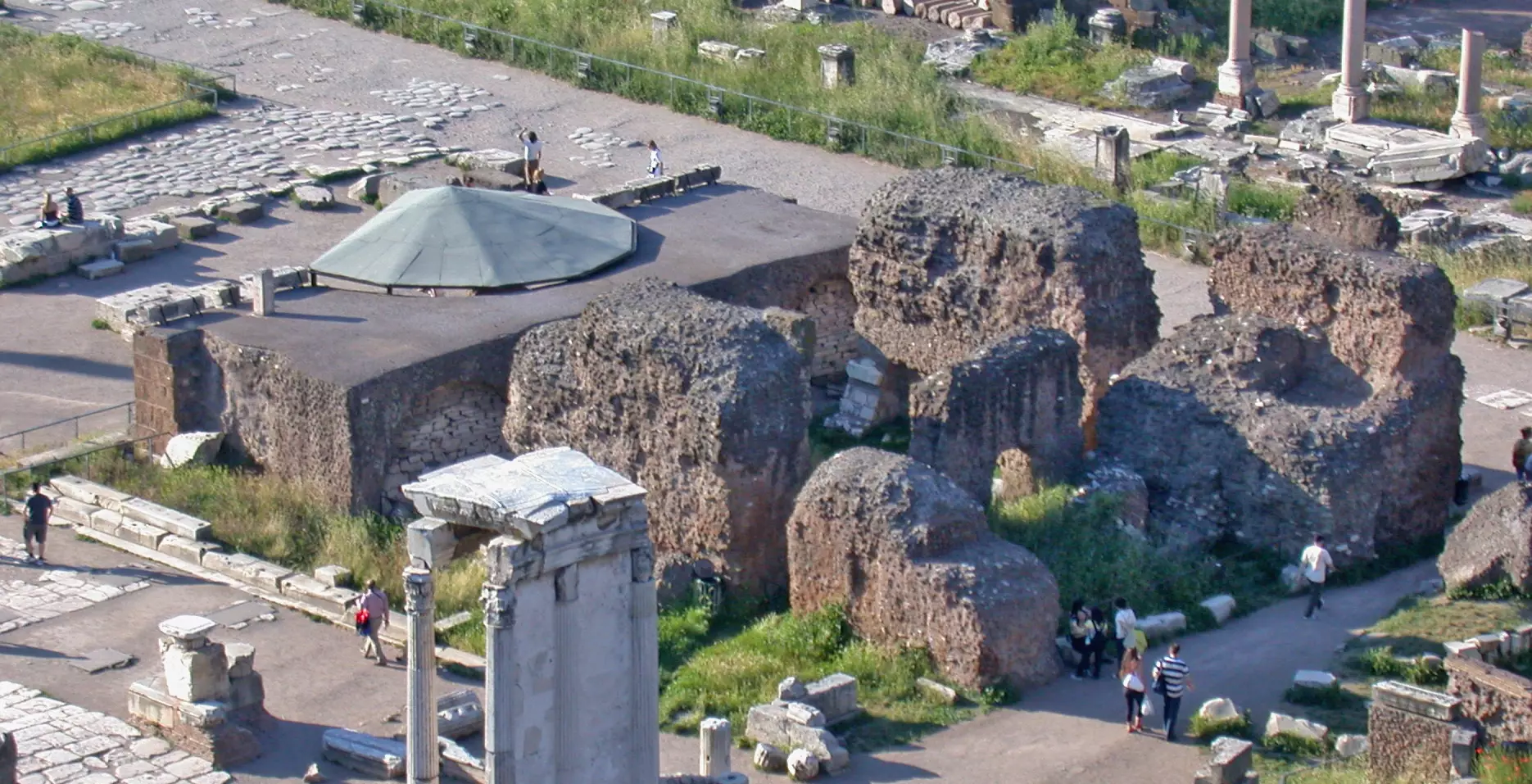
Finished in 29 BC, marks the spot of Caesar's spontaneous cremation and Mark Antony's funeral speech, made famous by Shakespeare in his play Julius Caesar ("Friends, Romans, Countrymen, lend me your ears ...").