

Nikolaiviertel
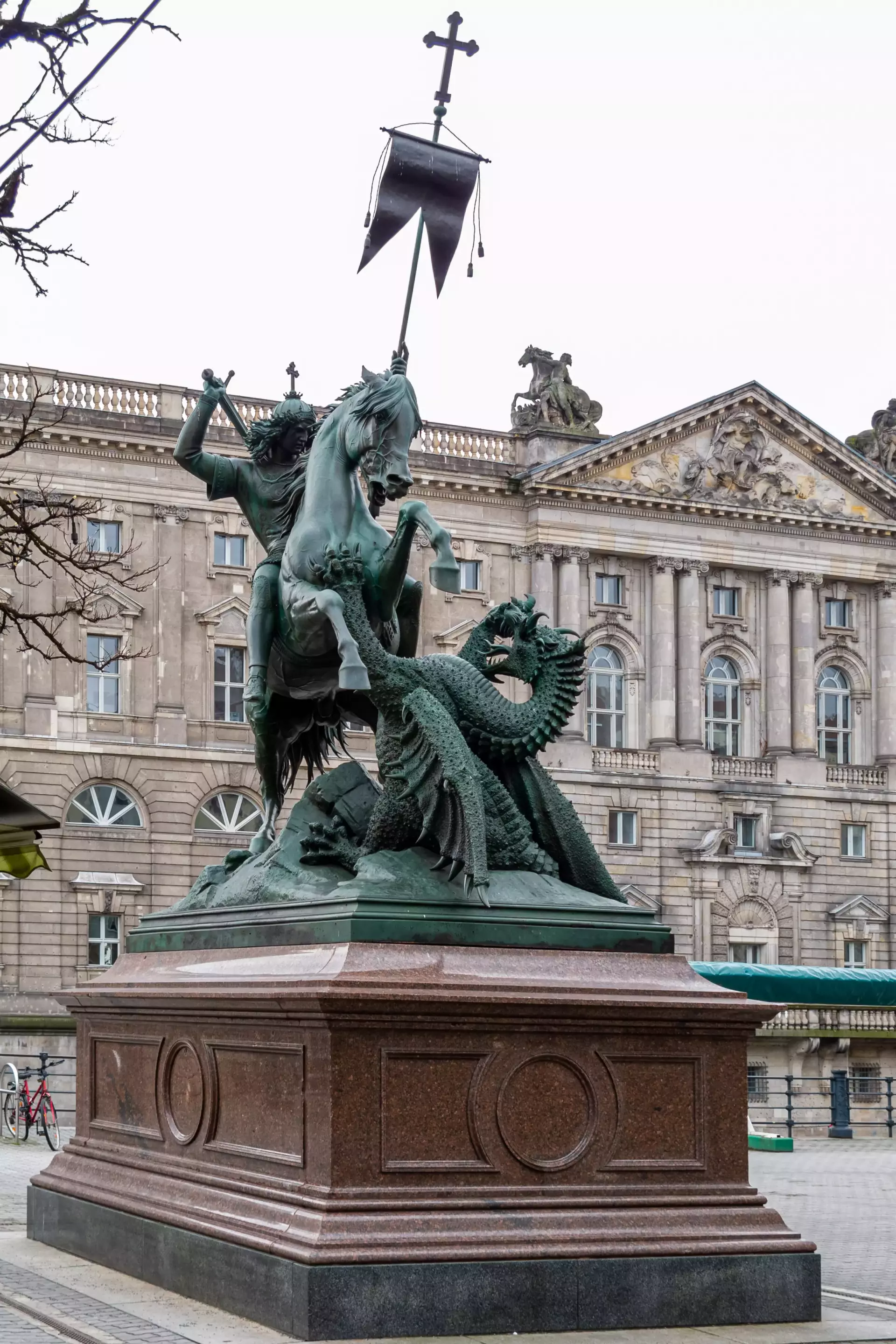
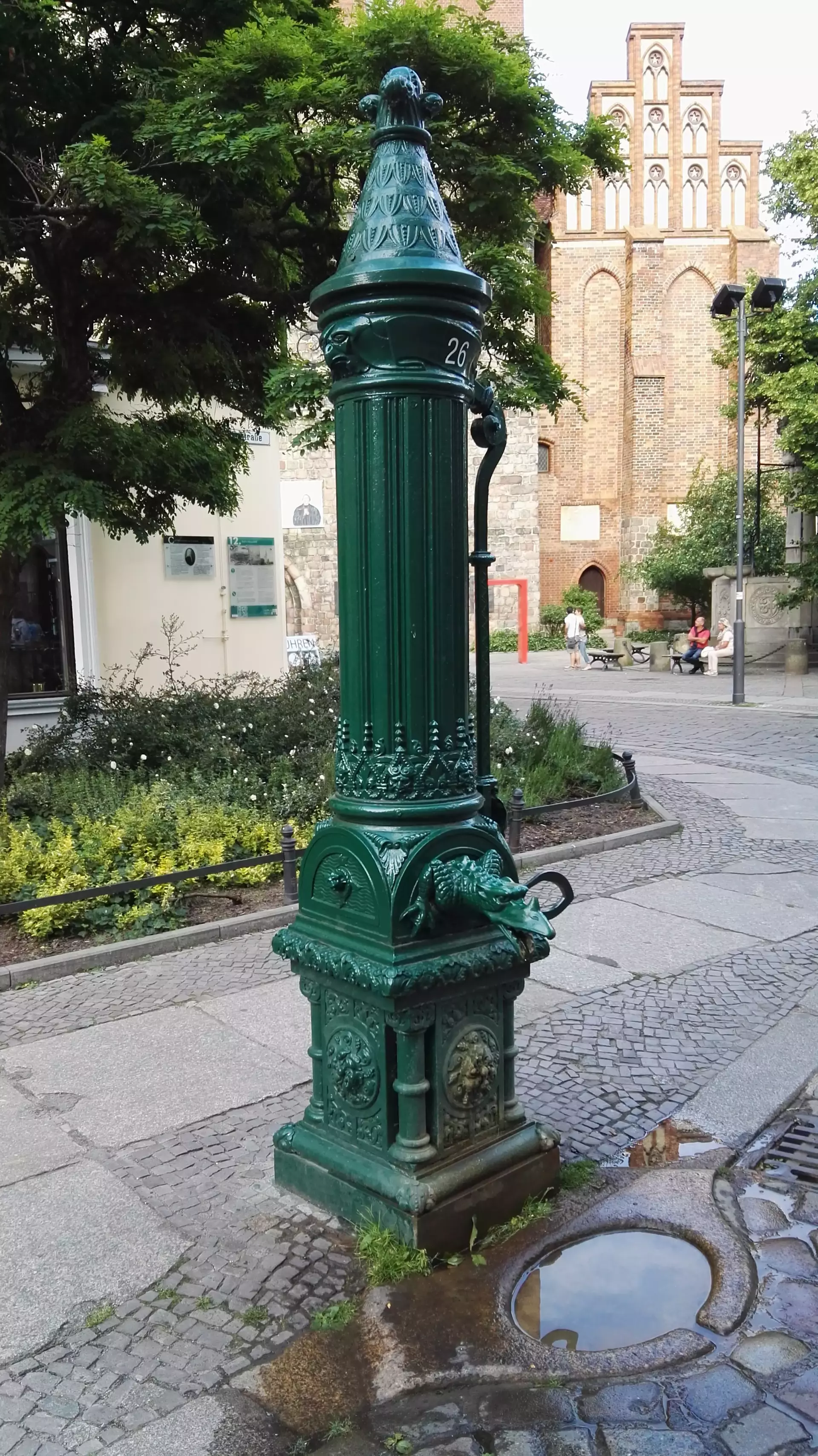
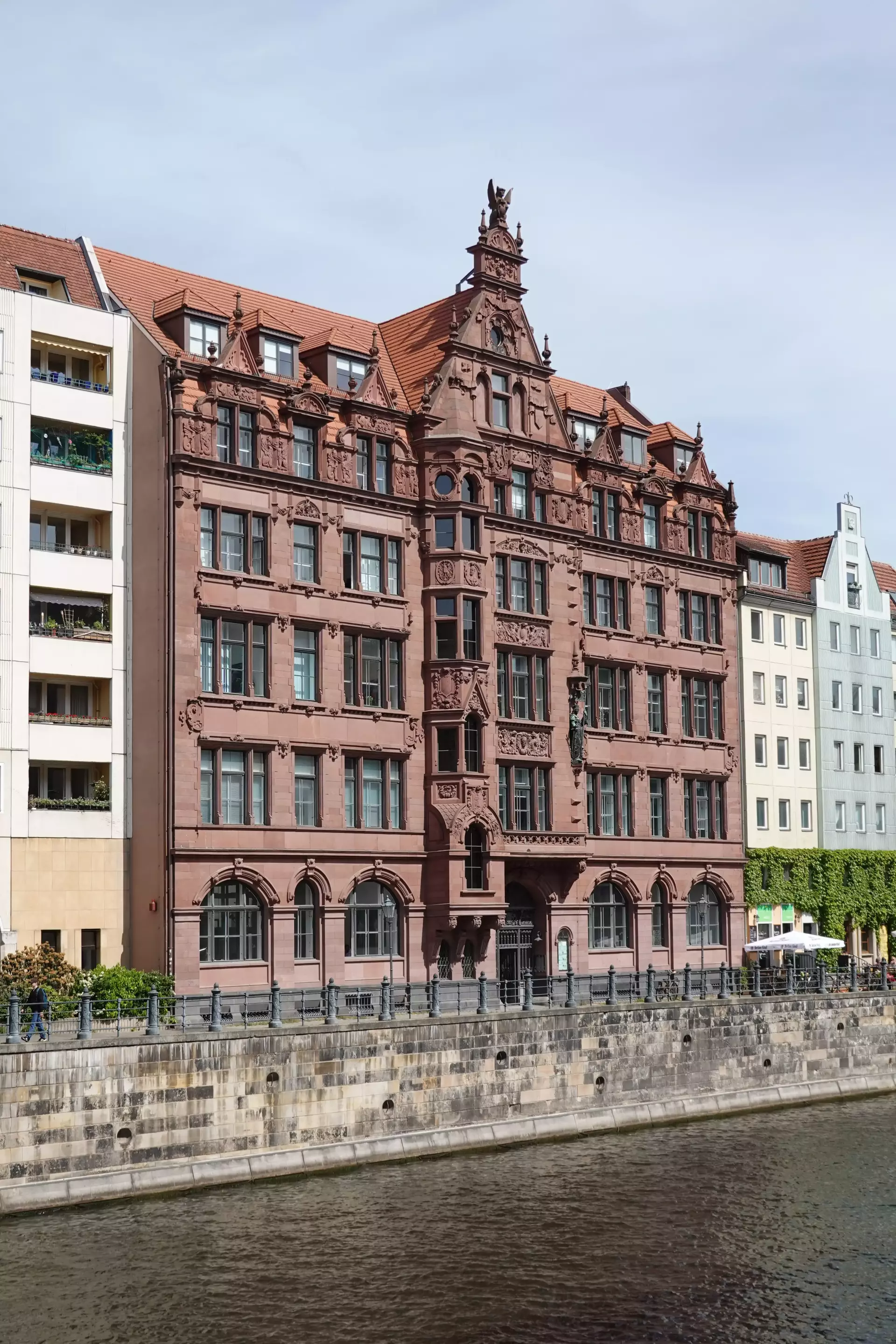
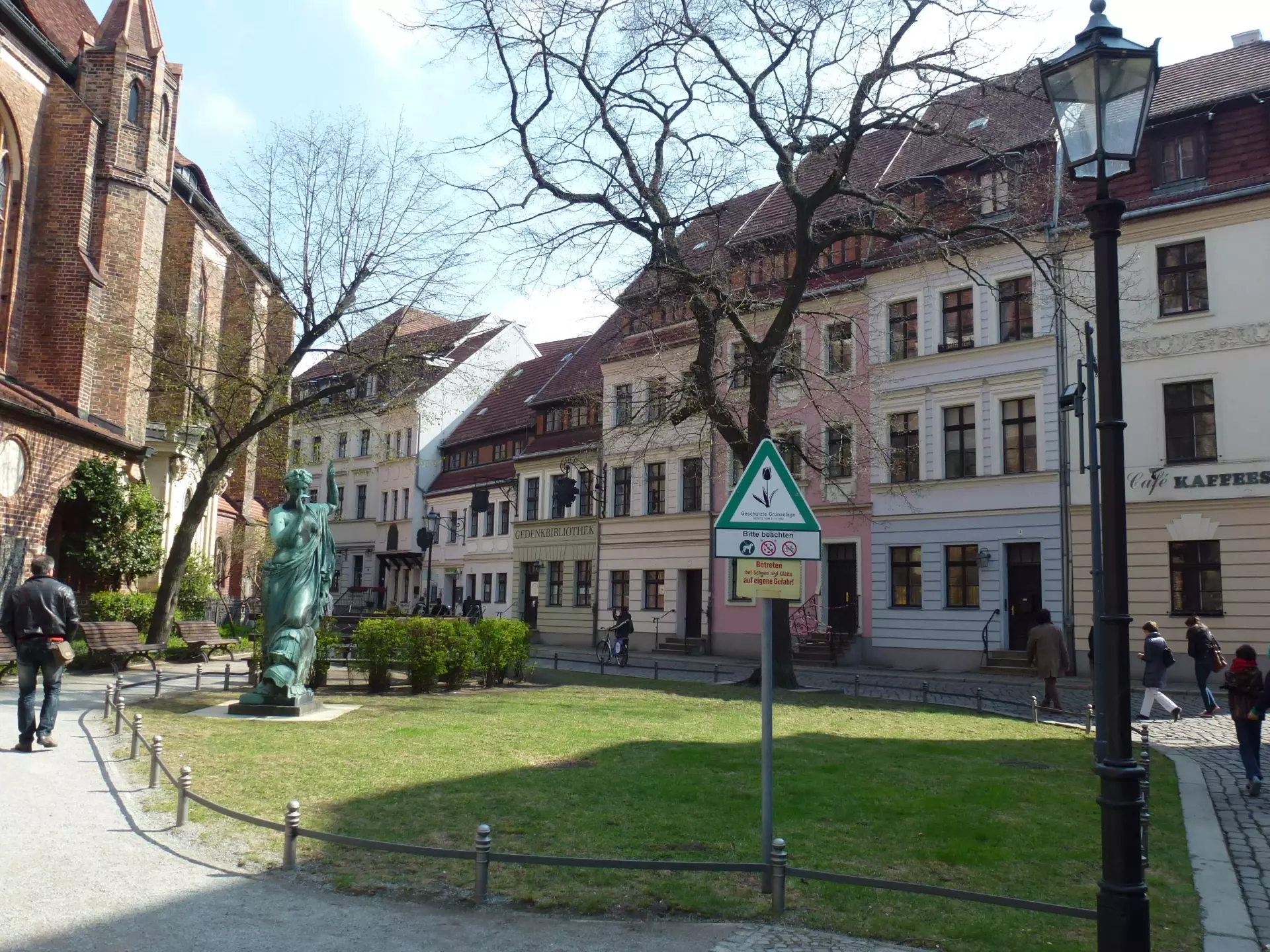
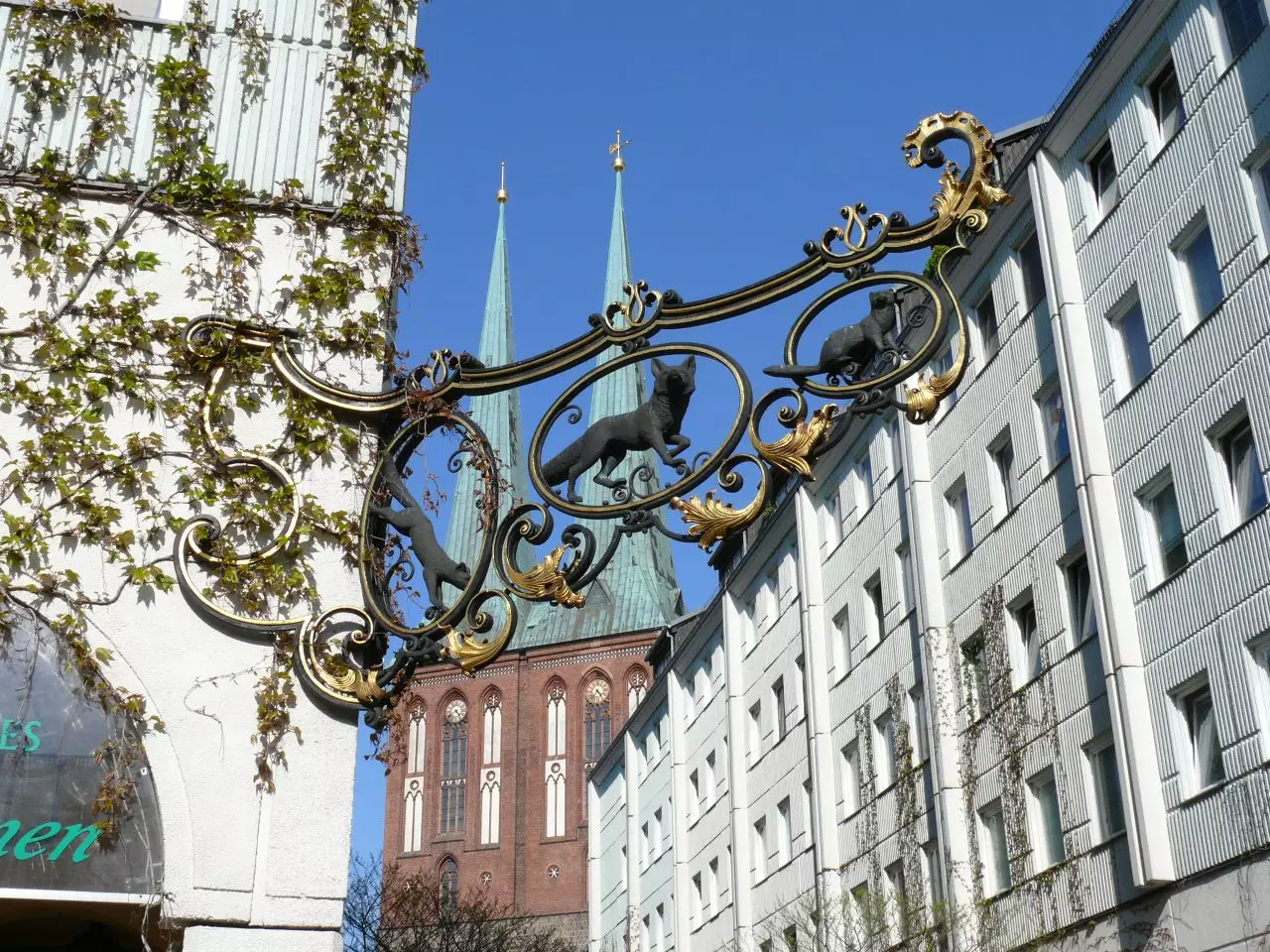
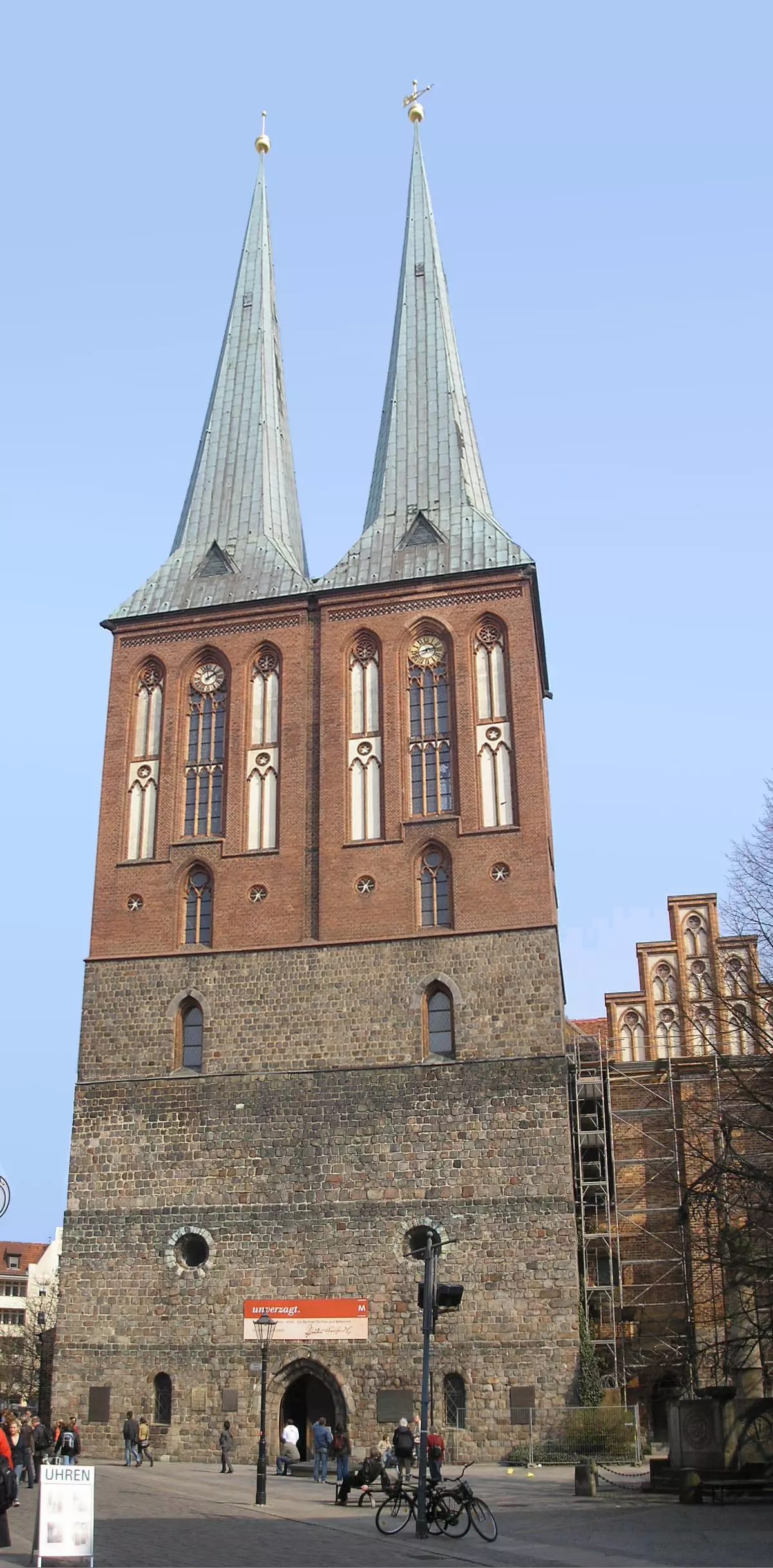
Nikolaiviertel is one of Berlin’s oldest quarters, a compact area where cobbled lanes and gabled houses trace the city’s early story. Rebuilt after heavy wartime damage, the neighborhood blends medieval street patterns with careful 20th‑century reconstruction, creating a small maze of courtyards, stone façades, and red roofs along the Spree River. Street cafés, craft shops, and small museums fill the ground floors, while church bells from St. Nicholas Church set the tone of the day.
From medieval market town to modern reconstruction
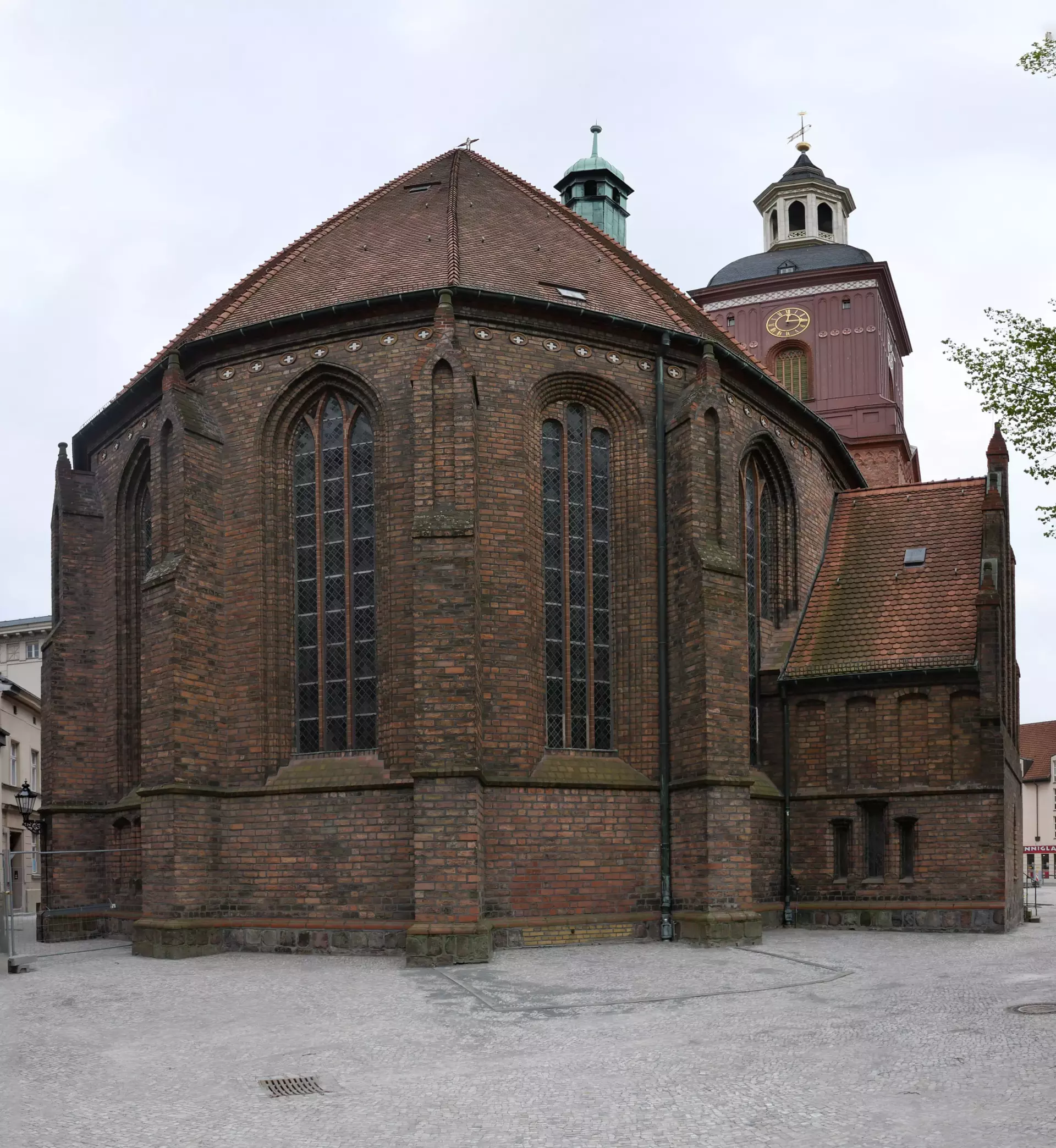
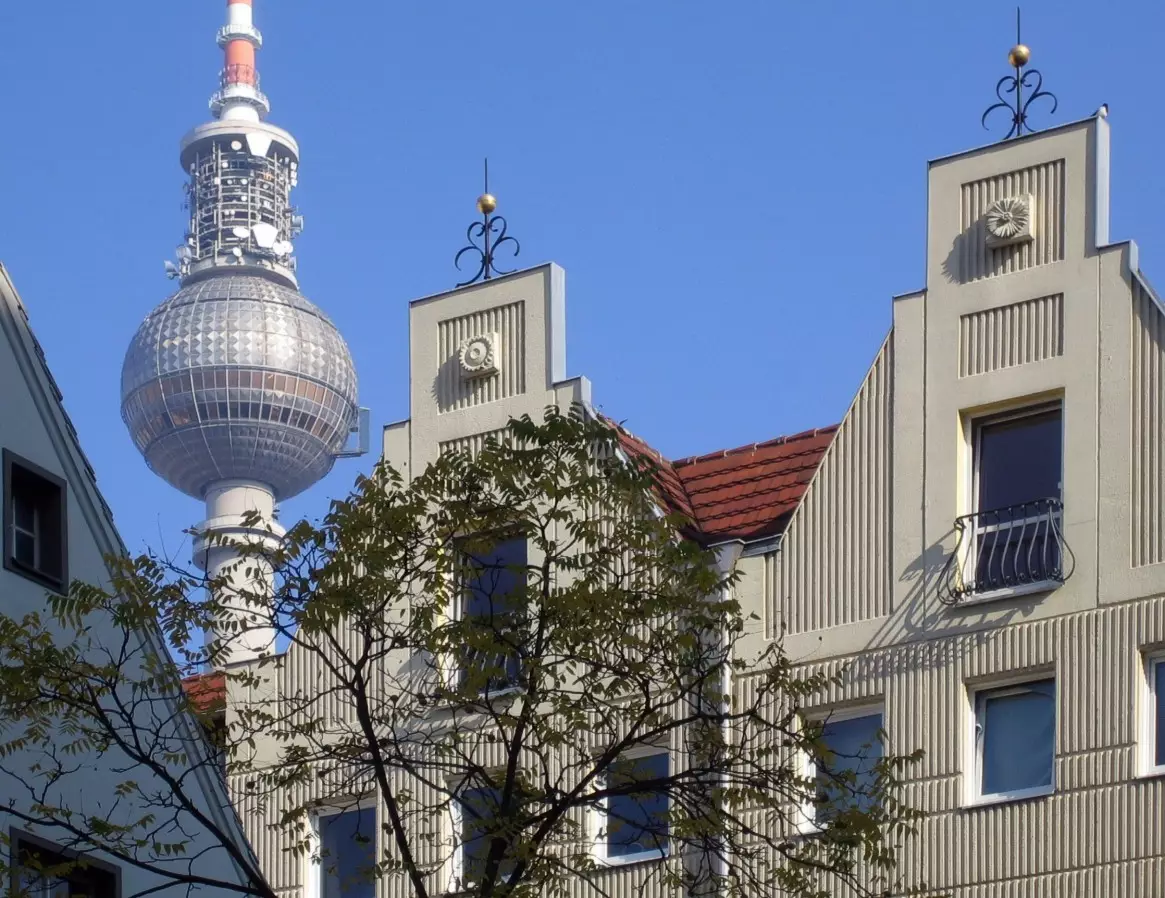
The quarter began as a trading settlement around the 13th century, growing around St. Nicholas Church, Berlin’s oldest church. Centuries of fires, expansions, and redesigns reshaped its streets, but the medieval plan remained visible. After World War II, the area lay in ruins. In the 1980s, East Berlin planners rebuilt the district for the city’s 750th anniversary, recreating historic outlines with new materials and techniques. The result is a careful collage: original fragments, faithful replicas, and postwar architecture that follows old rooflines and alleyways.
Landmarks and quiet corners
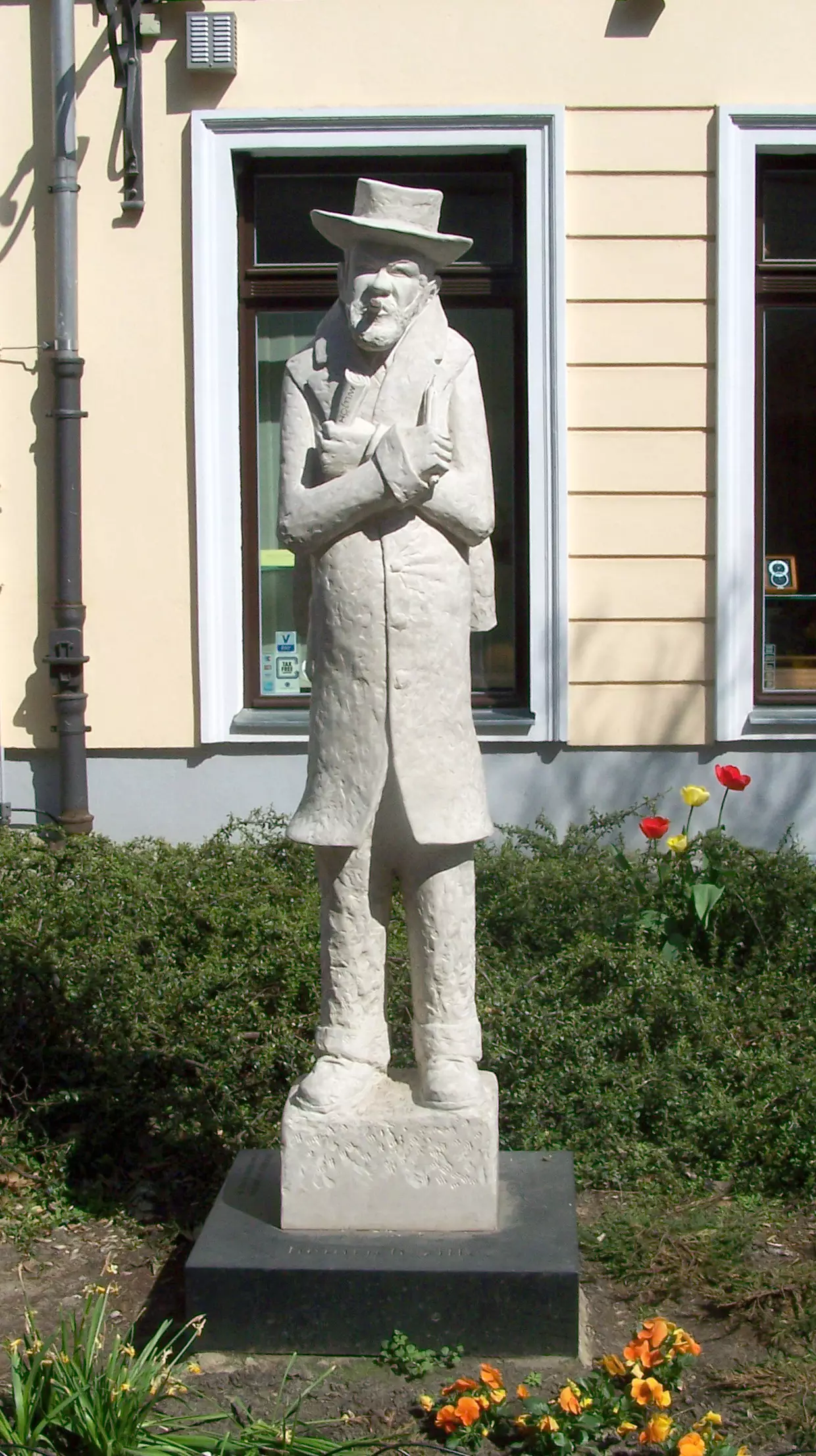
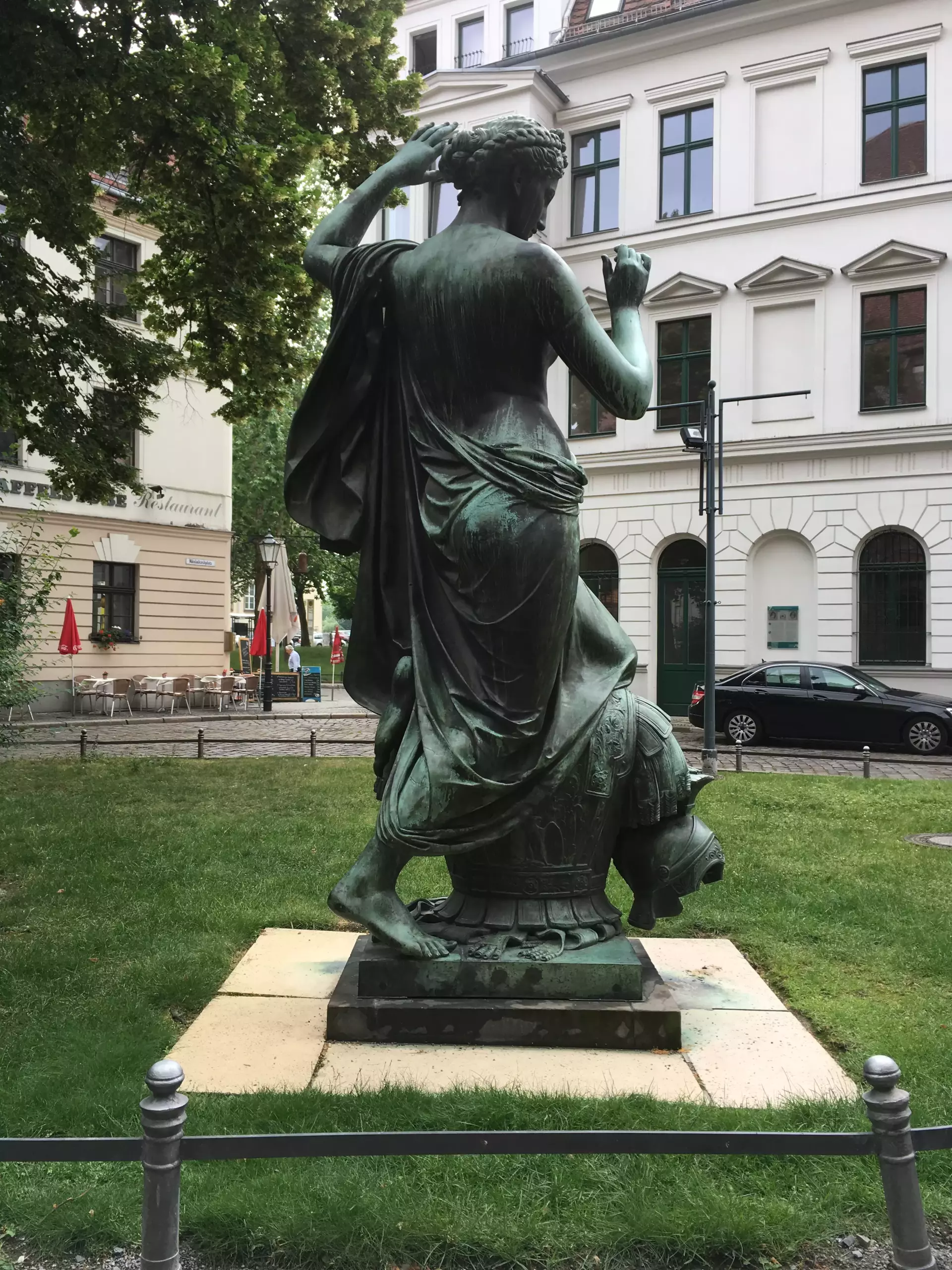
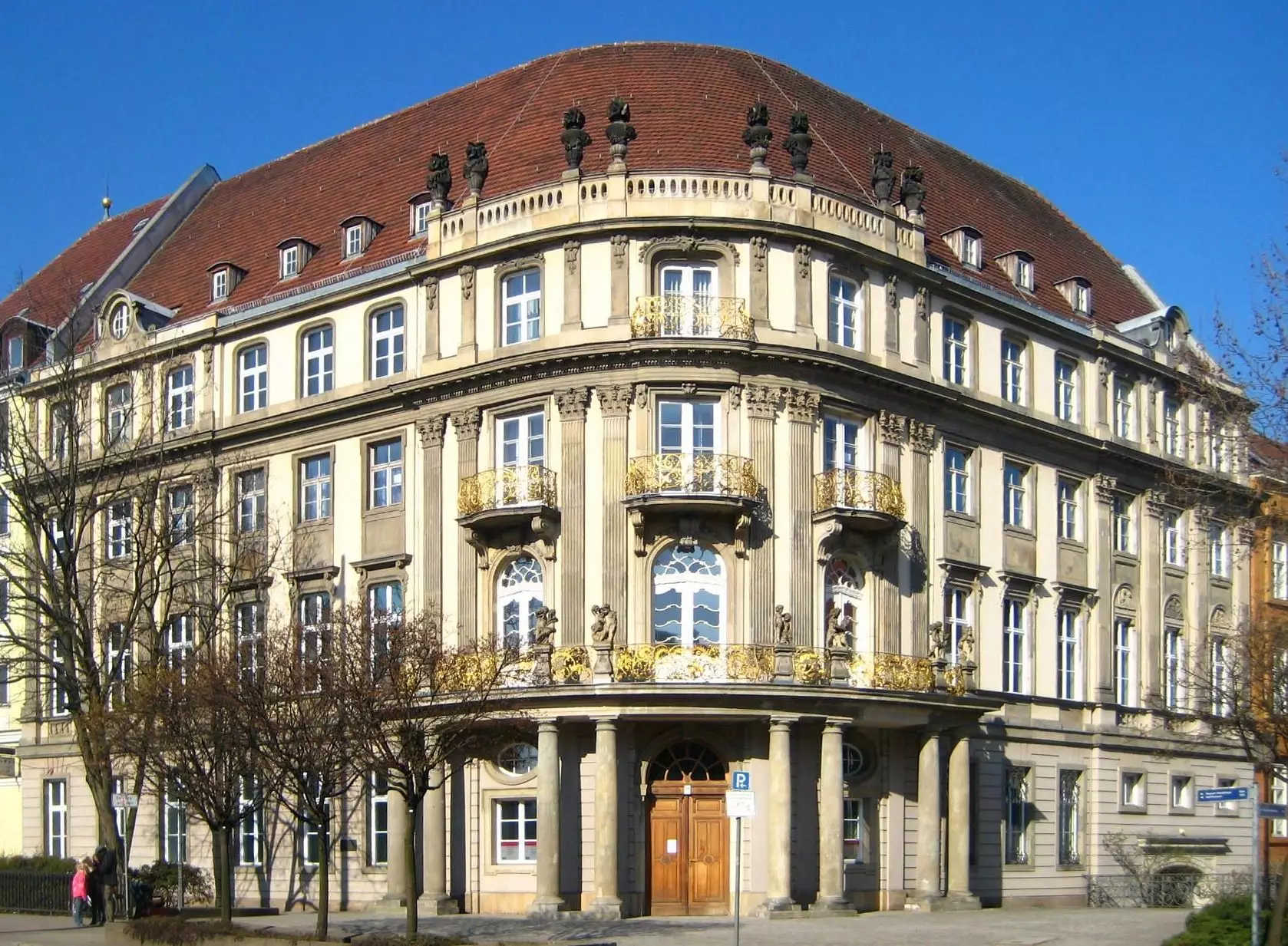
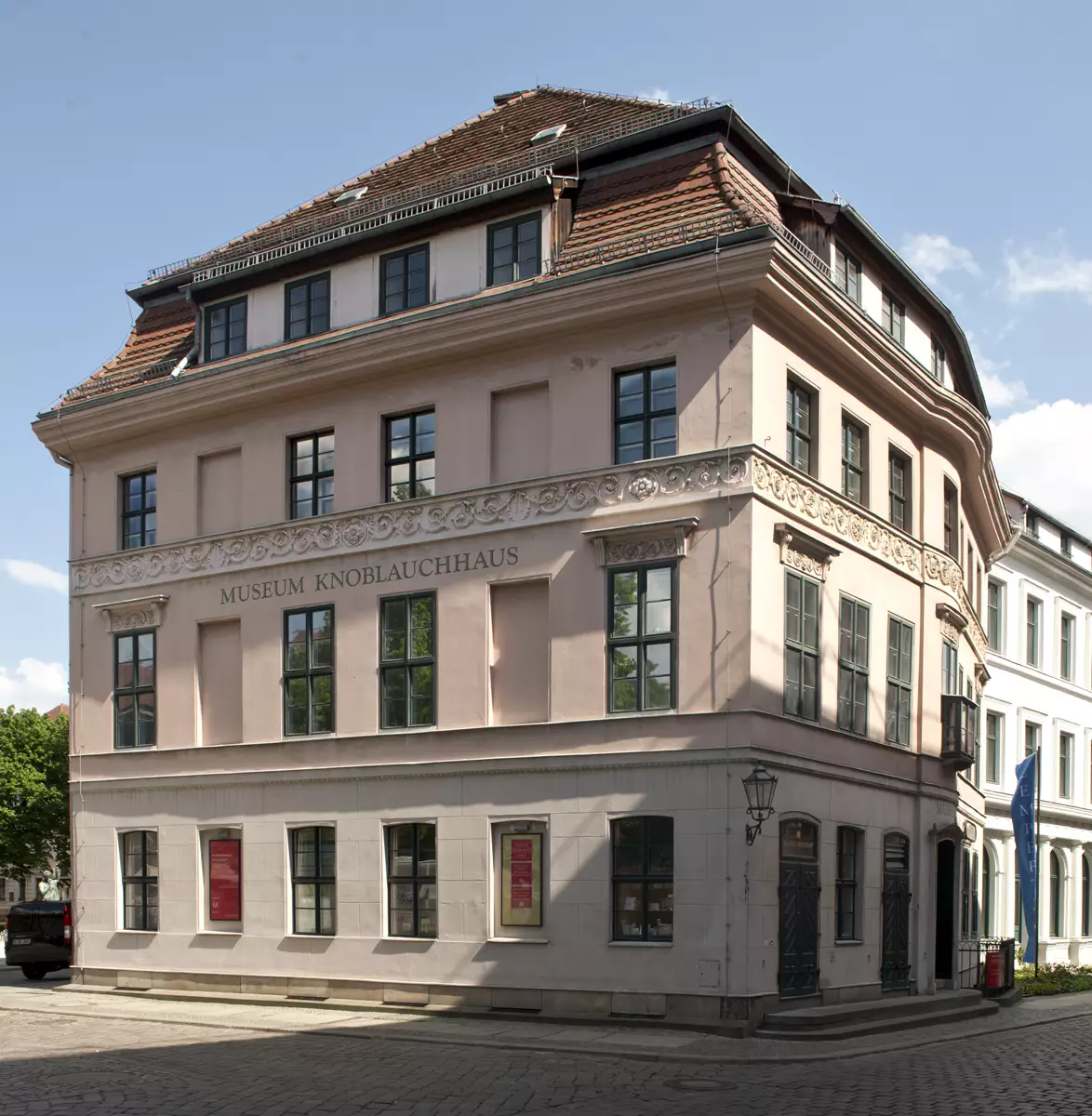
St. Nicholas Church stands at the center, its twin spires rising over small squares. Inside, exhibitions explain the church’s role in the city’s early life, from parish gatherings to guild traditions. Around it, narrow passages lead to small courtyards where sculptures and plaques recall residents and merchants who lived and worked here. The Ephraim Palace, with its curved façade and elegant staircase, hosts changing art and city history exhibitions, while the Knoblauch House shows bourgeois interiors from the 18th and 19th centuries.
Streets made for lingering
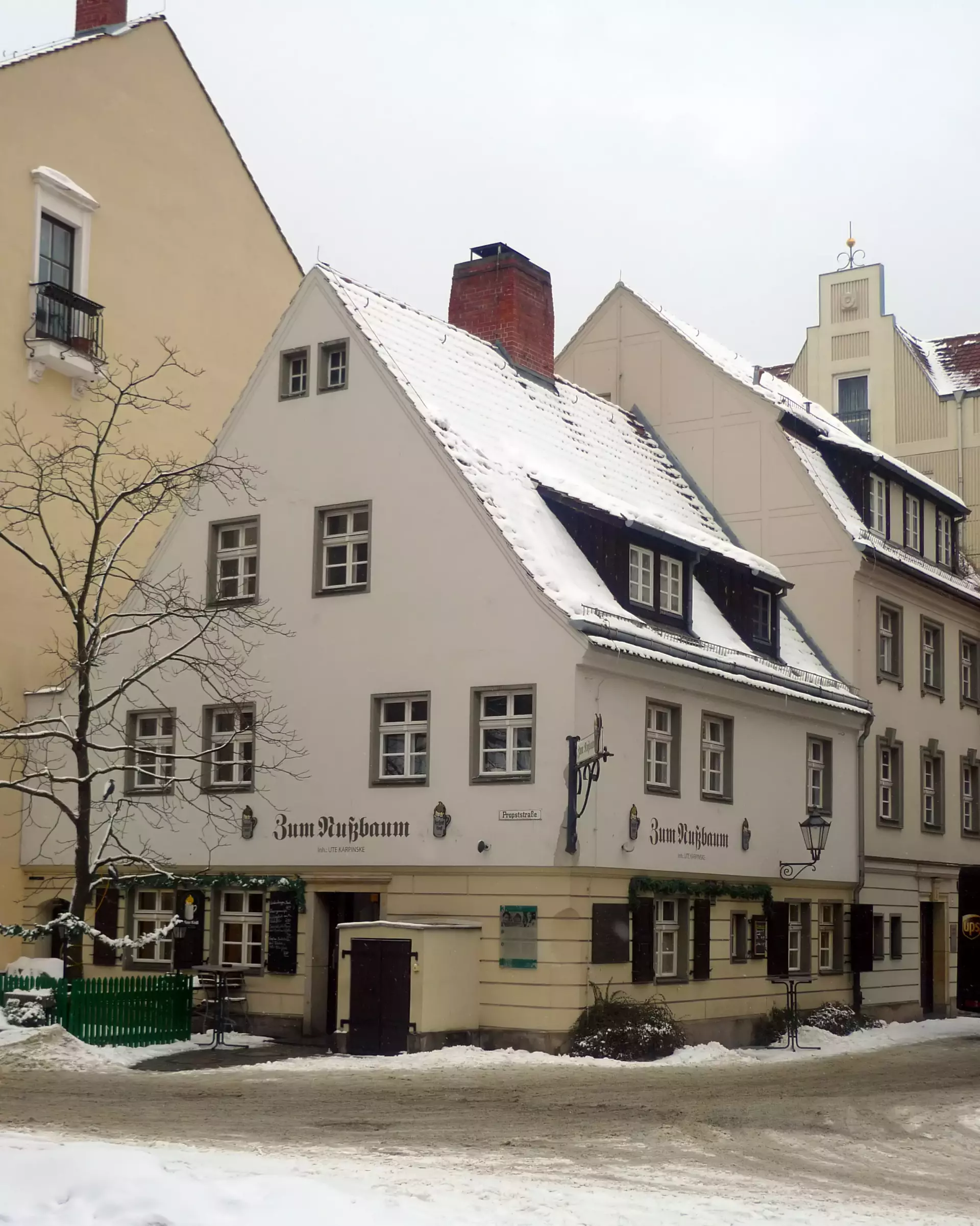
Stone-paved alleys link a network of terraces and little plazas, many shaded by chestnut trees in summer. Restaurants and beer gardens spill onto the lanes when the weather is warm, and in winter the same spaces glow with lanterns and festive lights. Street names echo crafts and trades, a reminder of a time when bakers, brewers, and boatmen shaped the daily rhythm of the quarter. The Spree promenade offers calm views of the river traffic and the domes and towers of nearby museums and churches.
A link in the city’s wider story
Nikolaiviertel sits between Berlin’s historic core and the government and museum districts. From here, the route to Museum Island is a short walk across bridges, with the City Palace and the television tower appearing and disappearing between rooftops. The quarter serves as a compact introduction to Berlin’s layered past: medieval origins, Prussian grandeur, wartime loss, and the choices of the GDR era—presented on a walkable stage of streets and squares that feel both historic and lived-in.
Source - https://en.wikipedia.org/wiki/Nikolaiviertel