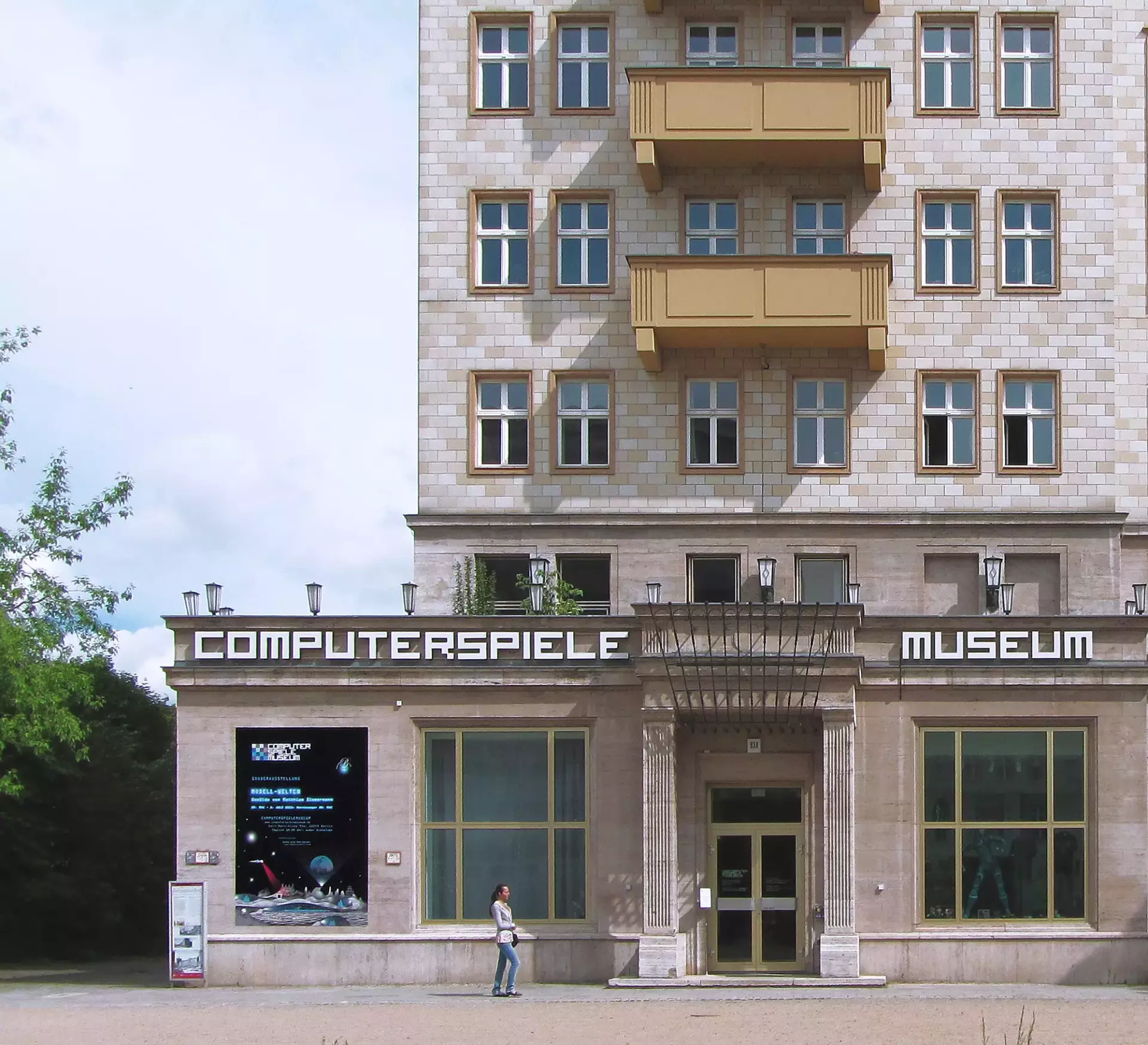
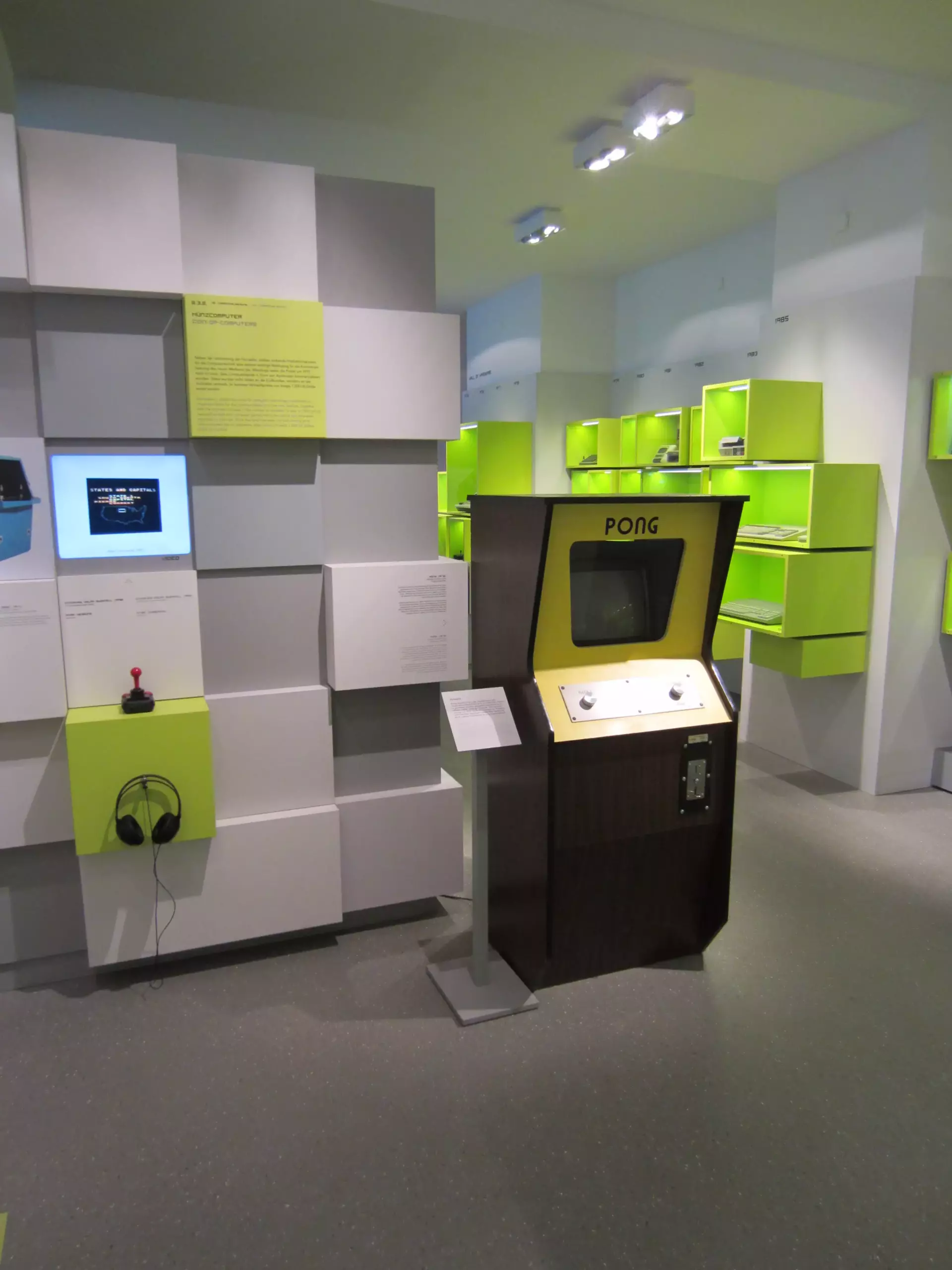
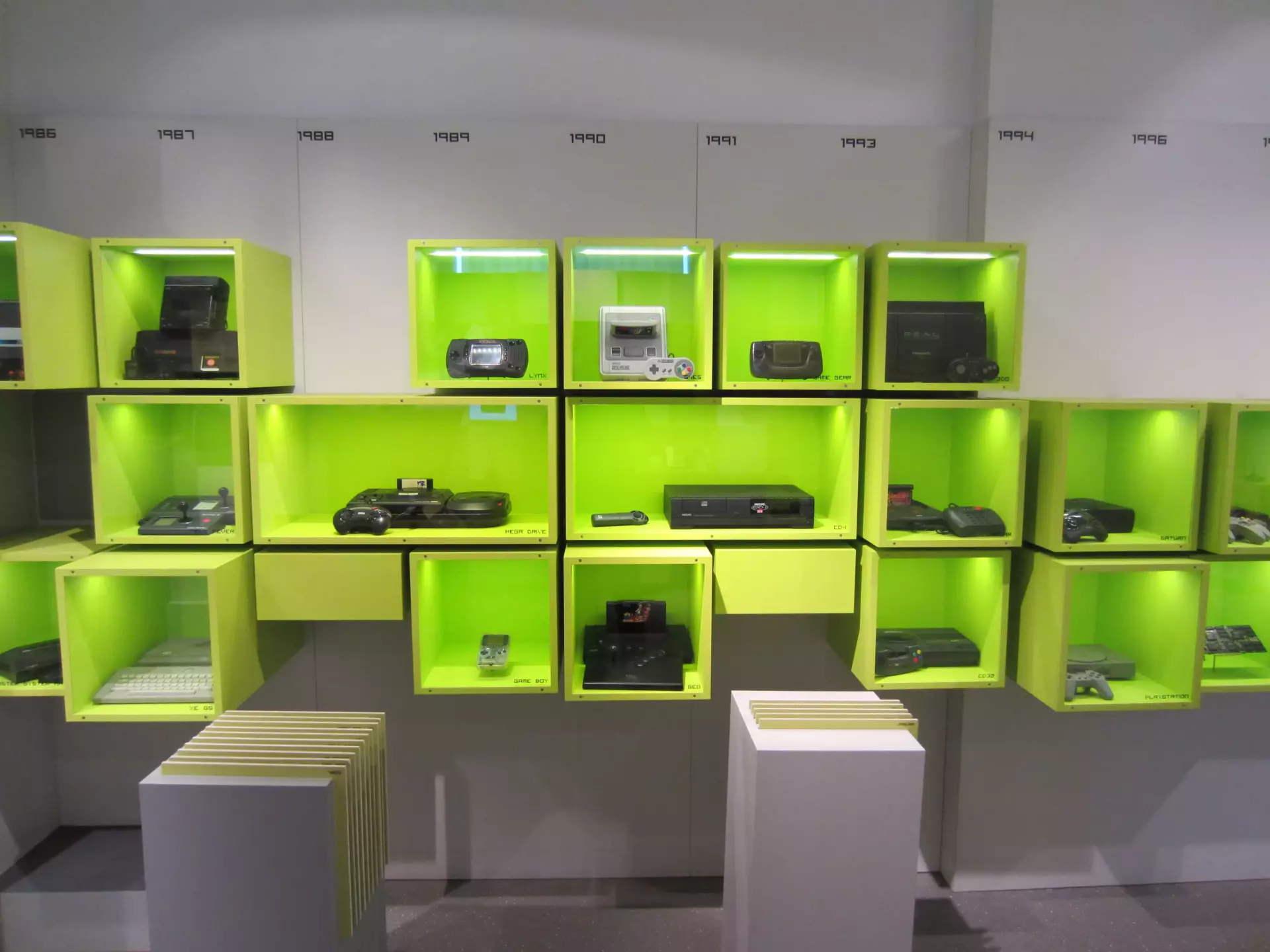
Exhibition of digital interactive entertainment culture, the Computerspielemuseum in Berlin offers a lively journey through the history of video games. Rooms glow with arcade cabinets, early home consoles, and modern setups, each display telling a piece of how play, design, and technology evolved. Labels are clear and direct, yet the real story comes alive on the screens and controllers waiting for visitors to try.
Unlike many museums, nearly every exhibit invites interaction. Buttons click, joysticks move, and pixels dance in response. Classic machines sit beside cult favorites and contemporary titles, making the collection feel both historical and current. The soundscape of beeps, music loops, and cheers creates a playful atmosphere that mirrors the medium it celebrates.
Arcade corners feature cabinets that defined entire eras, the kind that once drew crowds with neon lighting and high-score boards. Nearby, early home consoles trace the shift from public arcades to living rooms, with cartridges, chunky controllers, and box art that sparked generations of fans. Timelines and short texts connect the hardware to the culture around it, showing how games influenced fashion, film, and everyday language.
Interactive stations highlight landmark titles and genres. Platformers, puzzle games, shooters, and experimental projects sit side by side, encouraging comparisons between design styles. Visitors can pause to see concept sketches, packaging, and advertising that shaped how games were marketed and remembered.
Hands-on play serves as the main guide through the exhibition. Mechanics become clear by pressing start and trying a few rounds. Differences in difficulty, control schemes, and graphics are easy to feel, turning game evolution into a tactile lesson. Family groups and friends often gather around the same screen, sharing tips, laughter, and the occasional friendly rivalry.
Temporary features and themed sections rotate through topics like virtual worlds, sound design, or the rise of indie creators. Curated selections show how new tools opened doors for different voices and stories, while preserved hardware offers a glimpse of the engineering behind the scenes.
The museum also explores how games reflect their time. Exhibits touch on social themes, representation, and the communities that form around play. Fan magazines, early websites, and tournament posters map out the networks that grew with the medium.
By inviting visitors to pick up a controller, the Computerspielemuseum turns a history lesson into an active experience. Ideas about design, storytelling, and technology travel from display case to fingertips, making the culture of digital games feel immediate and alive.
Source - https://en.wikipedia.org/wiki/Computerspielemuseum
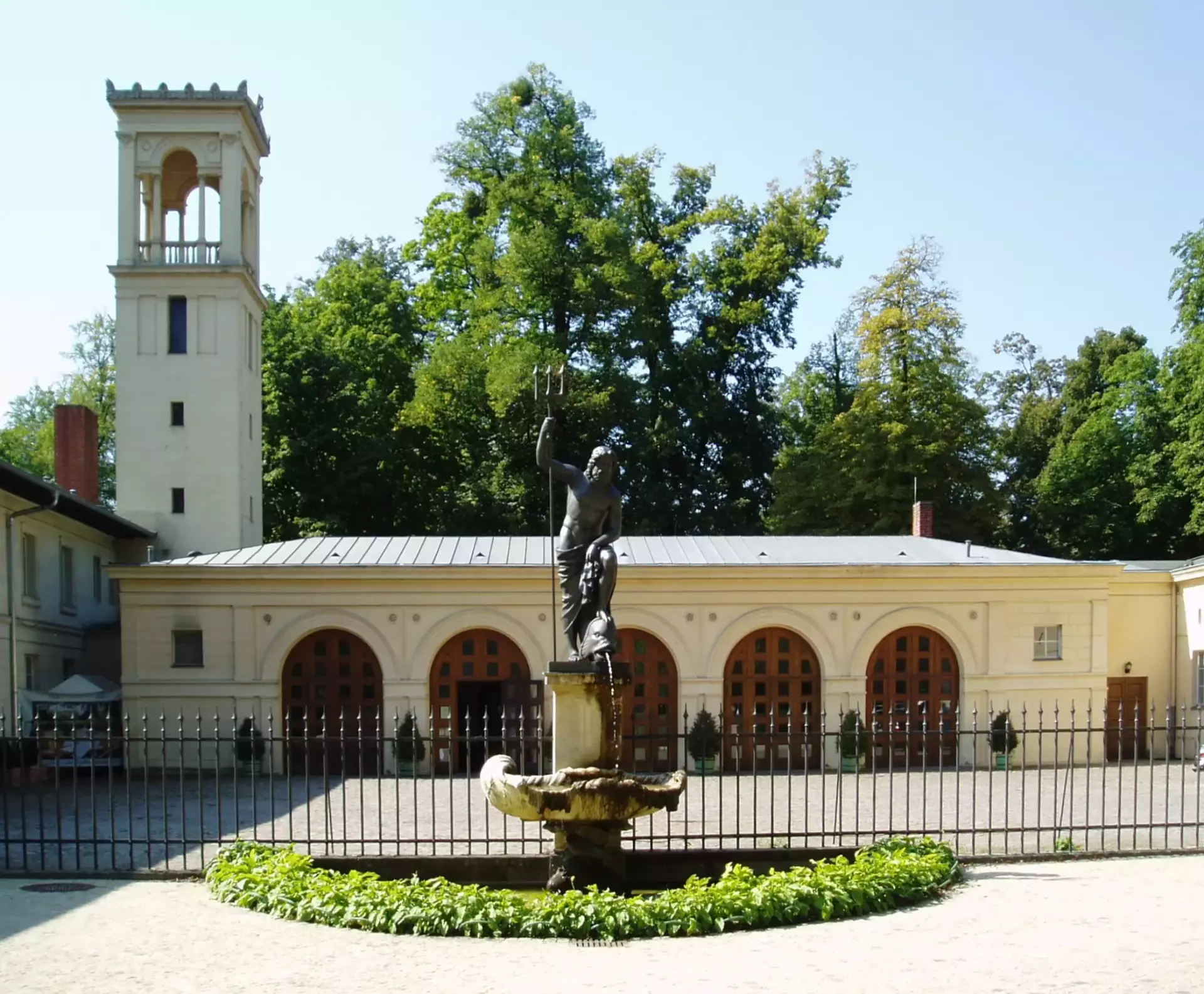
The charming Baroque water palace of the Hohenzollern electors surrounded by the Dahme river and an English garden.
House museum on Max Liebermann, German painter and printmaker. Has about 15 Lieberman paintings.
The complex consists of eight interconnected courtyards. Plenty of designer boutiques can be found here.
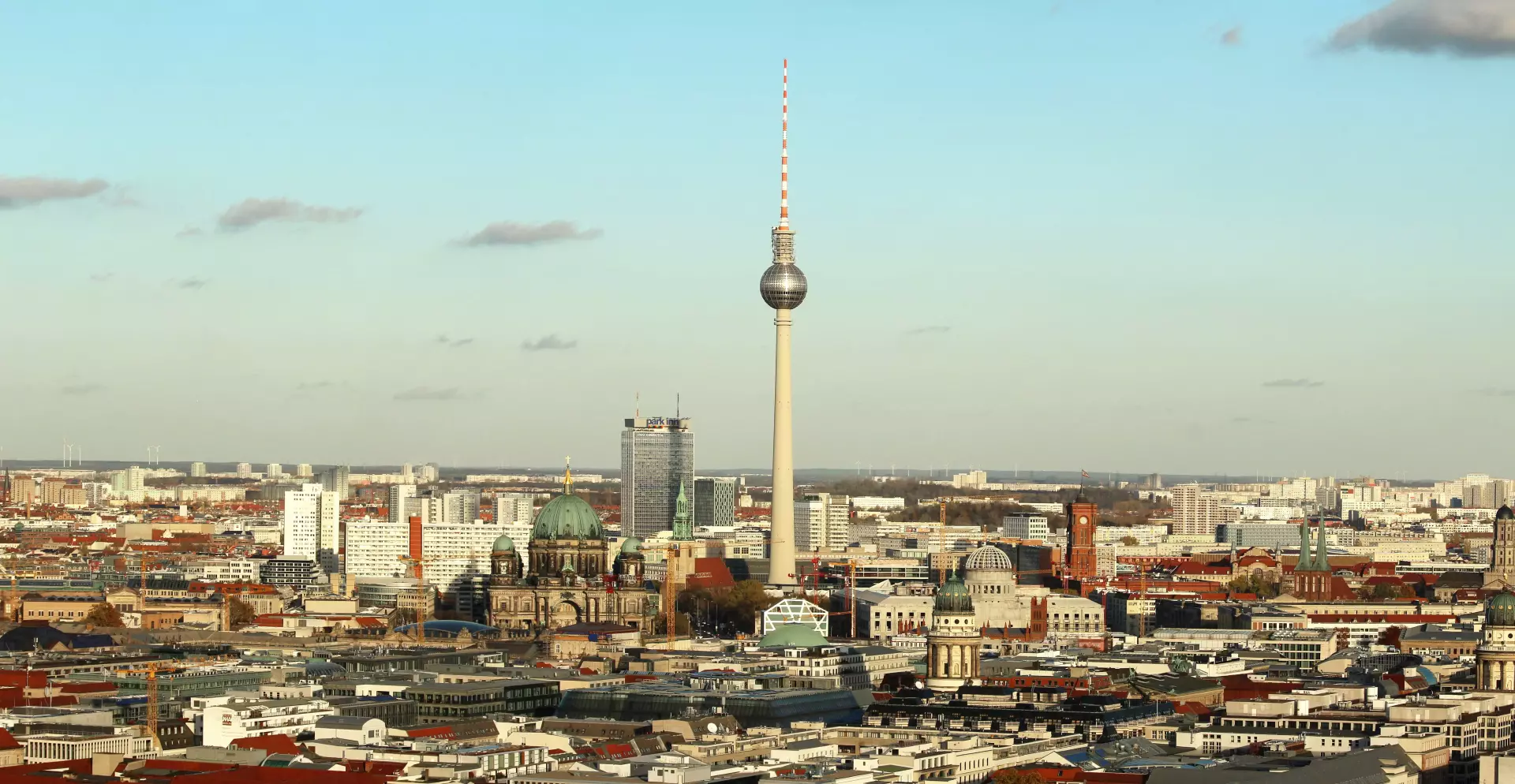
Gothic church, the second oldest (built in late 13th century) of the historical centre of Berlin. It's the highest church tower of Berlin (about 90 m), but seems rather small beneath the gigantic TV tower. The church tower was built in the late 18th century by Carl Gotthard Langhans, the architect of the Brandenburg Gate.
This museum describes the procedures applied by the East German secret police. Every Friday to Monday, there is a guided tour in English at 15:00 (5€).
The building of one of Berlin’s oldest breweries is a ravishingly beautiful and heritage-protected industrial monument.
Erected in 1818 to a classically-inspired design by Karl Friedrich Schinkel as a guardhouse for the imperial palace, since 1993 this compact building has housed a small, but extremely powerful war cenotaph, the Central Memorial of the Federal Republic of Germany, continuing its use under East German rule as the primary "Memorial to the Victims of Fascism and Militarism". The interior of the Doric column-fronted building is intentionally empty, but for a small but moving sculpture by Käthe Kollwitz depicting a mother cradling a dead child. The statue is positioned beneath a round hole in the ceiling, exposing the figures to the rain and snow.
Includes the Panoramapunkt, the viewing terrace located 101 metres above ground, accessible by Europe's fastest elevator.
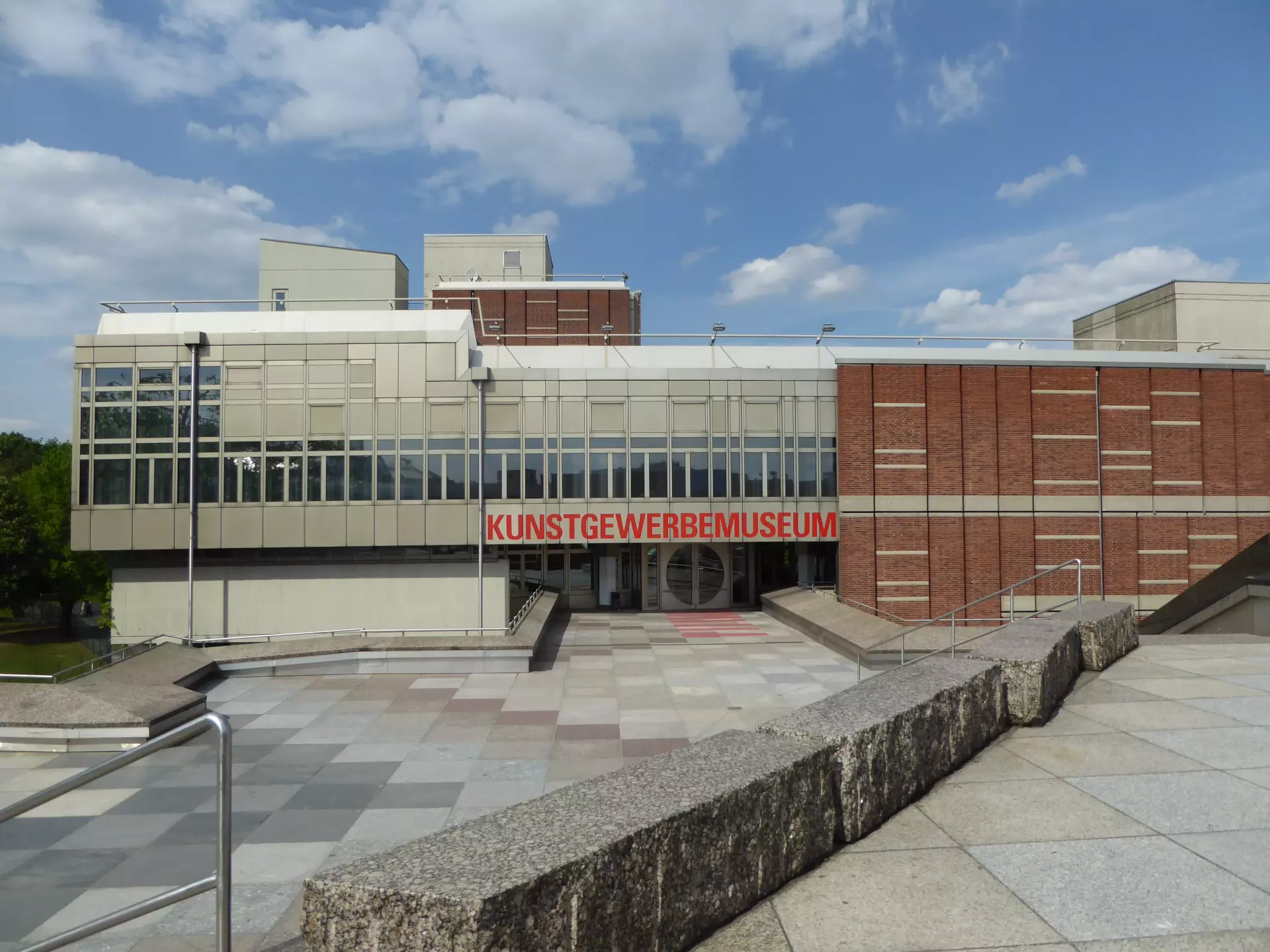
It was a museum of applied arts and a listed historical monument since 1966, and it is now a well-known Berlin exhibition hall.
Want to feel like one of the angels in Wim Wenders' classic film Der Himmel über Berlin (a.k.a. Wings of Desire)? Climb to the top of Gold-Else, as the statue of Victory on the top of the Victory Column is known. Just don't jump off if you're not actually an angel. Unfortunately there is no elevator, so be prepared for 285 steps to the platform at 50.7 m.Else was built to commemorate Prussian military prowess in the wars against Denmark (1864), Austria (1866) and France (1870-71), and moved to her present location by the Nazis. Five roads run into a traffic circle called Grosser Stern, in the centre of which is the Siegessäule. Else is visible from much of the city district known as Tiergarten. At the base of the statue are reliefs of war scenes representing the conflicts which this monument memorializes. The Allies forced Germany to take those panels down in 1945, but they were remounted in 1984 and 1987. It also served as a backdrop for a speech by then senator Obama in 2008, after his request to speak in front of Brandenburger Tor caused a political debate in Germany.
More than 30 million objects in the scientific collection and a fascinating exhibition in one of the most significant institutions of its kind in the world. Some parts still under construction.
Built by Hitler for the 1936 Olympic Games, this is one of the better examples of Nazi neoclassical architecture (laying claim to the legacy of Rome, fasces and all) and is still used for sporting events. At those Olympics, African-American athlete Jesse Owens won four gold medals, a party-spoiler for Aryan superiority. It's the home of soccer team Hertha BSC - they were relegated in 2023 and now play in 2. Bundesliga the second tier. In 2024 this stadium hosted games in the UEFA Euro Finals, including the final itself. For a glimpse of the Olympiastadion in its original state, seek out Leni Riefenstahl's movie Olympia - clips are shown in the Kinemathek and elsewhere.
Built 1859-1866 this is one of the most architecturally stunning synagogues in Germany to survive both the Nazi era and the war.