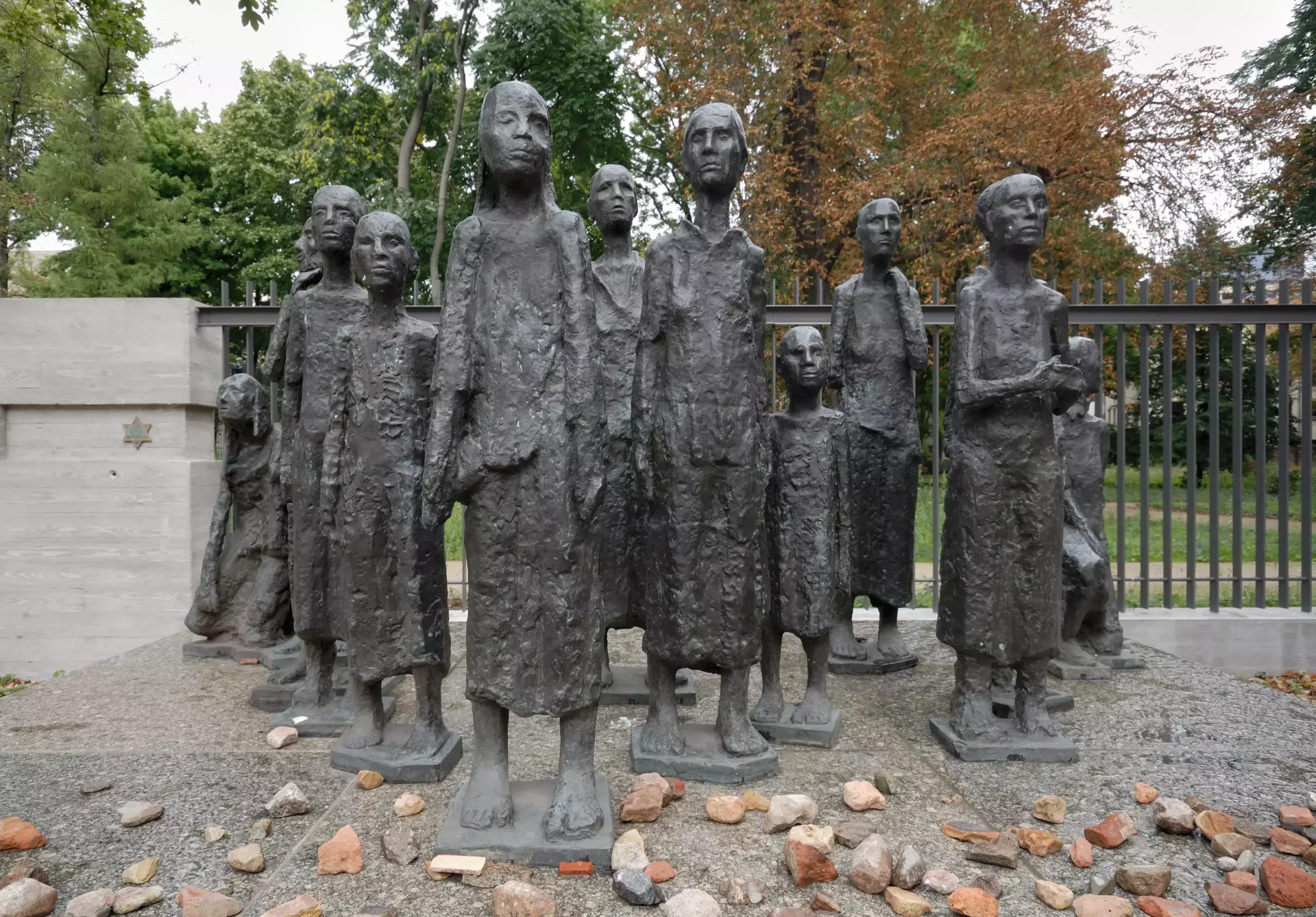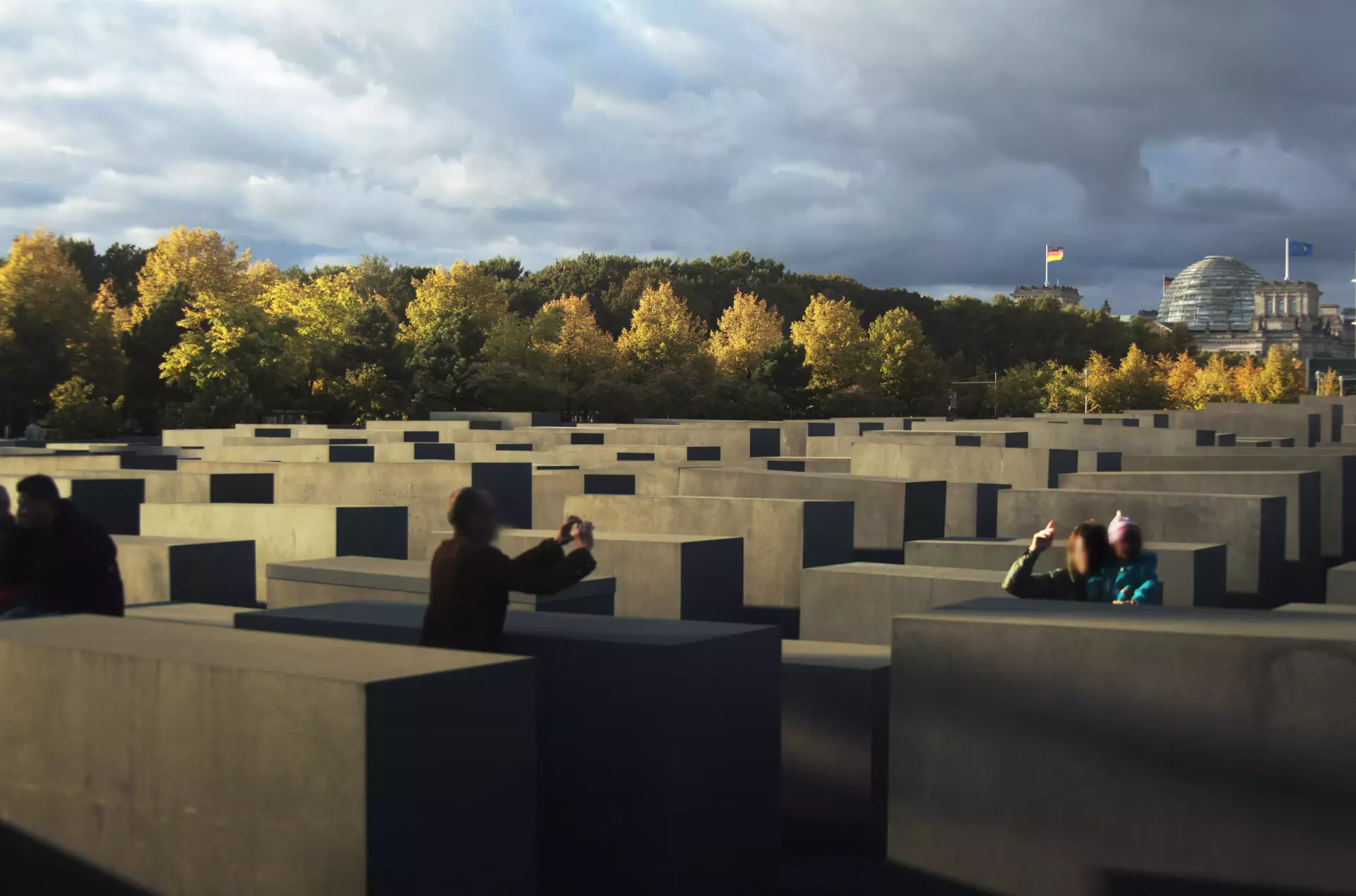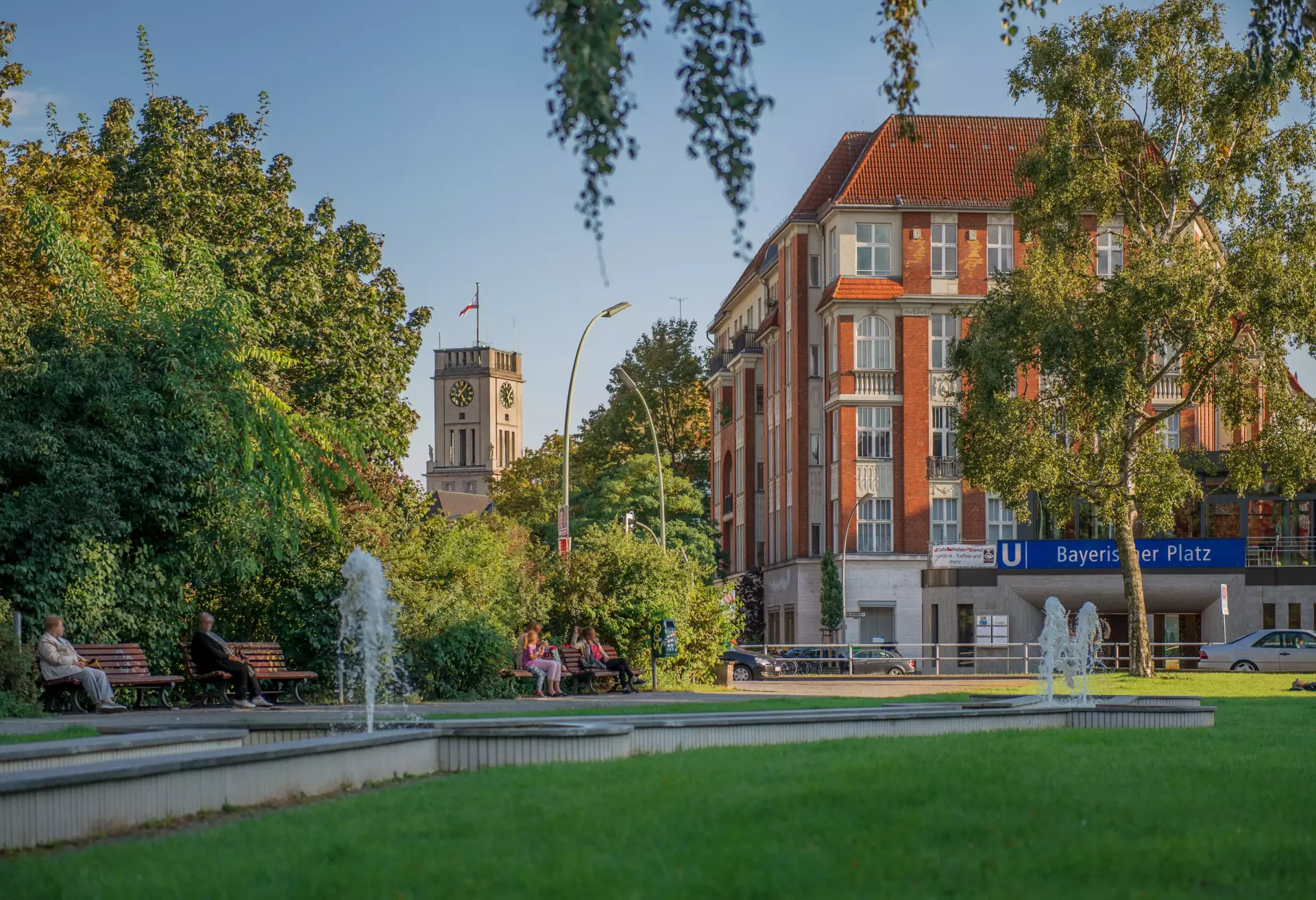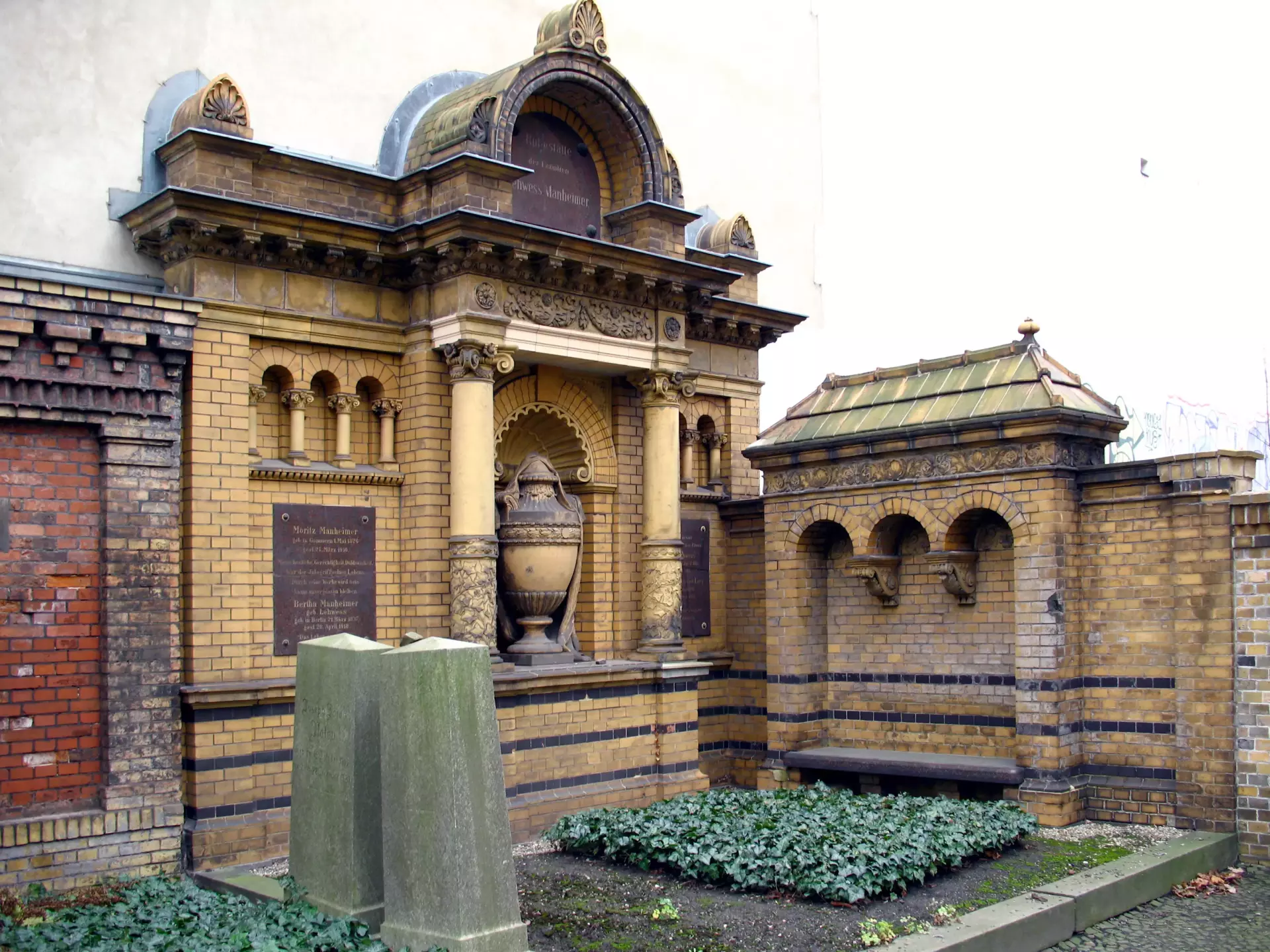
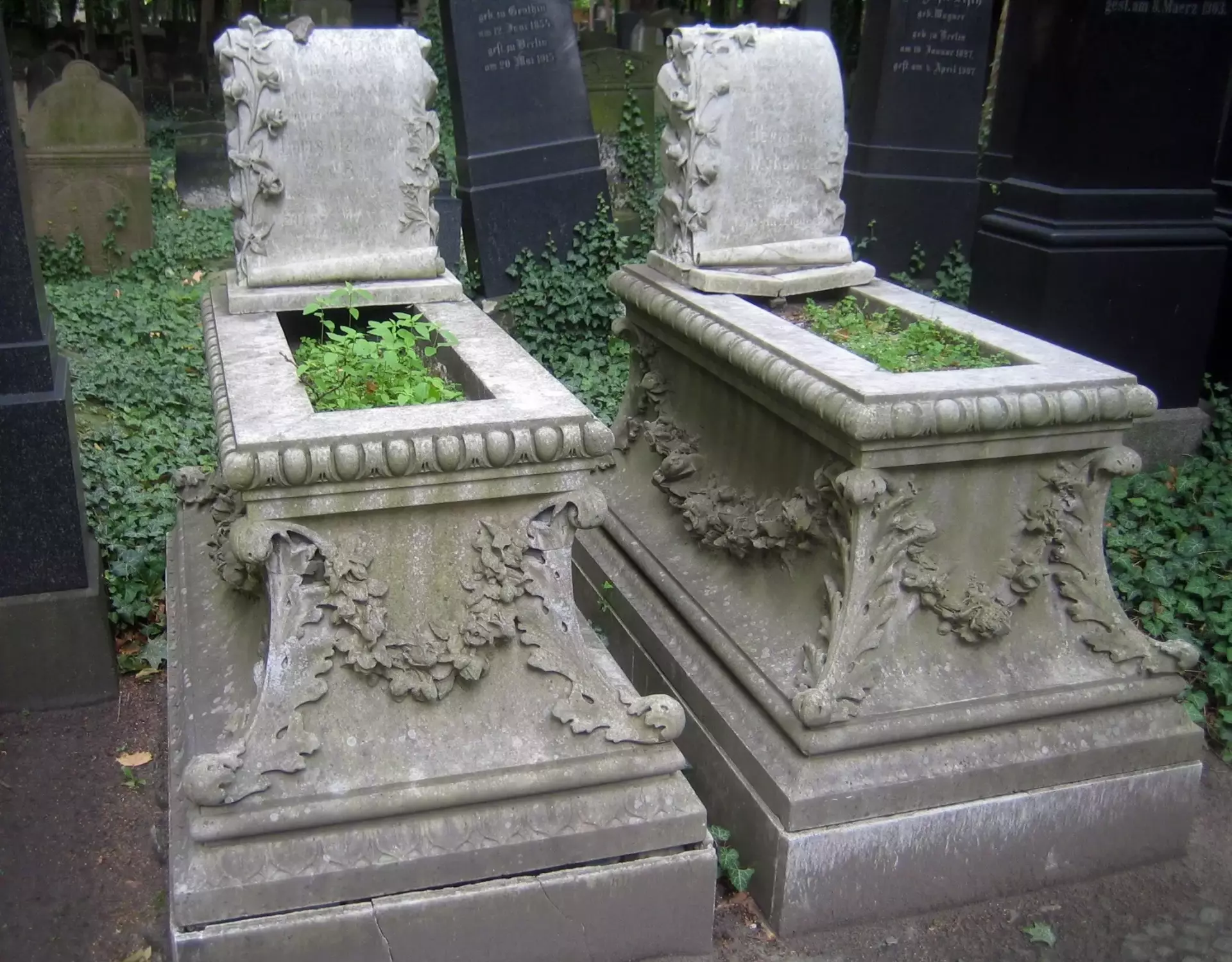
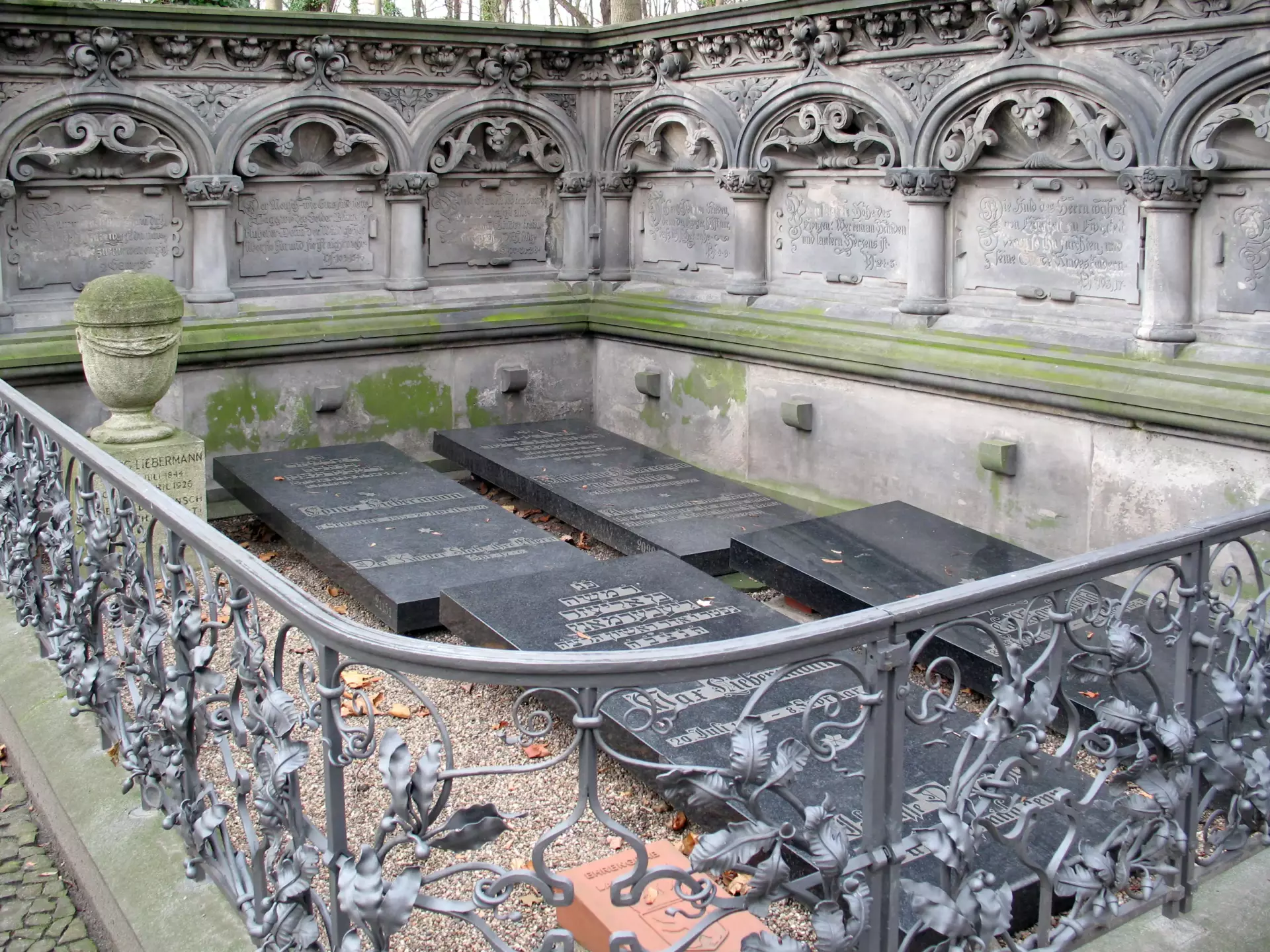
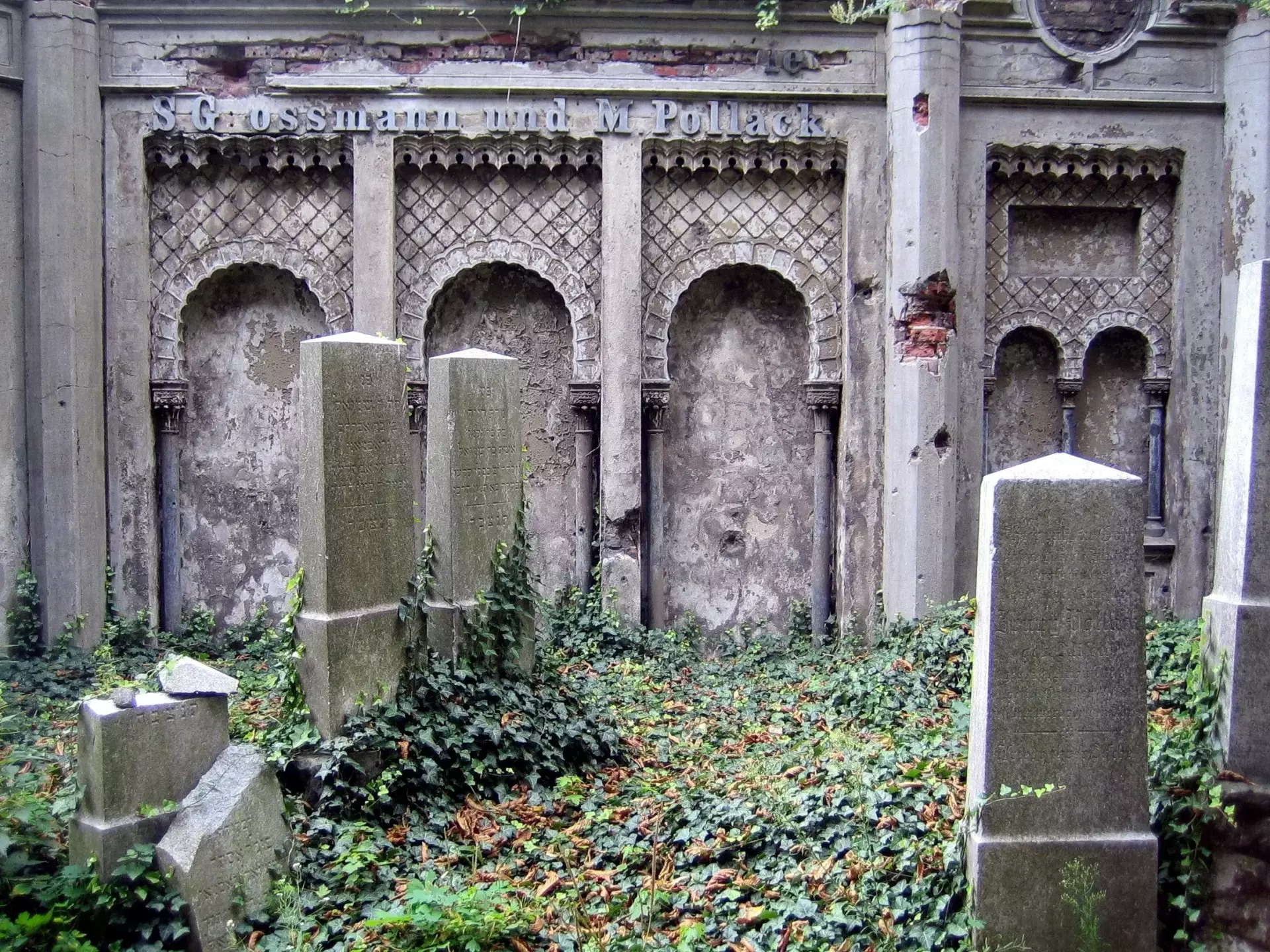
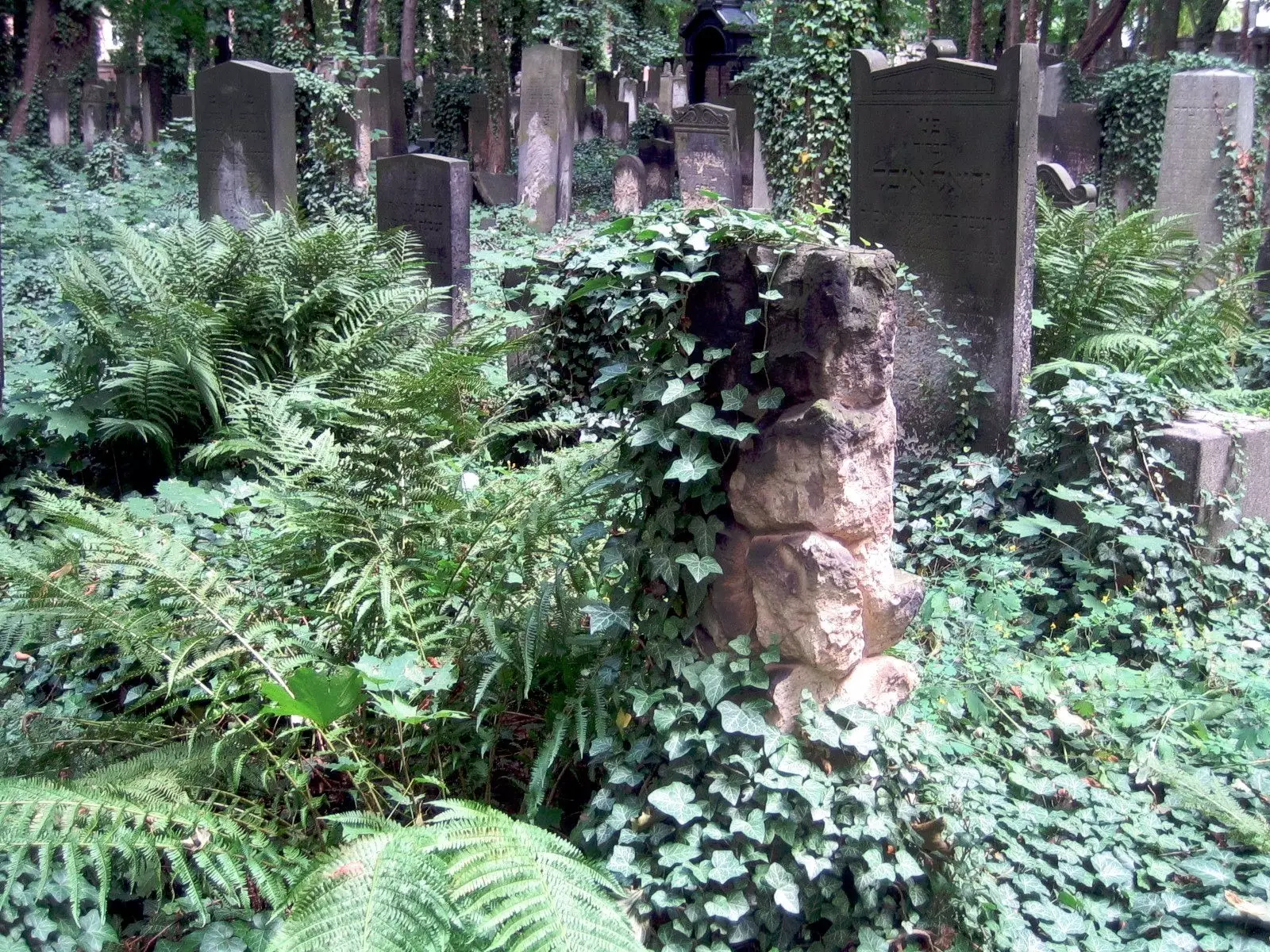
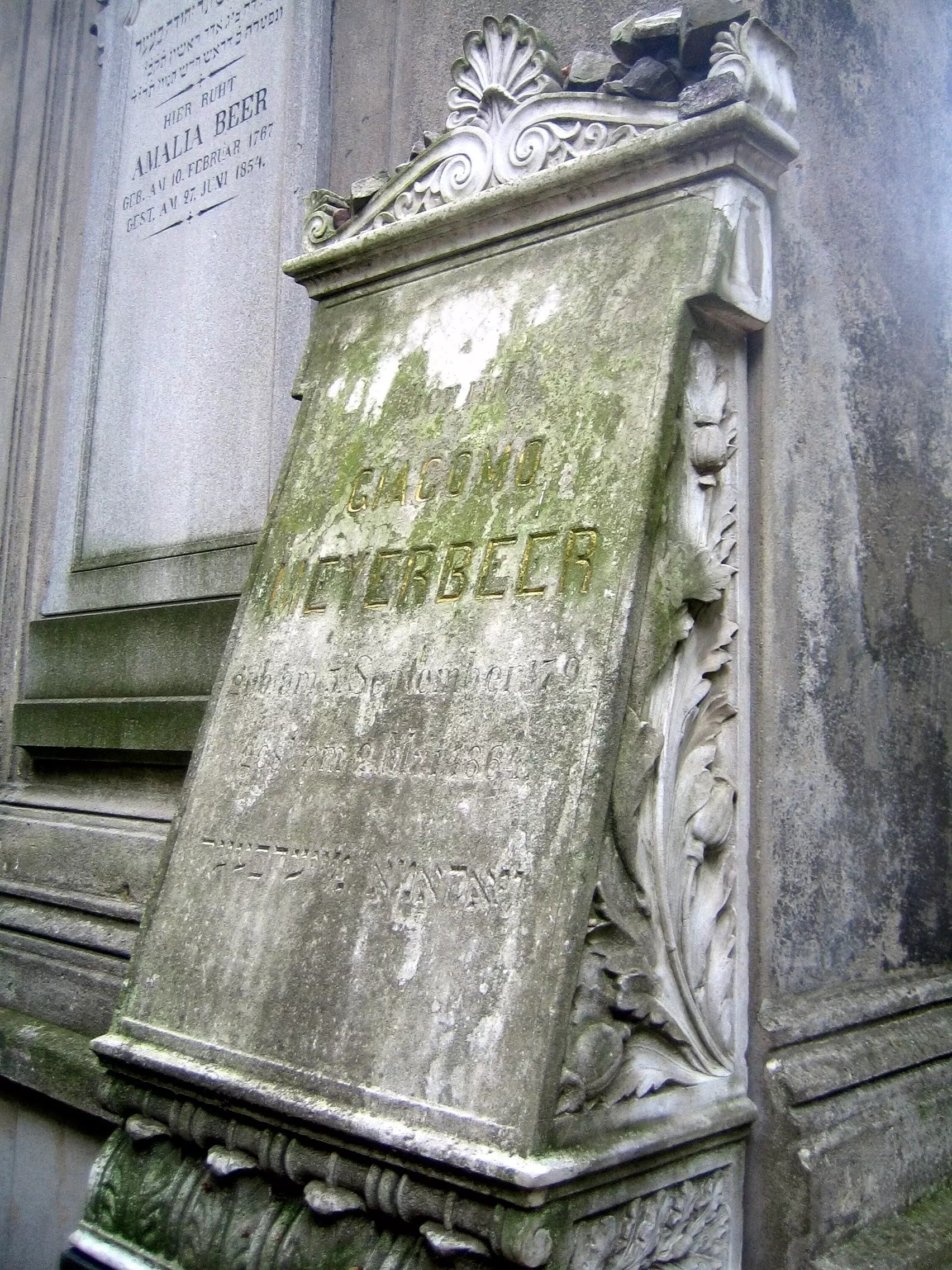
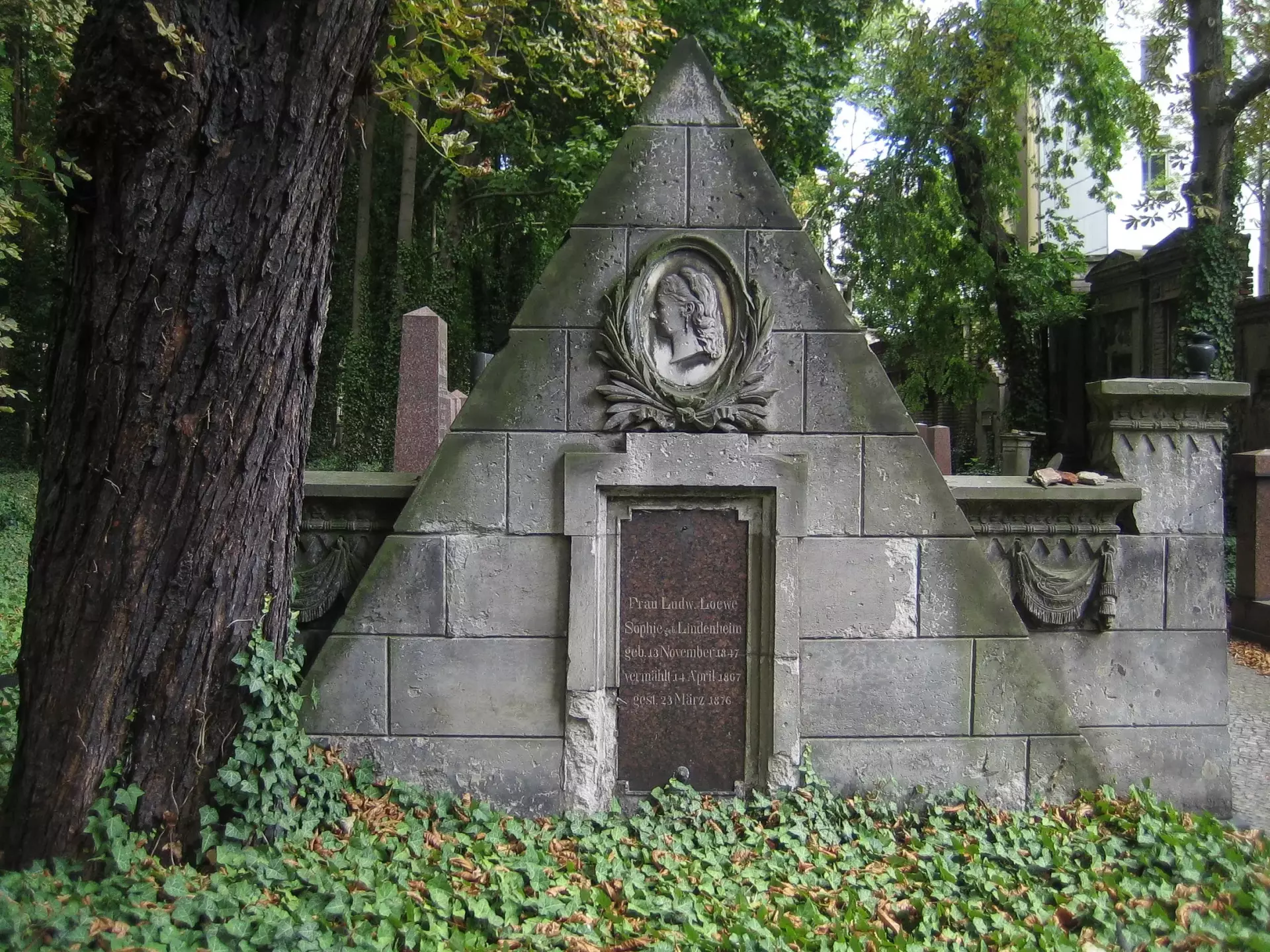
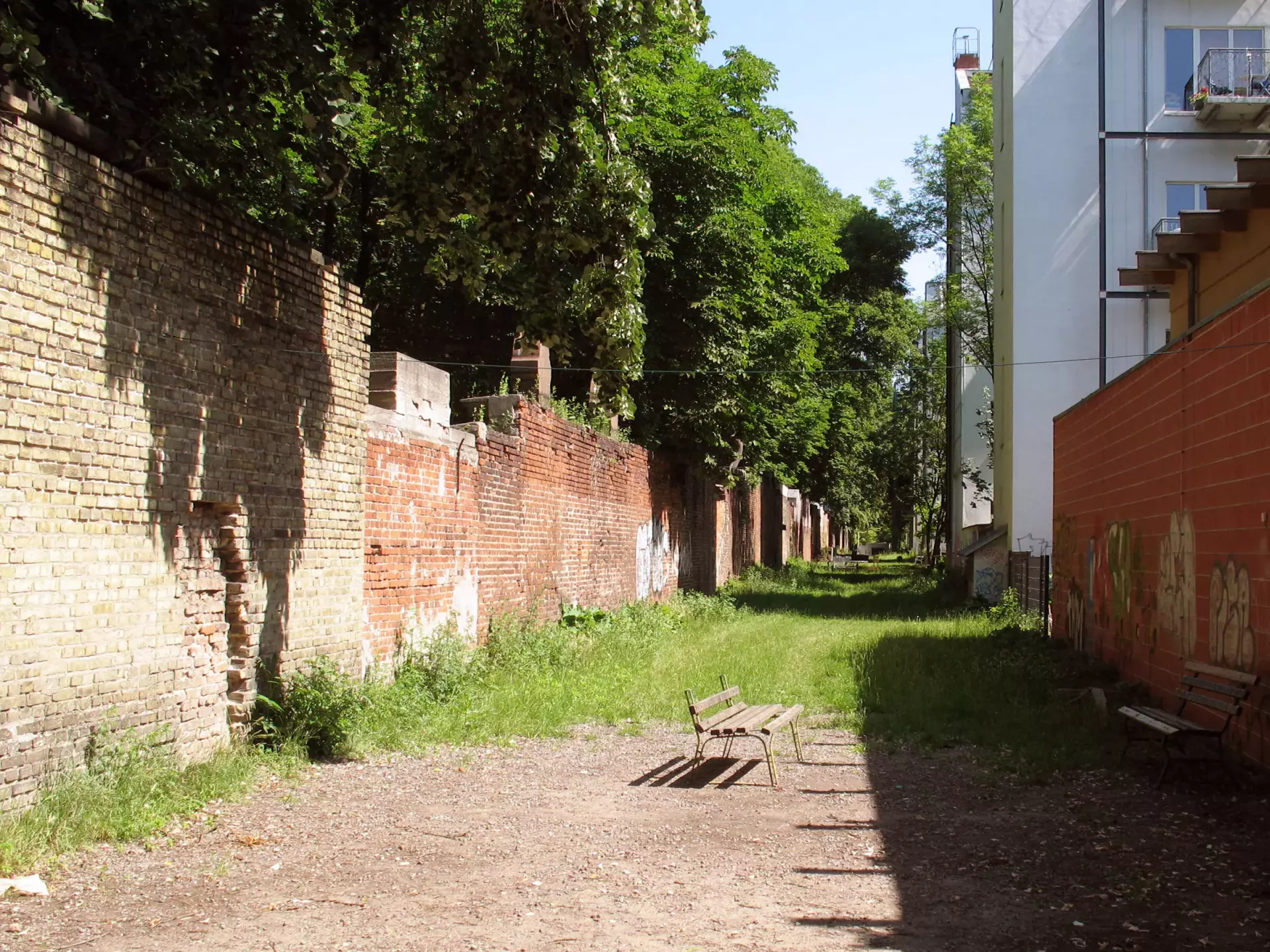
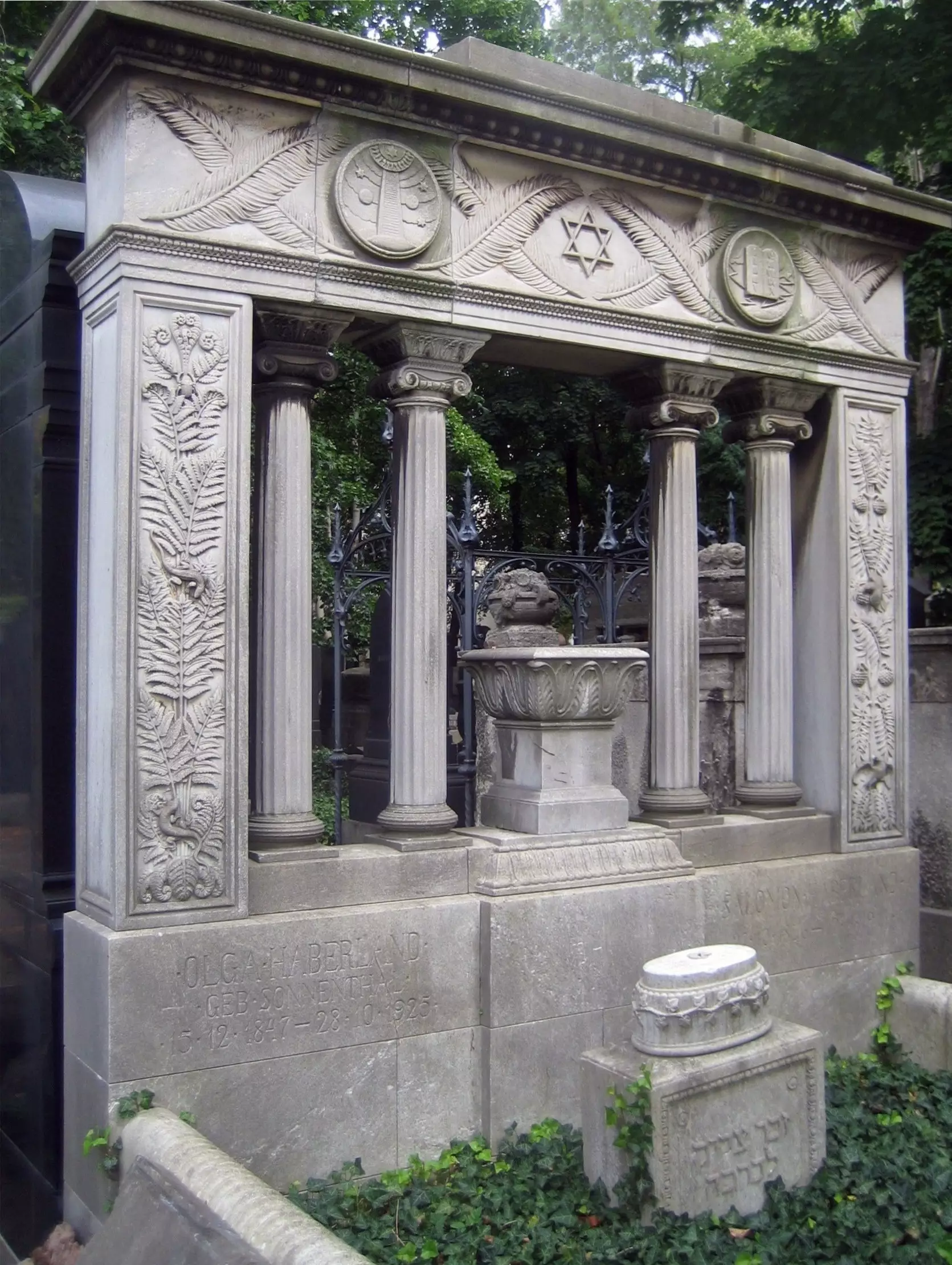
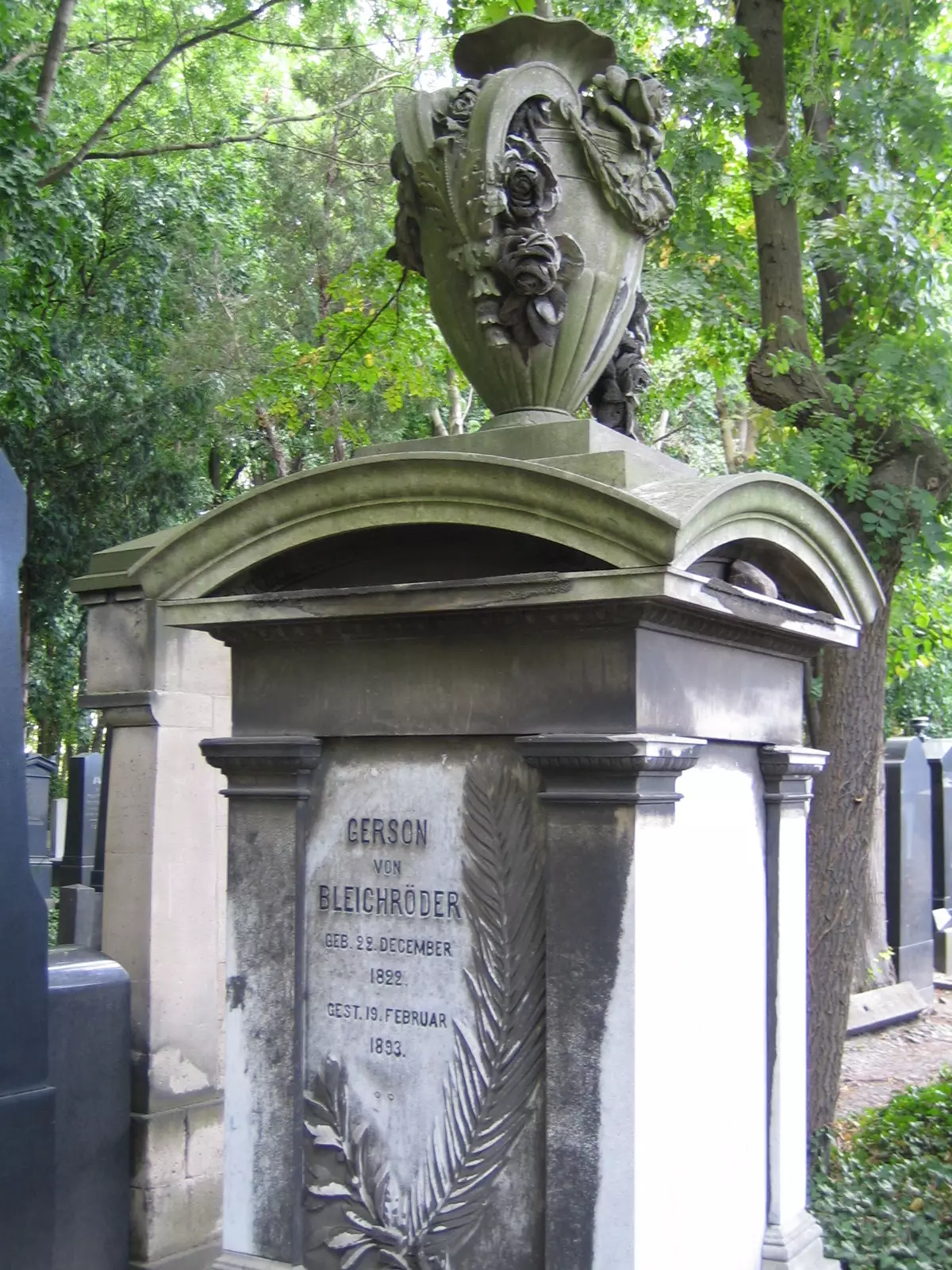
Jüdischer Friedhof Schönhauser Allee is a historic Jewish cemetery in Berlin, known for its peaceful paths and weathered stones. Established in the 19th century, it reflects the growth of the city’s Jewish community and the changes that followed. Many notable figures rest here, and the grounds preserve a layered story of memory, loss, and continuity.
The cemetery’s old tombstones show a wide range of styles, from simple markers to grand family monuments. Hebrew and German inscriptions appear side by side, with symbols like menorahs, hands in blessing, and broken columns. Time has softened many carvings, yet the names and dates still speak clearly of families who shaped Berlin’s cultural and economic life.
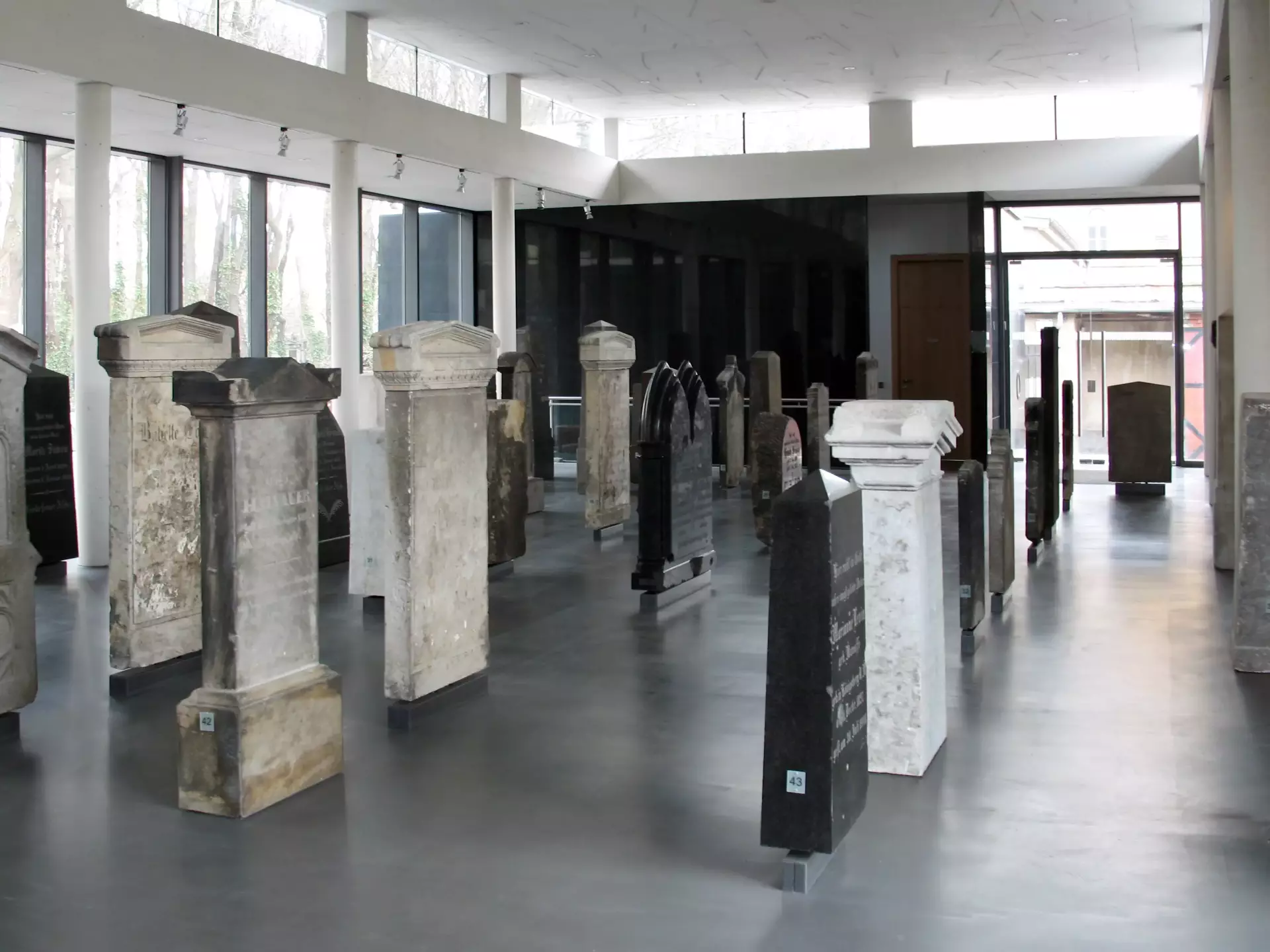
A lapidarium on the grounds holds fragments and rescued stones that once stood elsewhere. These pieces include headstones damaged by weather, war, or neglect, gathered to safeguard what remains. Arranged with care, the collection helps visitors understand burial traditions, stonecraft techniques, and the effort to conserve fragile heritage.
Tall trees cast shifting light across mossy edges and sandy paths. Birds and the soft rumble of the city form a gentle soundtrack. Despite its central location, the cemetery feels calm and reflective, offering space to consider the long timeline of Jewish life in Berlin.
Details reward close attention: stones with pebbles placed on top as a mark of remembrance, ironwork fences with floral motifs, and family plots that show changing tastes across decades. The lapidarium’s fragments highlight different types of stone, from sandstone to granite, and reveal how artisans balanced faith, art, and the expectations of their time.
Small terrace on the top of the Park Inn, publicly accessible. Take the elevator to the 40th floor, and follow the signs up the stairs. Pay the attendant who also serves beer and coffee. Great views of the Fernsehturm. In the summer, consider base jumping off the roof with Jochen Schweizer. It is often closed in bad/windy weather, so look for a notice posted near the elevator that the terrace is closed.
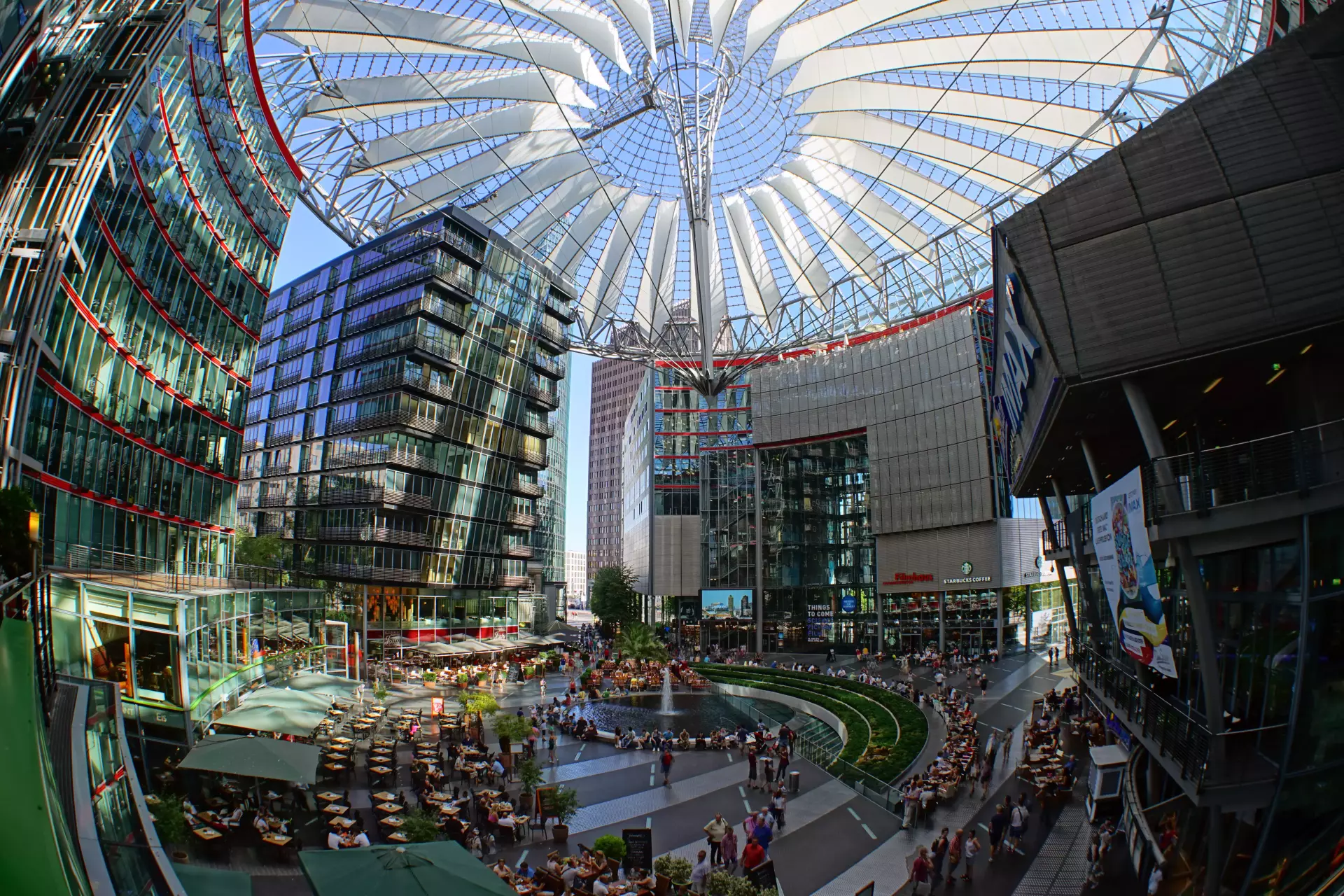
The complex consists of eight interconnected courtyards. Plenty of designer boutiques can be found here.
The charming Baroque water palace of the Hohenzollern electors surrounded by the Dahme river and an English garden.
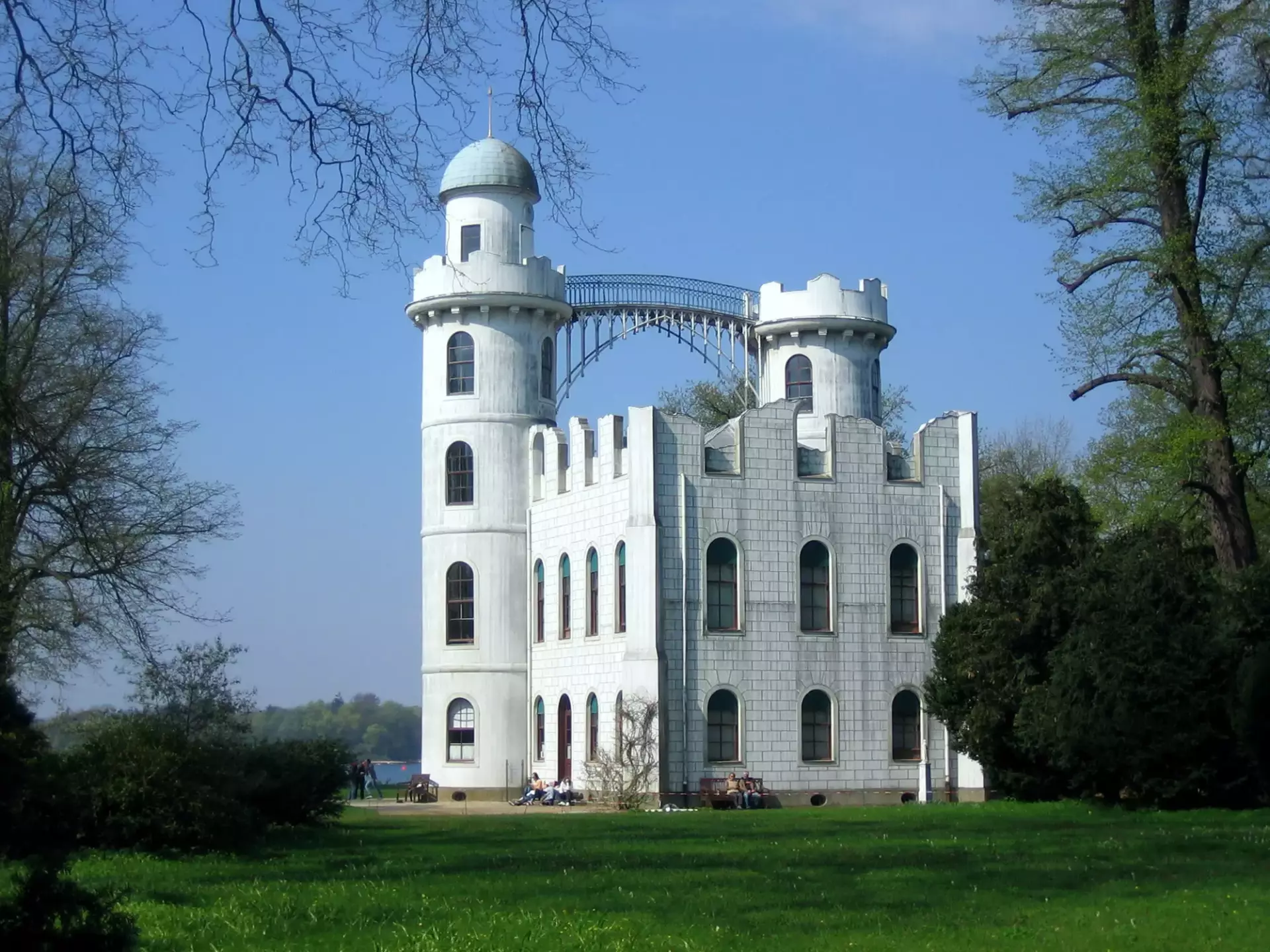
A small castle in late classical style. It was built 1868 by Martin Gropius (uncle of the Bauhaus-founder and other architects, the von Siemens family changed the castle a bit around 1900 and they enlarged the dimensions of the park, which is today renovated and nice to wander around when the sun is shining. Located within a few minutes' walking distance from Biesdorf station (take the S5 from the city centre) or Elsterwerdaer Platz station (U5).
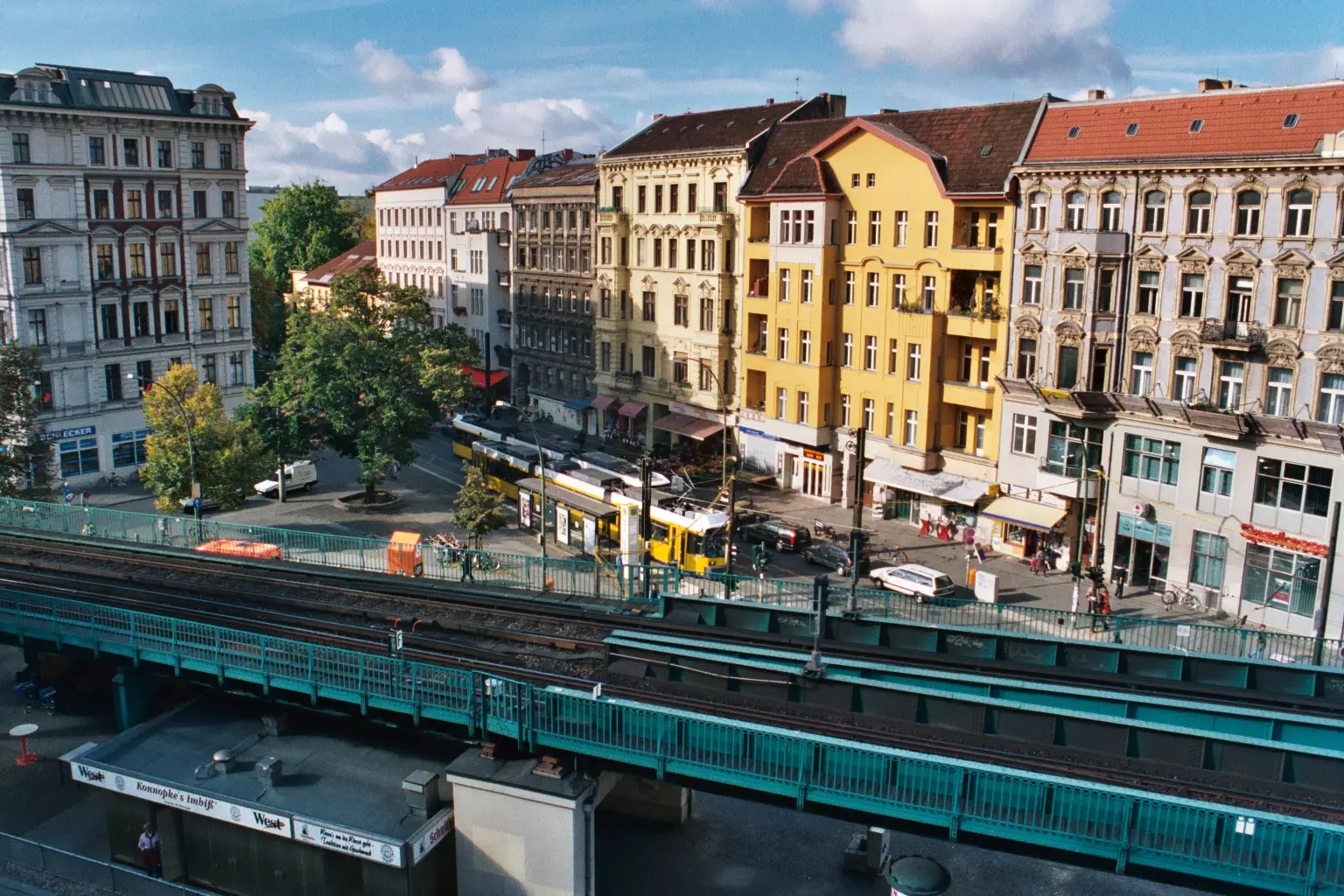
Oderberger Straße is known for its beautiful and generous Gründerzeit architecture, as well as its cafés and restaurants. Since before Germany's reunification the street has been the desired place for alternative folks and avant-gardists, but the area has seen continual gentrification since the early 2000s.
Want to feel like one of the angels in Wim Wenders' classic film Der Himmel über Berlin (a.k.a. Wings of Desire)? Climb to the top of Gold-Else, as the statue of Victory on the top of the Victory Column is known. Just don't jump off if you're not actually an angel. Unfortunately there is no elevator, so be prepared for 285 steps to the platform at 50.7 m.Else was built to commemorate Prussian military prowess in the wars against Denmark (1864), Austria (1866) and France (1870-71), and moved to her present location by the Nazis. Five roads run into a traffic circle called Grosser Stern, in the centre of which is the Siegessäule. Else is visible from much of the city district known as Tiergarten. At the base of the statue are reliefs of war scenes representing the conflicts which this monument memorializes. The Allies forced Germany to take those panels down in 1945, but they were remounted in 1984 and 1987. It also served as a backdrop for a speech by then senator Obama in 2008, after his request to speak in front of Brandenburger Tor caused a political debate in Germany.
Built in 1542. An impressive traditional country estate with stately architecture, it is an enclave of untouched regional cultural history and architectonic epochs. The 80-hectare mixed forest also provides a wide network of paths for walking and rambling.
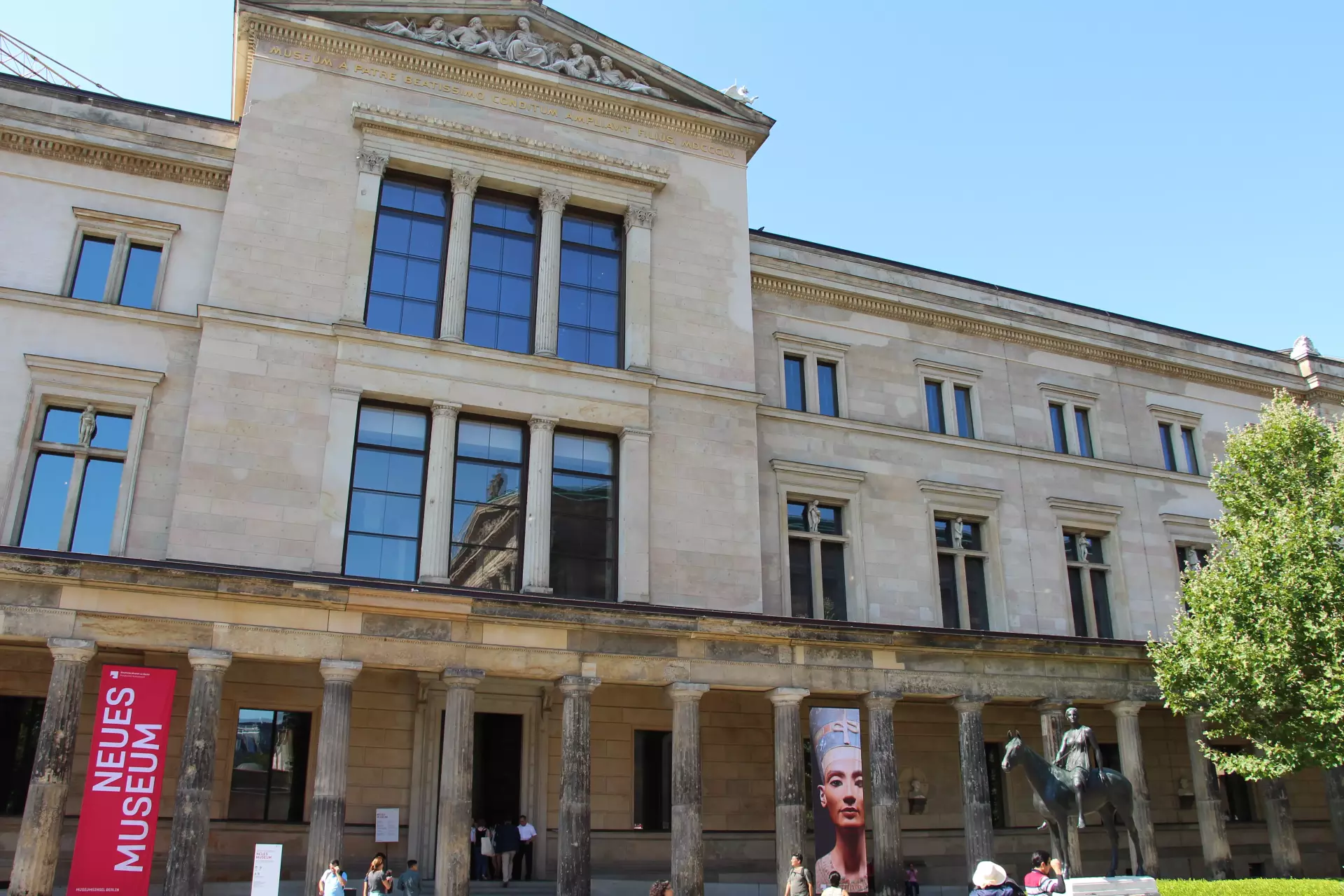
More than 30 million objects in the scientific collection and a fascinating exhibition in one of the most significant institutions of its kind in the world. Some parts still under construction.
The oldest museum of its kind in Germany which, despite great losses during the World War II, still possesses one of the world's primary collections of European applied art. There are two sections to the collection: one located at the Kulturforum in Tiergarten, the other at Köpenick Palace.
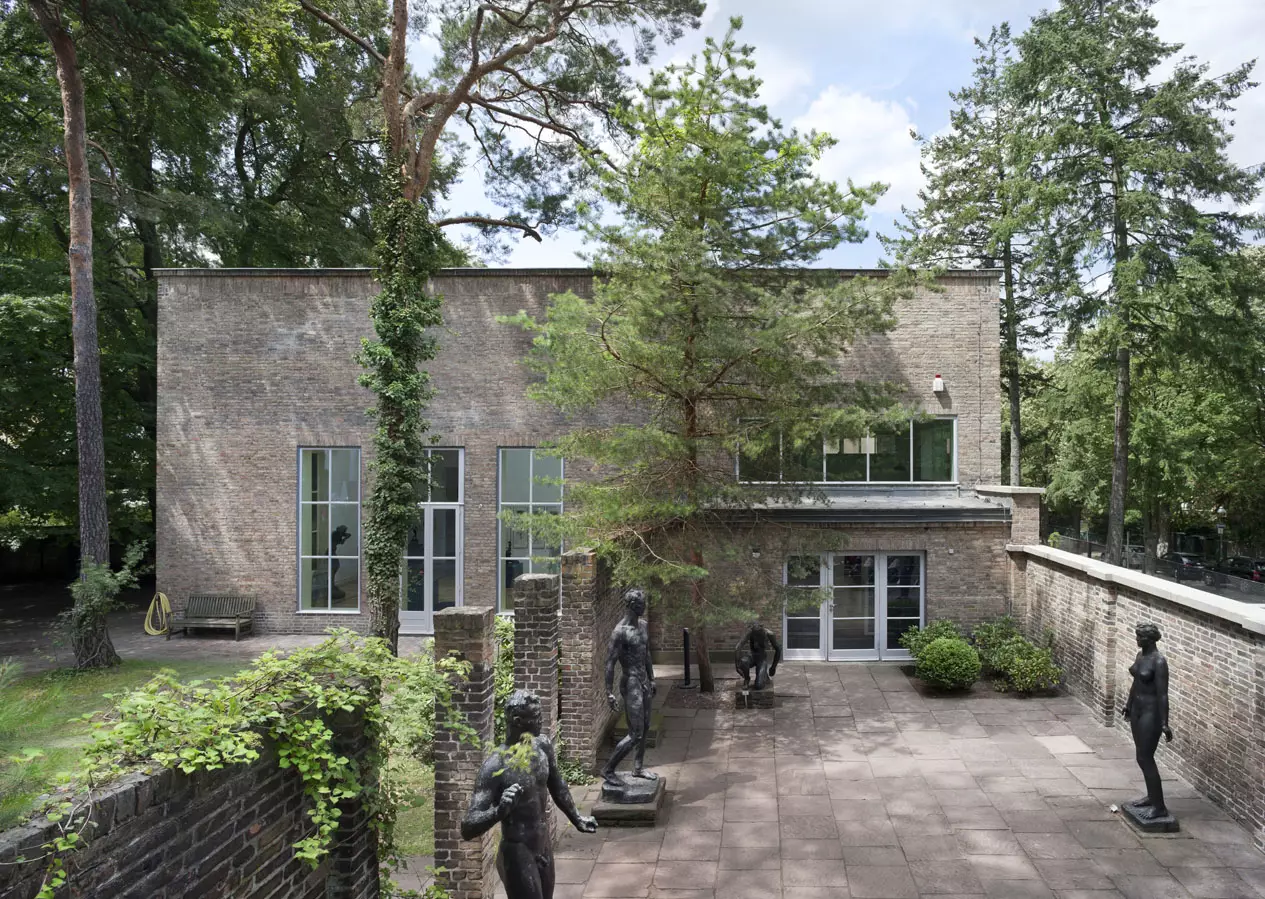
House museum on Max Liebermann, German painter and printmaker. Has about 15 Lieberman paintings.
Specializes in 19th-century painting and sculpture; Monet, Manet, Cézanne, C. David Friedrich and other important 18th- and 19th-century artists are well-represented.
The memorial site stretches along the full 1.5-km length of Bernauer Straße. The listing marker points to the visitor centre. Various monuments can be found along the entire length of the street, documenting nearby escape attempts and tunnels; captions are in German and English. The documentation centre across the street on Bernauer Straße/Ackerstraße is excellent (although most of the documentation is in German). The viewing platform next to the documentation centre gives you a tiny hint of the true scale of the Wall and how terrifying the "no man's land" between the two sections of walls must have been. The monument (that you can see from the platform) is a complete section of 4th generation wall - both inside and outside sections, and you can peer through from the east side to see the remains of the electric fence and anti-tank devices in the death strip. It really helps you understand what an incredible feat it was to get from one side to the other -- and why so many died doing it. The memorial site is often missed by tourists but an absolute must for anyone interested in this part of the city's history. It's a memorial to those who died crossing, so you won't, fortunately, get the tackiness of the Checkpoint Charlie area; instead you will be left with a haunting feeling of what life with the wall may have been really like.Bernauer Straße is a street with a great deal of Wall history: it came to tragic prominence on August 13, 1961 when East German authorities closed the border and the street (with houses in the East but the street in the West). Border guards walled the doors and windows shut to keep Easterners from escaping by jumping out the window while Westerners (including police and fire brigades who brought life nets to help catch refugees) looked on in horror. The first recorded Wall-related death - the notorious Peter Fechter case (he bled to death in the "no-man's-land" with both sides unwilling or unable to help him) - was here, as was one of the famous tunnels and the famous photograph of the GDR border guard leaping over the barbed wire.
A small but interesting collection of decorative arts from the Art Nouveau and Art Deco periods
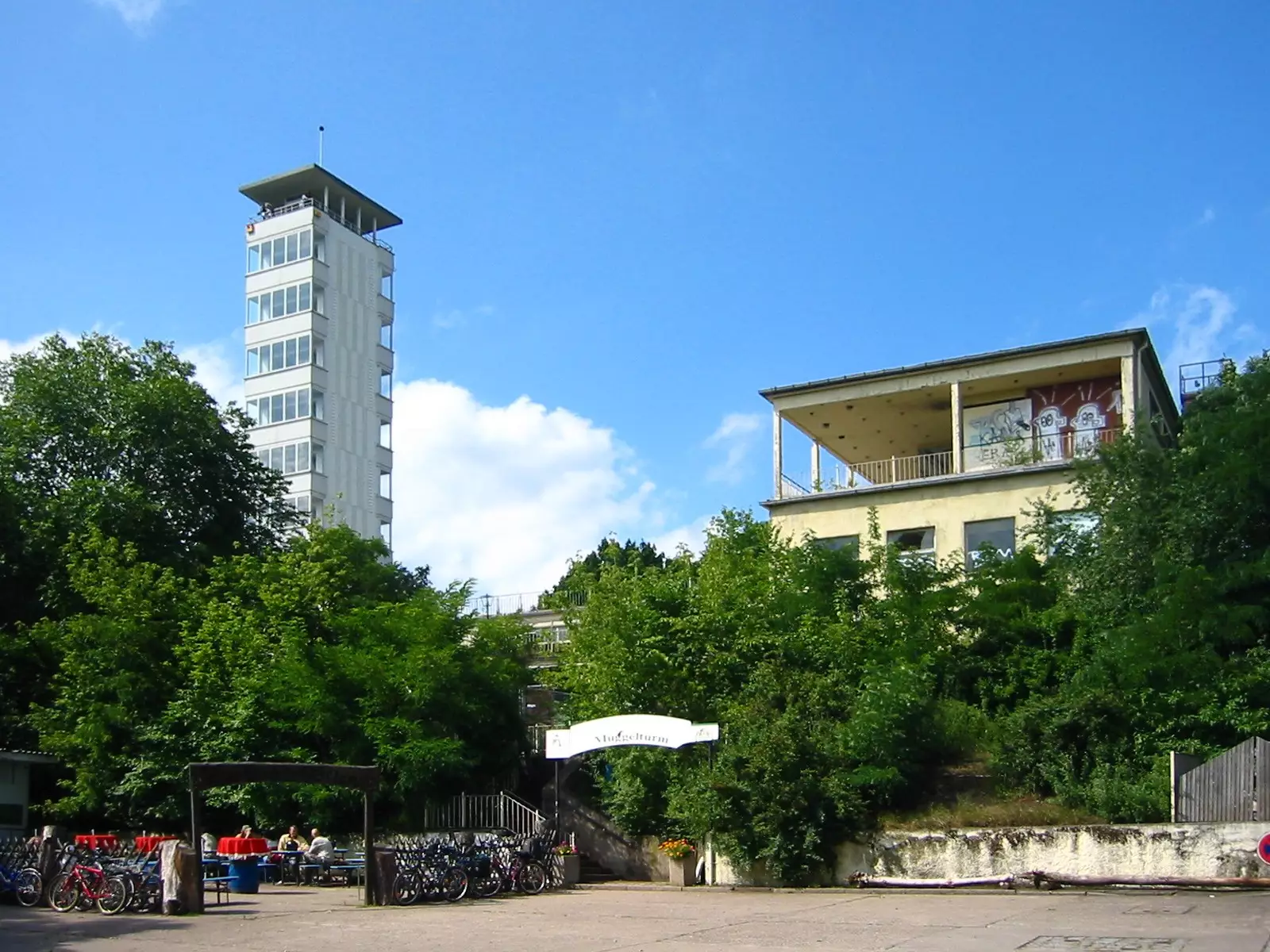
An observation tower without an elevator in Southeast Berlin, from which you can see that there is a great deal of forest around Berlin. There is a cafe at the tower.
The building of one of Berlin’s oldest breweries is a ravishingly beautiful and heritage-protected industrial monument.