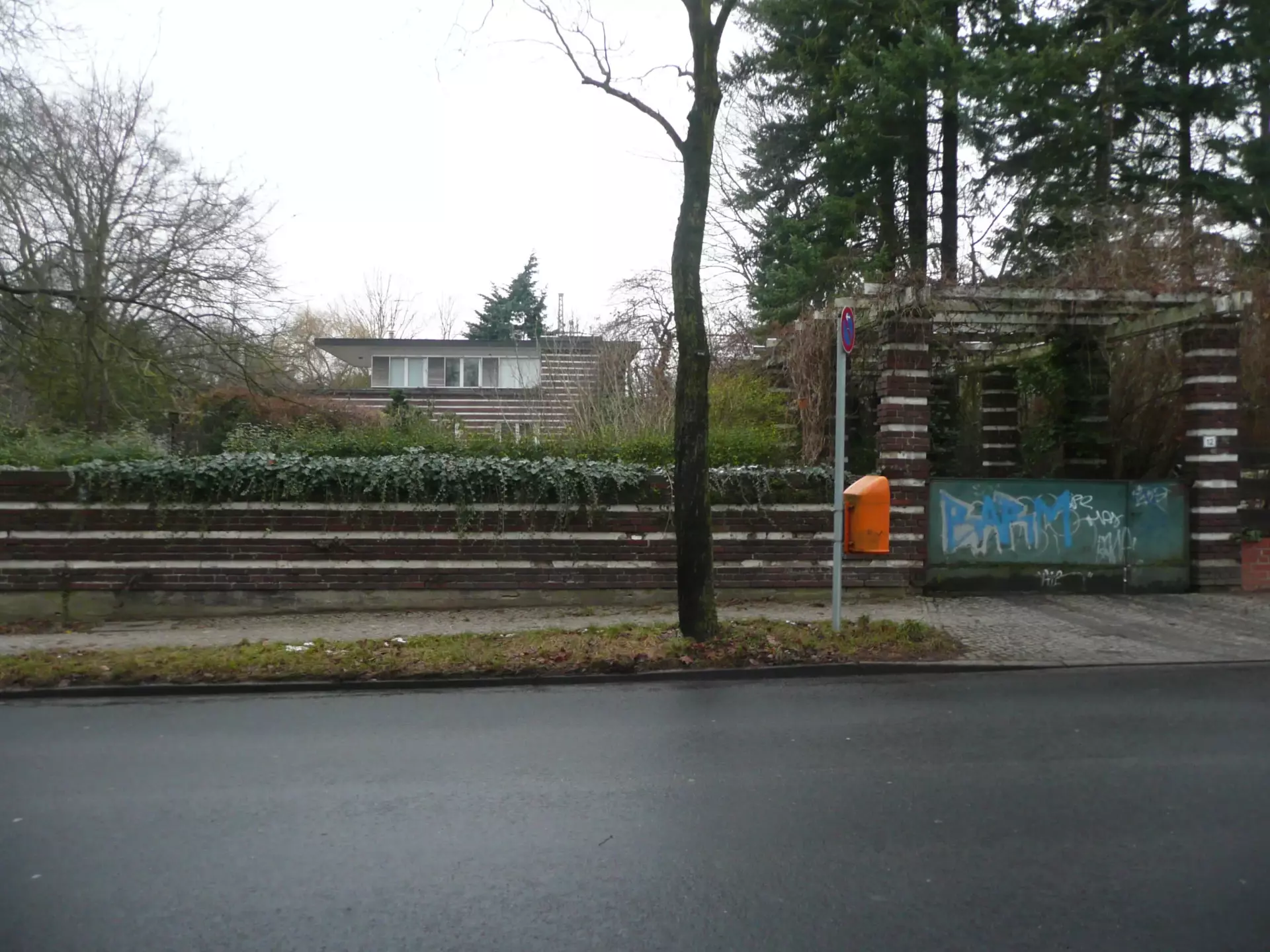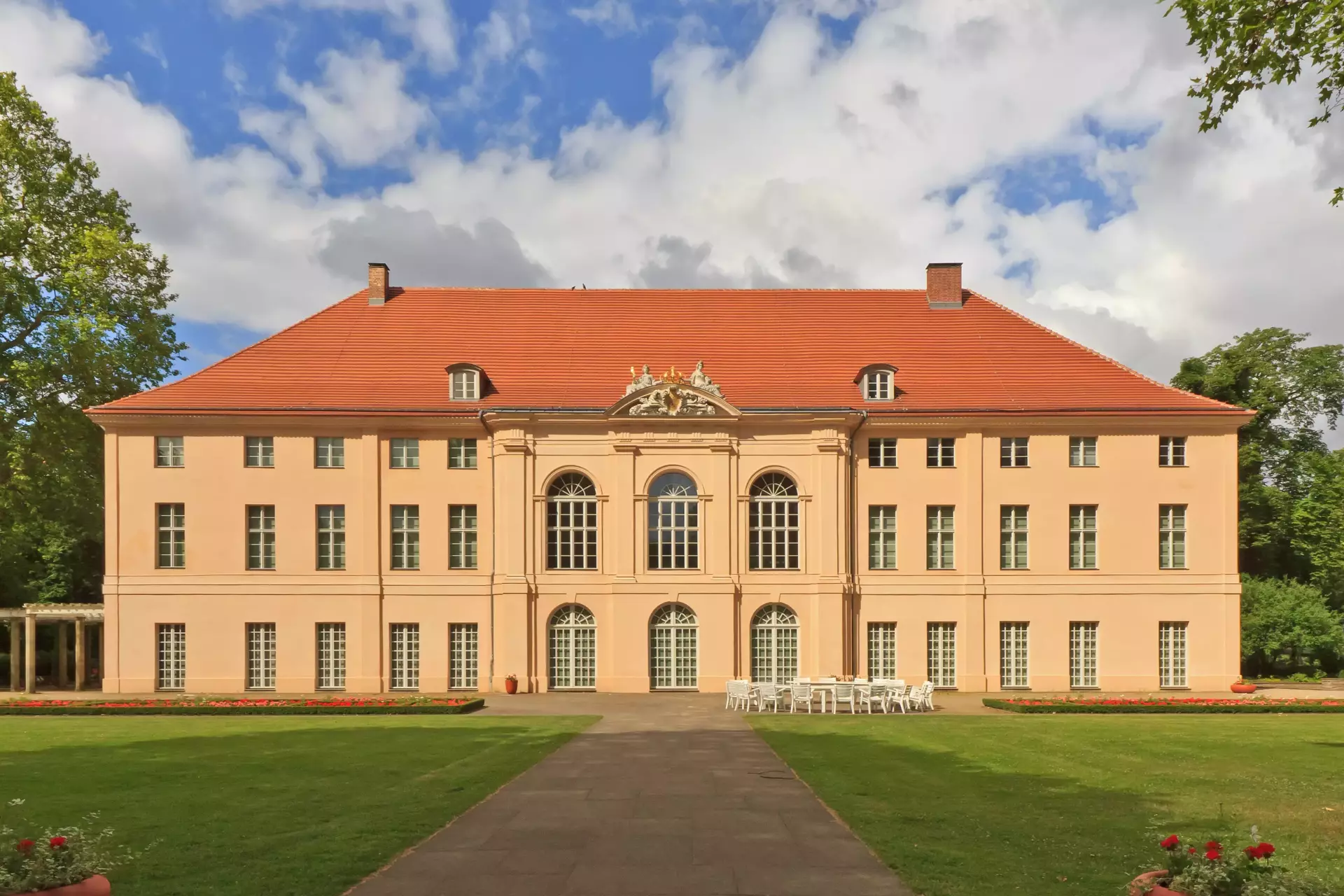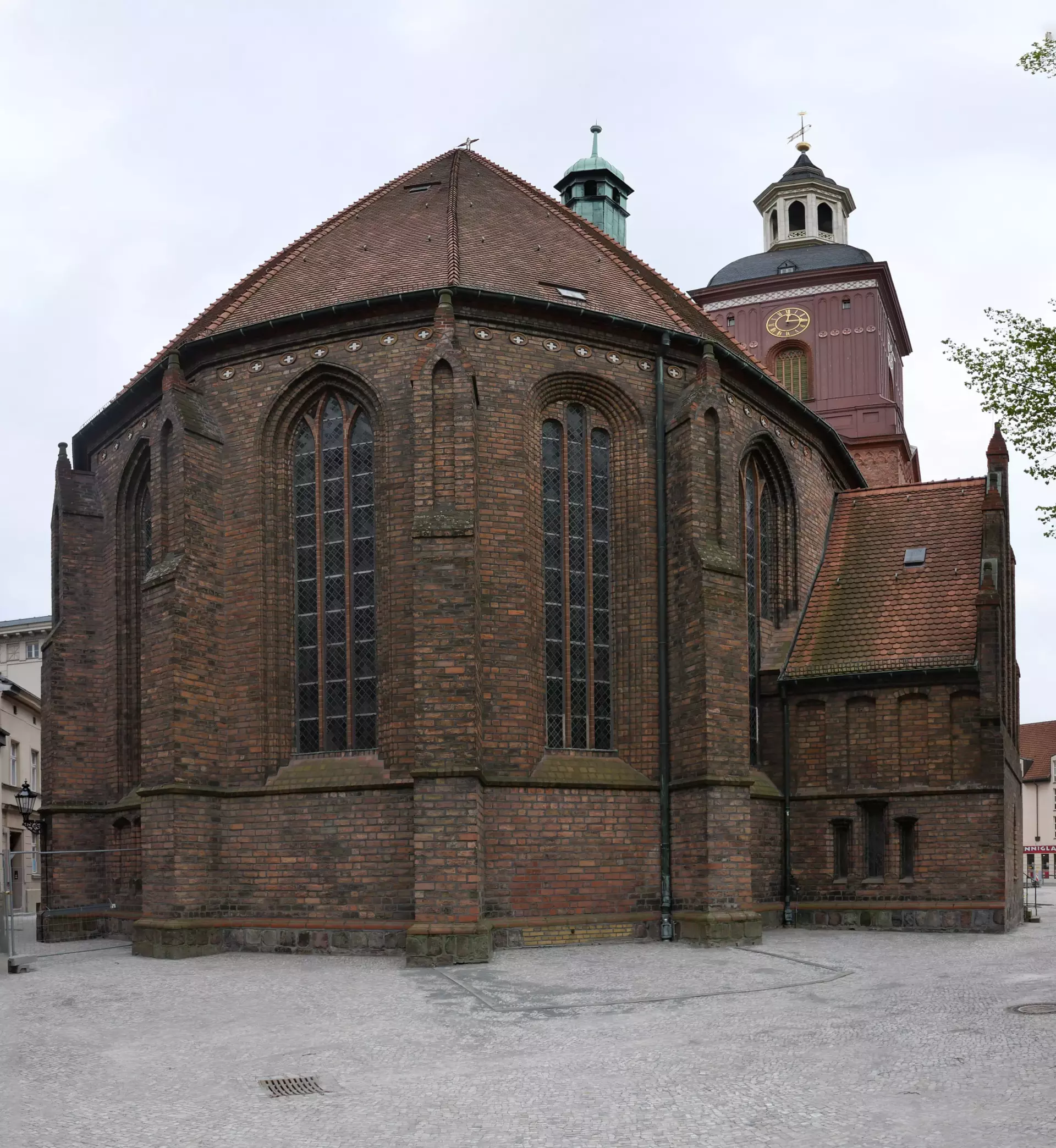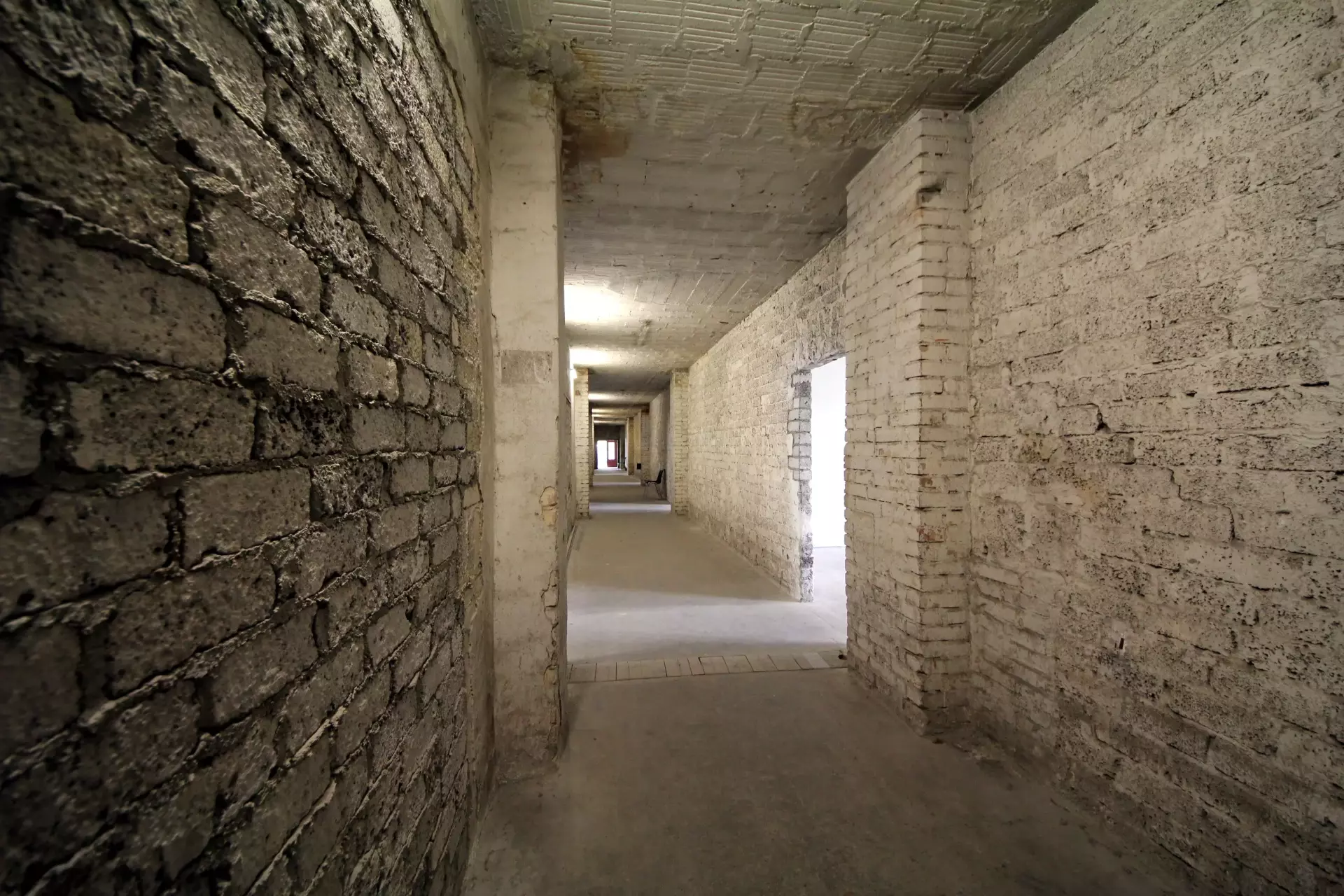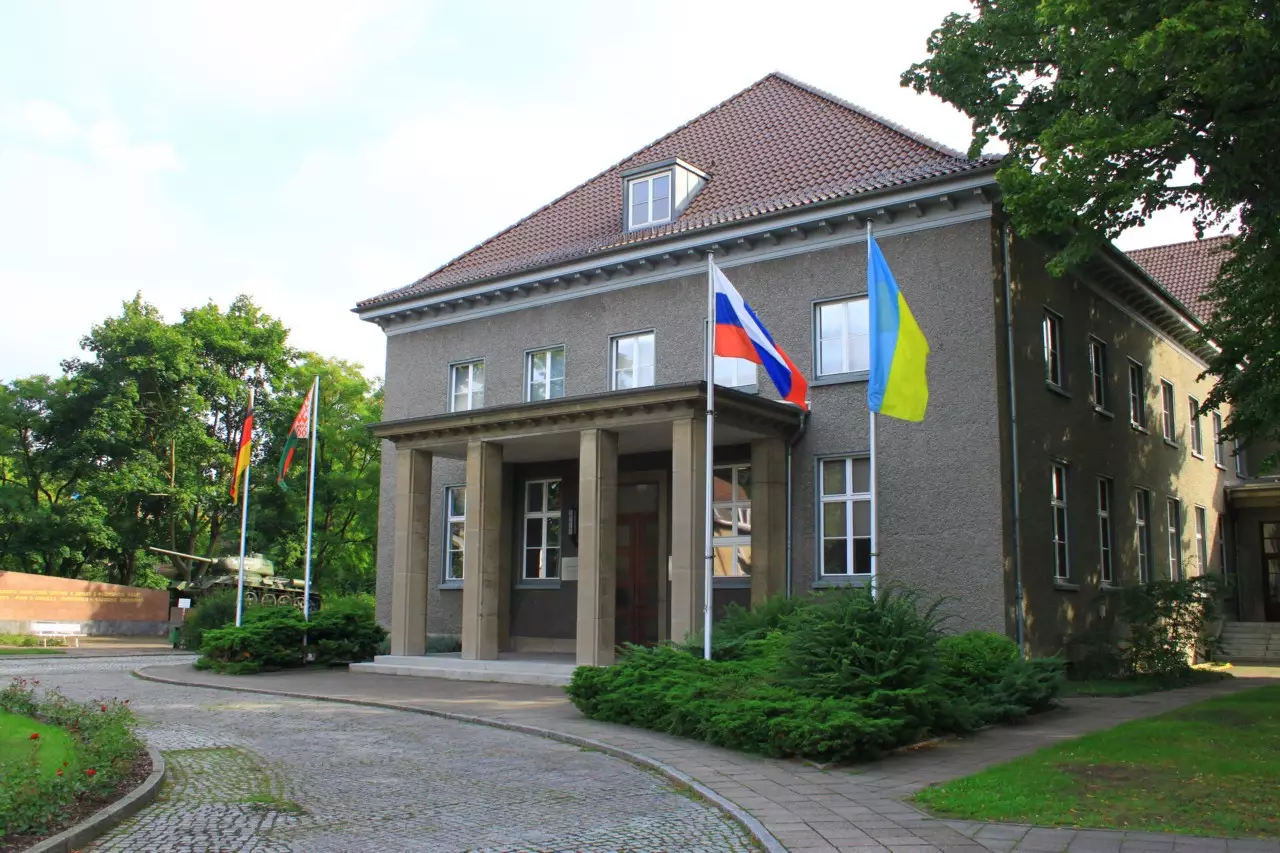
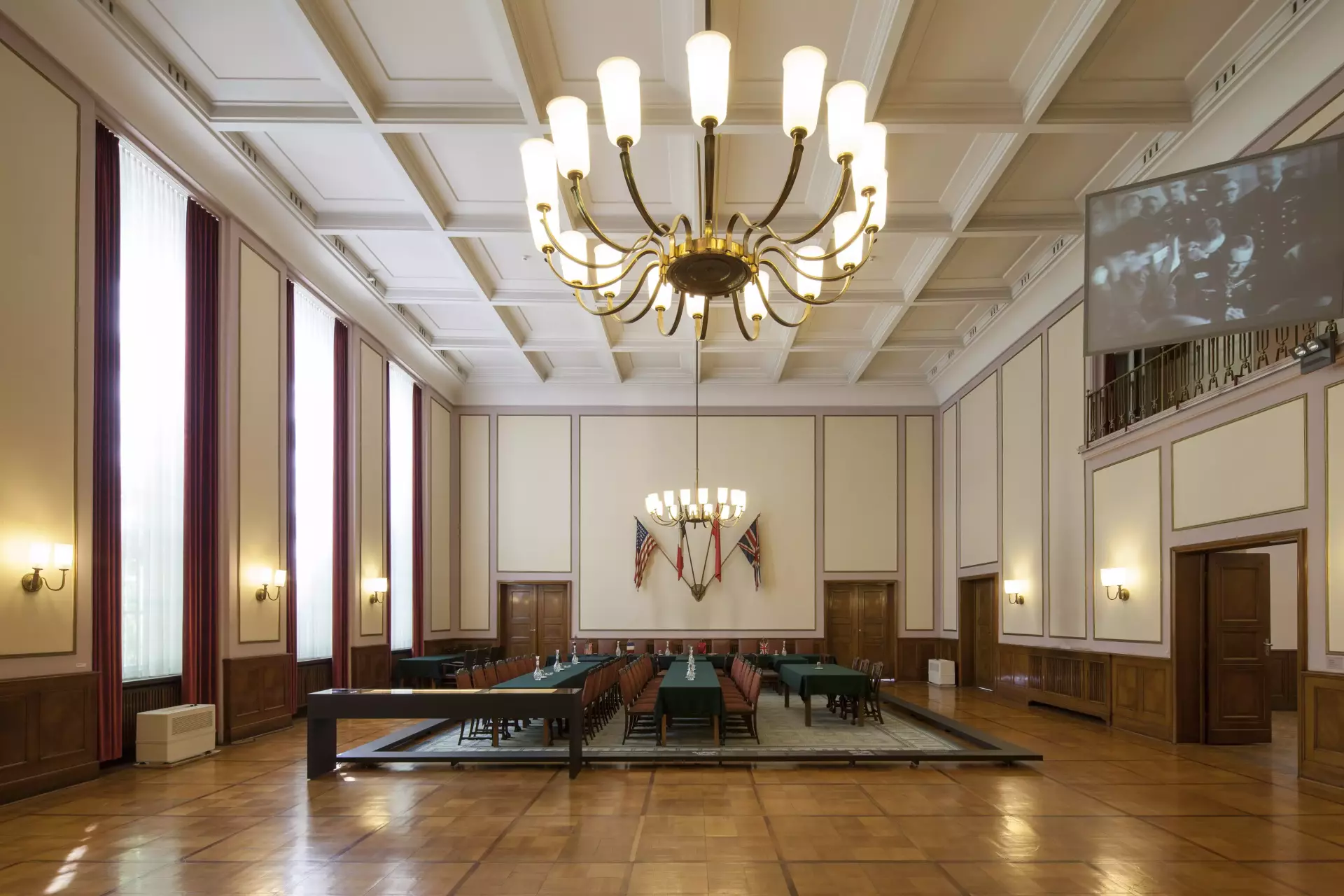
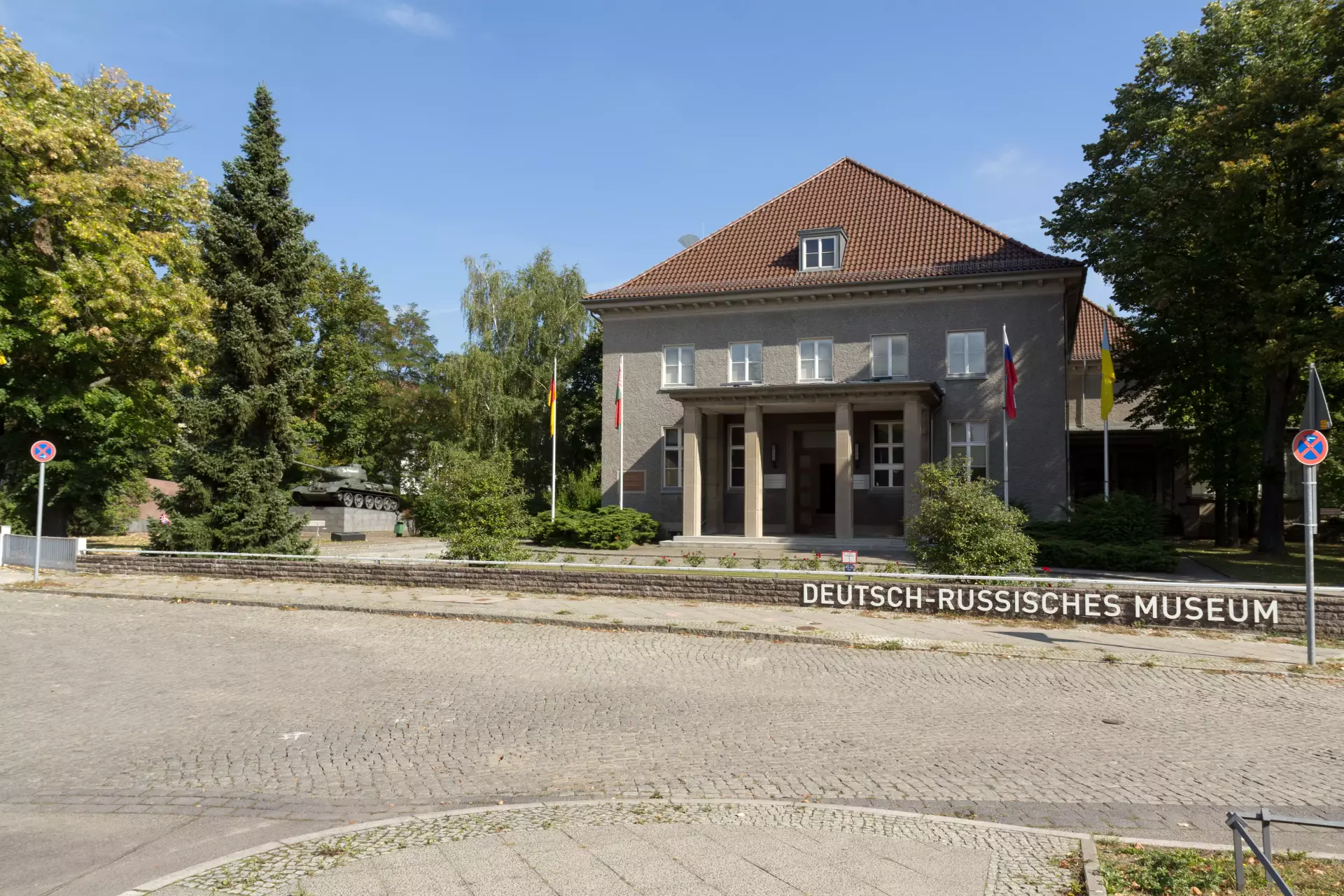
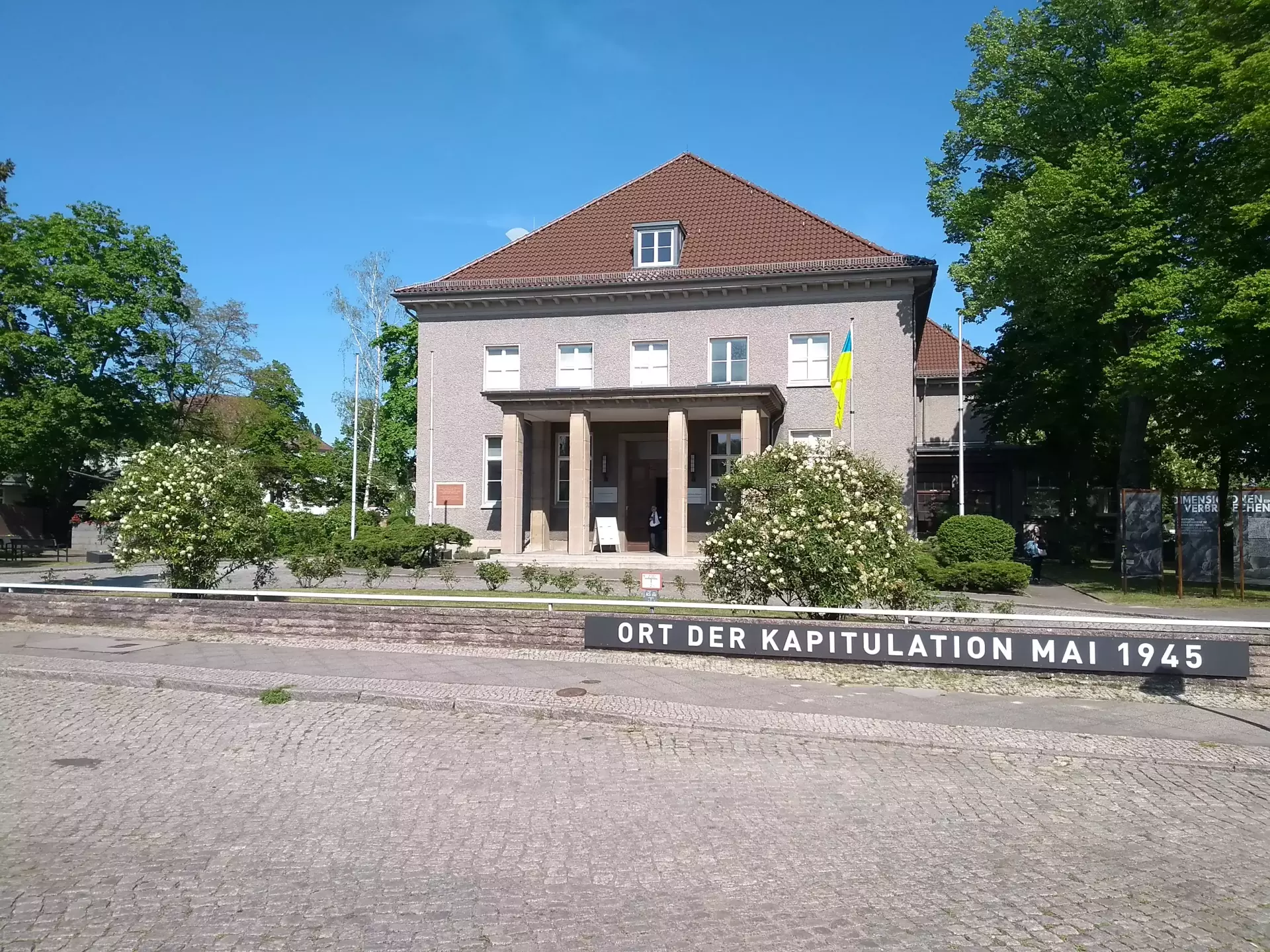
In this house, the act of Germany’s surrender was signed on May 9, 1945, bringing the war in Europe to an end. Today, the site serves as a museum that preserves this moment and explains the wider history attached to it.
The museum focuses on the war between Germany and the Soviet Union from 1941 to 1945. Exhibits trace the scale of the conflict, the military campaigns, and the impact on soldiers and civilians. Maps, documents, and personal stories help explain how the Eastern Front shaped the outcome of the war.
Another key theme is the relationship between the GDR and the Soviet Union after 1945, and later between unified Germany and Russia. Displays follow diplomatic ties, cultural exchanges, and tensions over the decades, offering context for how political life shifted from occupation to partnership and, at times, disagreement.
Several original rooms have been preserved, including spaces connected to the surrender ceremony. These interiors provide a direct sense of the moment when hostilities ceased in Europe.
The permanent exhibition presents the core narrative of 1941–1945 and its aftermath, while special exhibitions highlight specific topics, anniversaries, or newly researched stories. Together, they combine artifacts, photographs, film, and testimony to connect major events with everyday experiences.
Source - https://en.wikipedia.org/wiki/Museum_Berlin-Karlshorst
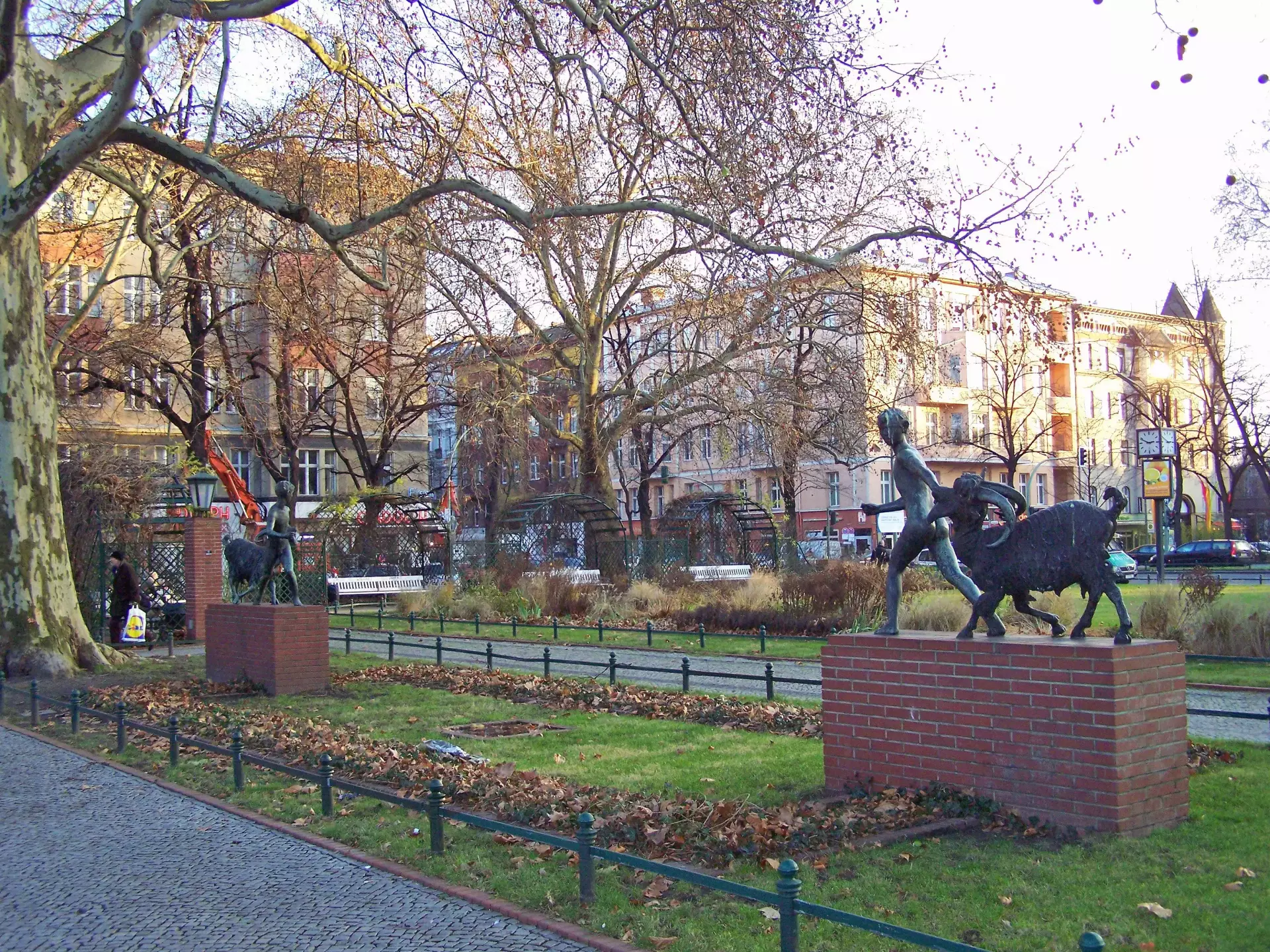
An eerie memorial to victims of the Nazi regime built on the place of a former execution room, where nearly 2900 people where put to death between 1933 and 1945.
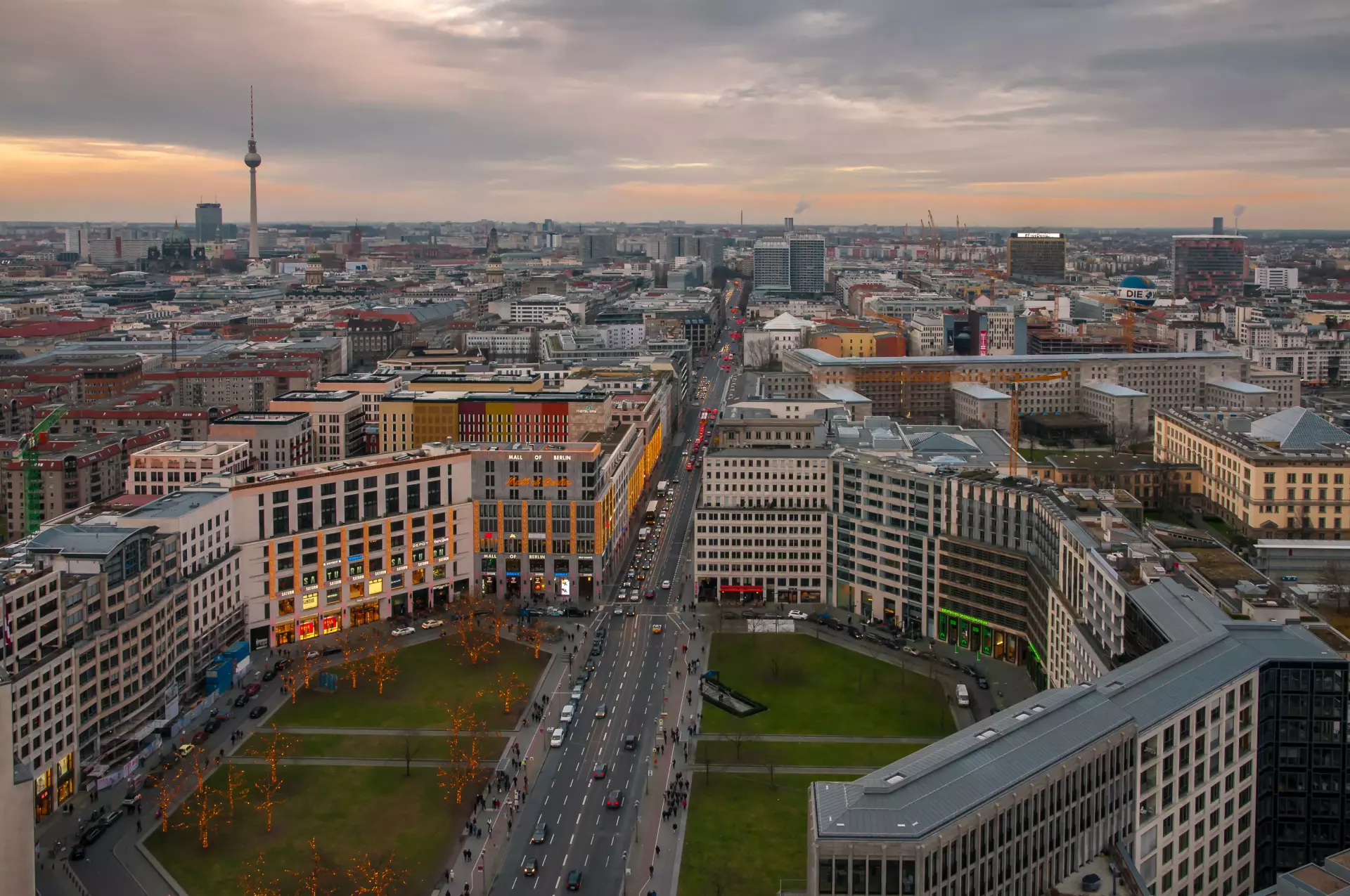
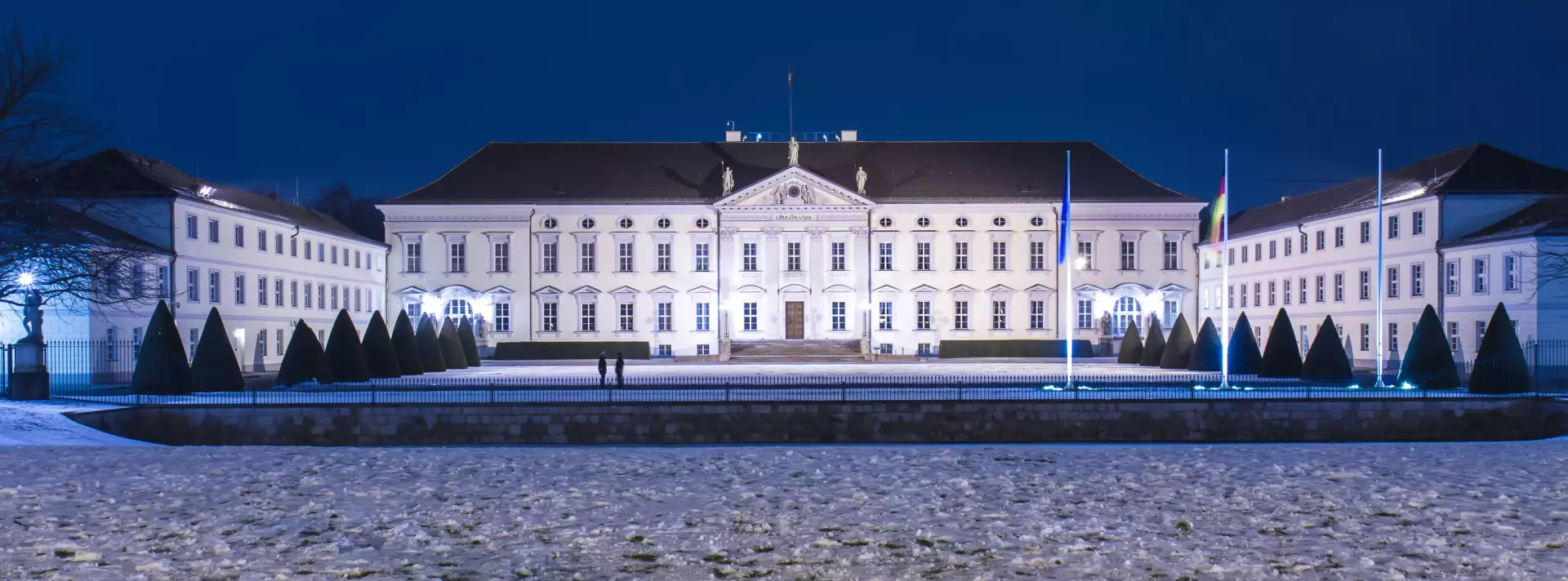
The area to the north of Tiergarten, along the bow of the river Spree (Spreebogen), is home to the German federal institutions such as the parliament (Bundestag, in the historic Reichstag building) and the federal government, as well as the new central train station (Hauptbahnhof) across the river.
The complex consists of eight interconnected courtyards. Plenty of designer boutiques can be found here.
At a former Luftwaffe and Royal Air Force (RAF) airfield, RAF Gatow. The museum's focus is on military history, particularly the history of the Luftwaffe of the Bundeswehr, with a collection of more than 200,000 items, including 155 aeroplanes, 5,000 uniforms and 30,000 books. There are also displays (including aeroplanes) on the history of the airfield when it was used by the RAF. Aircraft include reproductions of Otto Lilienthal's gliders, of World War I planes such as the Fokker E.III, and World War II planes such as the Bf 109 and Me-262, as well as at least one aircraft of every type ever to serve in the air forces of East and West Germany. Most of those postwar aircraft are stored outside on the tarmac and runways, however, and many are in bad condition. There are long term restoration projects, including a Focke-Wulf Fw 190. RAF Gatow is notable as the "missing third airport" of West Berlin. Each sector used to have its own airport; the French sector had Tegel, the American sector had Tempelhof and the British had Gatow. However, RAF Gatow never saw much traffic of any kind, was more kept as a political statement than for transportation value, and thus was shut down after reunification. Tempelhof, after having been shut down for civilian traffic from 1975 to 1981, closed for all flights in 2008, while Tegel shut down in November 2020.
The largest zoo in the world, both in terms of number of species (1500) and animal population (14,000). It is especially famous for its pandas. The Elephant Gate (Budapester Straße), one of the two entrances and next to the Aquarium, is a traditional photo stop for most visitors because of the architecture.
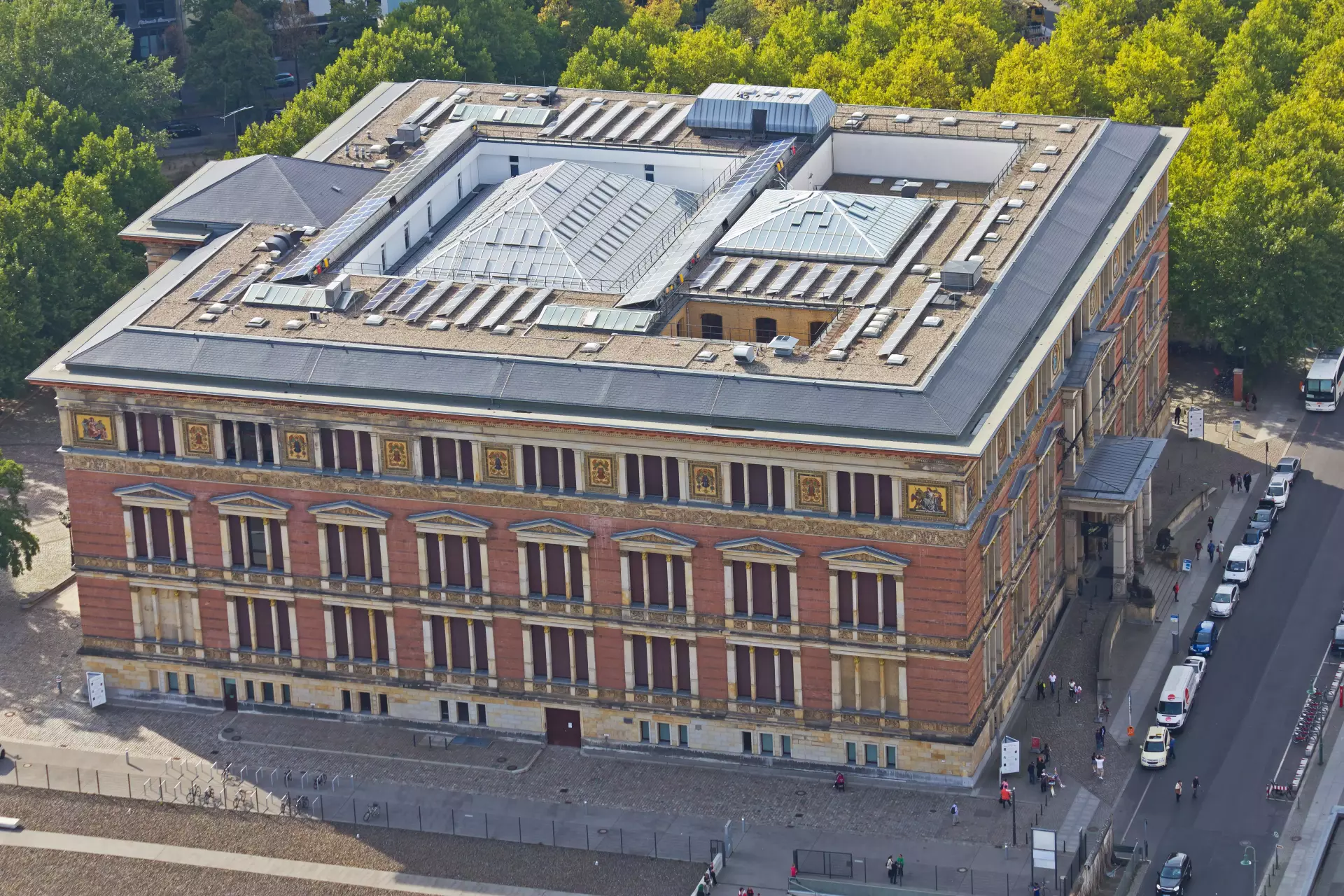
Closed for renovations; the temporary Bauhaus-Archiv is at Knesebeckstraße 1-2 in Charlottenburg. Building designed by Walter Gropius. Inside a museum, library, cafe and shop.
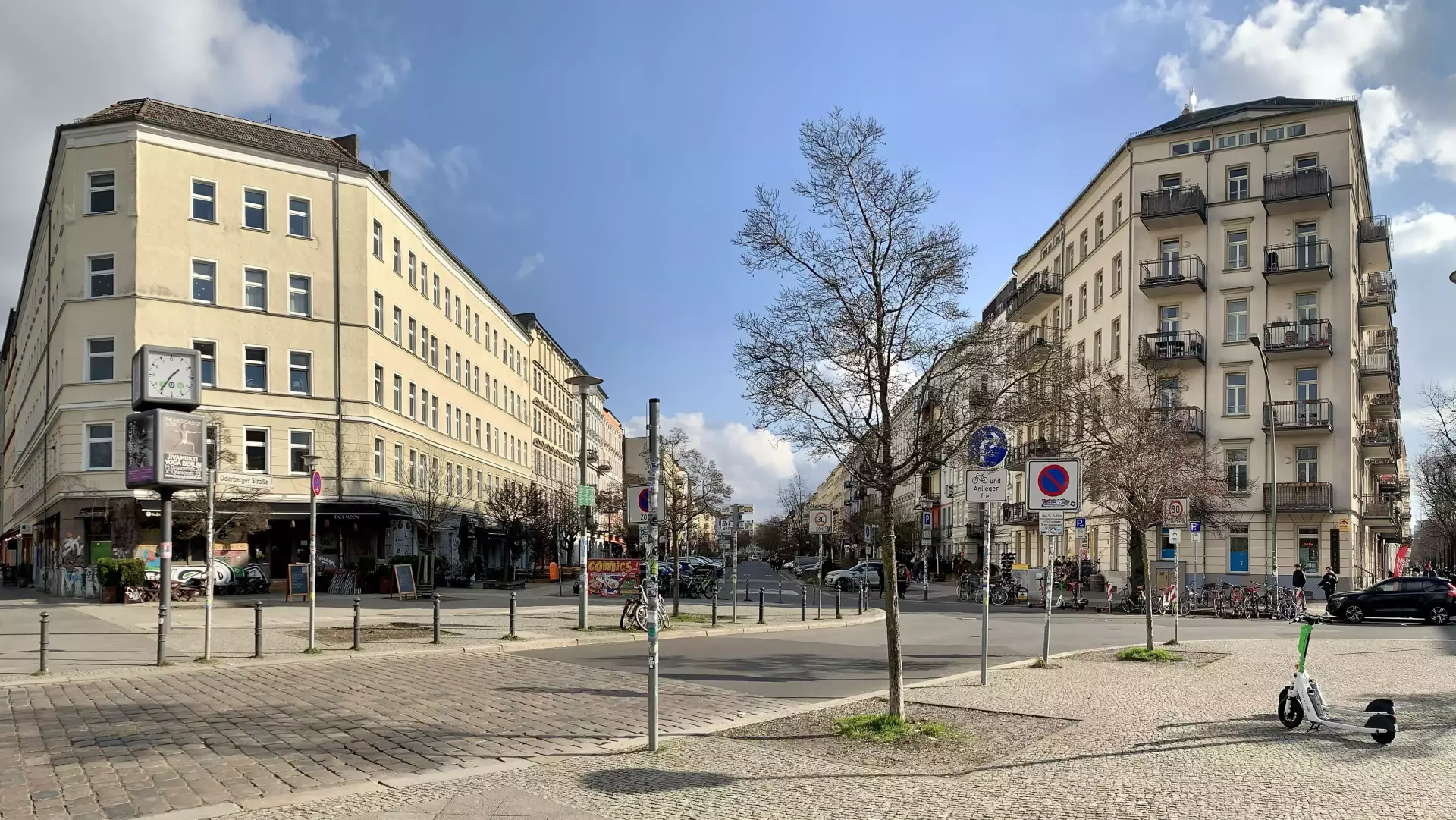
Oderberger Straße is known for its beautiful and generous Gründerzeit architecture, as well as its cafés and restaurants. Since before Germany's reunification the street has been the desired place for alternative folks and avant-gardists, but the area has seen continual gentrification since the early 2000s.
This museum is perhaps something you wouldn't expect in a major metropolis and truth be told it owes its existence in part to partition (when West Berlin schoolkids couldn't go to the surrounding Brandenburg countryside to experience rural life). Opened in 1975 it is an attempt to recreate as faithfully as feasible a medieval farming village from roughly the era of Berlin's founding (12th or 13th century). The village that existed at this place 800 years ago was not called "Düppel" back then as that name was only applied in the 1860s after the Prussian victory over Denmark at Dybbøl which was rendered into German as "Düppel" and applied to the area to honor a member of the Prussian royal family who owned land there.
The building of one of Berlin’s oldest breweries is a ravishingly beautiful and heritage-protected industrial monument.
This abandoned amusement park with its iconic large Ferris wheel opened in the German Democratic Republic in 1969. After its closing in 2002 the rotting theme park and its apocalyptic atmosphere became a target of international media coverage, amongst others by the New York Times. In 2016 it was announced that the venue will be restored and reopened as an art and culture park.
Built 1859-1866 this is one of the most architecturally stunning synagogues in Germany to survive both the Nazi era and the war.
Features many objects and even whole rooms in Wilhelminian style. Only accessible by guided tour (English tours can be arranged).
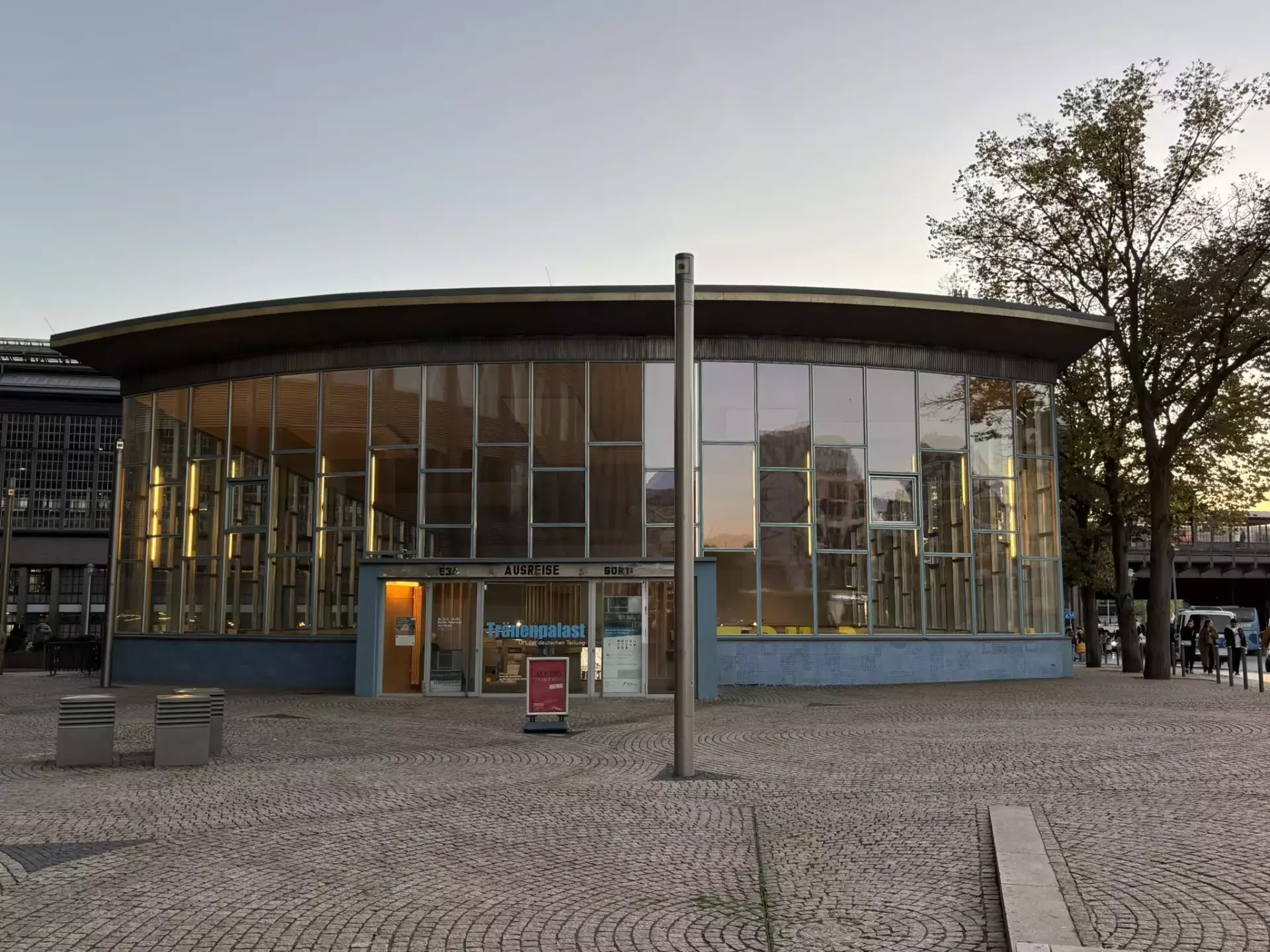
Millions of visitors leaving East Berlin by train said tearful goodbyes to their friends and relatives from the East at this former border checkpoint. Hardly a year after the wall came down, the building was turned into a nightclub until it was forced to close in 2006. It re-opened as a museum in September 2011 and now houses a permanent exhibition that brings the absurd normality of everyday life in the divided city back to life.