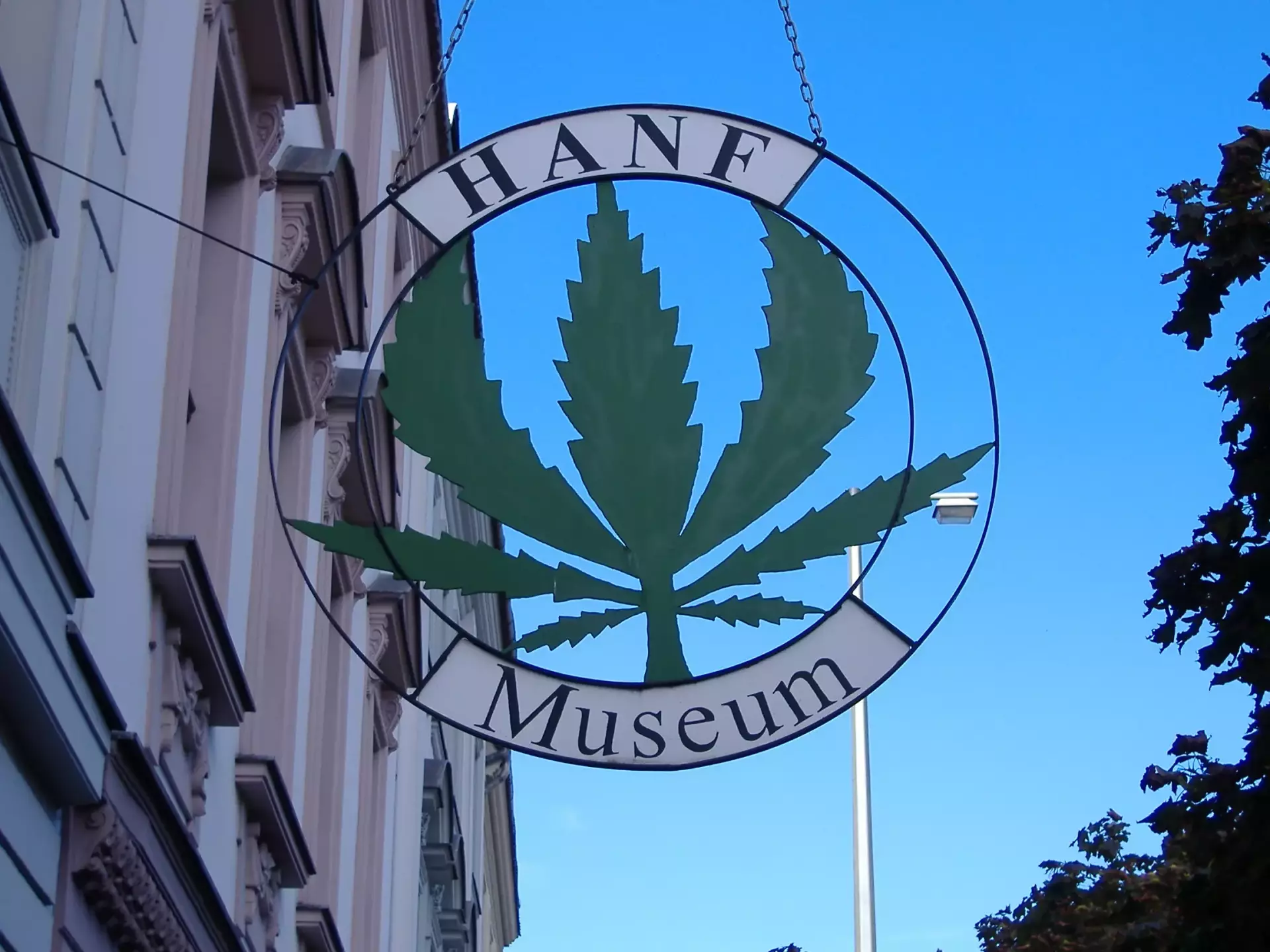
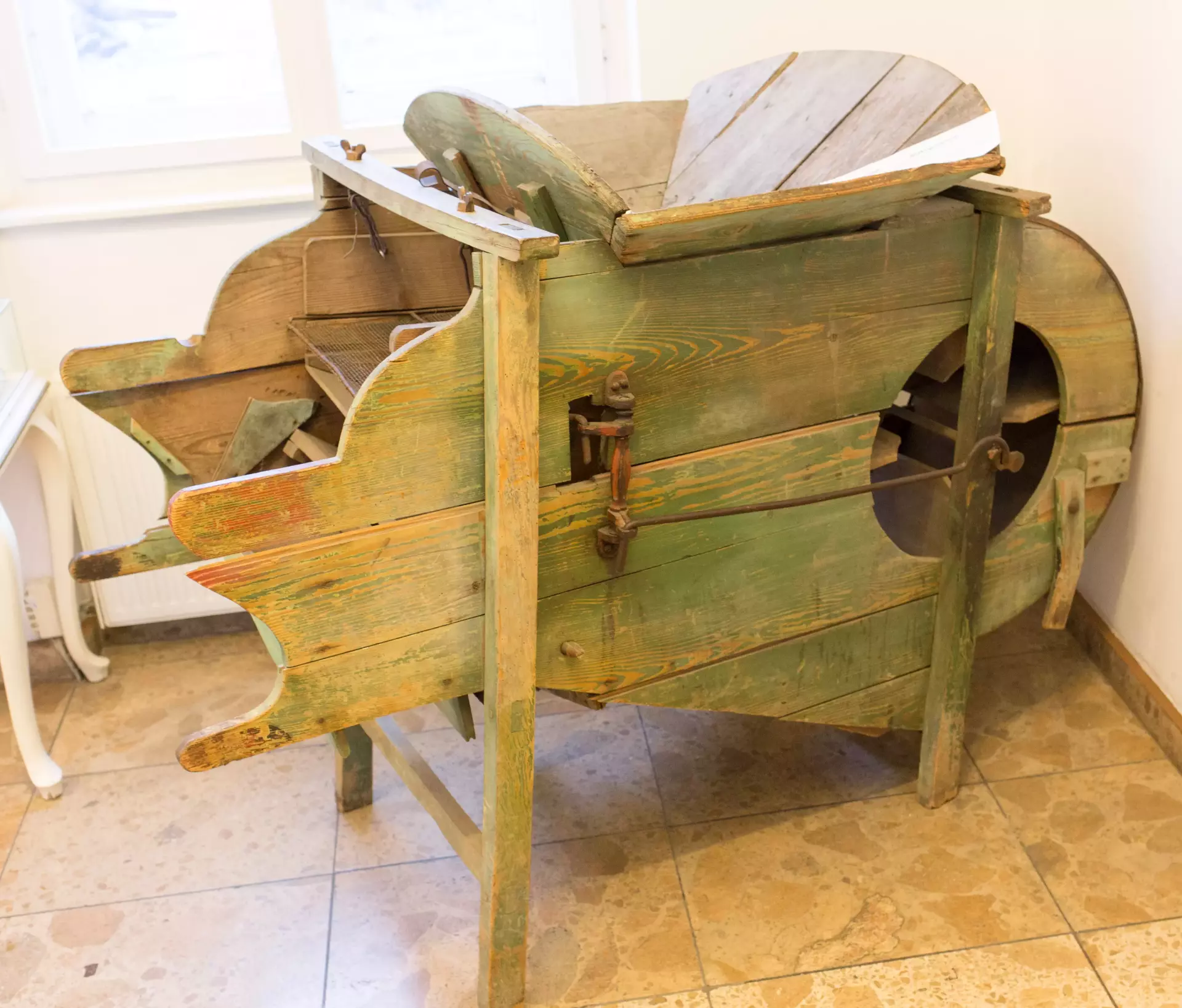
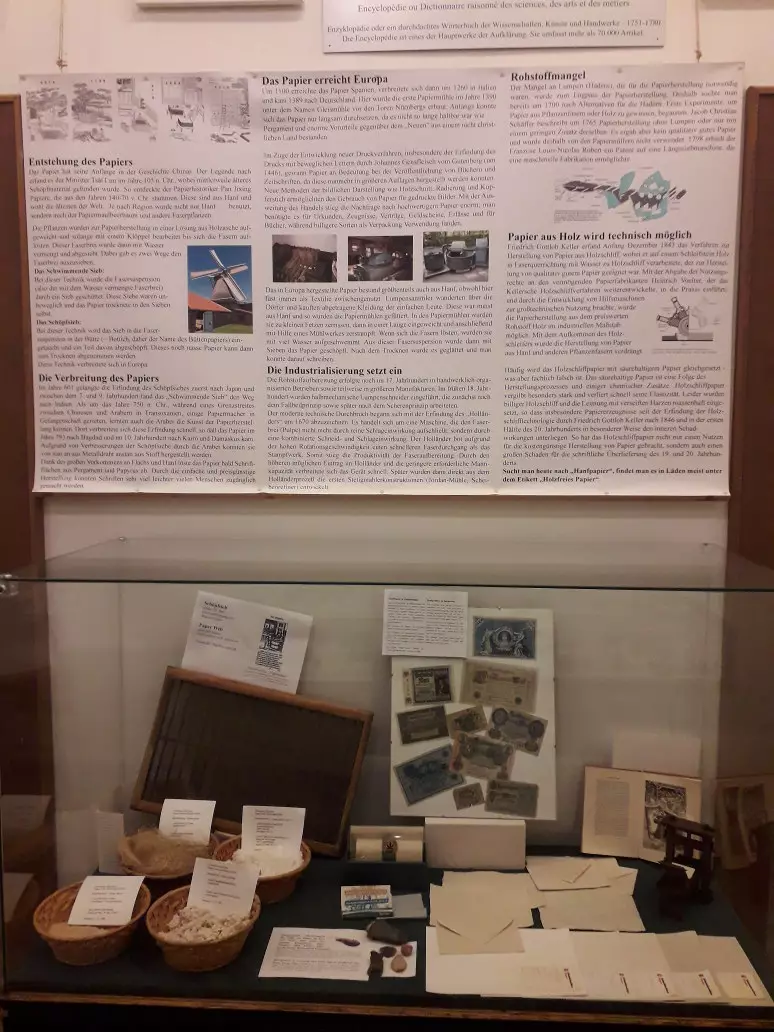
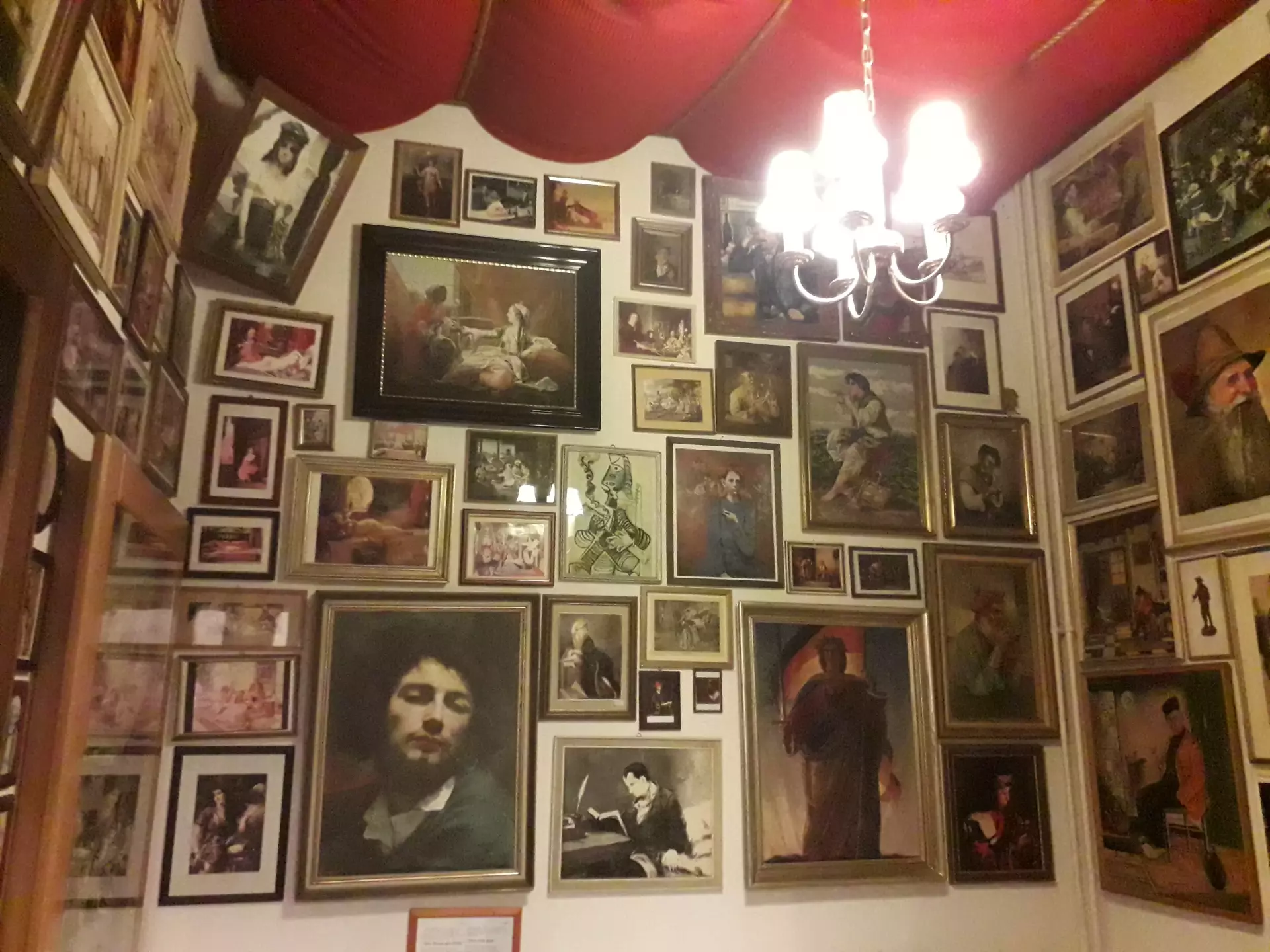
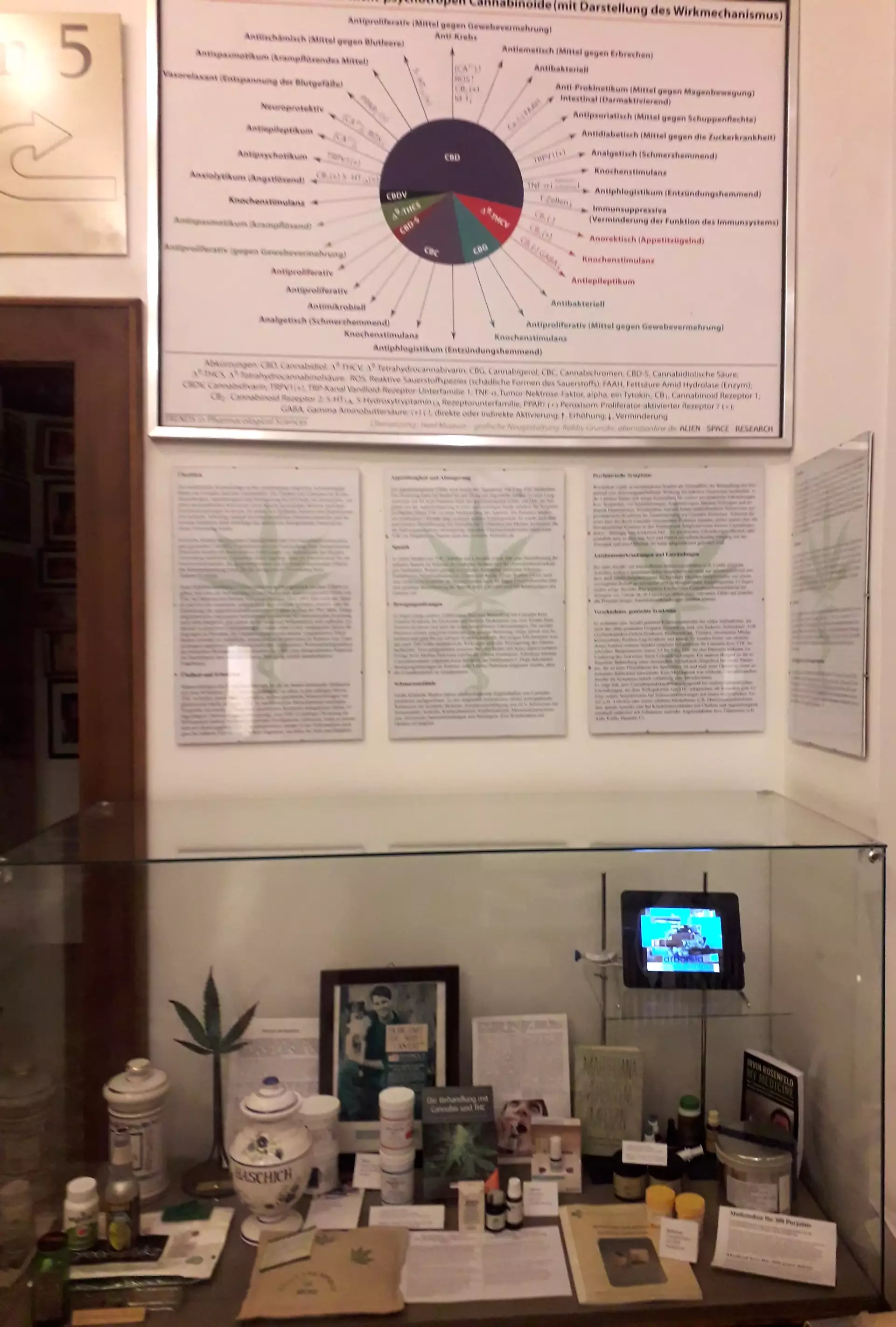
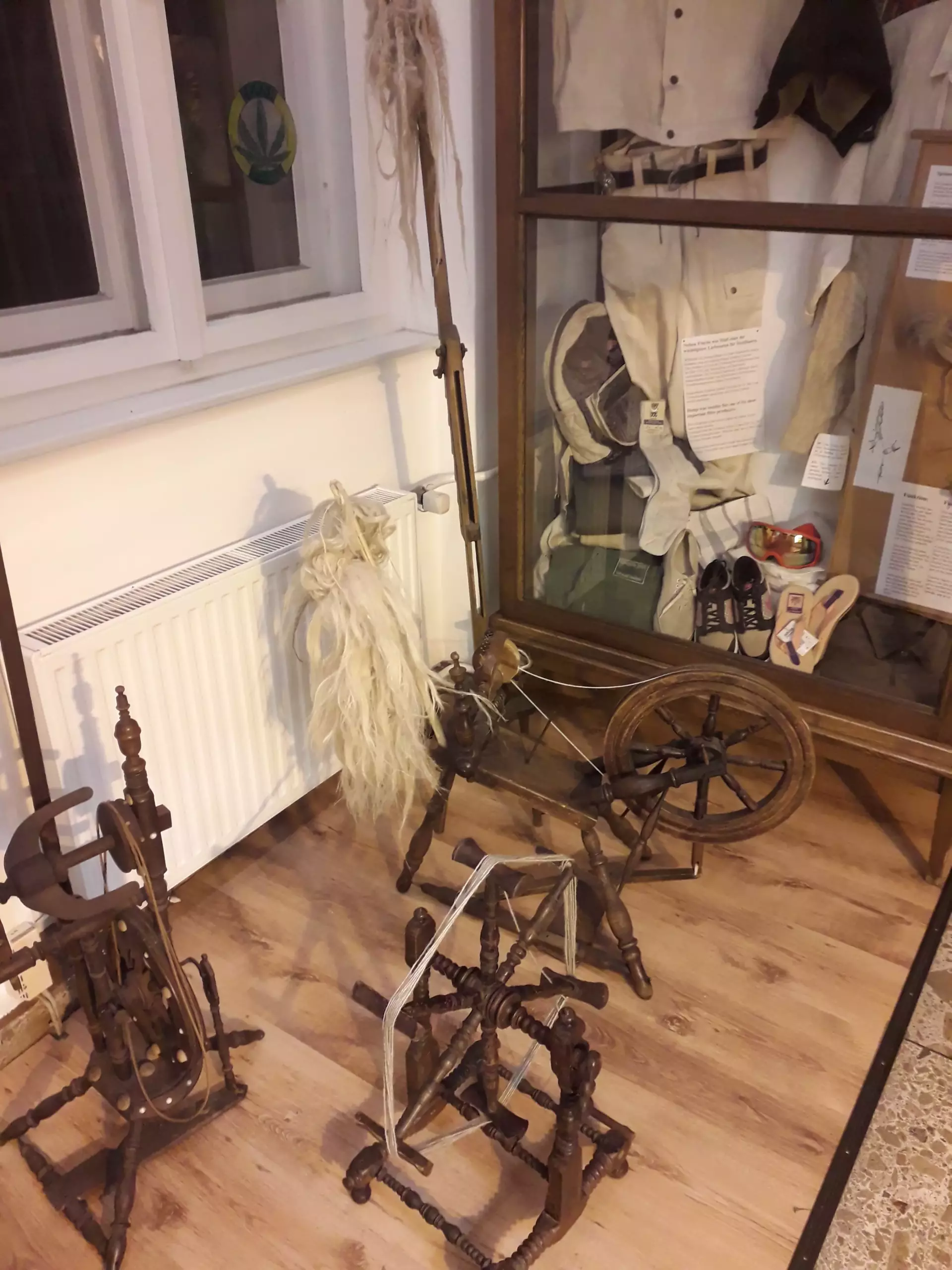
Germany’s only hemp museum offers a clear, informative look at the plant’s past and present. Exhibits trace the long history of hemp, its cultural significance, and the many ways it has been used — from textiles and rope to modern materials. Displays are simple to follow and focus on facts, making the subject easy to understand.
Visitors can observe hemp plants growing under artificial light. The museum cultivates a low-THC strain with a special permit, and everything related to the display is fully legal. This living exhibit helps explain how the plant grows and what distinguishes industrial hemp from other varieties.
Alongside the historical and practical exhibits, the museum addresses current laws and social attitudes toward cannabis. Panels and installations include political commentary on the legal situation, adding context to the science and industry behind hemp.
On the ground floor, a café provides a relaxed spot to pause, with open Wi‑Fi available for visitors. It’s a straightforward place to take a break, read more, or plan the next stop.
Source - https://en.wikipedia.org/wiki/Hemp_Museum_(Berlin)
Millions of visitors leaving East Berlin by train said tearful goodbyes to their friends and relatives from the East at this former border checkpoint. Hardly a year after the wall came down, the building was turned into a nightclub until it was forced to close in 2006. It re-opened as a museum in September 2011 and now houses a permanent exhibition that brings the absurd normality of everyday life in the divided city back to life.
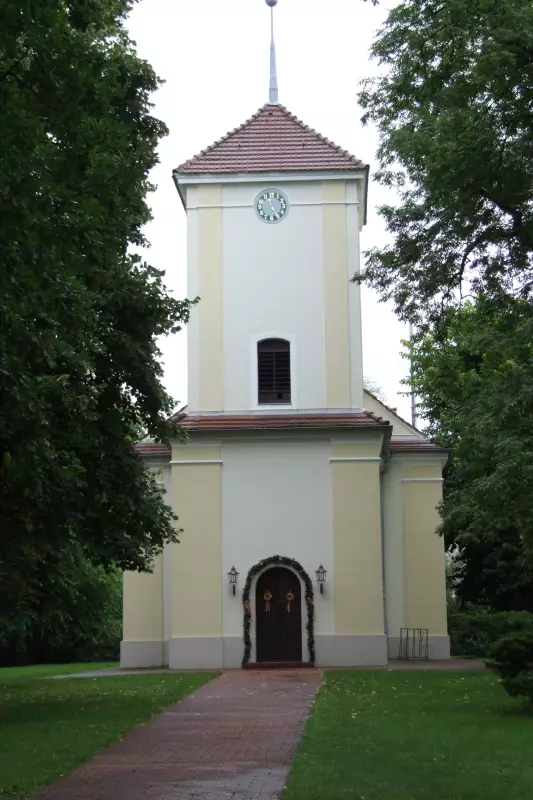
One of the oldest buildings in Charlottenburg and actually the reason for the whole city to be built.
In 1893 the authorities of Berlin issued the artistic entrance to the National Park Friedrichshain. The fountain of fairy tales was commissioned by the National Park and later designed by Ludwig Hoffmann.
Also known as "Picasso und seine Zeit", this not so large, but precious museum hosts a very good collection of paintings and sculptures signed by Picasso, Klee, Matisse, Giacometti, and others from the first decades of the 20th century.
150-200 m along the Wiener Straße (bypassing the fire house and the public swimming pool) from U-Bahn Görlitzer Bahnhof, the park is famous for the Turkish families barbecuing on summer weekends, failed contemporary art and relaxed atmosphere of students. It does have a reputation of being full of pickpockets and drug dealers though and the police makes regular visits to this place to check on the situation.
An observation tower without an elevator in Southeast Berlin, from which you can see that there is a great deal of forest around Berlin. There is a cafe at the tower.
A fortress built between 1560 and 1590 to Italian design on the site of a 12th-century castle. The Juliusturm housed part of the huge indemnity (in physical gold coins) France had to pay after the war of 1870/71 until what was left of it was returned to France after Germany's loss in World War I. The term "Juliusturm" remained in usage in German for a large "rainy day fund" into the 1960s. Museums housed within the citadel cover the history of the town of Spandau, monumental public art in Berlin, and artillery.
Germany's national centre for contemporary non-European art. The house is a leading centre for the contemporary arts and a venue for projects breaking through artistic boundaries. This architectural landmark was an American contribution to the international building exhibition INTERBAU 1957 as an embodiment of the free exchange of ideas. Colloquially called Schwangere Auster (Pregnant Oyster).
With an impressive, circus-tent-like roof over its courtyard and remains of the pre-war Hotel Esplanade incorporated into the modern structure.
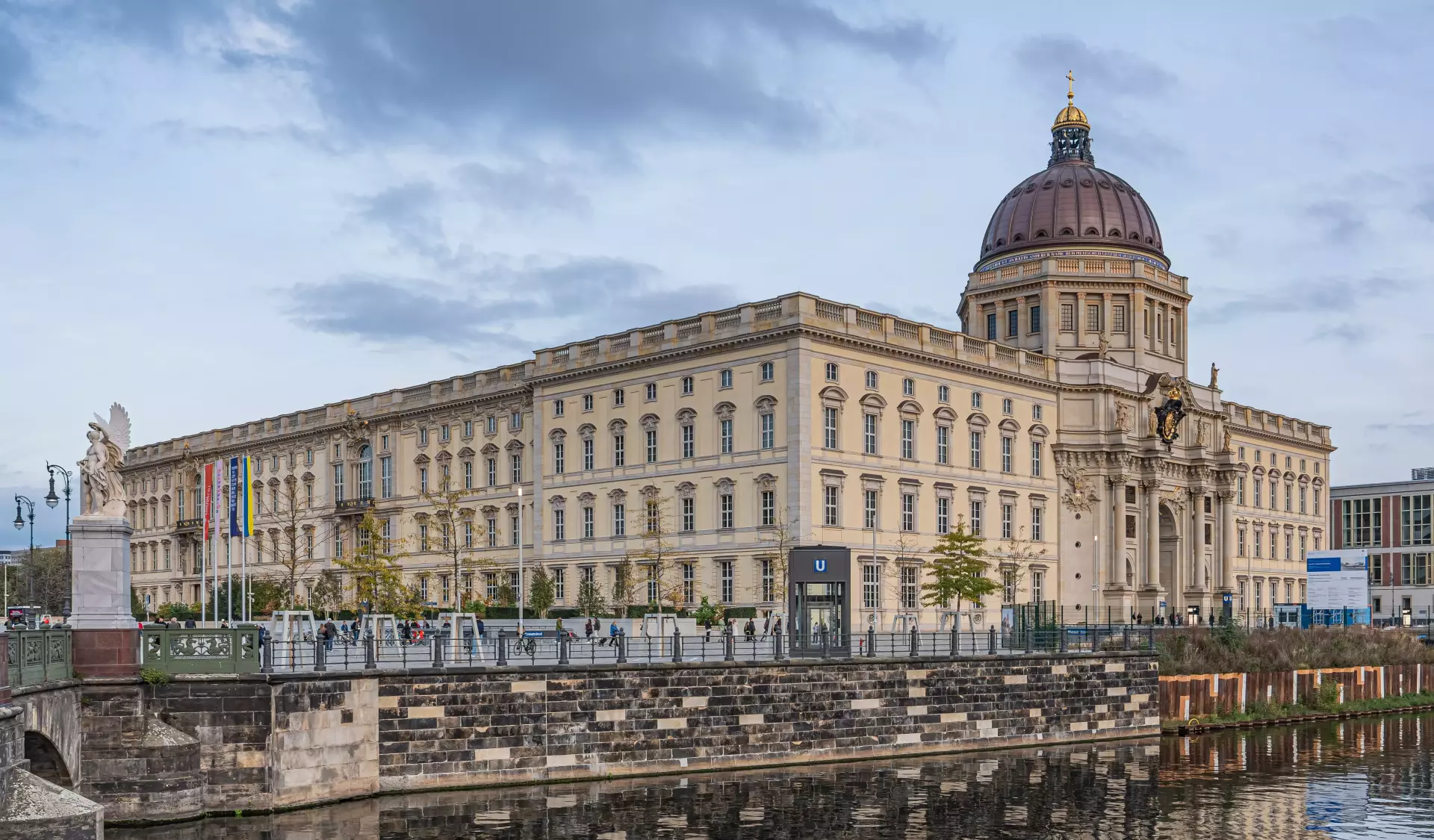
Started in the 15th century and finished in the mid-18th century, the baroque palace was the residence of electors, kings and emperors until 1918, when it became a museum. The palace was badly damaged during World War II and later razed in 1950, replaced by the GDR with a modernist Palast der Republik. The Palast was in turn gradually dismantled at the turn of the century, as it was discovered to contain asbestos and its former function of housing the GDR parliament became obsolete. Berlin has started in June 2013 construction on a new version of its historic Stadtschloss. The Schlüterhof, an inner courtyard, was also rebuilt. The building opened with a delay in 2021 with museums inside and a roof terrace with a good view. Among the Berlin museums this is perhaps the most controversial due to reconstruction of a monarchist palace being seen as a questionable political statement and due to the fact that many of the exhibits were sourced from German colonies under ethically questionable circumstances leading to demands to return some or all of them to their places of origin.
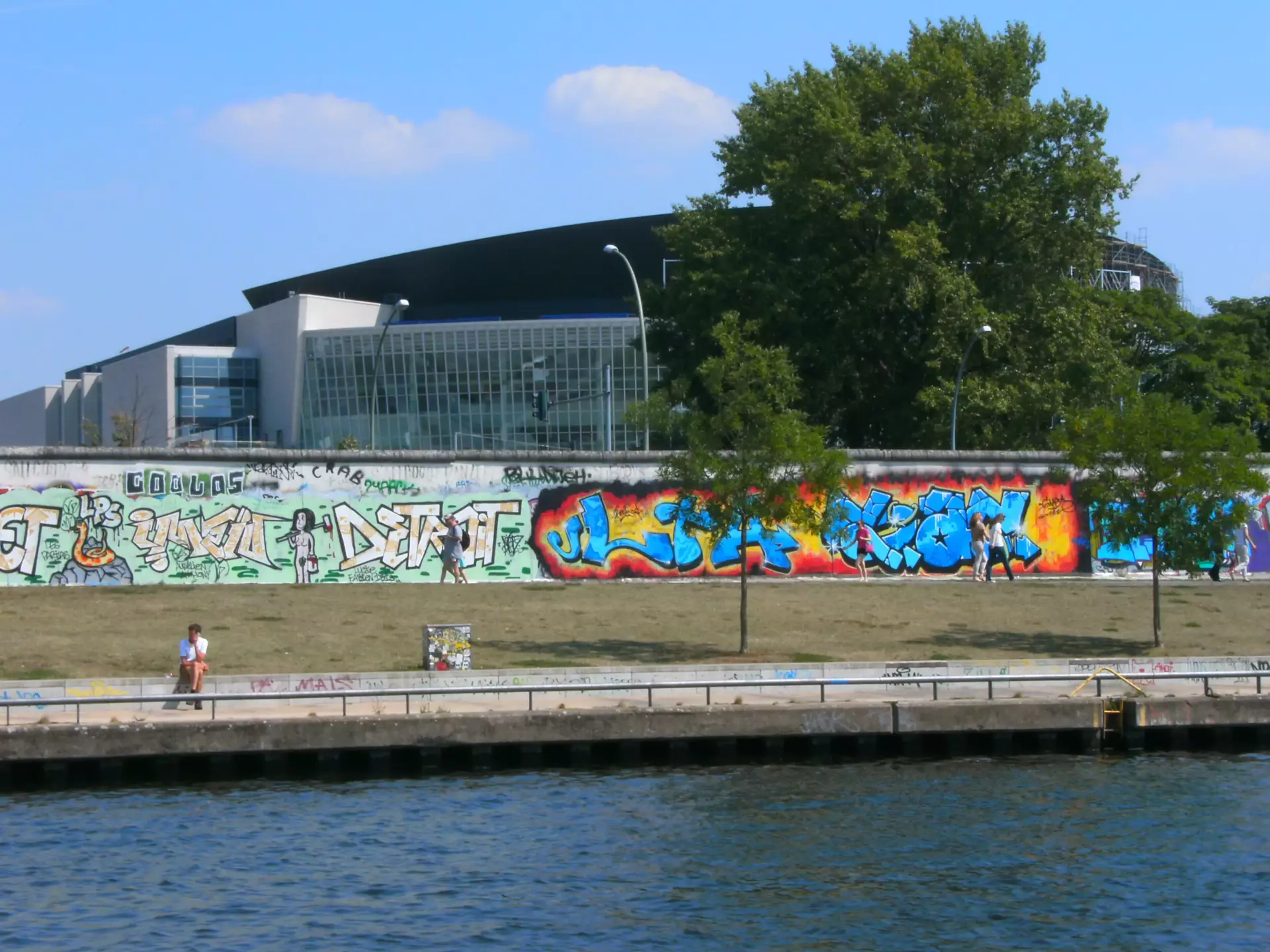
The longest stretch of the Berlin Wall still in existence, painted by artists in 1991 and restored in 2009, after years of decay. At Mühlenstraße, next to the river Spree. The murals are painted on the east side of the wall after the fall of Communism; so they are not from the Cold War, during which murals could only be painted on the west side. Make sure not to miss the famous mural of a car seemingly crashing through the wall with Leonid Brezhnev and Erich Honecker kissing above it. It is actually on the back side of the gallery (it is facing away from the street.) It is just inside the entrance of the Eastern Comfort Hostel, near the east end of the gallery.
Closed for renovations; the temporary Bauhaus-Archiv is at Knesebeckstraße 1-2 in Charlottenburg. Building designed by Walter Gropius. Inside a museum, library, cafe and shop.
The oldest museum of its kind in Germany which, despite great losses during the World War II, still possesses one of the world's primary collections of European applied art. There are two sections to the collection: one located at the Kulturforum in Tiergarten, the other at Köpenick Palace.