

Christi-Auferstehungs-Kathedrale
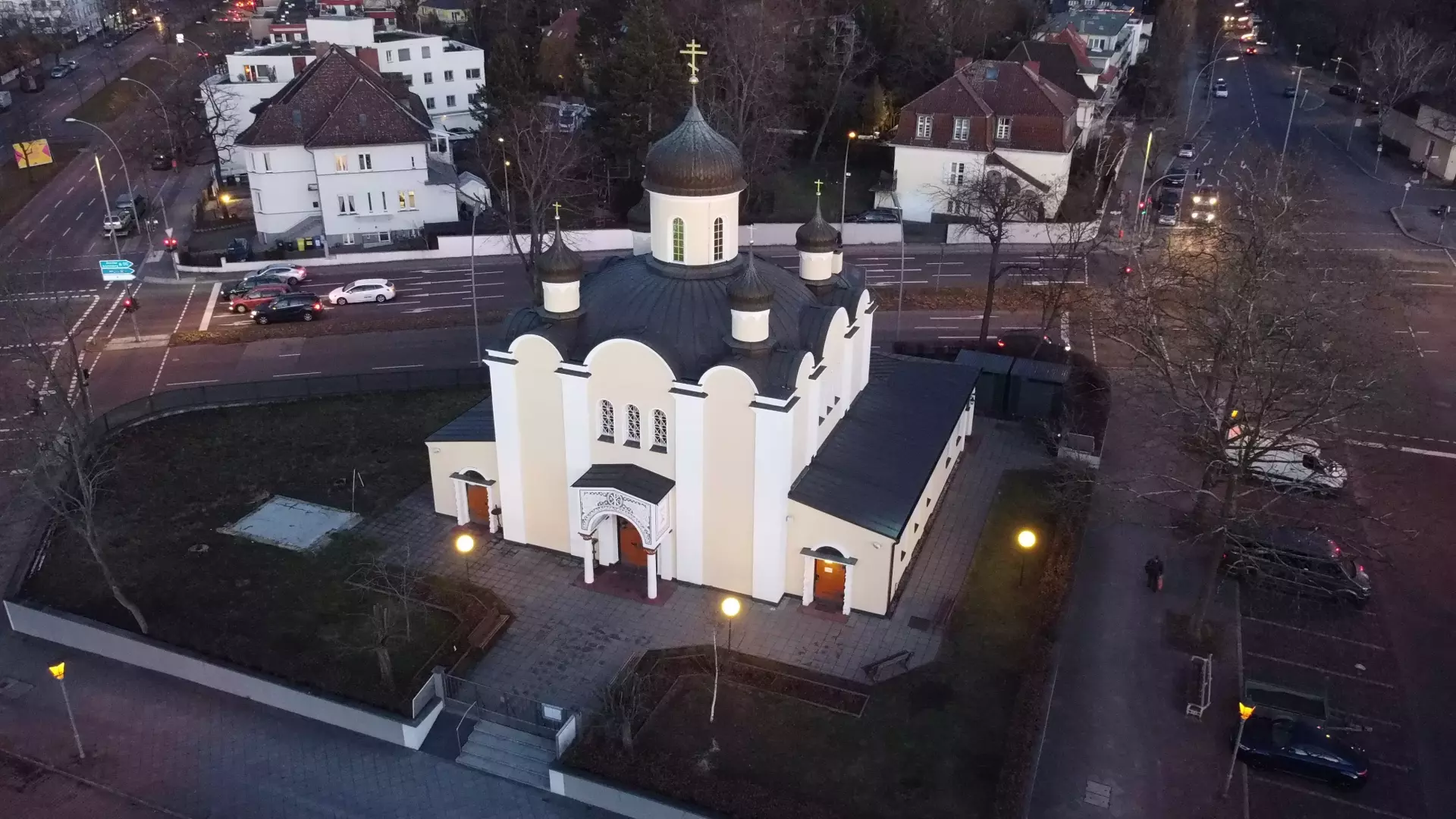
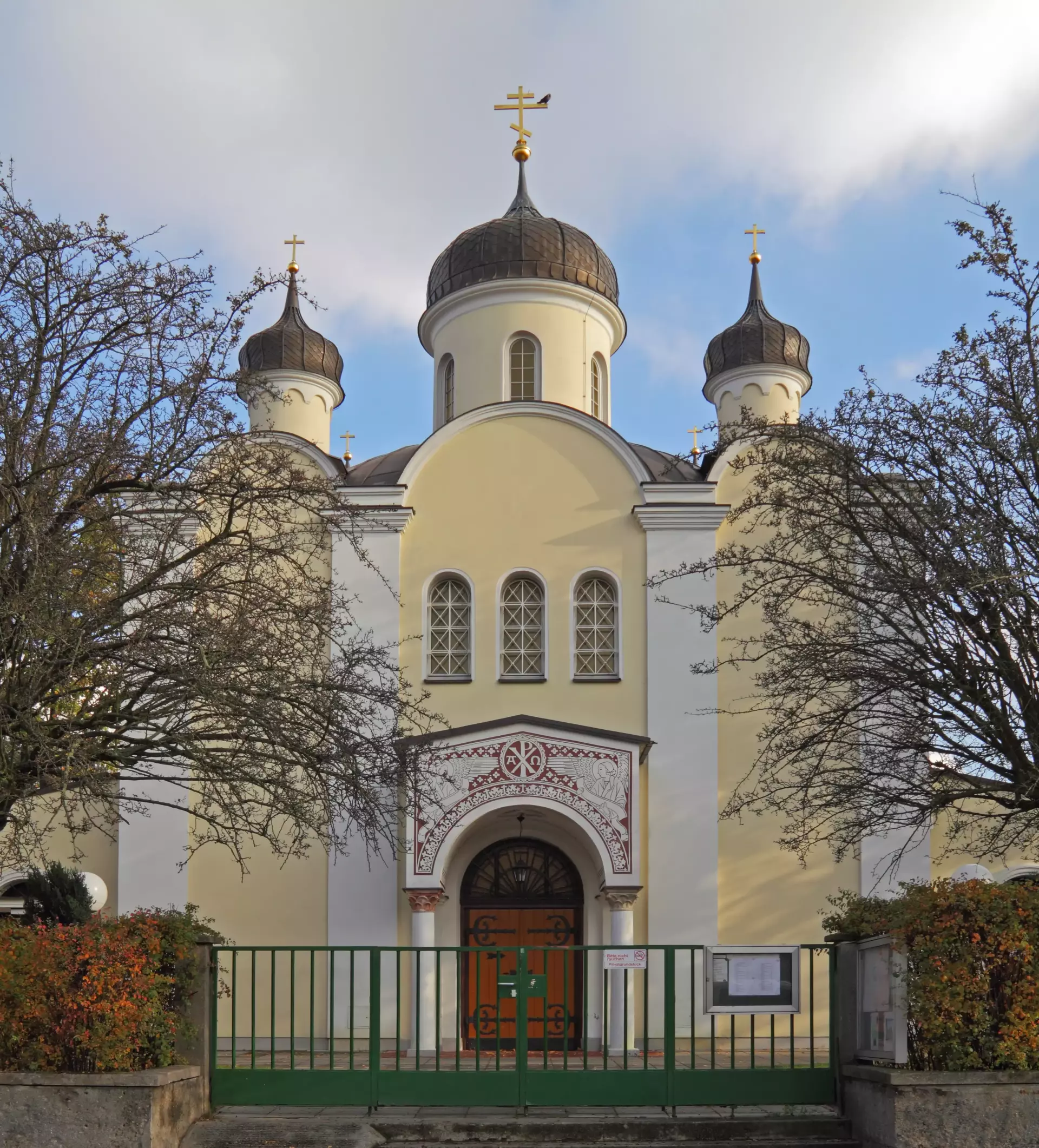
In 1938, the Christi-Auferstehungs-Kathedrale stood at a turning point shaped by shifting politics and urban change. The cathedral’s role in public life reflected the atmosphere of the late 1930s, when religious buildings often faced pressure to adapt, close, or be repurposed. Architectural details, parish activity, and community presence all bore traces of the era’s uncertainty.
Architecture under pressure
The cathedral’s structure, with its traditional lines and sacred proportions, contrasted sharply with new state-driven aesthetics of the time. Preservation was not guaranteed. Maintenance could be delayed, renovations postponed, and decorative elements simplified. Yet the building remained a clear landmark, its silhouette a steady reference point amid rapid transformation.
Community and ceremony
Religious life in 1938 was frequently restrained by regulation. Services were quieter, attendance patterns shifted, and public expressions of faith were carefully observed. Still, the cathedral provided a space for rites of passage—baptisms, weddings, memorials—offering continuity to families navigating changing rules and expectations.
City context and visibility
Surrounding streets and squares grew busier as administrative plans reshaped neighborhoods. The cathedral’s presence intersected with civic routines: market days, official events, and seasonal gatherings. Even as signage, access routes, or opening hours changed, the building’s façade remained a familiar sight in the daily flow of the city.
Symbols and meaning
In a year marked by new directives and cautious public life, the cathedral carried layered meanings. To some, it stood for endurance and memory; to others, it represented an institution negotiating its place in a tightly controlled landscape. The bells, when they rang, sounded both traditional and timely—an echo of the past, reaching into an uncertain future.