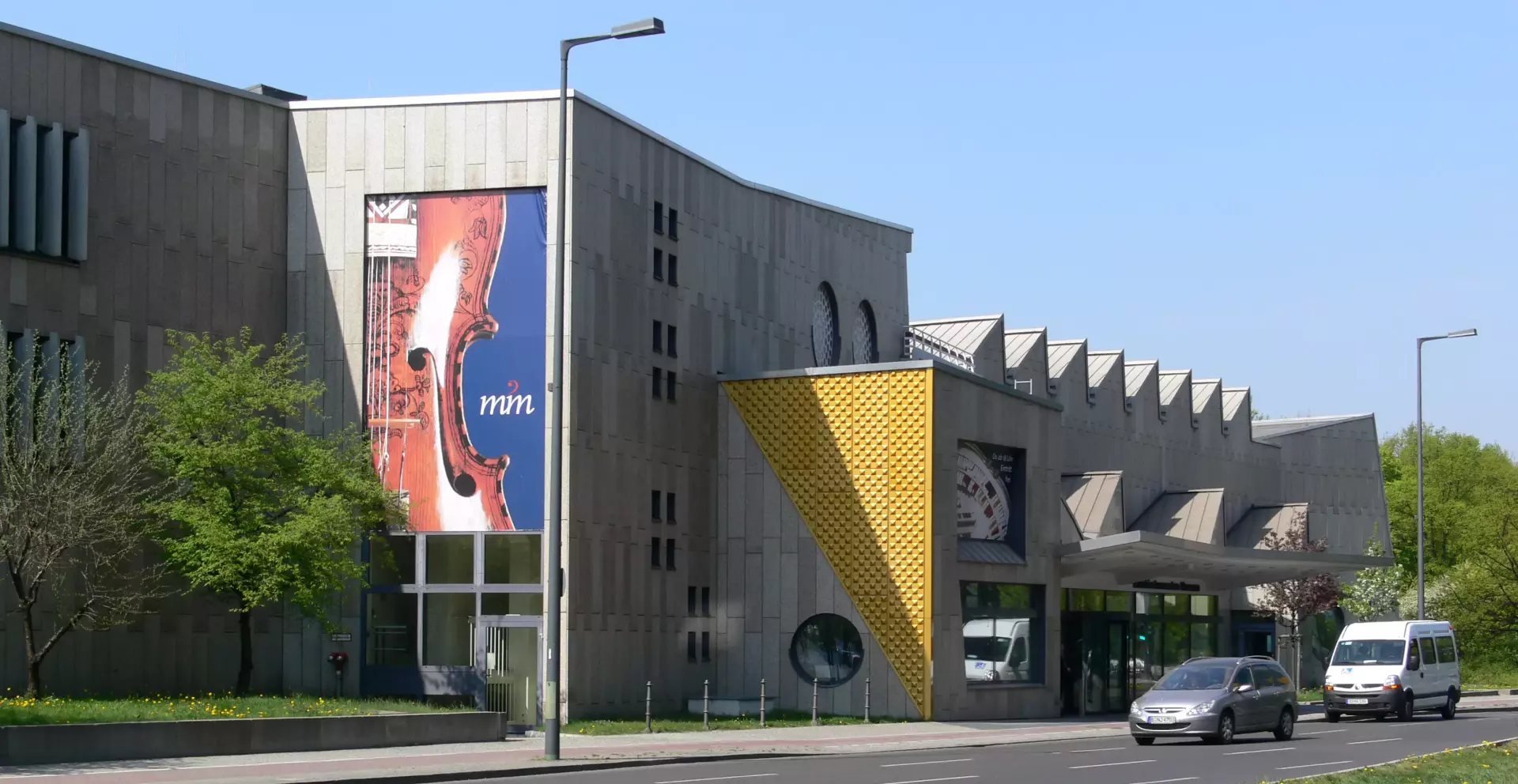
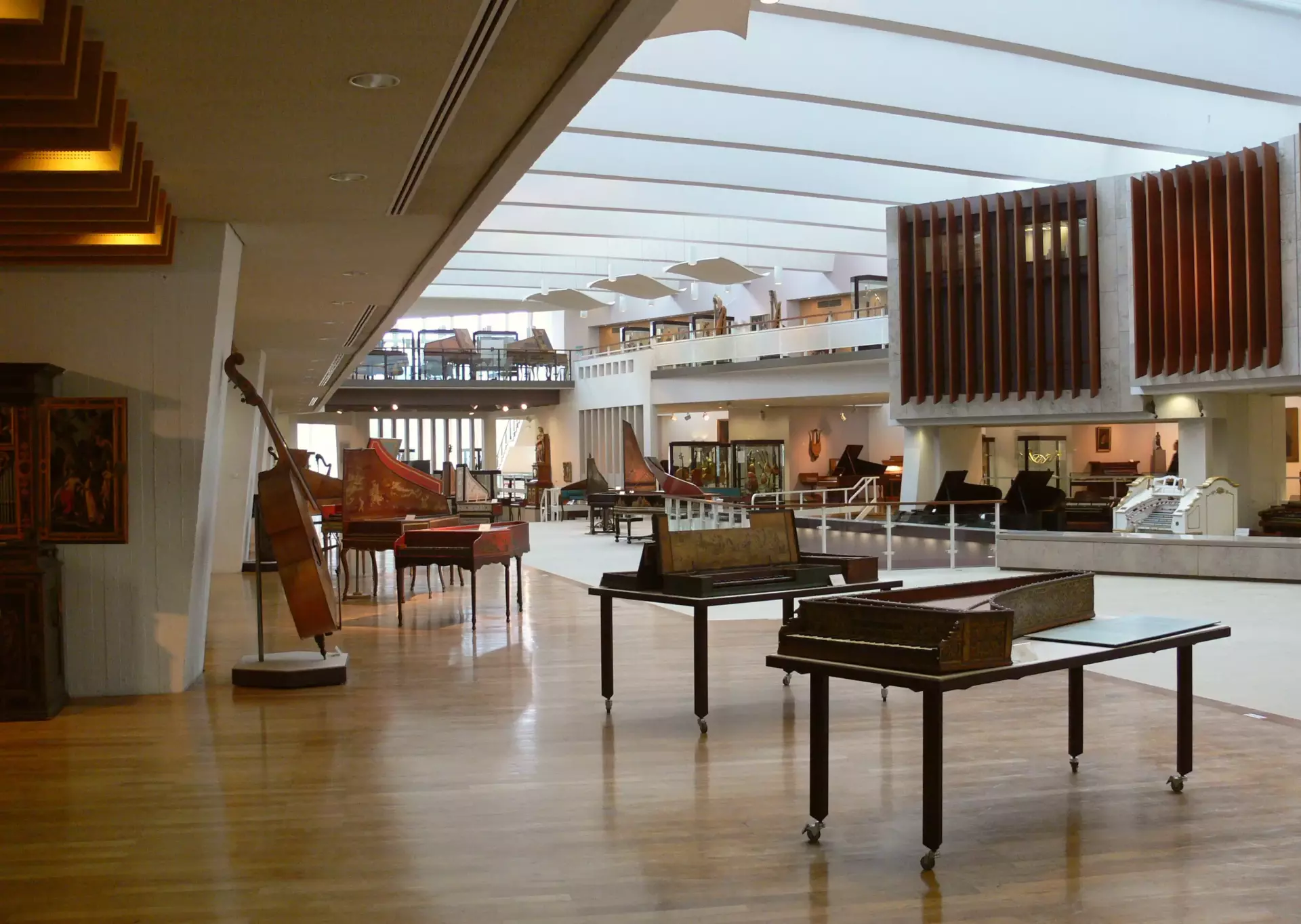
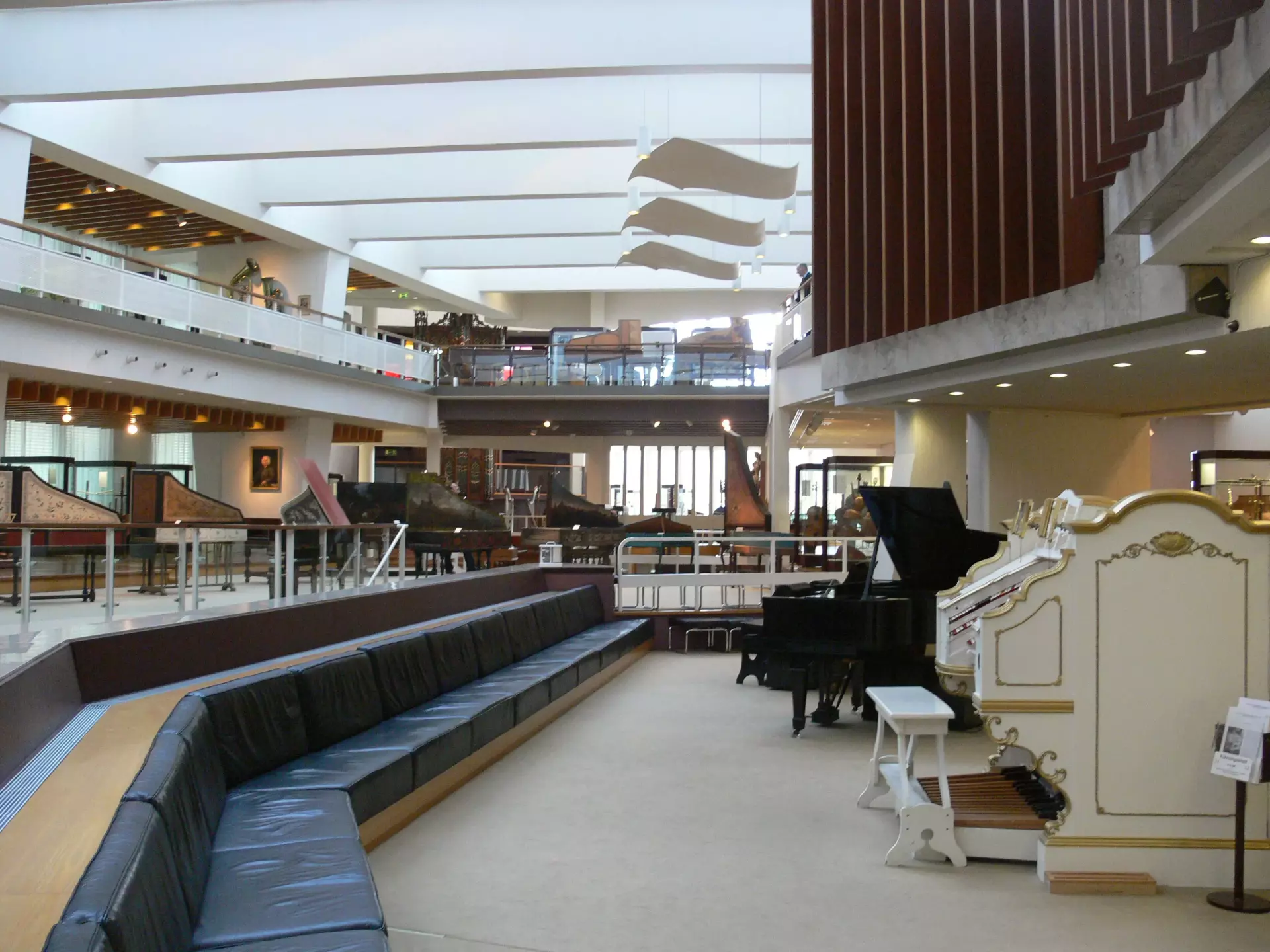
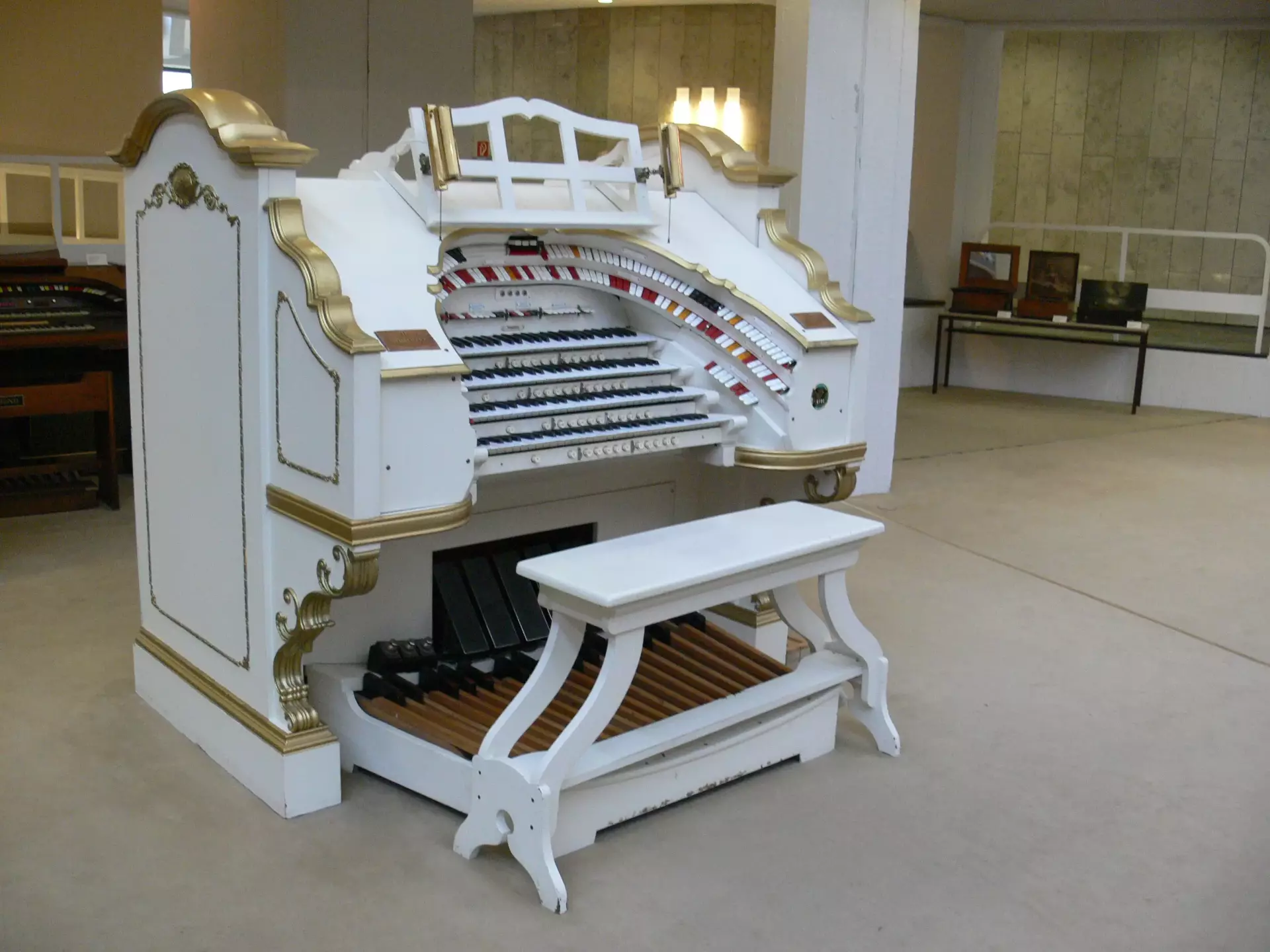
Berlin’s Musical Instrument Museum preserves the sound of past centuries. Established in 1888, it holds a remarkable collection of 3,500 instruments that trace the evolution of music-making across Europe and beyond.
The galleries move from early keyboard instruments and Baroque craftsmanship to Romantic-era orchestral pieces and 20th-century design. Visitors see harpsichords with ornate cases, fortepianos that predate the modern grand, and organs that once filled churches with resonant tone. Brass and woodwinds illustrate how valves, keys, and materials changed the possibilities of melody and volume.
Fine detail stands out in carved scrolls, inlaid wood, and polished metalwork. Side-by-side displays highlight how instrument builders experimented with shape, mechanism, and acoustics. The collection shows delicate strings built for intimate salons as well as robust concert instruments designed to reach the back row of grand halls.
Labels and context place each instrument in its cultural moment—court entertainment, liturgical music, salon gatherings, and modern orchestras. The museum’s timeline reveals how social change shaped sound: the rise of public concerts, the growth of opera houses, and the move from chamber ensembles to large symphonies.
Founded in the late 19th century, the institution reflects a period when European museums began to document everyday culture alongside fine art. Today, its 3,500-piece collection offers a broad view of music history, connecting craft traditions with performance practice and the enduring human desire to make and share sound.
Source - https://en.wikipedia.org/wiki/Berlin_Musical_Instrument_Museum
The Bendlerblock building complex has long held ties to the German military, first serving as the offices of the Imperial German Navy and today housing the Berlin offices of the Ministry of Defense. It was here where, on 20 July 1944, Colonel Claus von Stauffenberg and other officers led a coup that sought to remove Hitler and the Nazis from power. They failed and were summarily executed in the courtyard, where a memorial stands for these men who are considered German heroes by many. Inside the building you'll find the German Resistance Memorial Center, a permanent exhibit dedicated to the July 20 plot and other individuals in the German resistance.
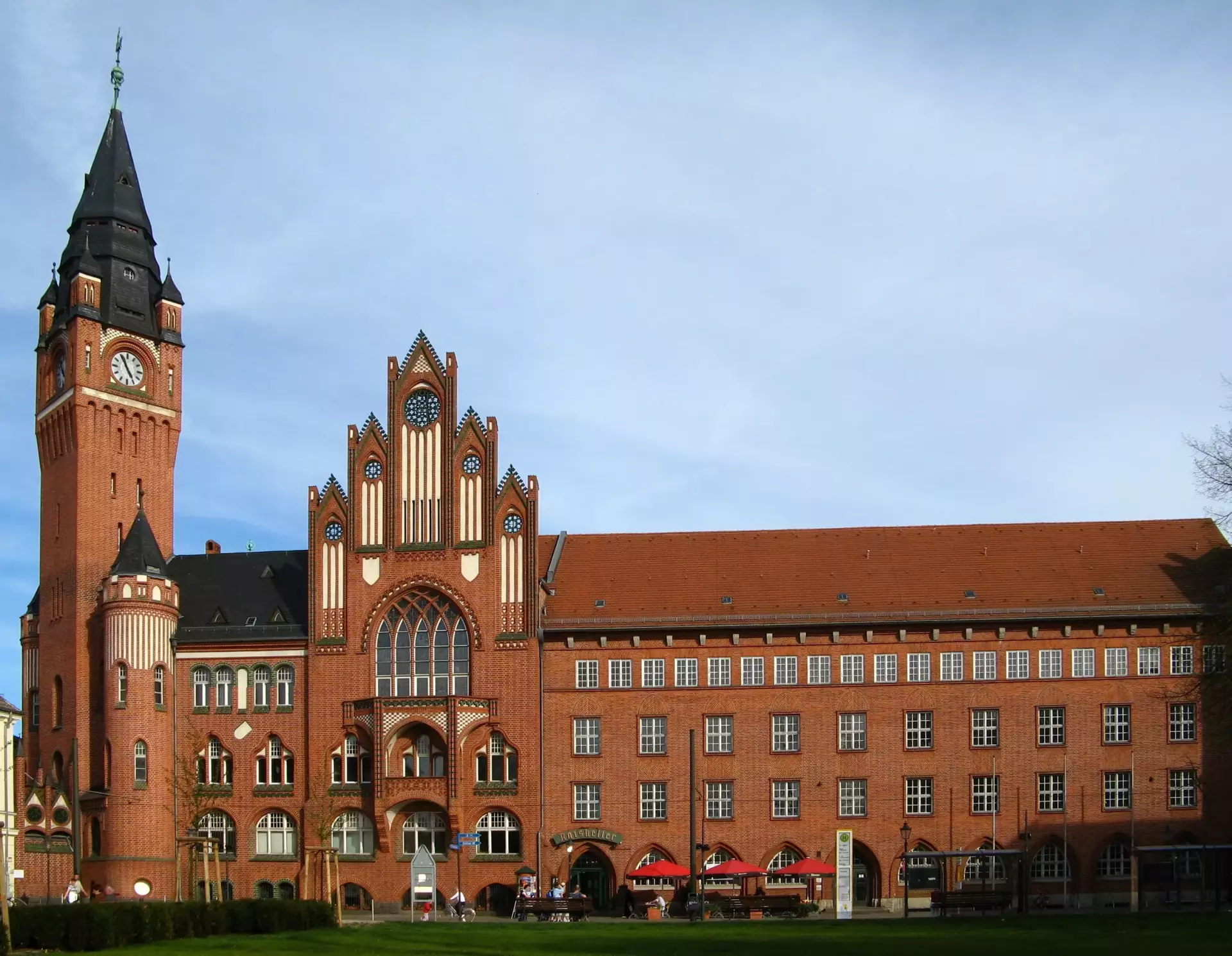
The town hall of Berlin is known as such because it is made of red brick, not due to its former political persuasion. There are nice Prussian rooms inside, which are worth a look.
With an impressive, circus-tent-like roof over its courtyard and remains of the pre-war Hotel Esplanade incorporated into the modern structure.
Not far away from Schloss Tegel (at the "große Malche") you can take a look at the oldest tree in Berlin, an oak which has been growing there since about 1192 (so it's actually older than Berlin itself). The name ("fat Mary") allegedly stems from the brother Humboldt who named the tree after their overweight cook.
A small but interesting collection of decorative arts from the Art Nouveau and Art Deco periods
The charming Baroque water palace of the Hohenzollern electors surrounded by the Dahme river and an English garden.
House museum on Max Liebermann, German painter and printmaker. Has about 15 Lieberman paintings.
Museum of Contemporary Art located in former Hamburger Bahnhof train station. Big halls filled with artworks made since 1960s. In 2004 Rieckhallen, former Lehrter Bahnhof, was opened and now provides exhibition space for the Friedrich Christian Flick Collection. Free public guided tours (in English): Sa and Su at 12:00.
It is the only hemp museum in Germany; you can see the history of hemp, the culture and use of it. You can see hemp grow. There is a cafe downstairs, with an open WiFi access. Everything going on here is legal - including the hemp growing under artificial light (a low THC strain grown with a special permit) - but they do not refrain from political commentary on the legal situation of cannabis in their exhibits.
Spectacular building by Mies van der Rohe contains its own collection and temporary exhibitions.
An eerie memorial to victims of the Nazi regime built on the place of a former execution room, where nearly 2900 people where put to death between 1933 and 1945.
Built by Hitler for the 1936 Olympic Games, this is one of the better examples of Nazi neoclassical architecture (laying claim to the legacy of Rome, fasces and all) and is still used for sporting events. At those Olympics, African-American athlete Jesse Owens won four gold medals, a party-spoiler for Aryan superiority. It's the home of soccer team Hertha BSC - they were relegated in 2023 and now play in 2. Bundesliga the second tier. In 2024 this stadium hosted games in the UEFA Euro Finals, including the final itself. For a glimpse of the Olympiastadion in its original state, seek out Leni Riefenstahl's movie Olympia - clips are shown in the Kinemathek and elsewhere.
The old town of Köpenick is surrounded by water. Especially noteworthy are the Köpenick Palace which houses a museum of applied art and the Neogothic town hall.
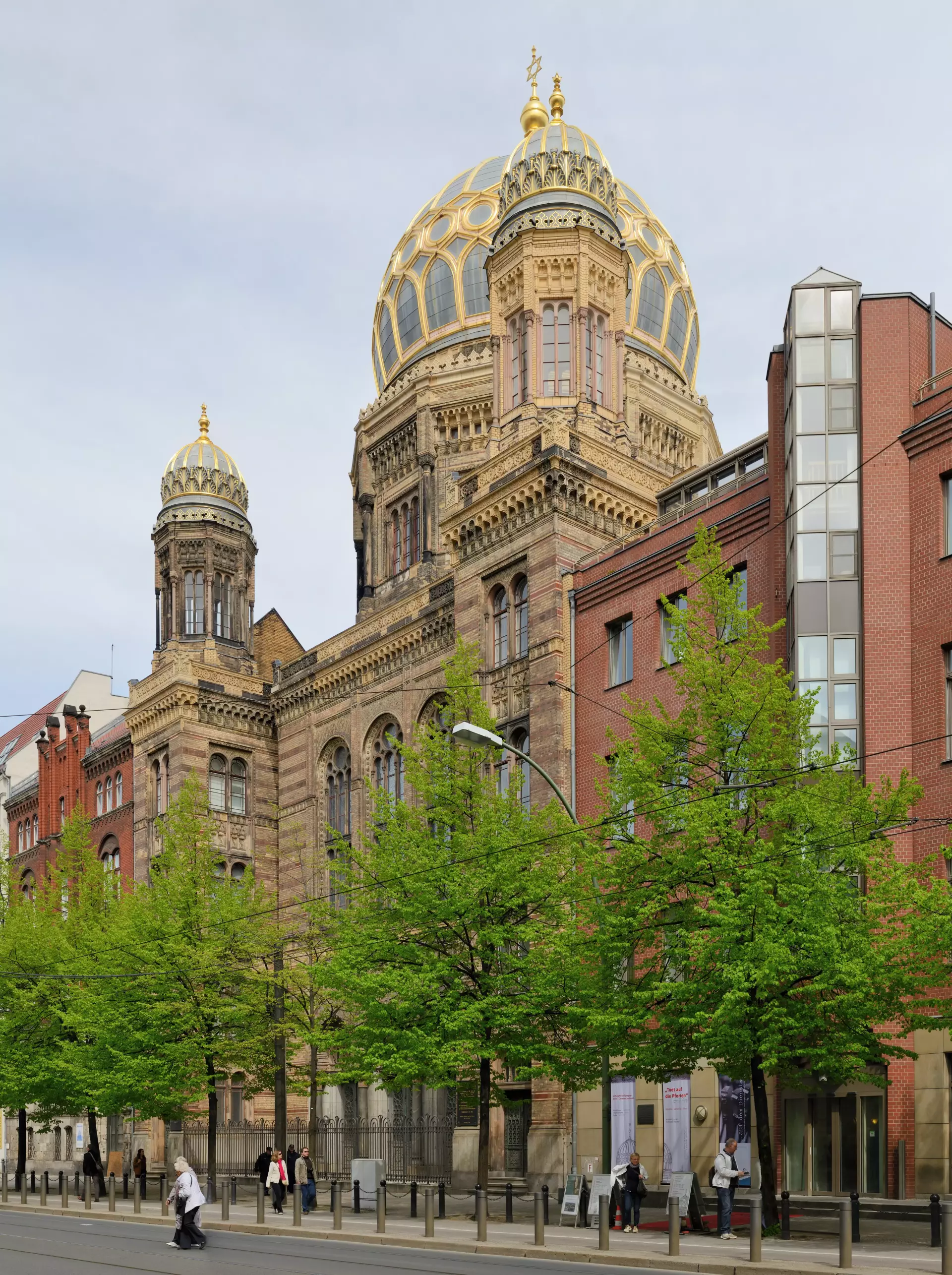
Built 1859-1866 this is one of the most architecturally stunning synagogues in Germany to survive both the Nazi era and the war.
This outdoor and indoor history museum documents the terror applied by the Nazi regime. It is on the site of buildings which during the Nazi regime from 1933 to 1945 were the headquarters of the Gestapo and the SS, the principal instruments of repression during the Nazi era.