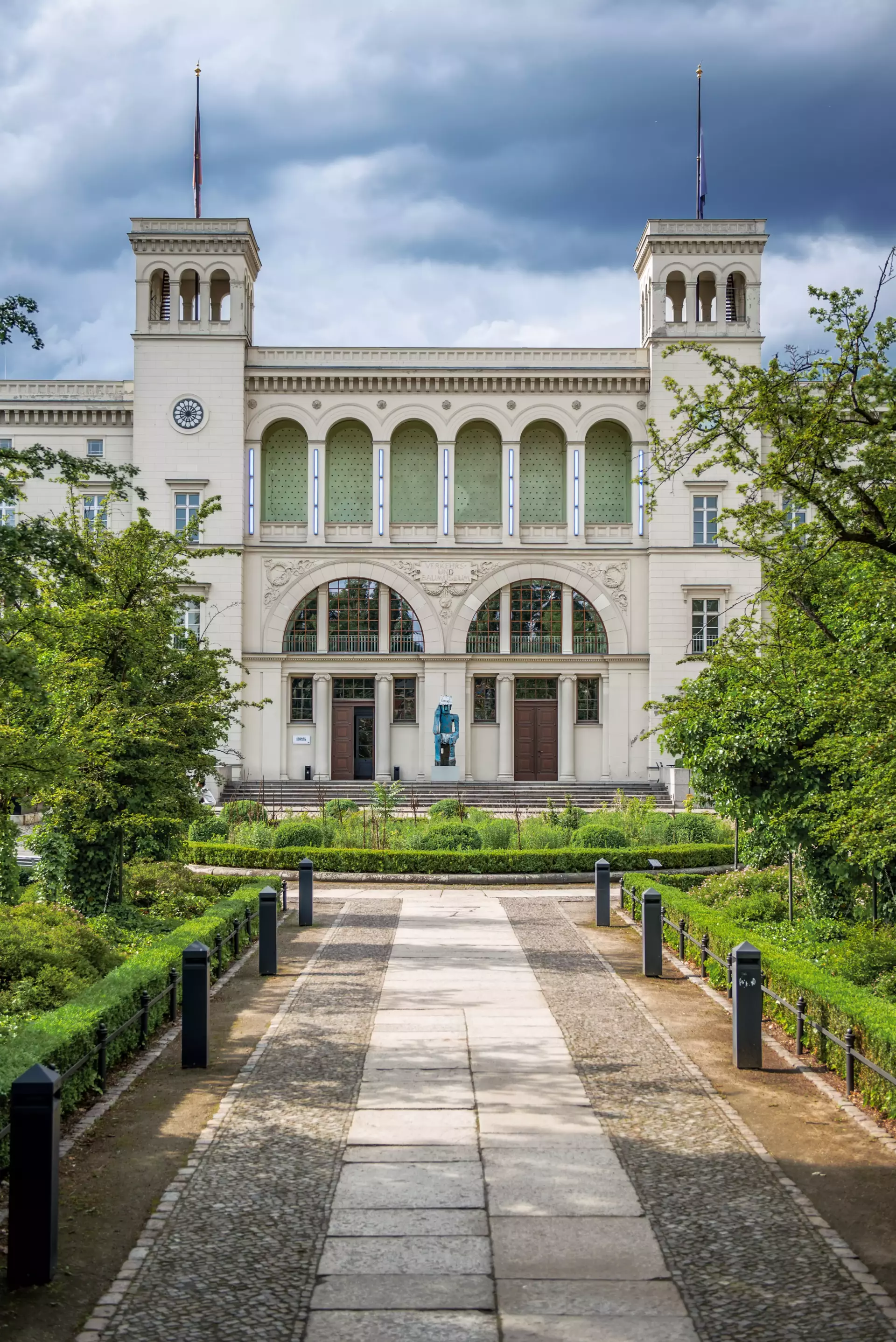
The Museum für Gegenwart – housed in the grand halls of the former Hamburger Bahnhof train station – presents contemporary art on an impressive scale. Vast spaces that once welcomed arriving trains now hold installations, sculpture, painting, sound, and media works created from the 1960s onward. The building’s industrial architecture frames the art with clean lines and dramatic light, giving room for both quiet pieces and ambitious, room-filling works.
In 2004, the museum expanded into the Rieckhallen, a former warehouse of the old Lehrter Bahnhof. These long, lofty halls provide additional space for the Friedrich Christian Flick Collection. The setting suits large-format installations and curated series, allowing visitors to move through sequences of works that unfold across the length of the building.
Free public guided tours in English take place on Saturdays and Sundays at 12:00. These tours offer an introduction to the museum’s architecture and highlight works, helping visitors understand the themes and artistic approaches on display.
Source - https://en.wikipedia.org/wiki/Hamburger_Bahnhof
From 1941, 12,000 tons of concrete in a 15-m-high and 20-m-diameter cylinder were built to test the load-bearing capacity of the Berlin soils (turns out glacial sands are no good basis for gargantuan architecture) for Albert Speer's Germania buildings. Too massive for later blasting, this is one of the more bizarre remains of the Third Reich.
Exhibition of digital interactive entertainment culture. You can actually play almost all of the exhibits making it a more "hands on" museum than most.
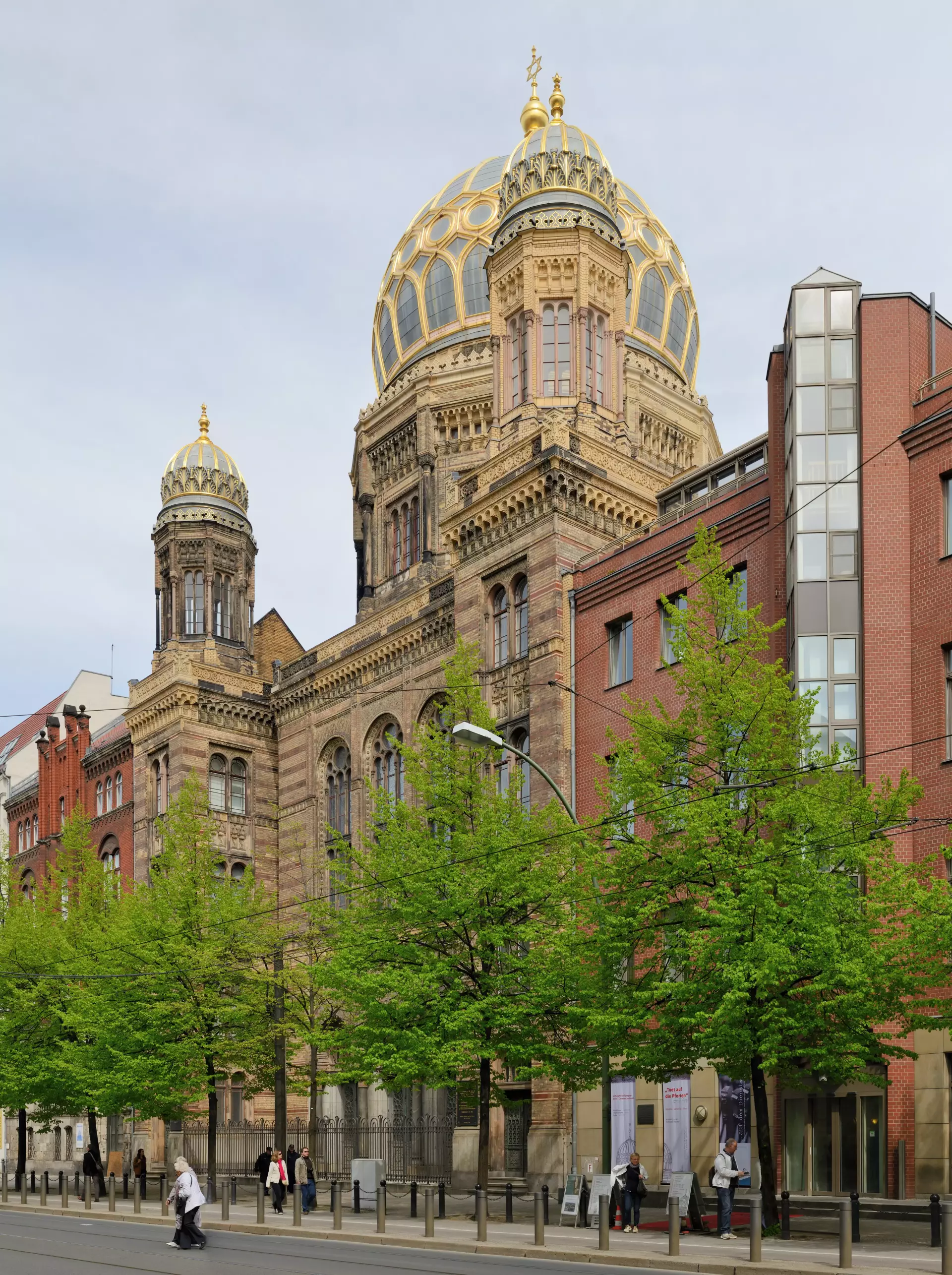
The synagogue in the backyard of an apartment house is one of the biggest in Germany.
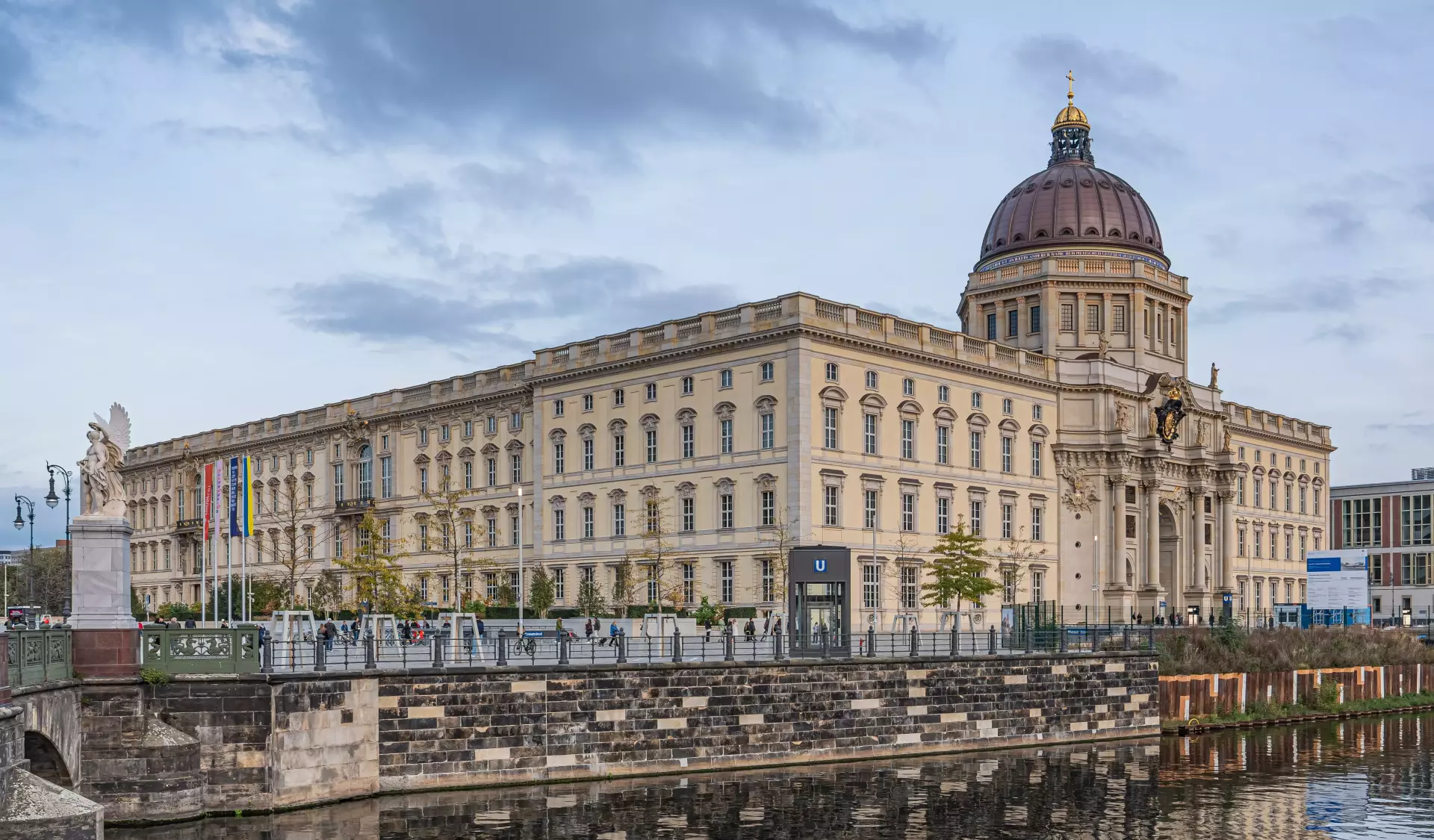
Started in the 15th century and finished in the mid-18th century, the baroque palace was the residence of electors, kings and emperors until 1918, when it became a museum. The palace was badly damaged during World War II and later razed in 1950, replaced by the GDR with a modernist Palast der Republik. The Palast was in turn gradually dismantled at the turn of the century, as it was discovered to contain asbestos and its former function of housing the GDR parliament became obsolete. Berlin has started in June 2013 construction on a new version of its historic Stadtschloss. The Schlüterhof, an inner courtyard, was also rebuilt. The building opened with a delay in 2021 with museums inside and a roof terrace with a good view. Among the Berlin museums this is perhaps the most controversial due to reconstruction of a monarchist palace being seen as a questionable political statement and due to the fact that many of the exhibits were sourced from German colonies under ethically questionable circumstances leading to demands to return some or all of them to their places of origin.
This museum describes the procedures applied by the East German secret police. Every Friday to Monday, there is a guided tour in English at 15:00 (5€).
A cuboid made of concrete. On the front side of the cuboid is a window, through which visitors can see a short film of two kissing men. The video will be changed every two years and will also show kissing lesbians.
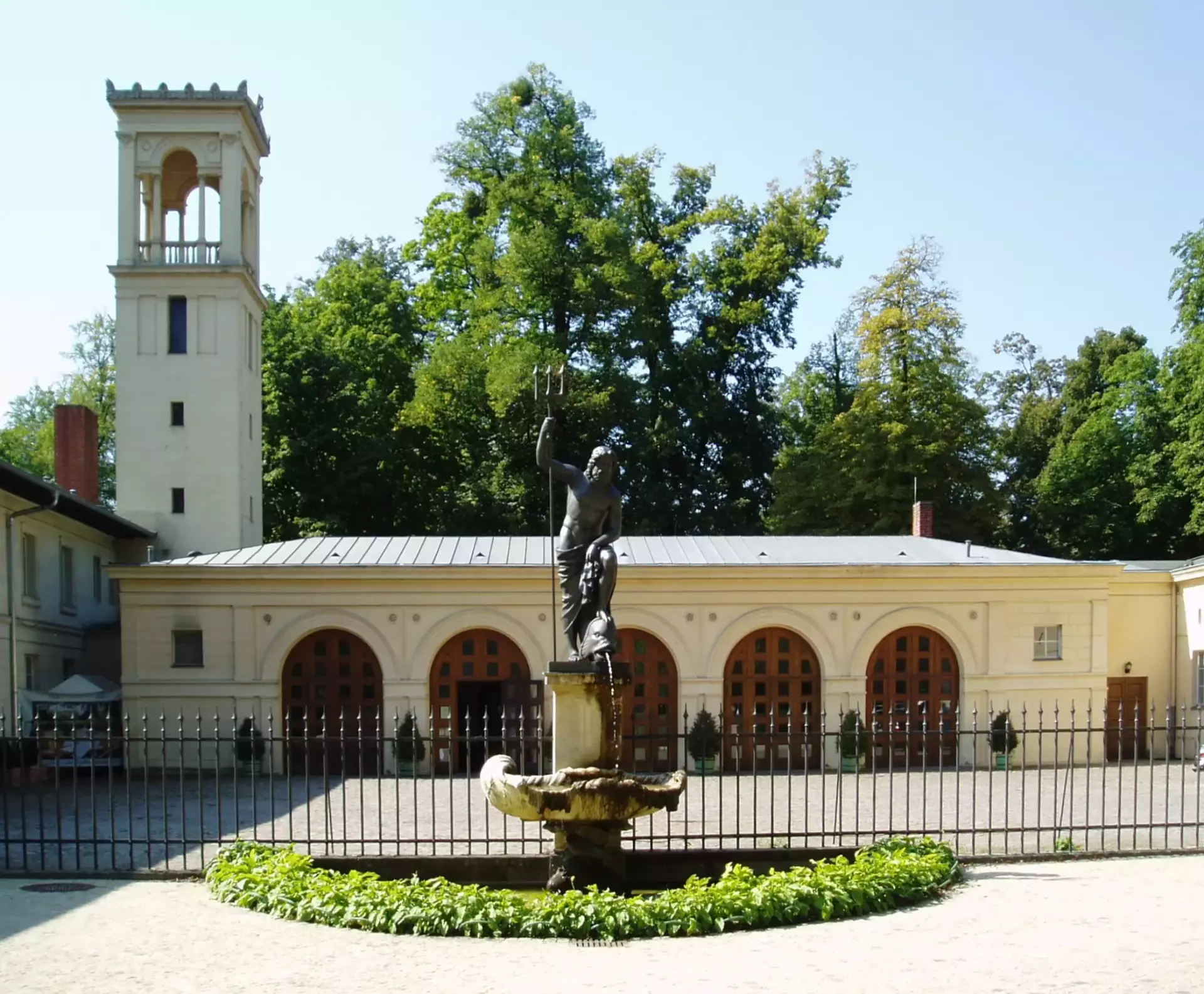
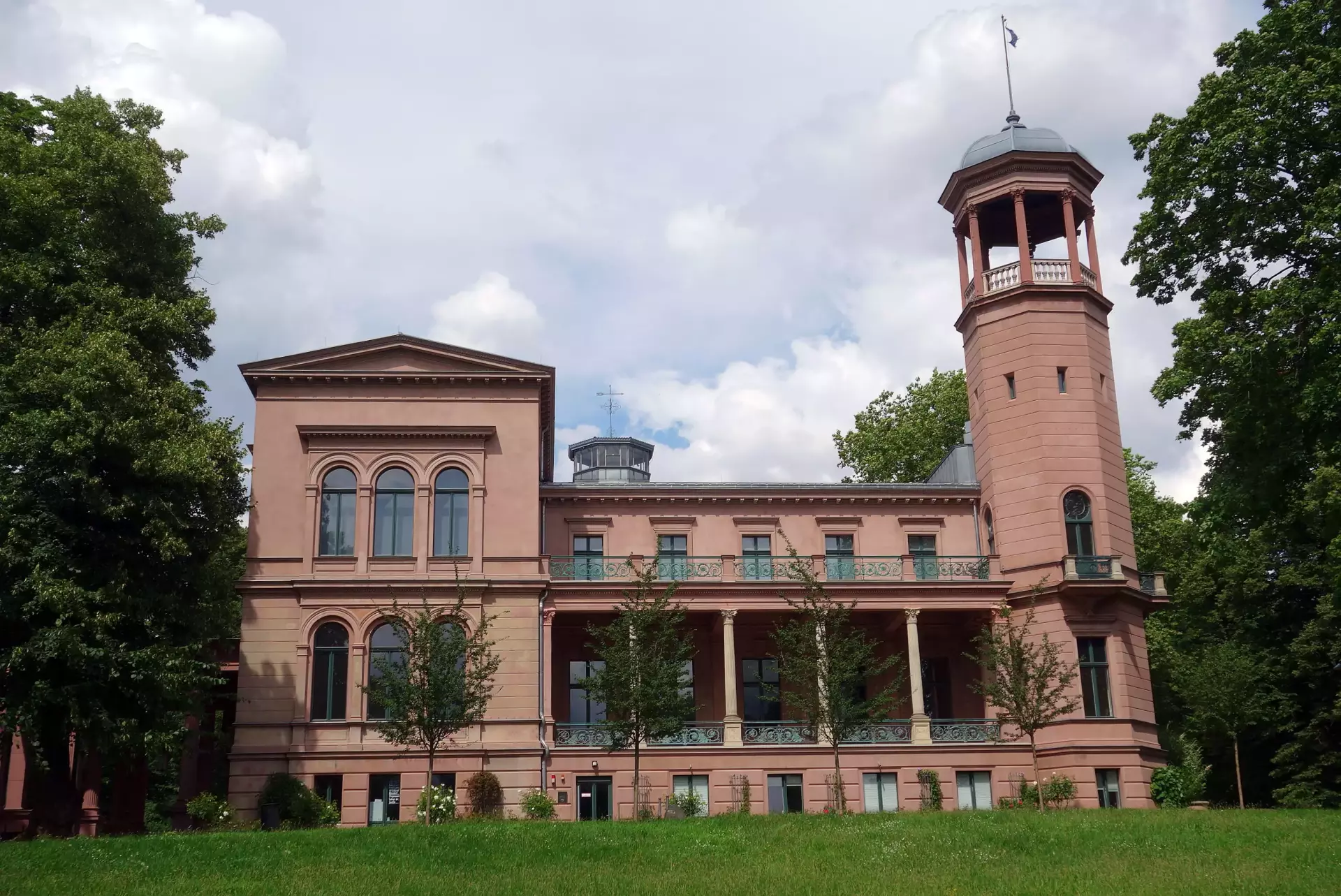
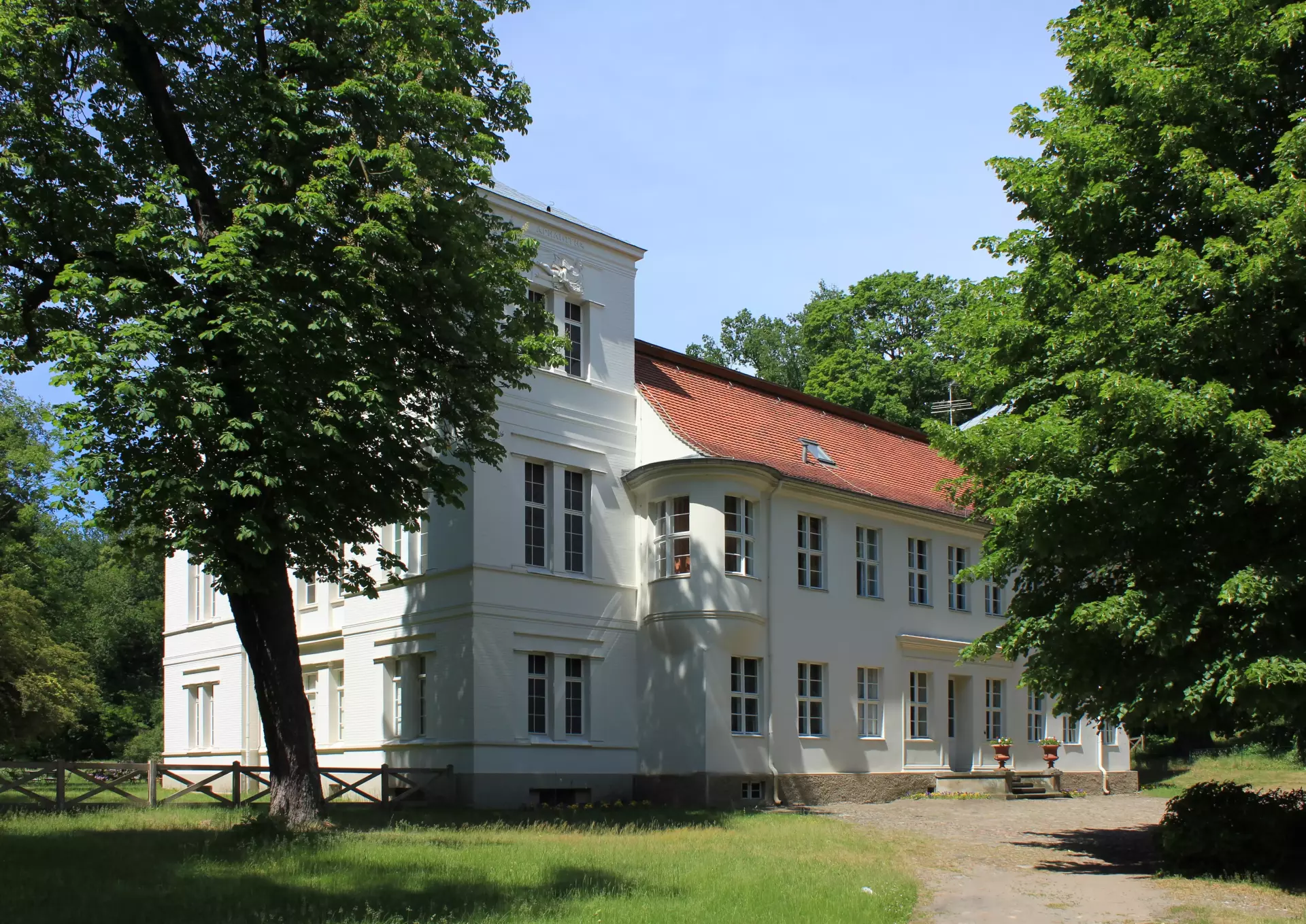
A remarkable medium-sized classical castle by the famous K.F. Schinkel built 1820 to 1824, also called "Humboldtschlösschen", because Alexander and Wilhelm von Humboldt (and their family) lived here once. Still privately owned.
The largest zoo in the world, both in terms of number of species (1500) and animal population (14,000). It is especially famous for its pandas. The Elephant Gate (Budapester Straße), one of the two entrances and next to the Aquarium, is a traditional photo stop for most visitors because of the architecture.
One of the most authentic and oldest villages (1247) in the outskirts of Berlin, it looks the same way it did some hundred years ago. Take S-Bahn 1 to Waidmannslust and then bus 222 to Alt-Lübars.
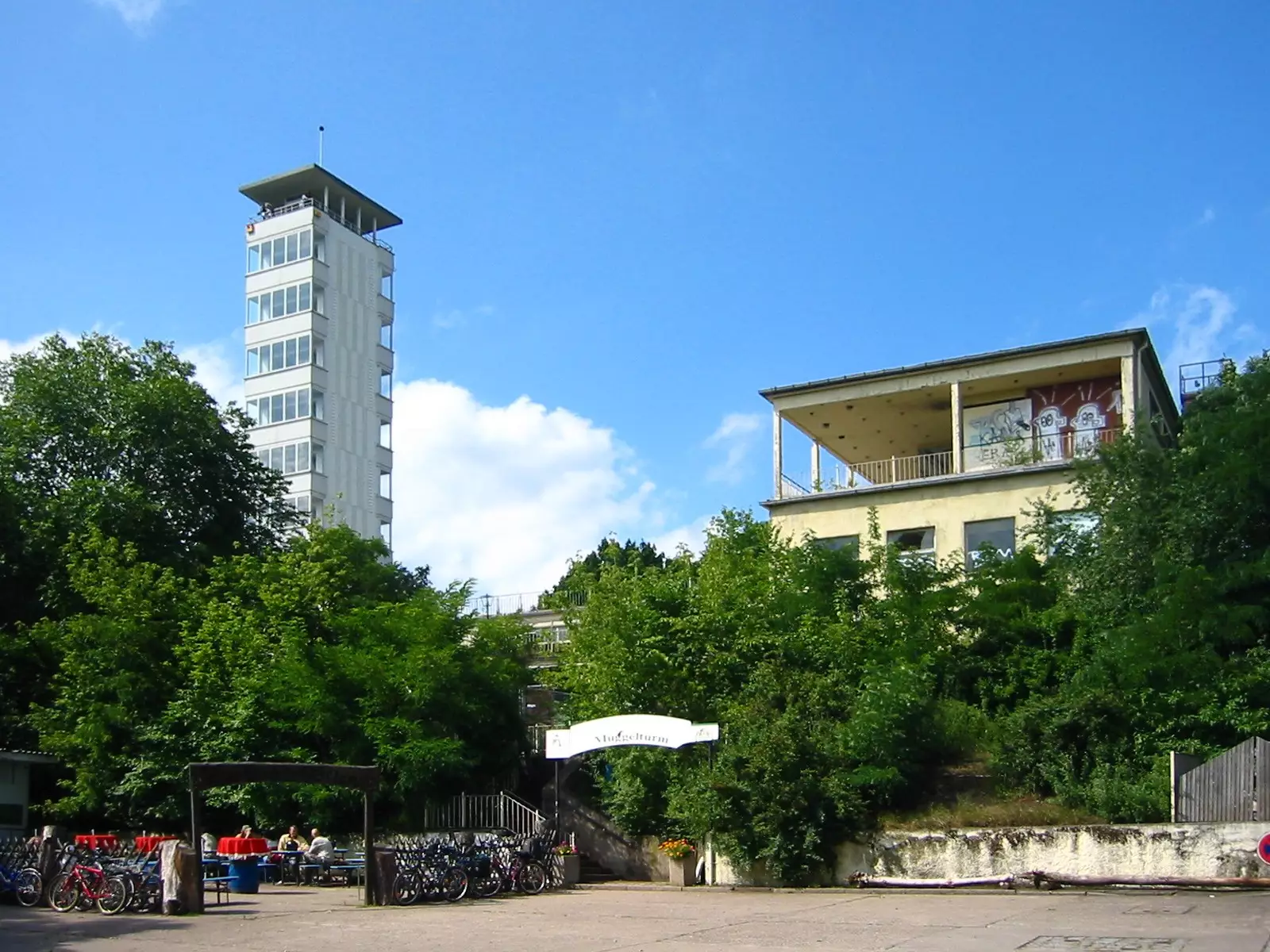
150 m high lattice tower with open-air observation deck 124 m above ground.
This castle is one of Berlin's oldest castles and where Prince Carl used to reside. Be sure to check out Glienicke Bridge, the bridge that became renowned for the exchange of Western and Eastern secret agents. You can also visit Glienicke Park.
The charming Baroque water palace of the Hohenzollern electors surrounded by the Dahme river and an English garden.