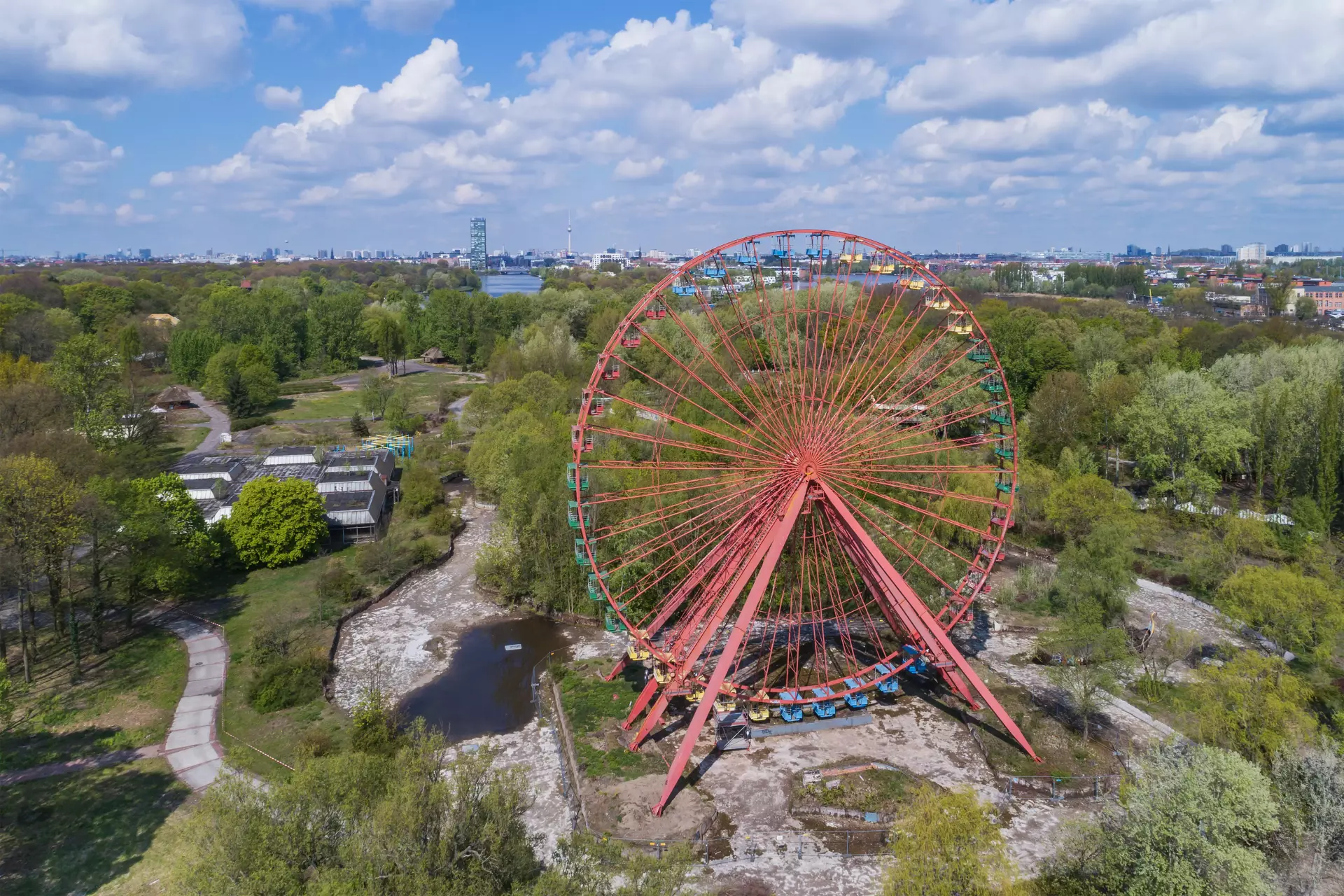
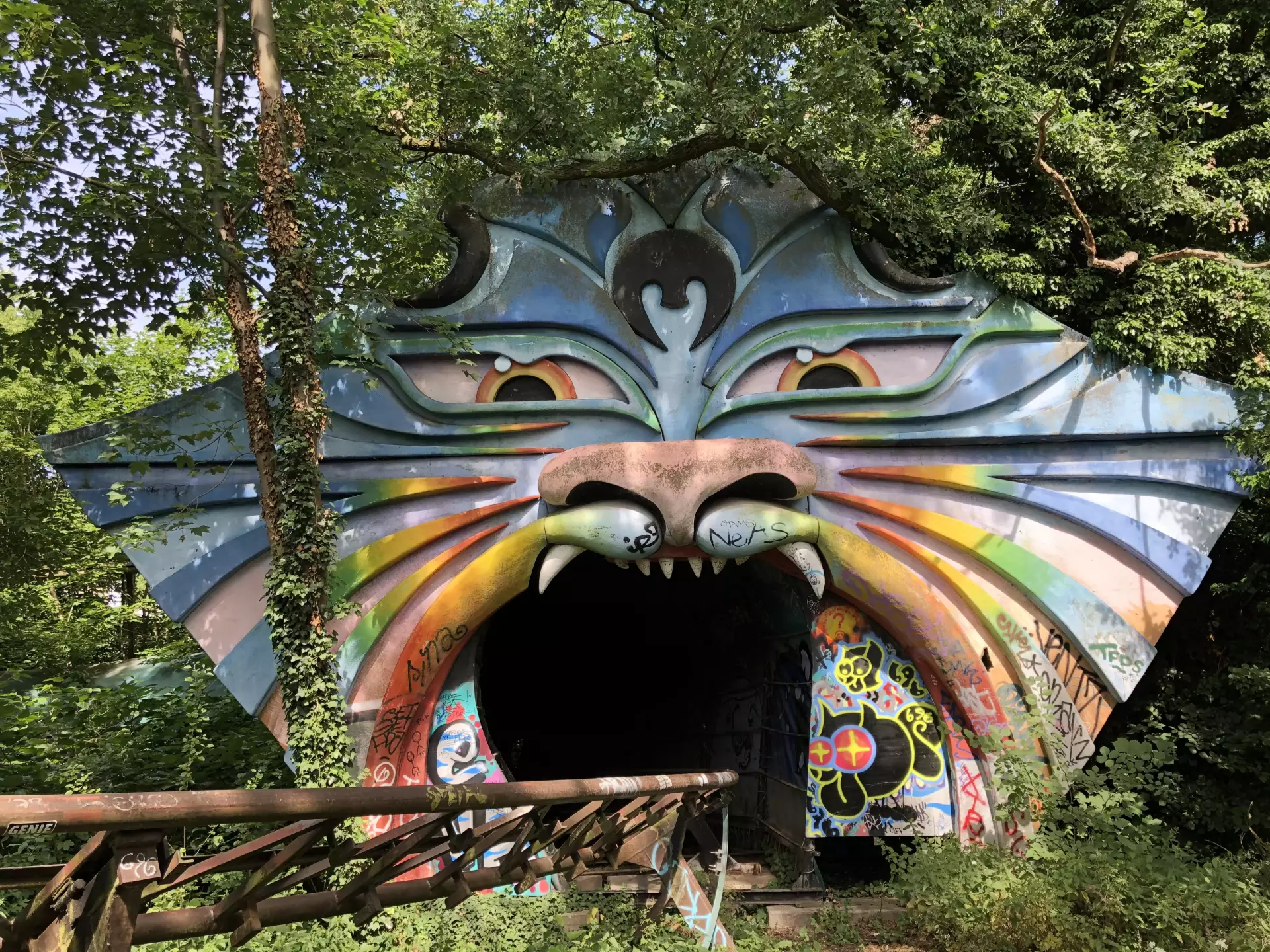
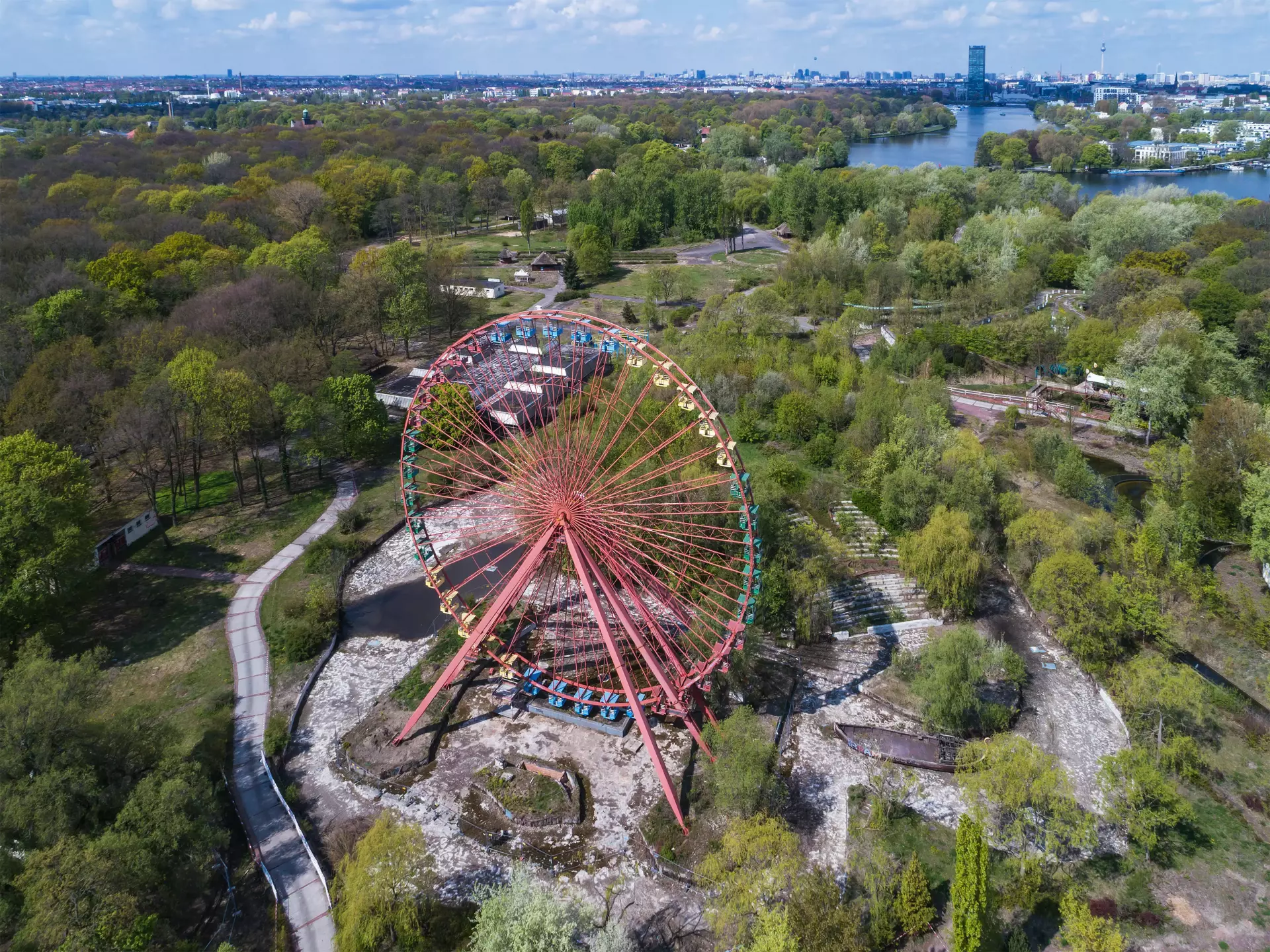
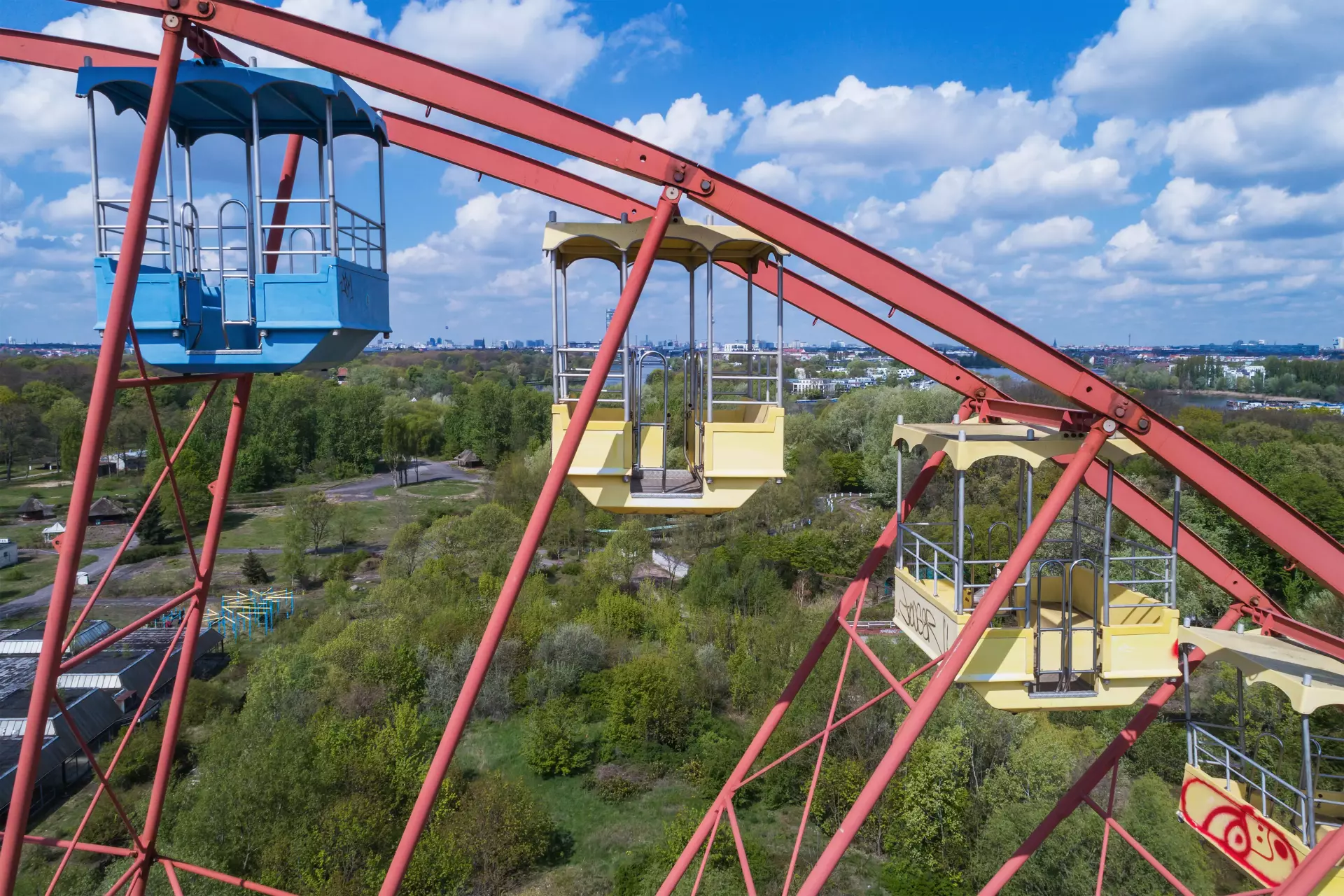
An abandoned amusement park in Berlin tells a striking story of change and renewal. Opened in 1969 in the German Democratic Republic, it once drew crowds with colorful rides and family weekends. Its most recognizable landmark, a towering Ferris wheel, rose above the trees and quickly became a symbol on the city’s skyline.
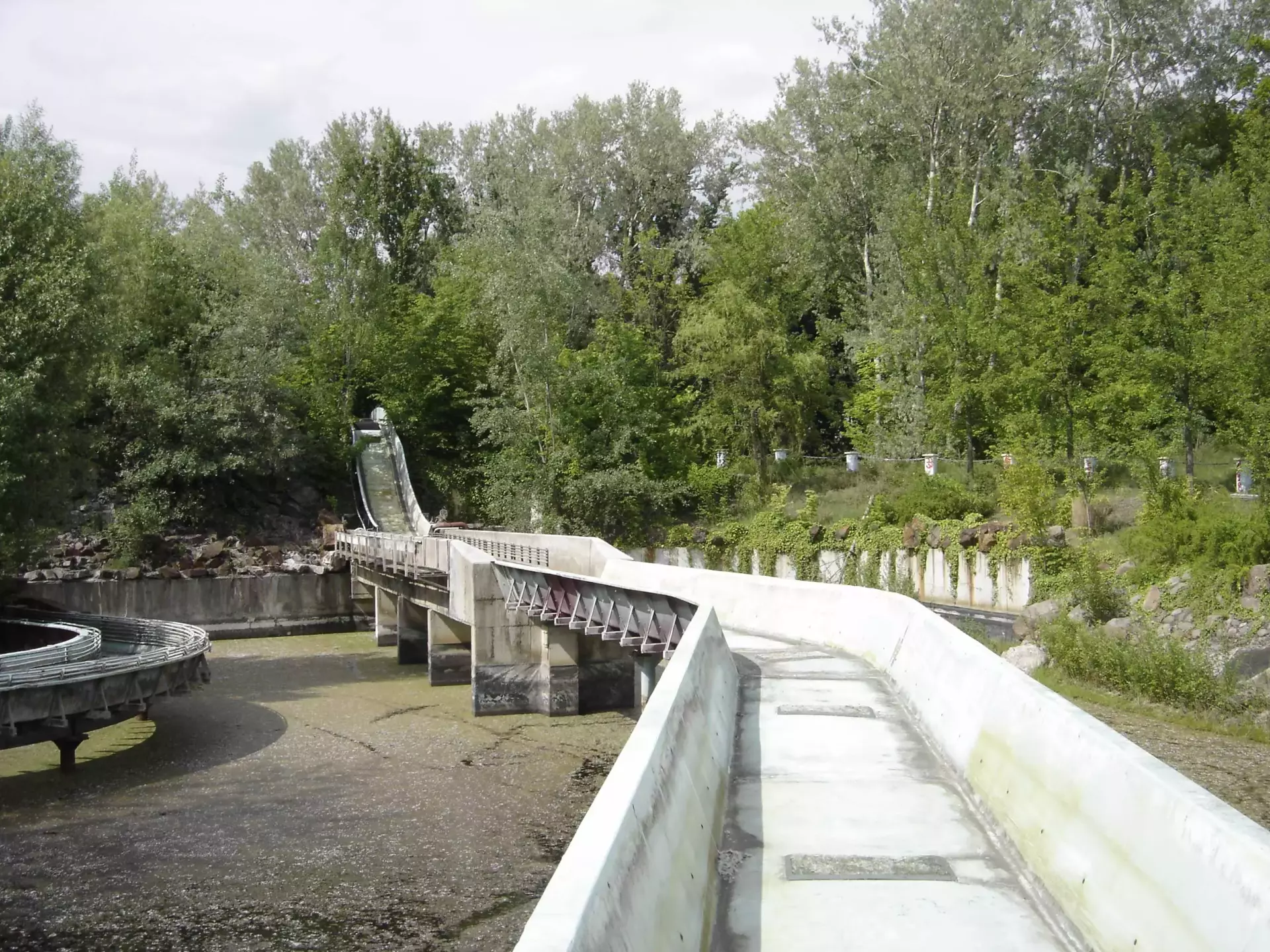
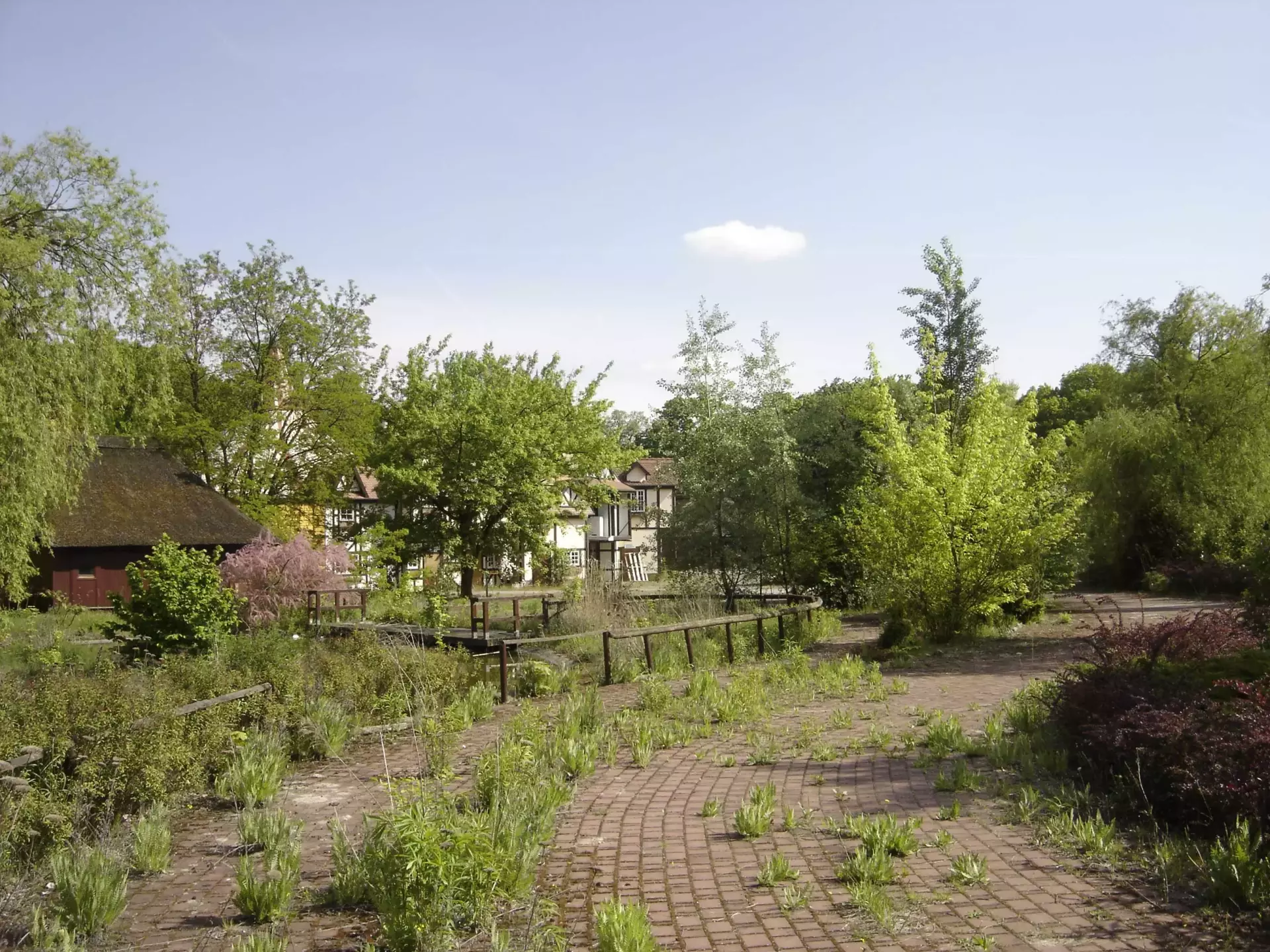
After decades of operation, the park closed in 2002. The cheerful music stopped, rides rusted, and nature started to take over. Walkways cracked, swan boats gathered dust, and the Ferris wheel stood still, creaking in the wind. The eerie setting drew attention from photographers, filmmakers, and journalists. International outlets—among them the New York Times—covered its haunting, post-apocalyptic look.
In 2016, plans for a transformation were announced. The site would be restored and reopened as a park dedicated to art and culture. The vision proposed a careful balance: preserving traces of the past while introducing exhibitions, events, and creative installations. The Ferris wheel, long a silent witness, was set to remain a central feature in the park’s next life.
Source - https://en.wikipedia.org/wiki/Spreepark
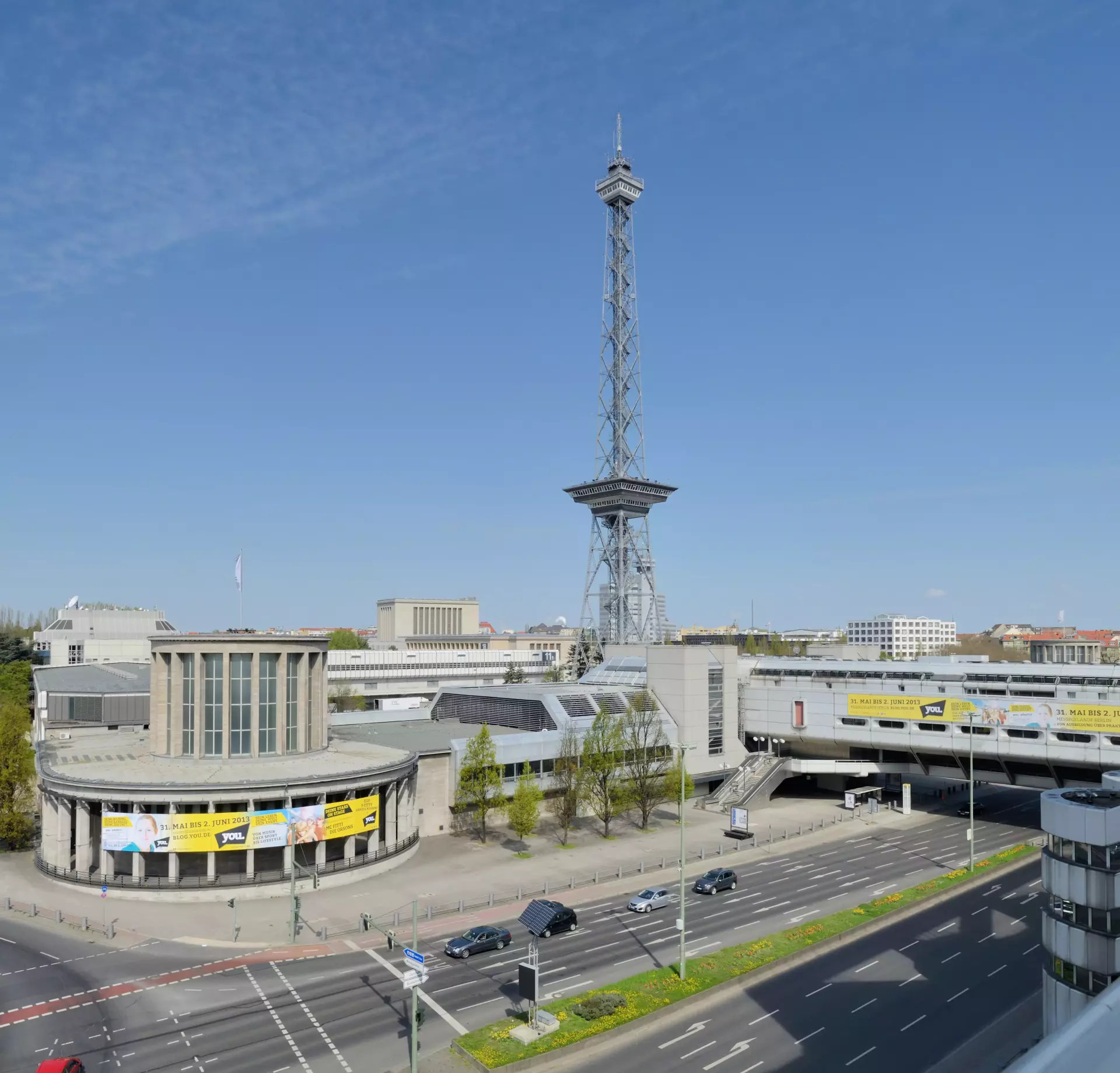
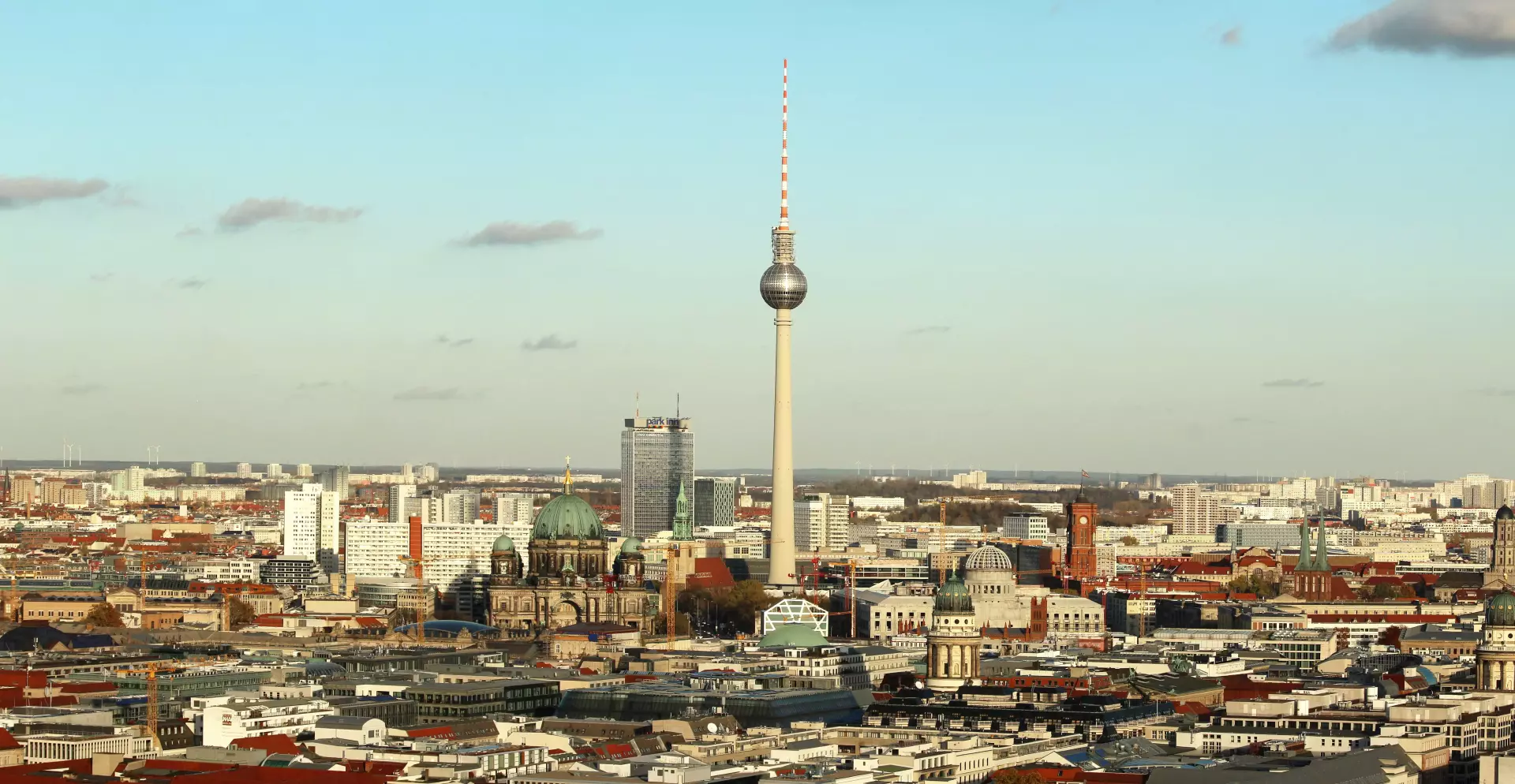
150 m high lattice tower with open-air observation deck 124 m above ground.
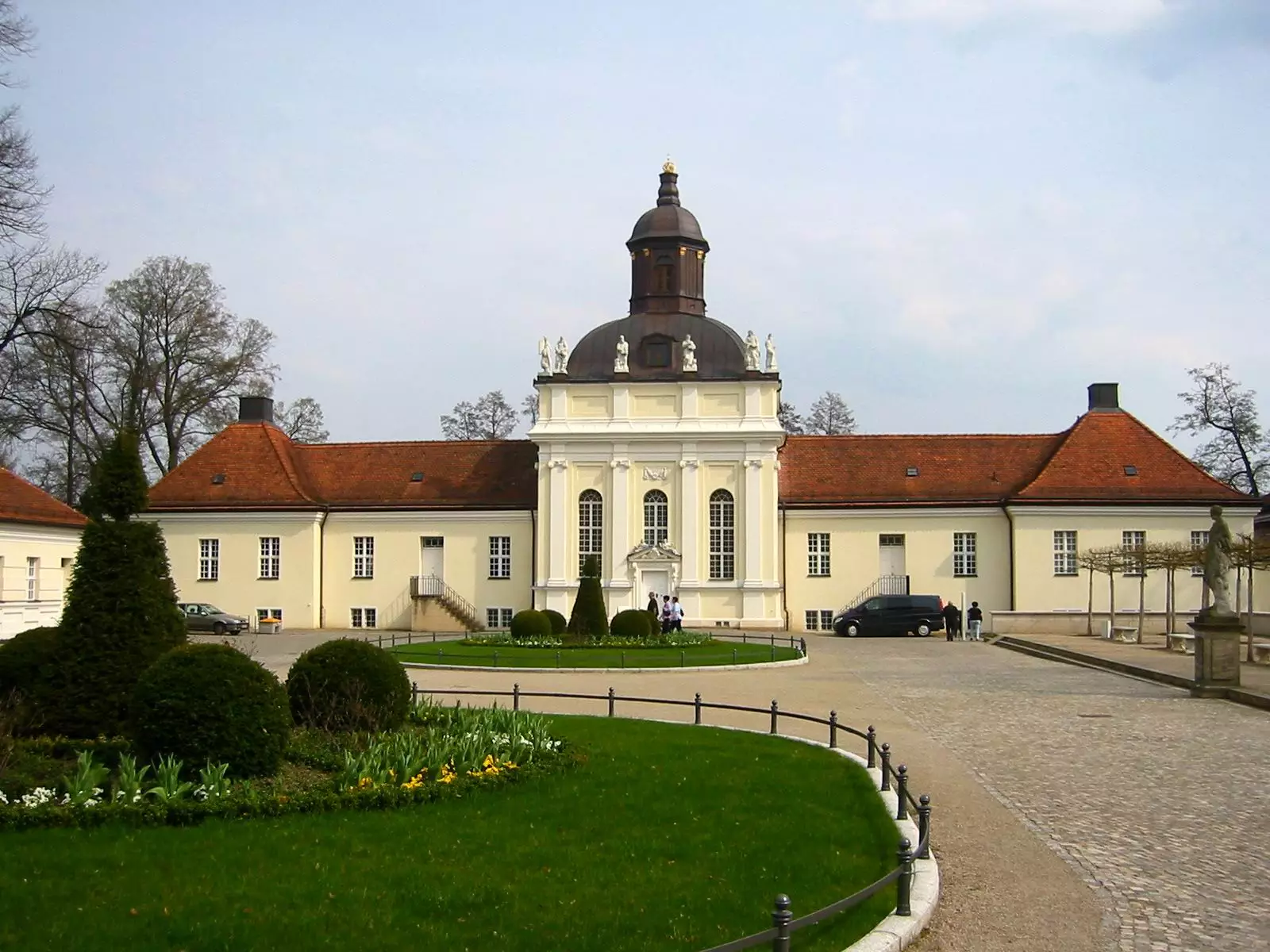
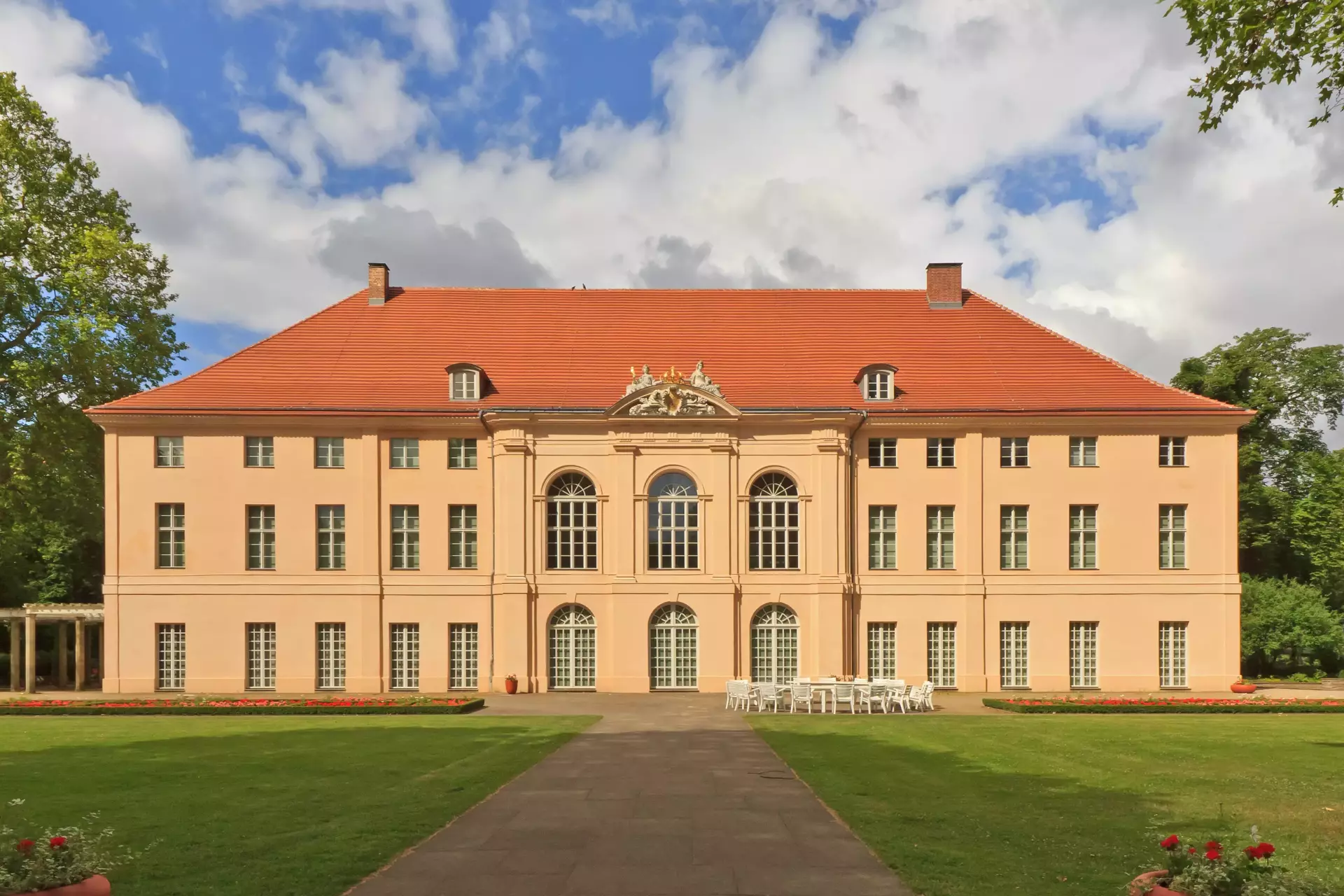
The charming Baroque water palace of the Hohenzollern electors surrounded by the Dahme river and an English garden.
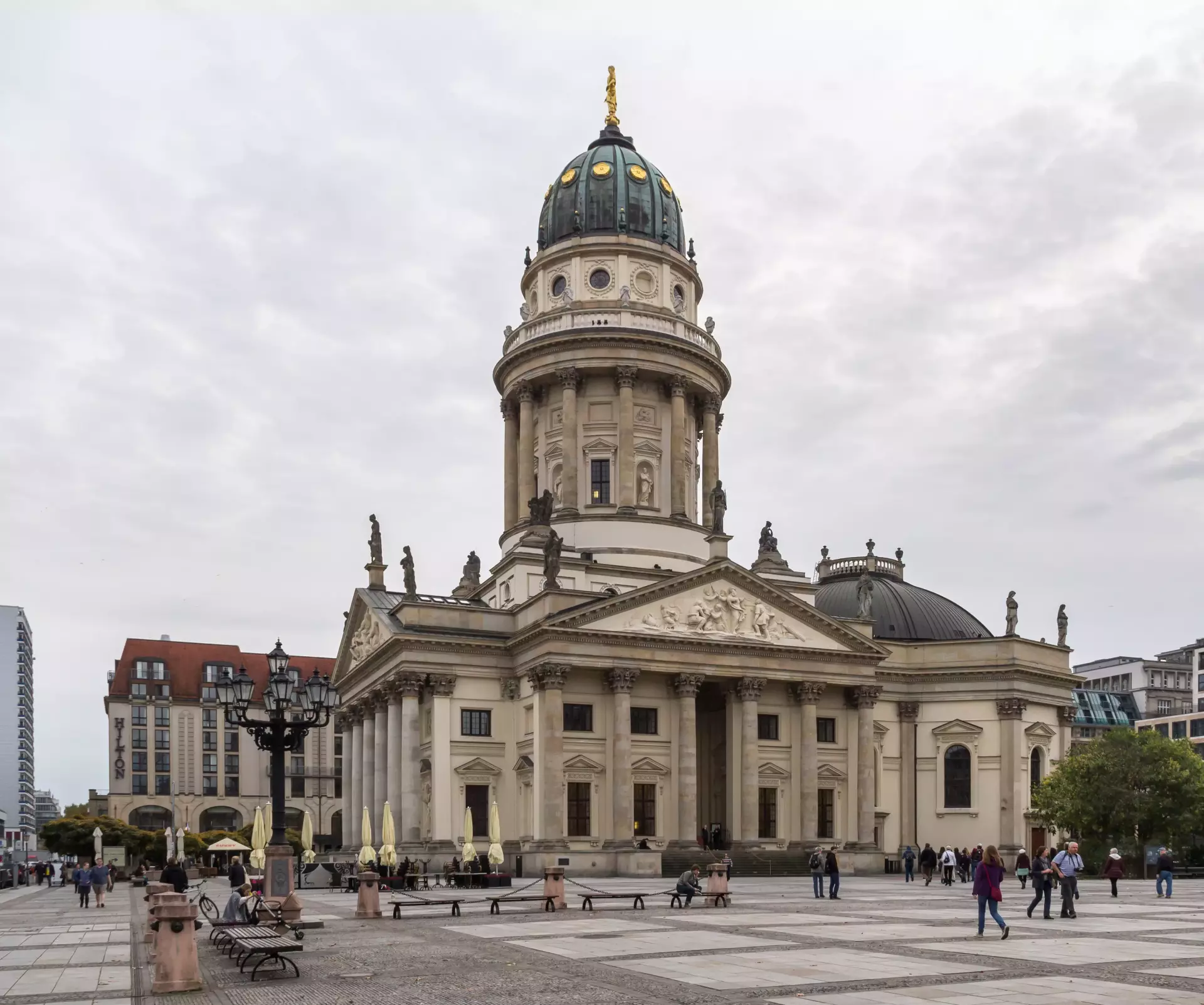
The Gendarmenmarkt is a square in the Friedrichstadt with the Konzerthaus (concert hall) and in front of the statue of Germany's poet Friedrich Schiller, the Neue Kirche (New church) and the Französischer Dom (French cathedrals). Berlin’s Deutscher Dom on the magnificent Gendarmenmarkt square is not to be confused with the Berliner Dom. It was built in 1708. Since 1992 a German Parliament exhibition can be seen here entitled “Paths, Loosing Track and Detours” or the development of parliamentary democracy in Germany – ways and roundabouts. No religious services are held here. The French cathedral houses the Hugenottenmuseum. It represents the ongoing influence on Berlin by the Huguenots who emigrated from France after the revocation of the Edict of Nantes. Crown Prince Friedrich William encouraged them to settle here because most of them were skilled workers or otherwise useful to the kingdom. One memorable artwork, in room nine of the museum, pictures Crown Princess Dorothea exclaiming "But he's a refugee!" upon being presented a very valuable set of jewels by Pierre Fromery. The generally agreed-upon view of refugees as poor, without resources let alone diamonds, was blown apart by the talented French Protestants forced to leave their country due to religion. One of the most notable effects of having such a large French population was their influence on the infamous Berlin dialect. Berlinerisch words such as Kinkerlitzchen (from French "quincaillerie" - kitchen equipment) and Muckefuck (from French "mocca faux" - artificial coffee, though that etymology is not universally accepted) are unique to the area. The Französischen Dom (cathedral) itself was built to resemble the main church of the Huguenots in Charenton, France, destroyed in 1688. It has housed the museum since 1929. Closed till 2019
This outdoor and indoor history museum documents the terror applied by the Nazi regime. It is on the site of buildings which during the Nazi regime from 1933 to 1945 were the headquarters of the Gestapo and the SS, the principal instruments of repression during the Nazi era.
Places with markets on Wednesdays and Saturdays are popular with locals at Winterfeldplatz. Buy a coffee and browse amongst the stalls; this is a place to unearth hidden gems. Breakfast is served usually until 14:00-15:00.
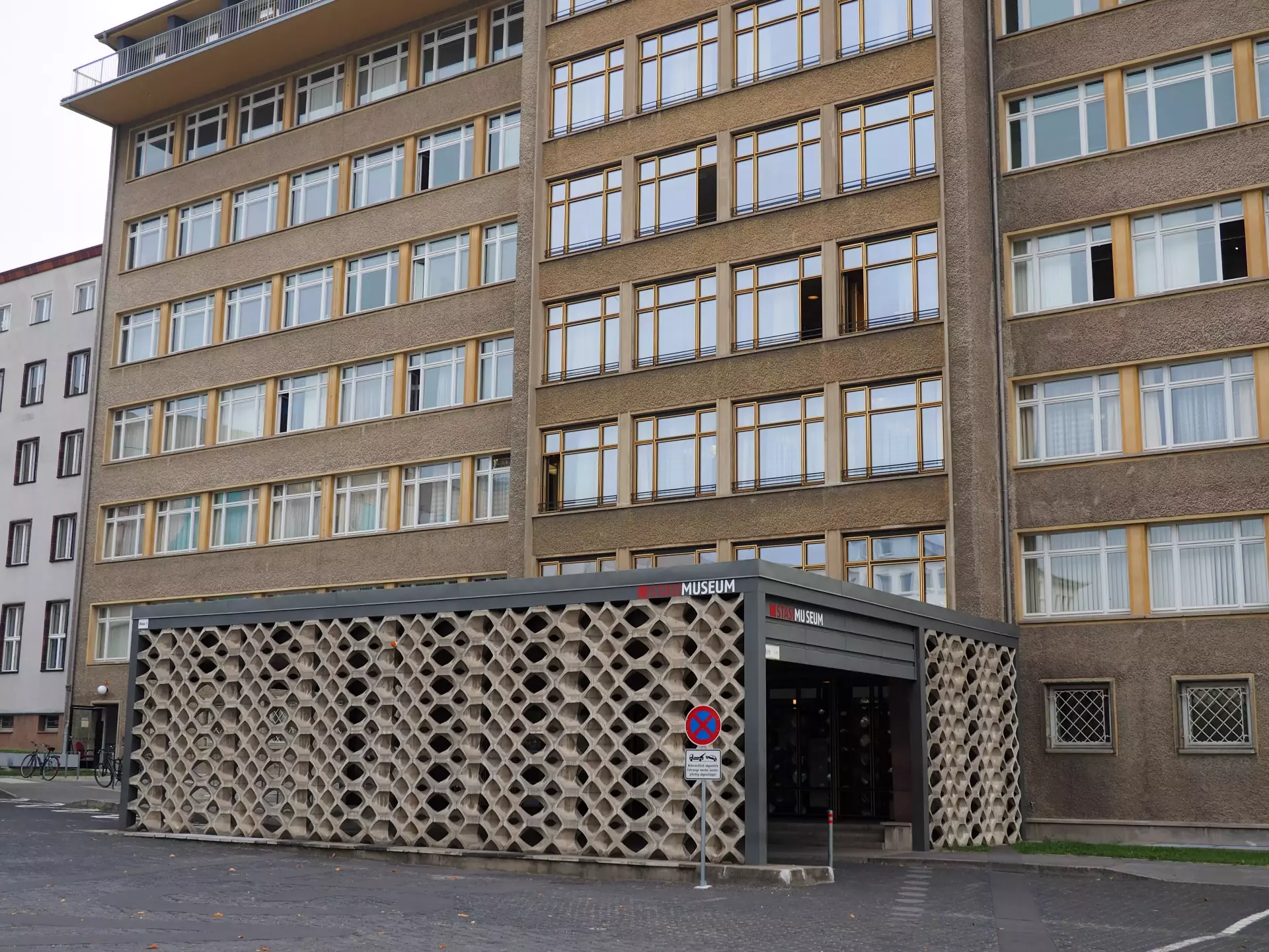
This museum describes the procedures applied by the East German secret police. Every Friday to Monday, there is a guided tour in English at 15:00 (5€).
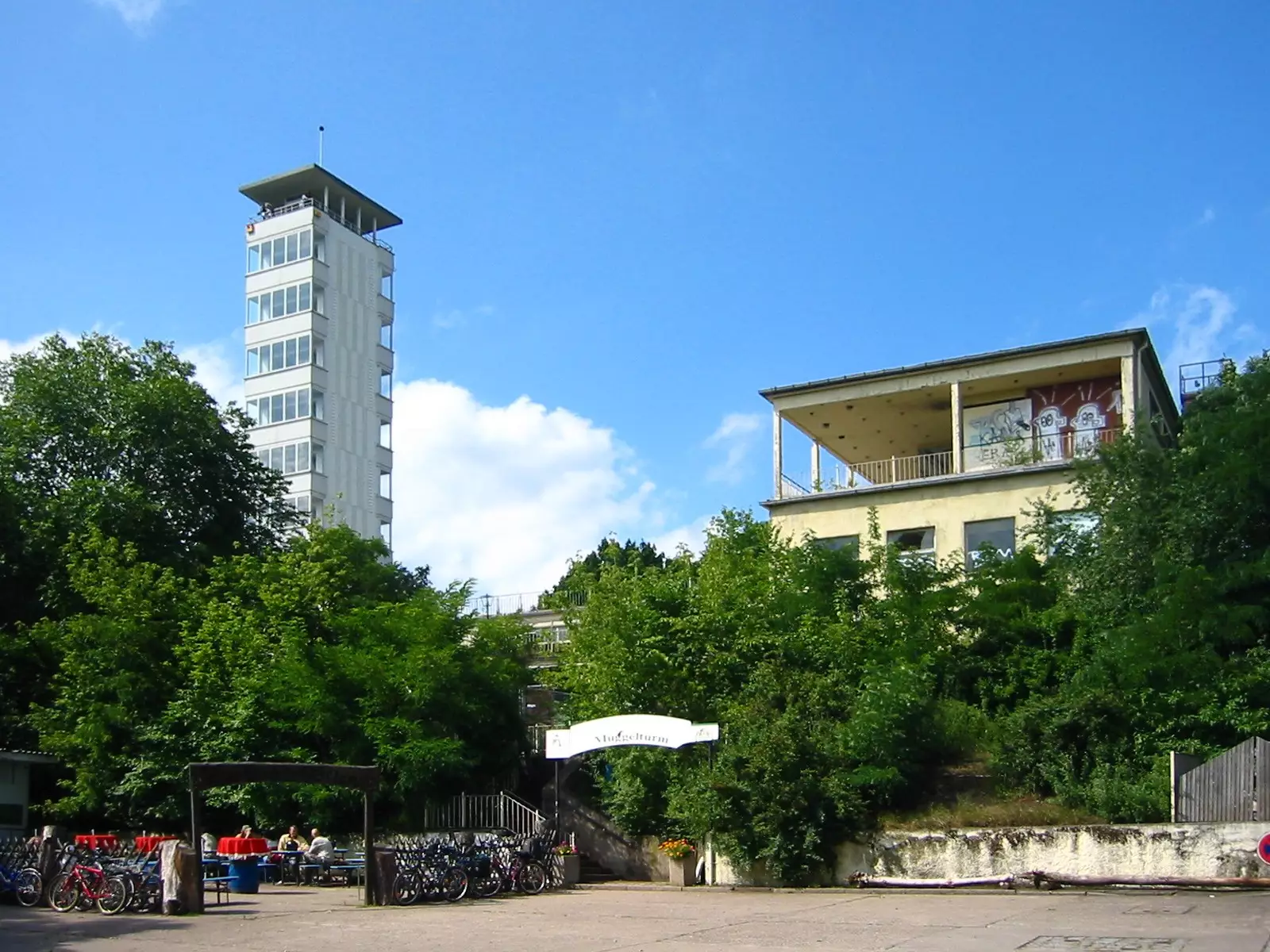
An observation tower without an elevator in Southeast Berlin, from which you can see that there is a great deal of forest around Berlin. There is a cafe at the tower.
The former Imperial General Post Office, now Museum for telecommunication and post with many interesting historical objects.
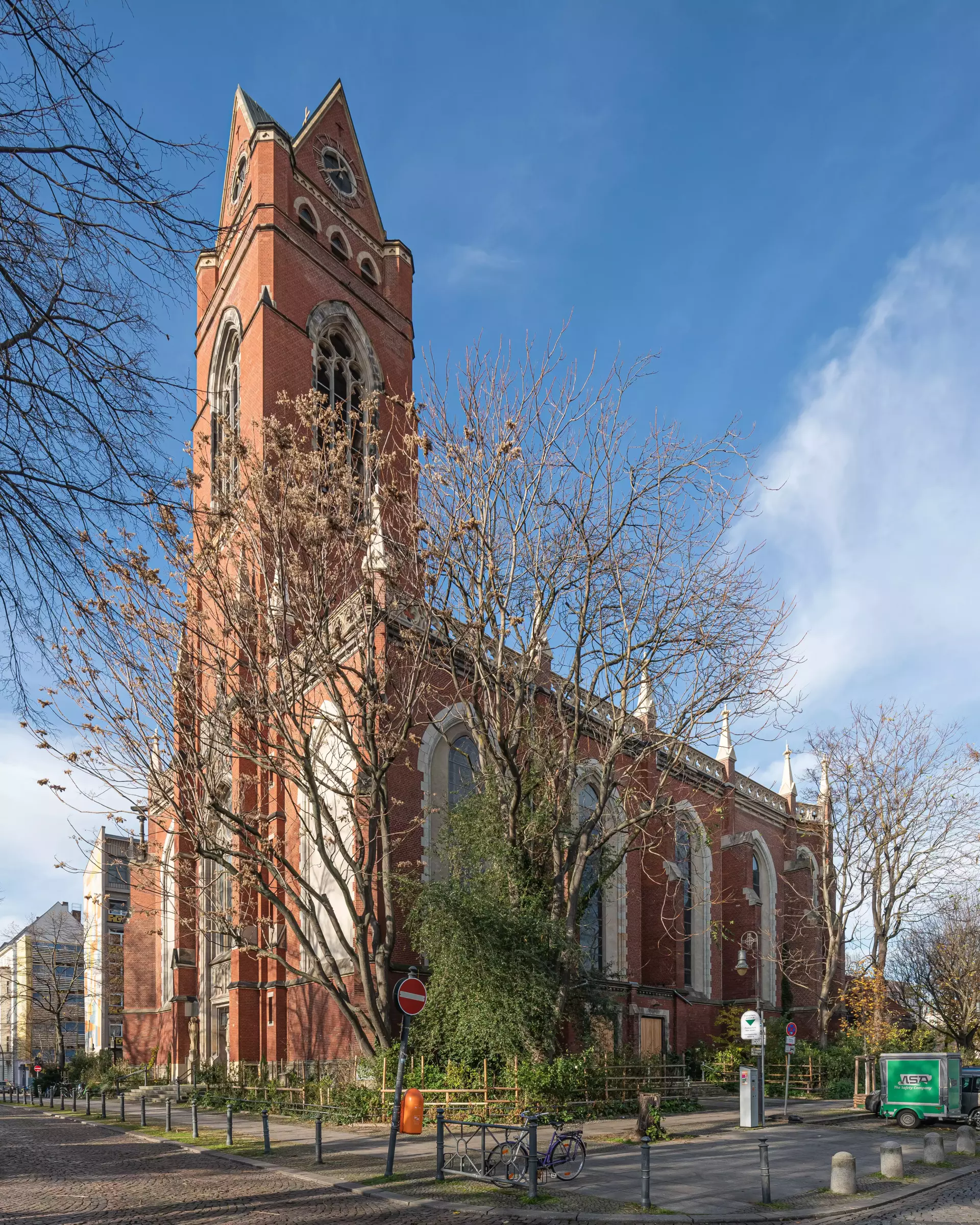
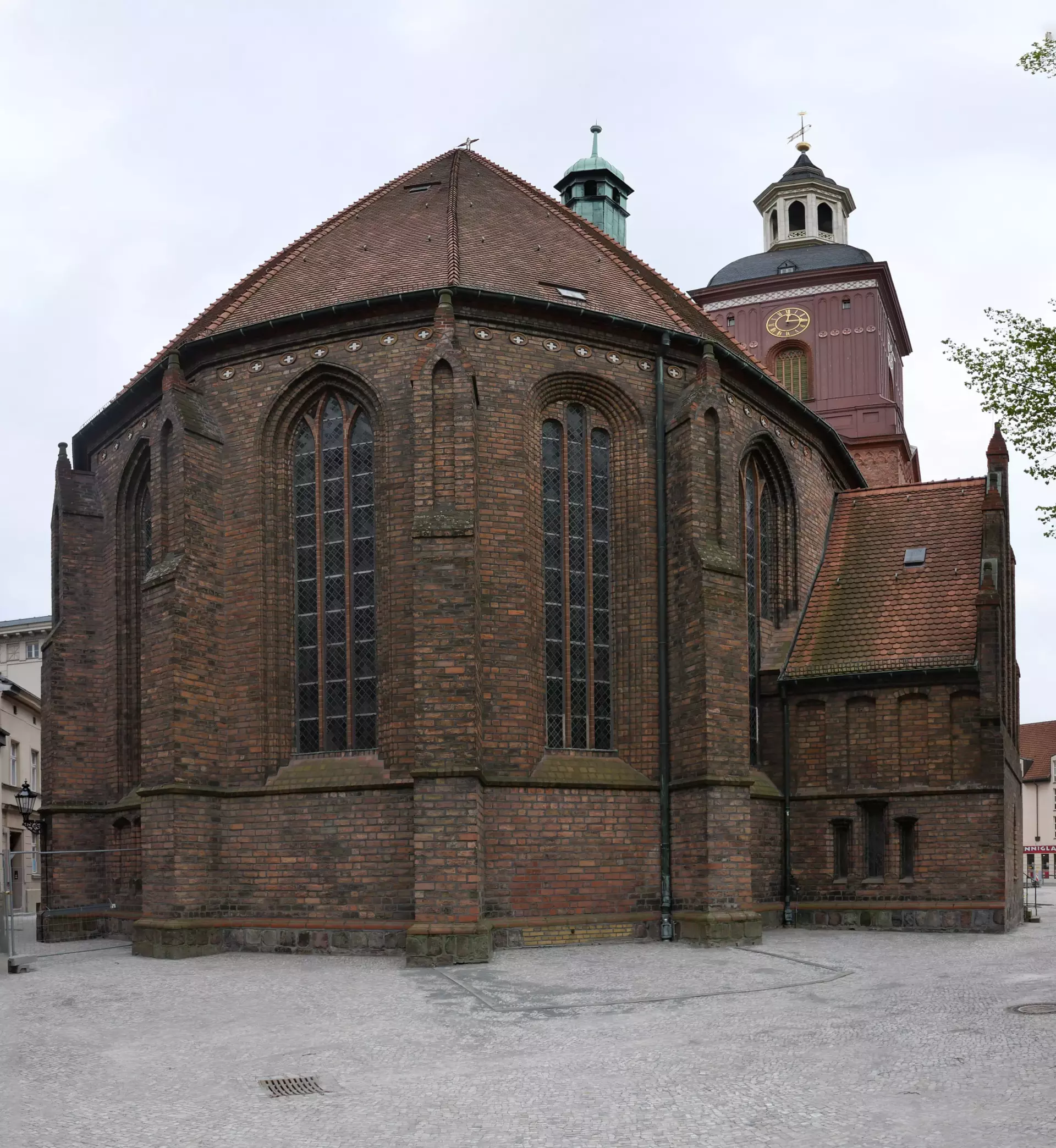
A splendid 15th-century Gothic church with many fine accoutrements.
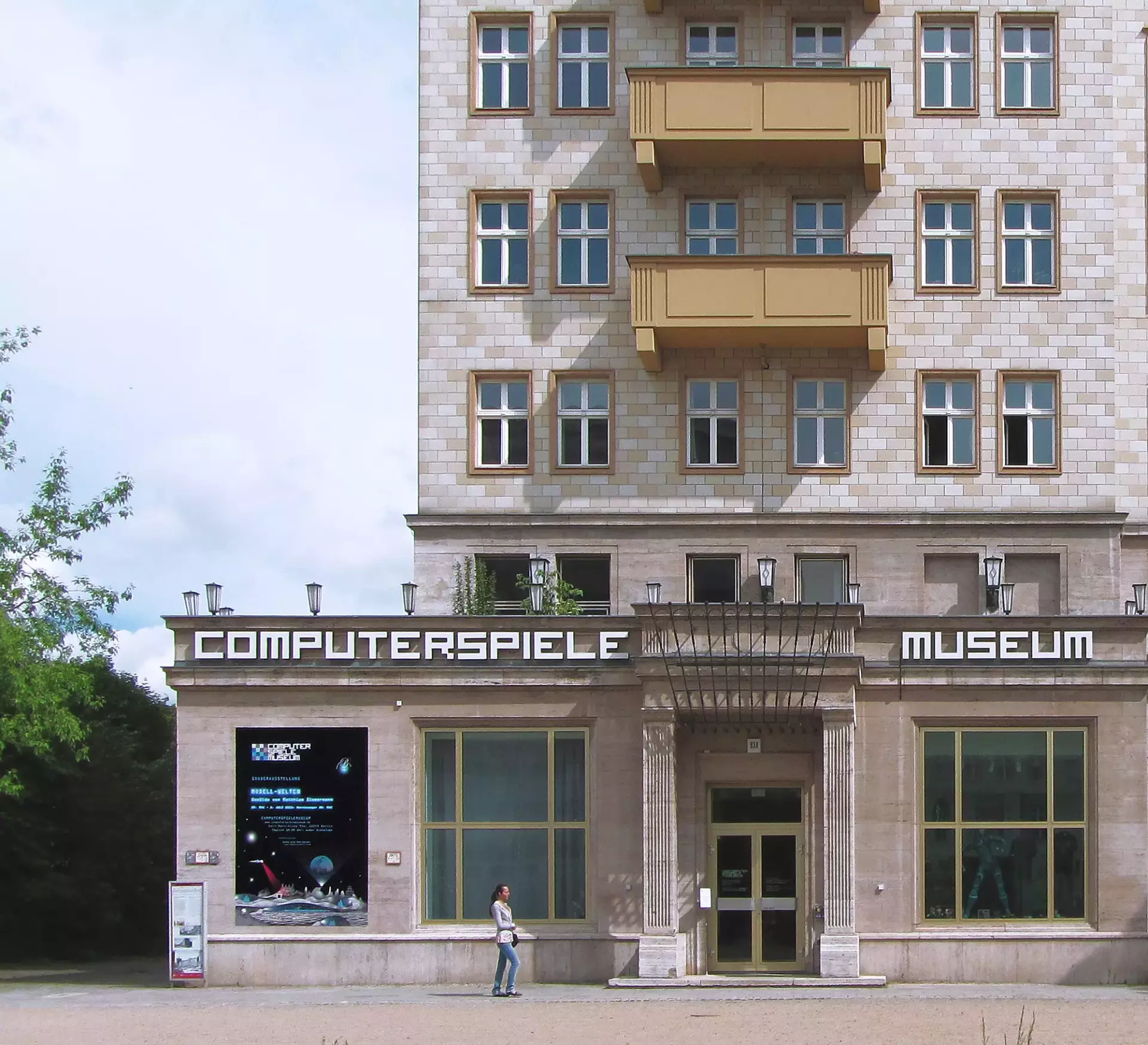
Exhibition of digital interactive entertainment culture. You can actually play almost all of the exhibits making it a more "hands on" museum than most.
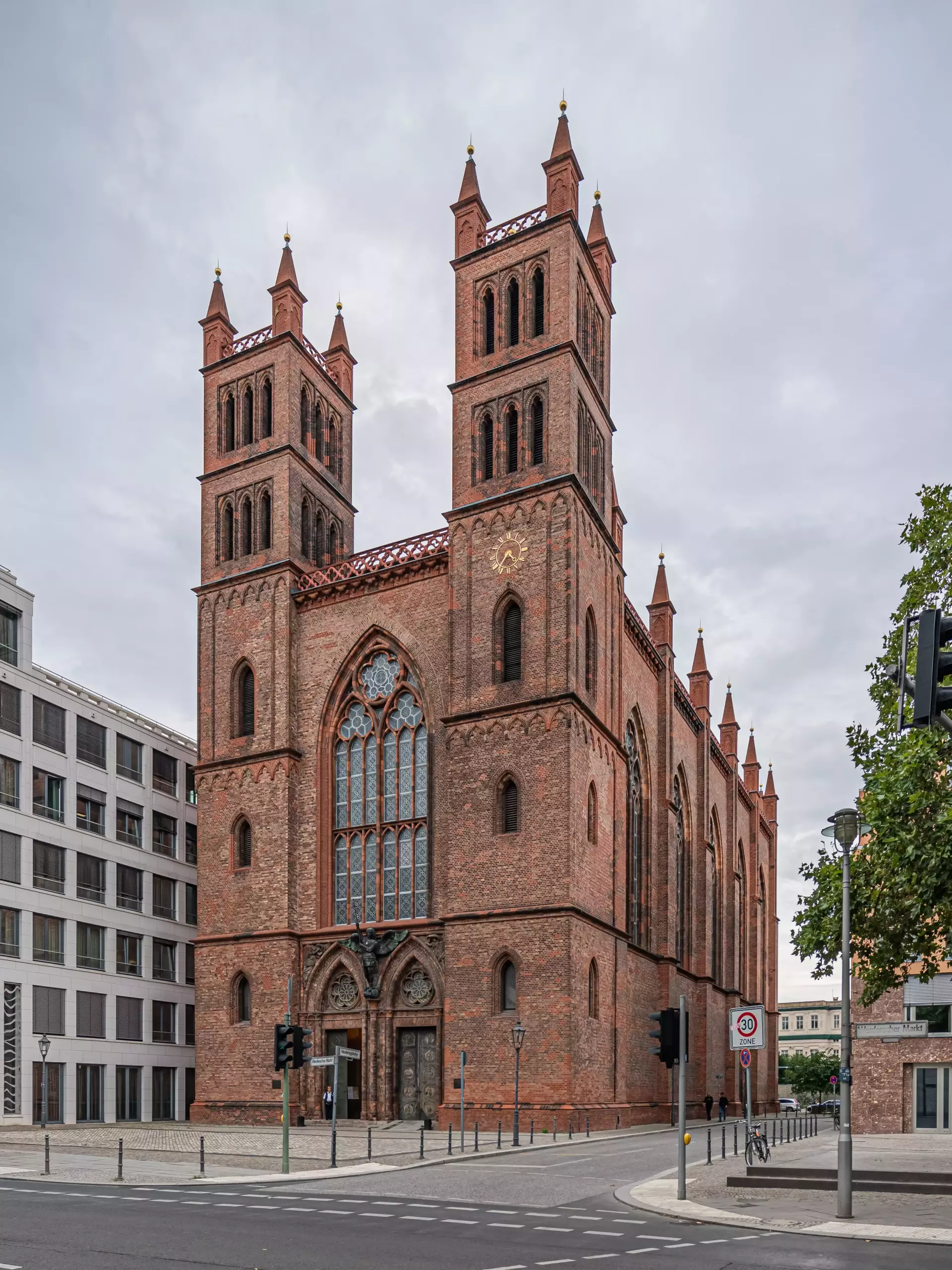
Nice church near Unter den Linden/Museum Island, finished in 1830 by Schinkel in English Neogothic style. Nice exhibition inside (neoclassical statues and an exhibition about Schinkel's life and work upstairs).
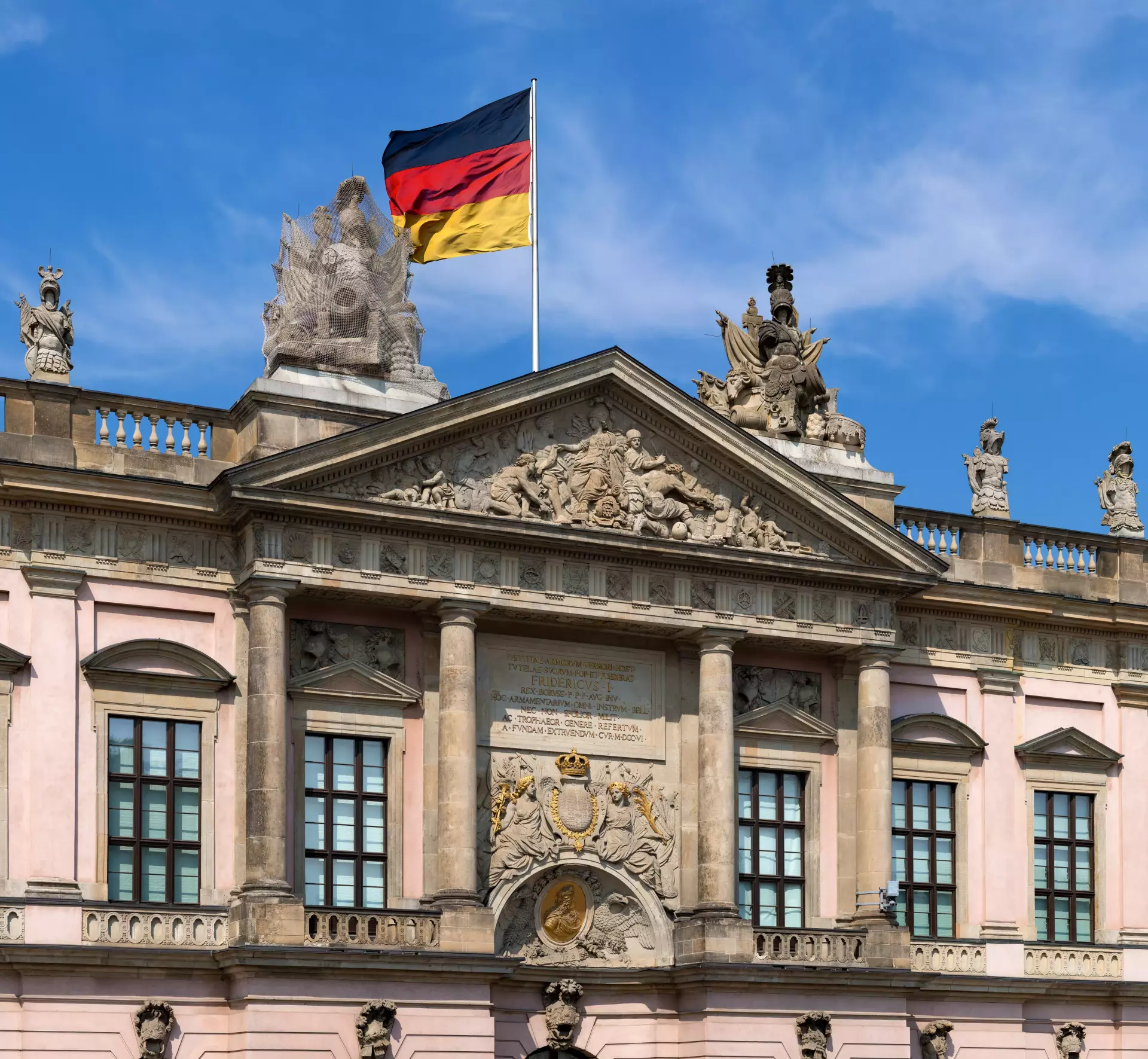
German historical museum covering everything from pre-history up to the present day. One can spend many, many hours here! The building from 1695/1730 was the Zeughaus (Arsenal) until 1876.