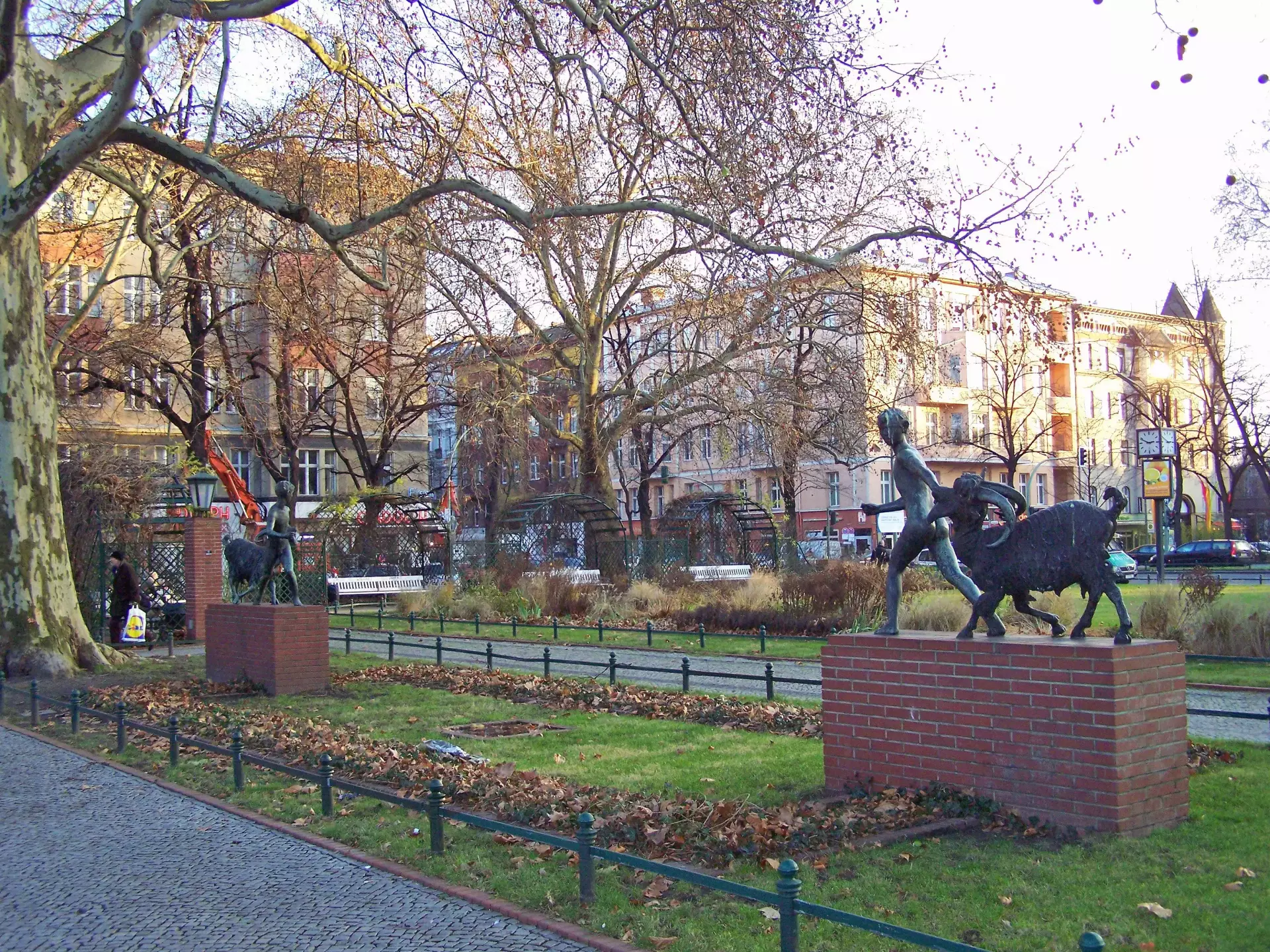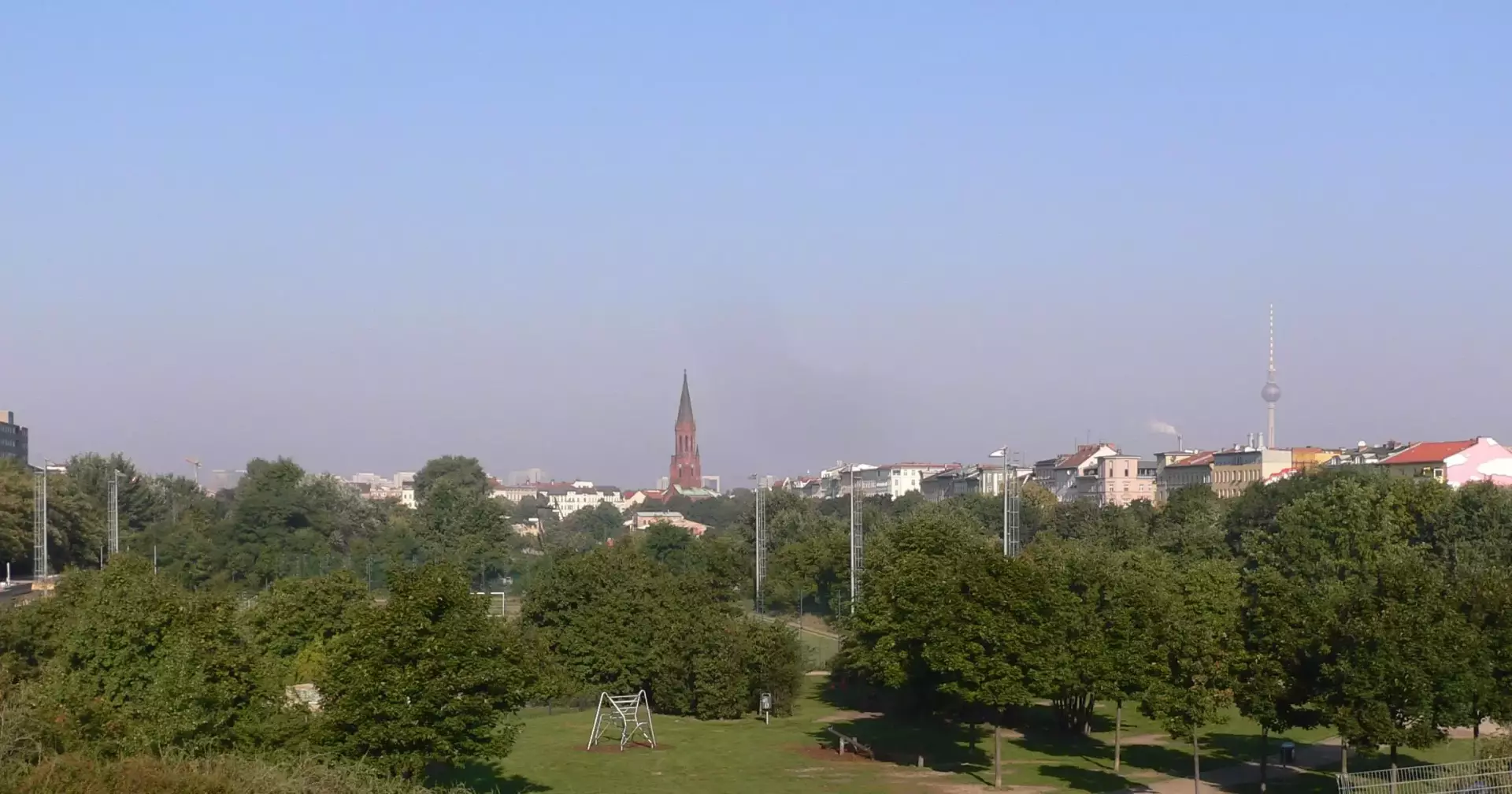
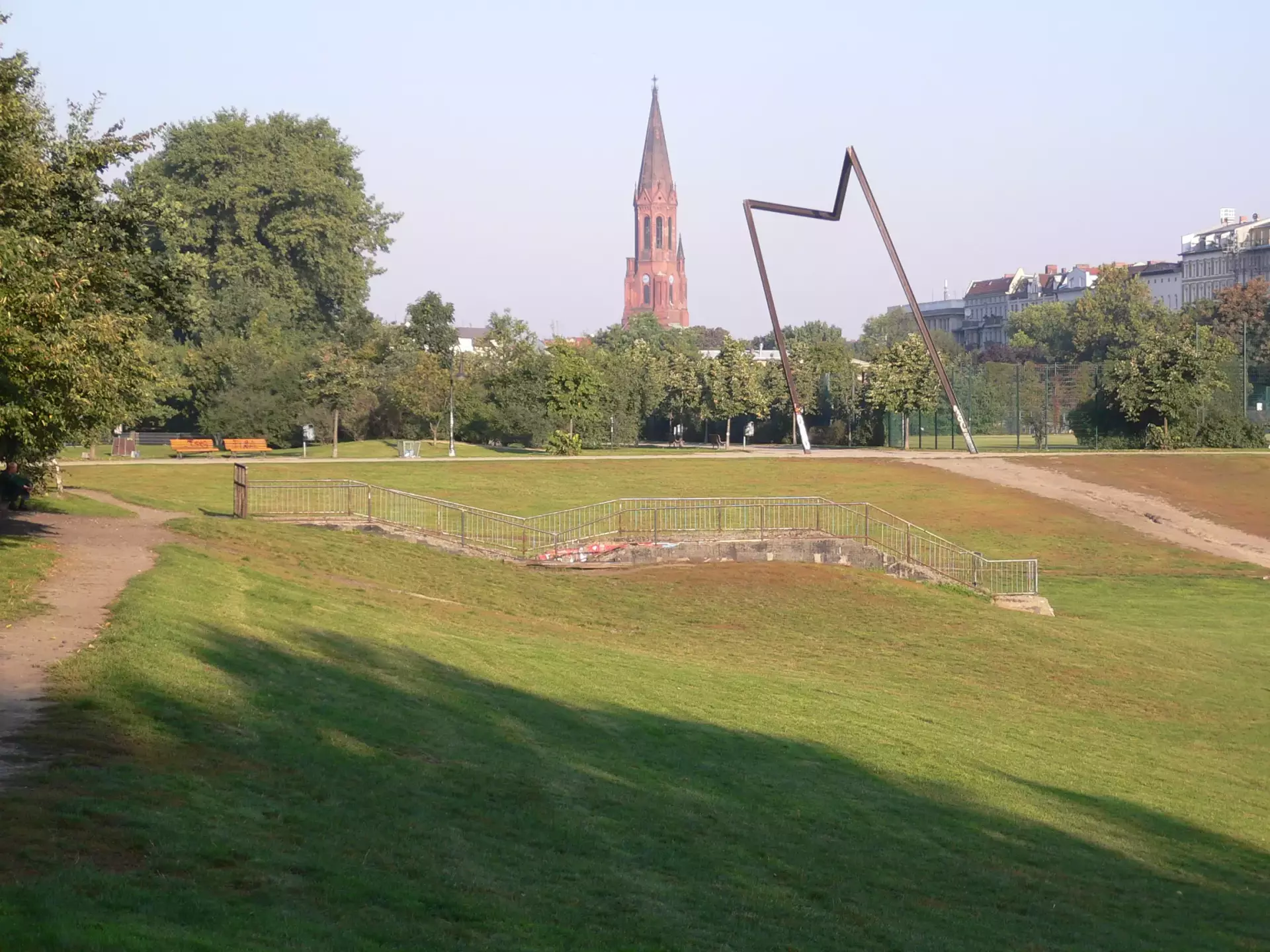
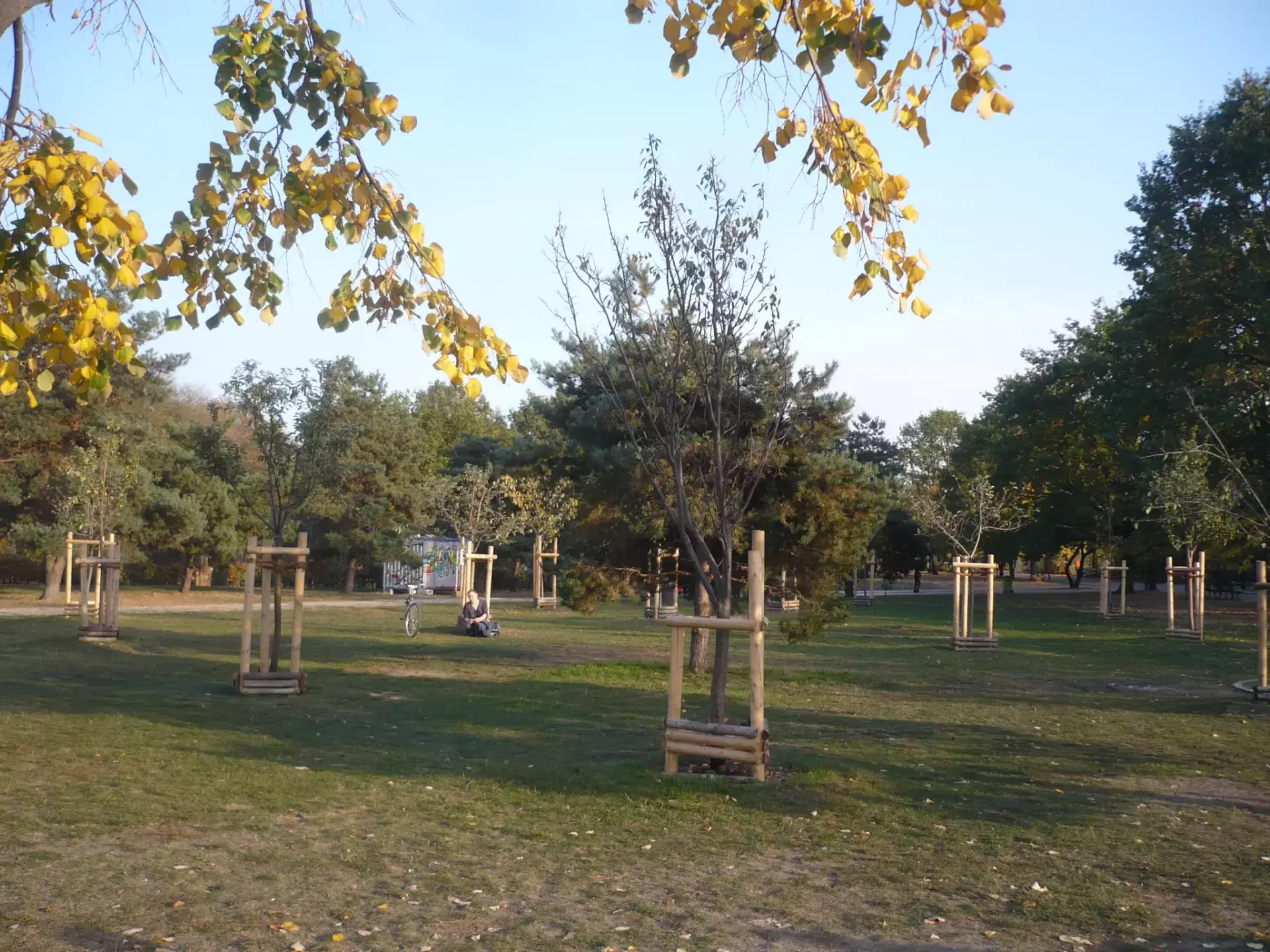
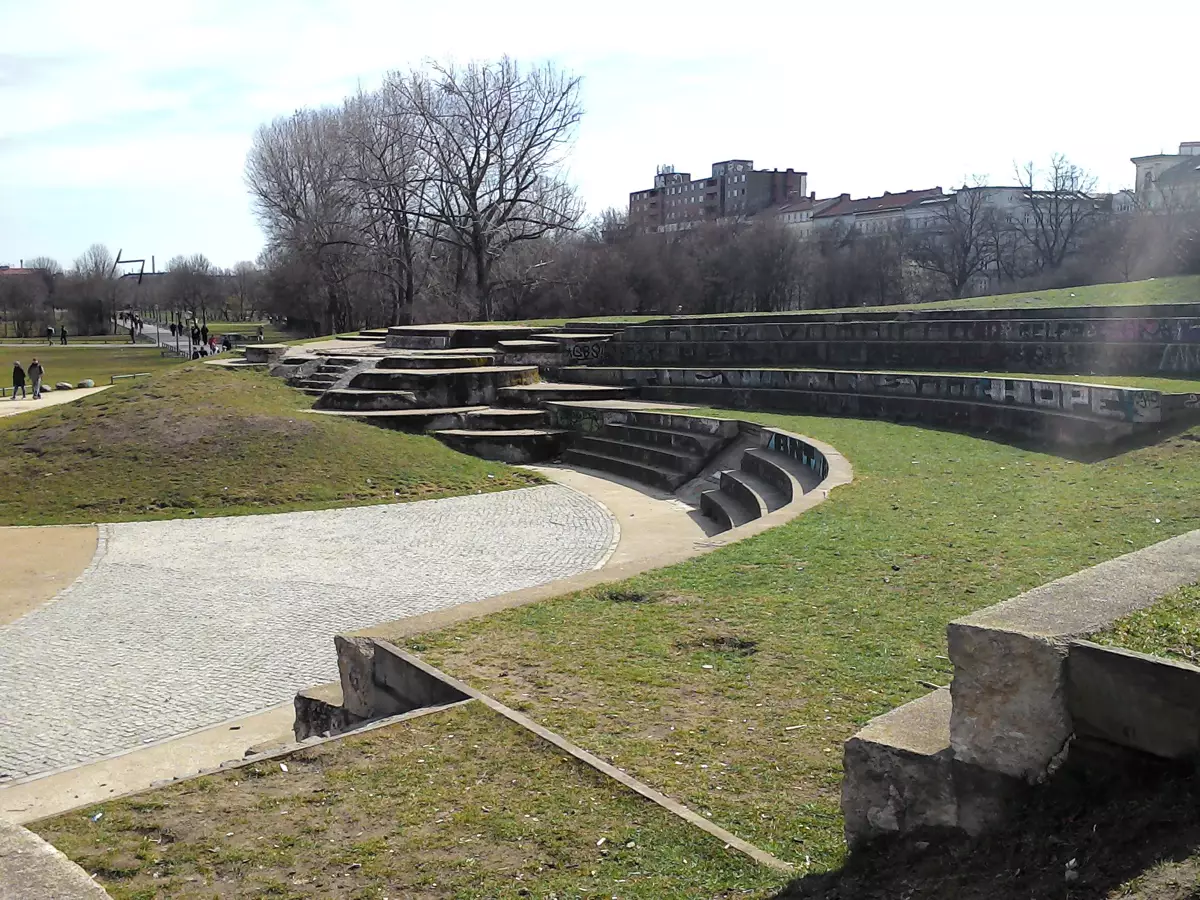
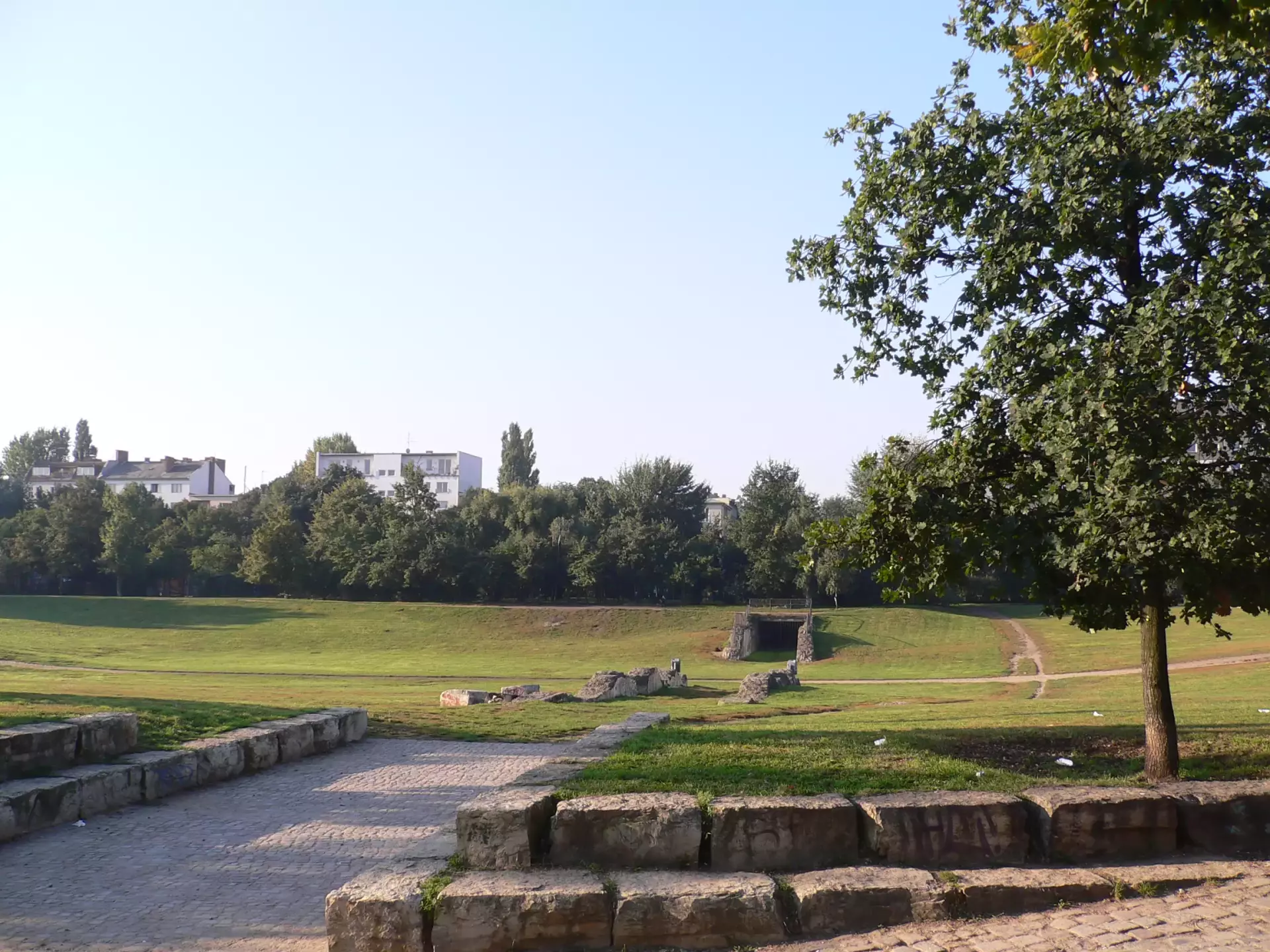
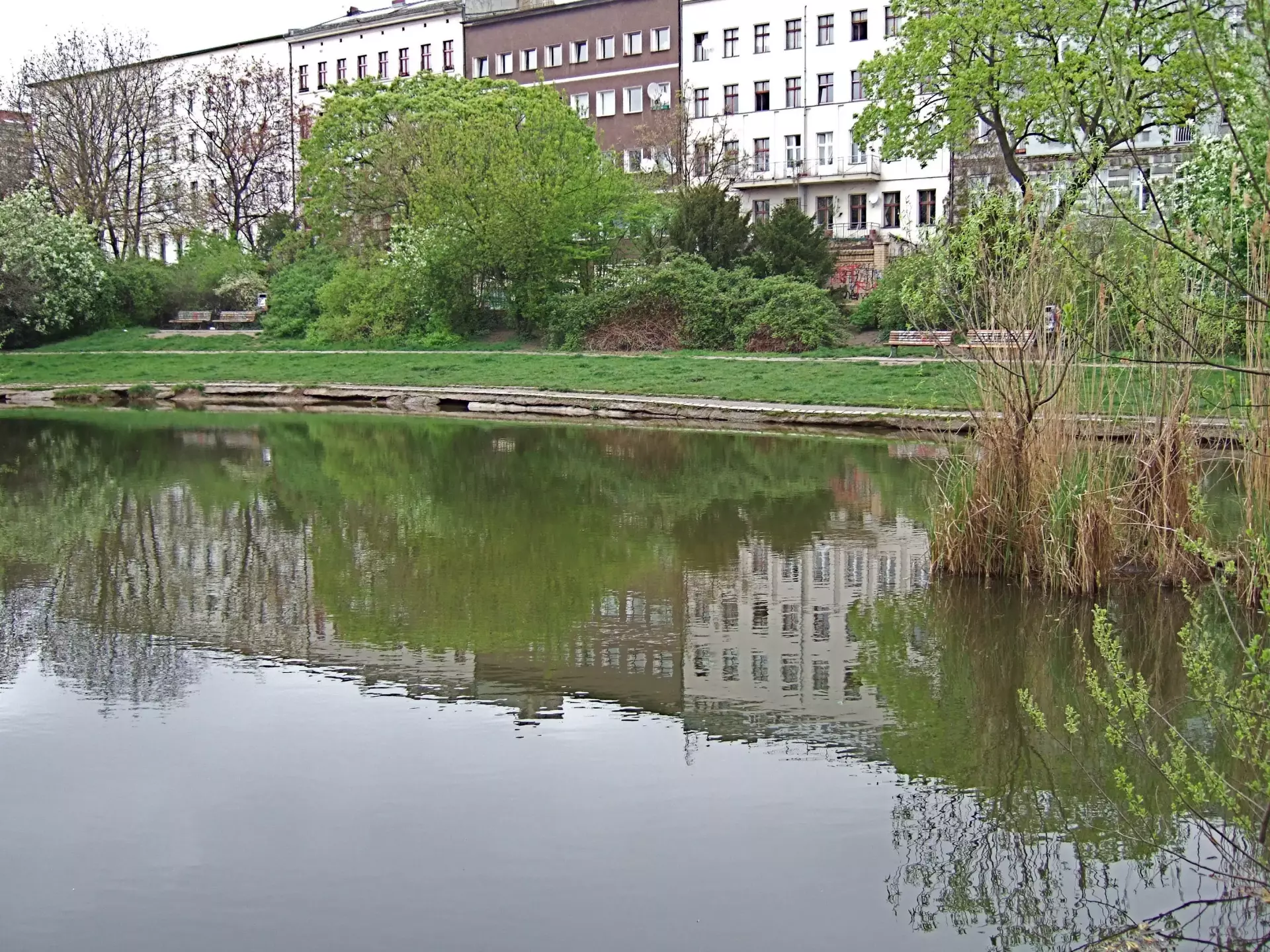
Görlitzer Park sits a short walk from U-Bahn Görlitzer Bahnhof. About 150–200 meters along Wiener Straße, past the fire station and the public swimming pool, the paths open into broad lawns and tree-lined corners. The park draws a steady flow of people throughout the day and takes on a lively character when the weather is warm.
On summer weekends, Turkish families often gather for barbecues, filling the air with the scent of grilling meat and spices. Groups spread out blankets, share food, and chat for hours. Students lean back on the grass, playing music softly, reading, or catching up with friends. The mood tends to be unhurried, with children darting between picnic spots and cyclists weaving past the crowds.
The park has hosted various contemporary art projects over the years. Some installations still dot the landscape, though not all have aged gracefully. A few feel like experiments that never fully landed, adding a quirky, slightly offbeat layer to the scenery.
Despite the relaxed vibe, the area is known for pickpocketing and open drug dealing. Police patrols are a regular sight, stopping by to monitor activity and address complaints. Visitors tend to keep an eye on their belongings, especially during busy times, while life in the park carries on around these periodic checks.
Source - https://en.wikipedia.org/wiki/G%C3%B6rlitzer_Park
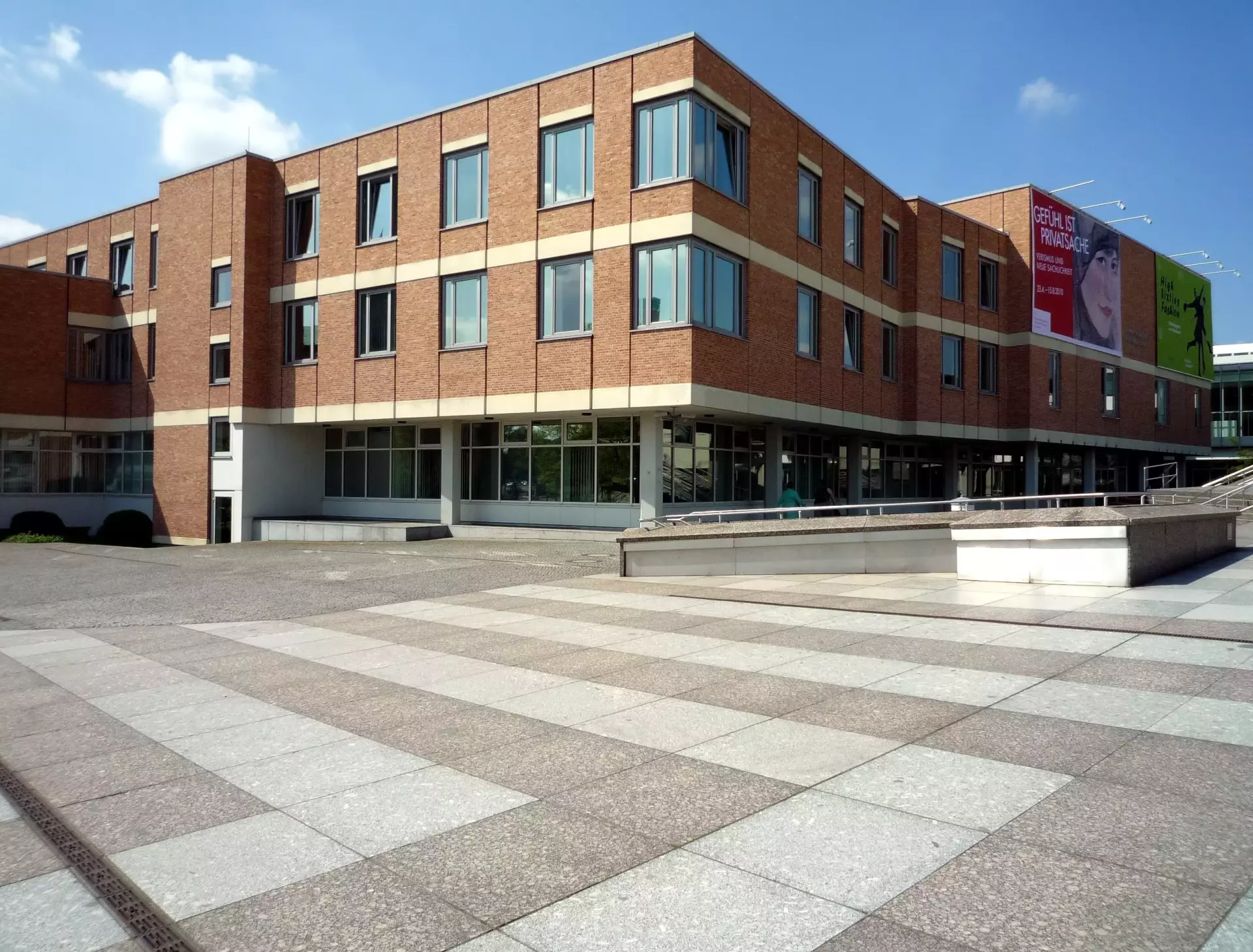
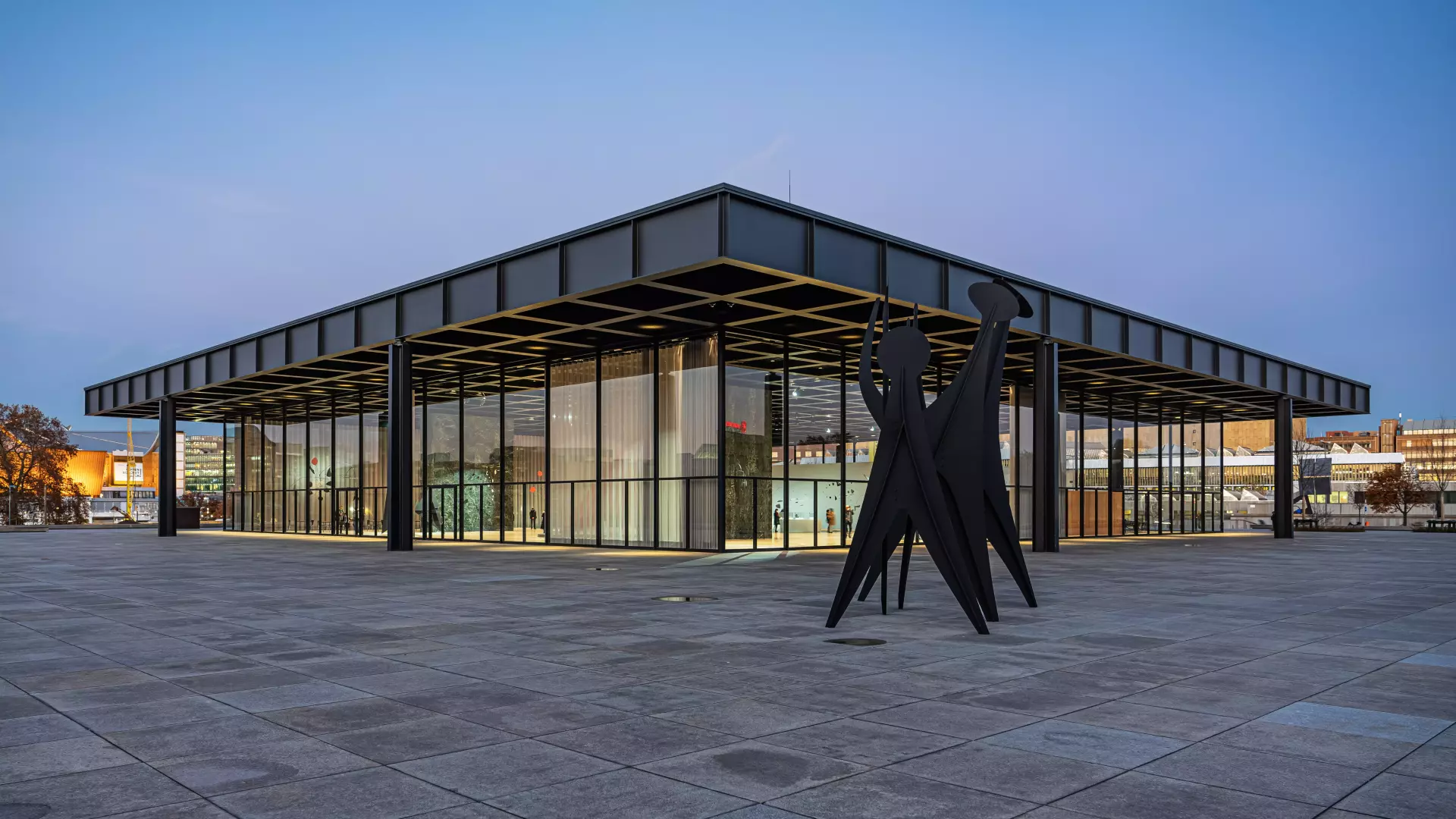
Spectacular building by Mies van der Rohe contains its own collection and temporary exhibitions.
Berlin's biggest lake and popular resort for bathing and watersports. You can also travel there by tram, which is an experience by itself.
One of the most authentic and oldest villages (1247) in the outskirts of Berlin, it looks the same way it did some hundred years ago. Take S-Bahn 1 to Waidmannslust and then bus 222 to Alt-Lübars.
Designed by Hans Poelzig in 1929, it is the first self-contained broadcasting house in the world and it is still in use today.
Nazi Propaganda Minister Josef Goebbels made Bebelplatz (then called Opernplatz) infamous on 10 May 1933, when he used the square across from Humboldt University to burn 20,000 books by "immoral" authors of whom the Nazis did not approve. Their list included Thomas and Heinrich Mann, Arnold Zweig, Kurt Tucholsky and Sigmund Freud. Today a monument is the reminder, though it blames Nazi students for the episode. When entering the square it's easy to miss the monument. It is in that part of Bebelplatz bounded on one side by the Opera House and on the other side by Humboldt University. Look dead centre: the monument is underground. A piece of plexiglass allows the viewer to look underground into a large, white room, filled with entirely empty, blank white bookcases. The room is large enough to hold the 20,000 books that were burnt. The absence of books reminds the viewer just what was lost here: ideas. But the event did reveal things to come, as ethnically Jewish author and philosopher Heinrich Heine, whose books were burned, let one of his characters say in an 1821 play: "This was only the foreplay. Where they burn books, they will also burn people." He was correct.
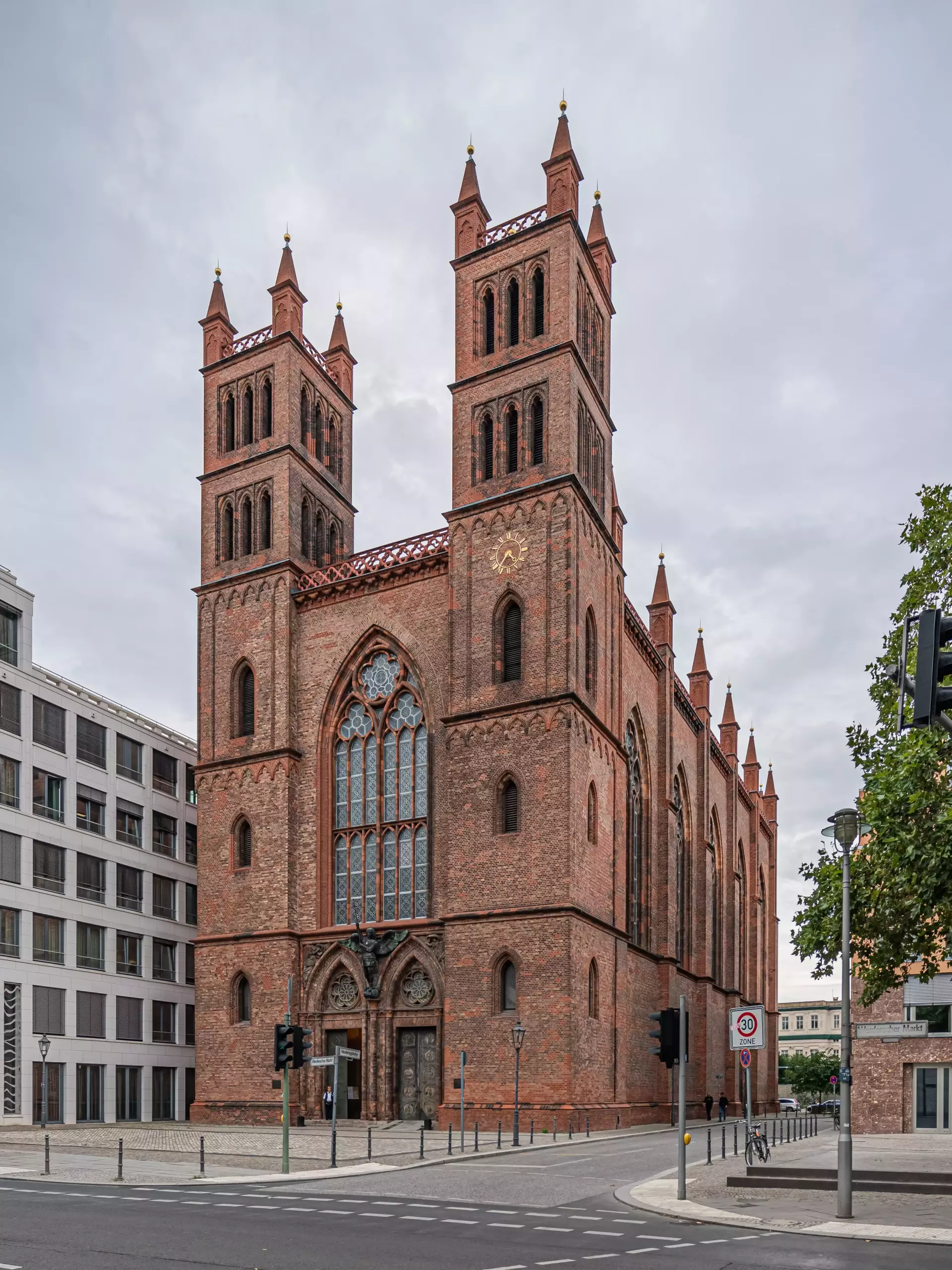
The synagogue in the backyard of an apartment house is one of the biggest in Germany.
Small park in the heart of West Berlin. Great place to chill on a sunny day. There are many great cafés and restaurants nearby. Linger over a coffee here and watch people passing by.
Includes the Panoramapunkt, the viewing terrace located 101 metres above ground, accessible by Europe's fastest elevator.
Take a stroll for a few kilometers along this canal which runs right through the heart of Kreuzberg. It's peaceful and mostly traffic-free, but full of life in summer. Some parts are lined with bars and restaurants with terraces. Sit on a bench or terrace and watch the world go by on a summer evening.
Specializes in 19th-century painting and sculpture; Monet, Manet, Cézanne, C. David Friedrich and other important 18th- and 19th-century artists are well-represented.
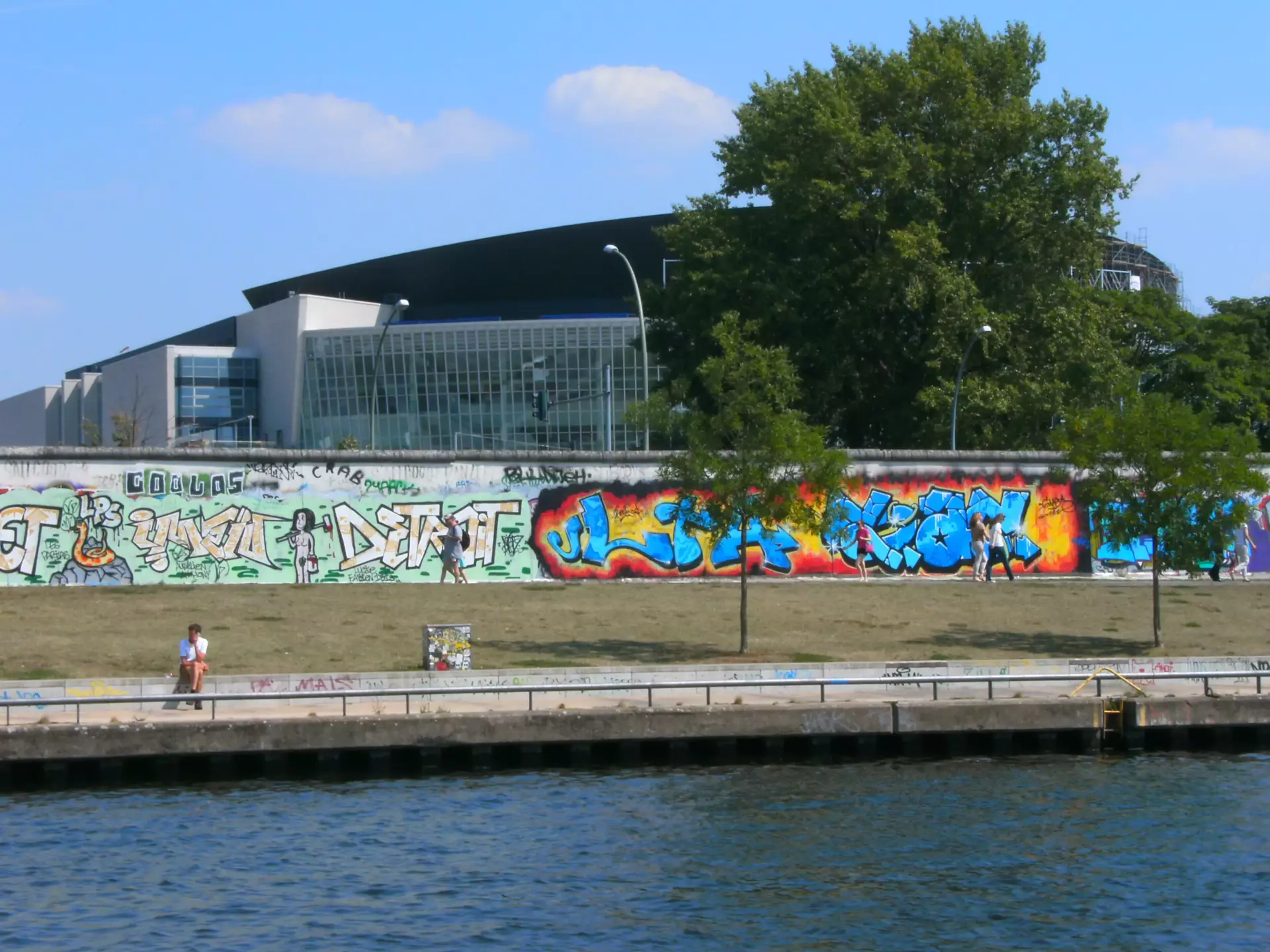
The longest stretch of the Berlin Wall still in existence, painted by artists in 1991 and restored in 2009, after years of decay. At Mühlenstraße, next to the river Spree. The murals are painted on the east side of the wall after the fall of Communism; so they are not from the Cold War, during which murals could only be painted on the west side. Make sure not to miss the famous mural of a car seemingly crashing through the wall with Leonid Brezhnev and Erich Honecker kissing above it. It is actually on the back side of the gallery (it is facing away from the street.) It is just inside the entrance of the Eastern Comfort Hostel, near the east end of the gallery.
A small but interesting collection of decorative arts from the Art Nouveau and Art Deco periods
This outdoor and indoor history museum documents the terror applied by the Nazi regime. It is on the site of buildings which during the Nazi regime from 1933 to 1945 were the headquarters of the Gestapo and the SS, the principal instruments of repression during the Nazi era.
The museum’s treasures include the sculpture collection with works of art from the middle ages to the 18th century. The Bode museum is best known for its Byzantine art collection and the coin cabinet.
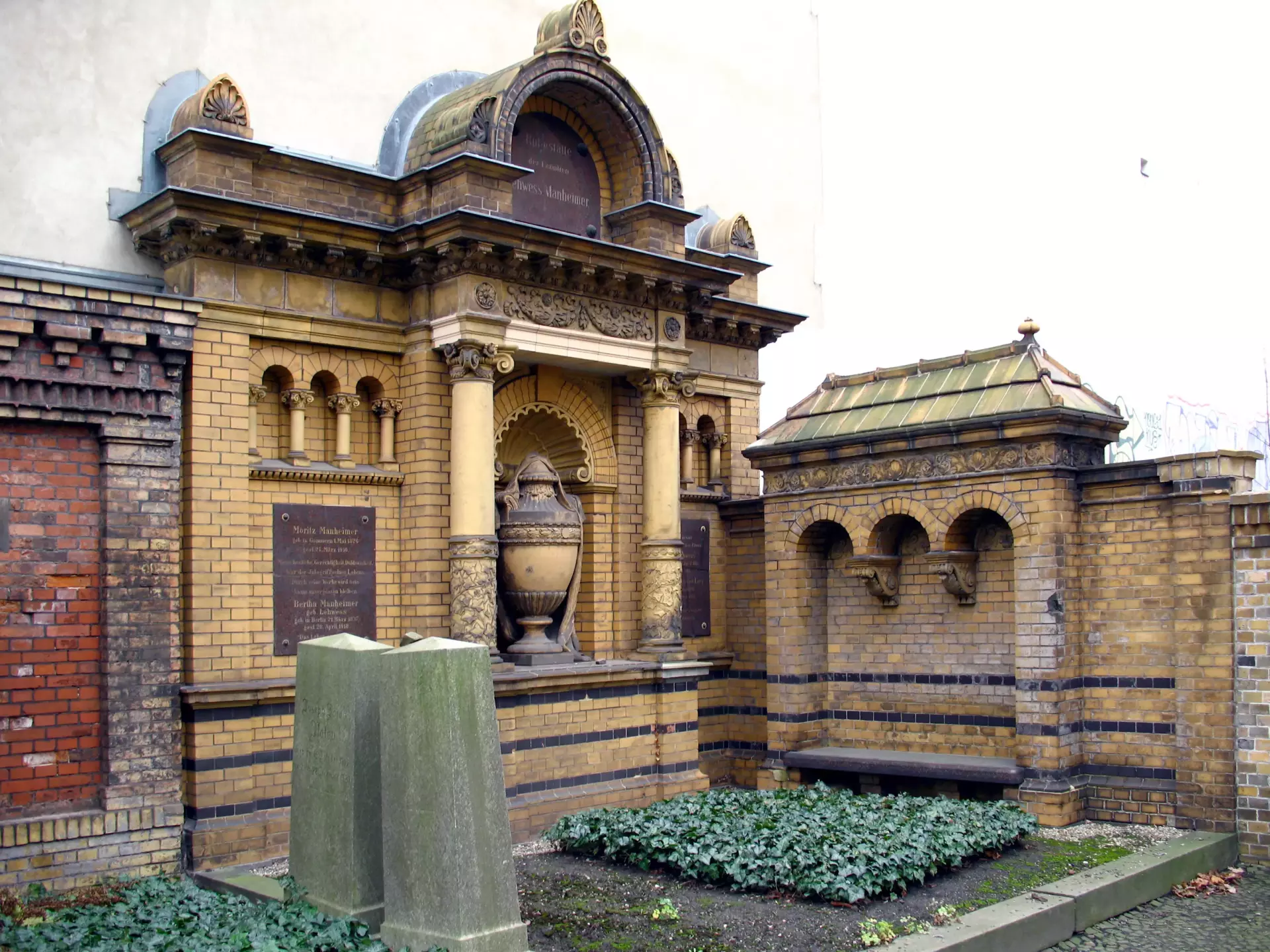
Jewish cemetery and lapidarium with old tombstones.