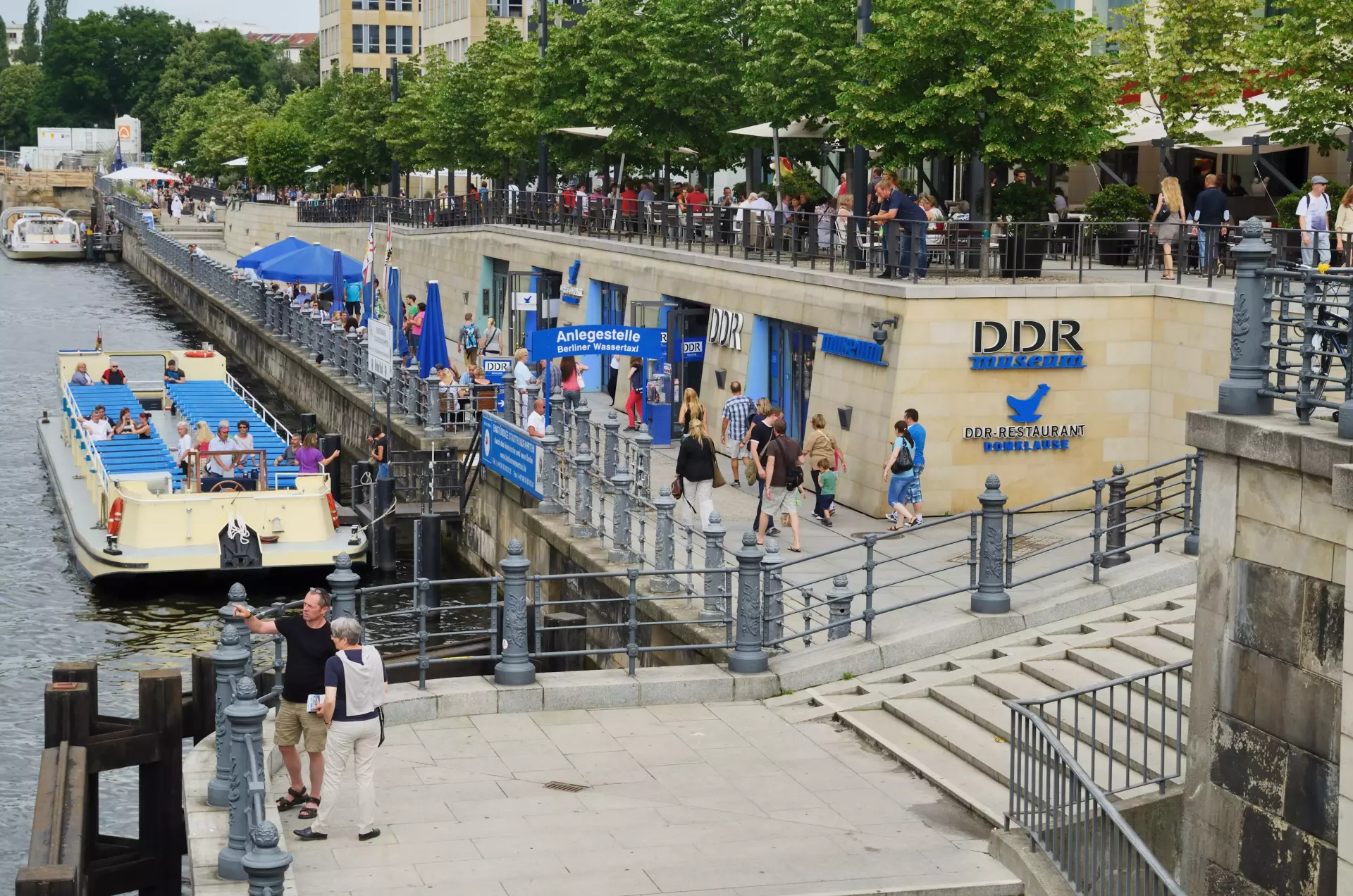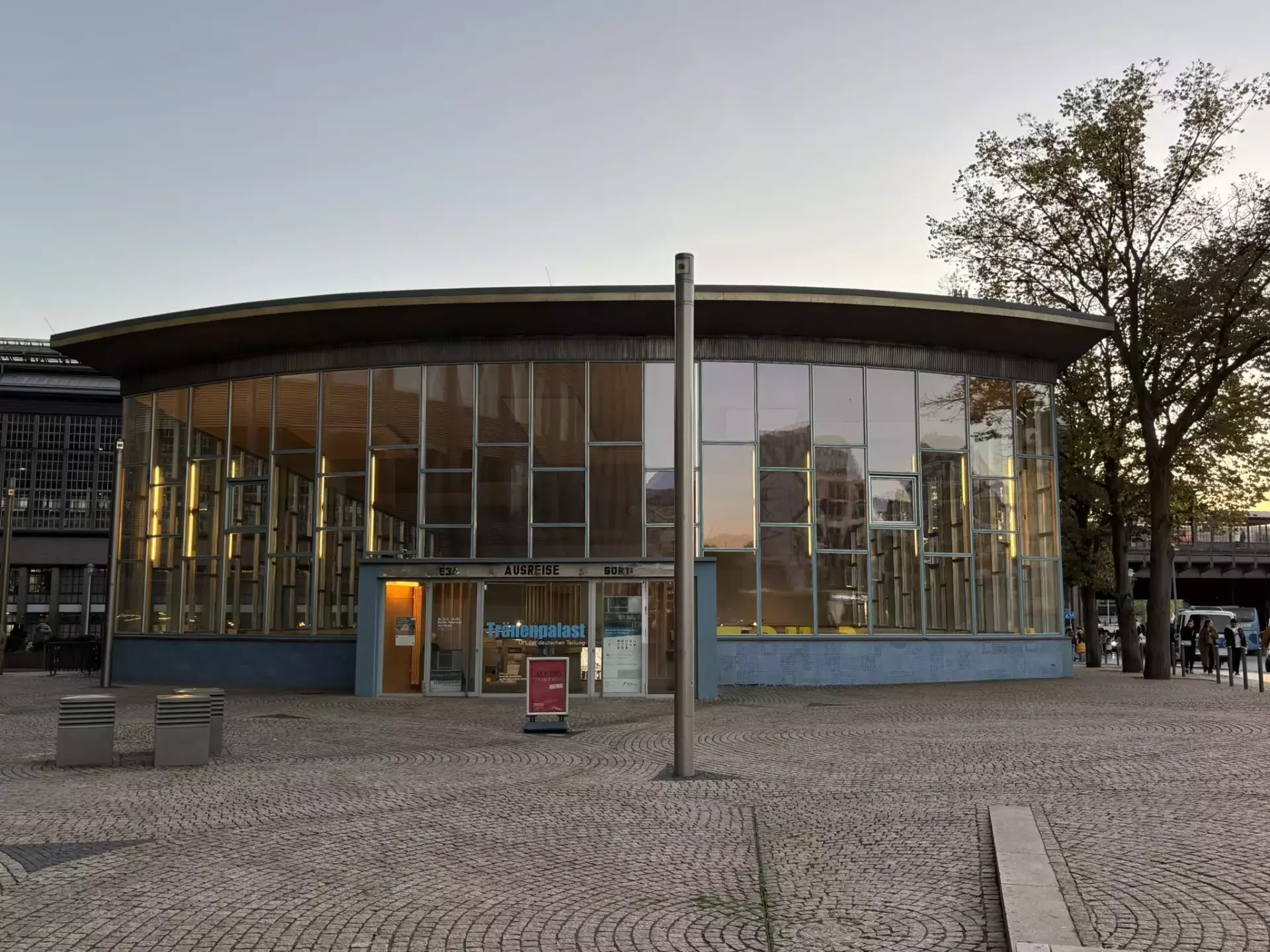
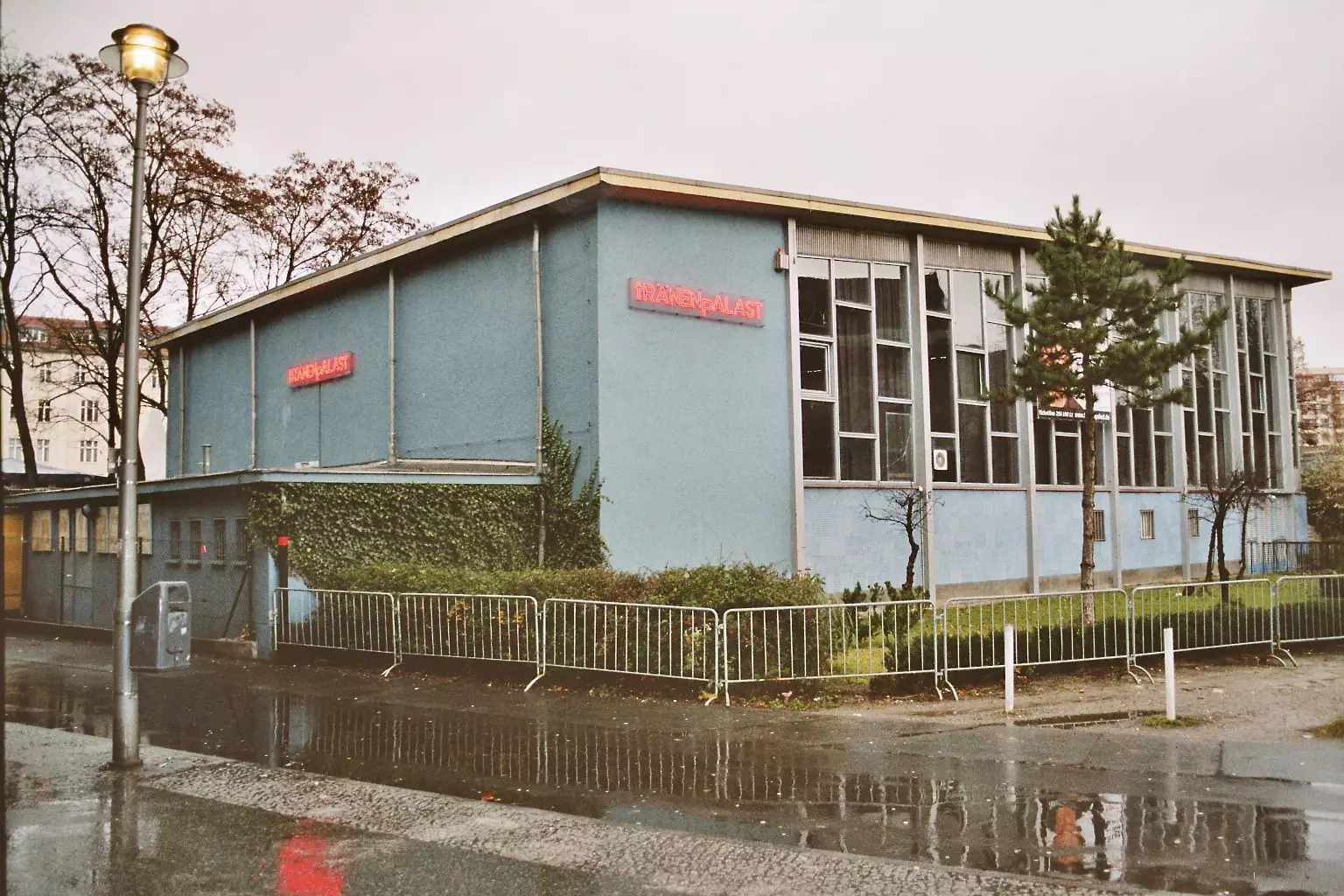
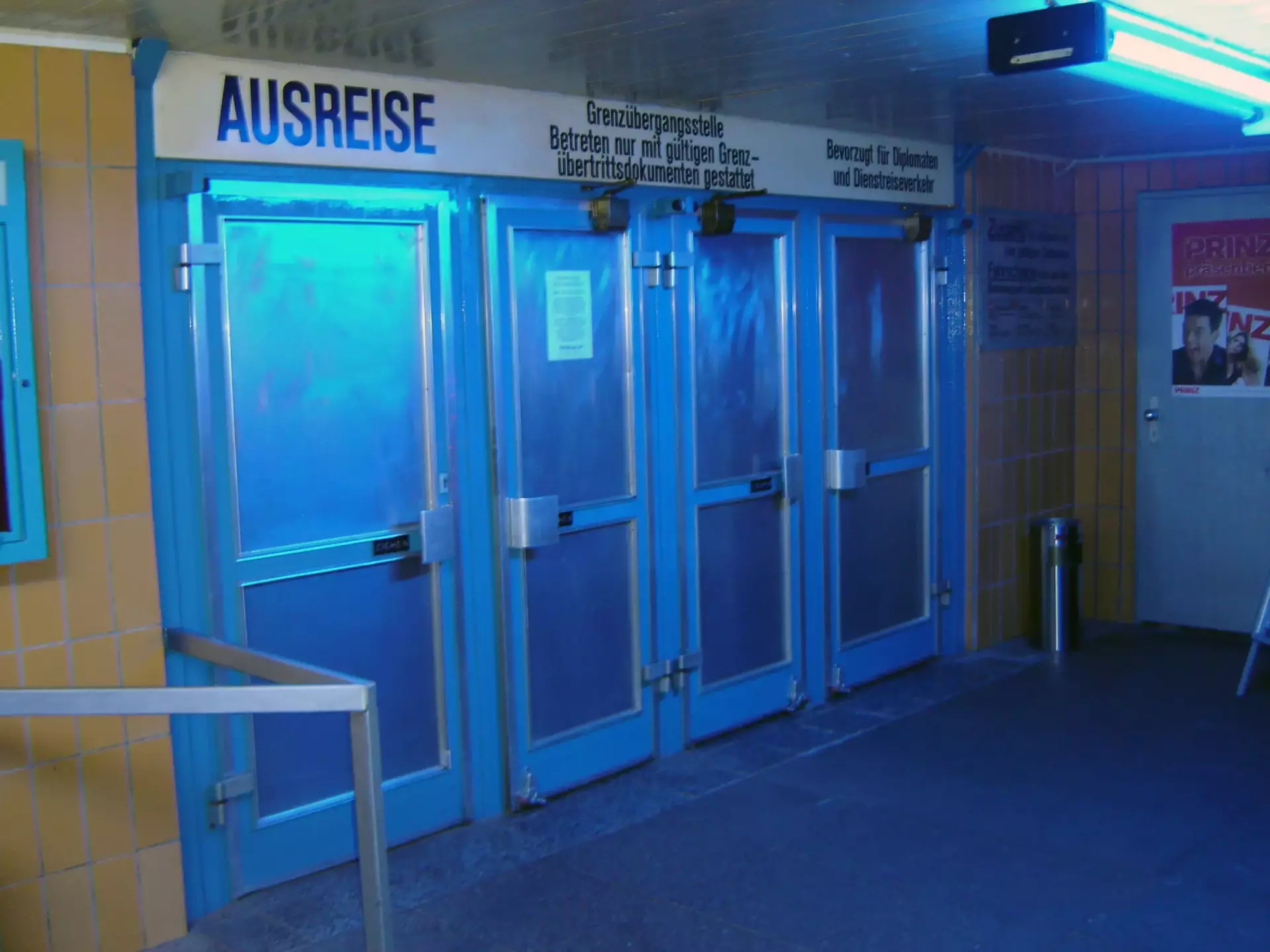
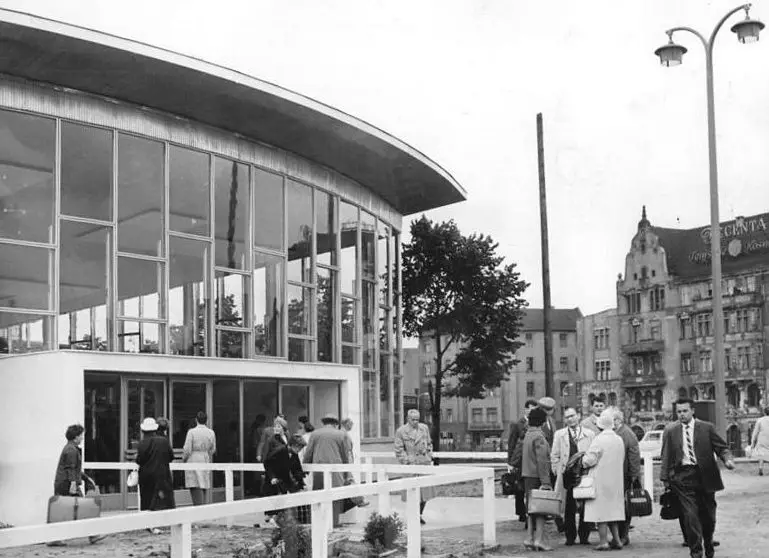
At the former border checkpoint known as the Tränenpalast, millions of people once parted ways. Travelers leaving East Berlin by train would exchange hurried hugs and last looks, while friends and relatives from the East stayed behind. The name, meaning “Palace of Tears,” hints at the emotions captured by this place.
After the Berlin Wall fell, the building took on a surprising new role. Less than a year later, it became a nightclub, a symbol of the city’s sudden shift from division to freedom. Music and late nights filled a space once defined by strict controls and separation. The club closed in 2006, ending a brief but memorable chapter.
In September 2011, the Tränenpalast re-opened as a museum. Today it hosts a permanent exhibition that reconstructs the routines and rules of life in a divided Berlin. Passports, inspection booths, and personal stories show how border checks shaped ordinary days. The displays reveal how an extraordinary system became daily reality—and how that reality left a lasting mark on the city.
Source - https://en.wikipedia.org/wiki/Tr%C3%A4nenpalast
An observation tower without an elevator in Southeast Berlin, from which you can see that there is a great deal of forest around Berlin. There is a cafe at the tower.
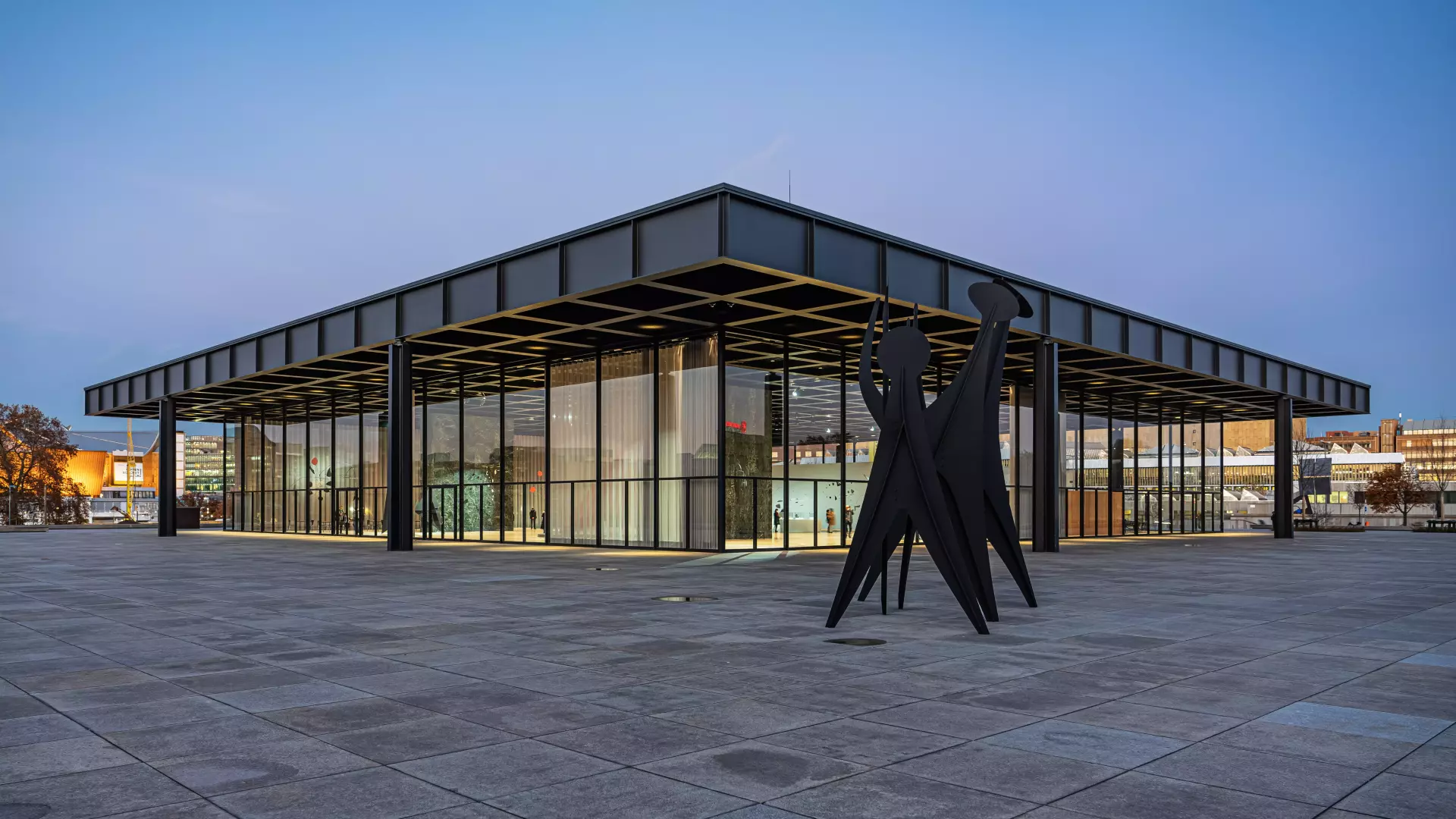
The last Mies van der Rohe building (a dwelling house) in Germany before his emigration to the U.S. (1938). Now there are small contemporary/modern art exhibitions.
The zoo in the former East Berlin is more spacious than its West Berlin counterpart, the historic Berlin Zoo and has been open for some 50 years. The Tierpark has nearly as many animals, but fewer reptiles and aquatic animals. It appears rather like a park with animals than a classic zoo, in fact it is one of the biggest zoos in Europe. There is an old castle from the late 17th century in the northeast of the Tierpark (Schloss Friedrichsfelde).
The charming Baroque water palace of the Hohenzollern electors surrounded by the Dahme river and an English garden.
More than 30 million objects in the scientific collection and a fascinating exhibition in one of the most significant institutions of its kind in the world. Some parts still under construction.
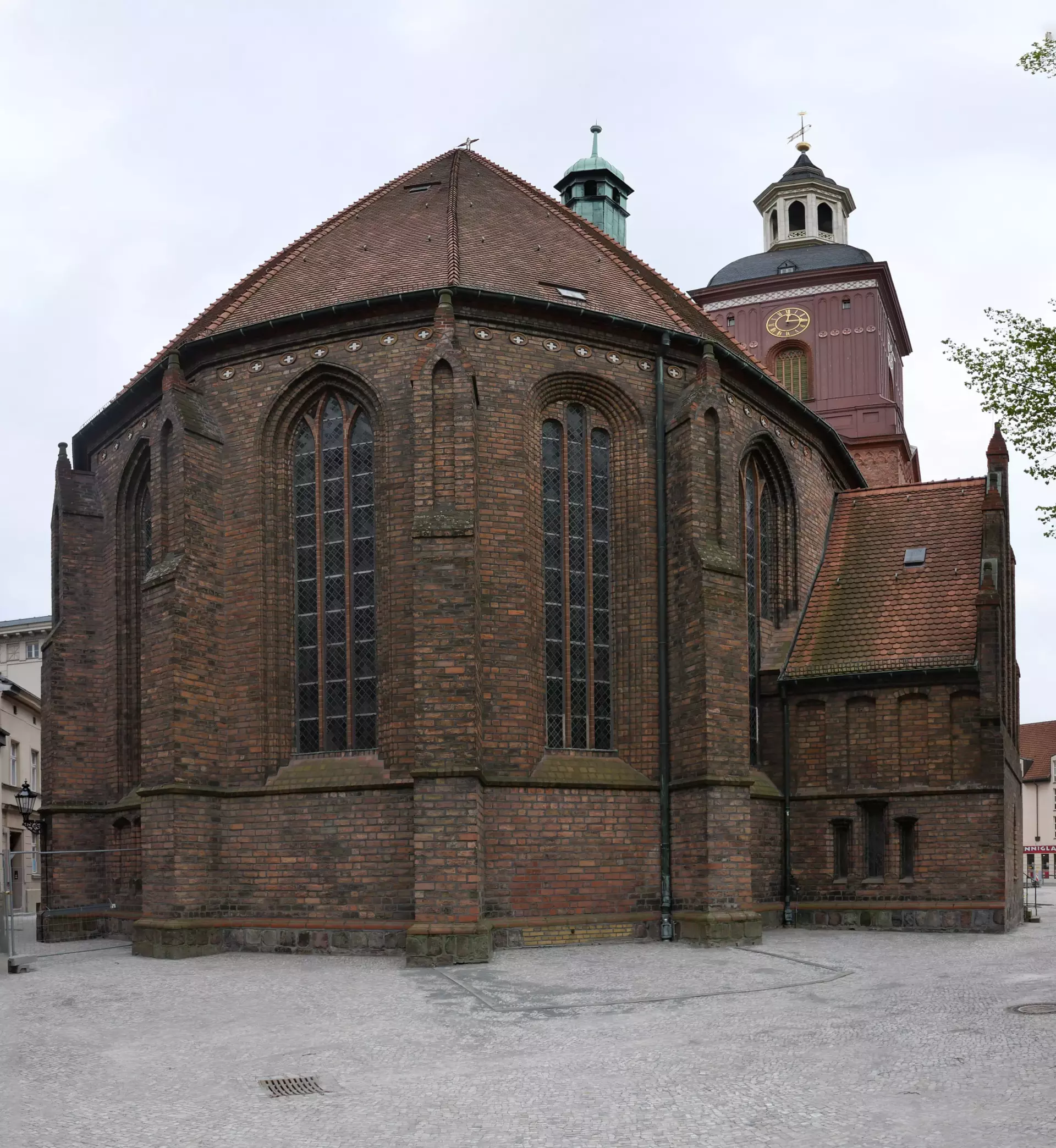
The town hall of Berlin is known as such because it is made of red brick, not due to its former political persuasion. There are nice Prussian rooms inside, which are worth a look.
The building houses the personal offices of the Chancellor and the Chancellery staff. The Berlin Chancellery is one of the largest government headquarters buildings in the world. By comparison, the new Chancellery building is ten times the size of the White House. A semi official Chancellor's apartment is on the top floor of the building. The 200-m², two-room flat has thus far only been occupied by Gerhard Schröder chancellors since then have lived elsewhere. It is usually not possible to visit the building, but on occasion there are tours, usually around August. The building was deliberately designed in a way to symbolize the German constitutional system - it's in the line of sight of the Bundestag and lower in height, symbolizing the role of parliament in controlling government and "the people's house" being the higher power in the relationship between the two. Or at least that's the idea.
Take a stroll for a few kilometers along this canal which runs right through the heart of Kreuzberg. It's peaceful and mostly traffic-free, but full of life in summer. Some parts are lined with bars and restaurants with terraces. Sit on a bench or terrace and watch the world go by on a summer evening.
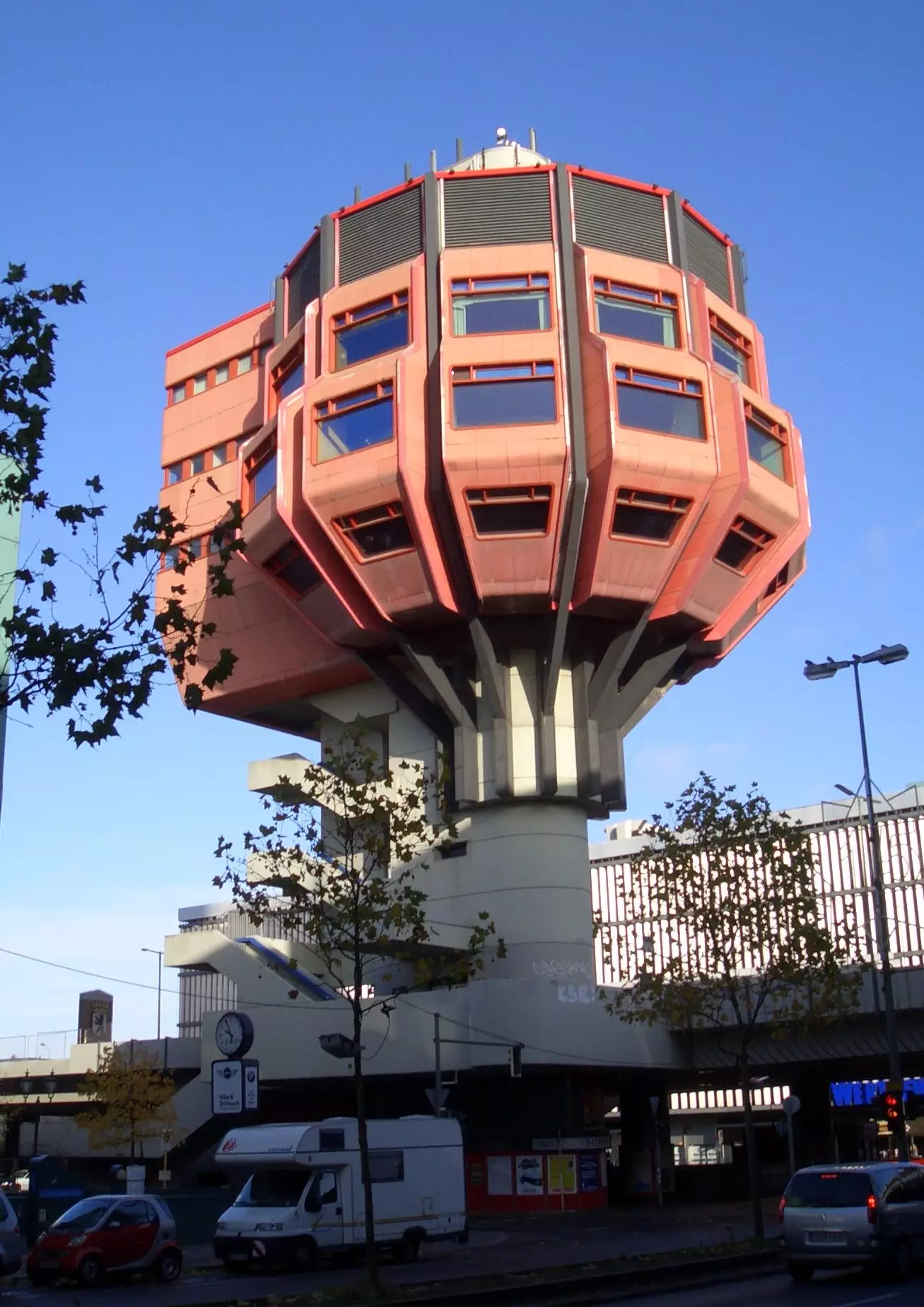
The Bierpinsel ("beer brush") is a building in Steglitz which resembles an observation tower and is famous for its pop-art appearance. The futuristic, landmarked building was built from 1972 to 1976 and has since been used as restaurant, night club, bar, radio station and art café.
The Bayerischer Platz is the centre of the Bayerisches Viertel ("Bavarian district", with many streets named after Bavarian cities), which was destroyed a lot more during World War II (about 60%). Somewhere around there Albert Einstein lived once. You’ll find several memorial signs providing information about the Nazi regime's persecution of gays and Jews.
The district town hall was the main town hall for West Berlin during the Cold War. The freedom bell (a present from the American people) and several memorials from that time can be found here. On the main balcony in 1963 U.S. President John F. Kennedy made his famous statement, "All free men, wherever they may live, are citizens of Berlin, and, therefore, as a free man, I take pride in the words ‘Ich bin ein Berliner!’". On 10 November 1989 Helmut Kohl (chancellor (Bundeskanzler) 1982-1998) and Willy Brandt (former Bundeskanzler and mayor of Berlin) cheering the crowd as they saw the end of the Berlin Wall the night before. The town hall is an emotional place for most people in Berlin (especially West Berlin).
An eerie memorial to victims of the Nazi regime built on the place of a former execution room, where nearly 2900 people where put to death between 1933 and 1945.
Official residence of the (largely ceremonial) President of Germany since 1994. Only Roman Herzog (president 1994-1999) actually lived here, his successors have preferred a quiet apartment on the outskirts of Berlin, but this is where the president will usually host guests and do public events. Guided tours are possible, but plan to book up to nine months ahead and be prepared for having to reschedule if the president decides to hold an event on short notice which preempts tours.