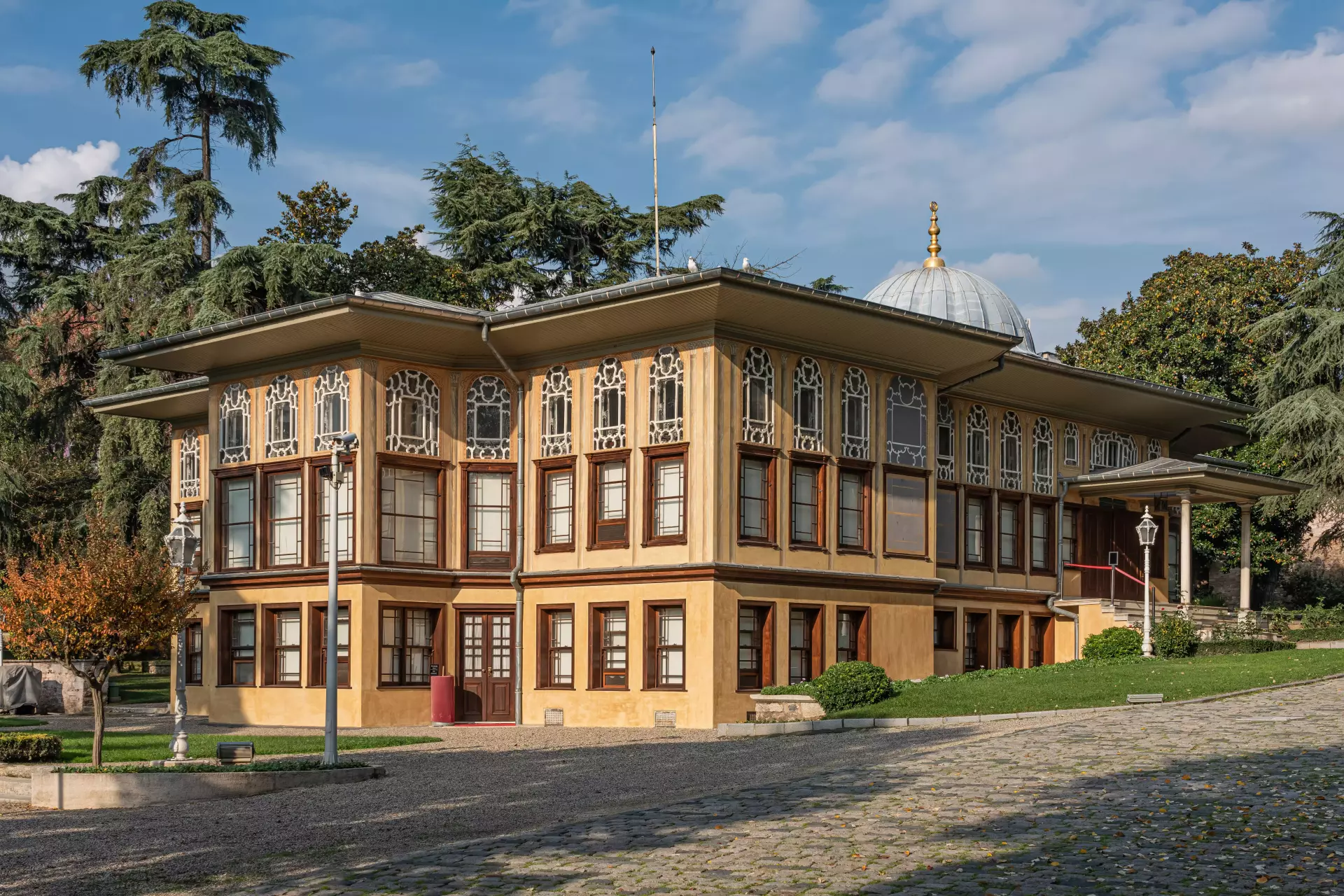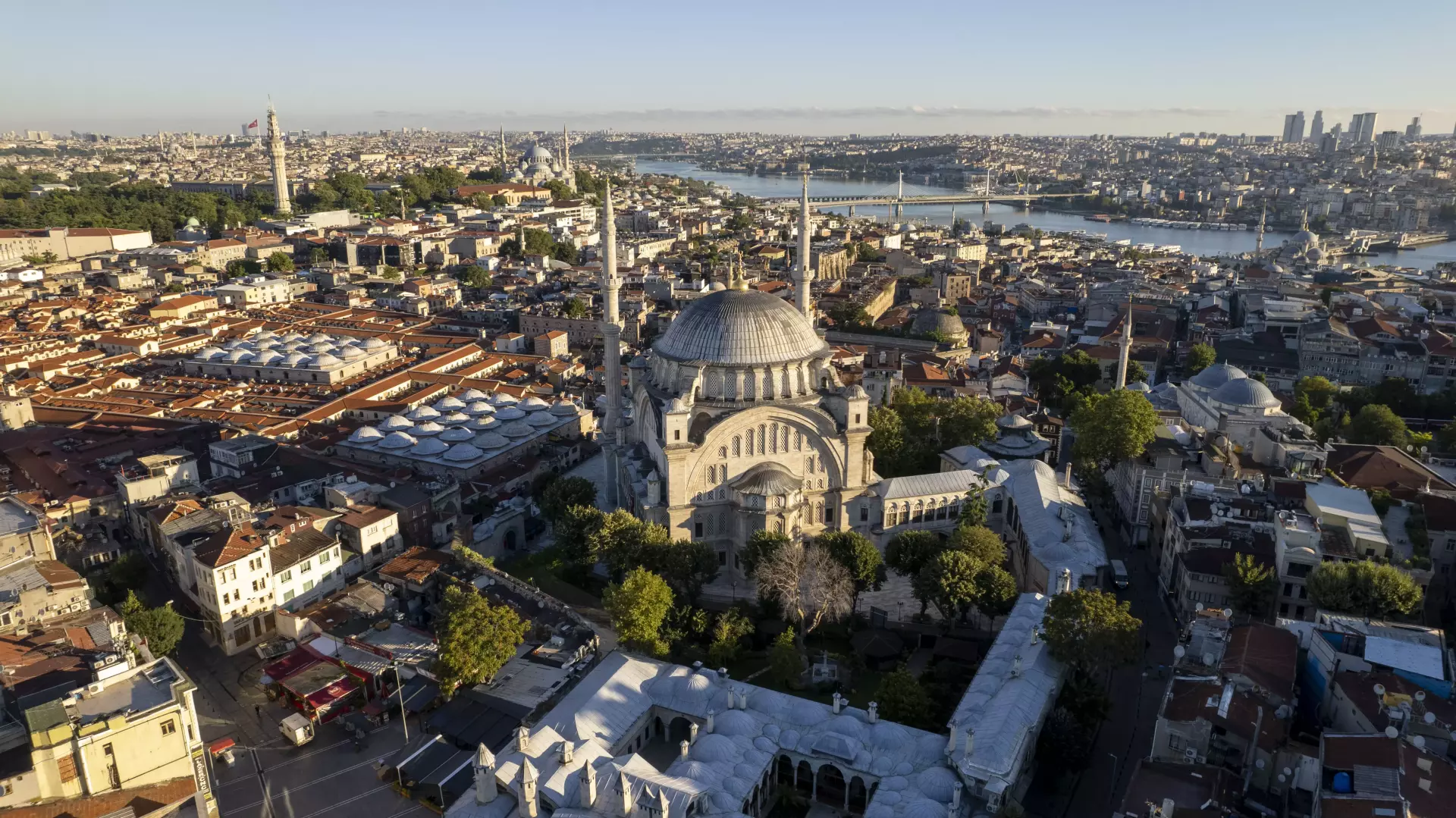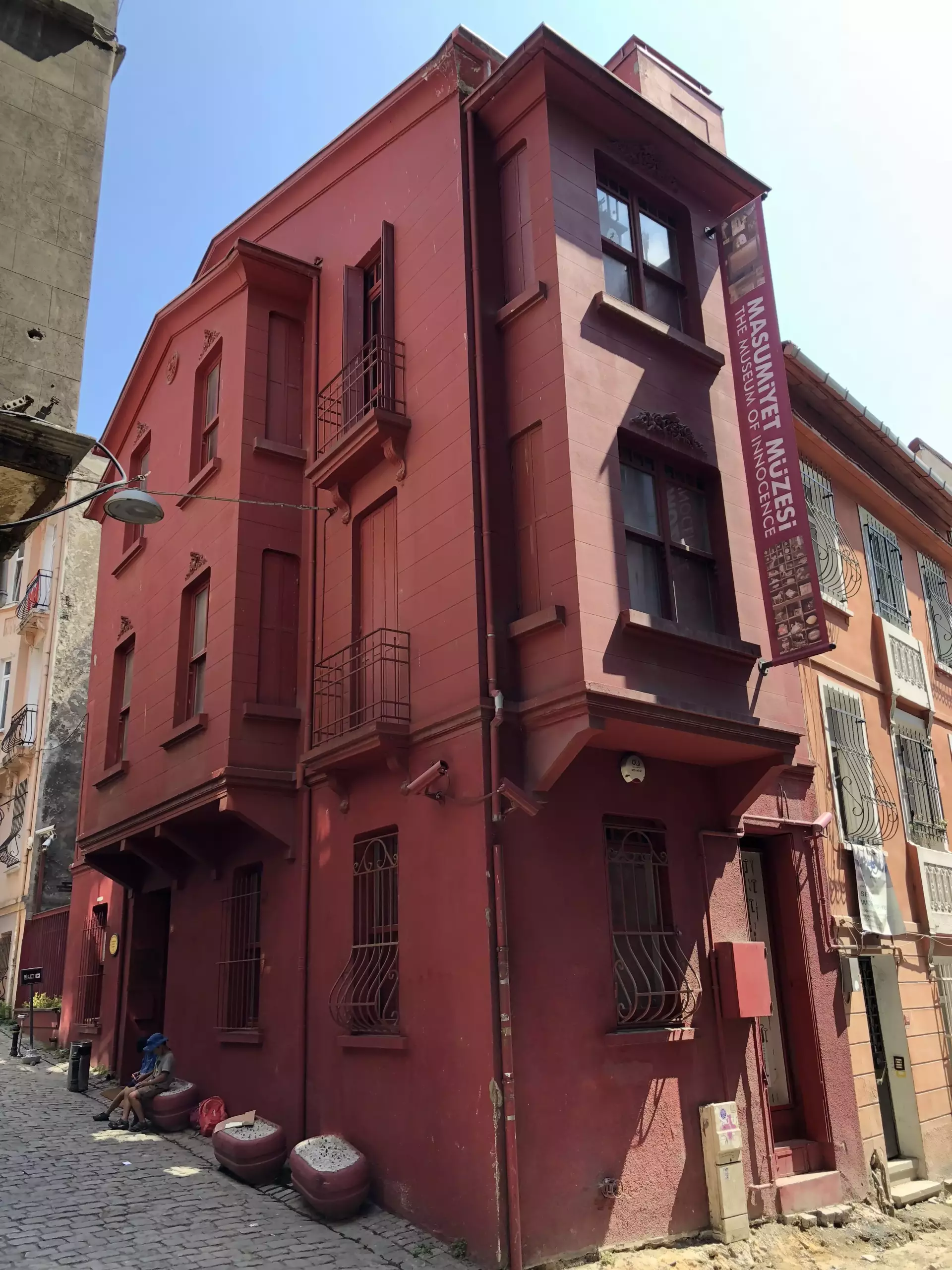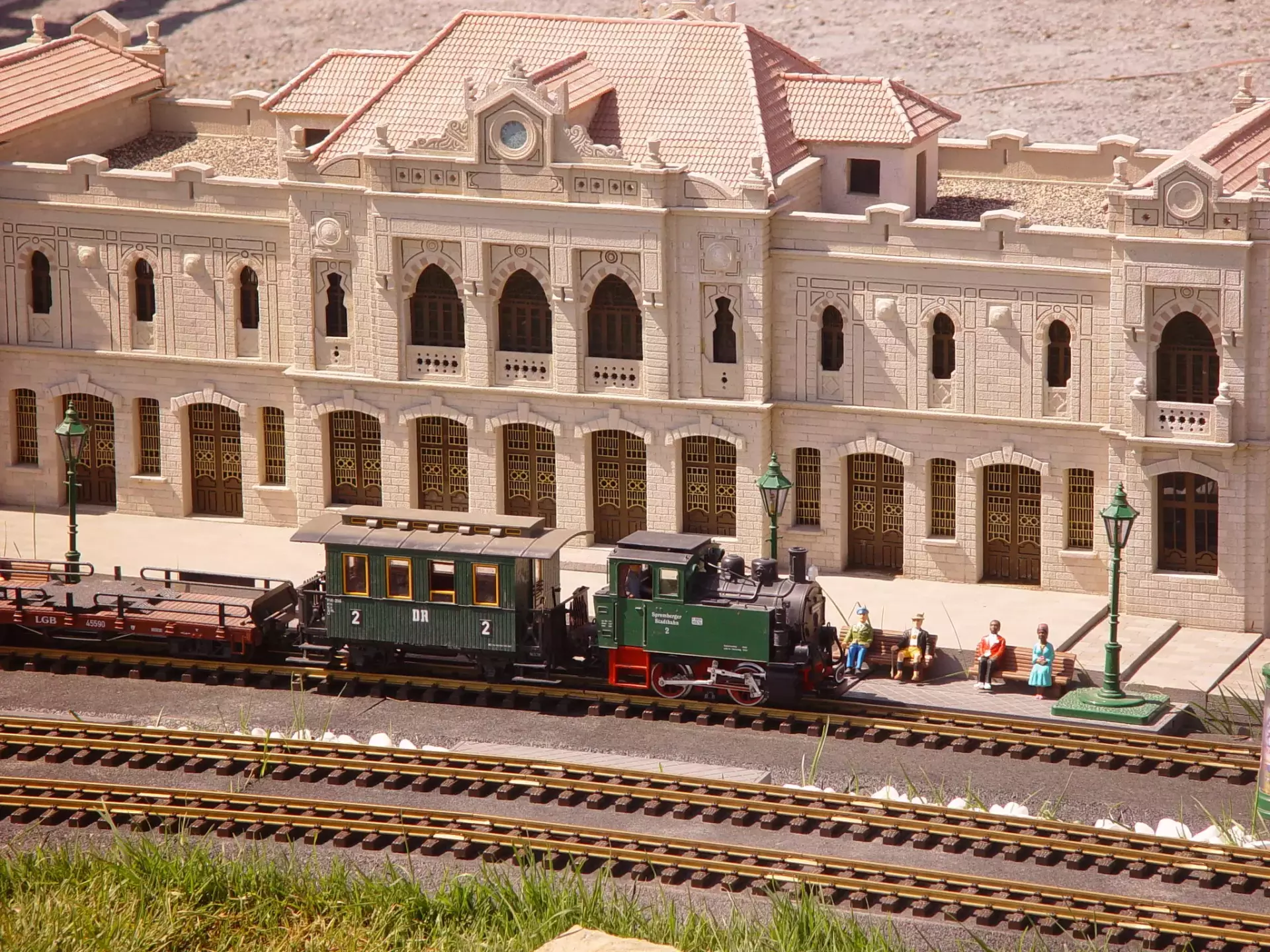
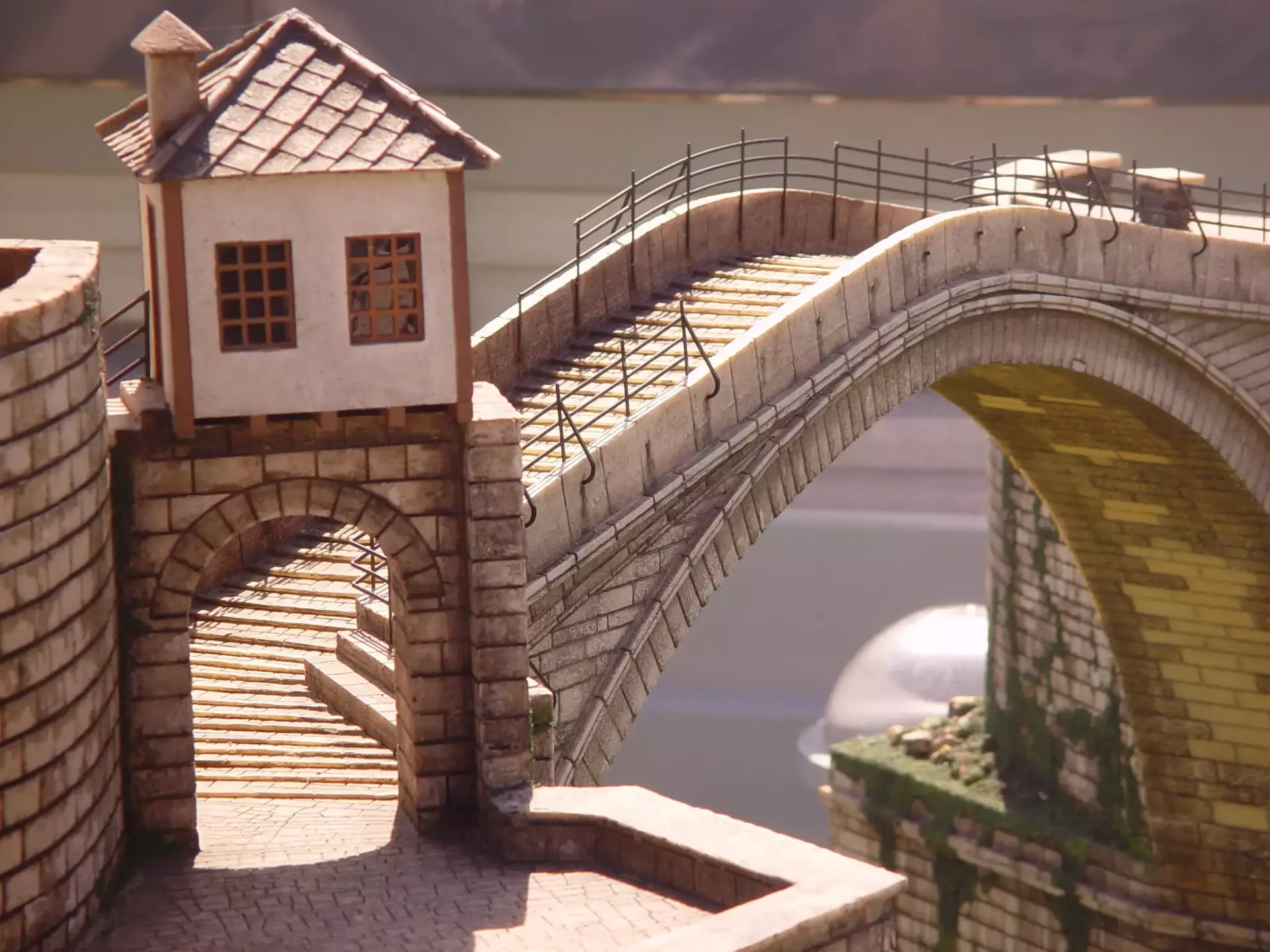
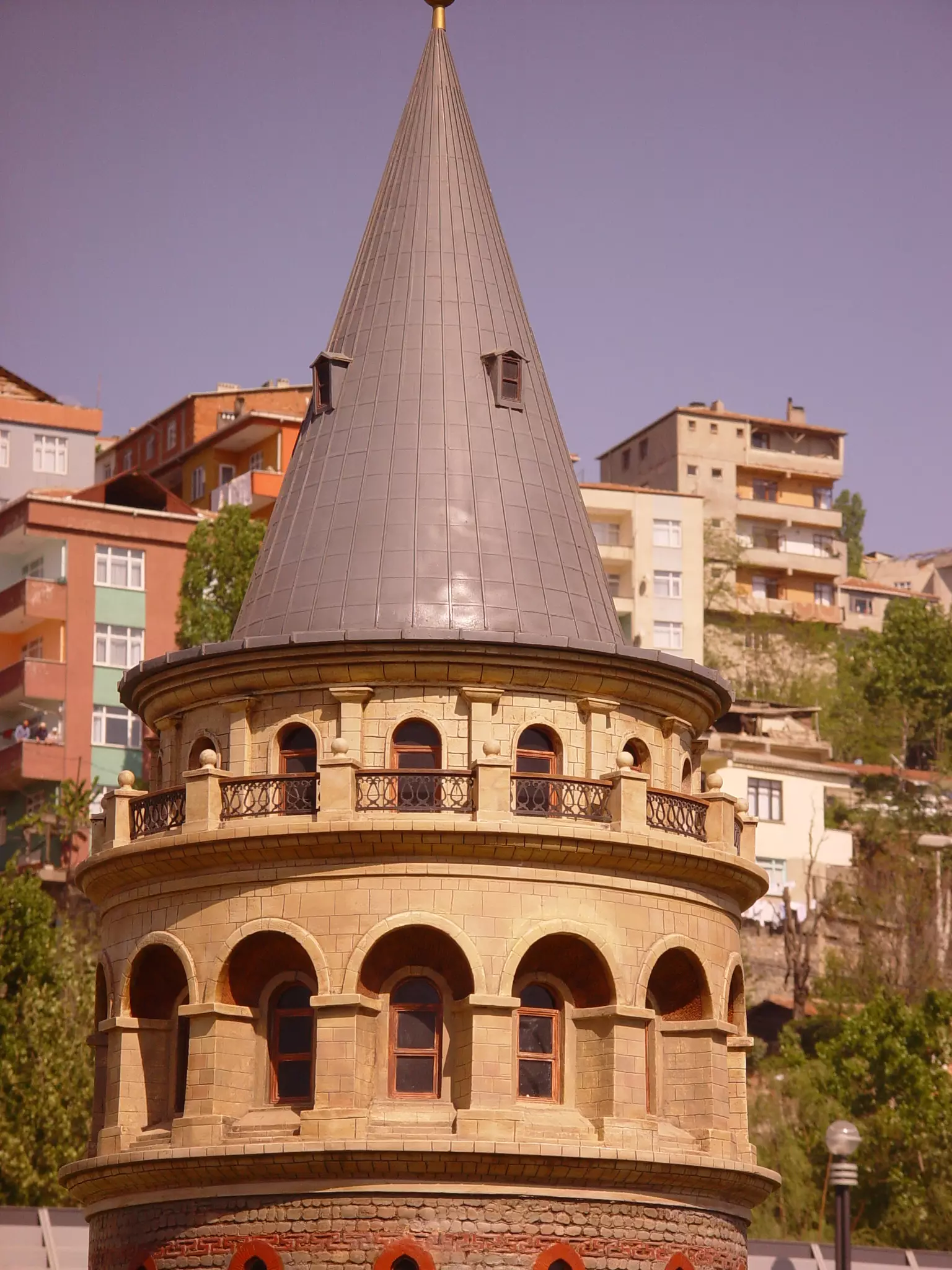
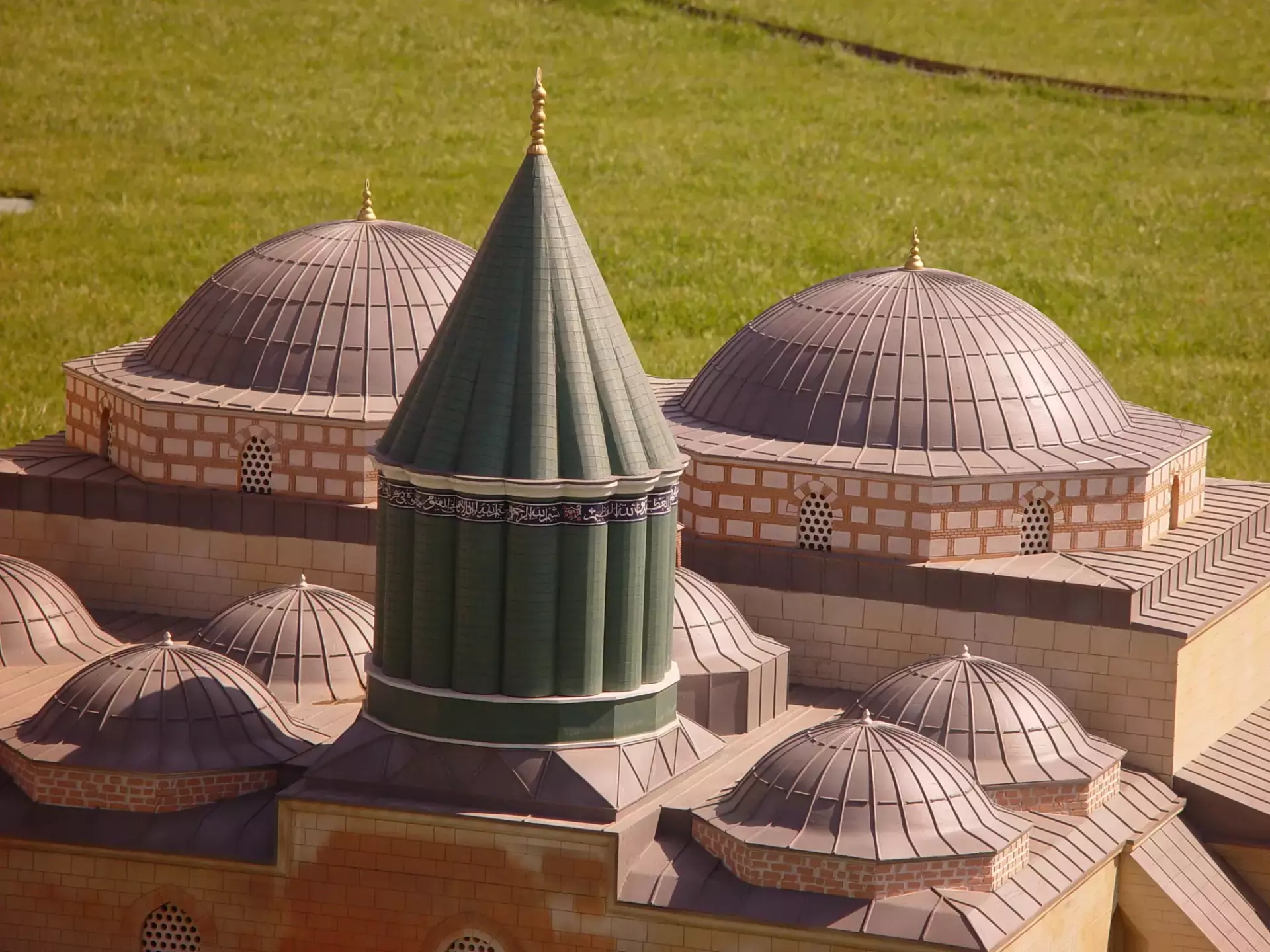
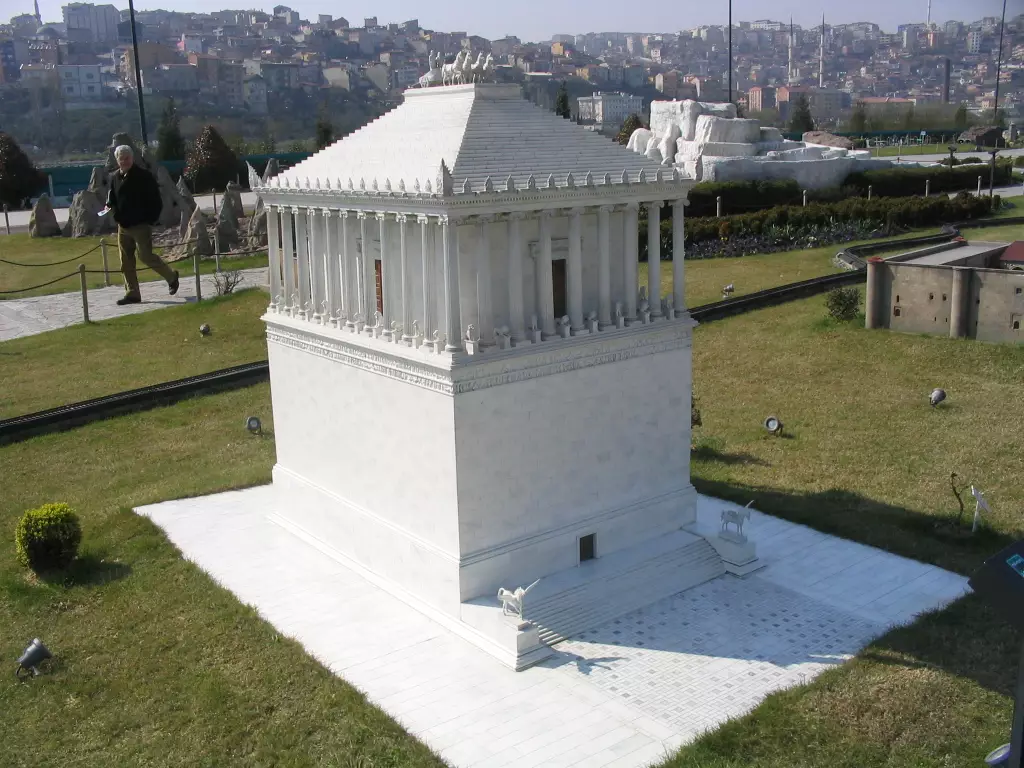
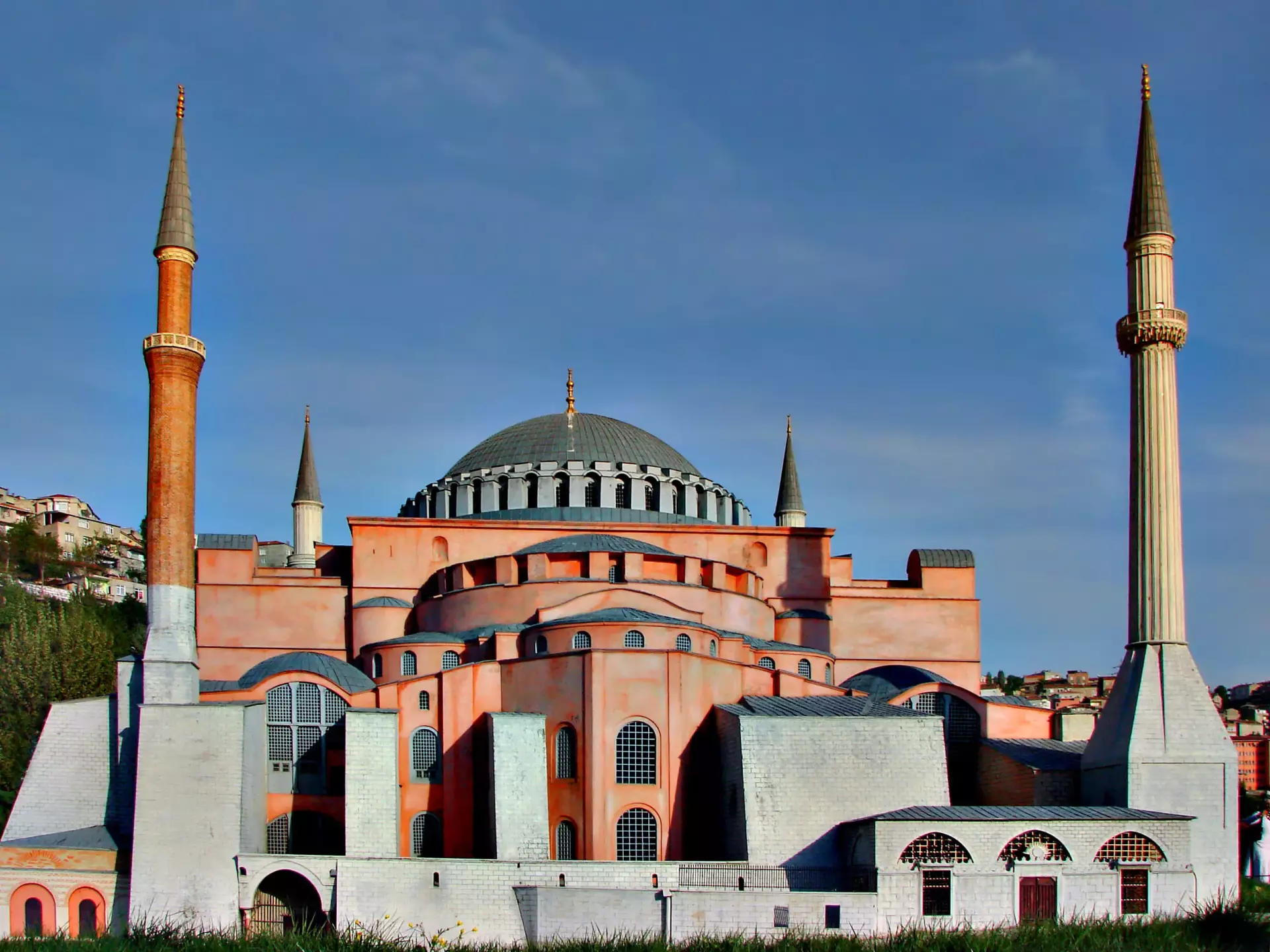
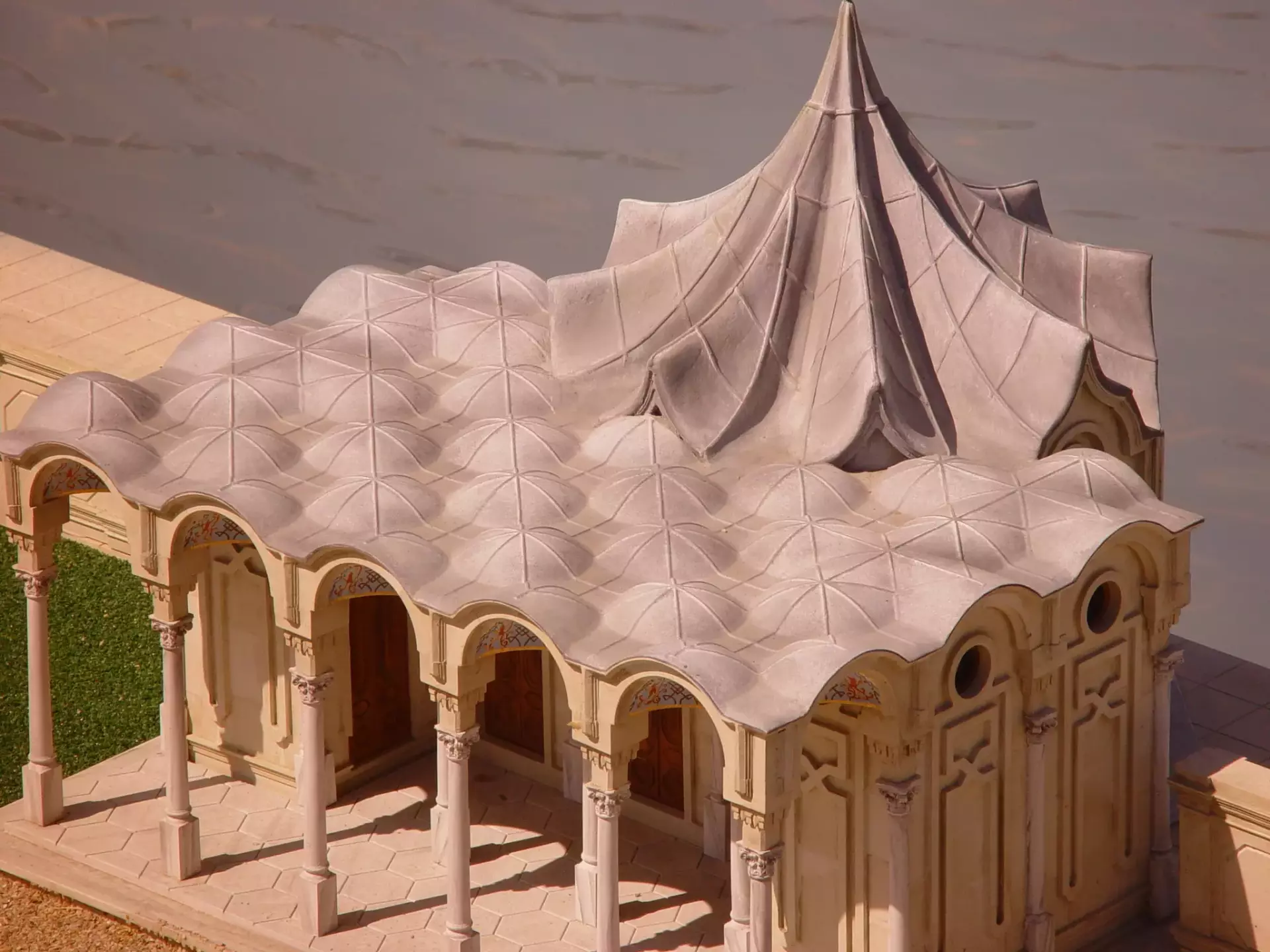
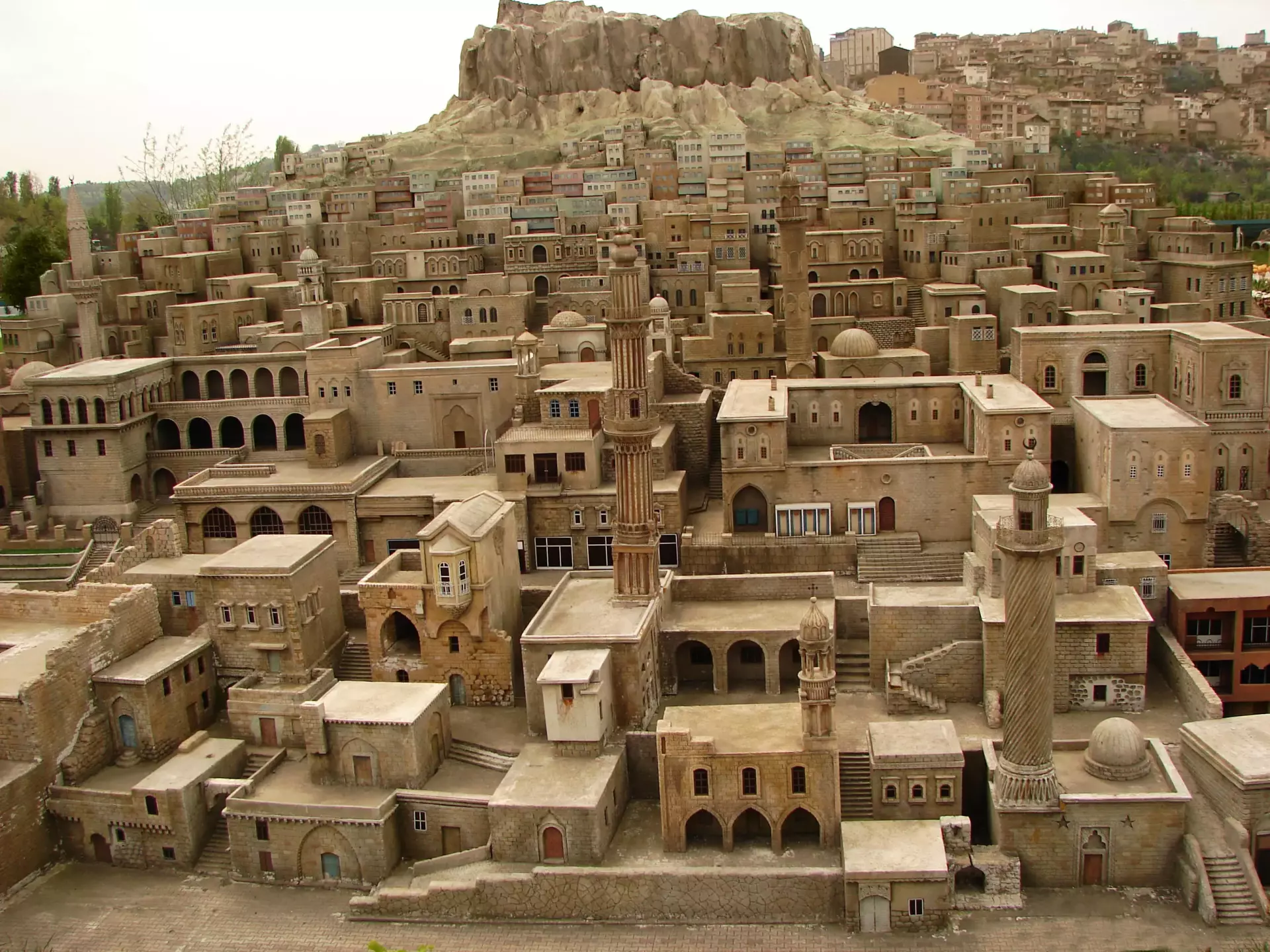
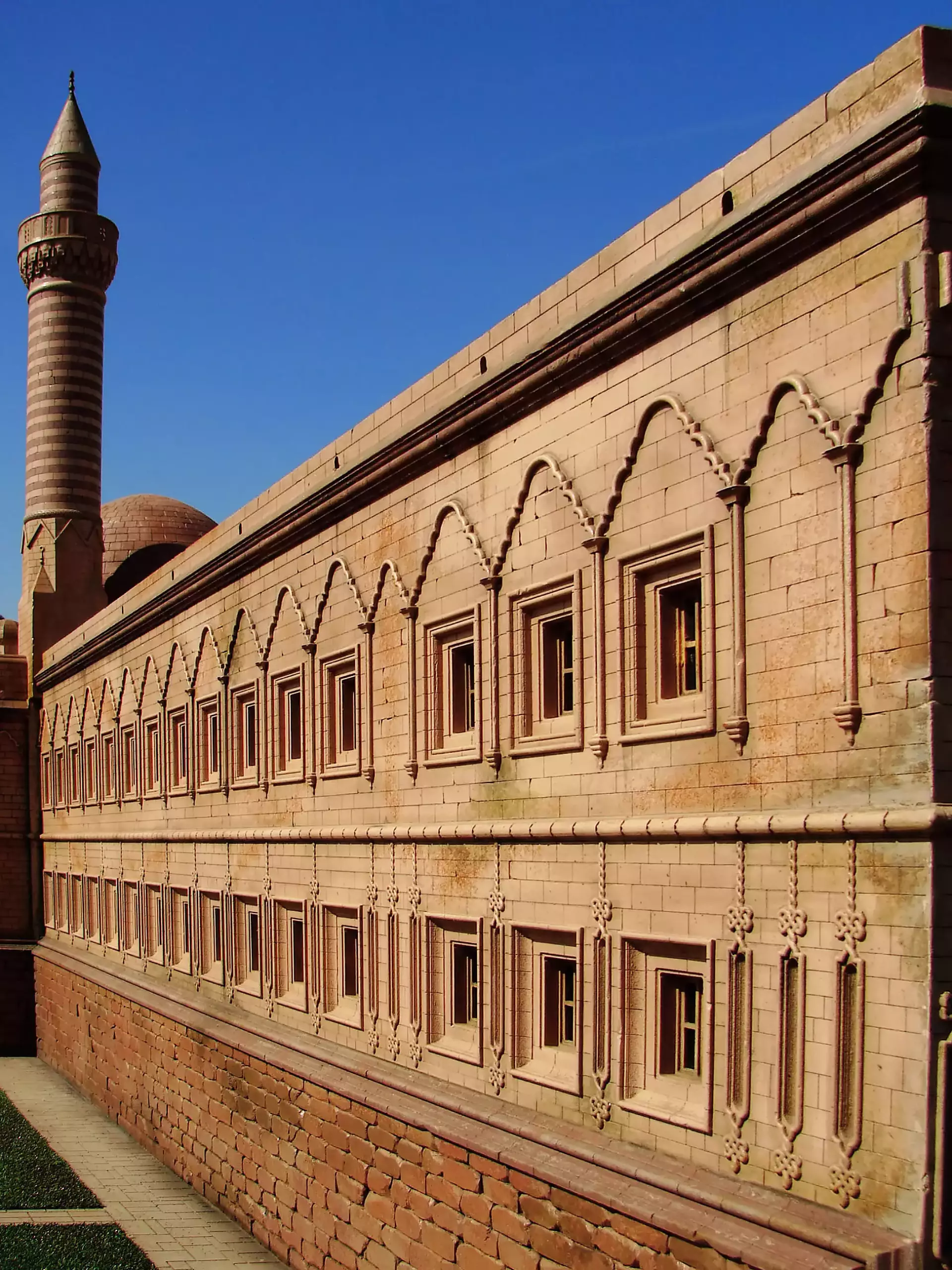
Miniatürk opened its doors in 2001 as the very first miniature park in Istanbul. Spanning a large model area, it holds the distinction of being the world’s largest park of its kind. This unique attraction brings together carefully crafted models that represent the icons of many different cultures and civilizations.
Visitors to the park can find detailed miniatures of some of Turkey’s most famous landmarks, including the Hagia Sophia and the Galata Tower. The charming Safranbolu Houses and the dramatic Sumela Monastery in Trabzon are also featured. Beyond Turkey, the park includes models of important sites such as Jerusalem’s Qubbat al-Sakhra. Even the ancient ruins of Mount Nemrut have been recreated in miniature form.
Miniatürk does not only showcase structures that exist in the present day. Several models represent historic wonders that no longer stand, such as the grand Temple of Artemis, the impressive Halicarnassus Mausoleum, and the Ajyad Castle. Through these carefully built replicas, visitors can imagine what these lost marvels once looked like.
The park brings together relics and architectural styles from across the former Ottoman Empire. This collection offers a unique chance to see the diverse legacy and artistry that shaped the region’s history, all within a single outdoor space.
Source - https://en.wikipedia.org/wiki/Miniat%C3%BCrk
The Church of Theotokos Pammakaristos ("All-Blessed Mother of God") was built between the 11th and 12th centuries. The parekklesion or side-chapel was added maybe 1300, with rich mosaics. The main building became a mosque in 1591, named for Sultan Murad III's conquest (fetih, hence Fethiye) of Georgia and Azerbaijan: the interior was opened up, but the chapel was undisturbed and in modern times became a museum. In 2020 the entire building was proclaimed a mosque, and every scrap of Byzantine artistry was covered up, so now there's nothing worth seeing.
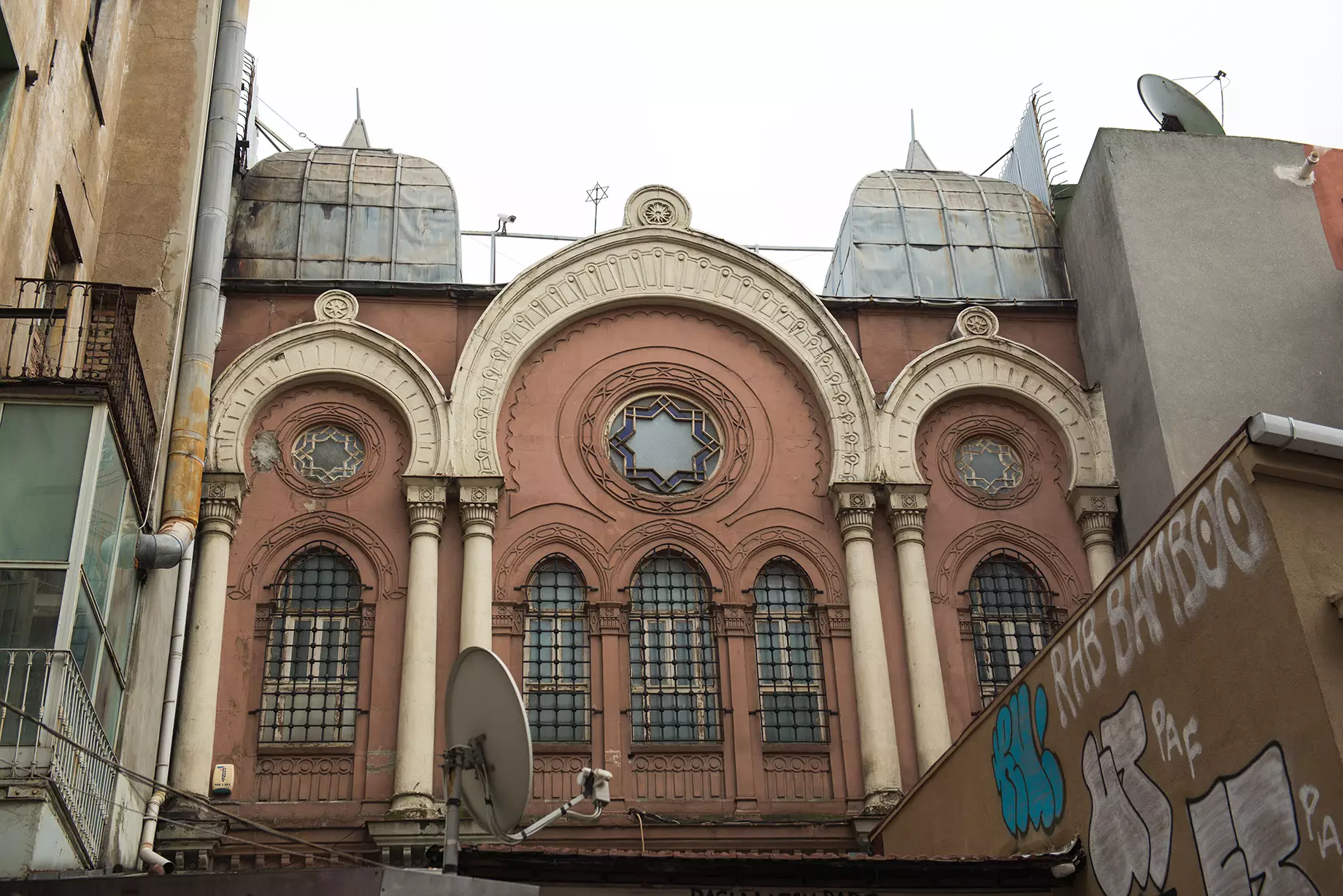
A former synagogue, the museum's exhibit details how the cultures mixed with and influenced each other in the past 500+ years since the Spanish expulsion.
Feshane began as a factory producing fezzes (fes), the red hats made of felt adopted by the Ottomans in the early 19th century as a part of westernizing efforts in lieu of much more traditional turbans. However, the fez was scrapped in favour of western garments during Atatürk's reforms of the 1920s and 30s as it was thought to symbolize the old, decidedly oriental regime. A restoration in 1998 made it a cultural and exhibition center, and after another in 2023, it was reopened as a culture and art center under the name Artistanbul Feshane.
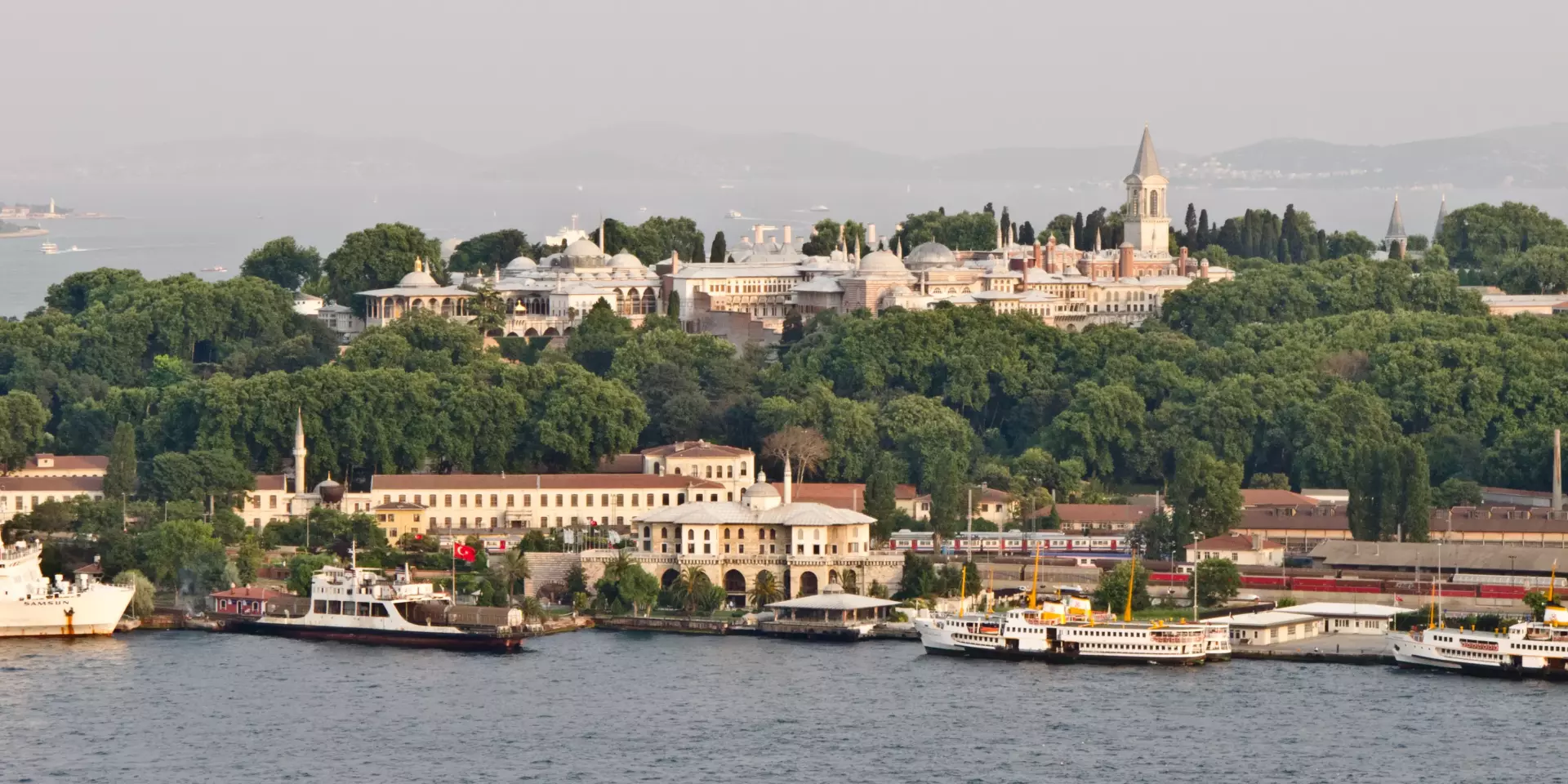
The imperial enclave of the Ottoman emperors for four centuries. Lavishly decorated, with exhibitions of fine craftmanship and four courts of increasing grandeur. The second court has the Harem and the State Treasury, housing a weaponry display. The third court has the Imperial Treasury, with Islamic and Christian relics. The views from the Fourth Court over the Bosphorus are spectacular. Reckon on spending several hours here and bring water as the museum kiosk is overpriced.
One of the icons of the city is also called the Leander's Tower, on a Bosphorus islet off Salacak. The local myth ascribes its name to a princess, whose father wanted to protect her in this offshore tower from a prophecy that she would be killed by a snakebite on her birthday, but the snake found its way inside a basket of fruits — ironically a birthday present from her father — and you've probably already guessed the rest of the story. In actual timeline, it served as a defensive structure (there was a wall connecting it to the Asian mainland, and the Byzantines used to stretch a chain from here to the European mainland across the mouth of the Bosphorus to shut it to adversary shipping in times of conflict, but they didn't during the final Ottoman siege in 1453), as a customs and quarantine station, as a lighthouse, as a warehouse of various sorts of goods, and as a high-end restaurant before the last restoration finished in 2023 dedicated it as a museum. There is a light show viewable from the mainland every day at 21:00.
This is a triple structure: the church of the Monastery of Pantokrator built 1118, then a public church circa 1136 plus a chapel that served as a royal mausoleum. It became a mosque and medresse in Ottoman times, but without massive alteration so it's a prime example of middle-Byzantine architecture. It's nowadays again a mosque, photogenic by day or dusk but the area should be avoided at night.
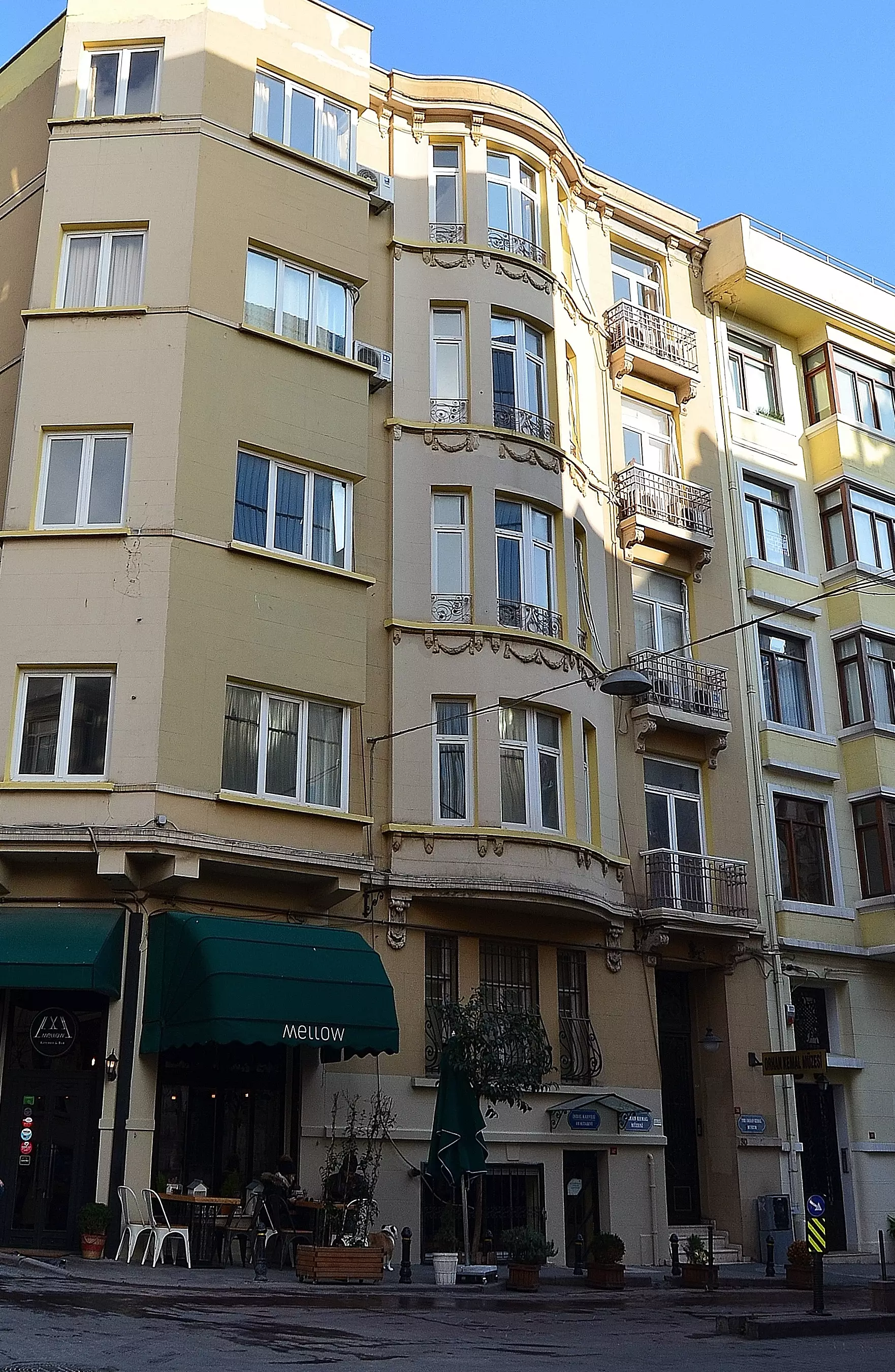
Tiny house museum on the life of Turkish novelist Orhan Kemal (1914–1970).
Built in first half of the 15th century, this is the large medieval castle under the Second Bosphorus Bridge. Its former name Boğazkesen (Turkish)/Laimokopia (Greek) means both "strait-blocker" and "throat-cutter" in both languages and denotes the reason of its building—to shut the supply routes from the Black Sea in the north into the slowly falling apart Byzantine Empire through the Bosphorus. Rumeli, literally "the Roman land", was the name of the European half of the Ottoman Empire, and as is usual with some other structures and villages along the Bosphorus, used as a prefix to differentiate Rumeli Hisarı from its counterpart in the Asian Side, the much smaller Anadolu Hisarı just across the Bosphorus.
Situated on the gentle hill overlooking the neighbourhood of Emirgan and the Bosphorus, Emirgan Park was for long the only place in the city where Istanbulites can admire the beauty of tulips. Having lost that distinction since the first decade of the 2000s as tulips are now everywhere, this is still a beautiful park with artificial ponds, small waterfalls, and impressive views of the Bosphorus. There are also cafes with open-air sections housed in pleasant former imperial hunting manors. Squirrels are there, too, in the middle of this metropolis of more than 15 million people, though you may have to look a bit deeper (or a bit upper on the branches!) to spot them.
A contemporary art museum in a building converted from an old power plant: 1914-built and coal-fired, this was the oldest in Istanbul and the Ottoman Empire. Part of the plant was kept in almost exact original condition and now serves as the "Energy Museum".
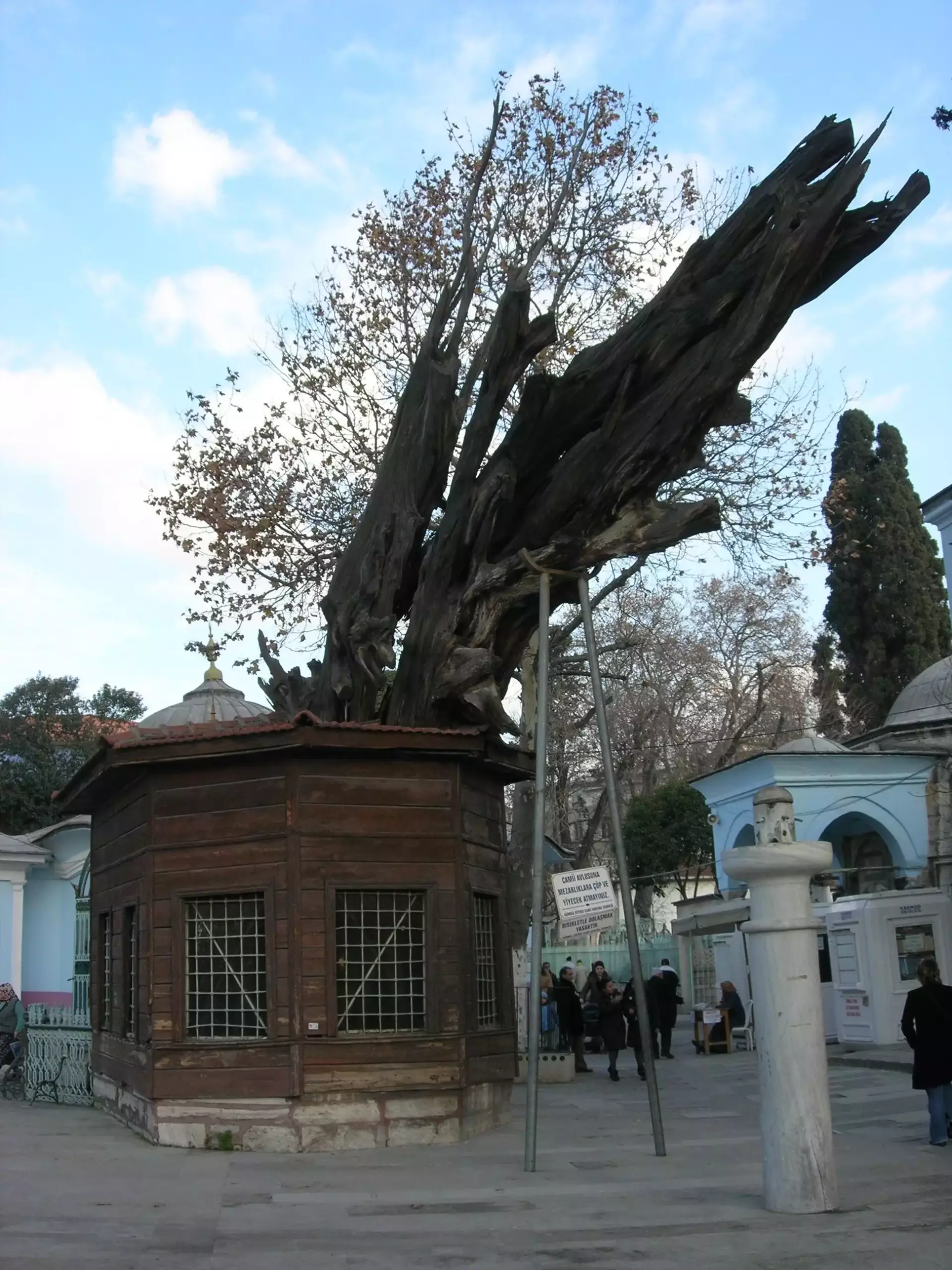
Built circa 1200 as the Eastern Orthodox Theotokos Kyriotissa Church, after the Ottoman conquest it was handed over to the Qalandari, a Sufi sect. In the mid-18th century it was converted to a Sunni mosque, and its mosaics were plastered over. The original appearance was restored in the 1970s.
A remarkable Bulgarian Orthodox church better known as Demir Kilise, "Iron Church", as it's a cast iron prefab. The Bulgarians split from the Greek Orthodox and established their own wooden church in 1870, which burned down. The ground was too weak for a masonry or concrete structure so they opted for cast iron. The sections were cast in Vienna, shipped here and assembled, to open in 1898. The church was renovated in 2018, but the archpatriarchate building across the street remains a gaunt shell.
This lavish palace with 285 rooms and 43 halls was the admin centre for the Ottoman Empire in its last 60 years. The palace government block (Selamlık) includes the Imperial Mabeyn (State Apartments) and Muayede Hall (Ceremonial Hall), while the Imperial Harem was the sultan's private quarters. Also here are the Painting Gallery, Music Museum, Clock Museum and Museum of Palace Collections. Free audio guide in several languages available by the ticket office. No photography inside, no backpacks but you can leave them in the cloakroom. Allow 3 hours to see everything.
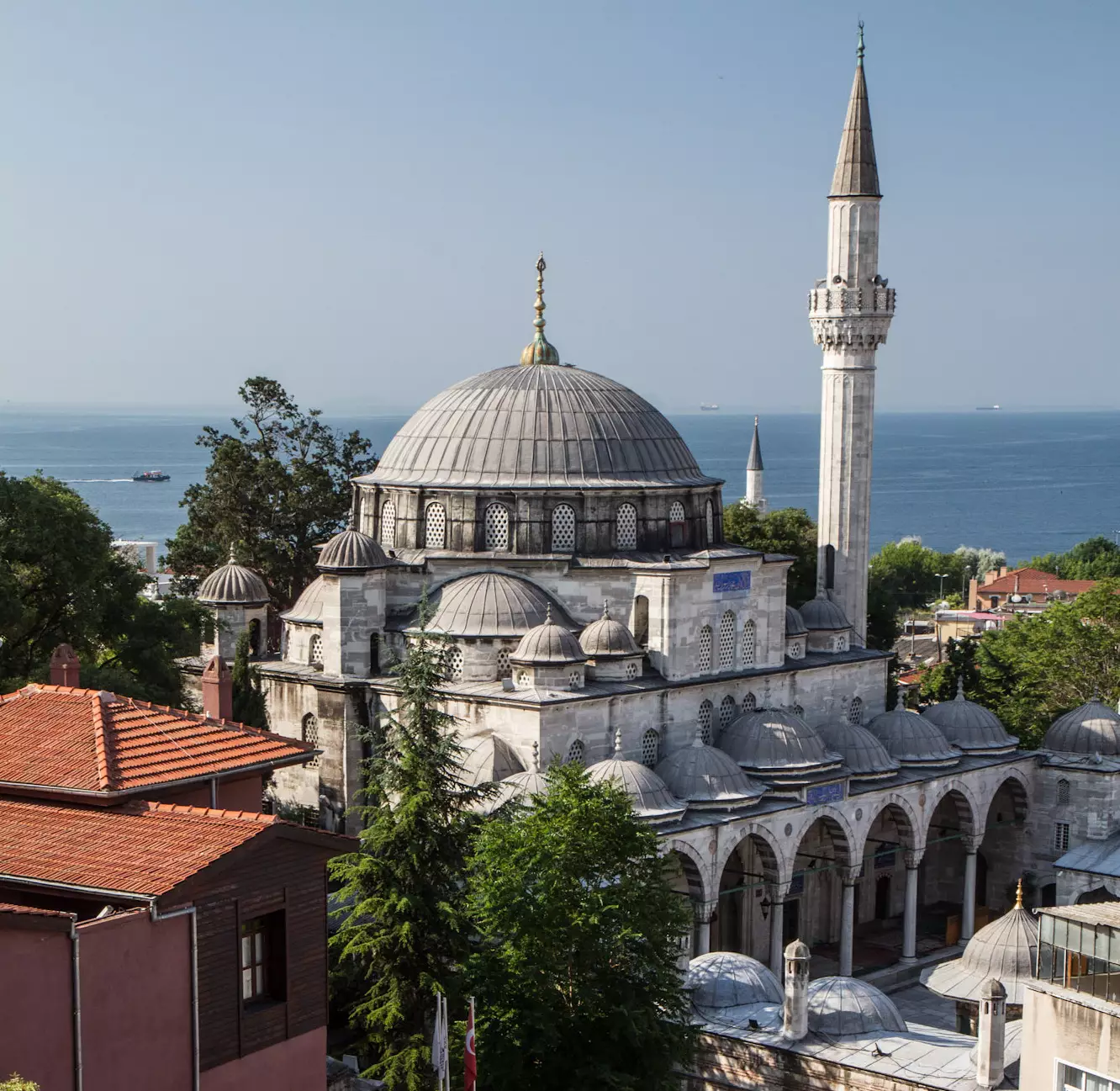
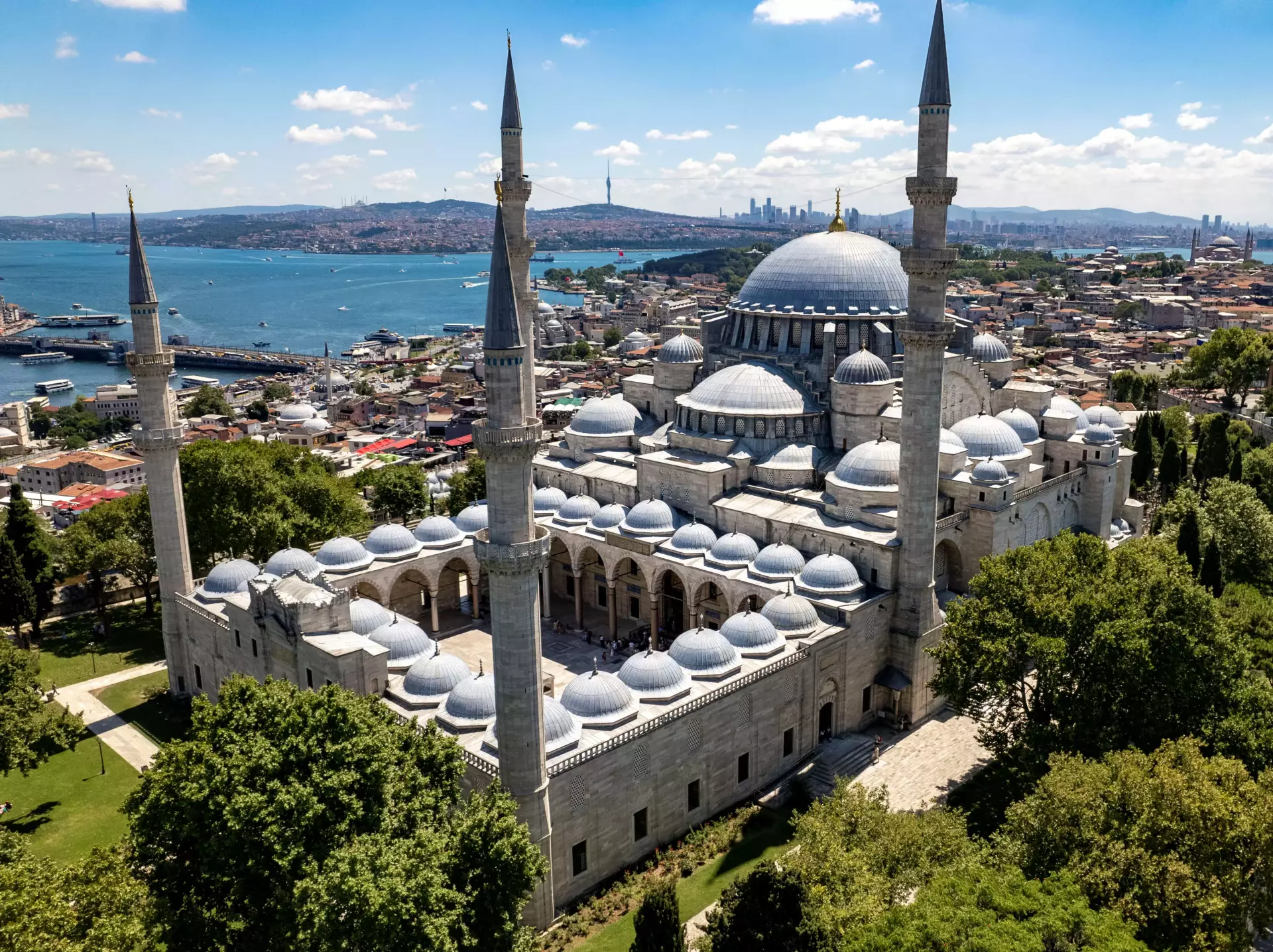
The original mosque was built between 1463-1470 by the Greek architect Atik Sinan, by order of Sultan Mehmet II the Conqueror, on the site of the former Church of the Holy Apostles, which had served as Byzantine Imperial burial place for a thousand years. The grand complex with eight medreses, a library, hospital, hospice, caravanserai, market, hamam, primary school and public soup kitchen was smashed again and again by earthquakes, and the present building is from 1771 to a different design. The interior is lavish, and outside is the ornate tomb of Mehmet II and his wife Gülbahar Hatun.