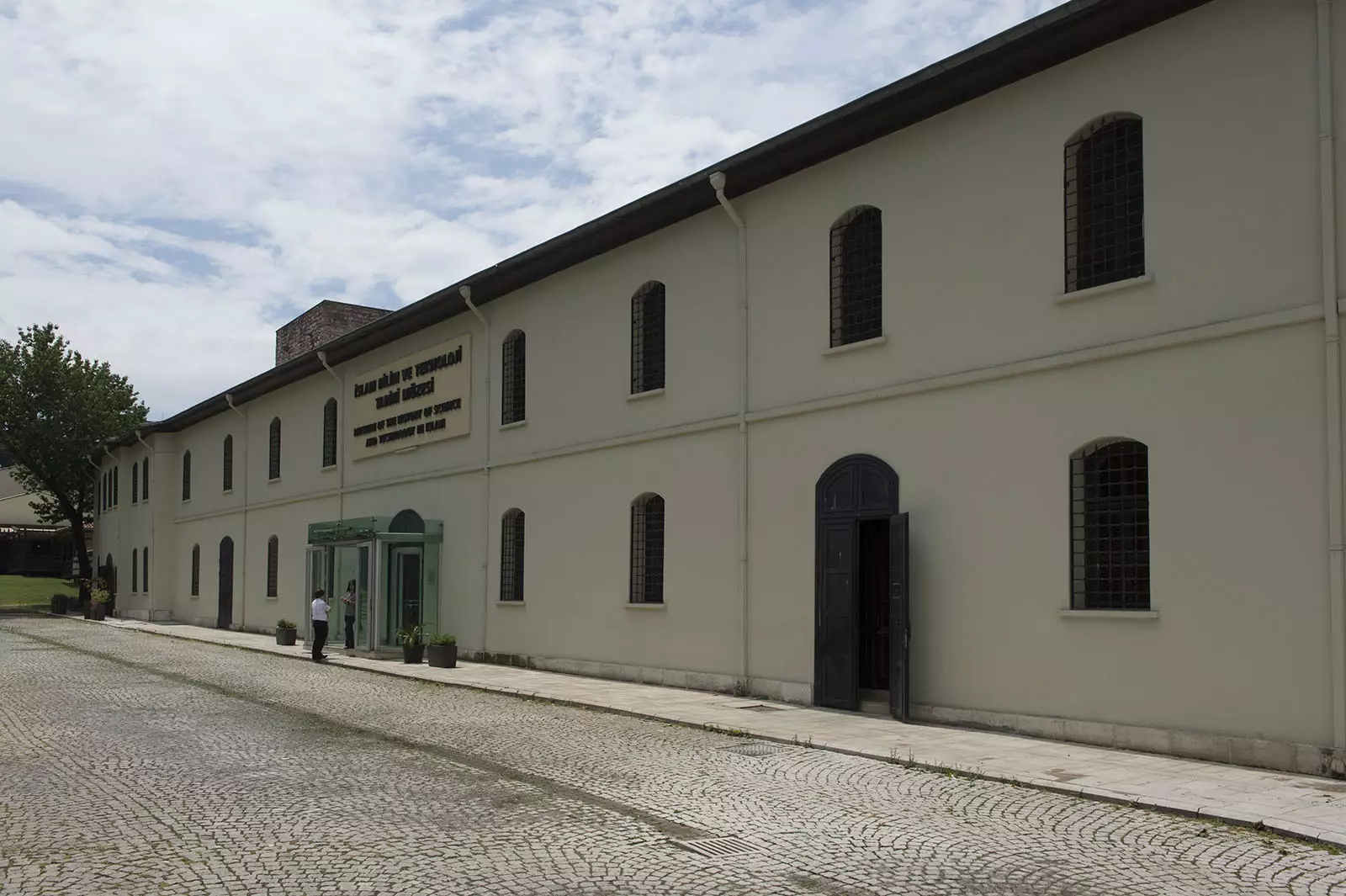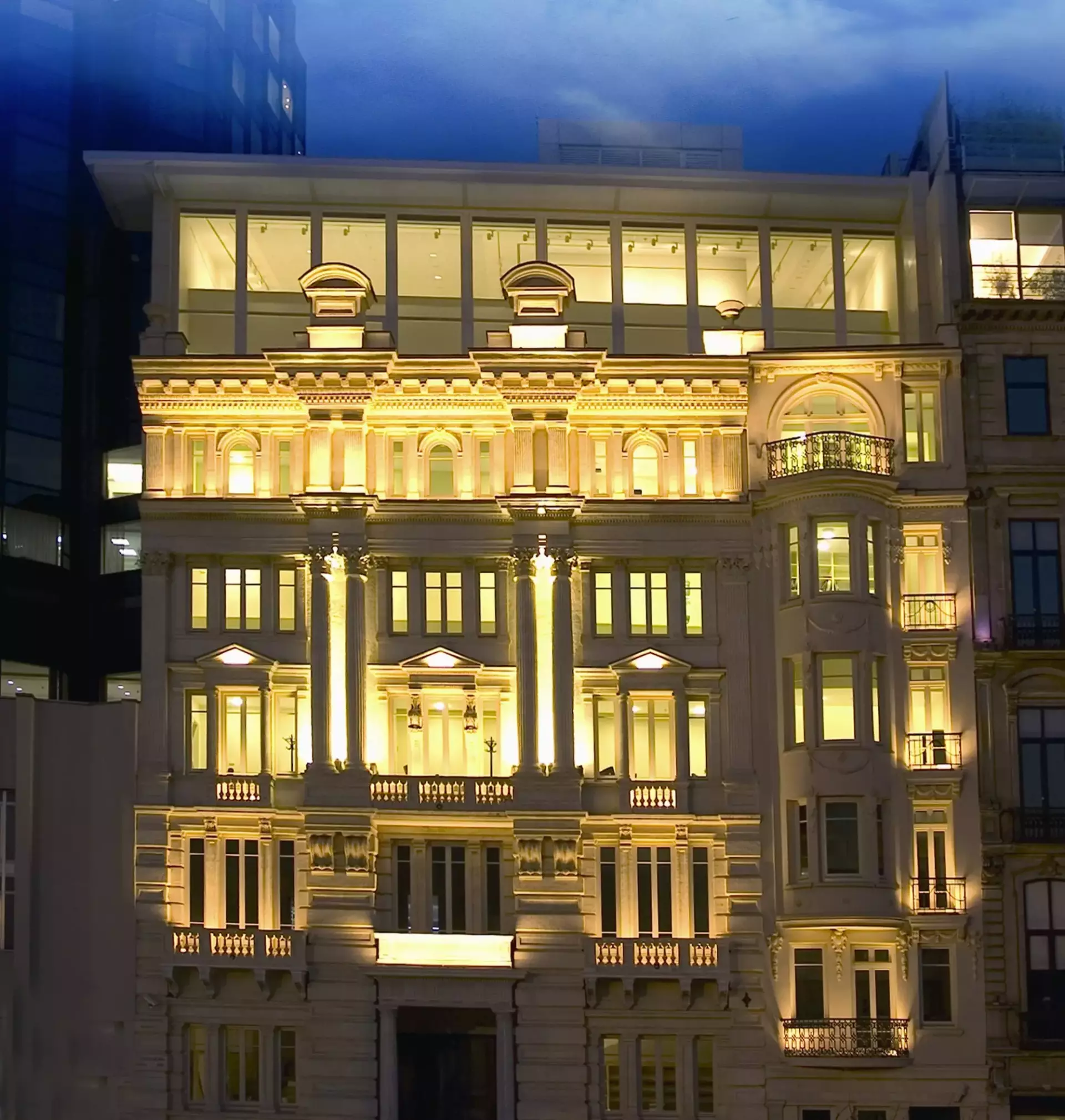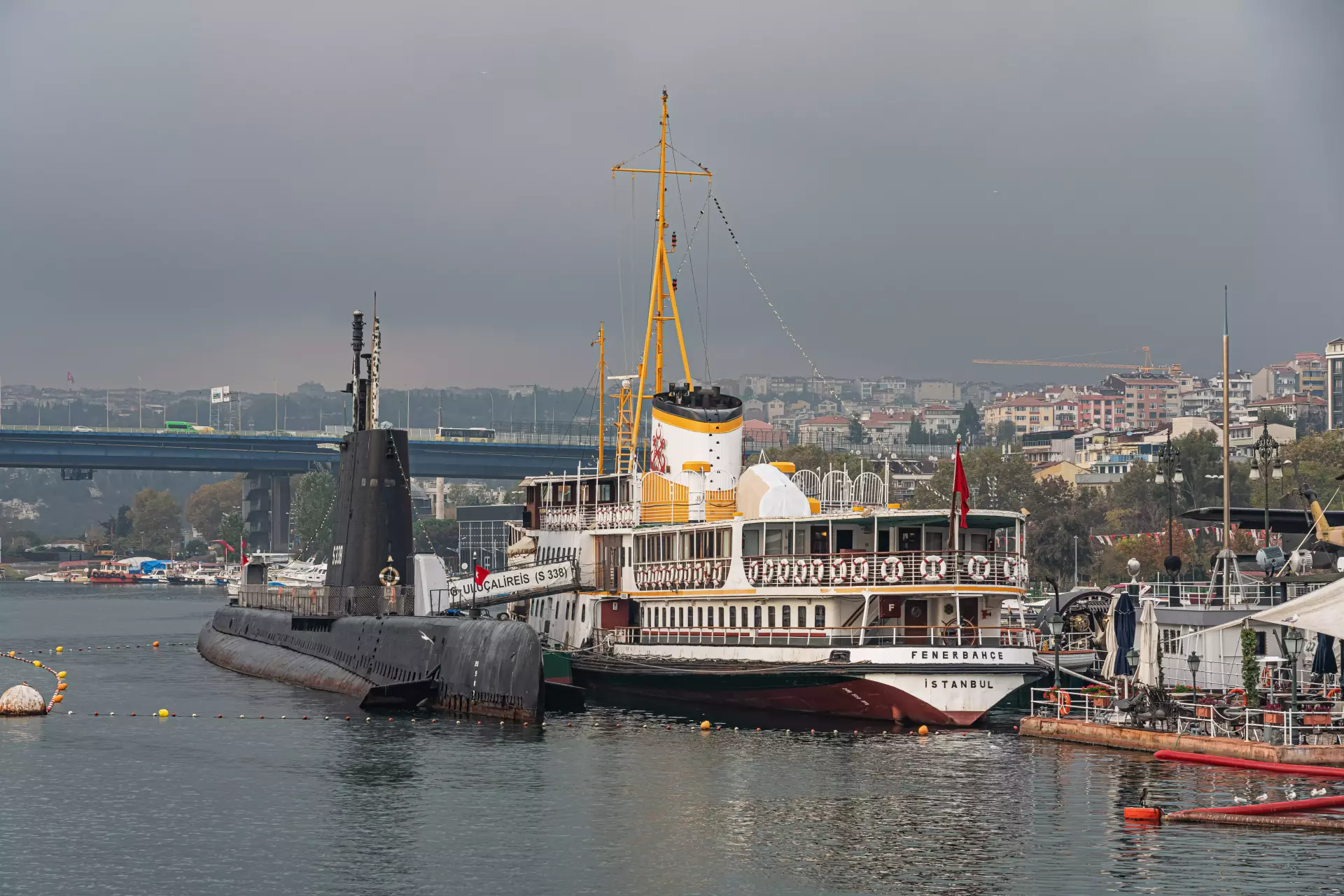
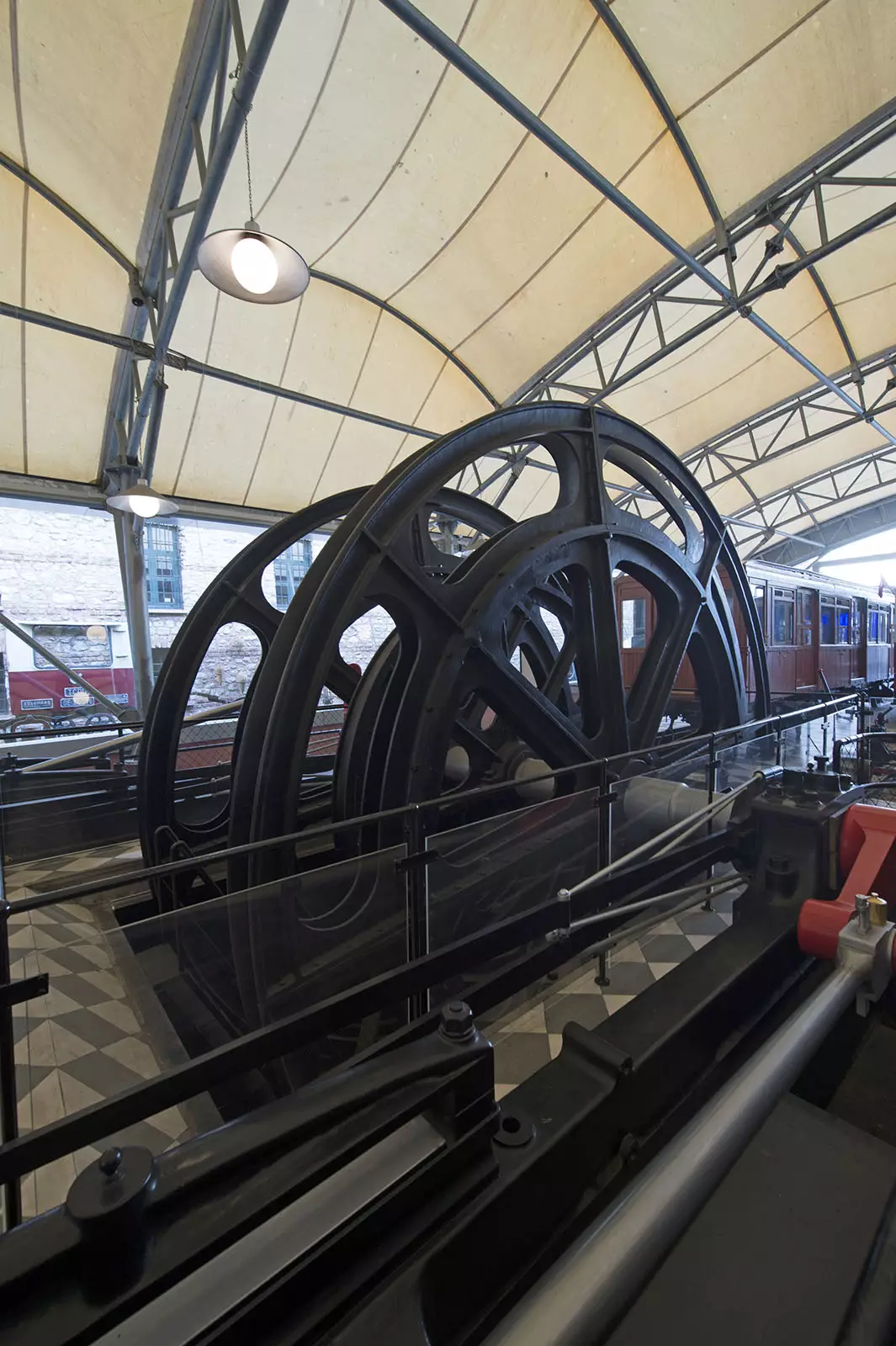
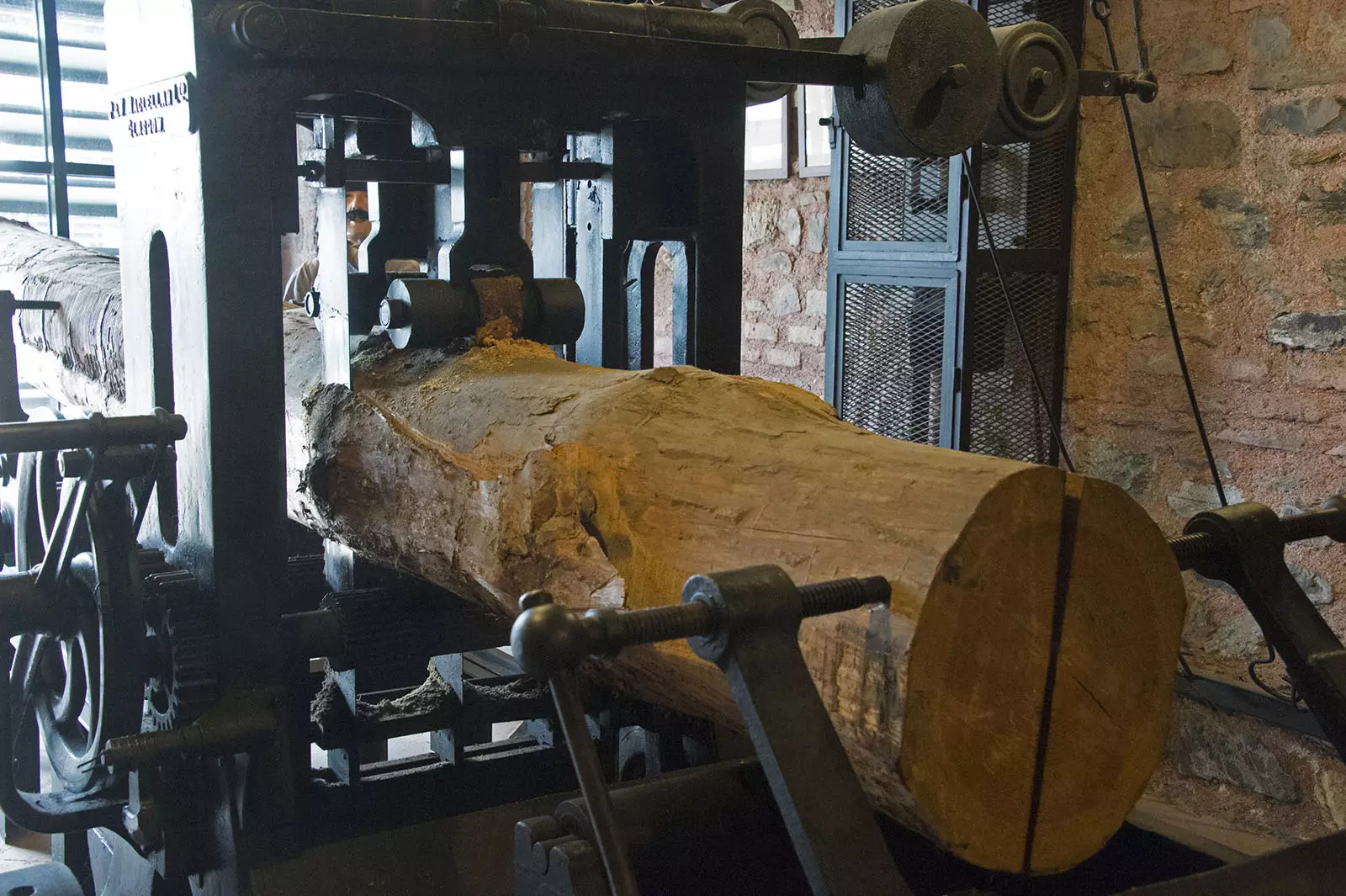
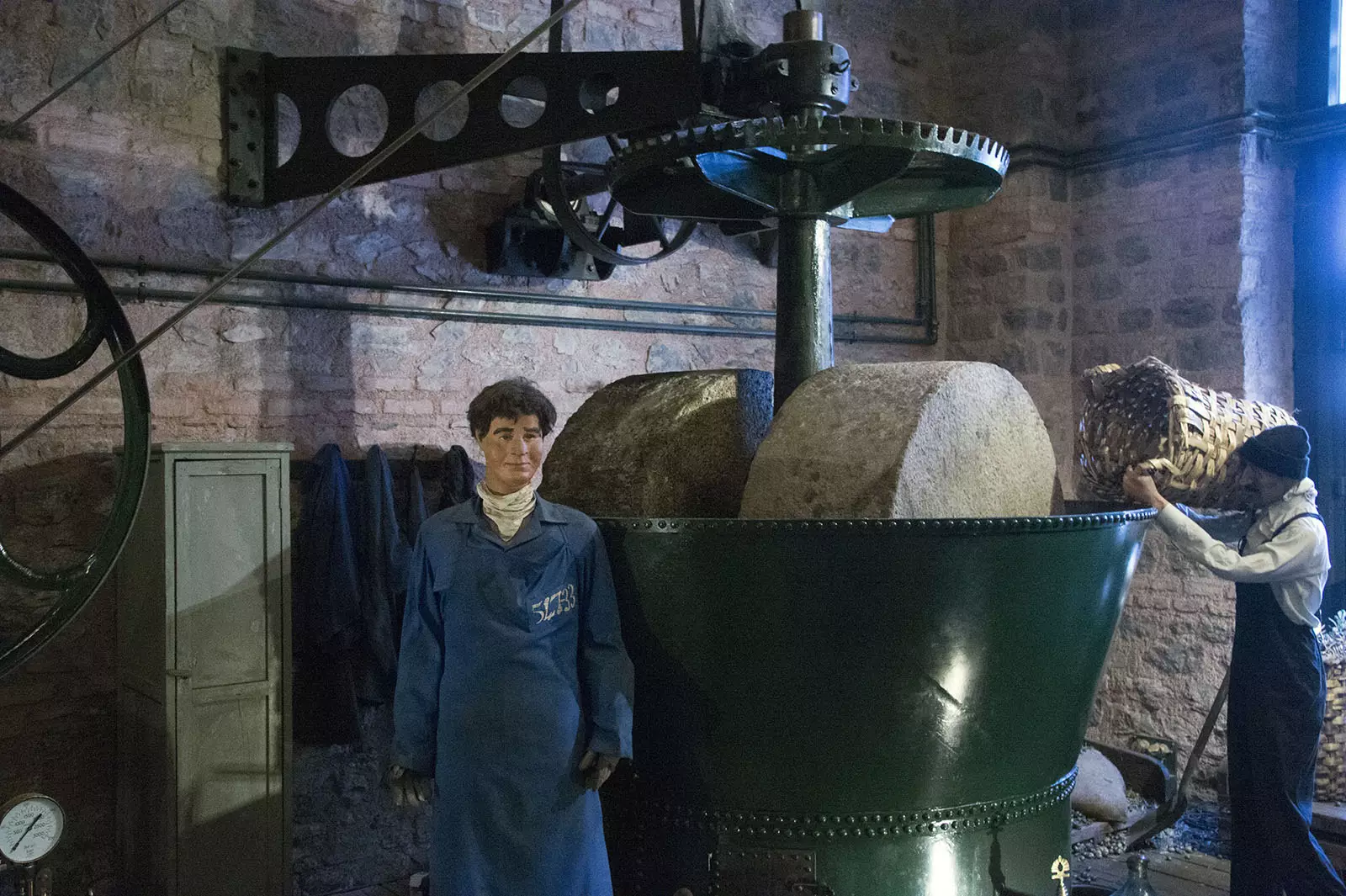
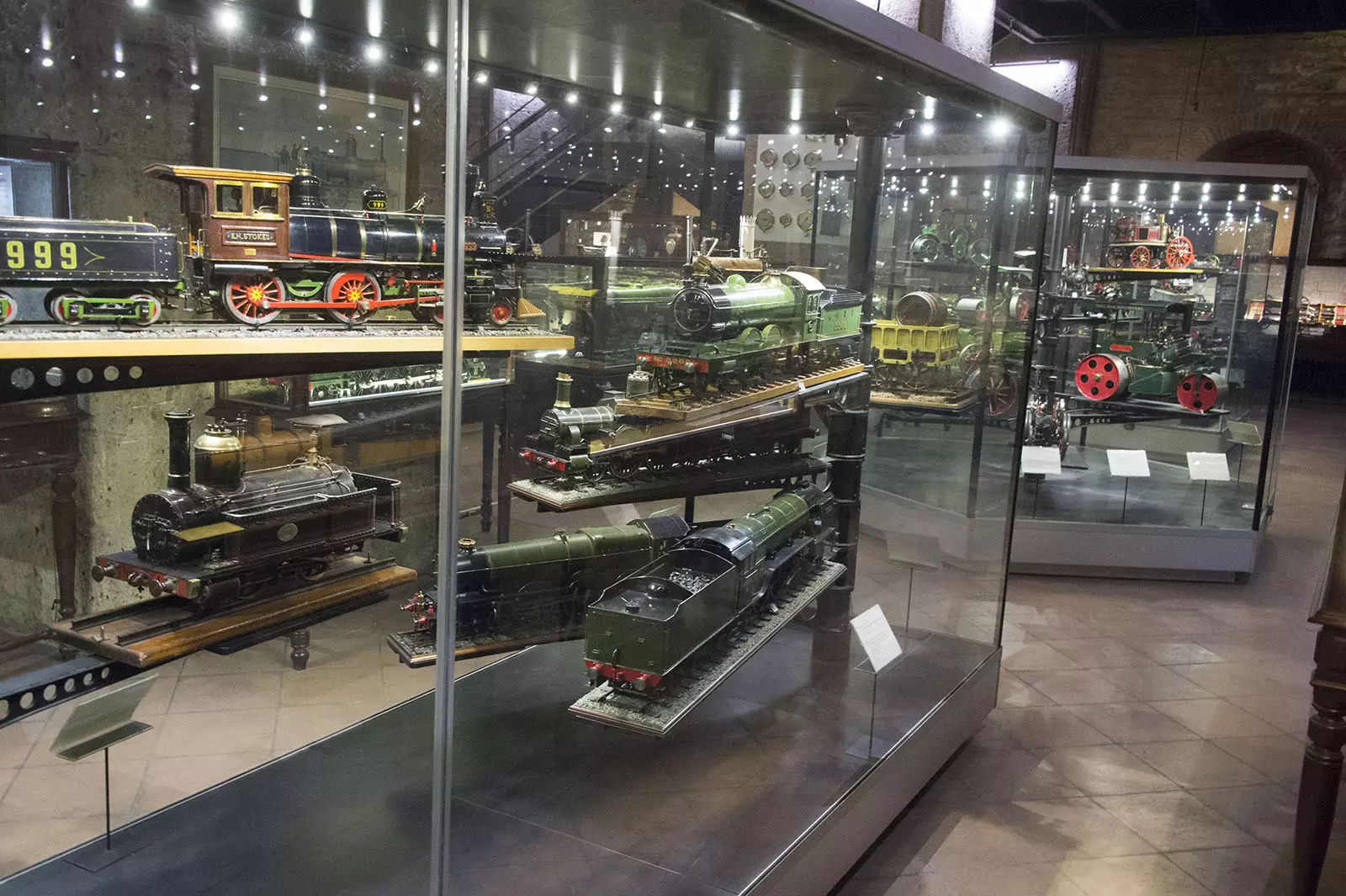
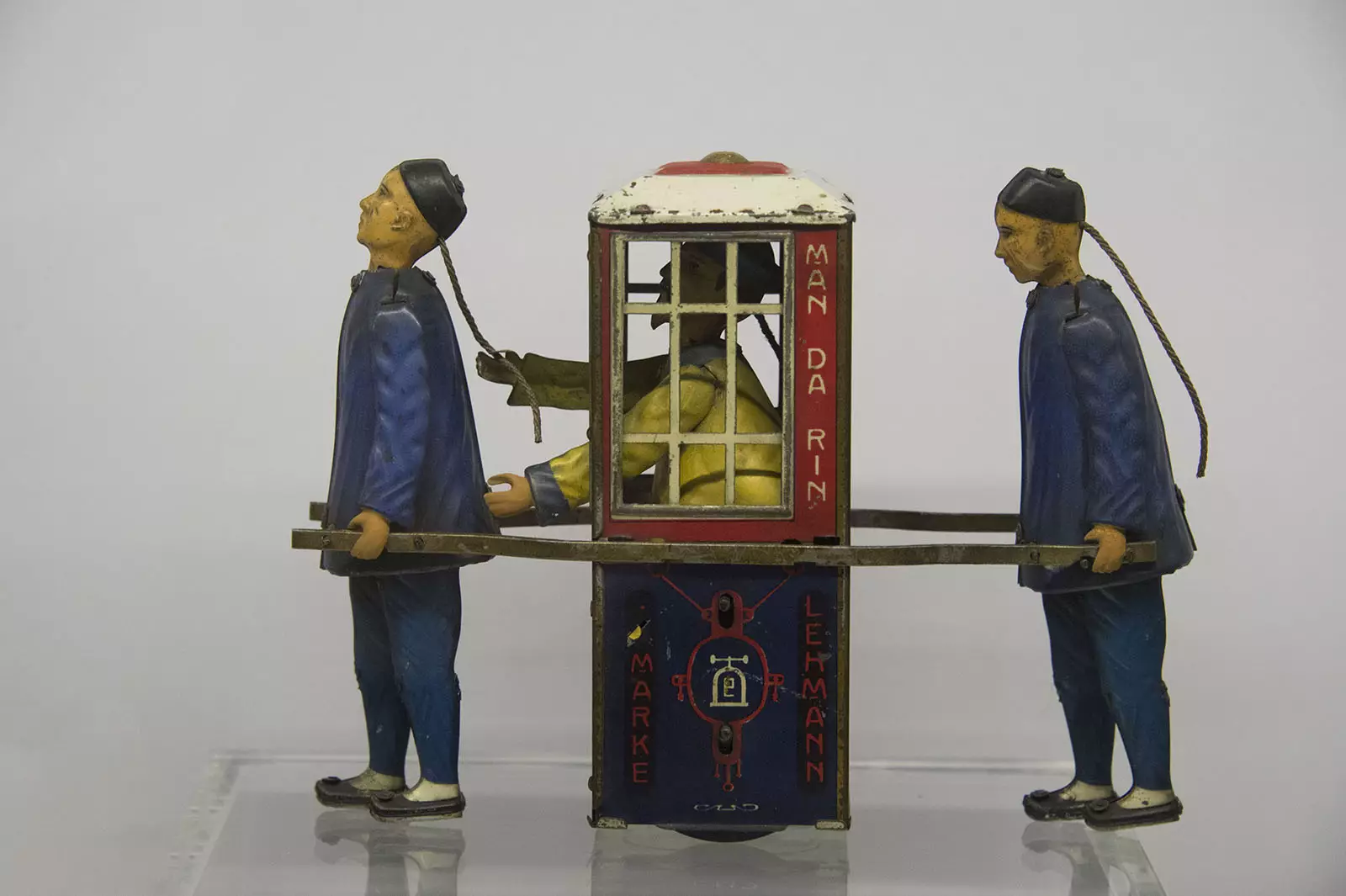
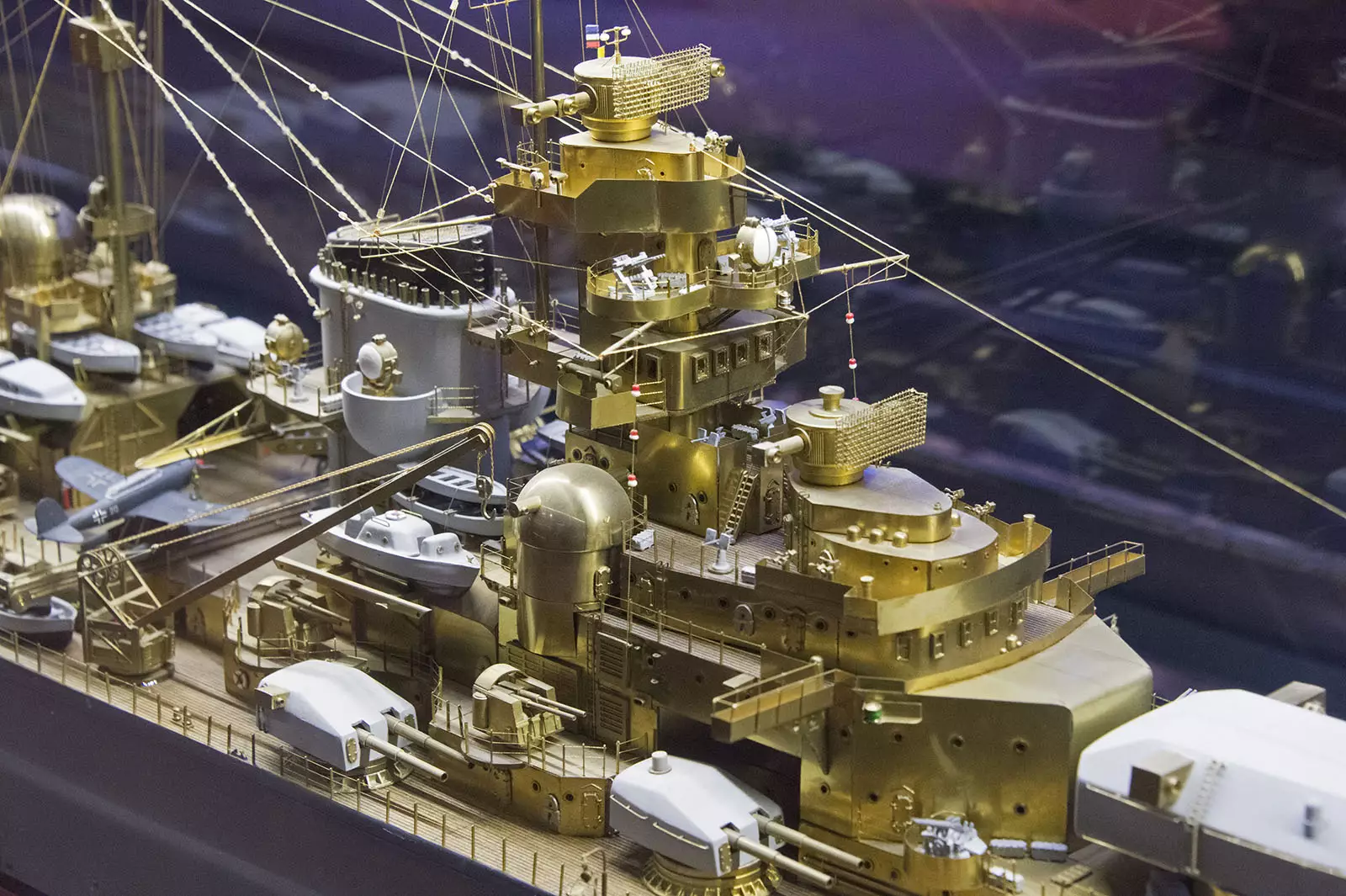
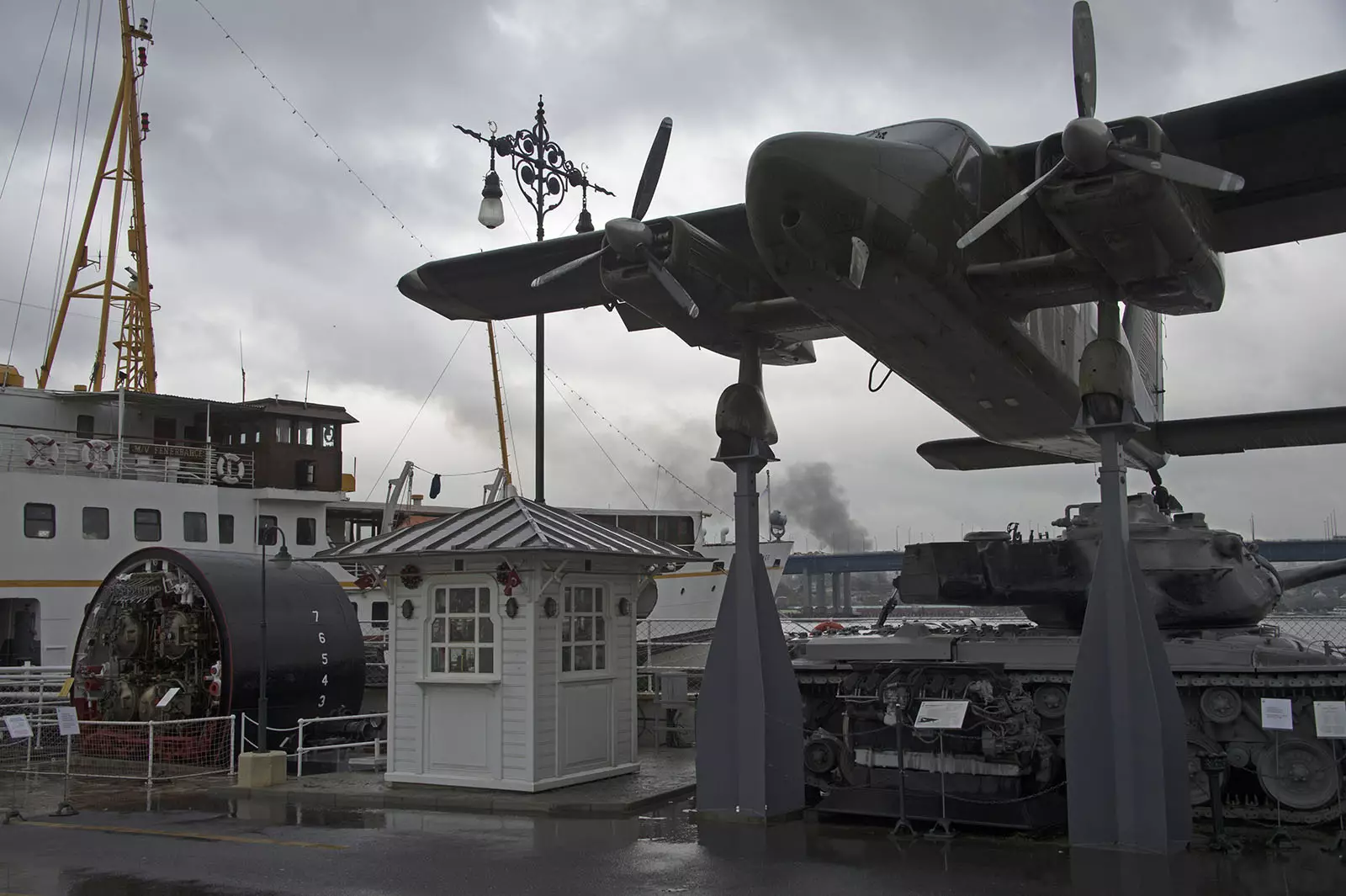
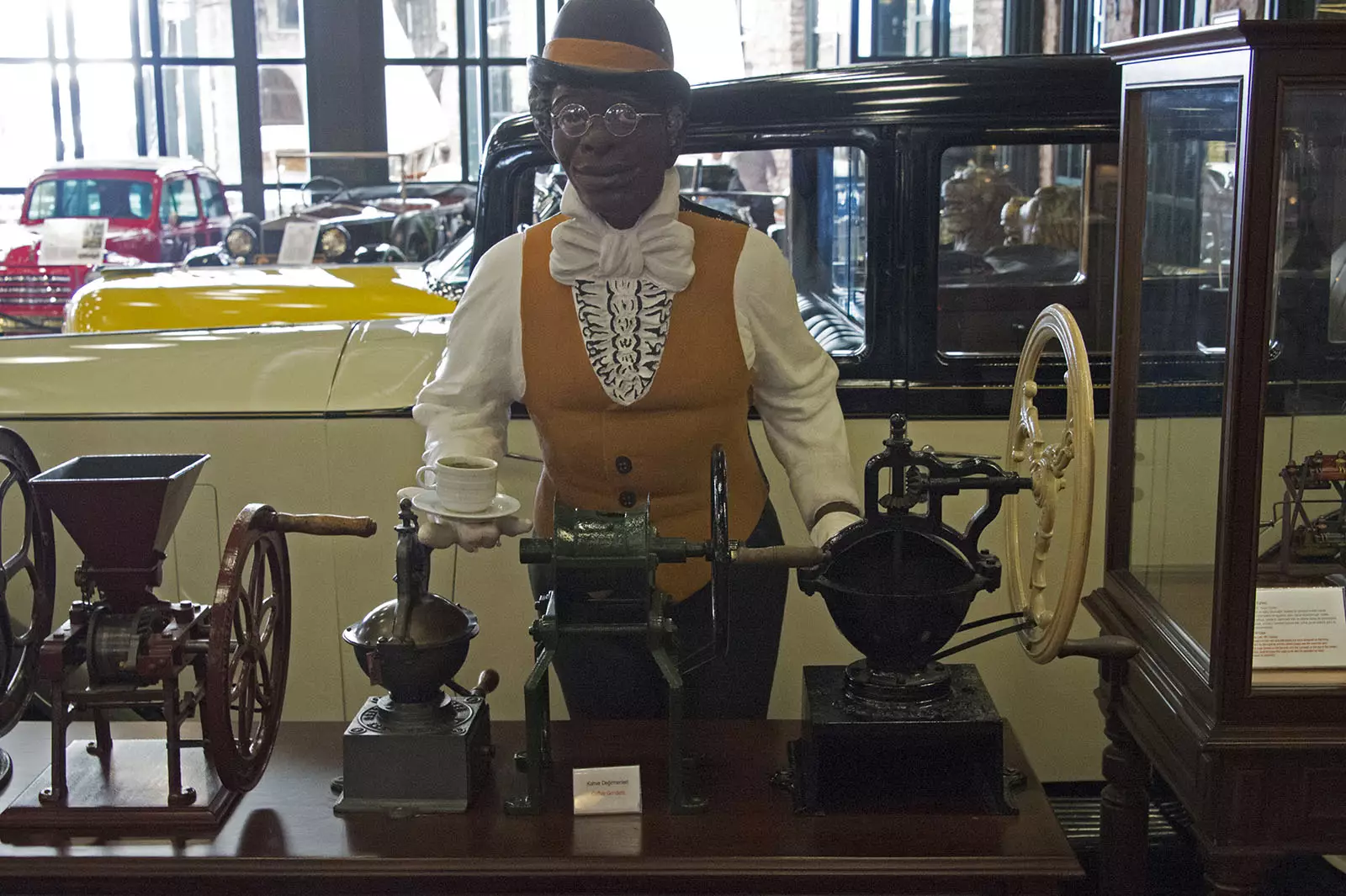
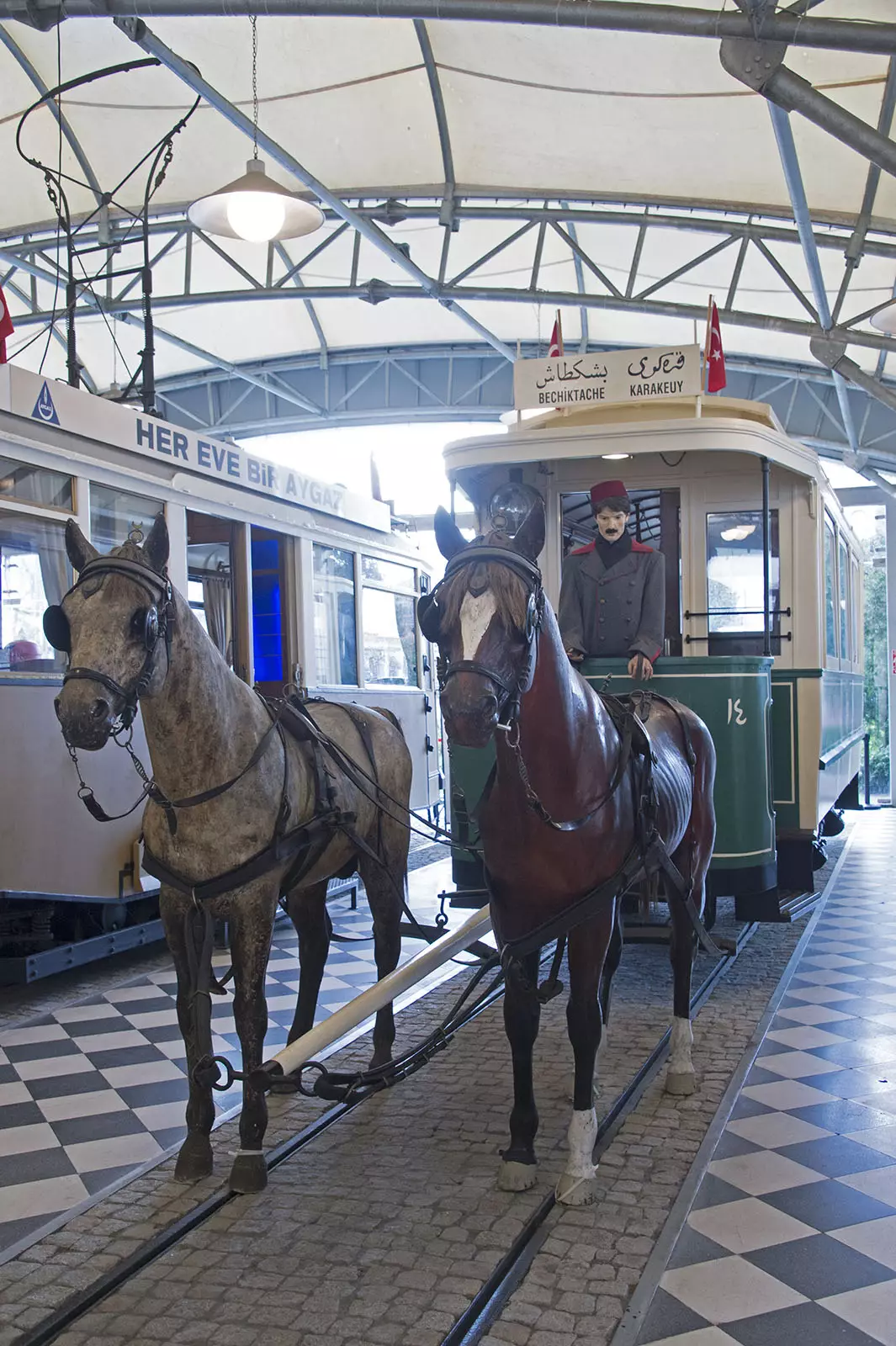
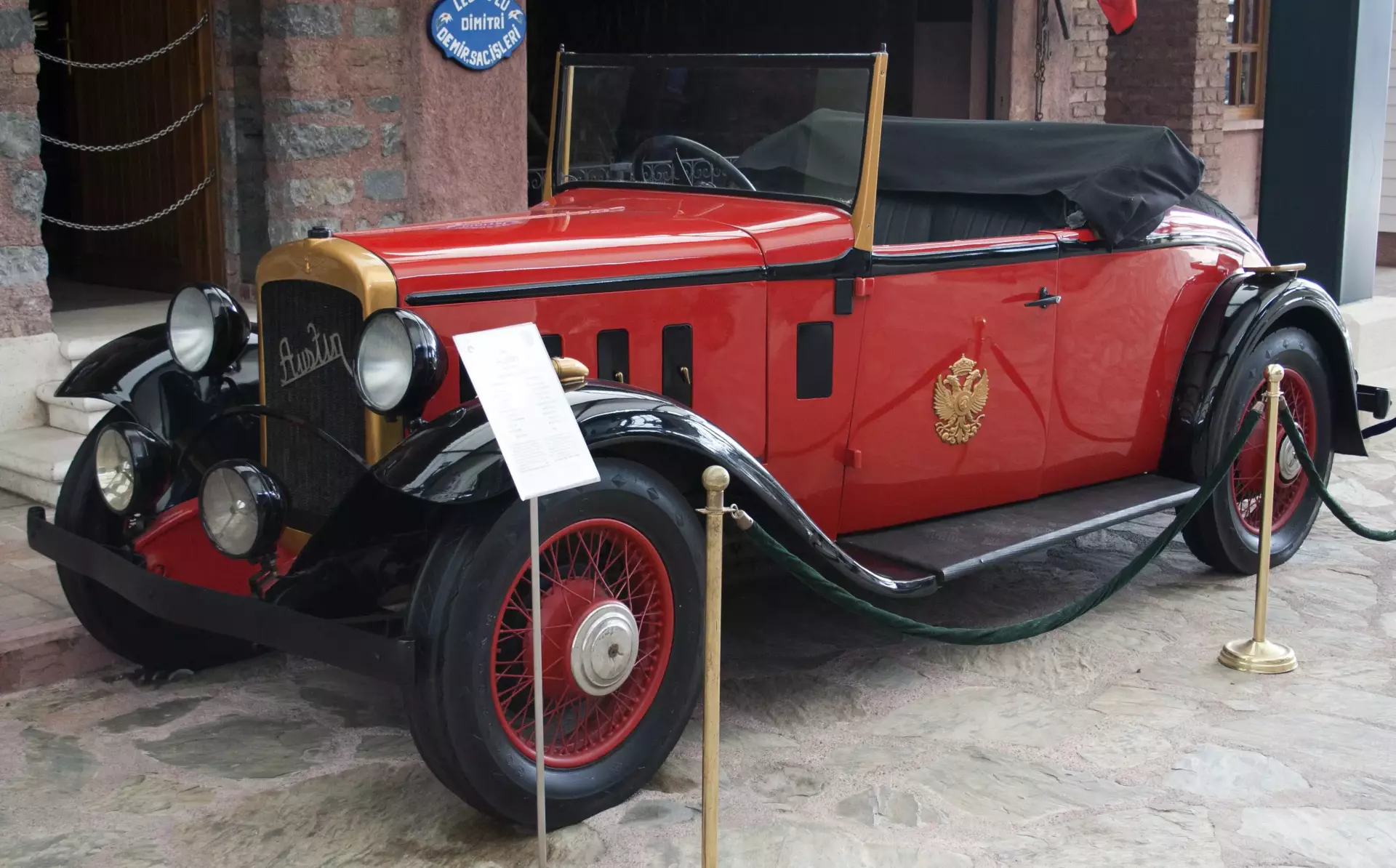
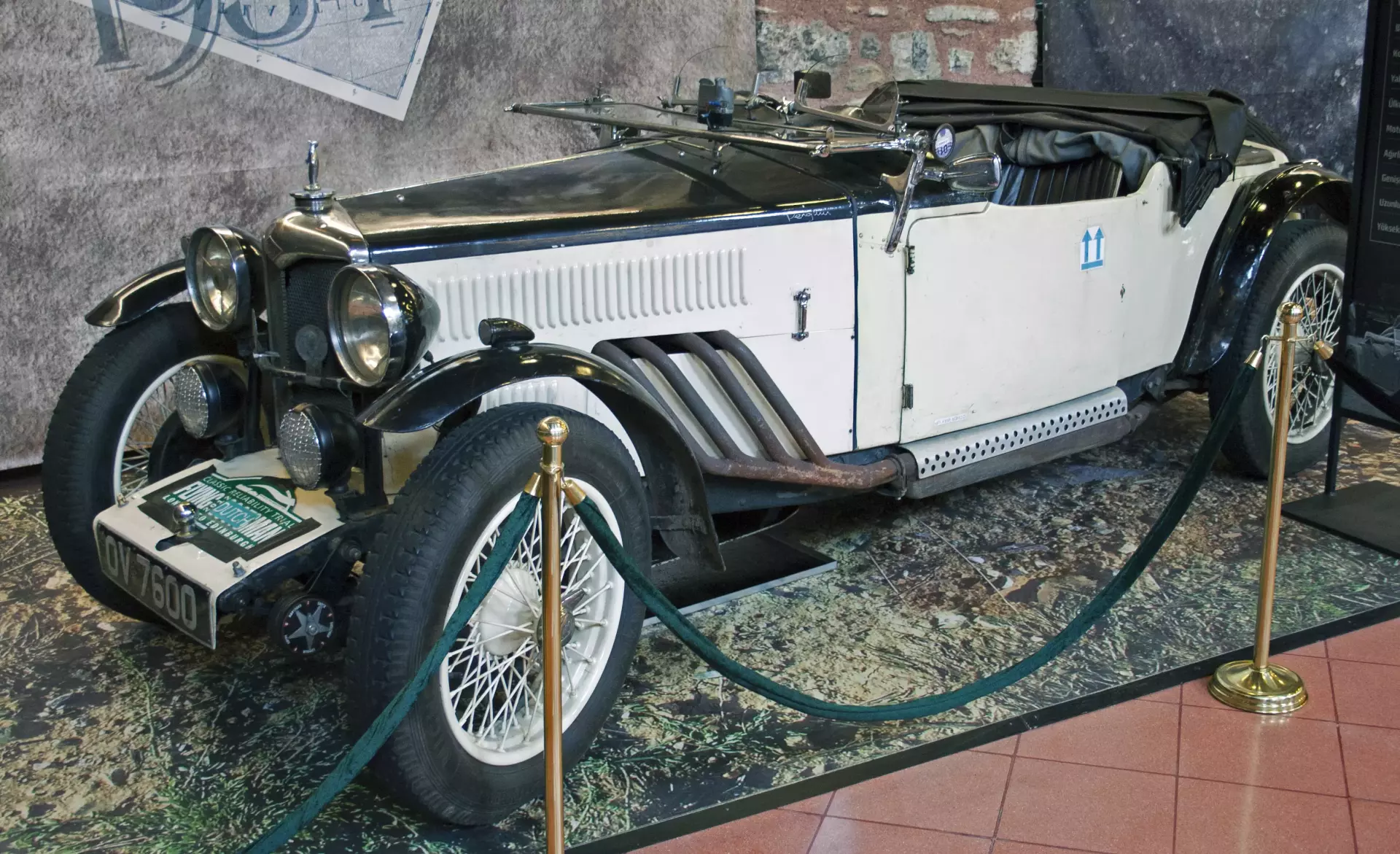
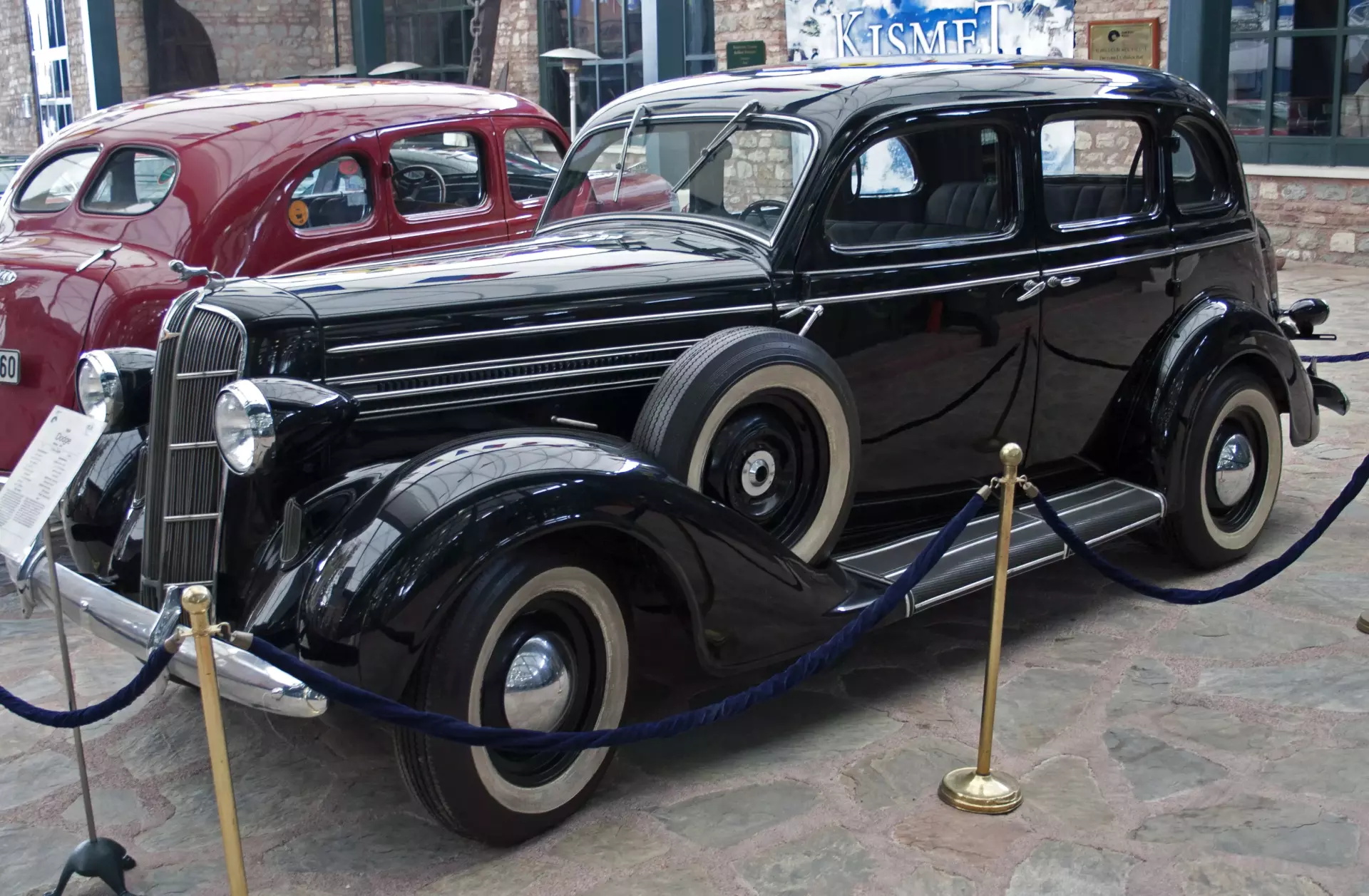
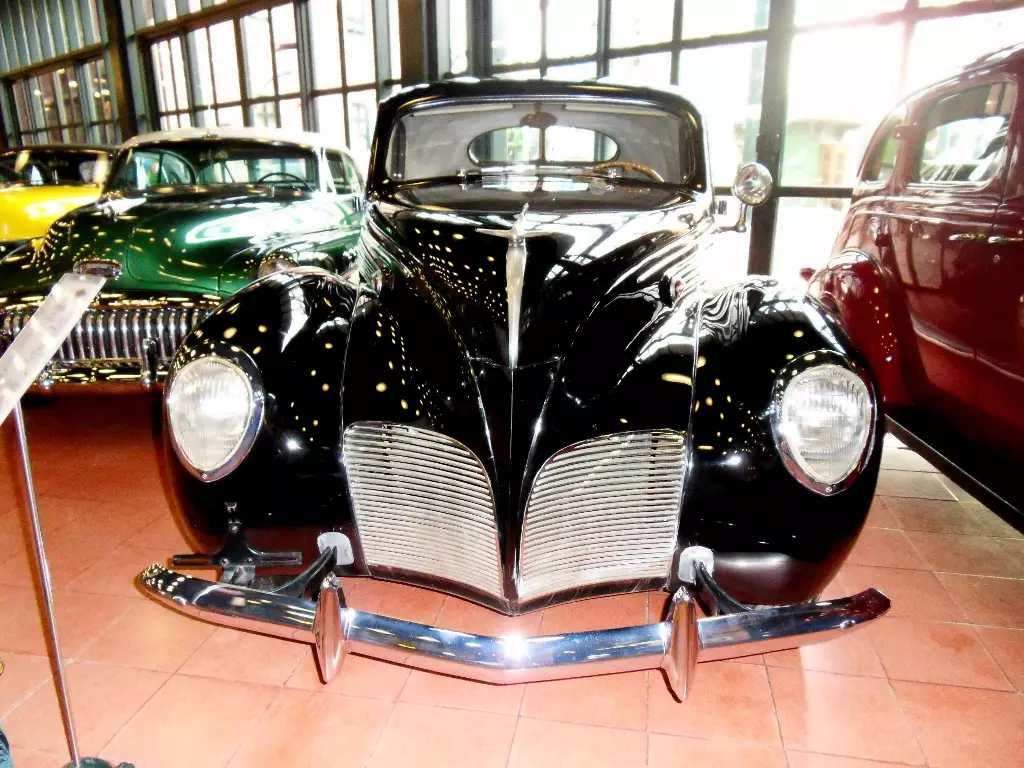
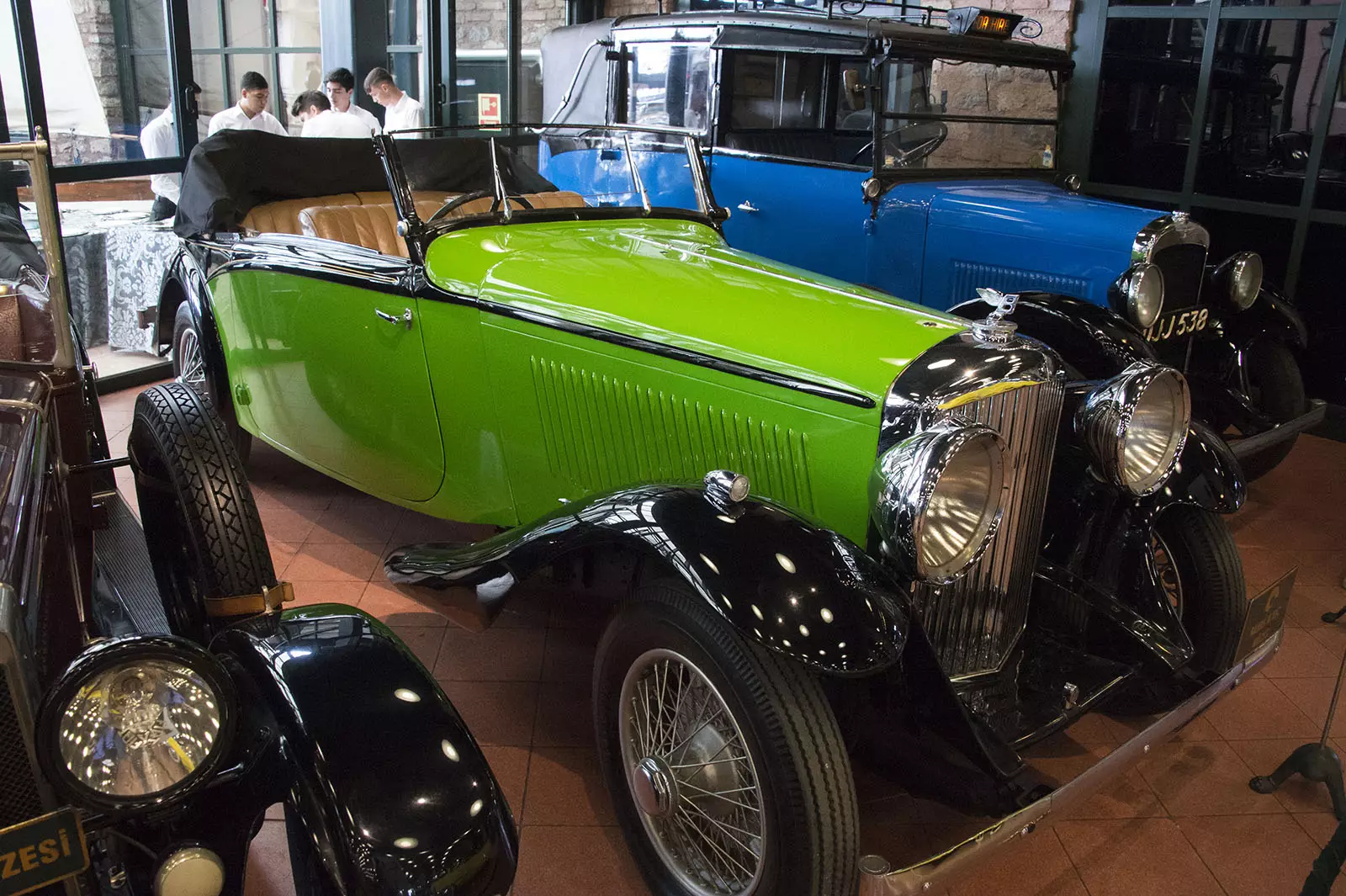
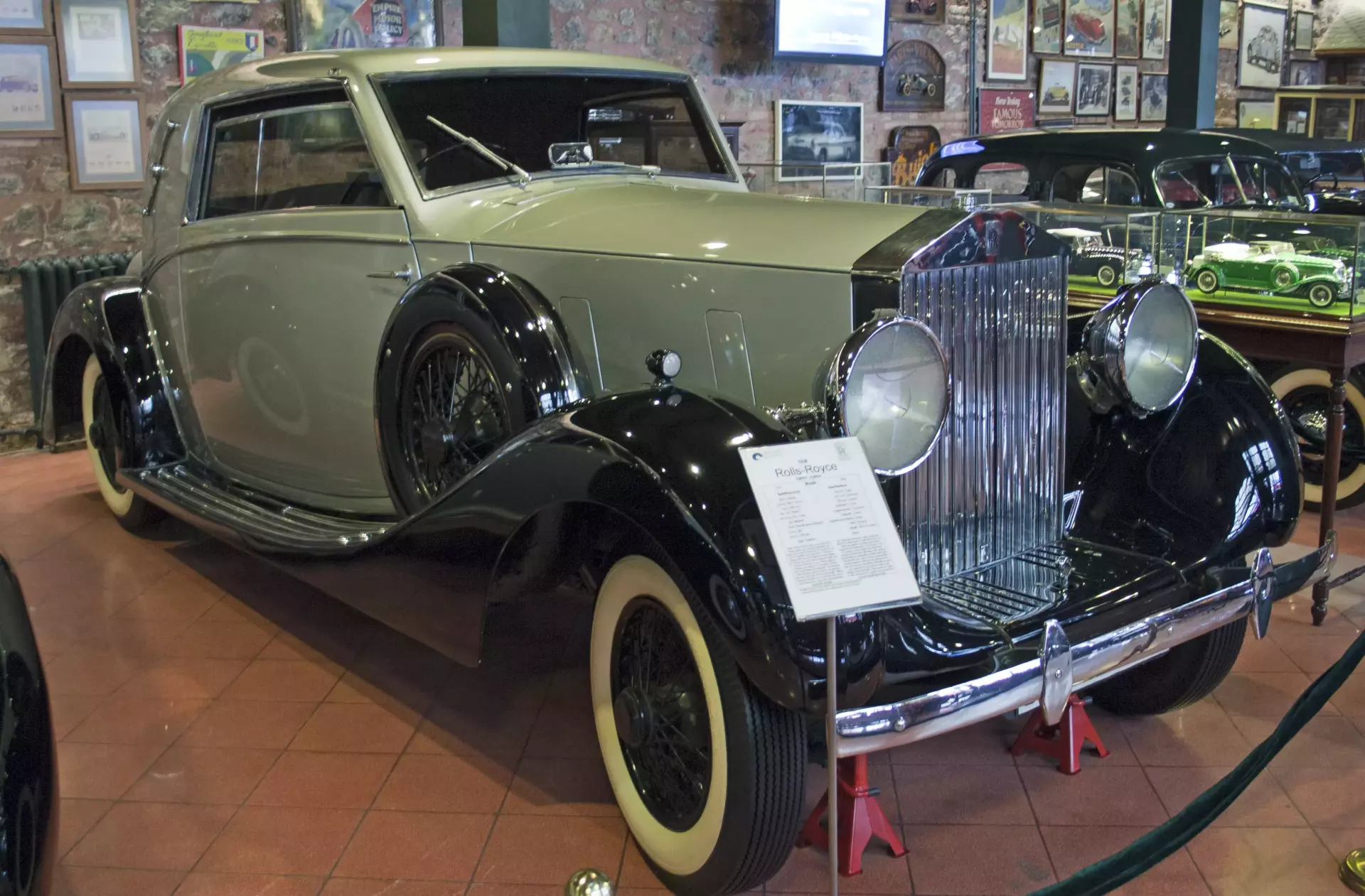
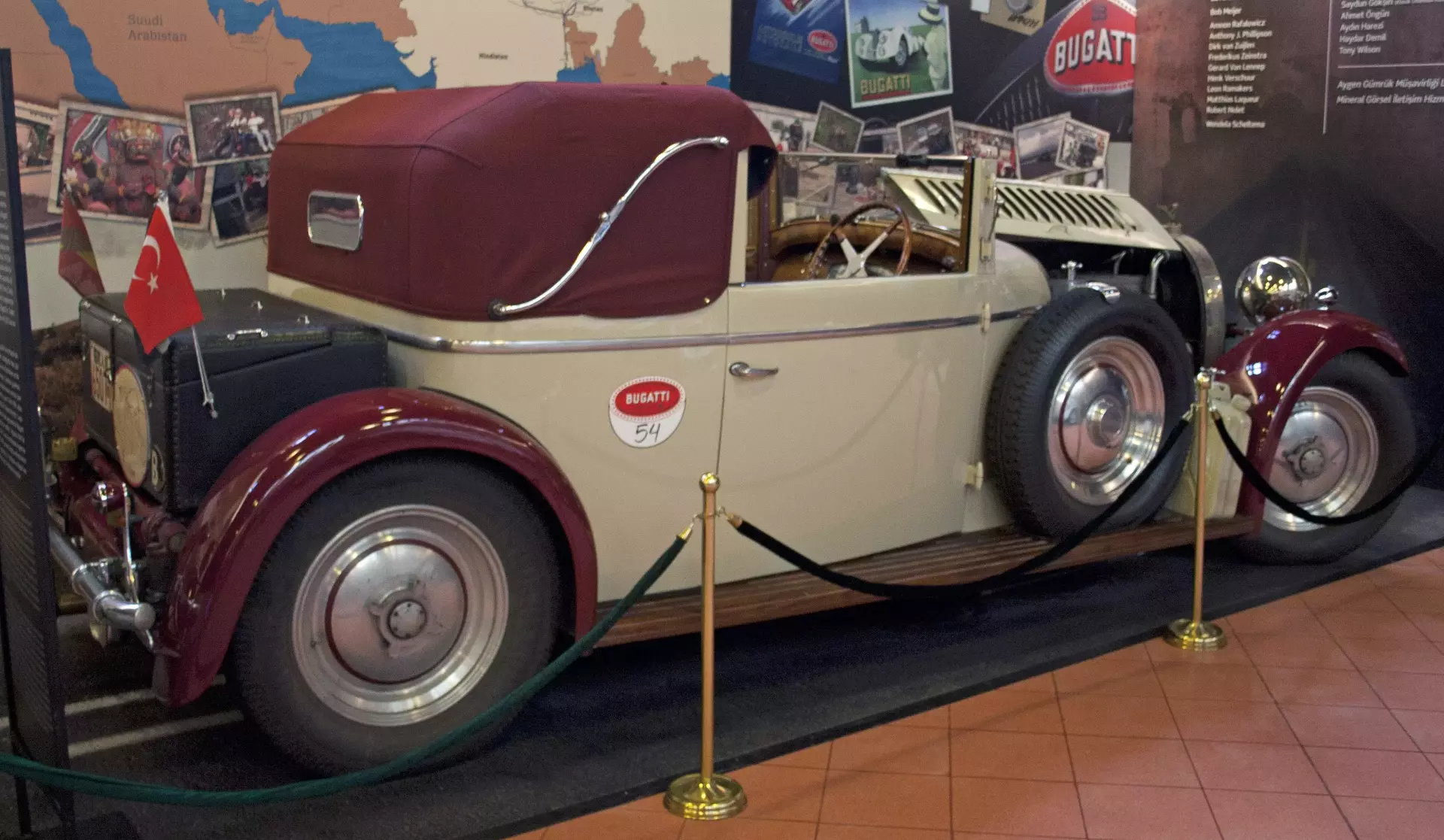
The Rahmi M. Koç Museum offers a fascinating journey through the history of industry and technology. Located along the shores of the Golden Horn, this museum brings together an impressive collection of machines and vehicles that tell the story of progress over time.
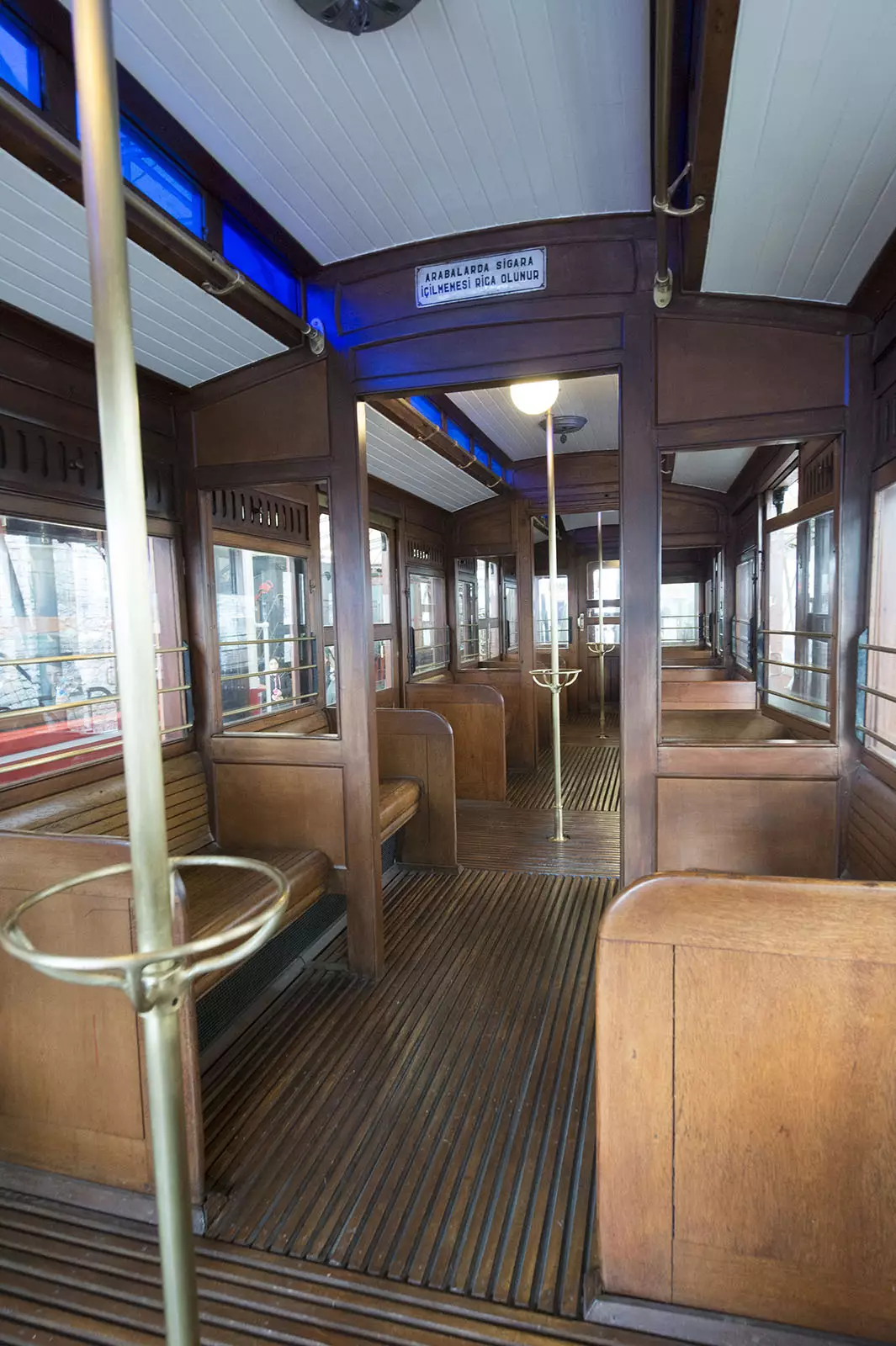
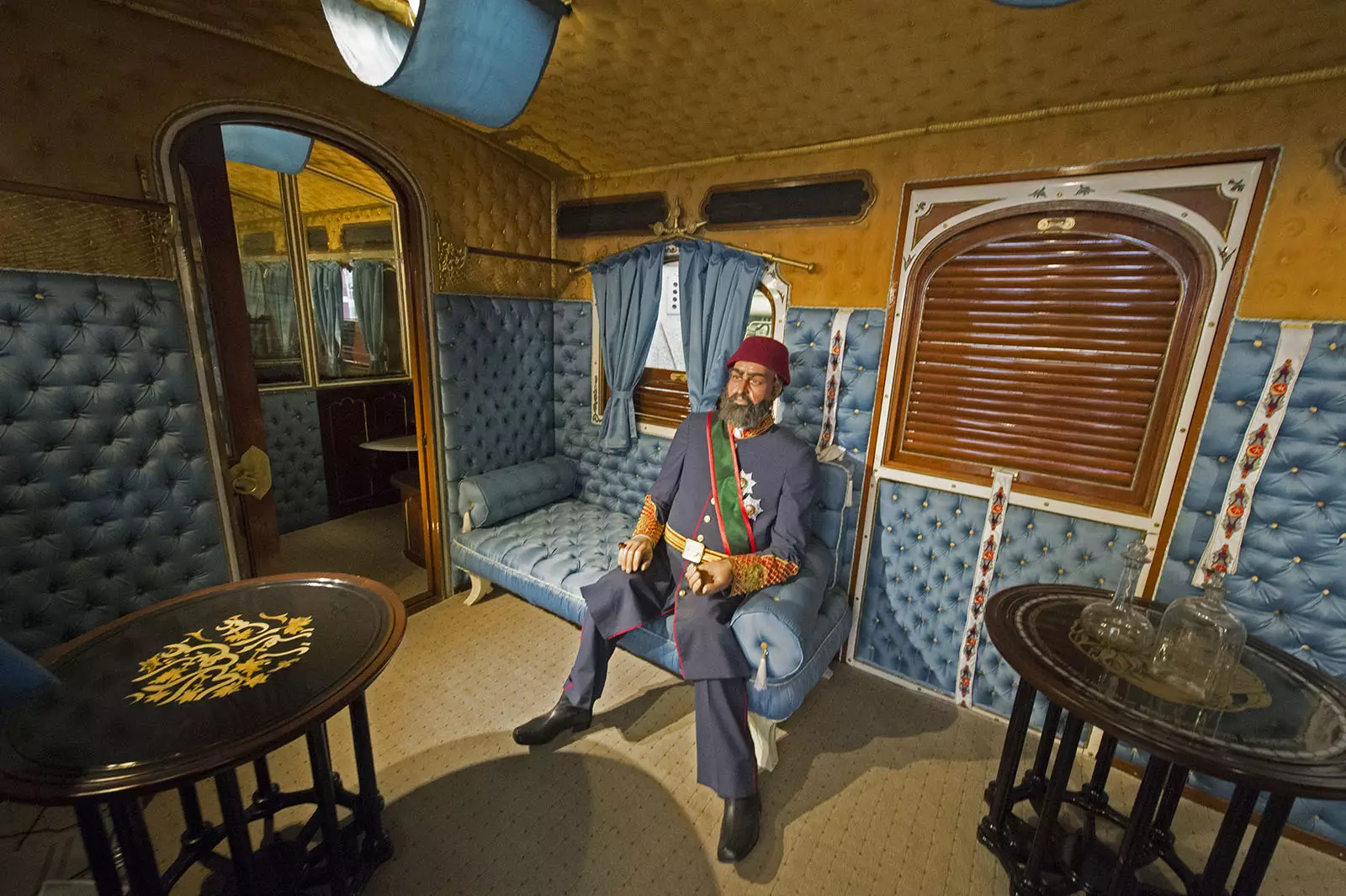
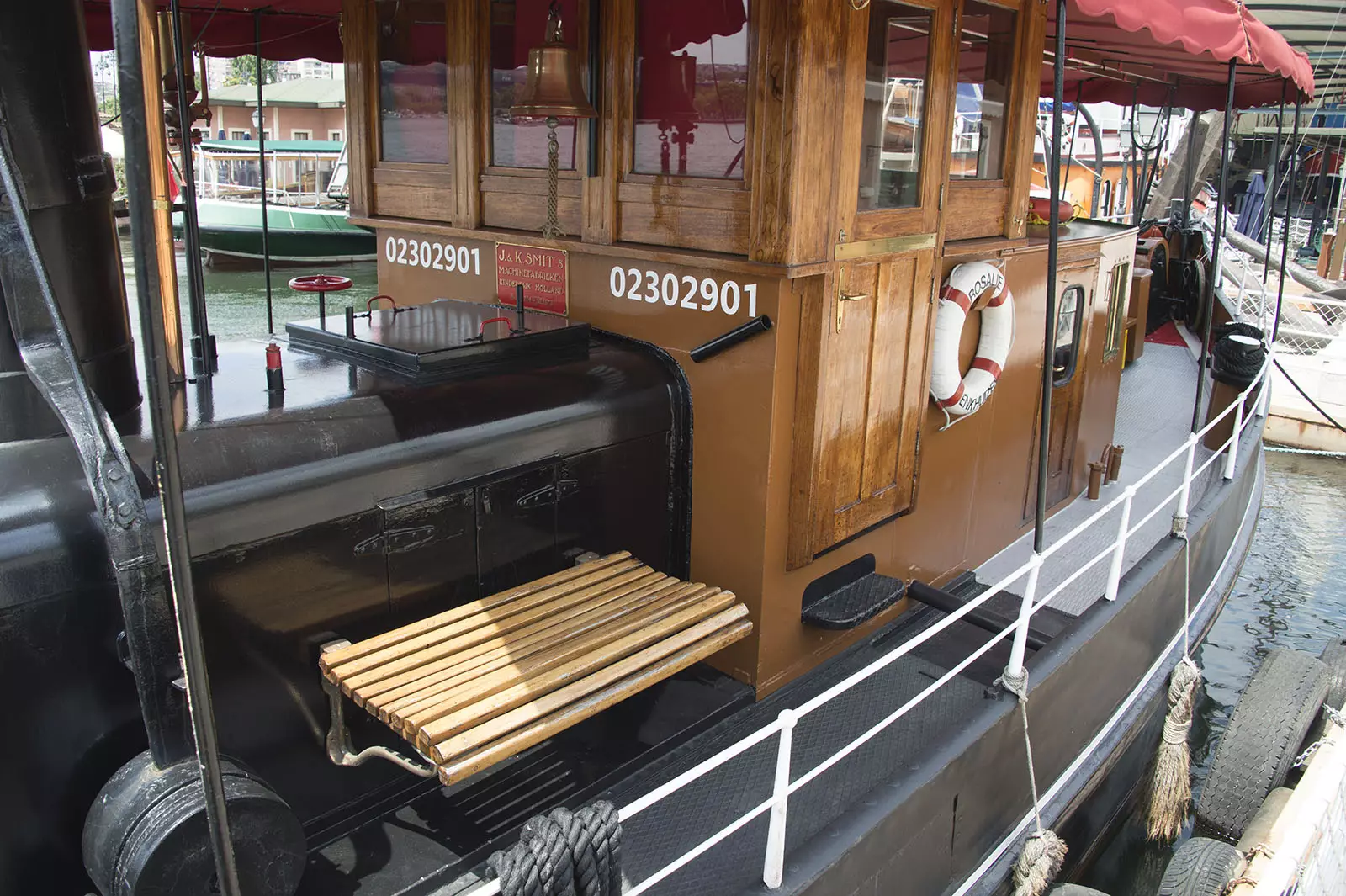
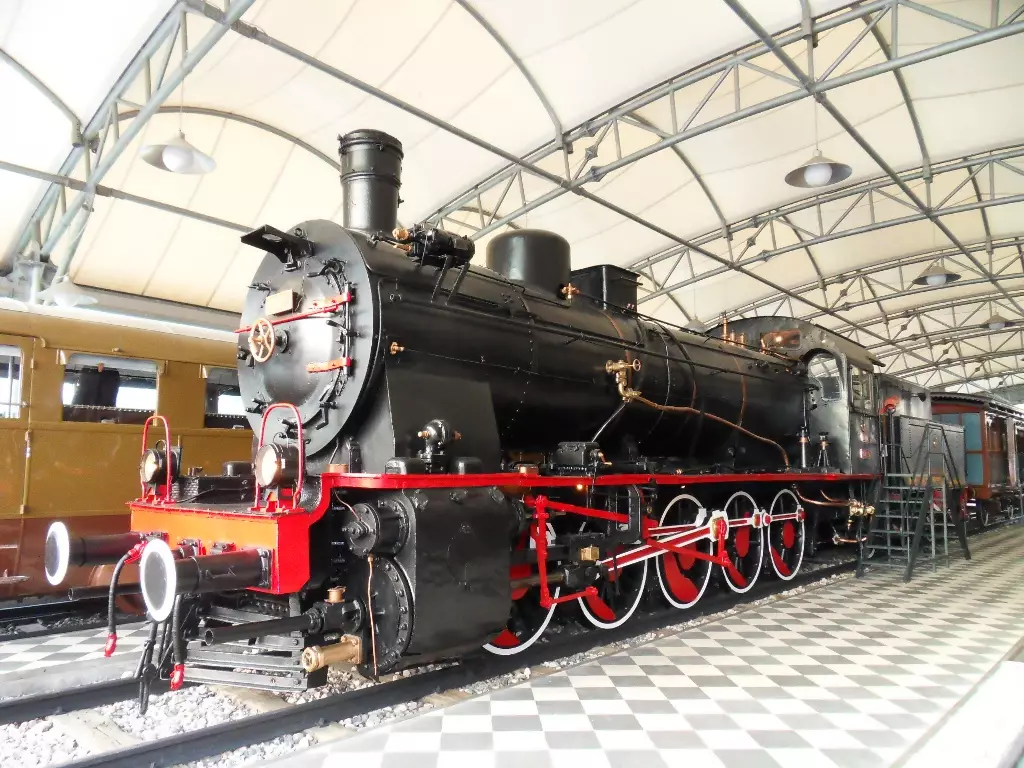
Visitors can discover a wide variety of transport-related exhibits. A real highlight is a full-size submarine, which invites curiosity about life beneath the waves. The museum also features beautifully restored classic cars, each one representing a different era of automotive design. Railway enthusiasts can admire old railway carriages, while those interested in maritime history will be drawn to the retired Bosphorus ferry on display.
Aviation fans have the chance to board a Douglas DC-3 aircraft. Walking through its cabin offers a glimpse into the golden age of air travel and how aviation has evolved over the decades.
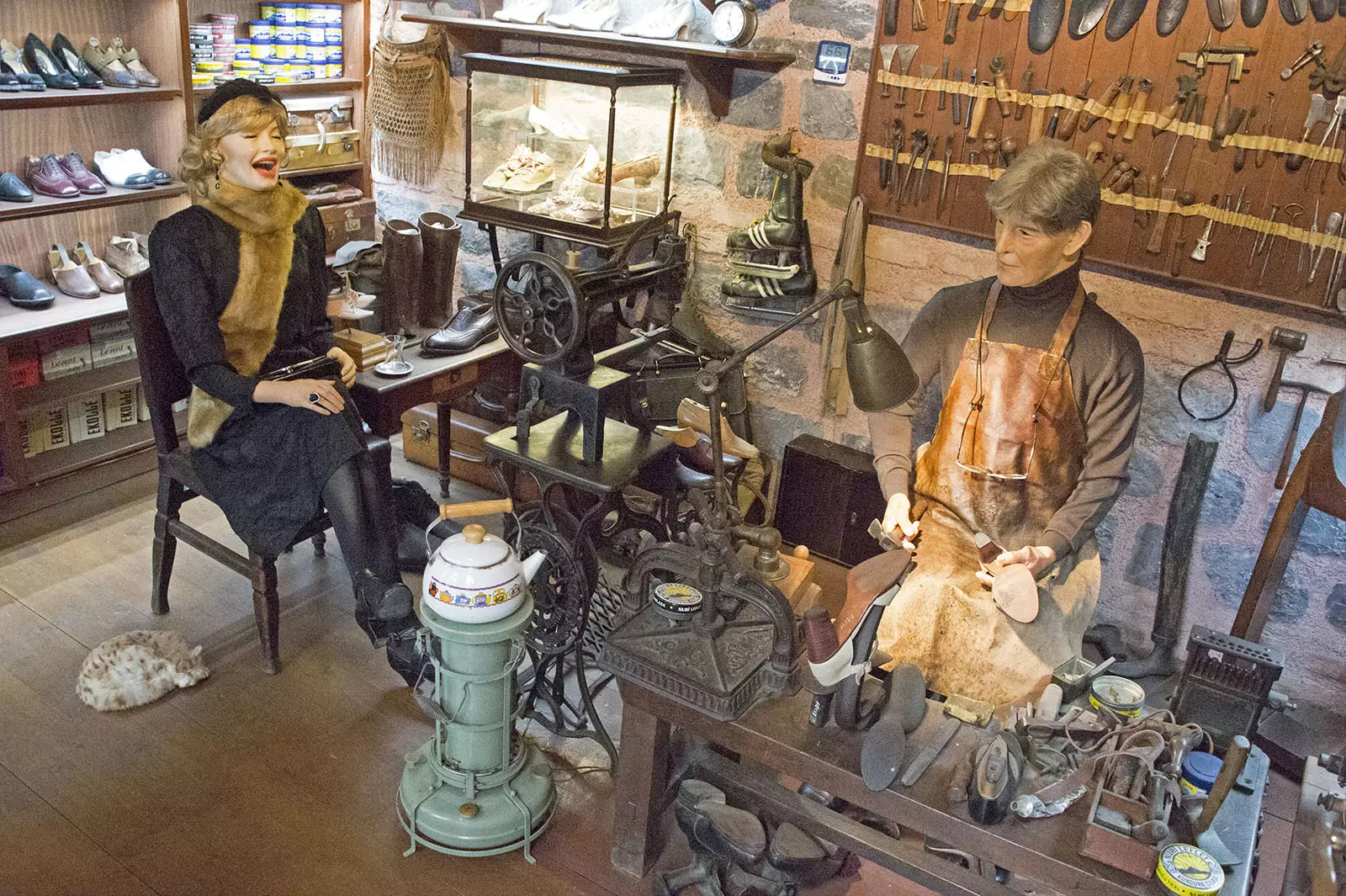
Beyond its collection of vehicles and machines, the museum recreates a typical Istanbul street from the past. Complete with period shops and atmospheric details, this display captures the everyday life and charm of the city as it once was. This immersive streetscape allows visitors to step back in time and experience the sights and sounds of historical Istanbul.
Source - https://en.wikipedia.org/wiki/Rahmi_M._Ko%C3%A7_Museum
The Church of Theotokos Pammakaristos ("All-Blessed Mother of God") was built between the 11th and 12th centuries. The parekklesion or side-chapel was added maybe 1300, with rich mosaics. The main building became a mosque in 1591, named for Sultan Murad III's conquest (fetih, hence Fethiye) of Georgia and Azerbaijan: the interior was opened up, but the chapel was undisturbed and in modern times became a museum. In 2020 the entire building was proclaimed a mosque, and every scrap of Byzantine artistry was covered up, so now there's nothing worth seeing.
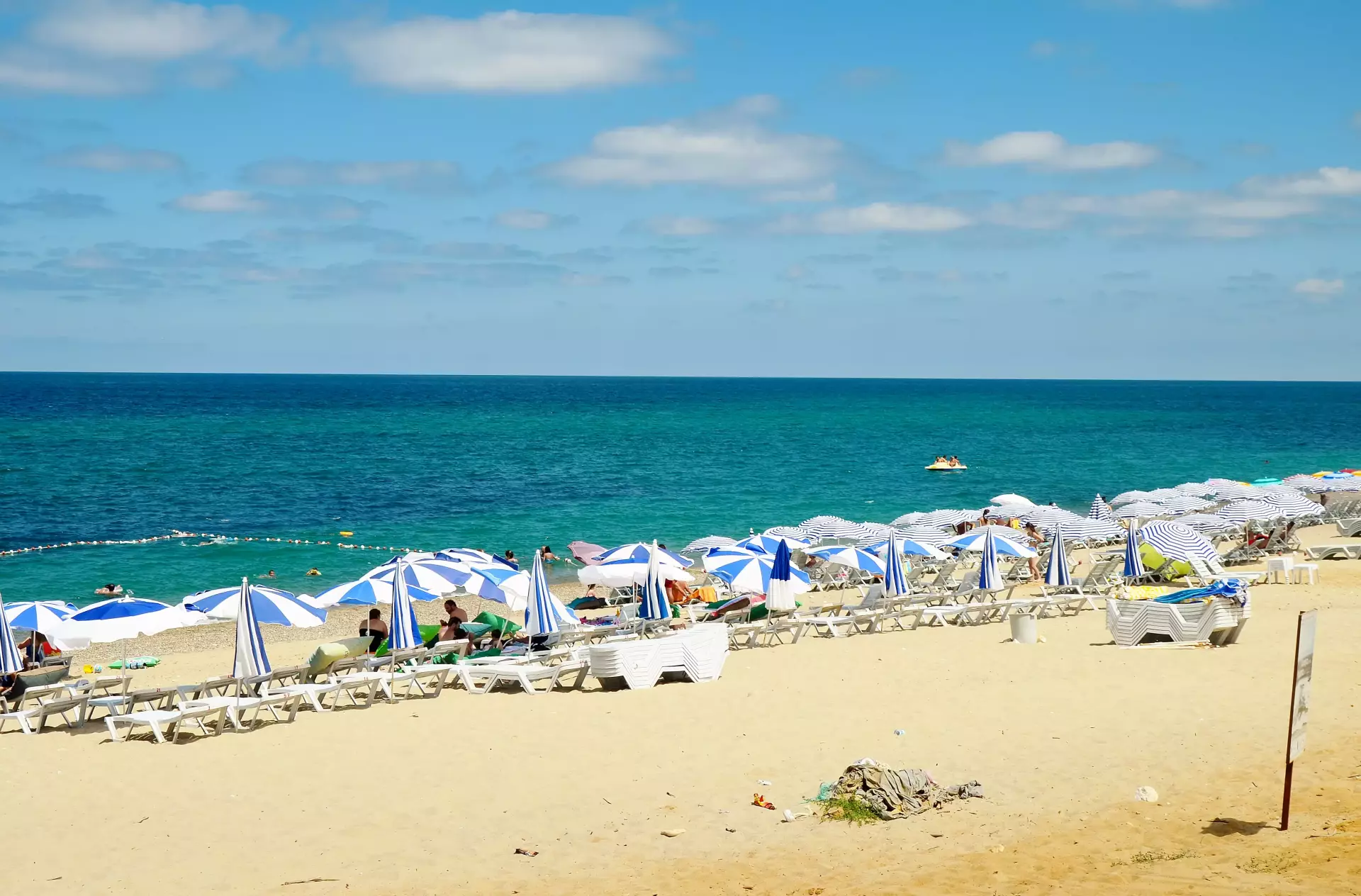
A resort on the Marmara coast. It's the westernmost part of Istanbul, between Çatalca and the province of Tekirdağ. There are some remnants of the Anastasian wall here, the scrappy ruins of a castle, an ancient cistern, the Piri Paşa Mosque, and Uzunköprü the long aqueduct.
A profusion of carpets, rugs, calligraphy, pottery, Qu'rans and other manuscripts. The museum is housed in the Palace of Pargalı Ibrahim Pasha (1495–1536), who was grand vizier to Suleiman the Magnificent, and the best of pals till Suleiman had him murdered.
A village with an impressive citadel overlooking the Bosphorus and its mouth into the Black Sea. By land it's accessible only by a hairpinning road through the forest, with few buses. It's best reached by ferry from Eminönü (twice daily) or Sariyer (frequent). In the village, a road is signposted up to the hilltop Yoros citadel (a little more than 1 km, 20 min on foot, free admission). There's a pleasant area with cafés by the ferry pier; the place gets crowded at weekends during summer. Nasty big dogs stalk the citadel area at night. See Istanbul#The_classic_Bosphorus_cruise.
This is a 1927 Beaux Arts building named after its patron Süreyya İlmen Pasha, then a deputy of Istanbul who was impressed by theatres in Europe during his visits. It became the first opera house in the Asian side of Istanbul, but due to deficiencies in its interior design, it barely staged any opera and was converted to a cinema soon afterwards. It underwent a significant restoration and reverted to its original purpose in 2007, so now houses performances of ballet, opera, and classical music; good tickets are often extremely cheap.
One of the icons of the city is also called the Leander's Tower, on a Bosphorus islet off Salacak. The local myth ascribes its name to a princess, whose father wanted to protect her in this offshore tower from a prophecy that she would be killed by a snakebite on her birthday, but the snake found its way inside a basket of fruits — ironically a birthday present from her father — and you've probably already guessed the rest of the story. In actual timeline, it served as a defensive structure (there was a wall connecting it to the Asian mainland, and the Byzantines used to stretch a chain from here to the European mainland across the mouth of the Bosphorus to shut it to adversary shipping in times of conflict, but they didn't during the final Ottoman siege in 1453), as a customs and quarantine station, as a lighthouse, as a warehouse of various sorts of goods, and as a high-end restaurant before the last restoration finished in 2023 dedicated it as a museum. There is a light show viewable from the mainland every day at 21:00.
On top of a hill overlooking the Golden Horn, this is a magnificent mosque built by Sinan in the 1550s. It was centrepiece of a large külliye, a religious complex which included madrasas, a public kitchen and a hospital.. The small cemetery east has the mausoleums of Suleiman the Magnificent and of his wife Hurrem Sultan or Roxelana.
This is a triple structure: the church of the Monastery of Pantokrator built 1118, then a public church circa 1136 plus a chapel that served as a royal mausoleum. It became a mosque and medresse in Ottoman times, but without massive alteration so it's a prime example of middle-Byzantine architecture. It's nowadays again a mosque, photogenic by day or dusk but the area should be avoided at night.
Opened in 2012, this museum is unique and a must-see when you are in the Beyoğlu area. It was created by Turkish Nobel laureate Orhan Pamuk alongside a novel of the same name. It tells the love story of the two main characters from the novel, and represents life in Istanbul during the late 1970s to early 1980s, as it exhibits thousands of objects from that era.
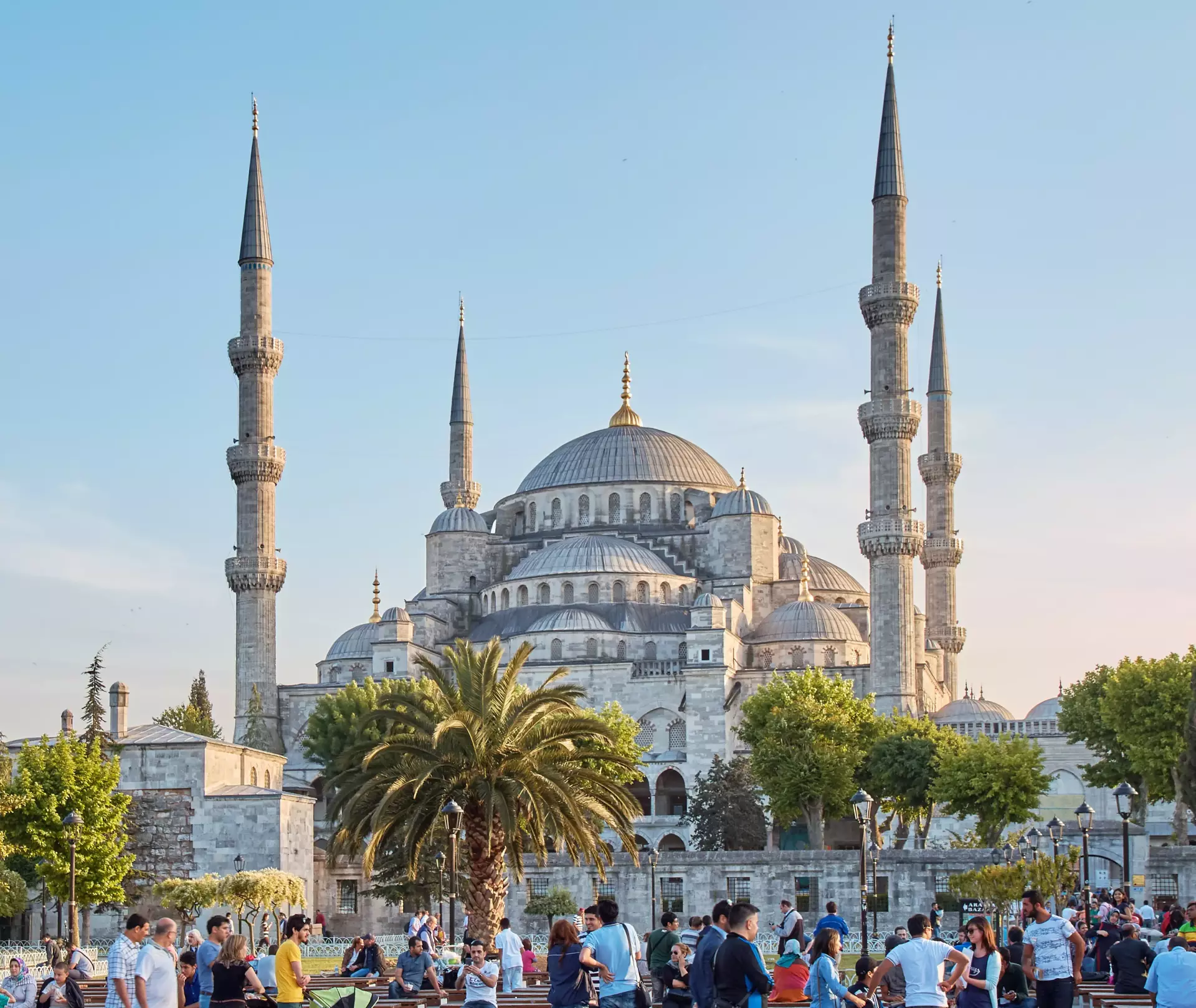
The defining image of Istanbul, dominating the skyline with its great dome and six minarets. Completed in 1617 for Sultan Ahmed I, it's still a working mosque, so dress appropriately and avoid prayer times. Enter via the courtyard on the SW side. You step (shoeless) into the blue-tiled prayer hall beneath the main dome and its semi-domes. The mihrab is of finely carved marble, well-lit, and the minbar (pulpit) next to it is visible from almost all parts.
This lavish palace with 285 rooms and 43 halls was the admin centre for the Ottoman Empire in its last 60 years. The palace government block (Selamlık) includes the Imperial Mabeyn (State Apartments) and Muayede Hall (Ceremonial Hall), while the Imperial Harem was the sultan's private quarters. Also here are the Painting Gallery, Music Museum, Clock Museum and Museum of Palace Collections. Free audio guide in several languages available by the ticket office. No photography inside, no backpacks but you can leave them in the cloakroom. Allow 3 hours to see everything.
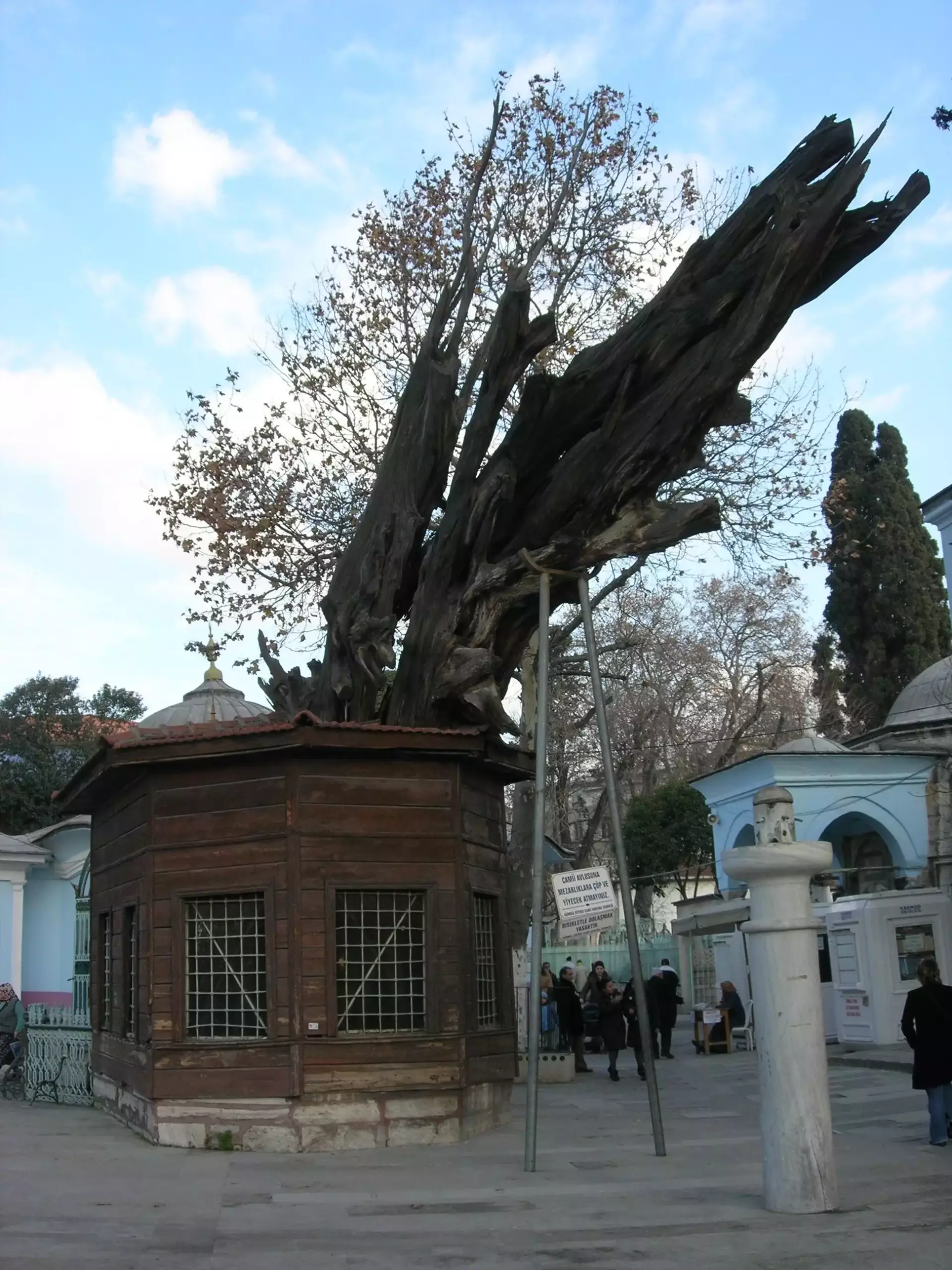
Built in the early 5th century as a monastery dedicated to Saint Andrew the Apostle, in 766 it was the burial place of Saint Andrew of Crete and was later re-dedicated to him. It was rebuilt in the late 9th century and again in the 13th, then around 1490 converted into a mosque. From the 16th century it was occupied by the Dervishes, when the legend arose that a chain hung to a cypress tree in the courtyard was a truth diviner. The chain was swung between rival witnesses and the one it hit was telling the truth. The cypress stump is still standing.
The Golden Gate was the ceremonial entrance through the Theodosian city walls. After the Ottomans captured the city in 1453, Mehmed II needed a stronghold for his treasures and documents. The gate was therefore bricked up and the walls reinforced into a fortress, with valuables stored in its seven towers, hence yedi kule. In the following century the treasury moved to Topkapi Palace and the fort became a prison for high-level detainees - Osman II was strangled here in 1622. It remained in use until 1837, whereupon the Golden Gate was re-opened.
A private museum with a large painting collection and archaeological collections of measurement units and tools used in Asia Minor since antiquity and faiences of Kütahya.
This was built in the 1430s by Grecian Jews ("Romaniotes") from the city of Ohrid, now in North Macedonia. The district of Balat was a Jewish quarter, swelled from 1492 by those expelled from Spain. The synagogue is only open for pre-arranged tours.
A charming domed church built in 1880 at the side of Taksim Square, now uneasily contesting with Taksim Mosque for being the main landmark of the southern edge of the square.
Among the exhibition of this museum are five thousand pieces from the Ottoman era through WWII, with the most prominent piece possibly being the huge chain that the Byzantines stretched across the mouth of the Golden Horn to keep out the Sultan's navy in 1453 during the siege of Constantinople. In the yard of the museum, the Janissary Band (Mehter Takımı), the world’s oldest military band gives concerts of march music in traditional uniforms each afternoon, at 15:00.
Turkey was slow to protect its antiquities and to display them properly, but in 1867 Sultan Abdülaziz toured the museums of Paris, London and Vienna and saw what was needed. The main collection is in a grand neo-classical building of 1891, with two annexes for ancient art and Islamic art. Exhibits include Sumerian tablets, pieces of the wall of Babylon, Roman statues, and the sarcophagus of Alexander the Great, which he never lay in.
Built 1748-55, this launched the style we call Ottoman Baroque, with its grand central dome and pencil-thin minarets. It was copied throughout their empire and is replicated in new mosques even today. The name means "light of the Ottomans," and the interior uses light powdery decor, bathed with much more natural light than its gloomier classical predecessors. The complex also has a madrasa and the imaret (public soup kitchen).