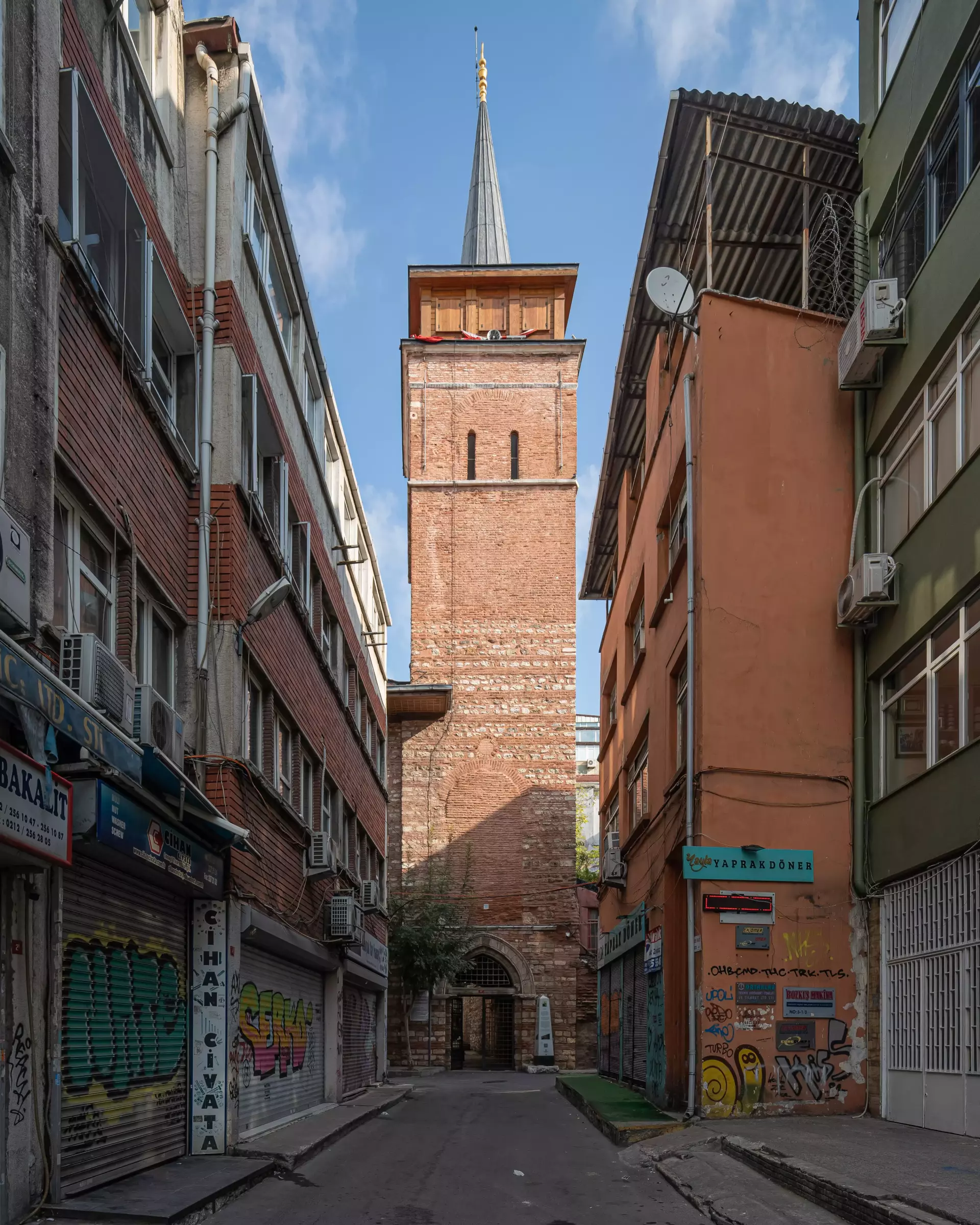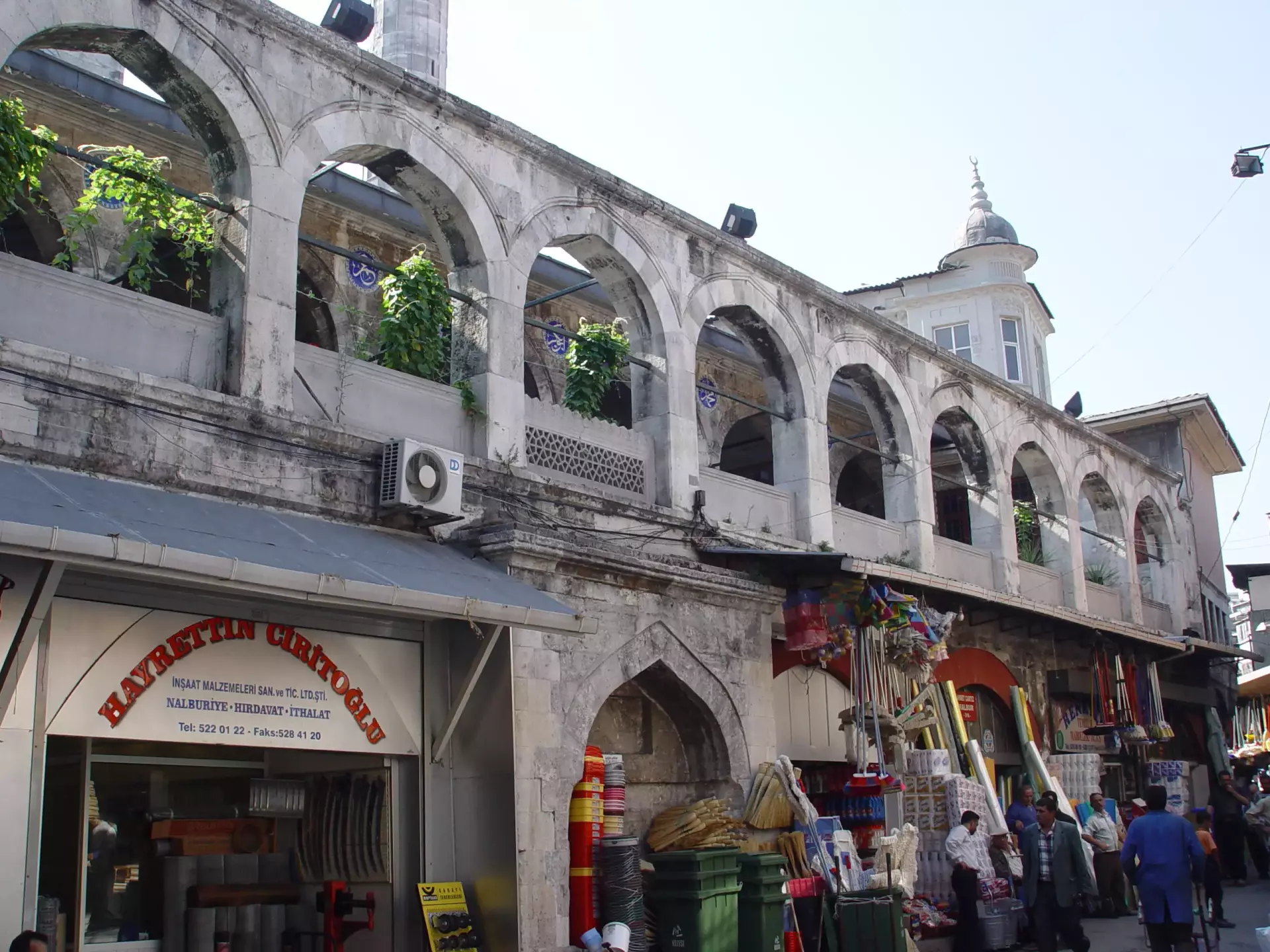
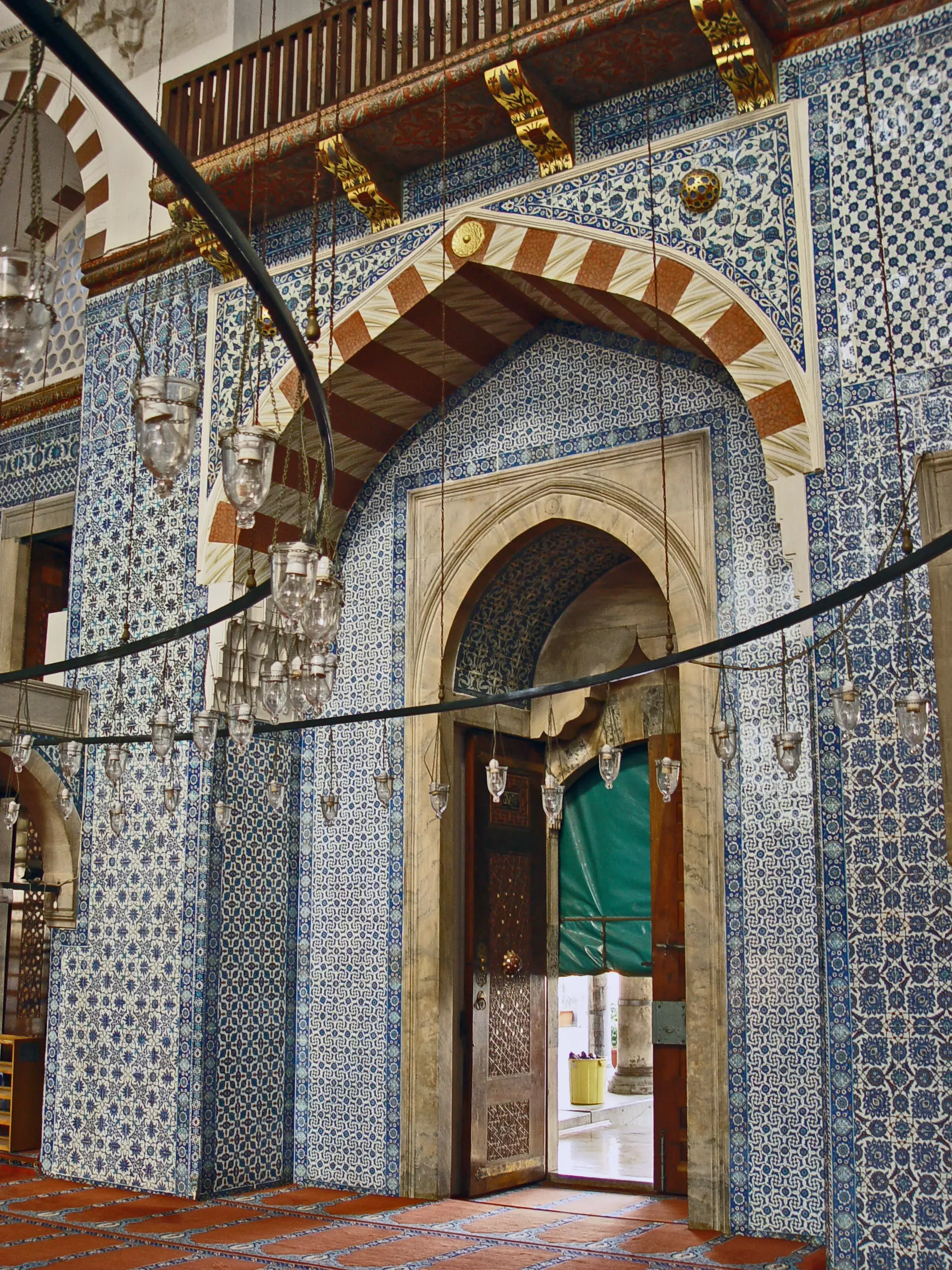
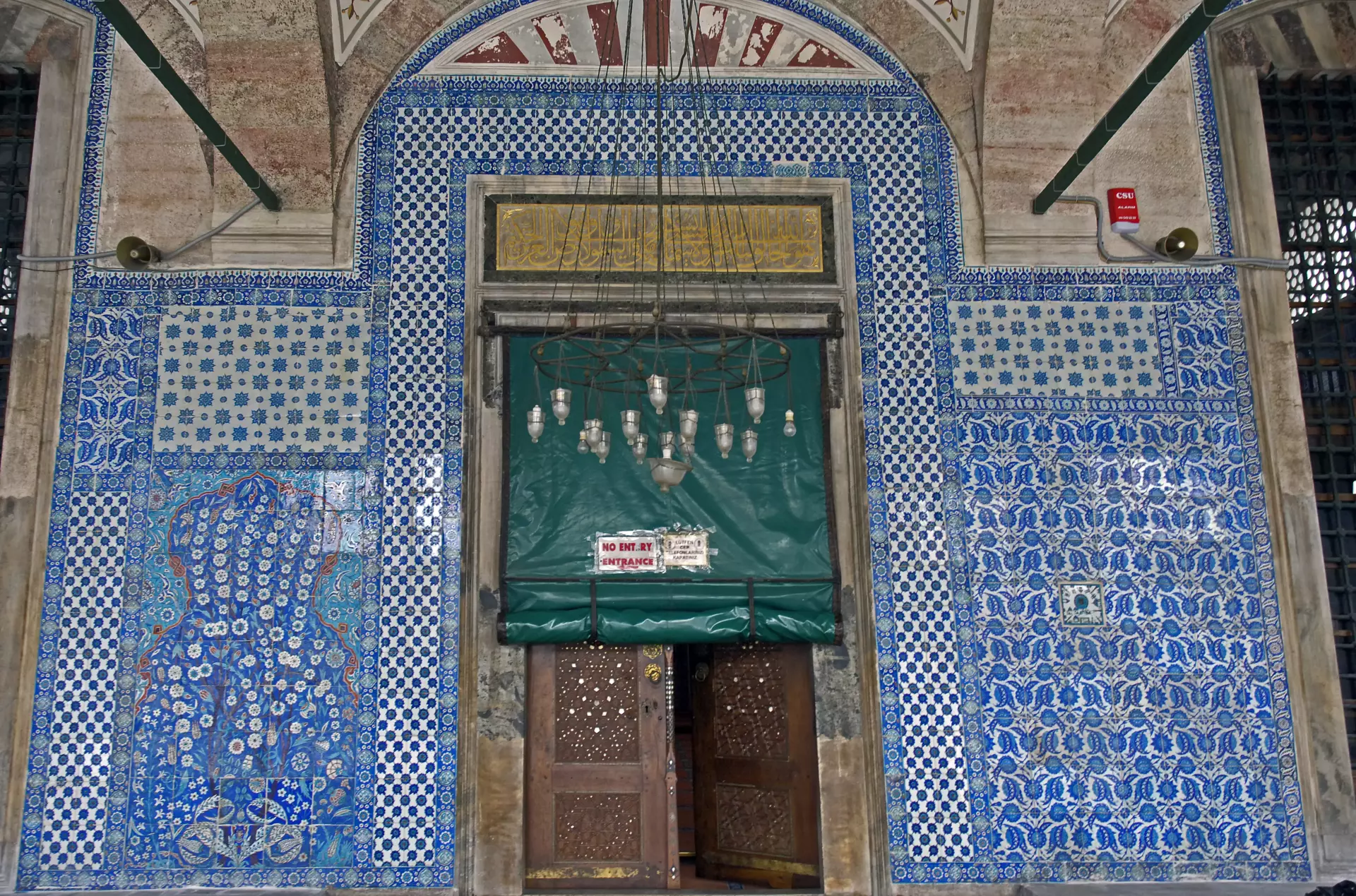
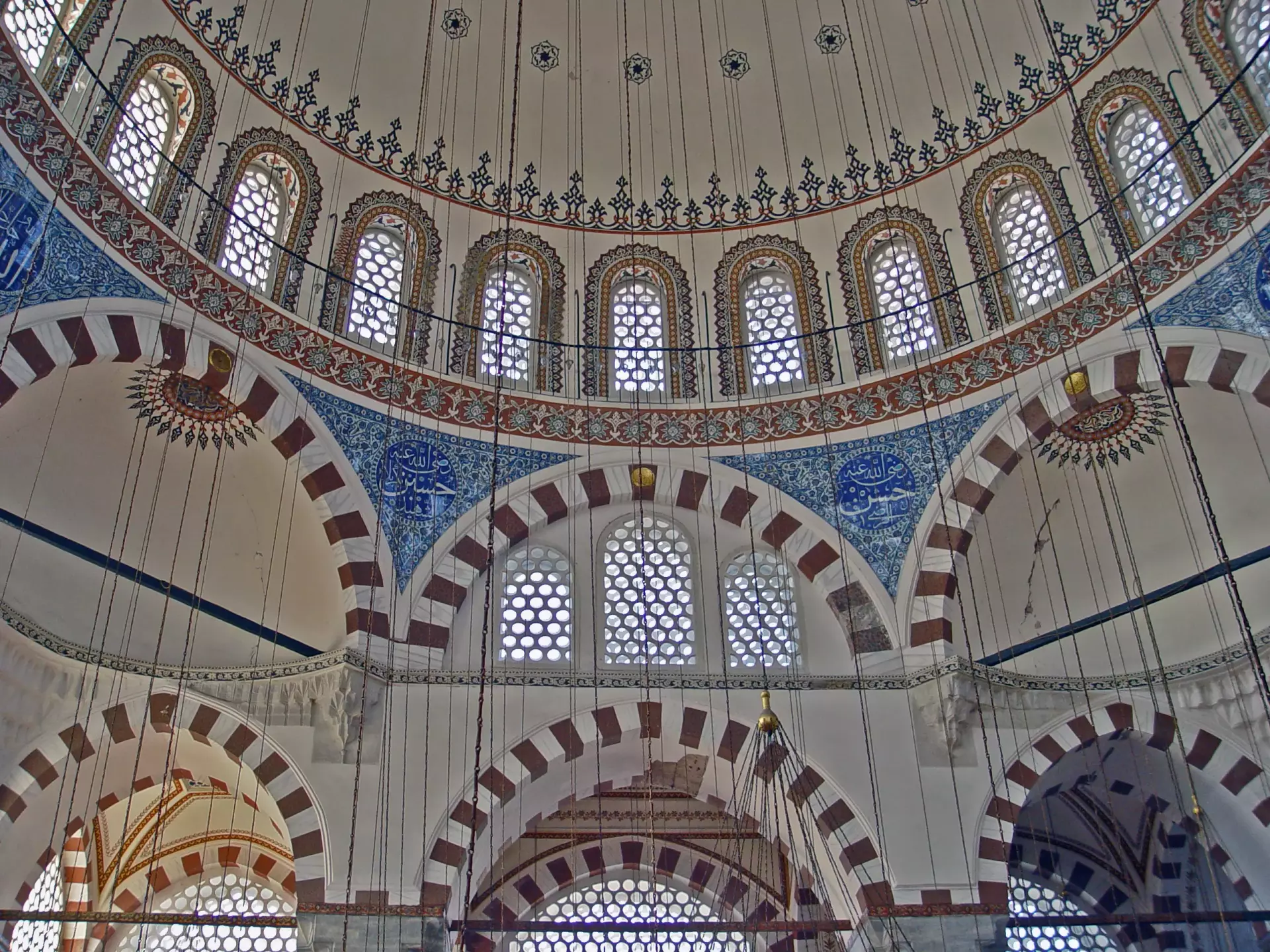
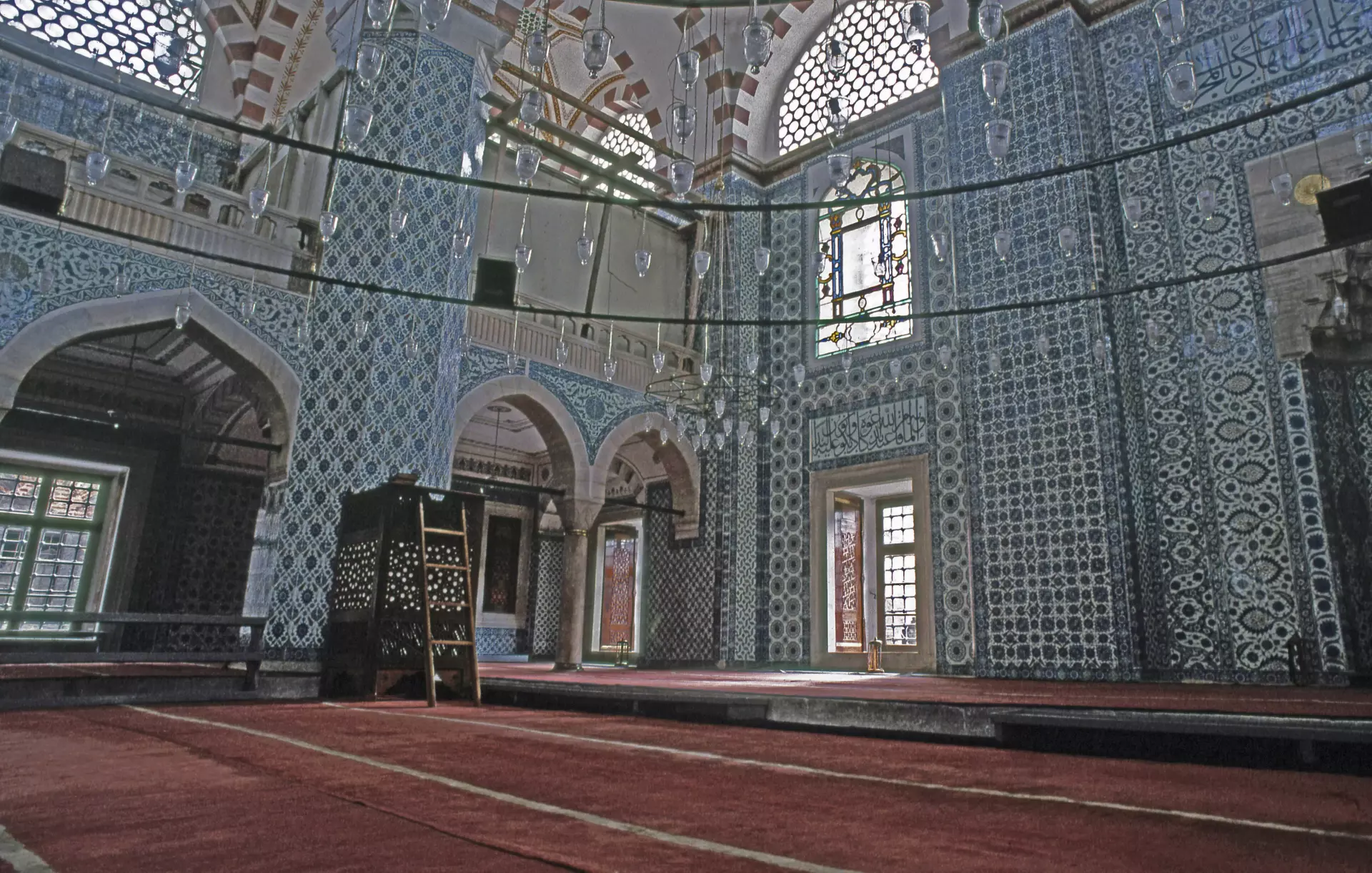
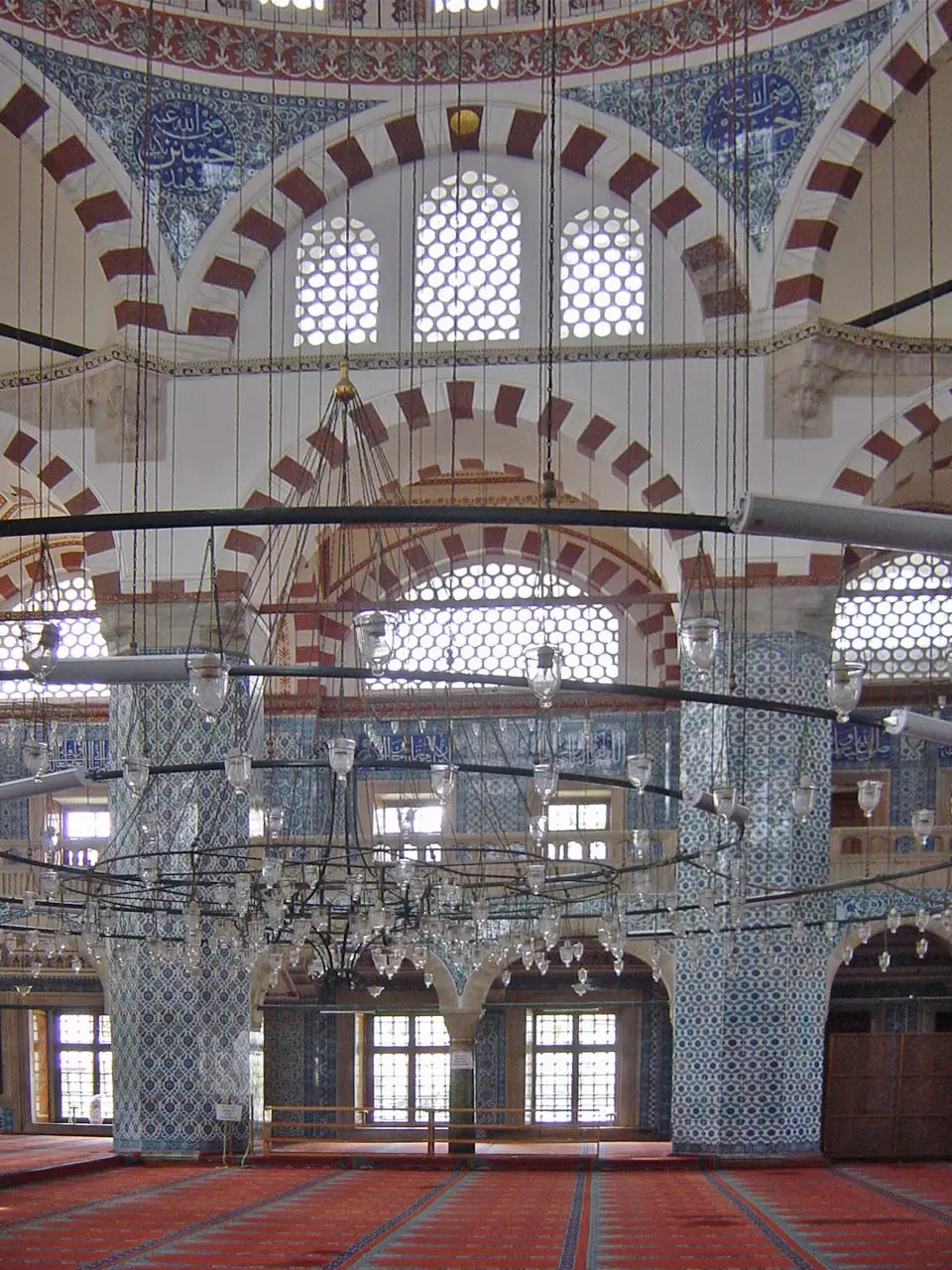
Rüstem Pasha Mosque was completed in 1564 by the famous Ottoman architect Mimar Sinan. The mosque was commissioned by Rüstem Pasha, who served as Grand Vizier to Sultan Suleiman the Magnificent. Though modest in size compared to some of Istanbul’s other imperial mosques, it stands out for its intricate and colorful decoration.
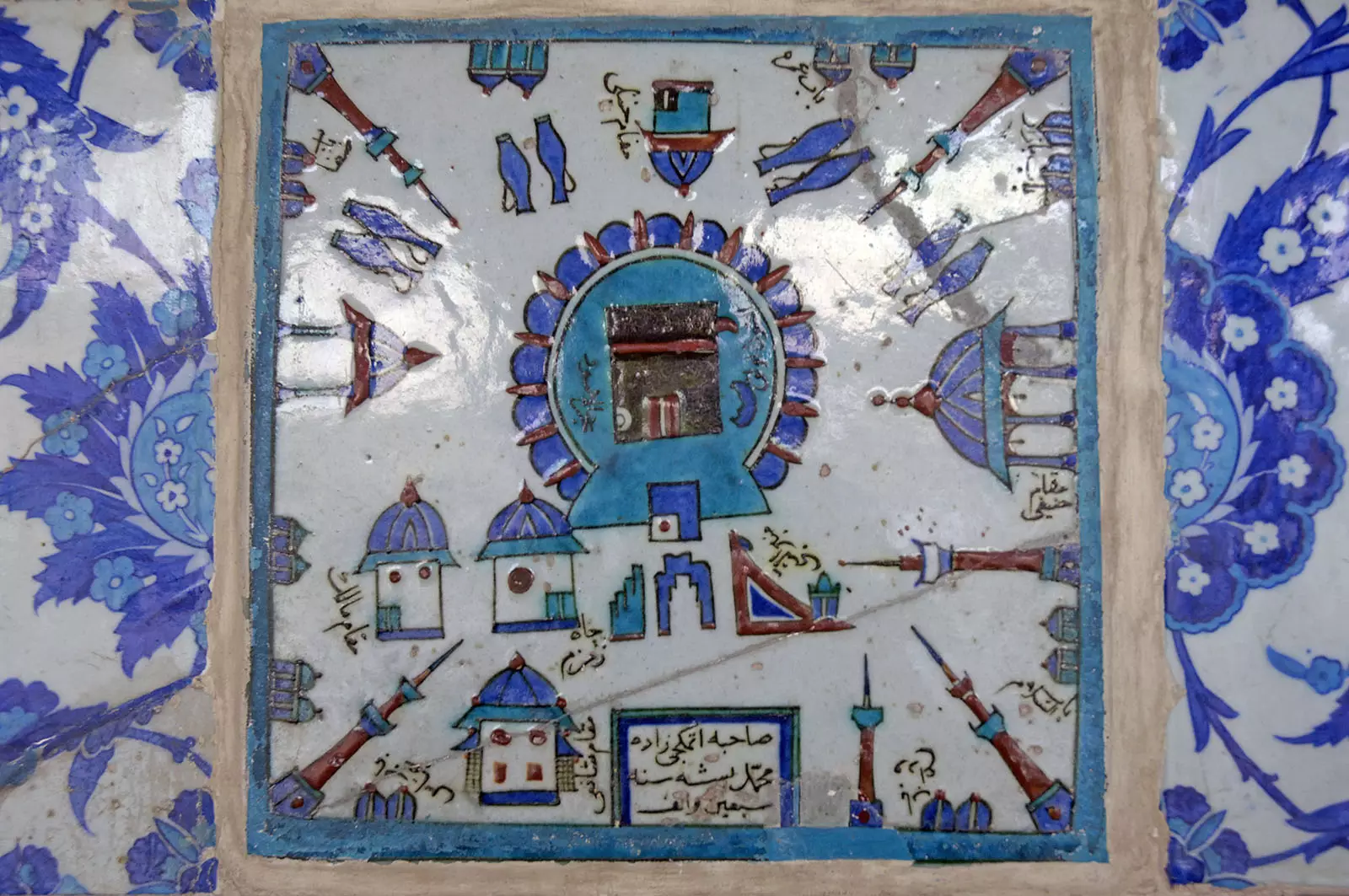
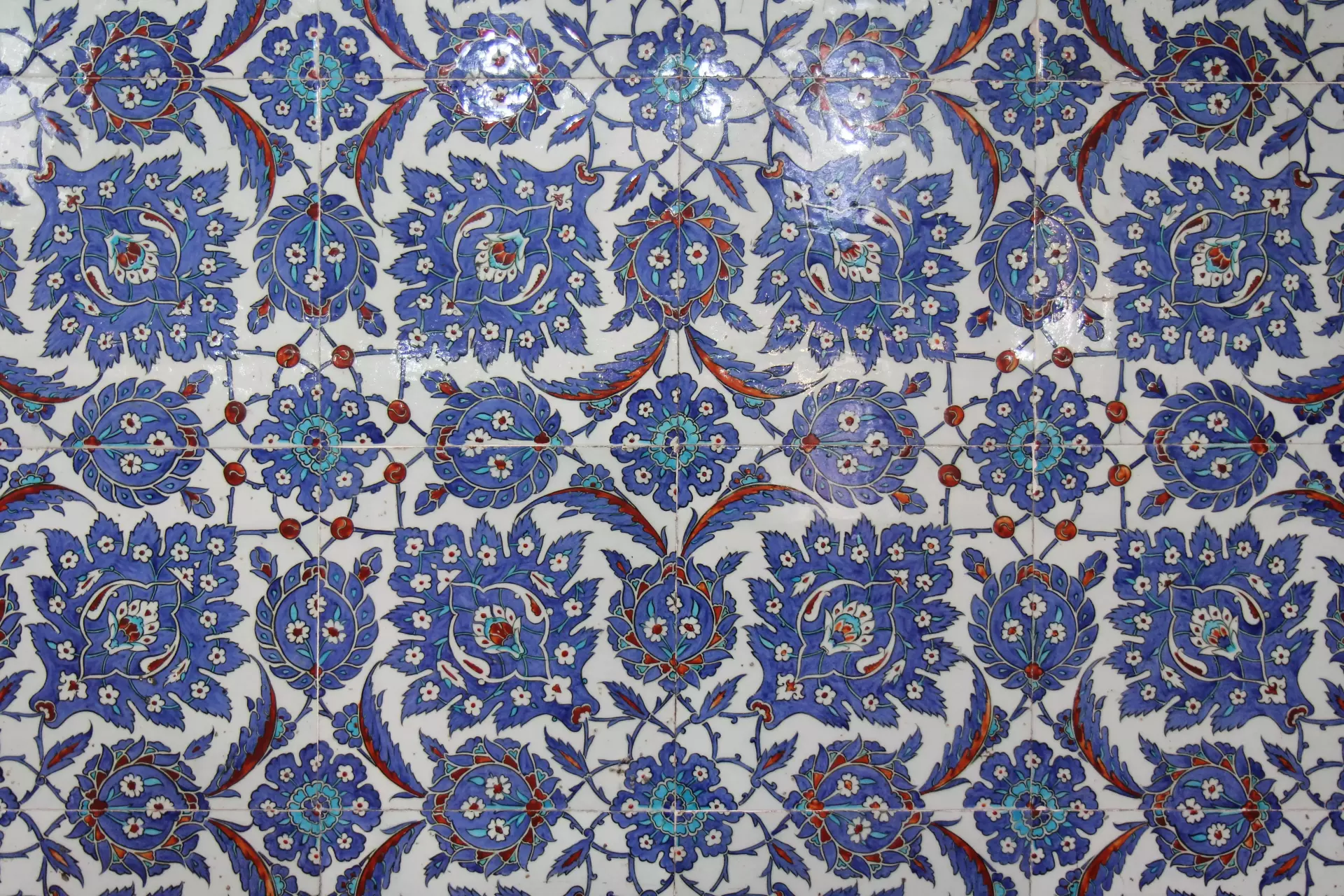
The interior of Rüstem Pasha Mosque is famous for its stunning Iznik tiles, which cover the walls, columns, and mihrab. These tiles, made during the golden age of Iznik pottery, feature vibrant blues, reds, and greens arranged in floral and geometric patterns. The craftsmanship and artistry reflect the peak of Ottoman ceramic art, making the mosque a remarkable example of the period’s architectural and decorative skill.
Source - https://en.wikipedia.org/wiki/R%C3%BCstem_Pasha_Mosque
Built in the early 5th century as a monastery dedicated to Saint Andrew the Apostle, in 766 it was the burial place of Saint Andrew of Crete and was later re-dedicated to him. It was rebuilt in the late 9th century and again in the 13th, then around 1490 converted into a mosque. From the 16th century it was occupied by the Dervishes, when the legend arose that a chain hung to a cypress tree in the courtyard was a truth diviner. The chain was swung between rival witnesses and the one it hit was telling the truth. The cypress stump is still standing.
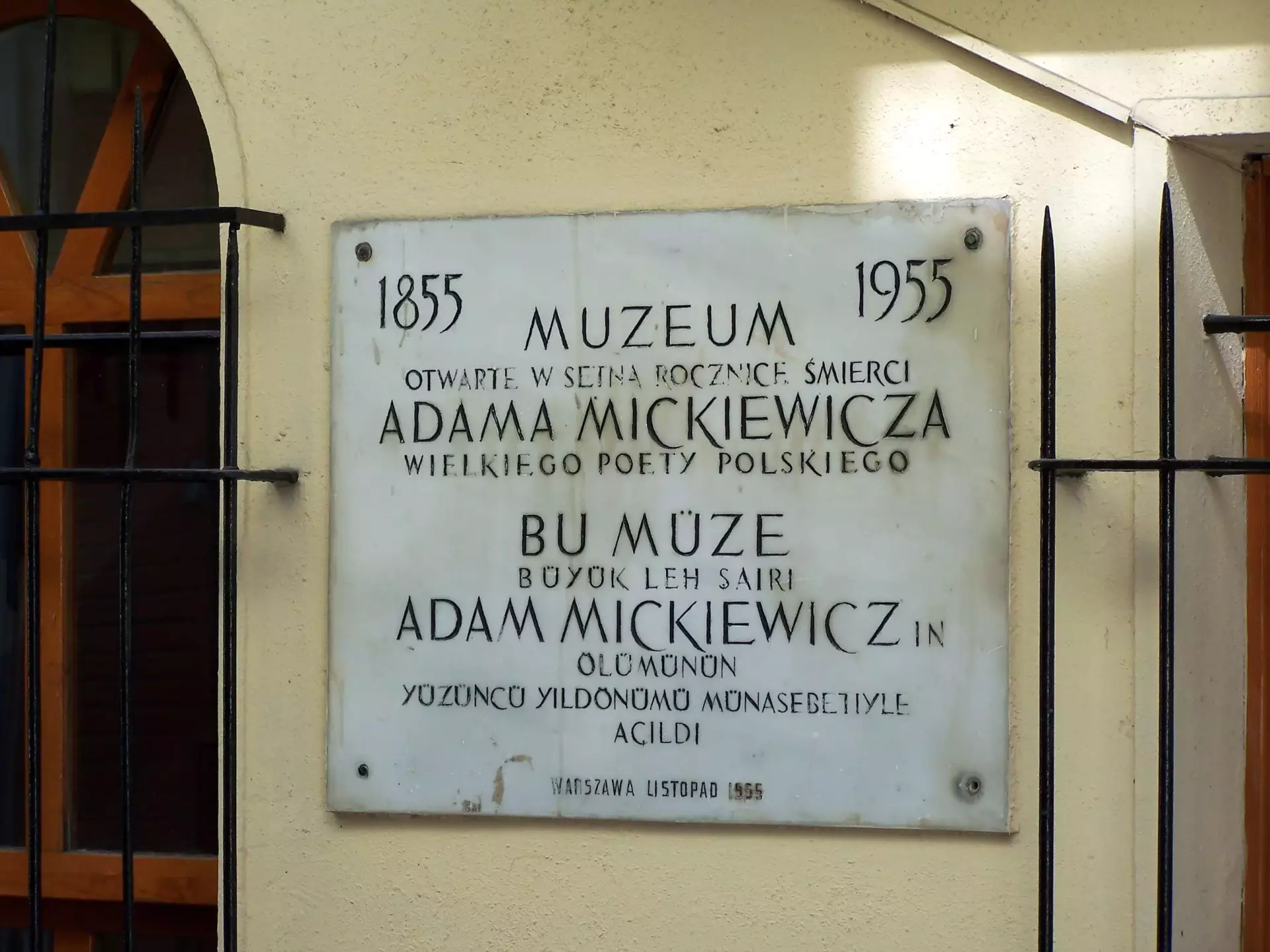
A historic house museum dedicated to the life of Adam Mickiewicz, renowned Polish poet. This is where he lived while in Turkey from September 1855 to 26 November 1855, when he died of illness.
Completed in 1851, this houses a mantle said to have been worn by the prophet Muhammad. The mantle is displayed during Ramadan.
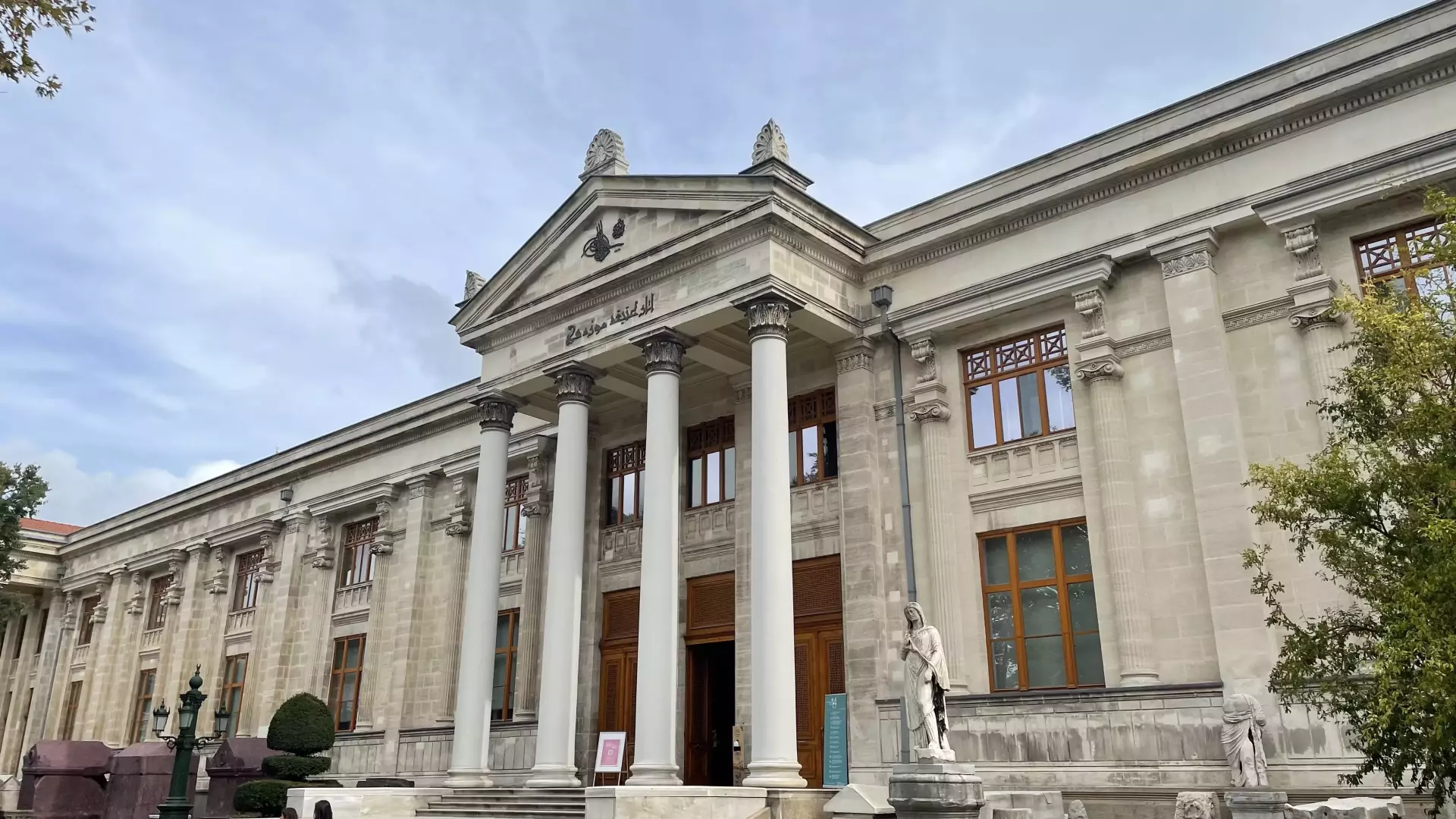
Among the exhibition of this museum are five thousand pieces from the Ottoman era through WWII, with the most prominent piece possibly being the huge chain that the Byzantines stretched across the mouth of the Golden Horn to keep out the Sultan's navy in 1453 during the siege of Constantinople. In the yard of the museum, the Janissary Band (Mehter Takımı), the world’s oldest military band gives concerts of march music in traditional uniforms each afternoon, at 15:00.
Started in 1613 by the Ottoman sultan Ahmet I (r. 1603–1617, who also had the Blue Mosque in the Old City built), and extensively renovated by the art-loving Selim III (r. 1789–1807), this sole building, which itself has the distinction of being the only intact structure that dates back to the rule of Ahmet III (r. 1703–1730), set inside a beautiful garden of pools and mature cedar and magnolia trees is the only remaining part of what was once the fourth largest palatial complex in Istanbul, extending all the way to the banks of the Golden Horn (which is now occupied by the derelict buildings of the closed shipyard, which also block part of the view towards the shore). According to the local rumour, its name (which in Turkish means "mirrored poplar") derives from the now absent mirrors gifted by Venice to the palace that were presumably "as tall as the poplars" (aynalar kavak). The highly decorative and colourful interior includes several rooms of original furnitures fit for a sultan, some of which are covered with nacre, and walls embellished with Ottoman poems praising the palace and Selim III. Downstairs is a small museum dedicated to music, which exhibit some of the instruments (violins, ouds, and kamanchehs) and gramophone records owned by Fatma Gevheri Sultana (1904–1980), the granddaughter of Abdülaziz I (r. 1861–1876). While you are outside, also check out the old main entrance (now closed) towards the Golden Horn, topped by a dome. Worth the half hour spent there.
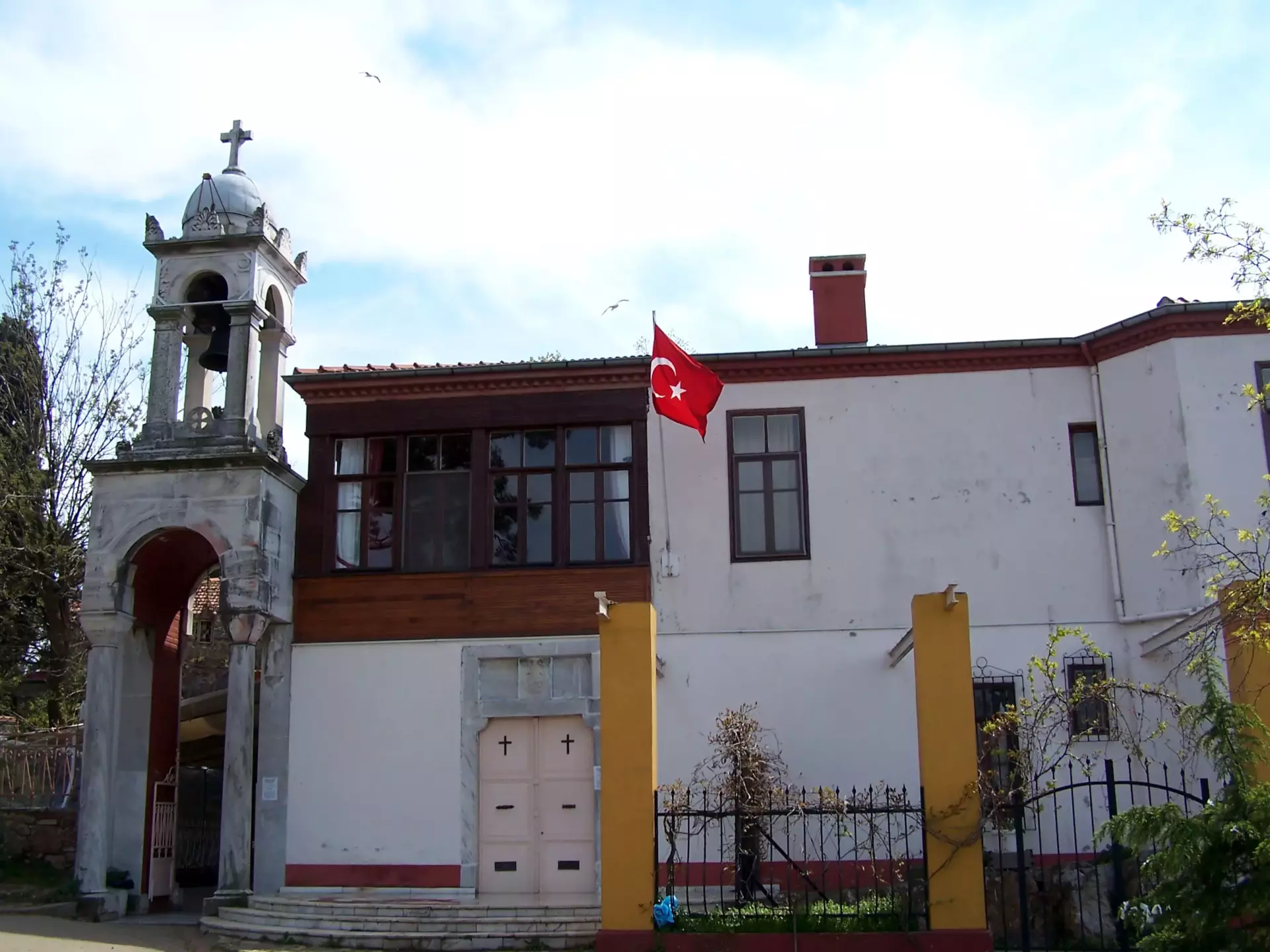
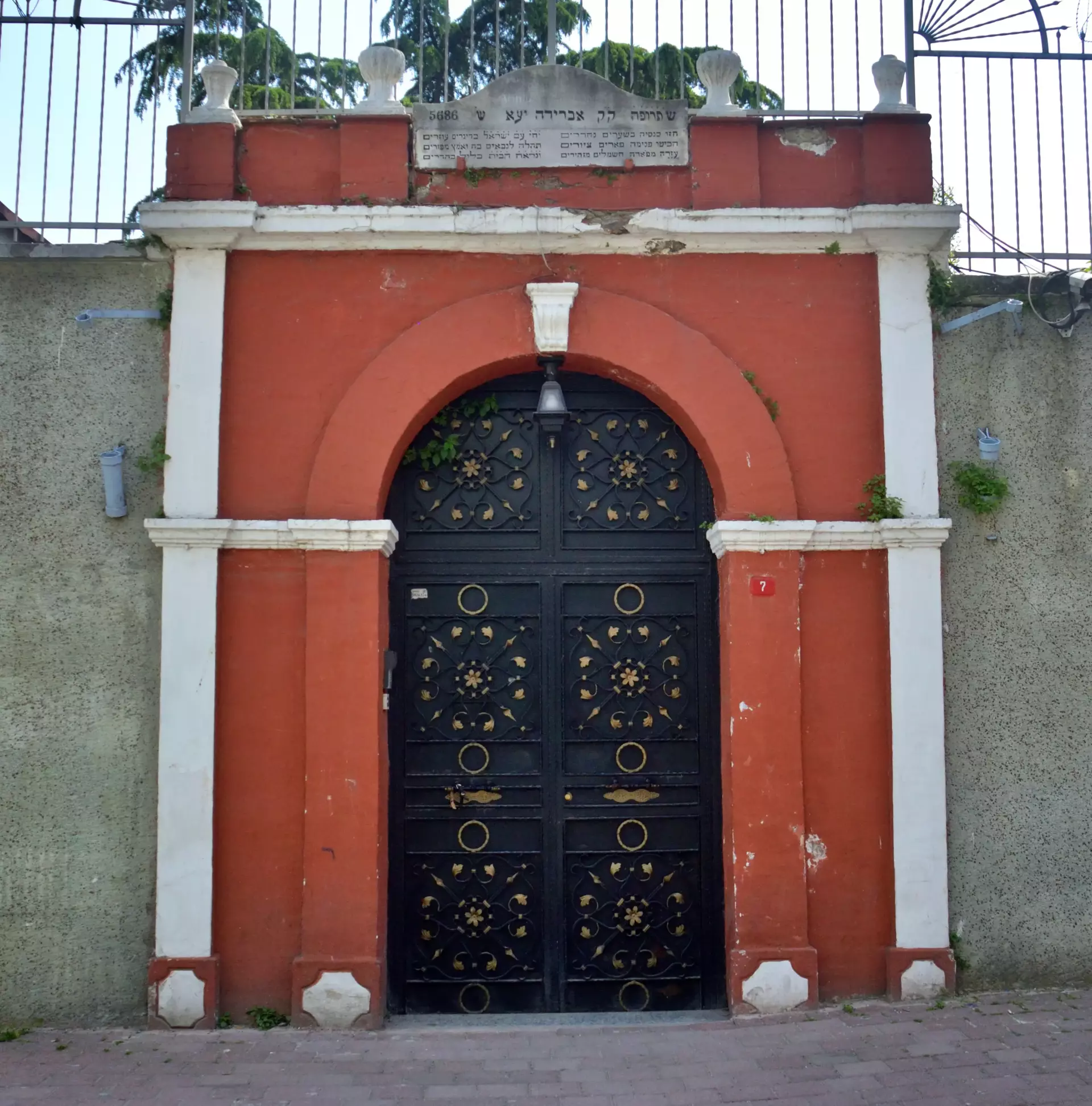
This attractive neighbourhood was home to a large Christian and Jewish population until some decades ago and still has a number of sights like two synagogues, some churches among which the Armenian Surp Krikor Lusavoriç, dozens of wooden houses and a Jewish and Christian cemetery.
The Golden Gate was the ceremonial entrance through the Theodosian city walls. After the Ottomans captured the city in 1453, Mehmed II needed a stronghold for his treasures and documents. The gate was therefore bricked up and the walls reinforced into a fortress, with valuables stored in its seven towers, hence yedi kule. In the following century the treasury moved to Topkapi Palace and the fort became a prison for high-level detainees - Osman II was strangled here in 1622. It remained in use until 1837, whereupon the Golden Gate was re-opened.
An attractive stairway mixing the Neo-Baroque and early Art Nouveau styles, climbing up from Bankalar St towards the Galata Tower. It was built in the 1870s by Abraham Salomon Camondo, who belonged to a prominent Ottoman-Venetian Jewish family of financiers and philanthropists.
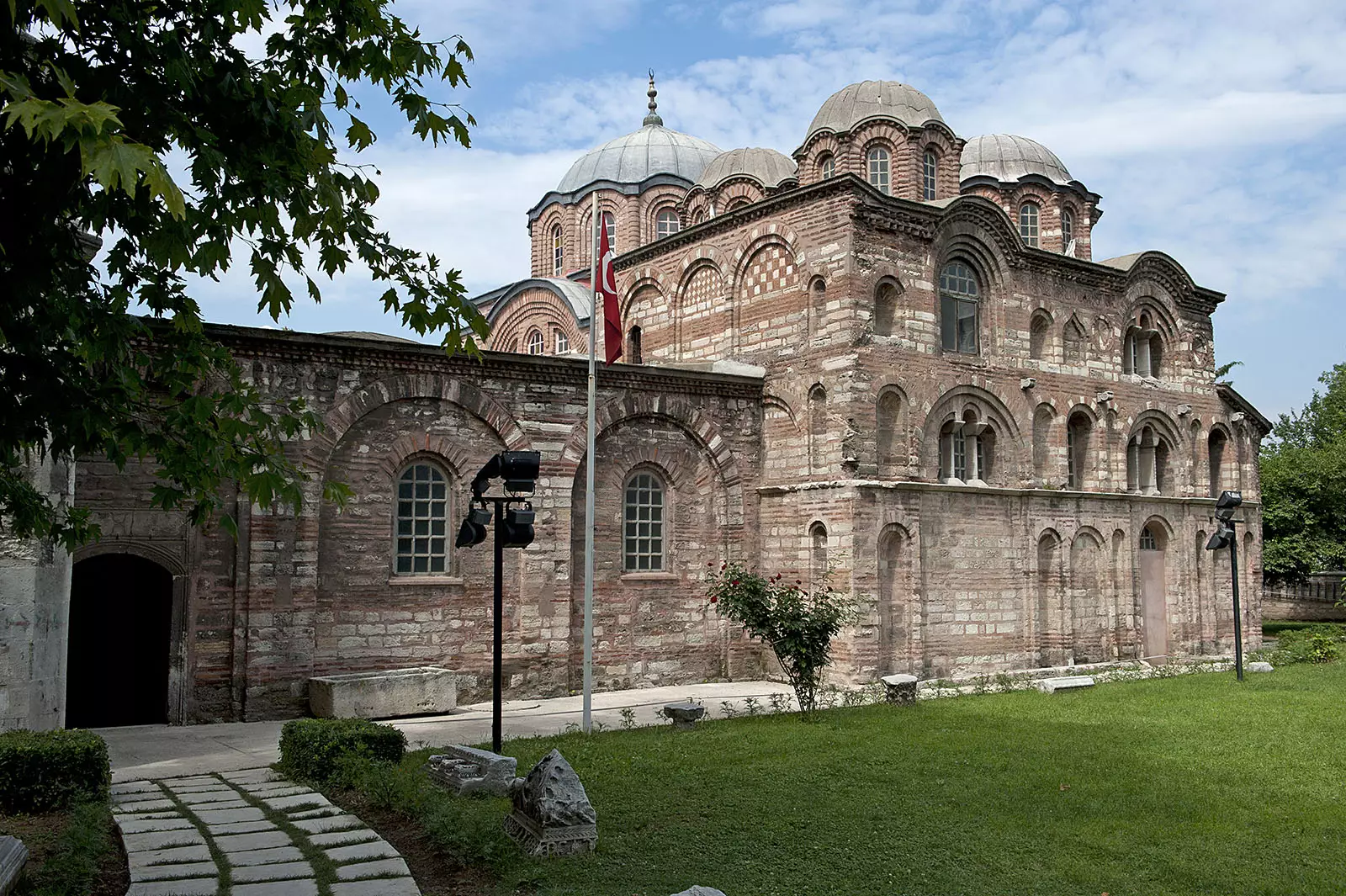
Built circa 1200 as the Eastern Orthodox Theotokos Kyriotissa Church, after the Ottoman conquest it was handed over to the Qalandari, a Sufi sect. In the mid-18th century it was converted to a Sunni mosque, and its mosaics were plastered over. The original appearance was restored in the 1970s.
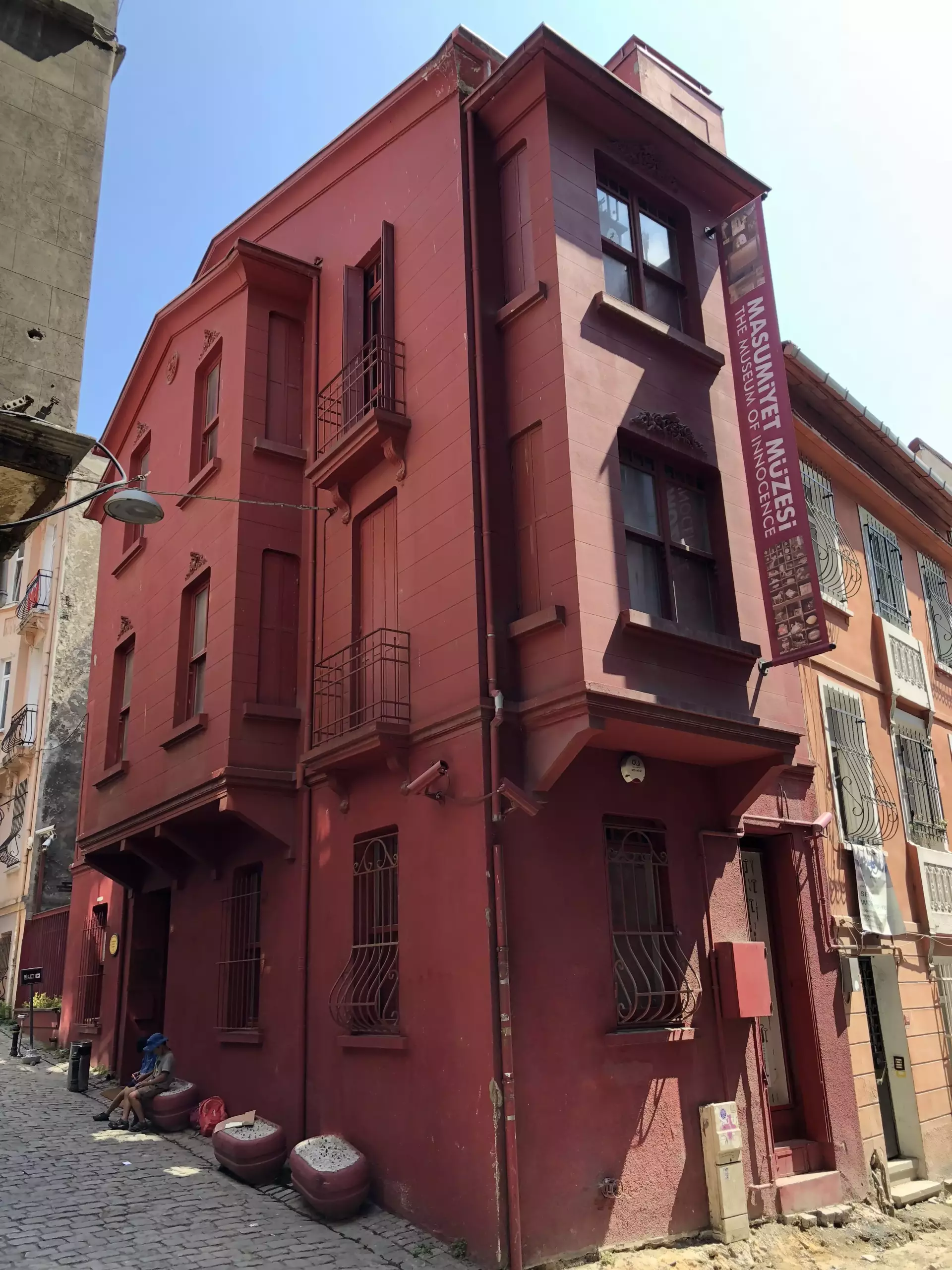
Opened in 2012, this museum is unique and a must-see when you are in the Beyoğlu area. It was created by Turkish Nobel laureate Orhan Pamuk alongside a novel of the same name. It tells the love story of the two main characters from the novel, and represents life in Istanbul during the late 1970s to early 1980s, as it exhibits thousands of objects from that era.
This is the main attraction around this part of the city. The holiest Islamic shrine in the city, the complex includes, right next to the mosque, the tomb of Abu Ayyub al-Ansari (Eyüp Ensari Türbesi), the standard bearer of Prophet Mohammad, died and buried here during the first Muslim siege of Constantinople (674-678 AD). The neighbourhood was named after him. Muslims flock here (in such huge numbers that sometimes you have to queue for a few minutes before entering the tomb) also to see a rather uninteresting plaque made of plastic, which is purported to be Mohammad's footprint. The interior of the tomb, covered with fine tiles/faience, is nonetheless well worth a look, however. It is also interesting to see the devout Muslims leaving the place by walking backwards through its exit hallway, as not to turn their backs to al-Ansari's catafalque, though obviously no one expects everyone to quit the place in the same manner.
A contemporary art museum in a building converted from an old power plant: 1914-built and coal-fired, this was the oldest in Istanbul and the Ottoman Empire. Part of the plant was kept in almost exact original condition and now serves as the "Energy Museum".