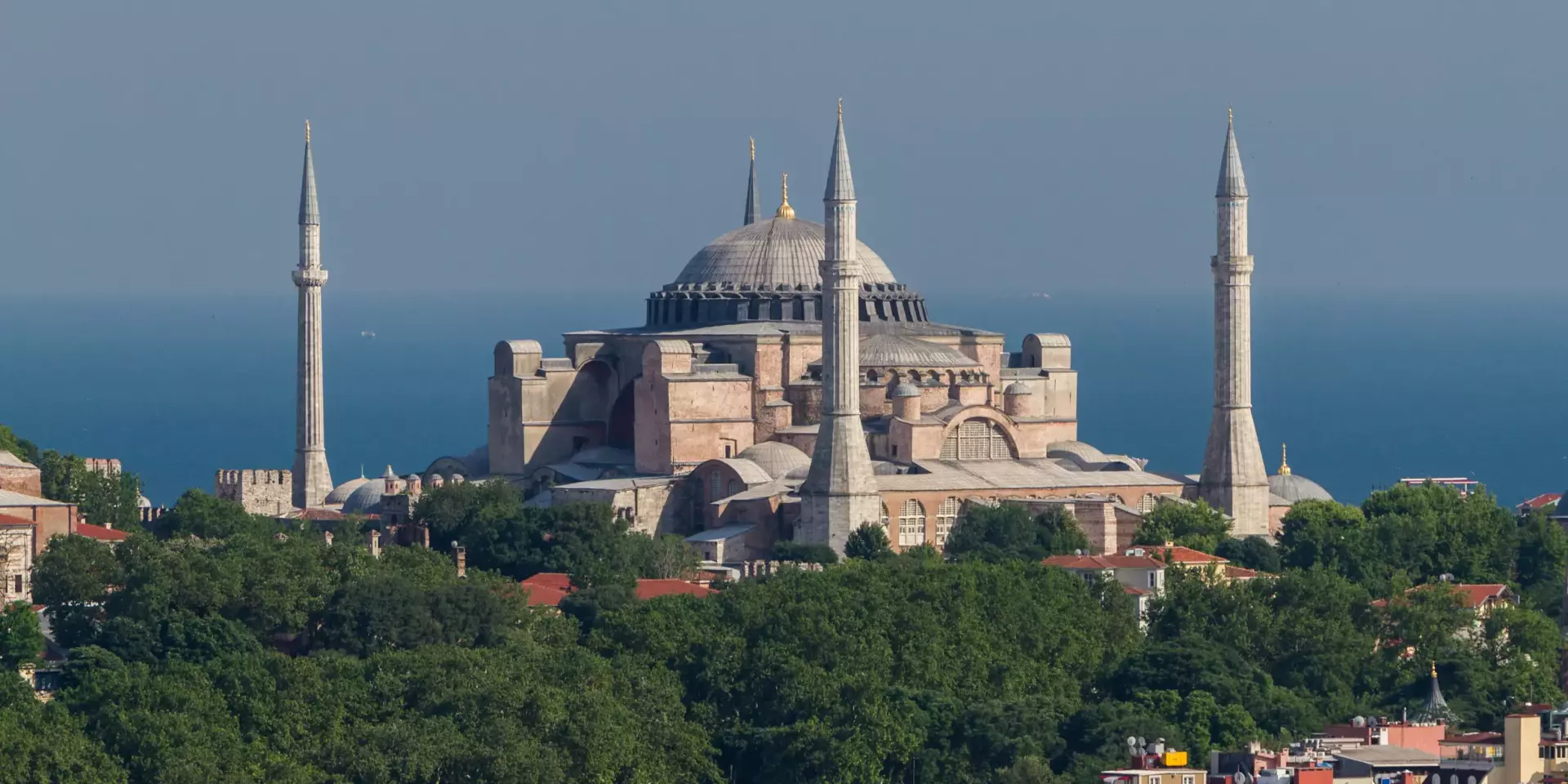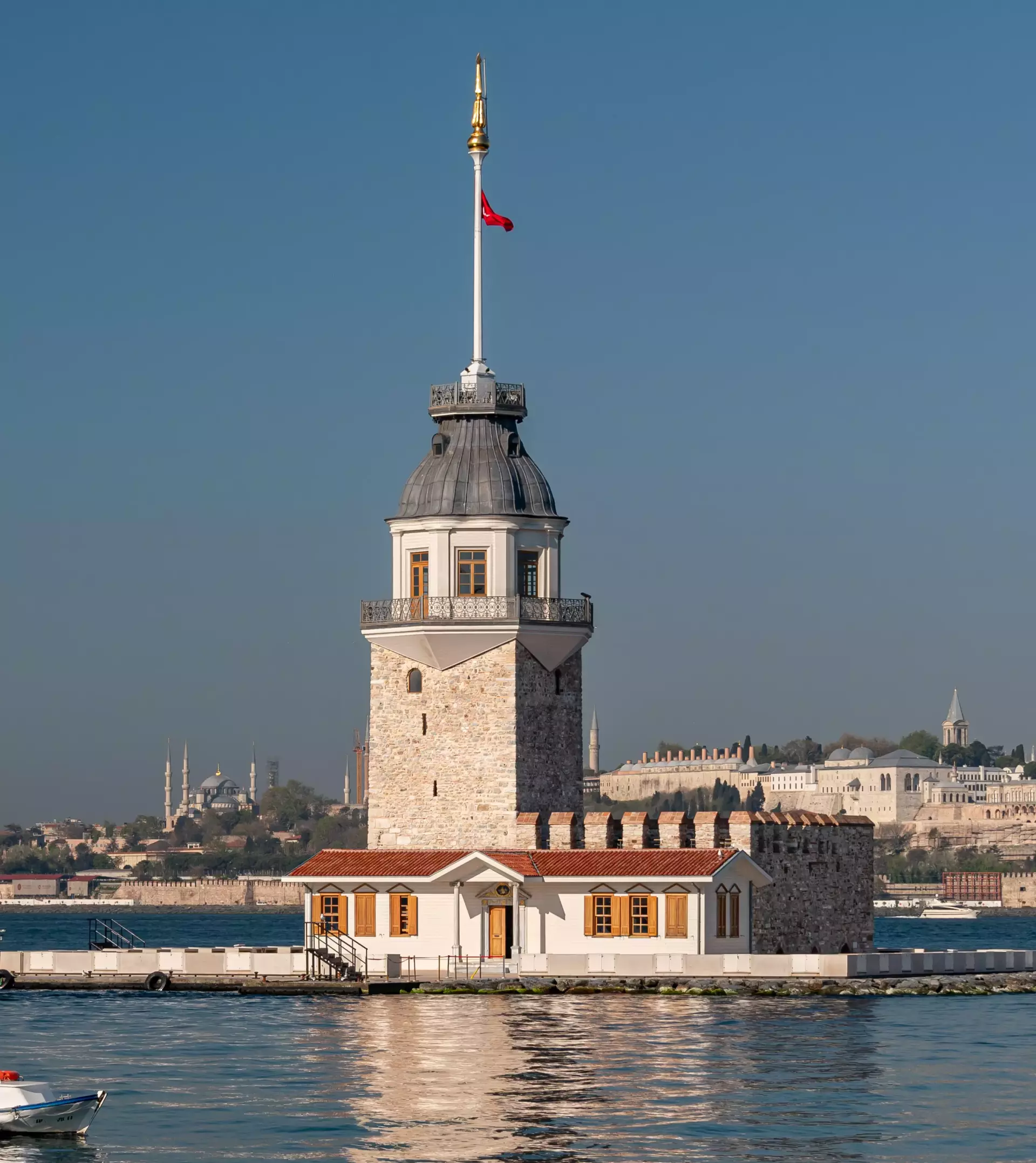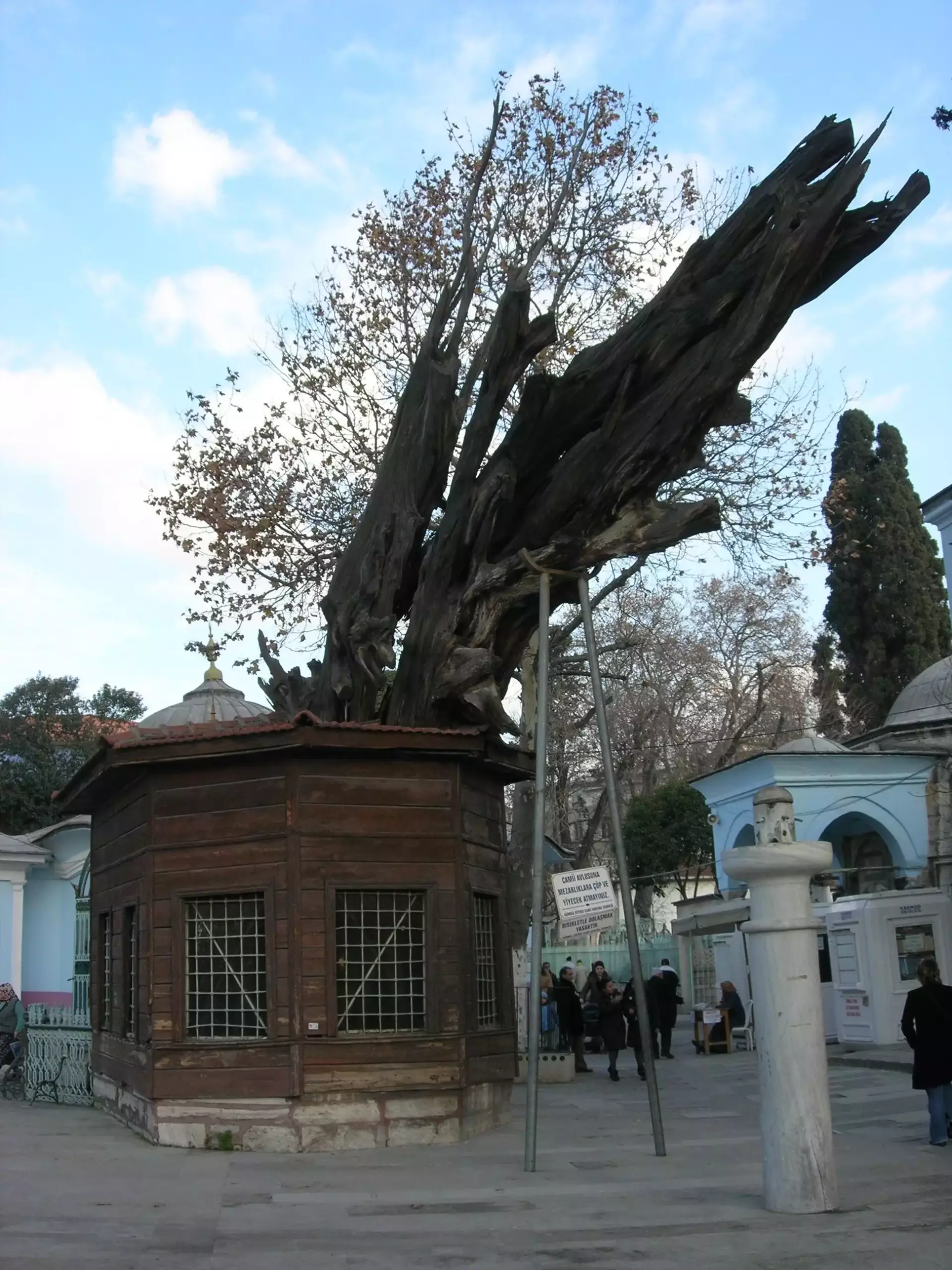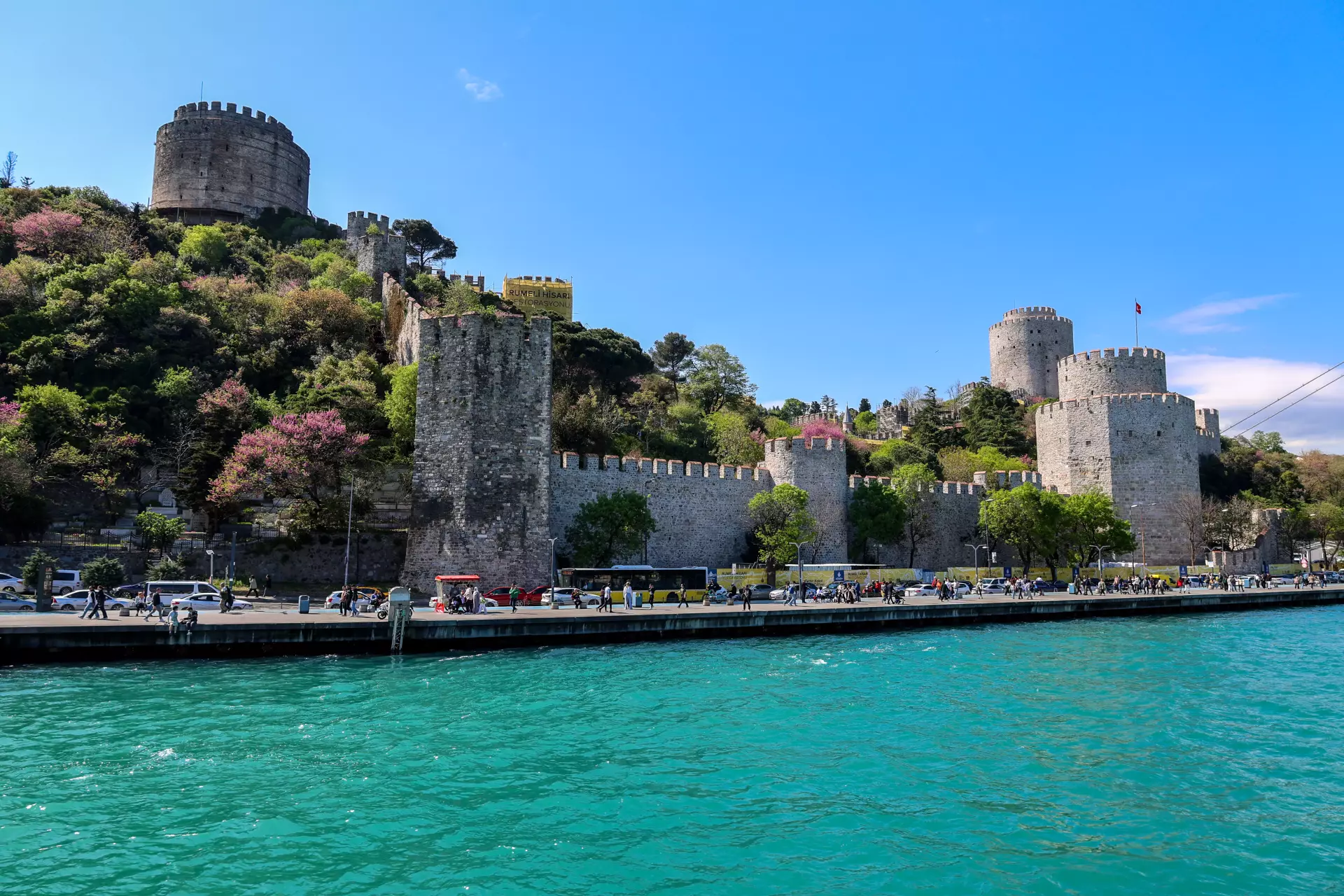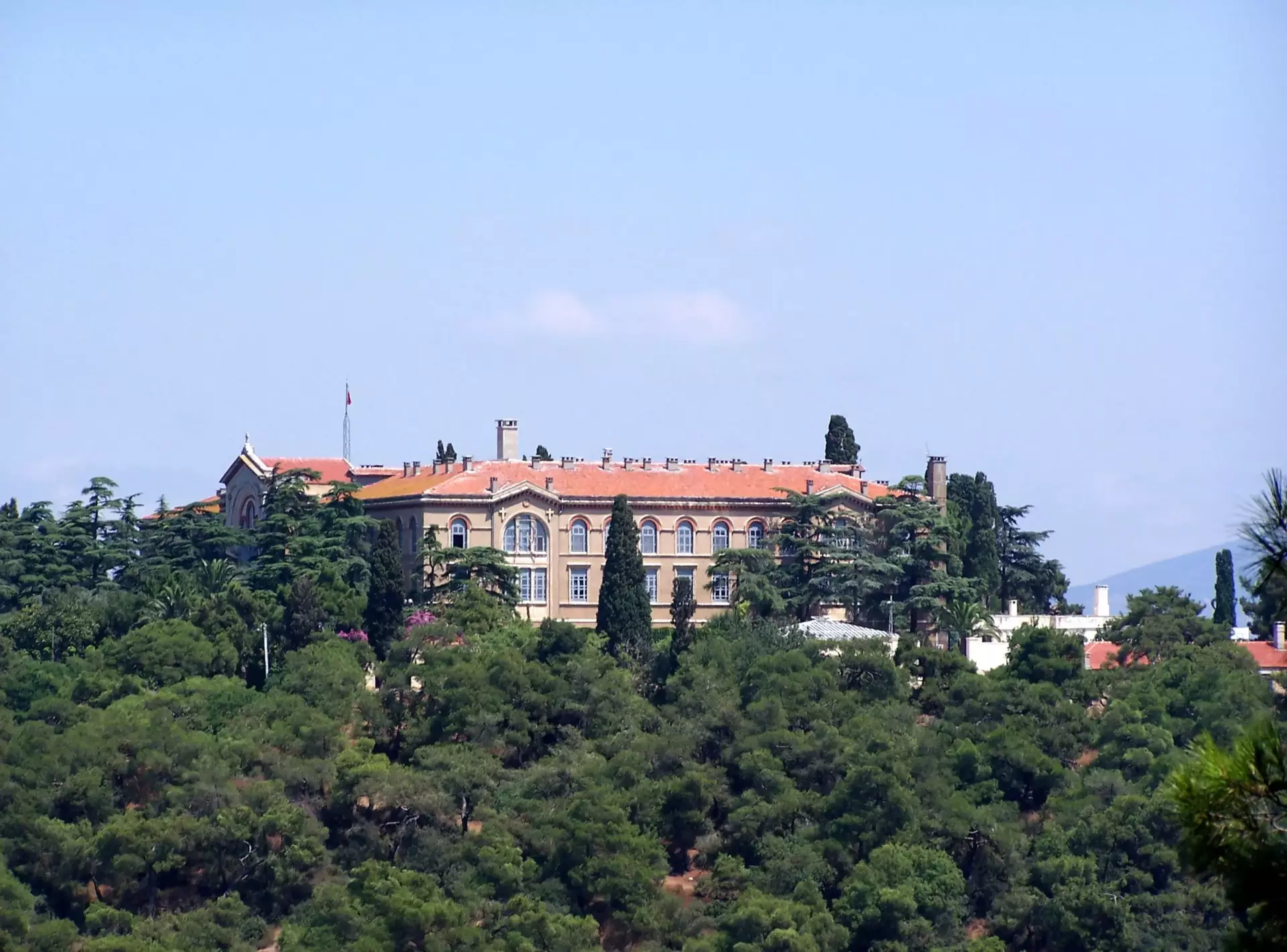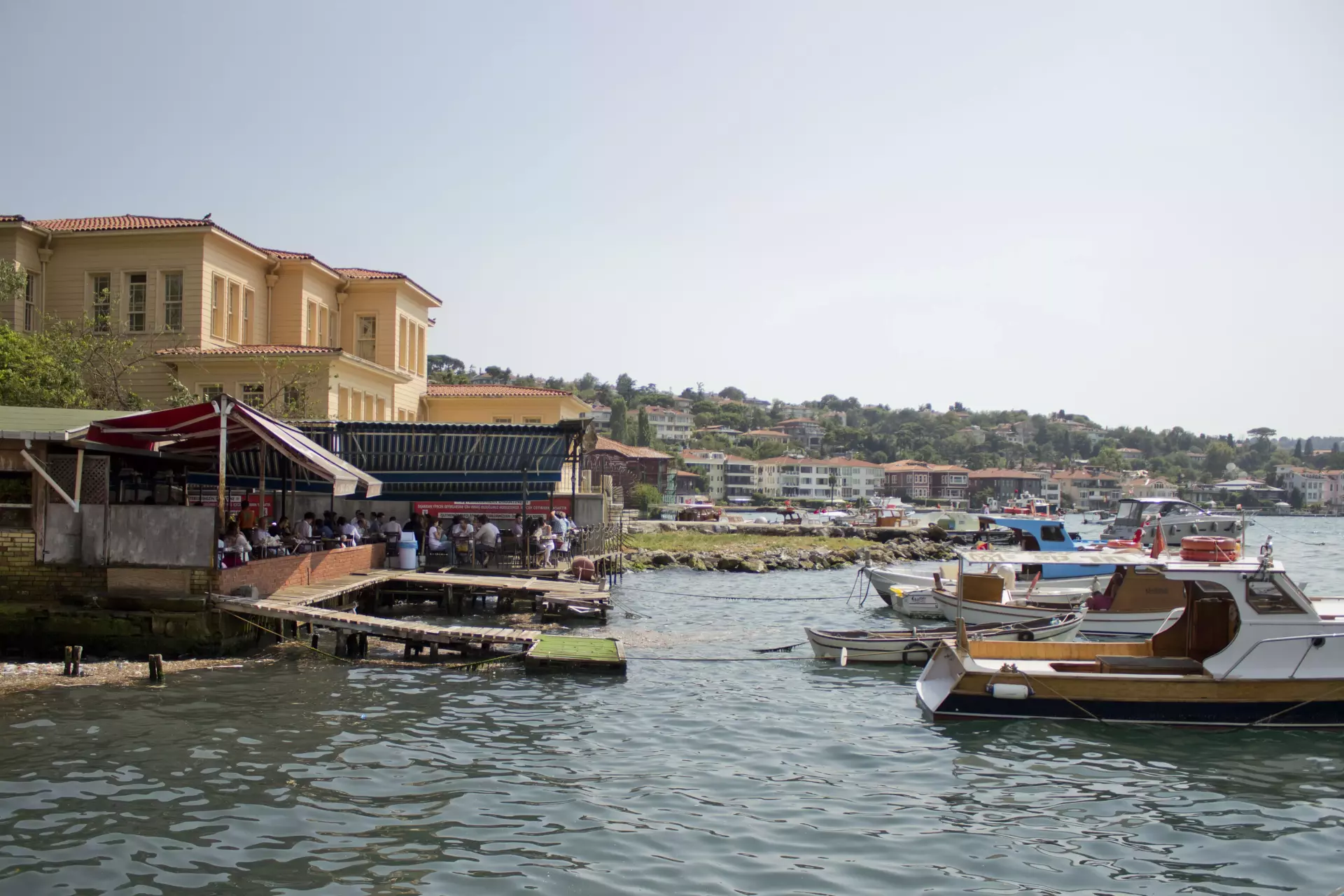
Just north of Beylerbeyi, about a 15-minute walk away, lies the historical fishing village of Çengelköy. This area is rich in history, with an 800-year-old sycamore tree standing proudly on one of its main terraced squares. The Byzantine Aya Yorgi church is another reminder of the neighborhood’s deep roots.
Çengelköy is known for its beautiful waterfront. Restaurants and piers here offer some of the best views along the Bosphorus, including a unique perspective on Istanbul’s old city beneath the first bridge. The peaceful atmosphere attracts visitors who want to enjoy the scenery and watch life pass by on the water.
In the 1970s, Çengelköy became a favorite spot for television directors. Today, it’s a popular place for lunch or dinner on Istanbul’s eastern side. Historic mansions have been carefully restored, giving the neighborhood a special charm. Several boutique chocolate shops have opened, adding to the lively streets and local flavors.
Most restaurants in Çengelköy do not serve alcoholic drinks. Two exceptions are the restaurant at the main pier, Iskele, and Tapasuma, which is part of the 'Sumahan on the Water' hotel. Tapasuma is located in a former Ottoman Raki distillery, offering a unique dining setting.
Travelers can reach Çengelköy easily by taking bus 15 or 15F from Üsküdar, just a short ride beyond Beylerbeyi. Driving is not recommended, as the narrow coastal road often experiences heavy traffic.
Source - https://en.wikipedia.org/wiki/%C3%87engelk%C3%B6y
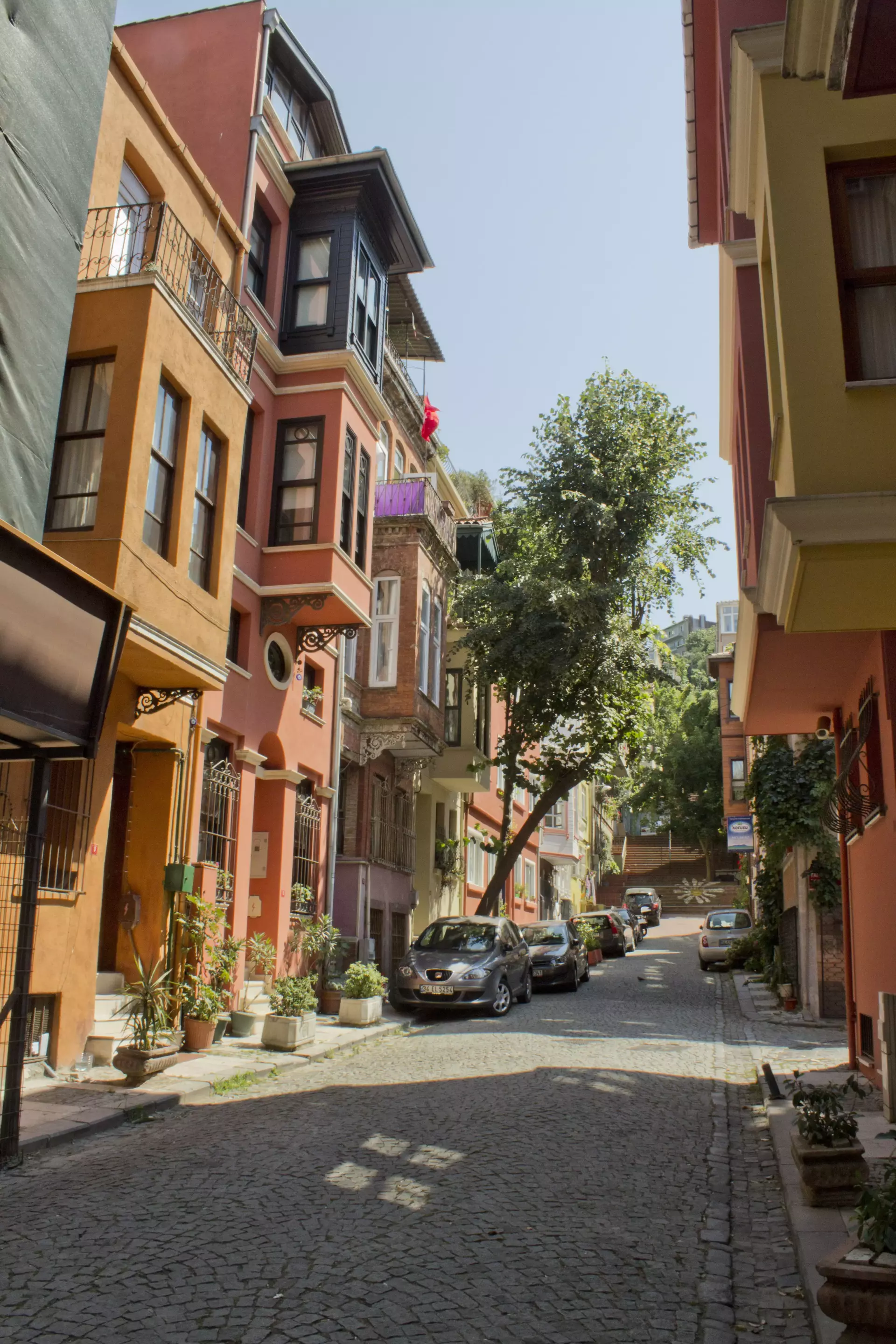
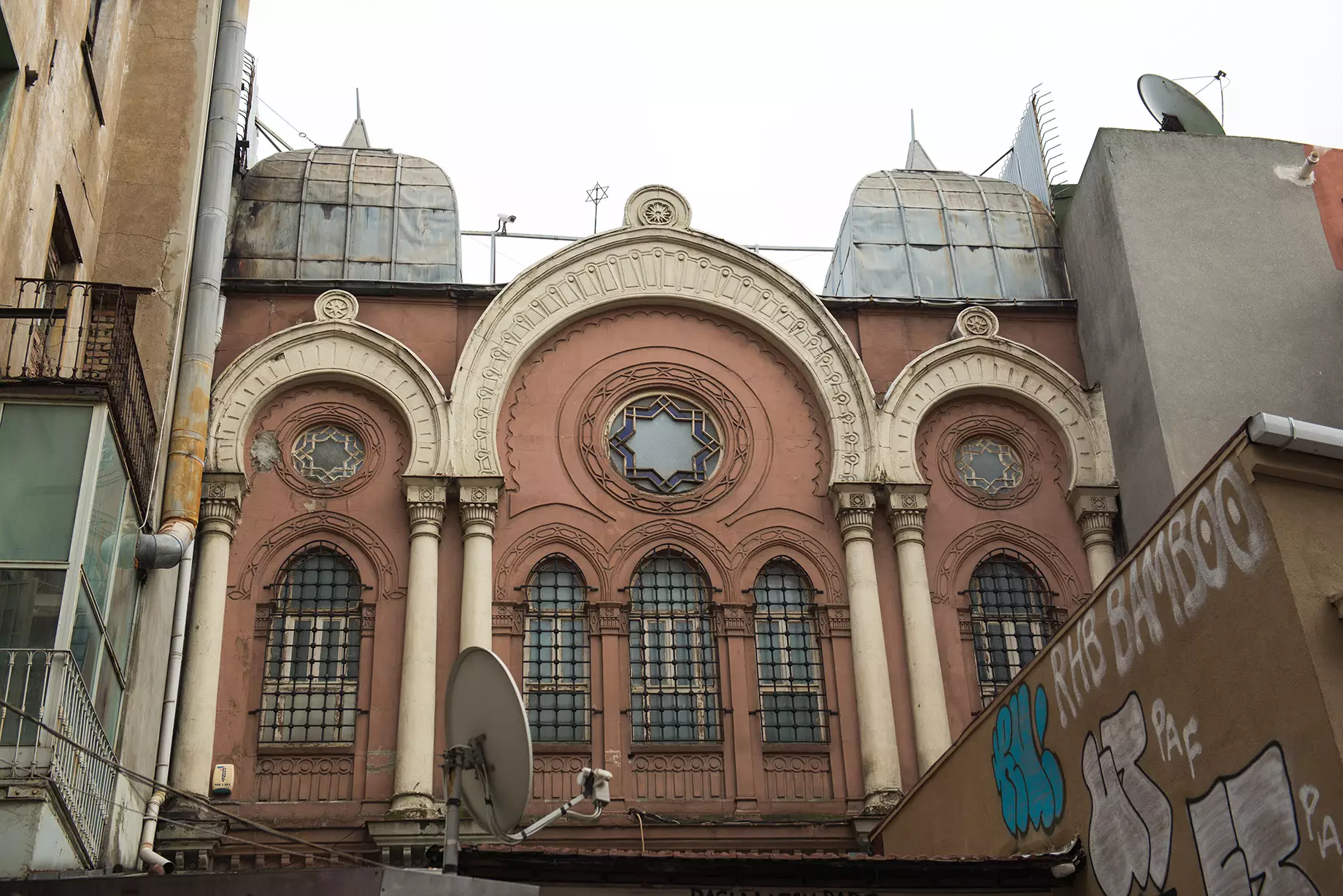
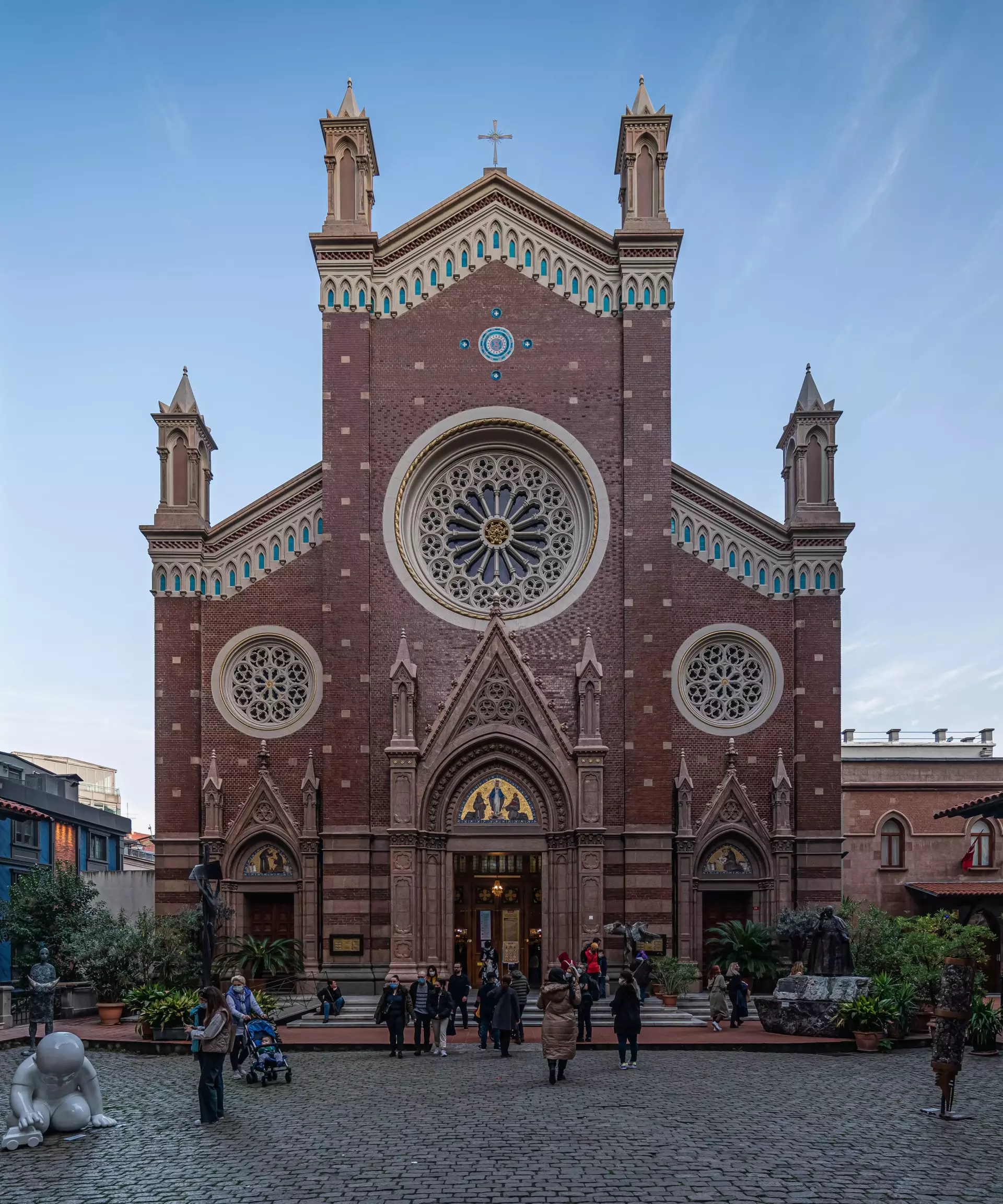
This attractive neighbourhood was home to a large Christian and Jewish population until some decades ago and still has a number of sights like two synagogues, some churches among which the Armenian Surp Krikor Lusavoriç, dozens of wooden houses and a Jewish and Christian cemetery.
This lavish palace with 285 rooms and 43 halls was the admin centre for the Ottoman Empire in its last 60 years. The palace government block (Selamlık) includes the Imperial Mabeyn (State Apartments) and Muayede Hall (Ceremonial Hall), while the Imperial Harem was the sultan's private quarters. Also here are the Painting Gallery, Music Museum, Clock Museum and Museum of Palace Collections. Free audio guide in several languages available by the ticket office. No photography inside, no backpacks but you can leave them in the cloakroom. Allow 3 hours to see everything.
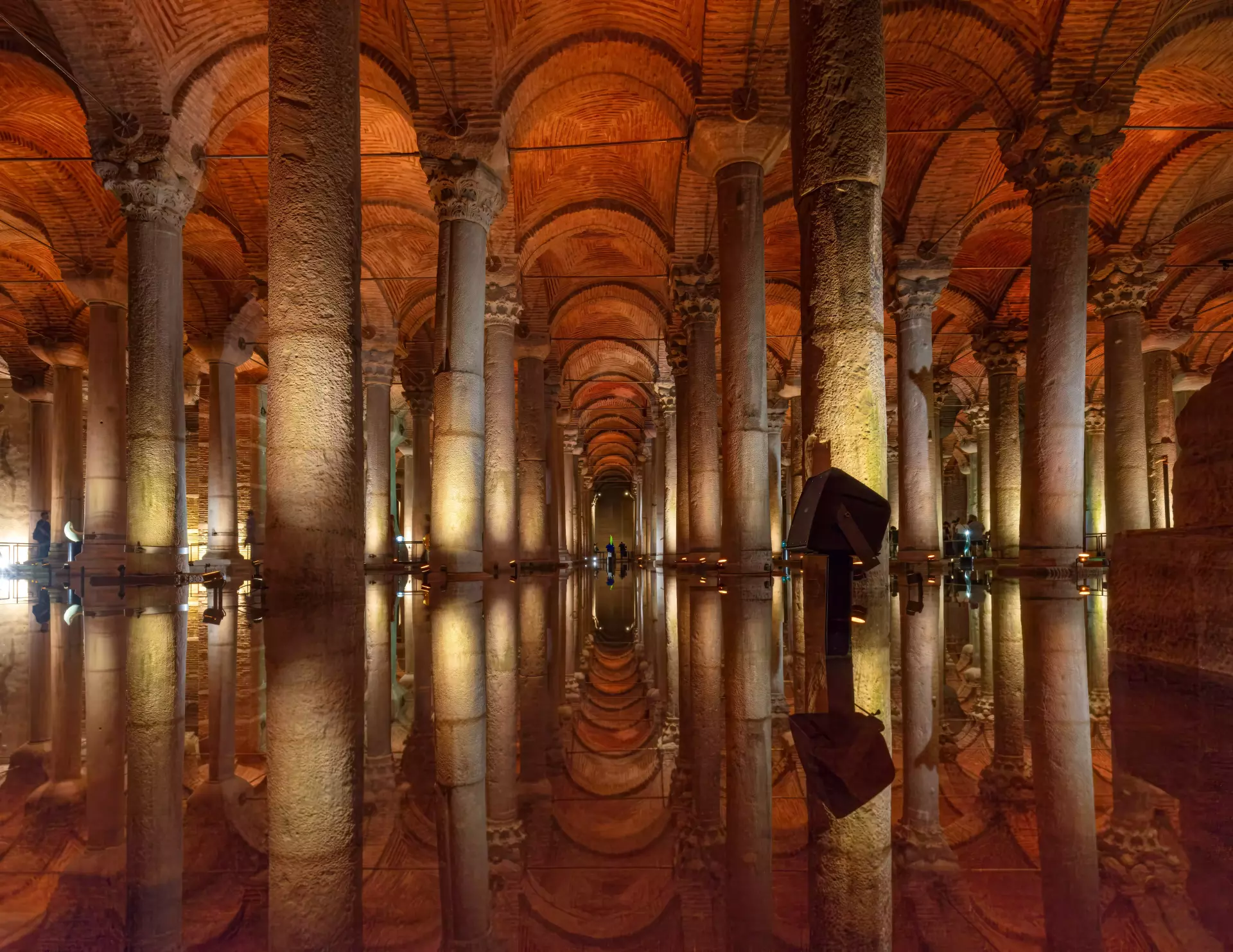
Vast underground cistern built by Justinian in 532 to store the city's water, the largest and best-known of the hundreds constructed. It's a cathedral-like space with 336 richly decorated columns. Time was you explored in a little rowing boat, but tourist numbers have soared and water levels have dropped, so now you follow a boardwalk, with lights, piped music and art installations. It's sometimes a film location, and stages concerts. But the crowds rob it of atmosphere and you might prefer to seek out one of the less-visited cisterns.
A resort on the Marmara coast. It's the westernmost part of Istanbul, between Çatalca and the province of Tekirdağ. There are some remnants of the Anastasian wall here, the scrappy ruins of a castle, an ancient cistern, the Piri Paşa Mosque, and Uzunköprü the long aqueduct.
The building was erected as a Roman Catholic church in 1325 by the friars of the Dominican Order, near or above an earlier chapel dedicated to Saint Paul (Italian: San Paolo) in 1233. In 1299, the Dominican Friar Guillaume Bernard de Sévérac bought a house near the church, where he established a monastery with 12 friars. A new, much larger church was built near or above the chapel of San Paolo in 1325. Thereafter the church was officially dedicated to San Domenico. After the Fall of Constantinople, according to the Capitulations of the Ottoman Empire with the Republic of Genoa, the church, which by that time was known by the Turks under the name of Mesa Domenico, remained in Genoese hands, but between 1475 and 1478 it was transformed, with minor modifications, into a mosque by the Ottoman Sultan Mehmed II and became known as Galata Camii ("Galata Mosque") or Cami-i Kebir ("Great Mosque"). Towards the end of the century Sultan Bayezid II assigned the building to those Muslims of Spain (Andalusia) who had fled the Spanish Inquisition and migrated to Istanbul; hence the present name Arap Camii (Arab Mosque). Today, Arap Camii is the largest mosque on the Galata side of the Golden Horn. It is one of the most interesting mosques in the city due to its early Italian Gothic architectural style and church belfry, which has practically remained unaltered even after being converted into a minaret.
Sokollu Mehmet Pasha was the grand vizier and de facto ruler of the Ottoman Empire during its 16th century golden age. He commissioned this mosque, one of three in the city to bear his name, but the sloping site was a challenge. He hired the best, Mimar Sinan, who completed it in 979 AH / 1571 AD, with the slope resolved by a fronting courtyard above shops and a medrese. The interior has outstanding İznik blue tiles, and three fragments of the Black Stone (Hajar al-Aswad) of the Kaaba: above the main entrance, minbar and mihrab.
This is a triple structure: the church of the Monastery of Pantokrator built 1118, then a public church circa 1136 plus a chapel that served as a royal mausoleum. It became a mosque and medresse in Ottoman times, but without massive alteration so it's a prime example of middle-Byzantine architecture. It's nowadays again a mosque, photogenic by day or dusk but the area should be avoided at night.
The imperial enclave of the Ottoman emperors for four centuries. Lavishly decorated, with exhibitions of fine craftmanship and four courts of increasing grandeur. The second court has the Harem and the State Treasury, housing a weaponry display. The third court has the Imperial Treasury, with Islamic and Christian relics. The views from the Fourth Court over the Bosphorus are spectacular. Reckon on spending several hours here and bring water as the museum kiosk is overpriced.
Completed in 1851, this houses a mantle said to have been worn by the prophet Muhammad. The mantle is displayed during Ramadan.
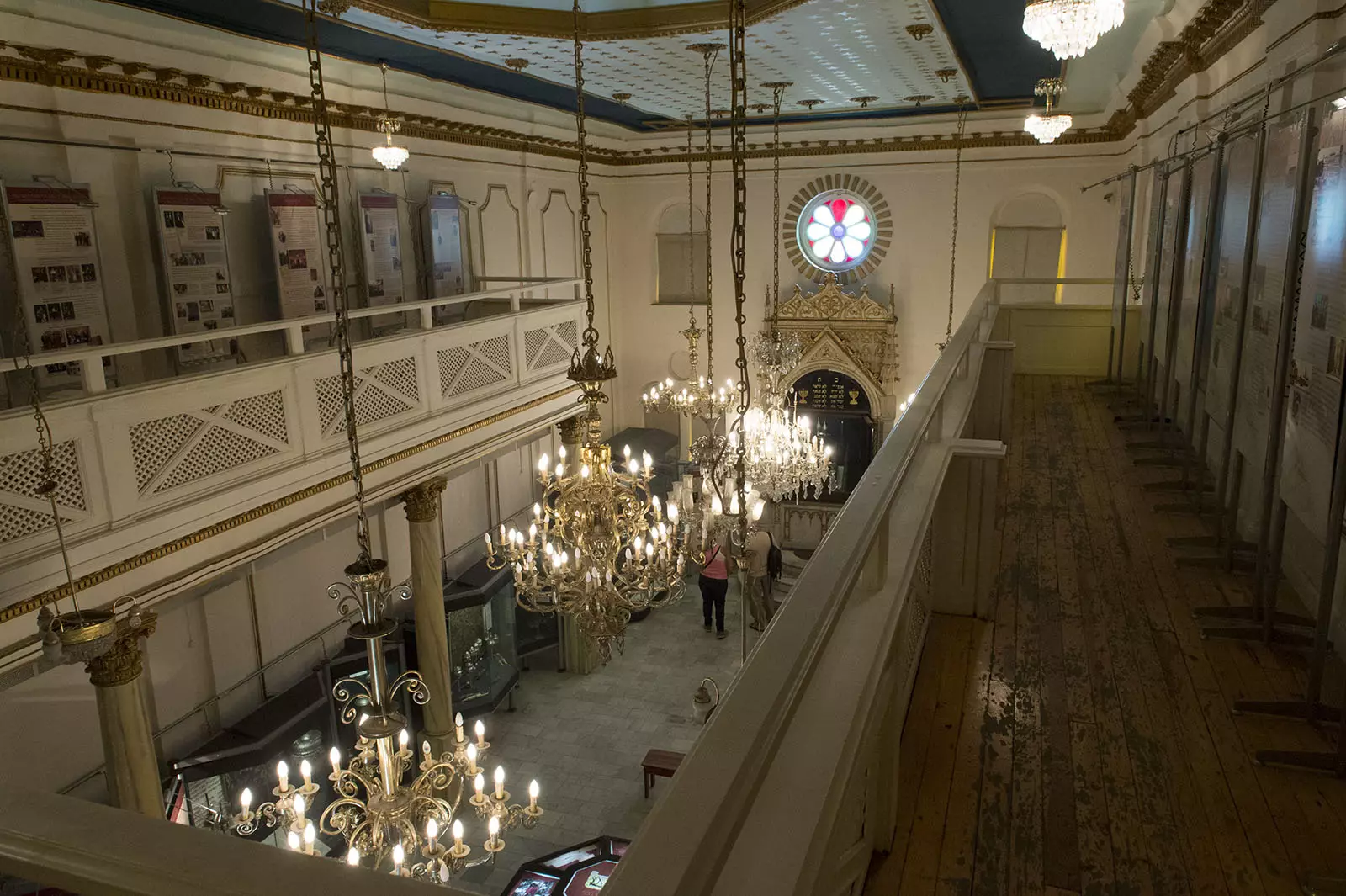
The only active Ashkenazi Synagogue open to visits and prayers.
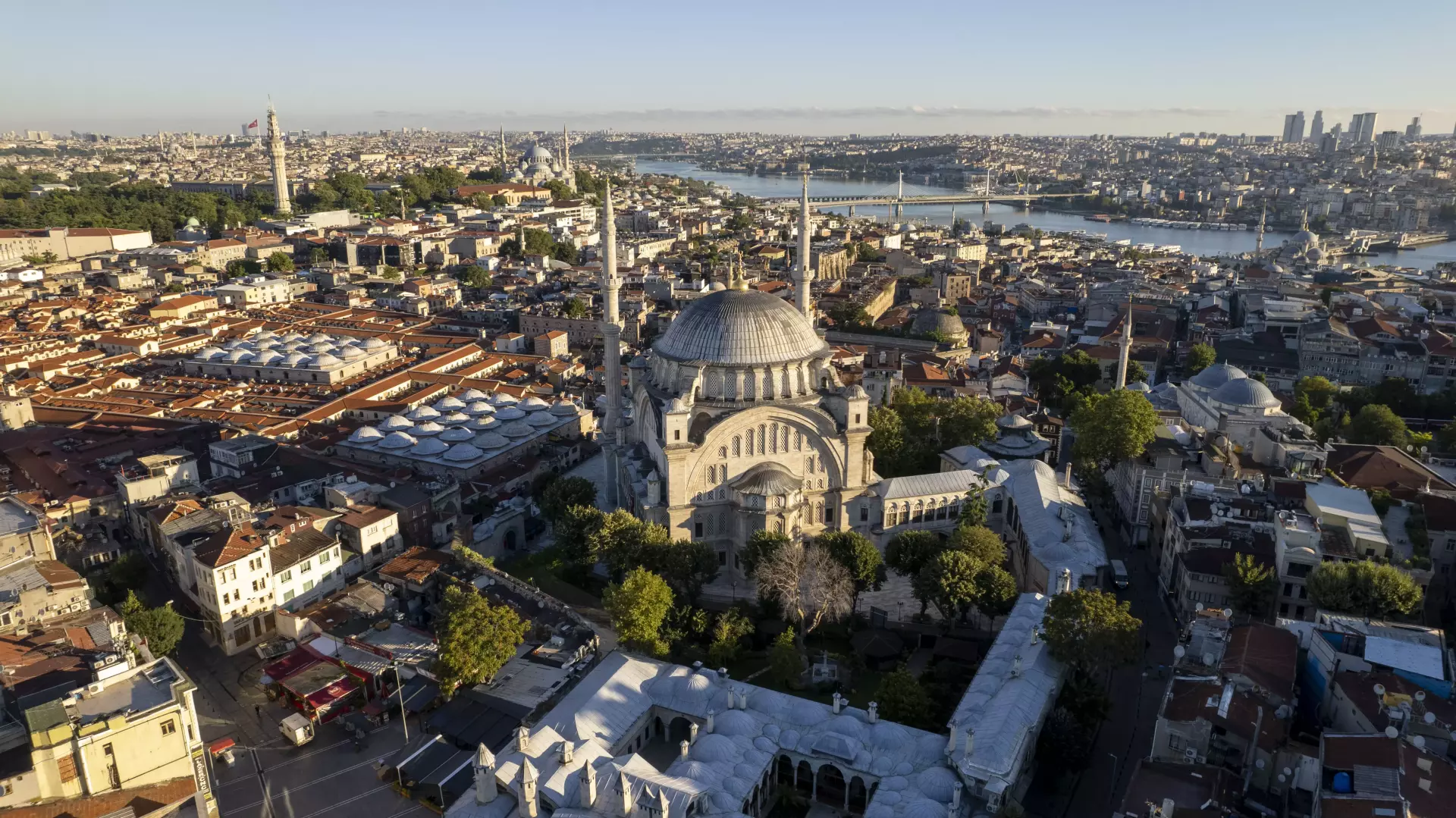
On top of a hill overlooking the Golden Horn, this is a magnificent mosque built by Sinan in the 1550s. It was centrepiece of a large külliye, a religious complex which included madrasas, a public kitchen and a hospital.. The small cemetery east has the mausoleums of Suleiman the Magnificent and of his wife Hurrem Sultan or Roxelana.
Turkey was slow to protect its antiquities and to display them properly, but in 1867 Sultan Abdülaziz toured the museums of Paris, London and Vienna and saw what was needed. The main collection is in a grand neo-classical building of 1891, with two annexes for ancient art and Islamic art. Exhibits include Sumerian tablets, pieces of the wall of Babylon, Roman statues, and the sarcophagus of Alexander the Great, which he never lay in.
It was built in 2001 and is the first miniature park in Istanbul (the world's largest miniature park in respect to its model area). The park hosts icons of many cultures and civilizations. Models vary from the Hagia Sophia to Galata Tower, from Safranbolu Houses to the Sumela Monastery in Trabzon, from Qubbat As-Sakhrah to the ruins of Mount Nemrut. In addition, some works that have not survived into the present, such as the Temple of Artemis, the Halicarnassus Mausoleum and Ajyad Castle, were recreated. All former Ottoman Empire in one place.
Built circa 1200 as the Eastern Orthodox Theotokos Kyriotissa Church, after the Ottoman conquest it was handed over to the Qalandari, a Sufi sect. In the mid-18th century it was converted to a Sunni mosque, and its mosaics were plastered over. The original appearance was restored in the 1970s.
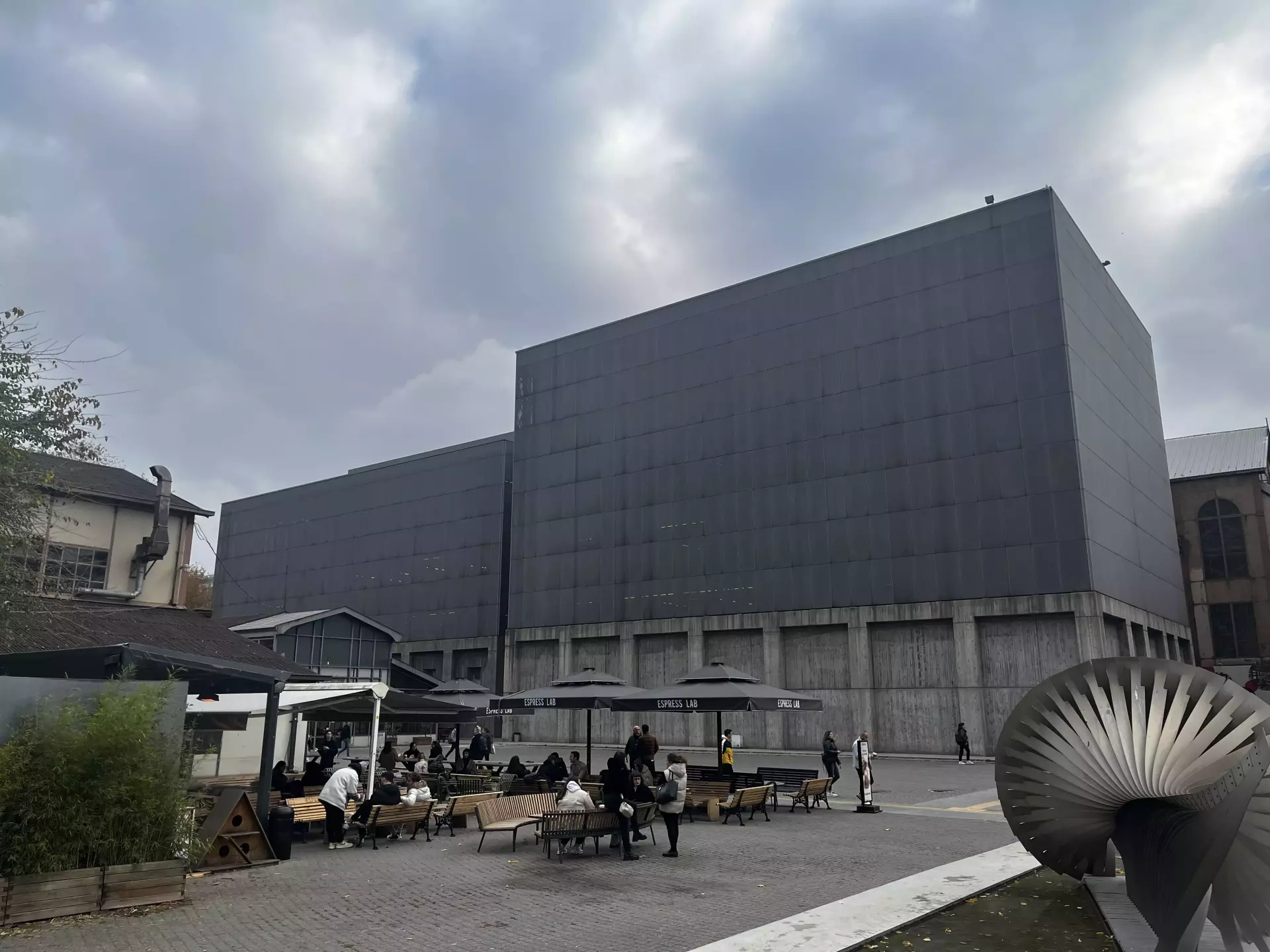
A nice, organized museum with contemporary installations. It may be seen as overpriced given its small size. It also has a simple cafe.
Started in 1613 by the Ottoman sultan Ahmet I (r. 1603–1617, who also had the Blue Mosque in the Old City built), and extensively renovated by the art-loving Selim III (r. 1789–1807), this sole building, which itself has the distinction of being the only intact structure that dates back to the rule of Ahmet III (r. 1703–1730), set inside a beautiful garden of pools and mature cedar and magnolia trees is the only remaining part of what was once the fourth largest palatial complex in Istanbul, extending all the way to the banks of the Golden Horn (which is now occupied by the derelict buildings of the closed shipyard, which also block part of the view towards the shore). According to the local rumour, its name (which in Turkish means "mirrored poplar") derives from the now absent mirrors gifted by Venice to the palace that were presumably "as tall as the poplars" (aynalar kavak). The highly decorative and colourful interior includes several rooms of original furnitures fit for a sultan, some of which are covered with nacre, and walls embellished with Ottoman poems praising the palace and Selim III. Downstairs is a small museum dedicated to music, which exhibit some of the instruments (violins, ouds, and kamanchehs) and gramophone records owned by Fatma Gevheri Sultana (1904–1980), the granddaughter of Abdülaziz I (r. 1861–1876). While you are outside, also check out the old main entrance (now closed) towards the Golden Horn, topped by a dome. Worth the half hour spent there.
A village with an impressive citadel overlooking the Bosphorus and its mouth into the Black Sea. By land it's accessible only by a hairpinning road through the forest, with few buses. It's best reached by ferry from Eminönü (twice daily) or Sariyer (frequent). In the village, a road is signposted up to the hilltop Yoros citadel (a little more than 1 km, 20 min on foot, free admission). There's a pleasant area with cafés by the ferry pier; the place gets crowded at weekends during summer. Nasty big dogs stalk the citadel area at night. See Istanbul#The_classic_Bosphorus_cruise.