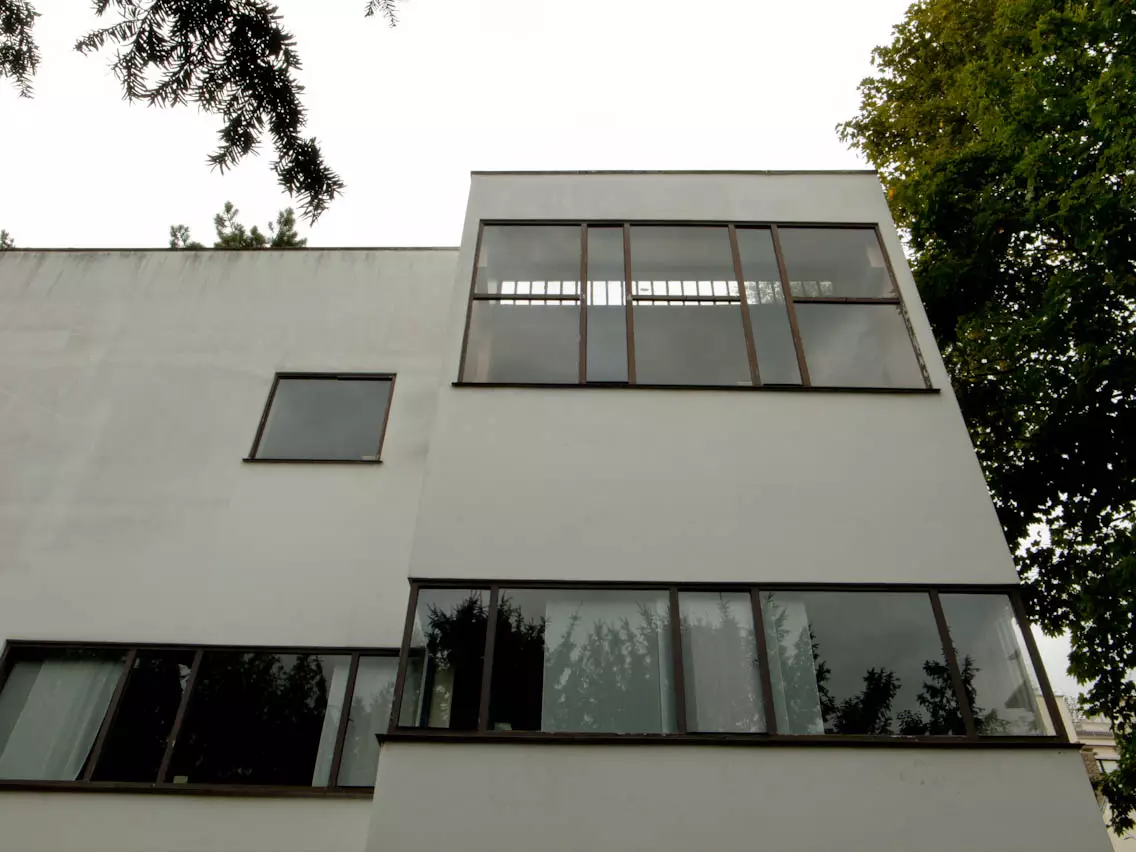
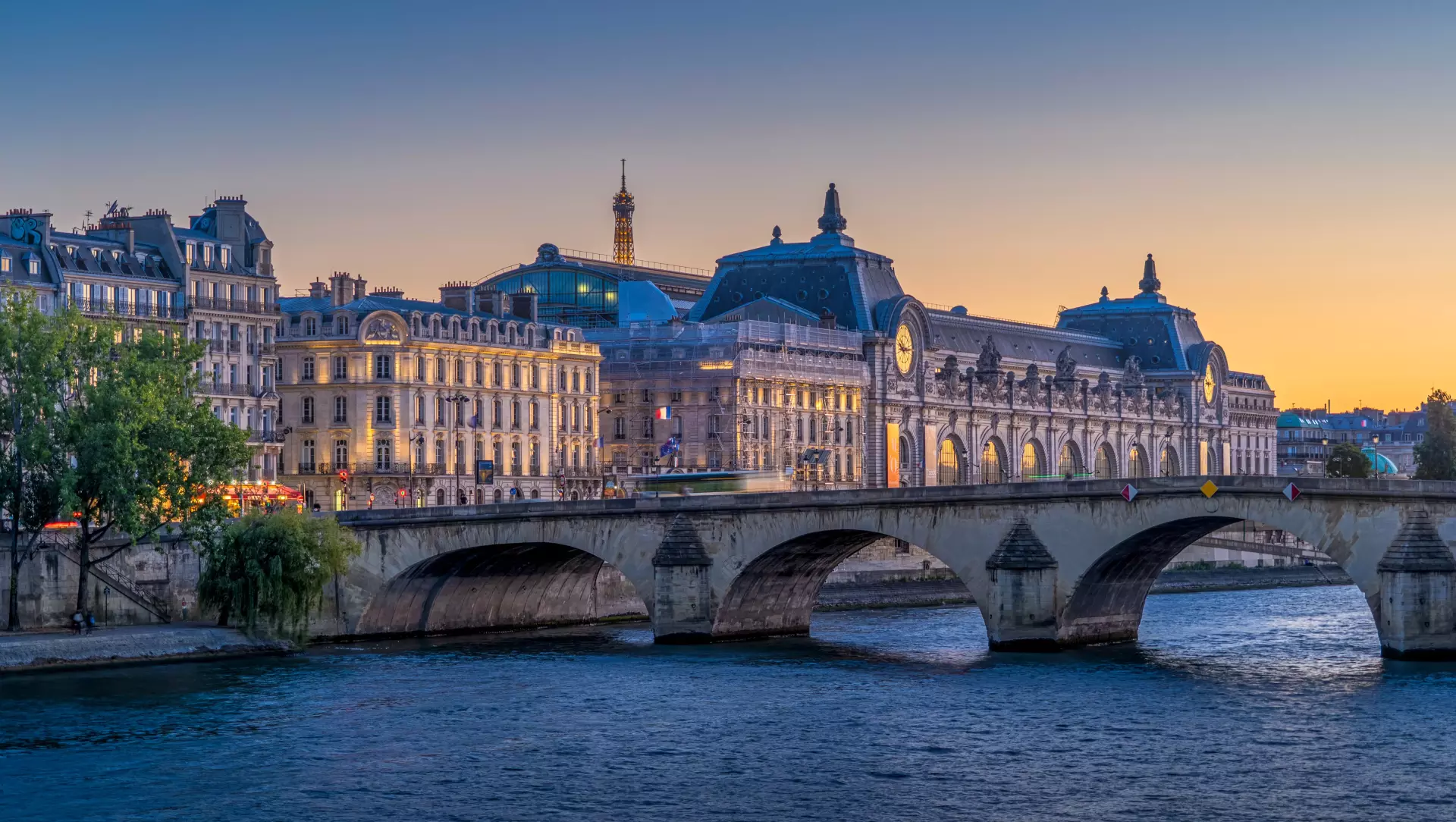
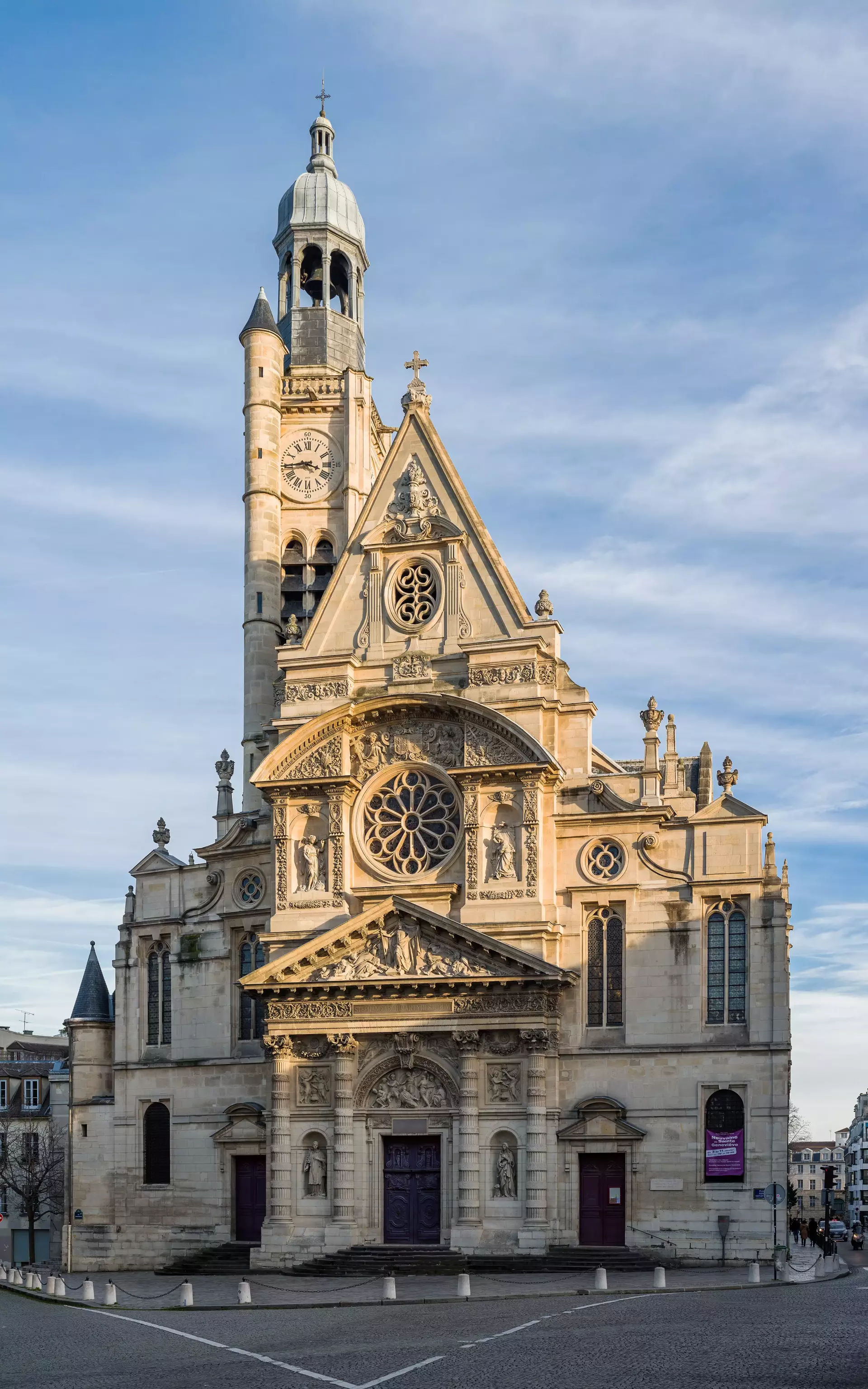
The Institut Tessin is a Swedish cultural institute and museum located in Paris, France. This unique institution serves as a bridge between Sweden and France, celebrating the close historical and artistic connections between the two countries. It stands out as a meeting place for anyone interested in Swedish culture, art, and history.
The museum features an impressive collection of Swedish paintings, sculptures, drawings, and photographs from the 17th century to the present day. The permanent collection showcases works by renowned Swedish artists who have lived and worked in France, as well as French artists inspired by Sweden. In addition to the permanent exhibits, the institute regularly hosts temporary exhibitions highlighting contemporary art and emerging talents from both countries.
Throughout the year, the Institut Tessin organizes a variety of cultural activities. Visitors can attend lectures, film screenings, concerts, and workshops that explore Swedish literature, music, and traditions. The institute also offers language courses and educational programs for those who want to learn more about Sweden and its culture.
The institute is more than just a museum. It acts as a cultural center where artists, researchers, and the public can come together. Its welcoming atmosphere encourages conversations and collaborations, strengthening the ties between Swedish and French communities.
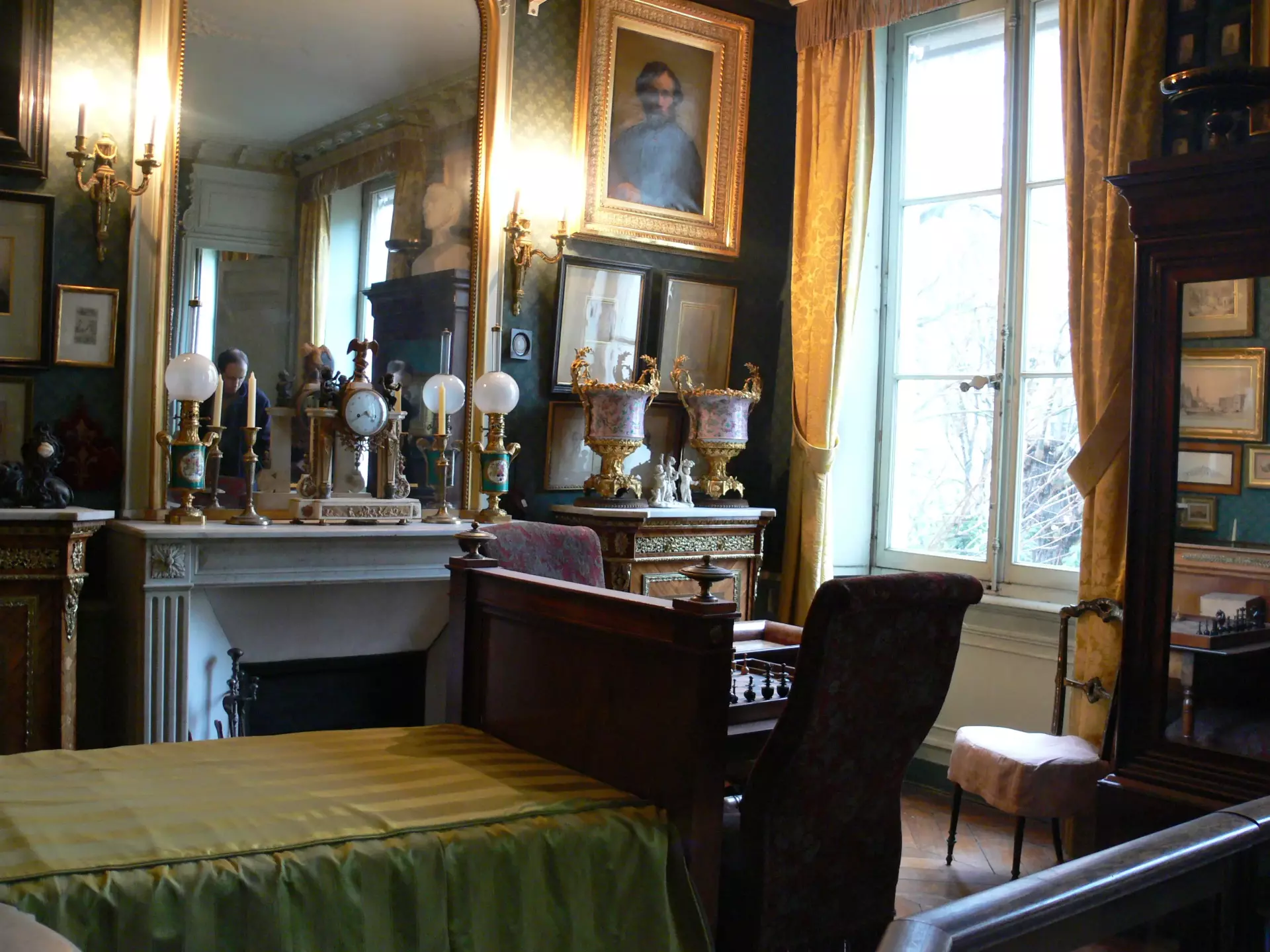
The Institut Tessin is housed in a charming 18th-century mansion in the heart of Paris. With its light-filled galleries and peaceful courtyard, the building itself offers a memorable experience. The location provides a calm space to enjoy art and culture away from the hustle and bustle of the city.
Source - https://en.wikipedia.org/wiki/Institut_Tessin
Established in 1926, it was meant to show appreciation for Muslim help in fighting the Germans. The café serves excellent mint tea and North African food.
Reopened after extensive renovations, this small museum near the Louvre houses the Jean Walter and Paul Guillaume Collection, sold to the French Republic on very generous terms and numbering 143 paintings from the late 19th century and the first half of the 20th century (15 Cézannes, 24 Renoirs, 10 Matisses, 12 Picassos, 28 Derains, 22 Soutines). The collection joined the eight immense Water Lilies that Monet gave France in 1922 and which have been displayed since 1927 in two huge oval rooms purpose-built on the artist's instructions.
The northwest corner of the Bois de Boulogne is occupied by the oldest operating amusement park in the world, the Jardin d'Acclimatation, which is mainly known for offering a wide range of amusements which are appropriate even for very small children. They have miniature roller-coasters for children as small as three years, and the usual range of pony rides etc.
The museum is located in a 17th century house with a garden, and features the history and culture of Montmartre. Several famous artists had lived in the house including Renoir.
The Stade Charlety is a massive multi-sport arena, hosting football (soccer), tennis, rugby and squash matches.
A sculpture by Auguste Rodin in memory of the French novelist Honoré Balzac. The artwork is sometimes considered the first truly modern sculpture.
If you were a city planner in one of the great cities of our Earth and you discovered that a railroad right-of-way had been abandoned and would never be used again what might you do? Perhaps if you knew your stuff you'd convert it into a 4 mile long park, about half of which is elevated above street level on the old rail viaduct. This long narrow park pretty much allows the visitor to walk in carfree bliss from Place de Bastille to the Bois de Vincennes.
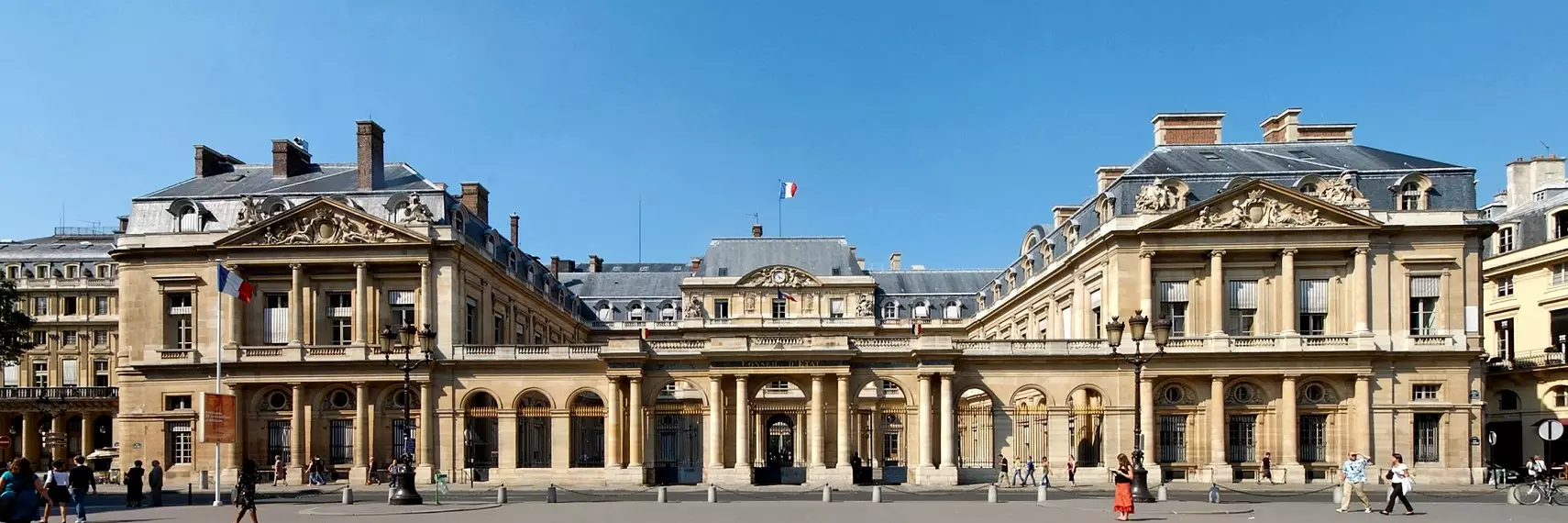
Ordered by Cardinal de Richelieu (1585-1642), King Louis XIII's prime Minister in 1629 (completed in 1636); originally called Palais Cardinal; it became Le Palais Royal when Anne d'Autriche, Louis XIII's wife, came to live here to get away from the Louvre palace. It eventually housed Louis XIV until the move to Versailles. It includes also a beautiful garden Les jardins du Palais Royal, enclosed by the buildings. It's been the theatre of one of the seminal events of the French Revolution (Camille Desmoulins made a famous declaration here in 1789). The Théatre Français nearby was built in 1716. There are numerous restaurants inside the garden , including famous Le Grand Véfour. There's also the controversial Colonnes de Buren, striped columns installed within the inside yard amid the 17th century architecture.
The east wing of the Palais de Tokyo holds the modern art collection of the city of Paris, dating roughly from World War I to date (the older part of the collection is at the Petit Palais in the 8th), including around 10,000 works.
Contained within two historic houses (hotels), the museum explores the history of Paris through objects in over 140 separate rooms.
One of Paris's best kept secrets, painted by Monet numerous times. It is a very elegant centre of green in the middle of cosmopolitan Paris. Make sure you check out the statues, entrance rotunda and the surrounding mansions. Thanks to Haussmann himself this precious slice of parkland was reserved for the enjoyment and leisure of the people of Paris. It is unusual in France due to its casual, informal "English" style planning, and is a contrast to other Parisian parks such as the classically laid out and formal Luxembourg Gardens and the Tuileries. Randomly placed throughout the park are scaled-down architectural replicas including an Egyptian pyramid, Dutch windmill, and a Chinese fort. Free Wi-Fi in the park.
Suspended above the train tracks this garden is surprisingly calm and chilled-out.
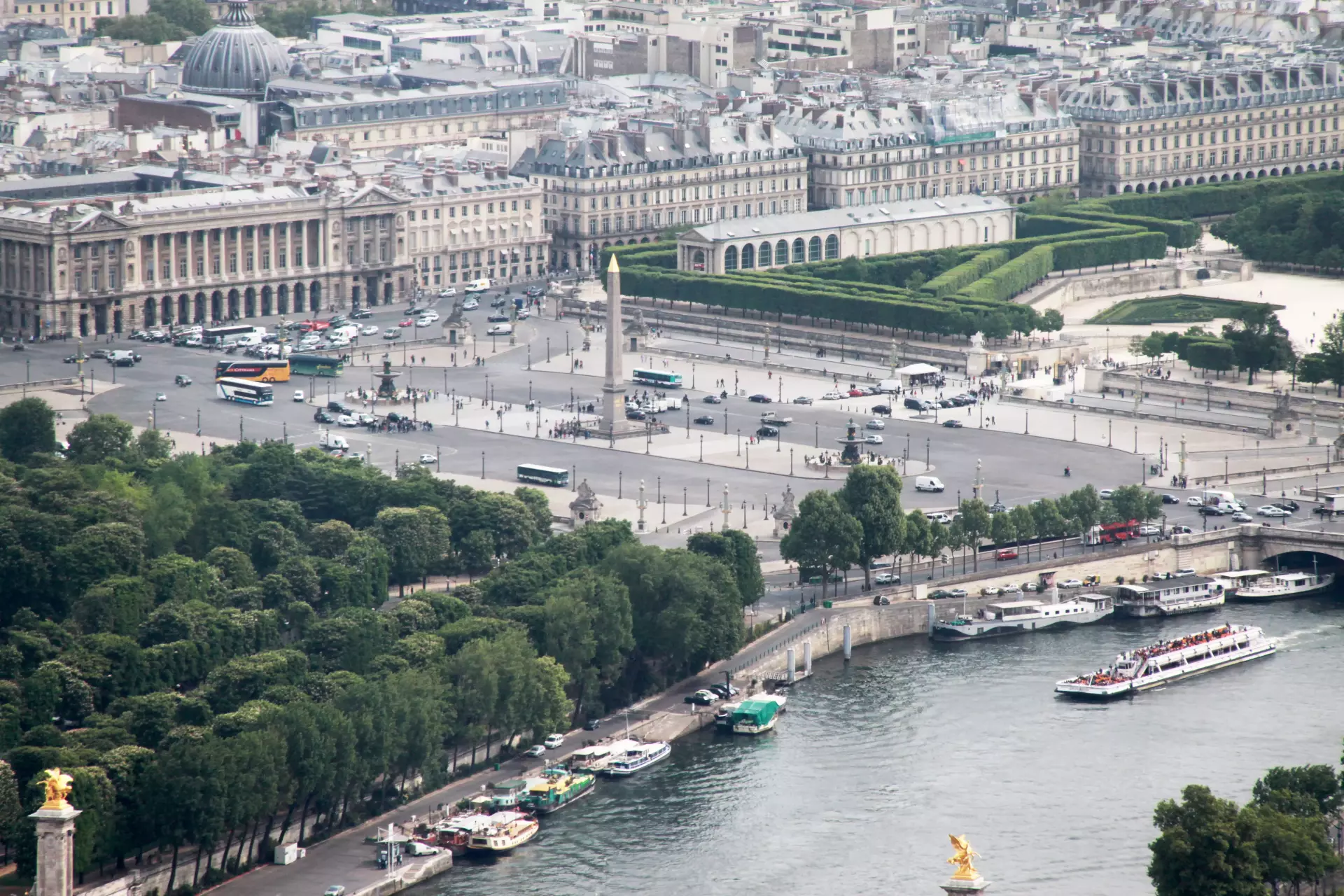
The largest square in Paris with fantastic vistas in every direction. It was in this square (then called la Place de la Revolution) that the French King Louis XVI, Marie Antoinette and many others were guillotined during the Terror. The large Egyptian obelisk in the centre of the Place de la Concorde was brought from the Temple of Luxor.
CLOSED UNTIL LATE 2024 OR 2025 FOR RENOVATION WORKS. Built in 1900 for the universal exposition, the Grand Palais was an engineering feat and a milestone of design, marking the transition between historicism and modern architecture. It remain impressive today due to its unique, exquisite style and sheer volume of its main nave. The Grand Palais, managed by the state-owned institution Rnm who also manage the Musee de Luxembourg, is used both for temporary exhibitions of historic and contemporary art collections (both beaux arts and applied) and unique events, such as catwalk shows during the Paris Fashion Week, Bonhams car auctions and prestigious galas.
The burial place of existentialist philosopher Jean-Paul Sartre, feminist Simone de Beauvoir (both of whom lived nearby); musician Serge Gainsbourg; artist Man Ray; the poets Charles Baudelaire, Guy de Maupassant, Charles Sainte-Beuve, and Marguerite Duras; the founders of the Theatre of the Absurd Samuel Becket and Eugene Ionesco; the sculptors Constantin Brancusi and Ossip Zadkine; the composers Camille de Saint-Saens and César Franck; the actors Maria Montez and Jean Seberg; the French officer Alfred Dreyfus; the founder of the Larousse encyclopedia, Pierre Larousse; the industrialist André Citroen, and many others.