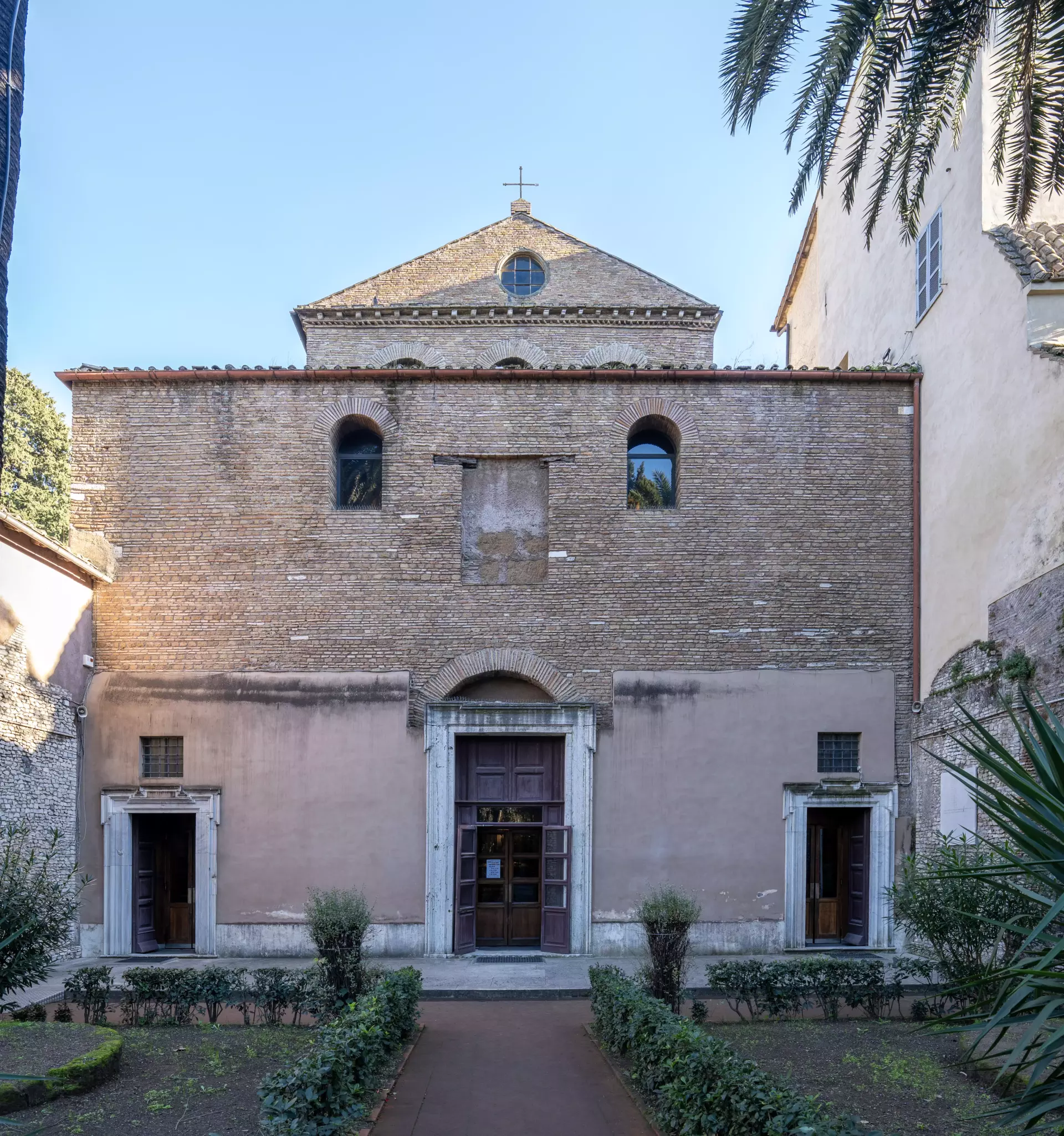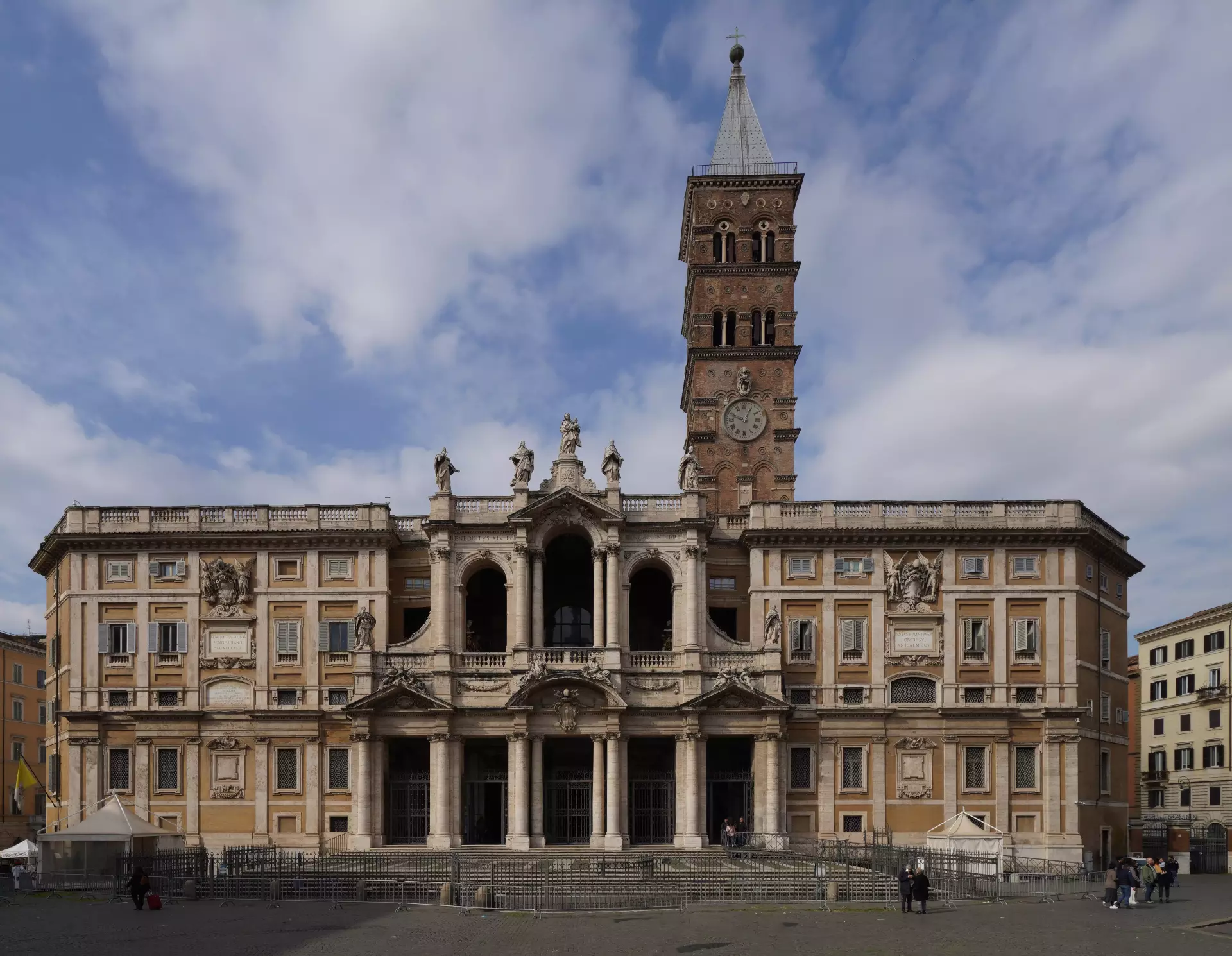
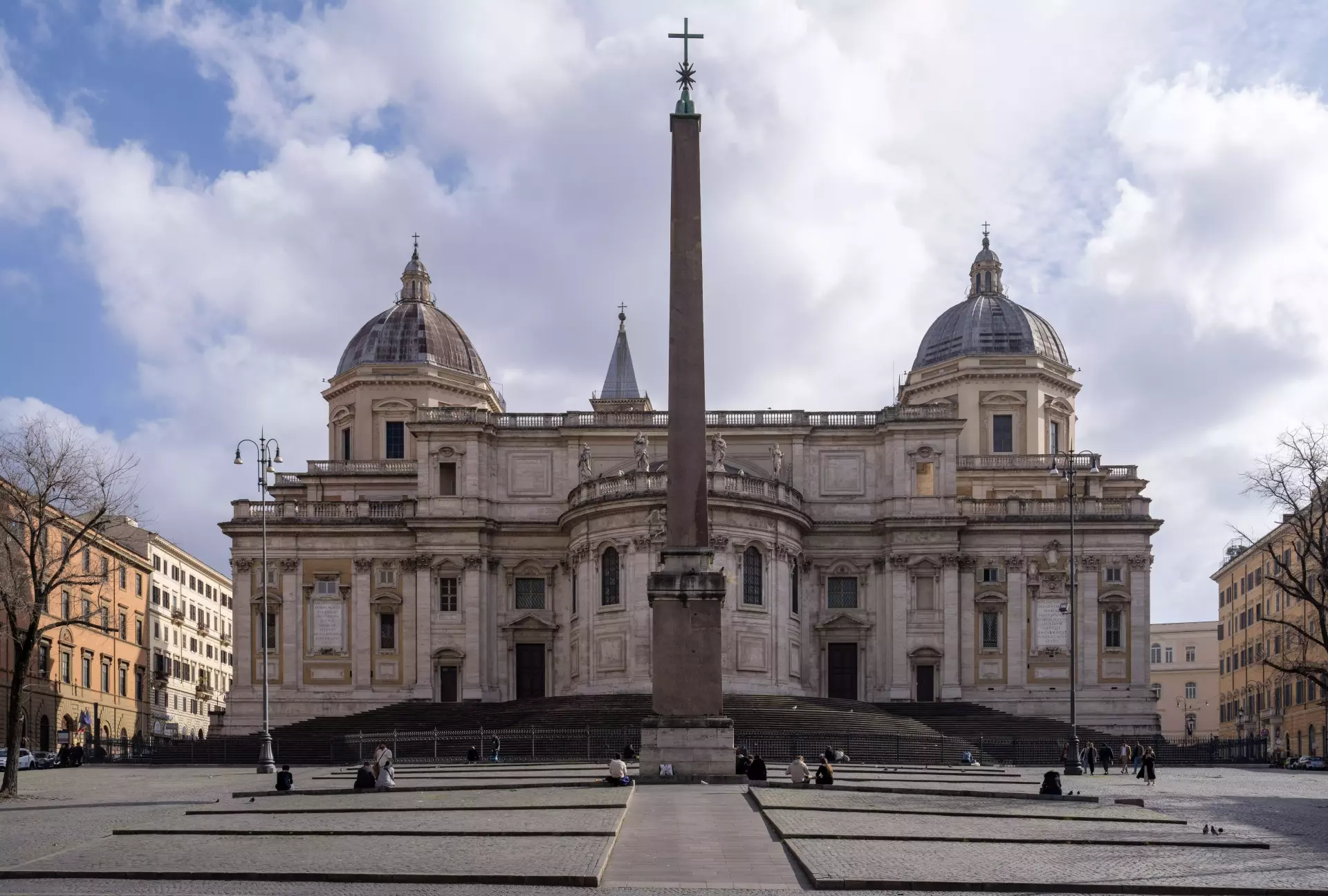
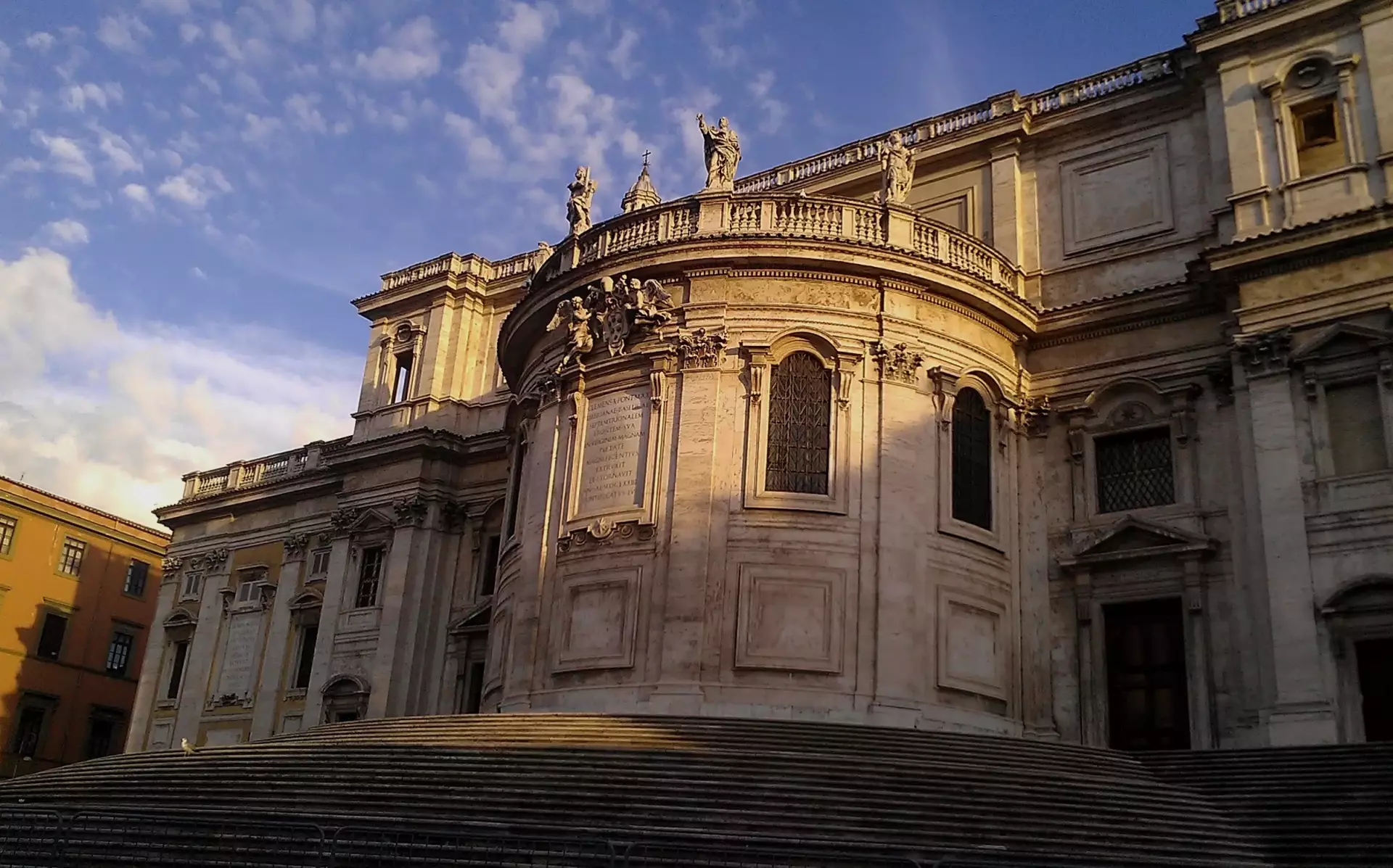
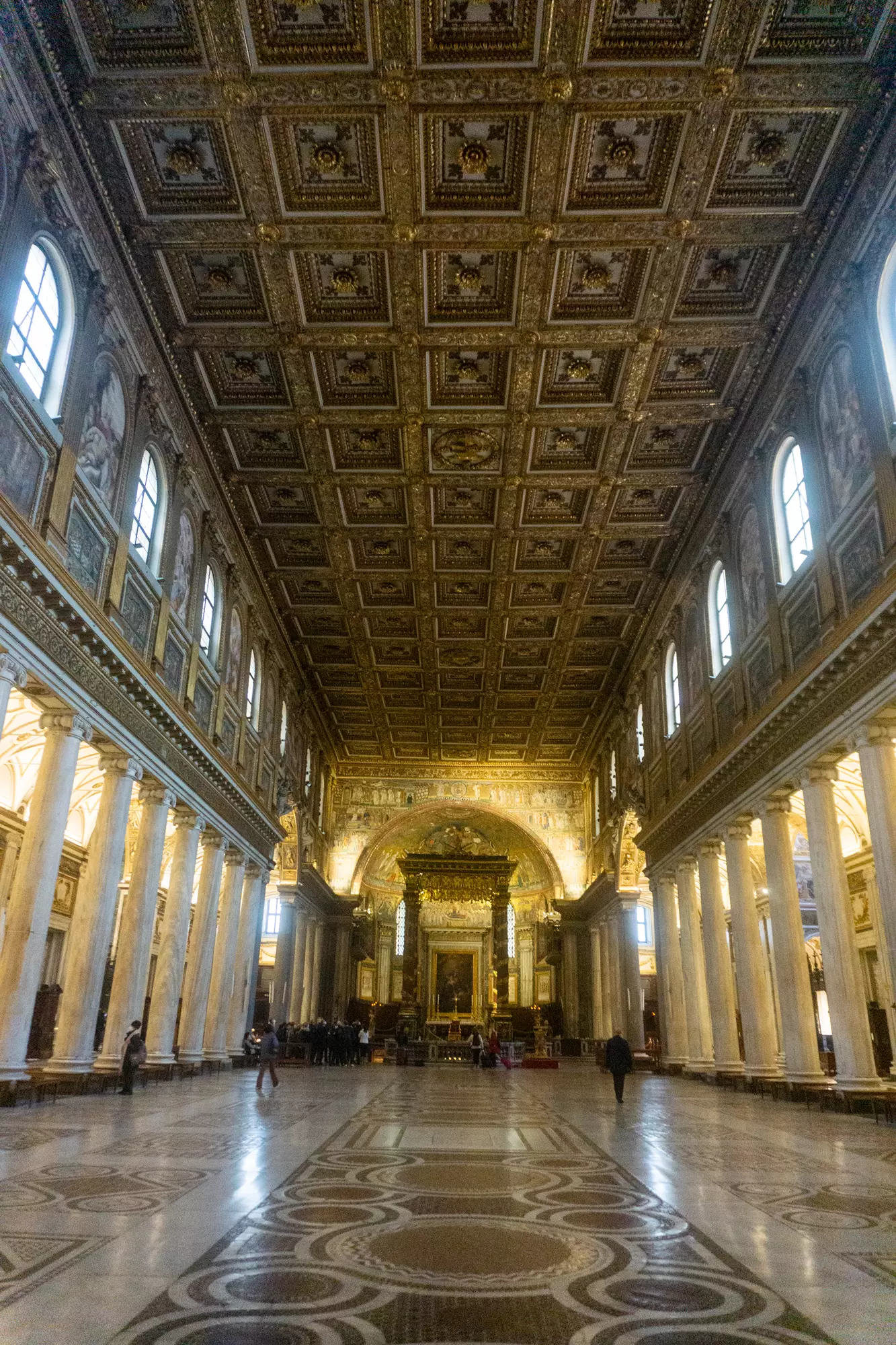
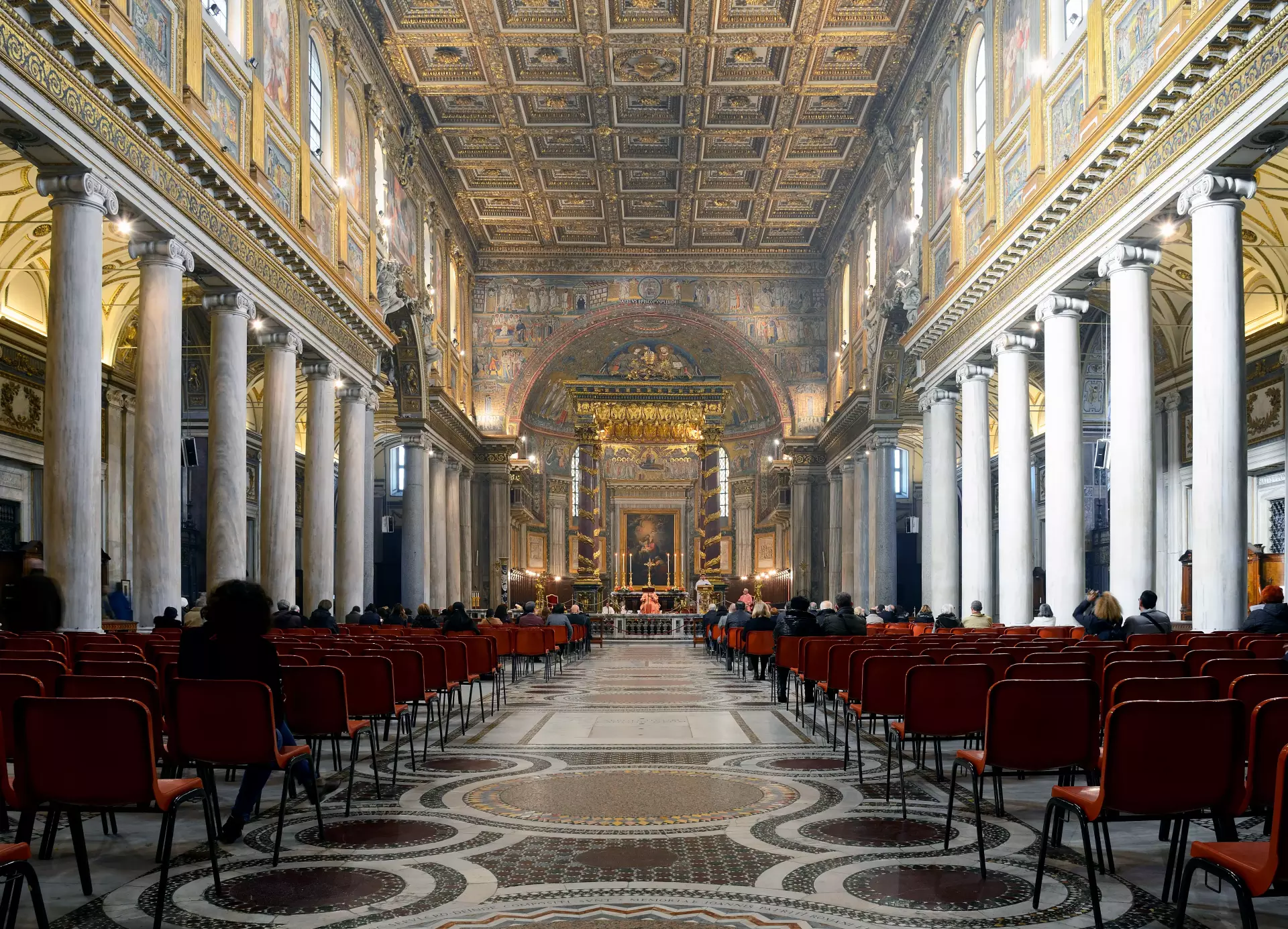
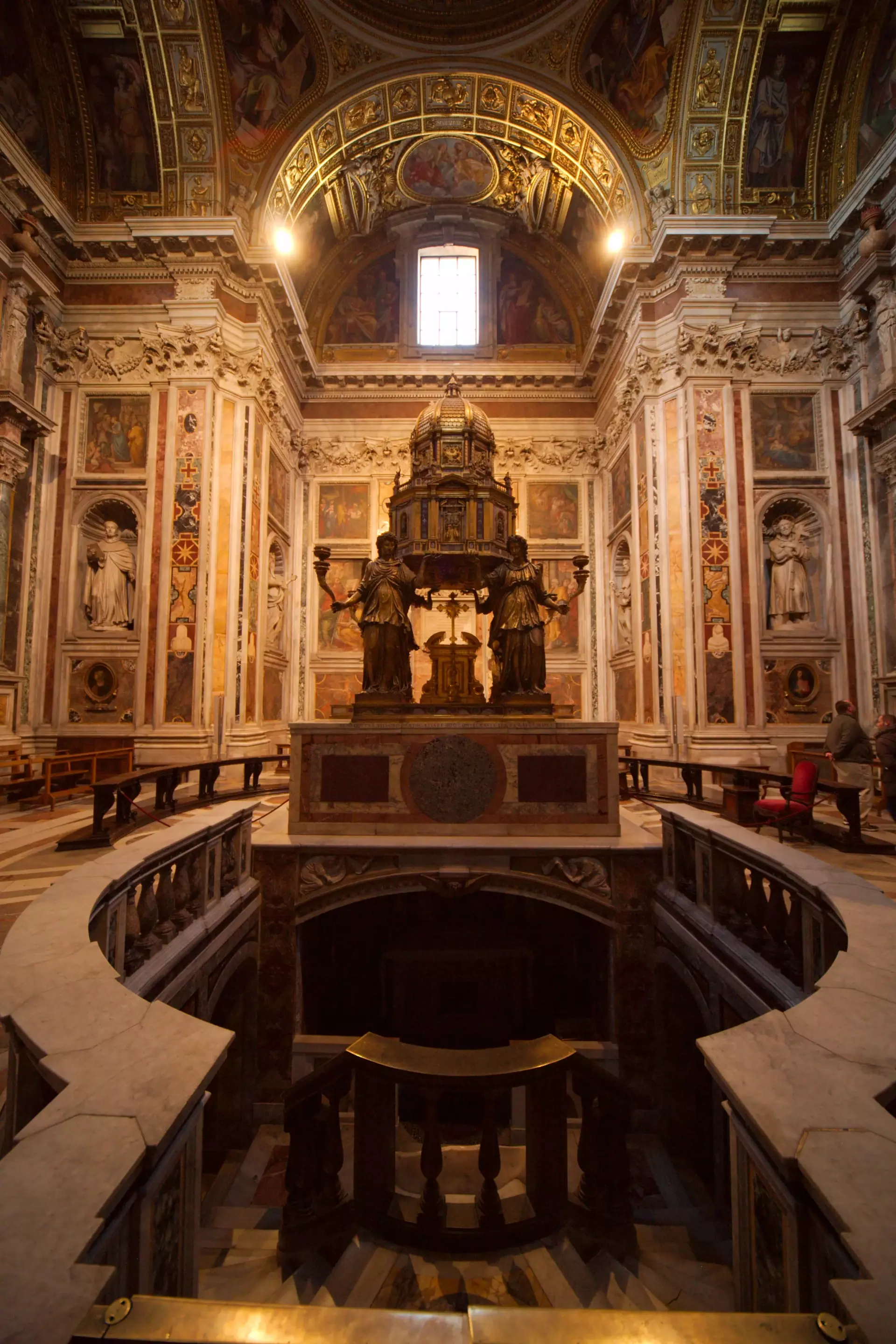
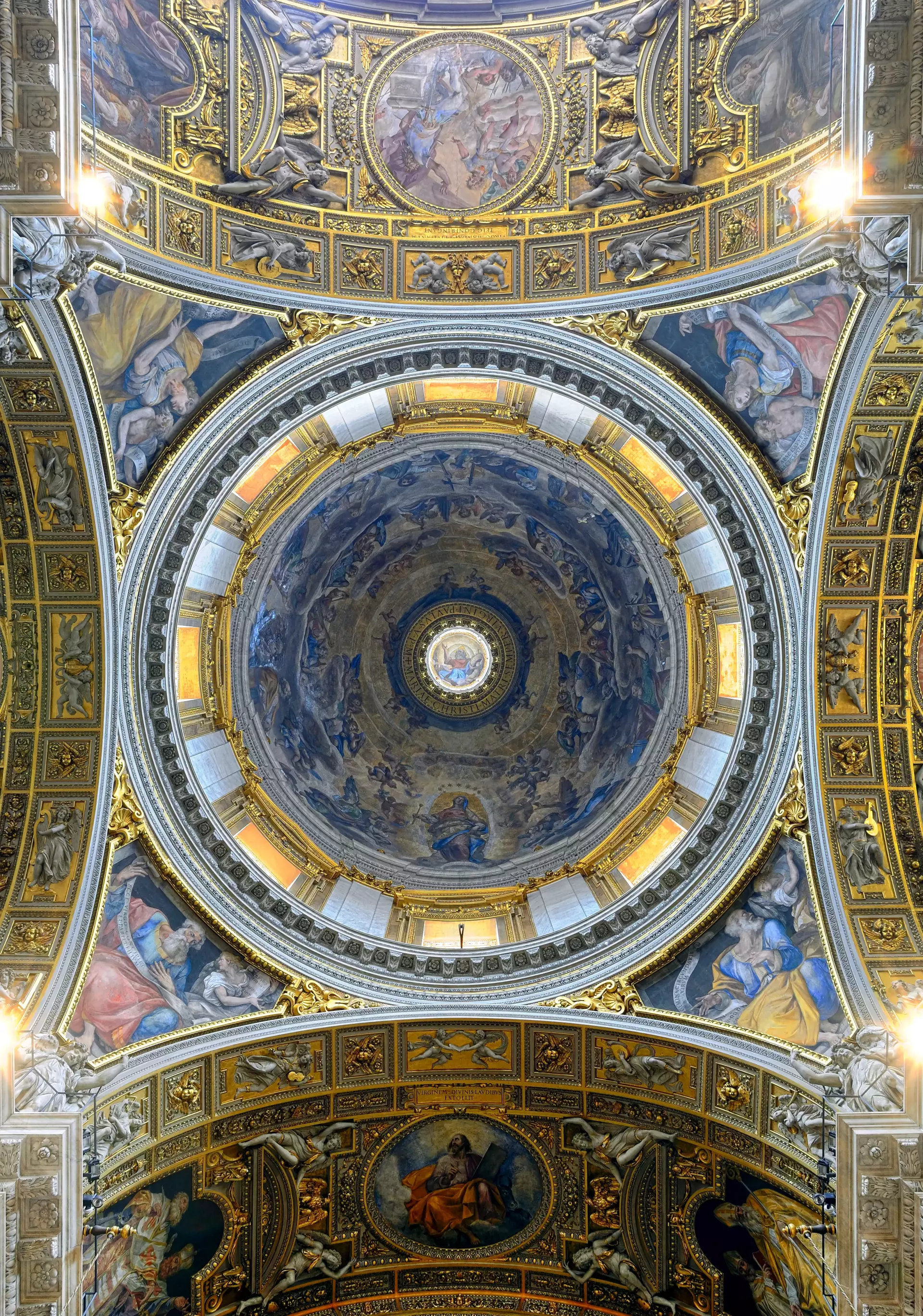
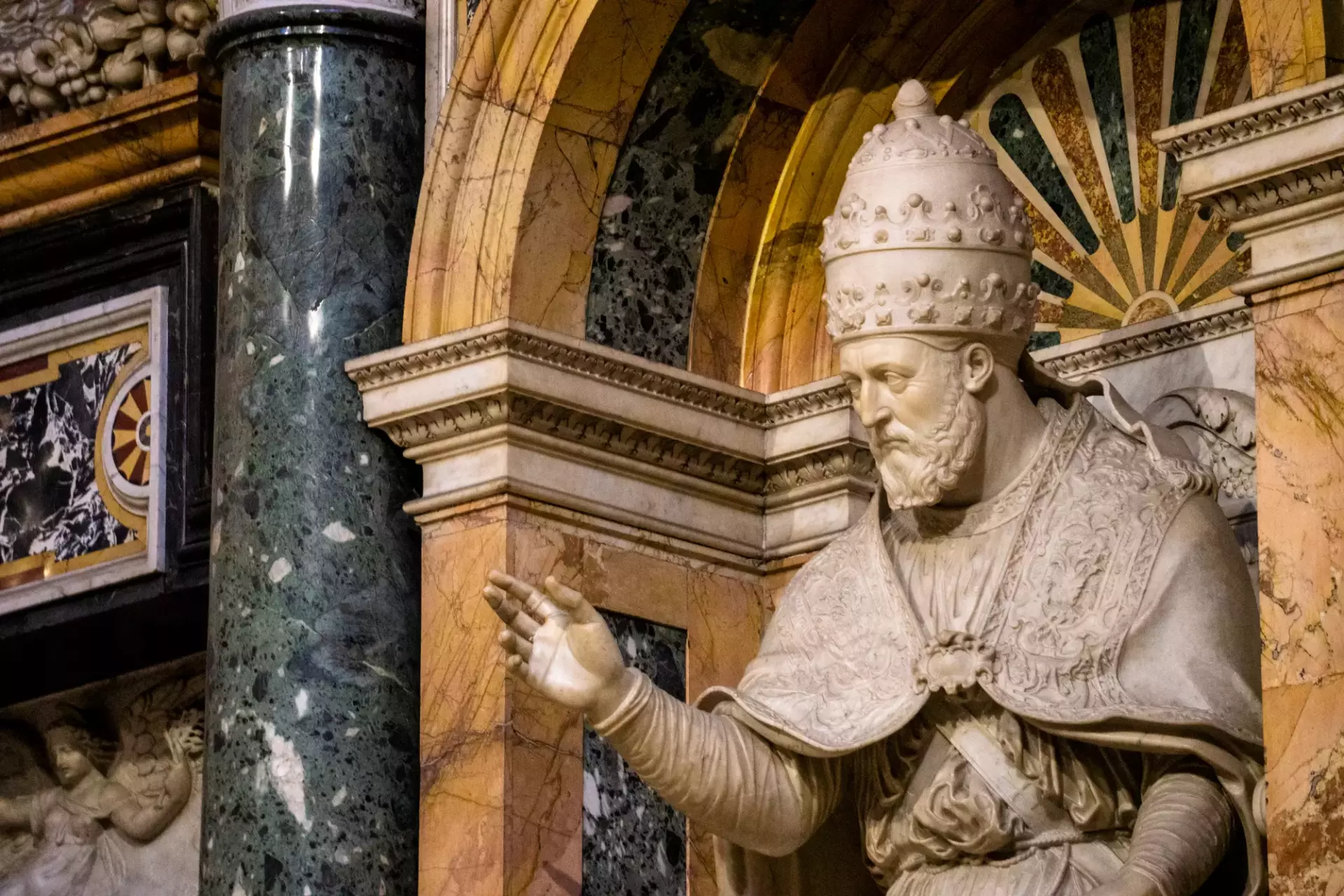
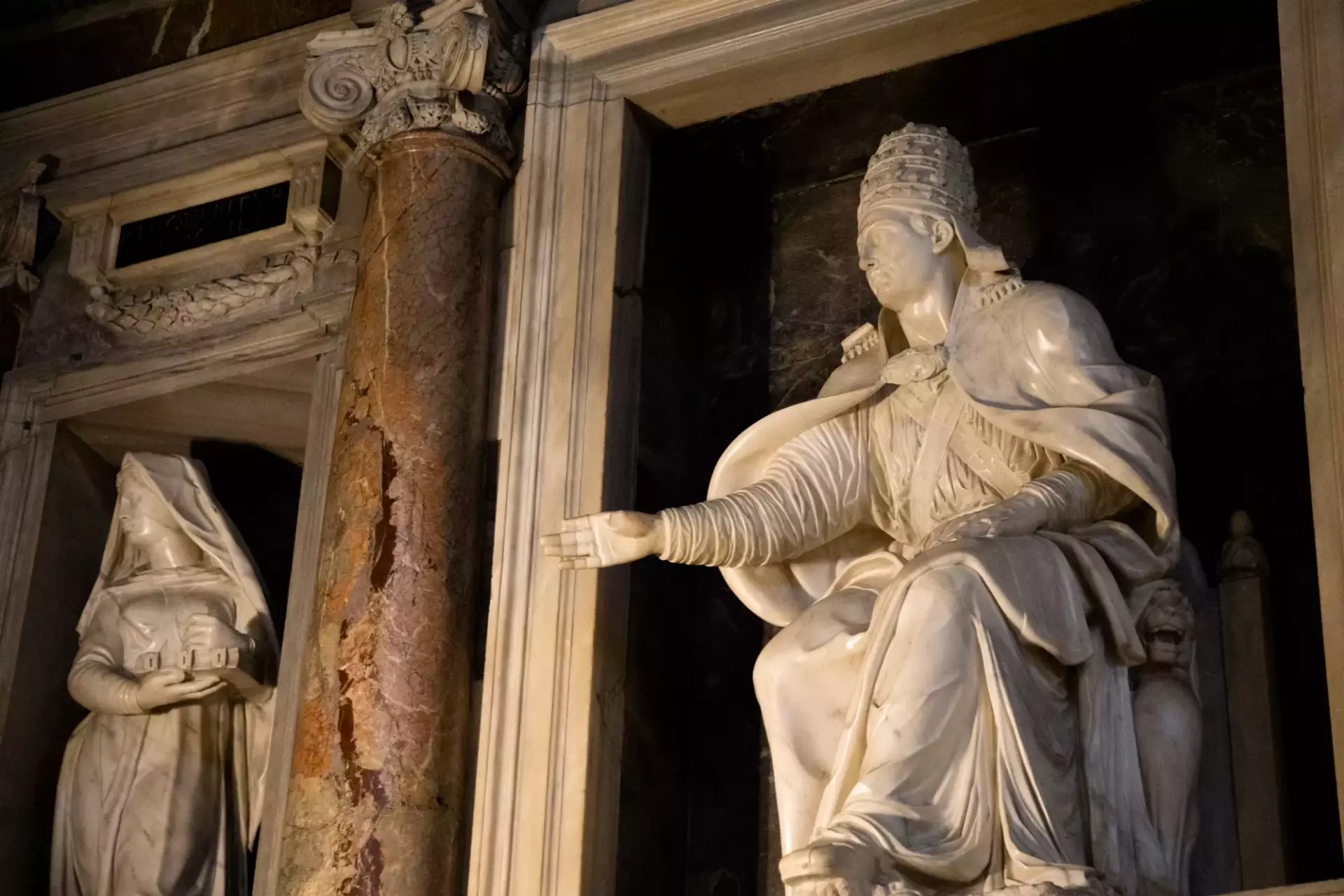
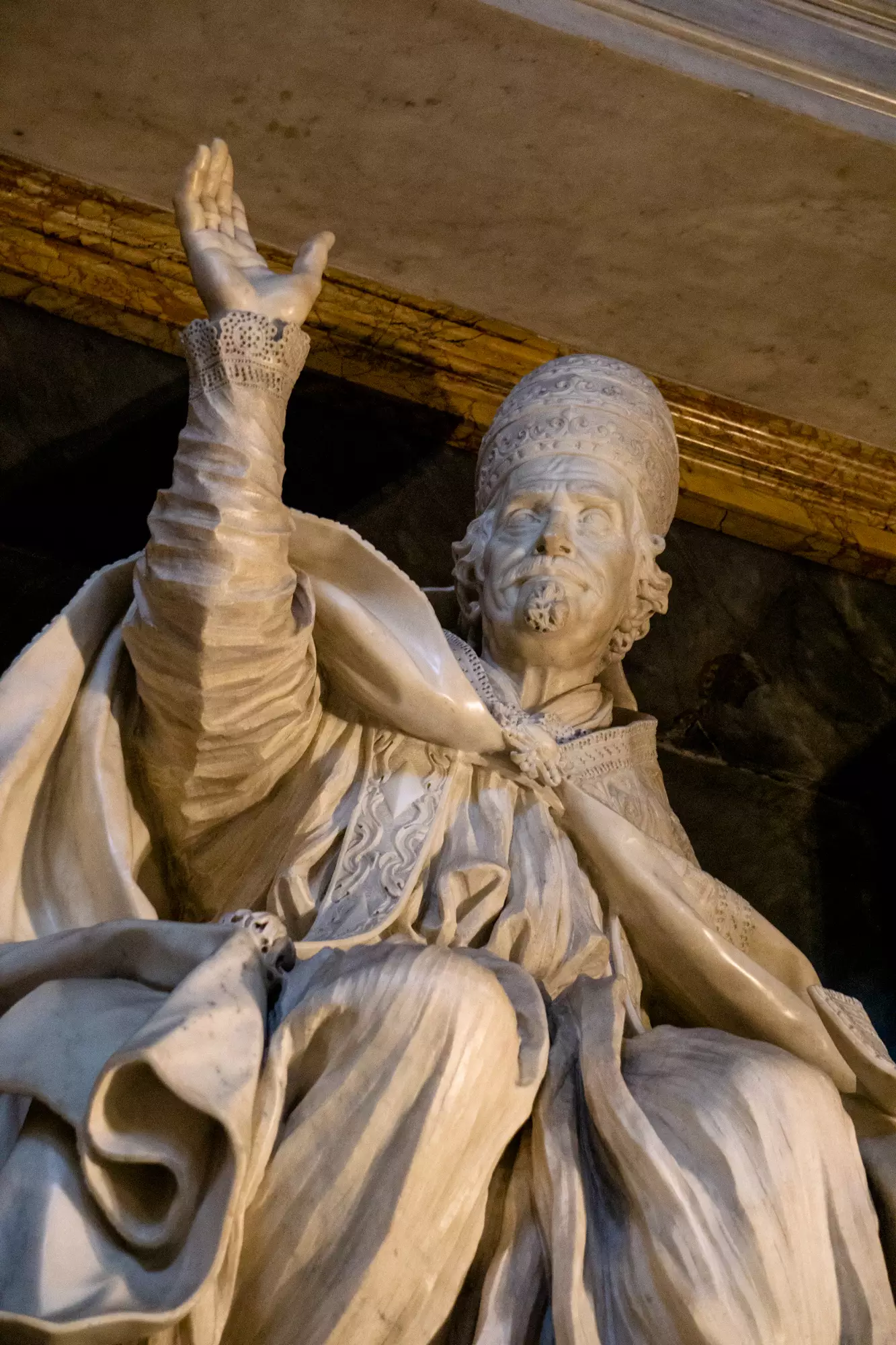
The Basilica di Santa Maria Maggiore stands tall at the summit of Rome’s Esquiline Hill. Dating back to the 5th century, this remarkable basilica is one of the most ancient and significant churches in the city. Visitors are greeted by a grand façade and can walk around the building to admire its impressive architecture from all angles.
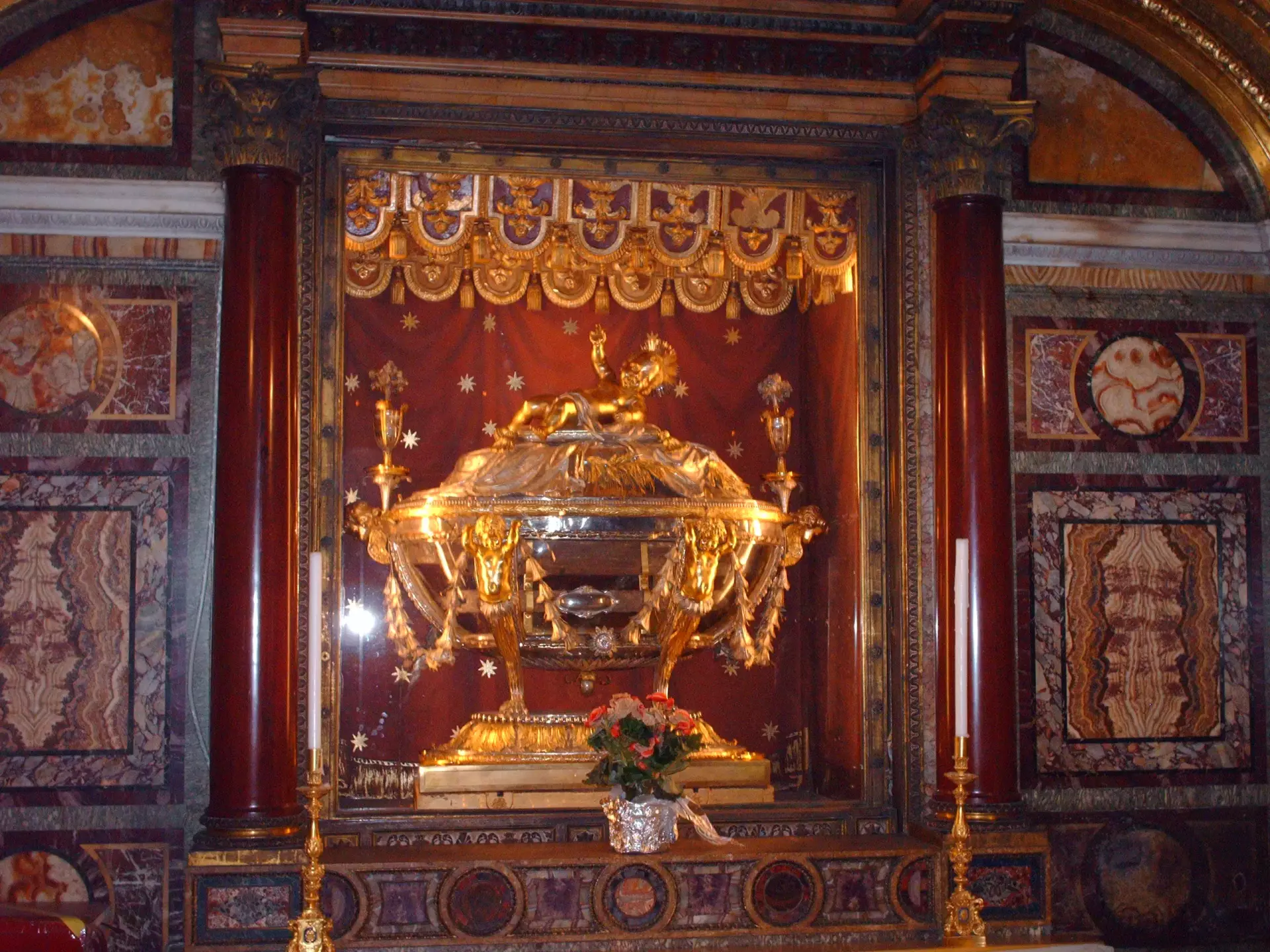
Inside, the basilica dazzles with lavish decorations. Gold covers many surfaces, creating a warm, glowing atmosphere—especially striking when the interior is softly illuminated. The walls showcase two tiers of mosaics and paintings on the upper walls, telling biblical stories in vivid colors. The main altar and apse are particularly eye-catching, featuring intricate designs and rich materials.
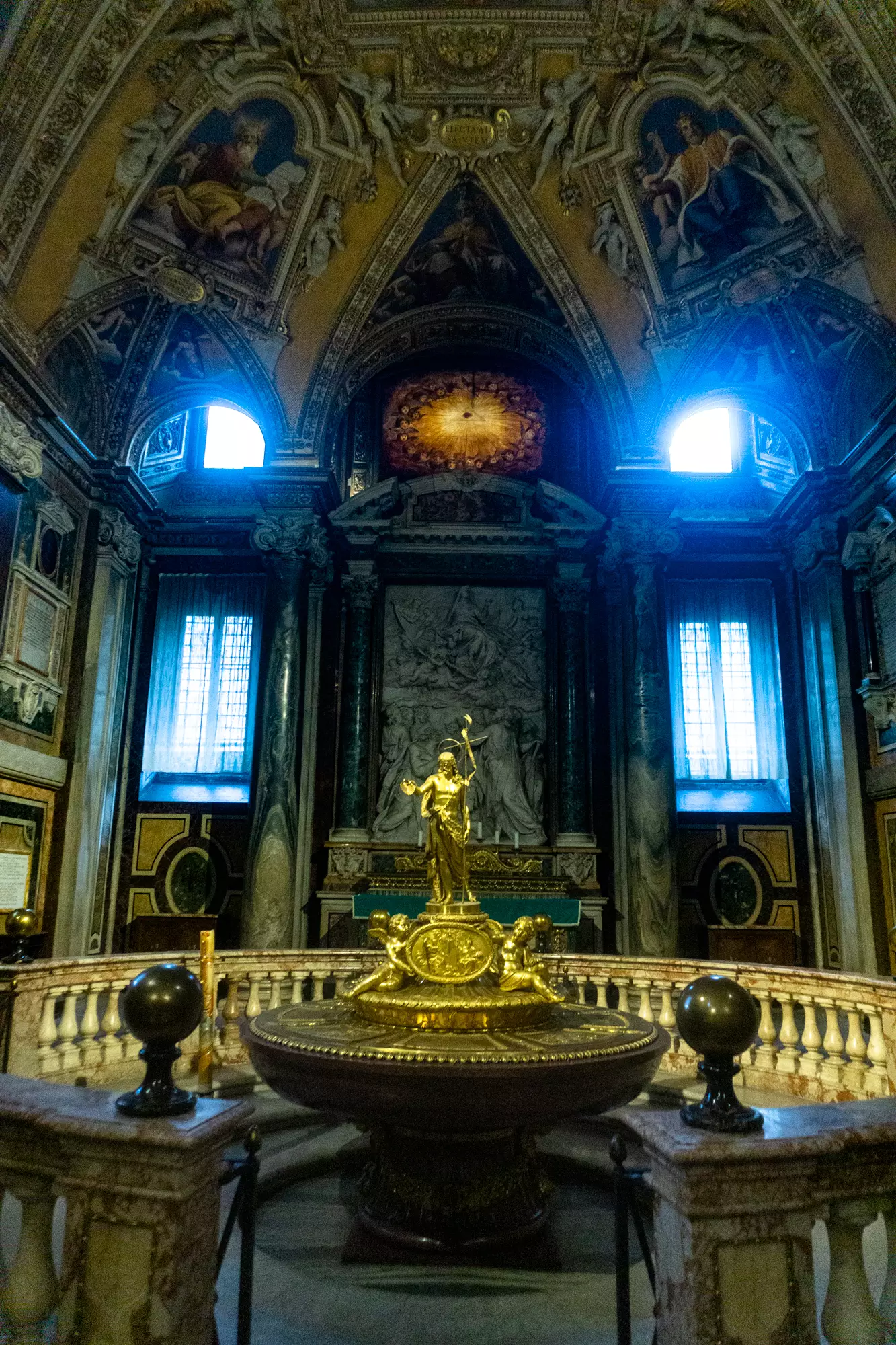
Several side chapels invite quiet exploration. Among them is a chapel with a golden baptismal font that draws many visitors for its beauty and craftsmanship. The church’s museum holds valuable artifacts and offers insights into centuries of history and faith.
Each year, the basilica plays a central role during the Corpus Christi celebrations. On this religious holiday—which falls on the Thursday after the eighth Sunday following Easter—the Pope leads an early evening service at the nearby San Giovanni. He then joins a procession down Via Merulana, which ends at Santa Maria Maggiore. This event draws crowds eager for a close-up view of the Pope and a chance to witness Rome’s vibrant spiritual traditions.
With so much to see, from the ornate chapels to the storied mosaics, many visitors spend an hour or more inside the basilica. Even without joining a guided tour, there is plenty to discover. Taking time to explore both the interior and the exterior ensures a complete experience of this historic church. For those who wish to fully appreciate the art, history, and atmosphere, allowing at least two hours is recommended.
Source - https://en.wikipedia.org/wiki/Santa_Maria_Maggiore
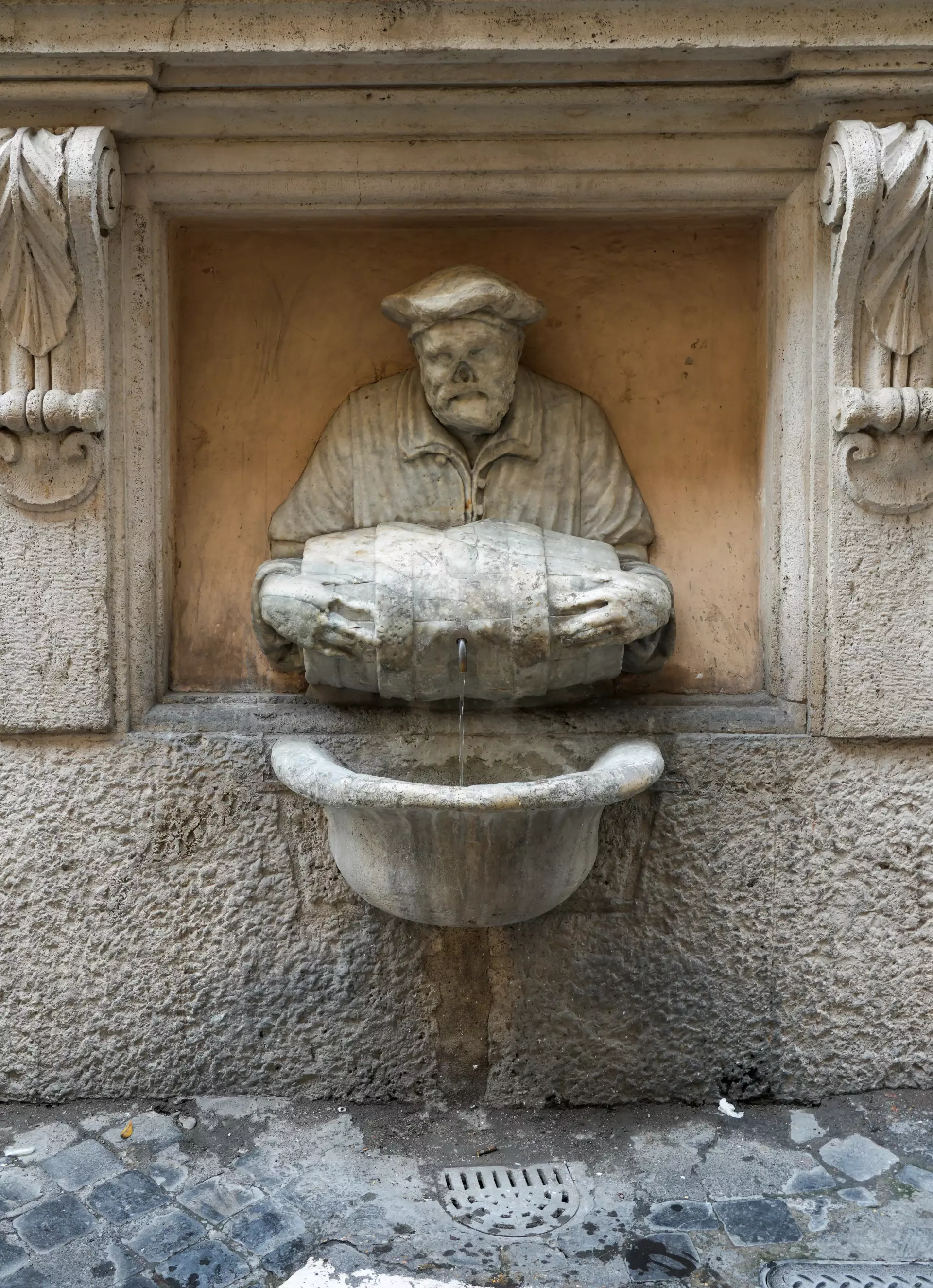
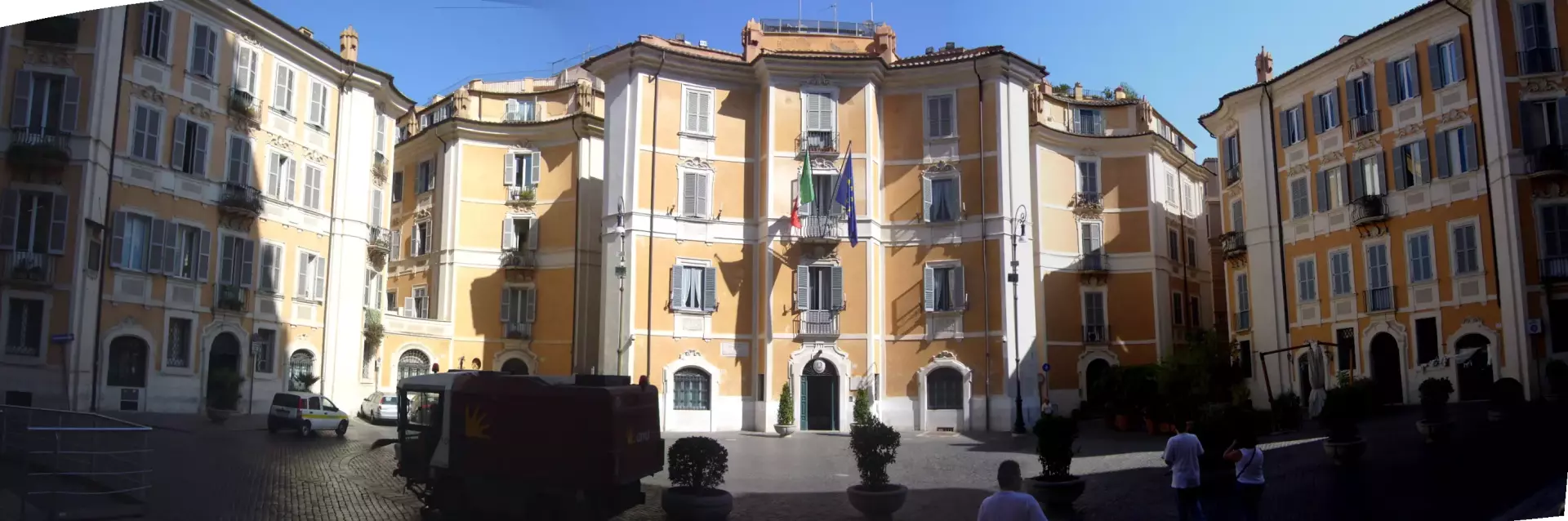
Like Pasquino, the Facchino is one the so-called "speaking figures" which are peculiar to Rome. He is looking out of the Banco di Roma building. The man depicted is holding a barrel in his hands and is carrying water. It is sometimes said that he is looking similar to Martin Luther, but more probably a porter who died while carrying a barrel is depicted here.
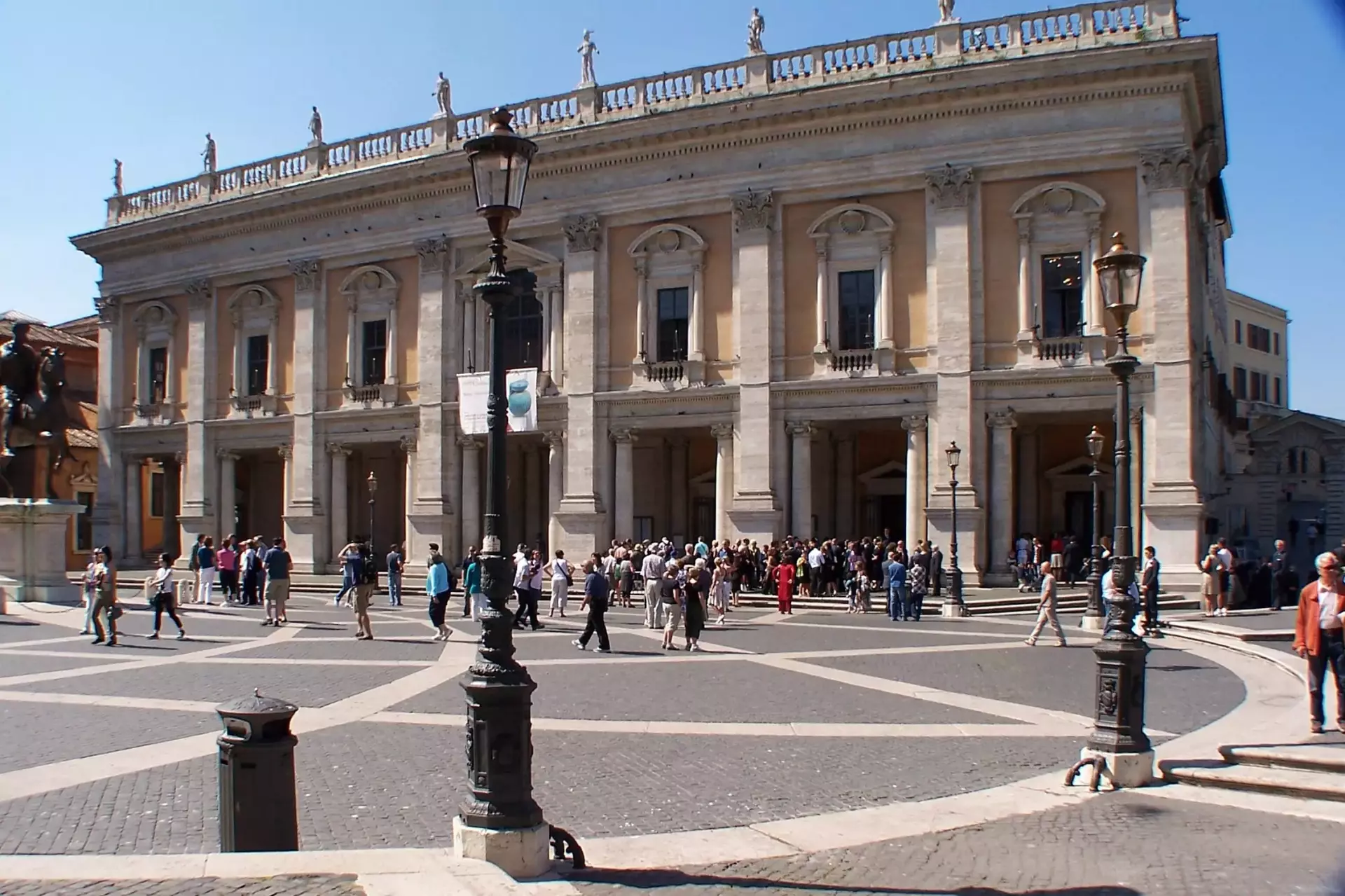
Also based on a Michelangelo architectural plan, this compact gallery is well endowed in classical sculpture and paintings. Highlights include the small 1st-century-BC bronze Lo Spinario, a Greek statue of a little boy picking a thorn from his foot; the Lupa Capitolina (Capitoline Wolf), a rare Etruscan bronze statue probably dating from the 5th century BC; and (in the entrance courtyard), the massive head, hands, foot and kneecap from a colossal statue of Constantine the Great. The palace also contains a Pinacoteca (Picture Gallery) with paintings mainly from the 16th and 17th centuries - highlights include: Caravaggio's Fortune-Teller and his curious John the Baptist; The Holy Family, by Dosso Dossi; Romulus and Remus, by Rubens; and Titian's Baptism of Christ.
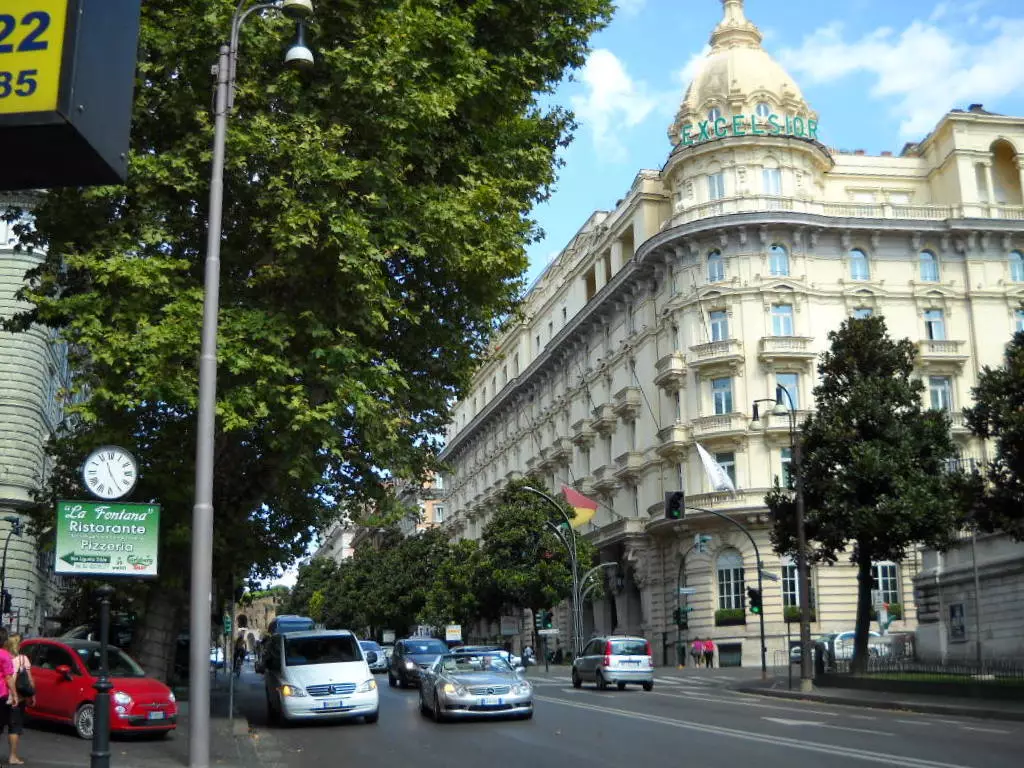
It was immortalised in 1960 by the Federico Fellini film La Dolce Vita. It is also the location of the US Embassy, in the massive Palazzo Margherita. Via Veneto went into a period of decline in the 1980s but has returned to popularity and the roadside cafes are the place to be seen if you are into that sort of thing.
Pope Nicholas III connected Castel Sant'Angelo to St. Peter's by a covered fortified corridor called the Passetto di Borgo. This proved useful for Pope Clement VII during the Sack of Rome (1527). You can still see much of the Passetto by walking along the Borgo Sant'Angelo, which runs parallel to, and north of, the Via della Conciliazione.
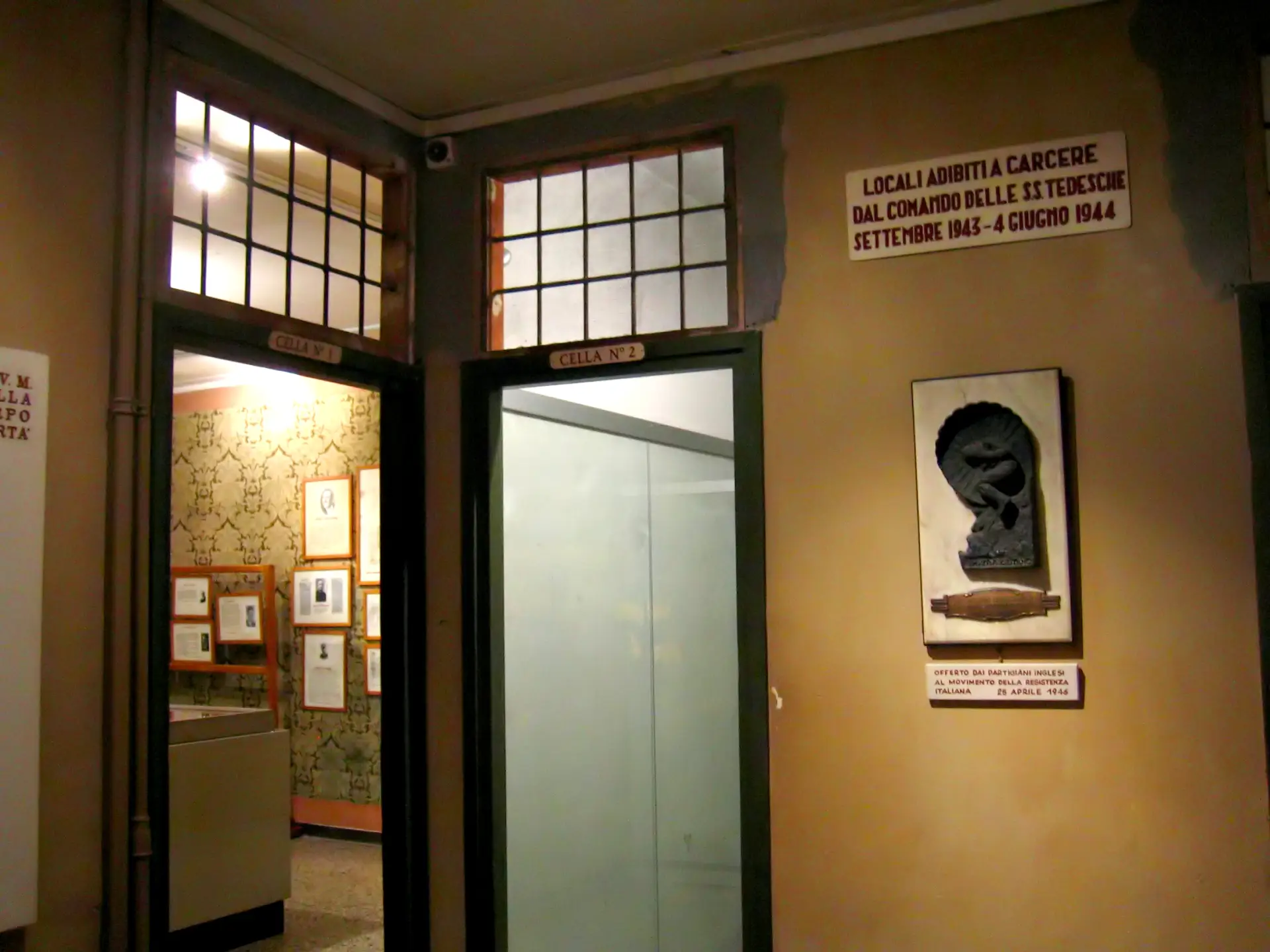
This small museum records the liberation of Rome from German occupation during the Second World War. During the occupation the building was used as a prison. Stair lifts and chair lifts available for wheelchair users (call ahead).
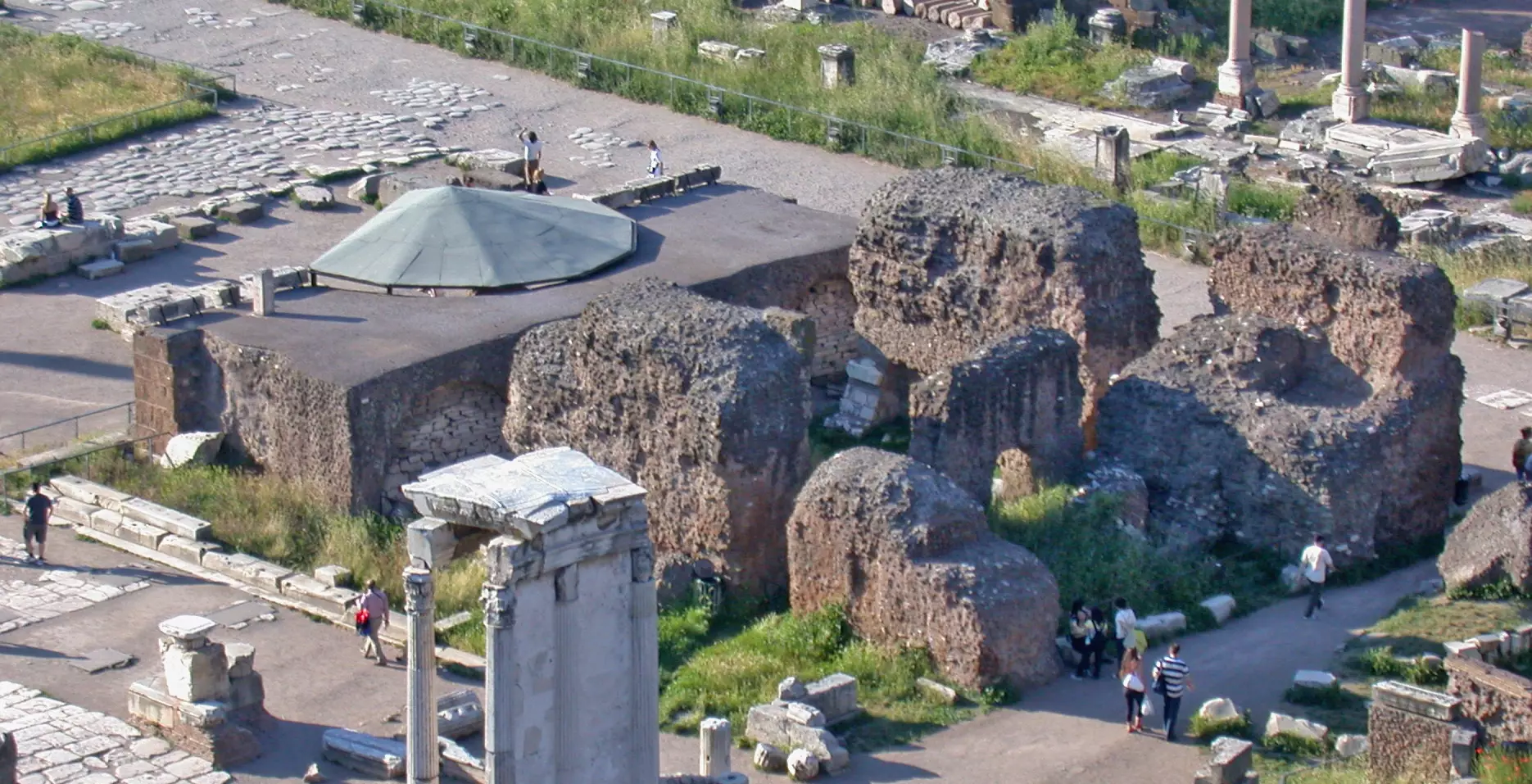
Finished in 29 BC, marks the spot of Caesar's spontaneous cremation and Mark Antony's funeral speech, made famous by Shakespeare in his play Julius Caesar ("Friends, Romans, Countrymen, lend me your ears ...").
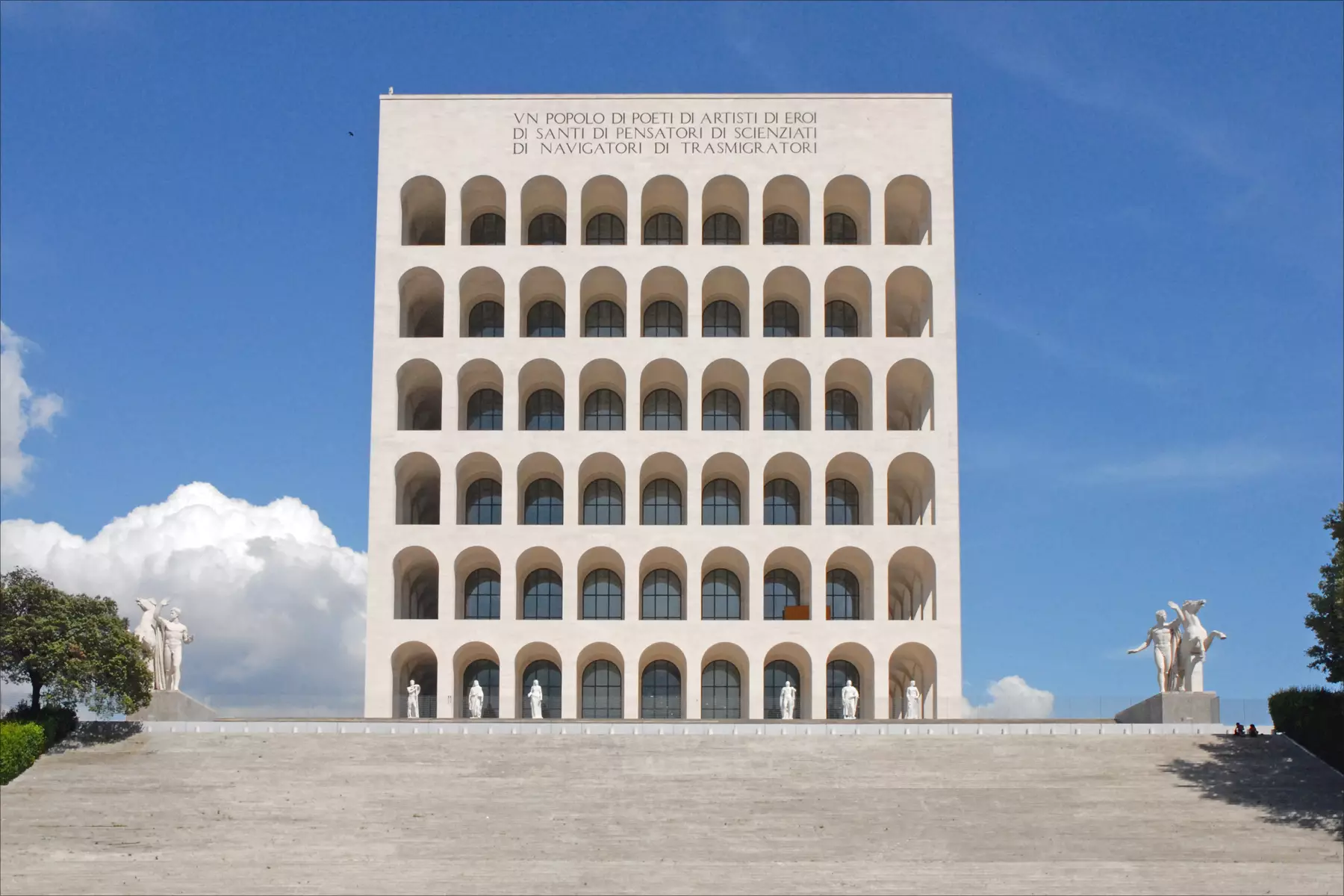
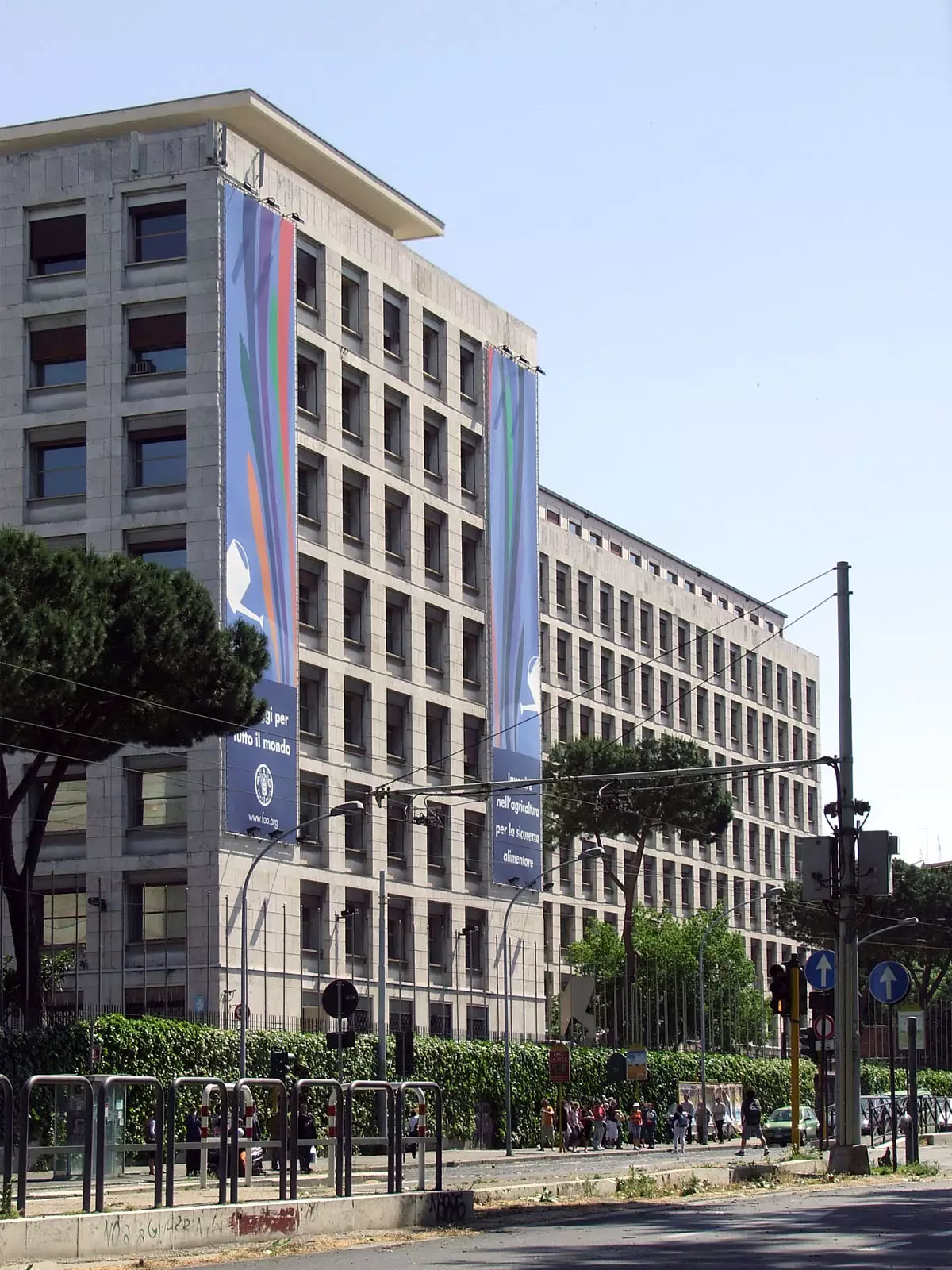
The enormous building at the southeast end of the Circus Maximus is the headquarters of the UN Food and Agriculture Organization (FAO). From its roof are undoubtedly the best views of Rome, but you will need to know someone who works there to get past the strict security.
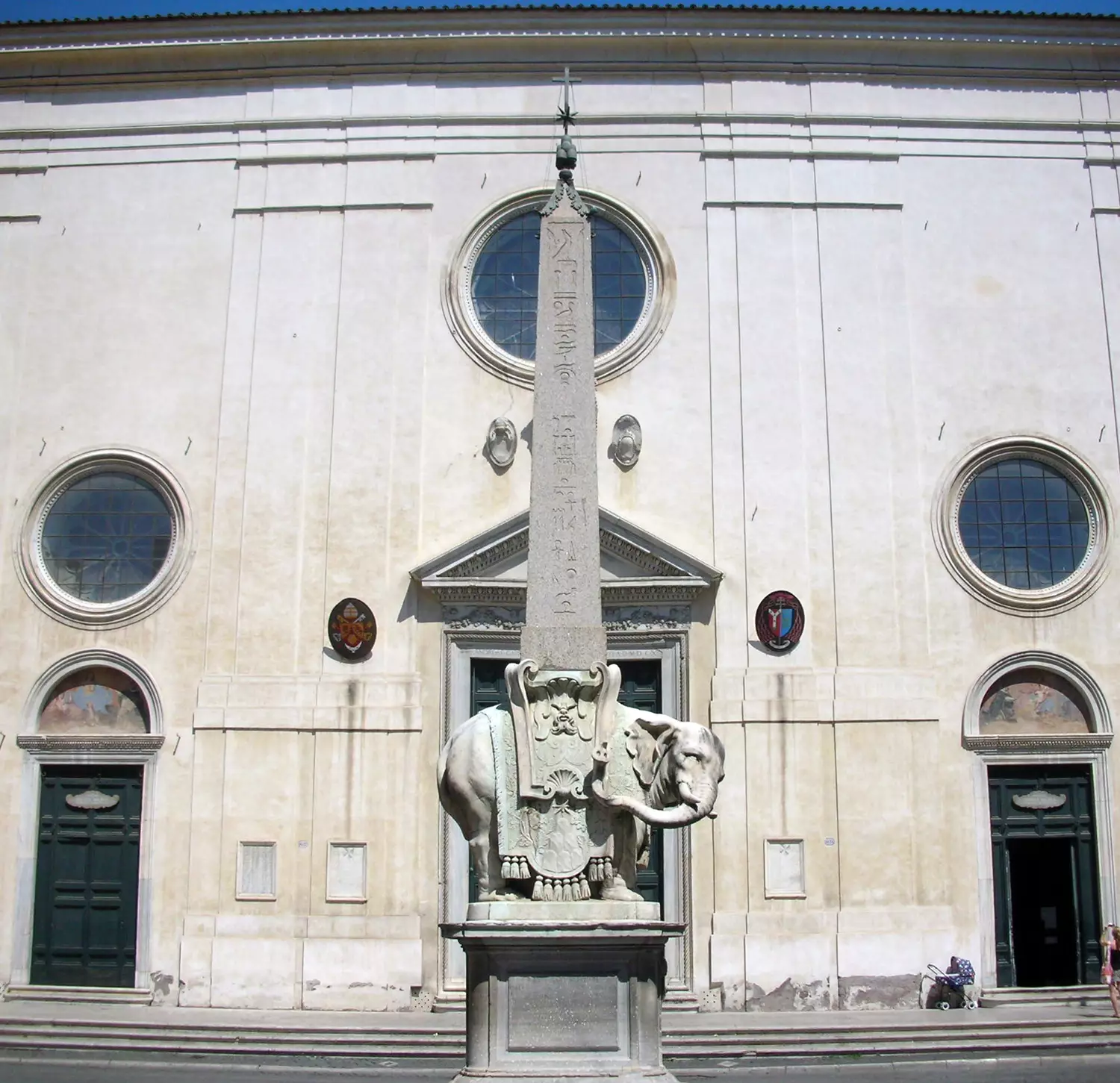
One of Bernini's masterpieces, an obelisk on the back of an elephant.
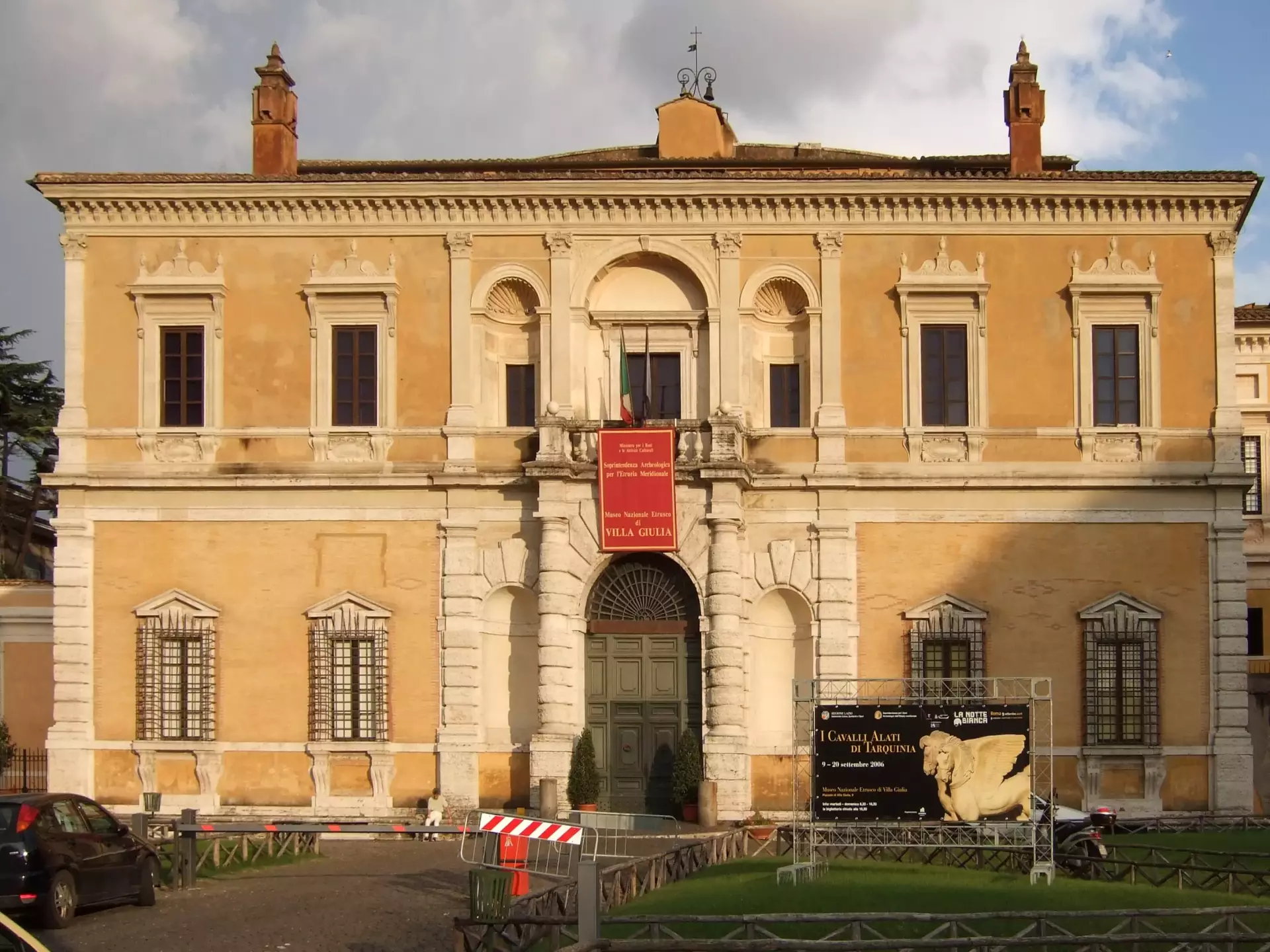
The most extensive collection of Etruscan art and artifacts anywhere. Fantastic collection and well worth the admission charge. A difficult museum to find, but a lovely display in a beautiful villa setting.
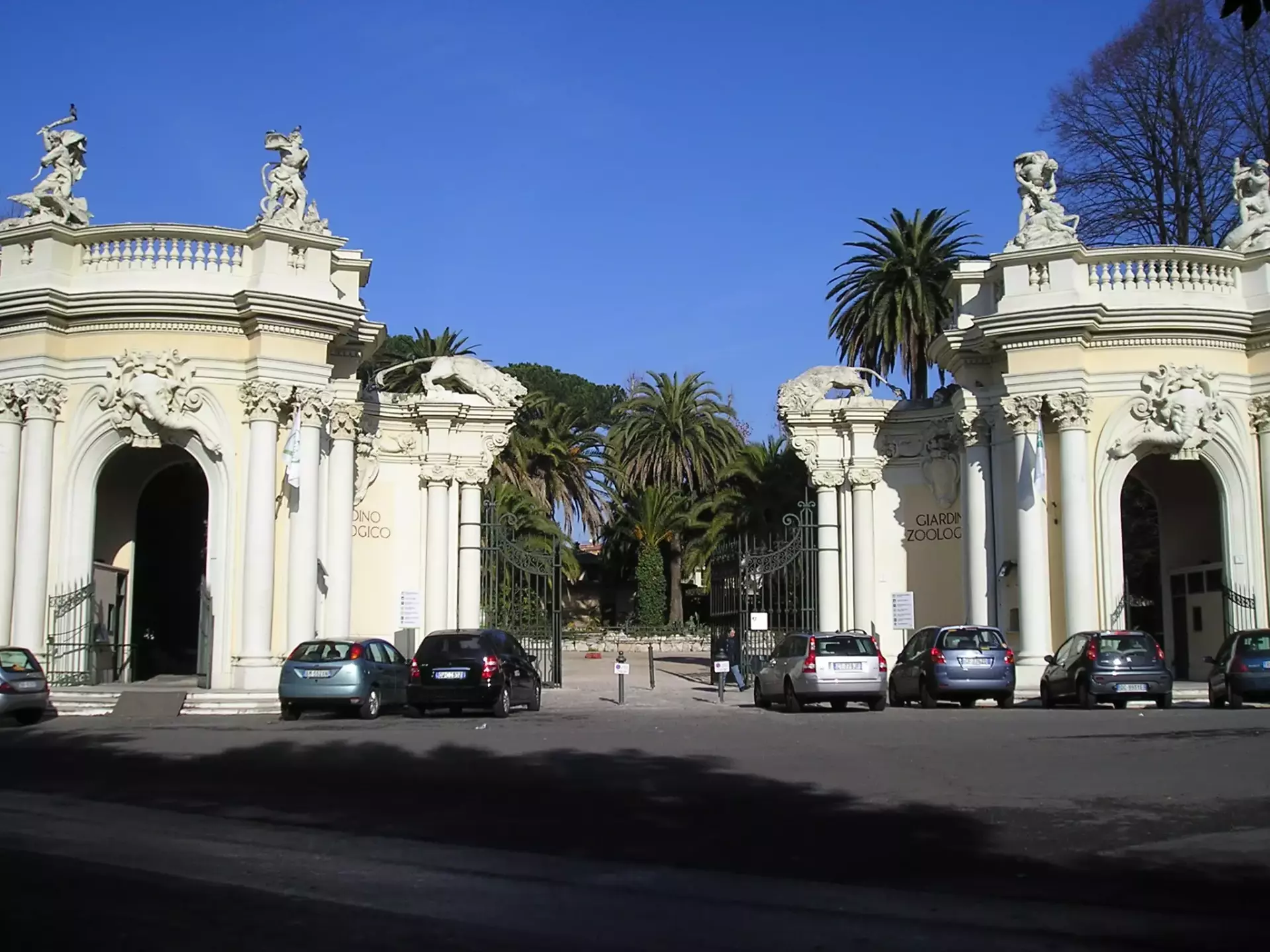
The renamed Rome Zoo, one of the oldest in Europe, founded in 1911. On the edge of the Borghese Gardens, a short, well-signposted walk from the Gallery. They try hard, but San Diego this isn't. If you are a regular zoo-goer you will be disappointed.
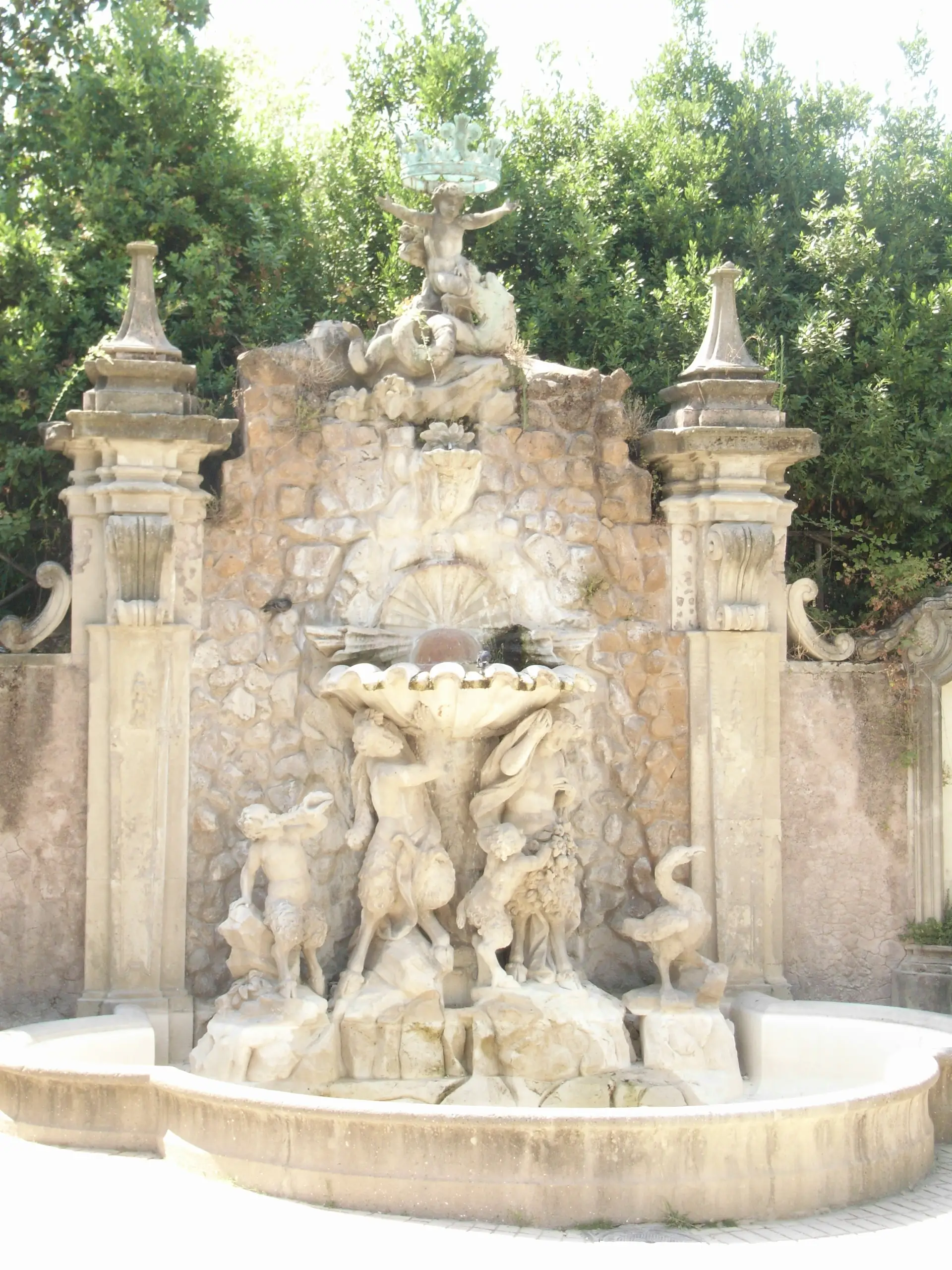
A lovely, if somewhat run-down park (parts of it are blocked due to the poor state of the roads) with statues and a great view on the city.
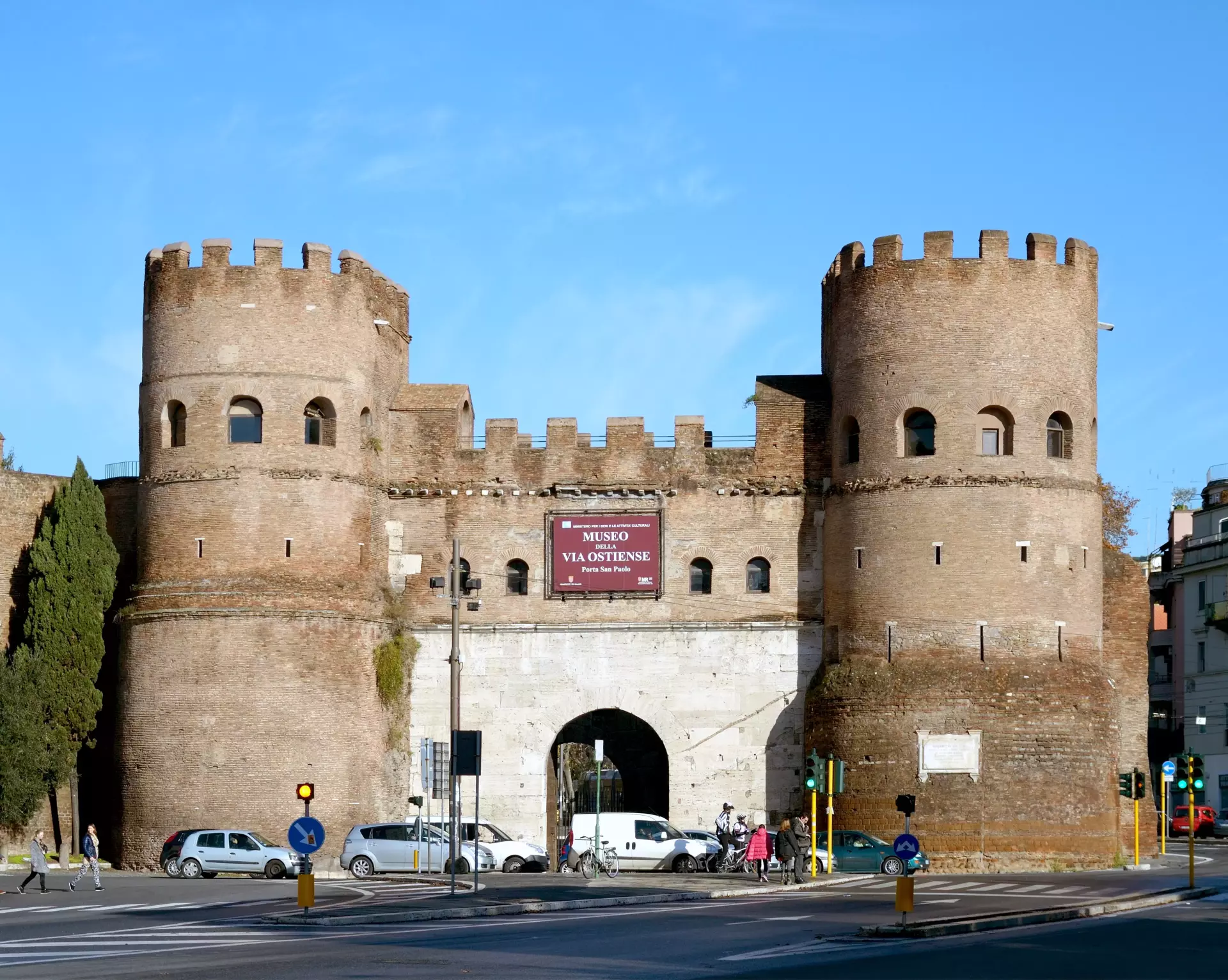
Next door to the Pyramid, this fine gate in the Aurelian Wall is named after St. Paul as the Via Ostiense leads to the basilica of St. Paul's Outside the Walls (see Rome/South).
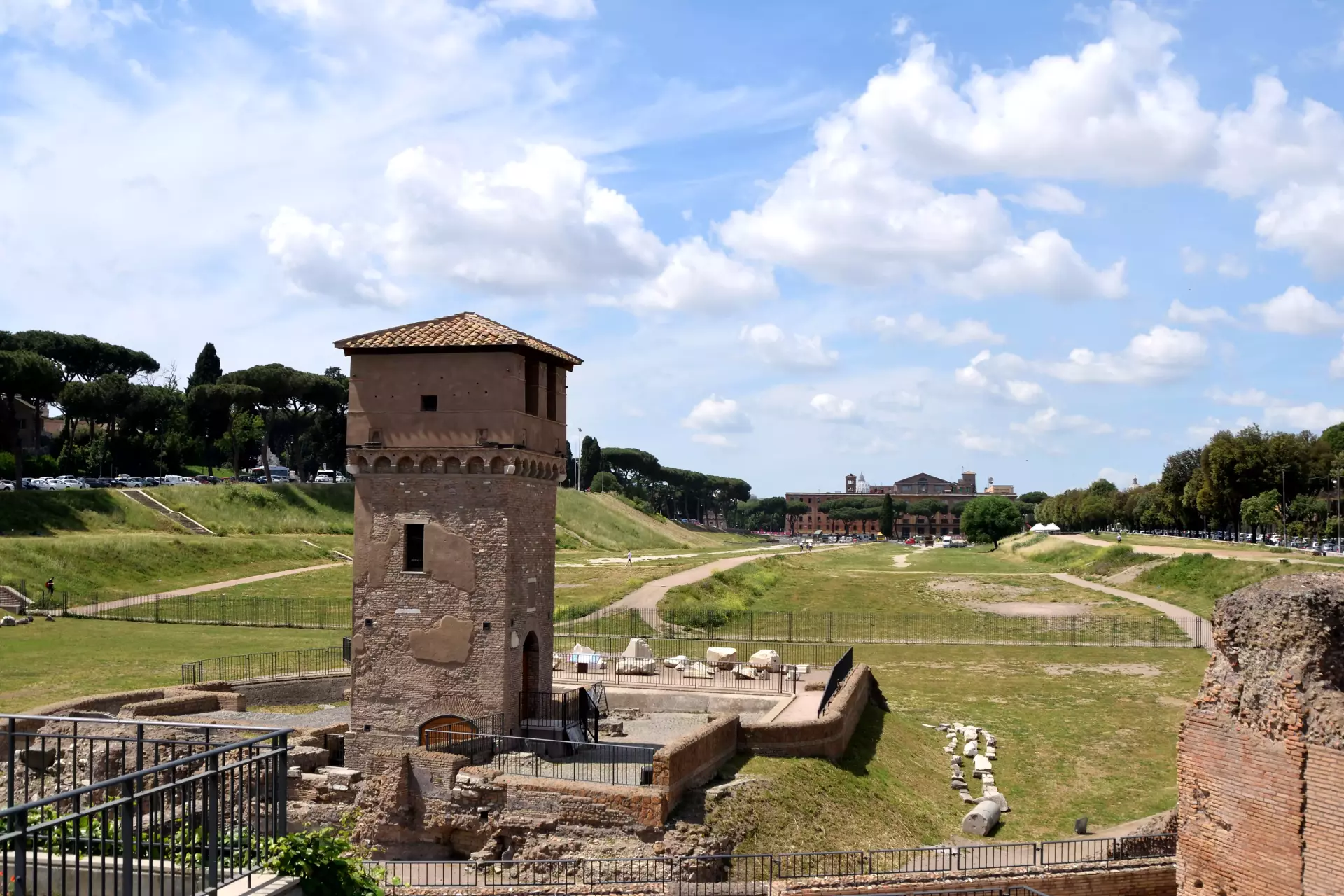
The contours of the ancient stadium, built in the 6th Century B.C., are still visible in what is now a park in the shadow of the Palatine. Circus Maximus was primarily devoted to chariot races and was used for this purpose until around 550 AD. The stadium could seat up to 150,000 people. Originally built of wood, it burnt down twice, on the second occasion starting the great fire when the Emperor Nero was said to fiddle while Rome burned. It was in one of the tunnels here that Caligula met his end. Excavations began in 2009 at the east end of the circus and are likely to go on for some years.