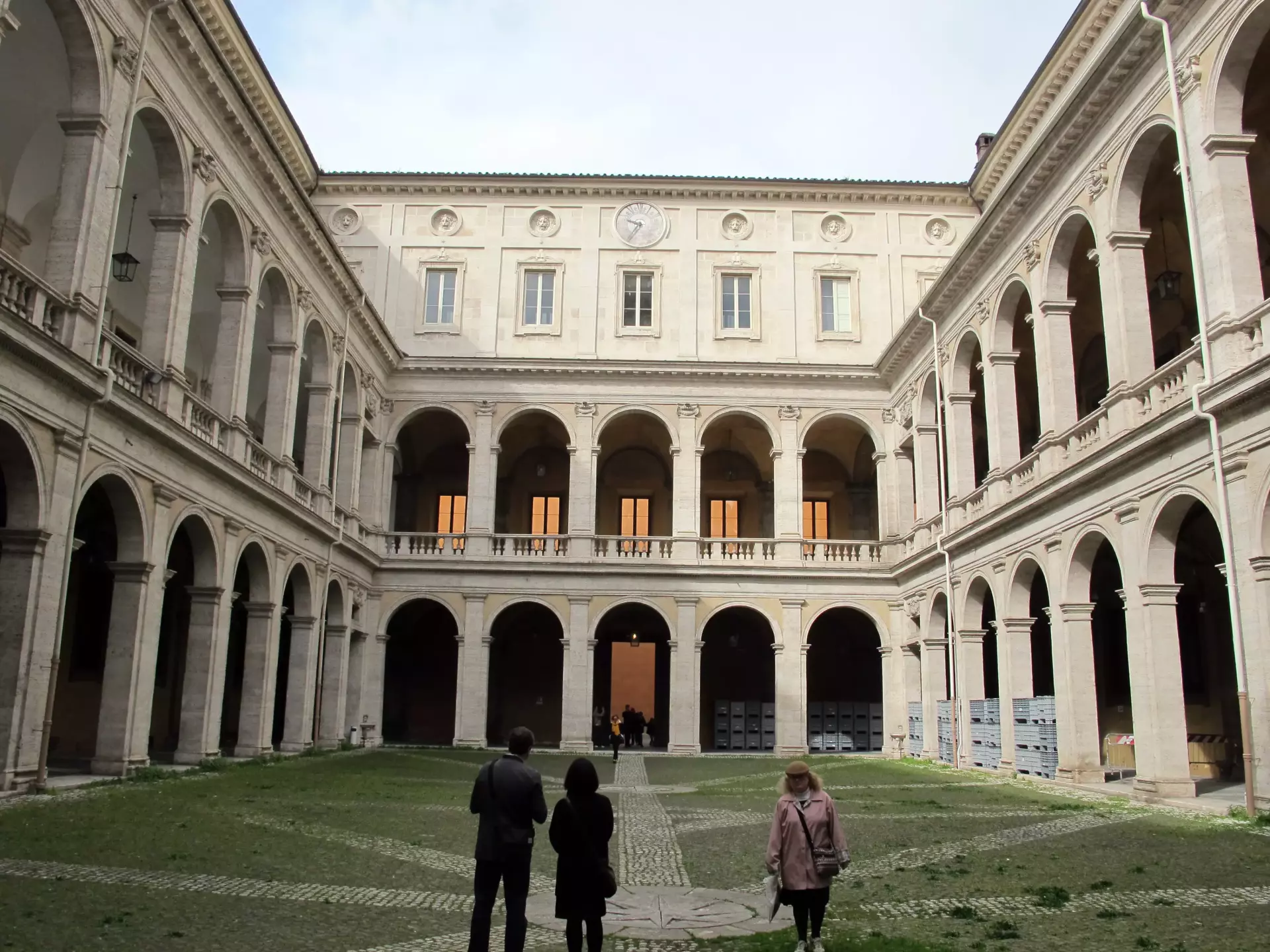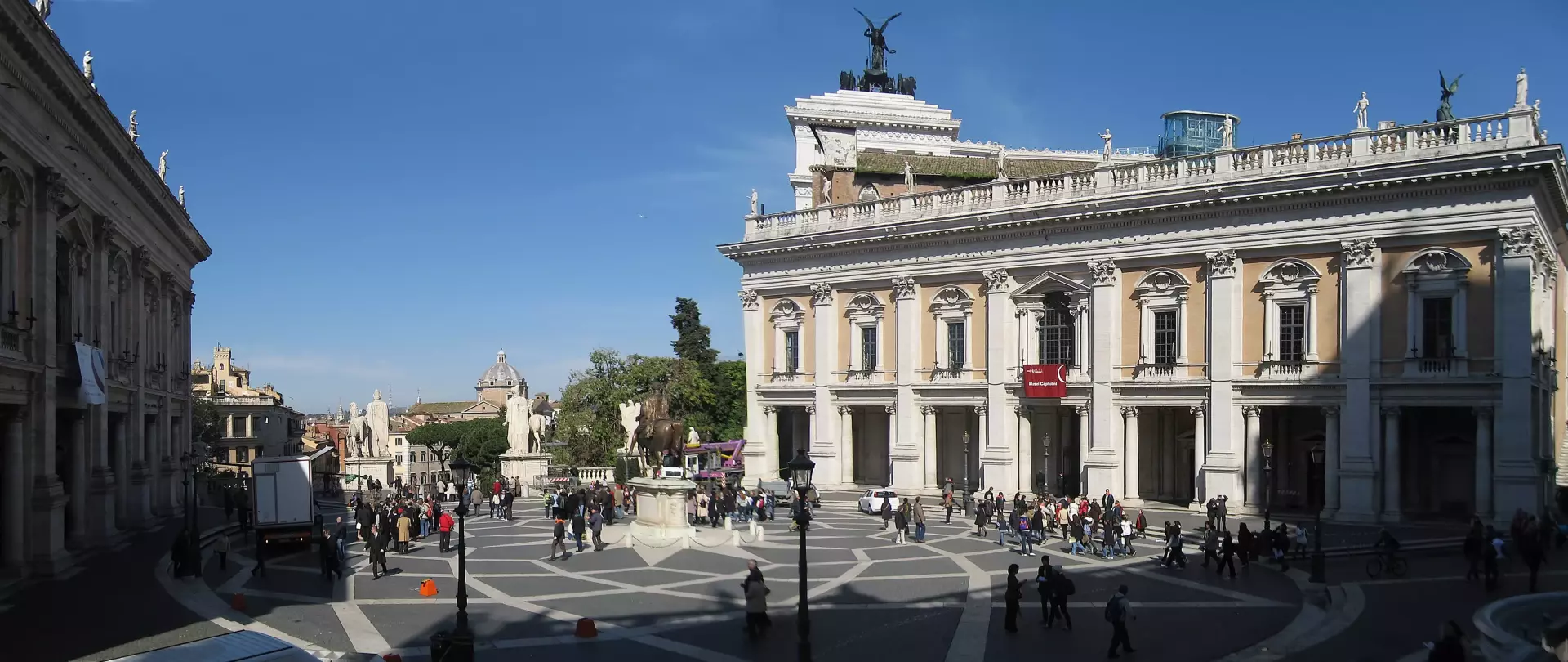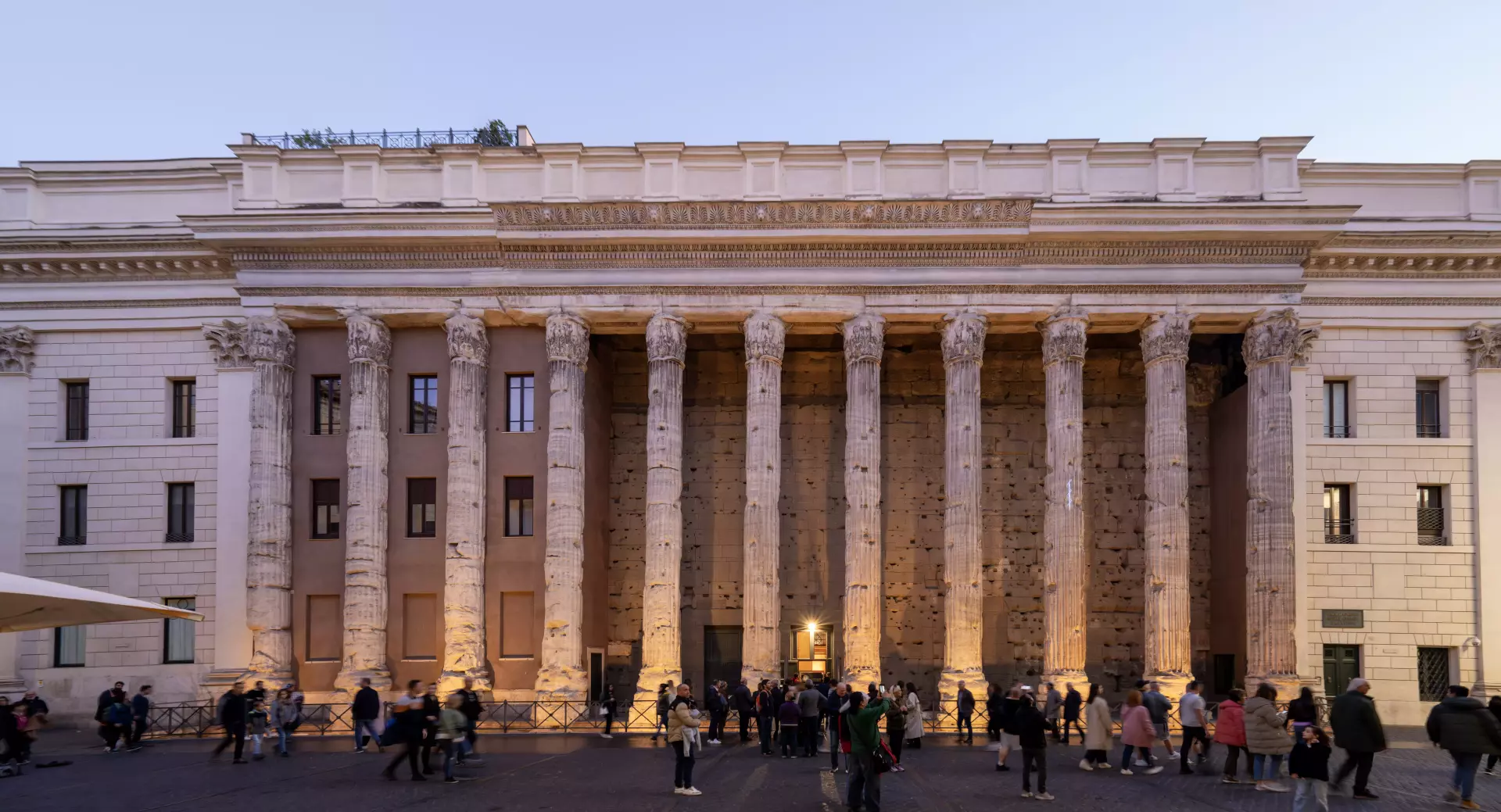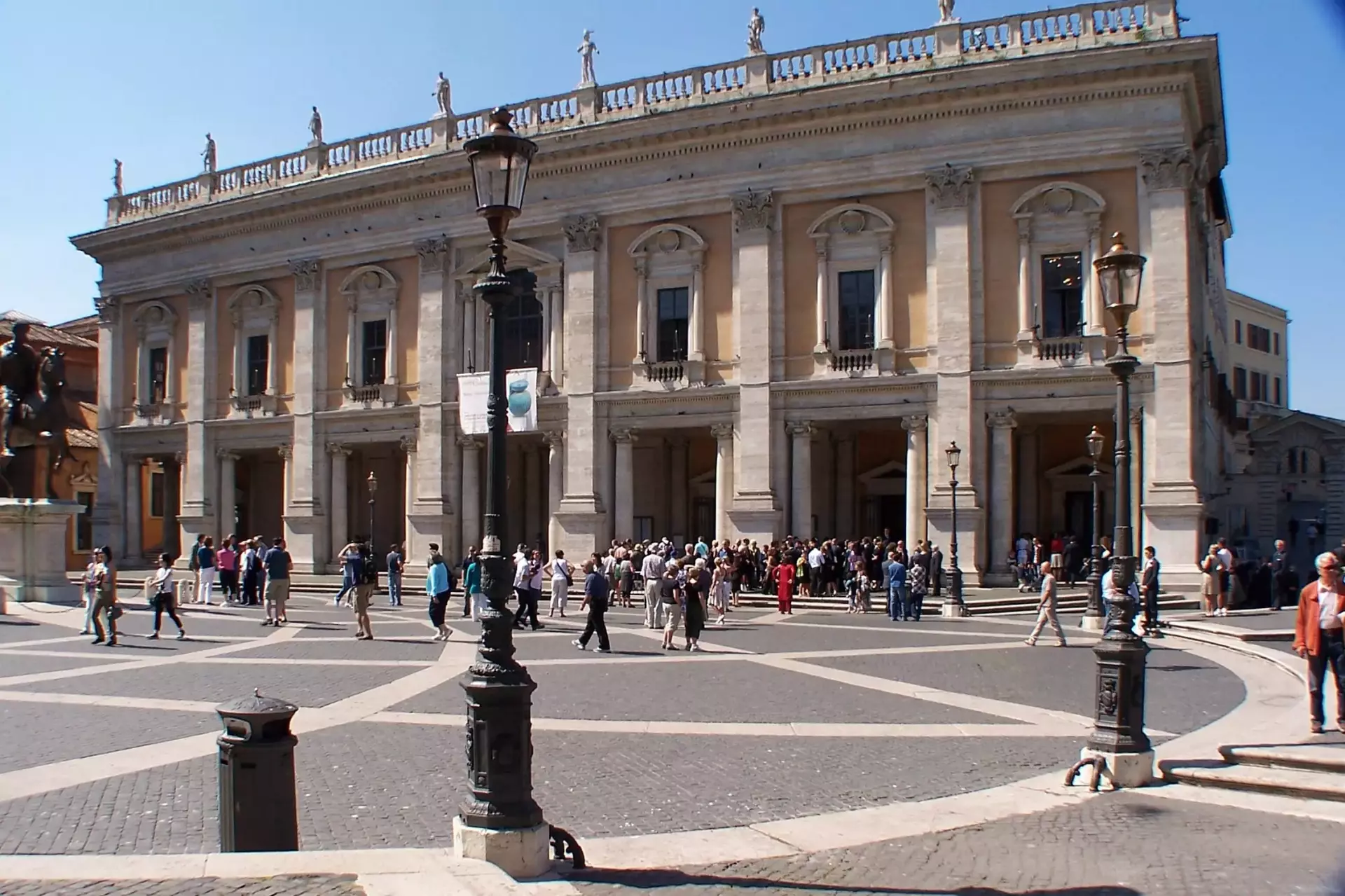
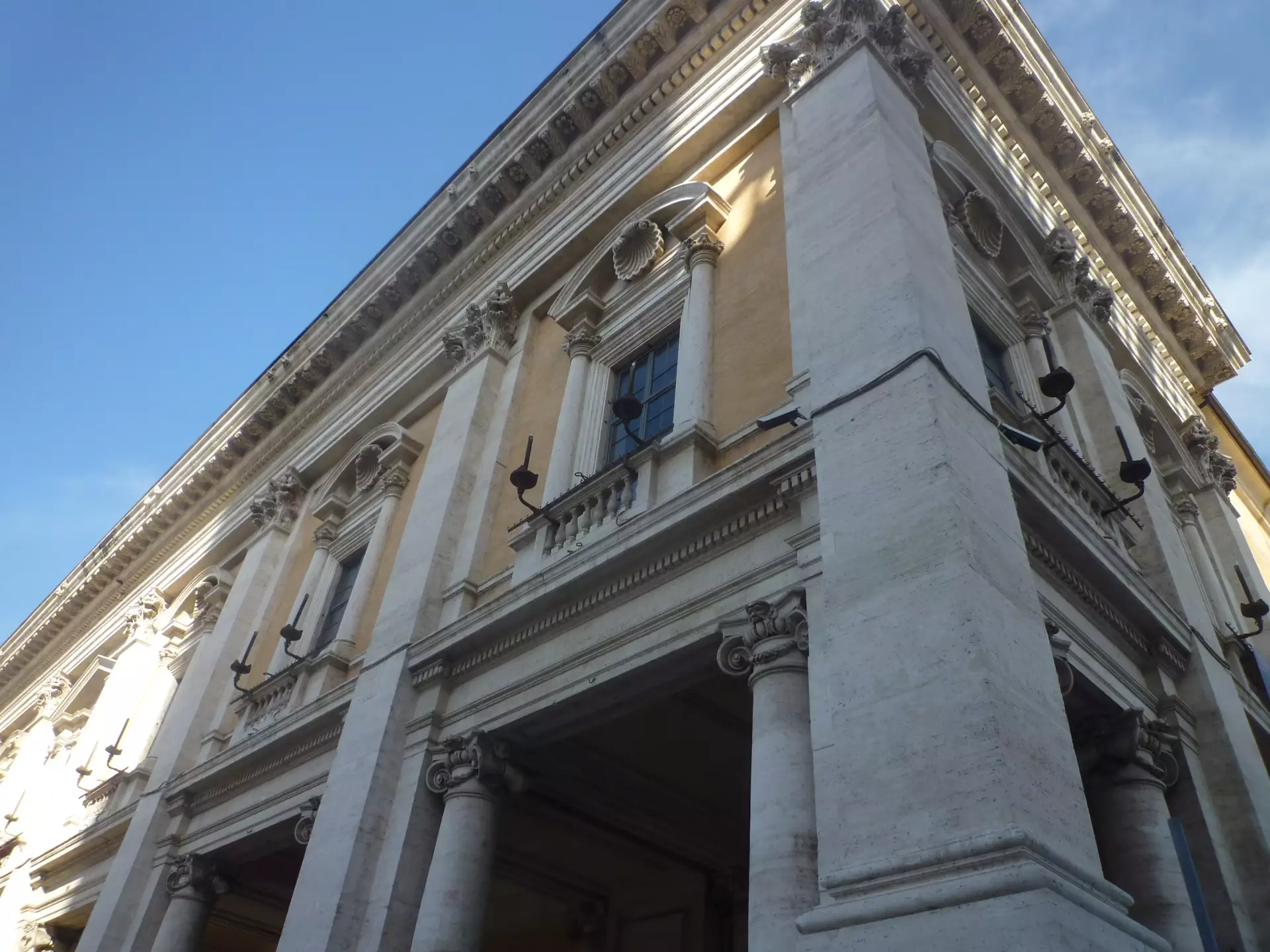
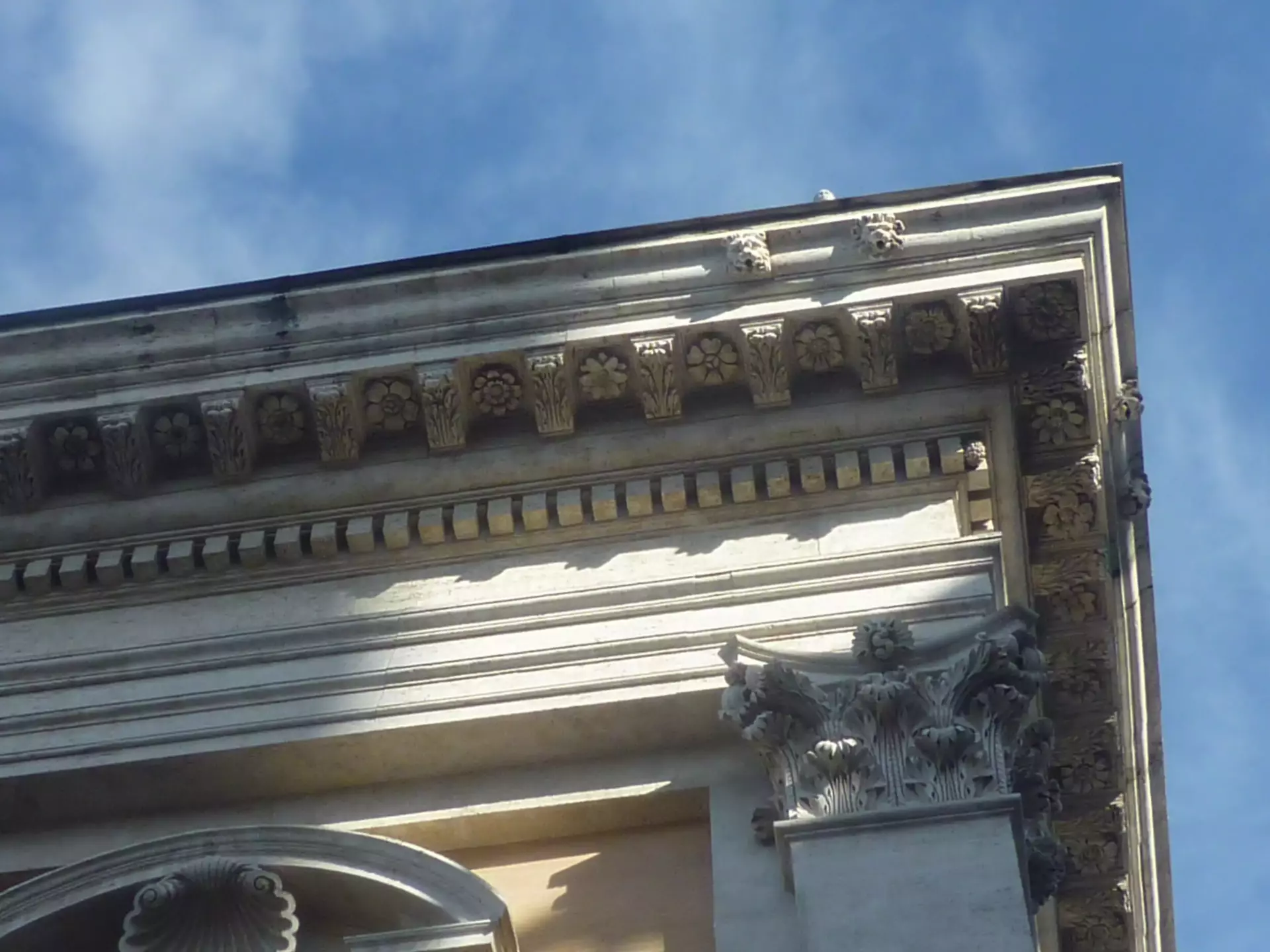
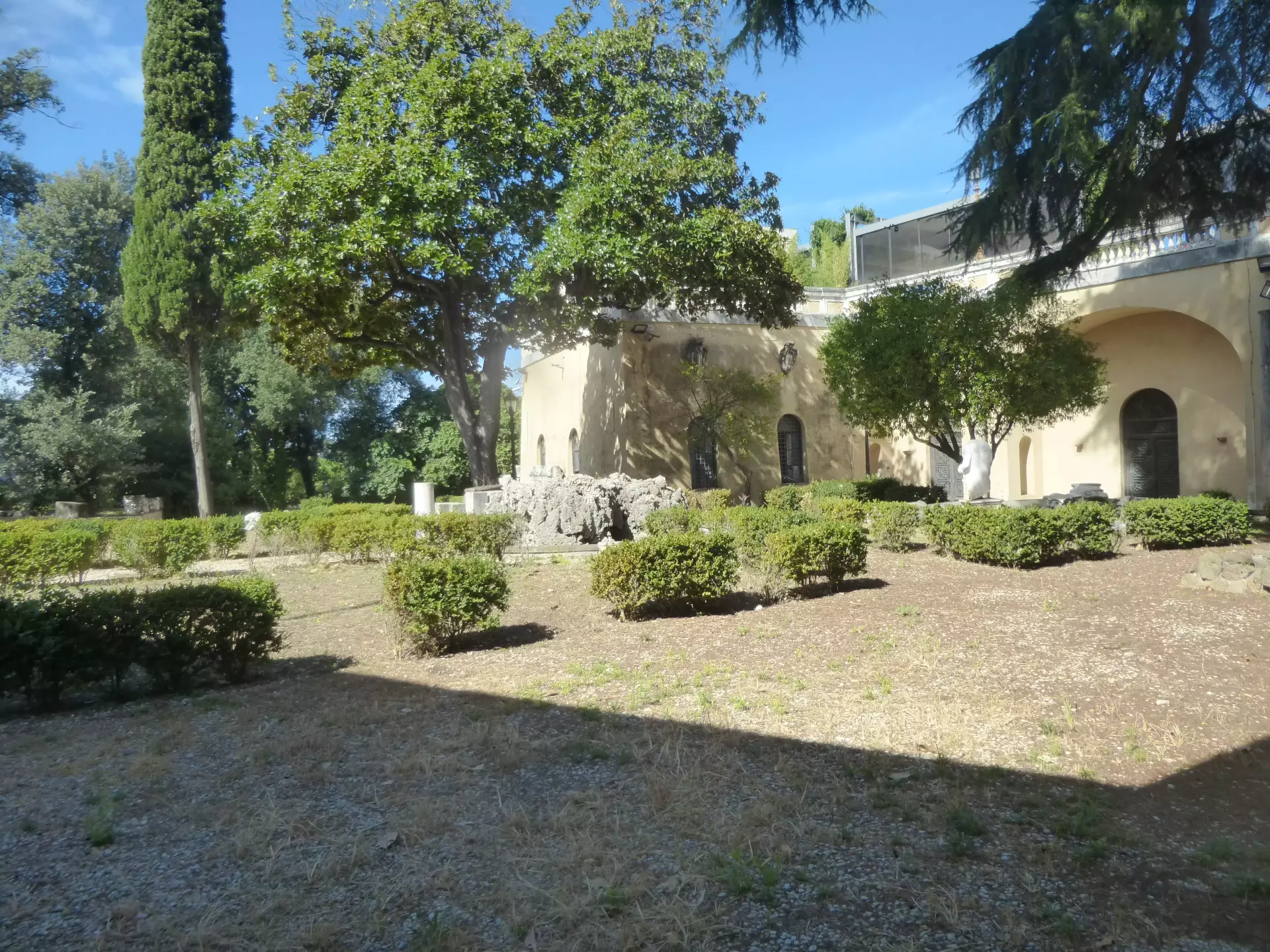
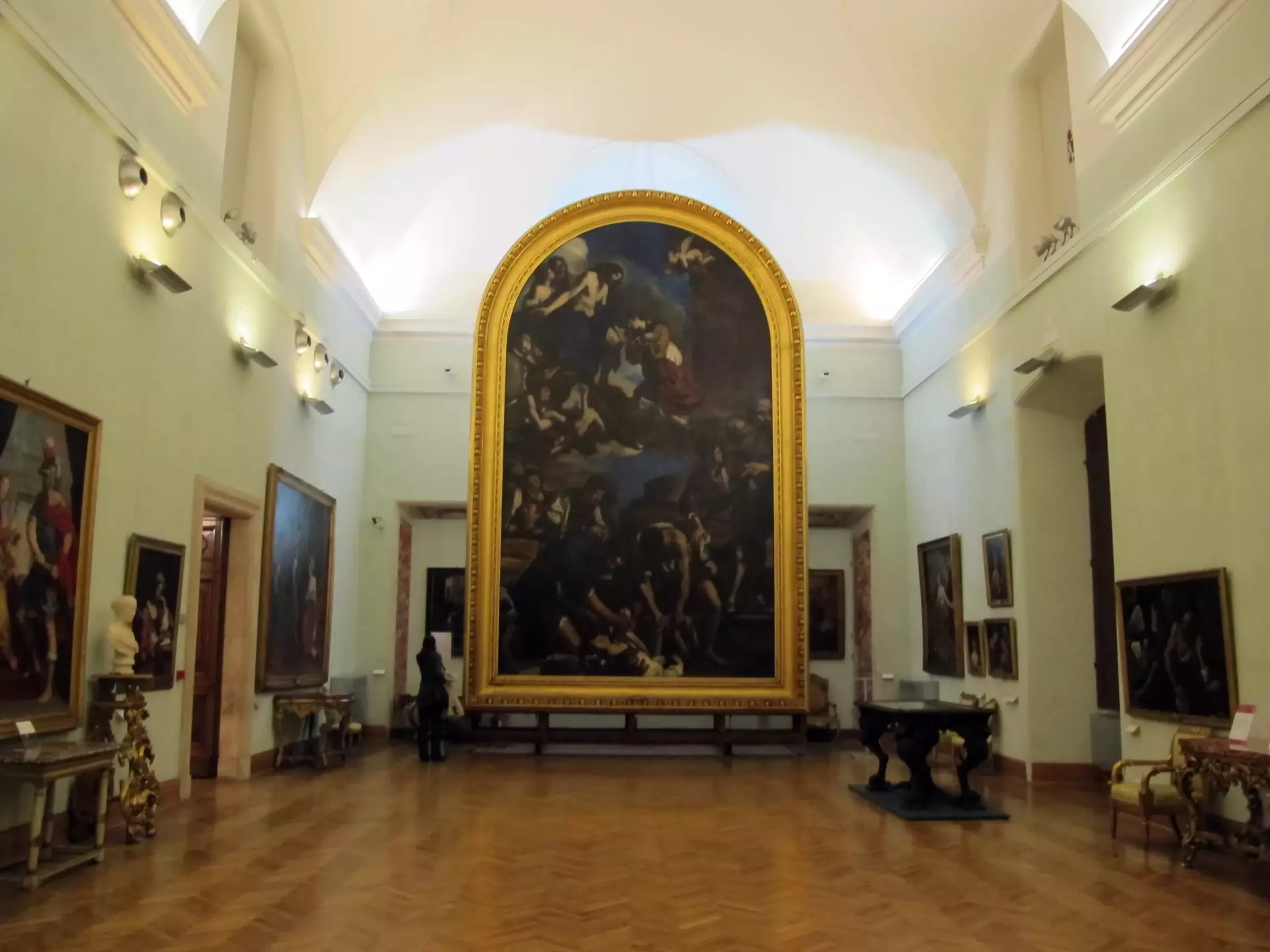
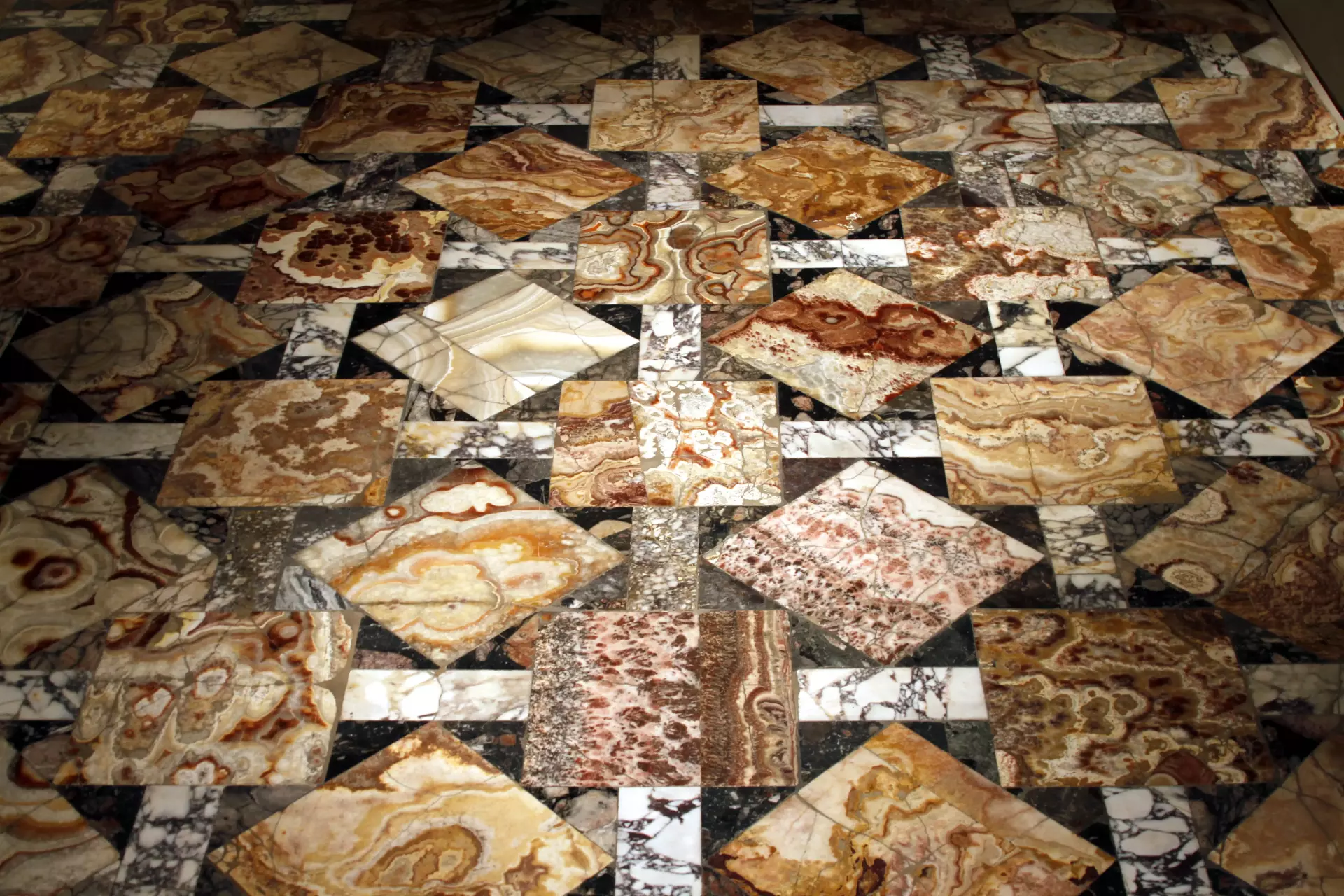
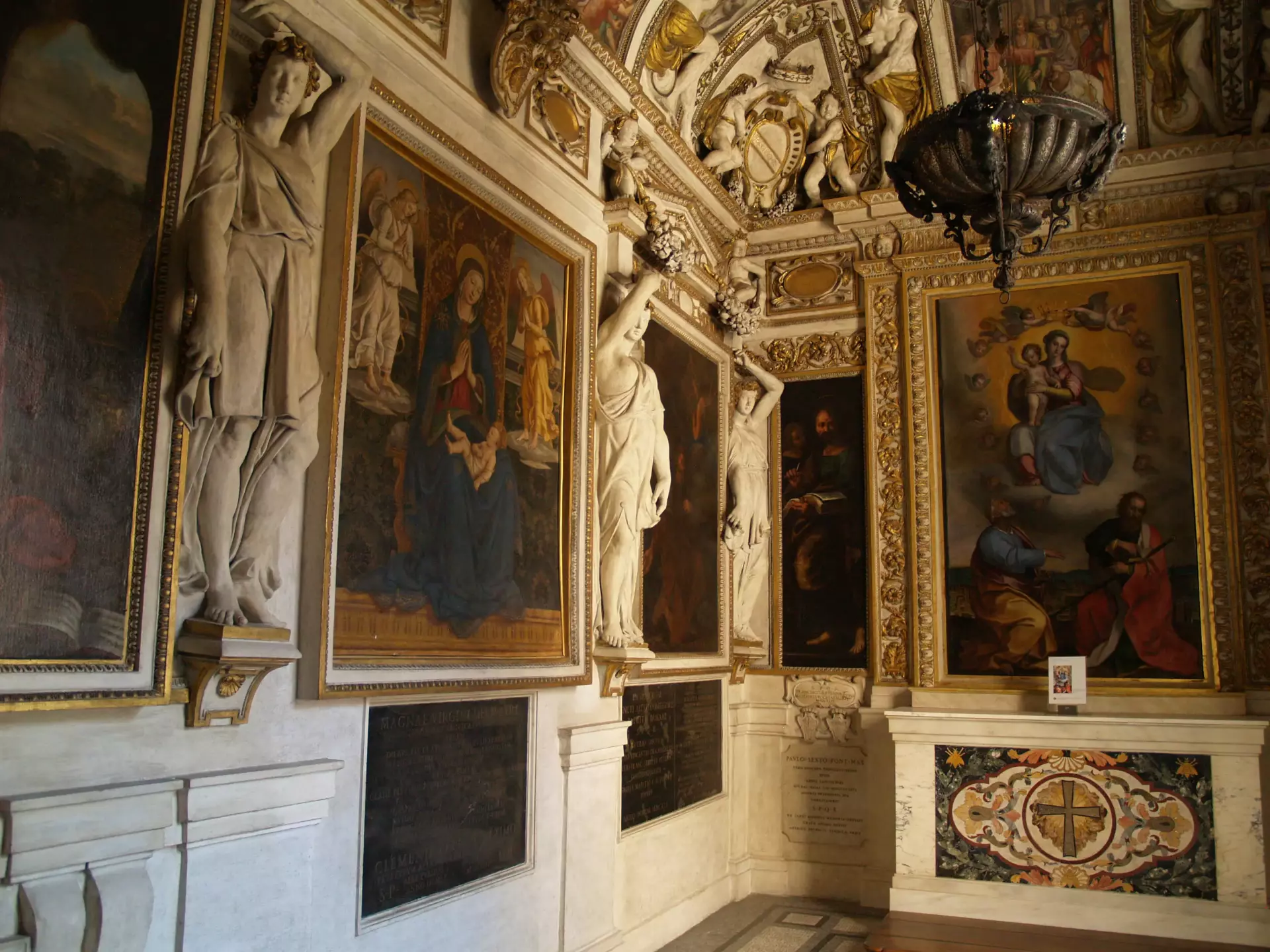
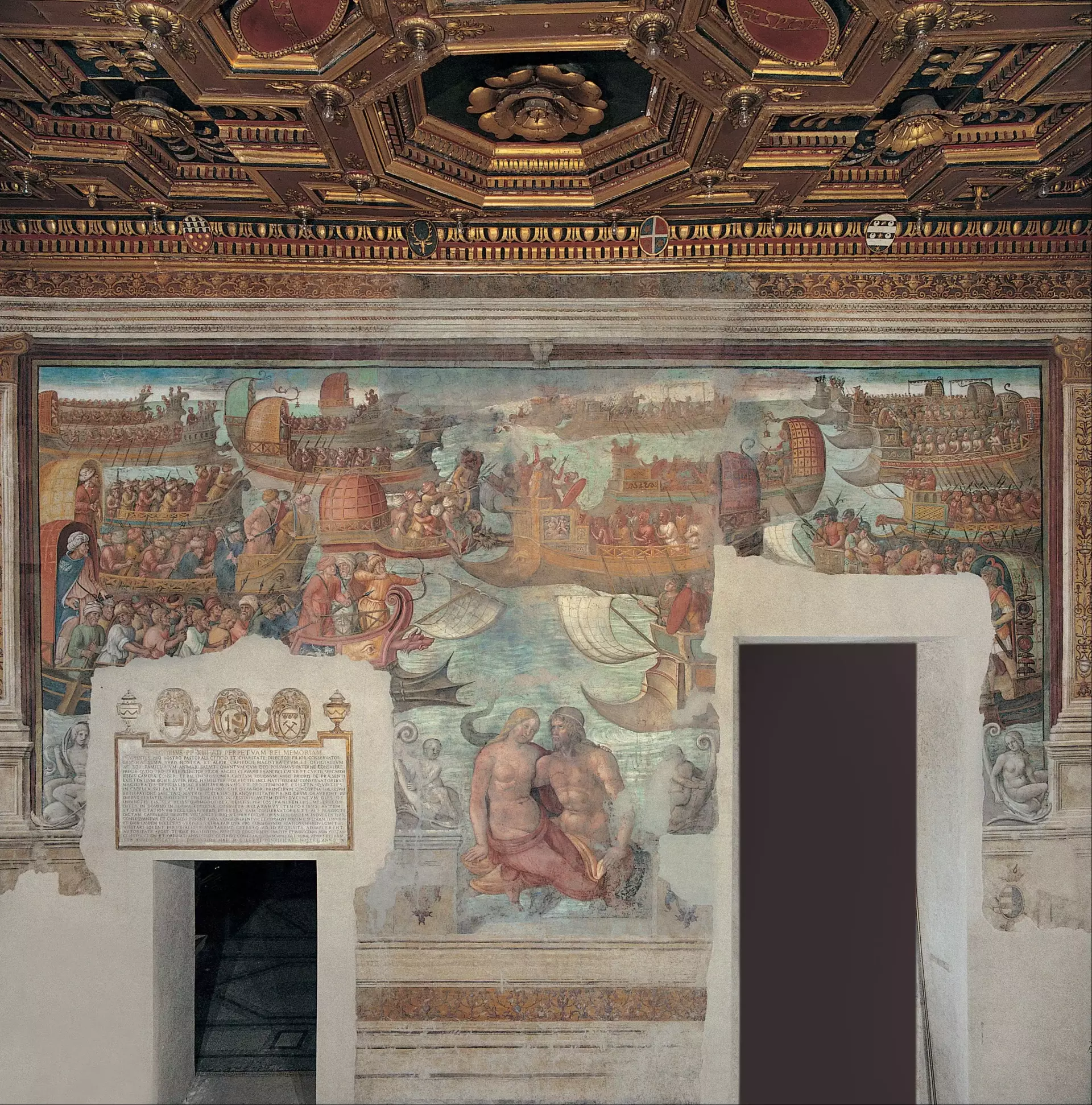
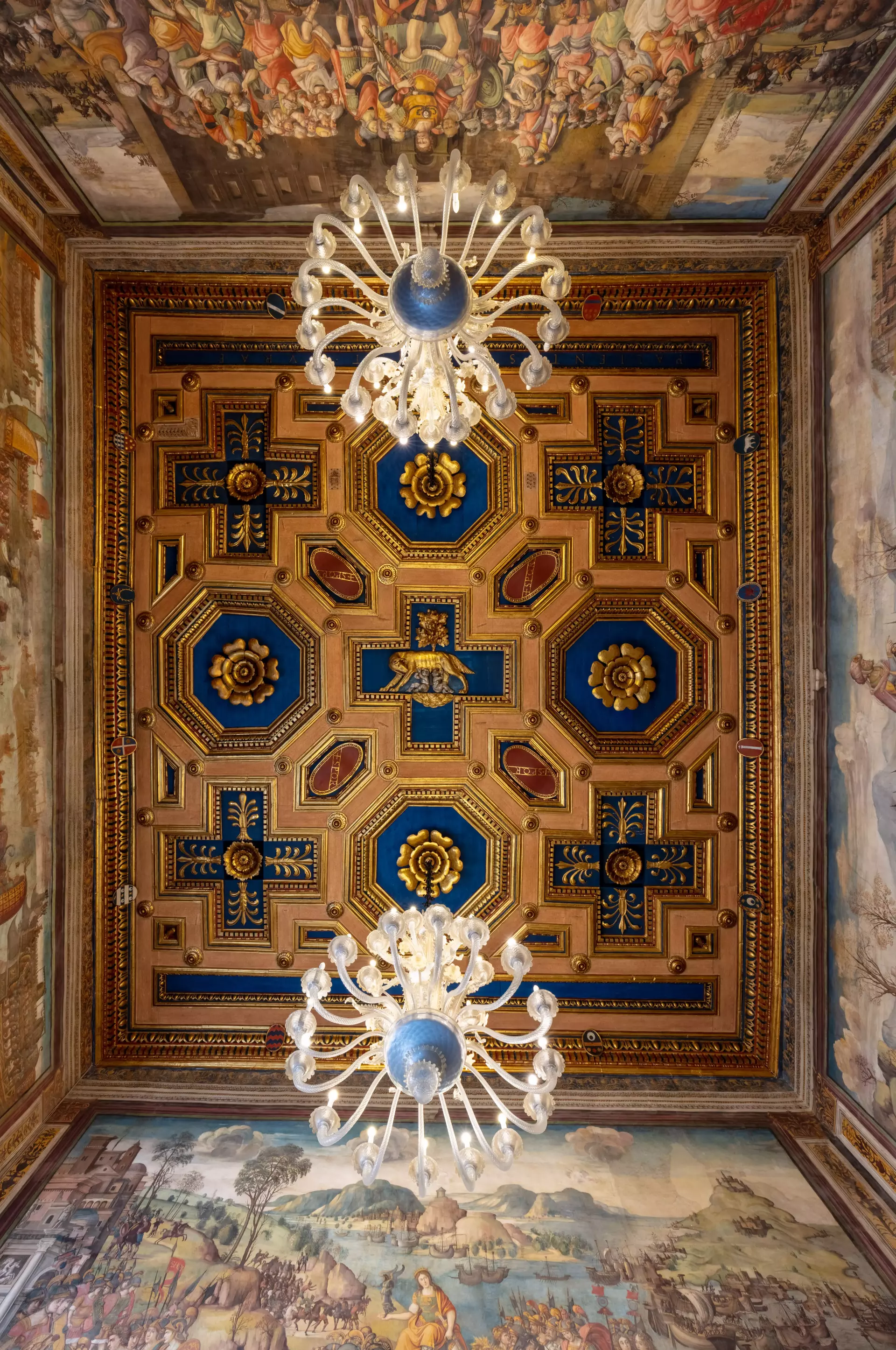
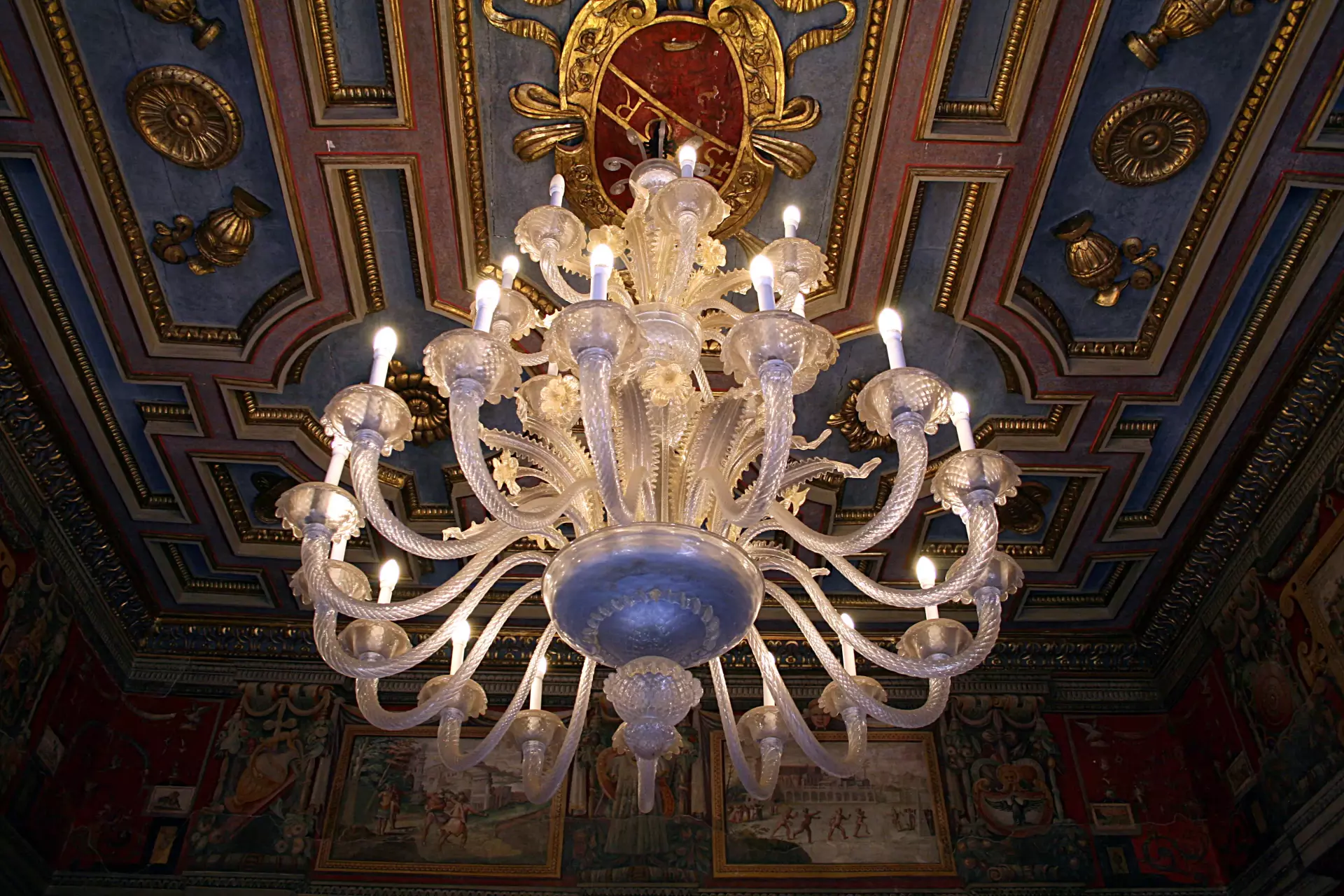
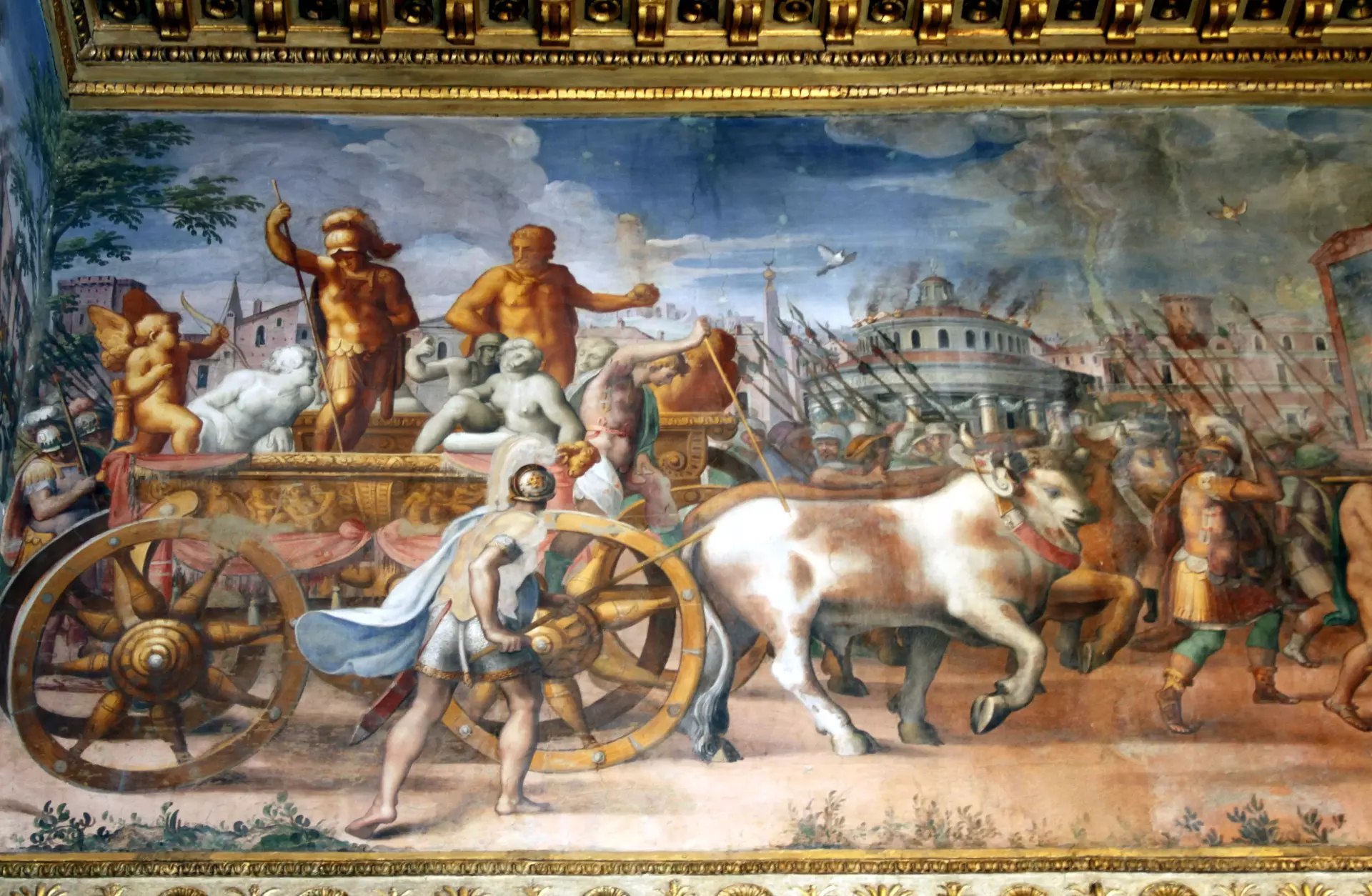
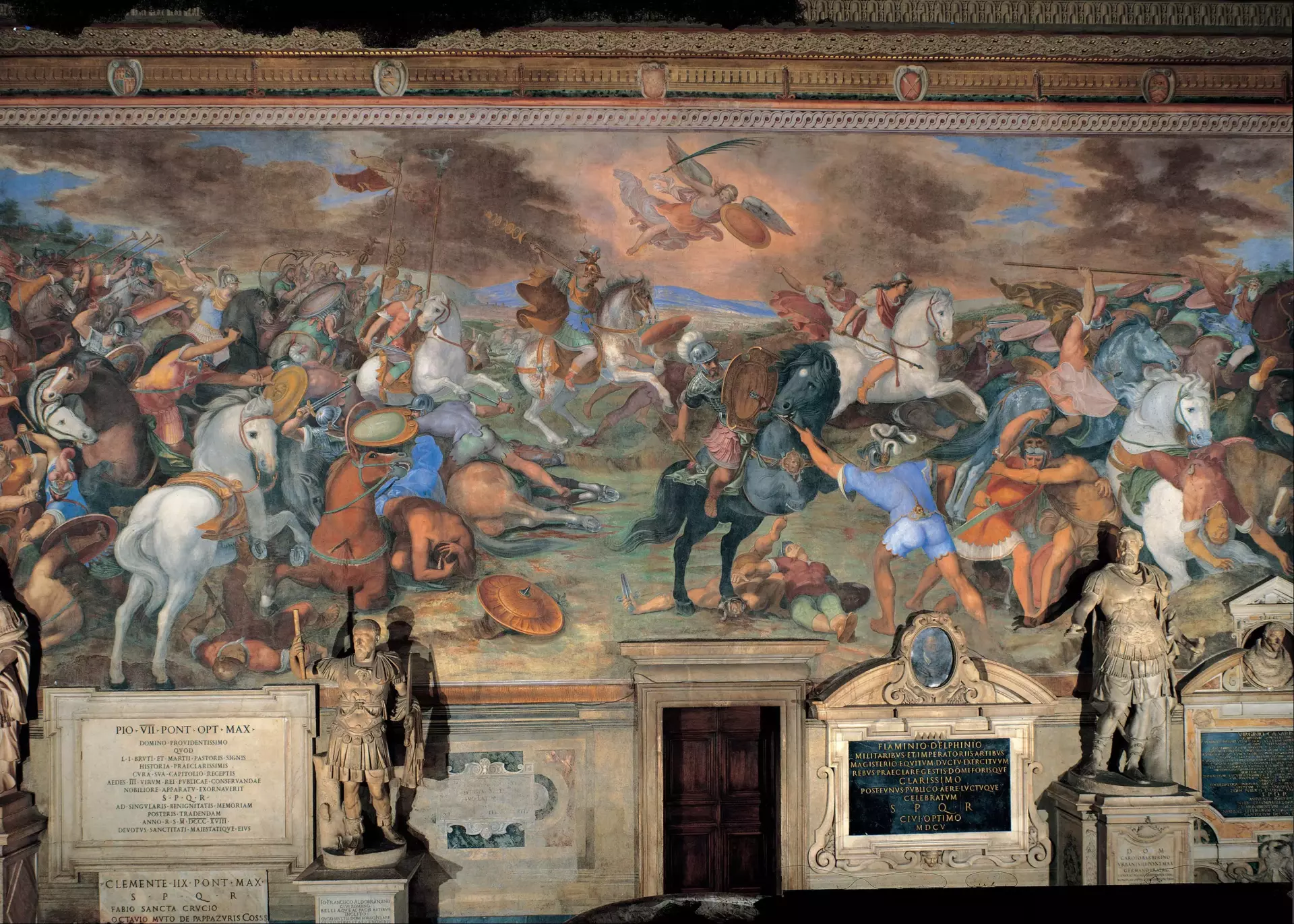
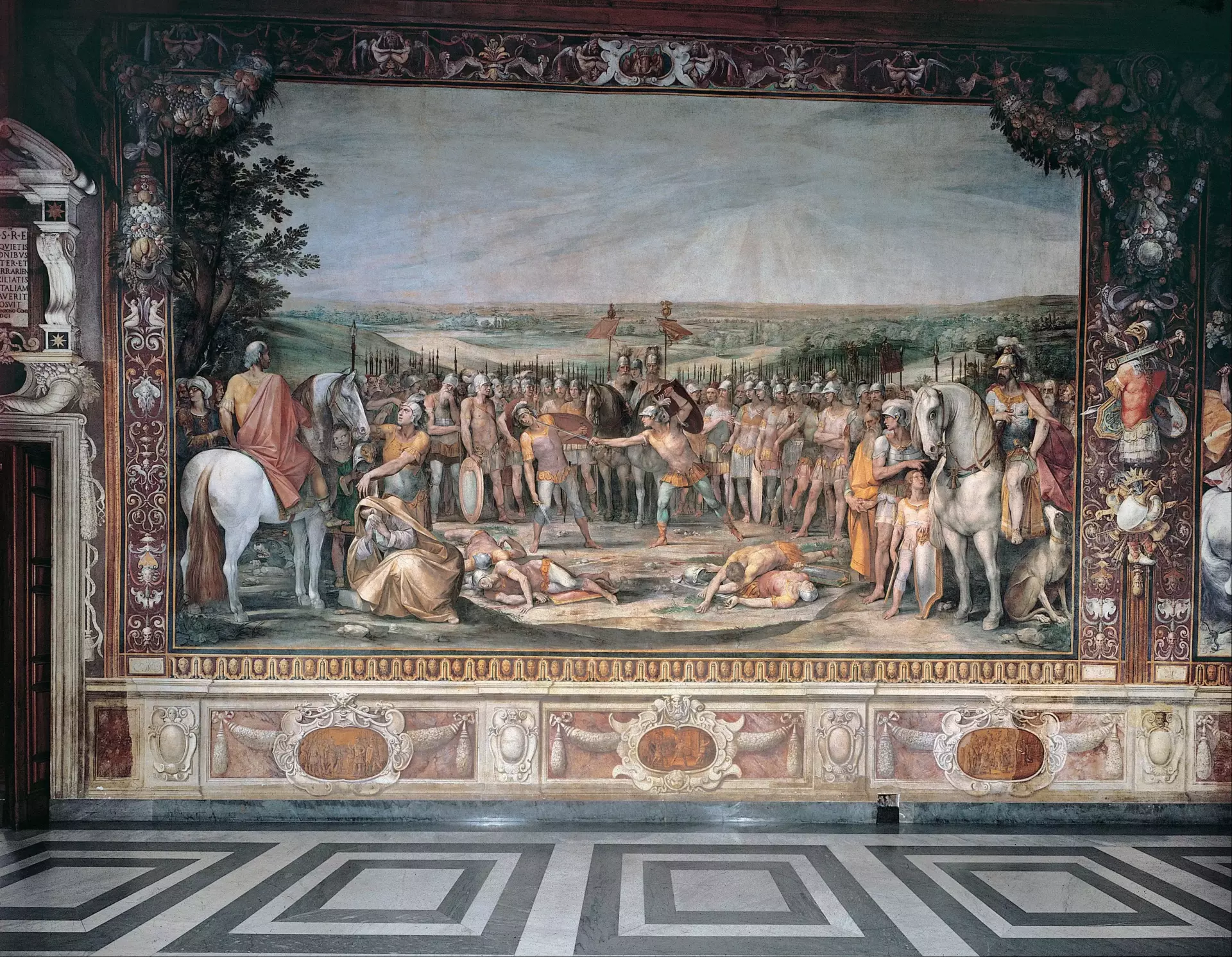
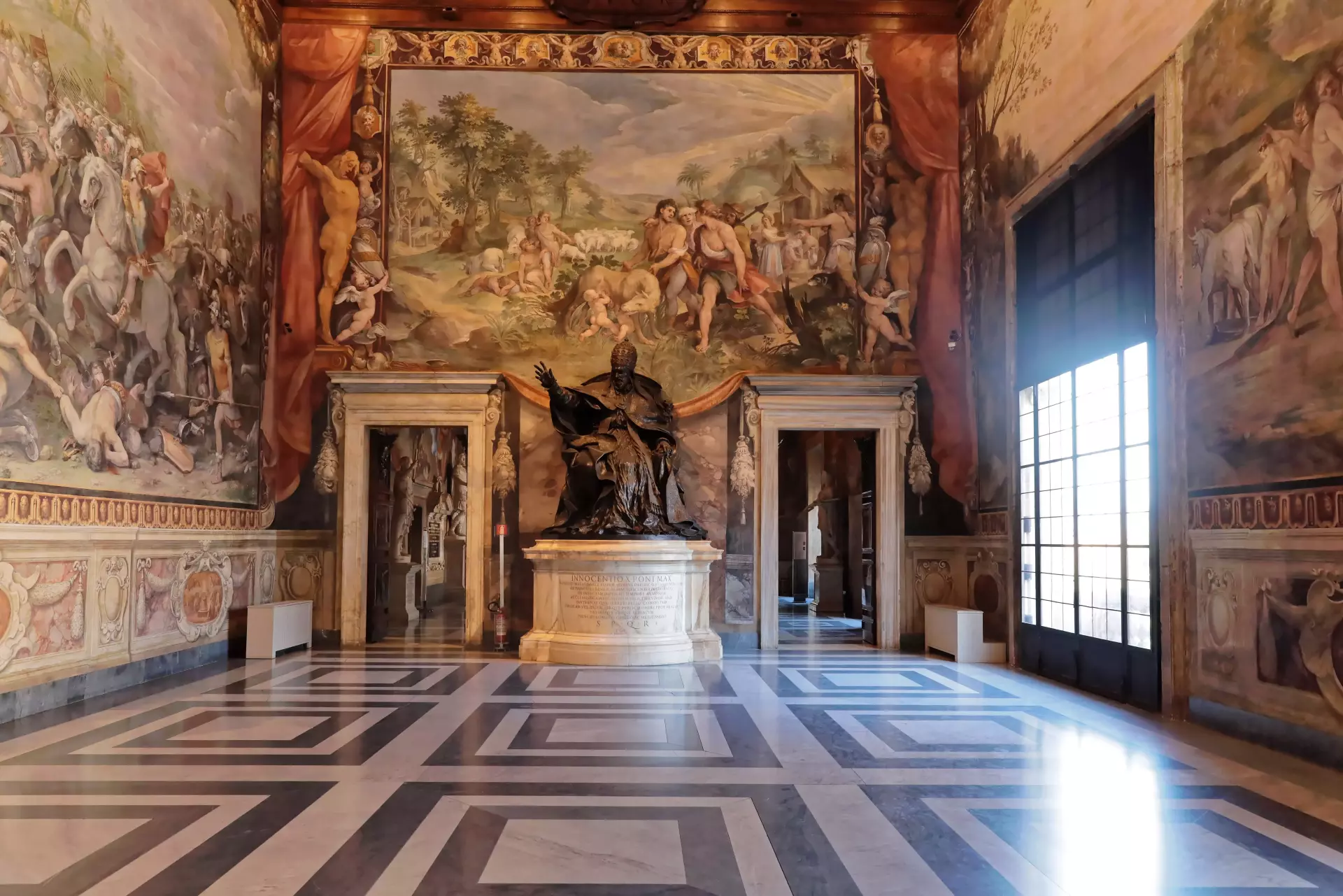
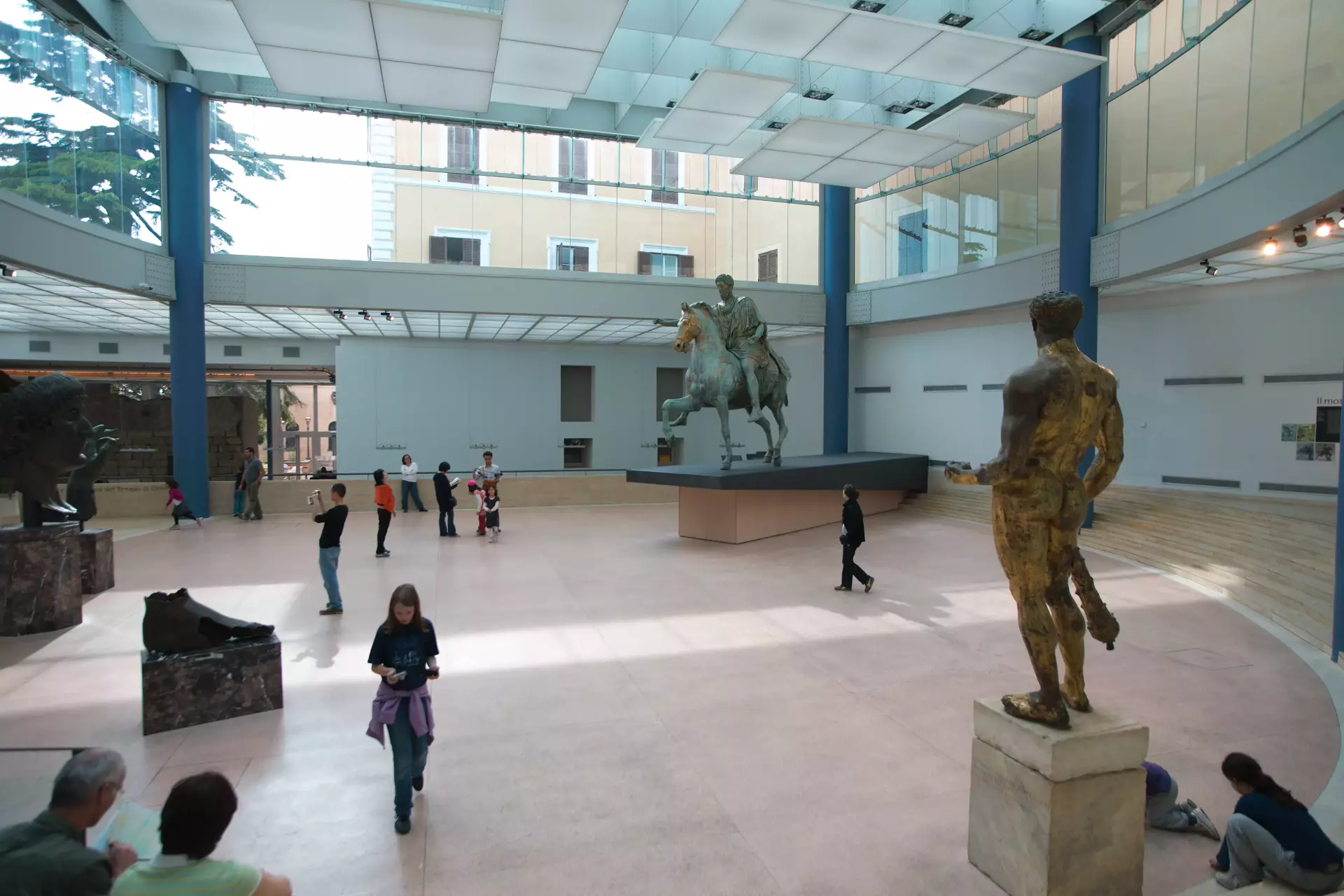
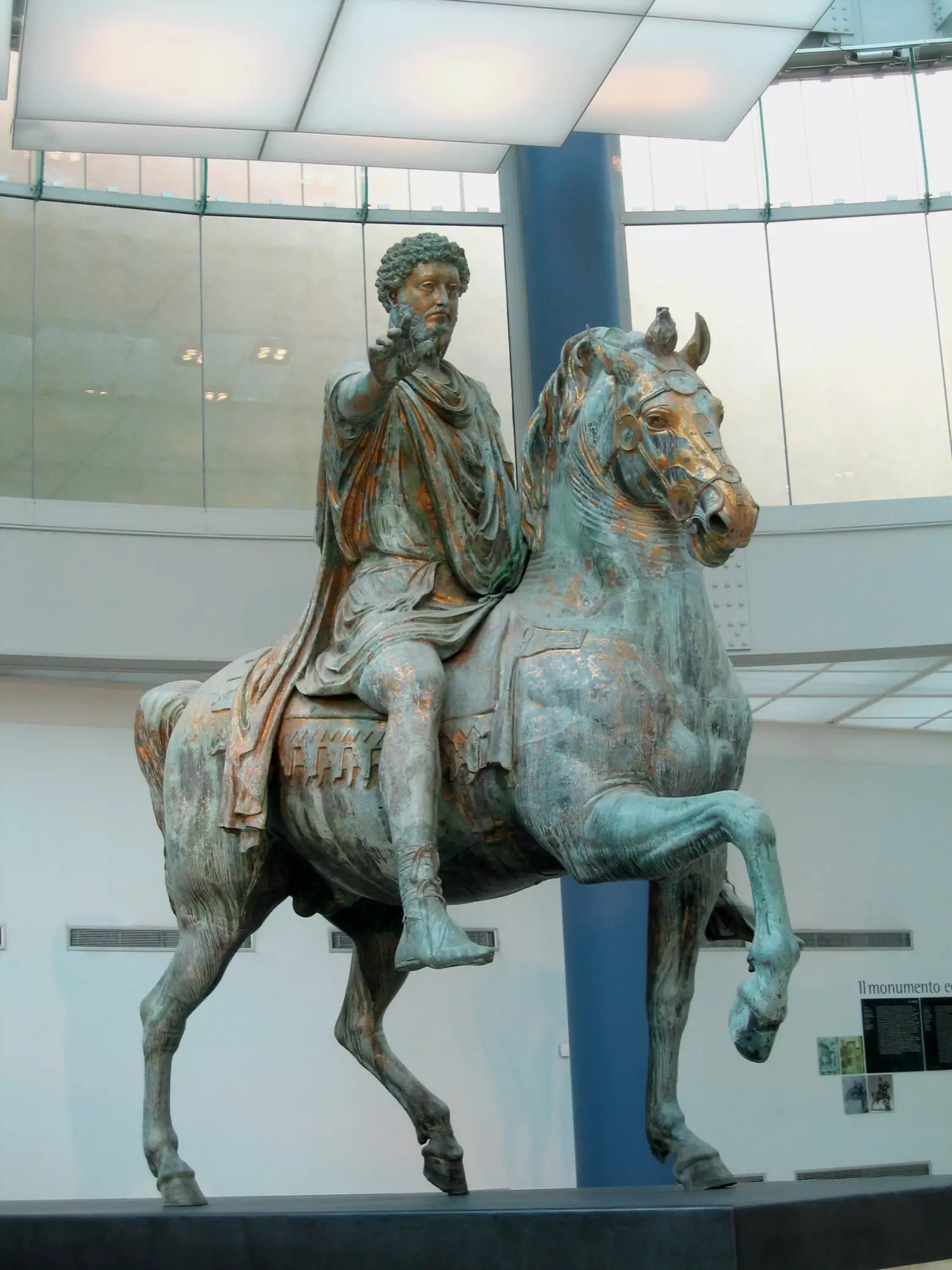
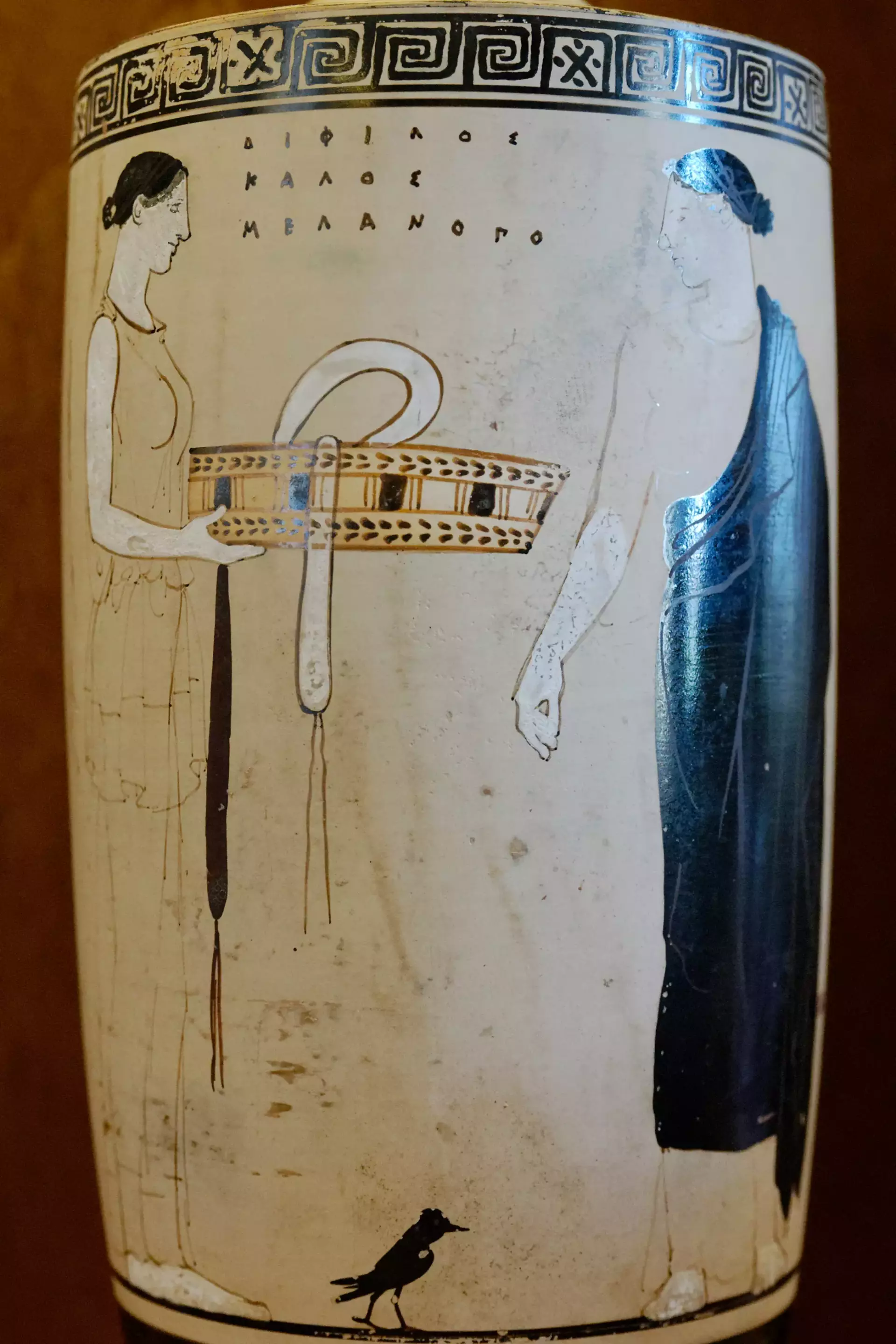
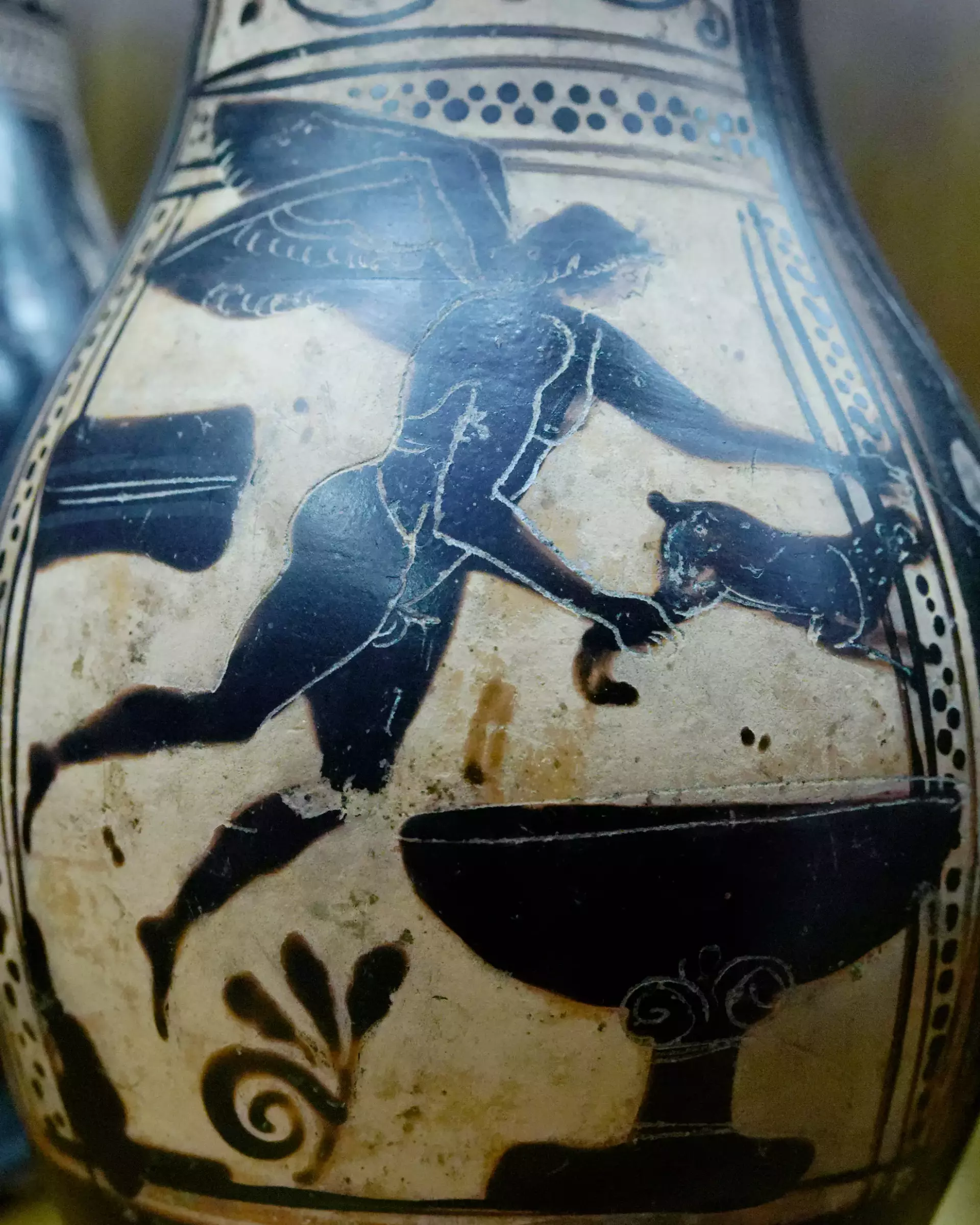
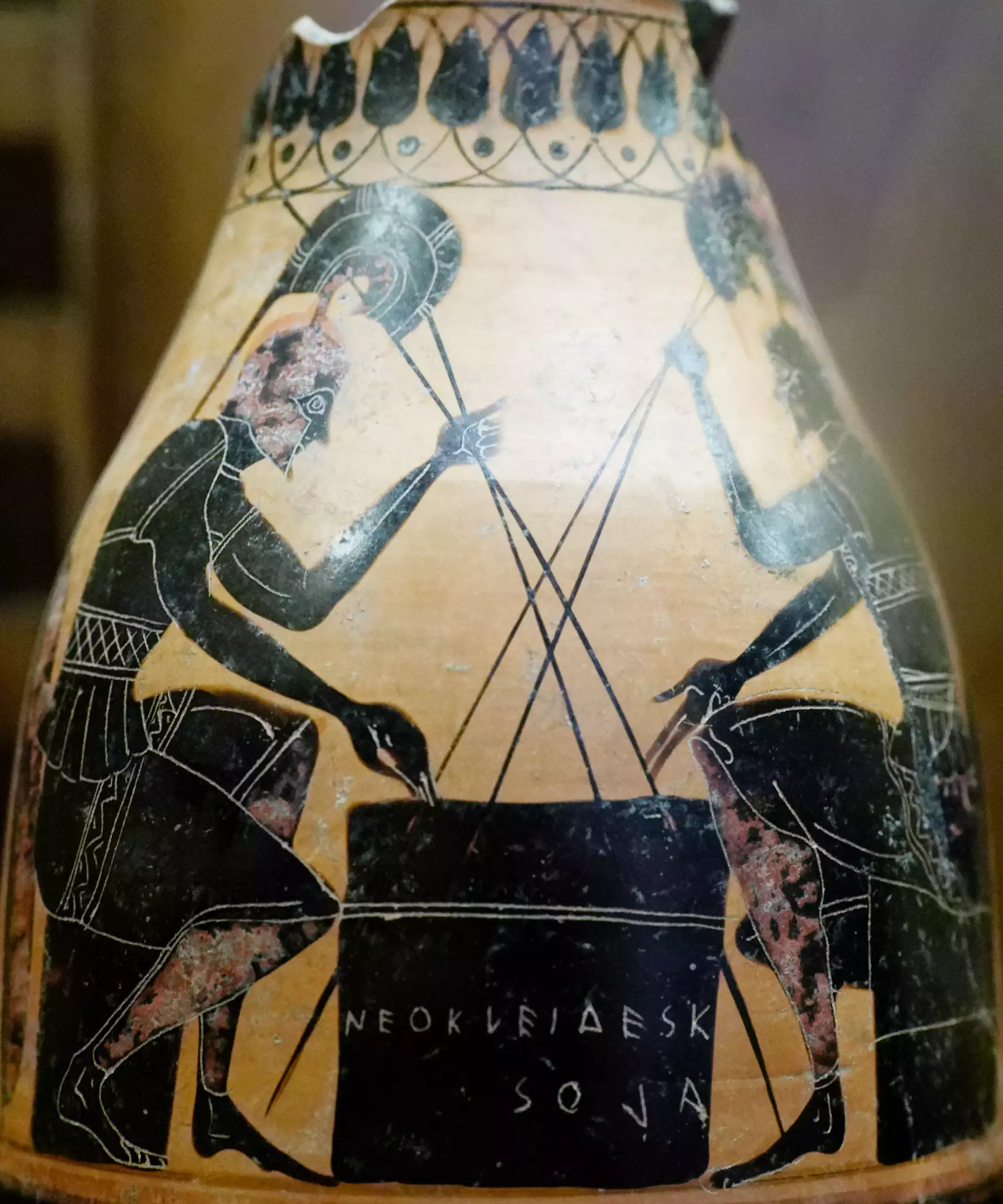
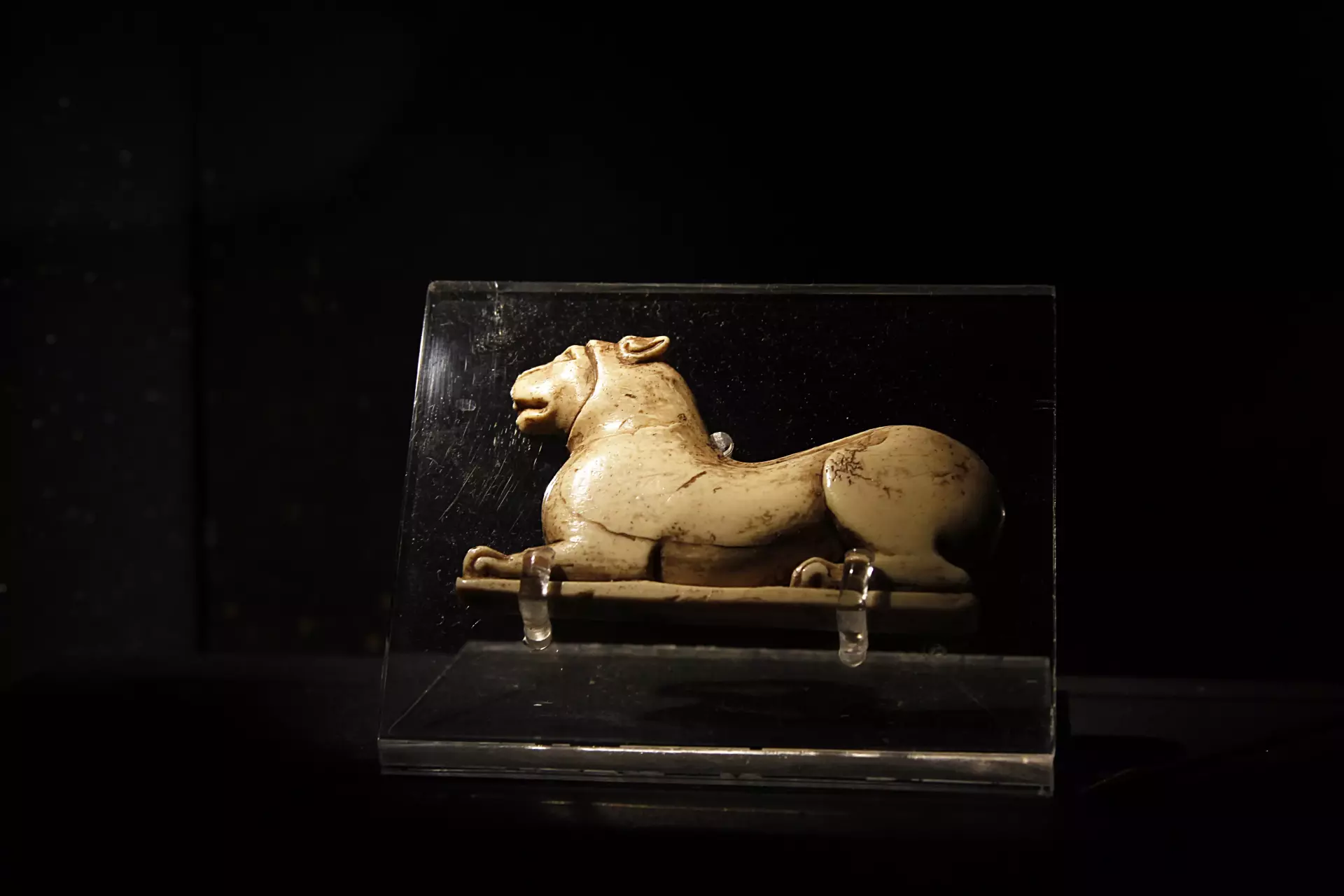
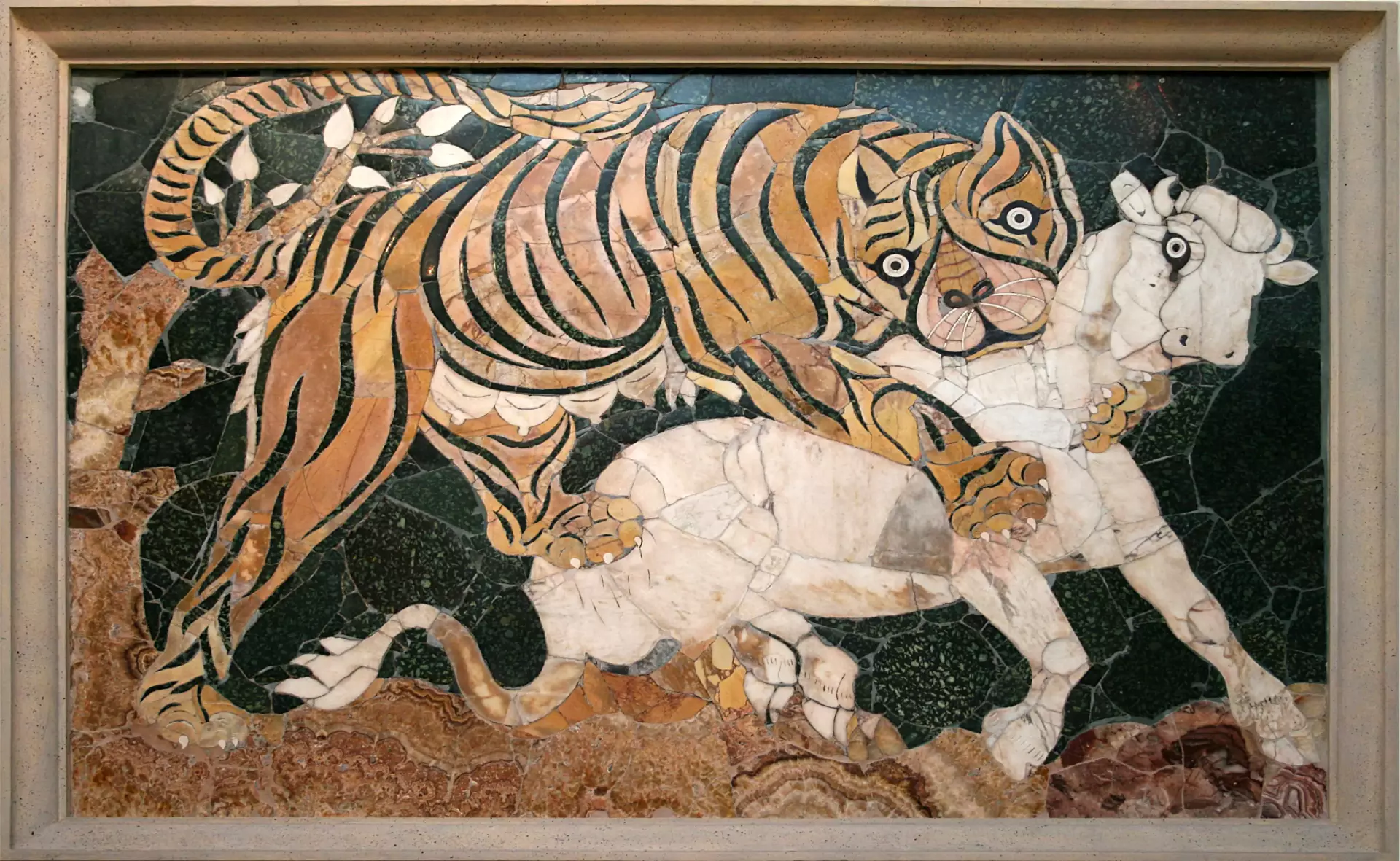
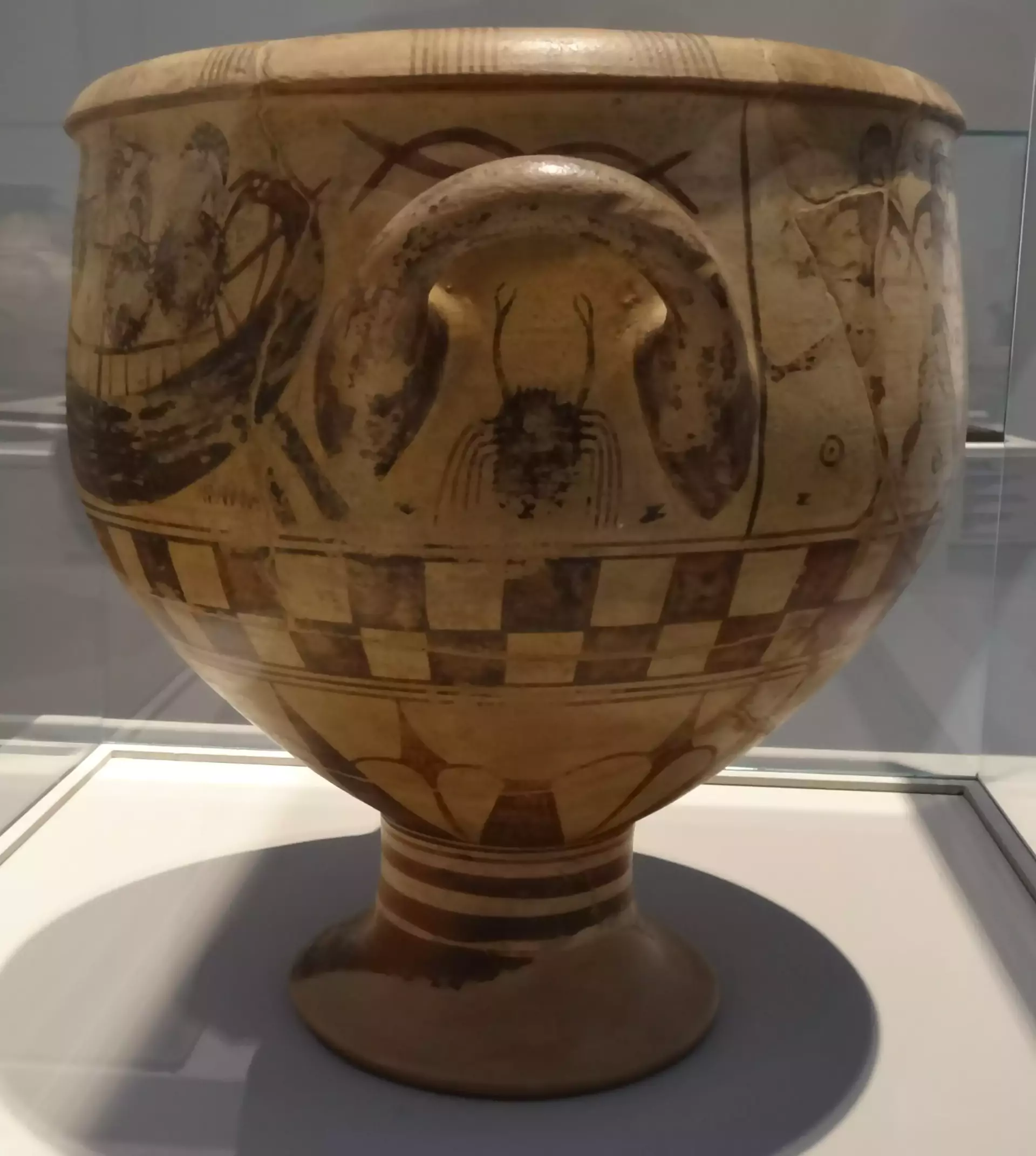
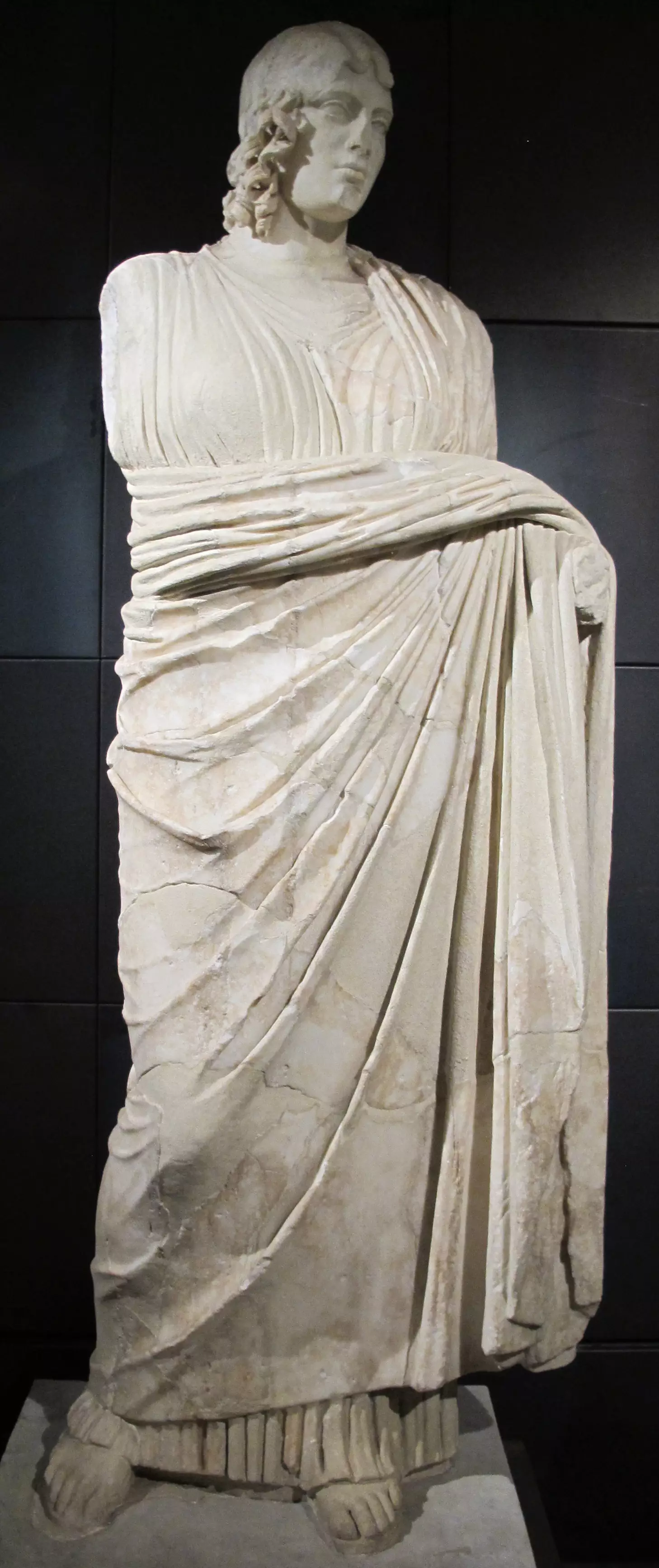
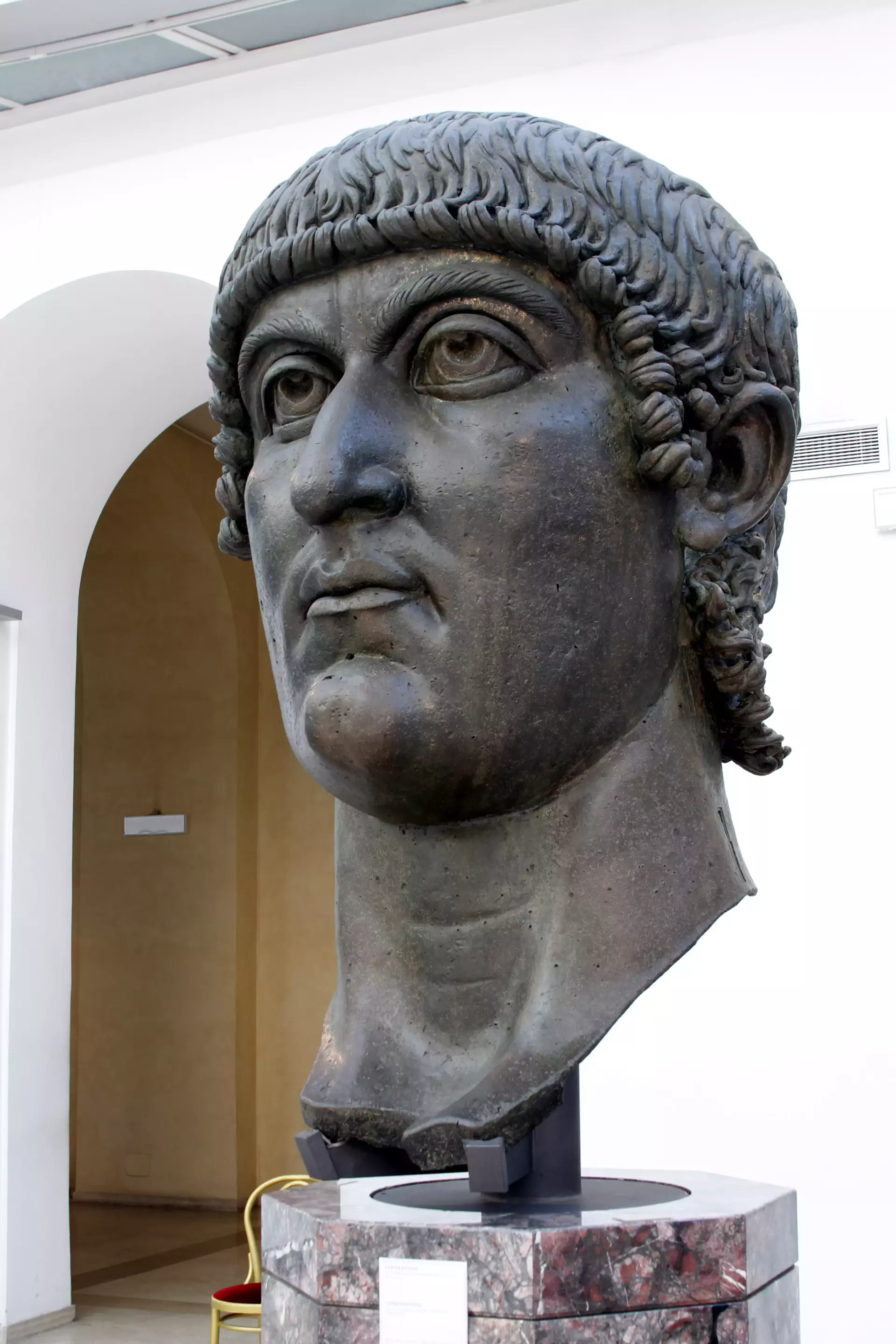
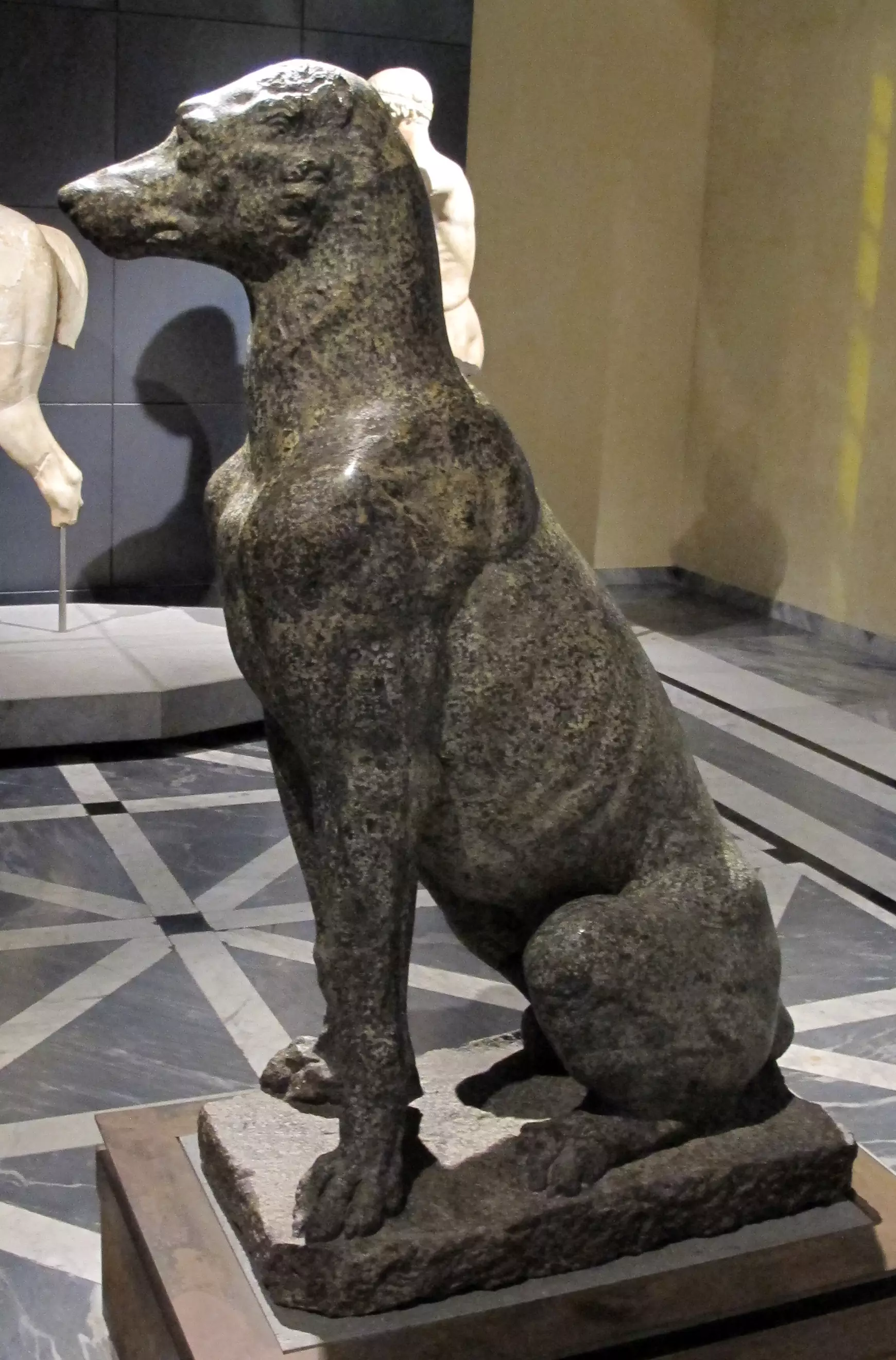
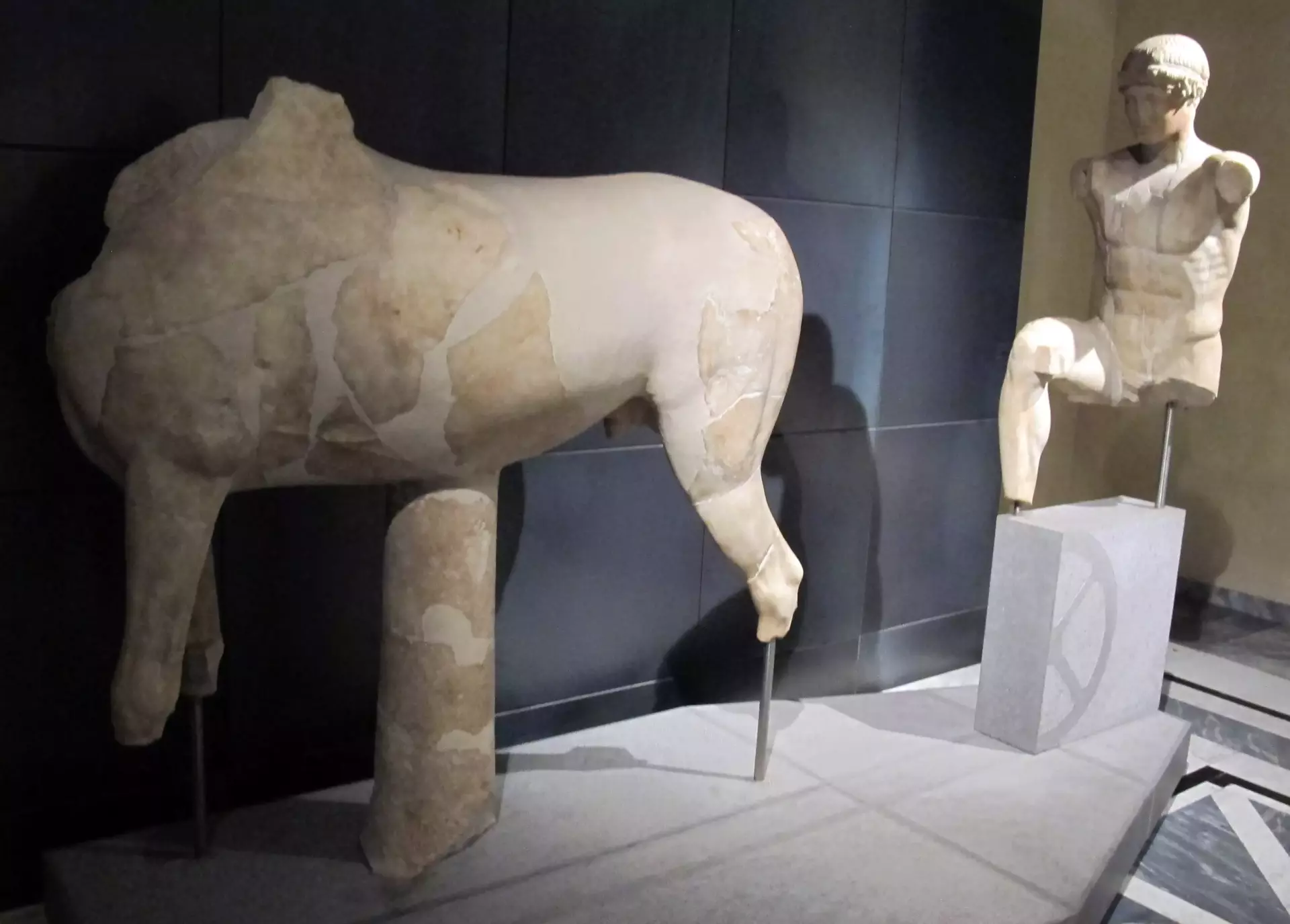
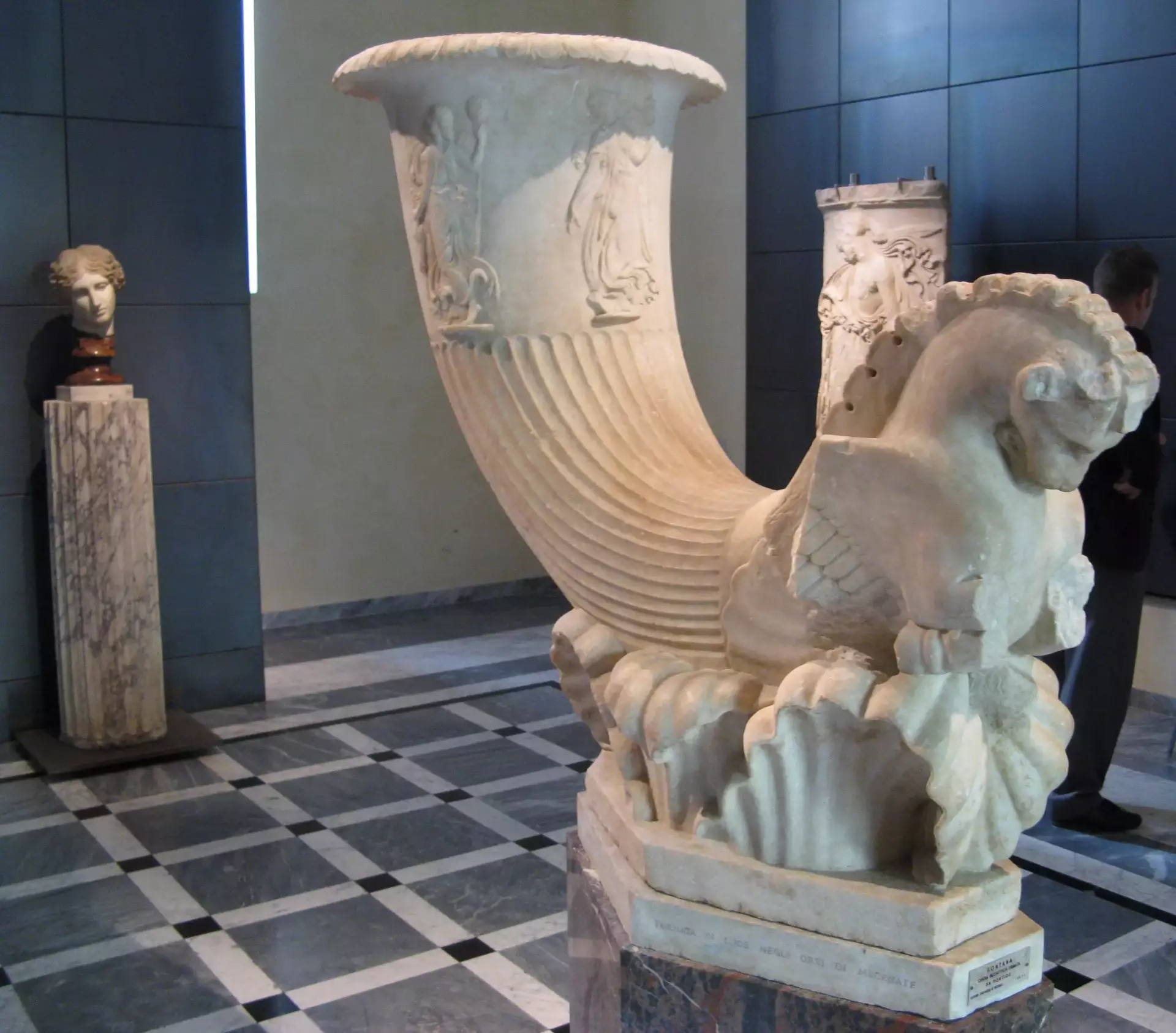
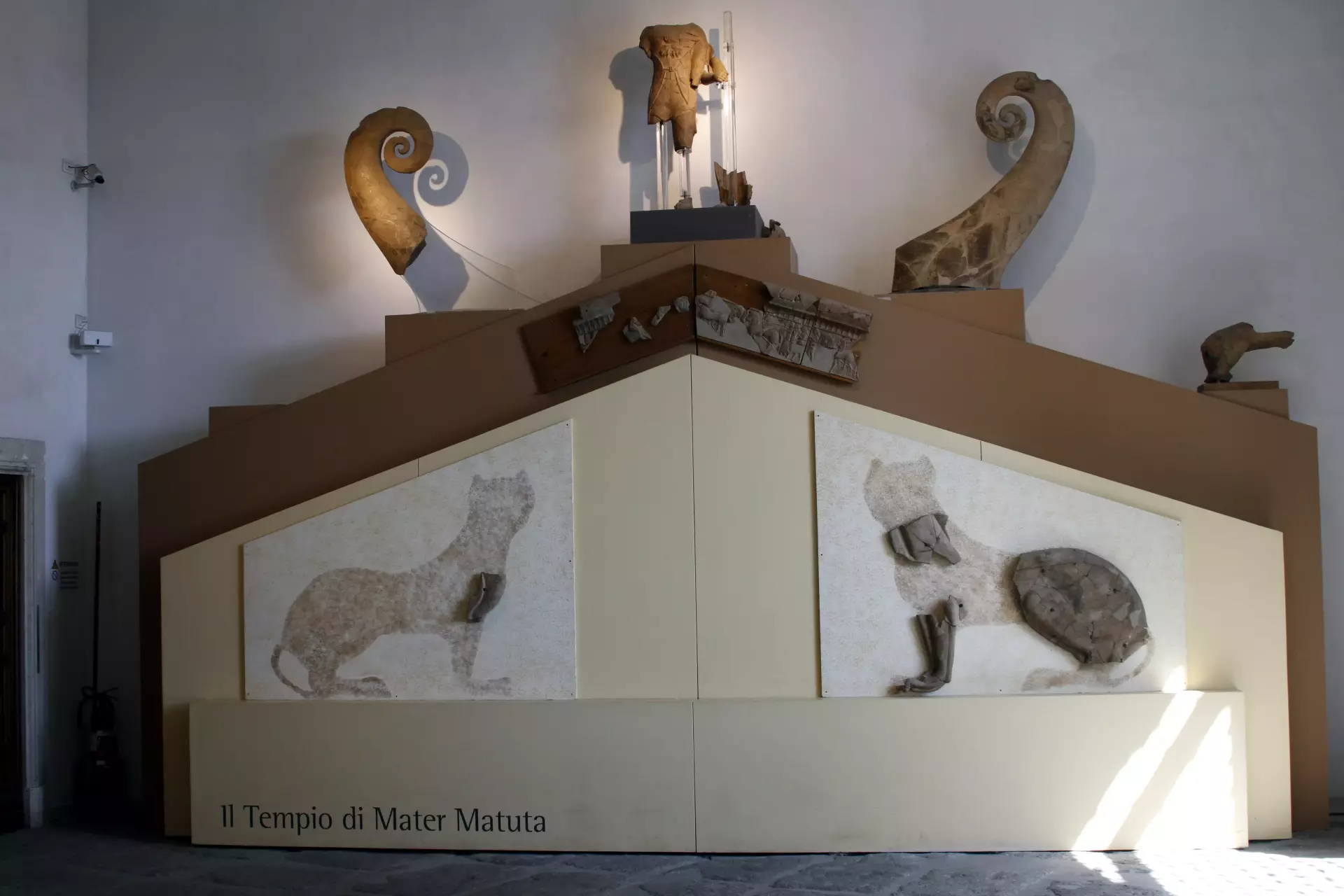
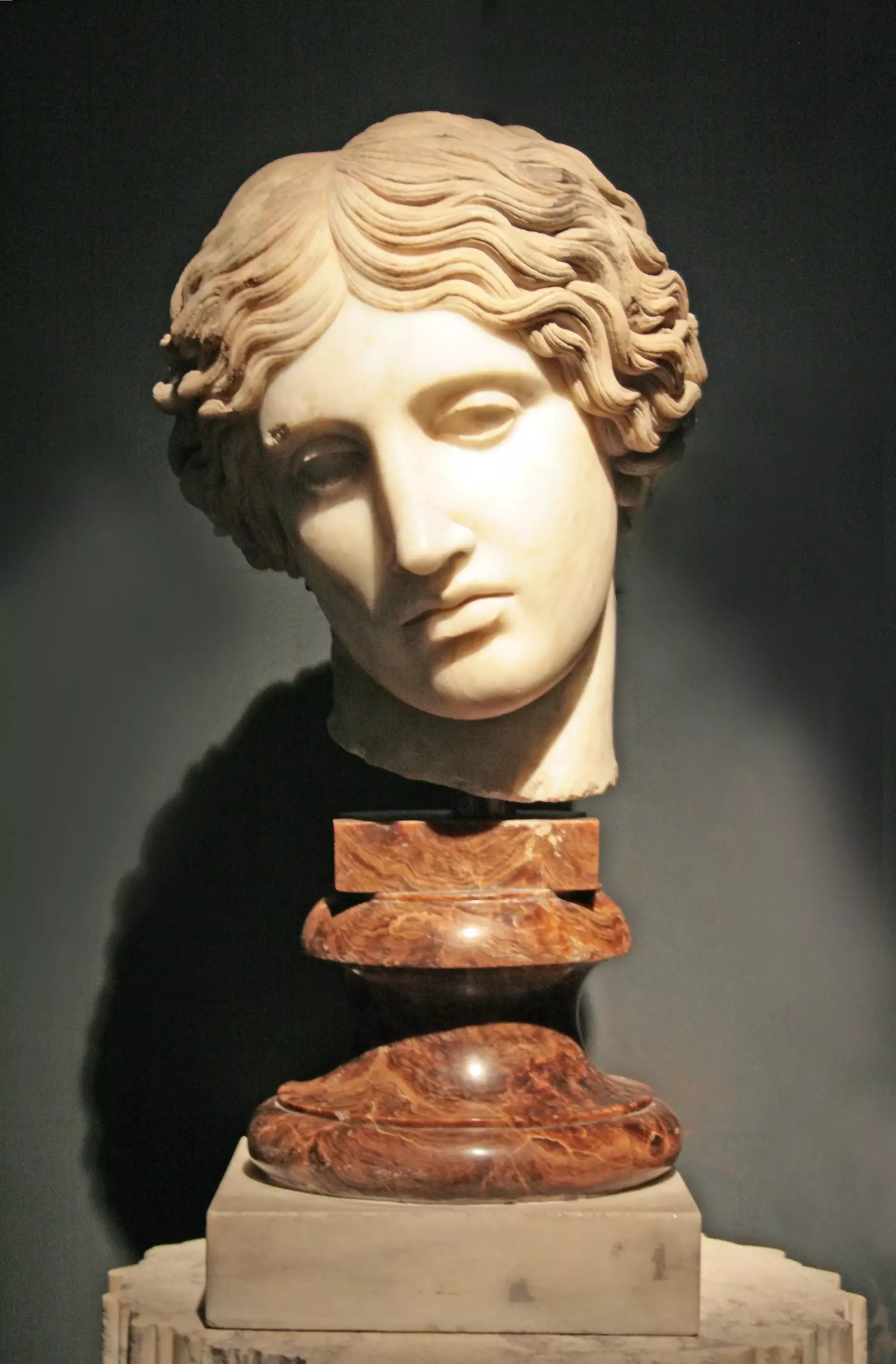
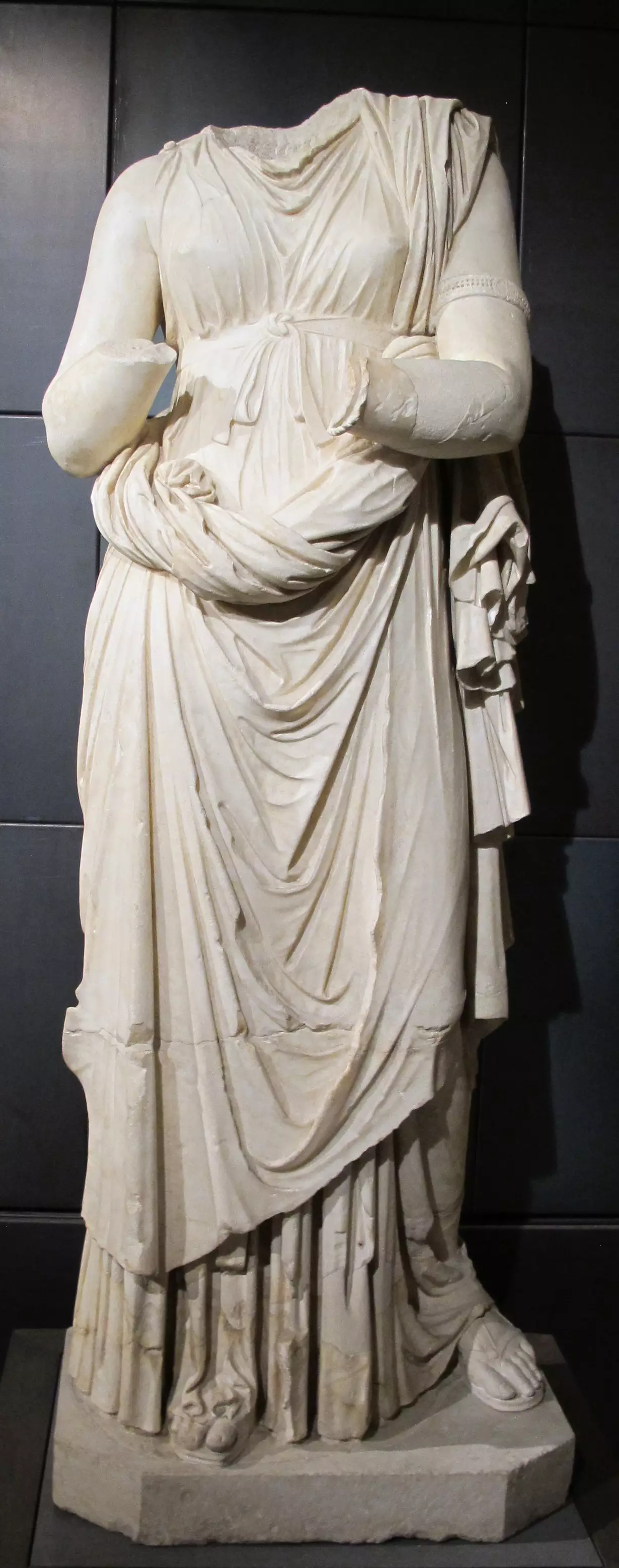
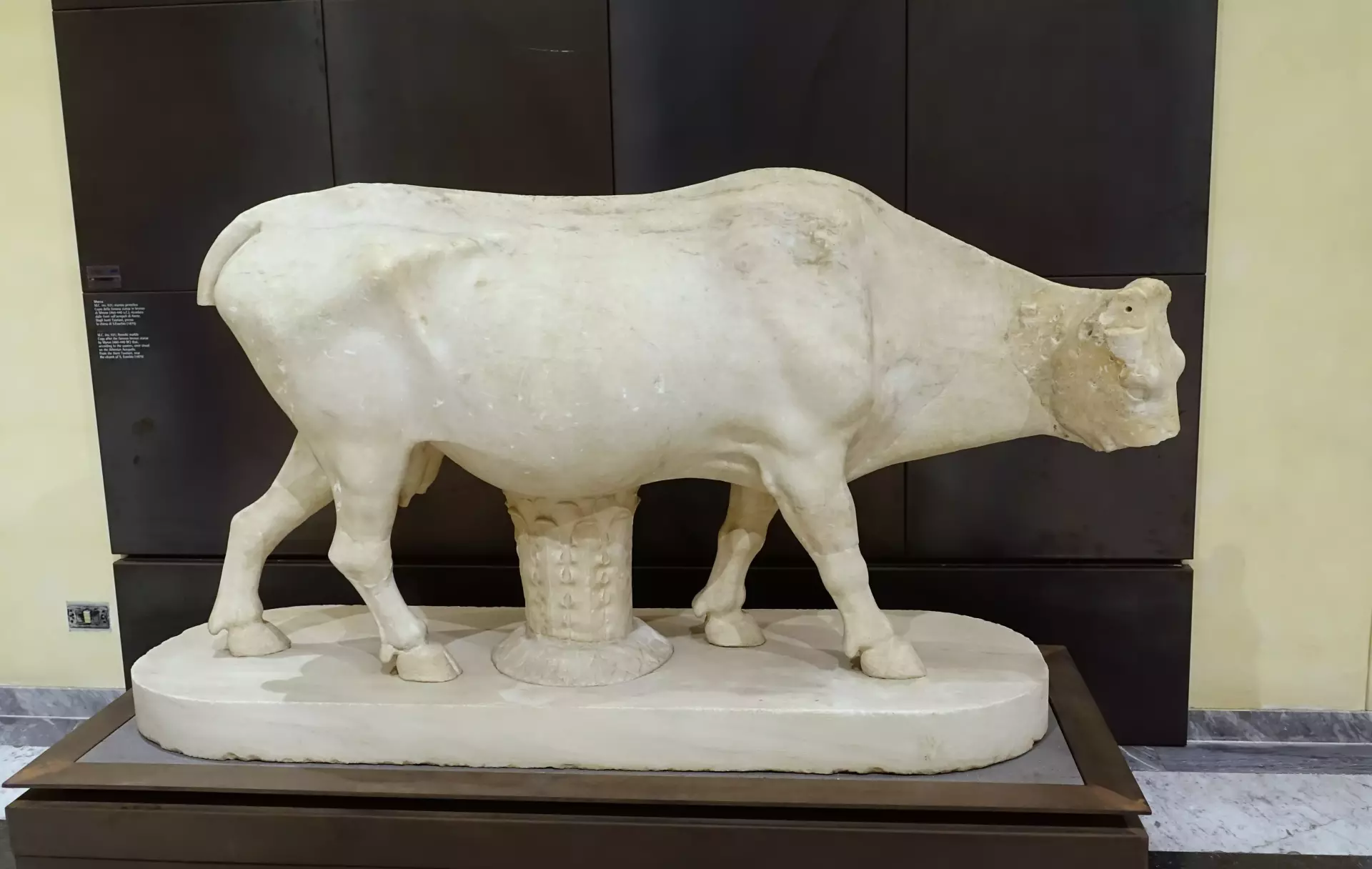
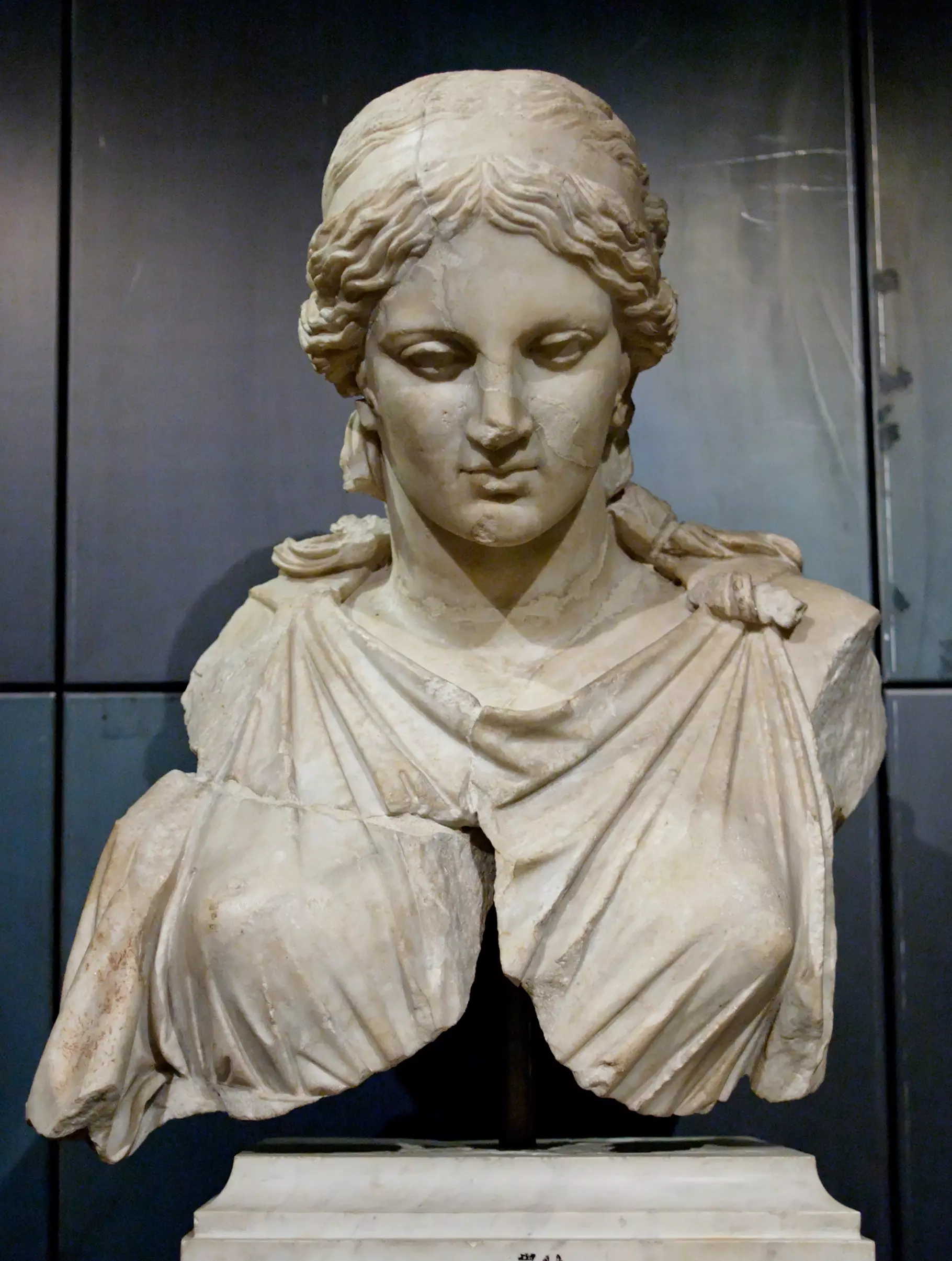
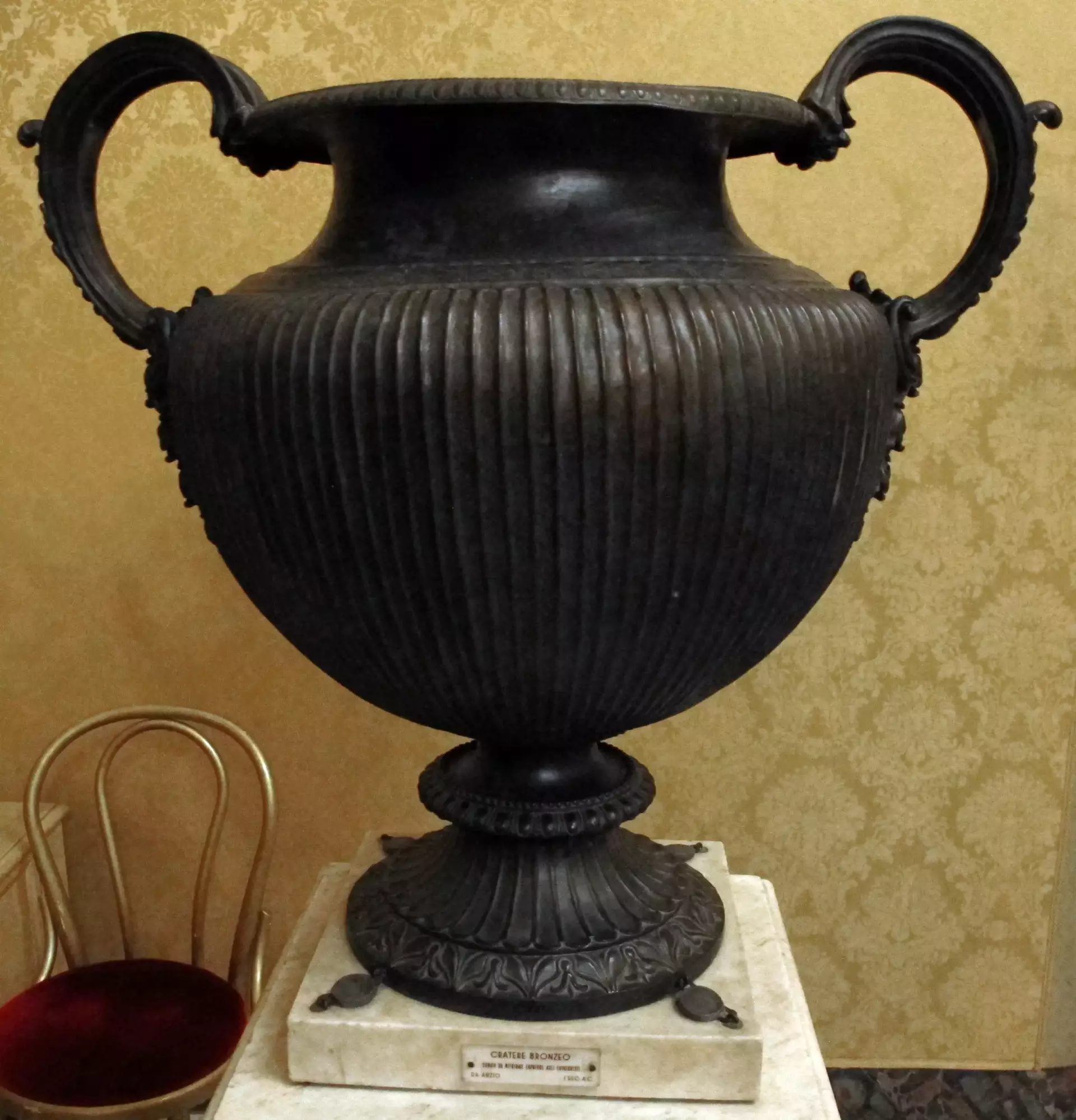
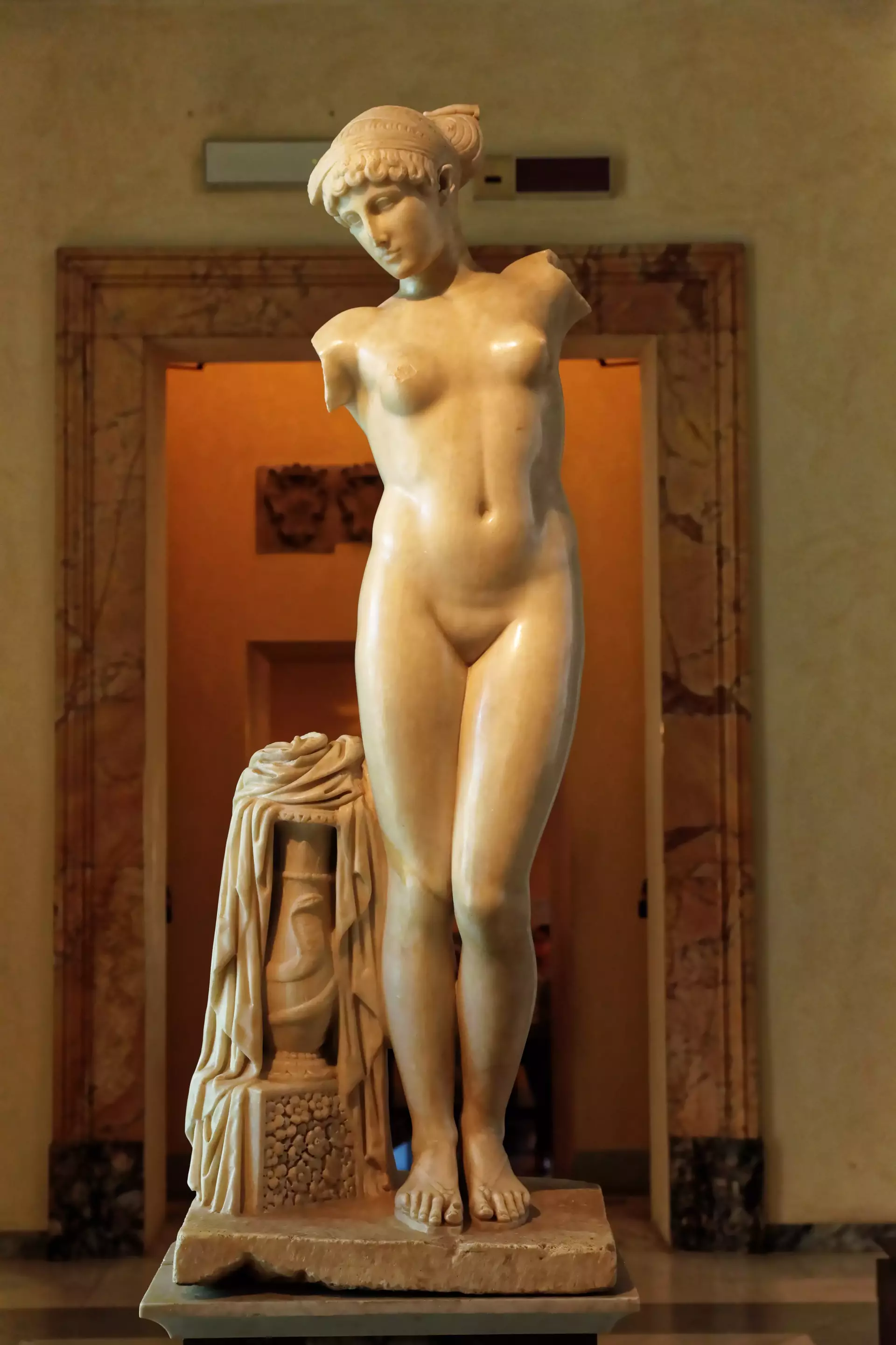
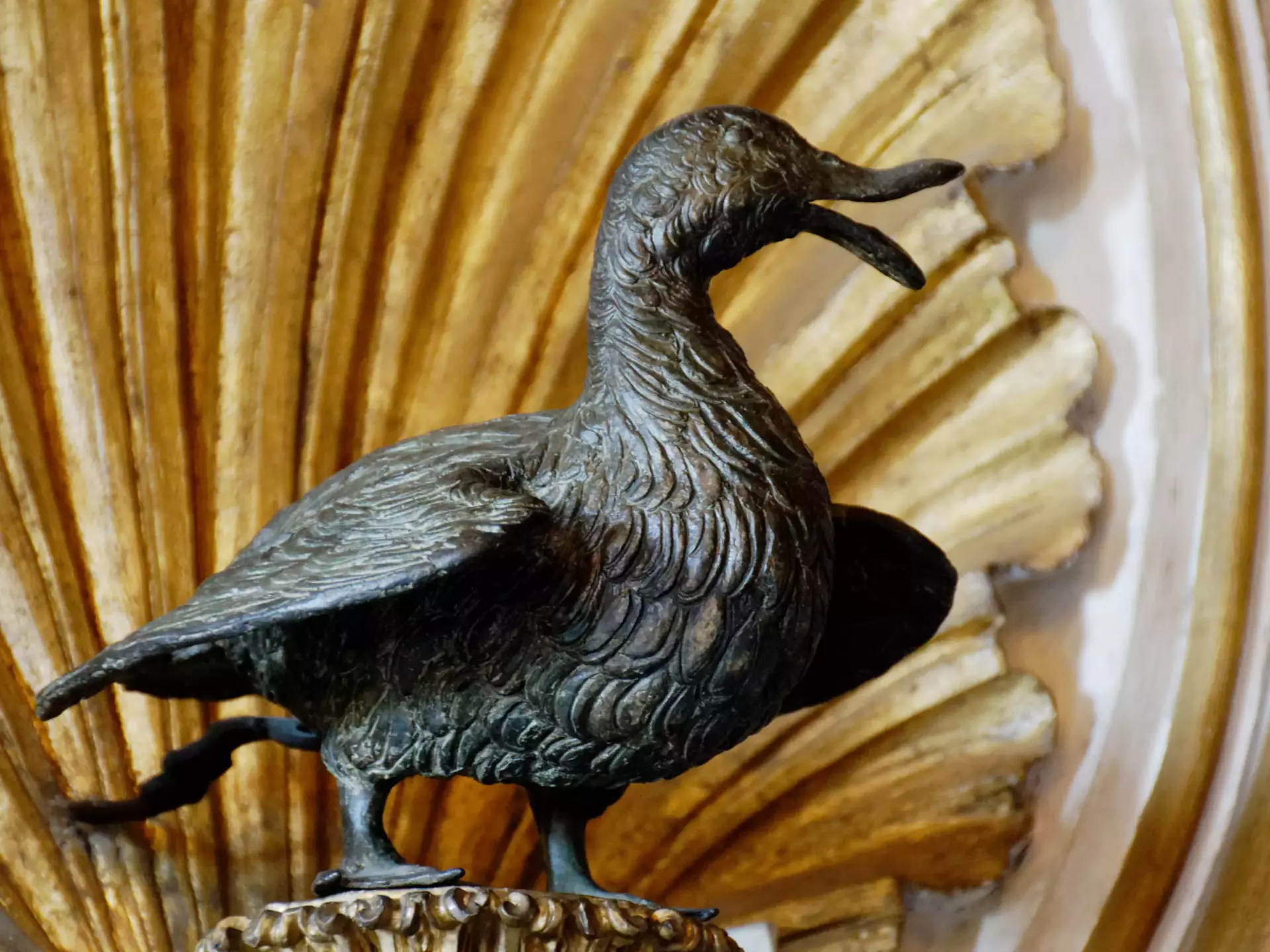
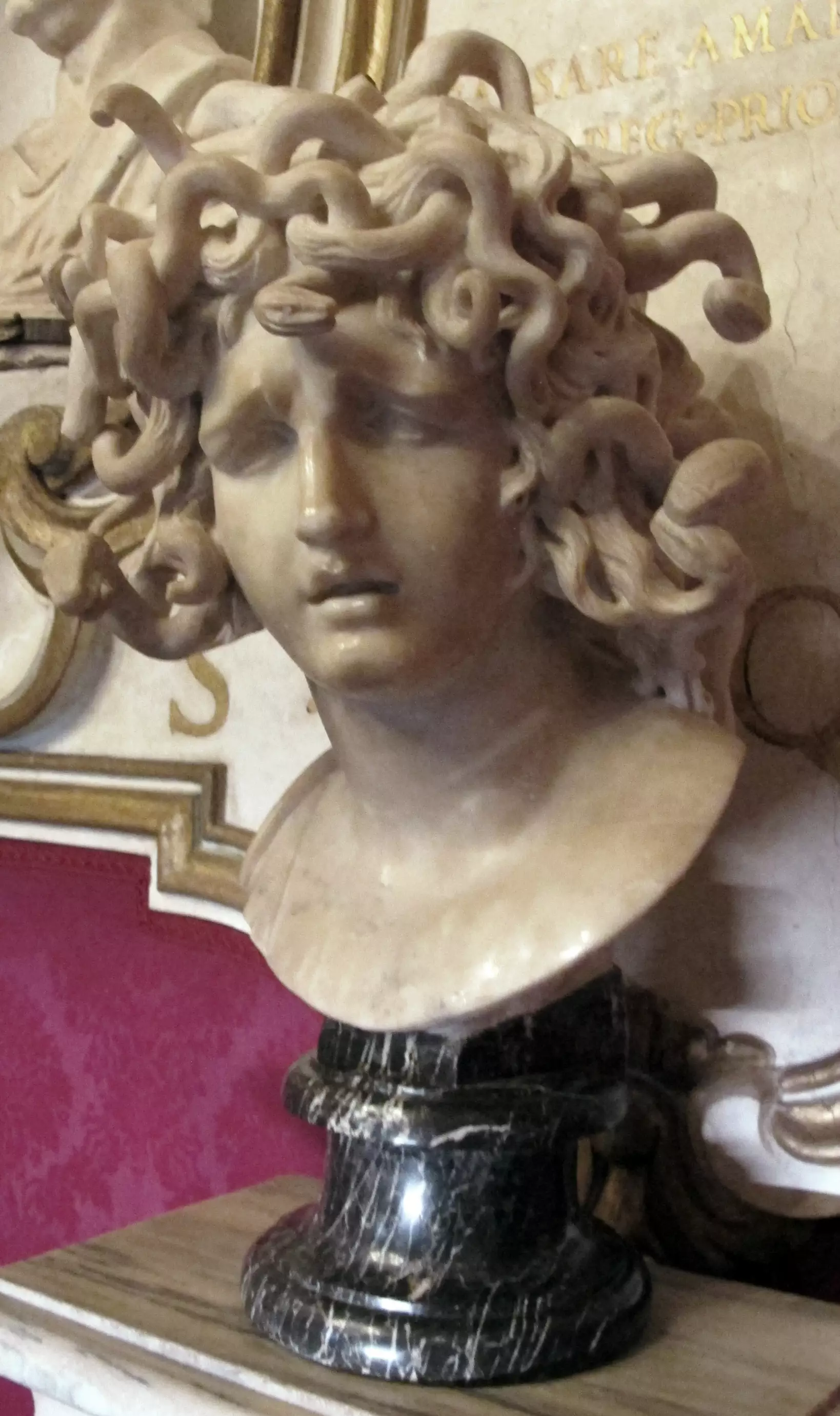
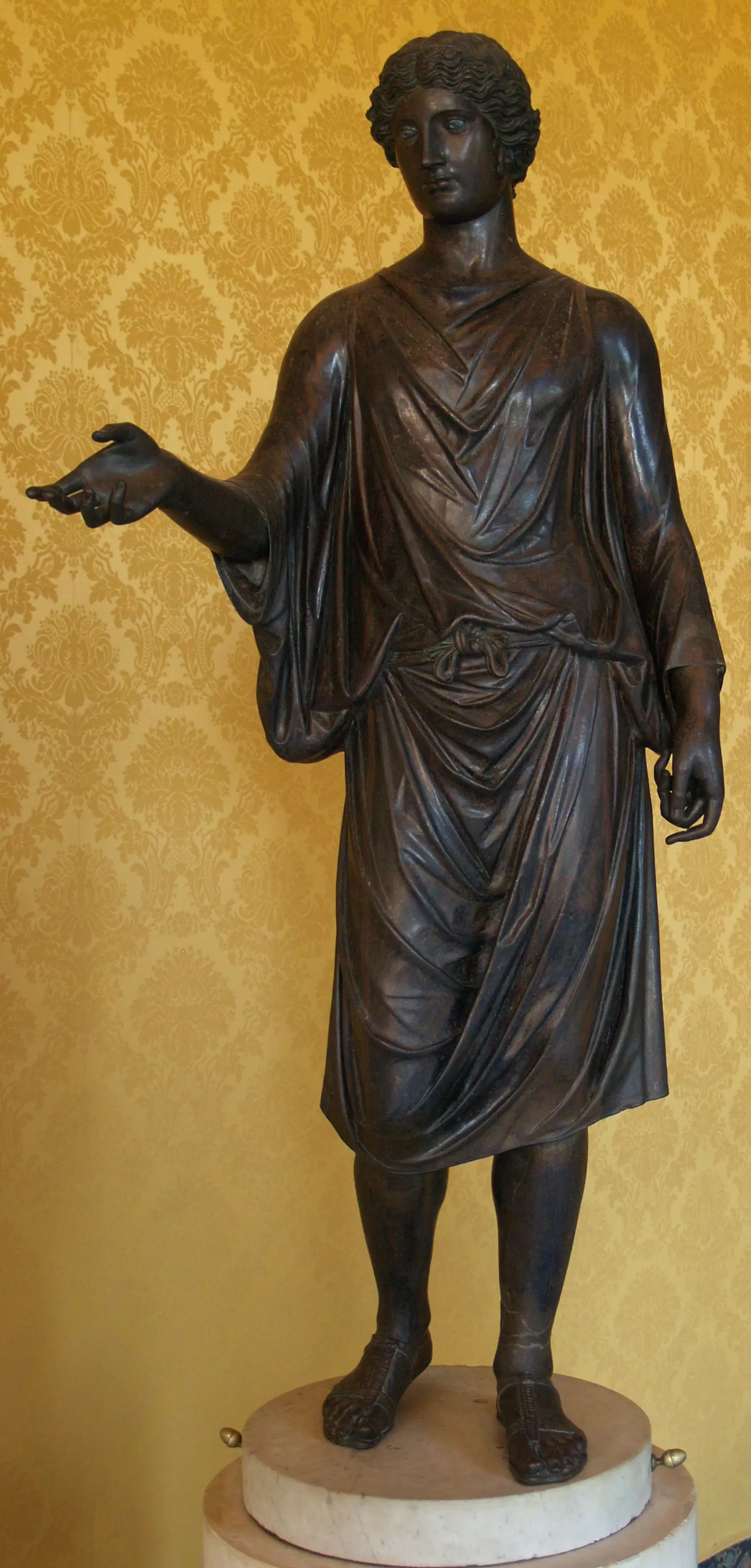
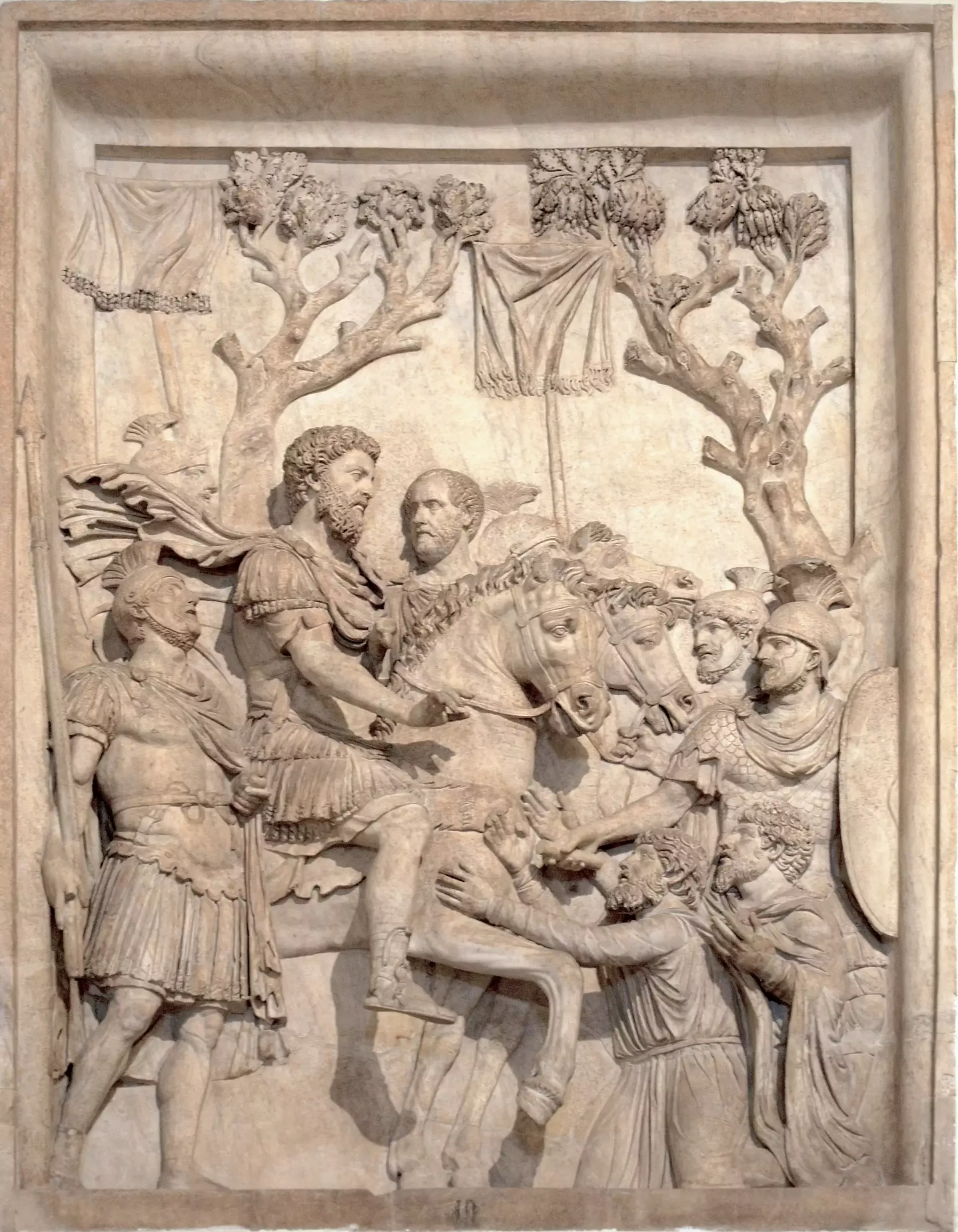
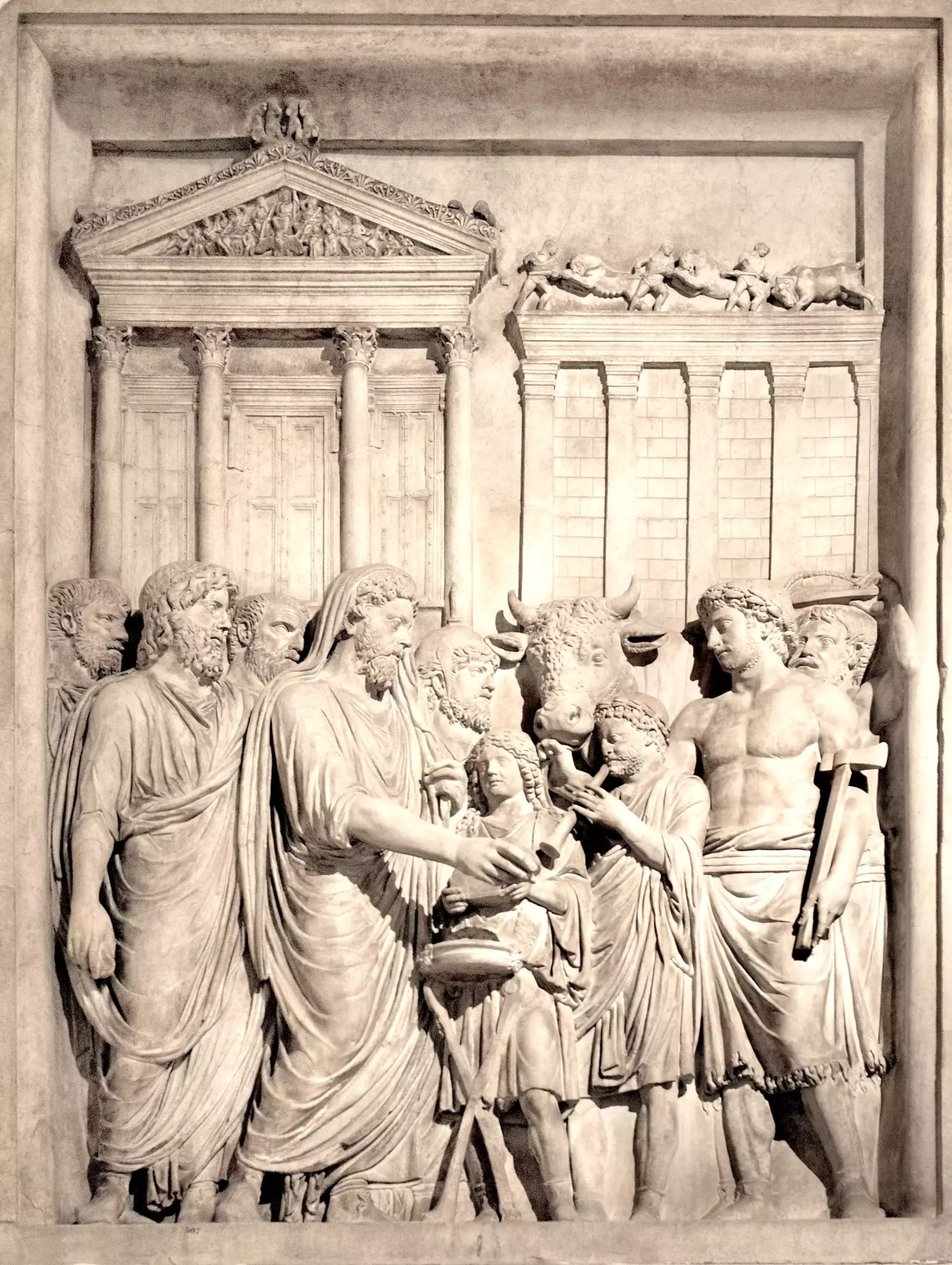
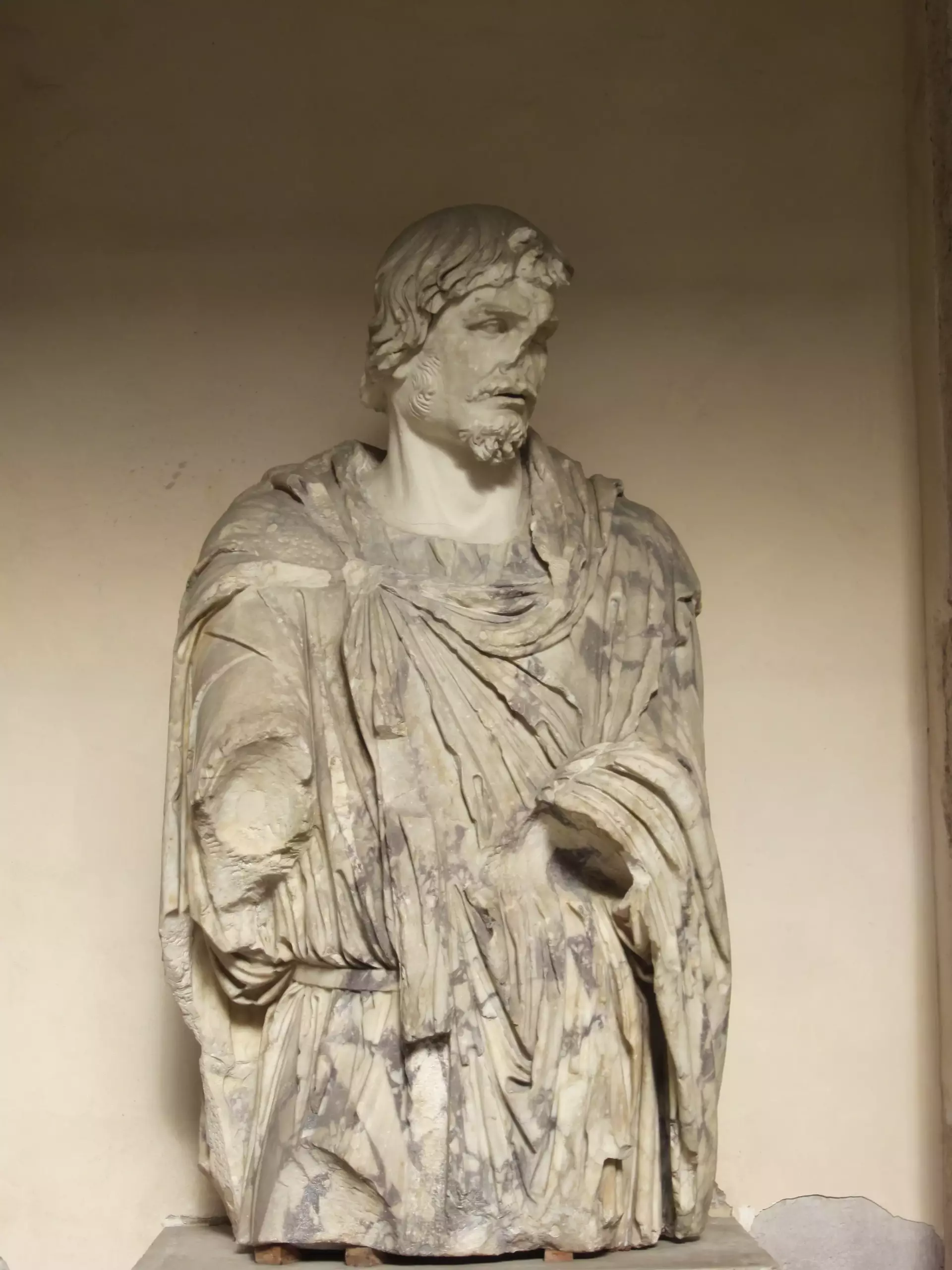
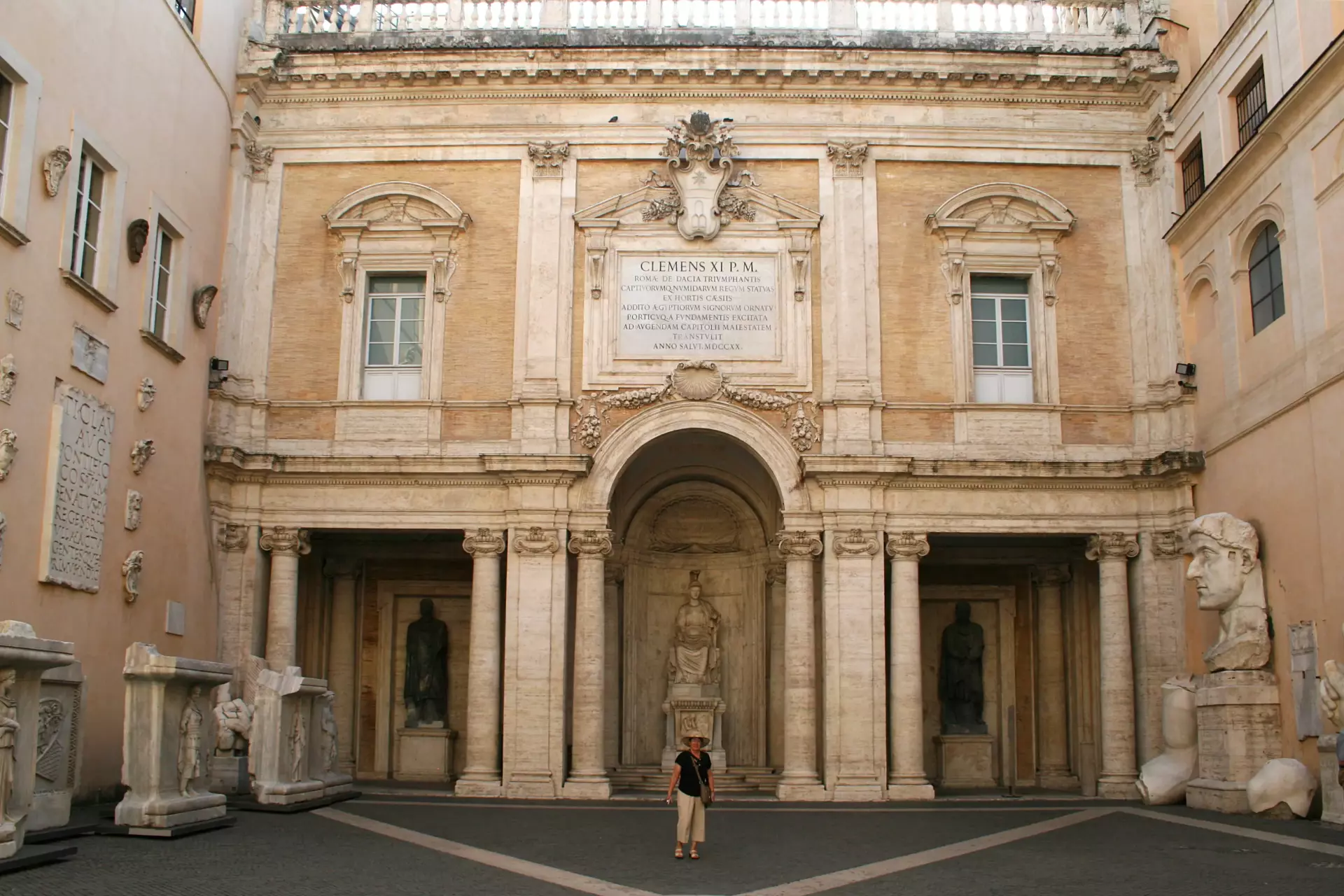
The Palazzo dei Conservatori showcases remarkable art and history within its walls. This gallery, designed from a plan by Michelangelo, may be compact but offers a rich selection of classical sculptures and paintings. Visitors can find both well-known masterpieces and rare treasures throughout the space.
One of the standout pieces is the Lo Spinario, a small bronze statue from the 1st century BC. This Greek work of art represents a young boy carefully extracting a thorn from his foot, capturing a simple yet touching moment. Another important artifact is the Lupa Capitolina, or Capitoline Wolf. This rare Etruscan bronze statue is believed to date back to the 5th century BC and is a significant symbol of Roman mythology.
In the palace’s entrance courtyard, visitors are greeted by enormous fragments from the past. There’s the giant head, hands, foot, and kneecap from a colossal statue of Constantine the Great, offering a striking glimpse into the scale of Roman imperial art.
The Palazzo also features a Pinacoteca, or Picture Gallery, focusing on paintings from the 16th and 17th centuries. Among its prized works are Caravaggio’s Fortune-Teller and the intriguing John the Baptist. The collection also includes The Holy Family by Dosso Dossi, Romulus and Remus by Rubens, and Titian’s Baptism of Christ. Each painting reflects the artistic talents of renowned painters and the creativity of their eras.
Source - https://en.wikipedia.org/wiki/Palazzo_dei_Conservatori
This is the largest square in Rome. It sometimes hosts pop concerts and is the focal point for Rome's New Year's Eve celebrations. The twin churches Santa Maria dei Miracoli (1681) and Santa Maria in Montesanto (1679) used to provide a clear welcome to Rome for those coming from the north. Much older, to the north of the piazza is yet another Santa Maria (see below). The Piazza del Popolo is considered as one of the most beautiful squares in Europe. It was enlarged and two streets, the Via di Ripetta and the Via del Babuino were added by order of Pope Sixtus V. In the middle of the square is an obelisk (see below). In 1809-1816, Giuseppe Valadier, Roman architect of French origin, gave the square its characteristic oval shape.
Pope Nicholas III connected Castel Sant'Angelo to St. Peter's by a covered fortified corridor called the Passetto di Borgo. This proved useful for Pope Clement VII during the Sack of Rome (1527). You can still see much of the Passetto by walking along the Borgo Sant'Angelo, which runs parallel to, and north of, the Via della Conciliazione.
The renamed Rome Zoo, one of the oldest in Europe, founded in 1911. On the edge of the Borghese Gardens, a short, well-signposted walk from the Gallery. They try hard, but San Diego this isn't. If you are a regular zoo-goer you will be disappointed.
The Servian Wall was the first wall around Rome, built around the 3rd century BC. This well-preserved section provides a good opportunity to observe the construction methods of that time, particularly the use of tufa rock blocks
On the site of the Roman baths, this museum houses an enormous collection of statues, etc.
The house in which the famous English poet John Keats succumbed to consumption, now preserved as a memorial to his life and that of his friend Shelley, both of whom are buried in Rome's Protestant Cemetery (see Testaccio).
Romans and leaders of Rome's defeated enemies were imprisoned here where they either died of starvation or strangulation. According to legend, St. Peter was also imprisoned here.