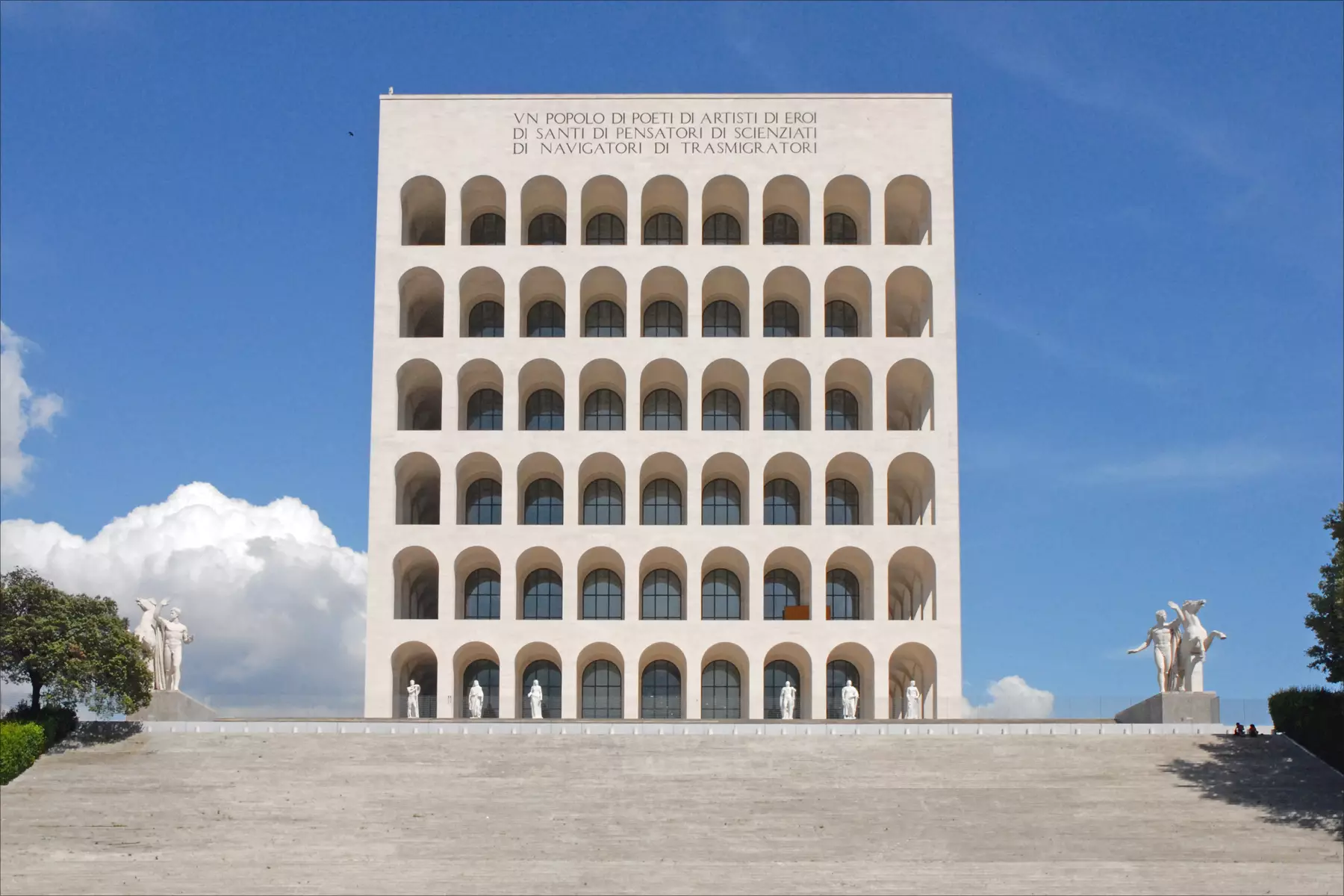
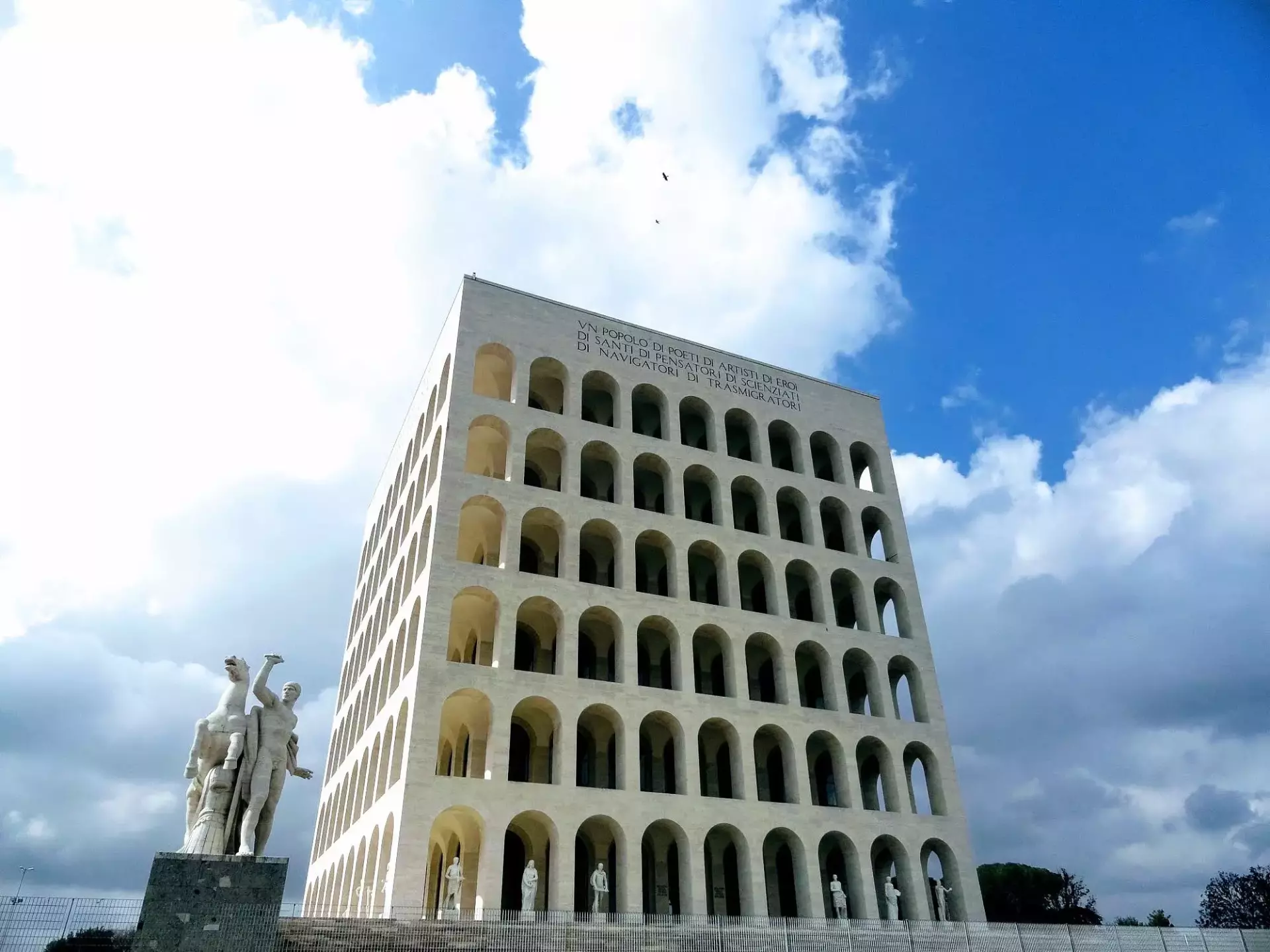
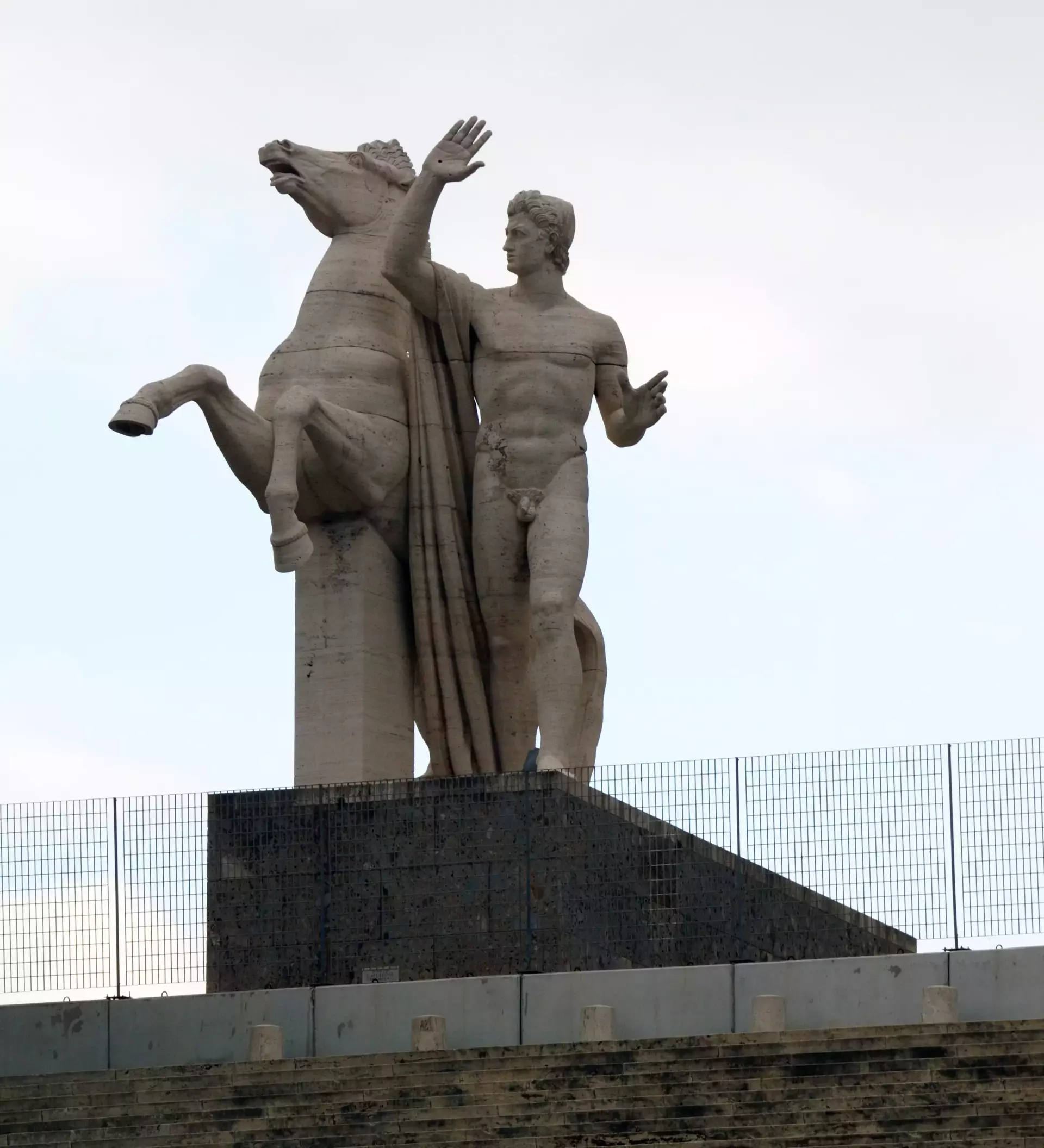
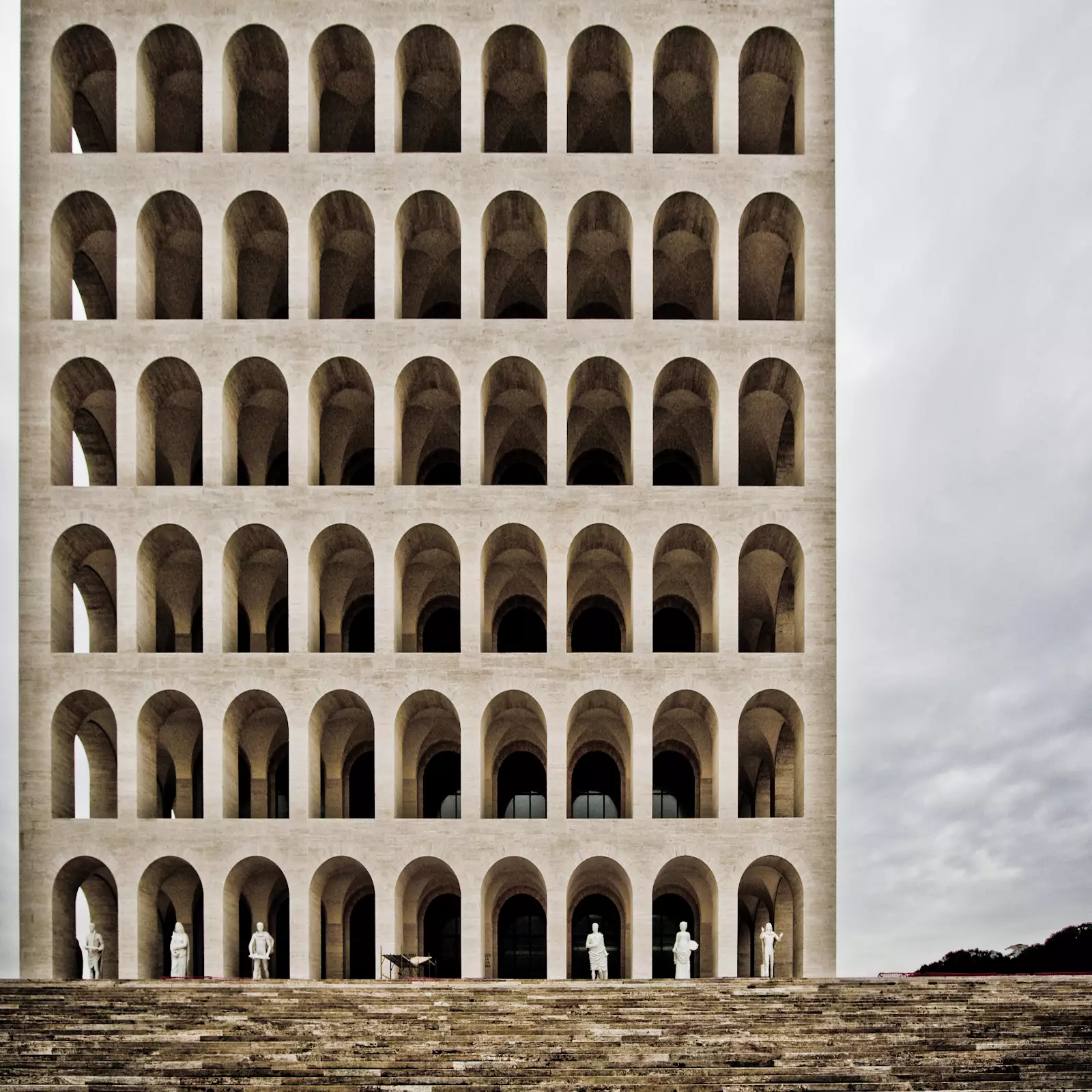
Palazzo della Civiltà Italiana is an impressive building that was completed in the 1940s. Originally designed as the highlight of the EUR district in Rome, its grand architecture stands out with clean lines and perfect symmetry.
For many years after its construction, the Palazzo remained largely unused. Despite its prominent location and striking appearance, it did not have an active role or function for decades, becoming more of a silent landmark than a busy center.
Everything changed before 2015, when careful restoration work brought back the building’s original beauty. The iconic structure soon found a new purpose: the luxury fashion brand Fendi chose the Palazzo as its headquarters. With this new chapter, the building’s elegant halls are now filled with creativity and activity, making it a living part of the city once again.
Source - https://en.wikipedia.org/wiki/Palazzo_della_Civilt%C3%A0_Italiana
Completed in 1762 to a design by Nicola Salvi, this spectacular Baroque fountain features a mythological sculptural composition of Neptune, god of the sea, flanked by two Tritons: one Triton labours to control a violent sea-horse, the other controls a pacified creature, both symbolising the dual nature of the world's oceans. The location of the Trevi fountain marks the terminus of the ancient Aqua Virgo aqueduct, completed in 19 BCE in order to supply the Baths of Agrippa, and is so named on account of its position at the junction of three roads (tre vie). The legend says that one who throws a coin in the fountain shall one day return to Rome. The coins in the fountain are regularly collected to finance charities. The fountain has been made even more famous by the 1954 film, Three Coins in the Fountain, and by a famous scene in Federico Fellini's film La Dolce Vita. According to popular superstition and custom, throwing coins with one's right hand over one's left shoulder into the Trevi Fountain is a practice endowed with good luck. Throwing one coin ensures that the thrower will return to Rome; throwing two coins will ensure that the thrower will fall in love with a beautiful Roman girl (or handsome boy); throwing three coins, finally, ensures that the thrower will marry that girl or boy in Rome itself. The fountain is one of Rome's most famous attractions, but the square isn't exactly as large as St. Peter's, therefore it might be packed with crowds almost like at a rock festival. For this reason it's reportedly also a pickpocket hotspot, so do watch your pockets and bags here!
The remains of the ancient Roman archives, where Cicero and Seneca did research. Visible from the Forum and accessible through the Capitoline Museum.
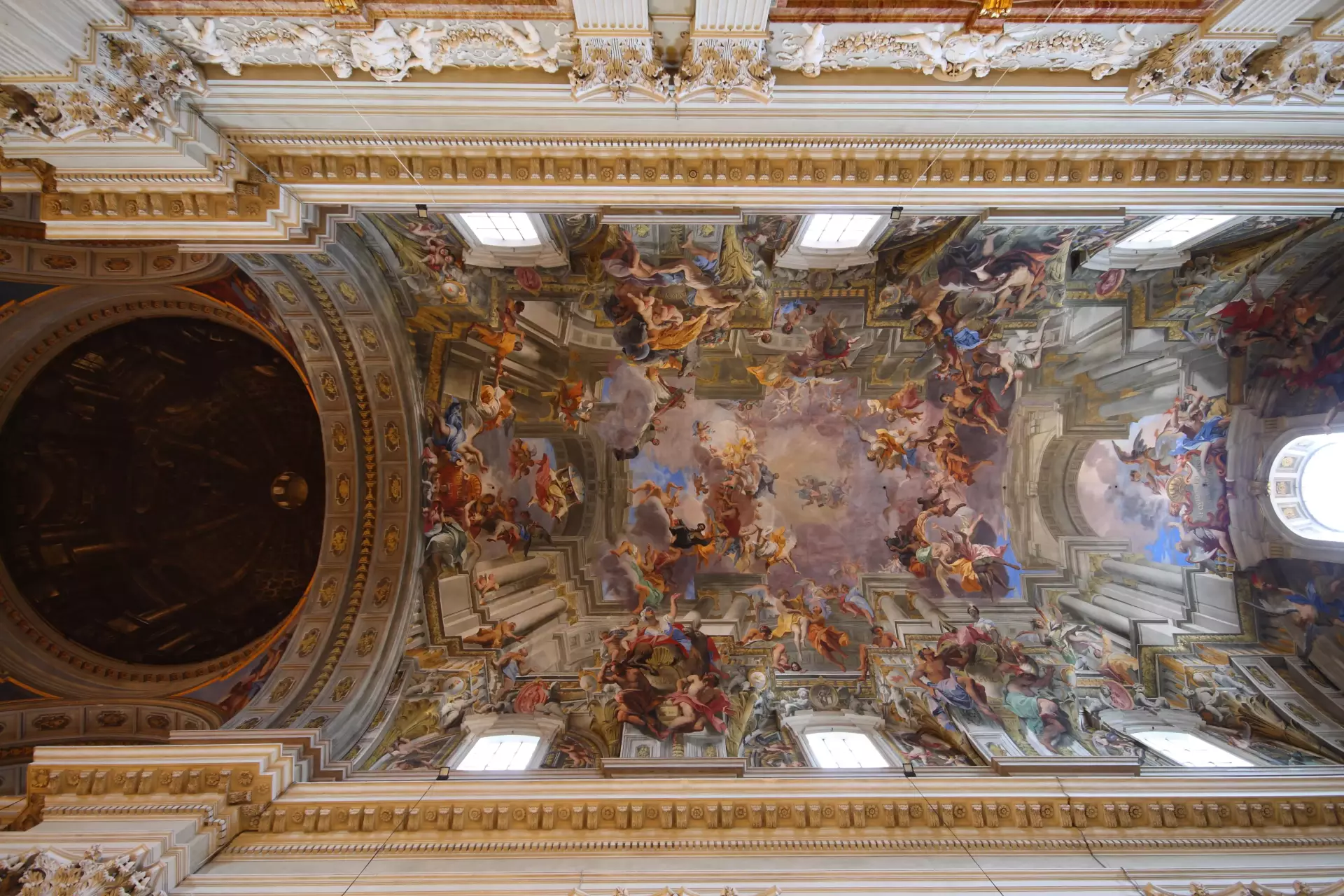
This is one of the two main Jesuit churches in Rome, the other being the nearby Sant'Ignazio. The interior is Baroque art on steroids. Simply astounding.
Known properly as the Flavian Amphitheatre, this most famous of Roman landmarks takes its name from the giant statue of the emperor Nero that once stood near this location. The amphitheatre was capable of seating 50,000 spectators for animal fights and gladiatorial combats. It was a project started by the Emperor Vespasian in 72 and completed by his son Domitian sometime in the 80s. The Colosseum when completed measured 48 m high, 188 m in length, and 156 m in width. The wooden arena floor was 86 m by 54 m, and covered by sand.;Expect a long queue and an even longer wait. You can skip the queue if you decide to take a tour, but if you don't want a tour, you can STILL skip the queue. If you walk to the entrance for the Roman Forum, you can buy tickets there which allow you to bypass the queues. You can also buy tickets online. There are lots of people offering tours in English just outside the entrance to the Colosseum. Inside you can take a tour (English, Spanish, or German) every 30 minutes or so for an additional fee. The tours are given by knowledgeable archeologists, but they don't take you to any areas you couldn't visit on your own.
Built in 81 AD by the emperor Domitianus in dedication to his brother Titus, who died earlier that year and reigned as emperor from 79-81, overseeing the opening of the Colosseum in 80 and the eruption of Mt Vesuvius the previous year.
Home of the Abbot Primate of the Benedictine Confederation and Benedictine monks studying in Rome. Visit the monastic produce shop and listen to the best Gregorian chant in Rome during Vespers (19:15 each evening).
Early Roman houses dating back to the 1st century, believed to be homes of early Christians. Well-preserved frescoes and a small museum.
It was constructed to hold relics of the Passion of Jesus. They include two thorns of his crown, part of a nail and three small wooden pieces of the Cross. The authenticity of these relics is much disputed, however.
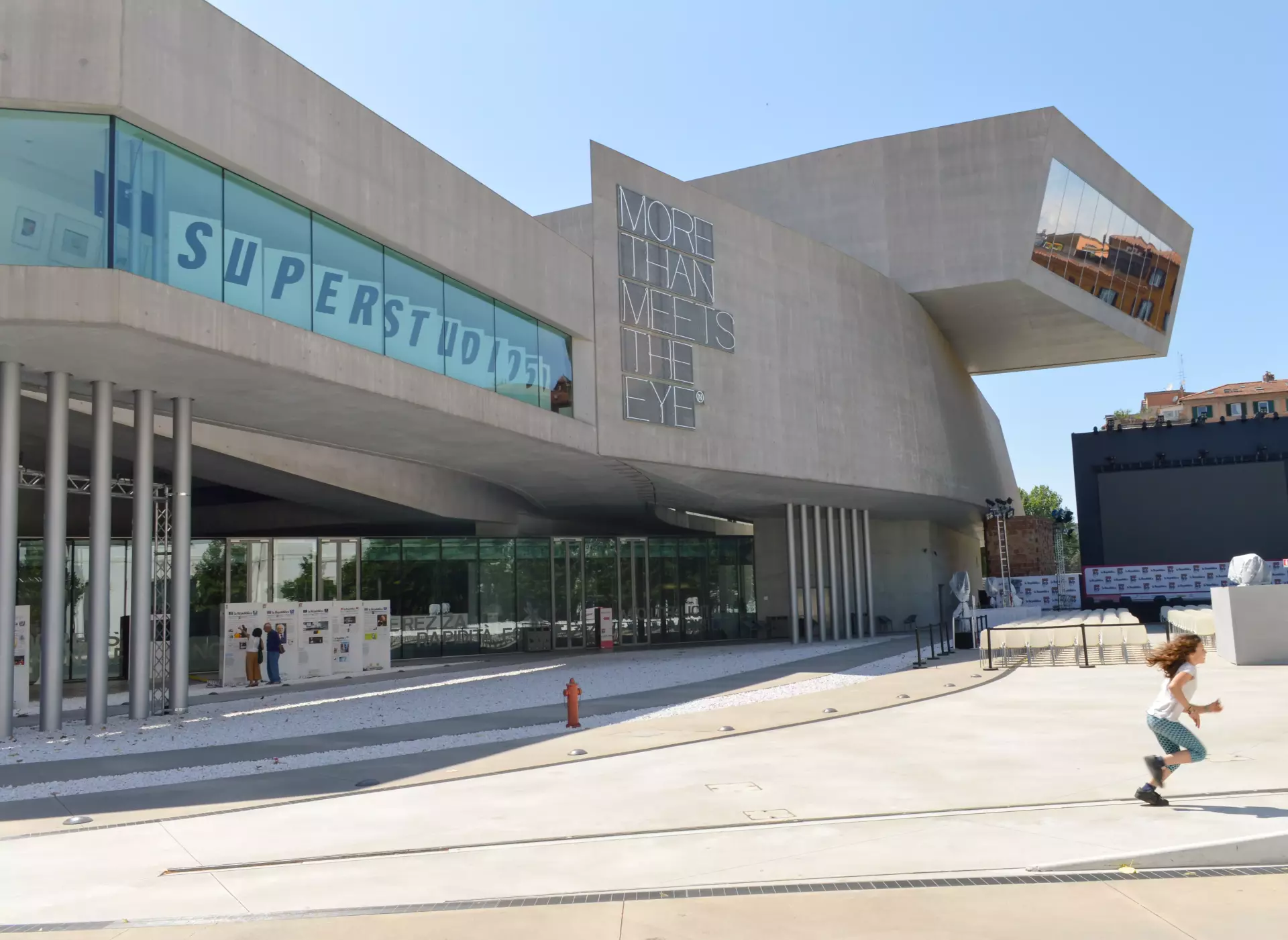
Brand new museum designed to celebrate the art and architecture of the 21st century.
Contains the ruins of several large villas that belonged to wealthy Roman families. You can buy a combined ticket for the Palatine Hill, the Roman Forum and the Colosseum here, avoiding the long lines at the Colosseum. While the Imperial and Roman Fora are probably more spectacular, overall, there are amazing sights on the Palatine Hill, so unless you are terribly short on time or find it too challenging to climb the hill, allow an hour or more for these sights, too.
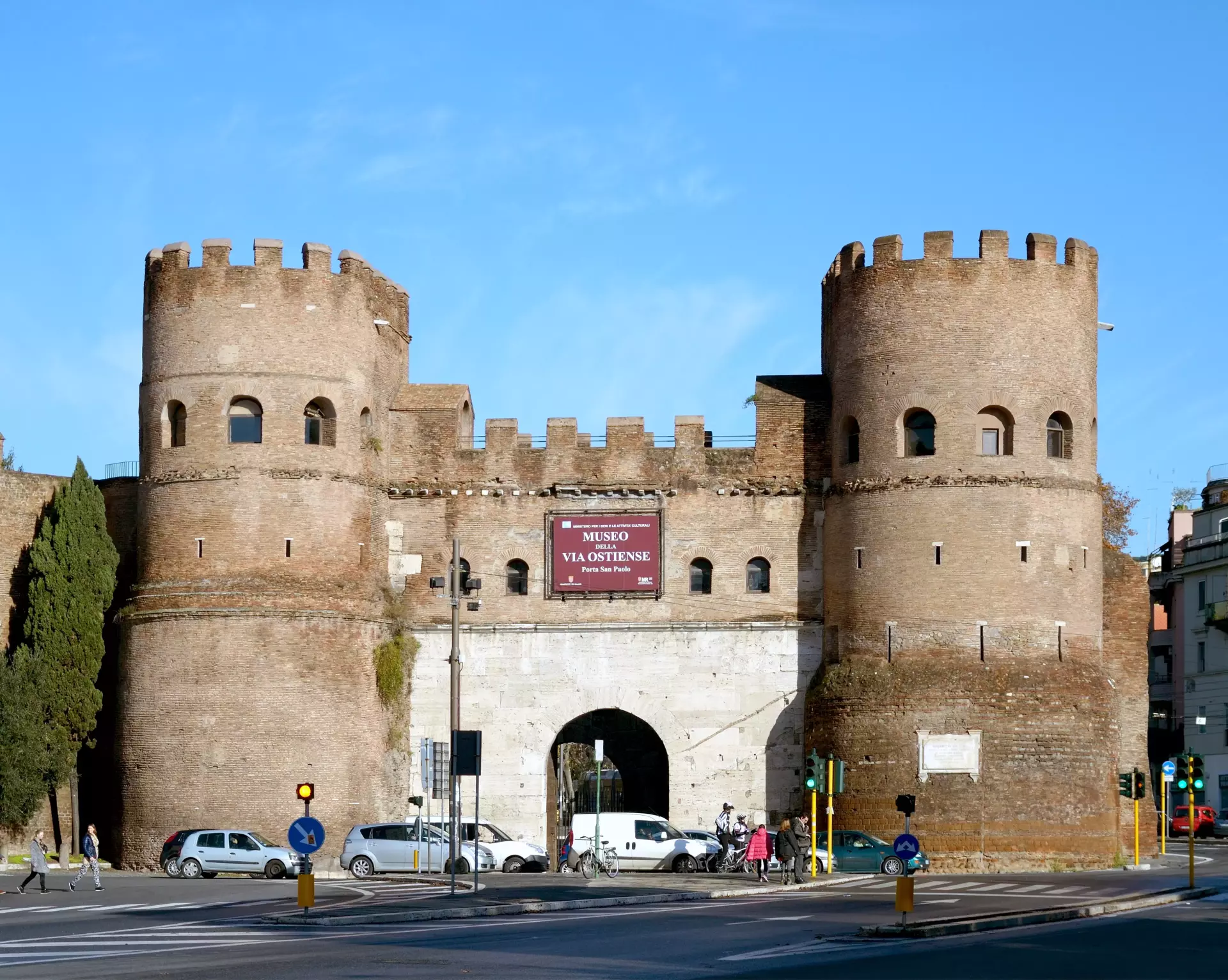
The Servian Wall was the first wall around Rome, built around the 3rd century BC. This well-preserved section provides a good opportunity to observe the construction methods of that time, particularly the use of tufa rock blocks
housed in the baroque palace Corsini where Christina, Queen of Sweden settled down in the last years of her life
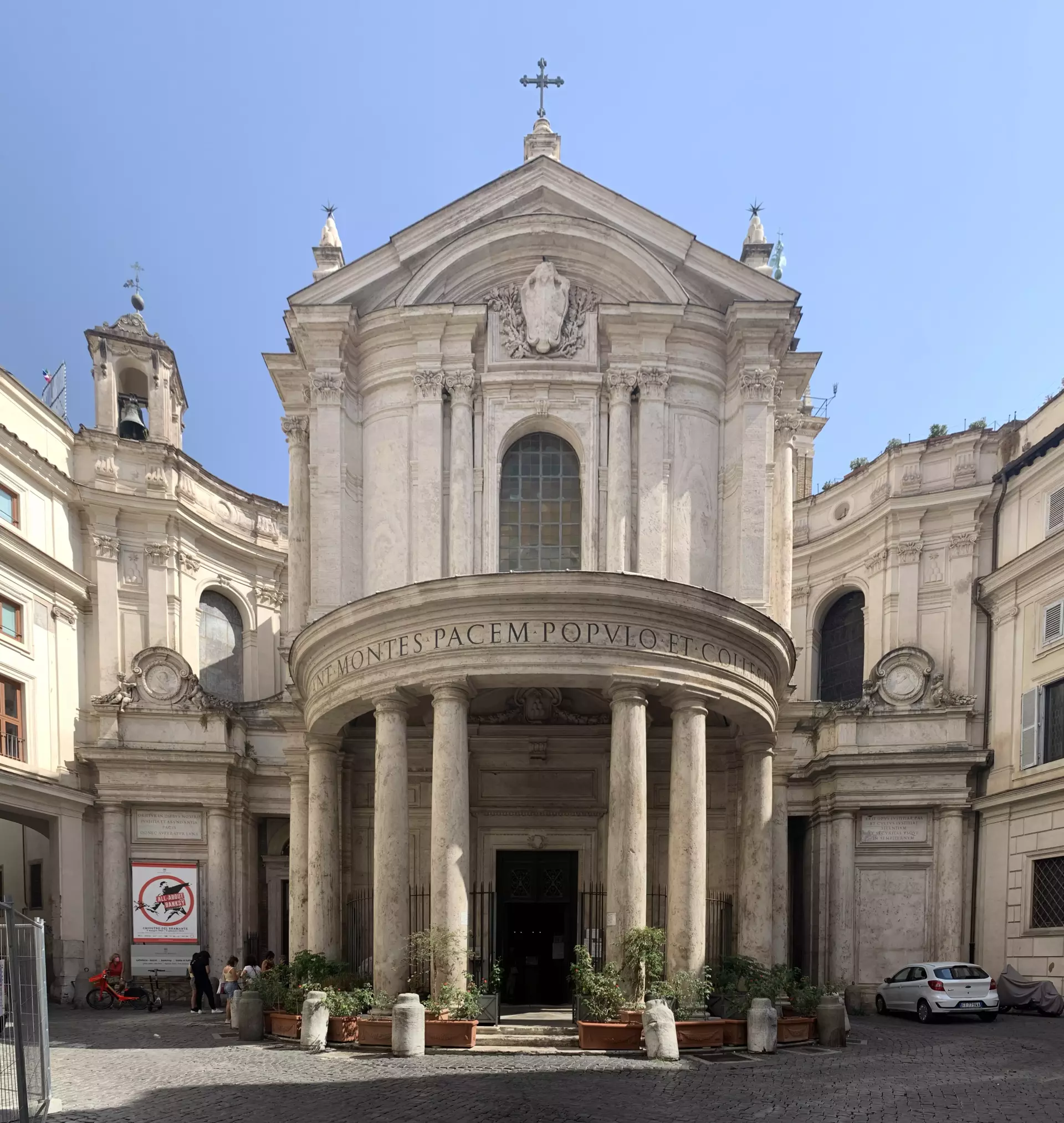
Minor basilica in 17th-century baroque style with good art inside. In a smaller Italian city, this might be a prime attraction, but in Rome, with its abundance of great churches, this is merely a pleasant church of secondary interest to visit if you are in the area.
This is the island located in the middle of the Tiber River (Il Fiume Tevere) that separates Central Rome and Trastevere. It boasts both a major hospital, called Fatebenefratelli, and a small synagogue that was secretly used in the Second World War when Rome's main synagogue nearby was closed down. It also has a café and gelateria on the Rome side. It is a nice way of getting to and from Trastevere. Be sure to get photos from Ponte Garibaldi as Isola Tiberina truly is beautiful. The island is 270 m long and up to 67 m broad. According to the legend envoys were sent to the temple of Asklepius in Epidauros in Greece in 291BC in order to get relief from an epidemic in Rome. The envoys brought one of the holy snakes back with them. The snake swam to the Tiber Island thus determining the place where a temple for Asklepius was built. The successor of the Asklepius sanctuary is the Church San Bartolomeo which was built by the German Emperor Otto III around the year 1000. The Ponte Rotto is what is left from the ancient Pons Aemilius, the oldest stone bridge over the Tiber erected around 180 BC. The bridge was partly destroyed during a flood in 1557, re-erected by Pope Gregor XIII and finally pulled down in 1598. In 62 BC the Senatorial road construction office replaced the wooden footbridge by the Ponte Fabricio.
The renamed Rome Zoo, one of the oldest in Europe, founded in 1911. On the edge of the Borghese Gardens, a short, well-signposted walk from the Gallery. They try hard, but San Diego this isn't. If you are a regular zoo-goer you will be disappointed.