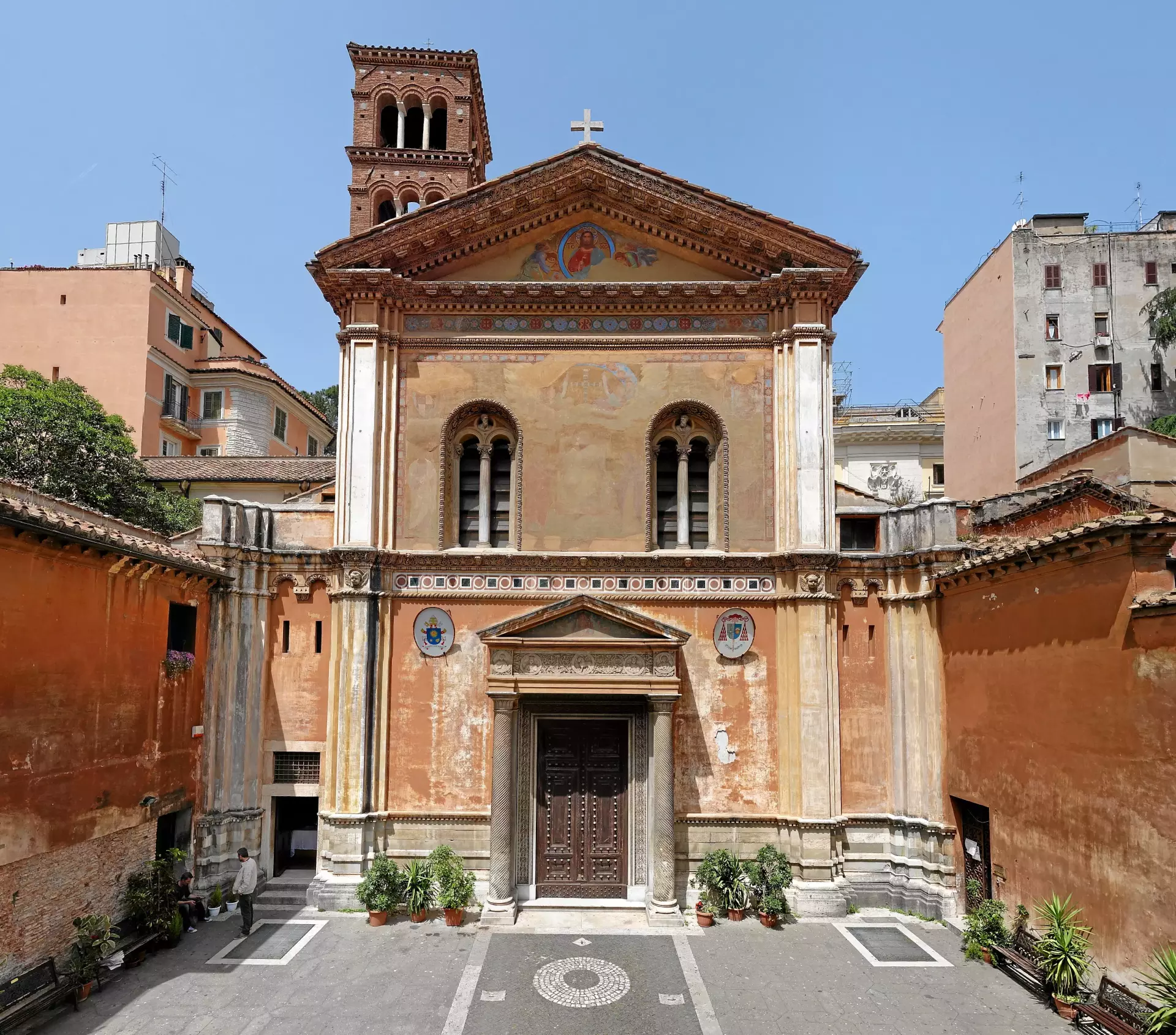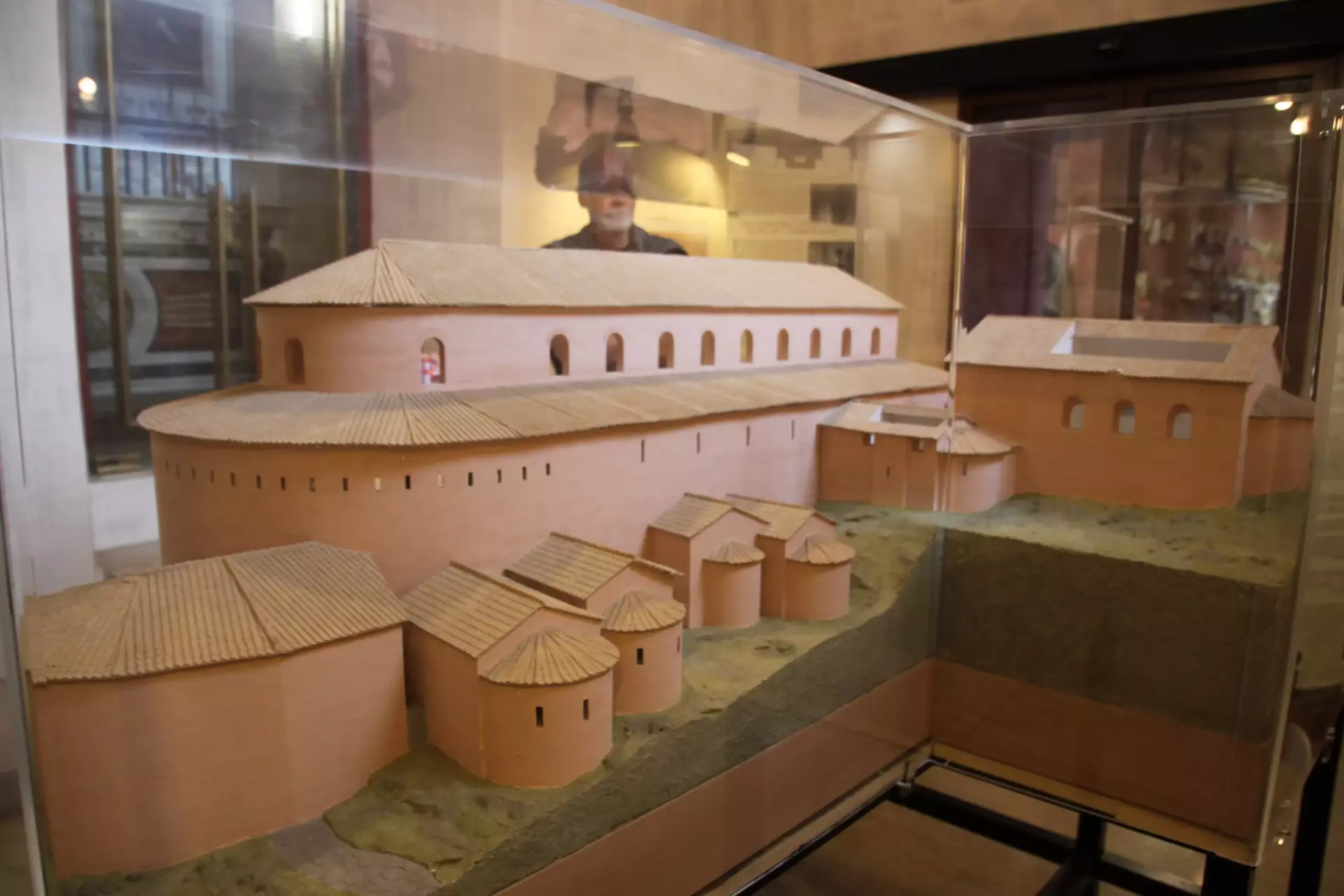
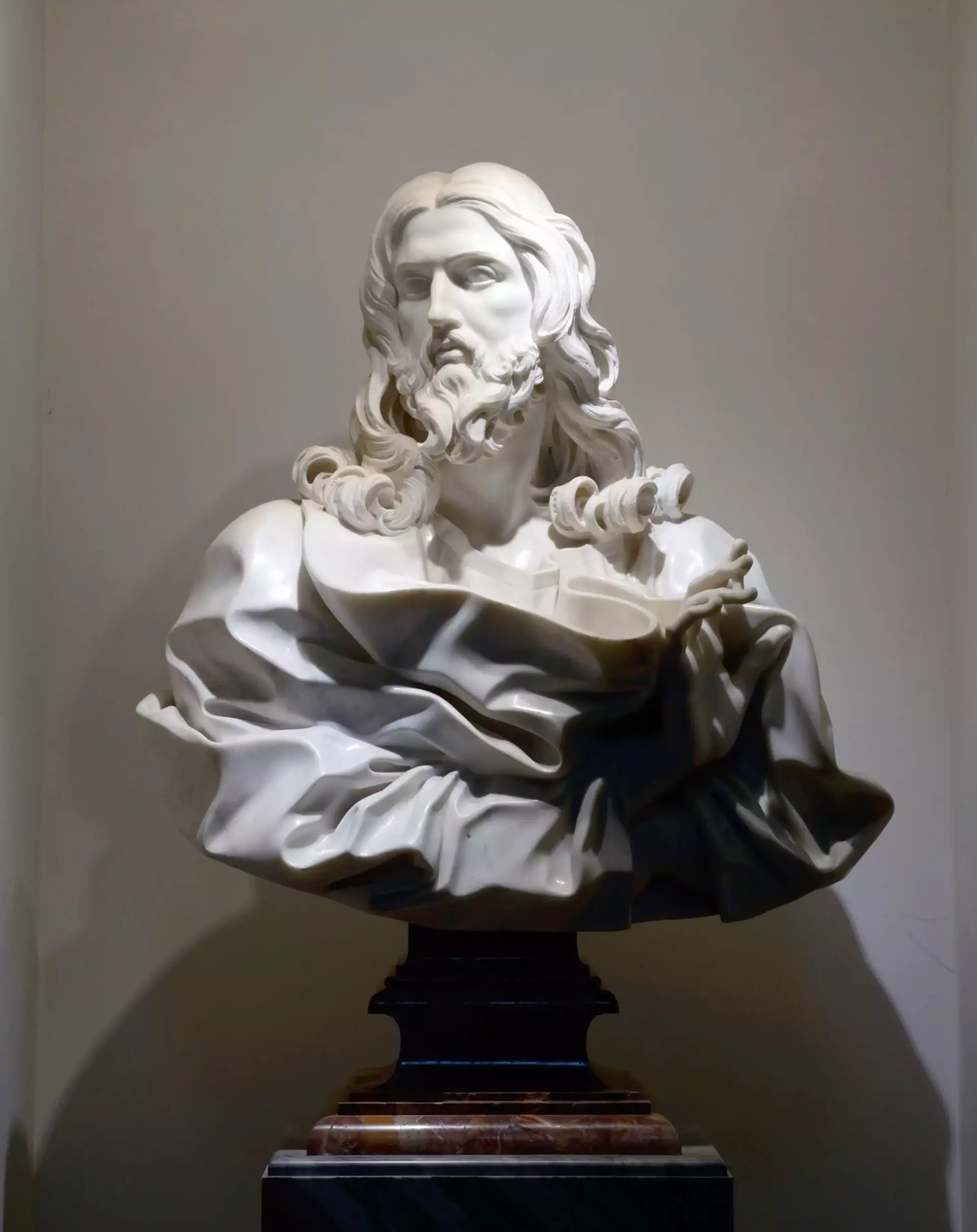
San Sebastiano fuori le mura has a long and eventful history. The first basilica on this site was built in the 4th century and dedicated to San Sebastian, a Christian martyr from the 3rd century. Over the centuries, the church has seen many changes. In 826, the remains of San Sebastian were moved to St. Peter’s for safekeeping before a Saracen assault, which led to the original church being destroyed.
The church visitors see today was largely constructed during the 17th century. For centuries, San Sebastiano fuori le mura held a special place among Rome’s holy sites. Up until the Great Jubilee in the year 2000, it was one of the Seven Pilgrim Churches of Rome, a group of churches that every Roman Catholic pilgrim was expected to visit. However, during the Jubilee year, its place was taken by the Sanctuary of Divino Amore.
Just to the right of the church entrance, visitors will find the entrance to the catacombs. These catacombs are smaller than others in the area, but still offer a fascinating glimpse into early Christian history. The area where tickets are purchased and tours begin features a display of sarcophagi discovered in the catacombs.
From this point, it is also possible to rent a bicycle to continue exploring the historic Appian Way, which is lined with ancient monuments and relics of the past.
Source - https://en.wikipedia.org/wiki/San_Sebastiano_fuori_le_mura
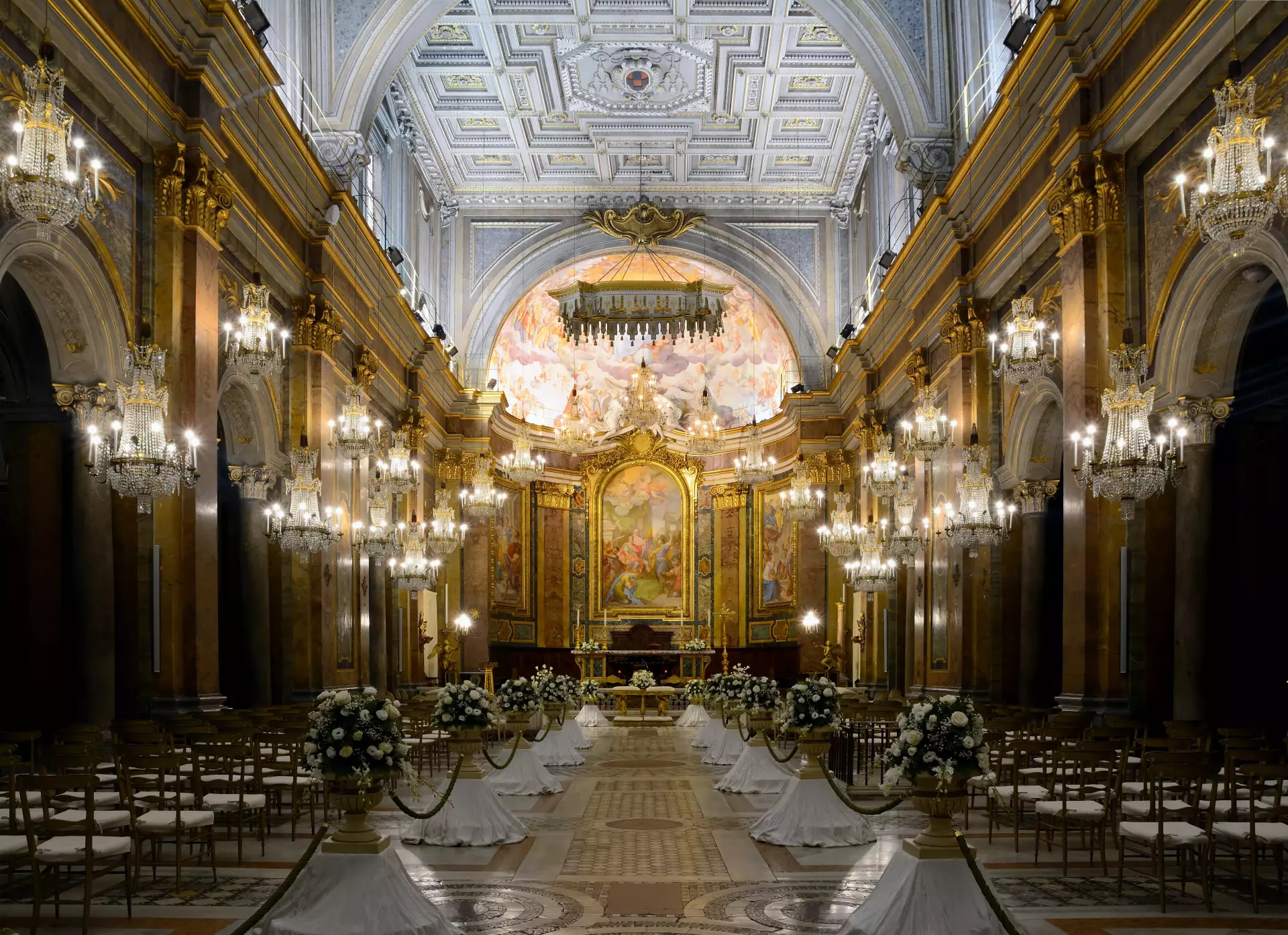
Between the Pantheon and Via del Corso. A stunning example of Baroque art. The ceiling frescoes are especially fine, including a trompe l'oeil dome by the master Andrea Pozzo.
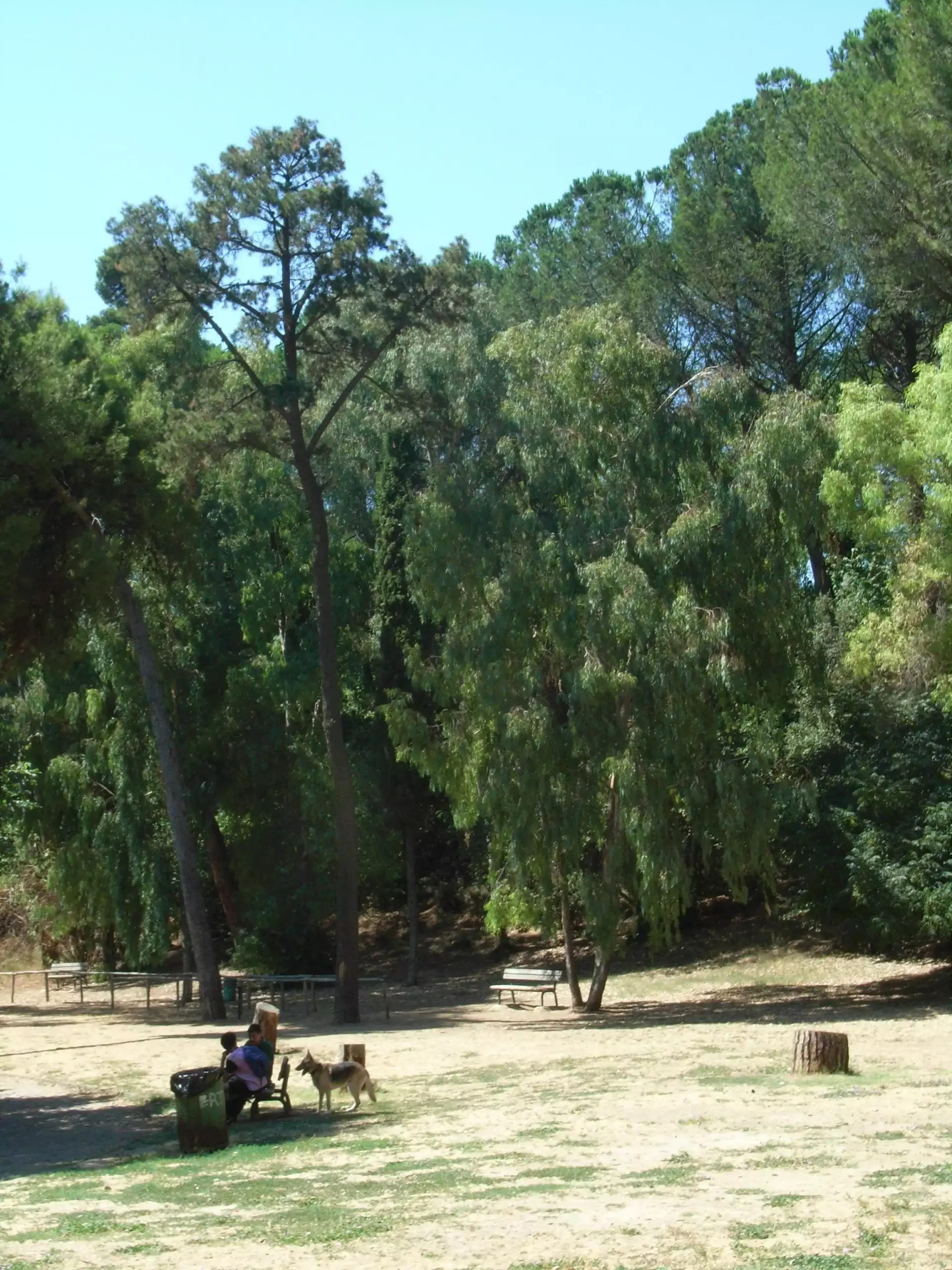
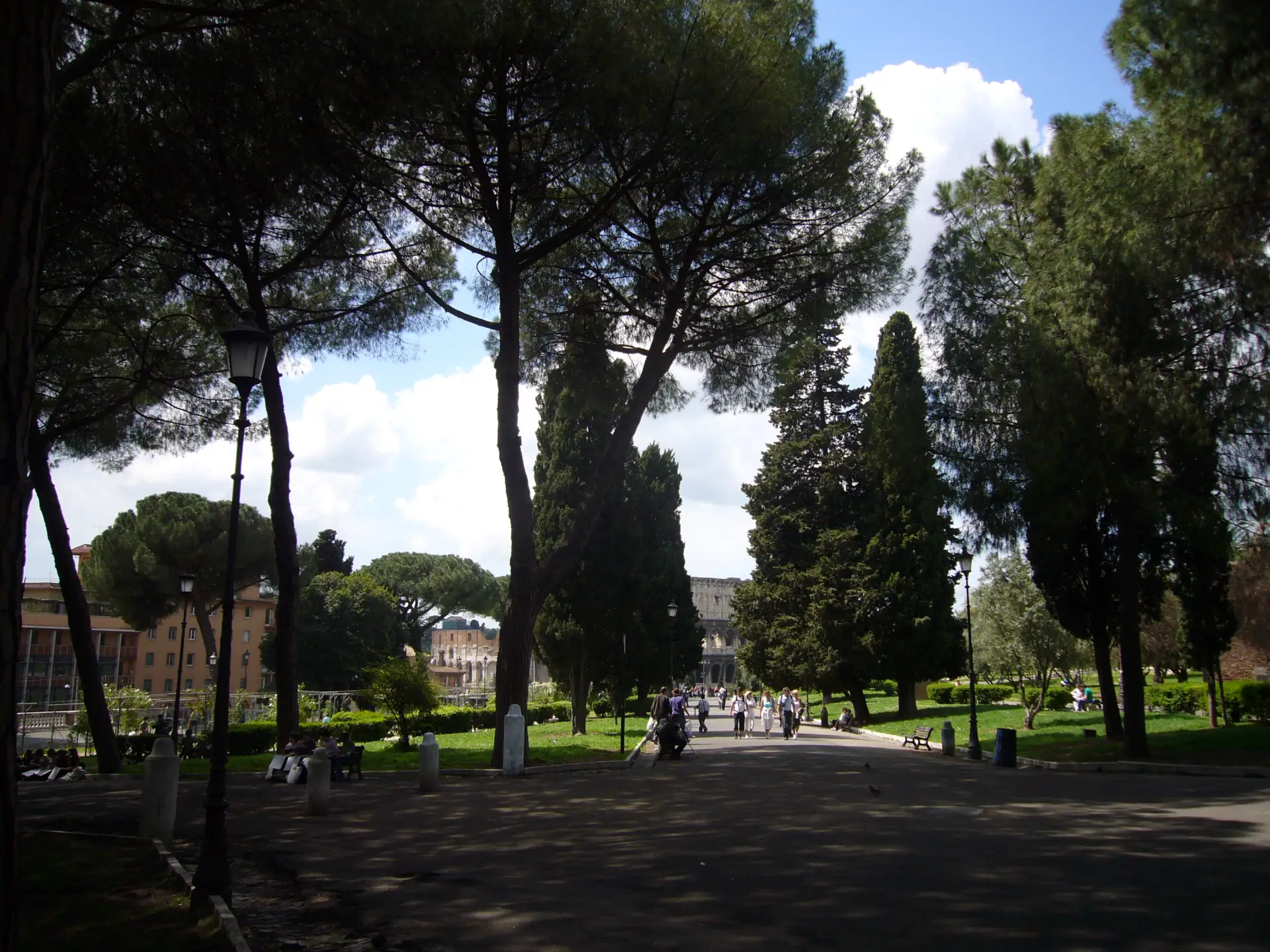
This is not, contrary to popular belief, one of the original seven hills that Rome was founded on. It is the second highest after Monte Mario, though, and offers incredible panoramic views of the city as long as the authorities remember to prune the trees on the hillside (if they are too tall you can walk a few meters down the hill for views that are just as good). On the other side of the piazza there is also a nice view of the dome of St. Peter's. The Piazza and the street leading up the hill are dedicated to Giuseppe Garibaldi who led Italian troops against the French here in 1849. There are also several commemorative statues.
This is one of the two main Jesuit churches in Rome, the other being the nearby Sant'Ignazio. The interior is Baroque art on steroids. Simply astounding.
The museum is dedicated to Napoleon Bonaparte and his family. After Napoleon's death in 1821 the Pope gave permission to his family to settle down in Rome. His sister married Prince Camillo Borghese.
The most extensive collection of Etruscan art and artifacts anywhere. Fantastic collection and well worth the admission charge. A difficult museum to find, but a lovely display in a beautiful villa setting.
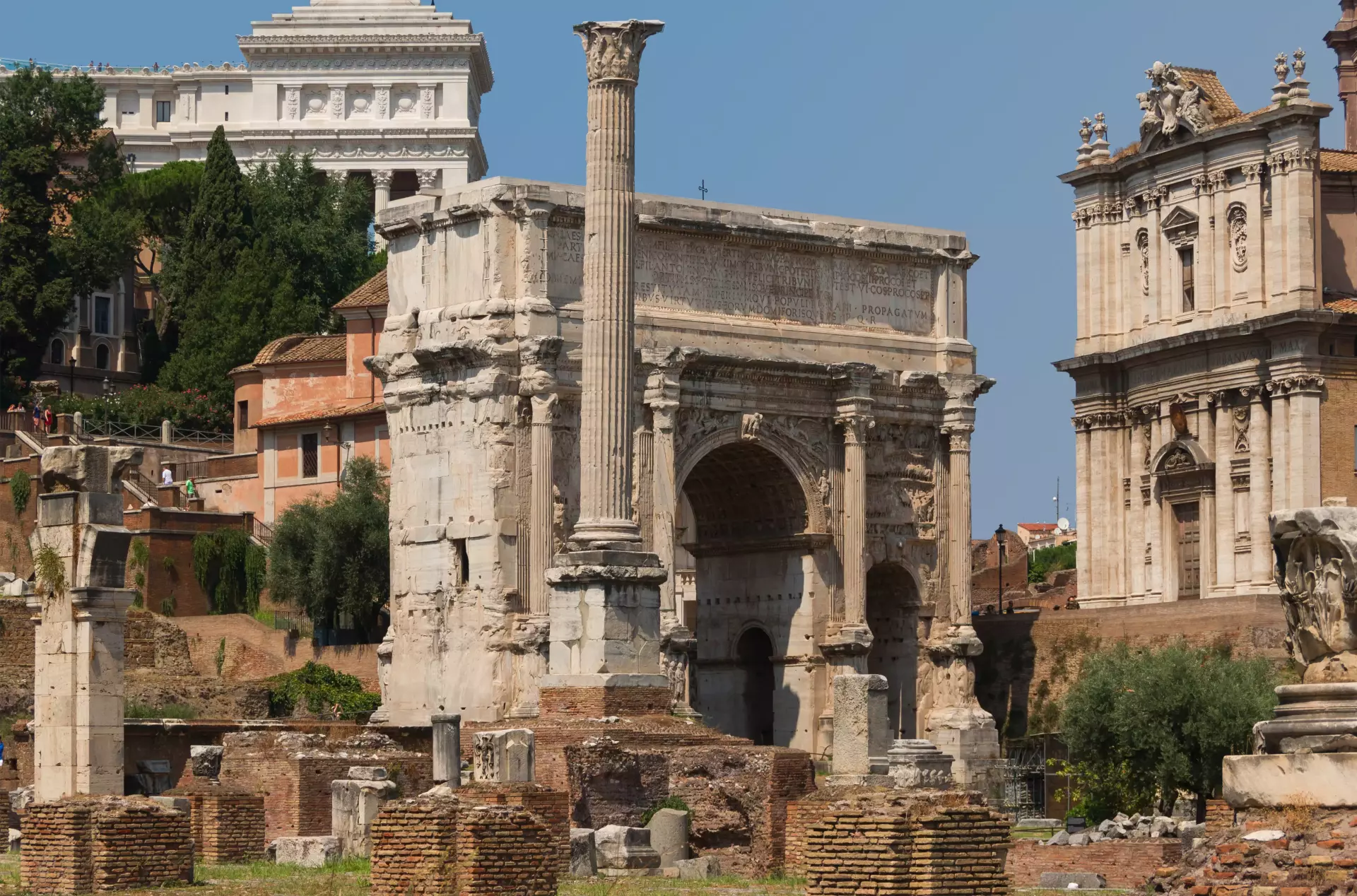
The 4th rebuilding of the meeting place for the Roman Senate, once converted into a church during the Middle Ages, but now restored since the 1930s.
The Servian Wall was the first wall around Rome, built around the 3rd century BC. This well-preserved section provides a good opportunity to observe the construction methods of that time, particularly the use of tufa rock blocks
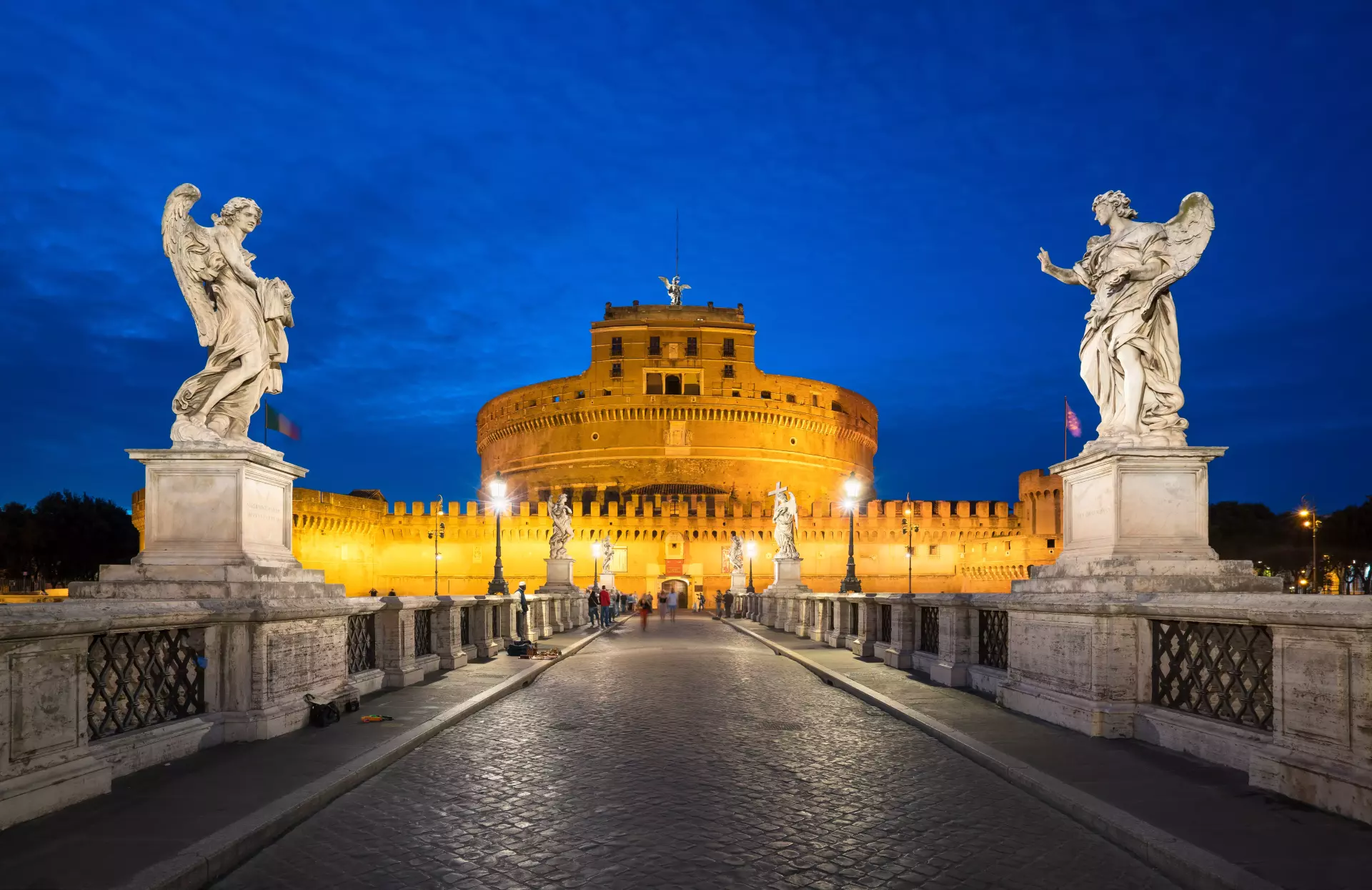
Pope Nicholas III connected Castel Sant'Angelo to St. Peter's by a covered fortified corridor called the Passetto di Borgo. This proved useful for Pope Clement VII during the Sack of Rome (1527). You can still see much of the Passetto by walking along the Borgo Sant'Angelo, which runs parallel to, and north of, the Via della Conciliazione.
A 1st-century tomb surrounded by two farmhouses from the Middle Ages, one of which used to be a cheese store. Rather hidden behind a high wall, the tomb is rarely open to the public. You might be lucky on a Sunday: on the third Sunday of every month there is a guided tour at 11:00.
Built in honour of Victor Emmanuel, the first king of a unified Italy, this vast structure may appear to be solid white marble but actually contains many rooms inside. There are two permanent museums, one on Italian Reunification and one on emigration from Italy, as well as other spaces that host rotating exhibitions. A walk through the Flag Room leads to the tomb of the unknown soldier. Good views from half-way up but you can also pay €10 (€2 concessions) and take a lift all the way to the top.