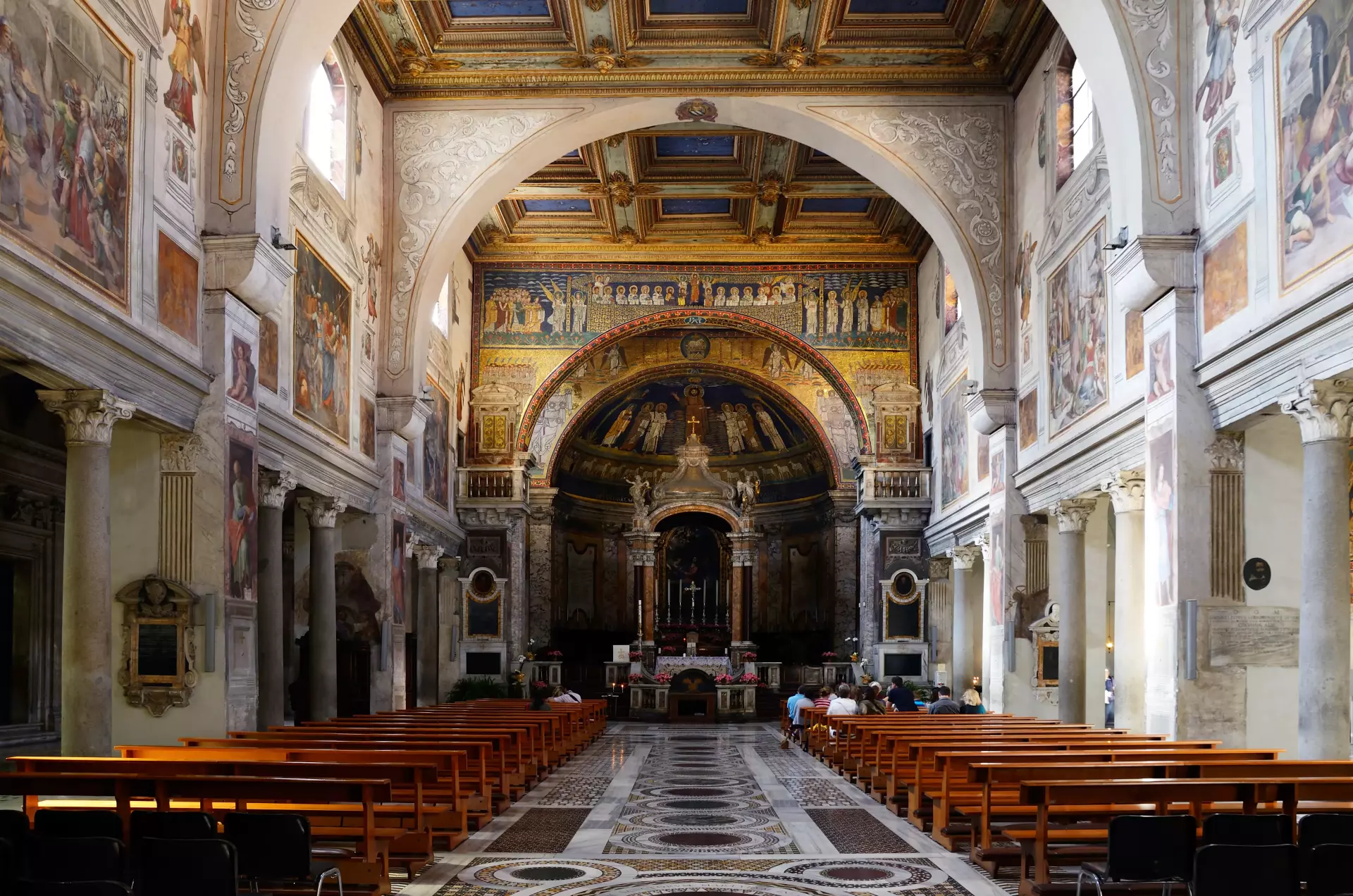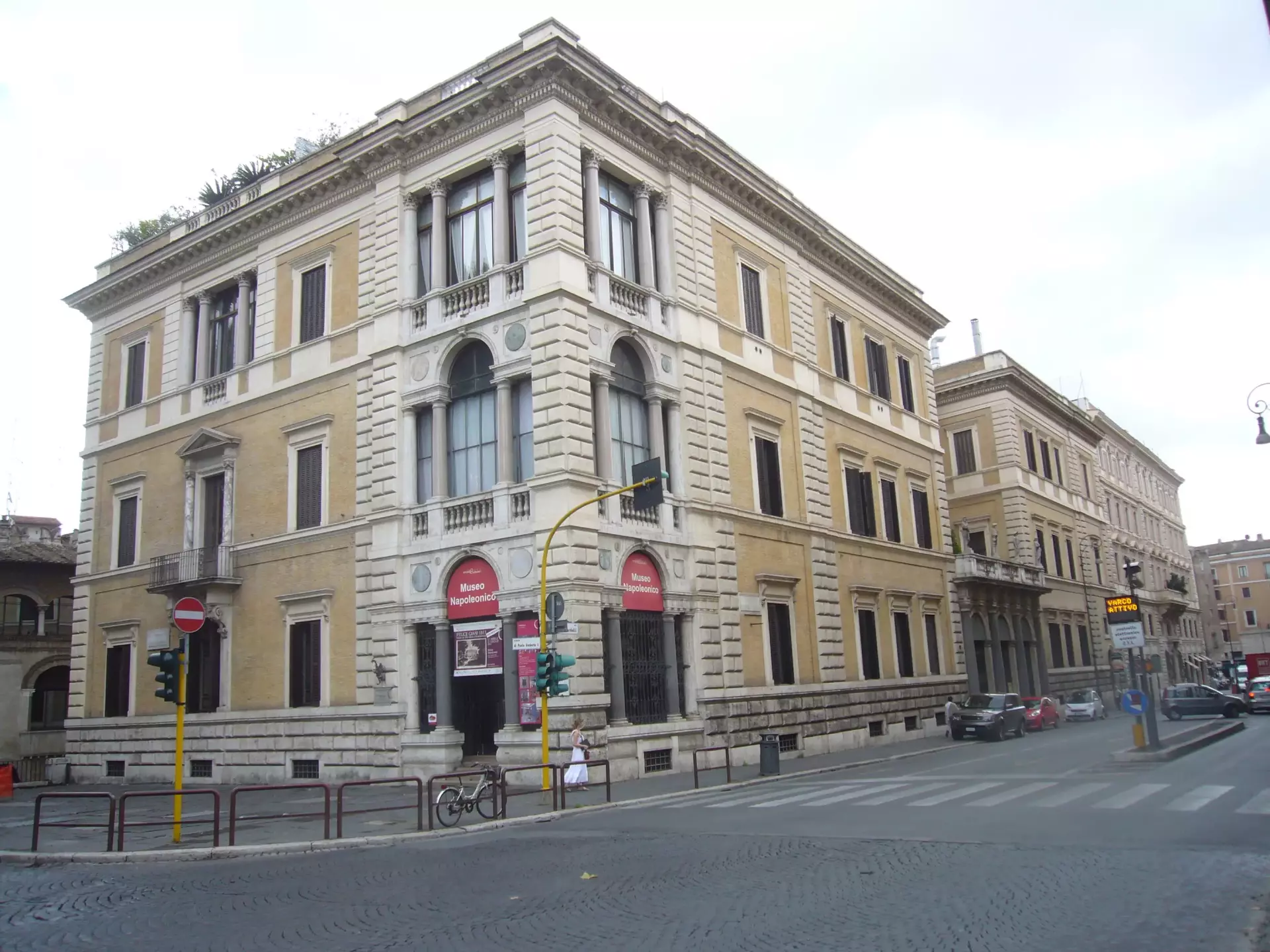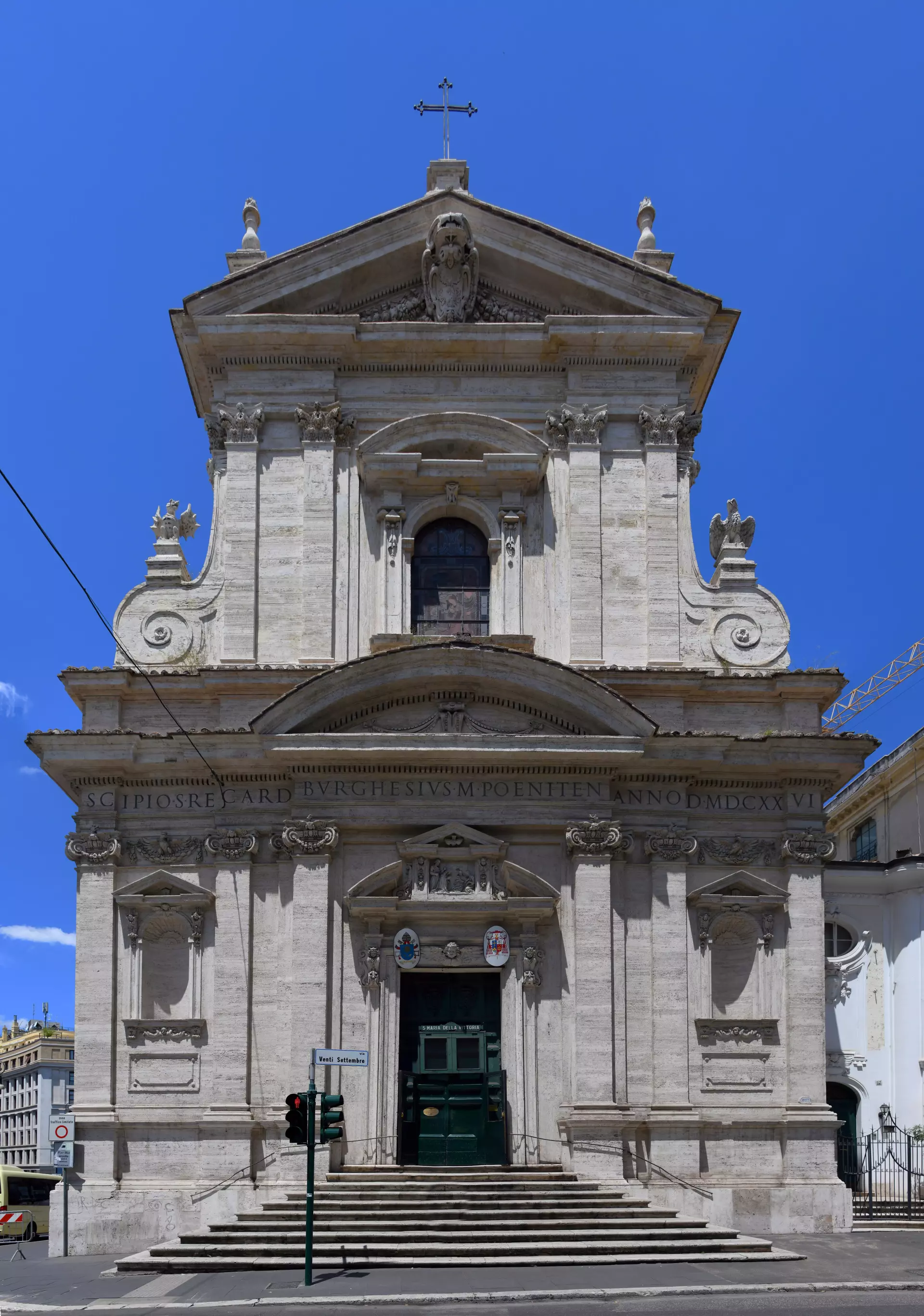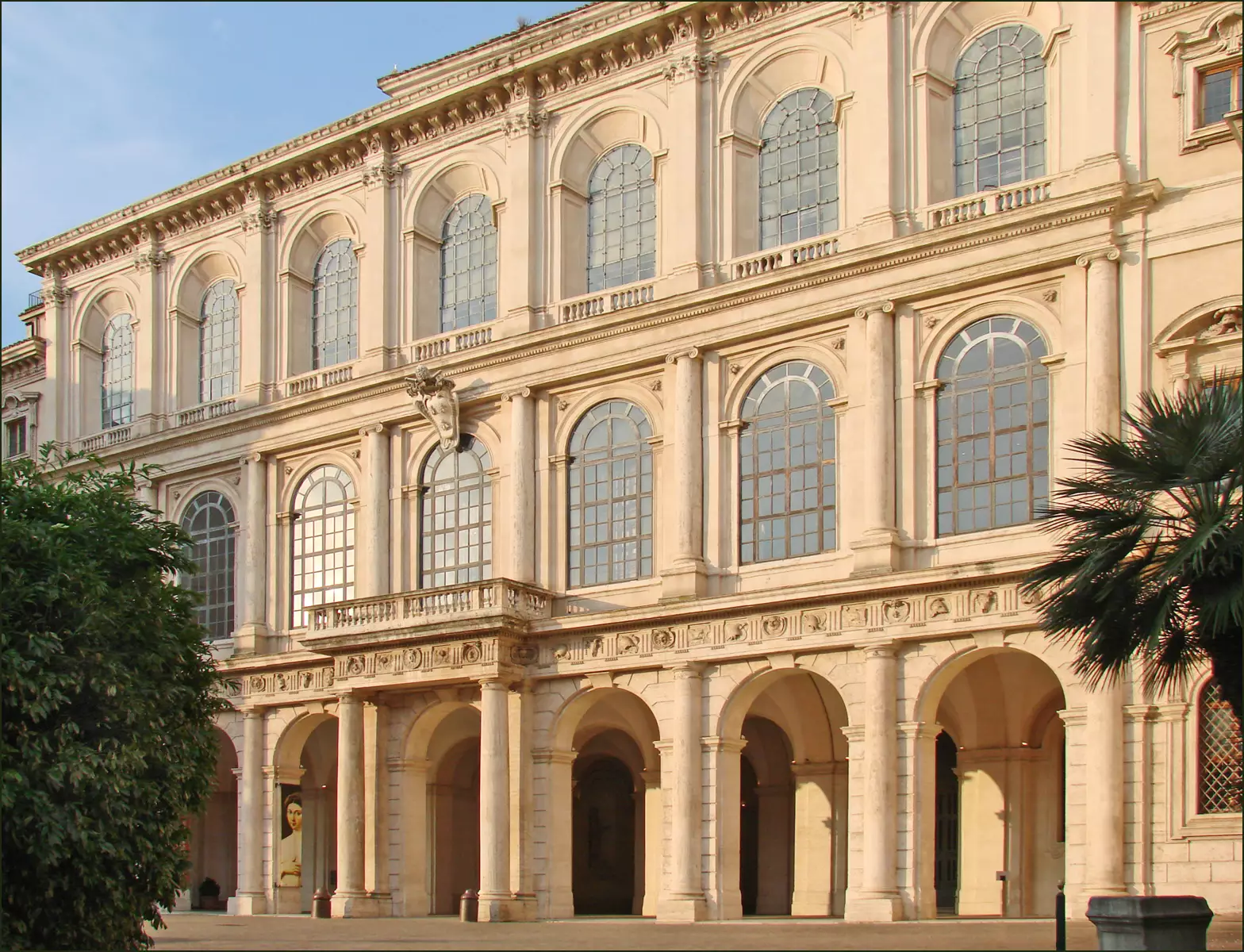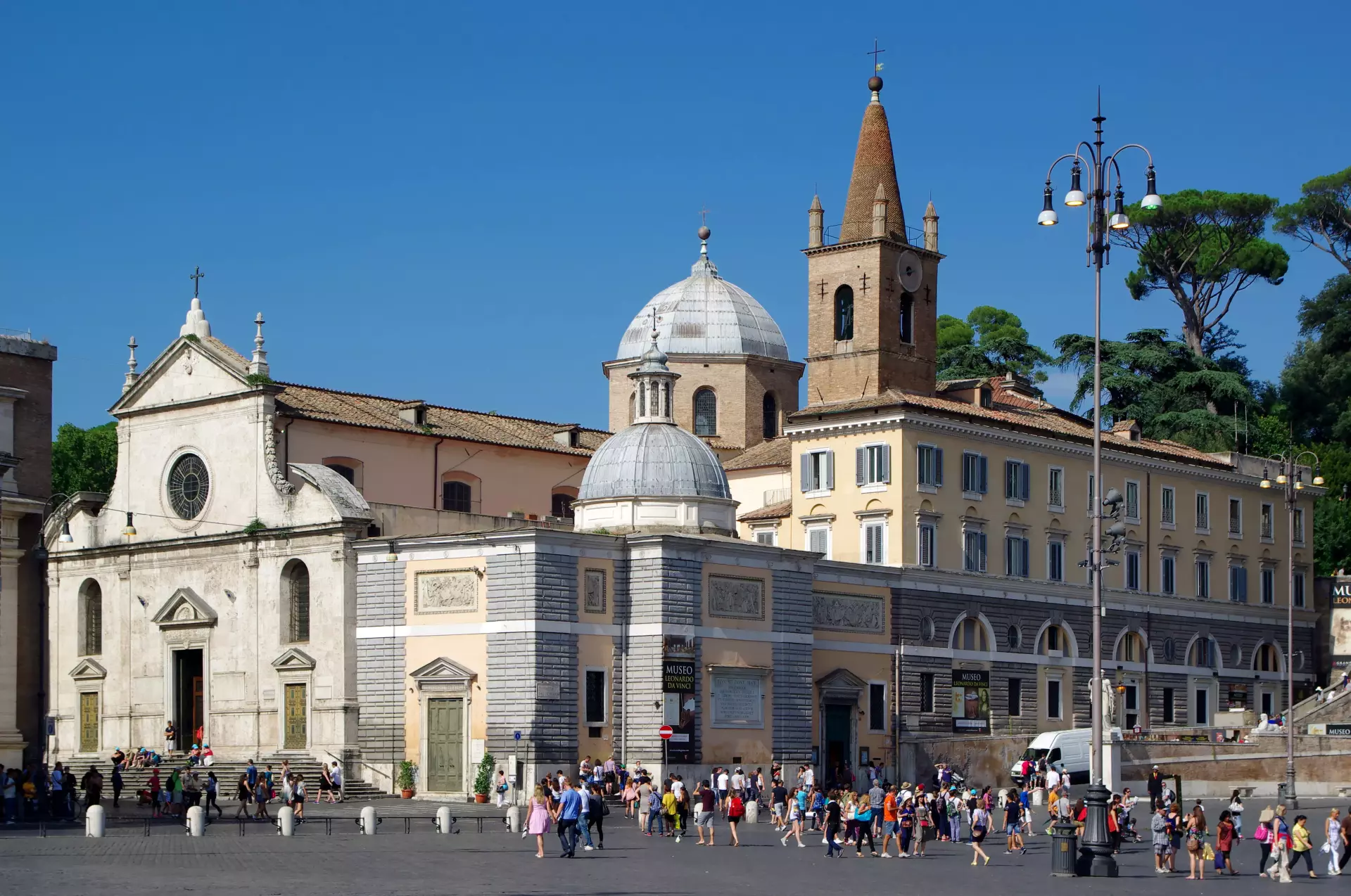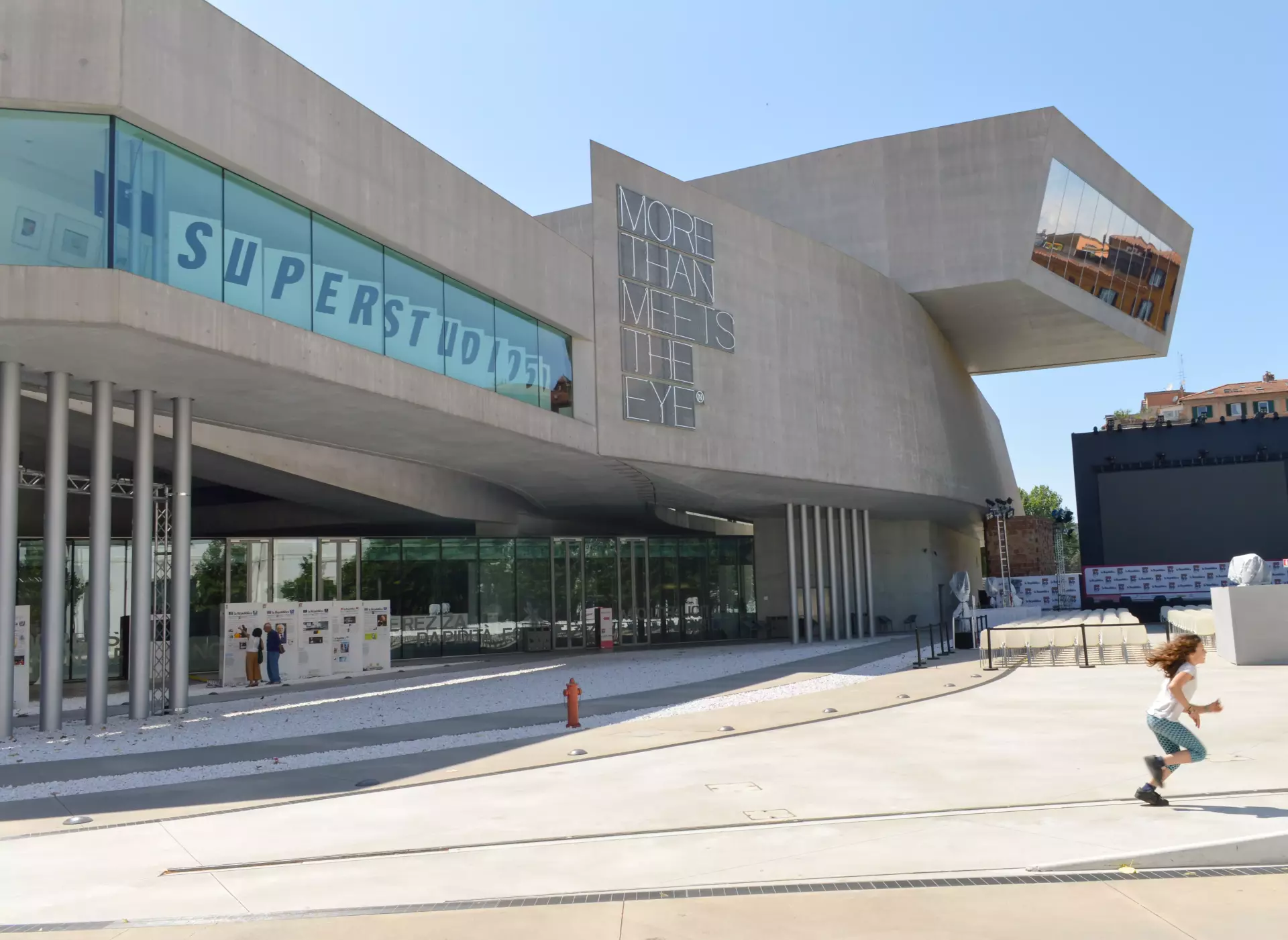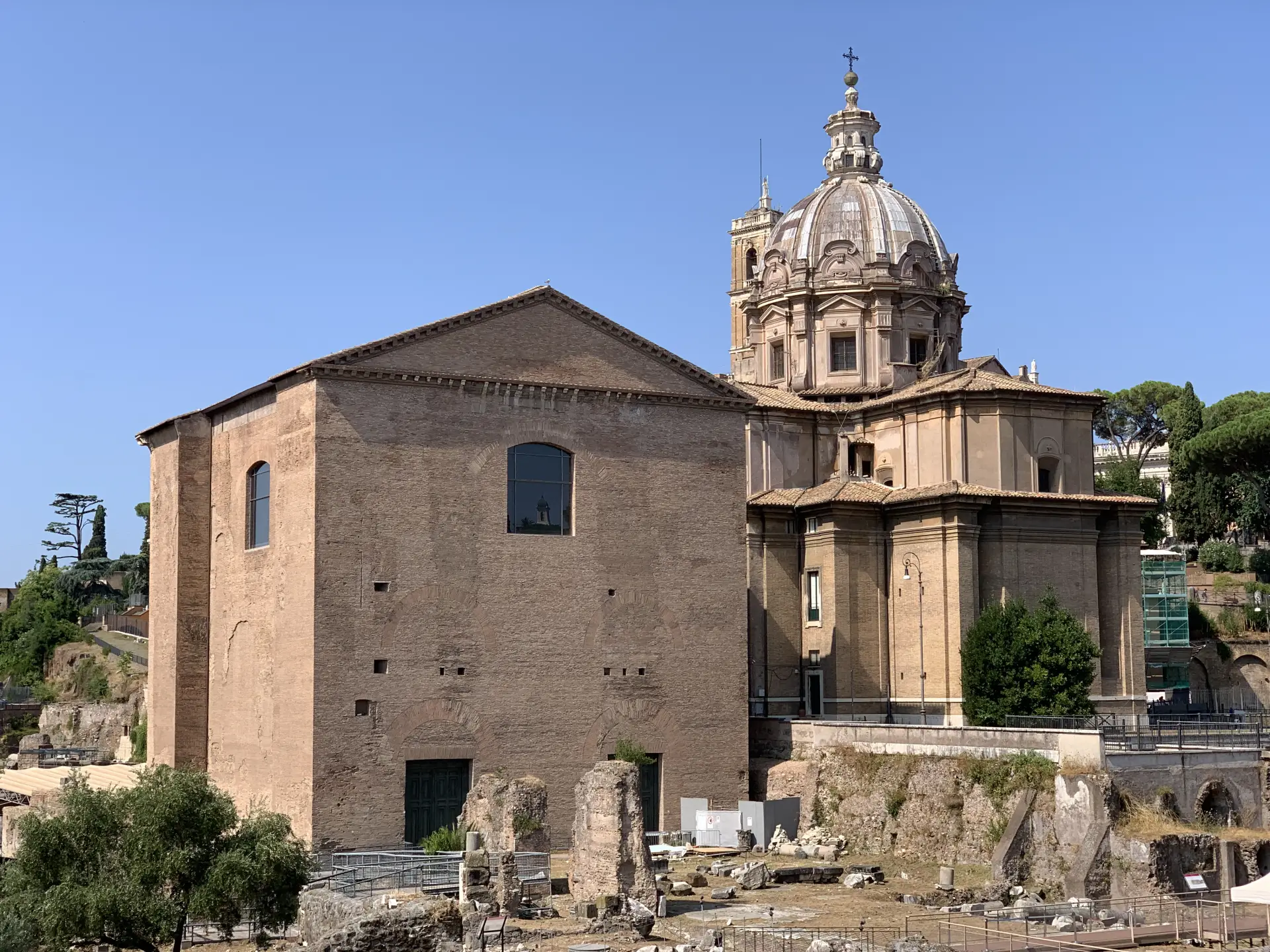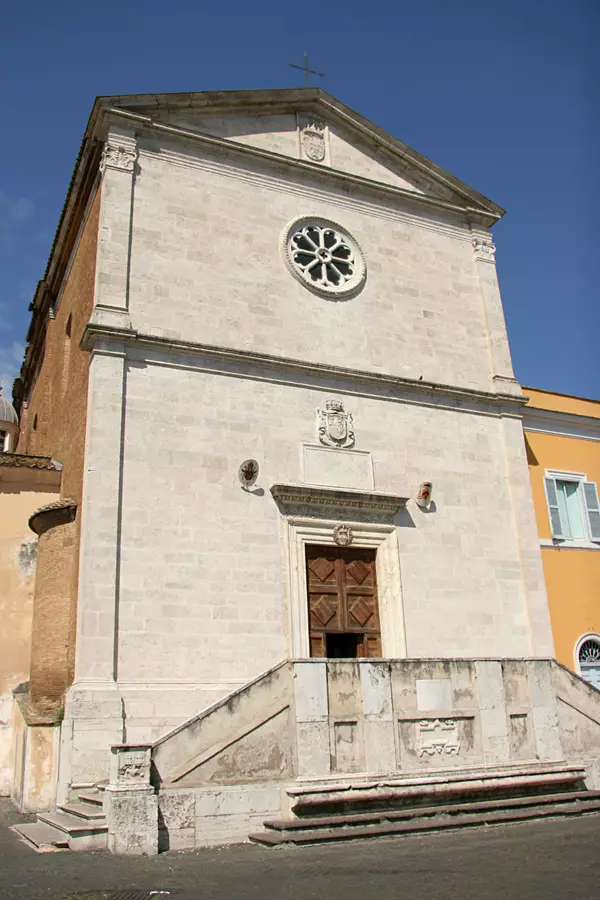
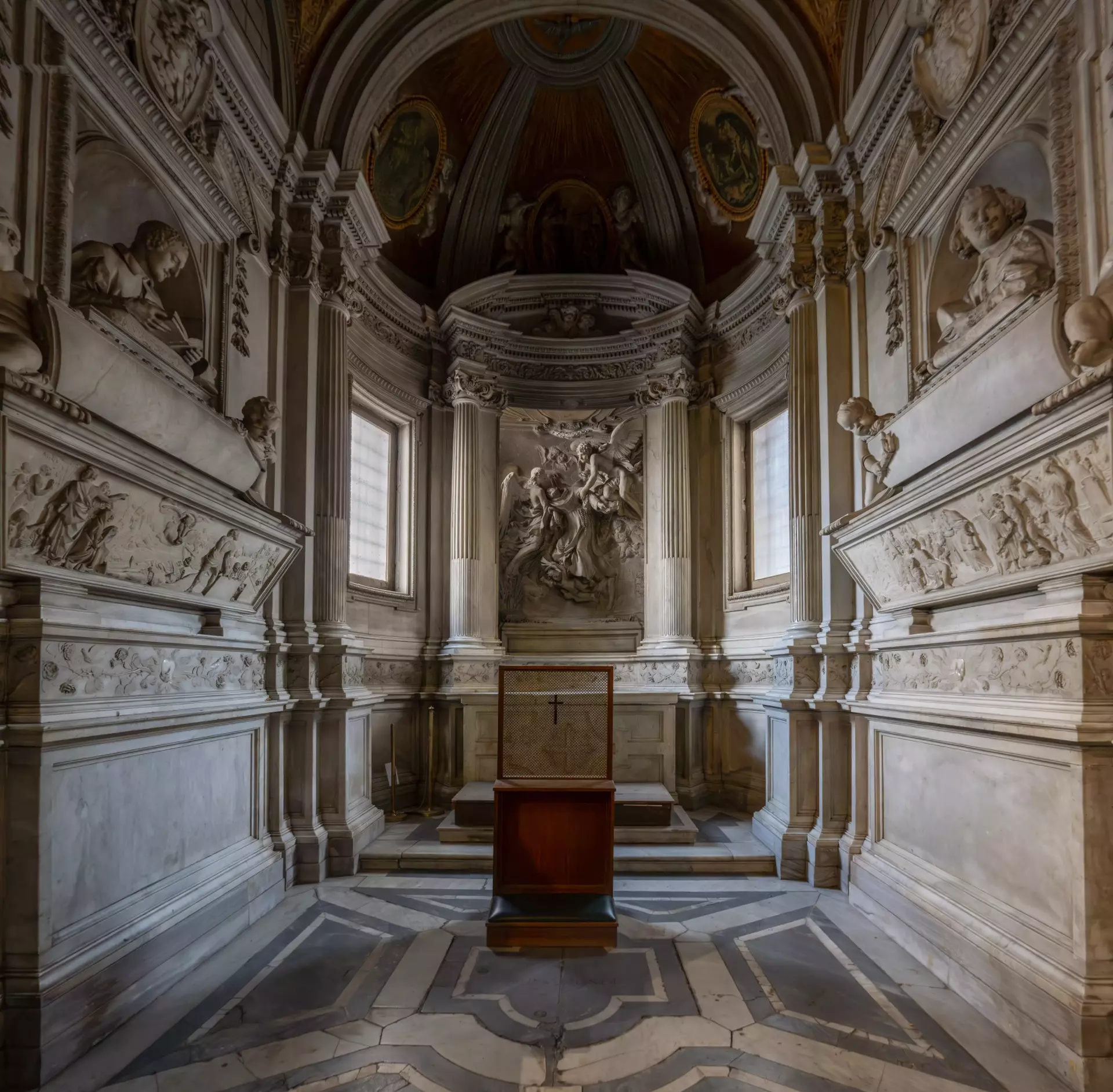
San Pietro in Montorio stands as a significant historical site in Rome, commissioned by the Spanish monarchs Ferdinand and Isabella. This church is believed by tradition to mark the exact spot where St. Peter was crucified, making it an important destination for visitors interested in Christian history.
San Pietro in Montorio holds special meaning for Irish visitors. The church is the final resting place of three Gaelic Chiefs who fled Ireland during the Flight of the Earls in 1607. Their graves serve as a reminder of a pivotal moment in Irish history and offer a unique link between the cultures of Ireland and Italy.
Source - https://en.wikipedia.org/wiki/San_Pietro_in_Montorio
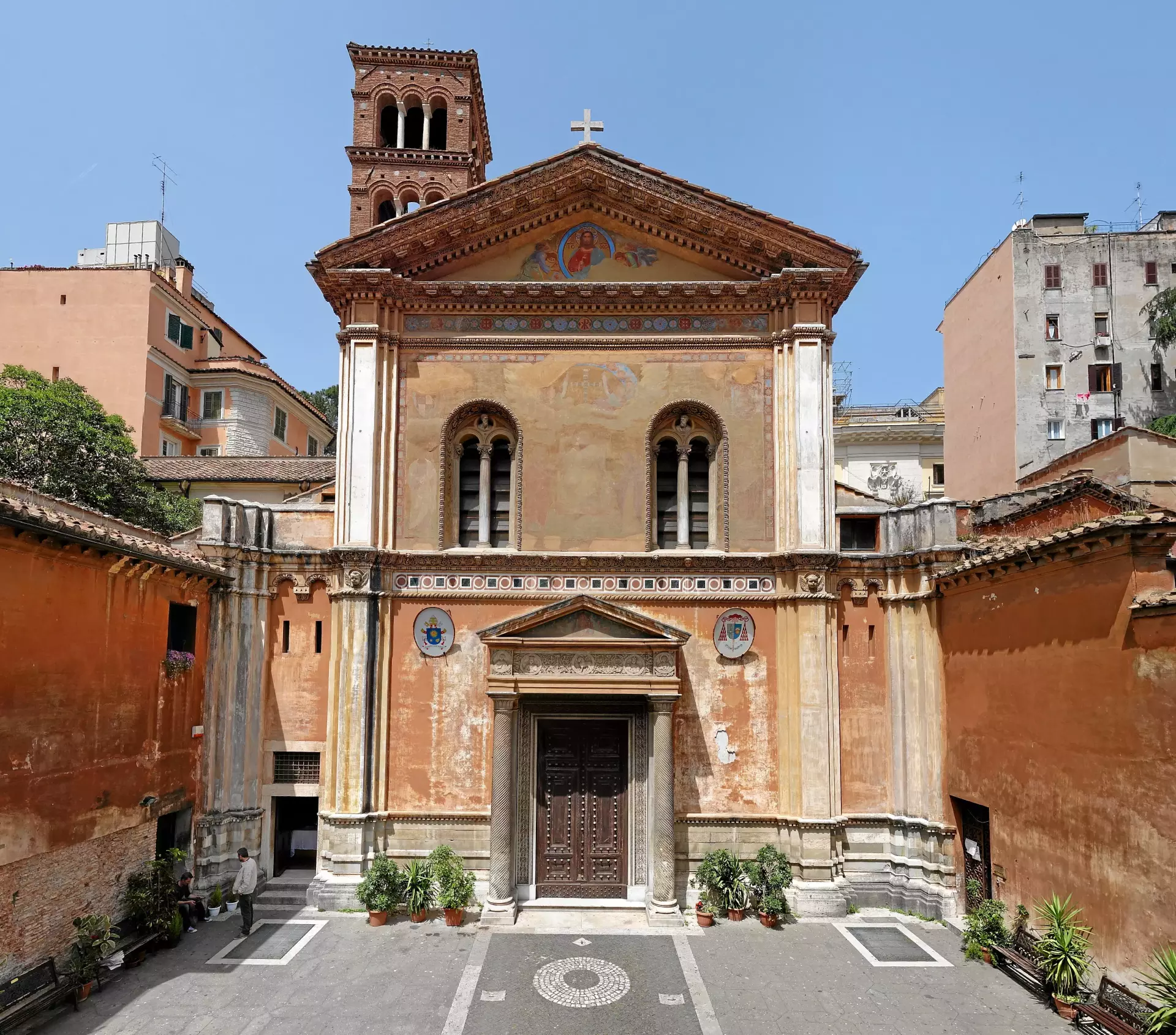
Early Roman houses dating back to the 1st century, believed to be homes of early Christians. Well-preserved frescoes and a small museum.
Church built on the site of three Roman pagan temples, which can be explored underground for a small fee paid at a desk near the church entrance.
Not, as commonly believed, named after the country but after the city of Strasbourg (Argentoratum in Latin), from which came a courtesan of Pope Alexander VI who lived nearby. Four Roman Republican-era temples, Pompey's theater and a Roman public toilet ("Latrina") have been excavated. The Pompey Theater is the site where Julius Caesar was stabbed to death by senators in 44 BC. The largo is also home to a large number of cats which are tended by the local animal rights organization - purportedly a jab at Mussolini who excavated the area and is said to have hated cats. As of September 2024 no cats could be seen at least from the street.
They are posted at entrances to the Vatican City to provide security and protect the Pope. They wear very colourful clothing, similar to the uniforms worn by Renaissance-era soldiers. The Pontifical Swiss Guards is also the smallest and oldest standing army in the world, founded in 1506 by Pope Julius II. The origins of the Swiss guards, however, go back much further as the popes had regularly imported Swiss mercenaries during the 1400s.
This is a treasure-trove of art. There are a couple of paintings by Caravaggio: "The Crucifixion of Saint Peter" and "The Conversion of Saint Paul" (in a dim alcove to the left of the altar, both at right angles to the viewer, with a machine wanting €2 to switch on the lighting) together with a sculpture by Bernini, frescoes by Pinturicchio and mosaics by Raphael. Part of the Dan Brown tour, this church featured in Angels and Demons, although the Vatican did not allow filming inside.
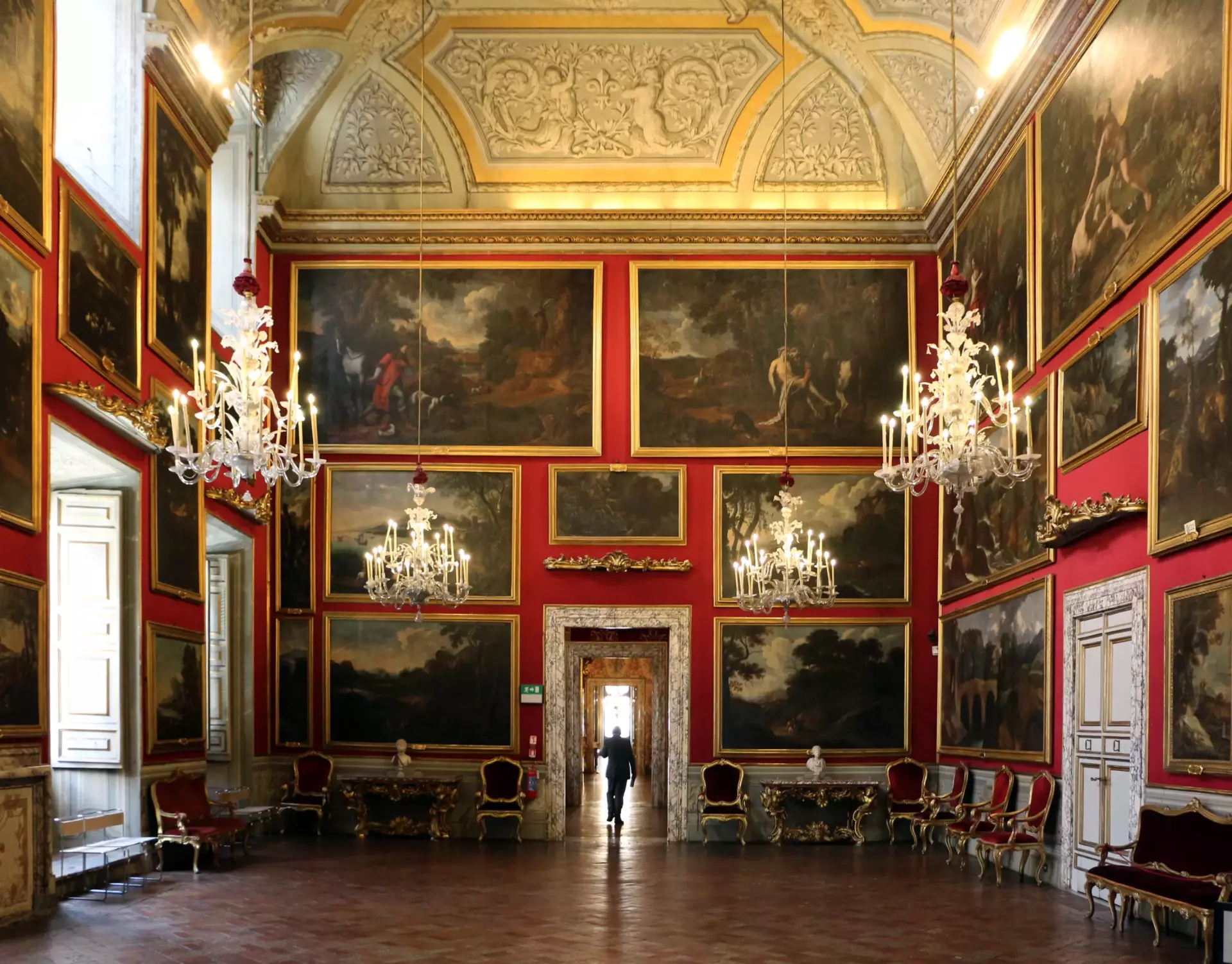
Good collection of Renaissance and Baroque art, including by Velasquez, Titian, Raphael, and Bernini, all owned by the Doria Pamphilj family. Excellent audio guides really bring the paintings to life.
More of an enormous traffic circle than a piazza, but a good central location. The centerpiece is the enormous Vittorio Emanuele Monument (aka the Wedding Cake or the Typewriter) with the Capitoline hill next door. Mussolini used to harangue Romans from the first floor balcony of Palazzo Venezia (see under Museums), to the west of the square.
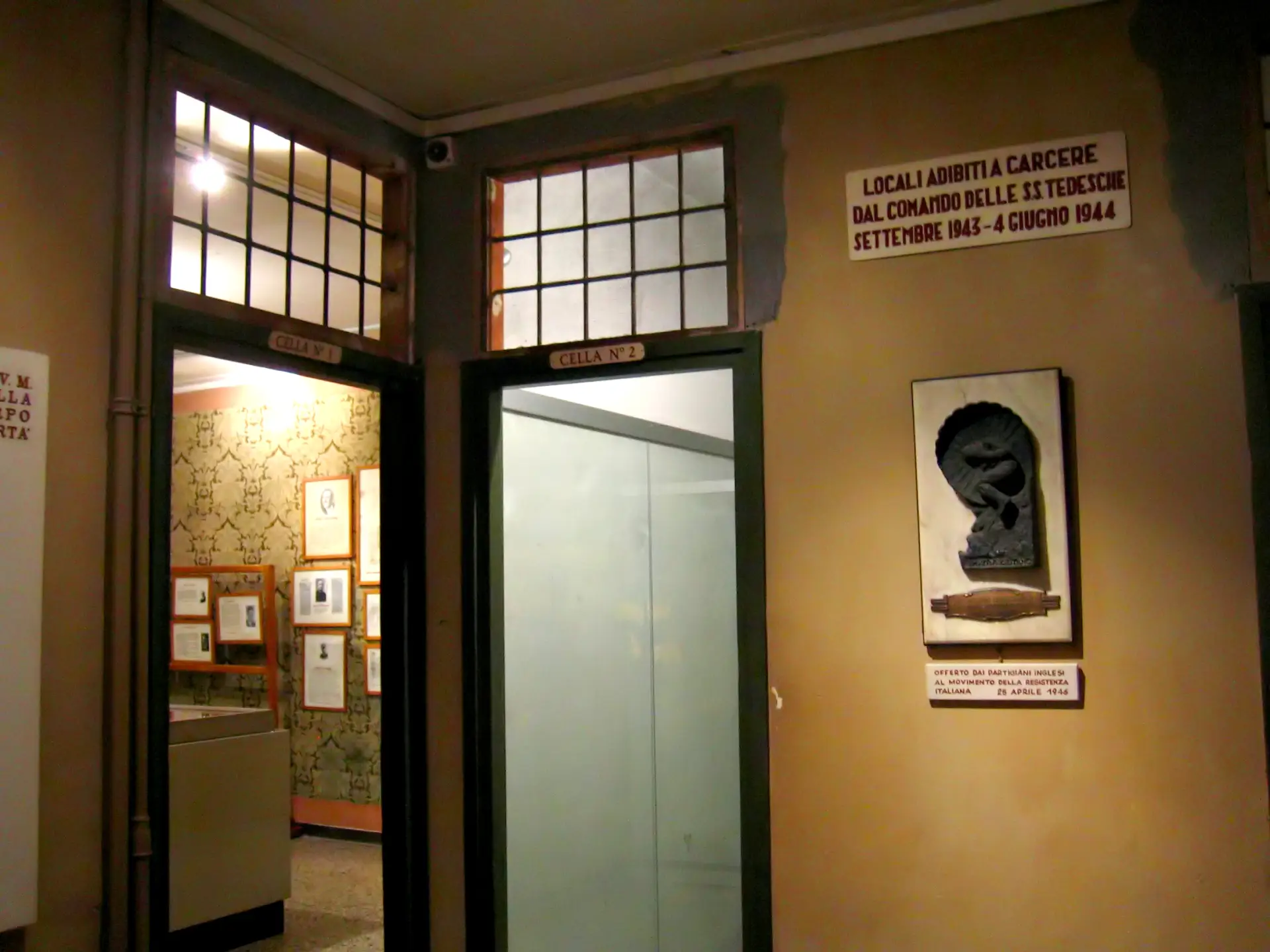
This small museum records the liberation of Rome from German occupation during the Second World War. During the occupation the building was used as a prison. Stair lifts and chair lifts available for wheelchair users (call ahead).
This is a large tomb built by the Roman Emperor Augustus in 28 BC in the form of a stone ring covered by an earth mound. A brick wall, 87 m in diameter, carried an earth mound covered with cypresses. On top of the hill stood a bronze monument of the emperor. The building was 44 meters high. At the beginning of the alley, which led to the tomb were two Egyptian obelisks. On both sides of the doorway bronze plates describe the "Res gestae", the deeds of the emperor. The urns of Augustus, Marcellus, Octavia, Agrippa, Drusus and other members of the Julian Claudian dynasty were revered here. In the Middles Ages the building served as citadel of the Colonna family. It was destroyed by Pope Gregor IX in 1241. The body of Cola di Rienzo. a popular leader of the people in the mid-14th century, was burnt in this monument. The Mausoleo di Augusto is not open to the public, and is fenced off.
Borghese Gallery and Museum is a lovely display in a beautiful villa setting, which concentrates on the quality rather than the size of its collection. There are some very notable works by Antonio Canova and Gian Lorenzo Bernini here, Bernini's Apollo and Daphneis quite amazing. It also houses some of Caravaggio paintings, well worth the admission charge. Originally, the gallery was one of the most magnificent private art collections in the world. It was founded by Cardinal Scipione Borghese. At the beginning of the 19th century, Prince Camillo Borghese sold great parts of the collections to Paris where today they belong to the most valuable exhibits of the Louvre. Since 1902 the villa and the gallery are owned by the Italian state. The number of people admitted is limited to 360 every 2 hours, so it is best to make a well in advance for the time slot you want. Cameras and photography are allowed. Plan to arrive at the museum at least 15 minutes prior to your entry time, to obtain your ticket from Will Call and to deposit purses, strollers, backpacks, bottles, and other bulky items in the cloak room. If you are late for your reservation the museum may not allow you to use your ticket.
Finished in 29 BC, marks the spot of Caesar's spontaneous cremation and Mark Antony's funeral speech, made famous by Shakespeare in his play Julius Caesar ("Friends, Romans, Countrymen, lend me your ears ...").
This is not, contrary to popular belief, one of the original seven hills that Rome was founded on. It is the second highest after Monte Mario, though, and offers incredible panoramic views of the city as long as the authorities remember to prune the trees on the hillside (if they are too tall you can walk a few meters down the hill for views that are just as good). On the other side of the piazza there is also a nice view of the dome of St. Peter's. The Piazza and the street leading up the hill are dedicated to Giuseppe Garibaldi who led Italian troops against the French here in 1849. There are also several commemorative statues.
This archaeological site displays the thermal baths of the villa of the wealthy Herod Atticus. Also in the complex is a restored villa, until 2002 a private residence, that has an exterior completely covered with pieces from Roman ruins, including pipes used in the baths. There are some very helpful staff to show you around, although they only speak Italian. An interesting photographic exhibition in the house traces the development of the Appian Way over the last century. Almost opposite the entrance to the baths is a ruined tower known as the Torre di Capo di Bove.
Parco Savello is the name of the grounds and orange grove next to the Santa Sabina church at the top of the Aventino and also where you have one of the best views of the city. Families gather here to sit under the dozens of orange trees. The "Giardino degli Aranci" is also a well known spot for lovers at night. The best views are arguably from Janiculum hill, just across the Tevere (Tiber) river. Immediately below you, the Tiber snakes its way through the city, and directly beyond it you can see the lively medieval quarter of Trastevere. Beyond that is the majestic dome of St. Peter's Basilica, with the historic centre of Rome visible to the right.
Casal Rotondo is the biggest mausoleum on the Appian Way, at about the sixth mile. It now incorporates a small private villa, originally a farmhouse. It is not known for whom it was built. The wall of fragments next to it, constructed by Luigi Canina, has ruins referring to the Cotta family but this family is now believed to not be associated with the Casal Rotondo.
Although started in the 2nd century, San Callisto has had many more recent burials, including 16 popes. The burial arcades are almost 20 km long.