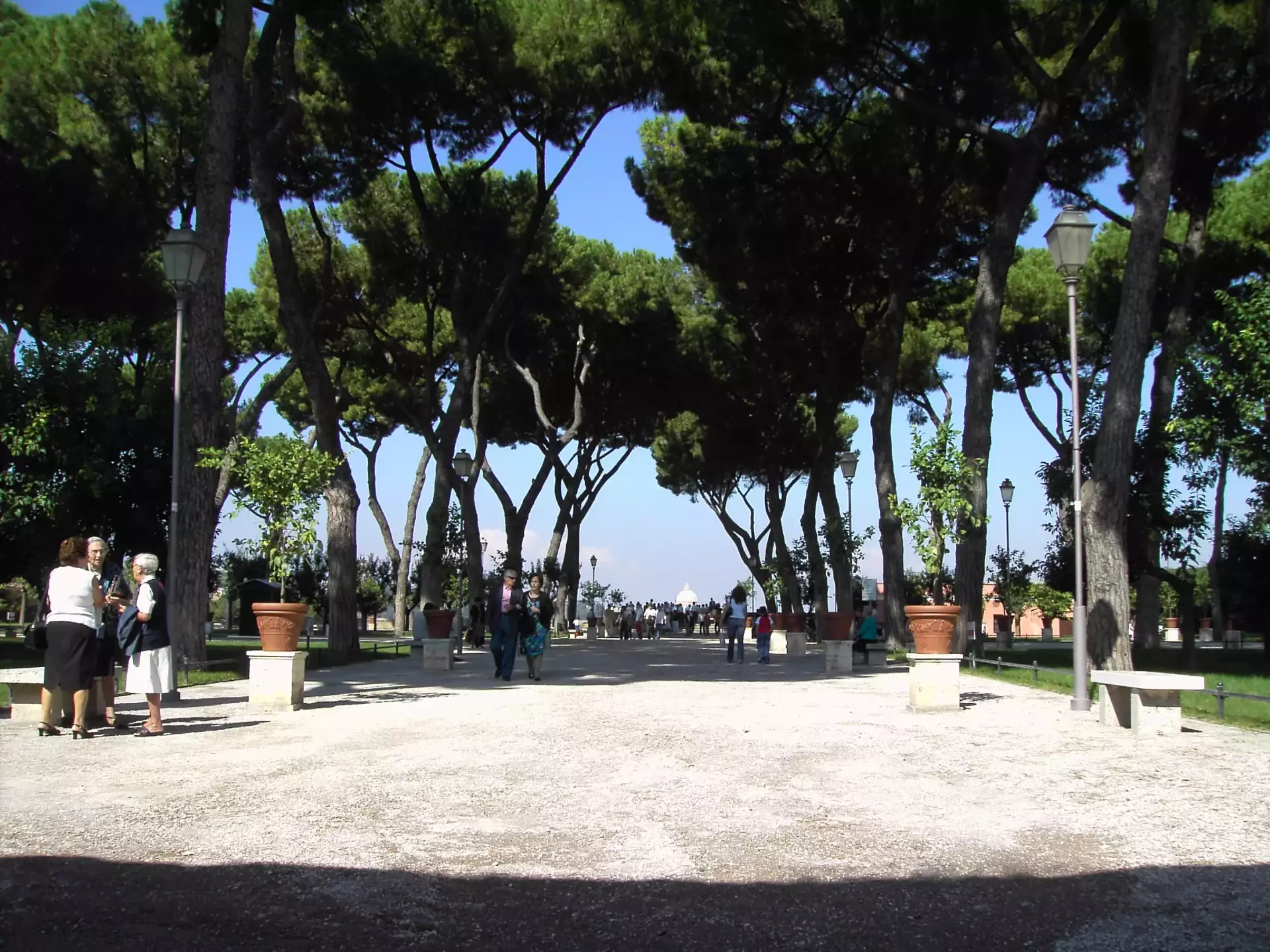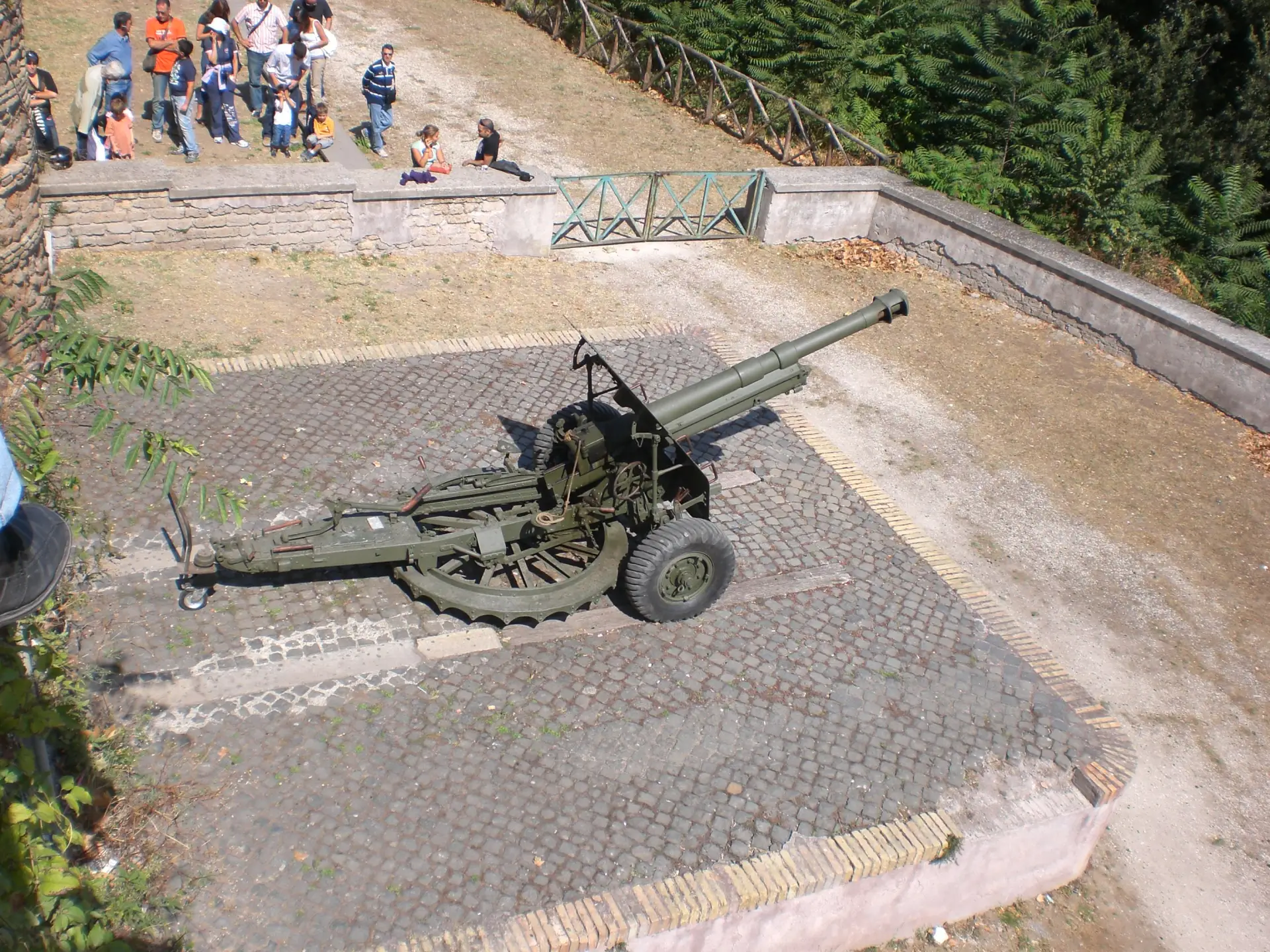
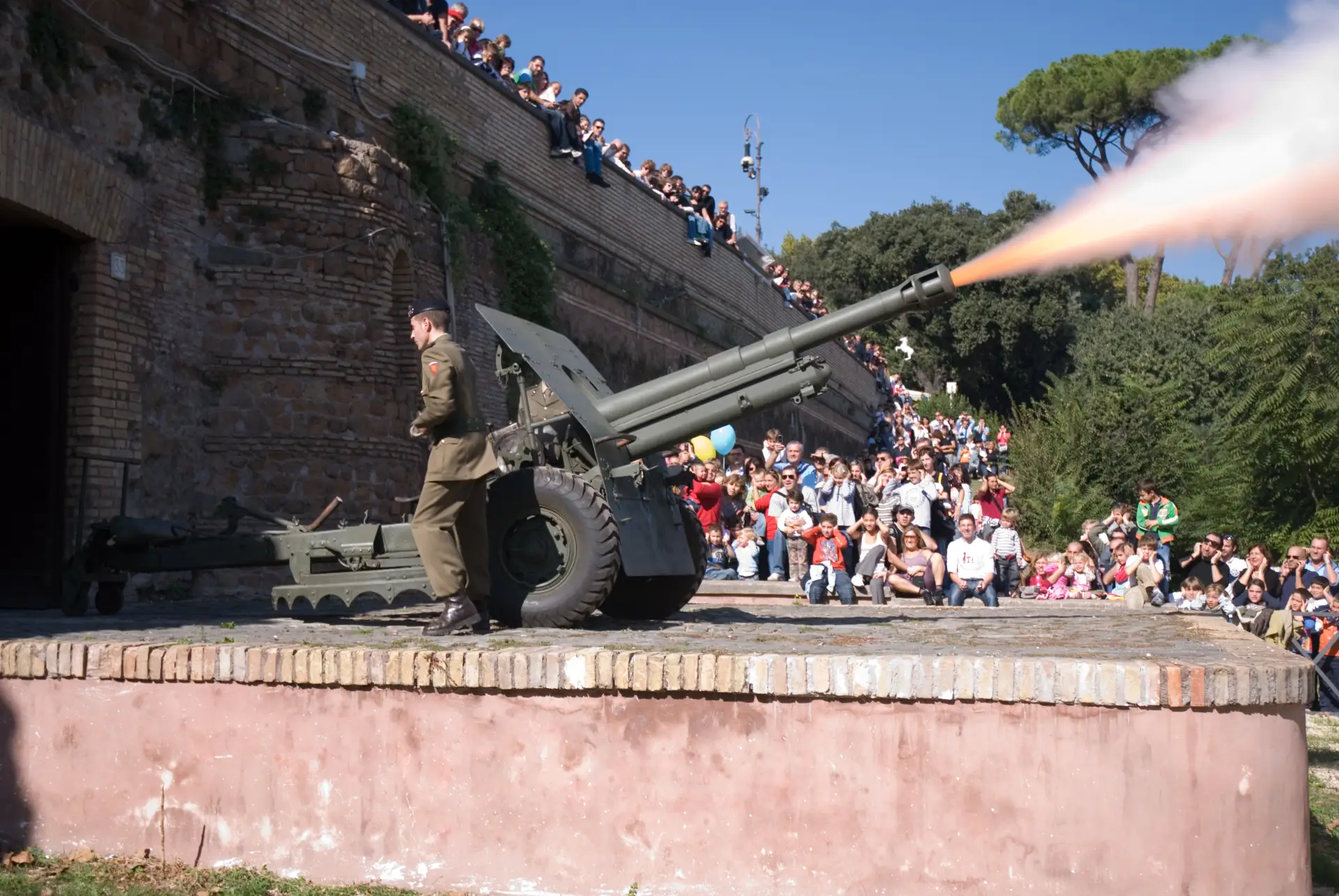
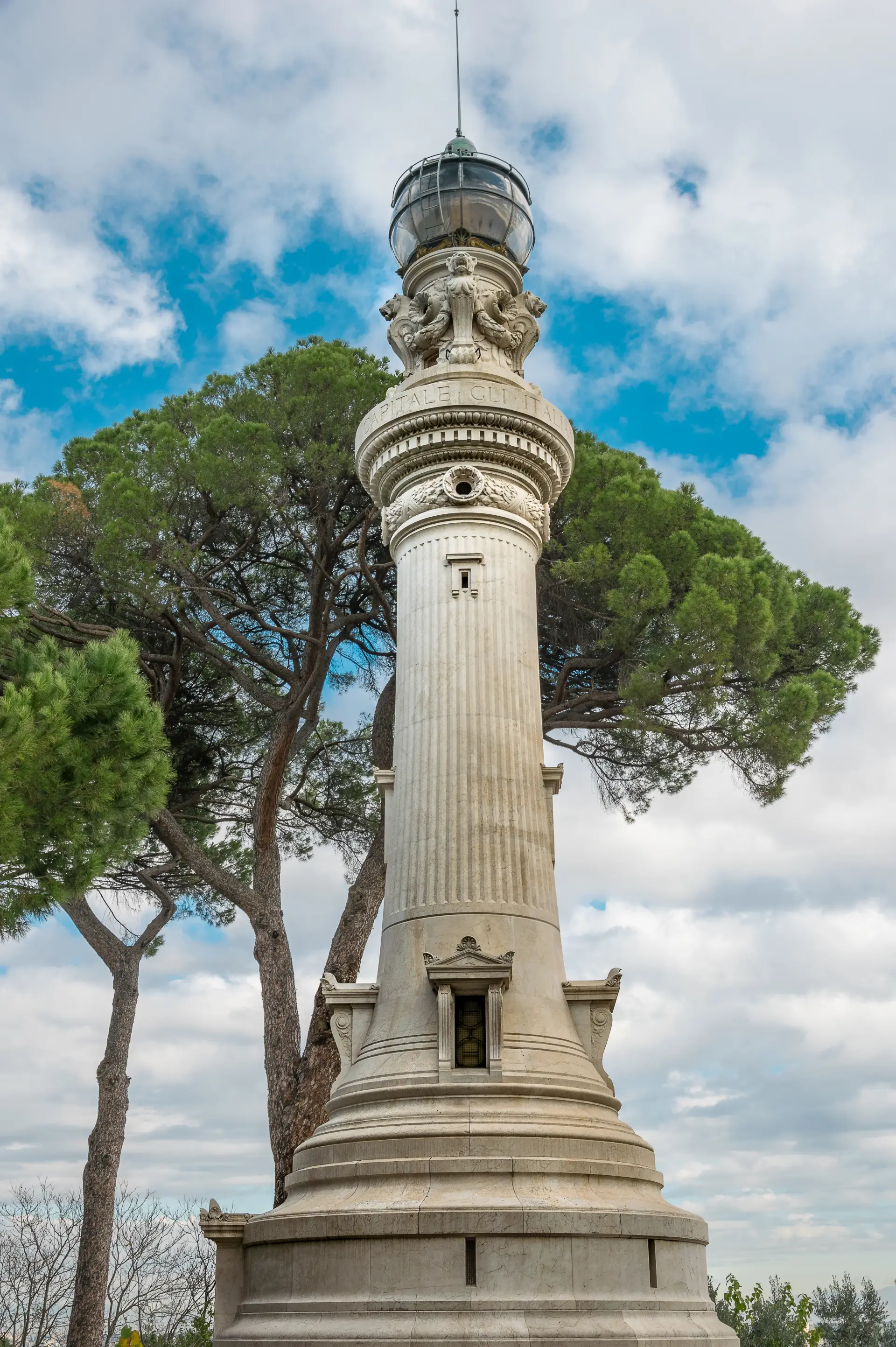
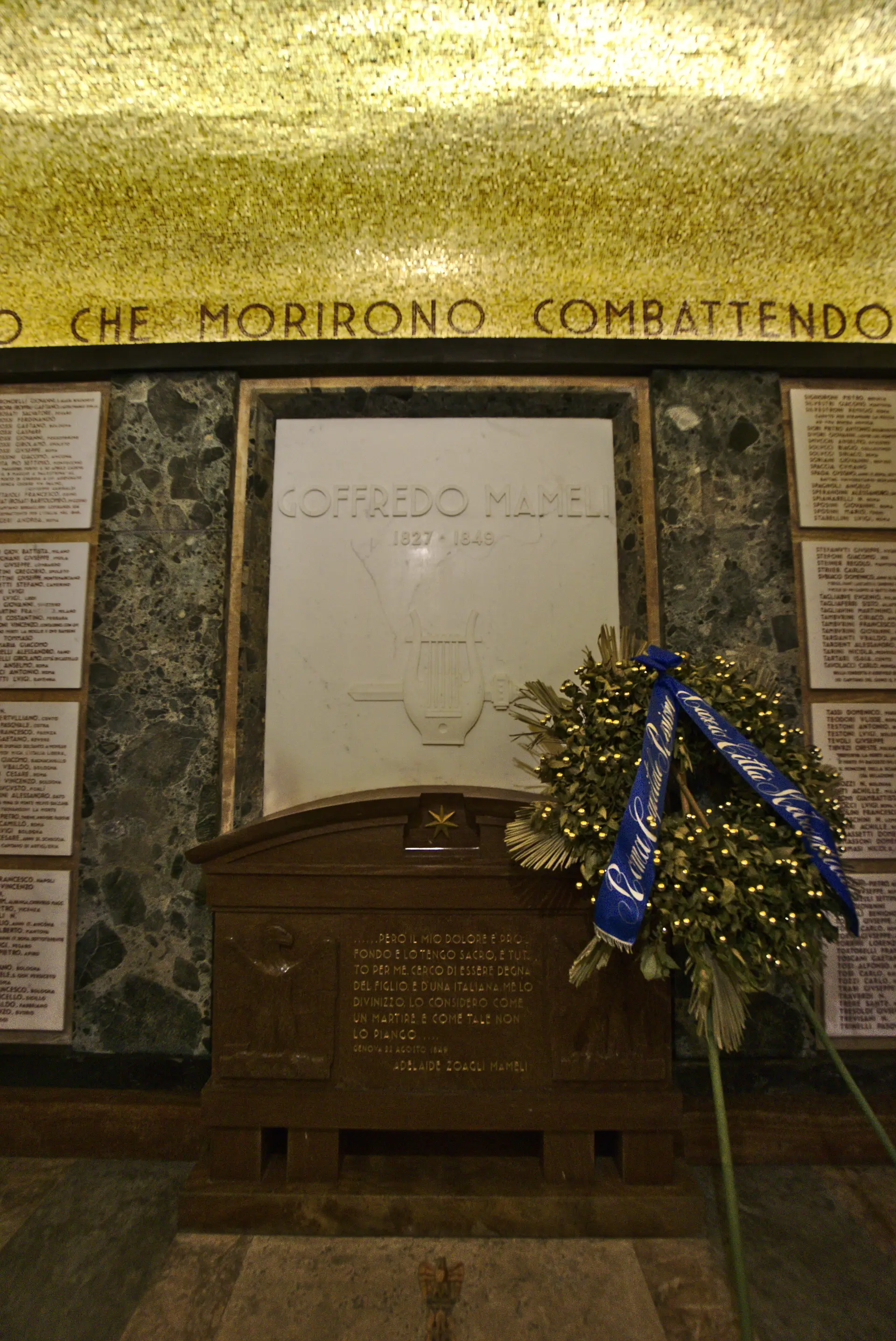
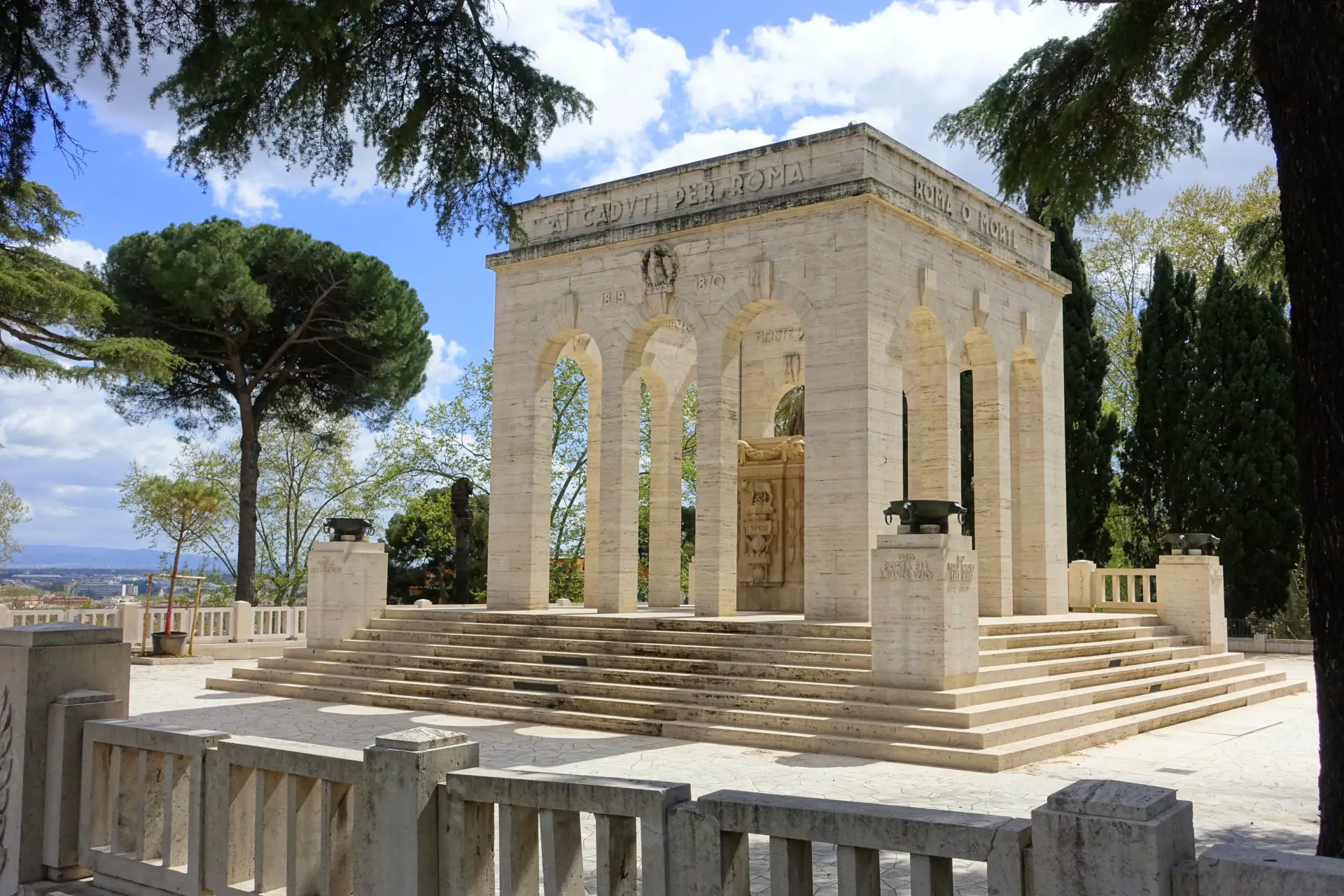
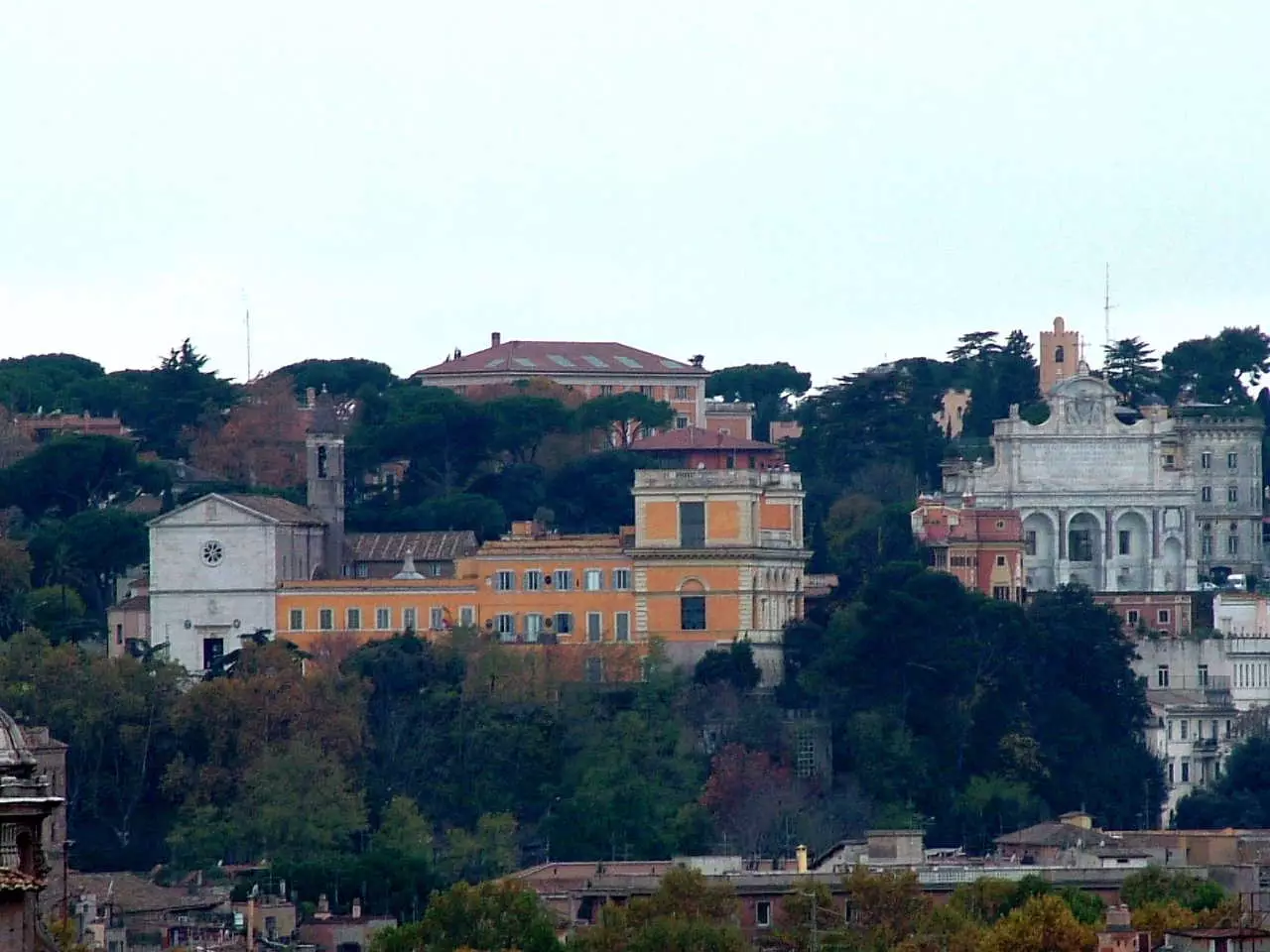
Rising above the city, the Janiculum Hill is often mistaken as one of Rome’s original seven hills, but this is not the case. It is, however, the second highest hill in the city after Monte Mario and is celebrated for its breathtaking panoramic views. On clear days, visitors can take in sweeping vistas of Rome from its slopes. Sometimes, overgrown trees can block the view, but simply walking a little way down the hill reveals equally impressive sights.
From the Janiculum, one of the highlights is the striking view of St. Peter’s dome, which is visible from the far side of the piazza. The area itself carries historical significance, with both the square and the road leading up named after Giuseppe Garibaldi. He famously commanded Italian forces against the French here in 1849. Throughout the piazza, visitors will also find several statues that commemorate this moment and honor the individuals involved in the city’s storied past.
Source - https://en.wikipedia.org/wiki/Janiculum
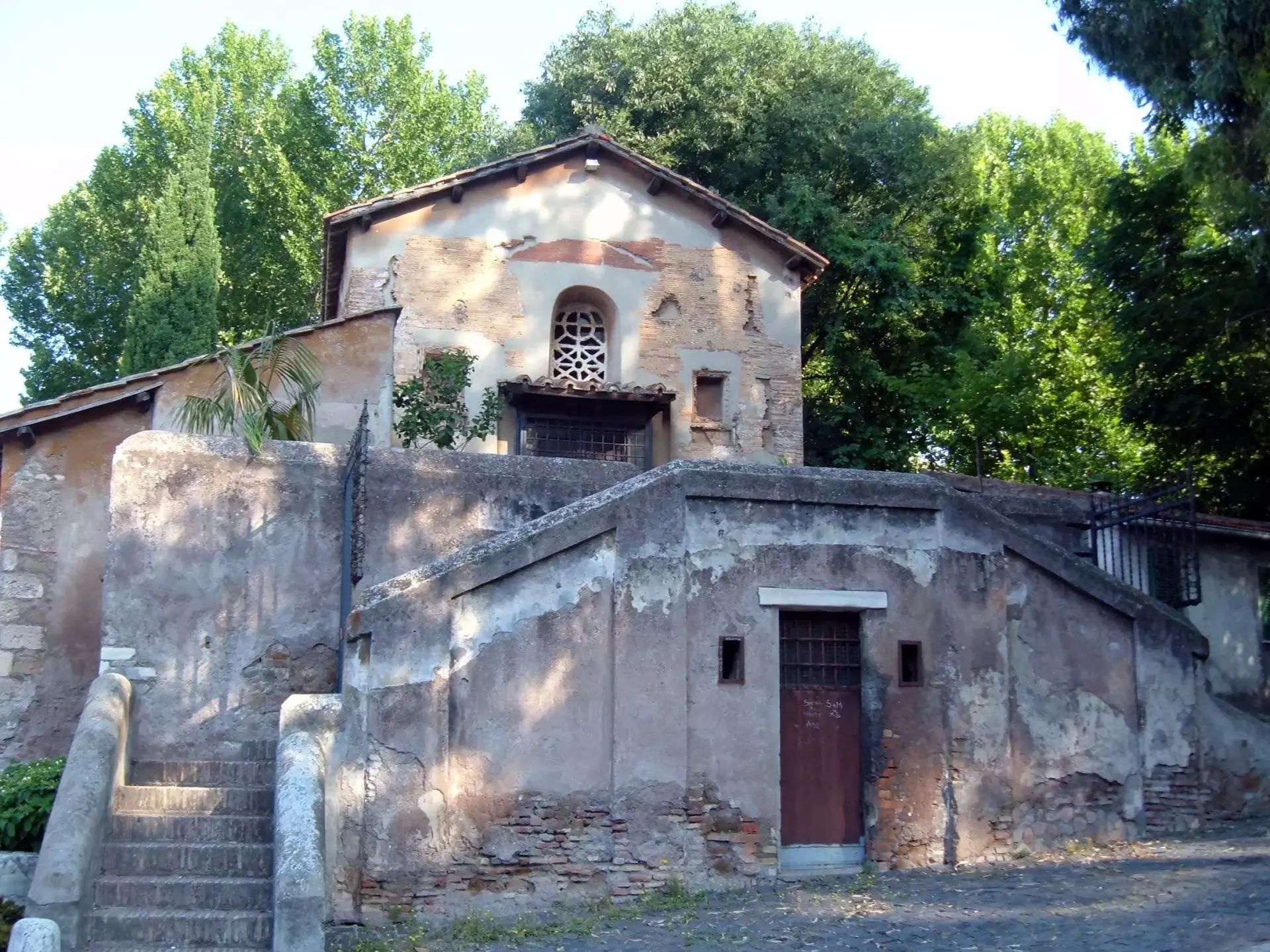
A 1st-century tomb surrounded by two farmhouses from the Middle Ages, one of which used to be a cheese store. Rather hidden behind a high wall, the tomb is rarely open to the public. You might be lucky on a Sunday: on the third Sunday of every month there is a guided tour at 11:00.
The Servian Wall was the first wall around Rome, built around the 3rd century BC. This well-preserved section provides a good opportunity to observe the construction methods of that time, particularly the use of tufa rock blocks
If it is sunny, you'll catch a few young people and older gentlemen sitting at the base of a statue in the middle of the open space. The statue is a brooding, hooded Giordano Bruno—an excommunicated Dominican monk and one of the earliest cosmologists who held the idea of an infinite universe. He was burnt at the stake for heresy on this spot on 17 February 1600. The piazza is used as a marketplace during the day, and party central for college students and tourists at night. When the sky gets dark and the street lamps go on, the Campo de' Fiori fills with people and lovers wander arm in arm in the crowd. Over the buzzing of conversation and the occasional burst of laughter you may hear a young vocalist belt out O Sole Mio at the top of his lungs as change plunks into his accordion case.
An underrated way to see fantastic art made after the Renaissance. Mainly Italian artists, notably De Chirico, but Cézanne, Degas, Kandinsky, Man Ray, Modigliani, Monet, Pollock and Van Gogh are also represented.
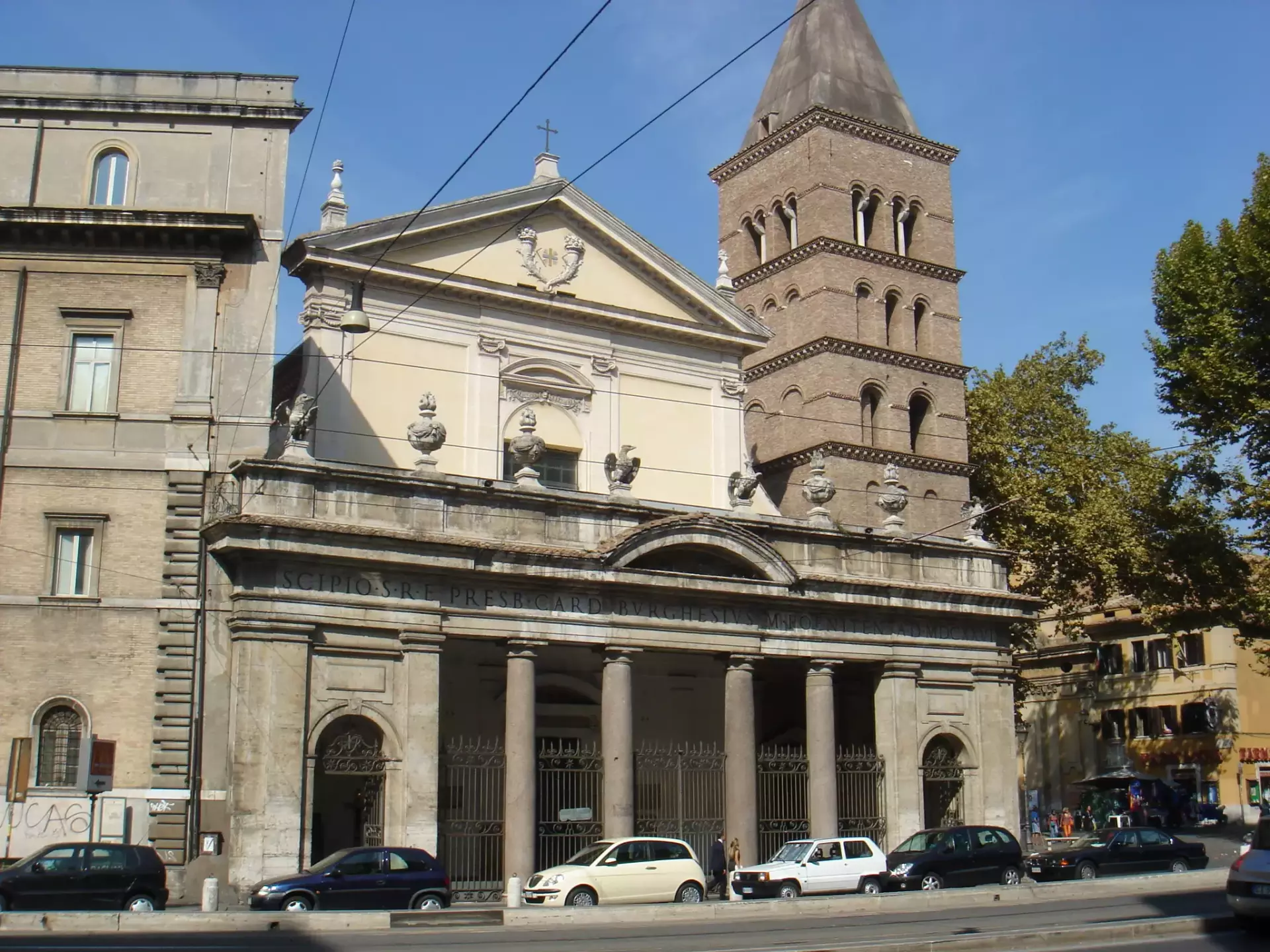
A 5th-century basilica, simply and attractively decorated. The wooden door, of which 18 carved panels of scenes from the Bible survive, is believed to date from the church's construction.
Home of the President of the Italian Republic, and the Quirinal Gardens. Built in 1573 as a papal summer residence, and has since also served as the residence for the pope and later for the king of Italy.
This is the largest square in Rome. It sometimes hosts pop concerts and is the focal point for Rome's New Year's Eve celebrations. The twin churches Santa Maria dei Miracoli (1681) and Santa Maria in Montesanto (1679) used to provide a clear welcome to Rome for those coming from the north. Much older, to the north of the piazza is yet another Santa Maria (see below). The Piazza del Popolo is considered as one of the most beautiful squares in Europe. It was enlarged and two streets, the Via di Ripetta and the Via del Babuino were added by order of Pope Sixtus V. In the middle of the square is an obelisk (see below). In 1809-1816, Giuseppe Valadier, Roman architect of French origin, gave the square its characteristic oval shape.
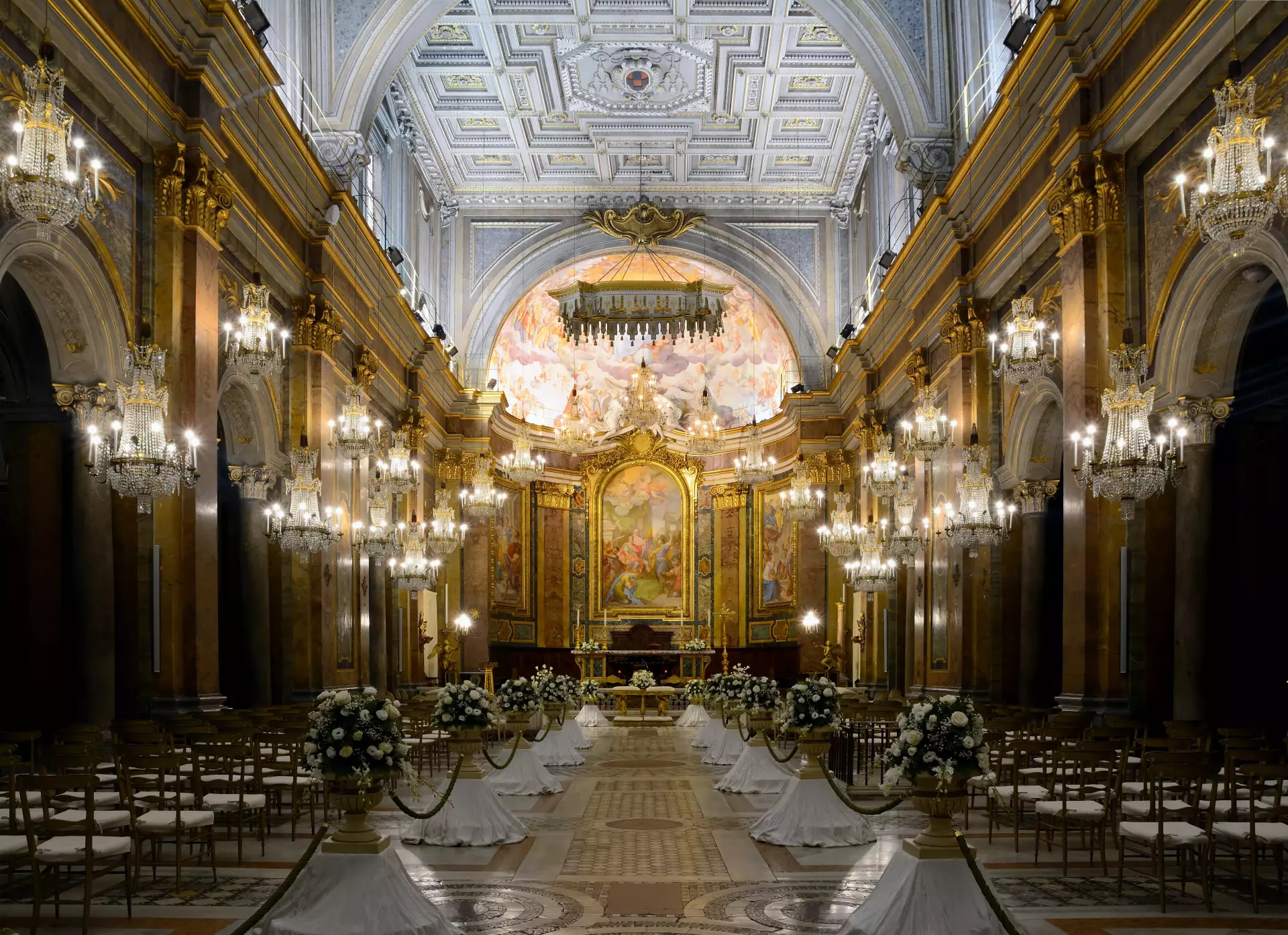
According to the legendary passio, two brothers, John and Paul, who were officials at the imperial court, suffered martyrdom in 362 in their home on the Caelian hill, during the reign of emperor Flavius Claudius Julianus. This basilica dedicated to these two Roman officers was erected starting from 398 and was used first as a domus ecclesiae by the Christian community.
The renamed Rome Zoo, one of the oldest in Europe, founded in 1911. On the edge of the Borghese Gardens, a short, well-signposted walk from the Gallery. They try hard, but San Diego this isn't. If you are a regular zoo-goer you will be disappointed.
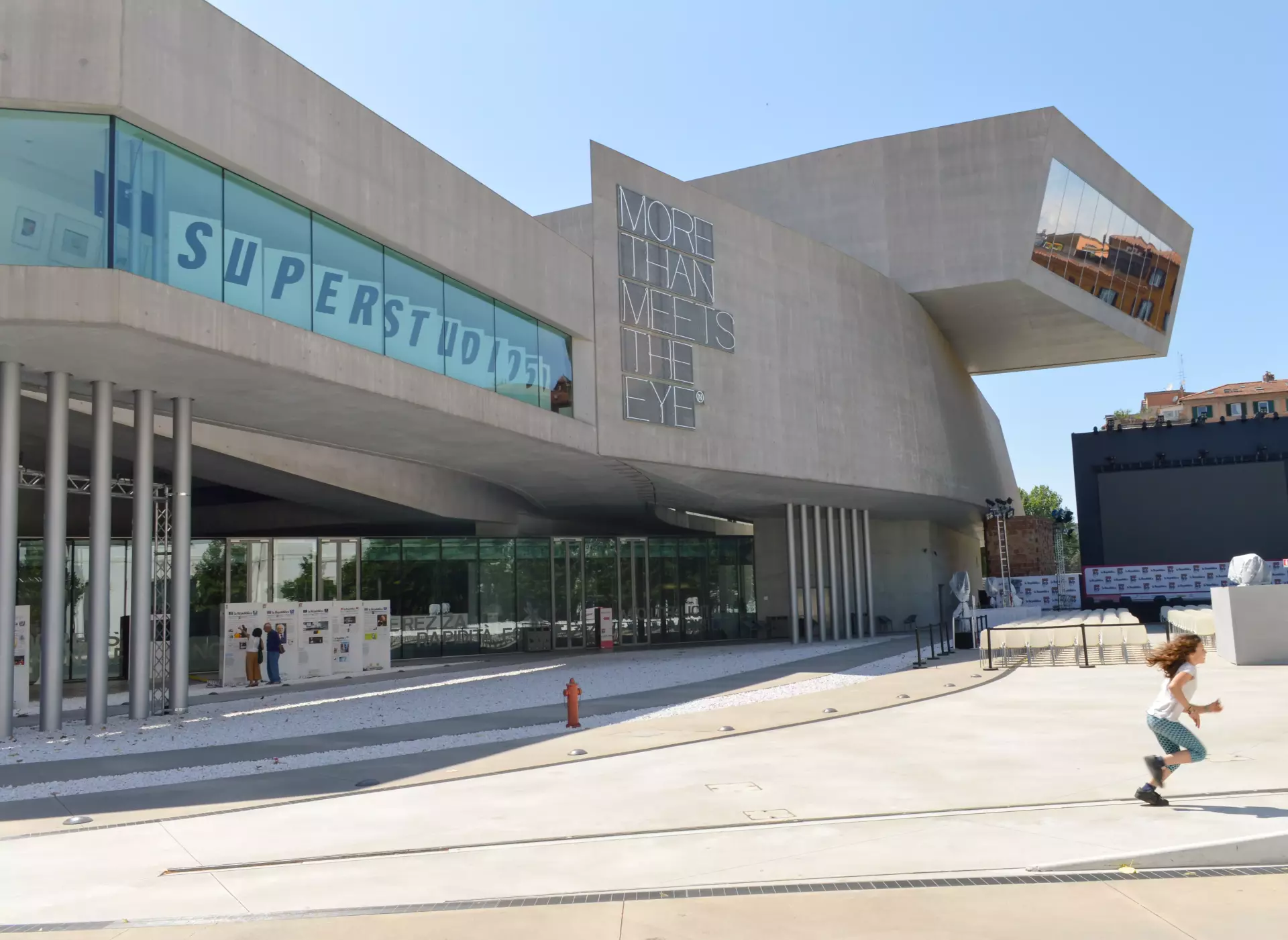
Rome's museum of contemporary art, housed in a former industrial complex. Rotating exhibitions, each one usually lasting about 4 months. The MACRO Testaccio exhibition space is located in Aventino-Testaccio.
Unusual and fascinating round church dedicated to St. Stephen. It is the national church of Hungary in Rome. Dating from the 5th Century this is believed to be the largest round church in the world. Charles Dickens described its wall paintings of martyrdom and butchery as "hideous". A good starting point to visit the attractions of the Celio Hill (see Rome/Aventino-Testaccio).
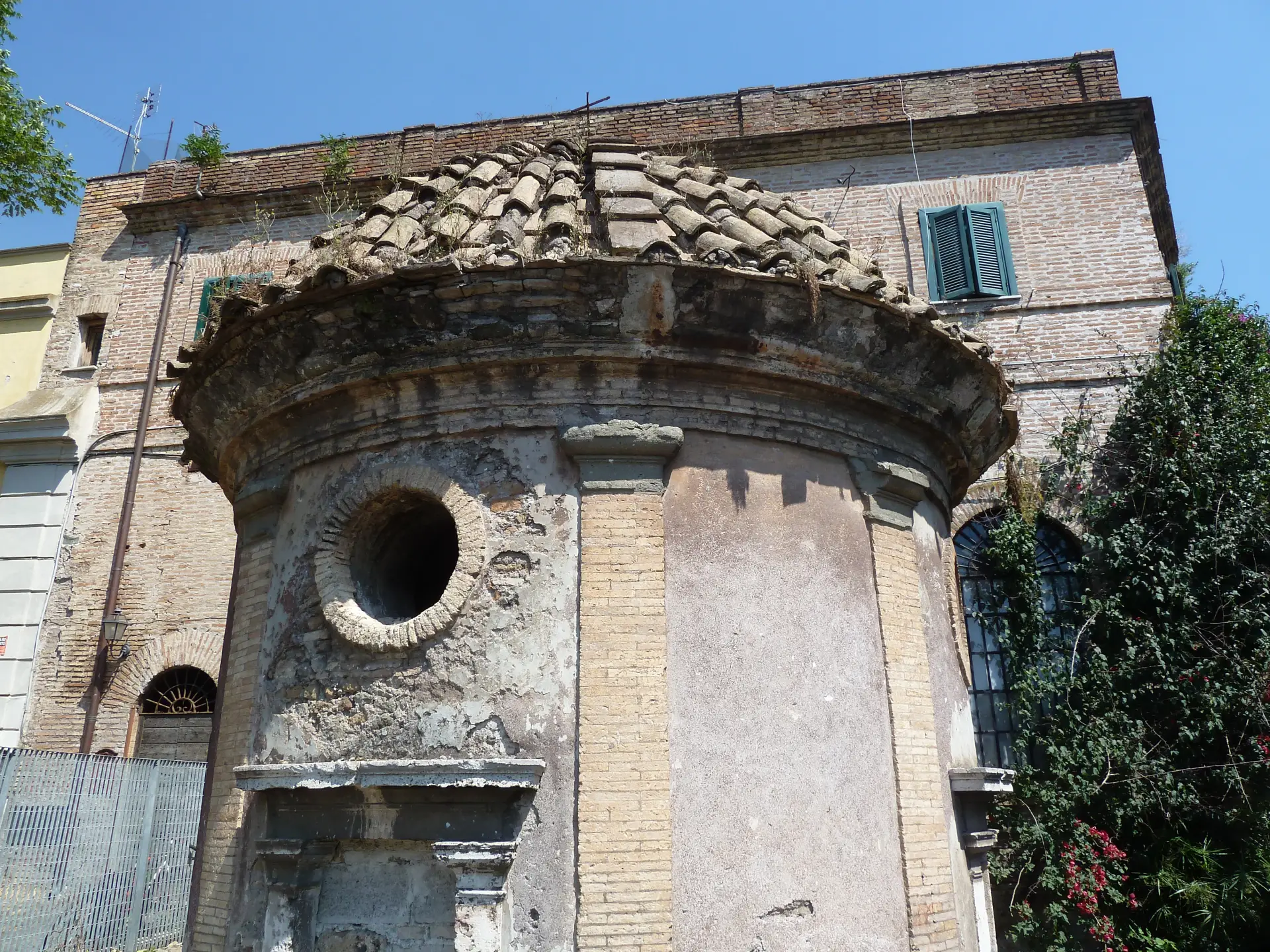
A strange building, constructed by Reginald Pole, an English cardinal and later Archbishop of Canterbury, allegedly on the spot where he was able to escape from assassins sent by the English King Henry VIII.
Caffarella Park covers an area of 339 ha and is part of the larger Appia Antica park. It contains both a working farm and numerous Roman ruins, some quite well preserved and is a great place for a stroll or cycle away from Rome’s traffic.