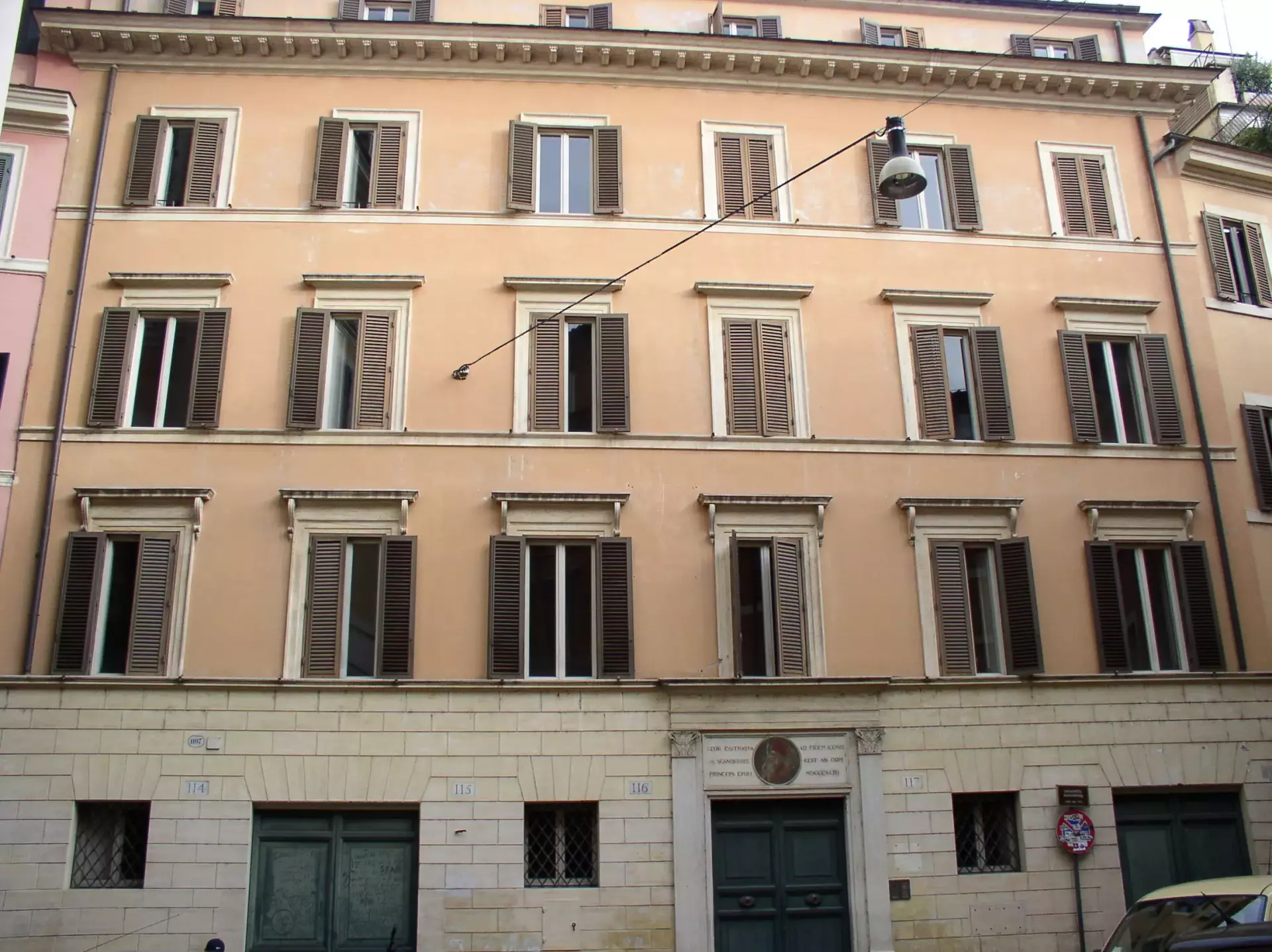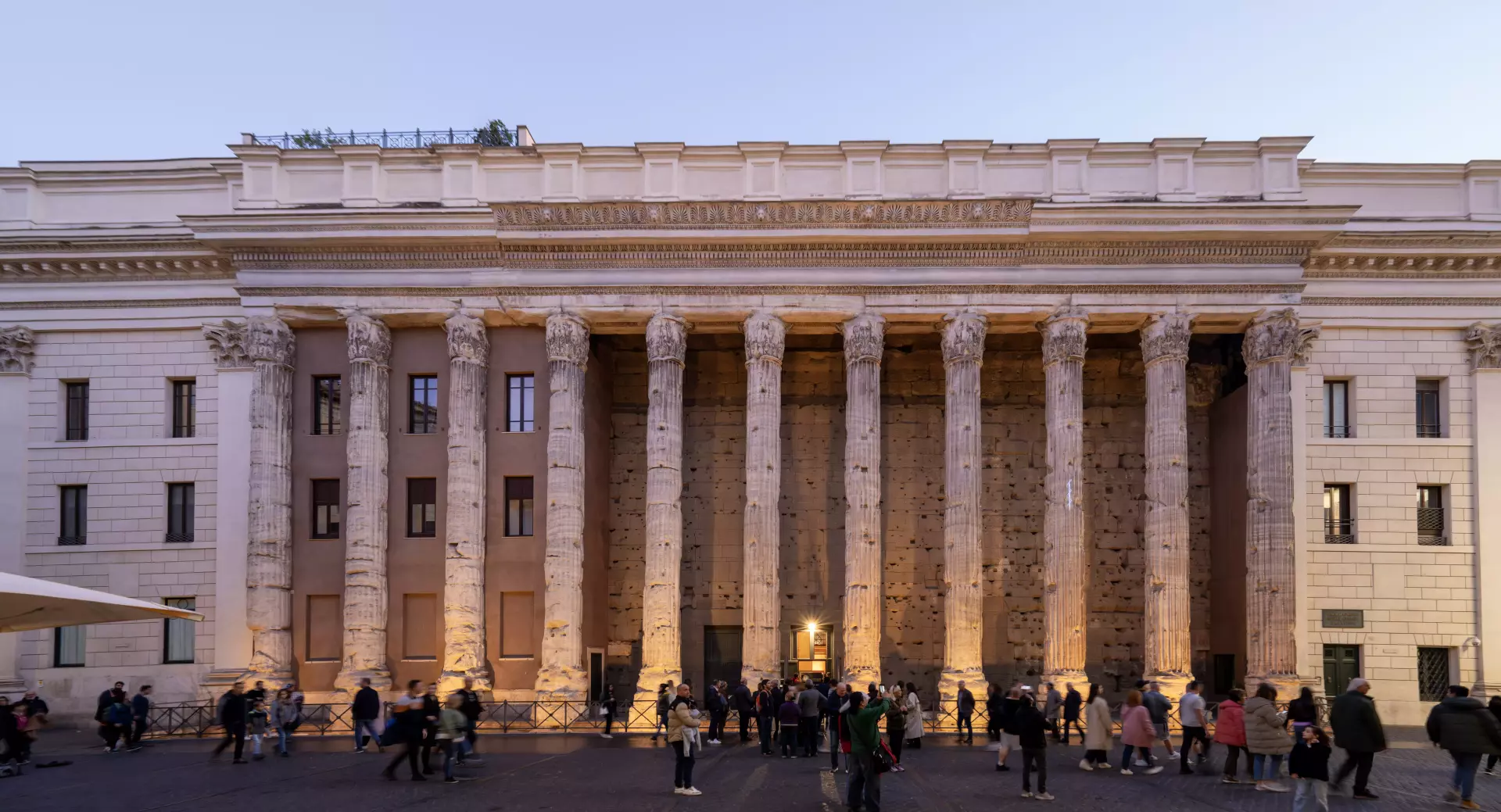
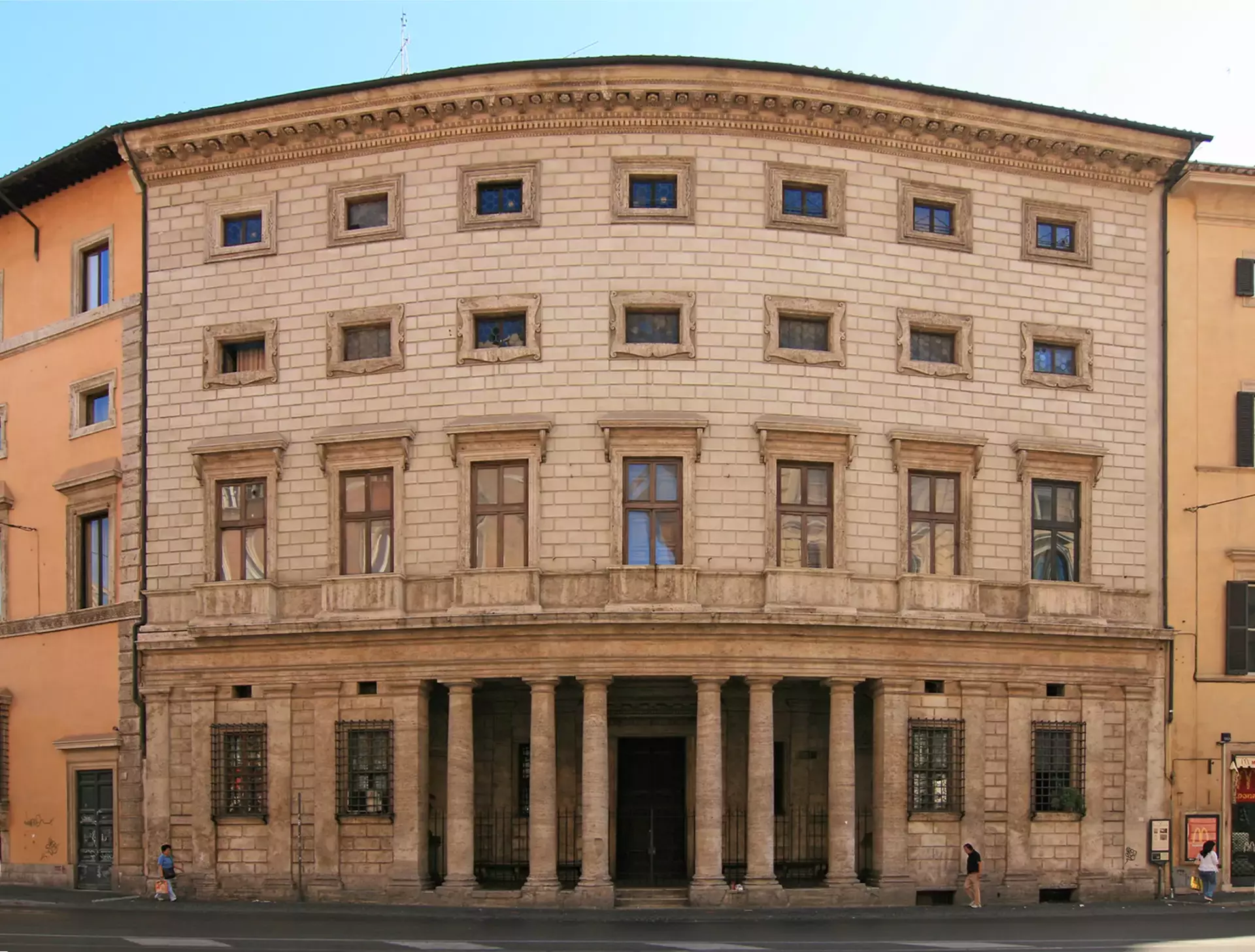
Palazzo Massimo alle Colonne stands as an impressive example of Renaissance architecture in Rome. The palace was designed by the well-known architect Baldassare Peruzzi, who built it for the influential Massimo family. The original residence on this site was destroyed during the tragic sack of Rome in 1527, leading to the construction of the current building.
The Massimo family claims a long and storied history in Rome. Their lineage stretches all the way back to Quintus Fabius Maximus, the Roman general celebrated for his victory over Hannibal in the third century BC. This deep-rooted heritage adds a layer of historical significance to the palace and its stories.
Palazzo Massimo alle Colonne is not usually open to the public. However, each year on March 16, the doors are opened for a special reason. This date marks the commemoration of the miraculous revival of Paolo Massimo by St. Philip Neri in 1538, an event that is remembered by visitors and locals alike who come to see the palace on this unique day.
Source - https://en.wikipedia.org/wiki/Palazzo_Massimo_alle_Colonne
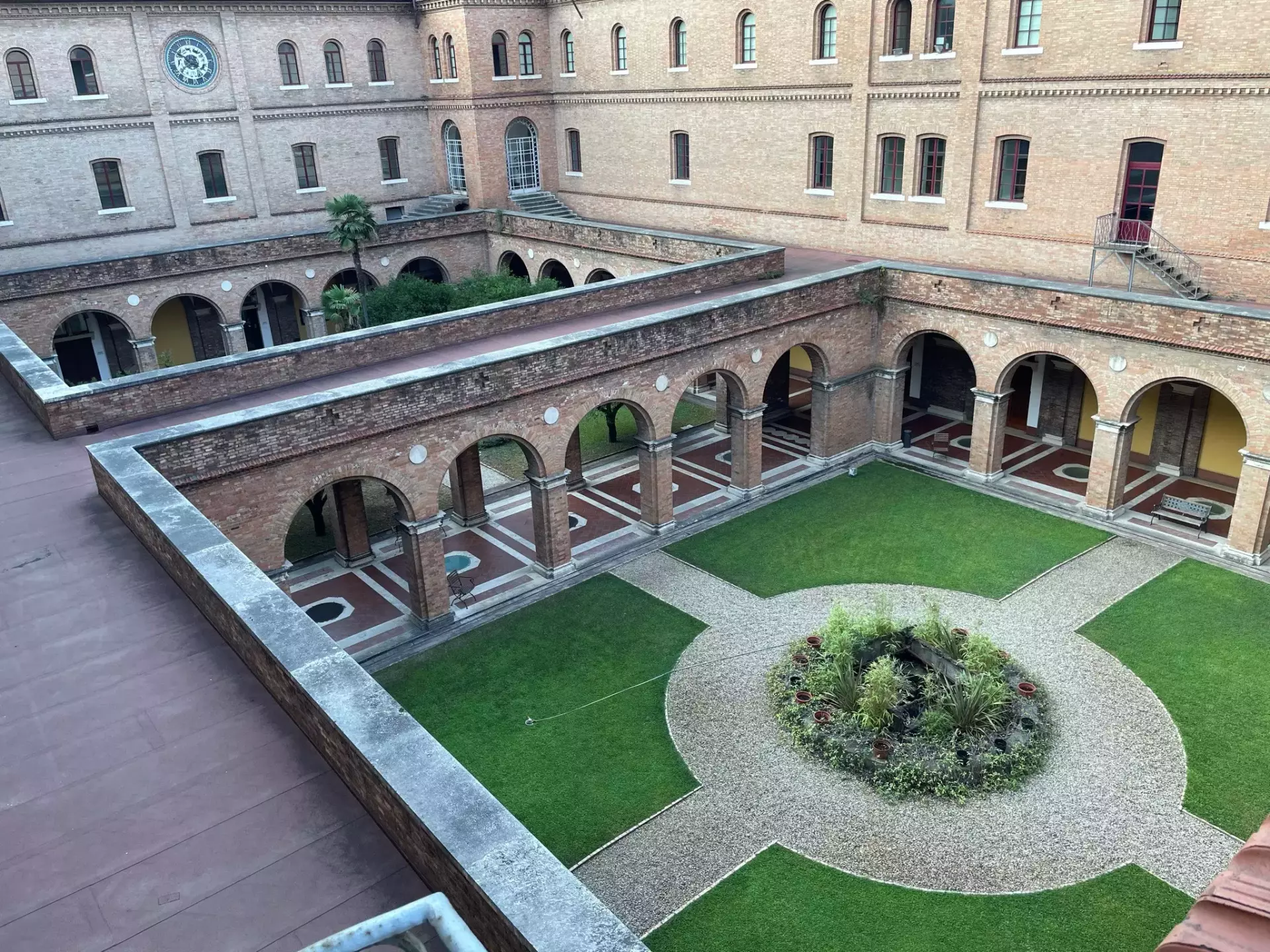
The Collegio Romano was a college of the Jesuit order. Many popes, cardinals and bishops were educated here. Since 1870 it has been a secular (non-monastic) school. The coat of arms on the doorway is that of Pope Gregory XIII (1572–1585). The tower was erected in 1787 and served as an observatory. Until 1925 all clocks in Rome were set after that of the Collegio Romano.
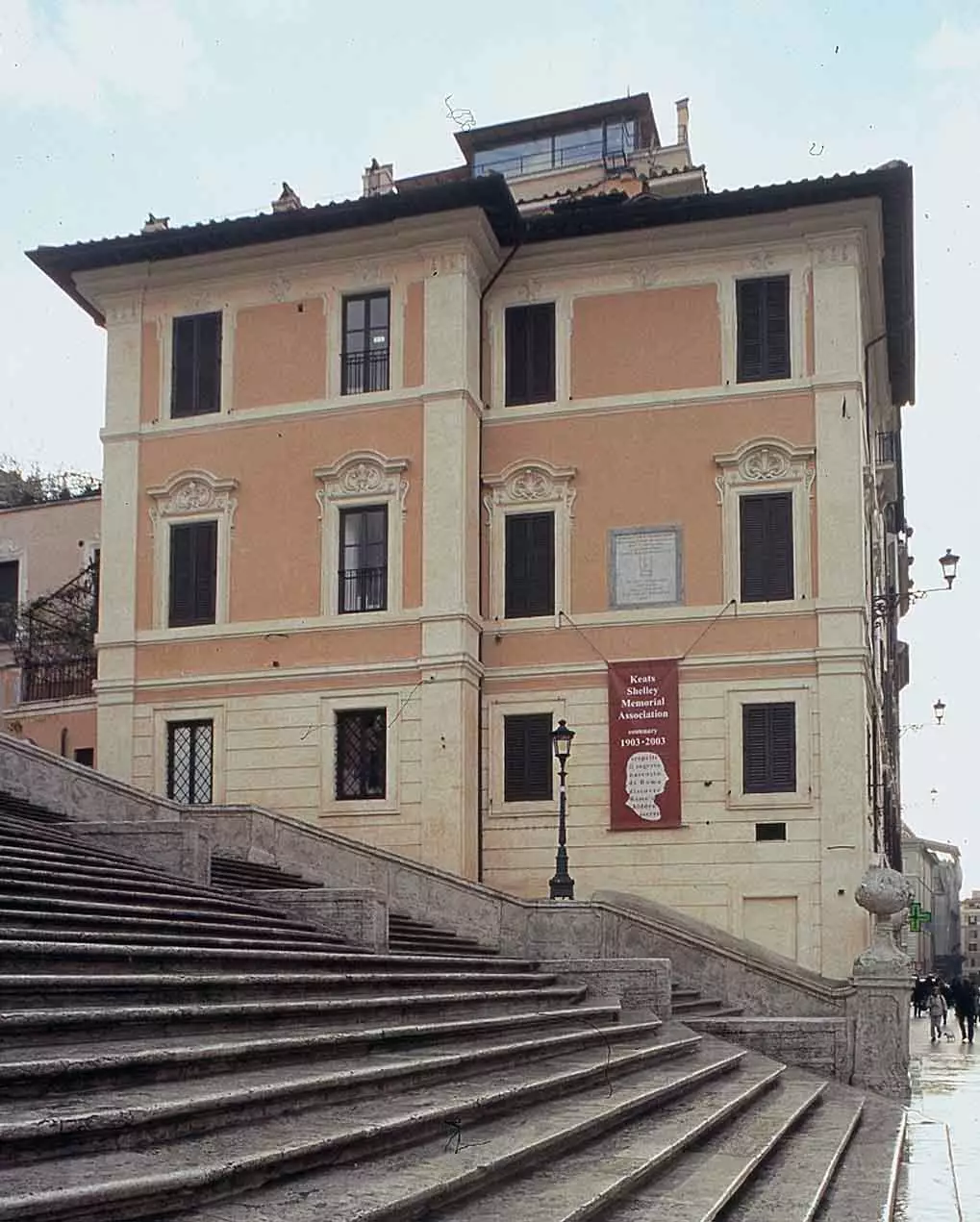
A truly monumental stairway of 135 steps (similar to climbing eight flights of stairs), built with French funds between 1721 and 1725 in order to link the Bourbon Spanish embassy to the Holy See (still located in the piazza below), with the Bourbon French church (its monastery founded in 1495) above. Don't sit on them though, or eat, or push a baby stroller on them, or do anything else that might obstruct pedestrians, make them dirty, or cause additional wear and tear, or else you will have to pay a fine that ranges from €250 to €400.
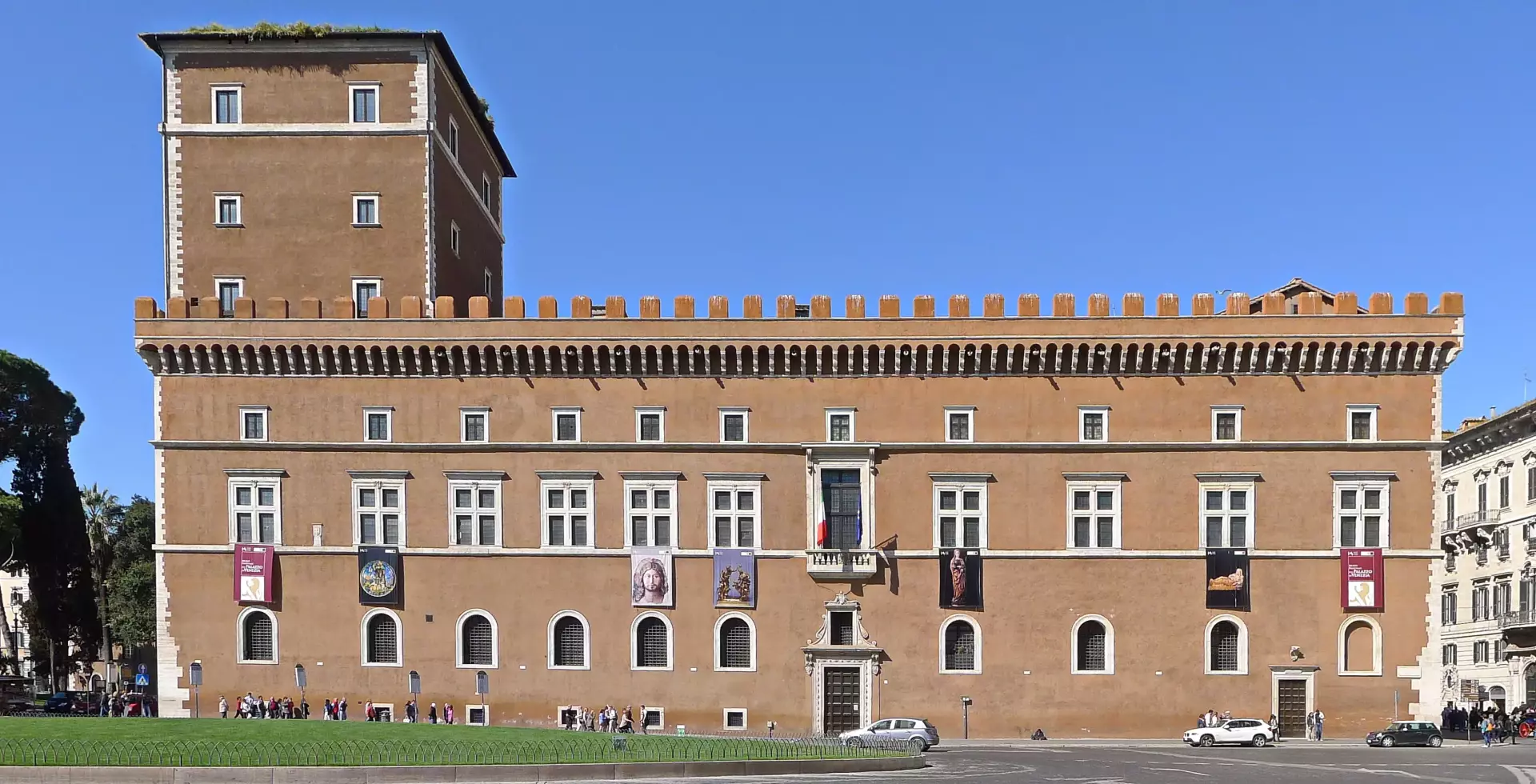
More of an enormous traffic circle than a piazza, but a good central location. The centerpiece is the enormous Vittorio Emanuele Monument (aka the Wedding Cake or the Typewriter) with the Capitoline hill next door. Mussolini used to harangue Romans from the first floor balcony of Palazzo Venezia (see under Museums), to the west of the square.
One of Bernini's masterpieces, an obelisk on the back of an elephant.
The chains that allegedly held St. Peter are displayed in a case before the altar. More importantly, contains the impressive statue of Moses by Michelangelo. It's close to the Colosseum, but a little hard to find. Take the steps opposite the Colosseum on Via dei Fori Imperiali, cross the road at the top and seek directions. Also reachable through steps to the right leading off Via Cavour.
This building housed the University of Rome from the middle of the 15th century until 1935. The splendid interior courtyard was created by Giacomo della Porta. The inside church of Sant'Ivo (see above) is one of the masterpieces of the architect Borromini.
This is not the real name of the church on the corner by the main entrance to San Callisto but it is universally known by this name. By legend it is located on the spot where Saint Peter had a vision of the risen Christ while fleeing persecution in Rome. According to the tradition, Peter asked Jesus, Domine, quo vadis? “Lord, where are you going?” The current church is from 1637. Inside is a copy of a stone said to contain the imprints of the feet of Jesus; the original is maintained in San Sebastiano, further along the Appian Way
Pope Nicholas III connected Castel Sant'Angelo to St. Peter's by a covered fortified corridor called the Passetto di Borgo. This proved useful for Pope Clement VII during the Sack of Rome (1527). You can still see much of the Passetto by walking along the Borgo Sant'Angelo, which runs parallel to, and north of, the Via della Conciliazione.
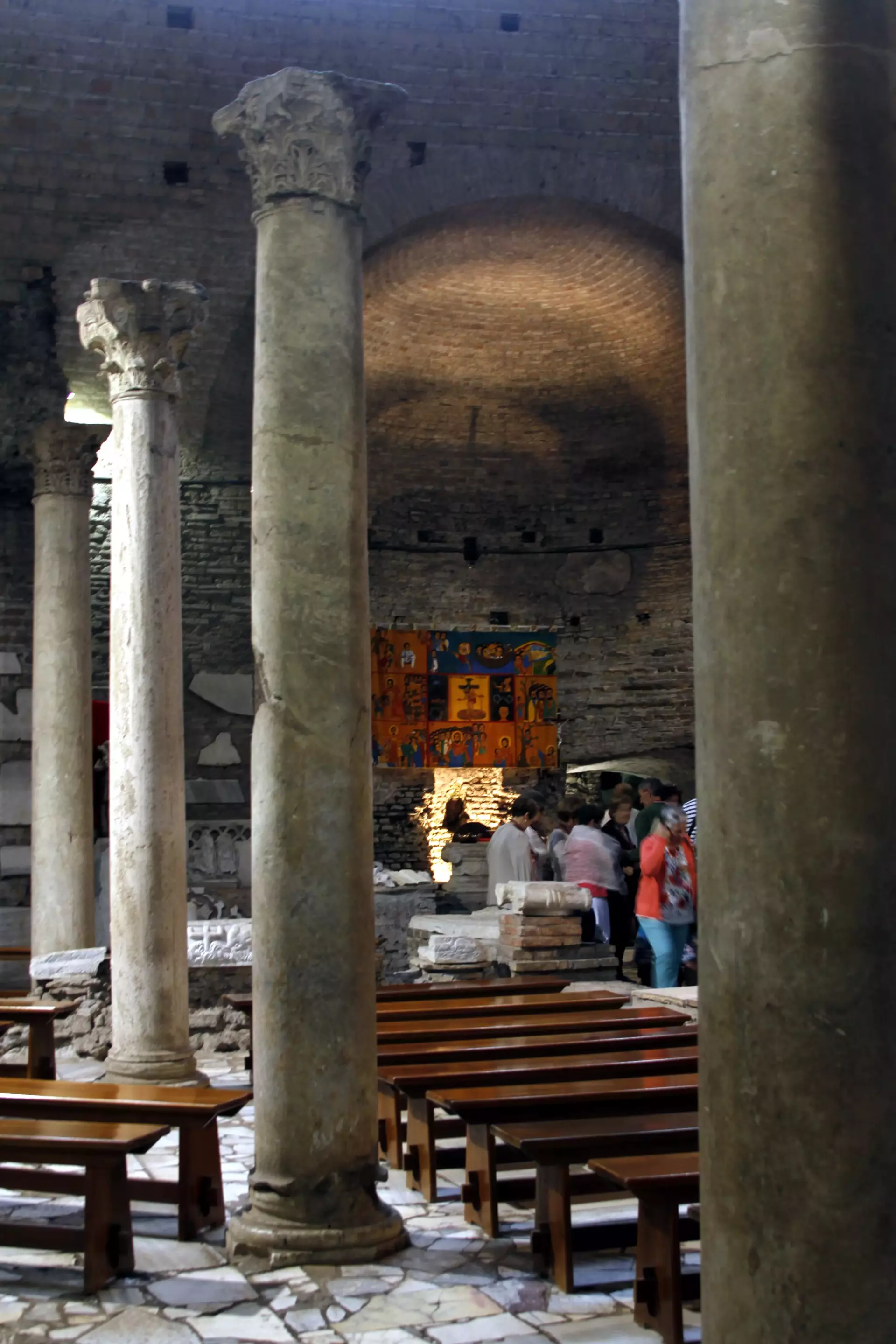
Unusual and fascinating round church dedicated to St. Stephen. It is the national church of Hungary in Rome. Dating from the 5th Century this is believed to be the largest round church in the world. Charles Dickens described its wall paintings of martyrdom and butchery as "hideous". A good starting point to visit the attractions of the Celio Hill (see Rome/Aventino-Testaccio).
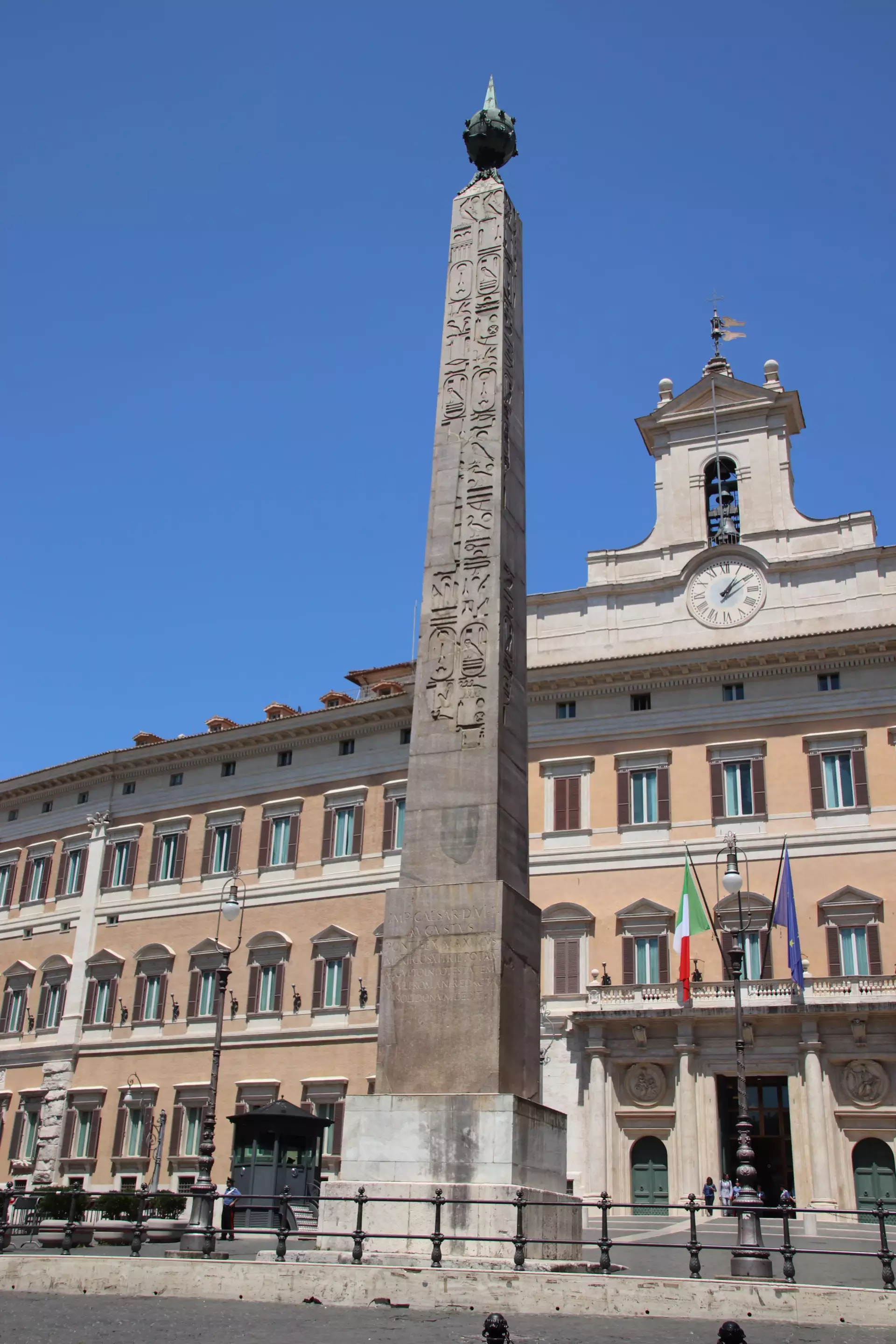
According to an inscription Emperor Augustus dedicated the obelisk to the sun in the 11th year of his consulate (10BC), after he had annexed Egypt to Rome. The obelisk is 24 m high. It was erected in Heliopolis in Egypt and was dedicated to Pharao Sethos I (1313-1292 BC) and Pharoa Ramses II (1292-1275 BC). Augustus brought the obelisk to the Circus Maximus, where it was rediscovered in 1587, broken into three pieces and was relocated to Piazze del Popolo on the orders of Pope Sixtus V in 1589.
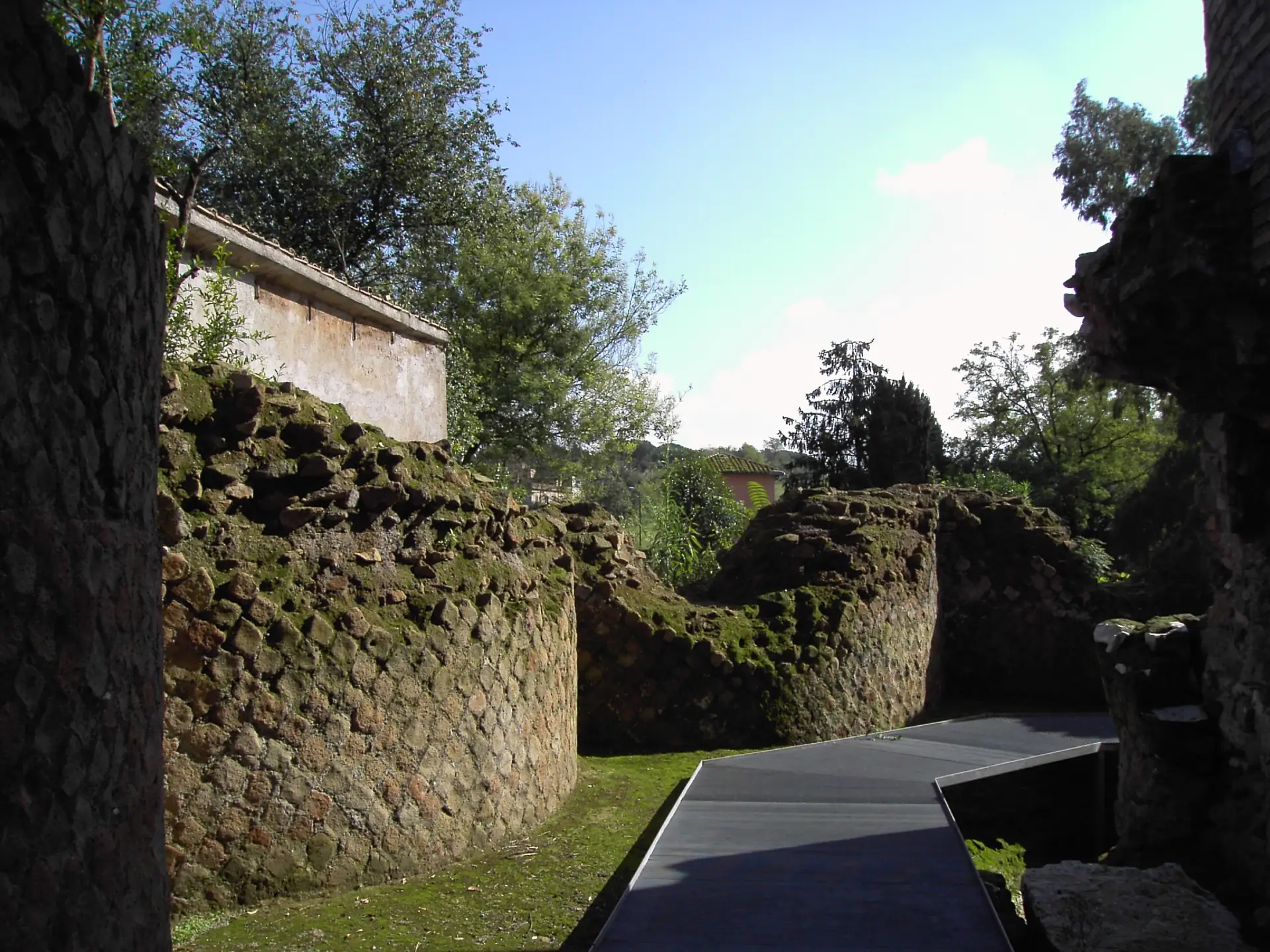
This archaeological site displays the thermal baths of the villa of the wealthy Herod Atticus. Also in the complex is a restored villa, until 2002 a private residence, that has an exterior completely covered with pieces from Roman ruins, including pipes used in the baths. There are some very helpful staff to show you around, although they only speak Italian. An interesting photographic exhibition in the house traces the development of the Appian Way over the last century. Almost opposite the entrance to the baths is a ruined tower known as the Torre di Capo di Bove.
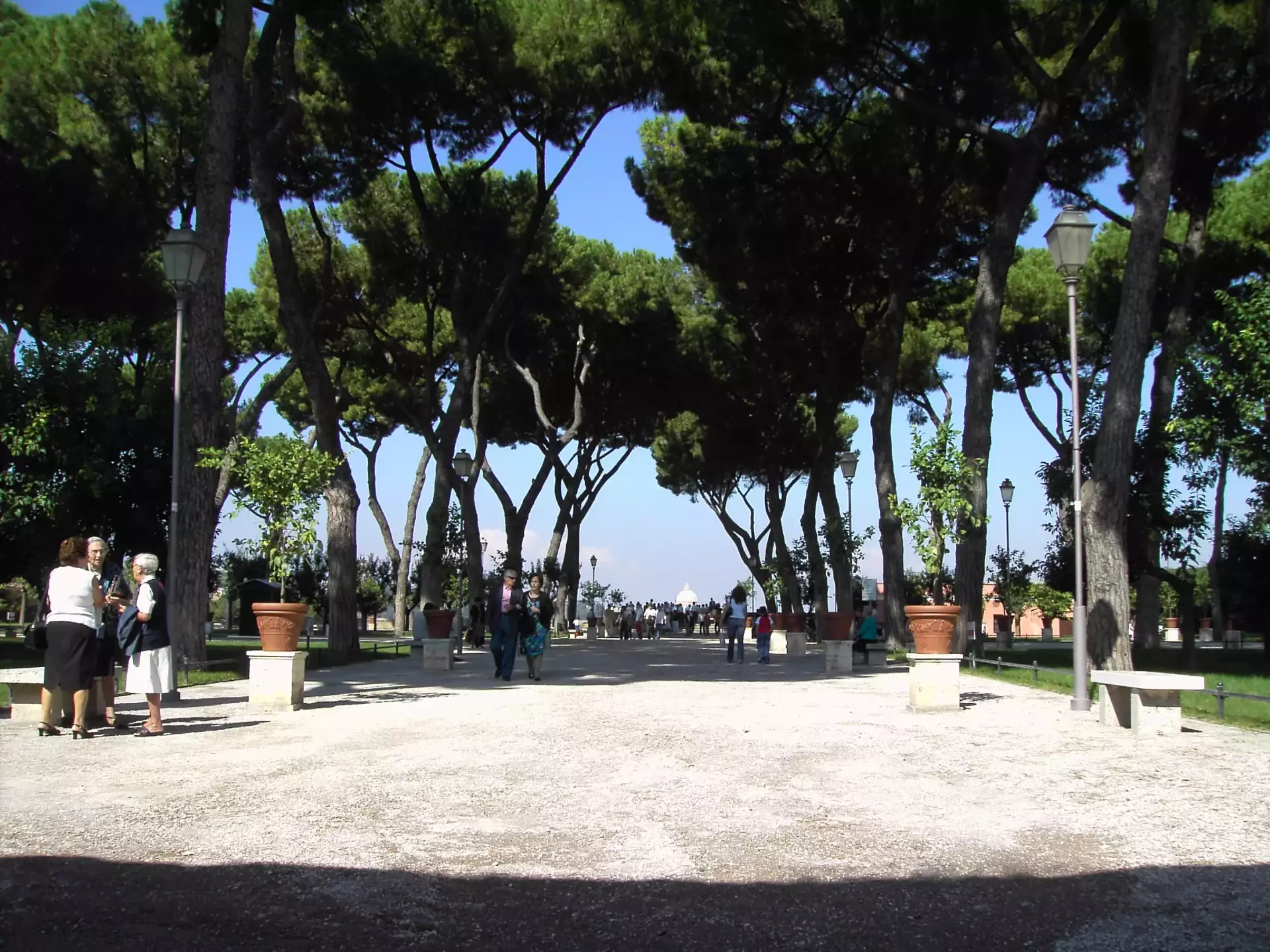
Beautiful park, the 2nd largest in Rome (after Villa Doria Pamphili) at 450 acres/182 hectares. Hosts concerts on summer evenings. former summer residence of Italian monarchs. Also known for it's bunker.
This is an important place of pilgrimage for Catholics because of the supposedly miraculous powers of an image of the Virgin Mary. The first miracle was in 1740 when a traveller being attacked by a pack of dogs called out to the Virgin’s image for rescue and the dogs calmed down. The image was moved to Rome in the Second World War and is credited with saving the city from destruction, as a result of which Romans vowed to construct this new sanctuary.
The western end of the ancient Via Appia road connecting Rome to Brindisi in the heel of Italy, and as such the third world heritage site in Rome together with the Old Center and the Vatican. As such it's an important historical location, even if the remains of the gate aren't as impressive as the city's major sites. As Via Appia heads southeast out of Rome, and after a few kilometers the route is officially named Via Appia Antica and starts looking more historical: it gets narrow as a city street, the asphalt is replaced by a rock surface and the road is lined with parks and park-like areas and walled old buildings. This section has been described as the world's longest museum.
A great little cathedral to visit, lovingly looked after by Irish Dominicans. There is an excavated older church below the medieval church you enter and a Mithraeum (temple to Mithras, whose cult was very popular with Roman soldiers from the 1st to 4th century AD) below that. The only place in Rome to hear the underground river that flows beneath the city.