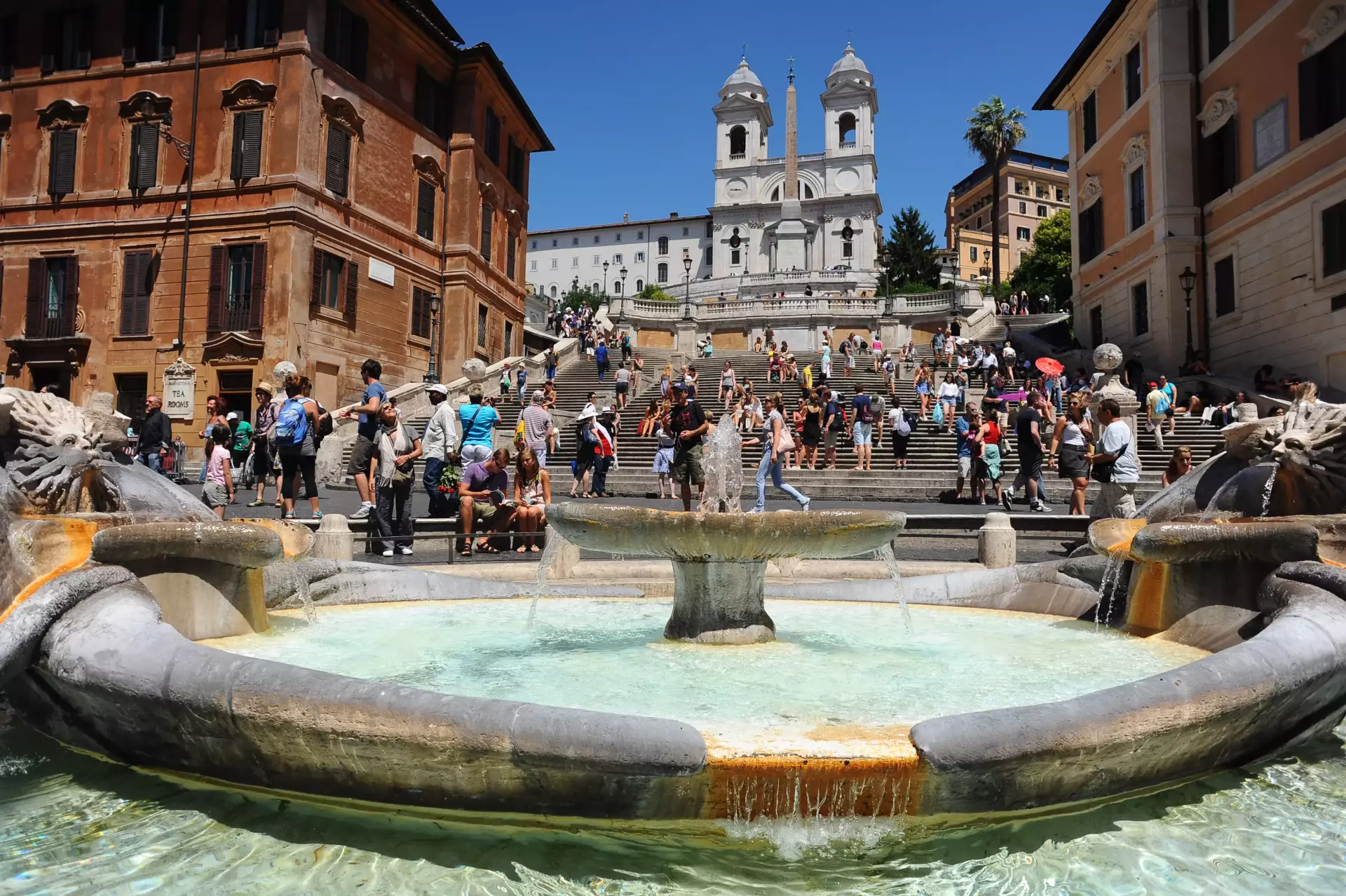
Piazza Barberini is a lively square in Rome known for its remarkable artwork and bustling atmosphere. One of its most famous features is the Triton Fountain, designed by the renowned artist Gian Lorenzo Bernini. The fountain captures attention with its intricate details and dramatic design, making it a favorite spot for photos and admiration.
The famous Via Veneto also begins at Piazza Barberini. This elegant street is well known for its stylish cafés, luxury hotels, and vibrant nightlife. Strolling along Via Veneto, visitors can enjoy the blend of classic Roman charm and modern city life. The area around the square is always full of energy, attracting both locals and travelers eager to experience a piece of Rome’s unique character.
Source - https://en.wikipedia.org/wiki/Piazza_Barberini
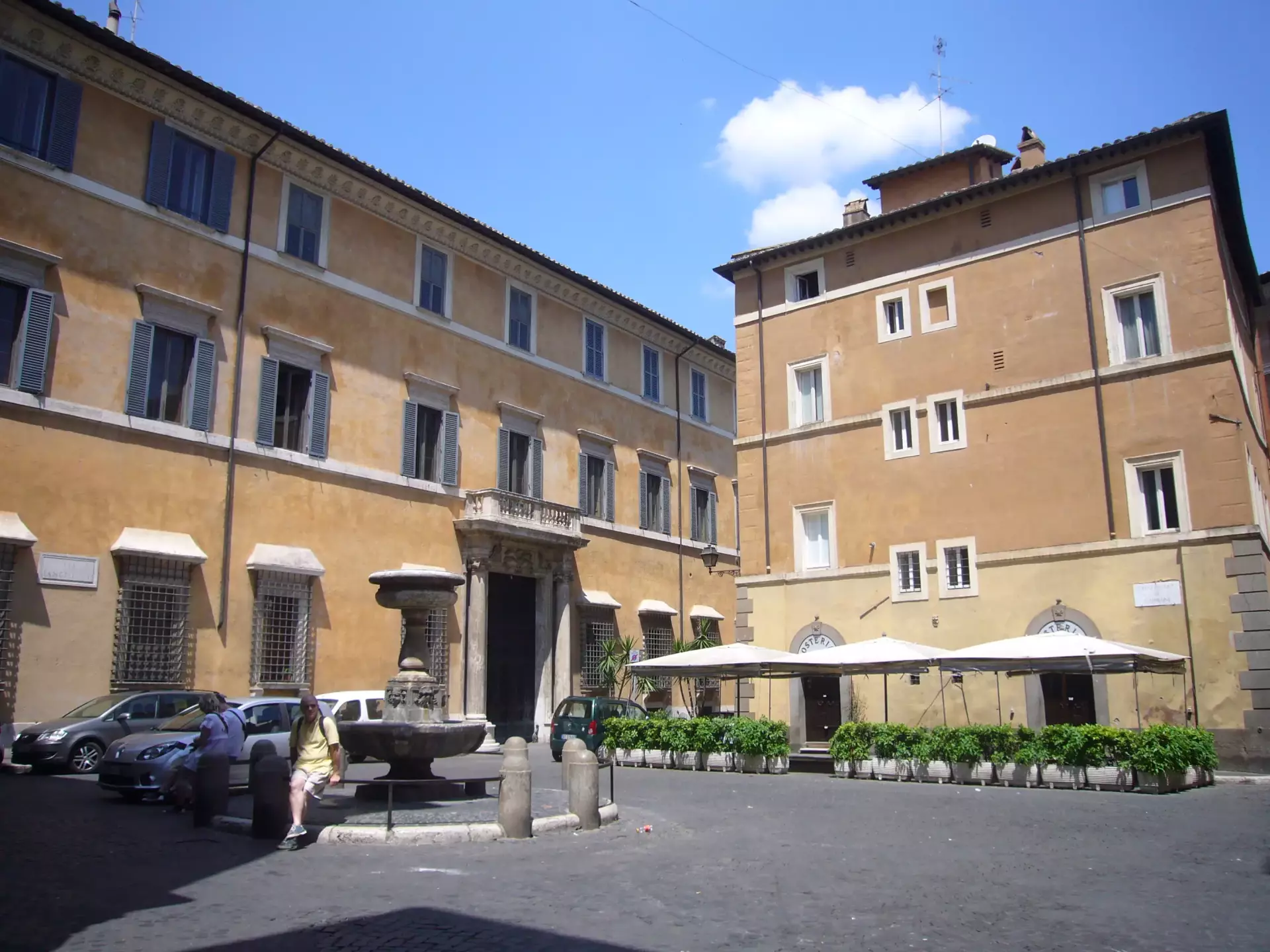
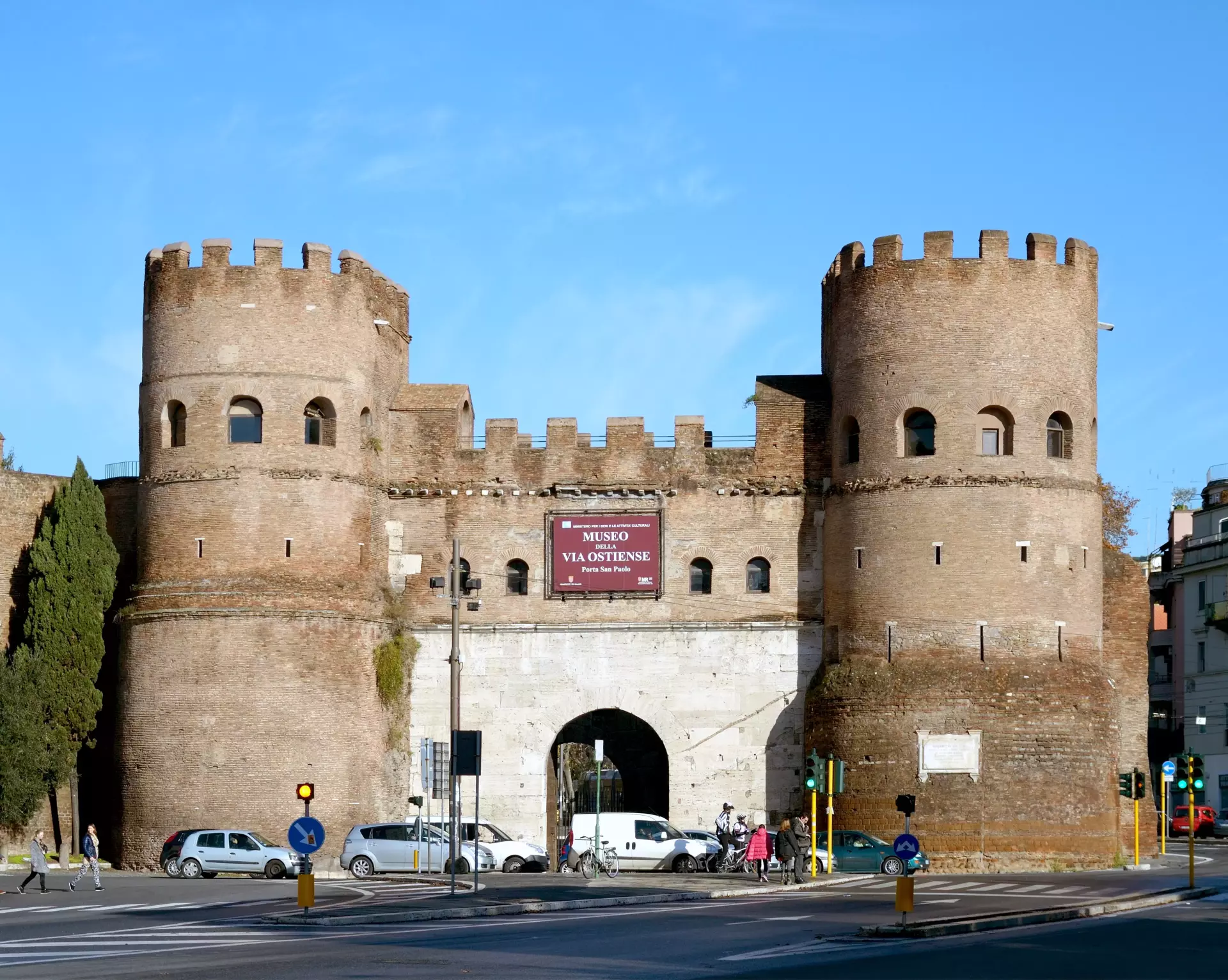
This palace of the 16th century was erected by the famous Medici family. It was the residence of Cardinals Giovanni and Giuliano Medici, later Pope Leo X. and Clement VII. Catherine de Medici, Pope Clement VII's niece lived here until her marriage in 1553 with Prince Henry, the son of King Francis I of France. The palace is named after Madama Margerita of Austria, the illegitimate daughter of Emperor Charles V. Since 1871 it has been the seat of the Italian Senate.
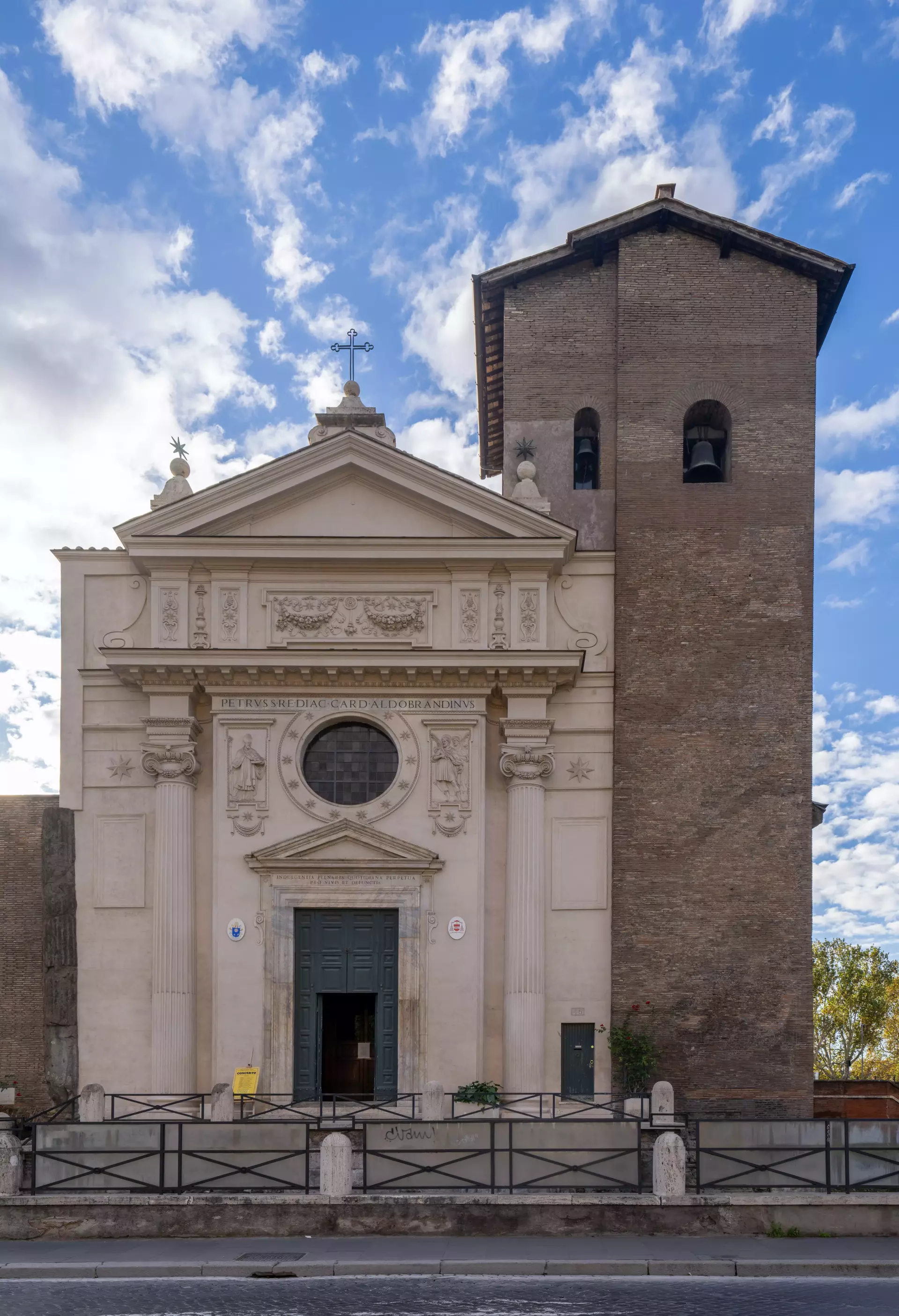
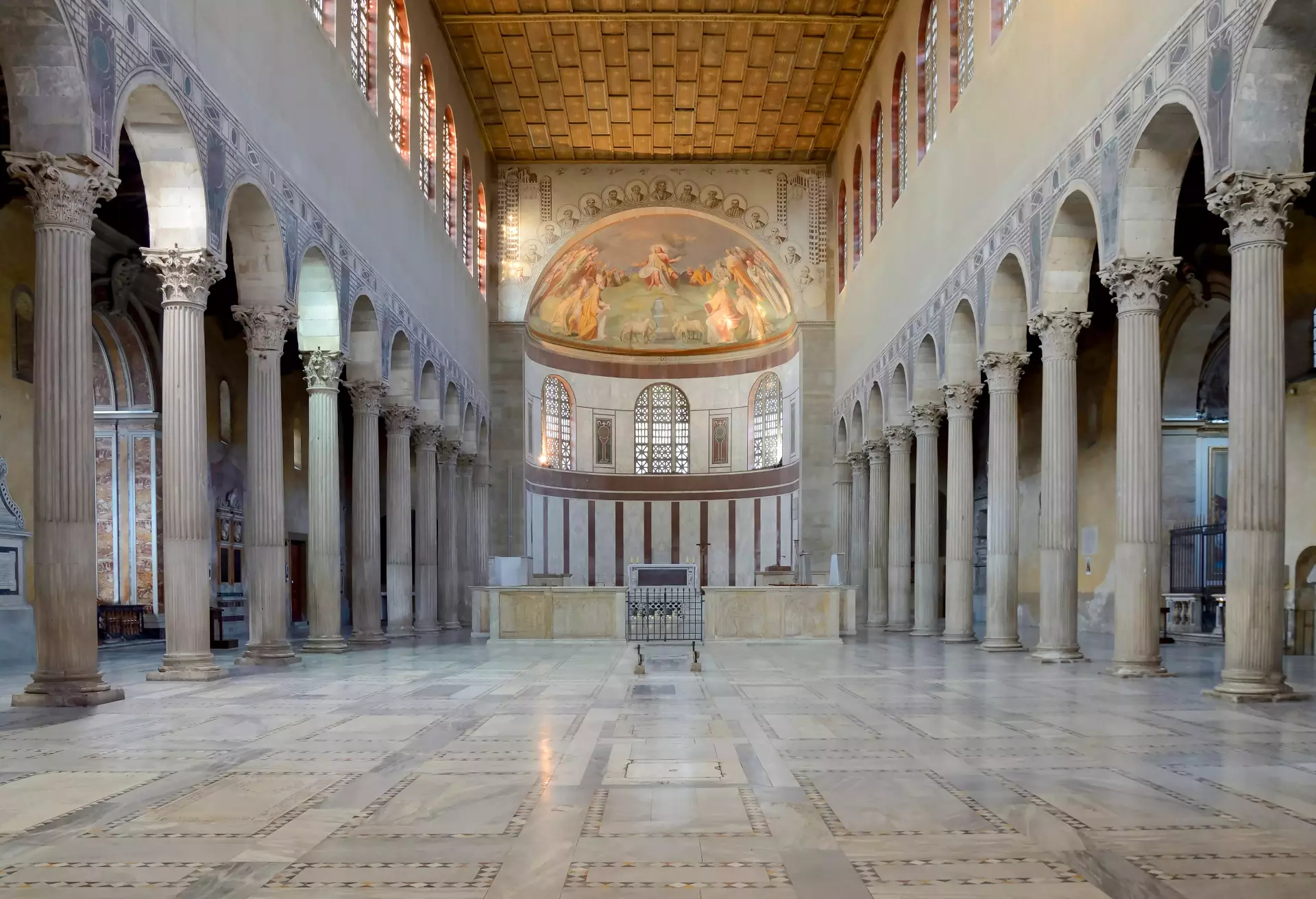
A very ancient church named after a saint who was in 1969 removed from the Roman Catholic calendar of saints for the lack of details of her life. But the church retains the name and is well worth visiting for an excellent 4th-century mosaic and attractive decorations on the facade. Visiting hours are short, but if you arrive close to 11:30, try talking to the attendant if you see him, and he might let you visit for a few minutes. The church is small, so 15 minutes should be long enough to see and absorb everything.
Next door to Santa Croce. A collection of around 3000 pieces, although only a third of these are displayed.
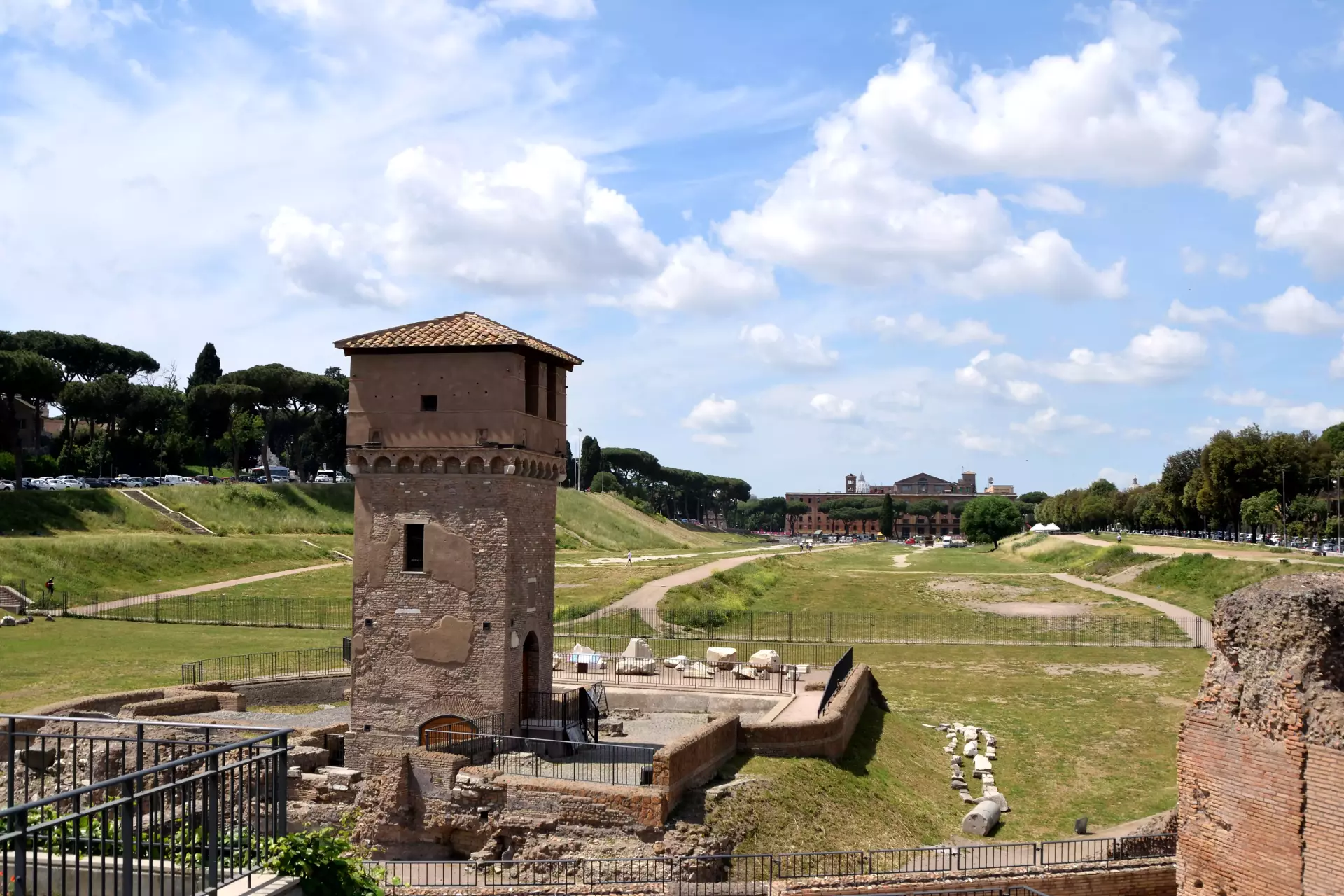
The contours of the ancient stadium, built in the 6th Century B.C., are still visible in what is now a park in the shadow of the Palatine. Circus Maximus was primarily devoted to chariot races and was used for this purpose until around 550 AD. The stadium could seat up to 150,000 people. Originally built of wood, it burnt down twice, on the second occasion starting the great fire when the Emperor Nero was said to fiddle while Rome burned. It was in one of the tunnels here that Caligula met his end. Excavations began in 2009 at the east end of the circus and are likely to go on for some years.
The house in which the famous English poet John Keats succumbed to consumption, now preserved as a memorial to his life and that of his friend Shelley, both of whom are buried in Rome's Protestant Cemetery (see Testaccio).
Built after 1631, the crypt of the church contains a macabre display - a series of chapels decorated with the bones of 3700 dead friars. The bones are glued to the walls and ceilings in bizarre and striking decorations.
This little church is hard to find but well worth the extra effort although it is often closed when you get there. One of Borromini's masterpieces. It is located only a block from Piazza Navona, but not usually visible from the street, as you must enter the courtyard of an old palazzo to reach the church. Sant'Ivo is a small church the dome of which is shaped like the Star of David, but with every other point rounded. The steeple seen from the outside looks like it has a staircase wrapped around it that ascends to heaven. As the church was commissioned by the Barberini family that produced a number of popes and whose family symbol was the bee—some say the steeple resembles the stinger of the insect.
Built in honour of Victor Emmanuel, the first king of a unified Italy, this vast structure may appear to be solid white marble but actually contains many rooms inside. There are two permanent museums, one on Italian Reunification and one on emigration from Italy, as well as other spaces that host rotating exhibitions. A walk through the Flag Room leads to the tomb of the unknown soldier. Good views from half-way up but you can also pay €10 (€2 concessions) and take a lift all the way to the top.
This is not, contrary to popular belief, one of the original seven hills that Rome was founded on. It is the second highest after Monte Mario, though, and offers incredible panoramic views of the city as long as the authorities remember to prune the trees on the hillside (if they are too tall you can walk a few meters down the hill for views that are just as good). On the other side of the piazza there is also a nice view of the dome of St. Peter's. The Piazza and the street leading up the hill are dedicated to Giuseppe Garibaldi who led Italian troops against the French here in 1849. There are also several commemorative statues.
Located a short walk west of the Colosseum, this well-preserved monumental arch was erected (soon after 315) to commemorate the victory of Constantine, the first Christian emperor, over his rival Maxentius at the Battle of the Milvian Bridge in 312. In general design, the Arch of Constantine imitates the century-earlier Arch of Septimius Severus (nearby in the Forum). The three arches are decorated utilizing mainly materials plundered from other imperial monuments by Trajan, Hadrian and Marcus Aurelius. The quality of its sculptural decoration, however, betrays the slow degradation that Classical Roman sculpture had experienced in the 3rd century AD.
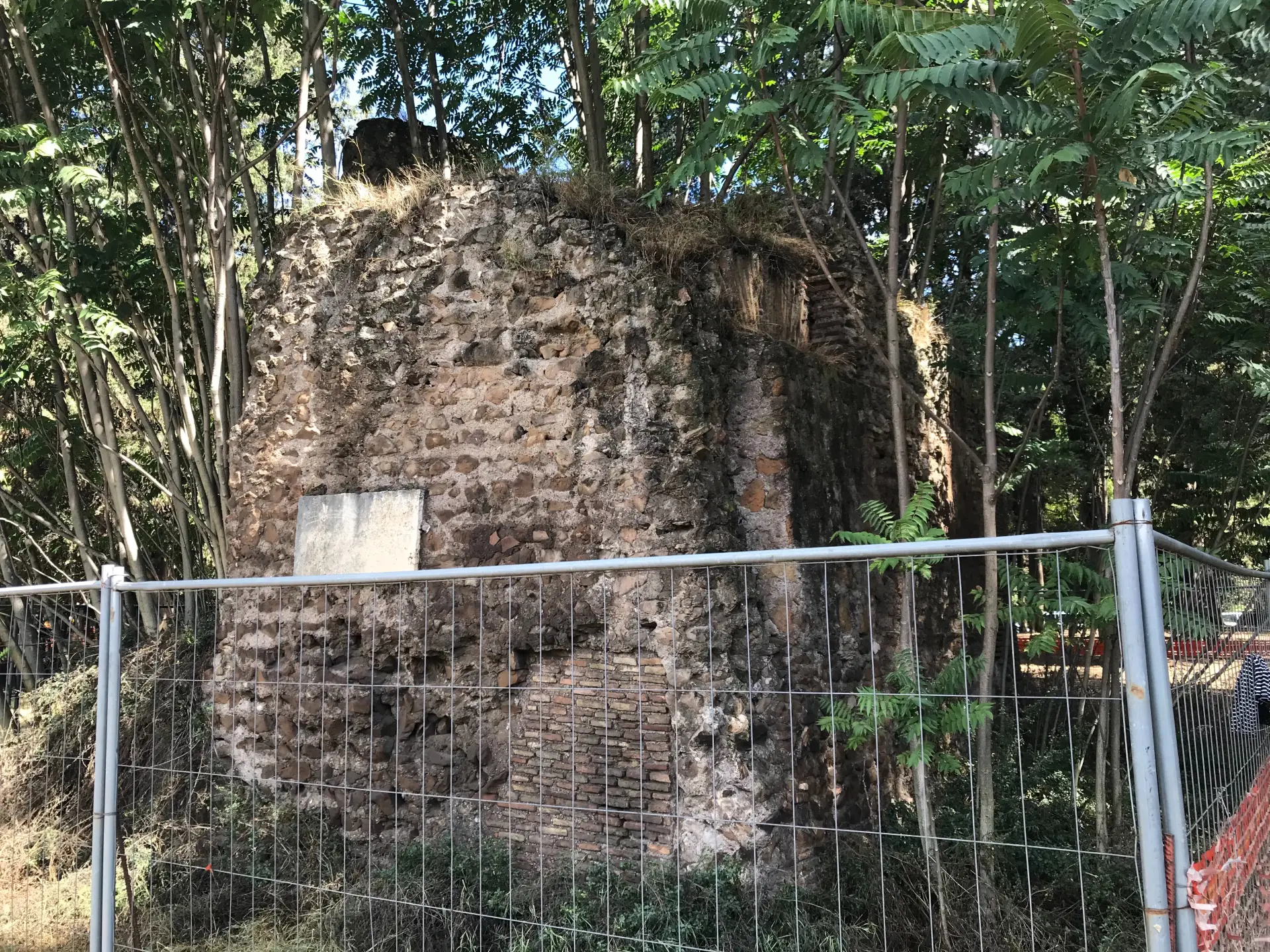
Casal Rotondo is the biggest mausoleum on the Appian Way, at about the sixth mile. It now incorporates a small private villa, originally a farmhouse. It is not known for whom it was built. The wall of fragments next to it, constructed by Luigi Canina, has ruins referring to the Cotta family but this family is now believed to not be associated with the Casal Rotondo.