Villa Torlonia is a grand patrician house surrounded by elegant gardens. Construction of this villa began in 1806, reflecting the taste and luxury of Roman nobility during that era. Today, its architectural beauty and landscaped grounds are open to the public, offering a glimpse into history and design.
In 1925, Benito Mussolini rented Villa Torlonia from the Torlonia family for a symbolic fee of one lira per year. He used it as his state residence during his time in power. After the Second World War, the villa was abandoned and fell into disrepair. Years later, efforts were made to restore the property, and it now welcomes visitors as the Casino Nobile museum.
The extensive gardens around Villa Torlonia offer more than just scenic walks. Visitors can discover the Casina delle Civette, a whimsical house with stained-glass windows. The grounds also contain 3rd- and 4th-century Jewish catacombs, providing a rare window into ancient history.
Scattered throughout the park are thirteen garden pavilions, each designed to evoke different exotic destinations from around the world. Another historic curiosity is an air-raid shelter that was built into the catacombs for Mussolini’s protection during wartime.
Underground burial place of an ancient Roman family and of seven early popes.
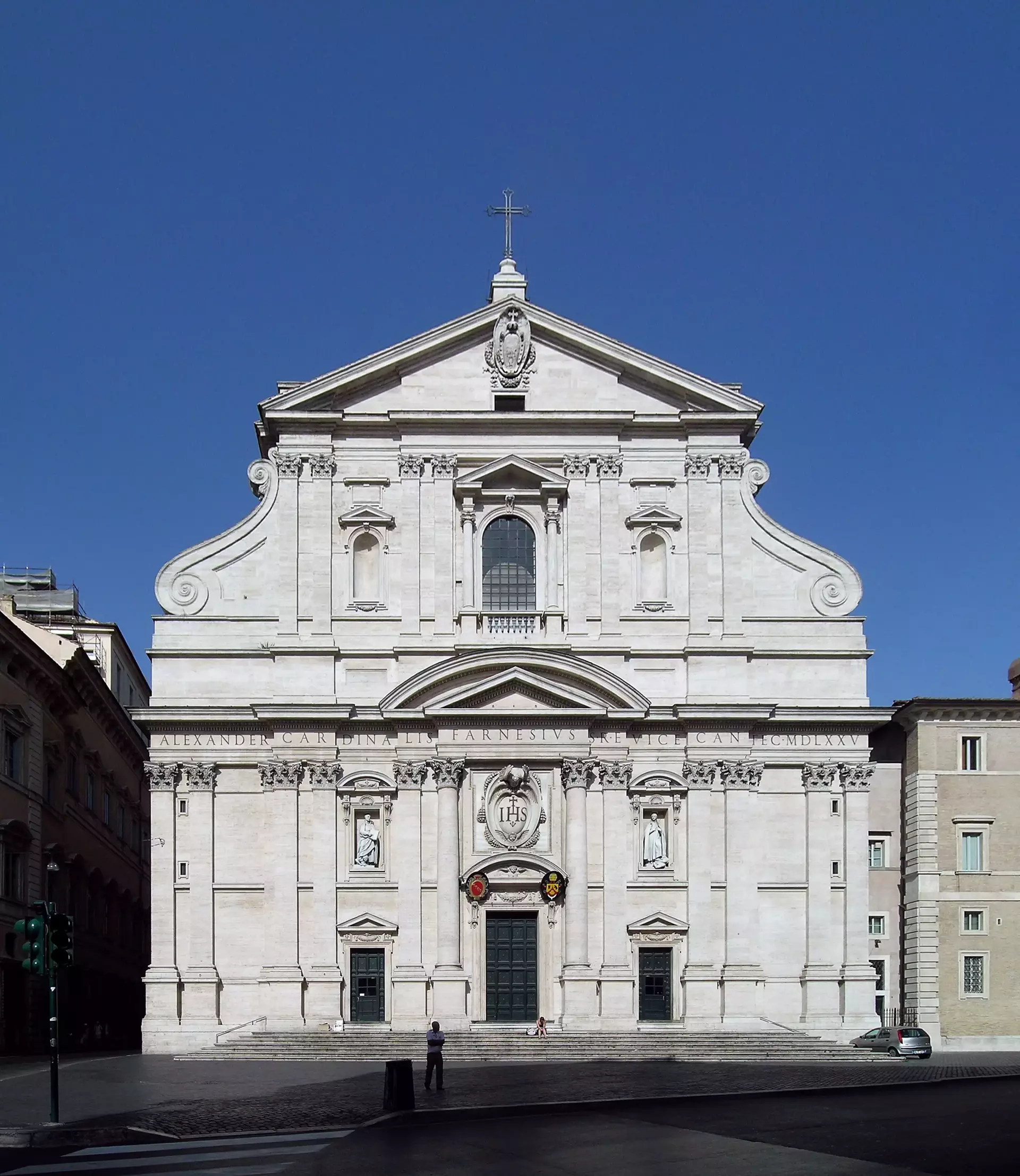
Ballroom-like church which crowns part of the Capitoline Hill. Don't be fooled by the plain stone exterior.
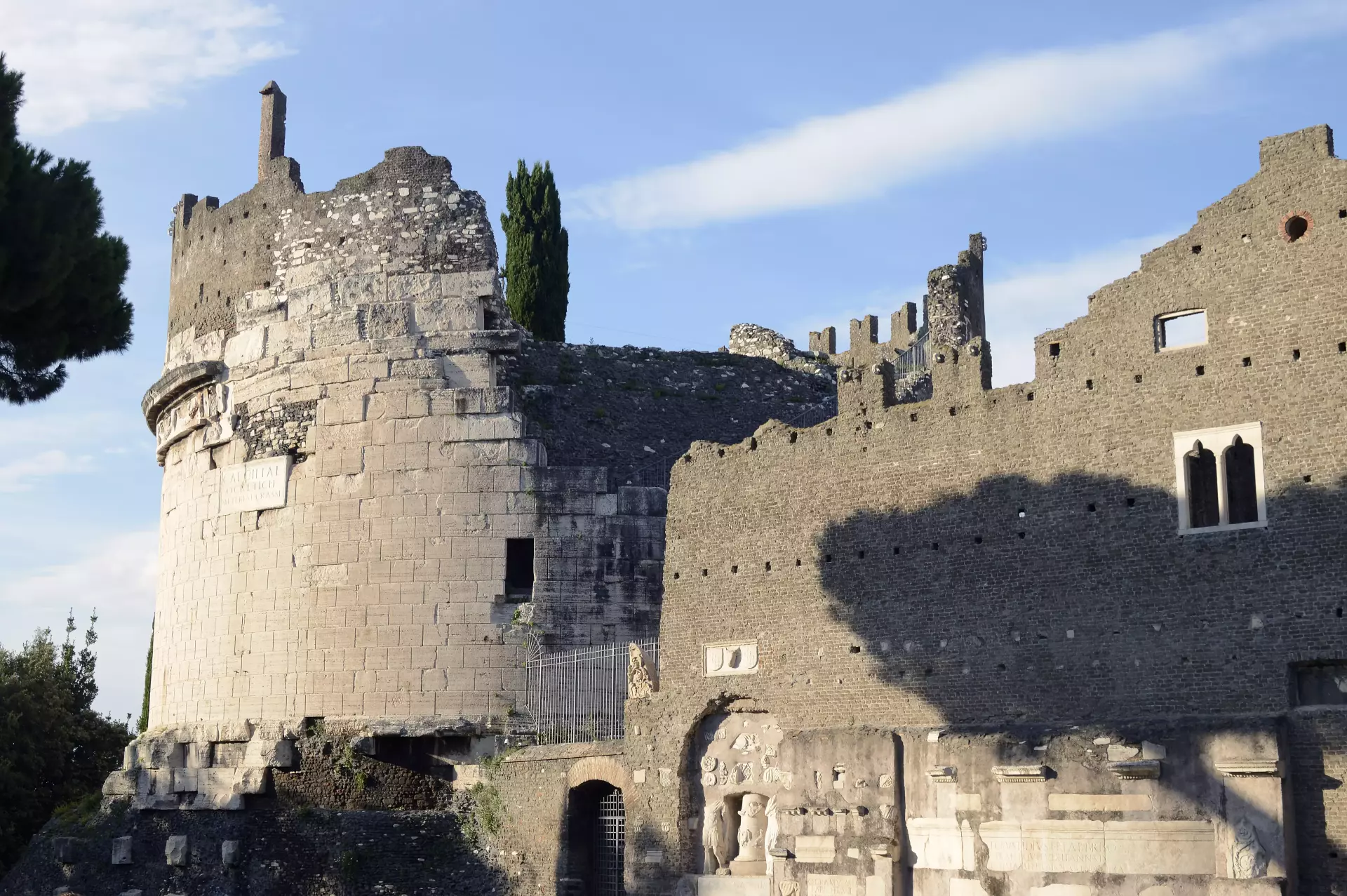
A 1st-century tomb surrounded by two farmhouses from the Middle Ages, one of which used to be a cheese store. Rather hidden behind a high wall, the tomb is rarely open to the public. You might be lucky on a Sunday: on the third Sunday of every month there is a guided tour at 11:00.
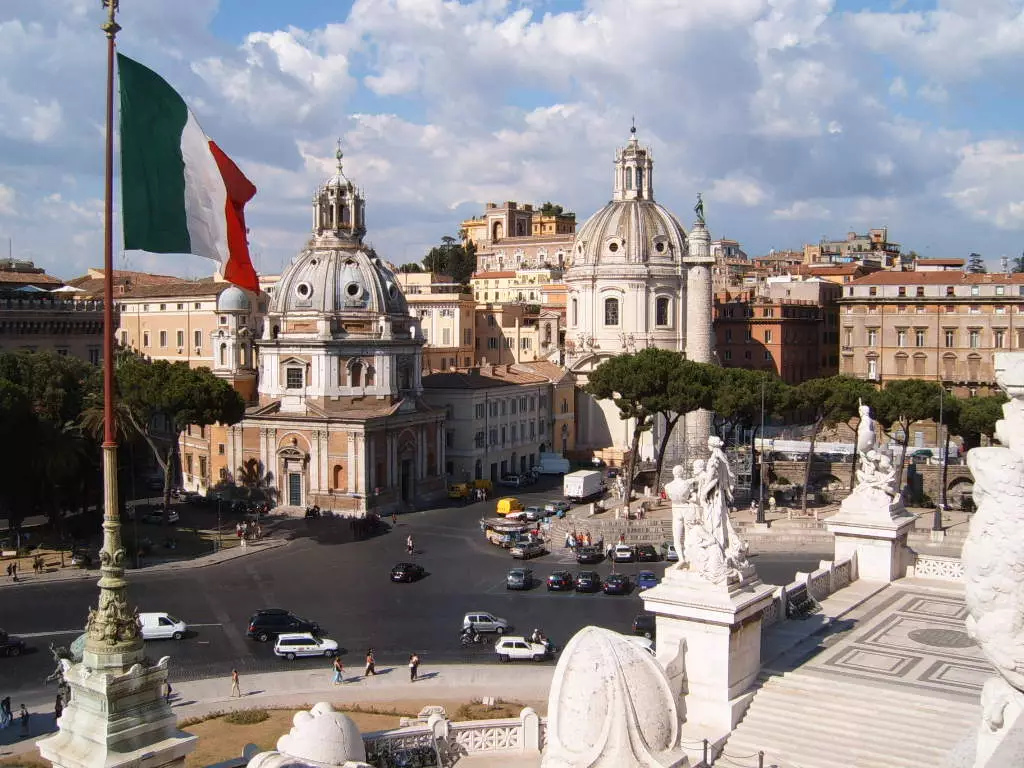
More of an enormous traffic circle than a piazza, but a good central location. The centerpiece is the enormous Vittorio Emanuele Monument (aka the Wedding Cake or the Typewriter) with the Capitoline hill next door. Mussolini used to harangue Romans from the first floor balcony of Palazzo Venezia (see under Museums), to the west of the square.
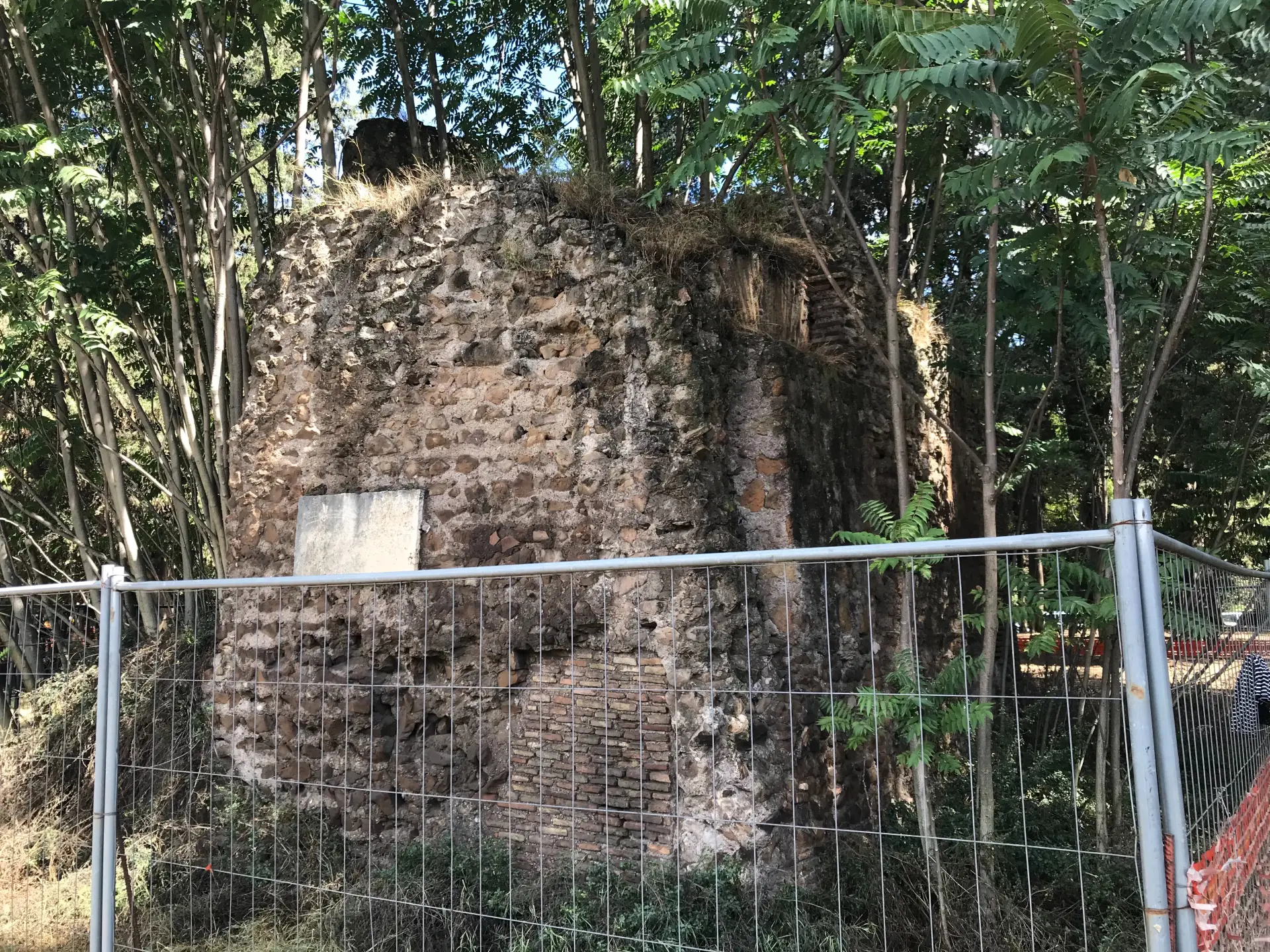
Casal Rotondo is the biggest mausoleum on the Appian Way, at about the sixth mile. It now incorporates a small private villa, originally a farmhouse. It is not known for whom it was built. The wall of fragments next to it, constructed by Luigi Canina, has ruins referring to the Cotta family but this family is now believed to not be associated with the Casal Rotondo.
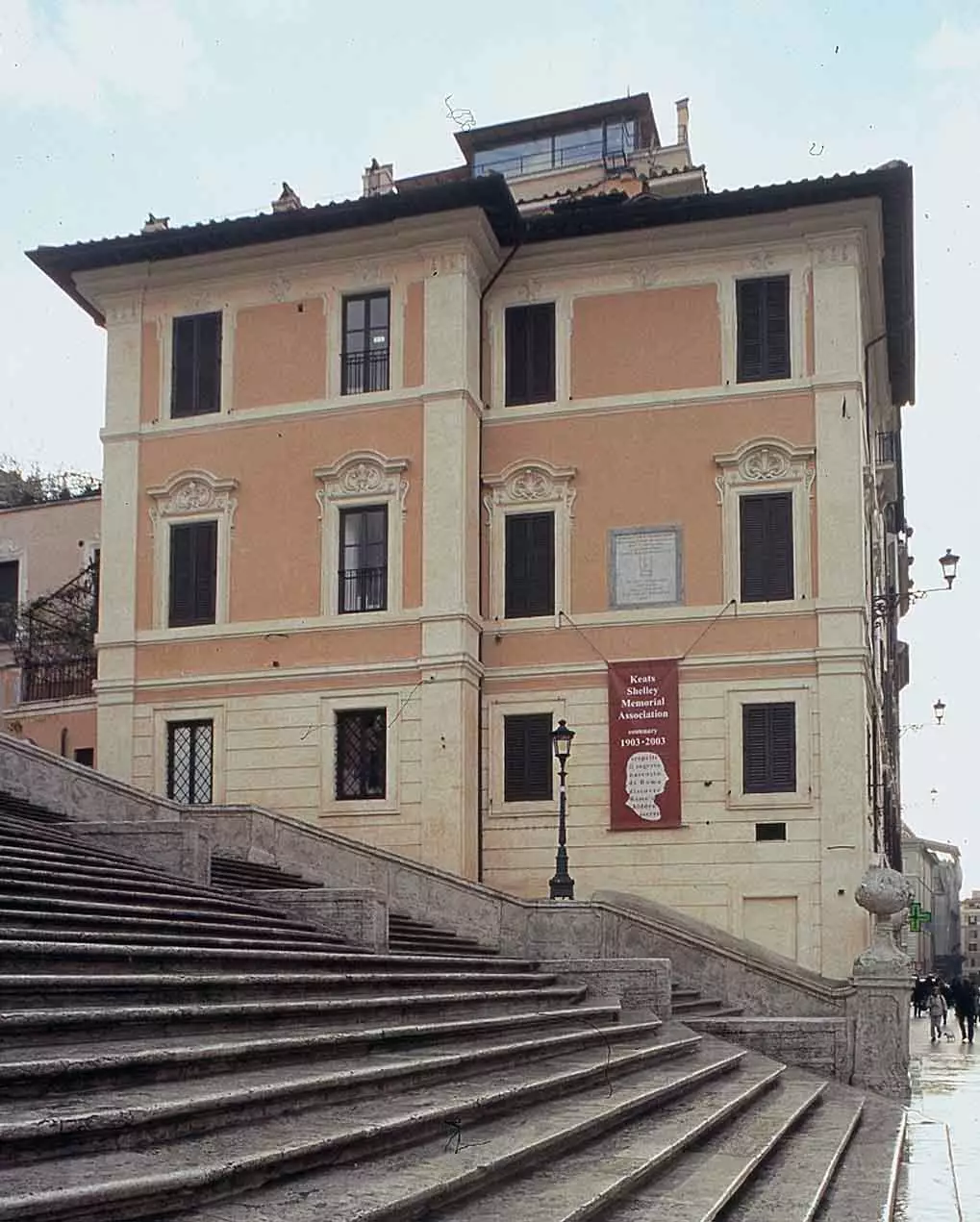
The Piazza di Spagna (Spanish Square) is the most famous square in Rome. For a very long time it was the meeting point of all foreigners coming to Rome. In the 17th century it was the residence of the Spanish Ambassador to the Holy See. The area around the residence was Spanish territory and foreigners who stayed here without permission were forced to serve in the Spanish army. The Fontana della Barcaccia (Old Boat Fountain) on Piazza di Spagna was designed and built in 1627-29 by Pietro Bernini, father of the more famous Gian Lorenzo Bernini. The fountain celebrates the fact that before high walls were built along the banks of the Tiber Rome often used to flood. Once the waters were so high that a boat ended up in the square. The decorations on the fountain imitate the coat of arms of Pope Urban VII, Barberini'p, who ordered the fountain to be built. A less aesthetic occupant of the square is Italy's first McDonalds, dating back to 1986. Also in the piazza is a column erected in 1856 to commemorate the Immaculate Conception. The column is topped by a statue of the Virgin Mary, and rests on a base with statues of Moses, David, Isaiah and Ezekiel. The Pope visits the Piazza every year on December 8th to celebrate Immaculate Conception.
A lovely, if somewhat run-down park (parts of it are blocked due to the poor state of the roads) with statues and a great view on the city.
This is not, contrary to popular belief, one of the original seven hills that Rome was founded on. It is the second highest after Monte Mario, though, and offers incredible panoramic views of the city as long as the authorities remember to prune the trees on the hillside (if they are too tall you can walk a few meters down the hill for views that are just as good). On the other side of the piazza there is also a nice view of the dome of St. Peter's. The Piazza and the street leading up the hill are dedicated to Giuseppe Garibaldi who led Italian troops against the French here in 1849. There are also several commemorative statues.
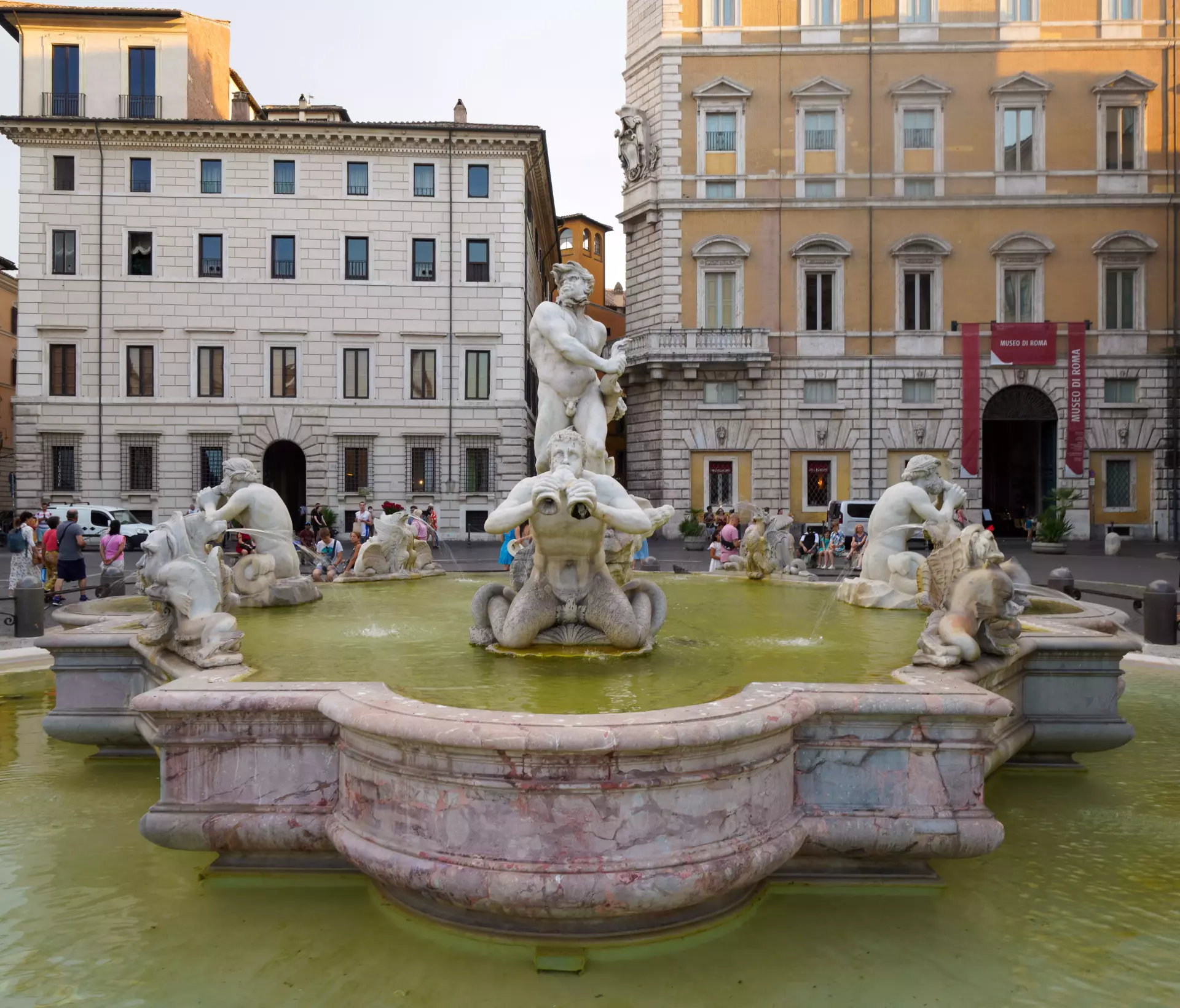
By Bernini, in the very centre of Piazza Navona. Incorporates an Egyptian obelisk and symbolises four of the world's great rivers (the Ganges, the Nile, the Danube and the Plata), representing the four continents known at the time.
A magnificent patrician house with beautiful gardens. It was built by order of Cardinal Alessando Albani in 1743-1763 in order to accommodate his collection of art. The collection was taken care of by the Winkelmann, adviser and friend of the cardinal. In Rome, Winkelmann wrote his "Geschichte der Kunst des Altertumns (HIstory of the Art of Antiquity)", which made him the founder of classical archaeology. The painted ceiling of the great hall depicting Mount Parnassus is by the German painter Anton Raphael Mengs who was considered as the greatest painter in Rome in the 18th century. A permission to visit is to be requested by email or fax from Principi Torlonia's administration where you'd need to indicate date and time desired, your name and number of people in your party (max. 10).