
Tourist attractions in Berlin










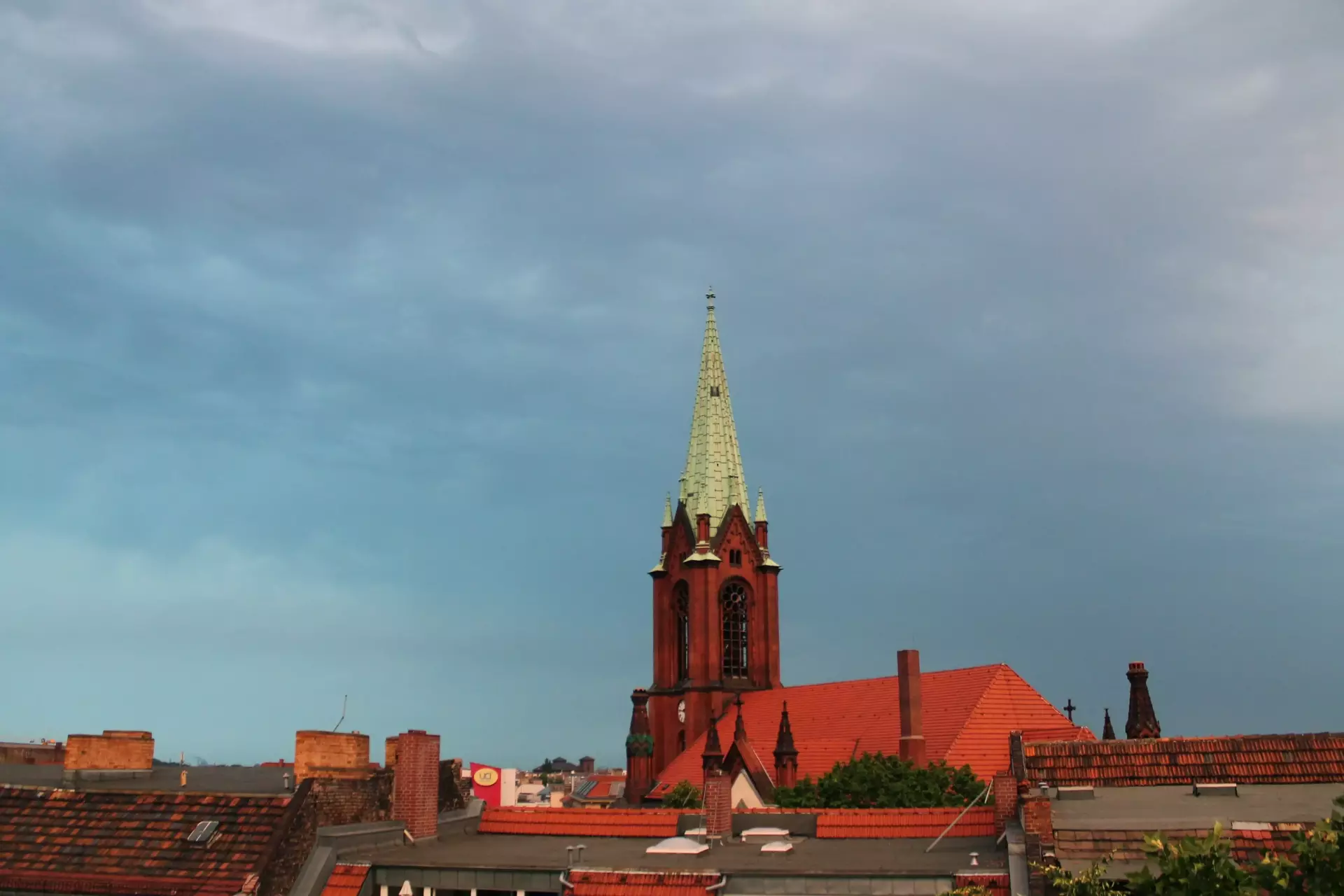

Bergmannstraße
Berlin, Germany
Görlitzer Park
Berlin, Germany150-200 m along the Wiener Straße (bypassing the fire house and the public swimming pool) from U-Bahn Görlitzer Bahnhof, the park is famous for the Turkish families barbecuing on summer weekends, failed contemporary art and relaxed atmosphere of students. It does have a reputation of being full of pickpockets and drug dealers though and the police makes regular visits to this place to check on the situation.

Landwehrkanal
Berlin, GermanyTake a stroll for a few kilometers along this canal which runs right through the heart of Kreuzberg. It's peaceful and mostly traffic-free, but full of life in summer. Some parts are lined with bars and restaurants with terraces. Sit on a bench or terrace and watch the world go by on a summer evening.

Viktoriapark
Berlin, GermanyWith the Kreuzberg, a hill in Kreuzberg 61, the Prussian National Monument by Schinkel and a waterfall. Superb panoramic views across south Berlin.

Meistersaal
Berlin, Germany
Topography of Terror
Berlin, GermanyThis outdoor and indoor history museum documents the terror applied by the Nazi regime. It is on the site of buildings which during the Nazi regime from 1933 to 1945 were the headquarters of the Gestapo and the SS, the principal instruments of repression during the Nazi era.

Jewish Museum Berlin
Berlin, GermanyDesigned by Daniel Libeskind with an excellent exposition on the Jewish life in Berlin and the impact of the Holocaust. You can easily spend a day here. There is a metal scanner and other security features you'd rather expect at an airport than a museum.

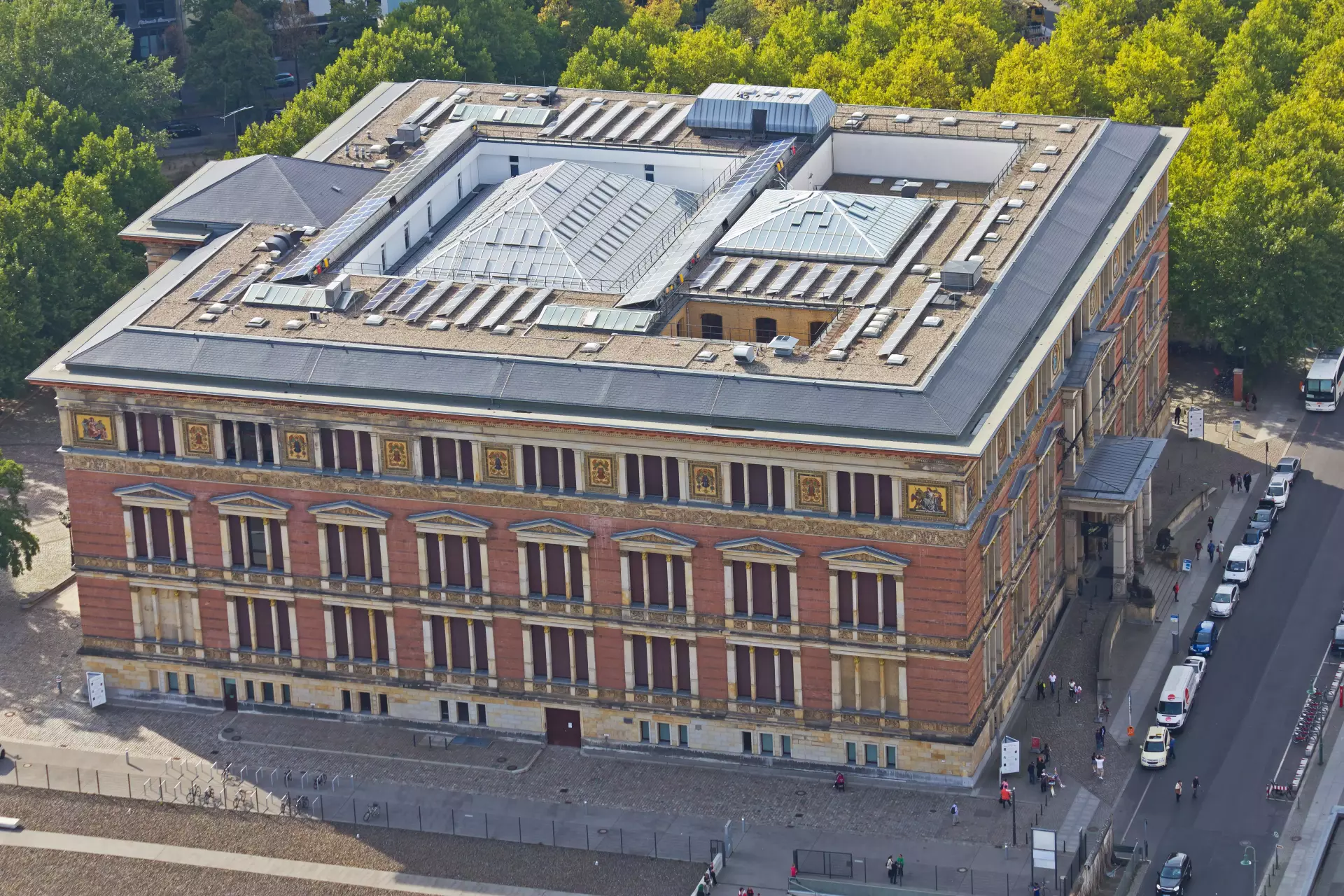
Martin-Gropius-Bau
Berlin, GermanyIt was a museum of applied arts and a listed historical monument since 1966, and it is now a well-known Berlin exhibition hall.

Berlinische Galerie
Berlin, Germany
German Museum of Technology
Berlin, GermanyHuge technical museum, on a former railroad depot, featuring from ancient water and wind mills to computer pioneer Konrad Zuse's inventions, a collection of old to new vehicles of all types -bicycles, boats, trains, etc - and the interactive Spectrum science center with various hands-on experiments. There's an actual C-17 "Candy Bomber" airplane hanging on its façade. The railroad and aeronautical sections are hard to beat.

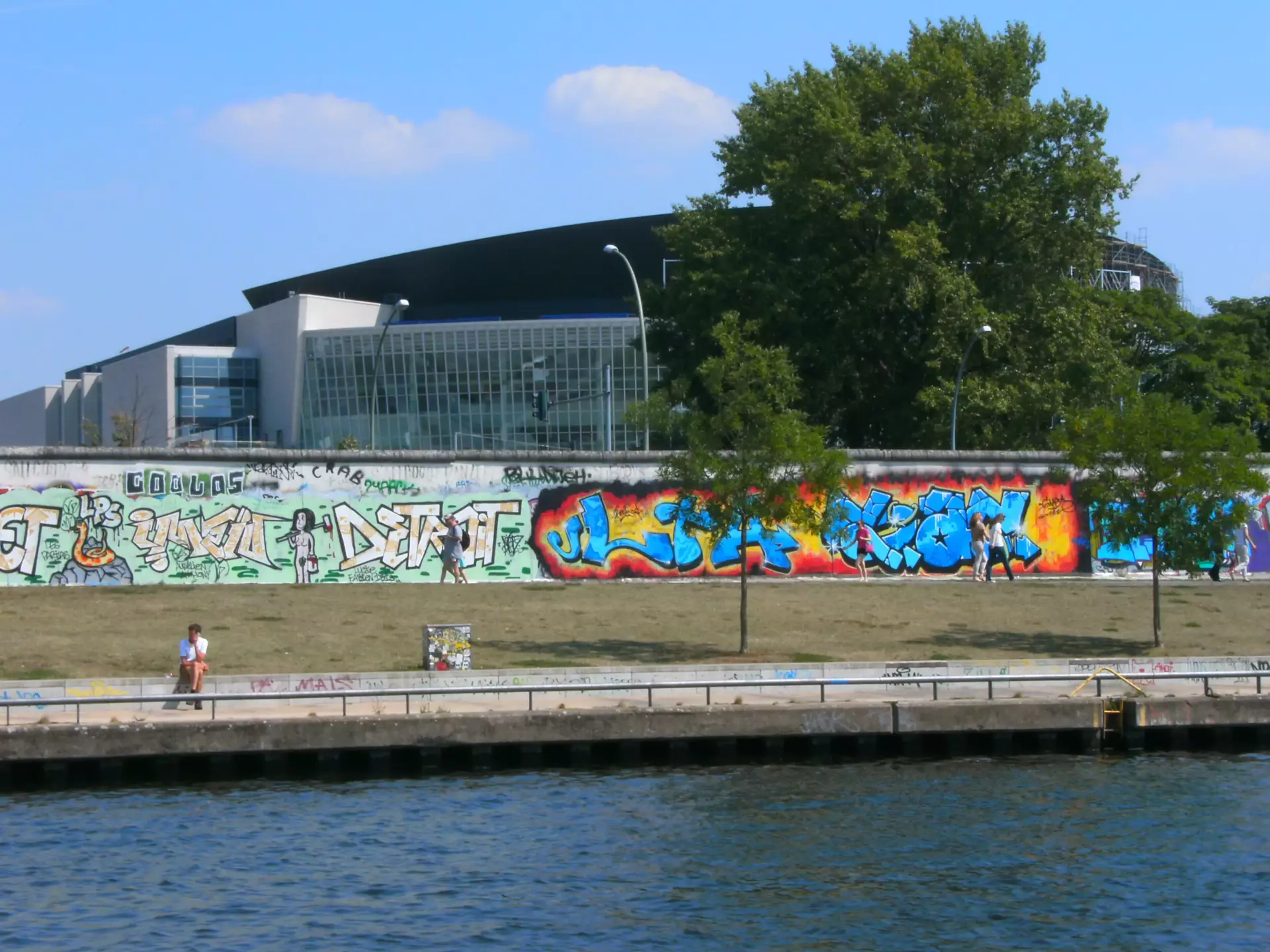
East Side Gallery
Berlin, GermanyThe longest stretch of the Berlin Wall still in existence, painted by artists in 1991 and restored in 2009, after years of decay. At Mühlenstraße, next to the river Spree. The murals are painted on the east side of the wall after the fall of Communism; so they are not from the Cold War, during which murals could only be painted on the west side. Make sure not to miss the famous mural of a car seemingly crashing through the wall with Leonid Brezhnev and Erich Honecker kissing above it. It is actually on the back side of the gallery (it is facing away from the street.) It is just inside the entrance of the Eastern Comfort Hostel, near the east end of the gallery.

Simon-Dach-Straße
Berlin, Germany
Boxhagener Platz and surroundings
Berlin, Germany
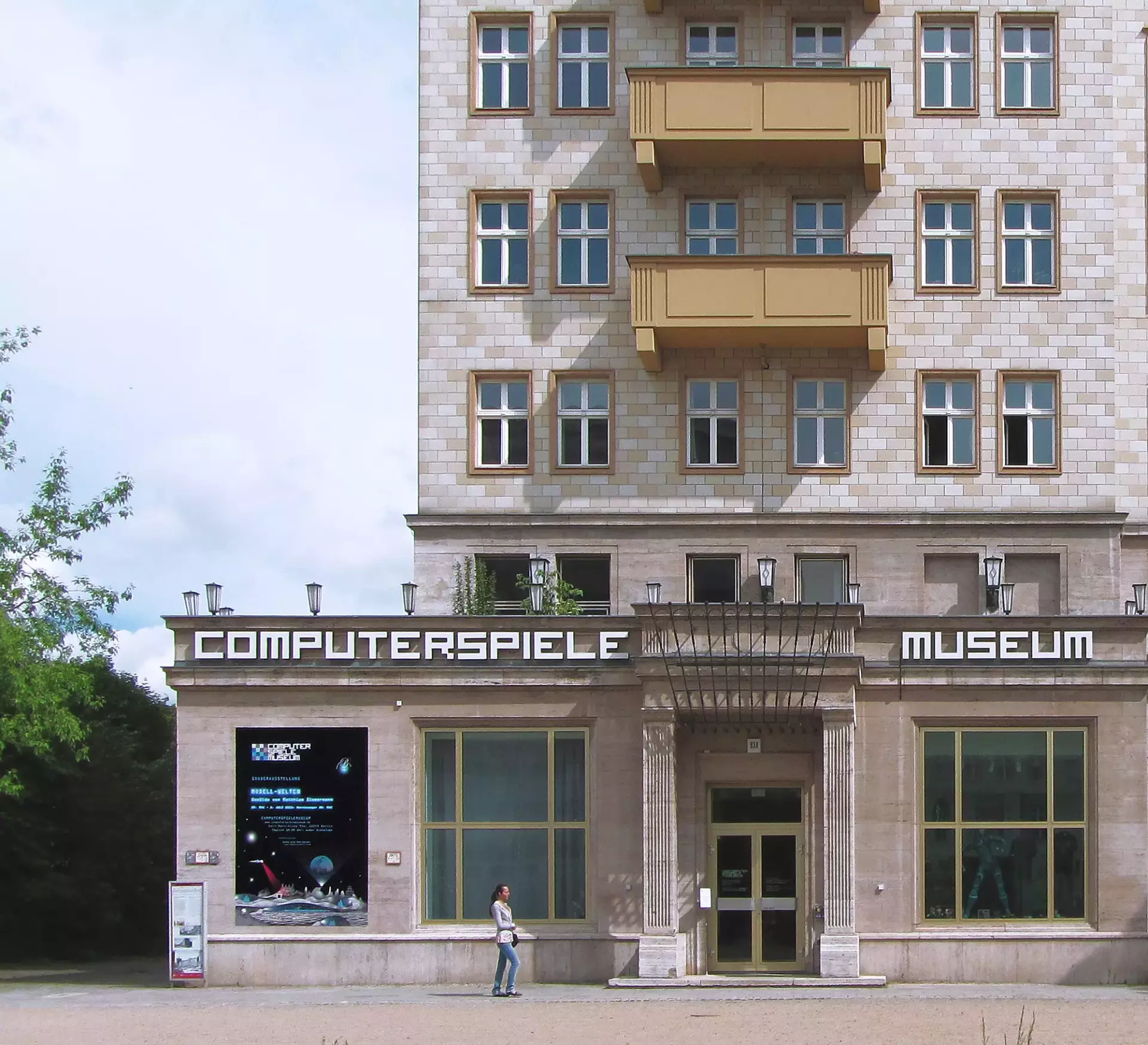
Computerspielemuseum
Berlin, GermanyExhibition of digital interactive entertainment culture. You can actually play almost all of the exhibits making it a more "hands on" museum than most.

Oberbaum Bridge
Berlin, GermanyArguably the most beautiful bridge in Berlin and the only connection between Friedrichshain and Kreuzberg. As signage on the bridge indicates, it was built twice - once in the 1890s and once in the 1990s. Before reunification the border ran where the bridge now is.

Karl-Marx-Allee
Berlin, GermanyThe main street of former East Berlin. It is a big avenue, featuring neoclassical East German buildings, fountains and lakes.

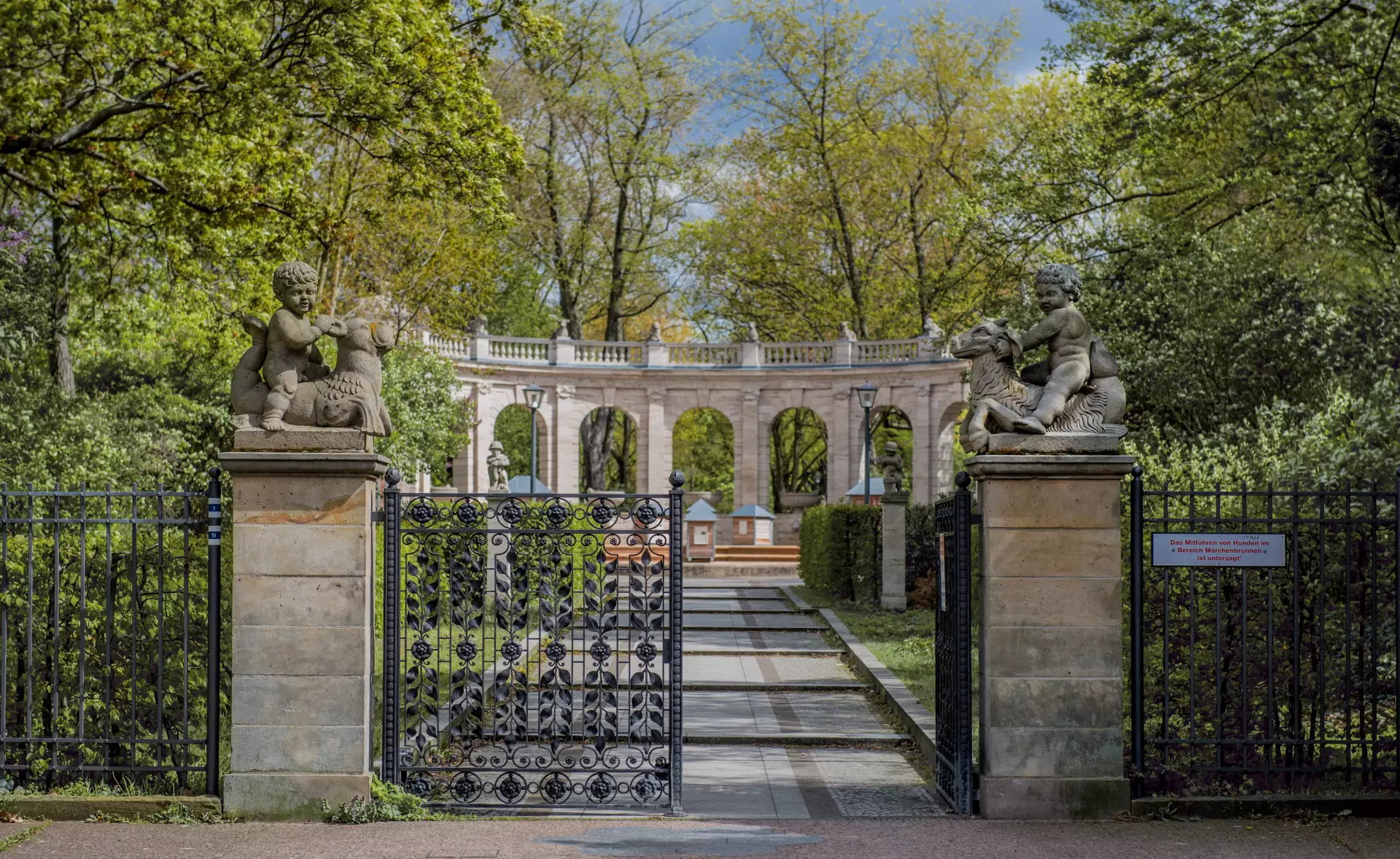
Märchenbrunnen
Berlin, GermanyIn 1893 the authorities of Berlin issued the artistic entrance to the National Park Friedrichshain. The fountain of fairy tales was commissioned by the National Park and later designed by Ludwig Hoffmann.

Kollwitzplatz
Berlin, Germany
Kastanienallee
Berlin, Germany
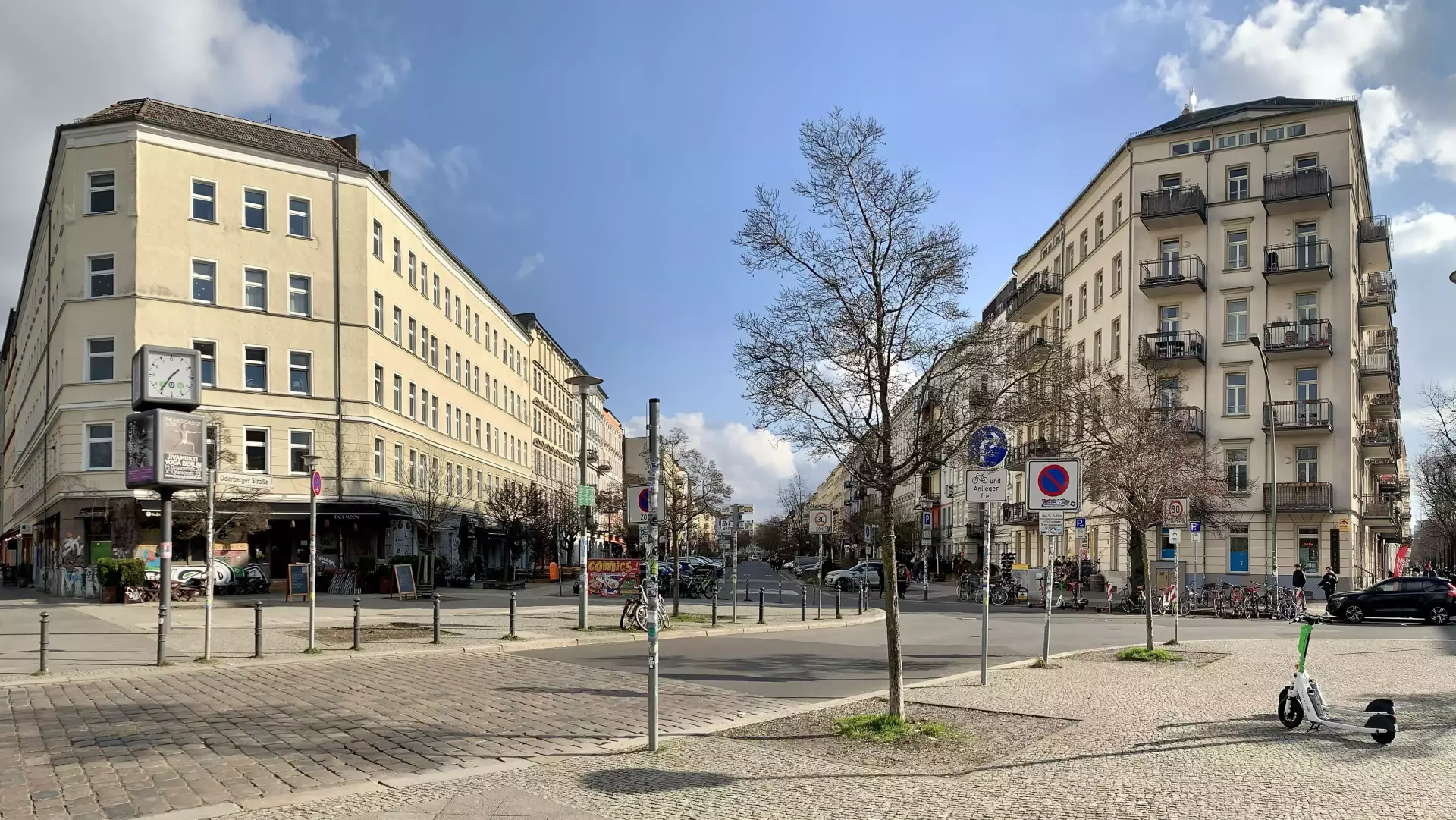
Oderberger Straße
Berlin, GermanyOderberger Straße is known for its beautiful and generous Gründerzeit architecture, as well as its cafés and restaurants. Since before Germany's reunification the street has been the desired place for alternative folks and avant-gardists, but the area has seen continual gentrification since the early 2000s.

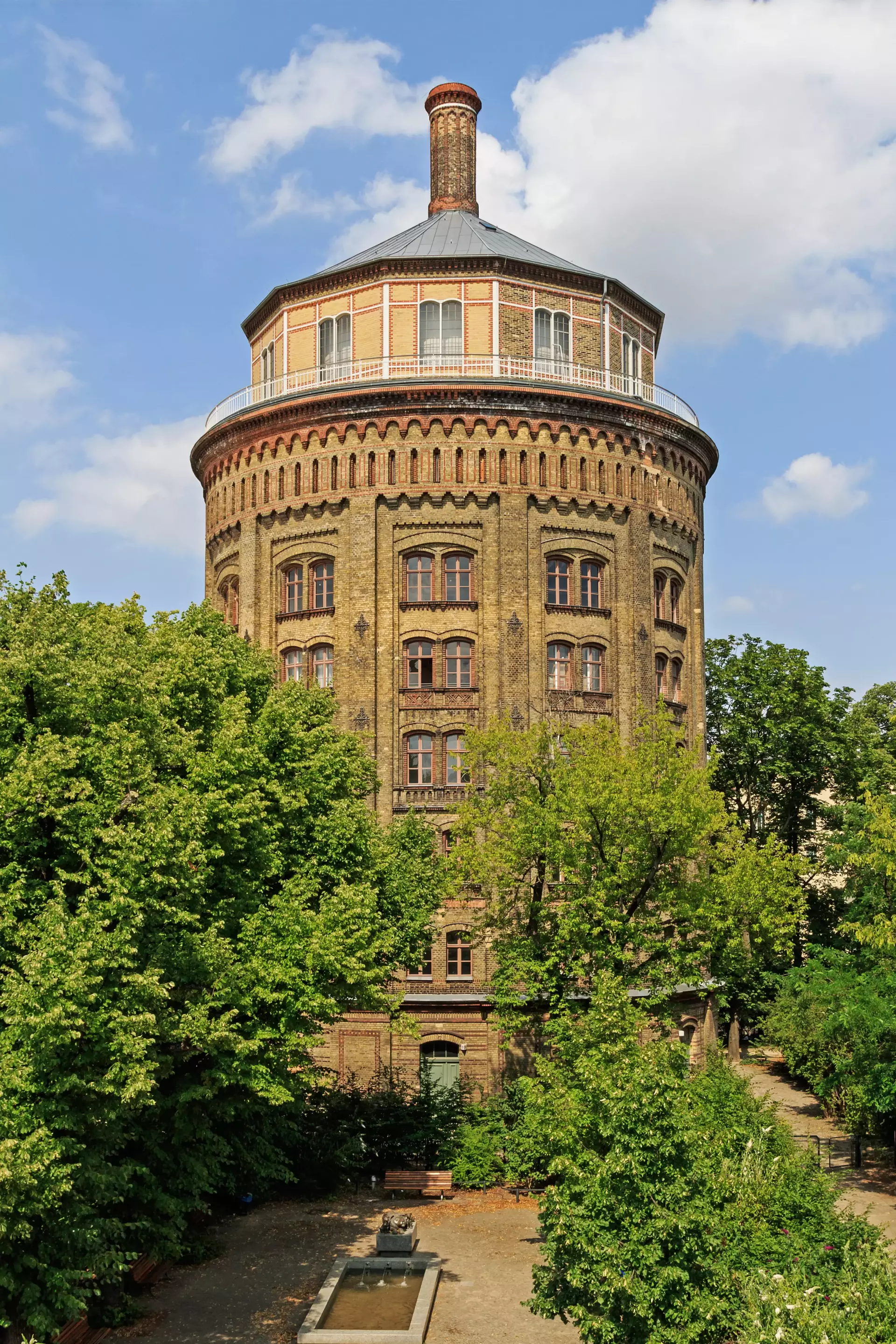
Wasserturm
Berlin, GermanyThe first (and one of the biggest) water tower of Berlin (built 1877).

Synagoge Rykestraße
Berlin, GermanyThe synagogue in the backyard of an apartment house is one of the biggest in Germany.

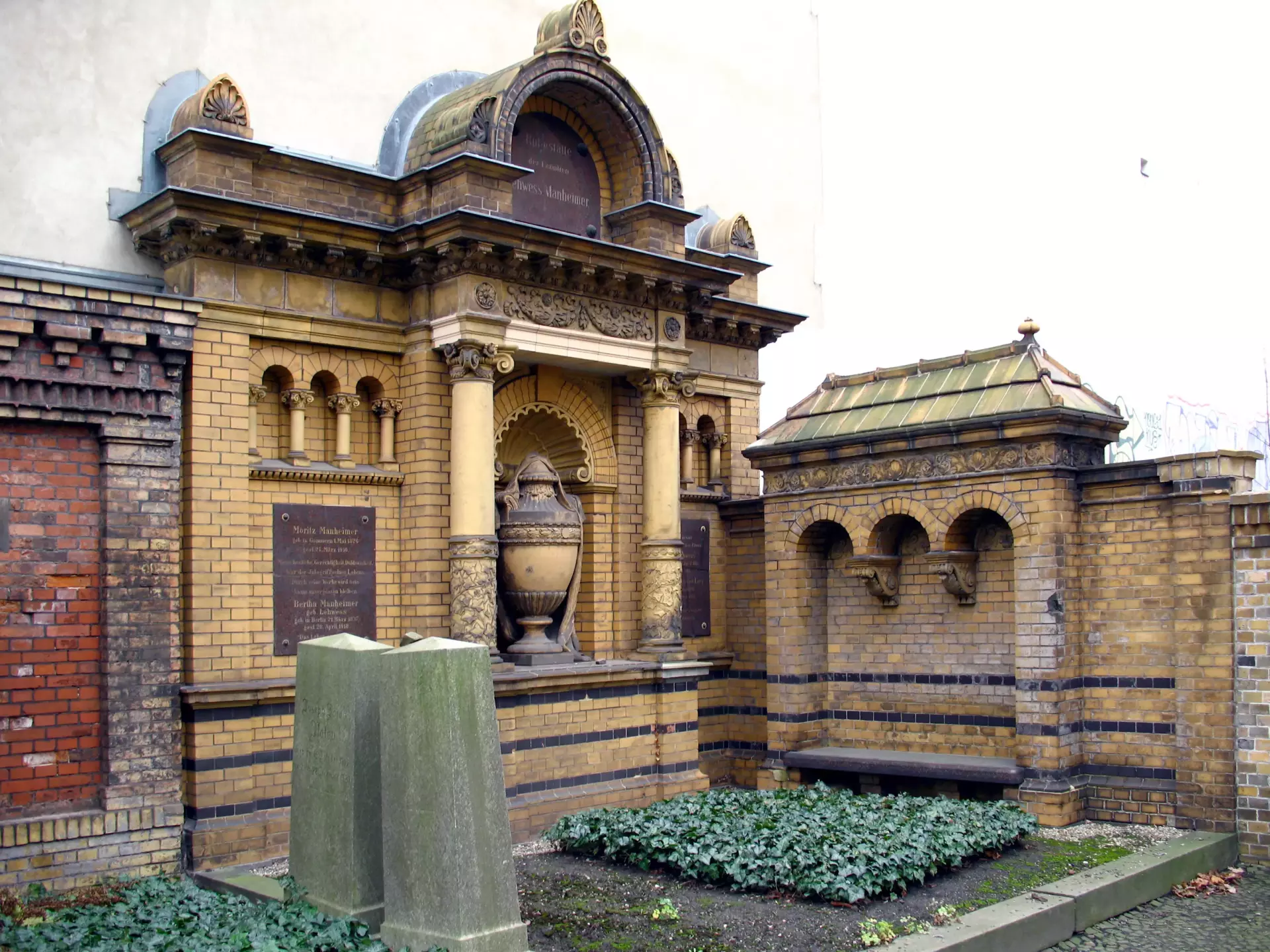
Jüdischer Friedhof Schönhauser Allee
Berlin, GermanyJewish cemetery and lapidarium with old tombstones.

Gethsemanekirche
Berlin, GermanyThe meeting point of one of the leading oppositions against the GDR regime and is a great Neogothic church. Also the only ecumenical Lord's supper with Protestants and Catholics together took place in the Gethsemanekirche (2003).

