Boxhagener Platz sits at the center of a lively neighborhood known for casual dining and late-night energy. The square itself is a small park with a playground and a café, surrounded by streets lined with bars, cafés, and independent shops.
Simon-Dach-Straße, just a short walk away, packs in low-cost bars and restaurants with a relaxed, social feel. Many places offer simple menus, outdoor seating when the weather allows, and a friendly atmosphere that lasts well into the evening.
Weekends bring a wave of classic Berliner brunch options. Affordable buffets and set plates appear across the neighborhood, drawing groups of friends and families who take their time over coffee, eggs, and fresh bread.
On Sundays, a small flea market sets up at Boxhagener Platz. Stalls sell secondhand clothes, vinyl records, books, and handmade goods, inviting unhurried browsing and occasional treasure finds.
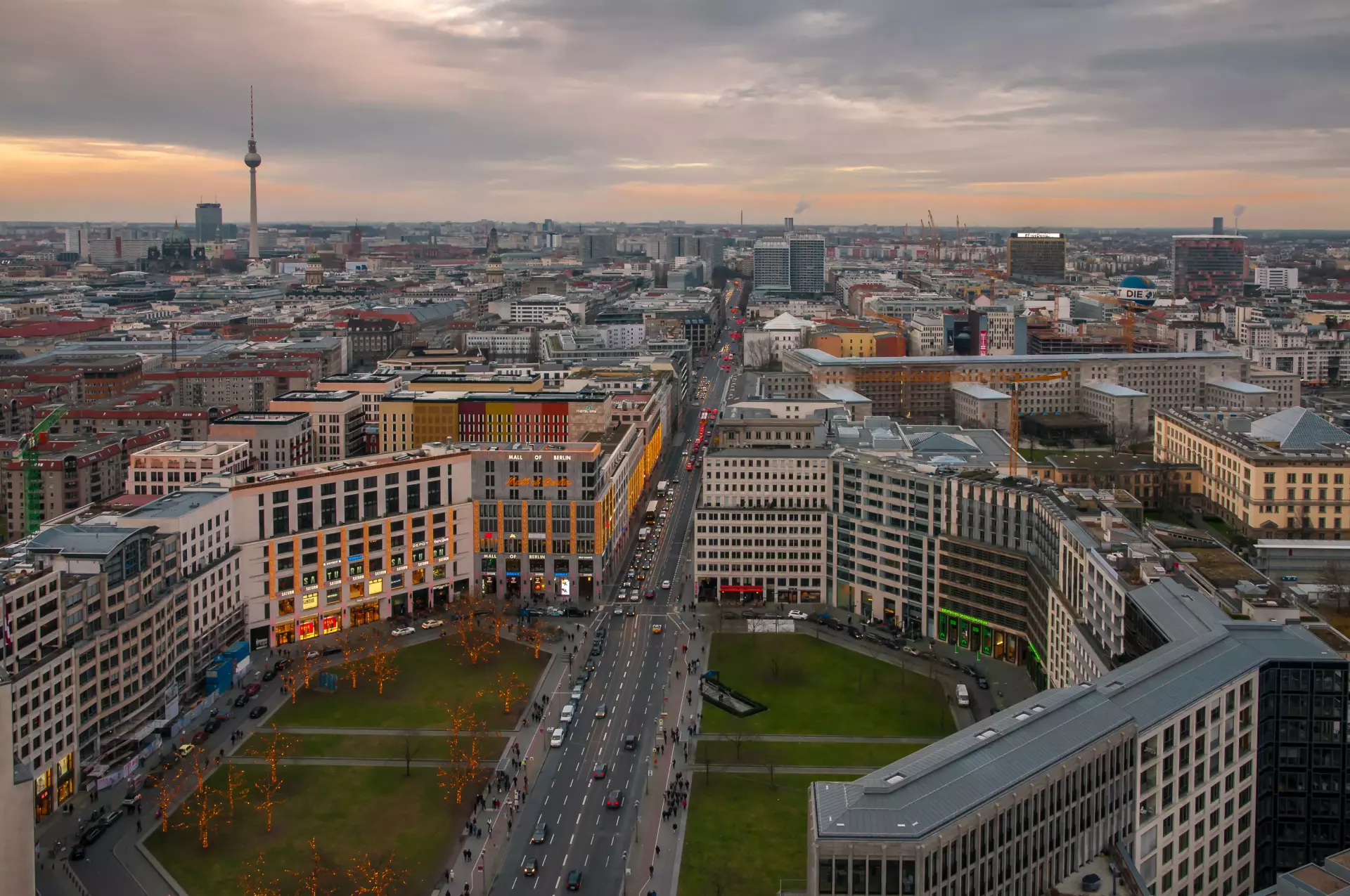
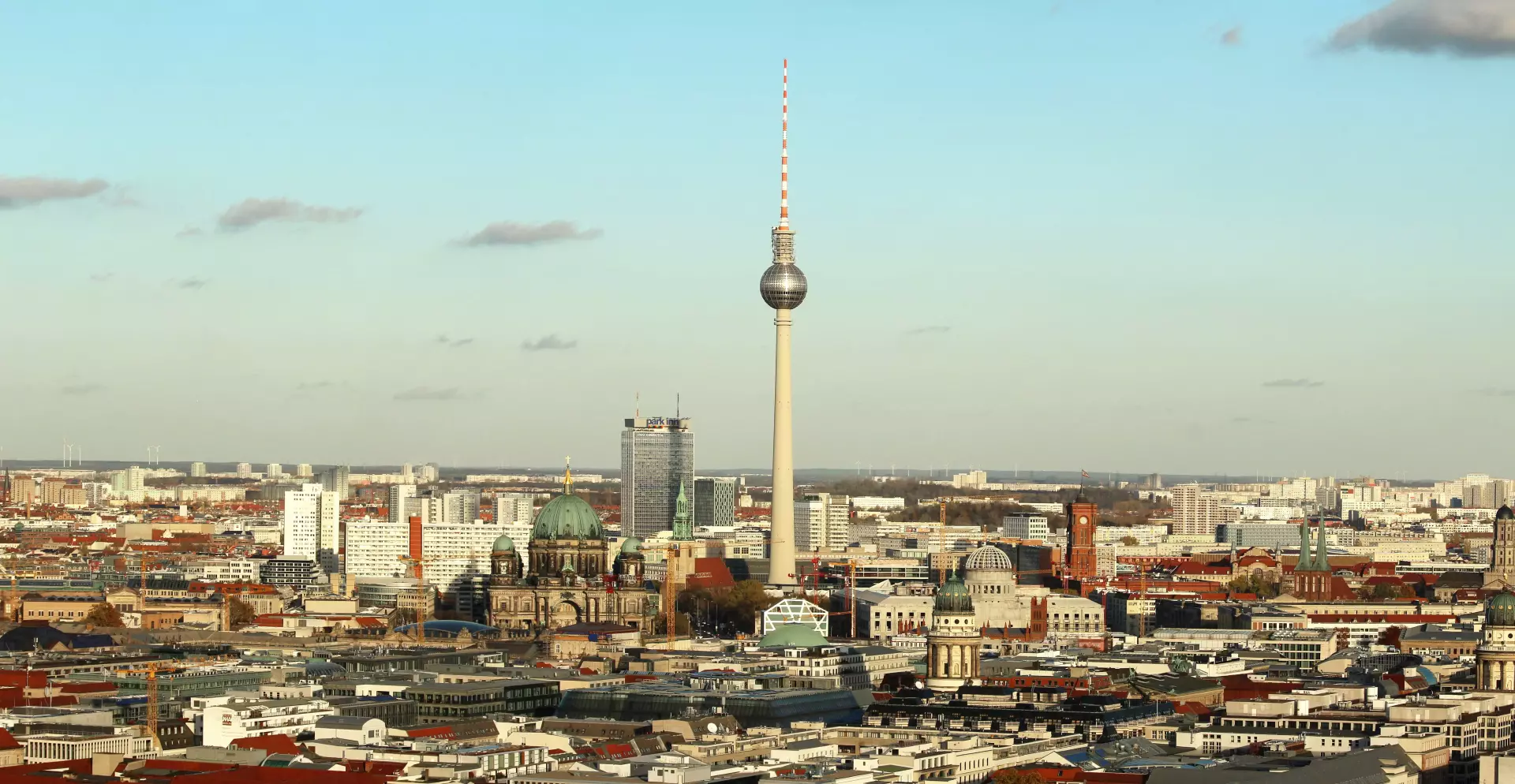
Gothic church, the second oldest (built in late 13th century) of the historical centre of Berlin. It's the highest church tower of Berlin (about 90 m), but seems rather small beneath the gigantic TV tower. The church tower was built in the late 18th century by Carl Gotthard Langhans, the architect of the Brandenburg Gate.
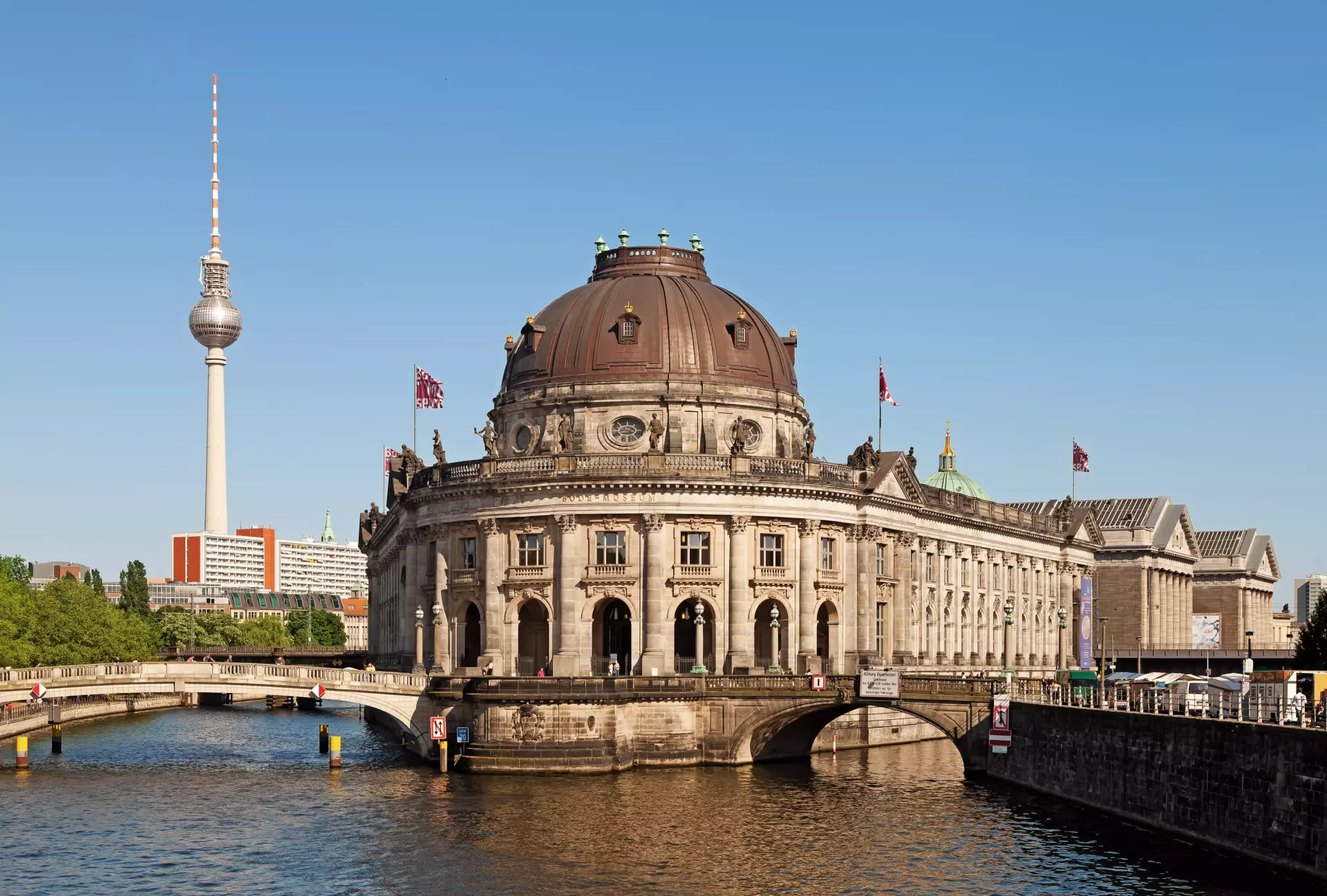
The museum’s treasures include the sculpture collection with works of art from the middle ages to the 18th century. The Bode museum is best known for its Byzantine art collection and the coin cabinet.
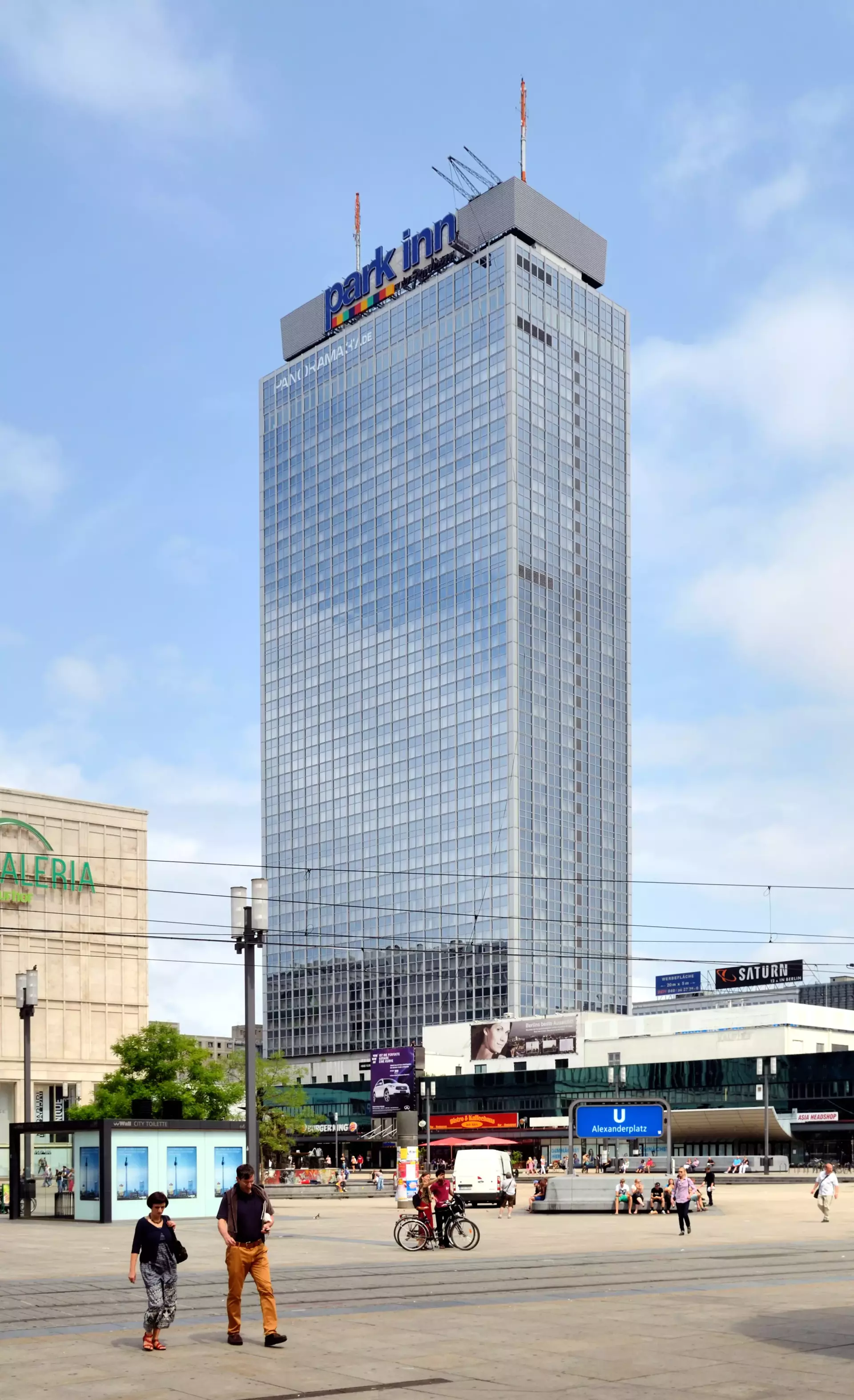
Small terrace on the top of the Park Inn, publicly accessible. Take the elevator to the 40th floor, and follow the signs up the stairs. Pay the attendant who also serves beer and coffee. Great views of the Fernsehturm. In the summer, consider base jumping off the roof with Jochen Schweizer. It is often closed in bad/windy weather, so look for a notice posted near the elevator that the terrace is closed.
Designed by Hans Poelzig in 1929, it is the first self-contained broadcasting house in the world and it is still in use today.
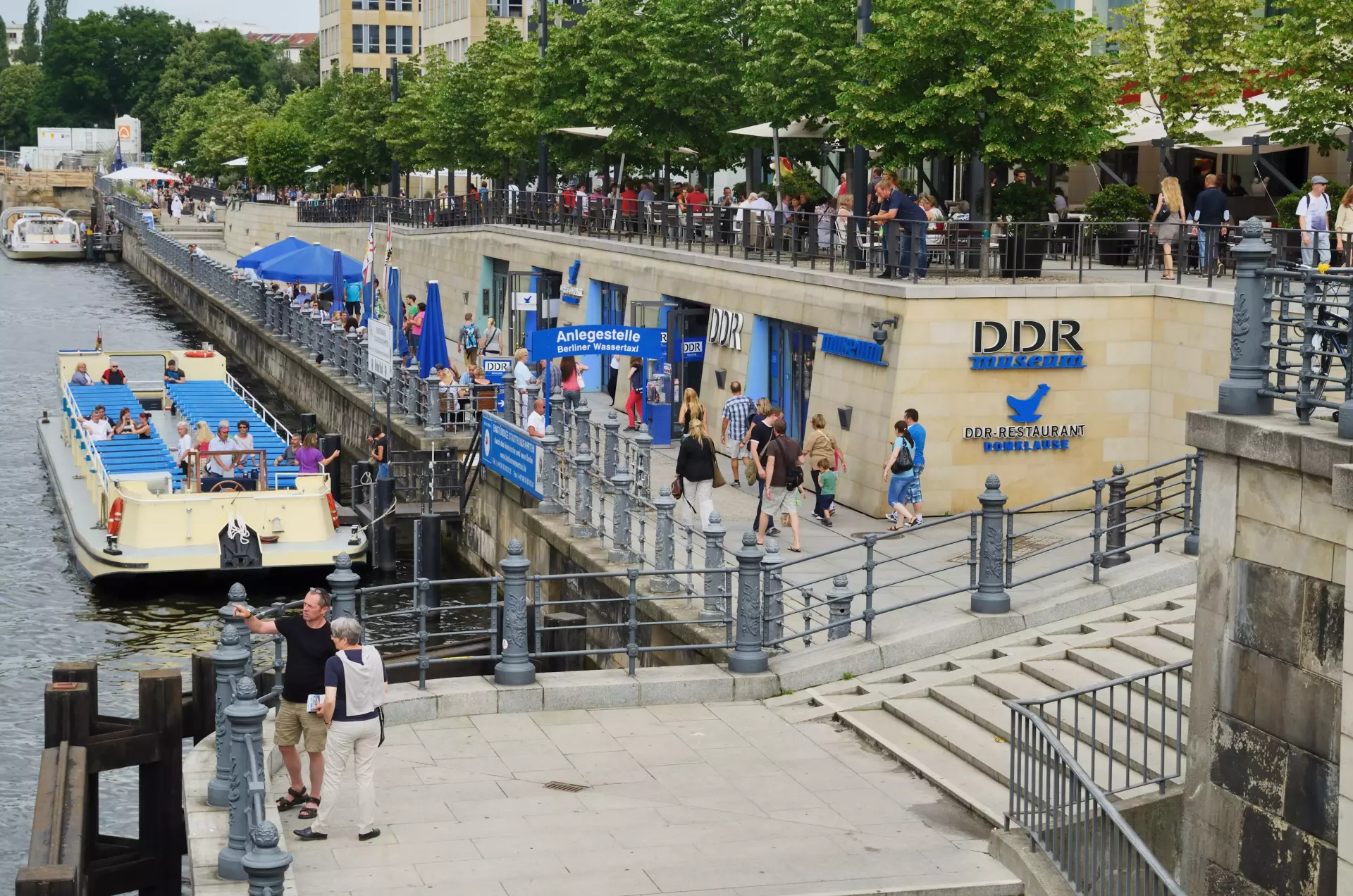
A museum dedicated to everyday life in communist East Germany. The museum has very relaxed rules and you are allowed to touch and examine almost every object, which adds greatly to the experience.
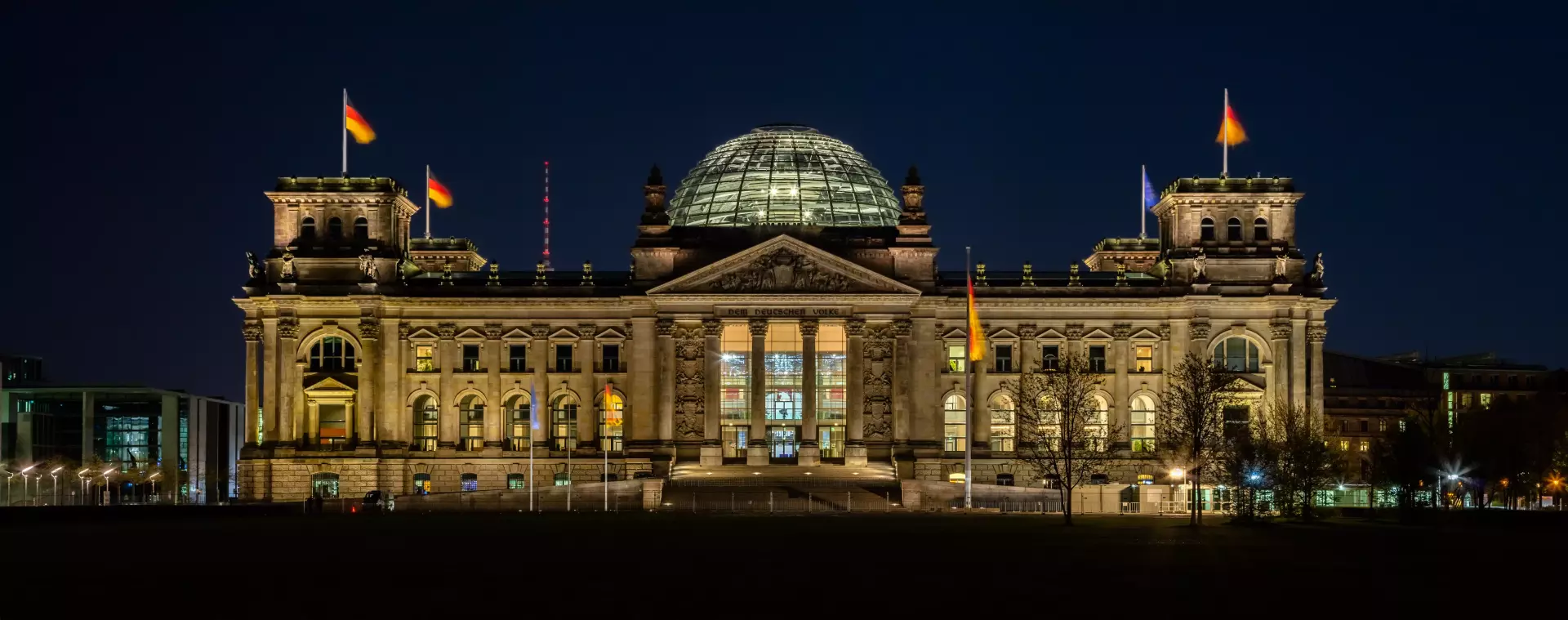
This imposing building houses the Federal German Parliament or "Bundestag" and was completed in 1894 to meet the need of the newly-unified German Empire of the Kaisers for a larger parliamentary building. The Reichstag was intended to resemble a Renaissance palace, and its architect, Paul Wallot, dedicated the building to the German people. The massive inscription in front still reads: "Dem Deutschen Volke" - 'For the German people'. The Nazi leader Adolf Hitler exploited the fire which gutted the Reichstag building in 1933 by blaming the Communists for the arson and for attempted revolution. There is good evidence to suggest, however, that his followers were actually responsible and that this was a manufactured crisis. The iconic photo symbolizing the Soviet victory over Nazi Germany shows a Soviet soldier planting the Soviet flag on top of the building and there are to this day graffiti left by Soviet soldiers on some walls of the Reichstag which were deliberately preserved by the new Germany as a memento of the war. It's perhaps the only national parliament to have traces left by a foreign army deliberately preserved. When German reunification became a reality, the new republic was proclaimed here at midnight on 2 October 1990. The Reichstag building is well-known in the art world thanks to Paris-based Bulgarian artist Christo's mammoth 'Wrapped Reichstag' project in 1995. The entire building was swathed in silver cloth for two weeks that summer.The Reichstag has undergone considerable restoration and alteration, including the addition of a spectacular glass dome designed by the British architect Norman Foster completed in 1999. You can visit the Reichstag building proper and even listen to a parliamentary debate but you need to book on their website sometimes weeks or even months in advance. Fortunately its much easier to visit the glass dome. You can reserve a visiting time and date on their website or in the small building across Scheidmannstrasse, except during the high season you should be able to arrange a time later the same day or the next day. Photo ID or passport is required to make the booking. A passsport is required during your visit. This is a very popular tourist attraction in Berlin and can get quite crowded however it is worth the effort. The helical path up the inside of the dome is a lot of fun and the 360 degree views at the top are splendid.
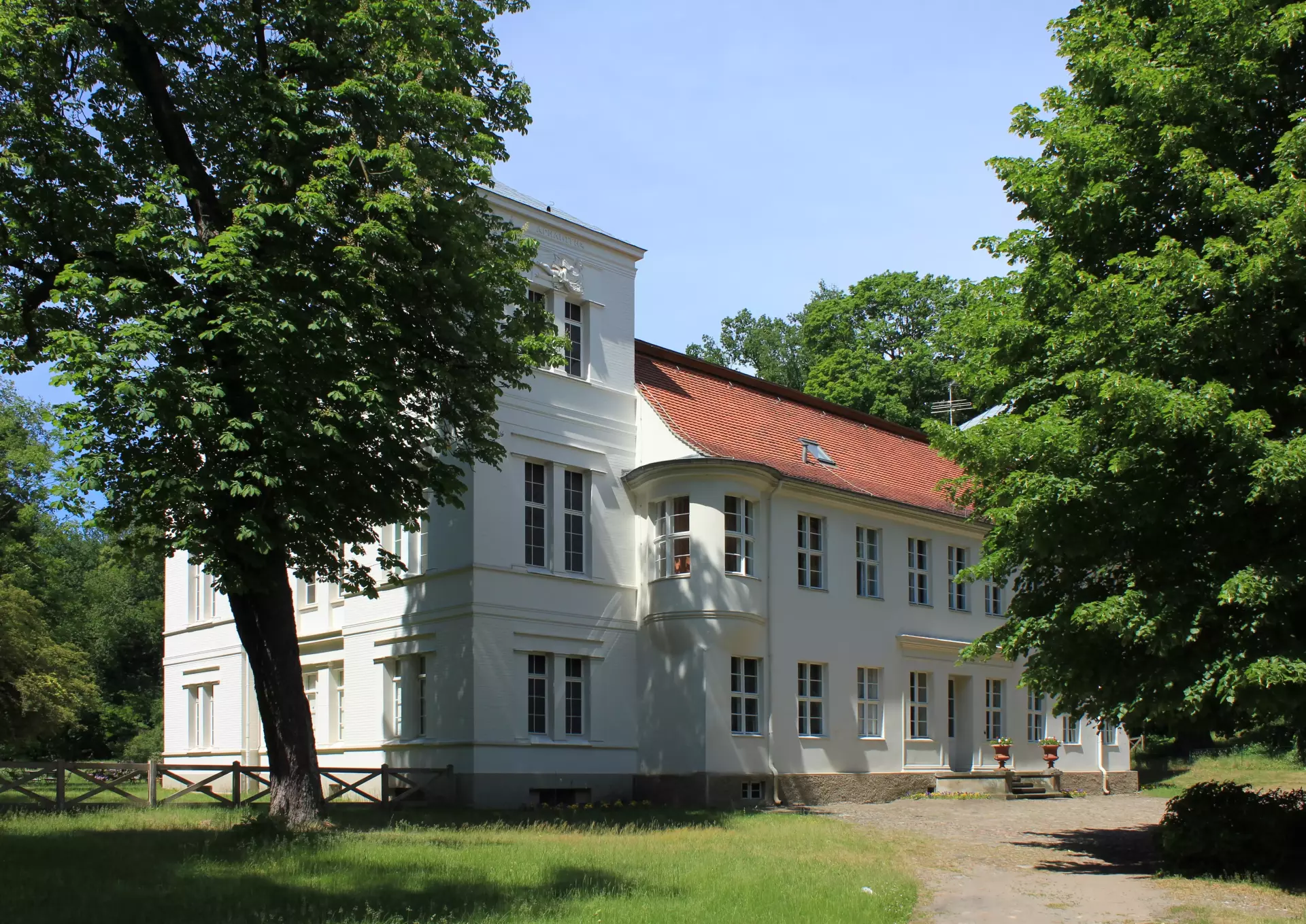
A remarkable medium-sized classical castle by the famous K.F. Schinkel built 1820 to 1824, also called "Humboldtschlösschen", because Alexander and Wilhelm von Humboldt (and their family) lived here once. Still privately owned.
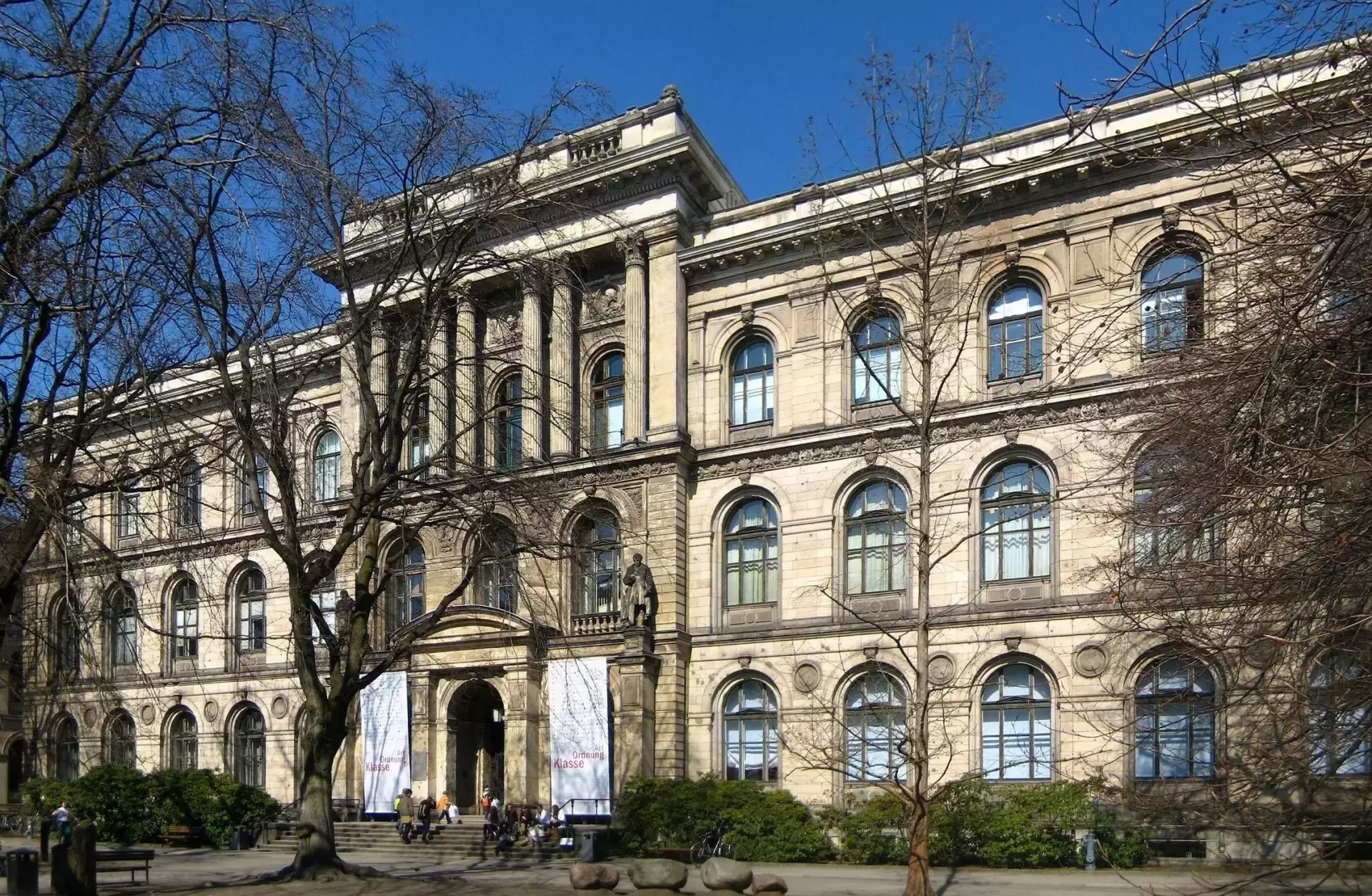
More than 30 million objects in the scientific collection and a fascinating exhibition in one of the most significant institutions of its kind in the world. Some parts still under construction.
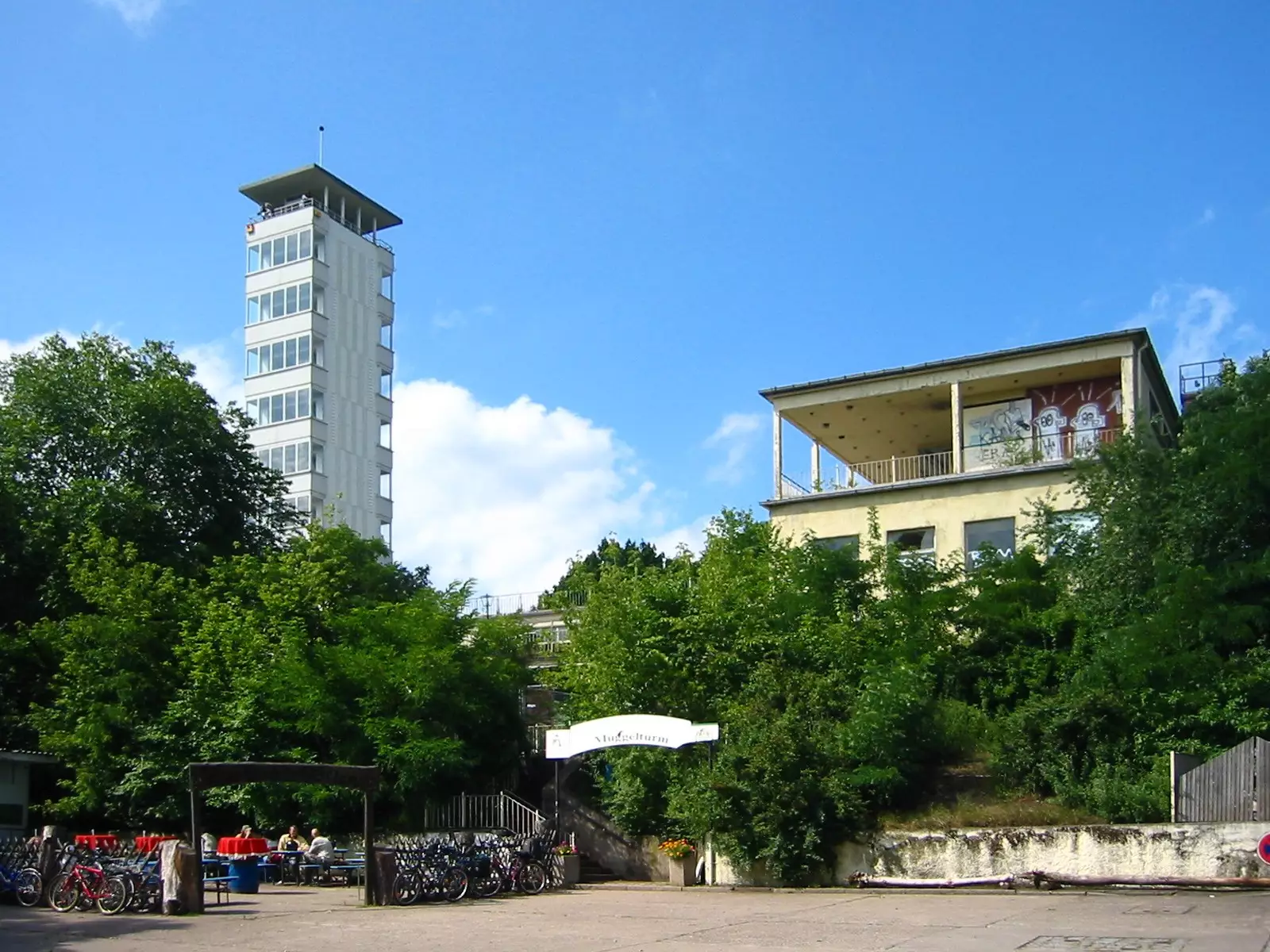
An observation tower without an elevator in Southeast Berlin, from which you can see that there is a great deal of forest around Berlin. There is a cafe at the tower.
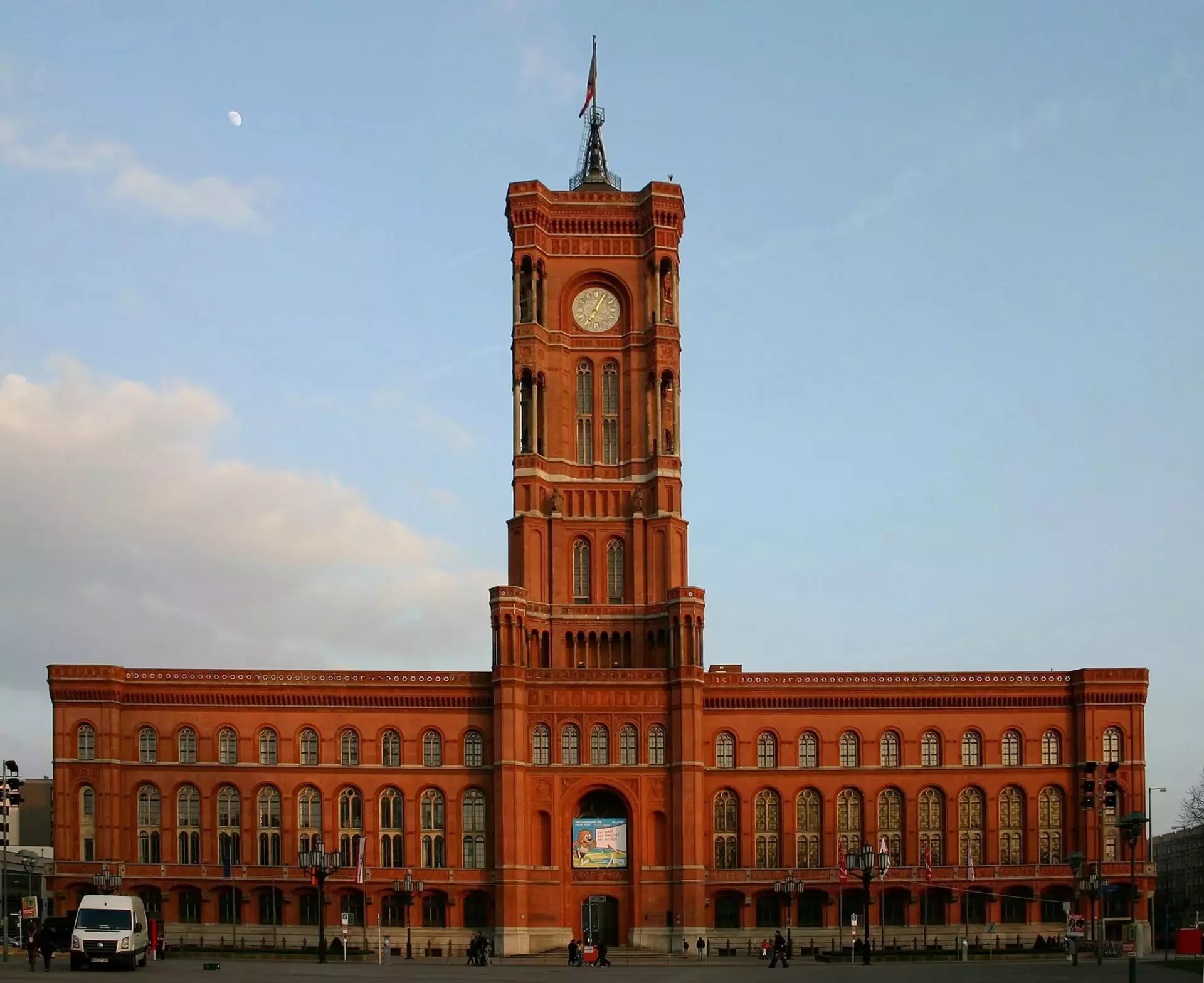
The town hall of Berlin is known as such because it is made of red brick, not due to its former political persuasion. There are nice Prussian rooms inside, which are worth a look.
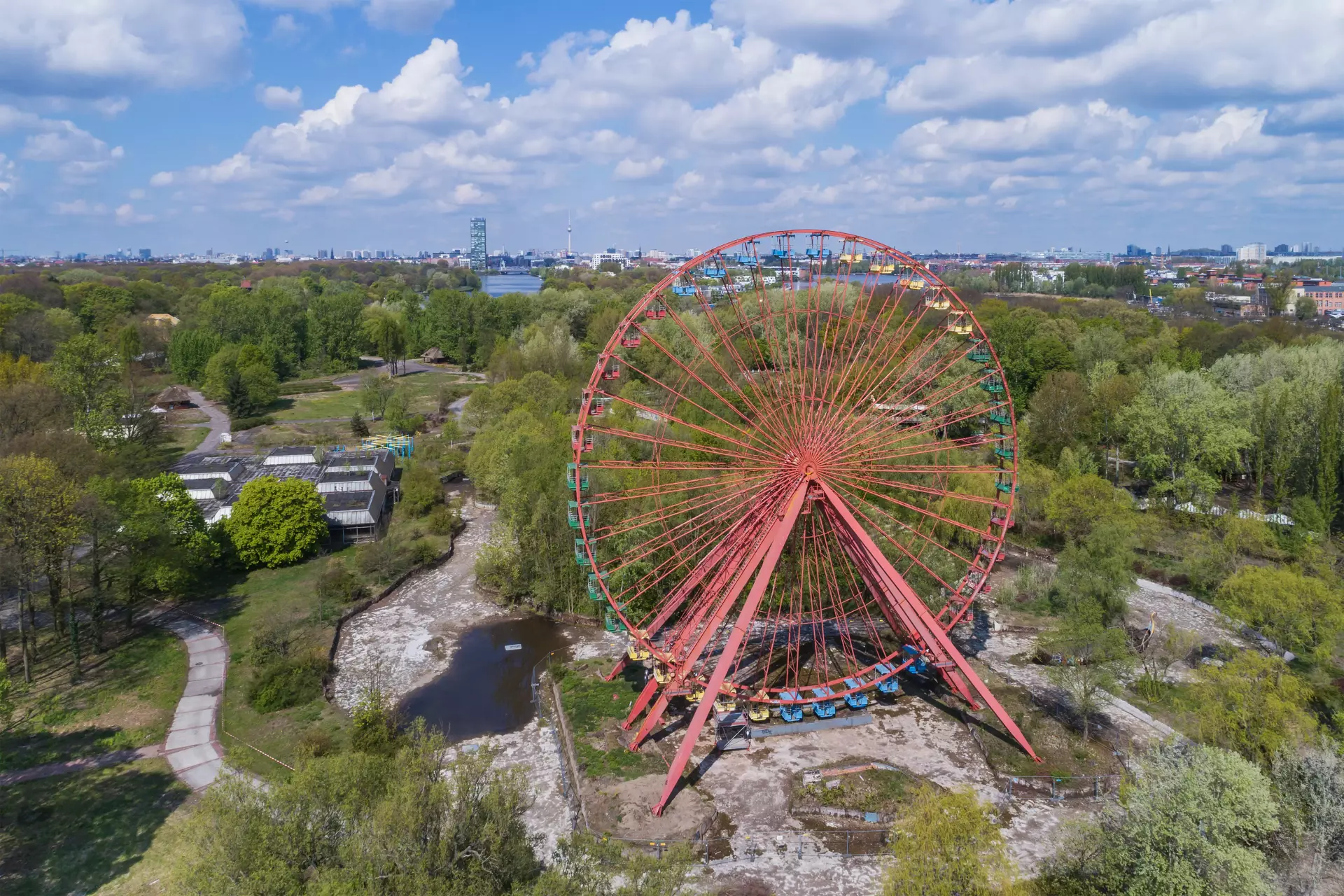
This abandoned amusement park with its iconic large Ferris wheel opened in the German Democratic Republic in 1969. After its closing in 2002 the rotting theme park and its apocalyptic atmosphere became a target of international media coverage, amongst others by the New York Times. In 2016 it was announced that the venue will be restored and reopened as an art and culture park.
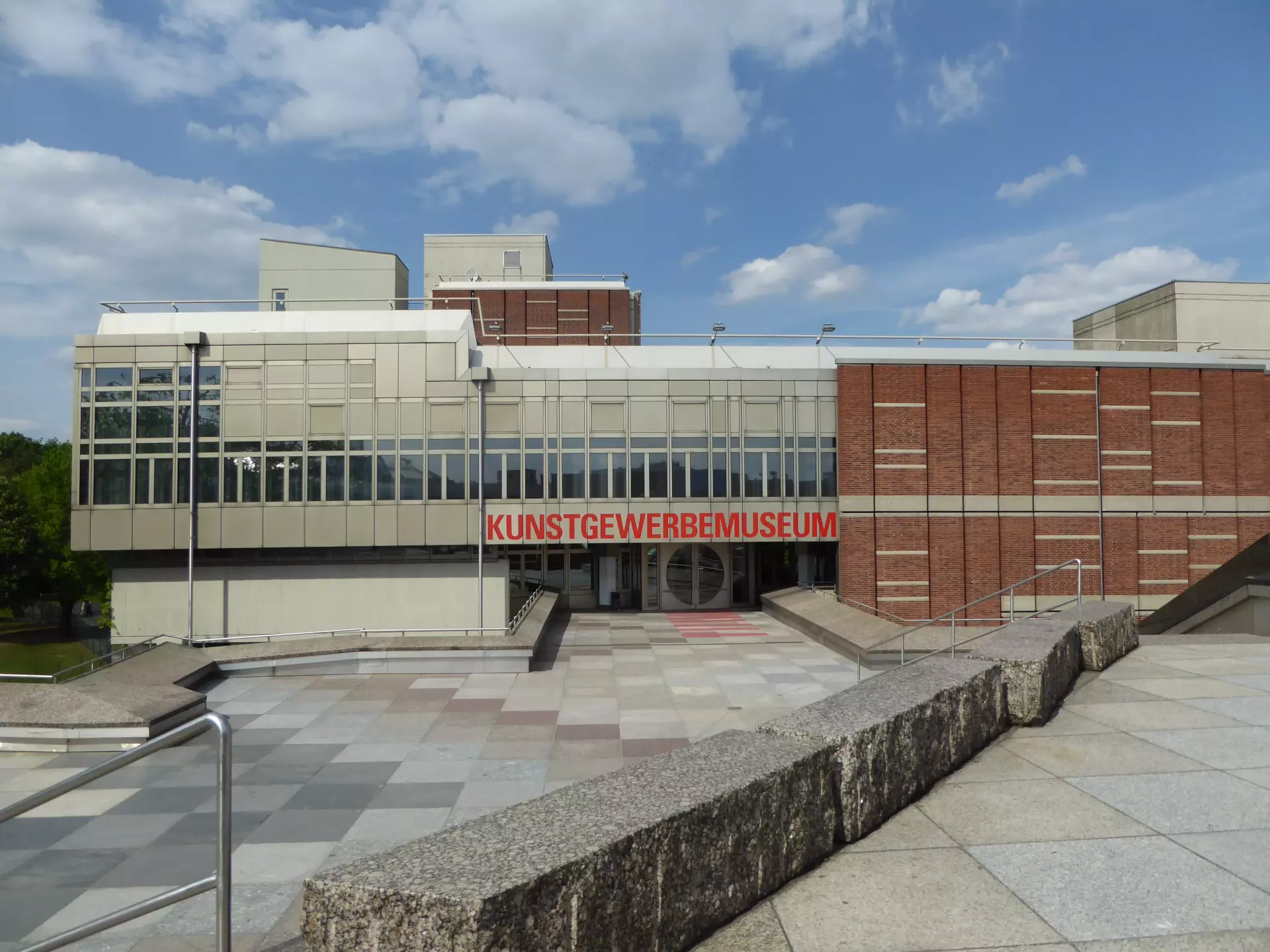
The oldest museum of its kind in Germany which, despite great losses during the World War II, still possesses one of the world's primary collections of European applied art. There are two sections to the collection: one located at the Kulturforum in Tiergarten, the other at Köpenick Palace.
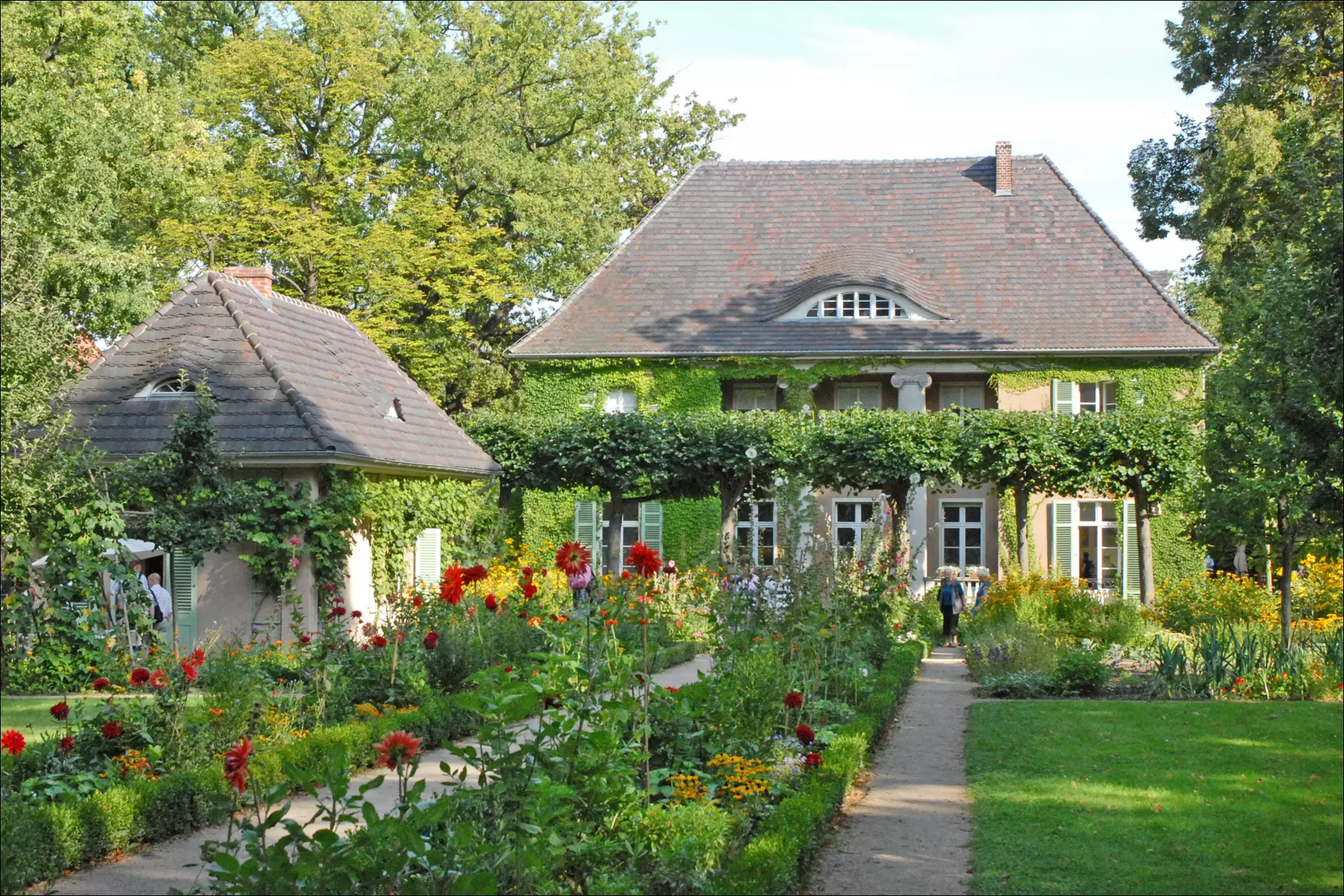
House museum on Max Liebermann, German painter and printmaker. Has about 15 Lieberman paintings.
Started in the 15th century and finished in the mid-18th century, the baroque palace was the residence of electors, kings and emperors until 1918, when it became a museum. The palace was badly damaged during World War II and later razed in 1950, replaced by the GDR with a modernist Palast der Republik. The Palast was in turn gradually dismantled at the turn of the century, as it was discovered to contain asbestos and its former function of housing the GDR parliament became obsolete. Berlin has started in June 2013 construction on a new version of its historic Stadtschloss. The Schlüterhof, an inner courtyard, was also rebuilt. The building opened with a delay in 2021 with museums inside and a roof terrace with a good view. Among the Berlin museums this is perhaps the most controversial due to reconstruction of a monarchist palace being seen as a questionable political statement and due to the fact that many of the exhibits were sourced from German colonies under ethically questionable circumstances leading to demands to return some or all of them to their places of origin.