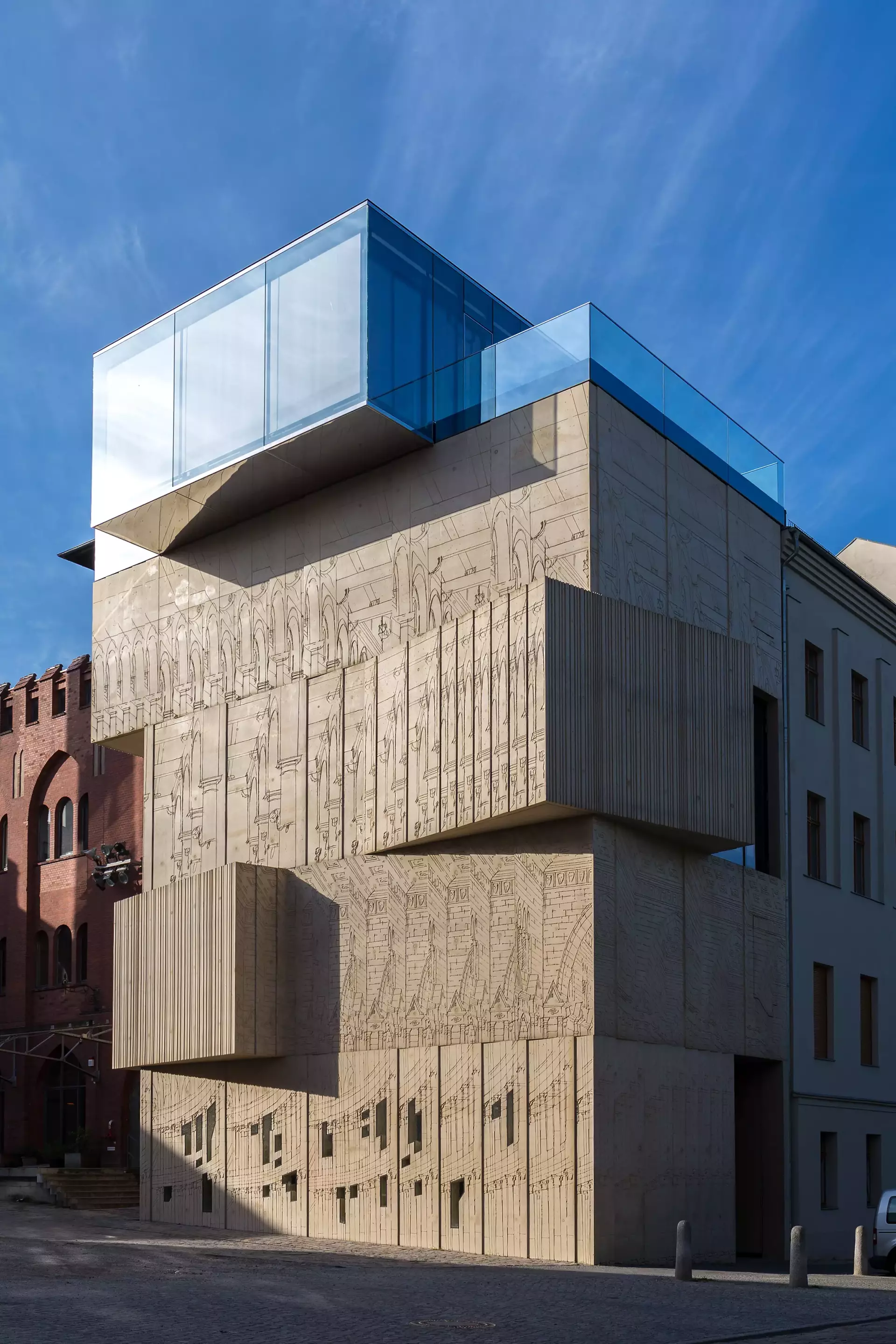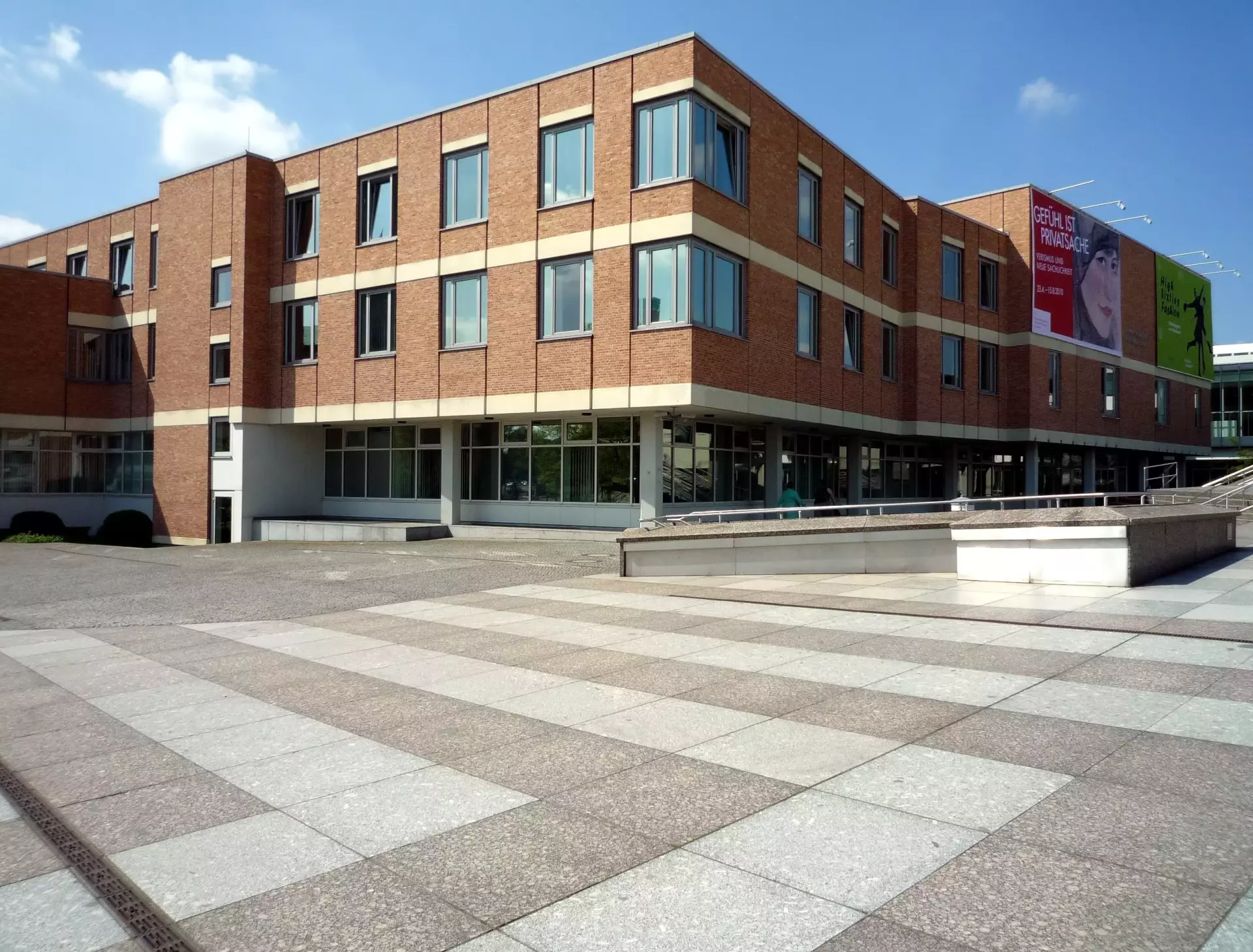
The Kupferstichkabinett in Berlin holds the largest collection of graphic art in Germany. Its rooms and archives bring together centuries of creativity on paper—delicate drawings, precise engravings, rare prints, and experimental works by artists from many eras.
Visitors encounter a wide range of techniques: copper engravings, woodcuts, lithographs, etchings, and masterful drawings. The holdings span from medieval sheets to contemporary editions, with names like Albrecht Dürer, Rembrandt, and Adolph Menzel often represented alongside modern and international artists. Many pieces are small or intimate in scale, encouraging slow looking and close attention to detail.
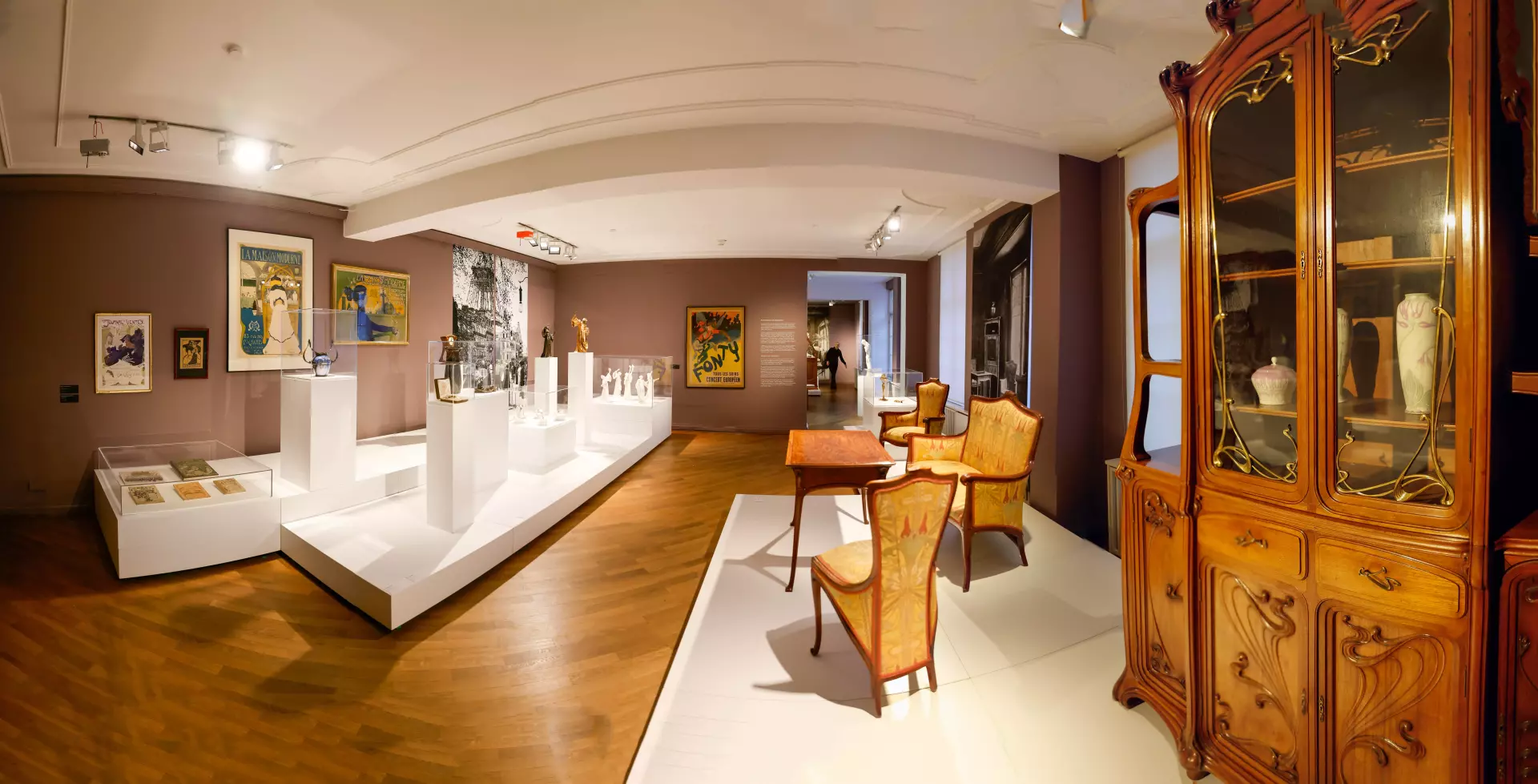
Because light is a threat to works on paper, the display rotates regularly. Selected highlights appear in changing exhibitions, while much of the collection is preserved in study rooms and storage for long-term care. Visitors can see curated shows that explore themes, techniques, or individual artists, and researchers may request access to examine originals under supervision.
The Kupferstichkabinett is part of the Staatliche Museen zu Berlin. Over time, the collection grew through royal acquisitions, private donations, and systematic collecting, building a record of European printmaking and drawing. Today, its catalog continues to expand with modern and contemporary works, reflecting new voices and methods in graphic art.
Works on paper often reveal an artist’s hand at its most direct: a quick sketch, a test print, a proof before the final state. The museum’s archives preserve these moments, showing how ideas move from concept to finished image. Visitors gain insight into processes that shaped books, posters, portraits, and visual culture across the centuries.
Source - https://en.wikipedia.org/wiki/Kupferstichkabinett_Berlin
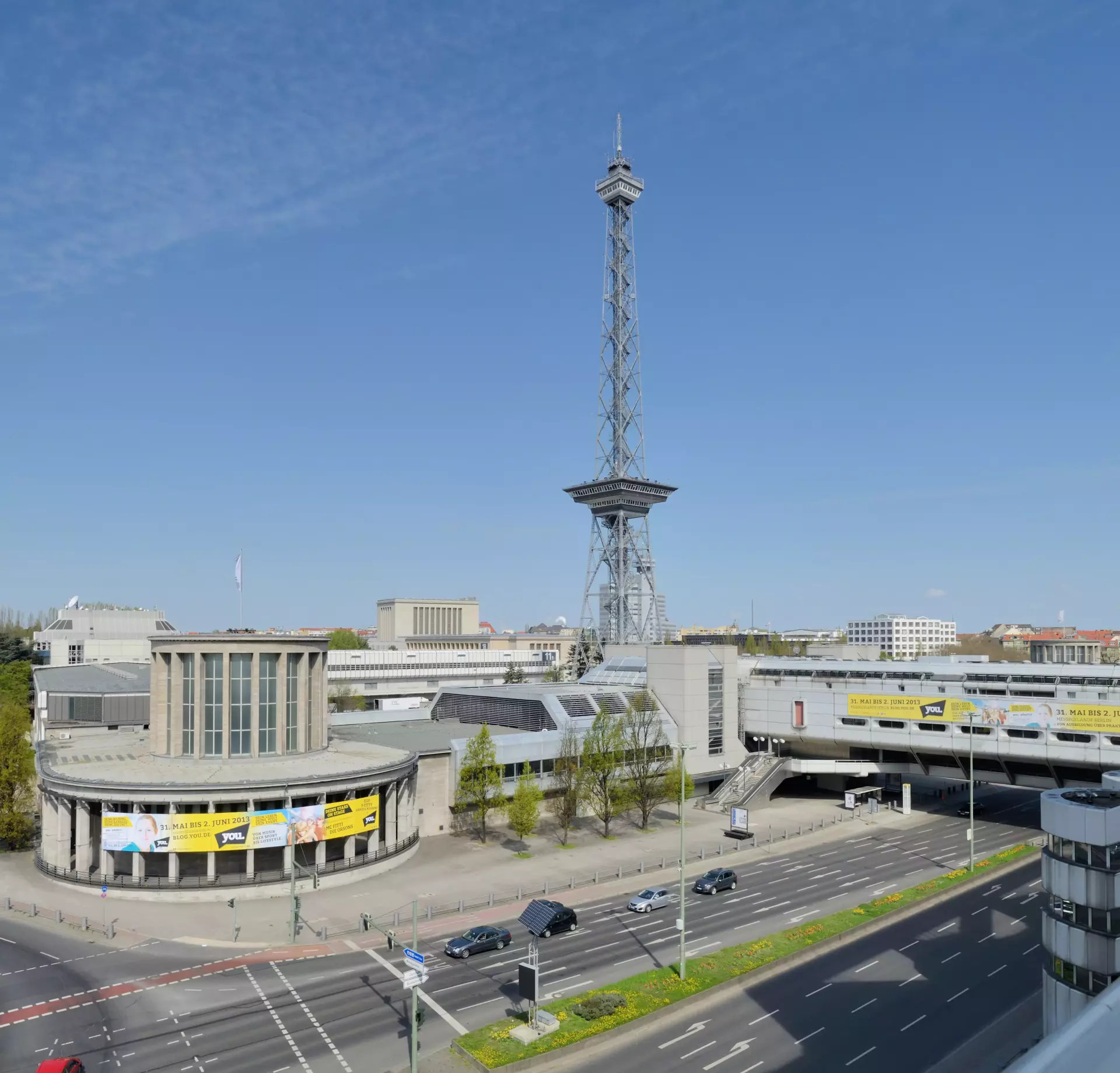
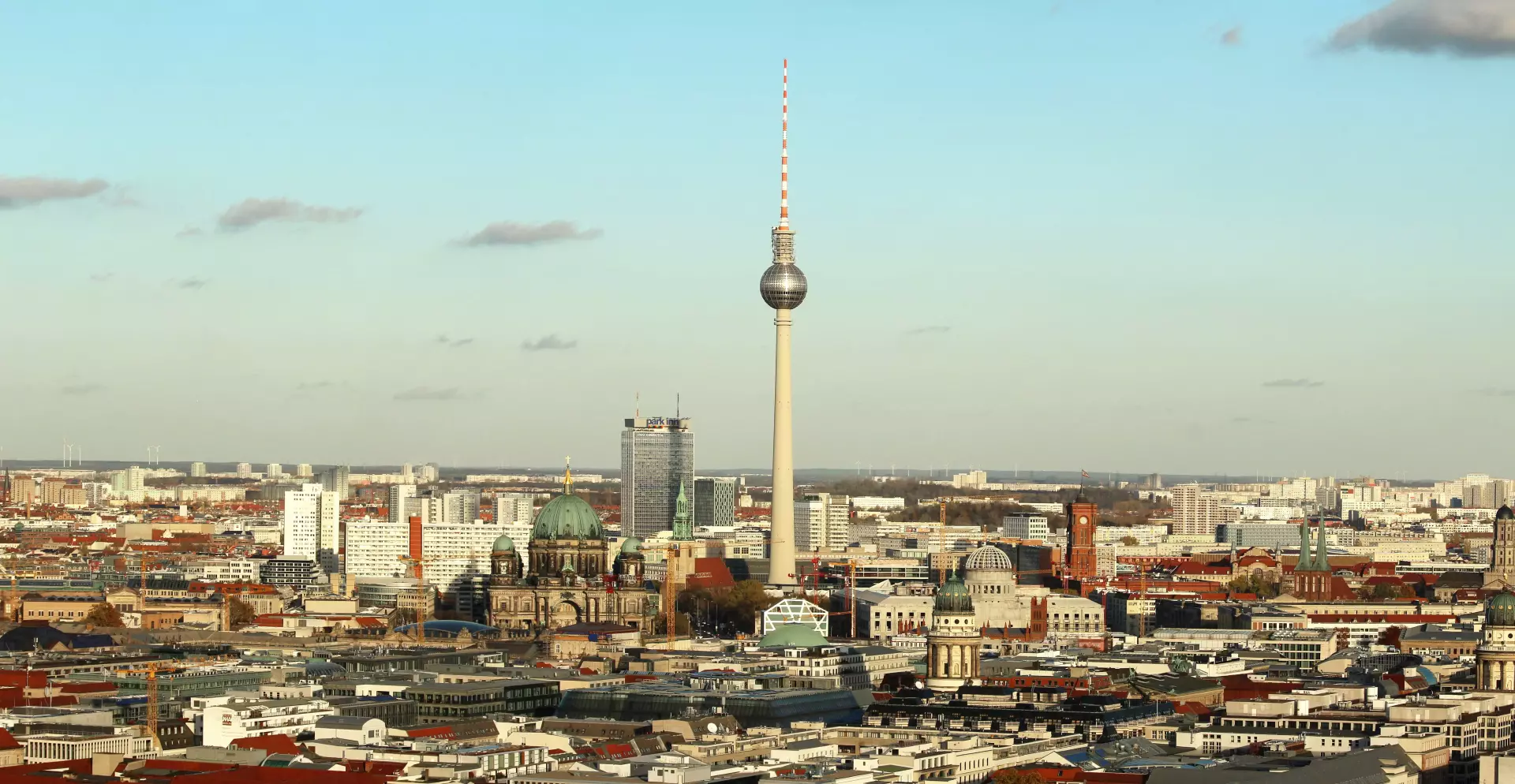
Includes the Panoramapunkt, the viewing terrace located 101 metres above ground, accessible by Europe's fastest elevator.
Also known as "der hohle Zahn" (the Hollow Tooth), this church in Breitscheidplatz is a memorial to Kaiser Wilhelm, and one of Berlin's most famous landmarks. Thick walls and plain decor mark it as neo-Romanesque, but with what's left of the Gedächtniskirche, it's tough to distinguish it as any one style. Allied bombing left only one tower standing on 22 November 1943, but a new location for worship designed by Egon Eiermann was completed in December 1961 (it's the octagonal structure with blue stained glass windows). There is a small memorial museum beneath the tower filled with artifacts from the original church, which was built from 1891-95 to architect Franz Schwechten's specifications.Controversy arose after the war over the various options presented by the half-ruined cathedral - should it be torn down completely and rebuilt? Or should the destroyed sections be left standing as a memorial? The four major sections of the Kaiser-Wilhelm-Gedächtniskirche (central space, foyer, new tower and chapel) surround the ruined tower of the old church bridge and show the time gap between old and new. Mosaics and other remnants from the old church serve as a monument against war.
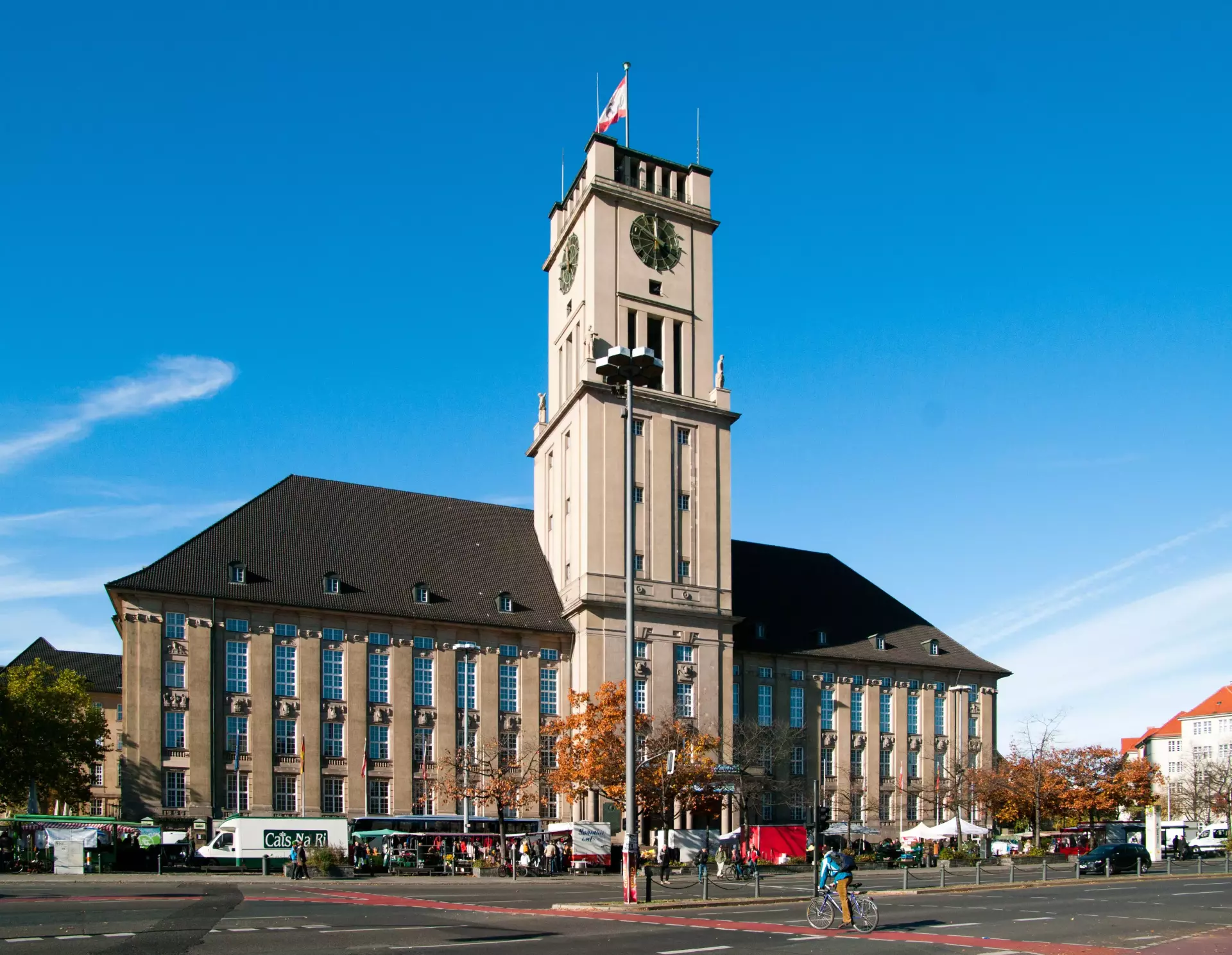
The town hall of Berlin is known as such because it is made of red brick, not due to its former political persuasion. There are nice Prussian rooms inside, which are worth a look.
Exhibition of digital interactive entertainment culture. You can actually play almost all of the exhibits making it a more "hands on" museum than most.
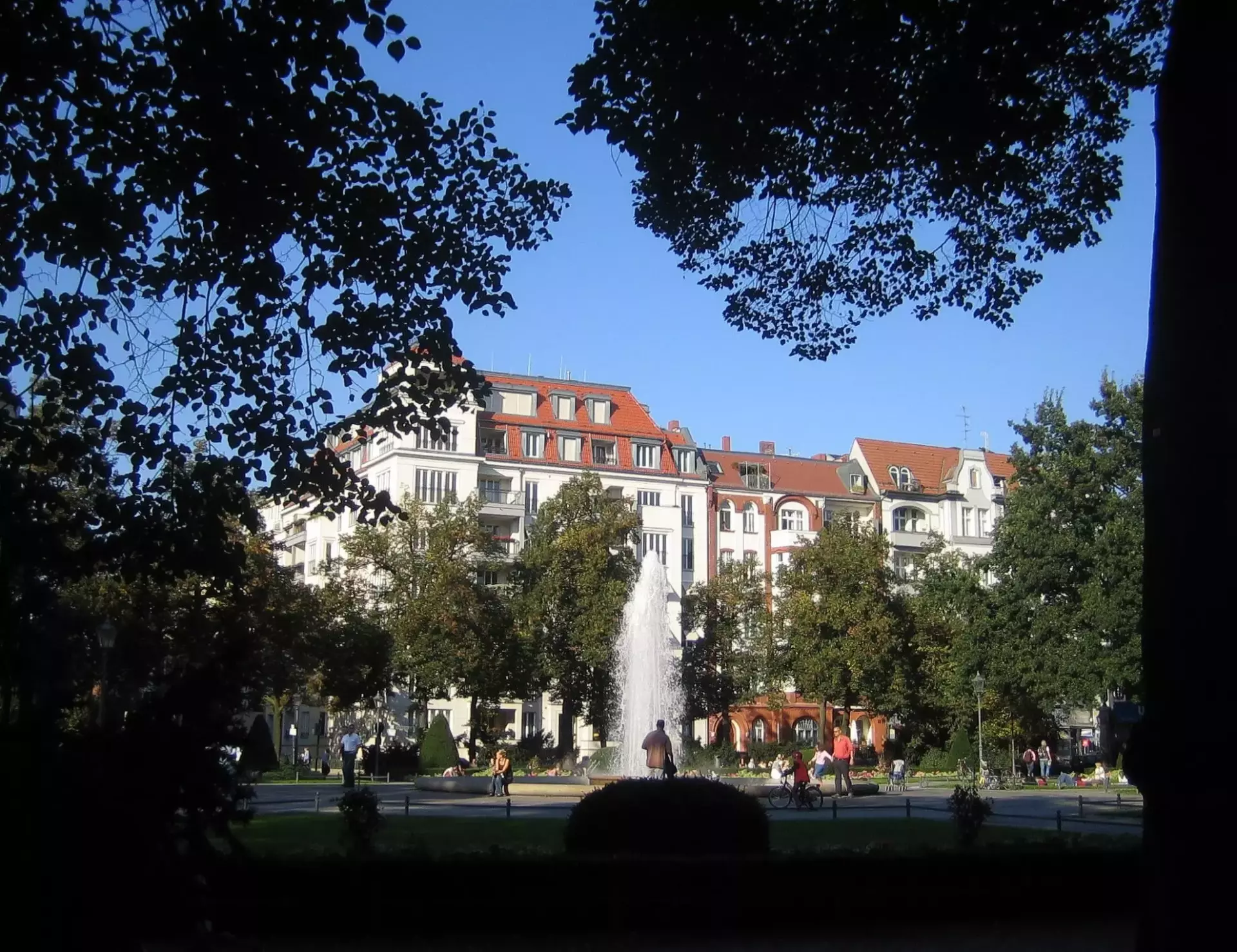
Features a nice fountain, stately old houses and a good night time hot spot. Many people hang out in the platz in good weather.
A cuboid made of concrete. On the front side of the cuboid is a window, through which visitors can see a short film of two kissing men. The video will be changed every two years and will also show kissing lesbians.
The largest zoo in the world, both in terms of number of species (1500) and animal population (14,000). It is especially famous for its pandas. The Elephant Gate (Budapester Straße), one of the two entrances and next to the Aquarium, is a traditional photo stop for most visitors because of the architecture.
Want to feel like one of the angels in Wim Wenders' classic film Der Himmel über Berlin (a.k.a. Wings of Desire)? Climb to the top of Gold-Else, as the statue of Victory on the top of the Victory Column is known. Just don't jump off if you're not actually an angel. Unfortunately there is no elevator, so be prepared for 285 steps to the platform at 50.7 m.Else was built to commemorate Prussian military prowess in the wars against Denmark (1864), Austria (1866) and France (1870-71), and moved to her present location by the Nazis. Five roads run into a traffic circle called Grosser Stern, in the centre of which is the Siegessäule. Else is visible from much of the city district known as Tiergarten. At the base of the statue are reliefs of war scenes representing the conflicts which this monument memorializes. The Allies forced Germany to take those panels down in 1945, but they were remounted in 1984 and 1987. It also served as a backdrop for a speech by then senator Obama in 2008, after his request to speak in front of Brandenburger Tor caused a political debate in Germany.
Museum of Contemporary Art located in former Hamburger Bahnhof train station. Big halls filled with artworks made since 1960s. In 2004 Rieckhallen, former Lehrter Bahnhof, was opened and now provides exhibition space for the Friedrich Christian Flick Collection. Free public guided tours (in English): Sa and Su at 12:00.
The Bierpinsel ("beer brush") is a building in Steglitz which resembles an observation tower and is famous for its pop-art appearance. The futuristic, landmarked building was built from 1972 to 1976 and has since been used as restaurant, night club, bar, radio station and art café.
Oderberger Straße is known for its beautiful and generous Gründerzeit architecture, as well as its cafés and restaurants. Since before Germany's reunification the street has been the desired place for alternative folks and avant-gardists, but the area has seen continual gentrification since the early 2000s.
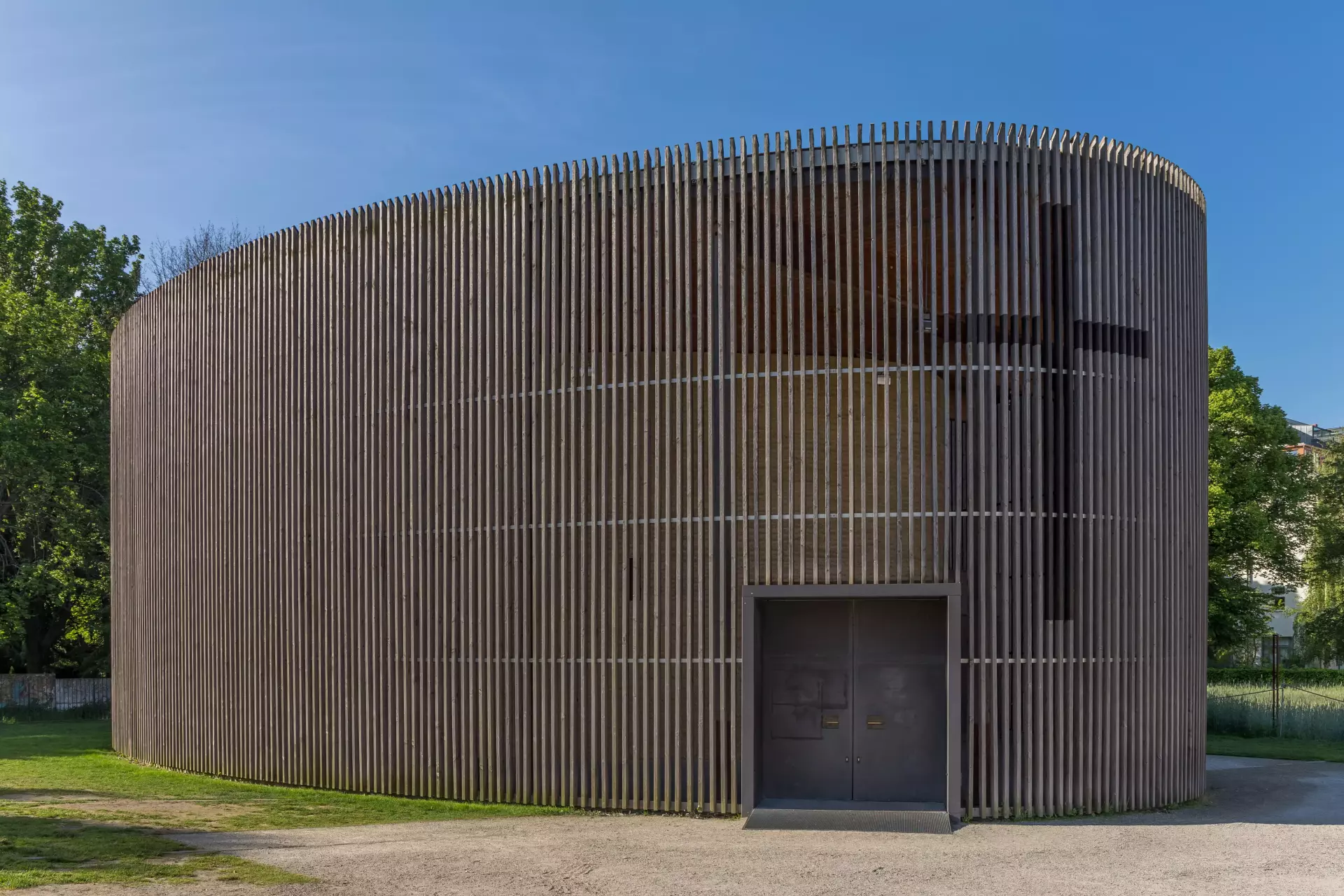
This chapel was built on the site of a church built in 1894 which sat on the "death strip" and was thus blown up by the GDR authorities in 1985. The chapel is the site of occasional memorial services for victims of the wall.
This heritage-protected public bathing beach which opened in 1907 is one of the largest inland lidos in Europe and has a 1275-m-long sand beach, a capacity for up to 30,000 guests and a popular nudist area.