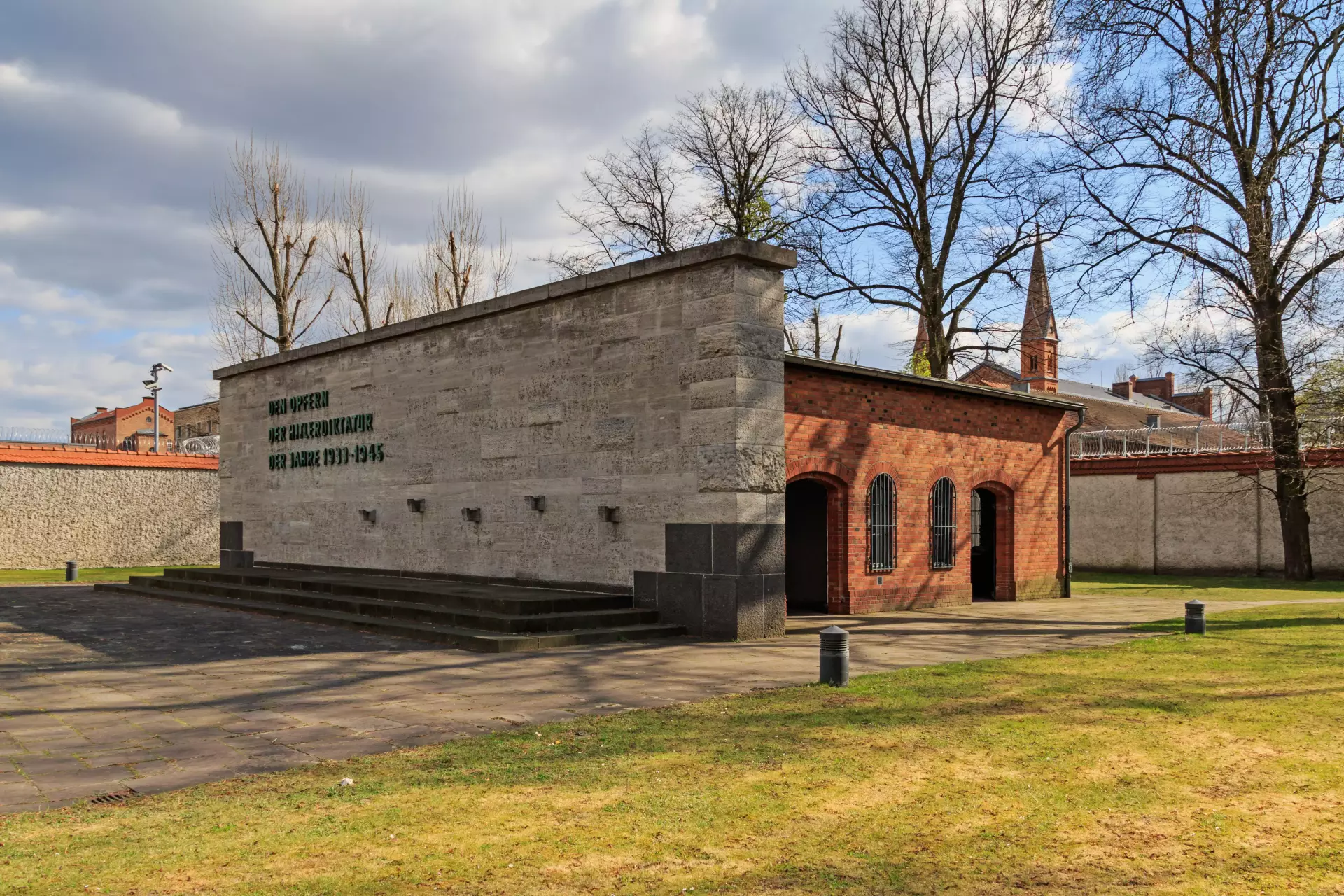
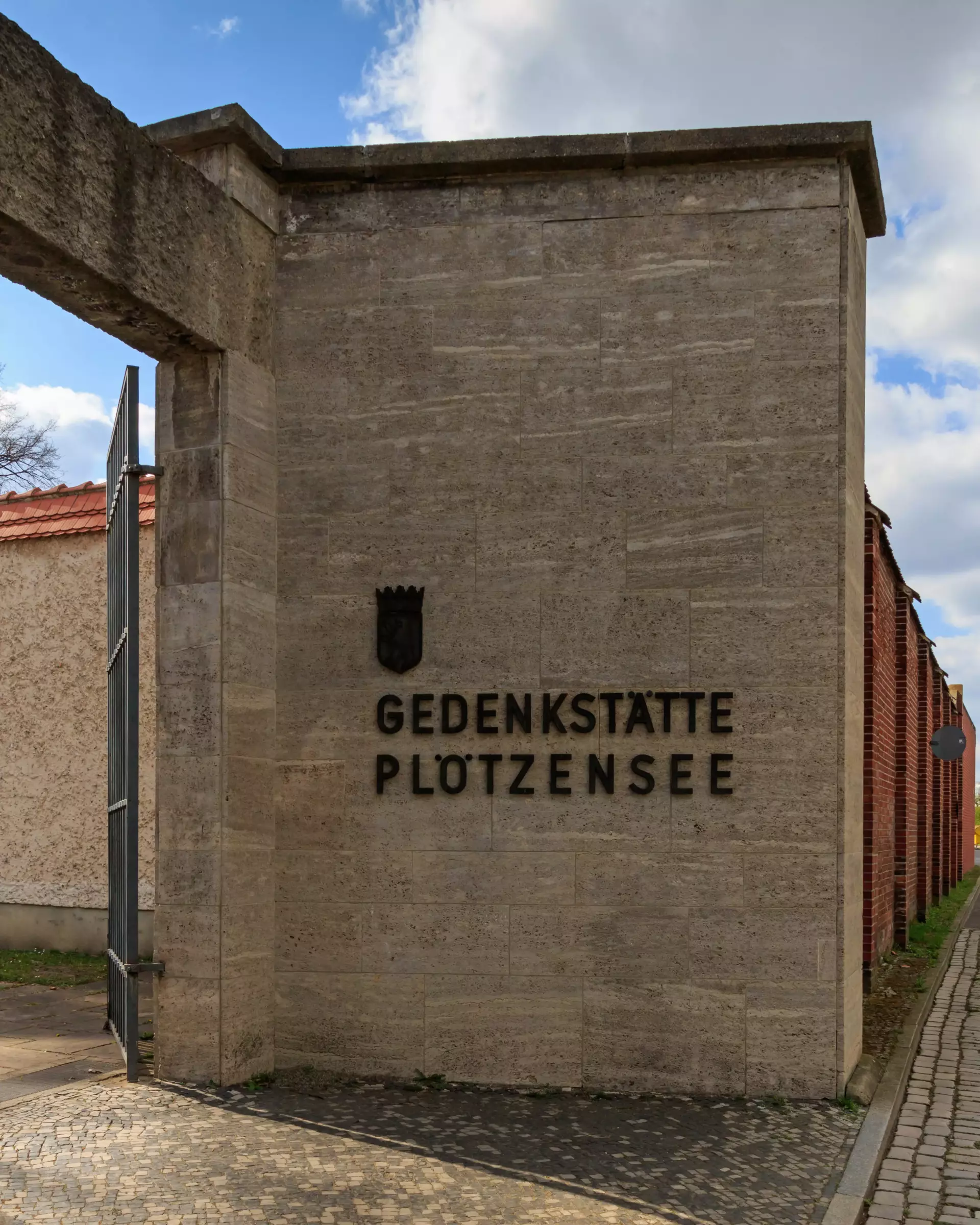
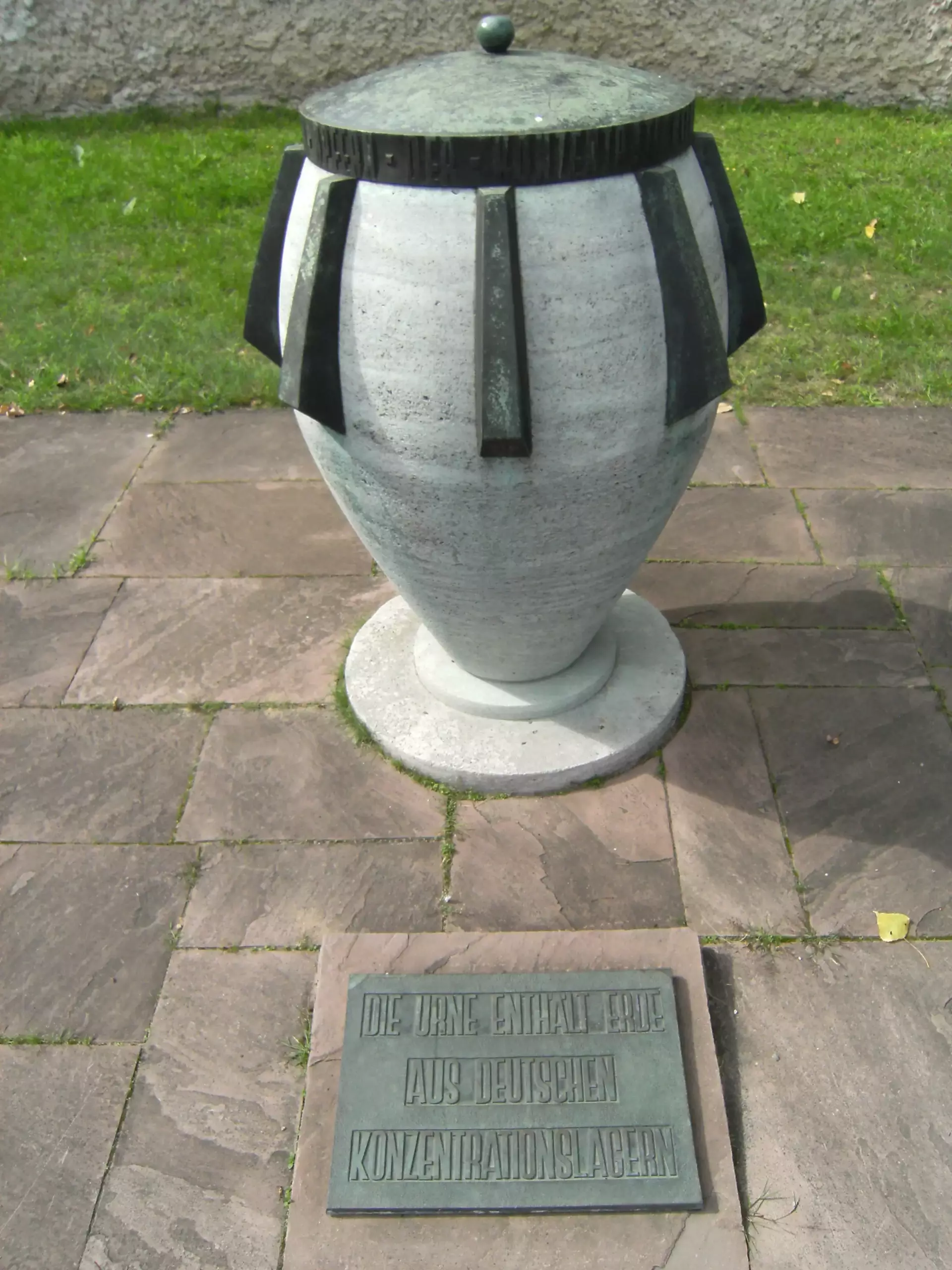
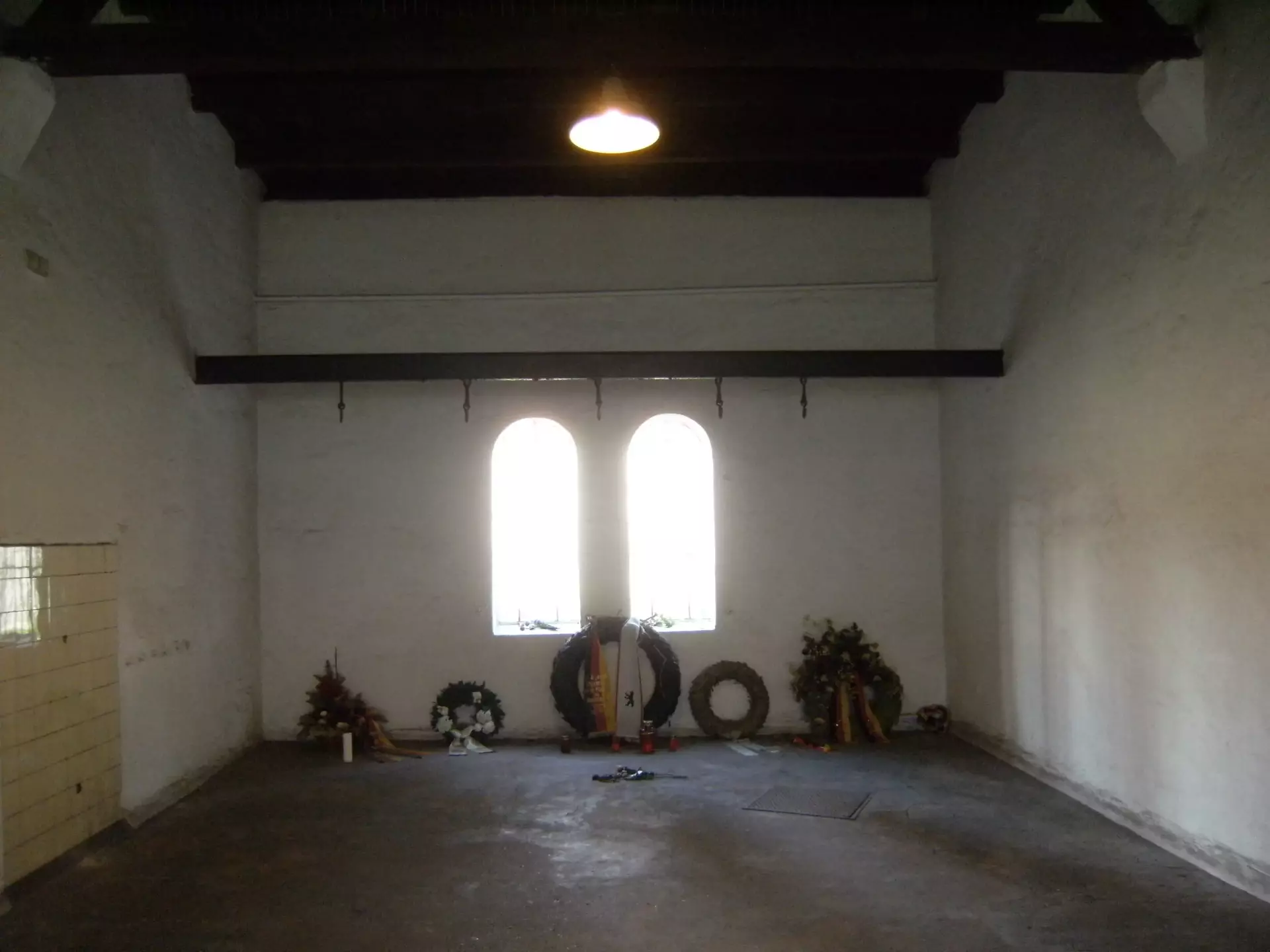
An eerie memorial stands on the site of a former execution room, honoring the victims of the Nazi regime. Between 1933 and 1945, nearly 2,900 people were put to death here. The space is stark and quiet, designed to confront the brutality that took place within its walls and to preserve a clear record of what happened.
The memorial is part of a prison complex once used by the Nazis to carry out state executions. Many of those killed were political prisoners, resistance members, and people accused of acts against the regime. The execution room, once hidden from public view, has been preserved in a restrained, respectful way. Details such as the hooks and the structure of the room reflect the grim procedures used at the time.
Historical panels and simple displays present names, dates, and the methods used, offering a stark account rather than a dramatic narrative. The focus remains on the lives that were cut short and the machinery of oppression that made it possible.
The design is minimal. Concrete, brick, and bare surfaces create a sober atmosphere. The courtyard and passageways lead directly to the execution room, emphasizing how close and confined the sequence of events was for those brought here. The silence of the site is part of the experience, guiding attention to the facts and the weight of the place.
Commemorative plaques and lists of names provide a sense of scale, while individual stories highlight the human cost behind the numbers. The restrained presentation allows visitors to move at their own pace, with time to read, think, and understand.
The memorial also connects to the wider network of remembrance sites in the city, reflecting on persecution, resistance, and the justice system under dictatorship. The information provided helps explain how laws, courts, and prisons were used to enforce power and silence dissent. The site’s ongoing role is to document, educate, and remember, ensuring that the crimes committed here are neither forgotten nor abstracted.
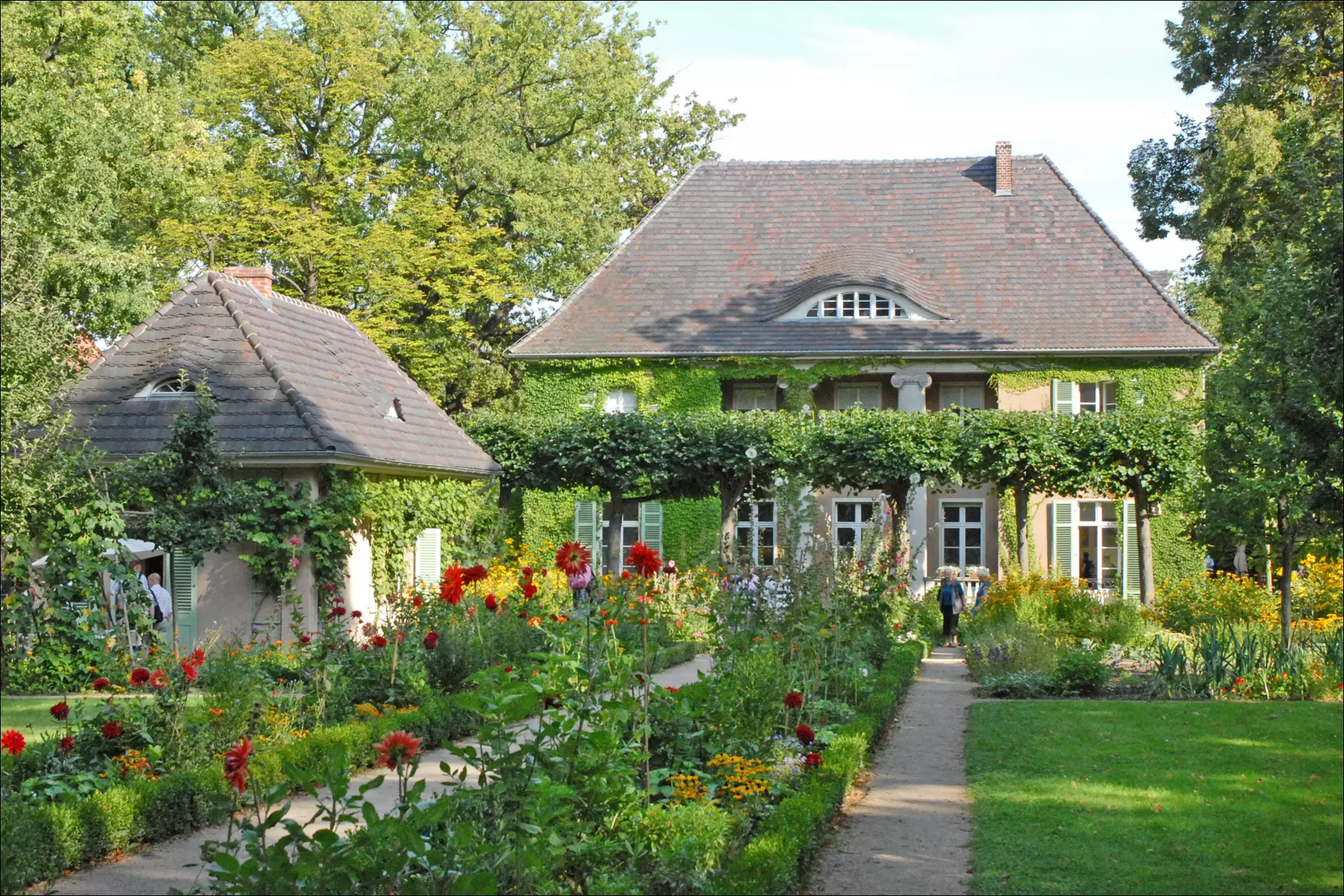
House museum on Max Liebermann, German painter and printmaker. Has about 15 Lieberman paintings.
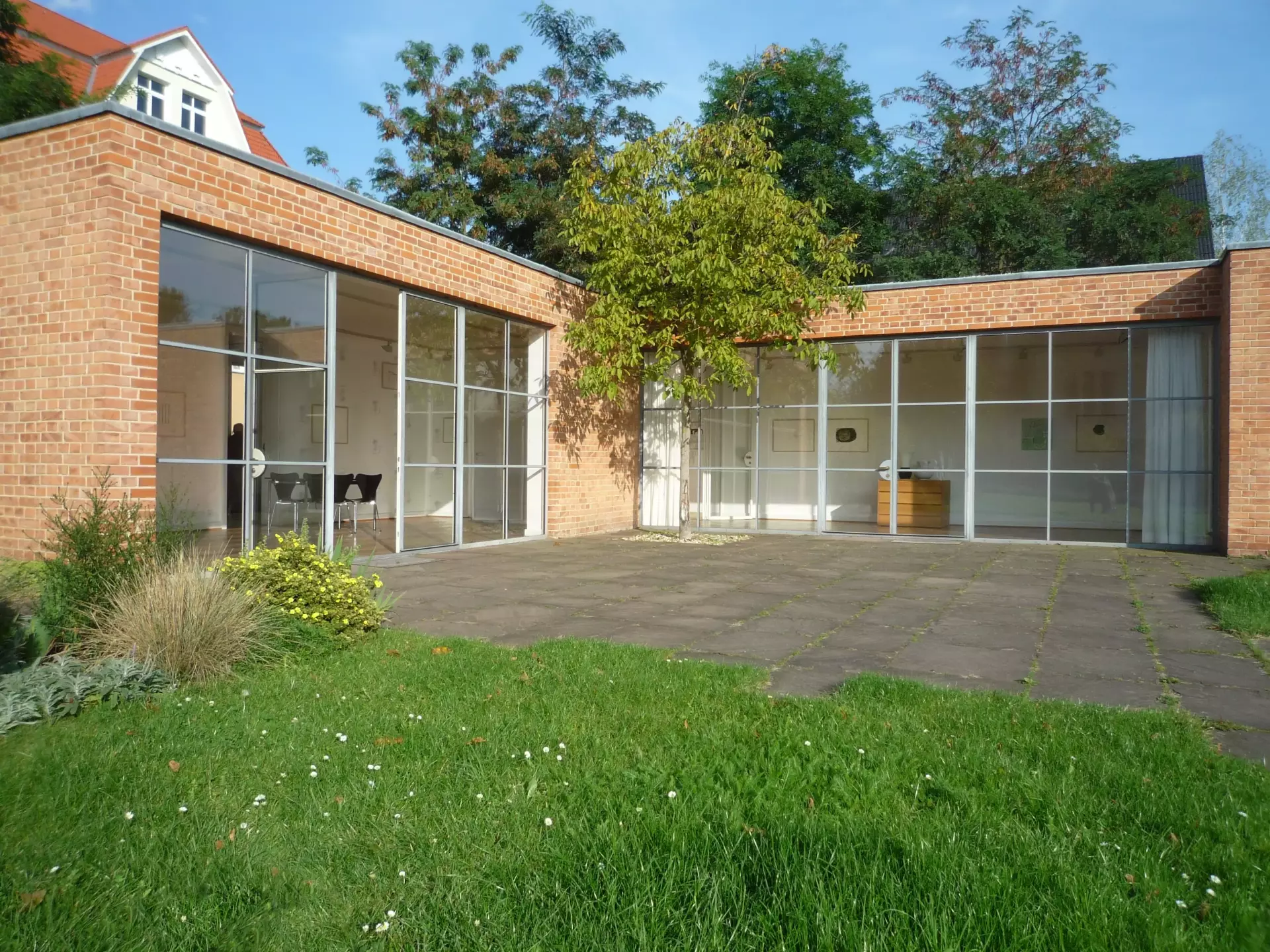
The last Mies van der Rohe building (a dwelling house) in Germany before his emigration to the U.S. (1938). Now there are small contemporary/modern art exhibitions.
Berlin's biggest lake and popular resort for bathing and watersports. You can also travel there by tram, which is an experience by itself.
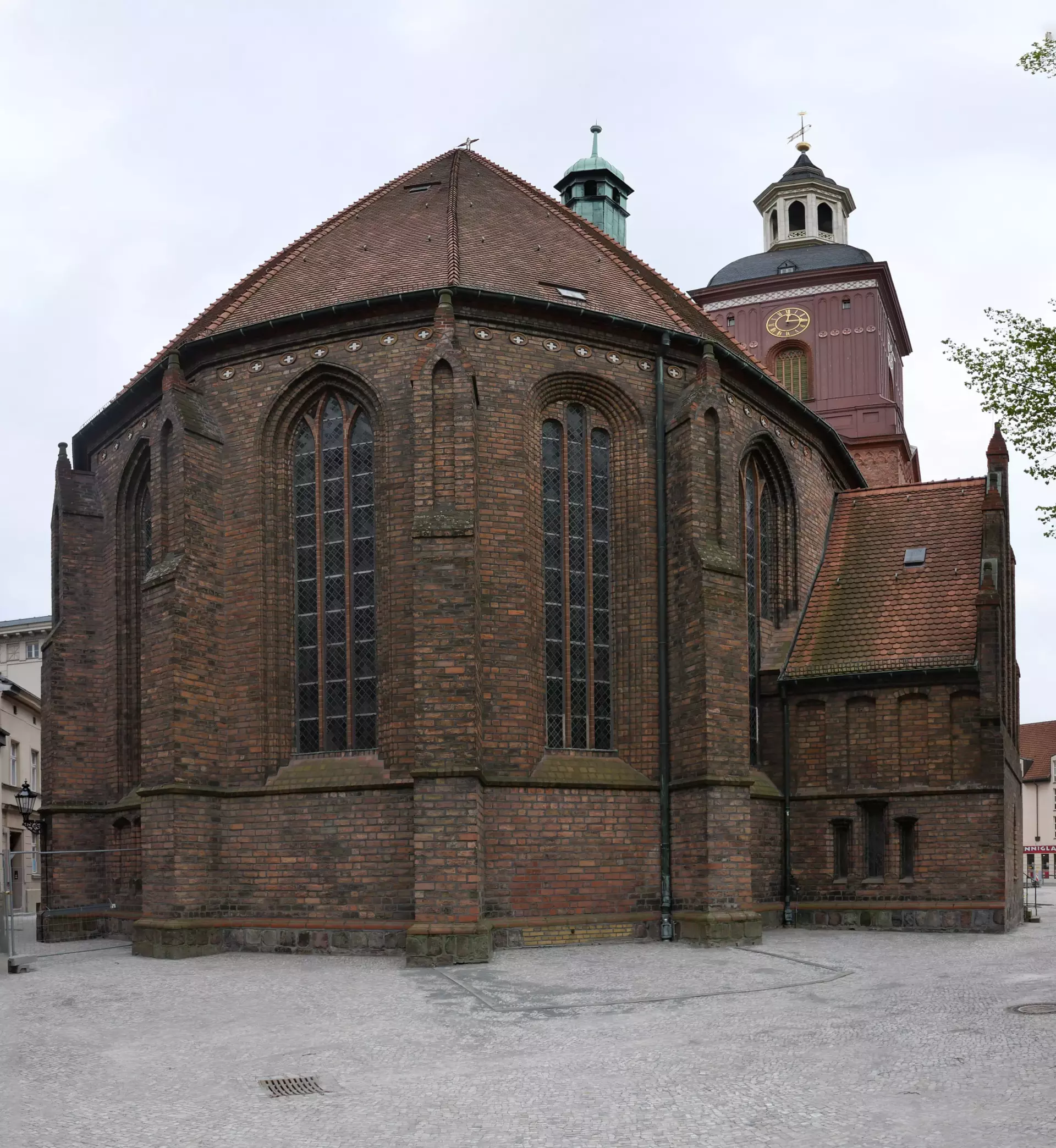
A splendid 15th-century Gothic church with many fine accoutrements.
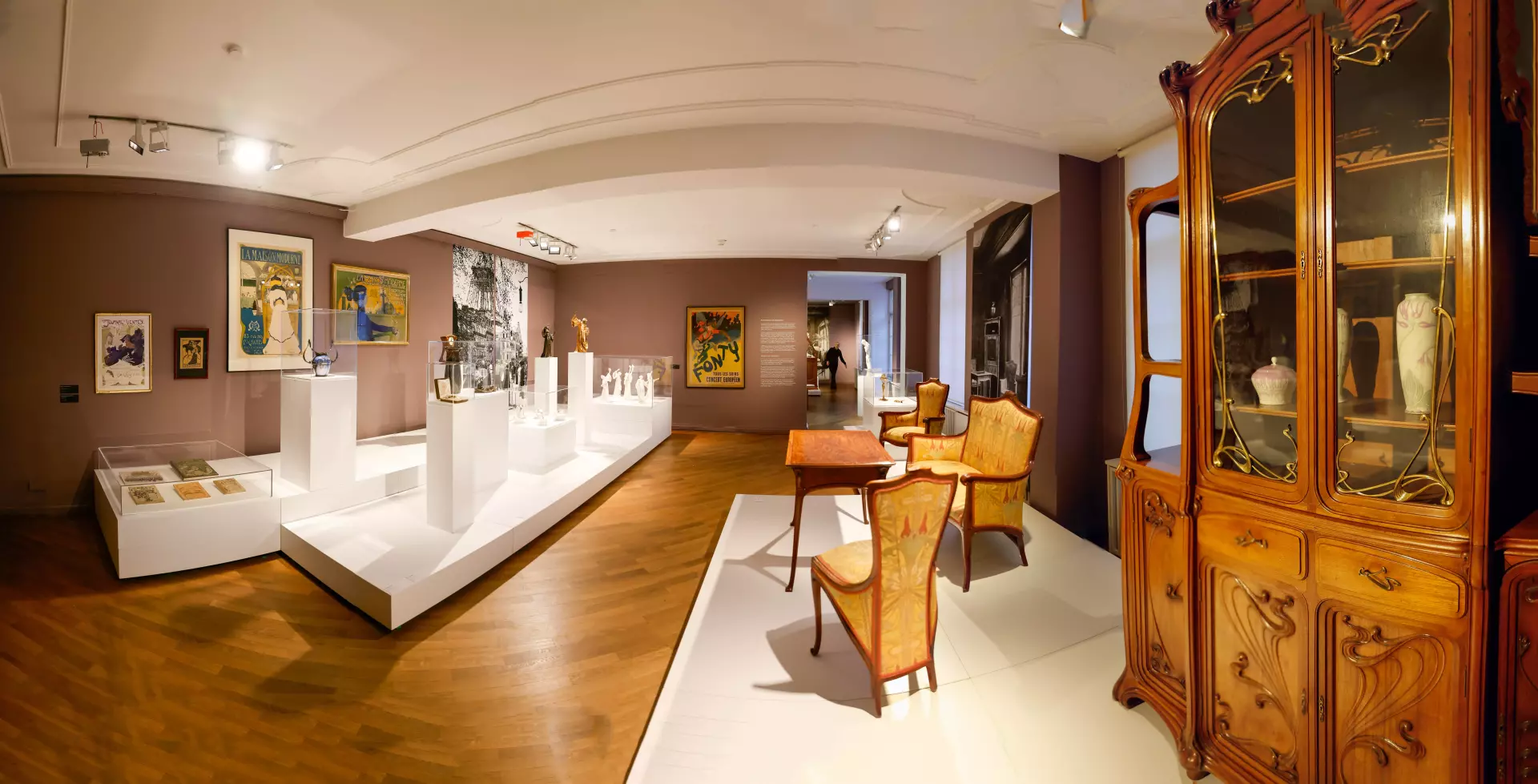
A small but interesting collection of decorative arts from the Art Nouveau and Art Deco periods
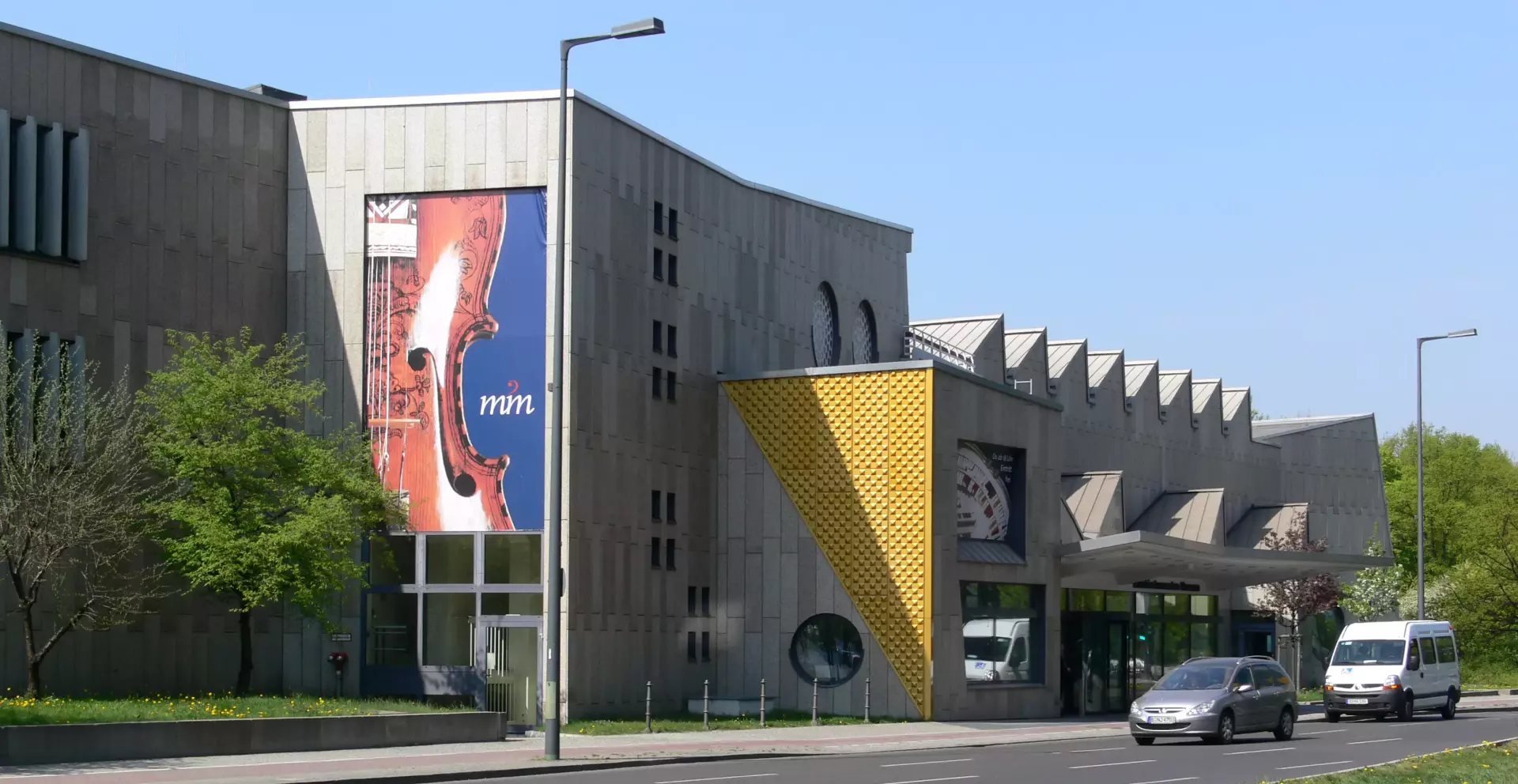
Museum established in 1888, with a collection of 3,500 instruments.
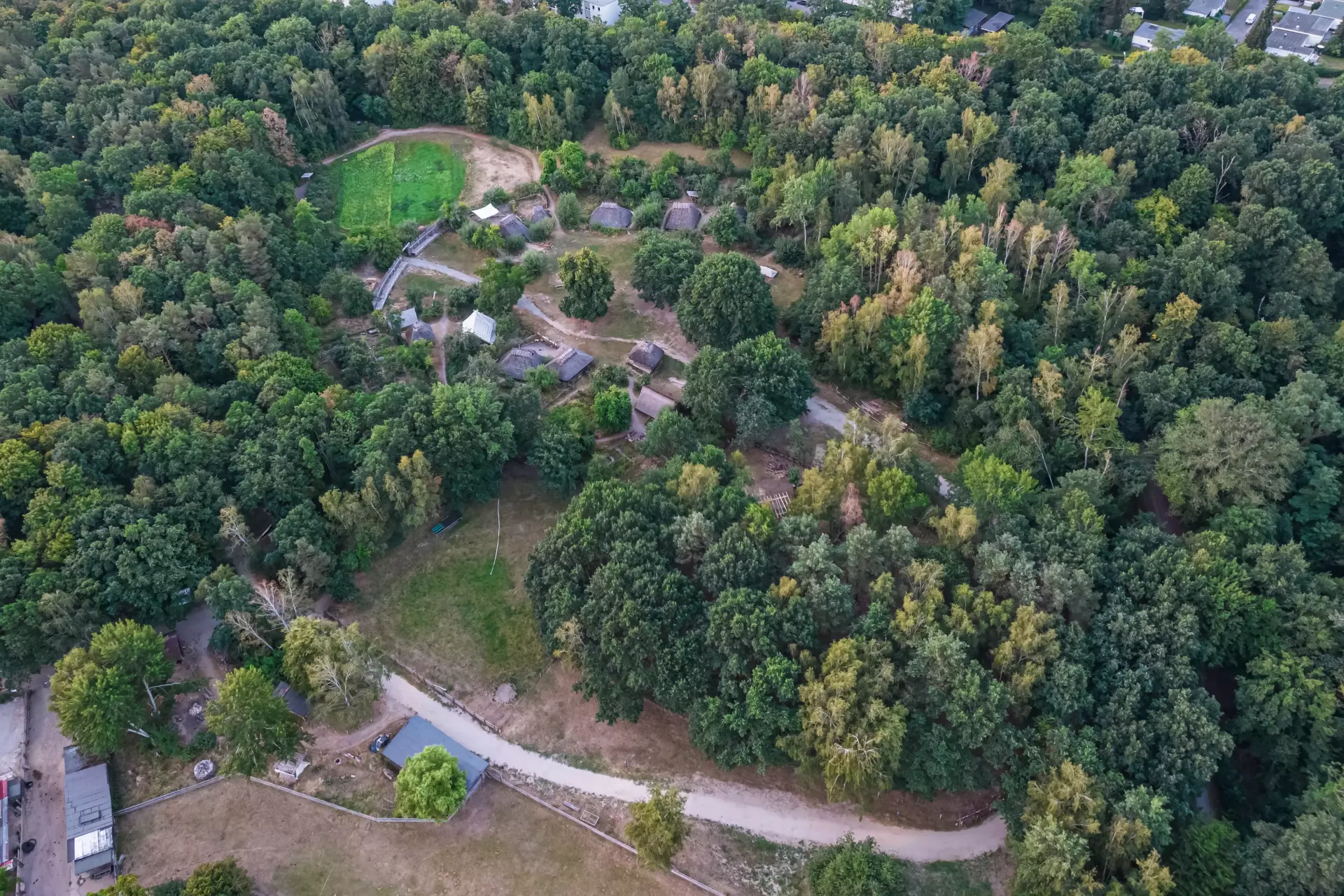
This museum is perhaps something you wouldn't expect in a major metropolis and truth be told it owes its existence in part to partition (when West Berlin schoolkids couldn't go to the surrounding Brandenburg countryside to experience rural life). Opened in 1975 it is an attempt to recreate as faithfully as feasible a medieval farming village from roughly the era of Berlin's founding (12th or 13th century). The village that existed at this place 800 years ago was not called "Düppel" back then as that name was only applied in the 1860s after the Prussian victory over Denmark at Dybbøl which was rendered into German as "Düppel" and applied to the area to honor a member of the Prussian royal family who owned land there.
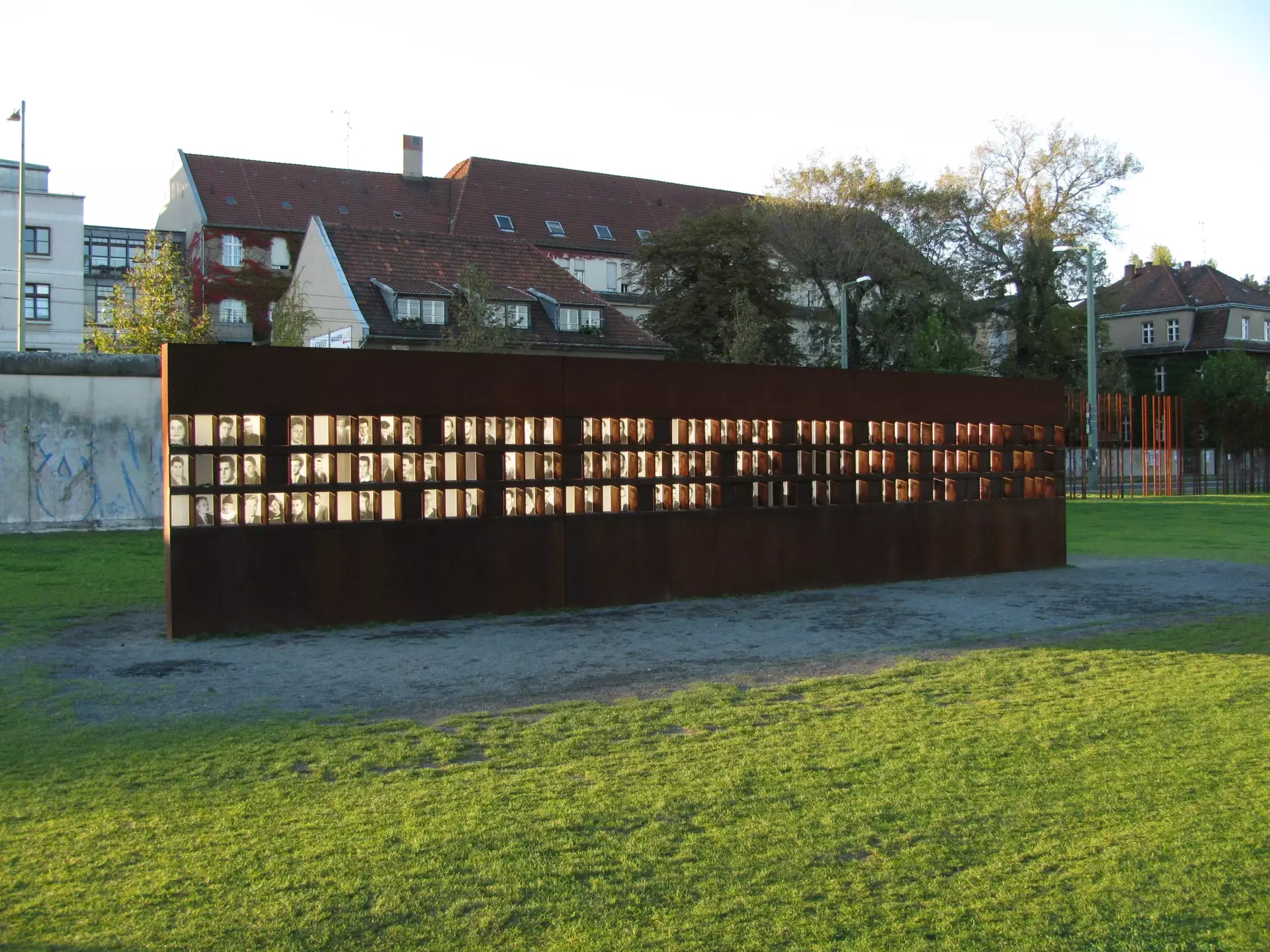
The memorial site stretches along the full 1.5-km length of Bernauer Straße. The listing marker points to the visitor centre. Various monuments can be found along the entire length of the street, documenting nearby escape attempts and tunnels; captions are in German and English. The documentation centre across the street on Bernauer Straße/Ackerstraße is excellent (although most of the documentation is in German). The viewing platform next to the documentation centre gives you a tiny hint of the true scale of the Wall and how terrifying the "no man's land" between the two sections of walls must have been. The monument (that you can see from the platform) is a complete section of 4th generation wall - both inside and outside sections, and you can peer through from the east side to see the remains of the electric fence and anti-tank devices in the death strip. It really helps you understand what an incredible feat it was to get from one side to the other -- and why so many died doing it. The memorial site is often missed by tourists but an absolute must for anyone interested in this part of the city's history. It's a memorial to those who died crossing, so you won't, fortunately, get the tackiness of the Checkpoint Charlie area; instead you will be left with a haunting feeling of what life with the wall may have been really like.Bernauer Straße is a street with a great deal of Wall history: it came to tragic prominence on August 13, 1961 when East German authorities closed the border and the street (with houses in the East but the street in the West). Border guards walled the doors and windows shut to keep Easterners from escaping by jumping out the window while Westerners (including police and fire brigades who brought life nets to help catch refugees) looked on in horror. The first recorded Wall-related death - the notorious Peter Fechter case (he bled to death in the "no-man's-land" with both sides unwilling or unable to help him) - was here, as was one of the famous tunnels and the famous photograph of the GDR border guard leaping over the barbed wire.
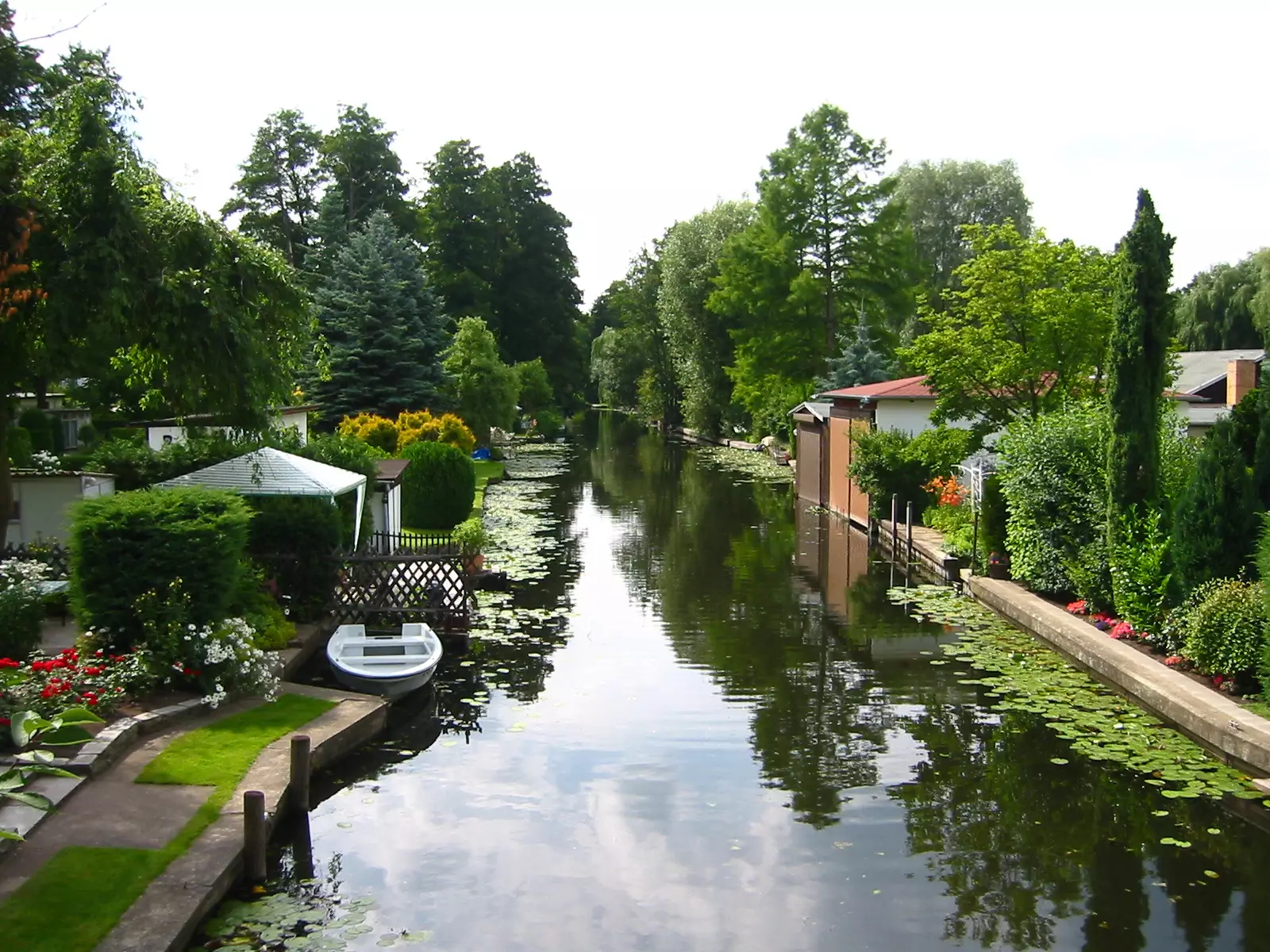
A beautiful landscape of water canals and vegetation with charming little fish restaurants.
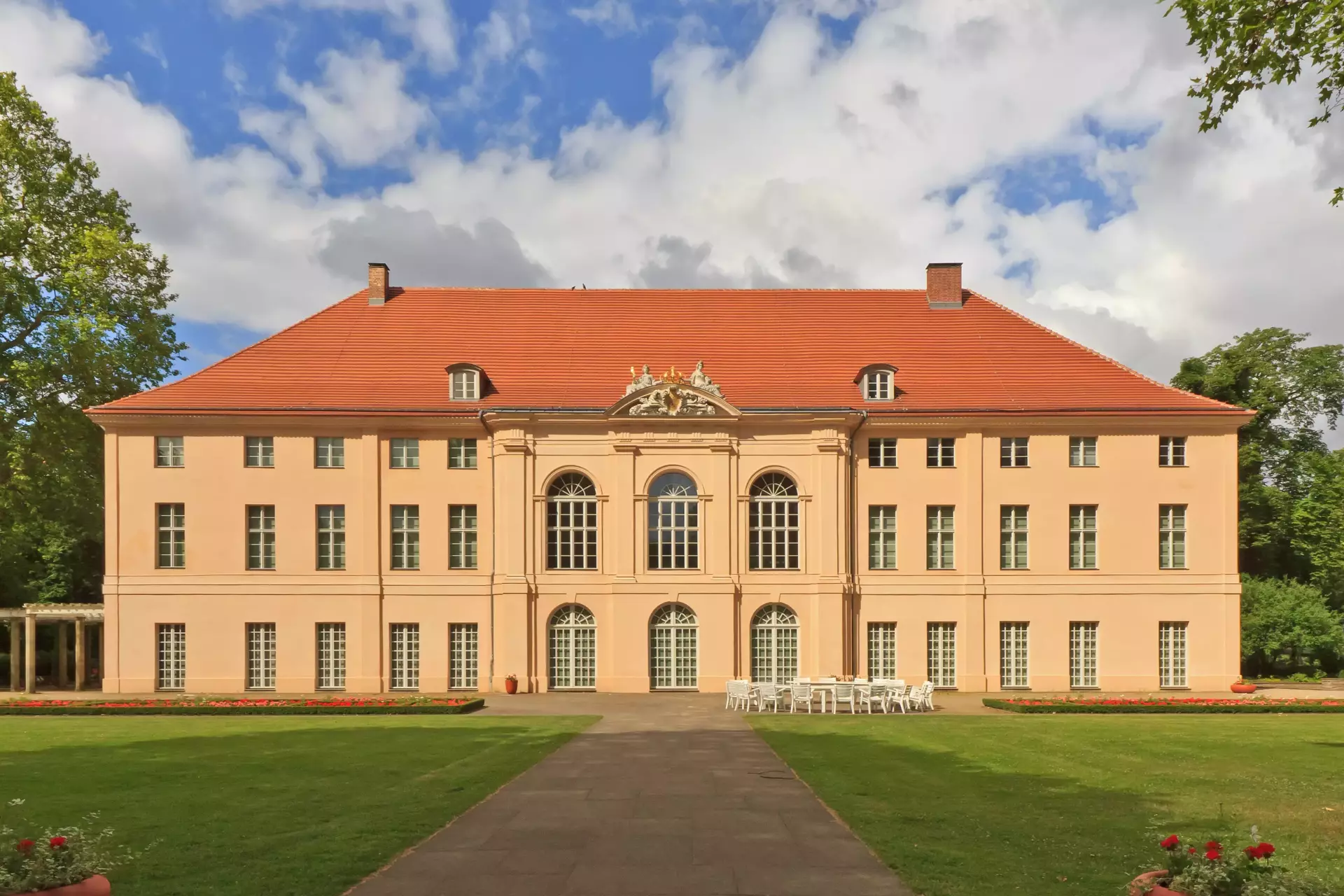
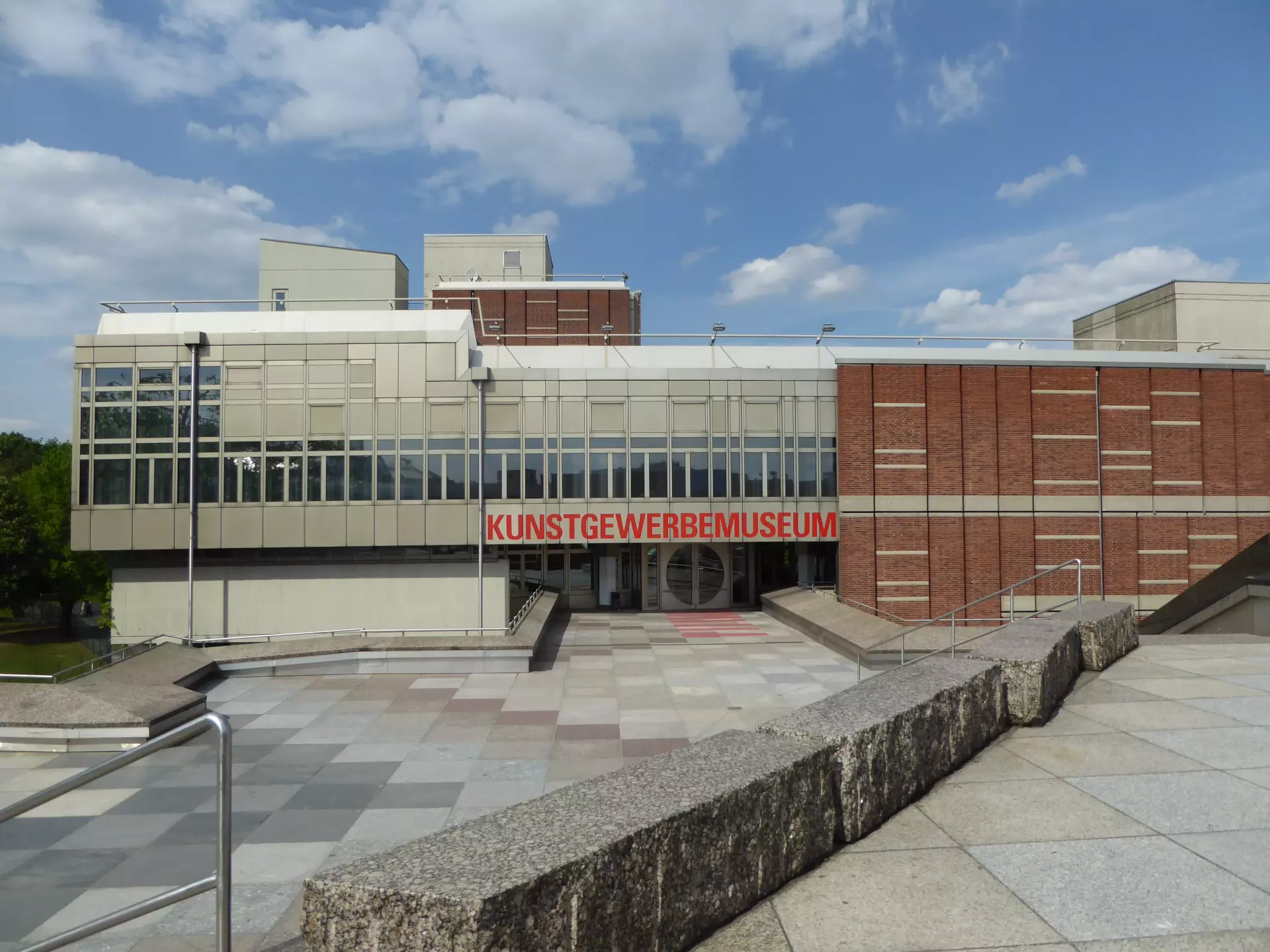
The oldest museum of its kind in Germany which, despite great losses during the World War II, still possesses one of the world's primary collections of European applied art. There are two sections to the collection: one located at the Kulturforum in Tiergarten, the other at Köpenick Palace.
Berlin's oldest church (1230) is a 3-nave hall church. It is in the centre of an area destroyed by bombs in the war which was then turned into a faux "old town" by the East German authorities called Nikolaiviertel. The area is more a hodge-podge of relocated buildings than an authentic reproduction, and the newly-built 1988 apartments that attempt to "harmonize" with the older buildings are embarrassing. The church is one of the only structures that was renovated rather than rebuilt. It is best known for a sandstone sculpture called the Spandauer Madonna (1290), but there are other interesting pieces here. When the church was destroyed in 1938 and rebuilt in the 1970s, the communist officials intended to use it as a museum, which did not open until 1987. The museum includes sacred textiles and religious sculpture from the fourteenth to the sixteenth centuries. The Nikolaikirche is the showplace of the Nikolaiviertel, which isn't saying much.
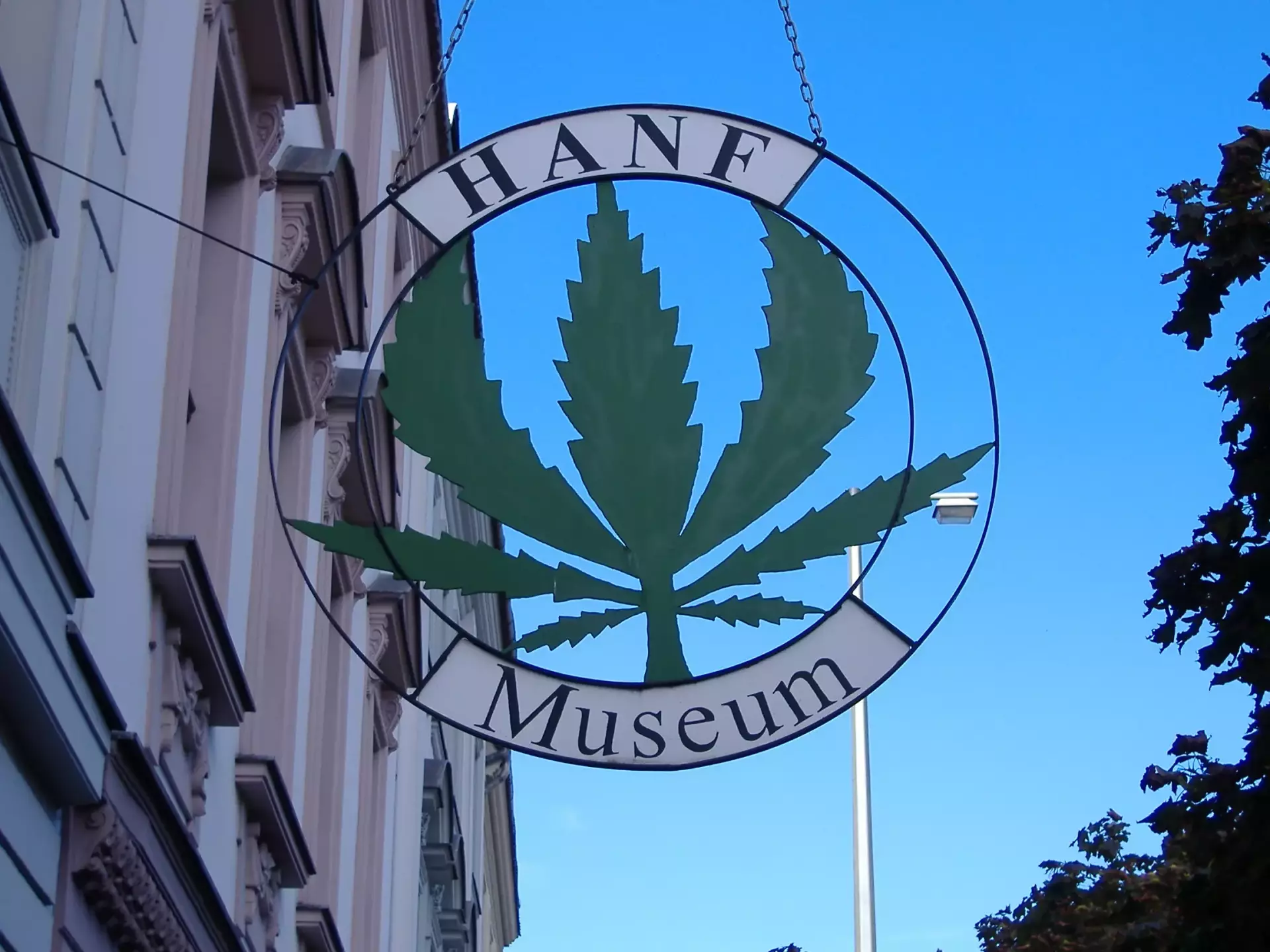
It is the only hemp museum in Germany; you can see the history of hemp, the culture and use of it. You can see hemp grow. There is a cafe downstairs, with an open WiFi access. Everything going on here is legal - including the hemp growing under artificial light (a low THC strain grown with a special permit) - but they do not refrain from political commentary on the legal situation of cannabis in their exhibits.
Again one of the world's most comprehensive ones. At the museum district of Dahlem.