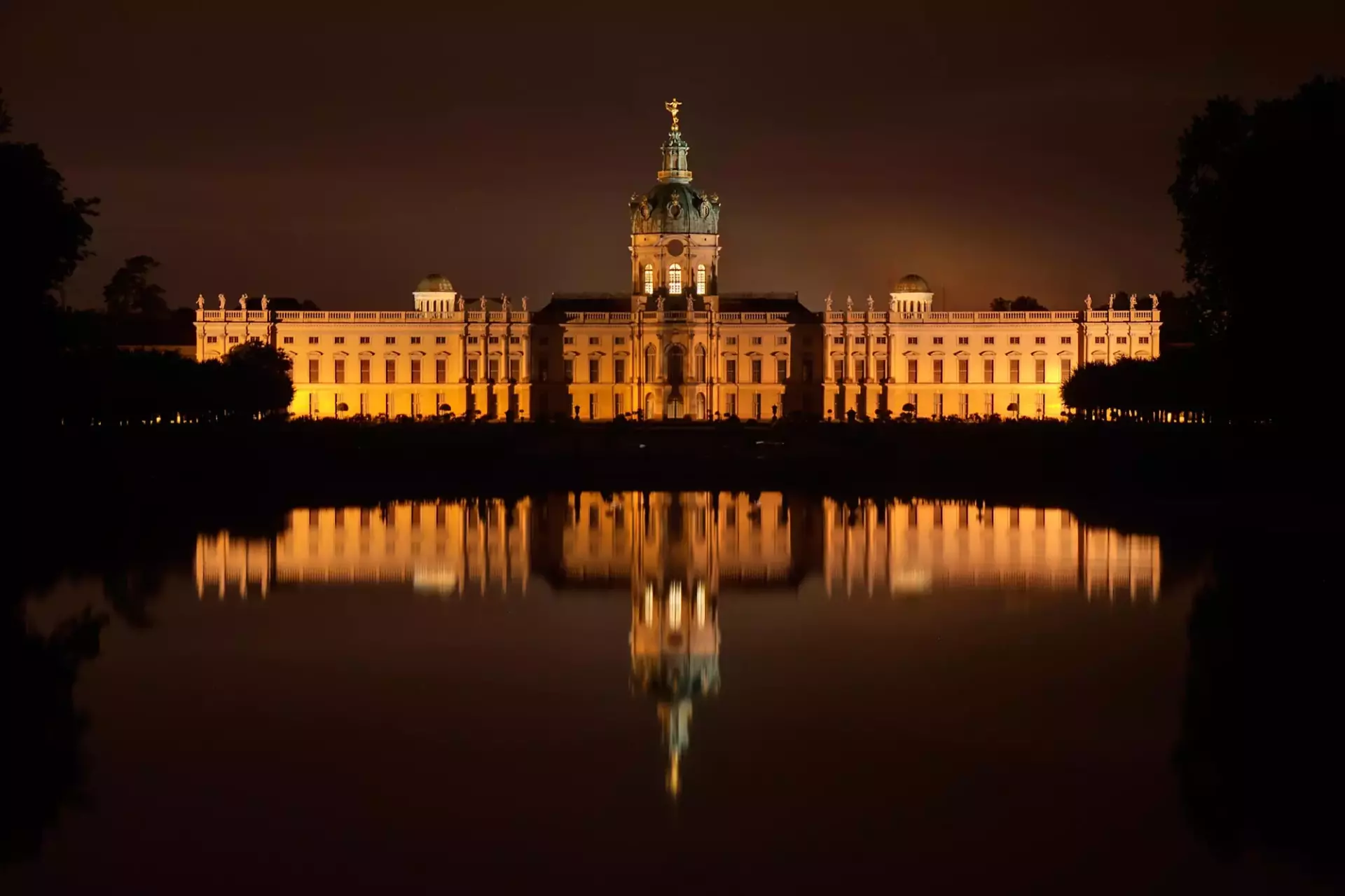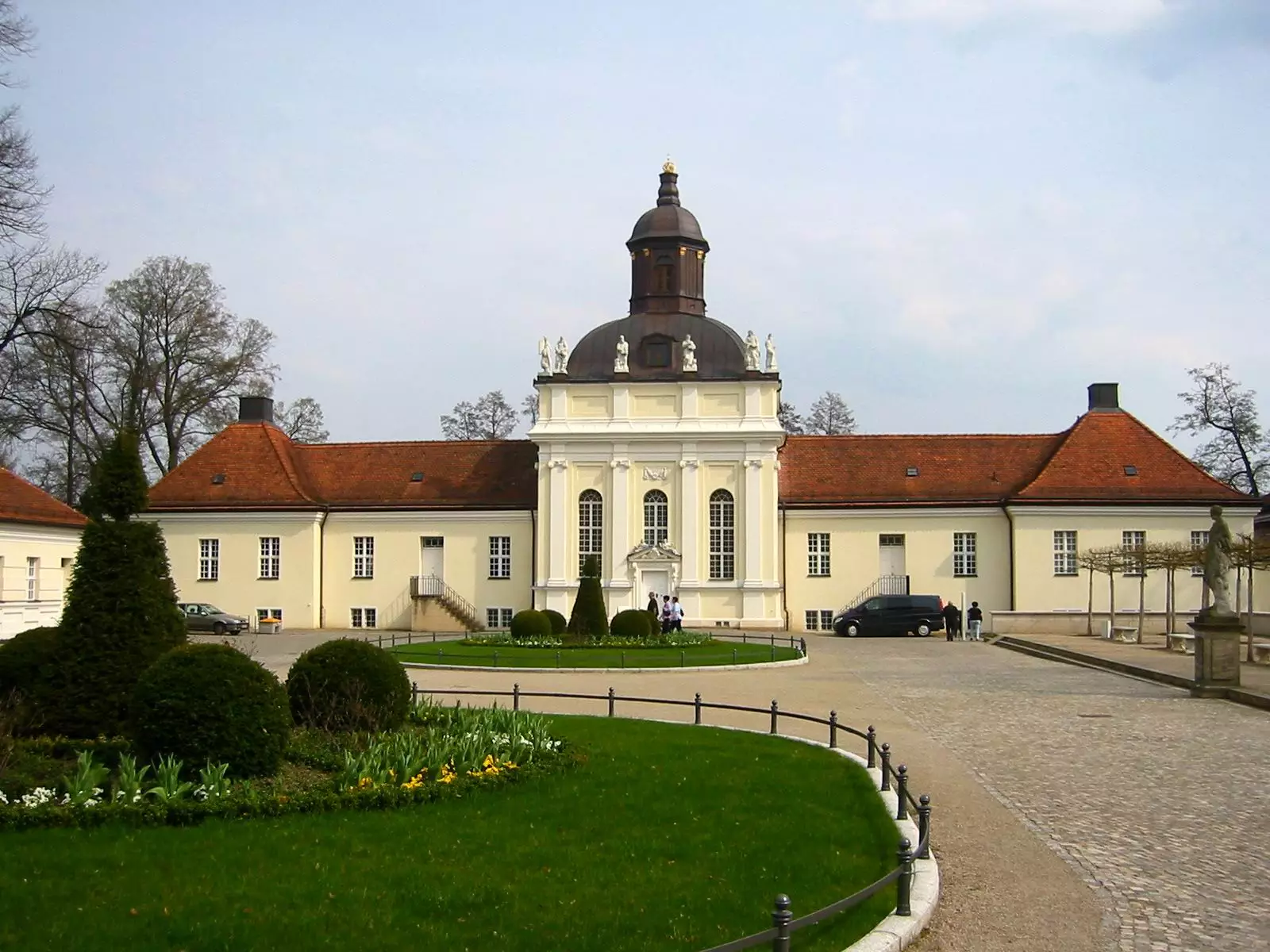
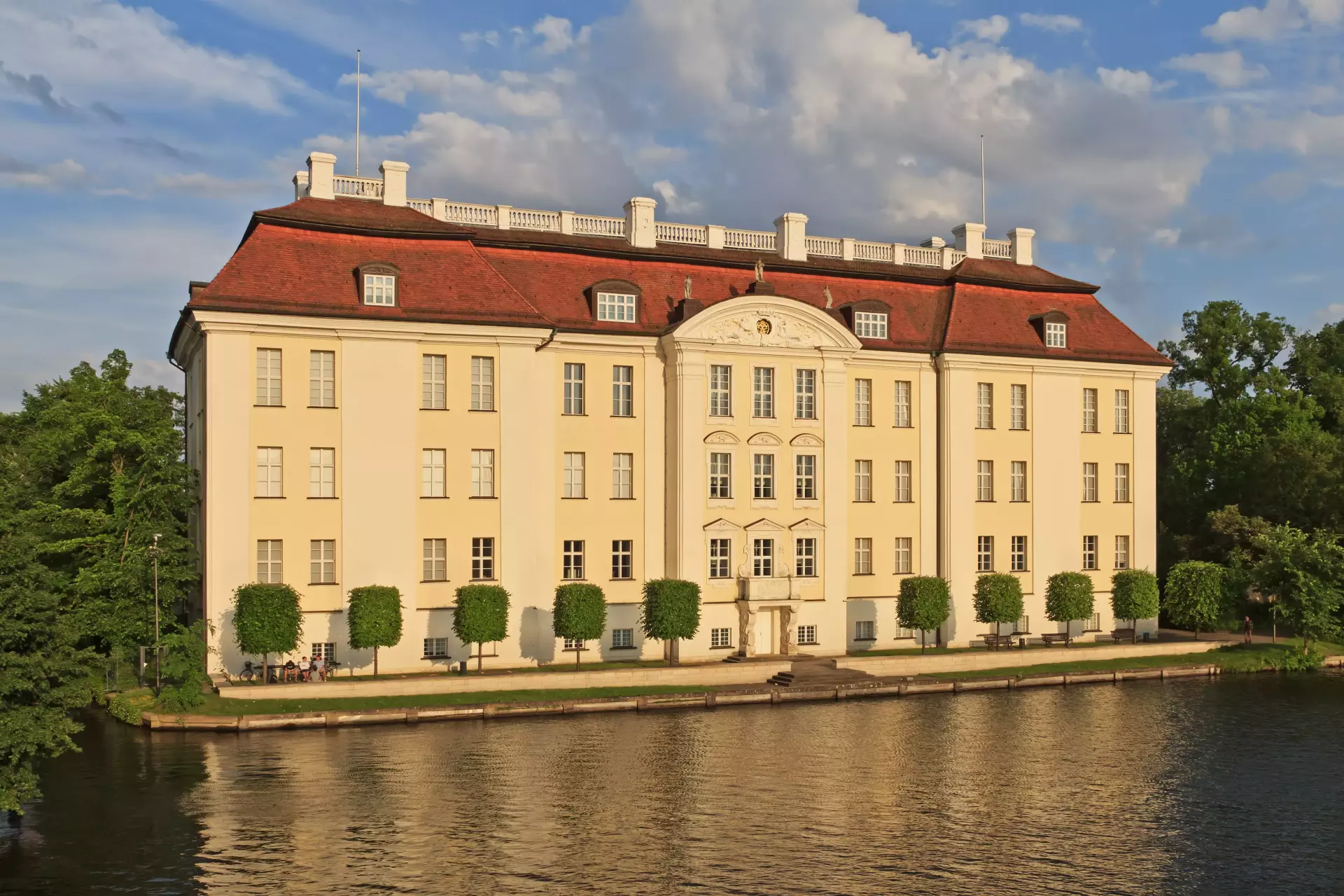
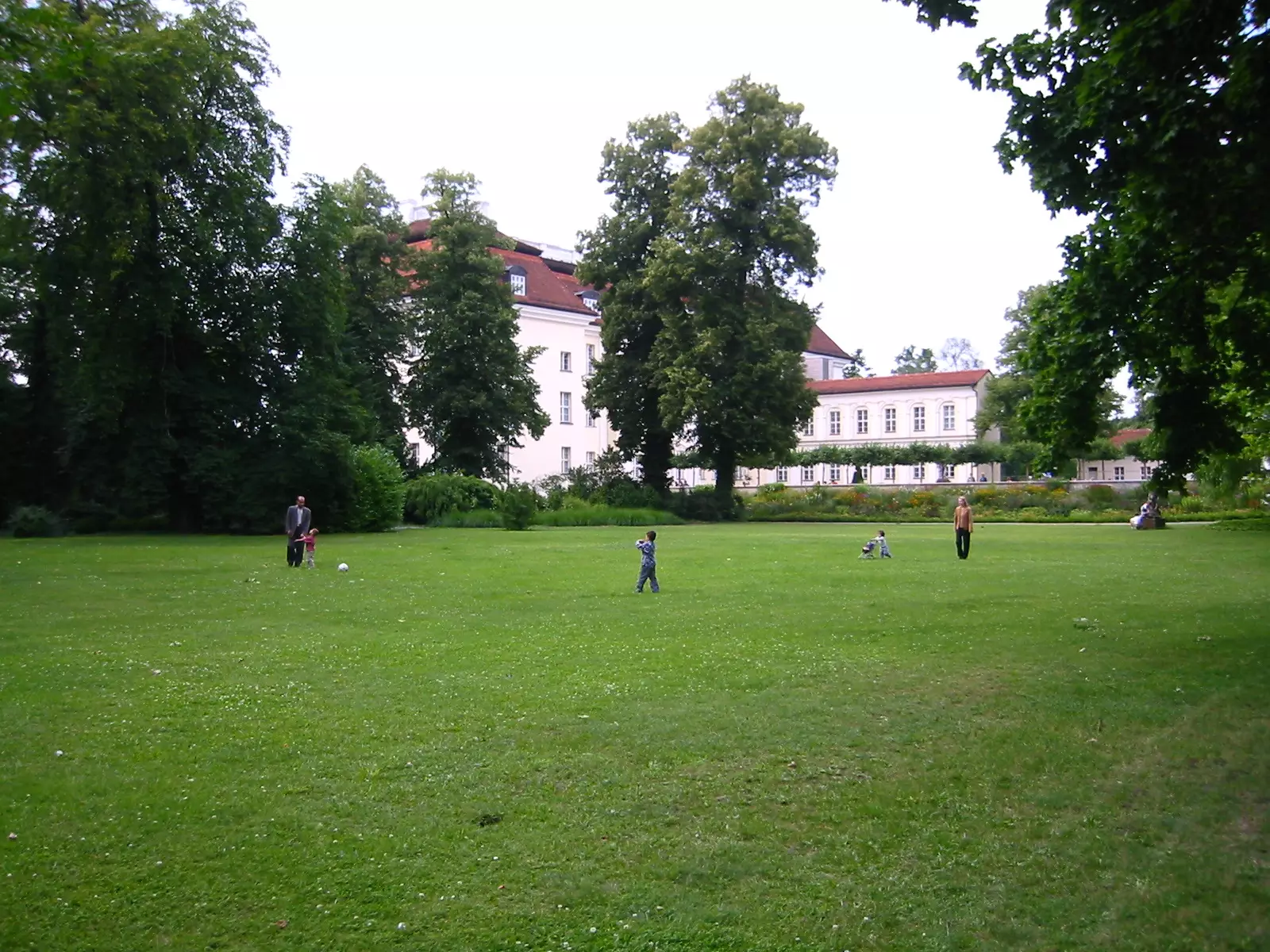
Schloss Köpenick is a graceful Baroque water palace once used by the Hohenzollern electors. It stands on an island where the Dahme River meets the Spree, wrapped by calm water and an English-style garden. The pale façades, tall windows, and ornate gables create a refined silhouette that reflects in the river, especially striking in soft morning or late afternoon light.
The palace sits just above the waterline, connected by bridges and paths that trace the curve of the riverbank. Boats drift past at an easy pace, and the sound of ripples and birds carries across the lawns. From the terraces, long views stretch over the Dahme, with old trees framing the island and casting shade on warm days.
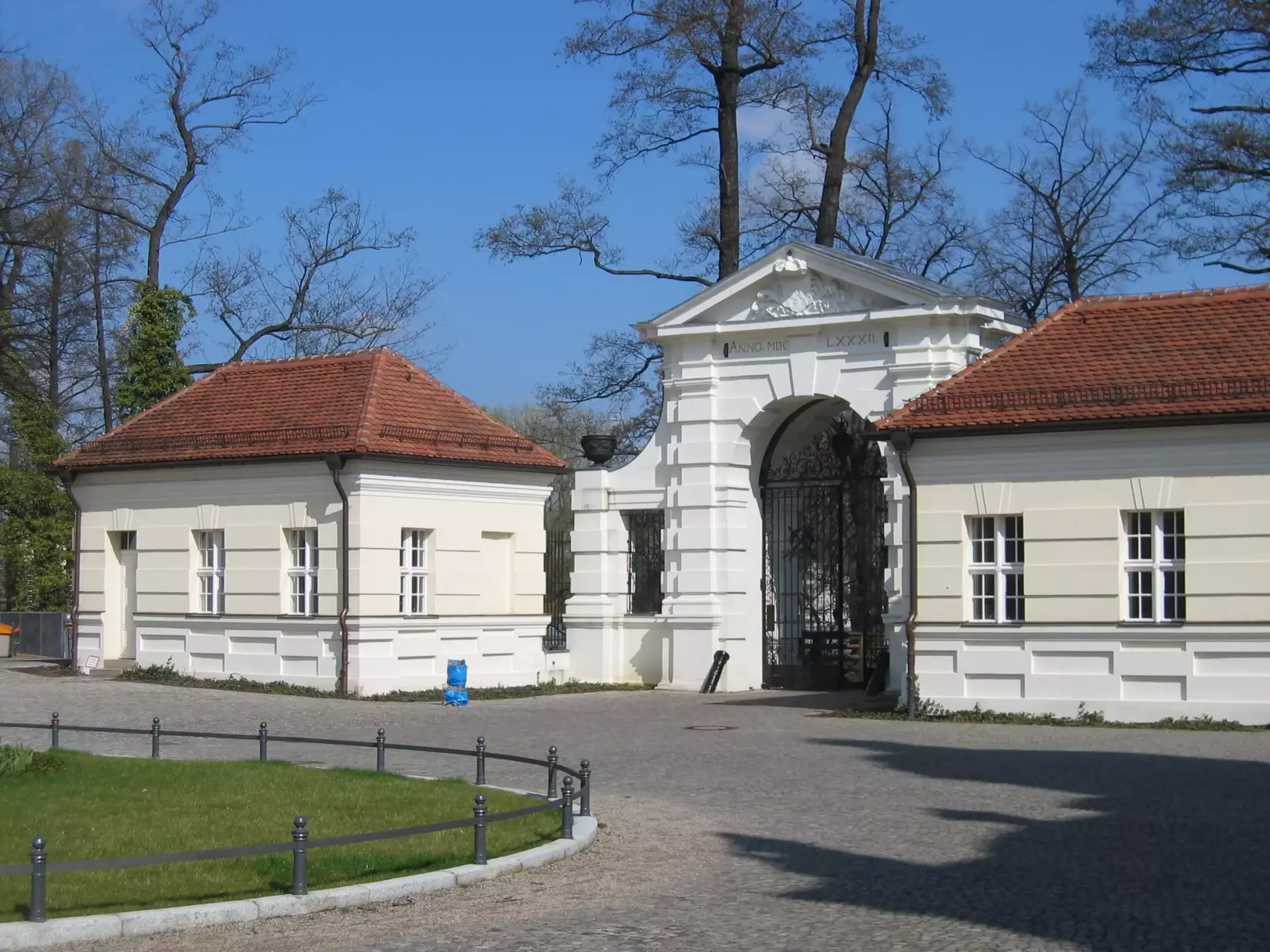
Built in the Baroque era for the Hohenzollern electors, the residence shows the period’s love of symmetry and ceremony. Decorative stucco, stone portals, and sculpted figures enliven the exterior, while the layout follows formal axes that guide the eye from courtyard to water. The historic setting recalls courtly life along Berlin’s waterways, where processions, receptions, and seasonal gatherings once filled the halls and gardens.
The English garden around the palace offers winding paths instead of rigid parterres. Open lawns, clusters of shrubs, and mature trees create a natural flow between river and architecture. Benches face the water, and narrow trails lead to small inlets where the palace comes into view through leaves, creating changing scenes with every turn.
On clear days, the building’s crisp lines mirror on the calm surface of the Dahme. Rooflines, dormers, and chimneys layer against the sky, while the stonework takes on warm tones in low sunlight. Details emerge up close: ironwork on railings, carved coats of arms, and carefully framed doorways that hint at the craftsmanship behind the grand design.
Source - https://en.wikipedia.org/wiki/K%C3%B6penick_Palace
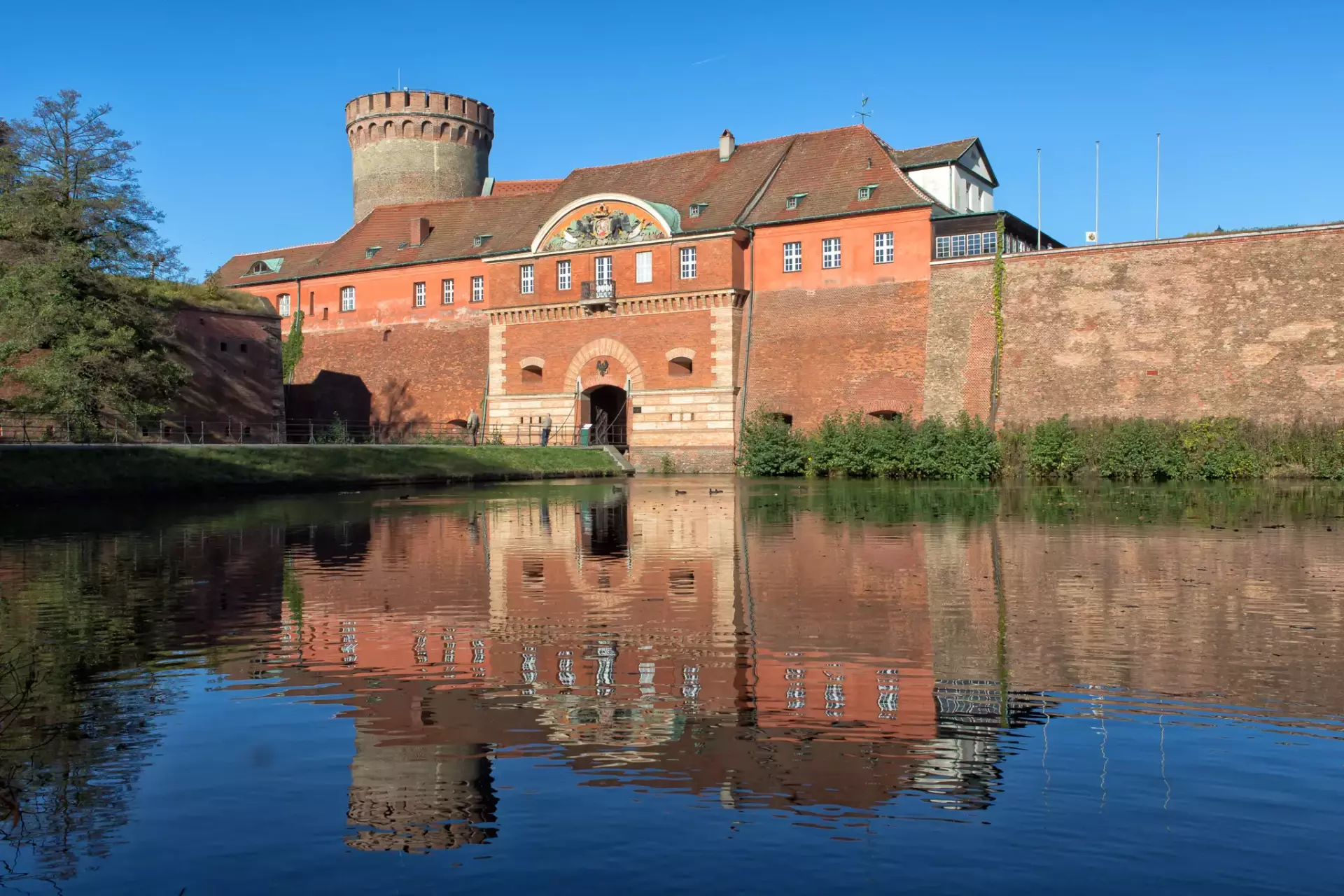
The former Imperial General Post Office, now Museum for telecommunication and post with many interesting historical objects.
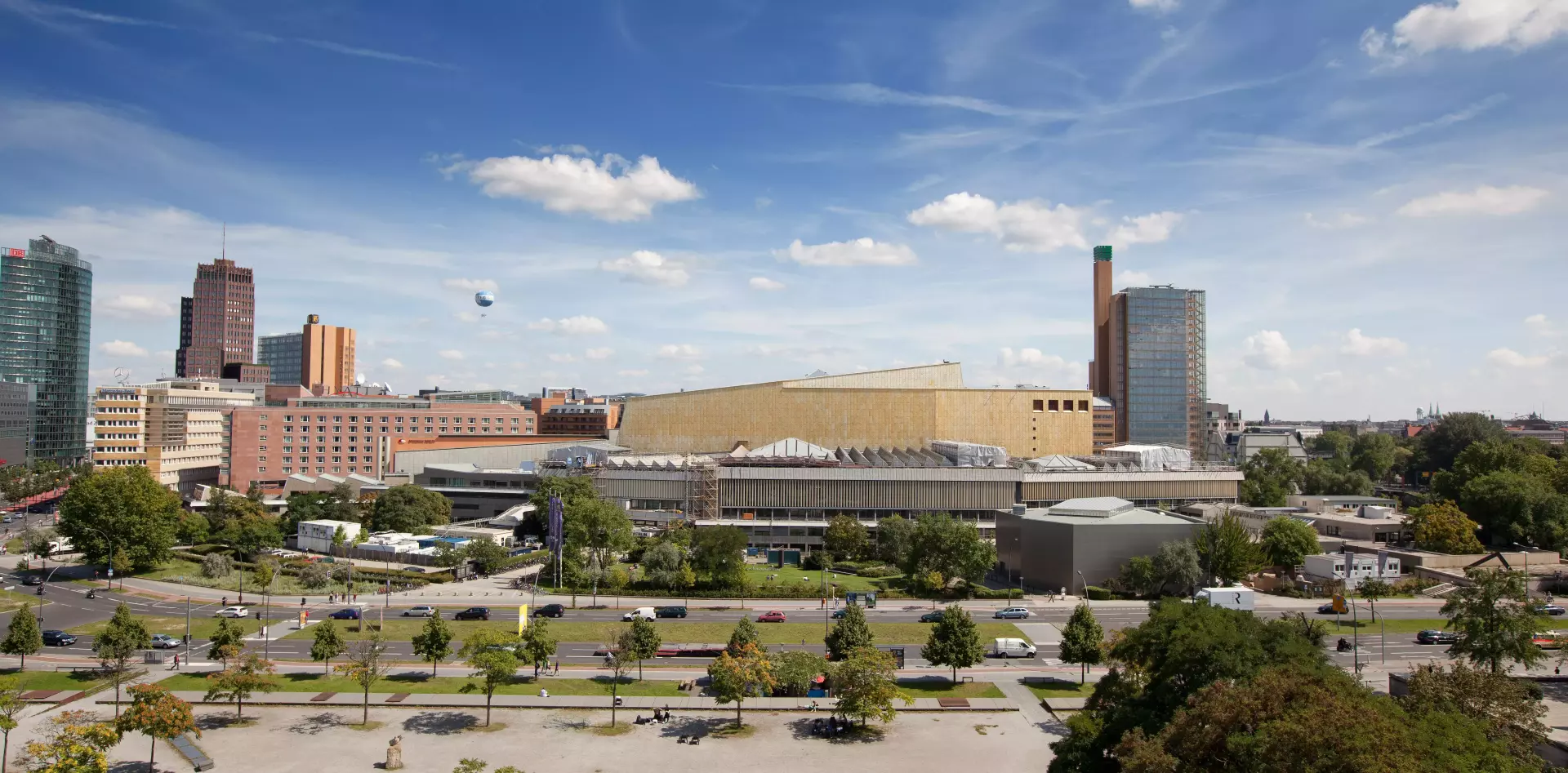
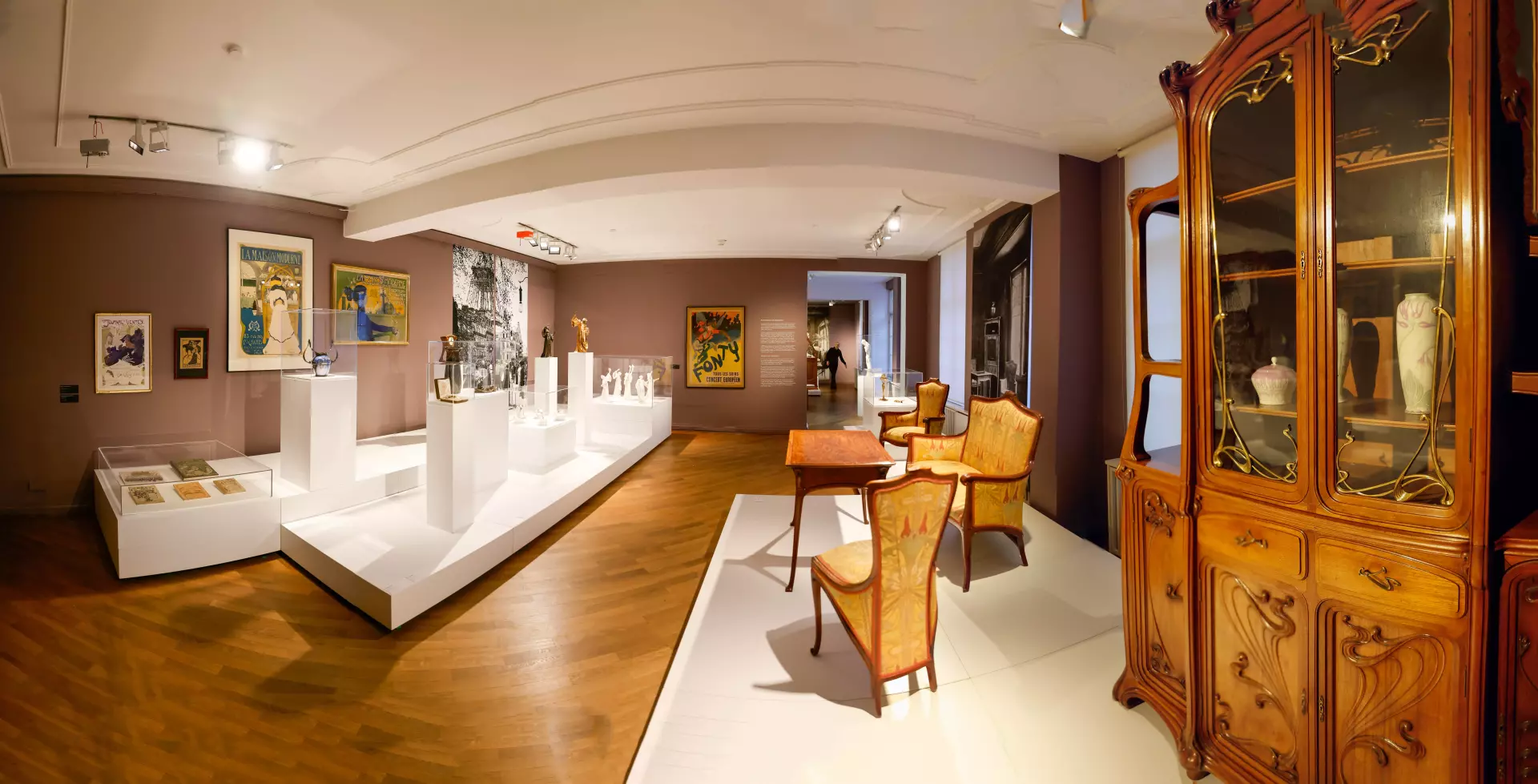
The oldest museum of its kind in Germany which, despite great losses during the World War II, still possesses one of the world's primary collections of European applied art. There are two sections to the collection: one located at the Kulturforum in Tiergarten, the other at Köpenick Palace.
The building houses the personal offices of the Chancellor and the Chancellery staff. The Berlin Chancellery is one of the largest government headquarters buildings in the world. By comparison, the new Chancellery building is ten times the size of the White House. A semi official Chancellor's apartment is on the top floor of the building. The 200-m², two-room flat has thus far only been occupied by Gerhard Schröder chancellors since then have lived elsewhere. It is usually not possible to visit the building, but on occasion there are tours, usually around August. The building was deliberately designed in a way to symbolize the German constitutional system - it's in the line of sight of the Bundestag and lower in height, symbolizing the role of parliament in controlling government and "the people's house" being the higher power in the relationship between the two. Or at least that's the idea.
It is the only hemp museum in Germany; you can see the history of hemp, the culture and use of it. You can see hemp grow. There is a cafe downstairs, with an open WiFi access. Everything going on here is legal - including the hemp growing under artificial light (a low THC strain grown with a special permit) - but they do not refrain from political commentary on the legal situation of cannabis in their exhibits.
The Gemäldegalerie contains an astounding array of paintings, including works by Rembrandt, Rubens, Botticelli, Raphael, Titian, Goya, Velasquez and Watteau. The collection contains works from the old Bodemuseum on Museumsinsel in the East, now closed, and the former Gemäldegalerie in Dahlem. Its strong points are German paintings of the 13-16th centuries, Netherlandish painting of the 15th and 16th centuries, Flemish paintings of the 17th century, and miniature paintings of the 16th-19th centuries. In the newer section of the museum, designed by architects Heinz Hilmer and Christoph Sattler, there is enough space to display 1,150 masterpieces in the main gallery and 350 in the studio gallery - of the almost 2,900 pieces in the European painting collections. Established in 1830, the newly built gallery from 1998 has about 7,000 sq m of exhibition space (a complete tour of the 72 rooms covers almost 2 km).
Small park in the heart of West Berlin. Great place to chill on a sunny day. There are many great cafés and restaurants nearby. Linger over a coffee here and watch people passing by.
Arguably the most beautiful bridge in Berlin and the only connection between Friedrichshain and Kreuzberg. As signage on the bridge indicates, it was built twice - once in the 1890s and once in the 1990s. Before reunification the border ran where the bridge now is.
A beautiful landscape of water canals and vegetation with charming little fish restaurants.
The longest moving refracting telescope is 21 m long with a lens diameter of 68 cm. This giant telescope was built in 1896 by Dr. Freidrich Simon Archenhold but is now part of the Deutsches Technikmuseum Berlin. It was the place where Albert Einstein presented his Theory of Relativity to the public in 1915.
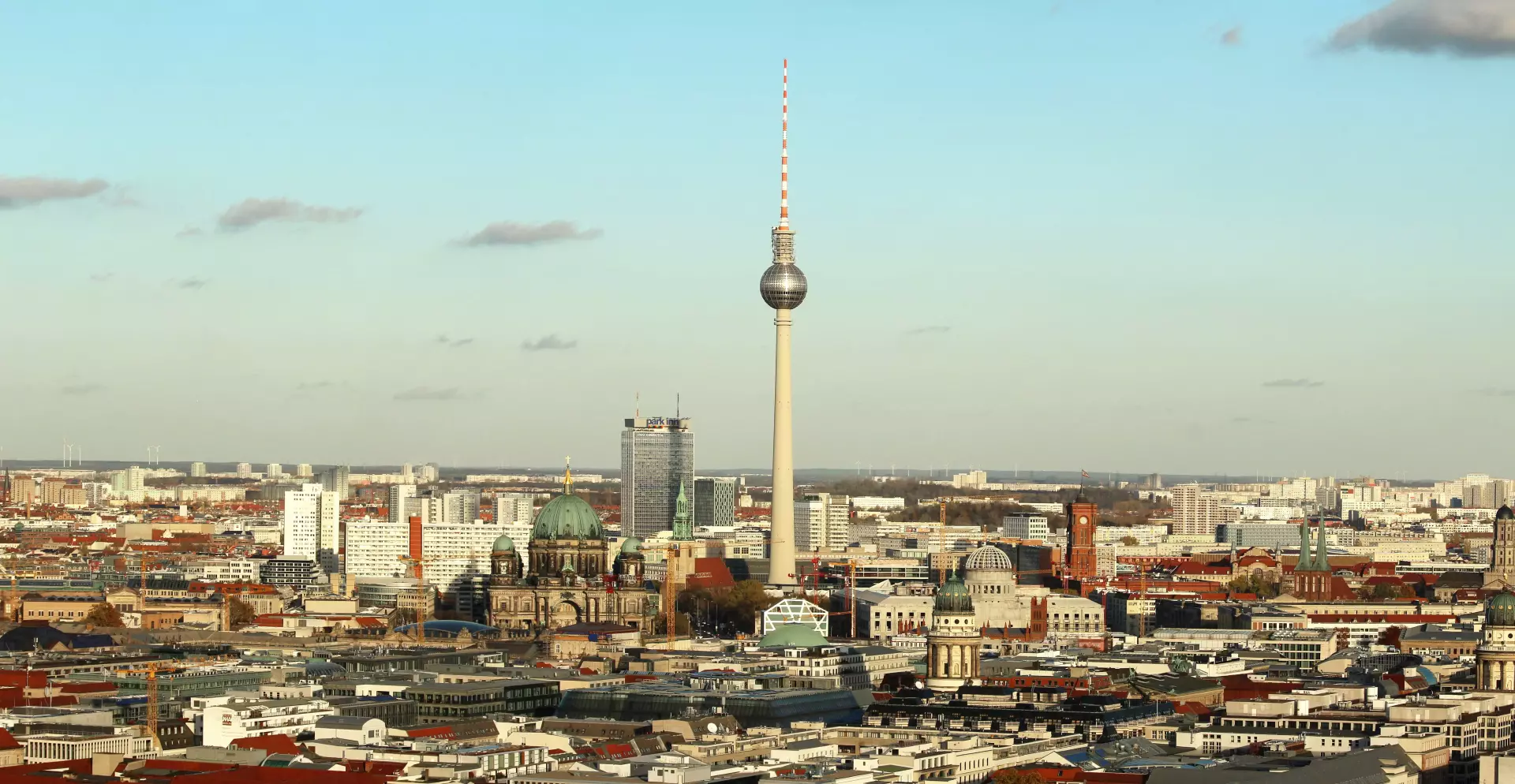
Gothic church, the second oldest (built in late 13th century) of the historical centre of Berlin. It's the highest church tower of Berlin (about 90 m), but seems rather small beneath the gigantic TV tower. The church tower was built in the late 18th century by Carl Gotthard Langhans, the architect of the Brandenburg Gate.
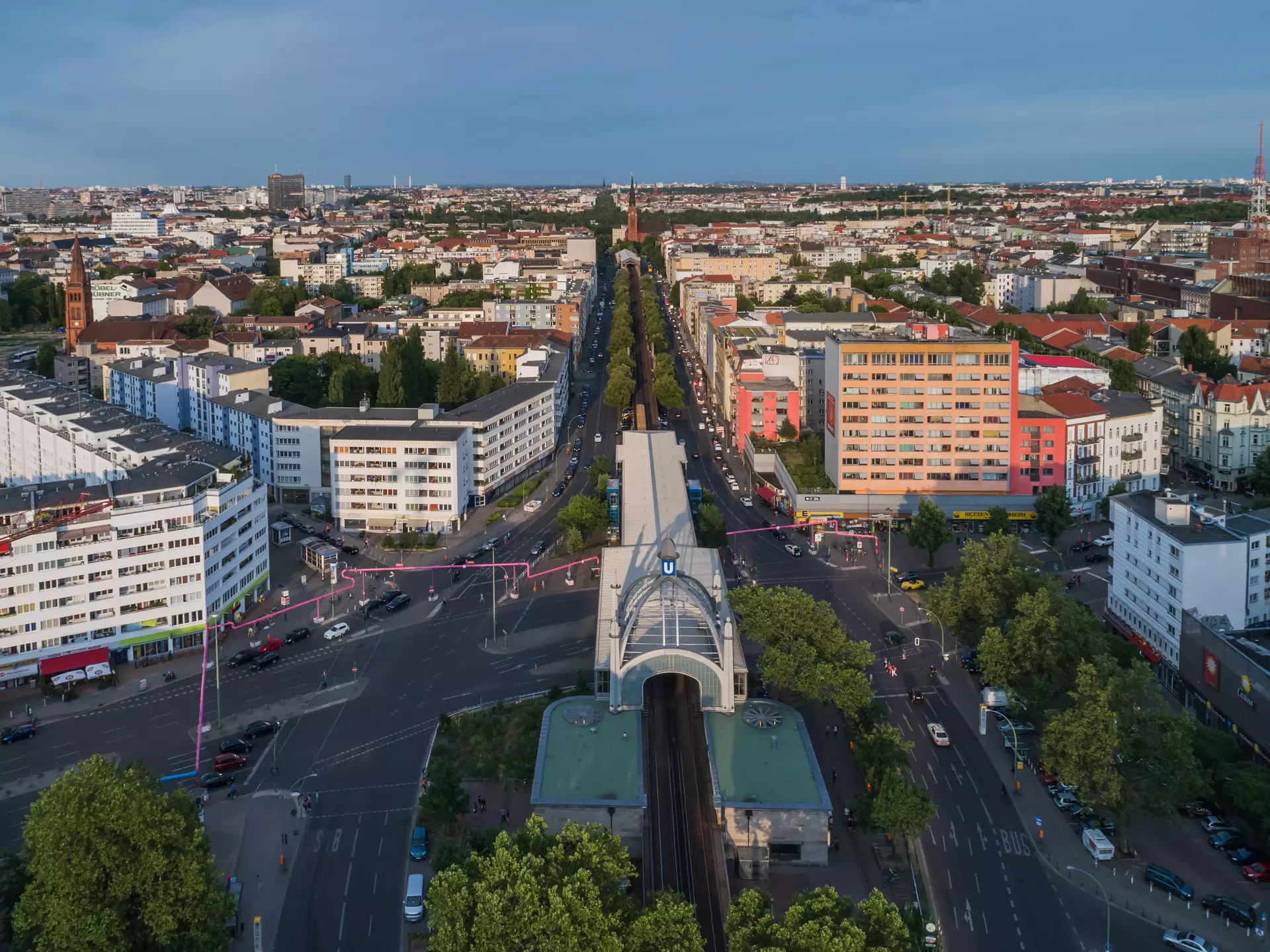
This area was Gay Central during the Weimar Republic, and it is today. But of course all are welcome. There is a diverse mix of restaurants and stores, several of which are open till midnight or later every day. The U-Bahn station has a superstructure and towers that echo the appearance of the Art Nouveau Neues Schauspielhaus across the street, now the Metropol, where radical left-wing dramas used to be presented in the 20s and 30s, and it is lit in rainbow colors.
More than 30 million objects in the scientific collection and a fascinating exhibition in one of the most significant institutions of its kind in the world. Some parts still under construction.
This outdoor and indoor history museum documents the terror applied by the Nazi regime. It is on the site of buildings which during the Nazi regime from 1933 to 1945 were the headquarters of the Gestapo and the SS, the principal instruments of repression during the Nazi era.