The museum is located in a section of a Victorian fire station, adding a touch of historic charm to the visit. Inside, visitors will find a collection of vintage fire engines and historical firefighting equipment. This collection provides a fascinating look into the evolution of fire safety and the brave work of firefighters through the years.
Source - https://en.wikipedia.org/wiki/London_Fire_Brigade_Museum
An enormous, 135-metre-high observation wheel with 32 exterior glass-walled capsules. It offers incomparable views over central London and up to 40 km (25 mi) away on a good day. Tickets are sold for specific times, so if visitors wish to go on the London Eye at a specific time, they are strongly advised to book in advance, particularly in the summer. On a busy day, you can easily spend 1-3 hr queuing just to buy a ticket. However, you can also purchase tickets in advance online. Then you can collect your tickets at the London Eye in a separate queue, which takes a few minutes or less.
The National Portrait Gallery is just around the corner from the National Gallery and is an entertaining way to learn about British history since the Tudors. Visitors walk around the gallery chronologically, viewing portraits of notable figures from British history - from Henry VII, painted by Hans Holbein, to Blur, painted by Julian Opie.
This is a high part of the Heath with clear open vistas, and the views looking south over the city are quite wonderful. Highly recommended on a clear morning, when you can see from Canary Wharf in the east all the way to Battersea Power Station in the west.
Large open space very popular with Londoners and less visited by tourists than the other great city parks. A number of lovely lakes, an open air theatre, regular puppet shows, various sporting activities and some splendid ancient trees. There is also a cafe and play area next to the boating pond. London's main zoo is in the northern reaches of Regent's Park. Takes a very conservation-driven approach these days and always has great exhibits aimed at children. Opened in 1828 for scientific study, then to the public in 1847. Islamic Cultural Centre and the main mosque in London. Visitors are welcome but must be suitably attired. The Mosque runs classes, prayers, talks and events.
Three large auditoriums, the Olivier, the Lyttelton and the Cottesloe. The Olivier theatre is the largest with an open stage and a fan shaped auditorium around it. This ensures that all seats provide a good view. Most of the more 'popular' productions are put on here as the space provided is much larger than most theatres. The Lyttelton theatre is more traditional with a proscenium arc with good views from most seats. The Cottesloe is a small studio theatre, seating around 400. Some tickets will be available on the day, either day seats (arrive before 9:30AM and queue) or standby (arrive before 6PM and queue), or you can buy online. Popular shows, especially those around Christmas in the Olivier sell out months in advance. Tickets to The National Theatre are generally better value than most other theatres. There is also the '£15 Travelex' season in the summer (as of 2019) that provides a large number (over 100,000 seats a year) at £10. Booking in advance is required for these. There is also an exhibition space in the Lyttelton theatre foyer that frequently holds popular photographic exhibitions. Free jazz is often played in the evening in the ground floor foyer. During summer there is a free daily outdoor festival of performance, music, comedy and cabaret known as Watch This Space. Deckchairs (and artificial grass) are provided to watch on. Free exhibitions. Backstage tours £5.
The second biggest greenhouse in London, containing over 2,000 species of tropical plants as well as birds and fish.
The remains of the once-magnificent palace, home to English kings since Edward I, adjoin Richmond Green, a pleasant open green space and historic cricket ground. Only the Gate House and Wardrobe, now converted into flats, remain.
Discover mementoes of the famous fictional detective. In reality, this was a lodging house used in the late 1800s and has three floors. The first floor contains Sherlock Holmes' study with Watson's desk, and has bullet holes spelling the initials VR (for Victoria Regina, Latin for Queen Victoria) much to the chagrin of the landlady Mrs. Hudson. Next to that is Holmes' bedroom with a rogues' gallery containing photographs of several notable Victorian-era murderers including Lizzy Bourdain. The remaining rooms upstairs have waxwork figures and artefacts referencing the novels, as well as their adaptations to stage and screen. Photography allowed, though filming requires permission. Prebooking is recommended to circumvent long queues.
Named in honour of Queen Victoria and her consort Prince Albert, this museum has existed for over 150 years. It contains a huge collection of decorative arts from all over the world and far back in time. Trying to see everything in one day would be exhausting, so use the excellent maps the V&A provides to plan where you want to go. There are regular exhibitions concentrating on a particular theme from Chinese art to fashion designers. Frequently they put on children's activities and late DJ nights.
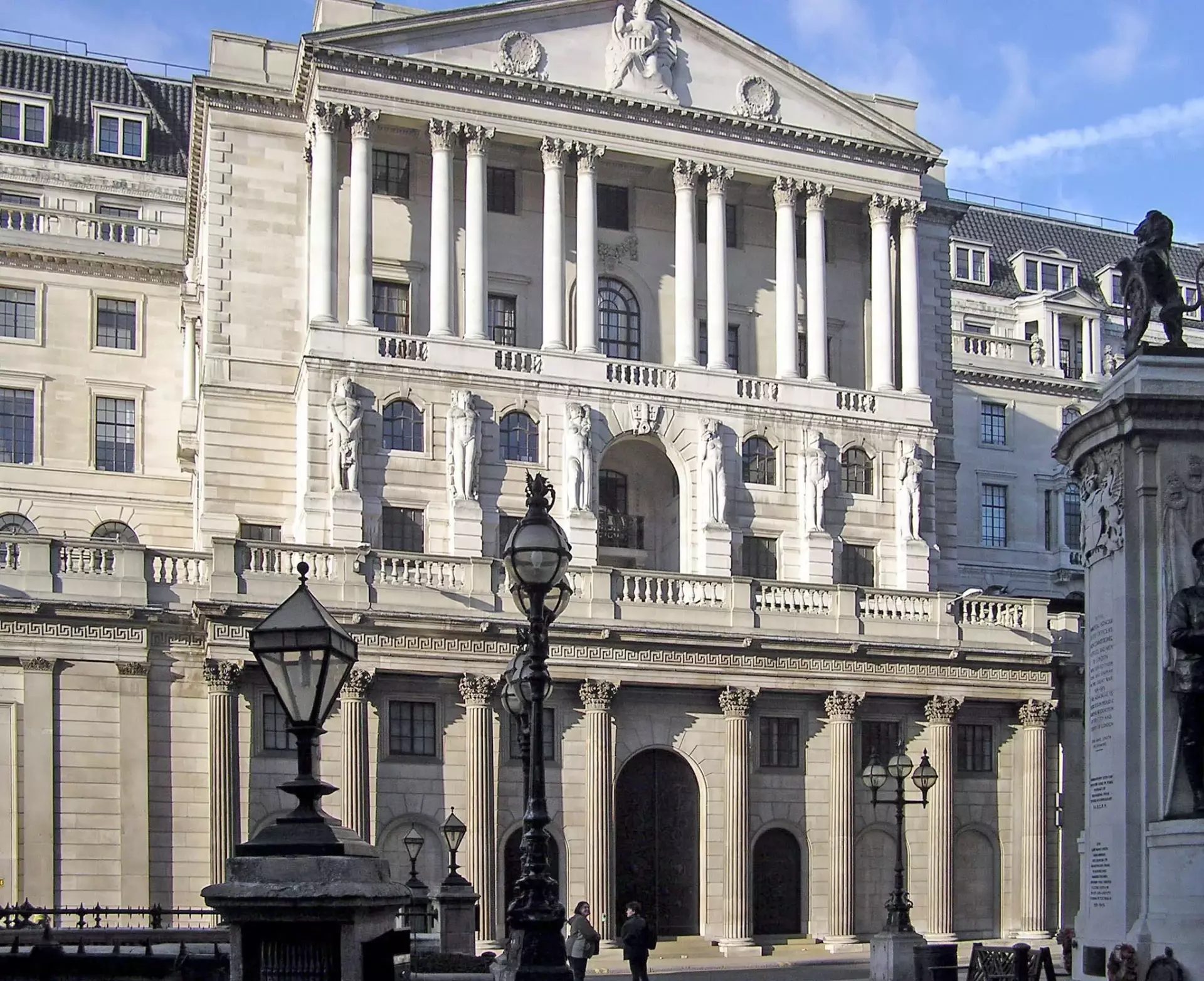
Official residence of the Lord Mayor of the City of London, completed in 1753.
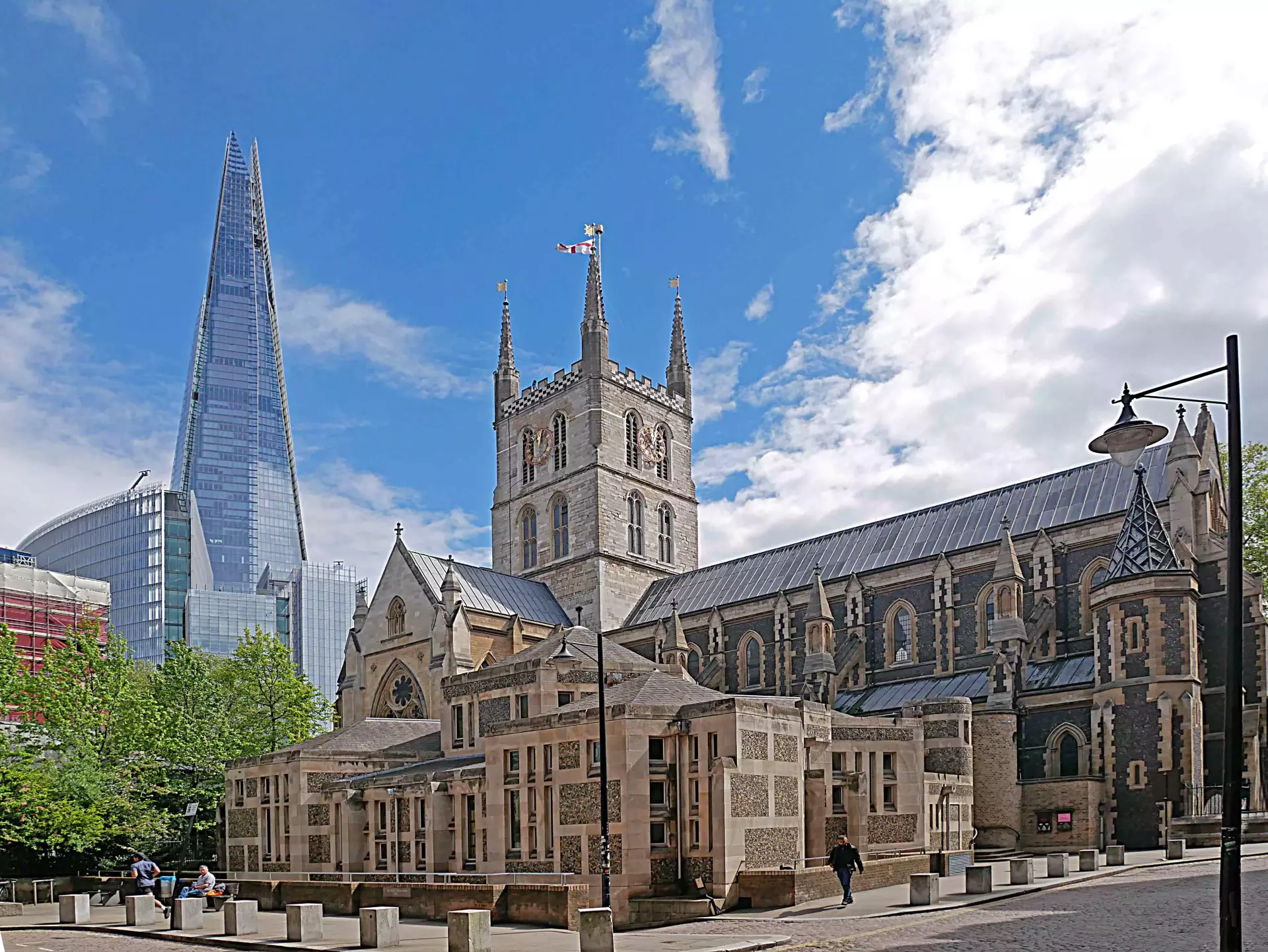
Not as popular with tourists as St Paul's north of the river, Southwark Cathedral has been the site of worship since the year 852. Literally in the shadow of London Bridge, the Cathedral is a shelter from the noise of the city. Next to the Cathedral is the Borough Market open Th-Sa with a wide range of speciality food to buy, a good area for lunch.
St. Margaret's is the church of the British Parliament, more specifically, the parish church of the House of Commons.
Probably the most popular of all the museums here and a must see for many visitors to London. Home to at least 70 million specimens from across all the life sciences. It's difficult to say what the most popular exhibit here is; the blue whale which towers over the entrance hall, the (now slightly tacky-looking) animatronic Tyrannosaurus rex in the dinosaur gallery, or the life-size model blue whale in the mammals gallery. Also well worth a check are the Darwin Centre (book on a free tour to see some of the most interesting, and sometimes gruesome, specimens not on public display); and the studio dedicated to BBC wildlife personality extraordinaire, David Attenborough. The NHM's "Earth Galleries" were once the adjacent Geological Museum, an independent institution until the 1980s, and still located in a separate building with a separate entrance.
Peaceful gardens and interesting monuments including the daughter of Richard Cromwell, son of Oliver Cromwell.
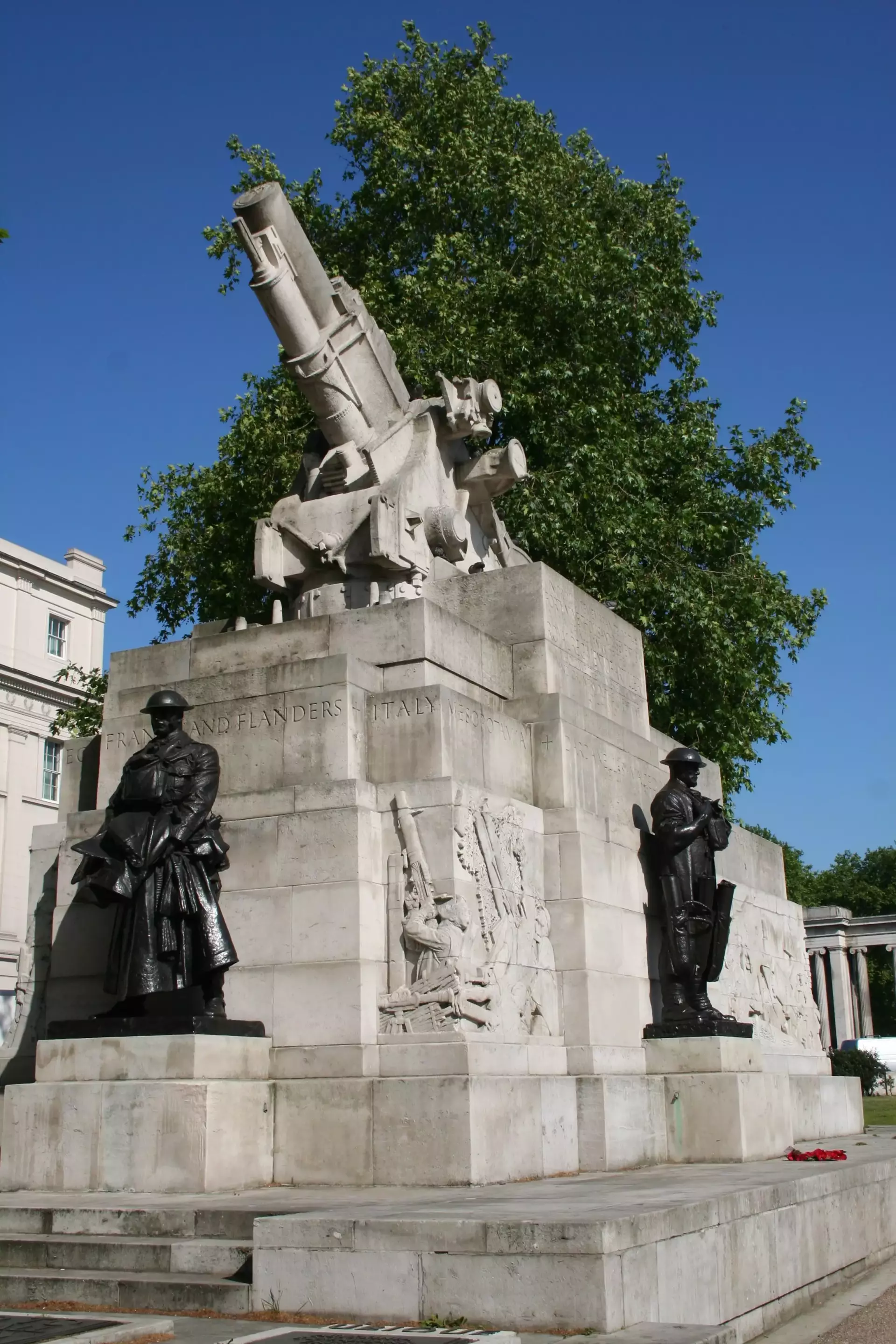
A stone howitzer by World War I veteran Charles Sargeant Jagger