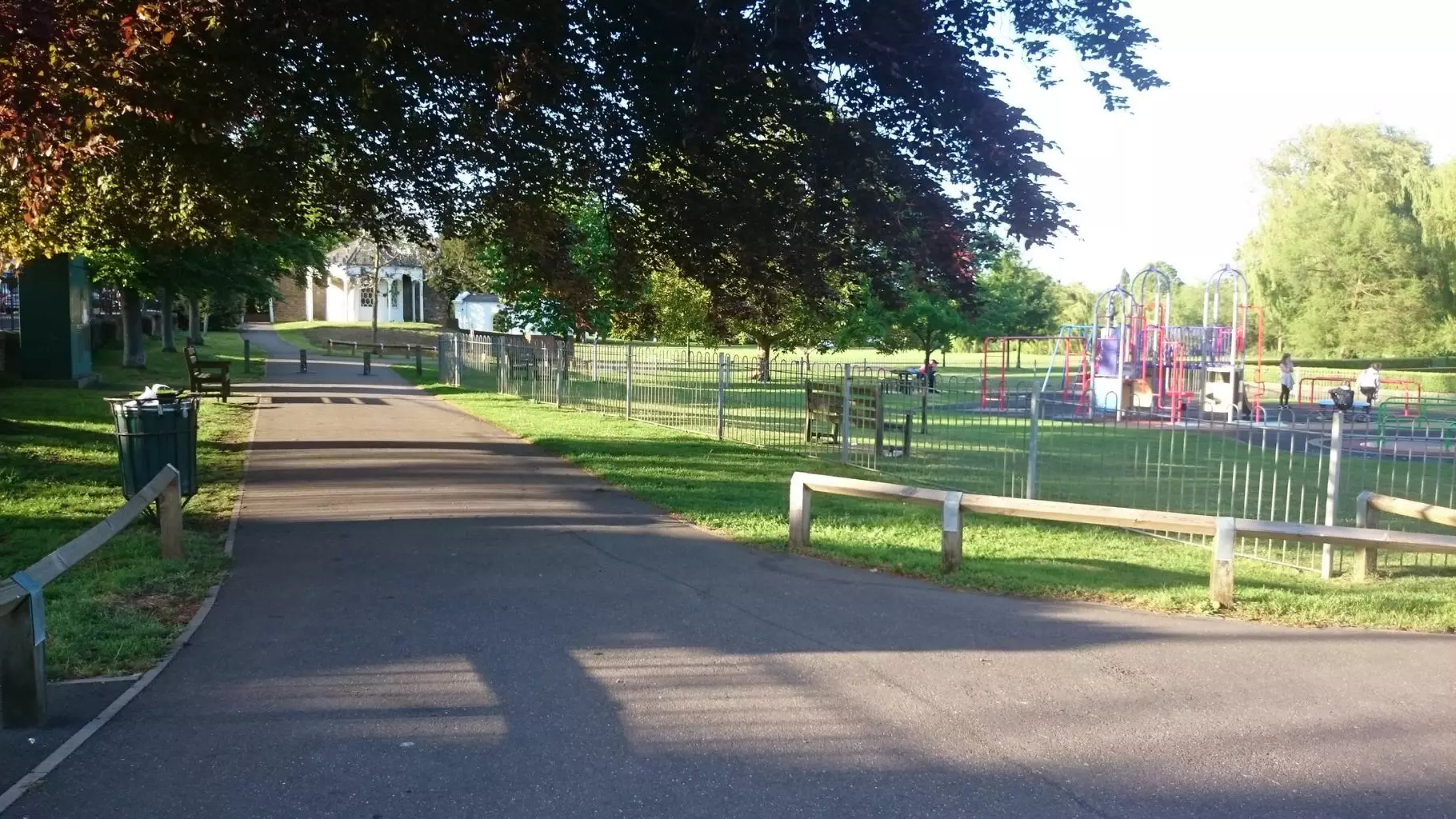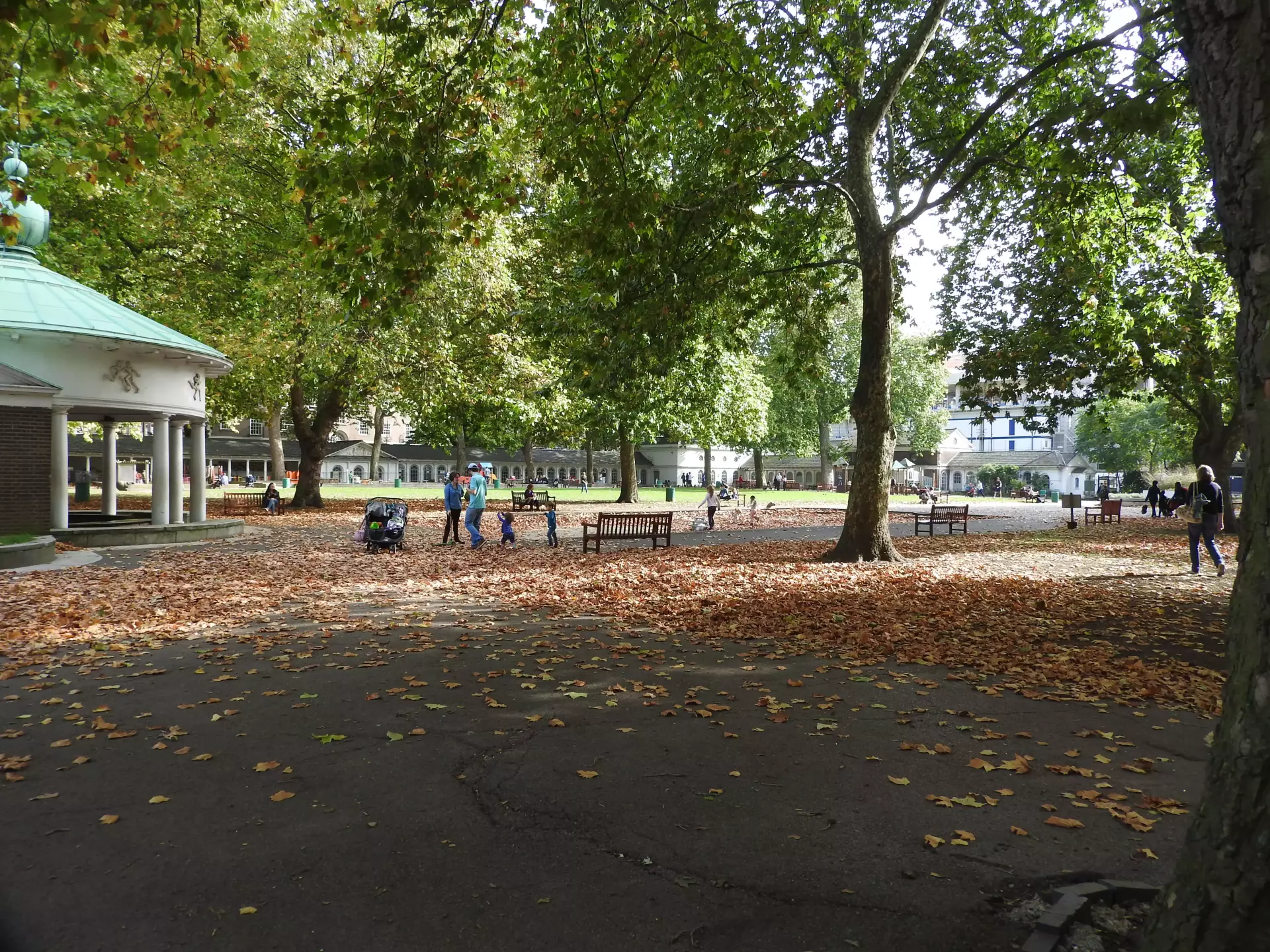
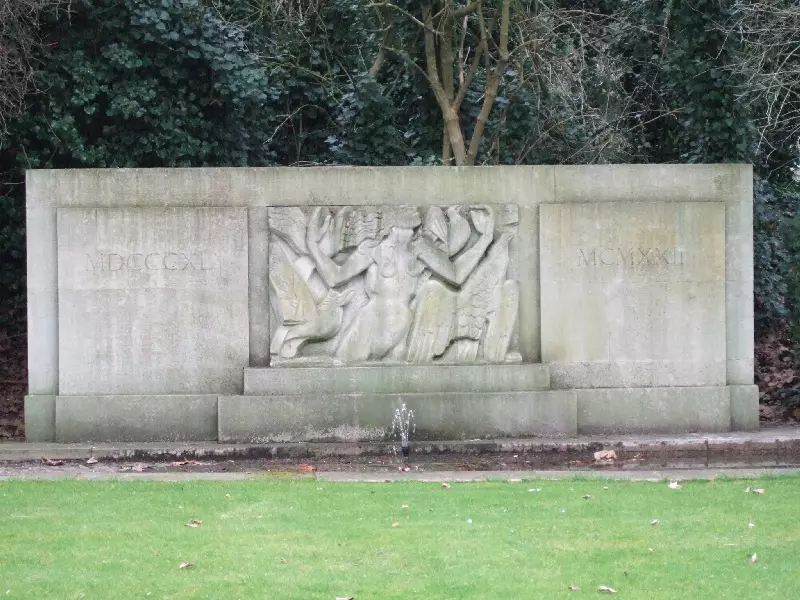
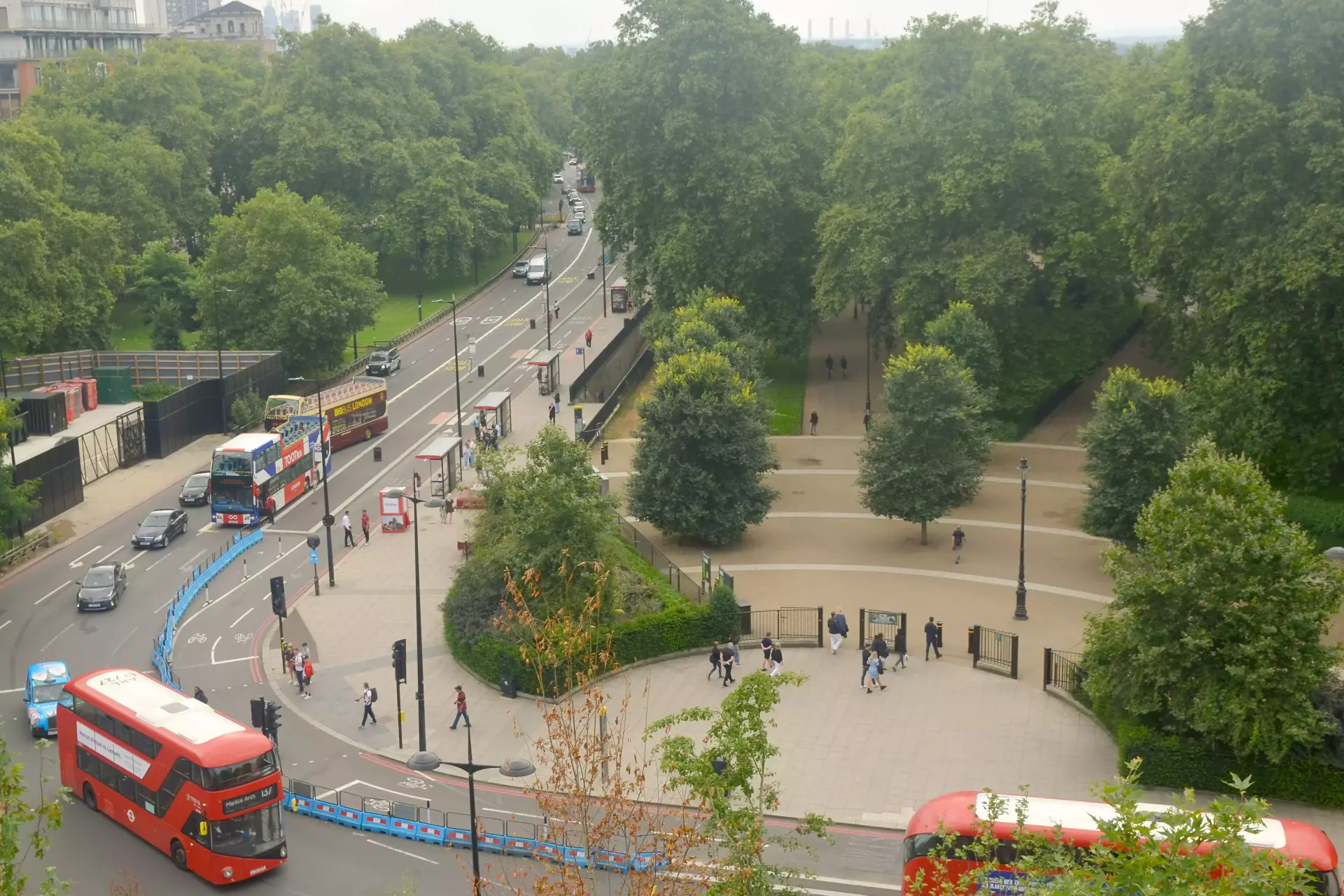
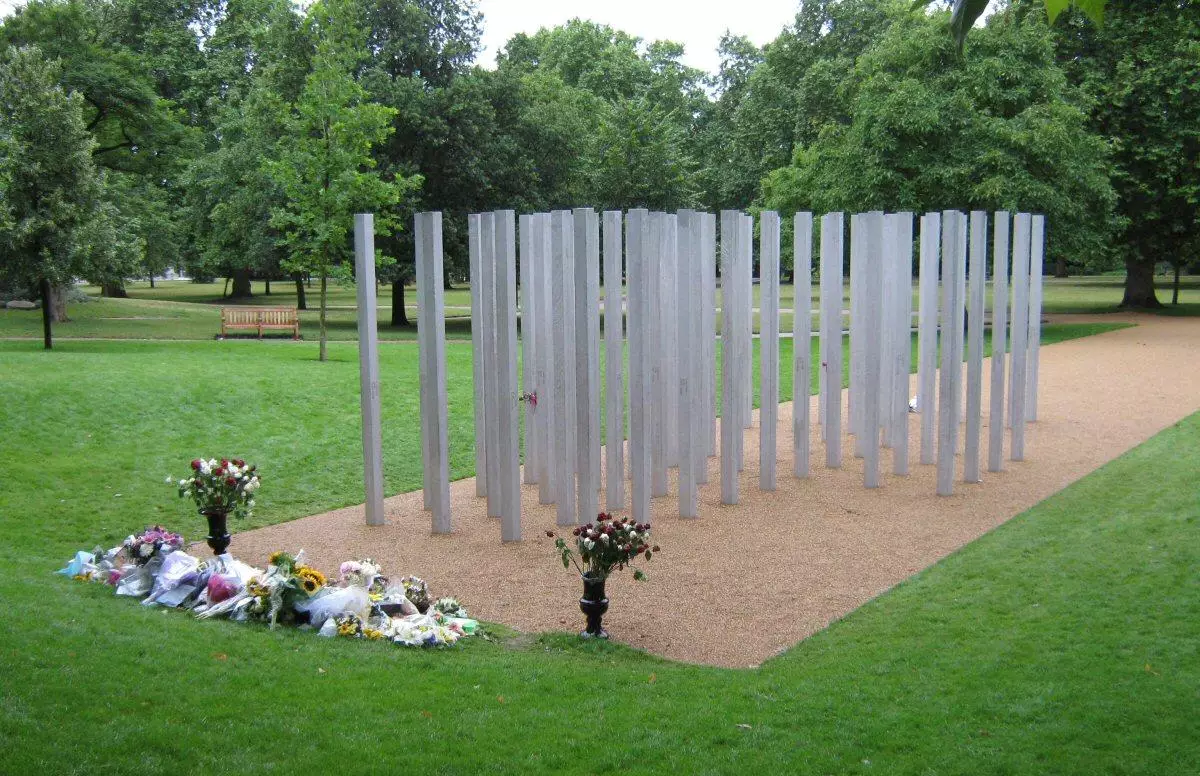
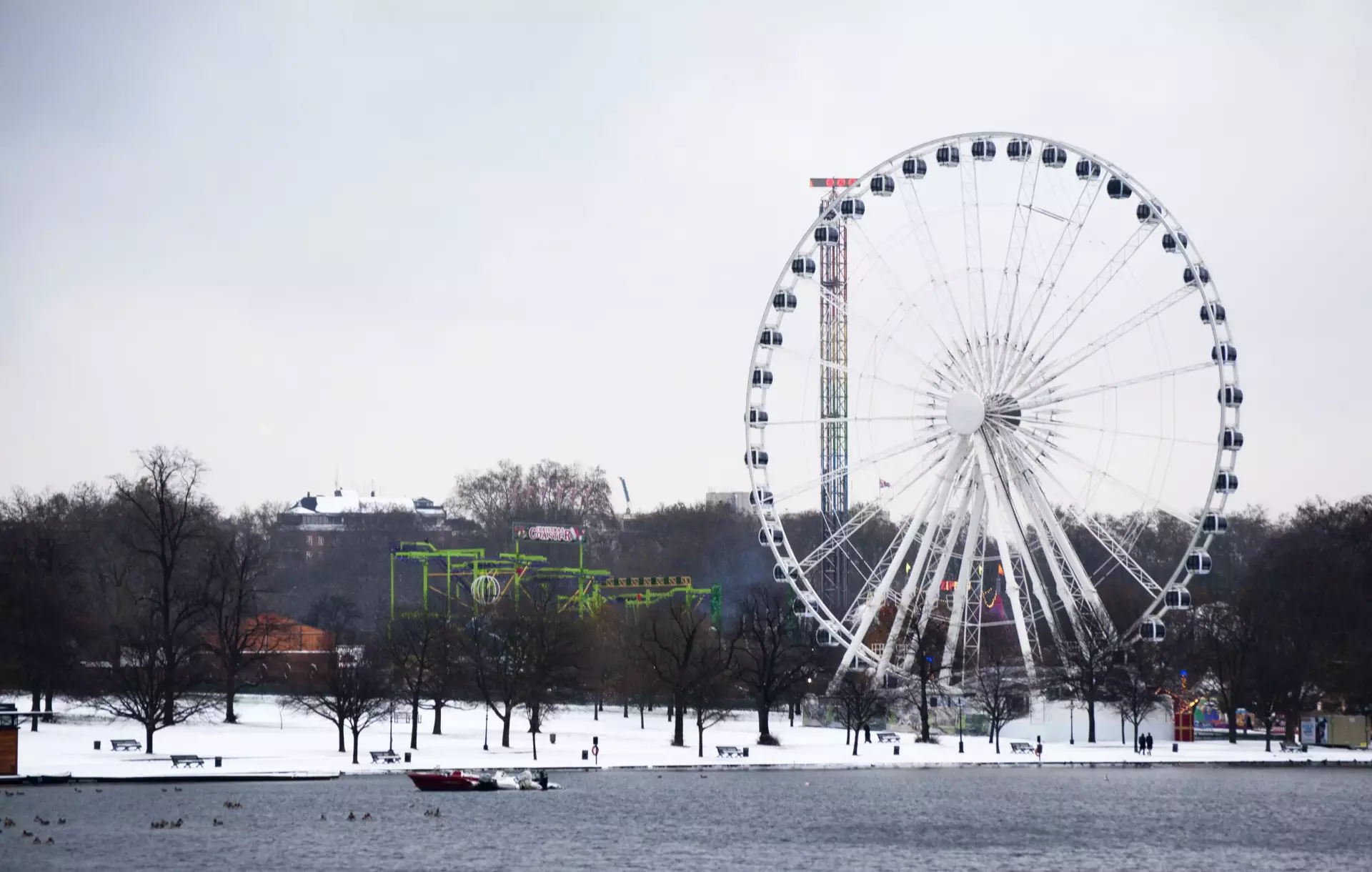
Hyde Park, the eastern half of the twin parks in London, boasts expansive open spaces and a vibrant atmosphere. Unlike its western counterpart, Hyde Park stays open for longer hours and features less wooded areas, making it an ideal location for various events.
Concerts, fun fairs, and other gatherings frequently take place in this lively park, drawing crowds from all around. A notable feature is its unique water structure, the Diana Memorial Fountain. Resembling more of an artificial stream than a traditional fountain, it winds in an oval shape through a grassy expanse. During typical summers, this area becomes a favorite spot for both children and adults to enjoy some playful paddling.
Source - https://en.wikipedia.org/wiki/Hyde_Park,_London
A splendid Regency house with enormous gardens and woodlands. The gardens alone are worth the visit and are a superb example of 18th-century landscaping. On show at the house is art by masters such as Rembrandt, Turner, Reynolds and Vermeer, and the gardens have a very notable sculpture by Henry Moore. A regular program of outdoor opera takes place here every summer. Movie buffs will recognise Kenwood from Mansfield Park among other famous films. Administered by English Heritage, separately from the rest of Hampstead Heath.
A neoclassical church that stands opposite the National Gallery. Since World War I, the homeless have sought shelter at this church, a tradition that continues to this day.
A vast repository of the world's cultures, controversially including hundreds of items that were looted from their places of origin. Entire sections are devoted to Egyptian, Greek, and Middle Eastern artifacts, as well as the piece which united them all, the Rosetta Stone. Other items on everyone's list are the largest collection of mummies outside Egypt and the Elgin Marbles. The collection also includes some of the world's finest collections of Chinese and Sub-Saharan African art; perhaps the most famous of the latter are the Benin bronzes. A definite highlight of a trip to London. Temporary exhibitions are invariably excellent and meticulously researched, but can be expensive. It has a fine store, mainly selling replicas of items in the collection.
The main, central square of London, Trafalgar Square is associated with celebration and demonstration - it is the site of London's lacklustre New Year celebrations, and in 2003 was the site of the triumphant homecoming of the British Rugby team from the World Cup, and a centre for demonstration against Britain's involvement in the Iraq War. The square has been associated with the many hundreds of pigeons that used to be found here, but in 2003 a bylaw was passed to make it illegal to feed them. Nelson's Column, surrounded by the four bronze lions can be found here, on the south side of the square. The north-west plinth in the square was intended to hold an equestrian statue of William IV, but remained bare since 1841 due to insufficient funds. Since 1999, it has been used to display controversial contemporary sculpture. Houses the British national collection of western European art dating from the 13th to 19th centuries. A truly awe-inspiring collection, notable works include Hans Holbein's The Ambassadors, Van Gogh's Sunflowers and Constable's The Haywain. The vast majority of art is free of charge to visit. Temporary exhibitions are generally fairly costly, but invariably well researched and presented. The audioguides are very comprehensive, have comments on most of the paintings in the museum, and are free though this fact is not advertised. A donation is suggested. In addition to courses, workshops, lectures and other events, the National Gallery has free talks and tours every day. The National Portrait Gallery is just around the corner from the National Gallery and is an entertaining way to learn about British history since the Tudors. Visitors walk around the gallery chronologically, viewing portraits of notable figures from British history - from Henry VII, painted by Hans Holbein, to Blur, painted by Julian Opie. The High Commission of Canada immediately opposite to Trafalgar Square maintains a regular art exhibition featuring Canadian artists.
Large open space very popular with Londoners and less visited by tourists than the other great city parks. A number of lovely lakes, an open air theatre, regular puppet shows, various sporting activities and some splendid ancient trees. There is also a cafe and play area next to the boating pond. London's main zoo is in the northern reaches of Regent's Park. Takes a very conservation-driven approach these days and always has great exhibits aimed at children. Opened in 1828 for scientific study, then to the public in 1847. Islamic Cultural Centre and the main mosque in London. Visitors are welcome but must be suitably attired. The Mosque runs classes, prayers, talks and events.
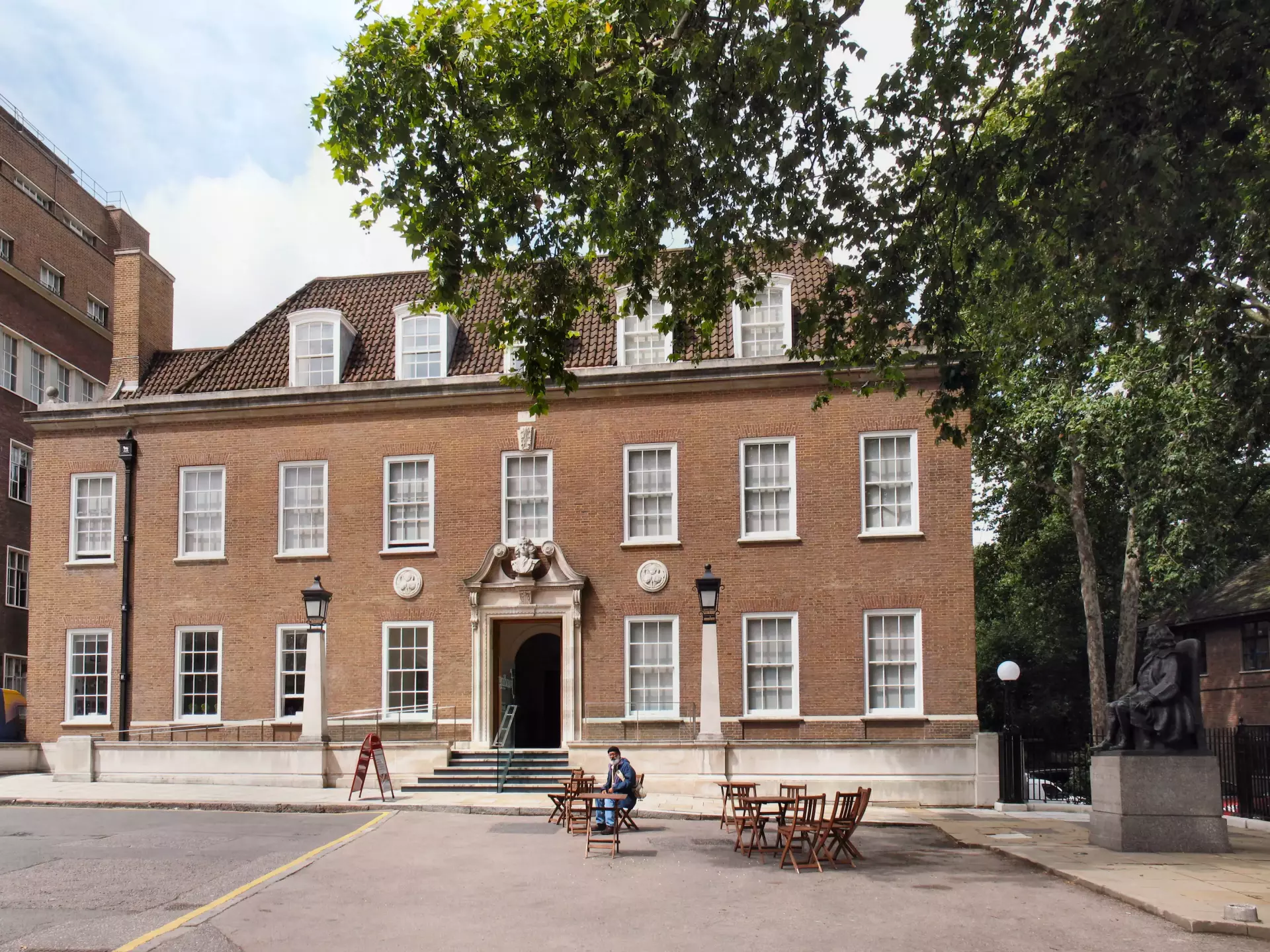
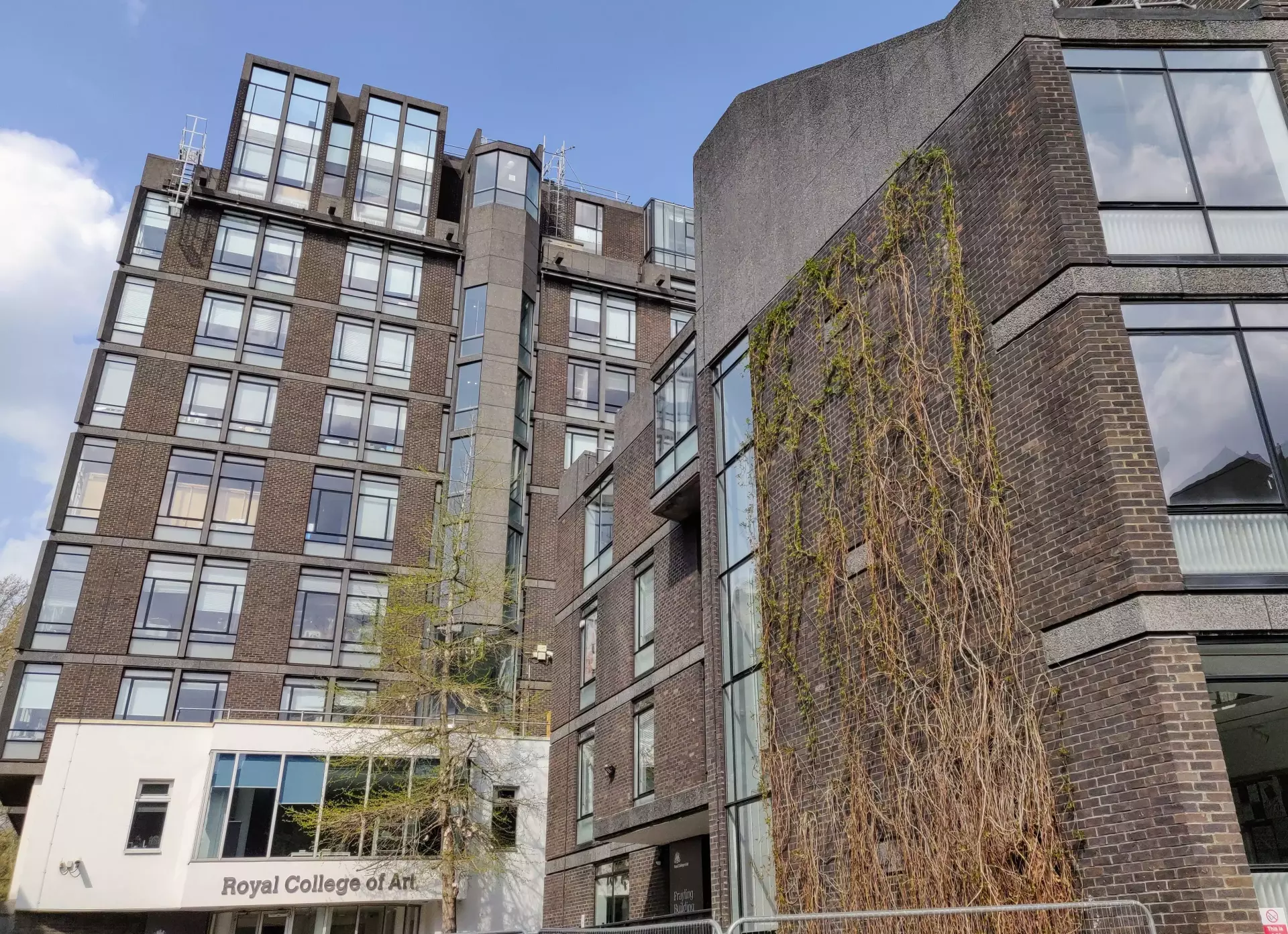
A Victorian school, now a university with a mission to advance knowledge of the fine arts. Exhibitions are common. Times and admission charges vary but can often be free, although visitors may need to book tickets to certain events.
The restoration of the nave was completed in September 2004, and this church is still a striking building designed by Sir Nicholas Hawksmoor with a particularly tall, pointed spire. Hawksmoor's design was significantly altered in the 19th century, and present continuing restoration is intended to restore it to Hawksmoor's original vision. Christ Church was built as part of the 50 Churches for London project.
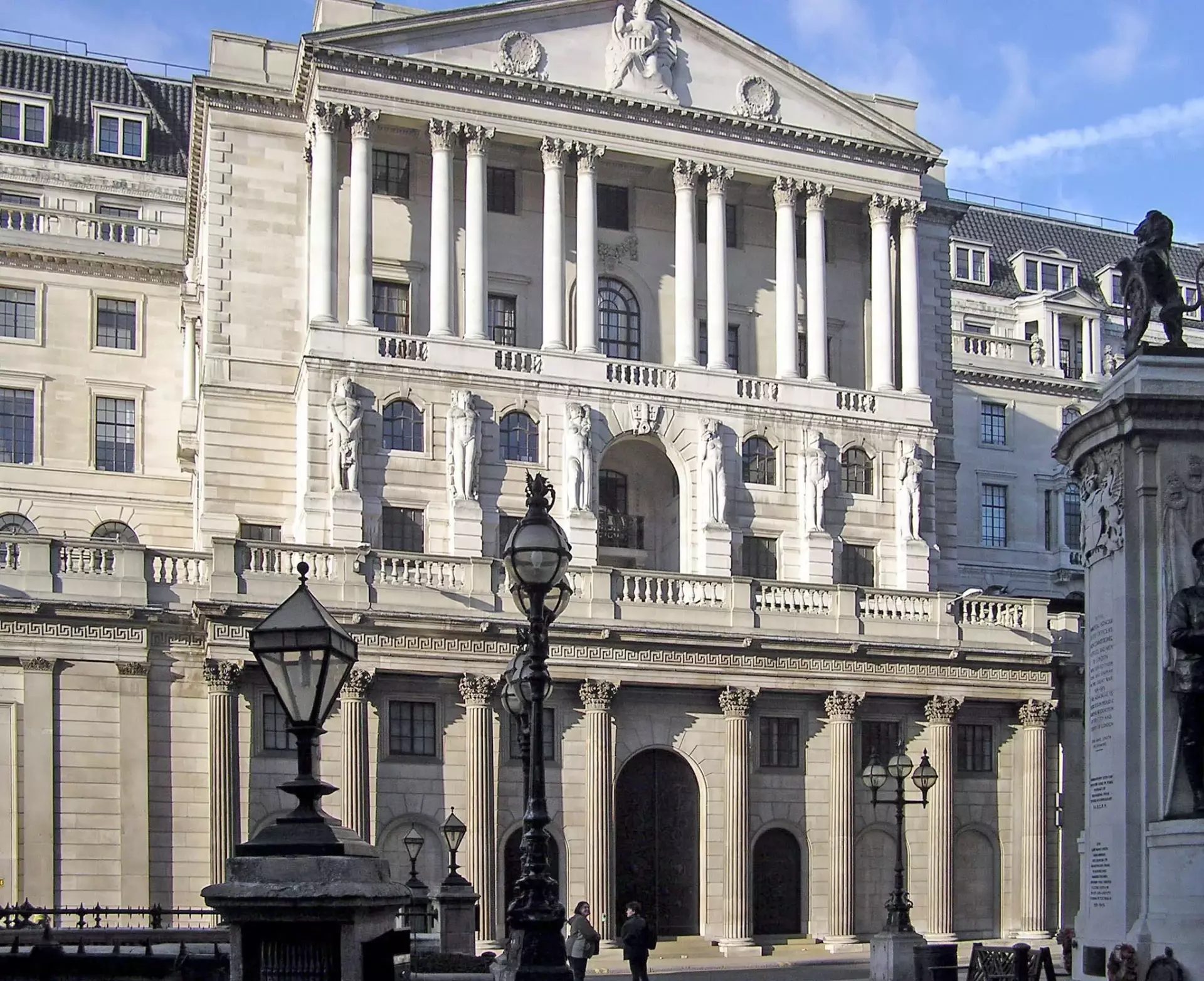
Charts the history of the bank from 1694 to the present day. A highlight is the opportunity to handle a genuine bar of gold. Photography allowed, but no flash.
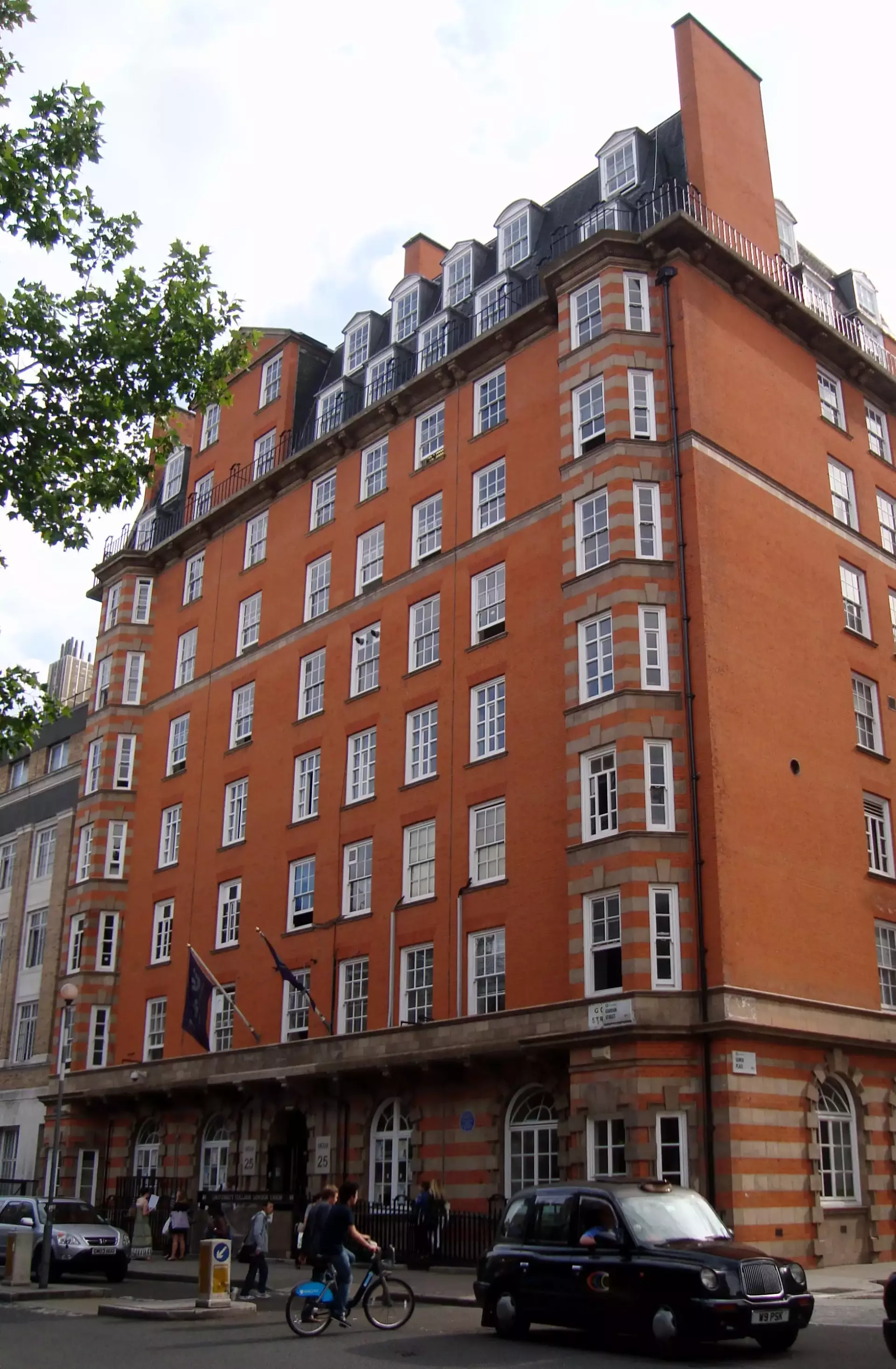
Art deco headquarters of University of London featured in the film Nineteen Eighty-Four.
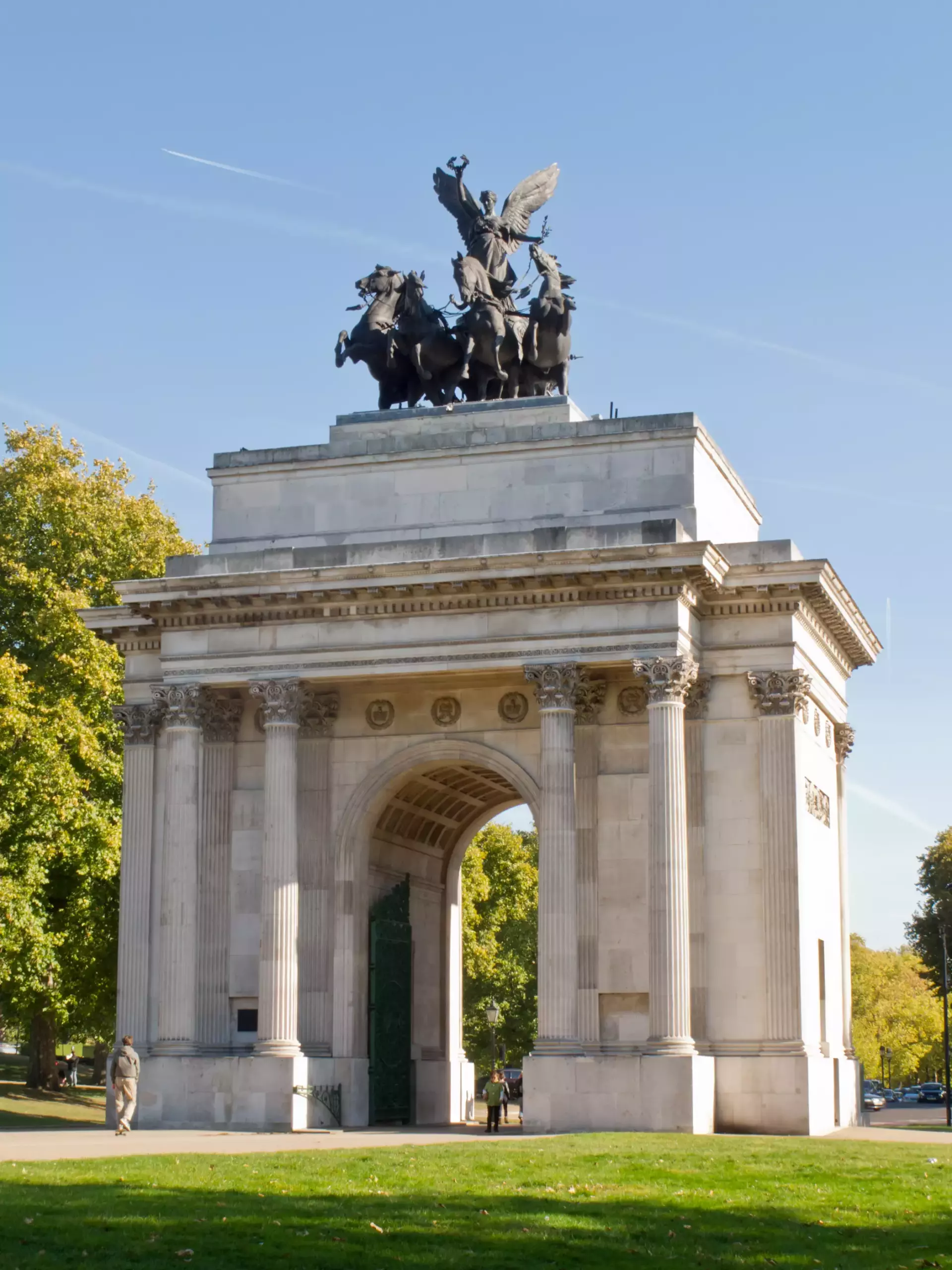
A neoclassical triumphal arch, designed by Decimus Burton and first erected in 1826 as a grand entrance to Buckingham Palace. From 1846 onwards, the arch was topped with a massive equestrian statue of the Duke of Wellington - a major road widening of Piccadilly in 1882 was the opportunity to finally remove the over sized statue to Aldershot. The present magnificent statue Peace Descending on the Quadriga of War was placed on top of the Arch in 1912, and remains today the largest bronze sculpture in the United Kingdom, spectacularly lit at night. During the 1950s, the arch served as the smallest police station in the city, when it was occupied by ten constables, two sergeants and a cat! The arch was opened to the public for the first time in 2001 after a £1.5 million restoration by English Heritage. (Wellington Arch is also available for corporate and private events, with dramatic views down Constitution Hill and across central London from the Arch's spacious balconies, Wellington Arch is a novel and unique place to impress your guests).
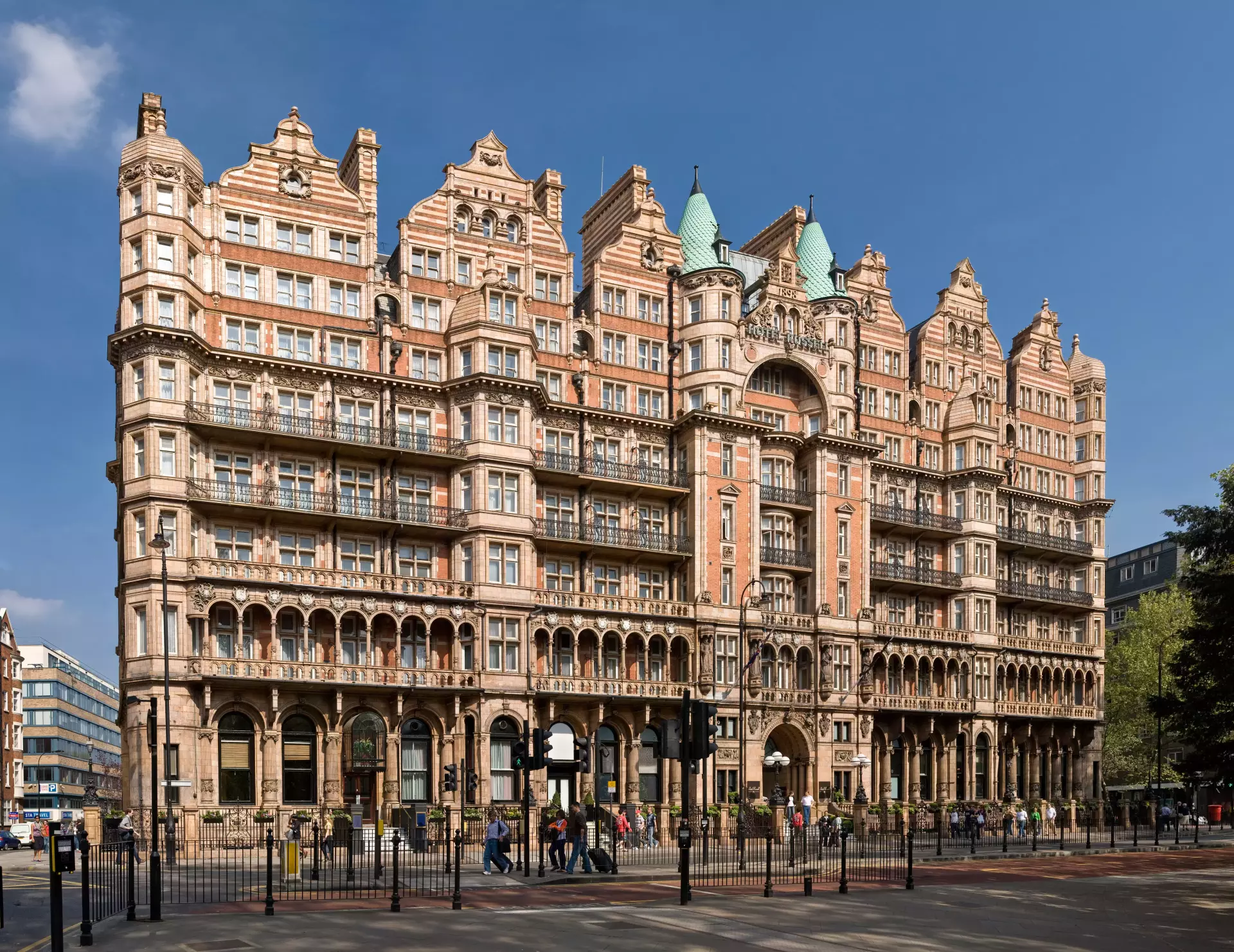
Old train station with an enormous office and shopping complex in glass and pale stone. A lavish hotel is also on the site. The name comes from the Queen Eleanor (13th century) gothic pillar outside the station, which is actually a Victorian-era replica. Charing Cross Road was once famous for its vintage book shops, but these have now largely disappeared due to high rents and online competition; however, the road is still home to one of London's largest bookshops, Foyle's.
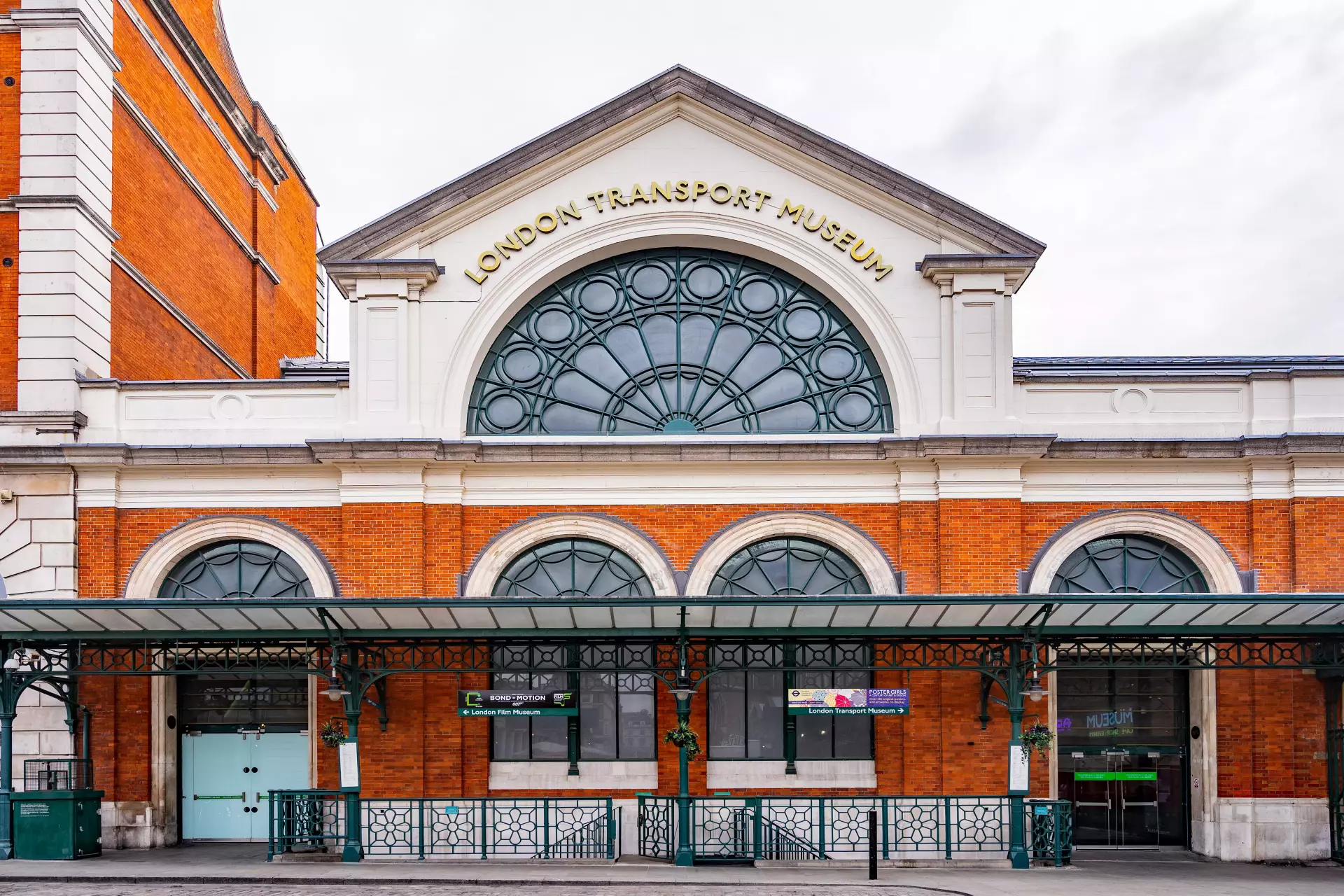
In many cities a local transport museum would be of very narrow interest - not London, however! London's public transport is iconic, and the story of how it developed from horse and cart through early buses, Tube trains and trolleybuses to the present day is well worth coming to find out about. There is plenty of opportunity to clamber aboard the historic buses and Tube trains on display. Also, because London's transport is so well known, the museum shop contains plenty of items that make interesting and original gifts and souvenirs.
Garden founded by apothecaries in the 17th century to the medicinal properties of plants. It was only opened to the public in the 1980s, when it became a charity. The heat-sink caused by its thick walls, combined with the general waste heat of London itself, keeps the garden much warmer than it would otherwise be at this latitude. Due to this, the garden contains the world's most northerly example of a grapefruit outside of a greenhouse, and the largest fruiting olive tree in the country. The collection contains thousands of different plant species.
A 900-year-old tree stump carved and painted to feature elves and small animals.
Founded by William the Conqueror in 1066, enlarged and modified by successive sovereigns, the Tower is today one of the world's most famous and spectacular fortresses and a UNESCO World Heritage Site. Discover its 900-year history as a royal palace and fortress, prison and place of execution, mint, arsenal, menagerie and jewel house. In the winter you can skate on the dry moat. The Tower contains enough buildings and exhibits to keep a family busy for a full day, with plenty of both warlike and domestic contents. Some areas, such as the St John's Chapel in the White Tower, do not allow photography, but these are clearly signposted. Beefeaters, who are all retired sergeant majors from the British Army, provide guided tours for free as well as ceremonial security. See history come alive – go to the Ceremony of the Keys at the Tower of London. This ceremony, the locking up of the Tower, has been performed every night at 10PM for 800 years. Tickets for the ceremony are £5 and must be prebooked.