In the northern reaches of Italy, framed by the towering Dolomites, sits the picturesque town of Cortina d'Ampezzo. Known for its breathtaking landscapes and charming streets, this destination has long been a favorite among travelers seeking both adventure and relaxation.
Surrounded by snow-capped peaks, Cortina d'Ampezzo offers stunning views that captivate the soul. The lush valleys and rugged mountains provide a perfect backdrop for outdoor activities. Whether hiking through verdant trails or skiing down pristine slopes, the natural beauty of the area is ever-present.
The town itself is a blend of traditional Alpine architecture and modern conveniences. Visitors can wander through quaint streets lined with cozy cafes and boutique shops, each offering a glimpse into the local way of life. The aroma of freshly baked pastries fills the air, inviting passersby to indulge in culinary delights.
For those craving adventure, Cortina d'Ampezzo is a playground of possibilities. During winter, the town transforms into a haven for winter sports enthusiasts, with numerous ski resorts catering to all skill levels. When the snow melts, the area becomes a hiking paradise, with trails leading to hidden lakes and panoramic viewpoints.
A visit to Cortina d'Ampezzo also offers a journey into the past. The region's rich history is evident in its well-preserved buildings and landmarks. Museums and galleries showcase the area's heritage, while local festivals celebrate traditional customs and crafts, providing an immersive cultural experience.
Ellis Island was home to the nation's primary federal immigration station, with over 12 million immigrant steamship passengers passing through from its opening in 1892 to its closing in 1954. Today, over 40 percent of America's population can trace their ancestry through Ellis Island. The island is home to the American Family Immigration History Center, which contains manifests of 25 million immigrants, passengers, and crew members who entered New York Harbor. The Immigration museum at Ellis Islands has details about "Peopling of America" and if you are an avid history lover, this museum will need at least 3-4 hrs of your time. Since the ferry ride takes you to both Ellis Island as well as the Liberty Island, you will have to plan your day well.
The garden is 52 acres and the layout was well planned. It is definitely worth a visit. Designed by the Olmsted Brothers in 1910 and open to the public since 1911, the garden includes an authentic Japanese garden, a Children's Garden, and the Cranford Rose Garden. The garden has the largest cherry blossom trees in one place outside of Japan. There are 42 gorgeous varieties. The Brooklyn Botanic Garden hosts various festivities throughout the year, including Hanami Sakura in May and the Chile Pepper Festival in October.
This massive apartment building has been (and is!) home to many celebrities. Probably best known was the former Beatle John Lennon, who was gunned down outside the building on December 8, 1980, by a crazed fan. Lennon had been living at the Dakota with his second wife, Yoko Ono, who still resides in the building. A memorial to the former Beatle exists nearby in Central Park. The building has become a popular place of pilgrimage for many who admire Lennon.
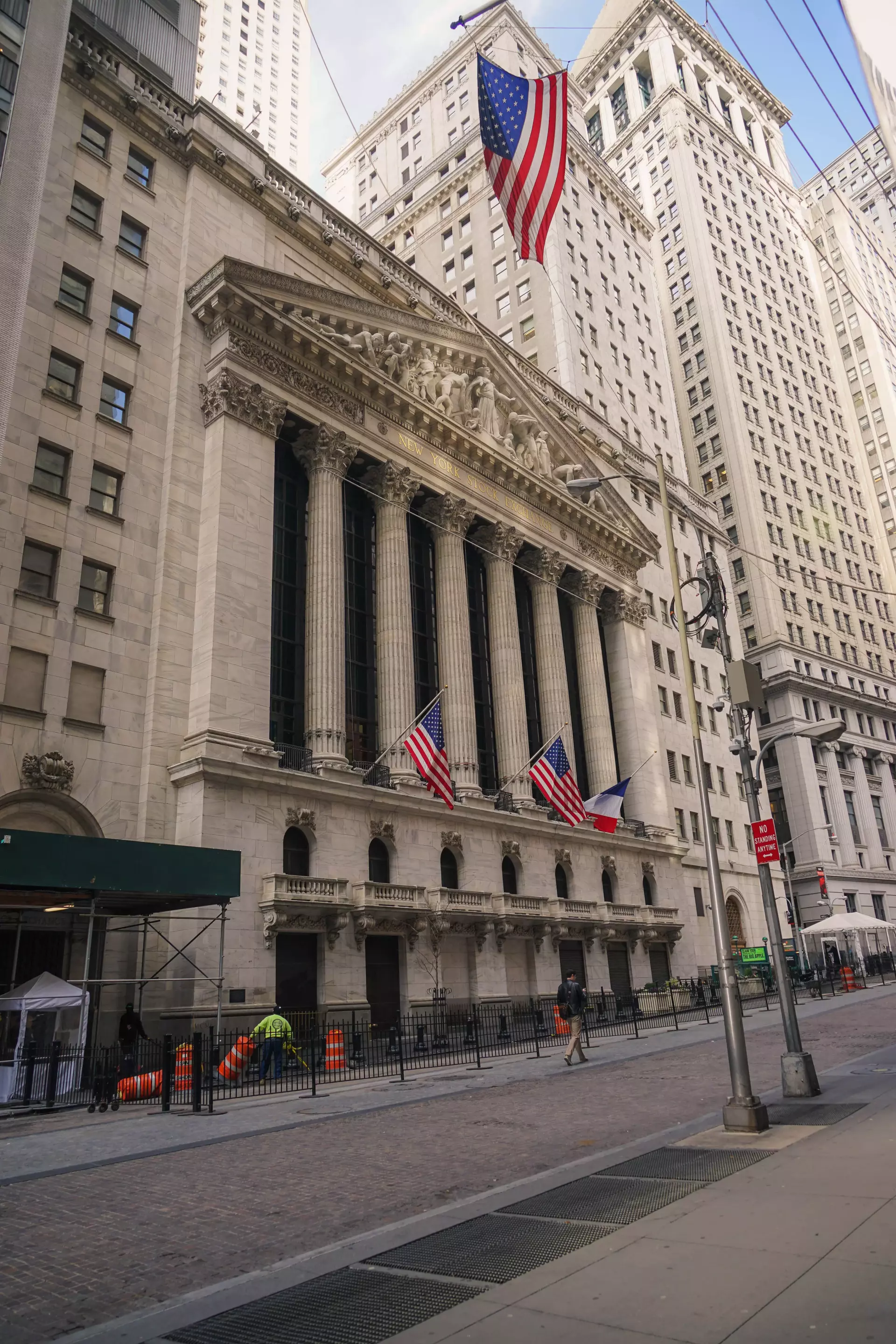
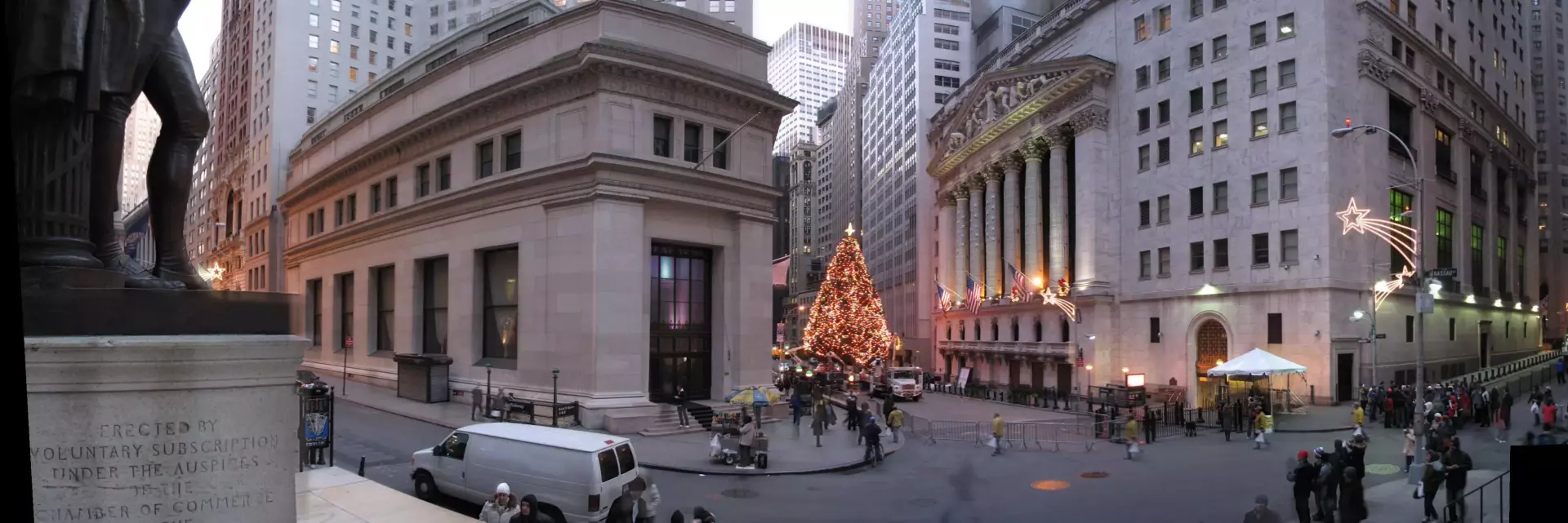
A historic site, not least because of the Black Thursday crash of the Exchange on 24 October 1929 and the subsequent sell-off panic which started on Black Tuesday, 29 October, precipitating the worldwide Great Depression of the early 1930s. The present Exchange building opened in 1903, recognized from the first as an example of masterful architecture, with the six massive Corinthian columns across its Broad Street facade imparting a feeling of substance and stability and, to many, seeming the very embodiment of America’s growth and prosperity. The building has been closed to the public since 9/11.
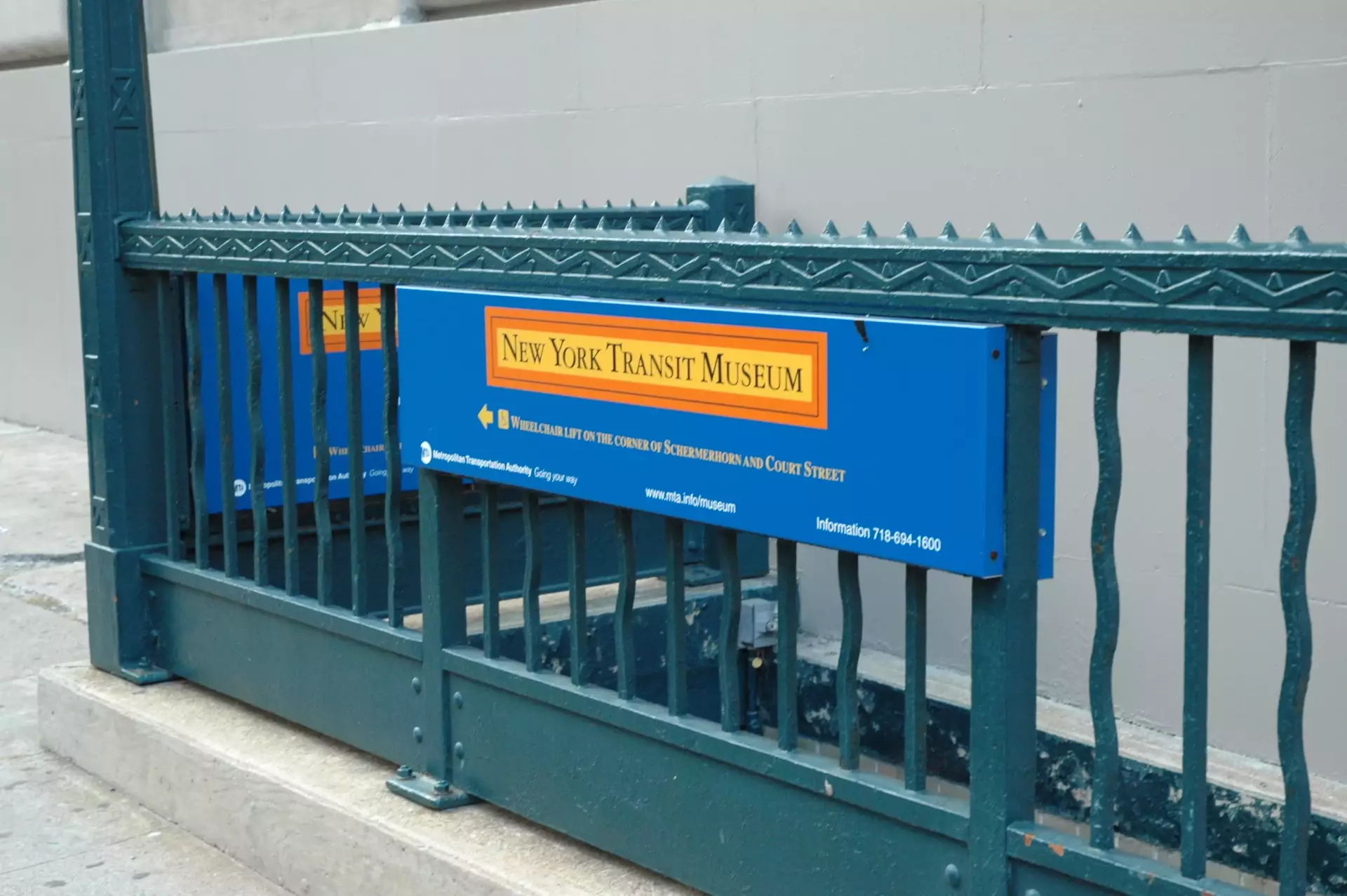
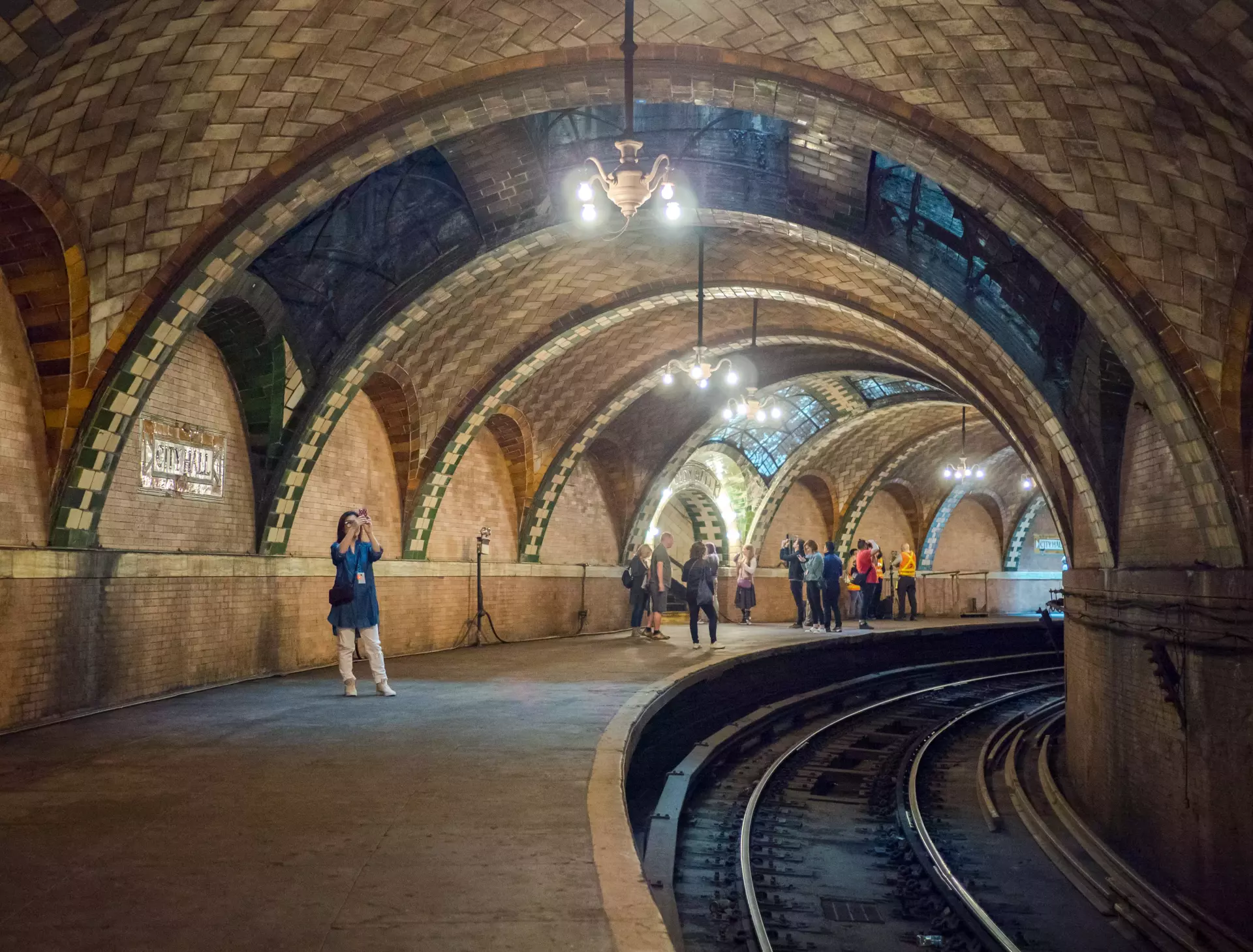
The original subway station, and quite a marvel to witness--the chandeliers and ornate tiling are a sharp contrast to the nearby Brooklyn Bridge-City Hall station. There's one catch, though: it's been closed since 1945. However, you can see it by staying on the downtown 6 train after its last stop Brooklyn Bridge-City Hall; it will turn around in the old station. This is the one place in the system where this is allowed, and the announcements reflect that. The Transit Museum (in Downtown Brooklyn) offers occasional tours as well, which allow you to actually walk around the station, but you must be a museum member and a US citizen, making this an impractical choice for most visitors.
One of the foremost conservatories of those disciplines in the United States.
Opened on November 15, 2022, this interactive museum utilizes technology to convey the history of Broadway, complete with props from past shows, costumes, and other artifacts. You can learn about how a Broadway show is made, and there is a gift shop selling not only their own merch, but also products from current Broadway shows and Broadway in general.
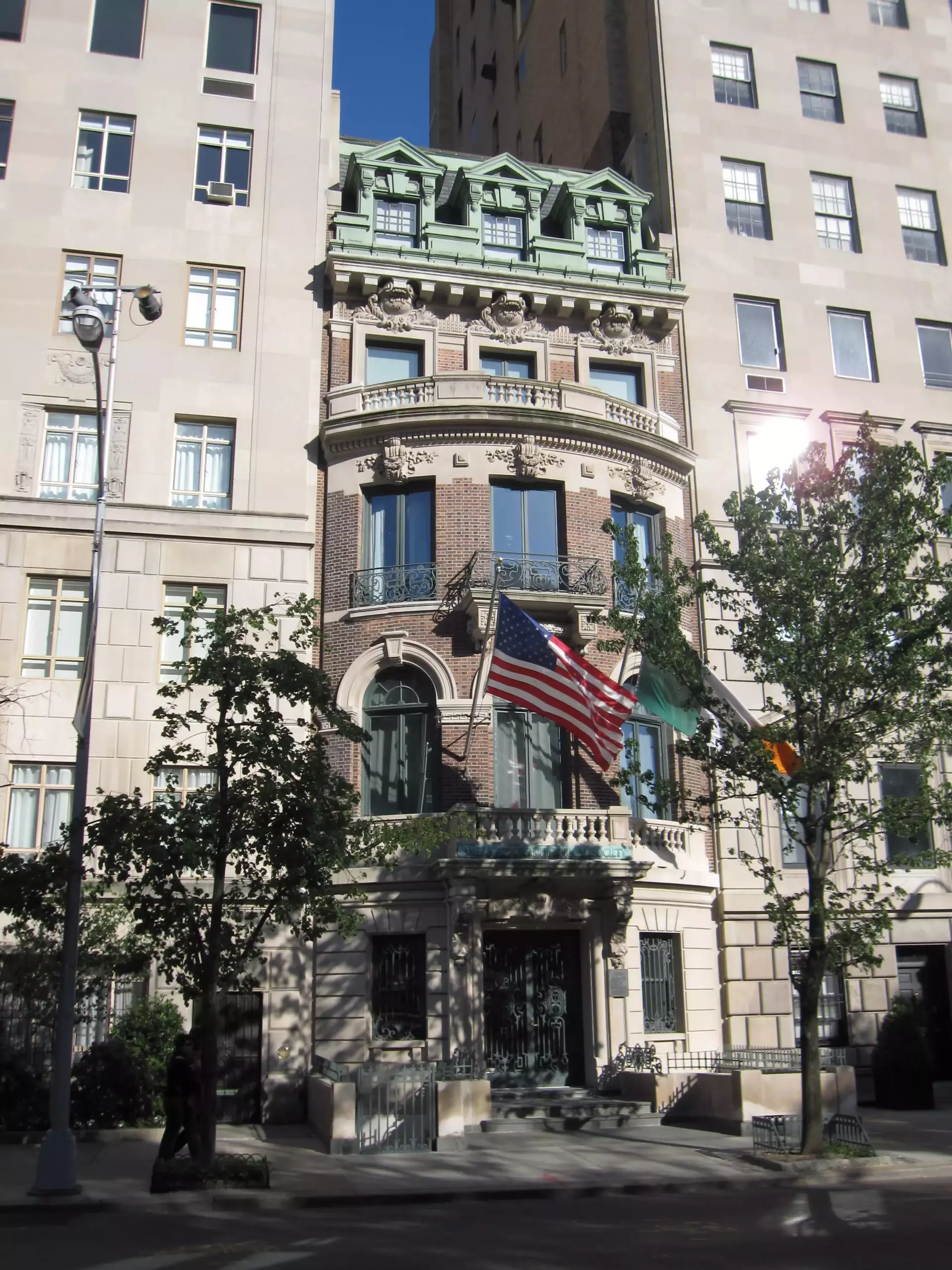
Yet another unique but rich treat on 5th Avenue, the AIHS is a non-profit organization that educates visitors on Irish American culture and history. Immersive and traditional events are held often along with exhibits showcasing the array of unique art and music. If performing and visual arts aren't your thing, you can visit the library instead with over 10,000 books, newsletters, newspapers, and pieces of literature dating back to the 1700s that feature a wide variety of otherwise unknown topics that are great for anyone interested in European culture and history.
A museum dedicated to the history of the NYPD.
American woman Jacques Marchais had a dream of traveling to Tibet. While she never made it, her extensive collection of Tibetan artifacts was made into a museum in 1947. The museum now holds over 120 pieces of beautiful Tibetan art. The museum's authenticity was praised by the Dalai Lama.
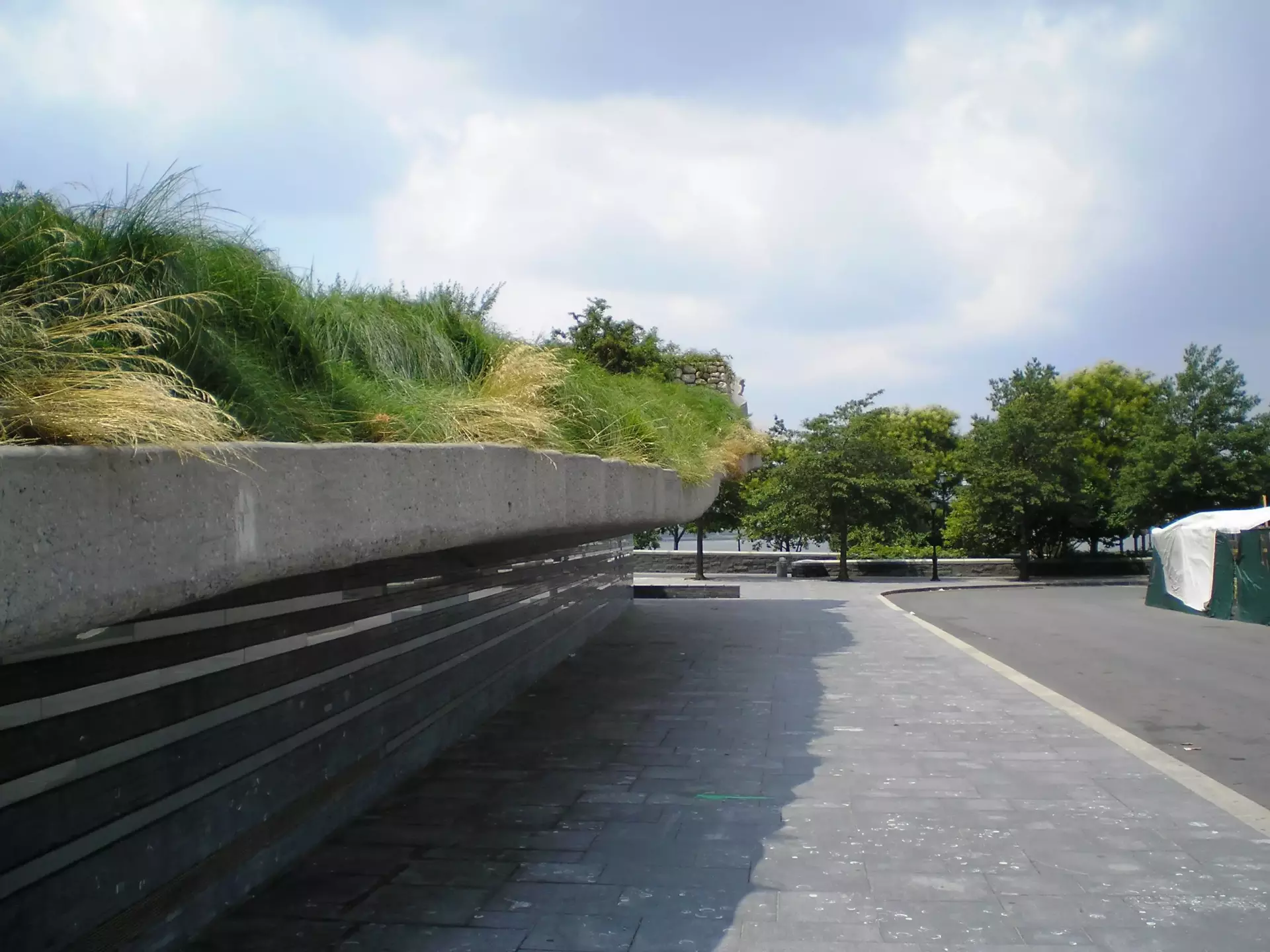
An elevated walkway and jetty provides access to the only natural salt marsh remaining in Manhattan, and expansive views of the Hudson River and the cliffs of Spuyten Duyvil in the Bronx across the river.
A famous Ivy League college that has existed since British colonial times, when it was called King's College.
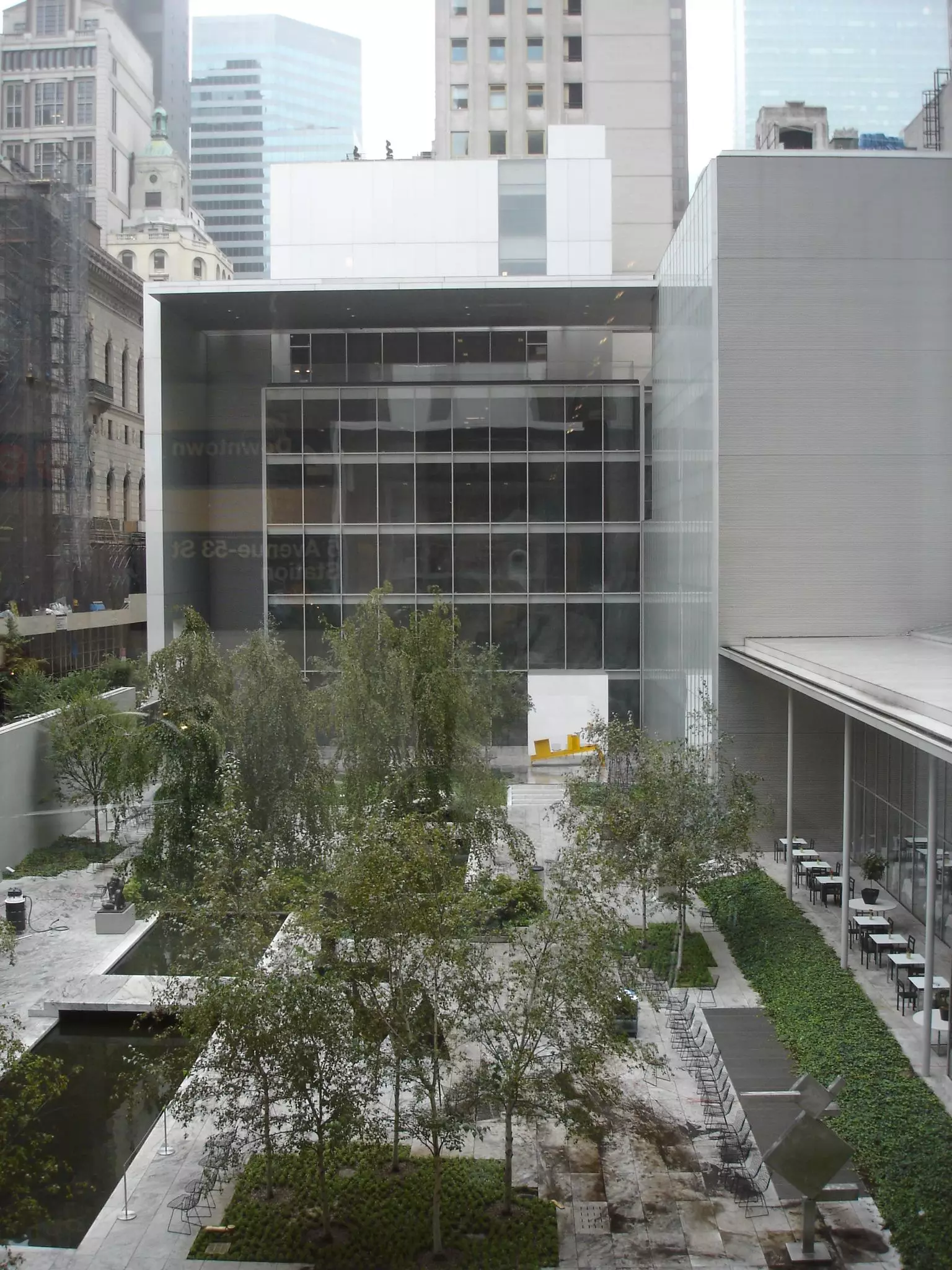
One of the greatest and most popular collections of modern art, on a par with the Tate Modern in London or Paris's Centre Georges Pompidou. Exceedingly popular so be warned: queues for tickets start early and stretch long. To avoid the crowds, turn up at the door at least a half hour before opening, then take the elevator to the top floor and work your way down. The building is as much a draw as the outstanding collection; possessing arguably the best collection of modern masterpieces world-wide, MoMA houses important art works from Van Gogh, Picasso, Monet, Matisse, Salvador Dalí, Paul Cézanne, Frida Kahlo, Piet Mondrian, and works by leading American artists such as Jackson Pollock, Jasper Johns, Edward Hopper, Andy Warhol, and Chuck Close. MoMA also holds renowned art photography and design collections. In addition to being the crown jewel of modern art museums, MoMA puts on a terrific repertory program in a nicely renovated theater below the museum.
Street built by architect Samuel Burrage Reed. A major mansion owned by circus entrepreneur Anthony Bailey - joined with showman Phineas T. Barnum in 1881 to form the Barnum & Bailey circus. Now Known to the children of Harlem as the Beauty and the Beast house.
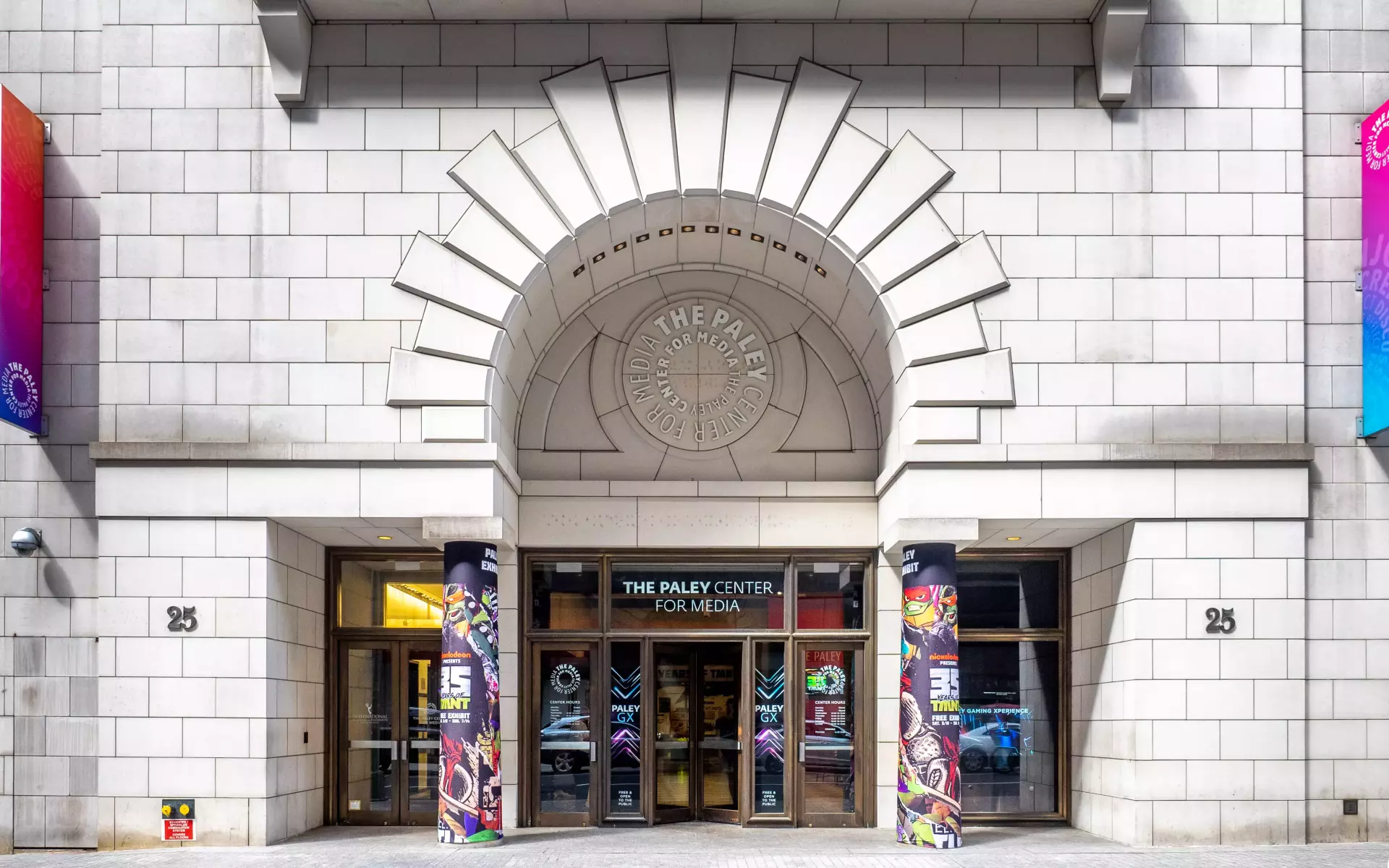
Dedicated to preserving and collecting television programs as a service to the public, the museum consists of two museum branches in Los Angeles and New York City; combined they hold over 100,000 television programs that are available to the public, providing a historical, artistic and cultural perspective to television and radio. You may use their library here for the price of admission. They have lots of old shows and a database so you can see if they have what you want.
Housed in a 560,000-square-foot, Beaux-Arts building, the Brooklyn is the 2nd largest art museum in New York City and one of the largest in the USA. Its world-renowned permanent collections include more than one million objects, from ancient Egyptian masterpieces to contemporary art, and represent a wide range of cultures. It is a 30-minute subway ride from Midtown Manhattan, and has its own subway station (renovated in 2019-20), the museum is part of a complex of 19th-century parks and gardens that also includes Prospect Park, the Brooklyn Botanic Garden, and the Prospect Park Zoo. On the first Saturday of each month, the museum is open until 11PM with free admission and special events.
From its intersection with Park Row (just east of City Hall) you can walk (takes about 20-30 minutes each way), bike, or drive across the historic and iconic bridge to Brooklyn. The view from the bridge is quite lovely, with excellent views of Lower Manhattan and Downtown Brooklyn and good views of Midtown and the New York Harbor in the distance.