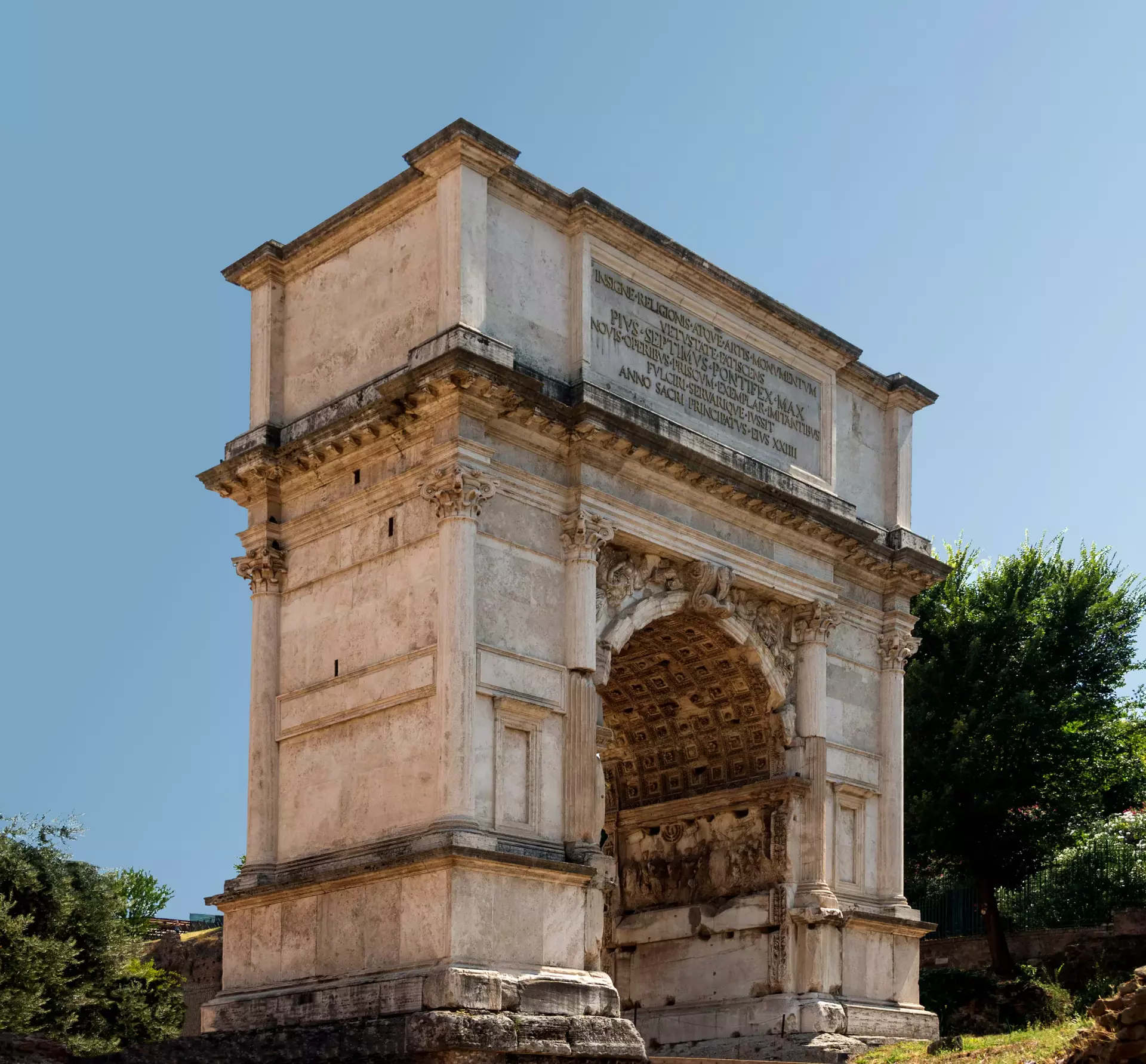
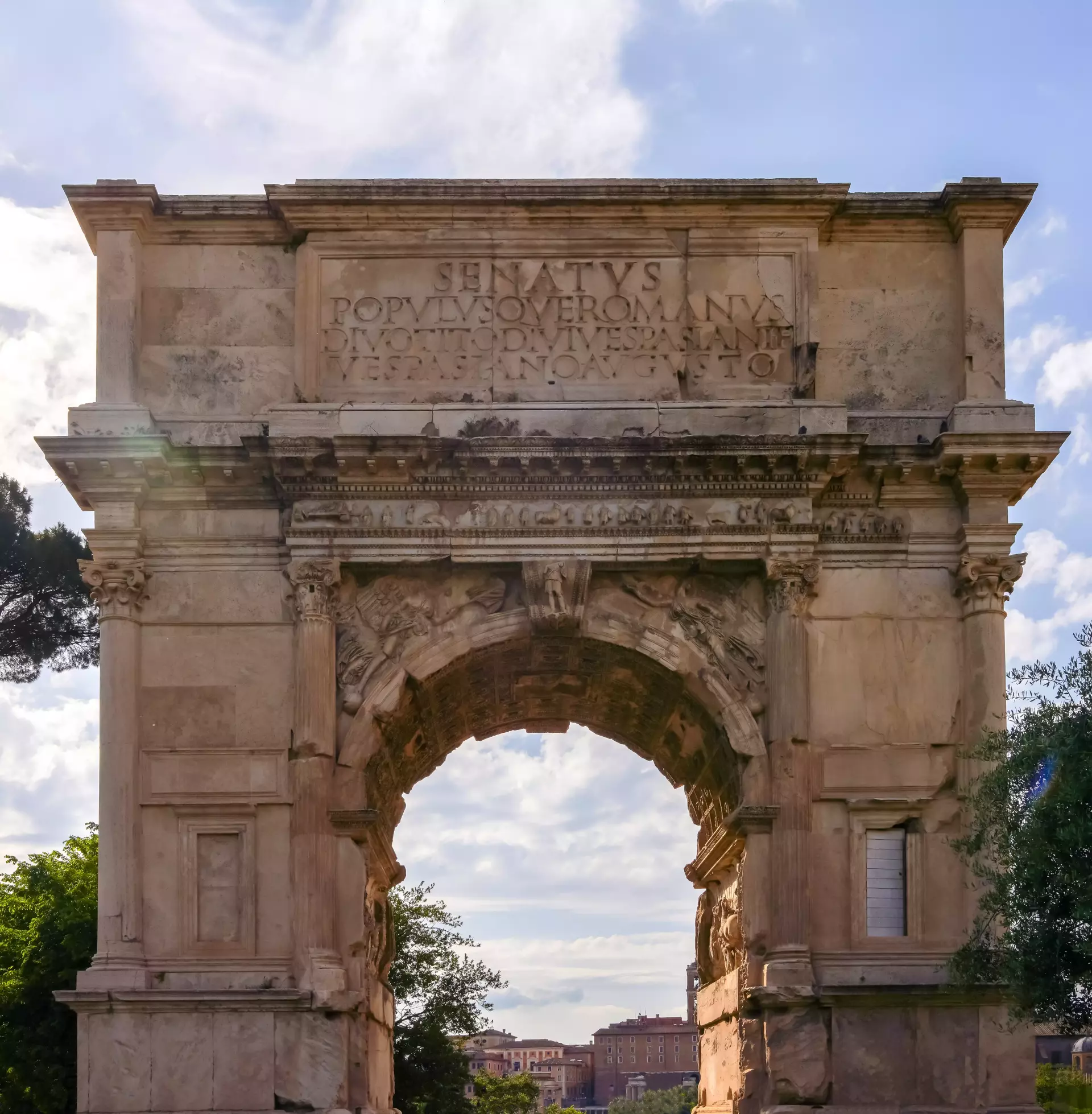
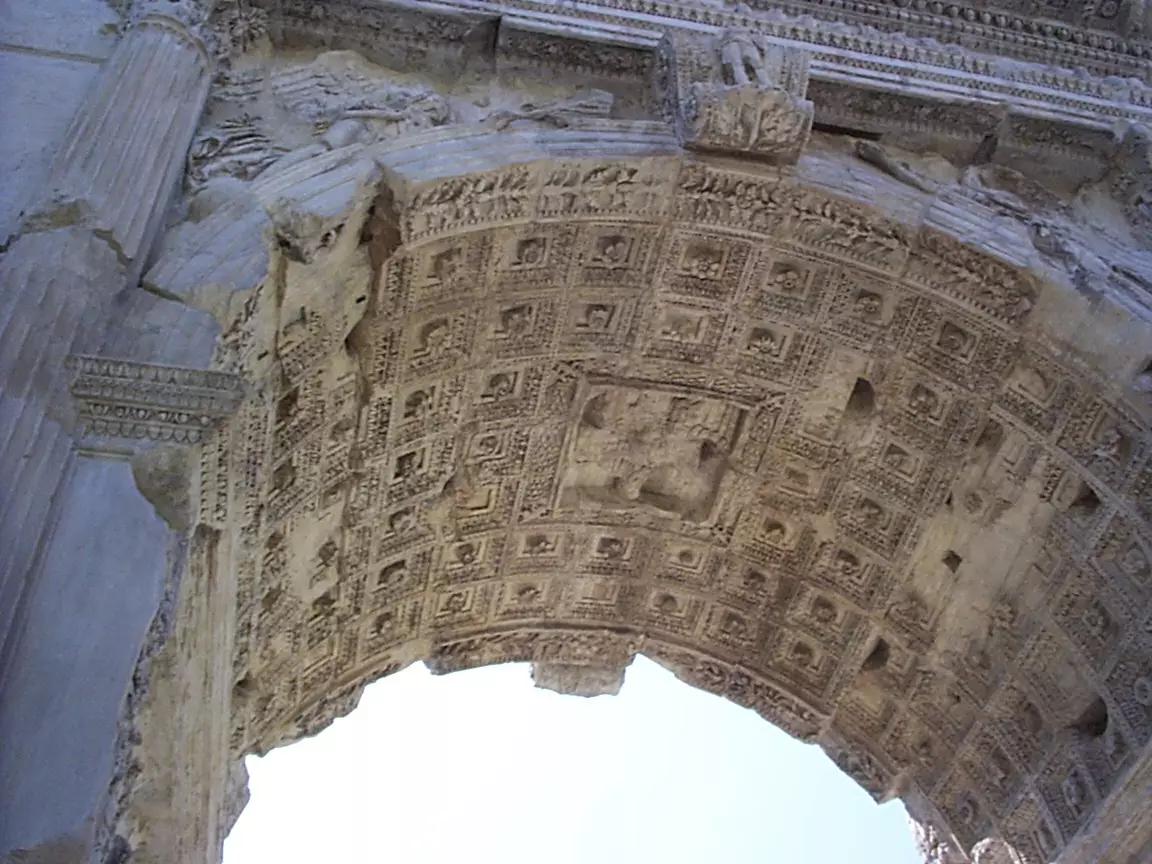
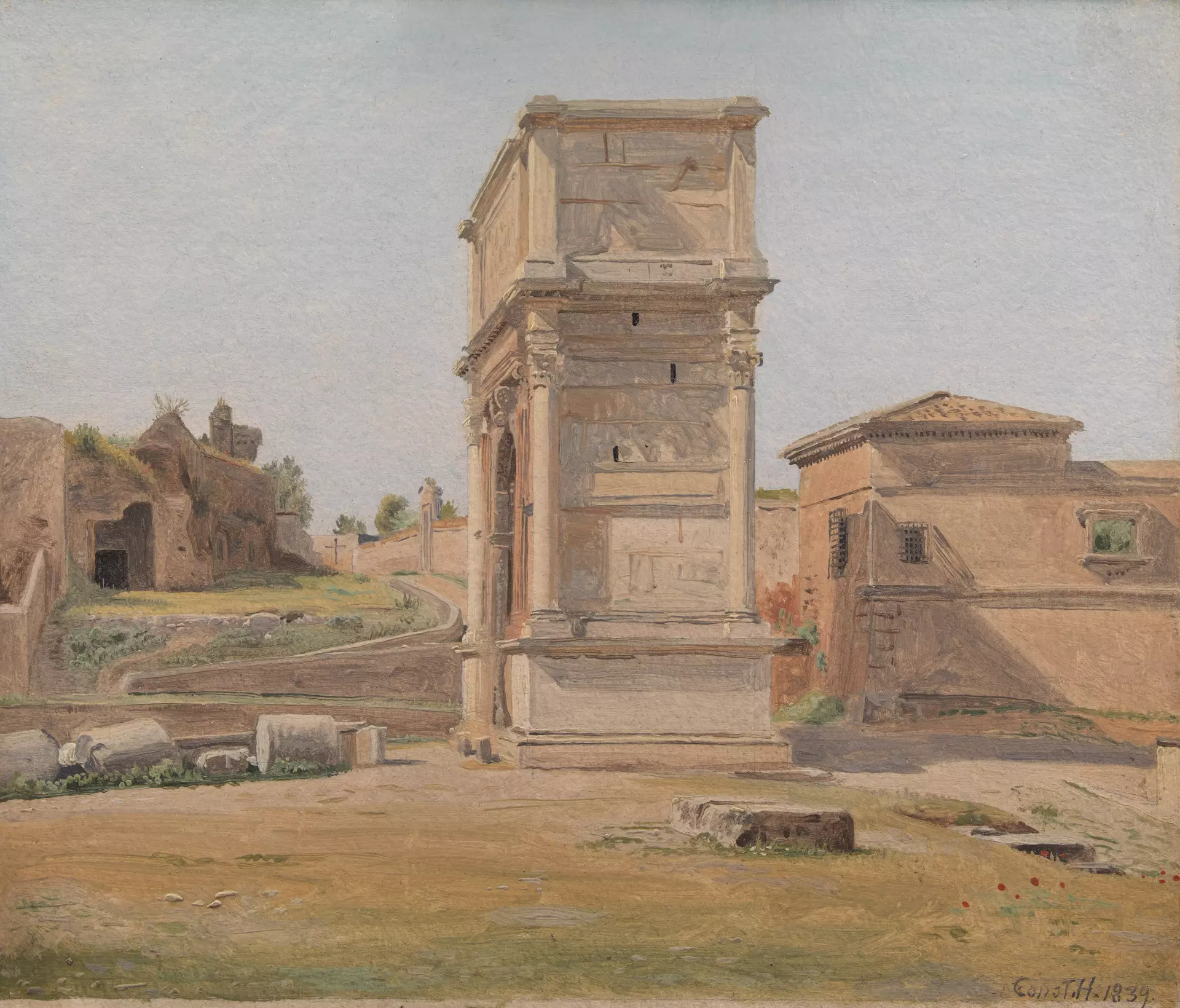
Rising elegantly at the highest point of Rome's Via Sacra, the Arch of Titus stands as a solemn tribute to a pivotal era in Roman history.
The Arch of Titus was constructed in 81 AD by Emperor Domitianus, serving as a tribute to his older brother, Titus, who had passed away earlier that year. Titus’s reign, though brief from 79 to 81 AD, was marked by monumental events that shaped the course of Roman history. Among his major achievements was the grand opening of the Colosseum in the heart of Rome—an arena that still resonates with echoes of ancient spectacles. Yet, his rule was also overshadowed by calamity, most notably the catastrophic eruption of Mount Vesuvius in 79 AD, which buried the cities of Pompeii and Herculaneum under ash and pumice.
The arch itself is more than just a grand structure; it’s a carefully crafted symbol of triumph and remembrance. The reliefs carved into its marble recount the victory of Titus in the Siege of Jerusalem, capturing dramatic scenes of Roman soldiers carrying spoils from the Temple. These vivid details offer a glimpse into the pageantry and power that once defined the Roman Empire, while also providing a poignant reminder of the impermanence of glory and tragedy alike.
Today, the Arch of Titus stands as a gateway between Rome’s past and present, a must-see for anyone seeking to grasp the incredible depth of the city’s heritage. Whether you’re a history buff retracing ancient footsteps or a curious traveler swept up in Rome’s timeless allure, the arch invites you to pause, reflect, and marvel at a civilization whose echoes are still heard in the stones beneath your feet.
Source - https://en.wikipedia.org/wiki/Arch_of_Titus
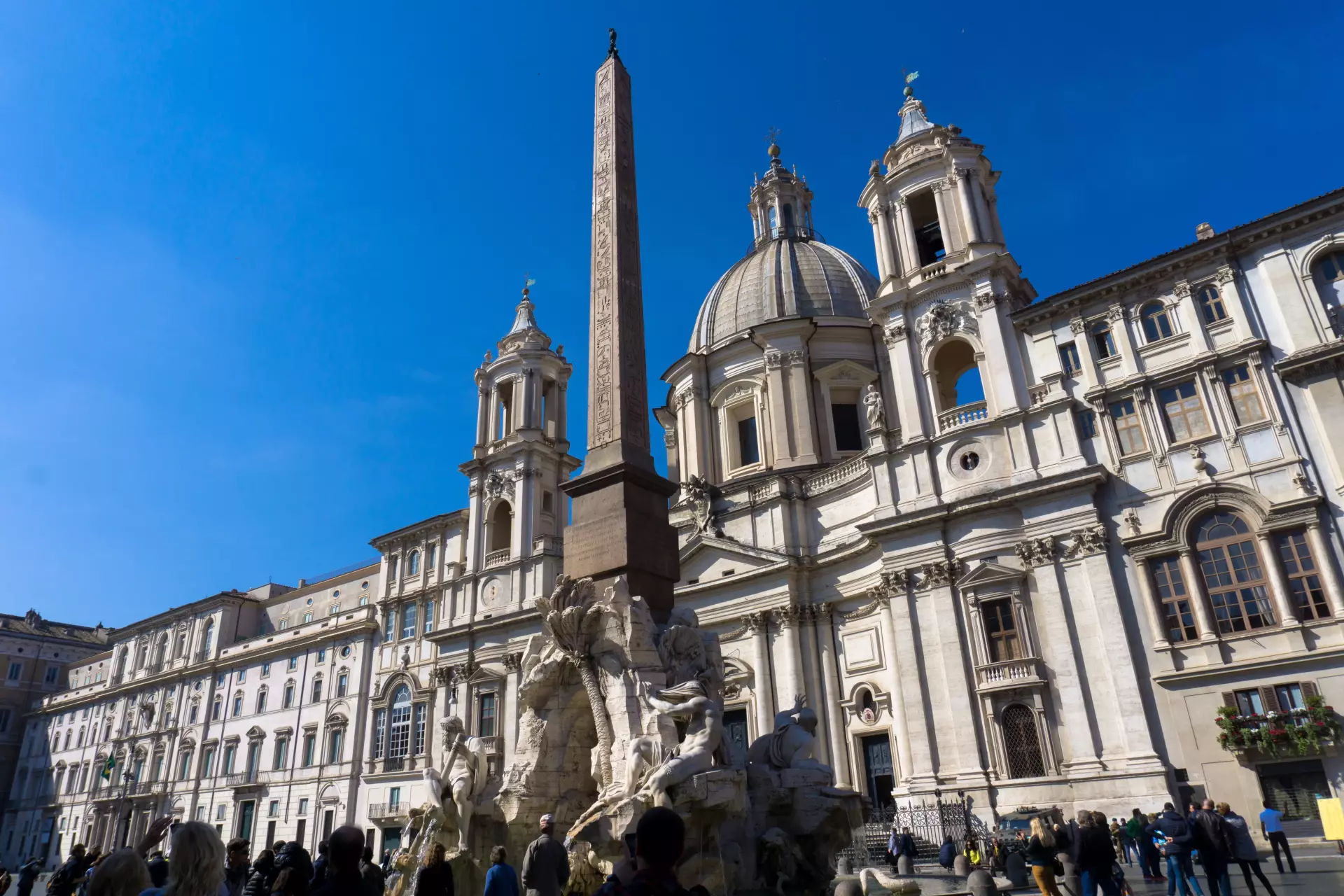
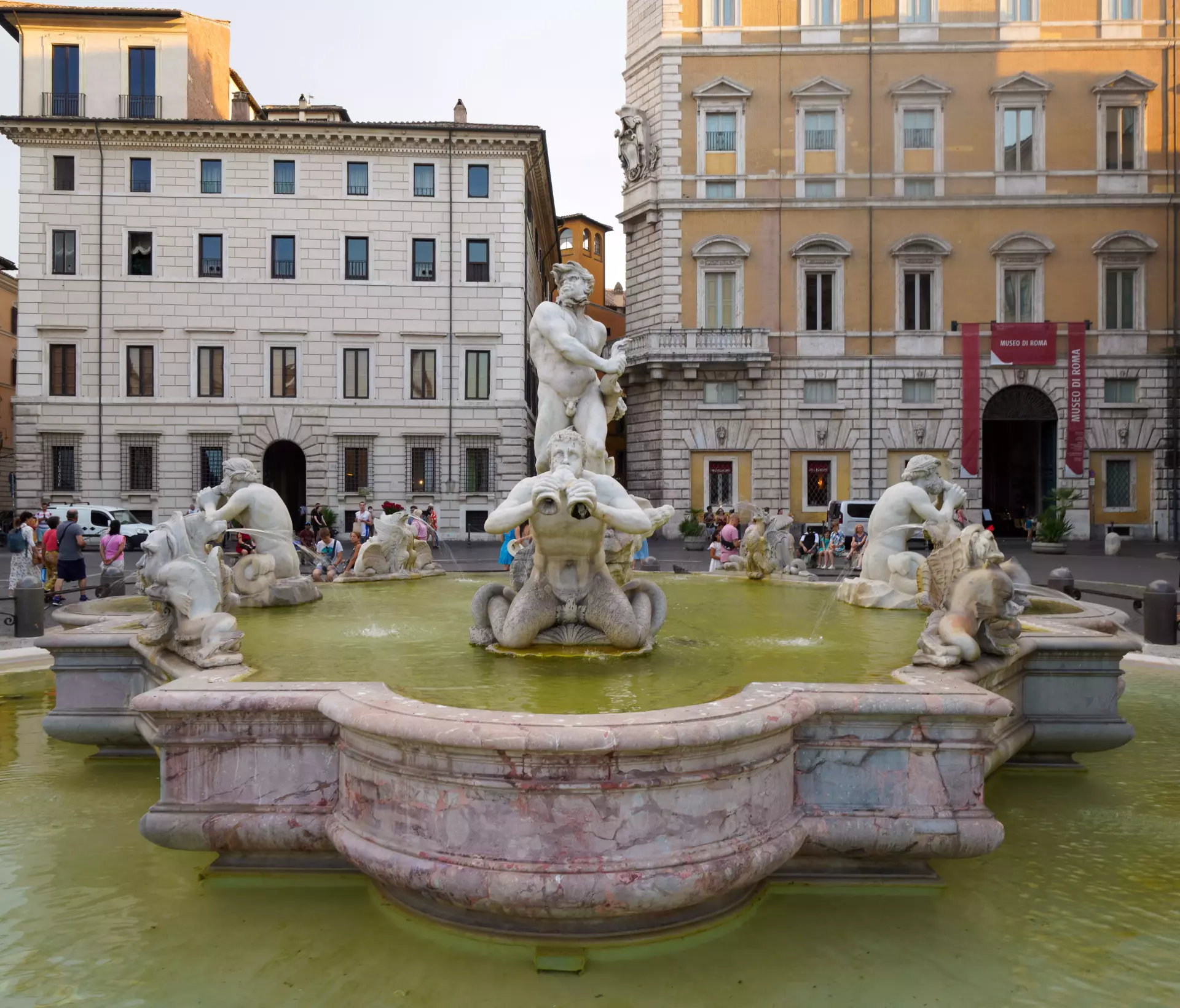
By Bernini, in the very centre of Piazza Navona. Incorporates an Egyptian obelisk and symbolises four of the world's great rivers (the Ganges, the Nile, the Danube and the Plata), representing the four continents known at the time.
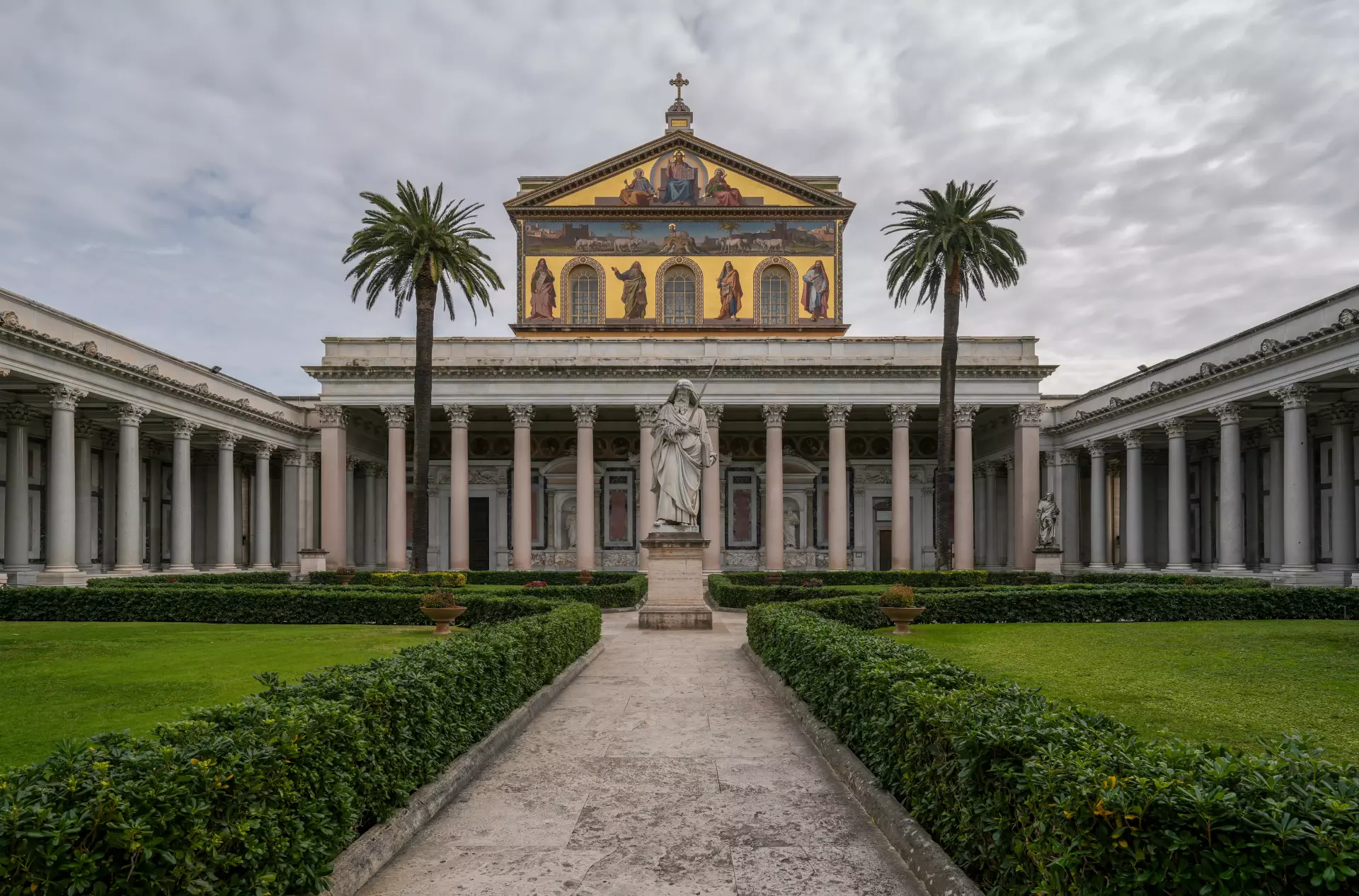
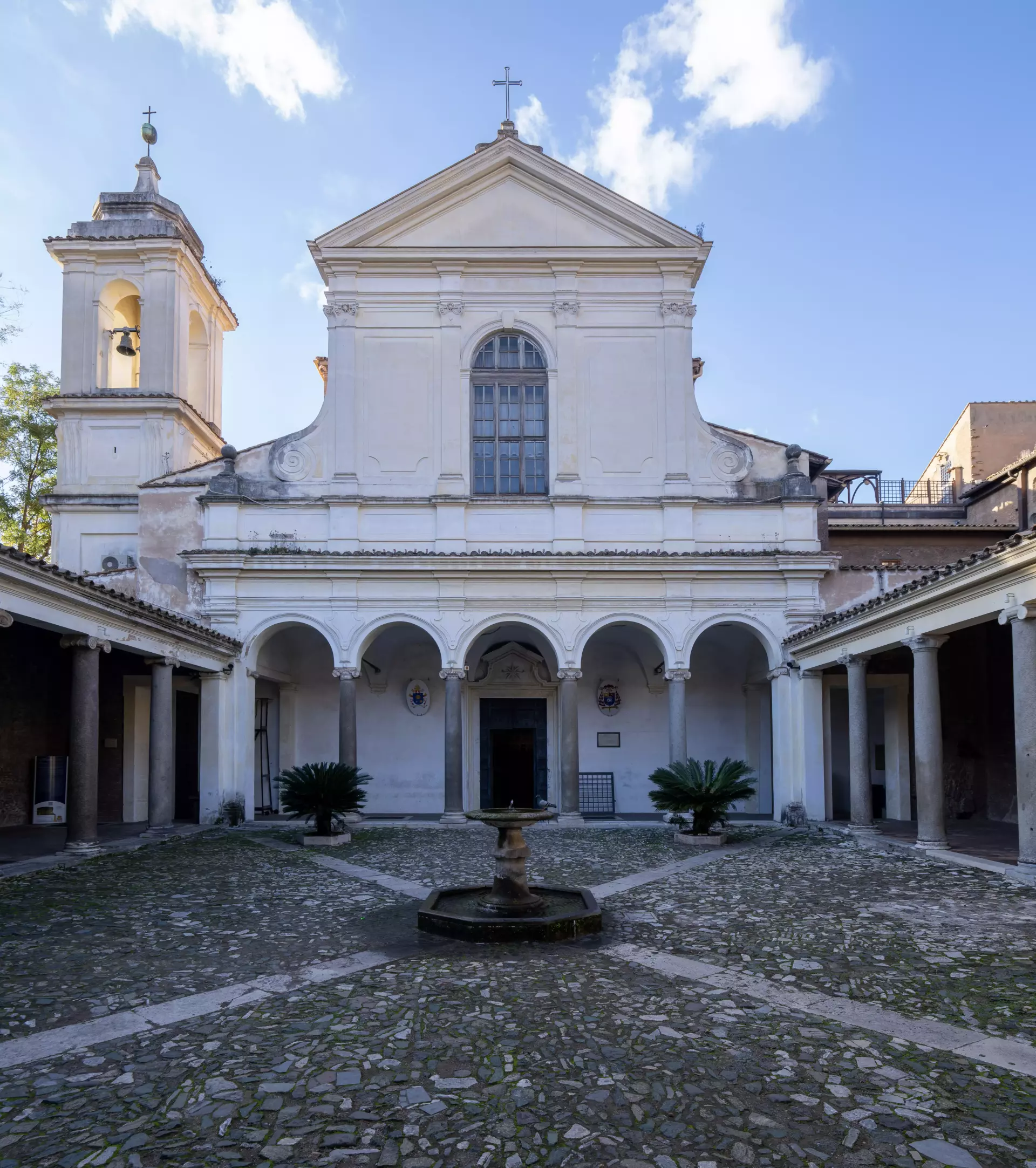
Home of the Abbot Primate of the Benedictine Confederation and Benedictine monks studying in Rome. Visit the monastic produce shop and listen to the best Gregorian chant in Rome during Vespers (19:15 each evening).
In addition to Santa Maria in Cosmedin there is a lot to be seen around this piazza. Opposite the church is the round temple dedicated to Hercules Invictus (the Unconquered Hercules), and not far from that the rectangular Fortuna Virilis, both constructed in the 1st Century. Opposite, to the back of the piazza is the Arch of Argentari and behind that the church of San Giorgio in Velabro, the front of which was repaired after being damaged by a terrorist bomb in July 1993.
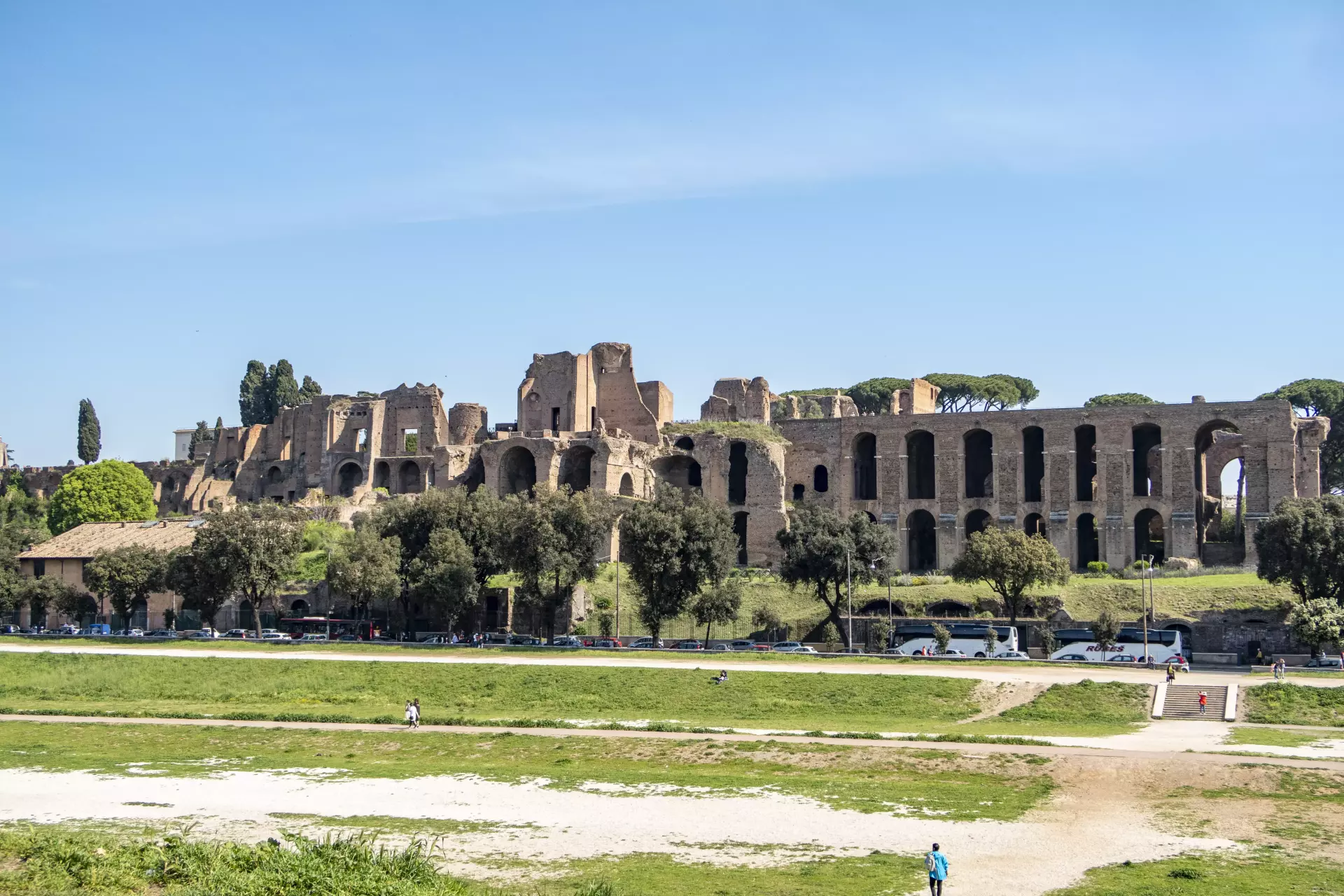
Contains the ruins of several large villas that belonged to wealthy Roman families. You can buy a combined ticket for the Palatine Hill, the Roman Forum and the Colosseum here, avoiding the long lines at the Colosseum. While the Imperial and Roman Fora are probably more spectacular, overall, there are amazing sights on the Palatine Hill, so unless you are terribly short on time or find it too challenging to climb the hill, allow an hour or more for these sights, too.
With its strange Liberty- style buildings with influence from the Art Nouveau of the 1920s this small bunch of blocks is one of the most interesting, and less known, landmarks of the city. A must see.
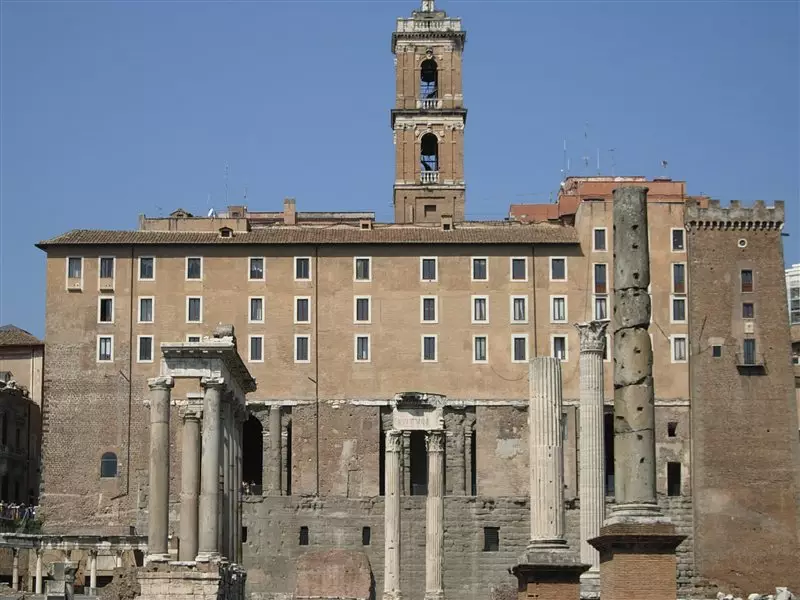
The remains of the ancient Roman archives, where Cicero and Seneca did research. Visible from the Forum and accessible through the Capitoline Museum.
According to an inscription Emperor Augustus dedicated the obelisk to the sun in the 11th year of his consulate (10BC), after he had annexed Egypt to Rome. The obelisk is 24 m high. It was erected in Heliopolis in Egypt and was dedicated to Pharao Sethos I (1313-1292 BC) and Pharoa Ramses II (1292-1275 BC). Augustus brought the obelisk to the Circus Maximus, where it was rediscovered in 1587, broken into three pieces and was relocated to Piazze del Popolo on the orders of Pope Sixtus V in 1589.
One of Bernini's masterpieces, an obelisk on the back of an elephant.
Regular shows plus an excellent astronomical museum.
Next door to the Pyramid, this fine gate in the Aurelian Wall is named after St. Paul as the Via Ostiense leads to the basilica of St. Paul's Outside the Walls (see Rome/South).