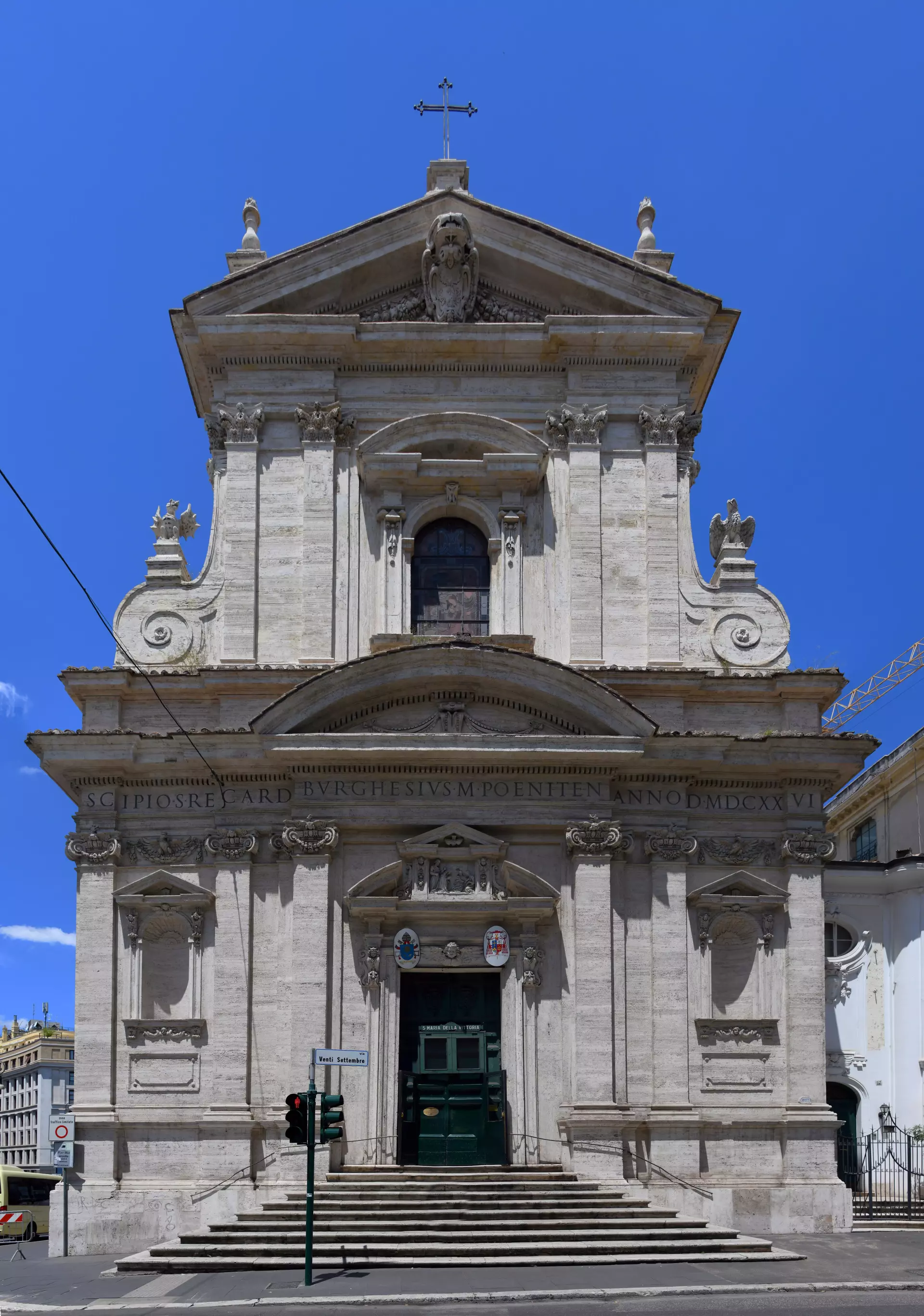
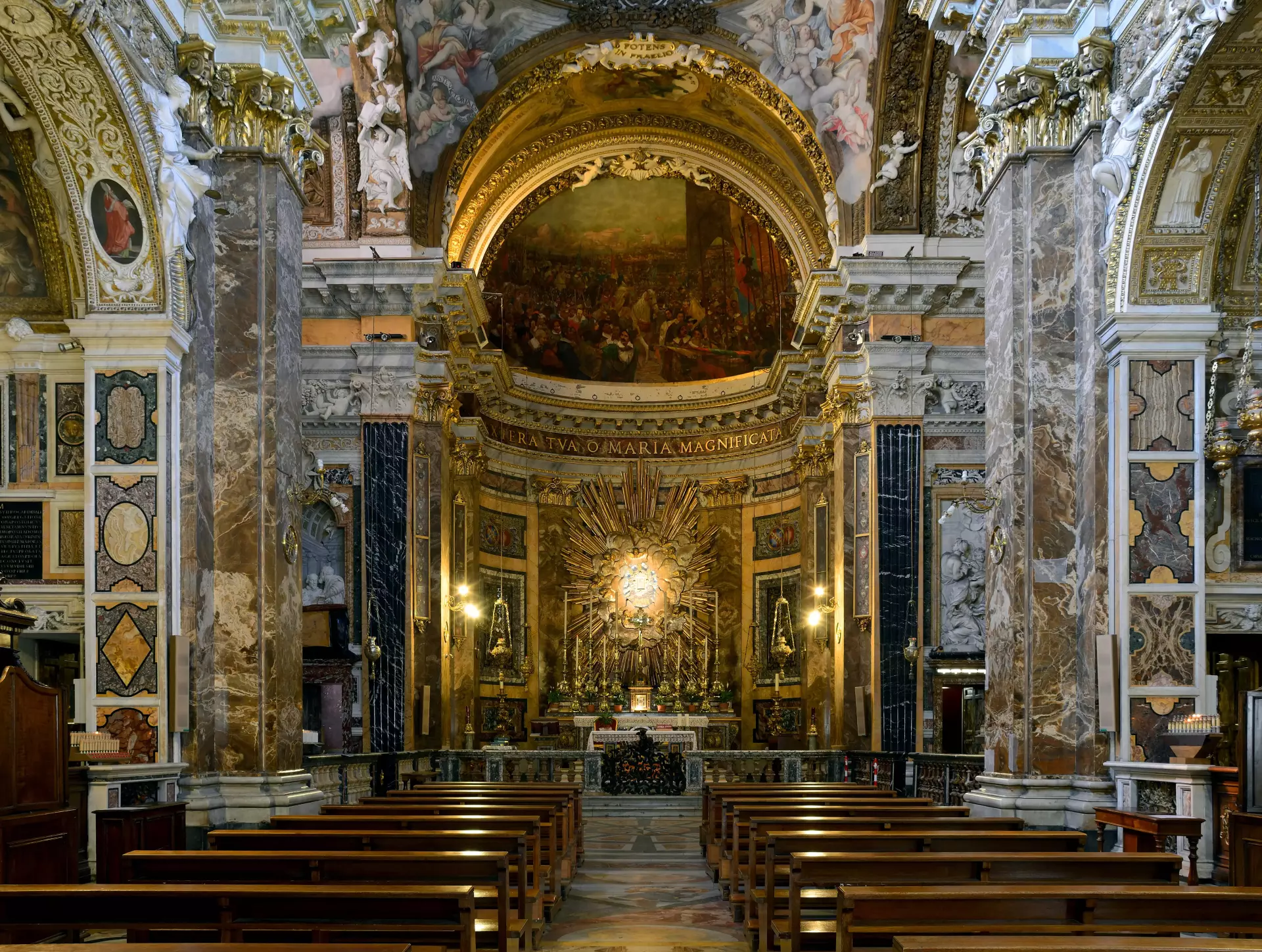
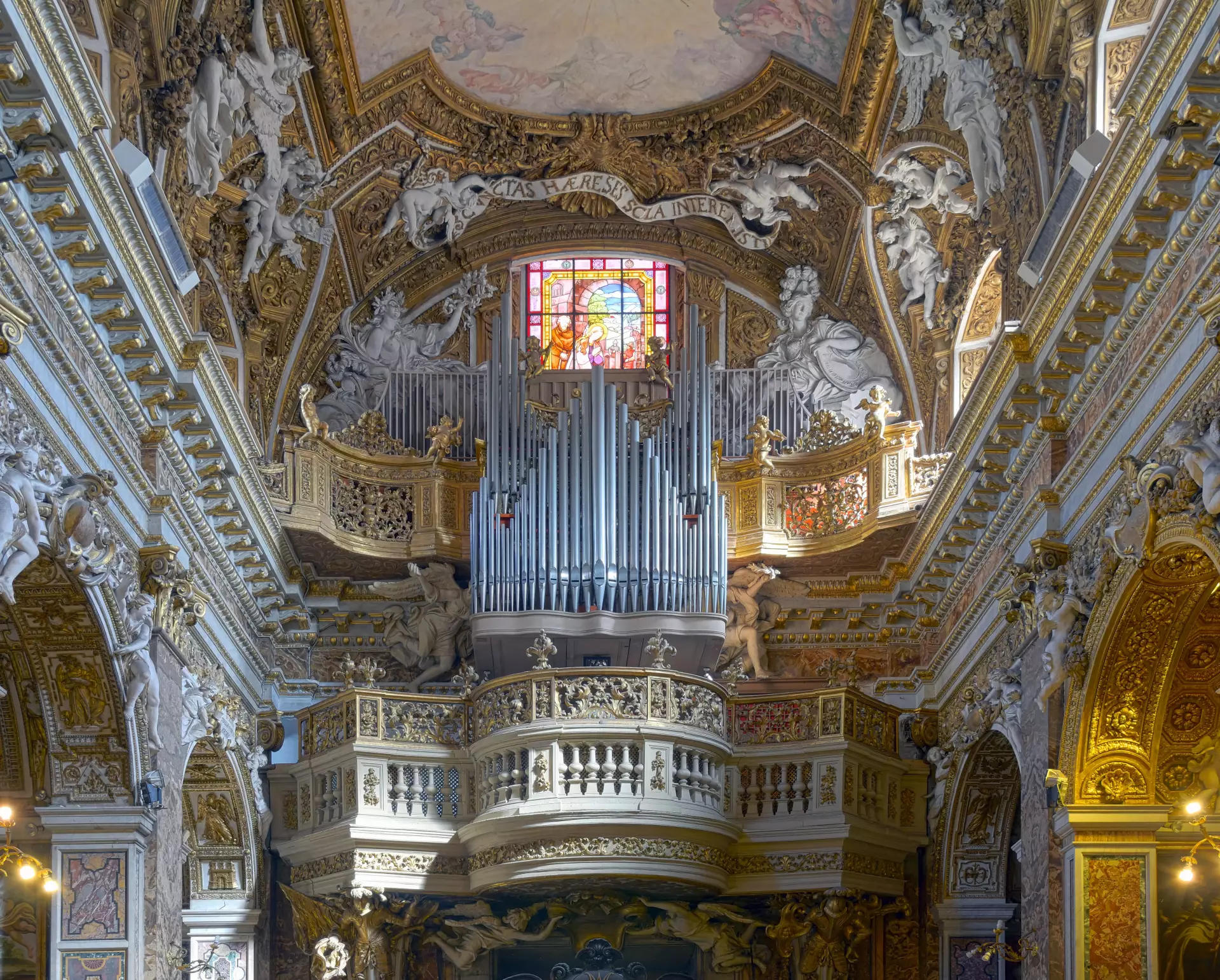
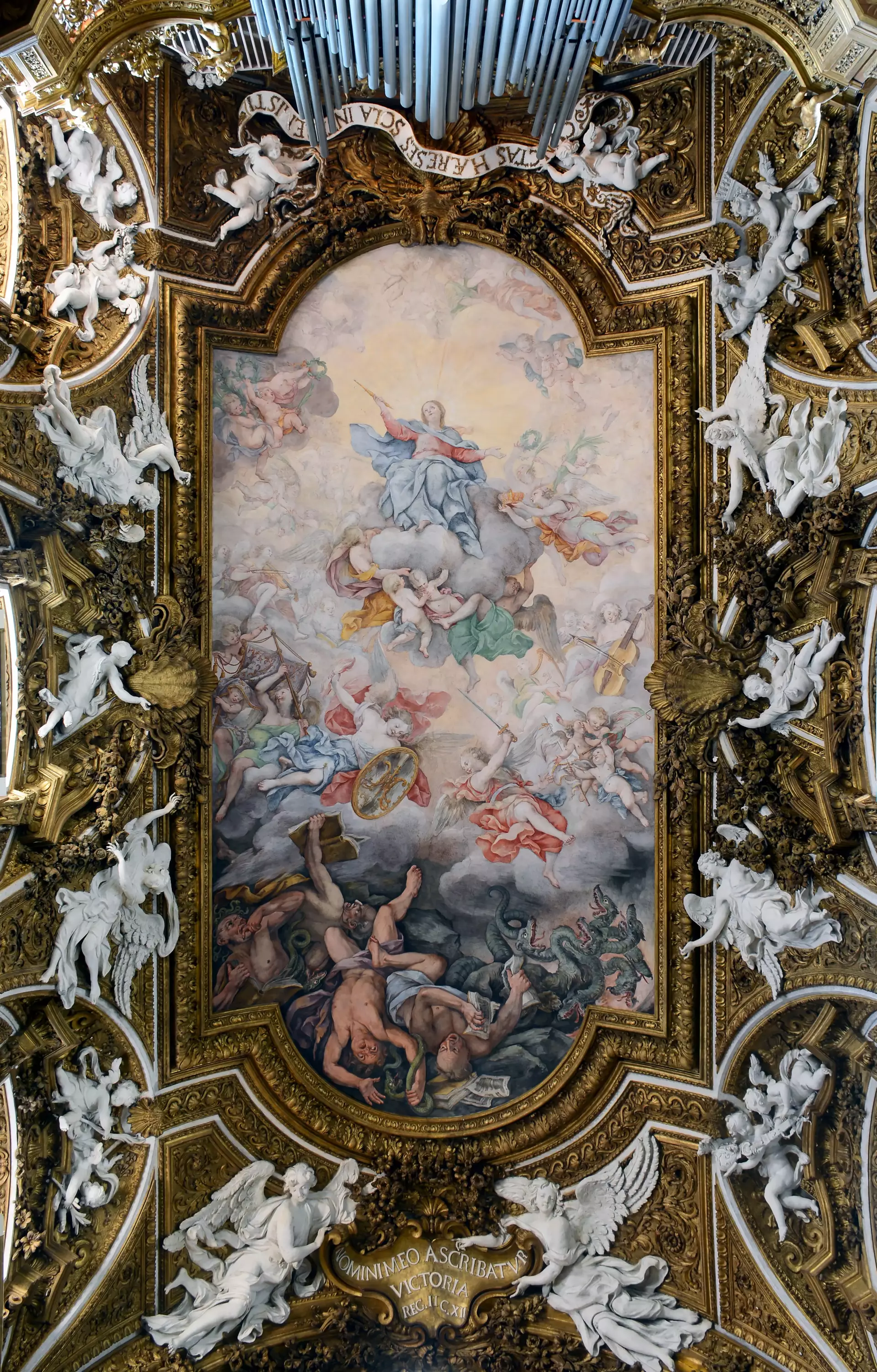
Santa Maria della Vittoria is a Baroque church that has recently become popular with fans of Dan Brown’s novel, Angels and Demons. Visitors are often drawn to its remarkable artistic and historical features.
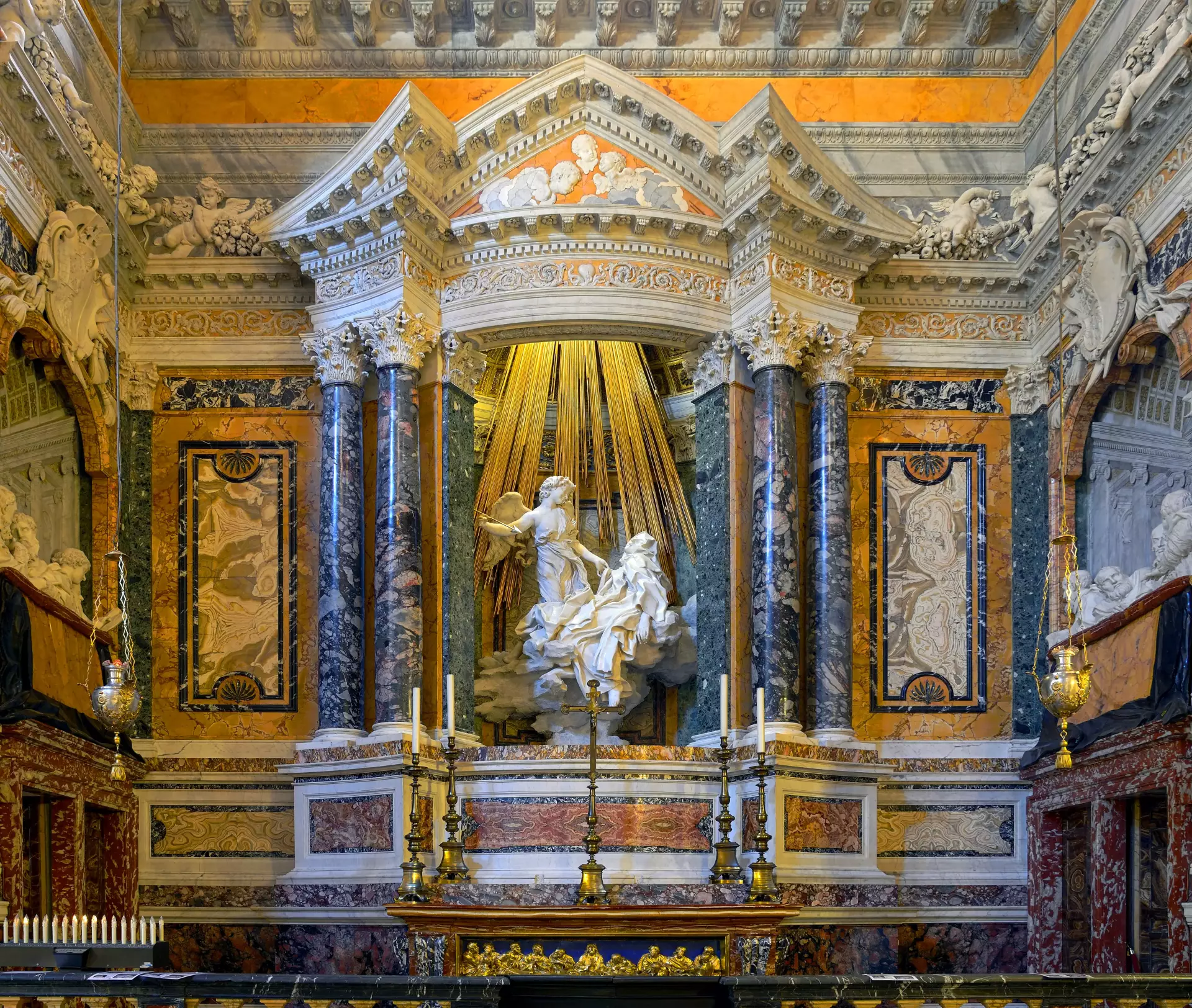
One of the main attractions inside the church is the famous sculpture by Bernini, known as the "Ecstasy of St. Teresa." This masterpiece is considered a highlight of Baroque art and attracts many art enthusiasts and tourists.
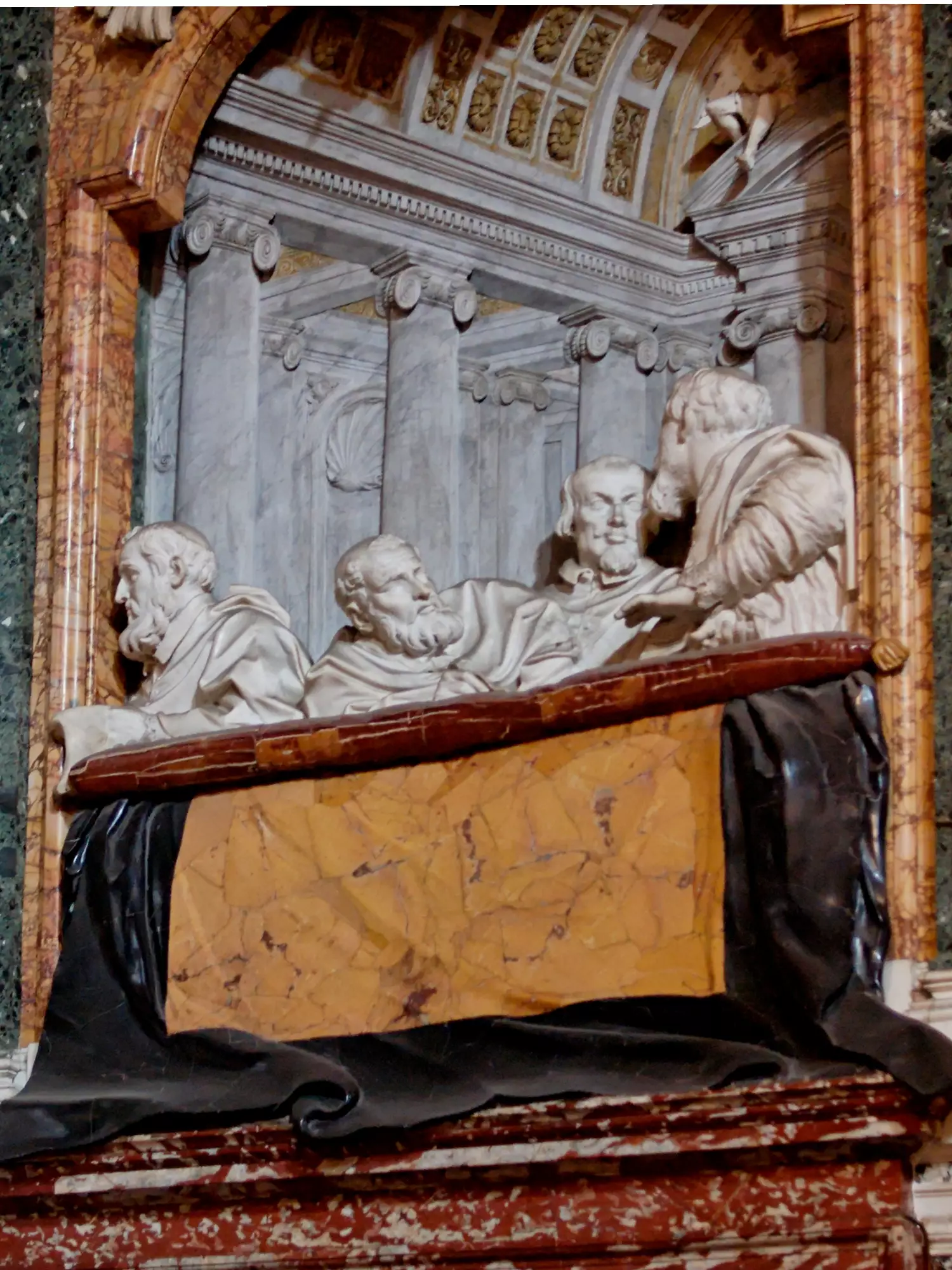
On either side of the chapel where the sculpture is displayed, there are elaborate boxes that resemble seats in a theater. These are not ordinary viewing boxes, but sculpted figures representing members of the Cornaro family. The Cornaros commissioned Bernini's work and are forever immortalized as observers of the dramatic scene.
As of February 2015, the sculpture was not visible due to restoration work.
Source - https://en.wikipedia.org/wiki/Santa_Maria_della_Vittoria,_Rome
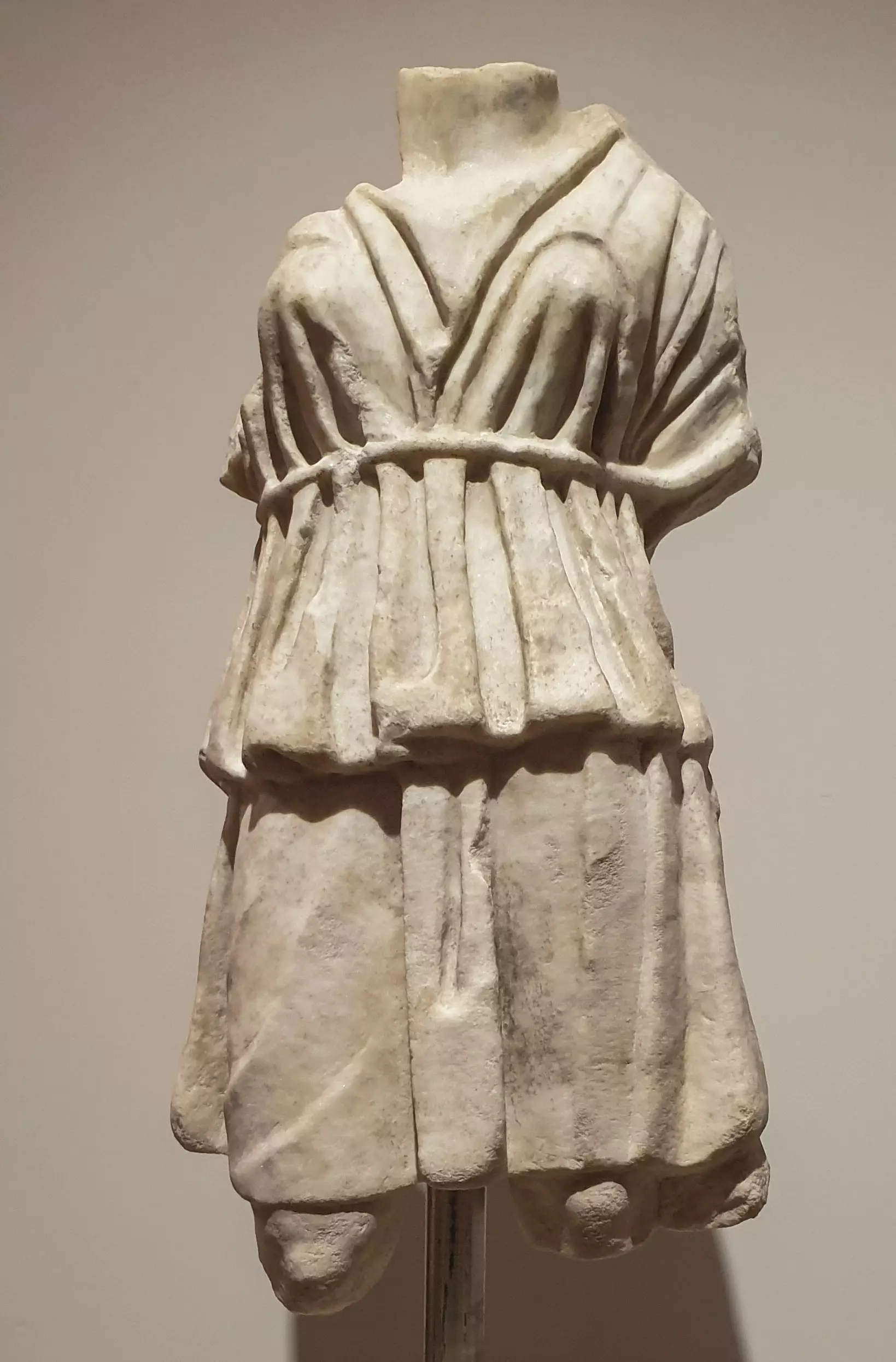
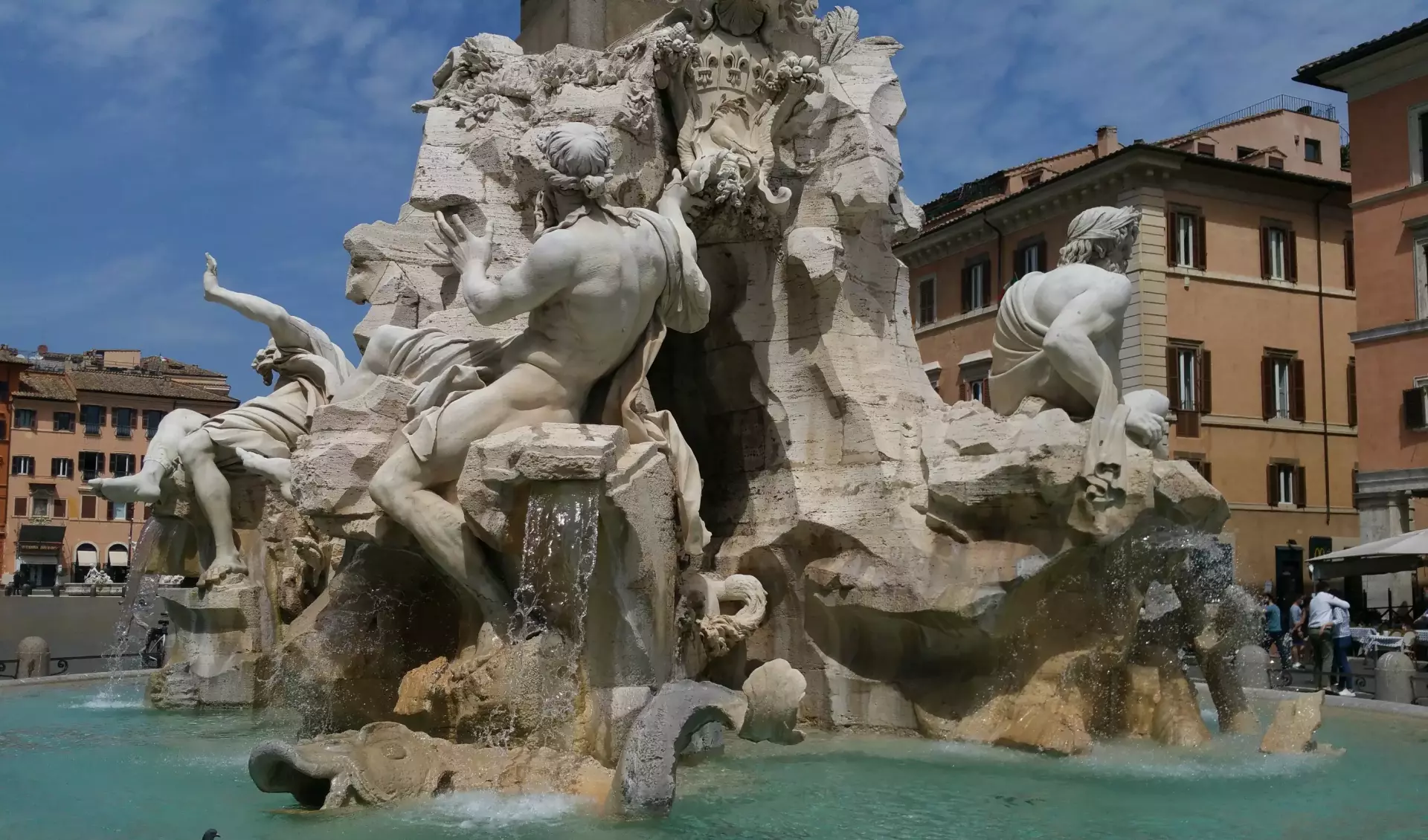
Contains the tomb of Pope Hadrian IV, the last non-Italian pope before Pope John Paul I.
In addition to Santa Maria in Cosmedin there is a lot to be seen around this piazza. Opposite the church is the round temple dedicated to Hercules Invictus (the Unconquered Hercules), and not far from that the rectangular Fortuna Virilis, both constructed in the 1st Century. Opposite, to the back of the piazza is the Arch of Argentari and behind that the church of San Giorgio in Velabro, the front of which was repaired after being damaged by a terrorist bomb in July 1993.
It was immortalised in 1960 by the Federico Fellini film La Dolce Vita. It is also the location of the US Embassy, in the massive Palazzo Margherita. Via Veneto went into a period of decline in the 1980s but has returned to popularity and the roadside cafes are the place to be seen if you are into that sort of thing.
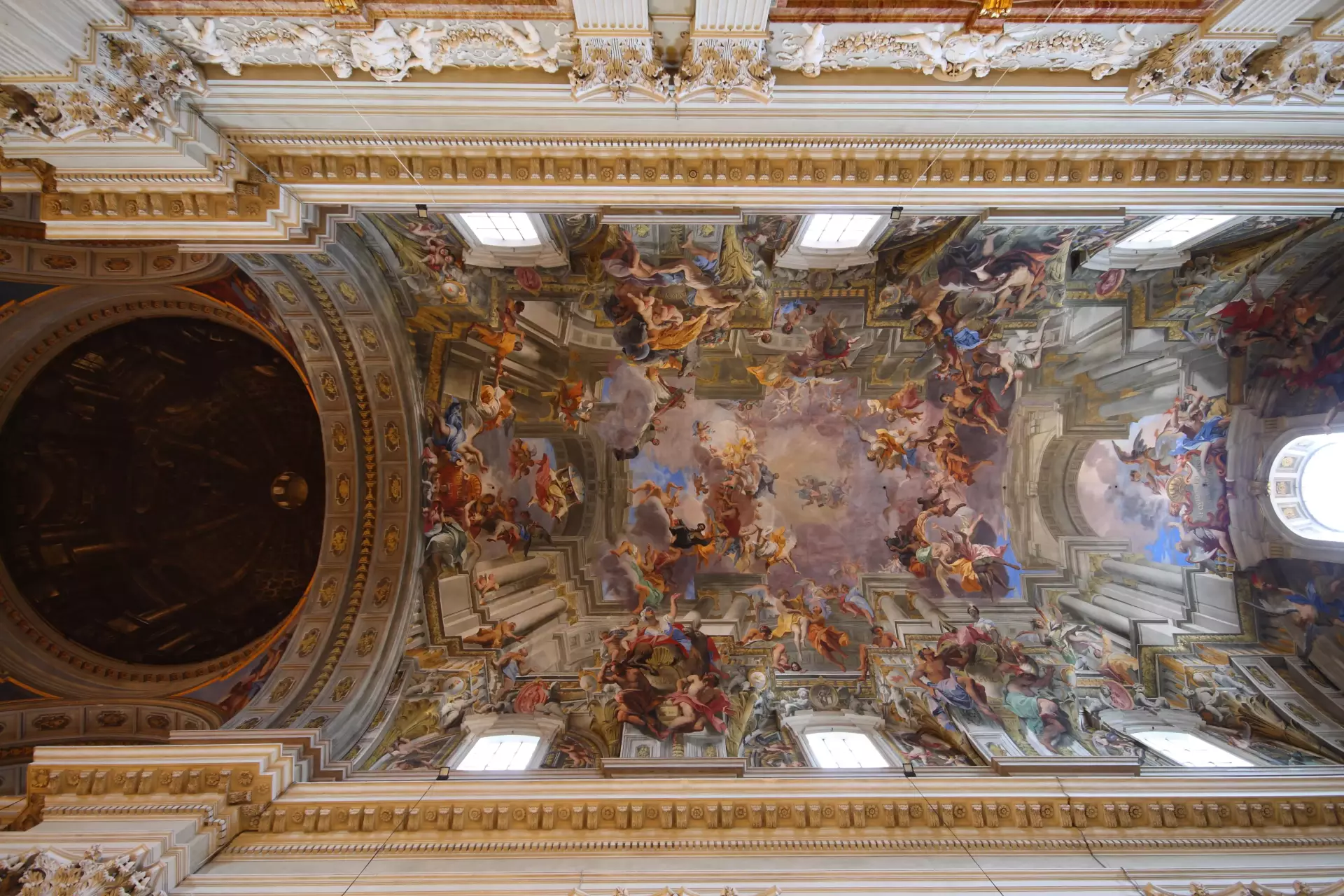
This is one of the two main Jesuit churches in Rome, the other being the nearby Sant'Ignazio. The interior is Baroque art on steroids. Simply astounding.
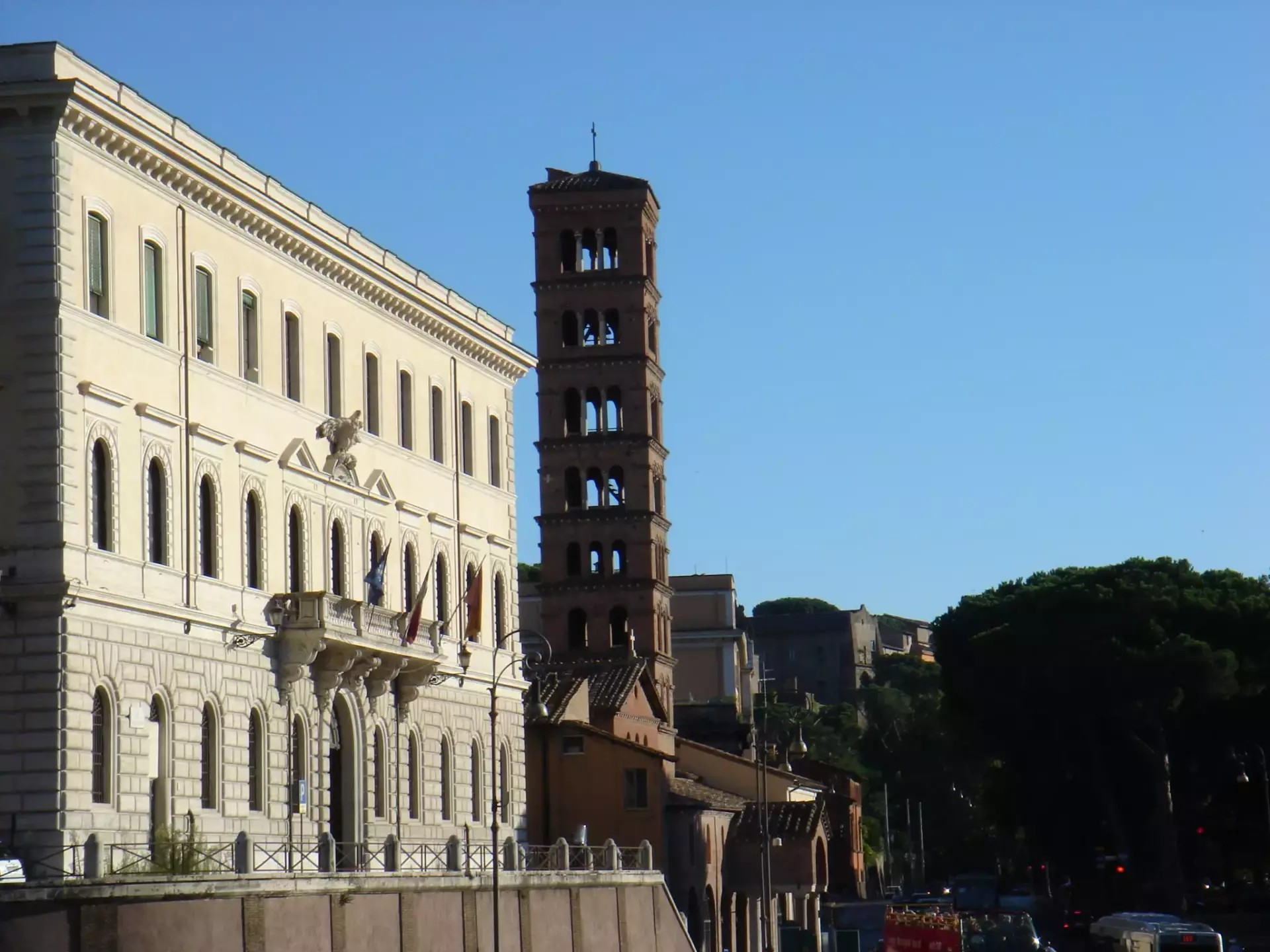
A medieval church dating from the 6th century and home to the Bocca della Verità (Mouth of Truth). The Bocca della Verità at the entrance to the church is thought to be a 1st-century manhole cover. It is believed that if you put your hand in the mouth and tell a lie, the hand will be bitten off. Queues for the privilege of risking this can get rather long. Don't ignore the church, which is a gem, and has a separate entrance. Its mosaic floor in the Cosmatesque style is more rustic and less intricate than some others (Santa Maria in Trastevere, for example), but its simplicity gives it a solidity not found in the more ornate styles. S.M. in Cosmedin has a fine medieval choir enclosure and the tallest medieval belfry in Rome.
A lovely, if somewhat run-down park (parts of it are blocked due to the poor state of the roads) with statues and a great view on the city.
A 5th-century basilica, simply and attractively decorated. The wooden door, of which 18 carved panels of scenes from the Bible survive, is believed to date from the church's construction.
Romans and leaders of Rome's defeated enemies were imprisoned here where they either died of starvation or strangulation. According to legend, St. Peter was also imprisoned here.
This is not the real name of the church on the corner by the main entrance to San Callisto but it is universally known by this name. By legend it is located on the spot where Saint Peter had a vision of the risen Christ while fleeing persecution in Rome. According to the tradition, Peter asked Jesus, Domine, quo vadis? “Lord, where are you going?” The current church is from 1637. Inside is a copy of a stone said to contain the imprints of the feet of Jesus; the original is maintained in San Sebastiano, further along the Appian Way
Parco Savello is the name of the grounds and orange grove next to the Santa Sabina church at the top of the Aventino and also where you have one of the best views of the city. Families gather here to sit under the dozens of orange trees. The "Giardino degli Aranci" is also a well known spot for lovers at night. The best views are arguably from Janiculum hill, just across the Tevere (Tiber) river. Immediately below you, the Tiber snakes its way through the city, and directly beyond it you can see the lively medieval quarter of Trastevere. Beyond that is the majestic dome of St. Peter's Basilica, with the historic centre of Rome visible to the right.
Permanent collection features paintings and drawings of Rome between the 18th and 20th centuries together with a fascinating black and white photo exhibition of Rome from 1950-80. Also offers rotating exhibitions, usually of the work of photographers.
Four fountains from the time of Pope Sixtus V when much of Rome was redeveloped. A reclining deity is the theme of each sculpture. This is a busy intersection and if you don't look twice you may miss these exquisite examples of Roman mythology.
According to the legendary passio, two brothers, John and Paul, who were officials at the imperial court, suffered martyrdom in 362 in their home on the Caelian hill, during the reign of emperor Flavius Claudius Julianus. This basilica dedicated to these two Roman officers was erected starting from 398 and was used first as a domus ecclesiae by the Christian community.
Not, as commonly believed, named after the country but after the city of Strasbourg (Argentoratum in Latin), from which came a courtesan of Pope Alexander VI who lived nearby. Four Roman Republican-era temples, Pompey's theater and a Roman public toilet ("Latrina") have been excavated. The Pompey Theater is the site where Julius Caesar was stabbed to death by senators in 44 BC. The largo is also home to a large number of cats which are tended by the local animal rights organization - purportedly a jab at Mussolini who excavated the area and is said to have hated cats. As of September 2024 no cats could be seen at least from the street.