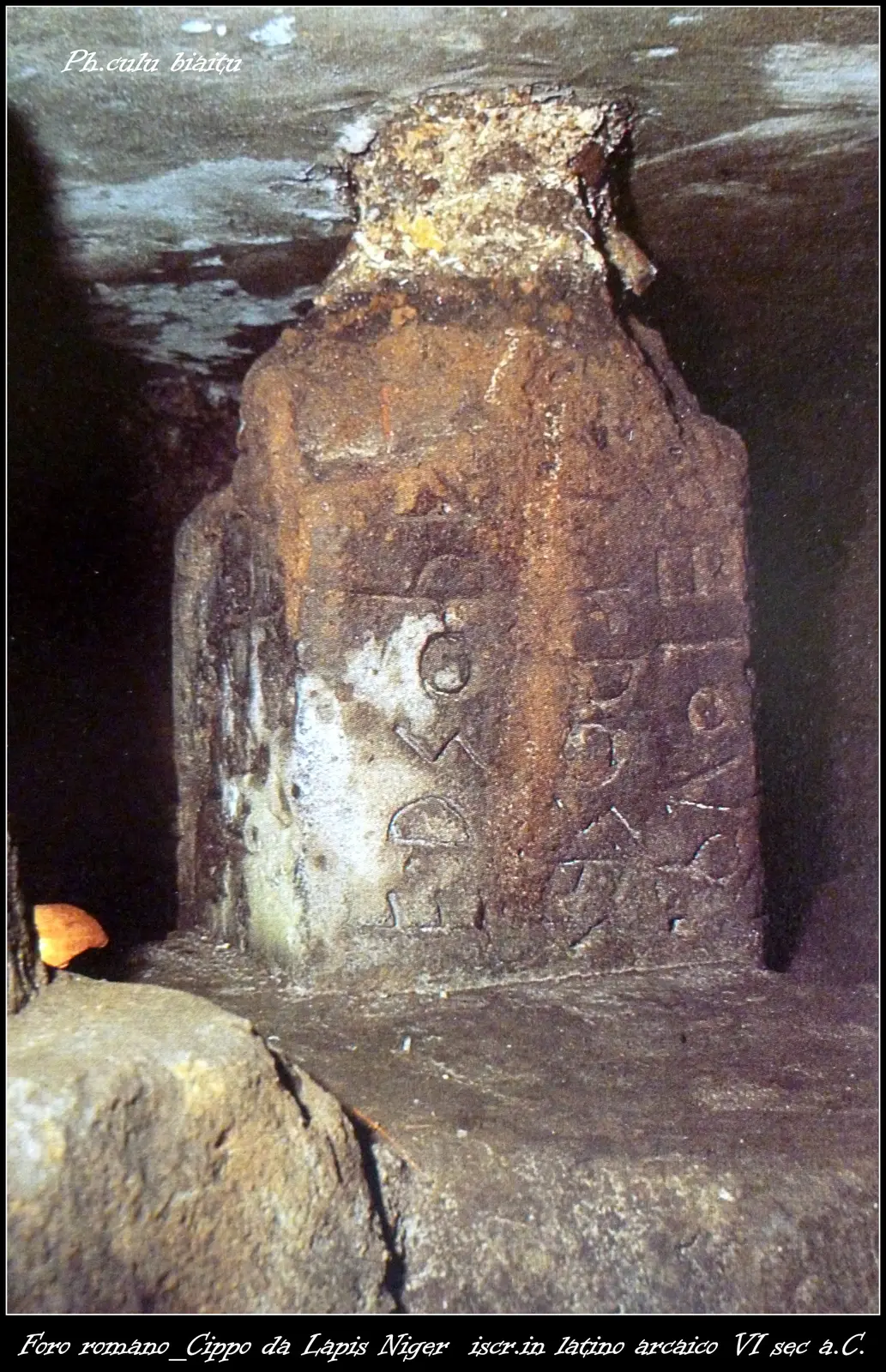
On a recent trip through the captivating streets of Rome, I stumbled upon one of its most mysterious treasures: the Lapis Niger. Thought to be the oldest Latin inscription known to man, this unassuming yet remarkable landmark lies nestled among the ruins of the Roman Forum, often overlooked by travelers but brimming with history and intrigue.
Walking towards the Lapis Niger, I felt a sense of awe, knowing that these stones mark a site that dates back to the regal era of ancient Rome. The history surrounding it is shrouded in myth and speculation. Some believe the Lapis Niger marks the tomb of Romulus, the legendary founder of Rome, while others suggest it was a shrine or an altar. Despite its uncertain origins, the area has captured imaginations for centuries, adding an alluring air of mystery to its already rich legacy.
As I peered closely at the ancient stone, partially encased by protective structures to preserve its sanctity, I tried to decipher the archaic Latin script adorning its surface. It’s not only the oldest of its kind but also offers a rare glimpse into the linguistic styles and societal nuances of early Roman civilization. The text speaks of religious rituals and decrees, hinting at the political power hierarchies of times long past. For lovers of history and language, standing before this inscription feels like unlocking a portal to another world.
Surveying the site, I couldn't help but reflect on how much Rome has transformed over the millennia, and yet, how much it remains the same—a city where history and modernity coexist harmoniously. It’s places like the Lapis Niger that remind one of the depth and continuity of human civilization, evoking admiration and wonder at our communal journey through time.
Visiting historical landmarks always leaves me with a sense of humility and connection to the vast tapestry of human history. The Lapis Niger, with its enigmatic past and profound cultural significance, is a gem worth discovering for anyone wandering through Rome. So, next time you find yourself meandering through the heart of Italy’s timeless capital, pause for a moment at this elusive piece of ancient history—it’s an adventure back in time you won’t soon forget.
Source - https://en.wikipedia.org/wiki/Lapis_Niger
It was immortalised in 1960 by the Federico Fellini film La Dolce Vita. It is also the location of the US Embassy, in the massive Palazzo Margherita. Via Veneto went into a period of decline in the 1980s but has returned to popularity and the roadside cafes are the place to be seen if you are into that sort of thing.
Good collection of Renaissance and Baroque art, including by Velasquez, Titian, Raphael, and Bernini, all owned by the Doria Pamphilj family. Excellent audio guides really bring the paintings to life.
Beautiful park, the 2nd largest in Rome (after Villa Doria Pamphili) at 450 acres/182 hectares. Hosts concerts on summer evenings. former summer residence of Italian monarchs. Also known for it's bunker.
At the southern end of the Piazza, designed by Bernini but the main statue of the Moor was done by Giacomo della Porta and the other statues are 19th-century copies of the originals.
Permanent collection features paintings and drawings of Rome between the 18th and 20th centuries together with a fascinating black and white photo exhibition of Rome from 1950-80. Also offers rotating exhibitions, usually of the work of photographers.
In the Middle Ages pilgrims on their way to St. Peter's had to pass through the Via dei Coronari in order to cross the Tiber at Ponte St. Angelo. The street got its name from the people who sold rosaries to the pilgrims. It follows the ancient Via Recta which led from what is today Piazza Colonna to the Tiber. In the 15th century Pope Sixtus IV initiated the construction of private buildings. Today, several houses dating back to the 15th and 16th century may be seen. House nr. 156/157 is said to have been the House of Fiametta, the mistress of Cesare Borgia.
Rome's museum of contemporary art, housed in a former industrial complex. Rotating exhibitions, each one usually lasting about 4 months. The MACRO Testaccio exhibition space is located in Aventino-Testaccio.
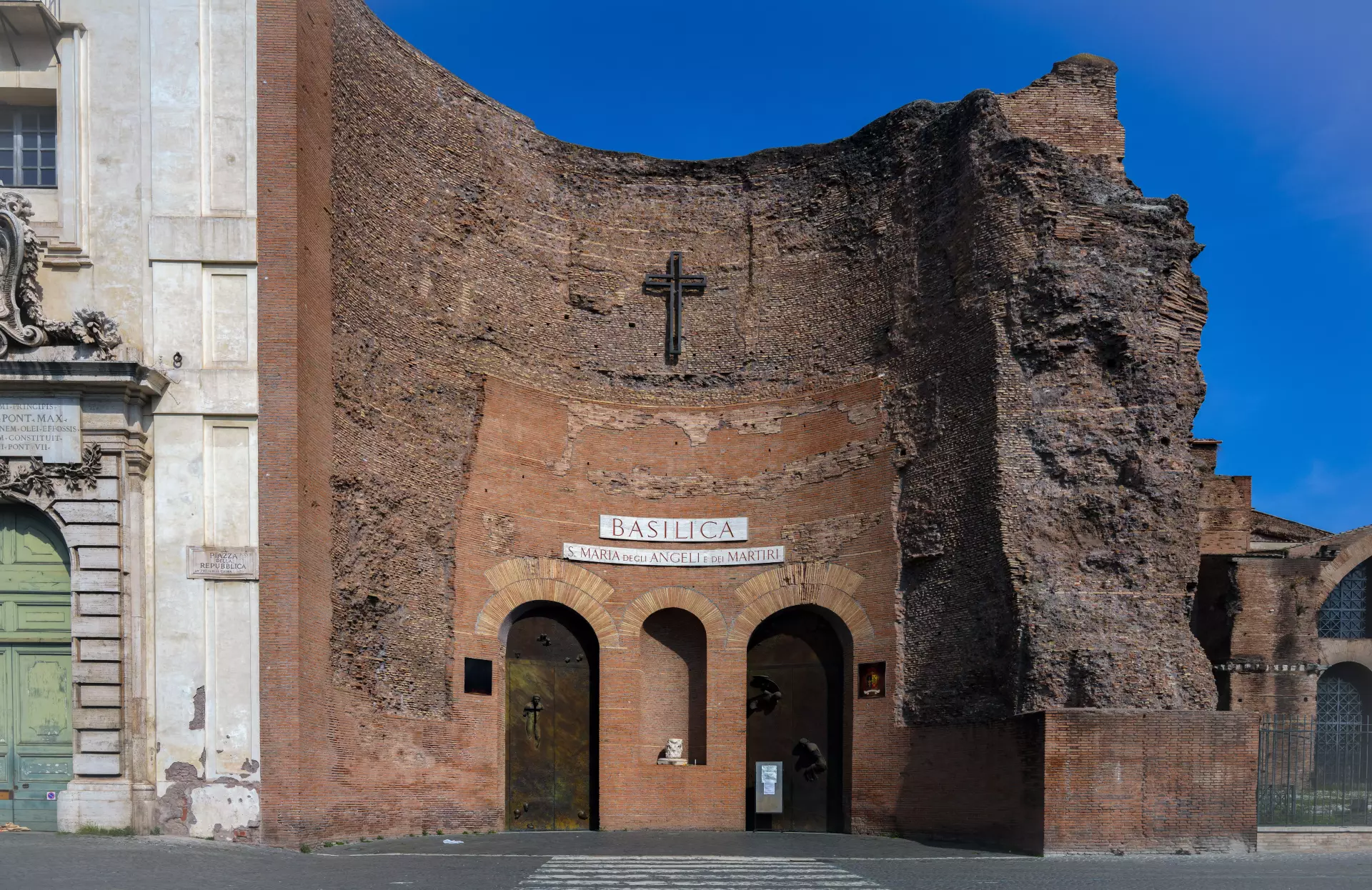
Inaugurated in 217 AD and used until the 6th Century. The baths were big enough for 1600 bathers at a time. Impressive and well-preserved. Used for operas in summer months (see Opera di Roma for details) and was the location for the famous "three tenors" concert in July 1990, at the time of the World Cup (soccer).
The renamed Rome Zoo, one of the oldest in Europe, founded in 1911. On the edge of the Borghese Gardens, a short, well-signposted walk from the Gallery. They try hard, but San Diego this isn't. If you are a regular zoo-goer you will be disappointed.
Home of the Abbot Primate of the Benedictine Confederation and Benedictine monks studying in Rome. Visit the monastic produce shop and listen to the best Gregorian chant in Rome during Vespers (19:15 each evening).
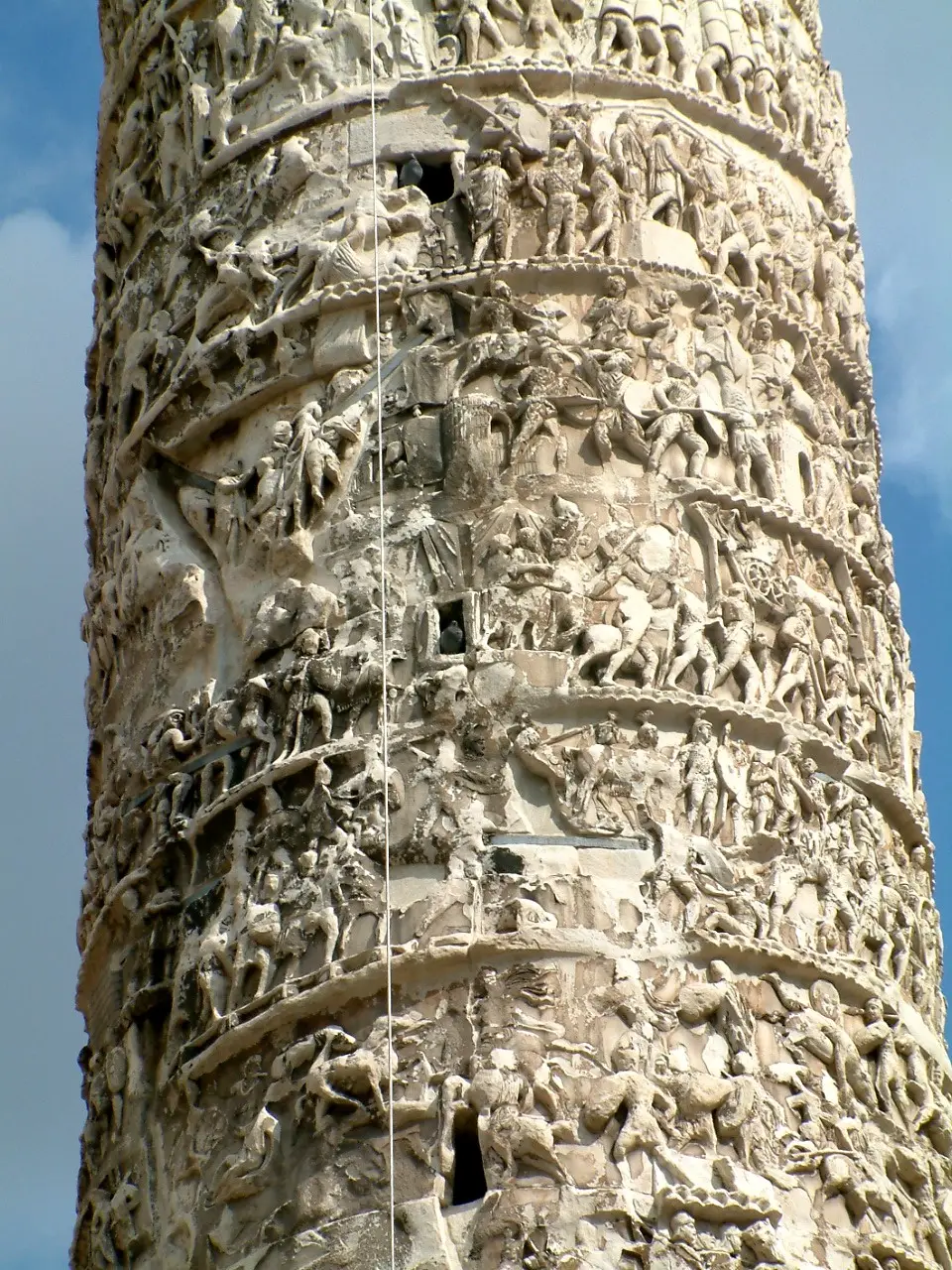
On the other side of the Via dei Fori Imperiali to the Roman Forum. Well-preserved market area that doubled as a way of stopping the Quirinal Hill from collapsing. Below in the Forum is Trajan's Column, built in 113 with reliefs depicting the Emperor Trajan's vistories in battle.
This impressive villa covers 23 hectares. It can be accessed from the Via Appia Nuova (Bus 118) or through Via Appia Antica 251. Parts can be seen from the Appian Way at around the 5th mile just after No 251. The villa was built by Maximus and Condinus Quintilii. The emperor Commudus liked it so much that he put the brothers to death in 182 AD and took it for himself. A museum has friezes and sculptures from the villa. The nypheum, the tepidarium and the baths may also be visited. At Appia Antica 251 is Santa Maria Nova, a farmhouse that has undergone many reincarnations since being built on top of a Roman cistern that was probably used by Villa dei Quintilii.
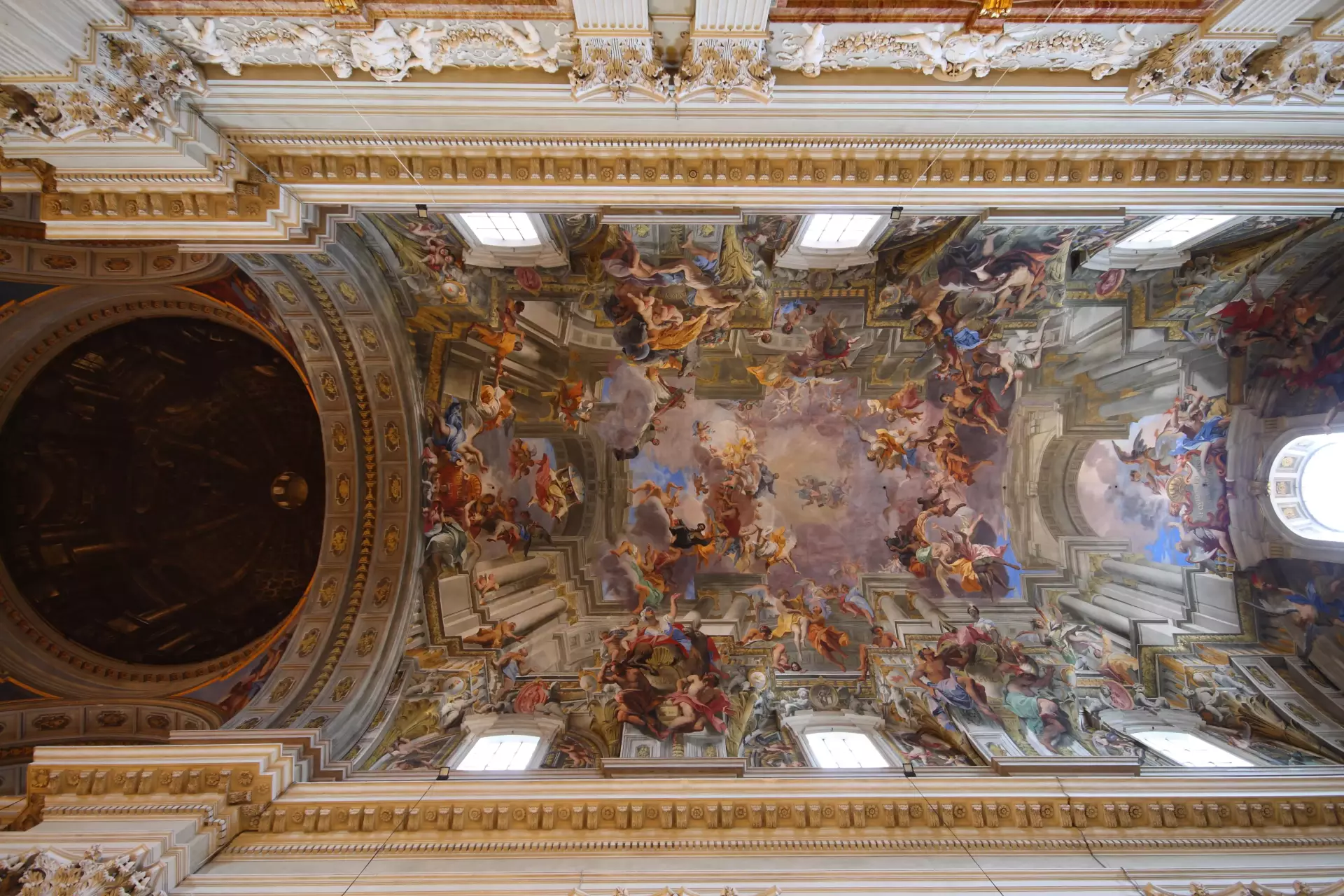
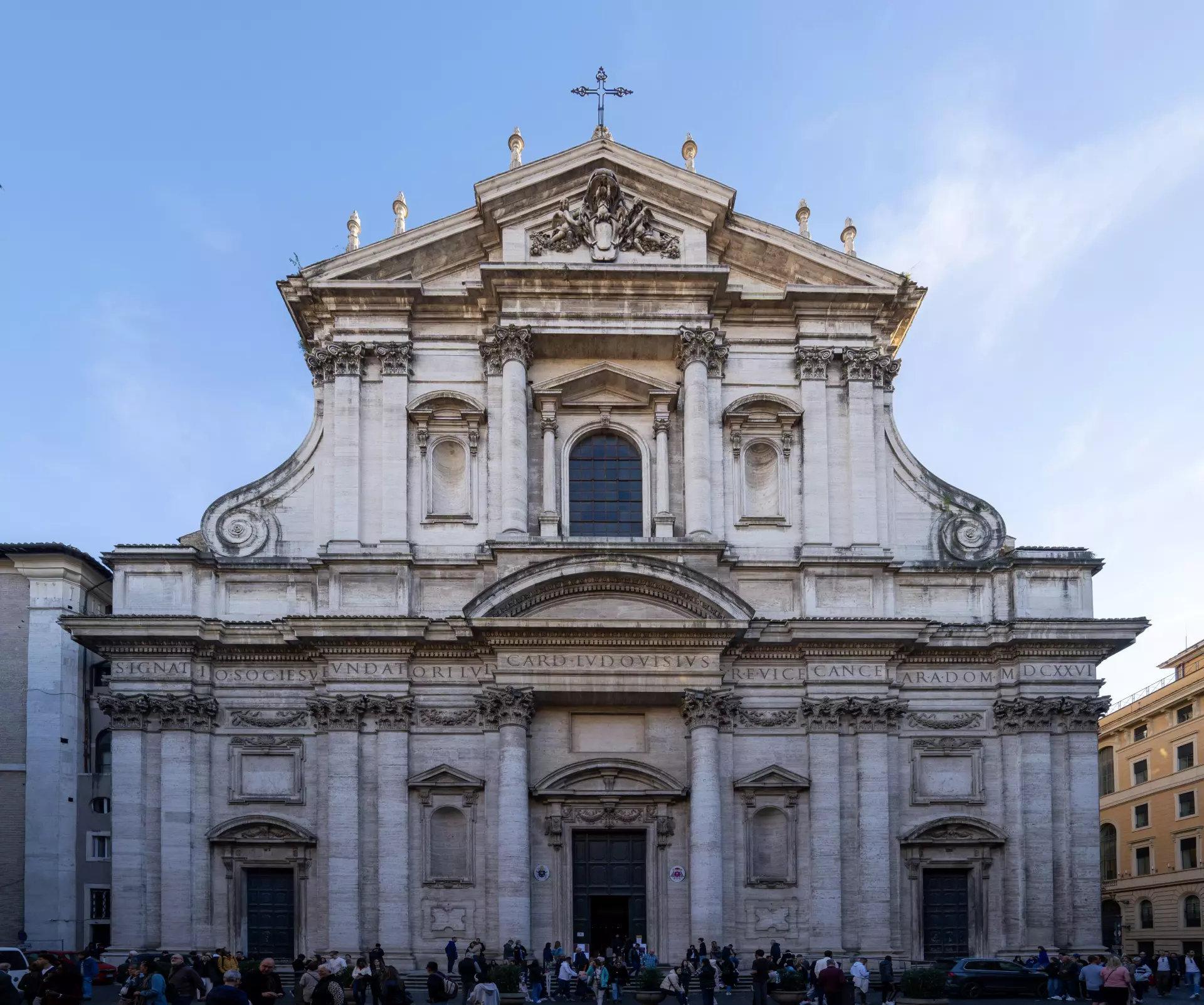
Minor basilica in 17th-century baroque style with good art inside. In a smaller Italian city, this might be a prime attraction, but in Rome, with its abundance of great churches, this is merely a pleasant church of secondary interest to visit if you are in the area.
This archaeological site displays the thermal baths of the villa of the wealthy Herod Atticus. Also in the complex is a restored villa, until 2002 a private residence, that has an exterior completely covered with pieces from Roman ruins, including pipes used in the baths. There are some very helpful staff to show you around, although they only speak Italian. An interesting photographic exhibition in the house traces the development of the Appian Way over the last century. Almost opposite the entrance to the baths is a ruined tower known as the Torre di Capo di Bove.
The palace was built by the architect Baldassare Peruzzi on behalf of the Massimo family. The former palace was destroyed during the pillage of Rome in 1527. The Massimo family can be traced back to Quintus Fabius Maximus who defeated Hannibal in the 3rd century BC. The building is open to the public on March 16, only in order to commemorate the miraculous reanimation of Paolo Massimo by St. Philip Neri in 1538.