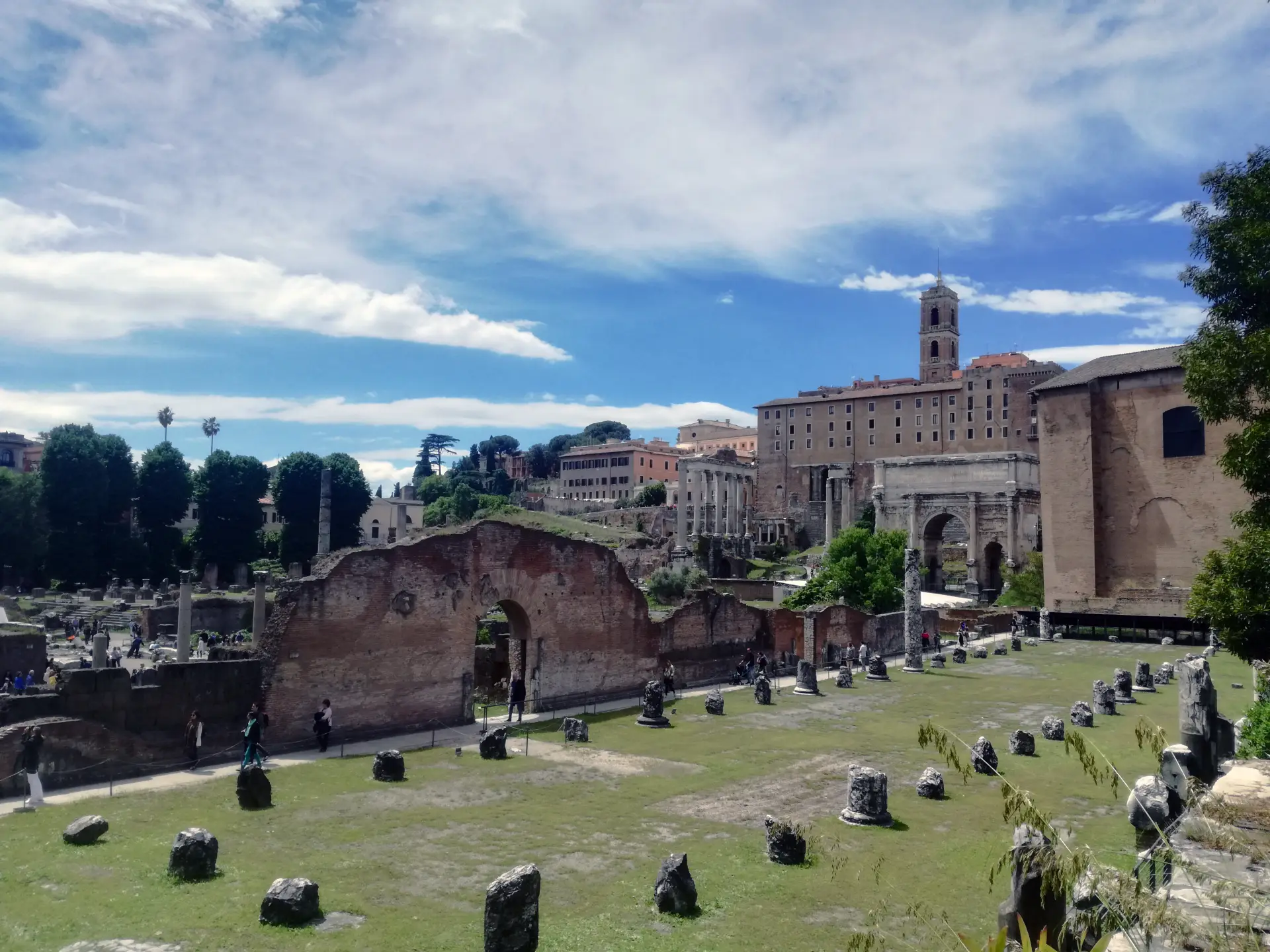
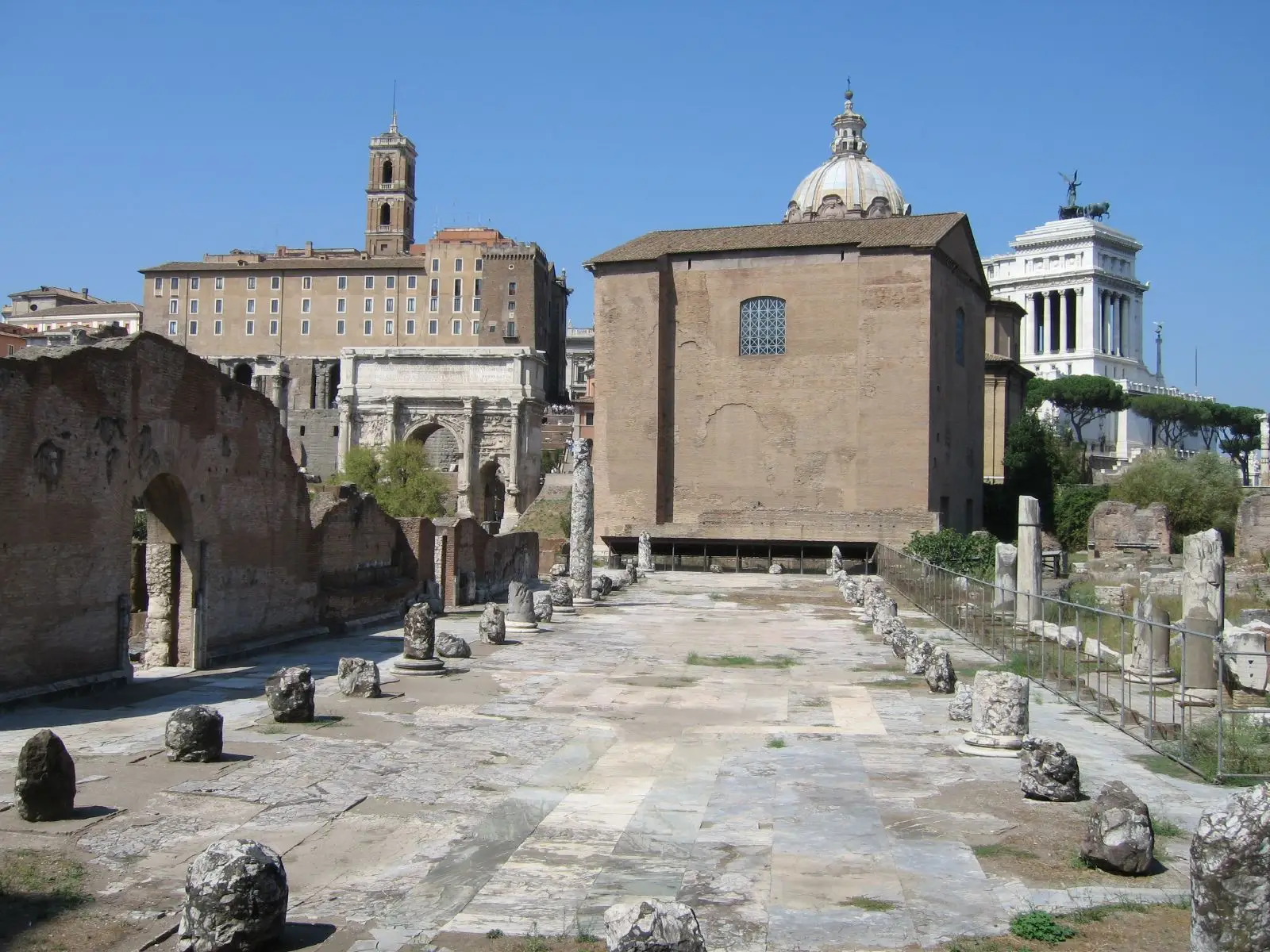
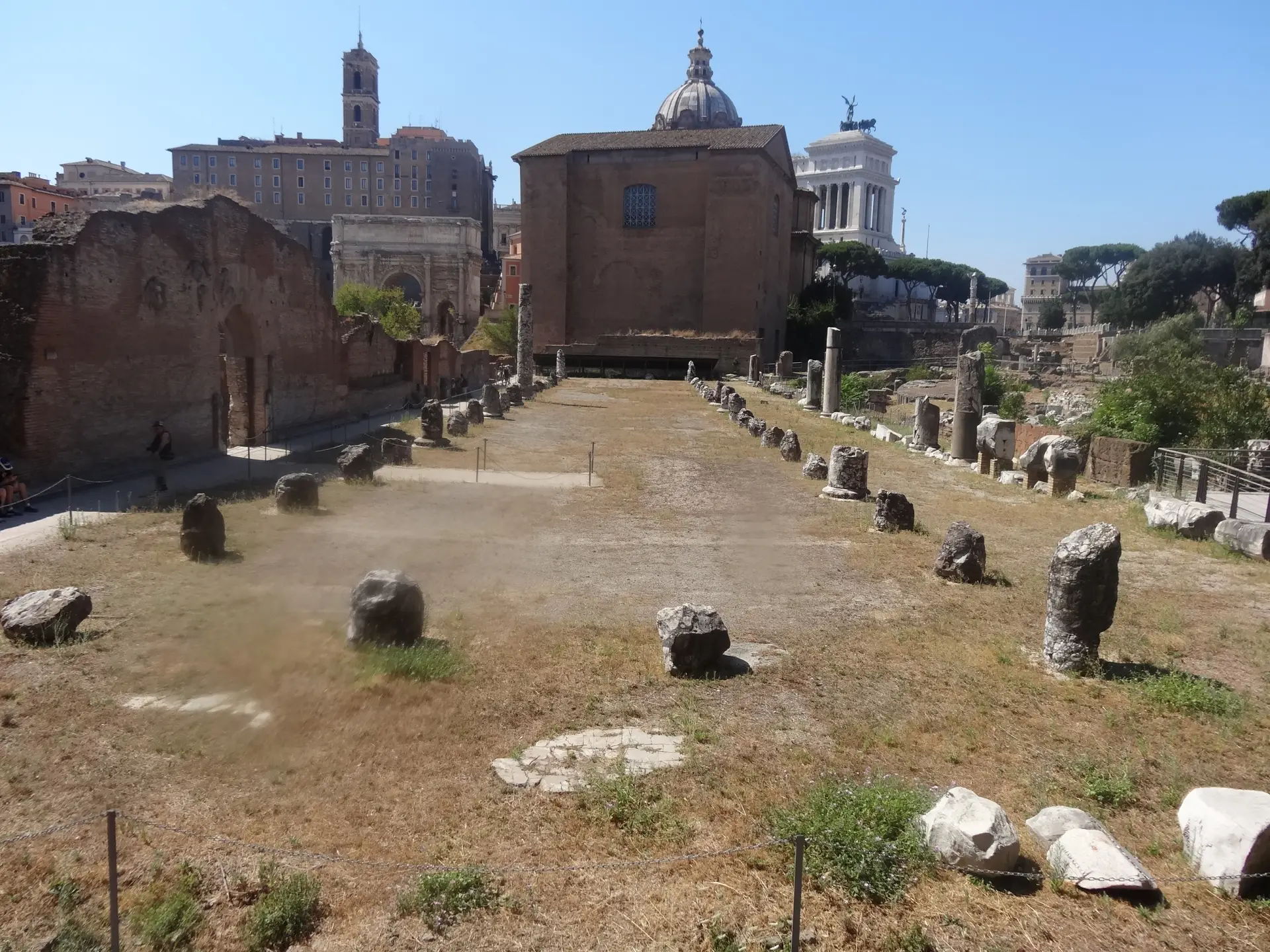
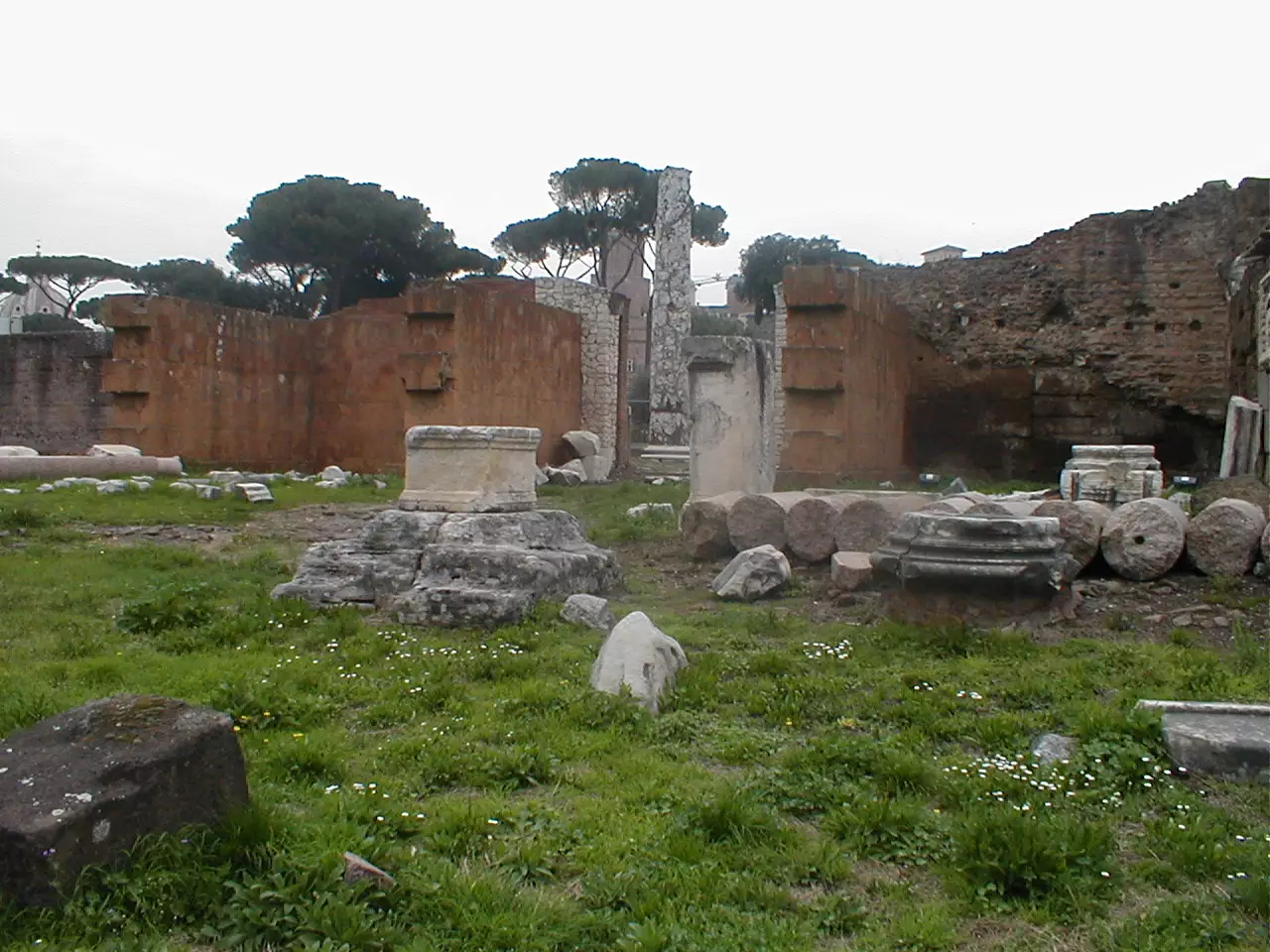
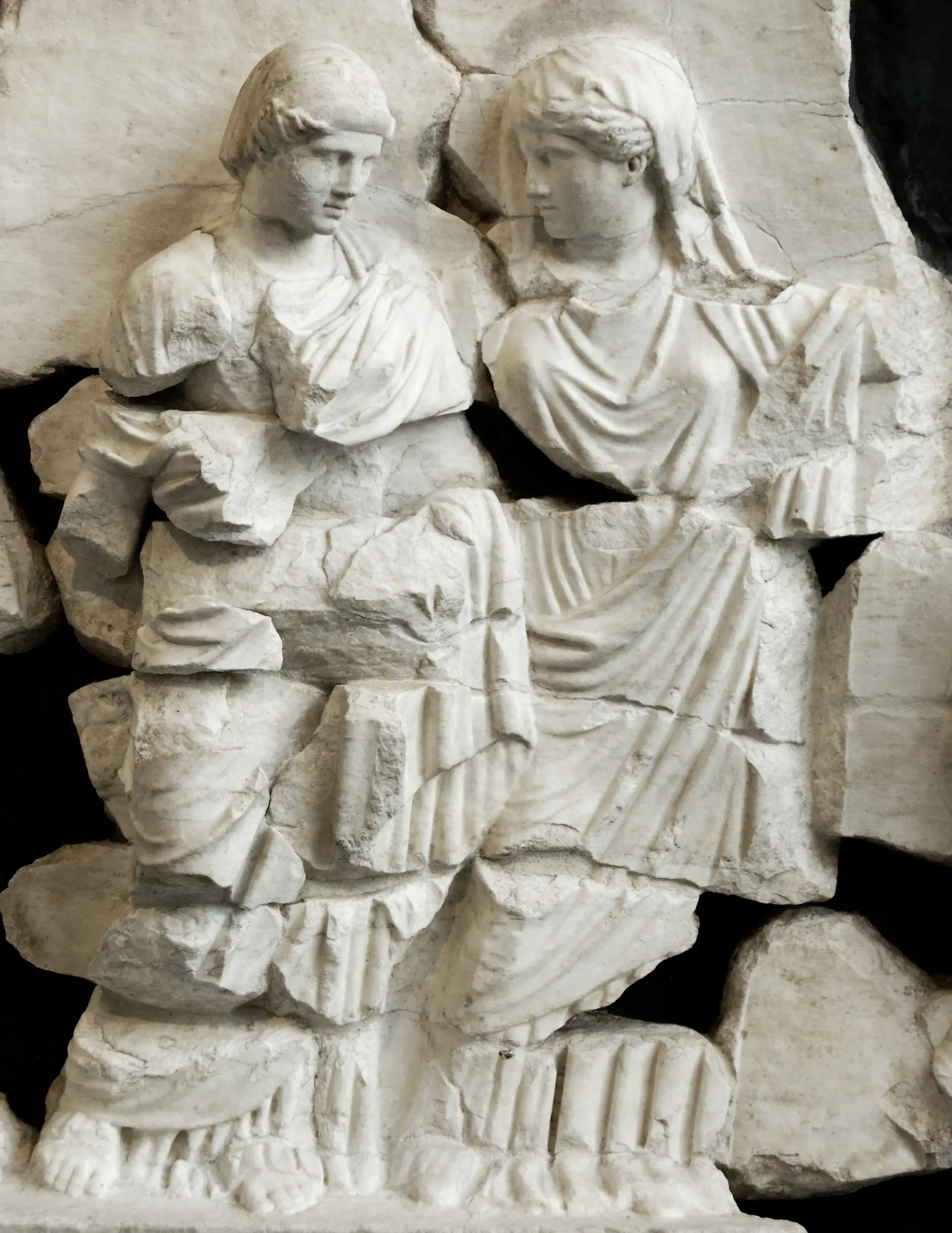
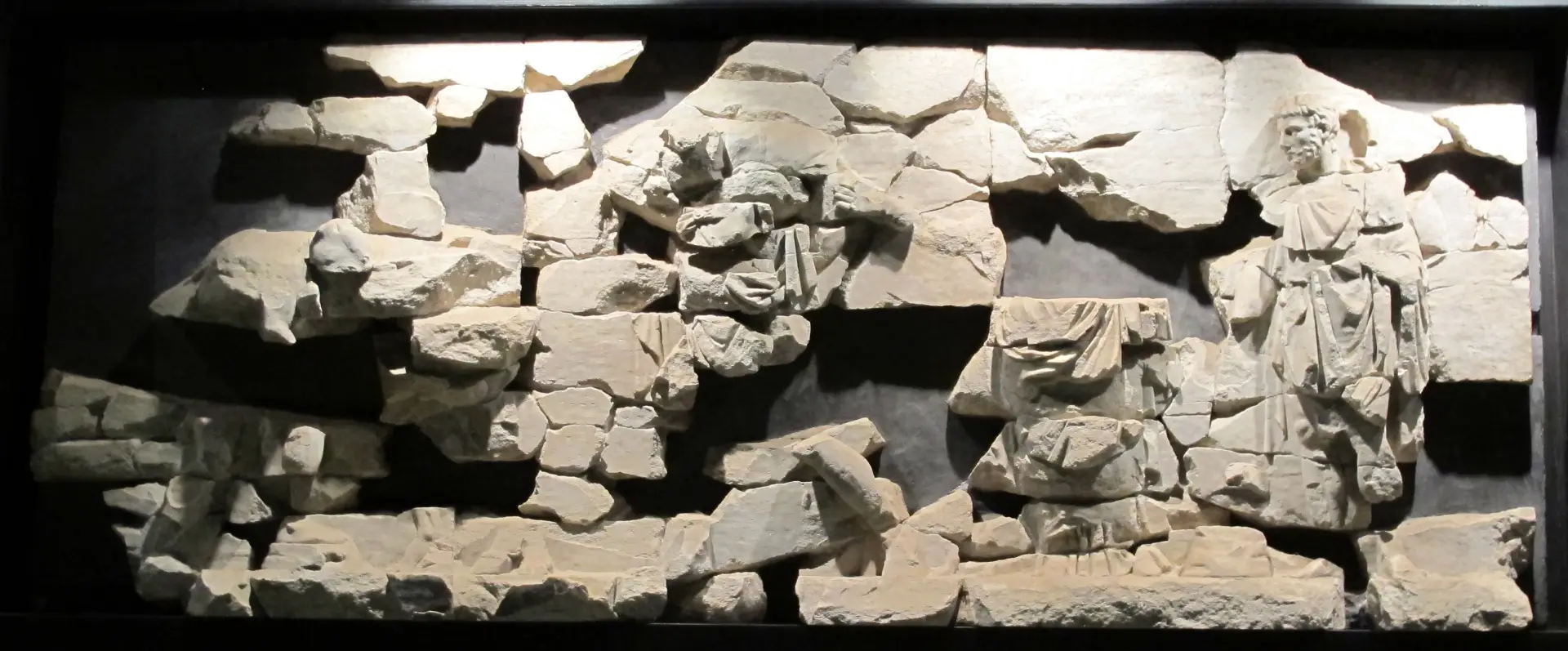
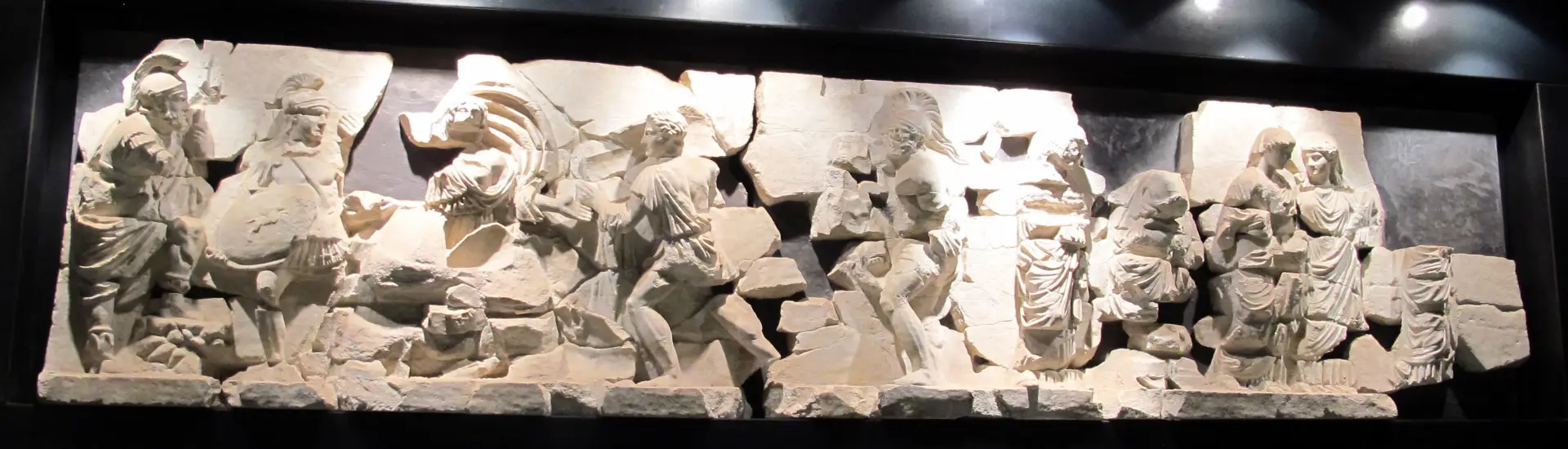
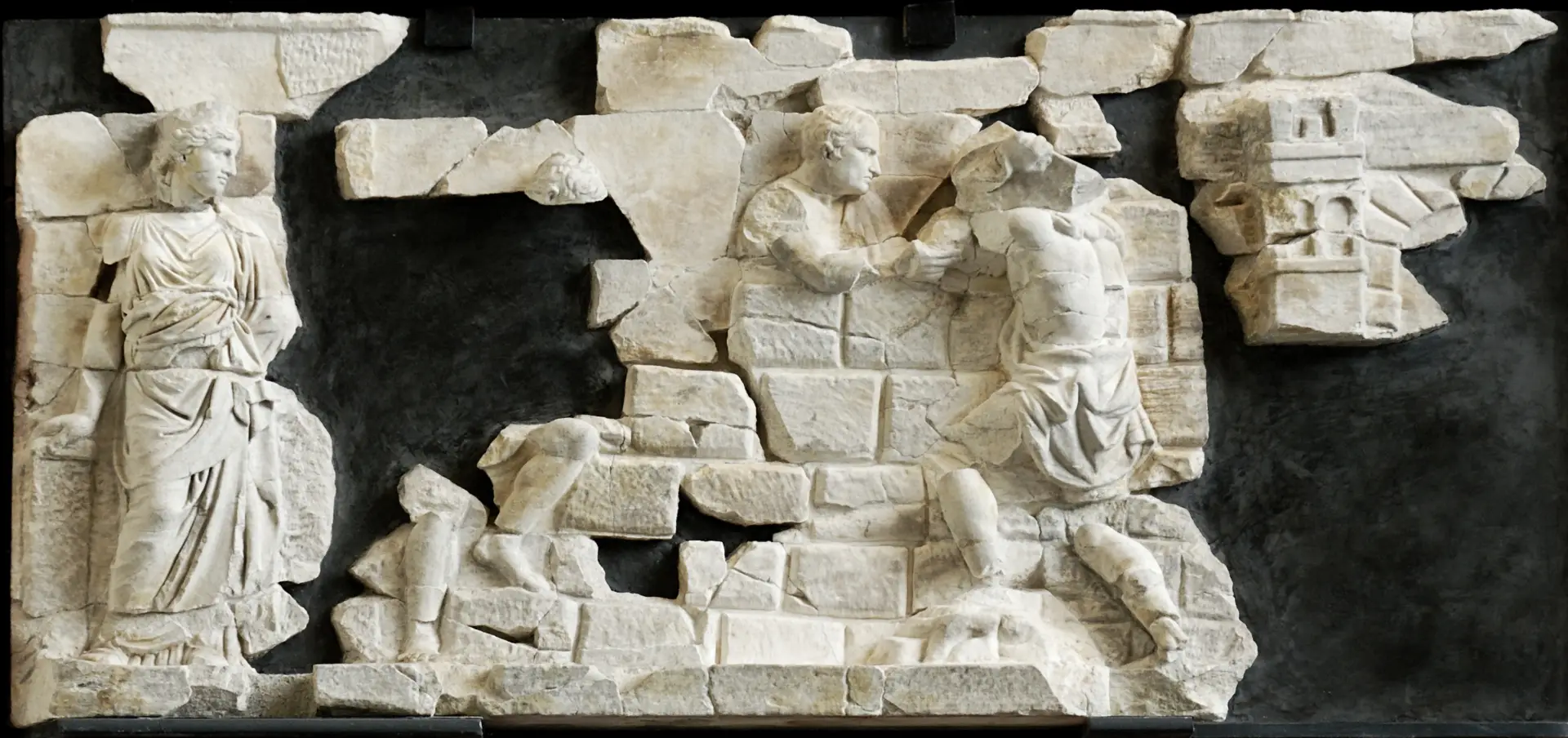
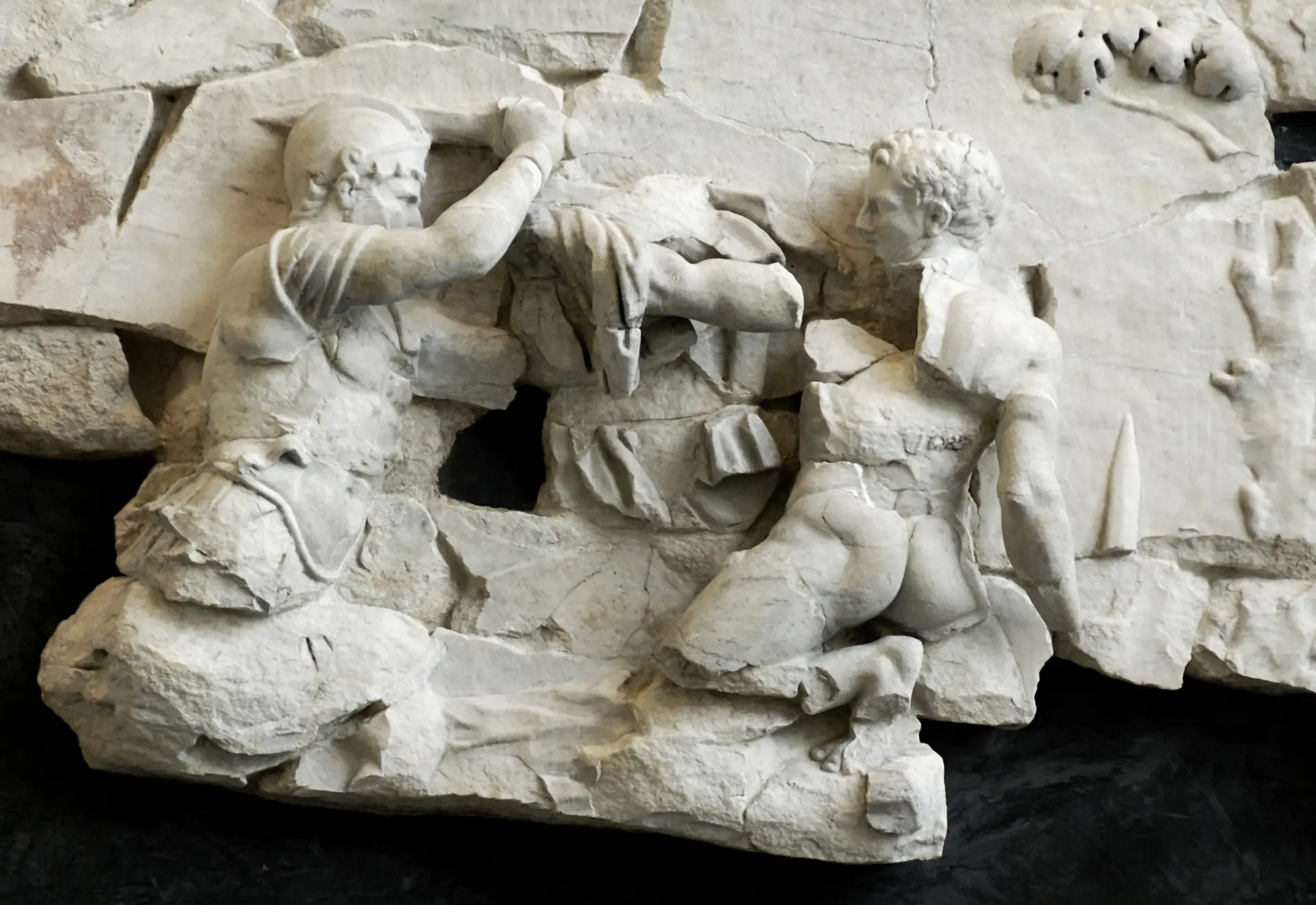
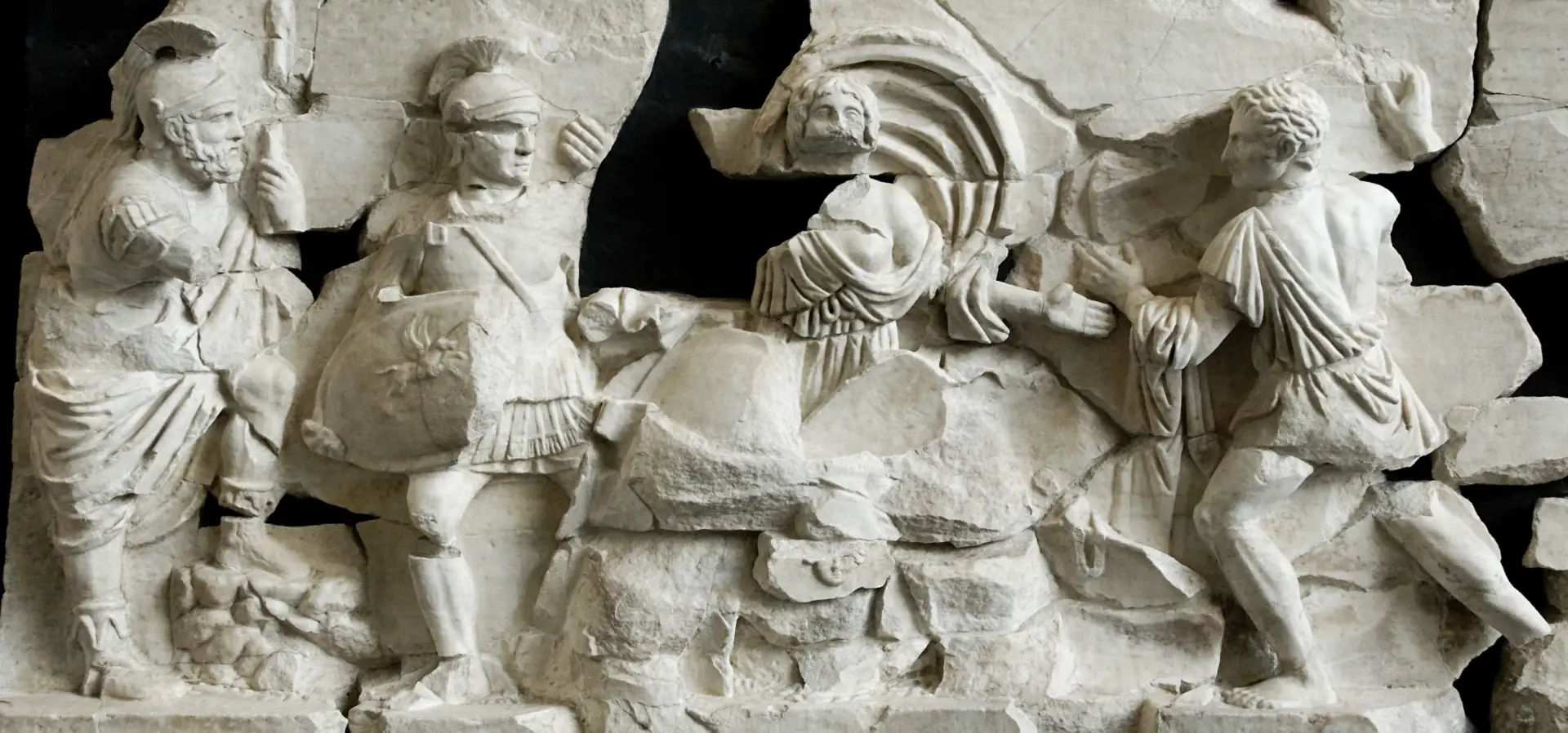
Nestled in the heart of ancient Rome, the Basilica Aemilia stands as a testament to the grandeur and sophistication of Roman architecture and culture. Completed in 179 BC, this magnificent structure invites us to journey back in time, exploring the intricacies of an era that laid the foundations for modern civilization.
Walking through the remnants of the Basilica Aemilia, one cannot help but feel the echoes of the past reverberating through its aged stones. This basilica played a pivotal role both socially and economically in ancient Rome, serving as a bustling marketplace and a hub for civic administration. As you explore the site, imagine the lively debates and vibrant exchanges that once filled these spaces with life.
The architectural design of the Basilica Aemilia is a marvel in itself. Originally, it was adorned with magnificent columns and stunning frescoes, capturing the eye of every visitor who stepped inside. Despite the wear of centuries, the surviving elements offer a glimpse into the artistic ingenuity that the Romans were renowned for, leaving visitors in awe of their sophisticated aesthetic tastes.
Beyond its physical form, the legacy of Basilica Aemilia continues to inspire countless architects and historians. It reminds us of a time when Rome was at the height of its power, a melting pot of innovation, culture, and commerce. The basilica remains a significant part of the Roman Forum, a symbol of the city’s enduring influence on the world.
In visiting the Basilica Aemilia, we embark on a journey through the annals of history, celebrating the remarkable achievements of an empire whose impact is felt to this very day. Whether you are an avid history enthusiast or a curious traveler, this iconic landmark promises to enrich your understanding of Rome's spectacular past.
Source - https://en.wikipedia.org/wiki/Basilica_Aemilia
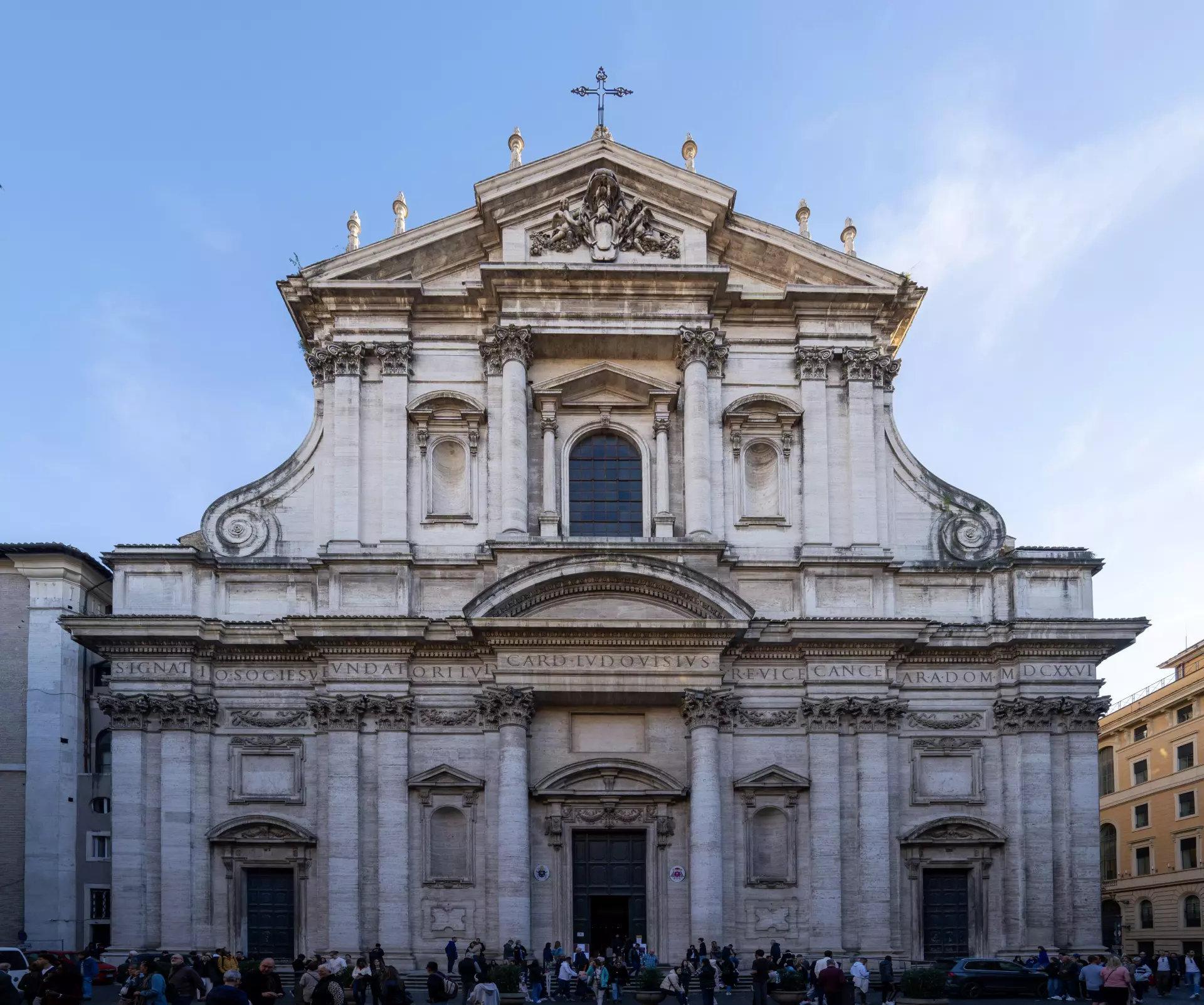
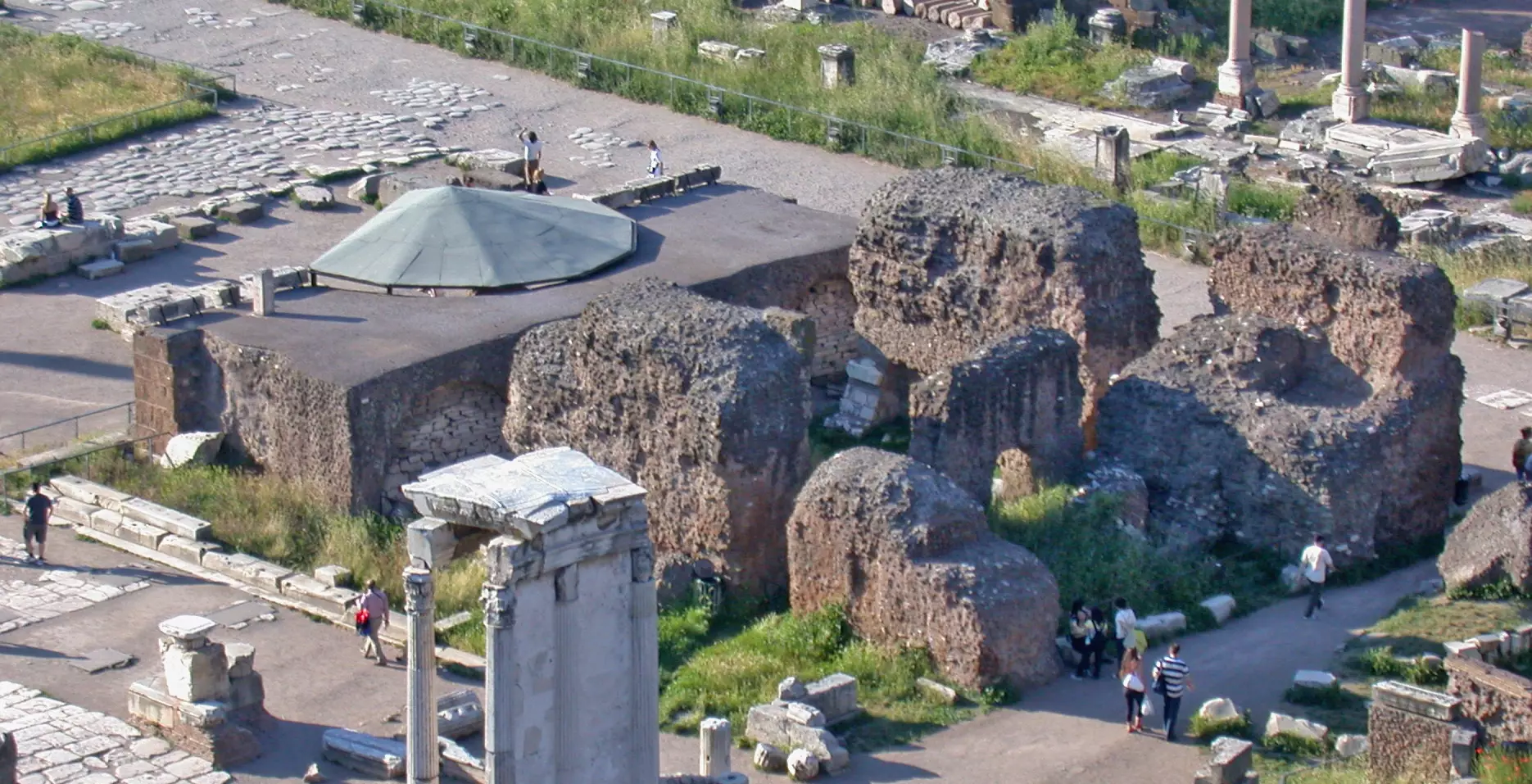
Inaugurated in 217 AD and used until the 6th Century. The baths were big enough for 1600 bathers at a time. Impressive and well-preserved. Used for operas in summer months (see Opera di Roma for details) and was the location for the famous "three tenors" concert in July 1990, at the time of the World Cup (soccer).
They are posted at entrances to the Vatican City to provide security and protect the Pope. They wear very colourful clothing, similar to the uniforms worn by Renaissance-era soldiers. The Pontifical Swiss Guards is also the smallest and oldest standing army in the world, founded in 1506 by Pope Julius II. The origins of the Swiss guards, however, go back much further as the popes had regularly imported Swiss mercenaries during the 1400s.
It was constructed to hold relics of the Passion of Jesus. They include two thorns of his crown, part of a nail and three small wooden pieces of the Cross. The authenticity of these relics is much disputed, however.
Perhaps most famous for a large model of imperial Rome, but also has a large display of various aspects of ancient Rome, using plaster casts, models and reconstructions of works found in museums throughout the world.
The mausoleum of Cecilia Metella, who died in 69 BC, is the best preserved monument on the Appian Way and dominates the surroundings. In the Middle Ages it was transformed into a fortress and battlements were added. At that time there was considerable competition for ownership because of its strategic location.
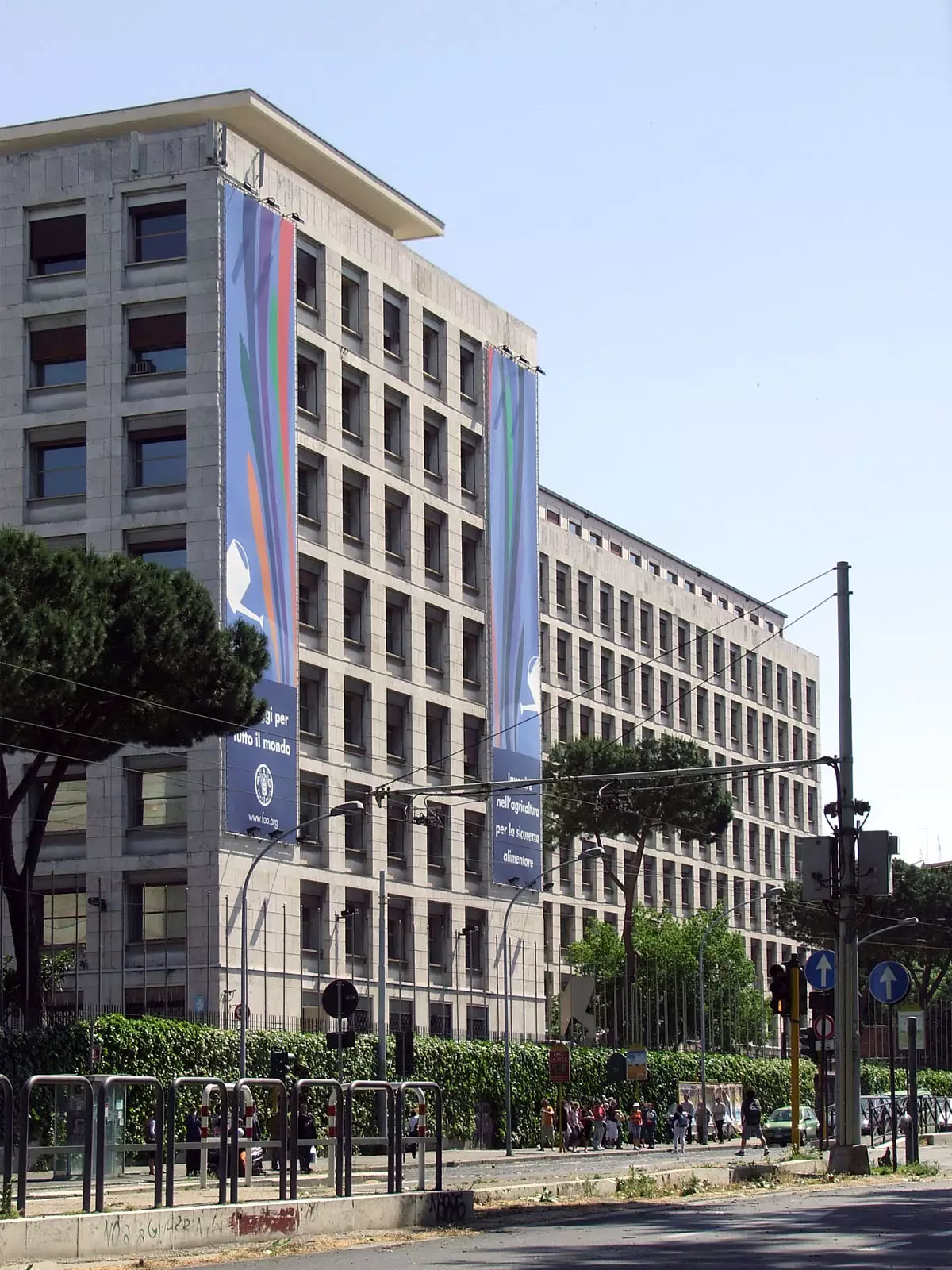
The enormous building at the southeast end of the Circus Maximus is the headquarters of the UN Food and Agriculture Organization (FAO). From its roof are undoubtedly the best views of Rome, but you will need to know someone who works there to get past the strict security.
According to the legendary passio, two brothers, John and Paul, who were officials at the imperial court, suffered martyrdom in 362 in their home on the Caelian hill, during the reign of emperor Flavius Claudius Julianus. This basilica dedicated to these two Roman officers was erected starting from 398 and was used first as a domus ecclesiae by the Christian community.
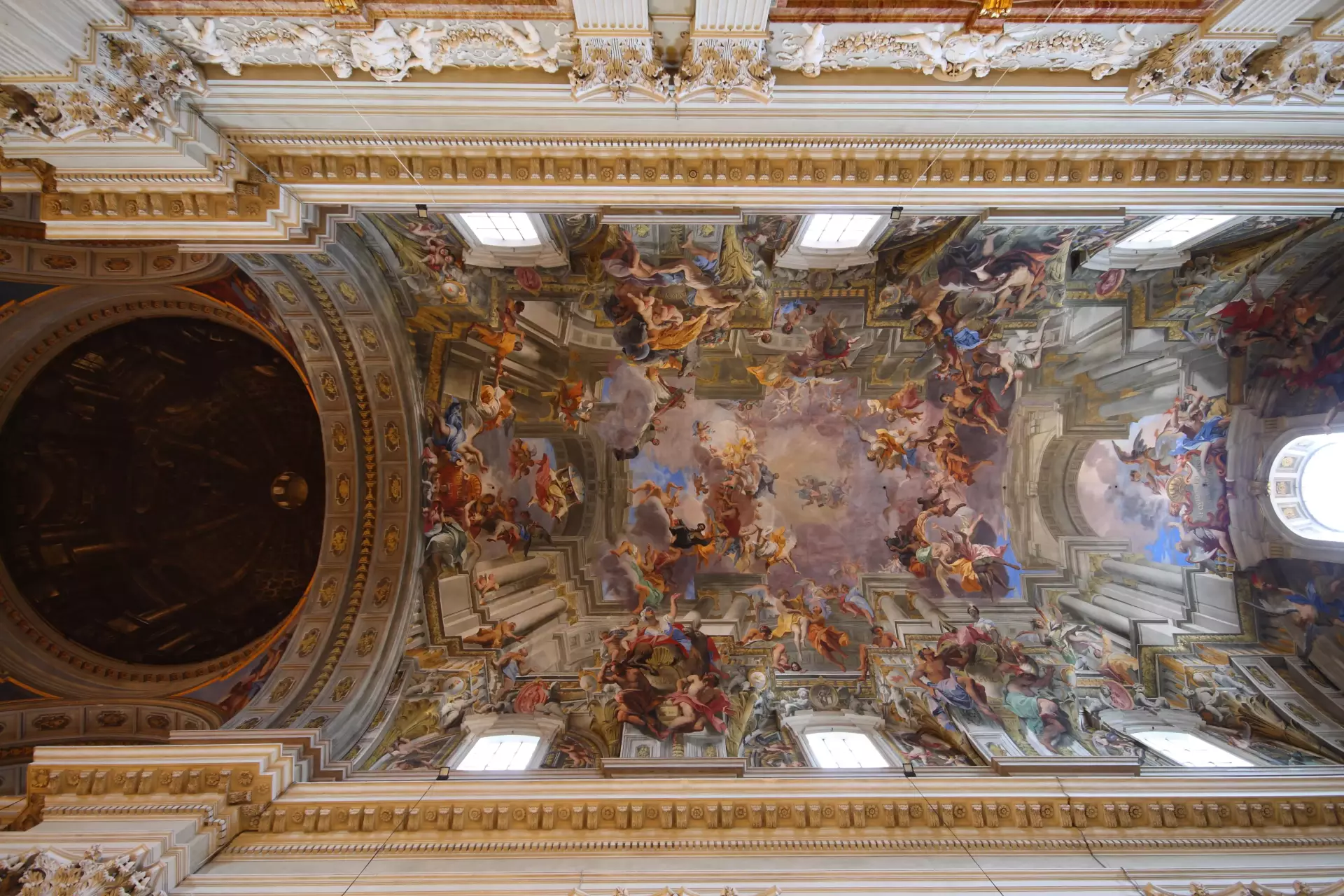
This is one of the two main Jesuit churches in Rome, the other being the nearby Sant'Ignazio. The interior is Baroque art on steroids. Simply astounding.
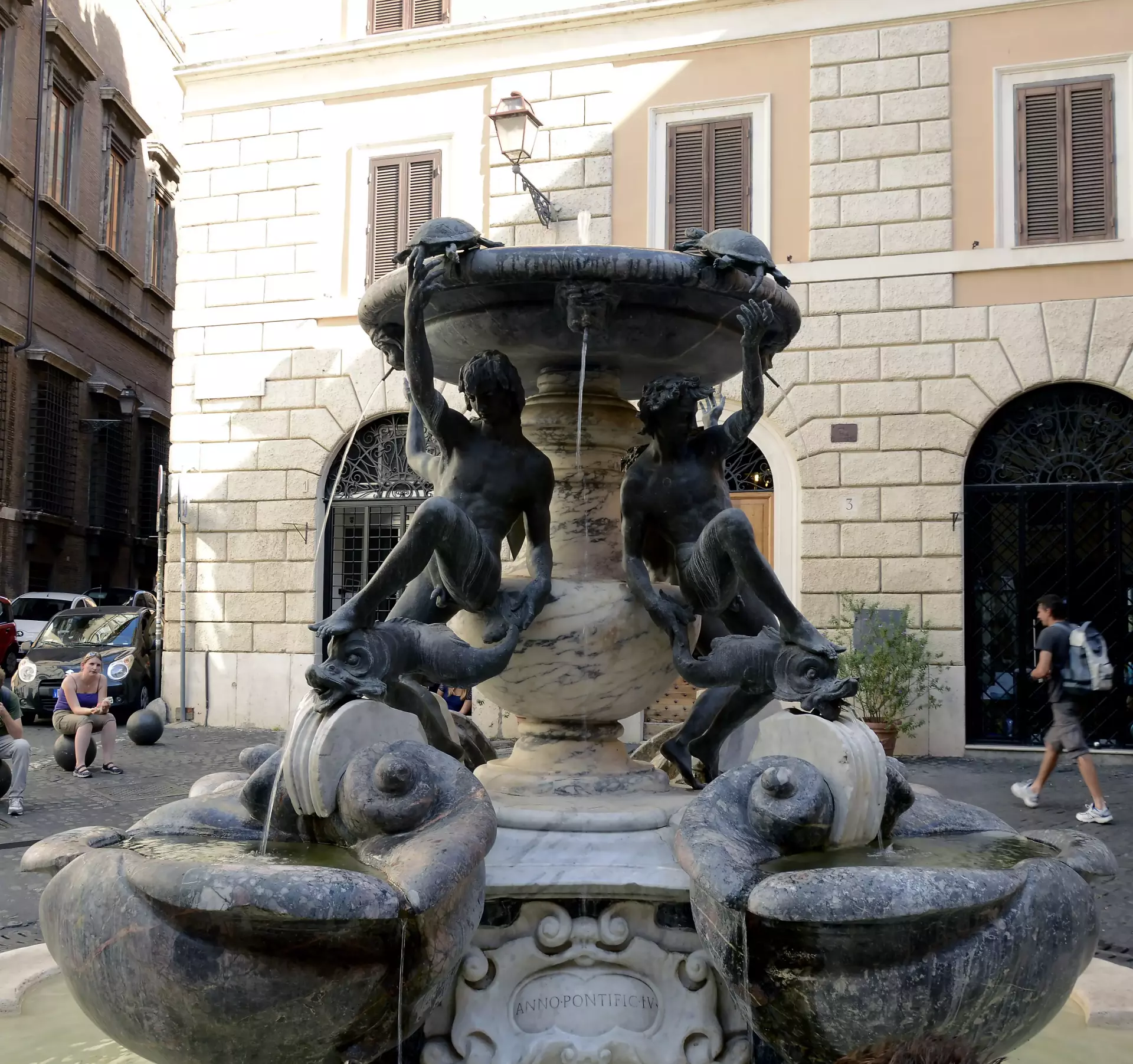
A pleasant fountain in an out-of-the-way square. It was originally meant to have four dolphins rather than turtles, but the dolphins proved to be too large for the water pressure, so the turtles were added as an afterthought.
The western end of the ancient Via Appia road connecting Rome to Brindisi in the heel of Italy, and as such the third world heritage site in Rome together with the Old Center and the Vatican. As such it's an important historical location, even if the remains of the gate aren't as impressive as the city's major sites. As Via Appia heads southeast out of Rome, and after a few kilometers the route is officially named Via Appia Antica and starts looking more historical: it gets narrow as a city street, the asphalt is replaced by a rock surface and the road is lined with parks and park-like areas and walled old buildings. This section has been described as the world's longest museum.