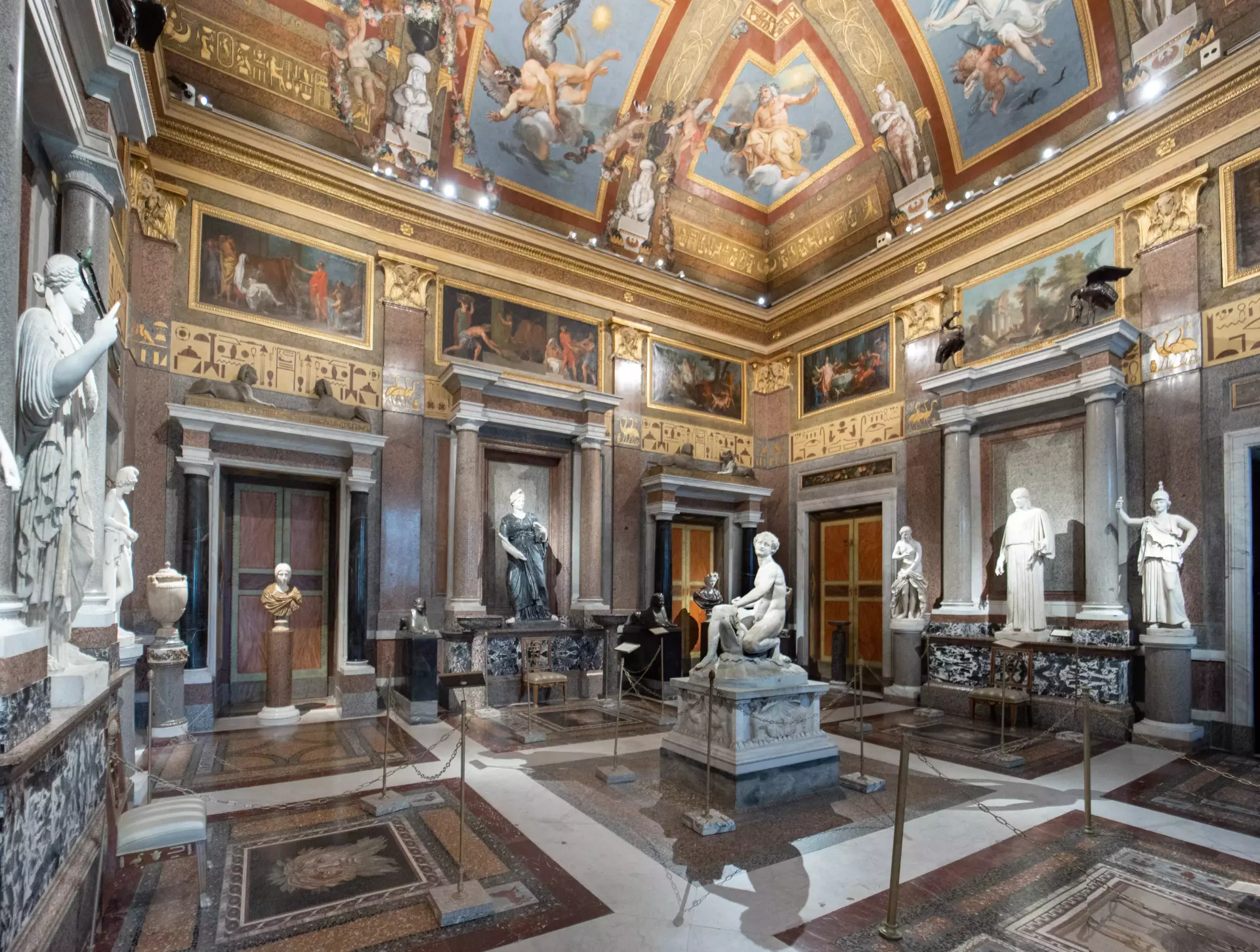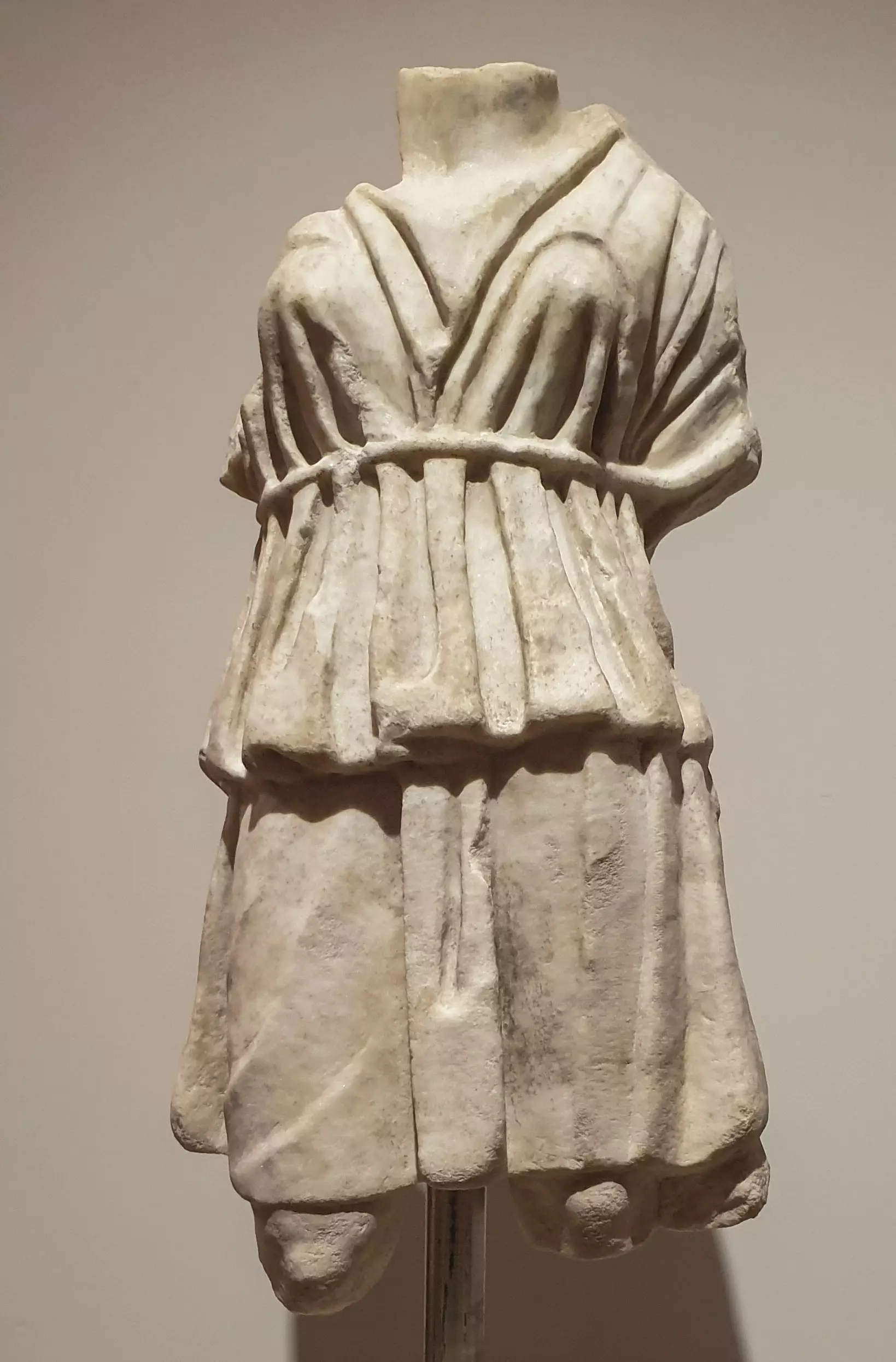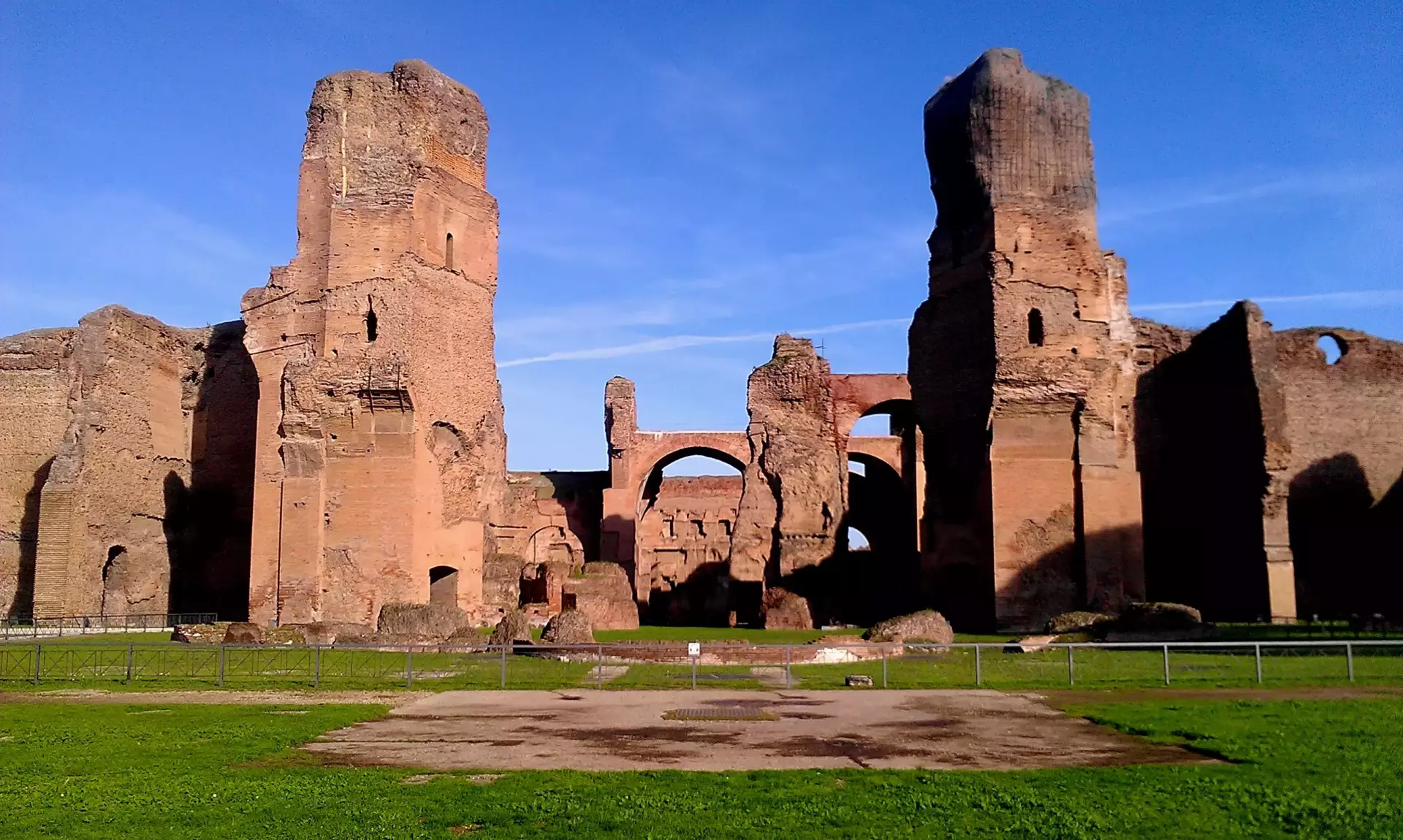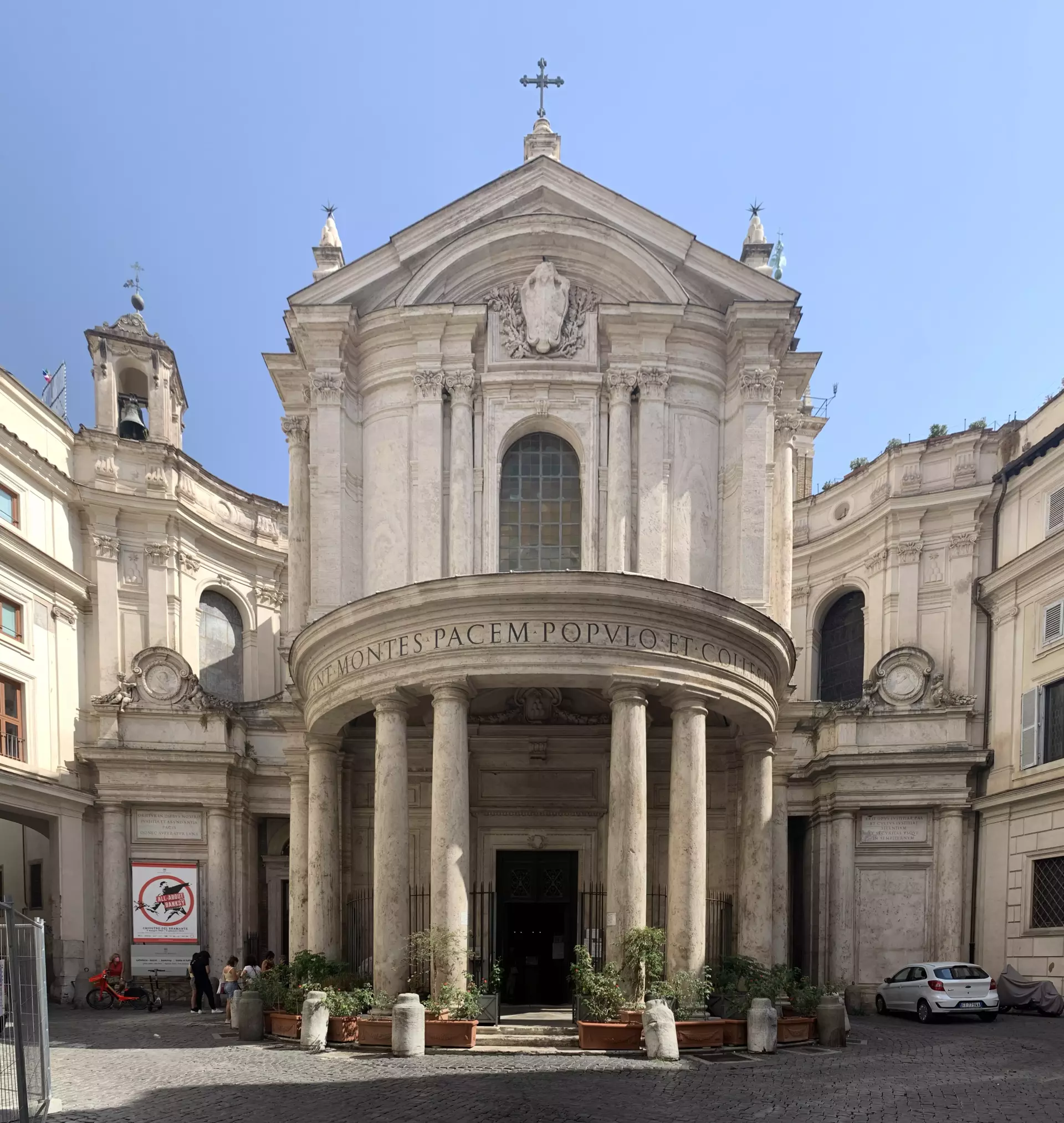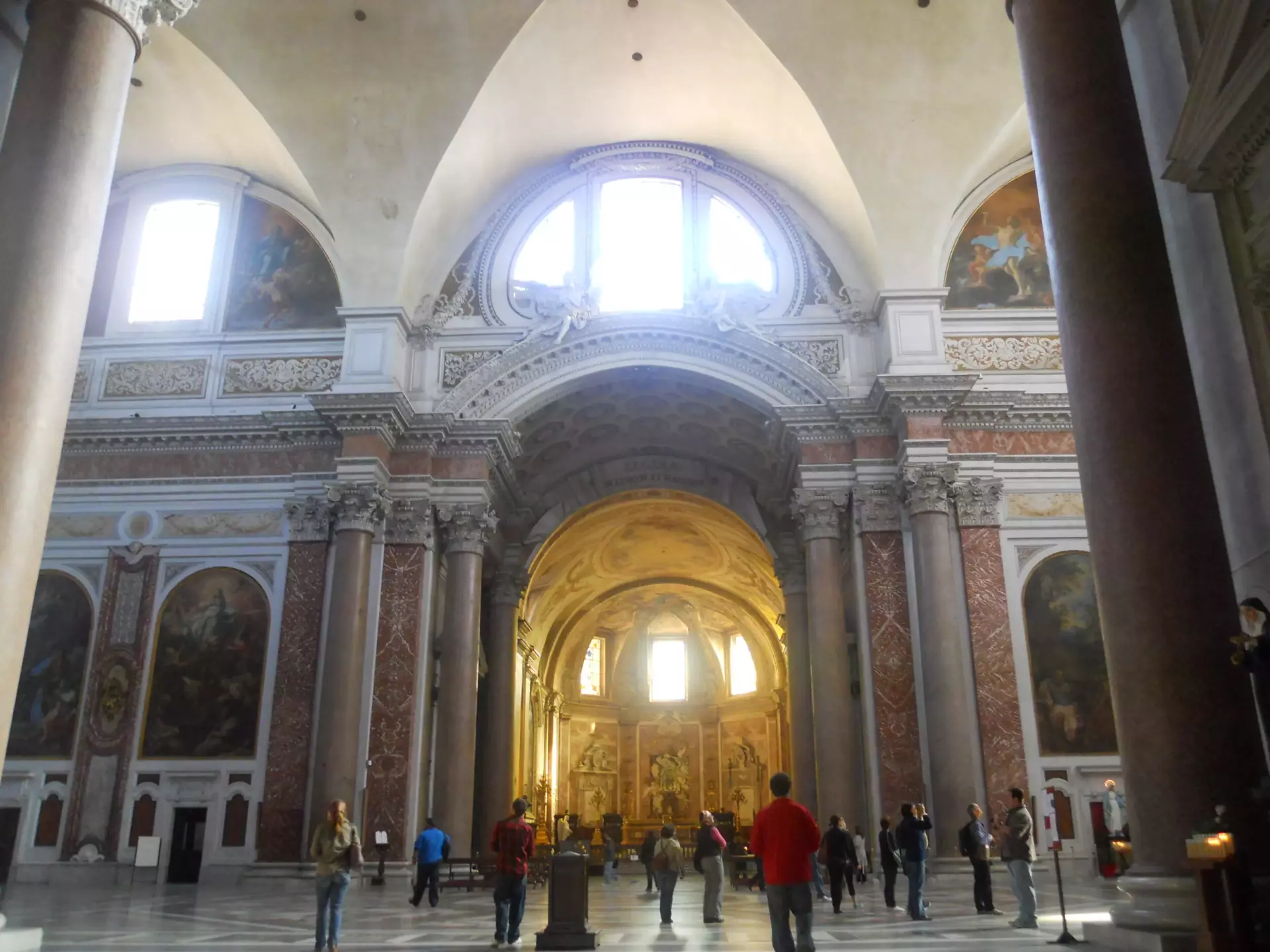
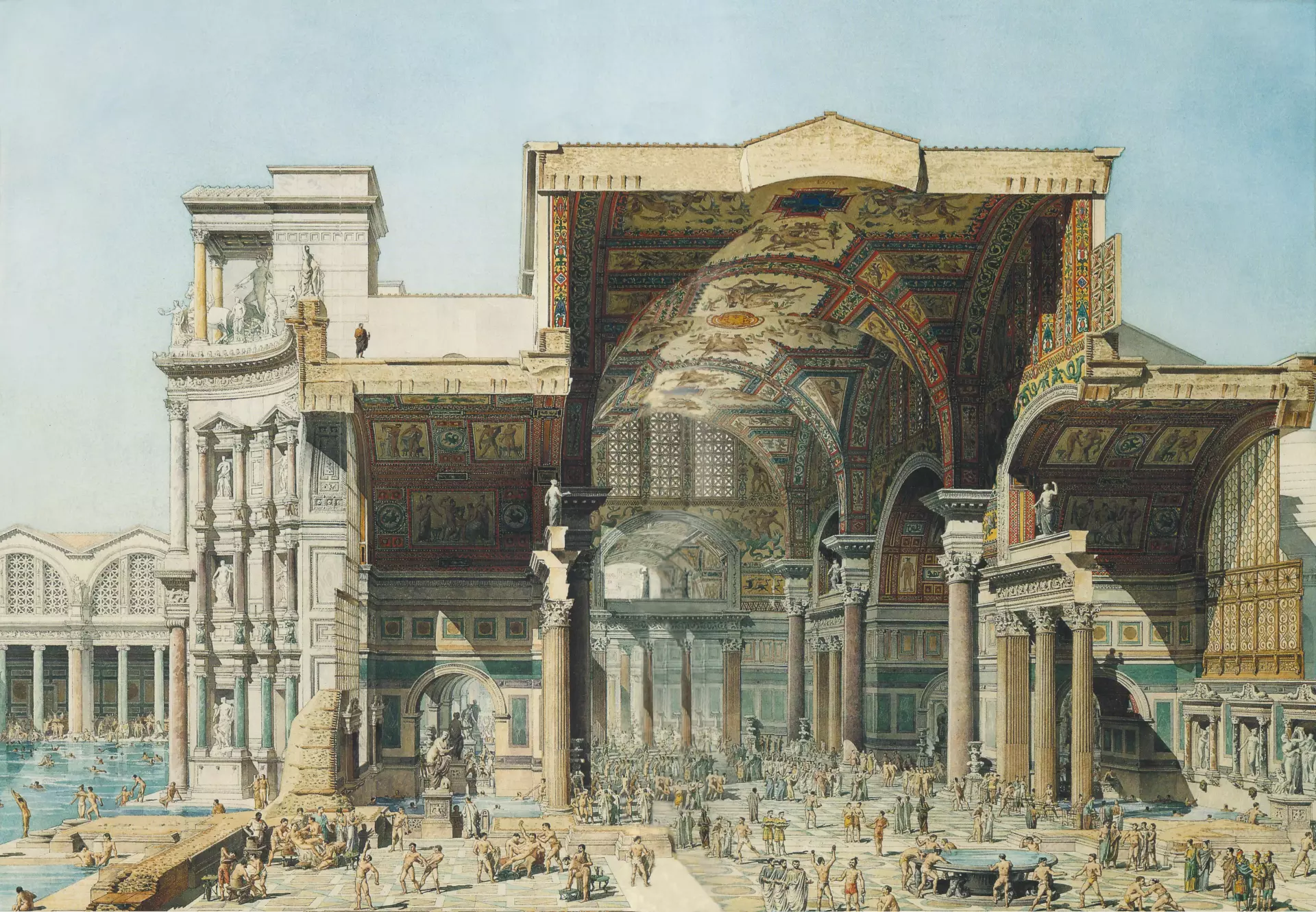
The Baths of Diocletian are located on the site of ancient Roman baths that once served as a grand social and recreational center. Today, the area is home to a remarkable museum filled with history and art.
Inside the museum, visitors can find an enormous collection of statues and other artifacts. These impressive sculptures and artworks come from different periods of Roman history, showcasing the talent and creativity of ancient artists. The exhibits help tell the story of daily life, beliefs, and customs in Rome centuries ago.
Every statue and artifact displayed in the museum offers a window into the past. From detailed marble figures to decorative reliefs, the collection allows people to imagine what the original baths might have looked like during their busiest days. The remnants of the building itself, combined with the museum's treasures, create a vivid picture of ancient Rome's grandeur.
Source - https://en.wikipedia.org/wiki/Baths_of_Diocletian
This building housed the University of Rome from the middle of the 15th century until 1935. The splendid interior courtyard was created by Giacomo della Porta. The inside church of Sant'Ivo (see above) is one of the masterpieces of the architect Borromini.
The Celian Hill is one of the seven hills of Rome. You immediately see the church of San Gregorio Magno. On this site monks were trained before setting off as missionaries to England at the end of the 6th Century. Further up the hill is Santi Giovanni e Paolo. At this point it is difficult to believe you are in the middle of a major city. This church was built in 398 over the home of two Roman soldiers, John and Paul, who were martyred for their Christian beliefs in 362. Excavations show that there were several burials on the site, a risky business as burials were illegal at that time. After the church you come to the back entrance of the Villa Celimontana park (jazz festival nightly in late June-August). The modern buildings before you reach the park are owned by Silvio Berlusconi’s television company. By the main entrance of the park note the boat-like fountain known as the “Navicella”. As you exit the main entrance to the left is the church of S. Maria in Domnica, which has some interesting mosaics. Next to this church is the Porta Esquilina, one of the gates from the original Servian walls of Rome. It dates back to the 4th century BC.
Next door to Santa Croce. A collection of around 3000 pieces, although only a third of these are displayed.
In addition to Santa Maria in Cosmedin there is a lot to be seen around this piazza. Opposite the church is the round temple dedicated to Hercules Invictus (the Unconquered Hercules), and not far from that the rectangular Fortuna Virilis, both constructed in the 1st Century. Opposite, to the back of the piazza is the Arch of Argentari and behind that the church of San Giorgio in Velabro, the front of which was repaired after being damaged by a terrorist bomb in July 1993.
This impressive villa covers 23 hectares. It can be accessed from the Via Appia Nuova (Bus 118) or through Via Appia Antica 251. Parts can be seen from the Appian Way at around the 5th mile just after No 251. The villa was built by Maximus and Condinus Quintilii. The emperor Commudus liked it so much that he put the brothers to death in 182 AD and took it for himself. A museum has friezes and sculptures from the villa. The nypheum, the tepidarium and the baths may also be visited. At Appia Antica 251 is Santa Maria Nova, a farmhouse that has undergone many reincarnations since being built on top of a Roman cistern that was probably used by Villa dei Quintilii.
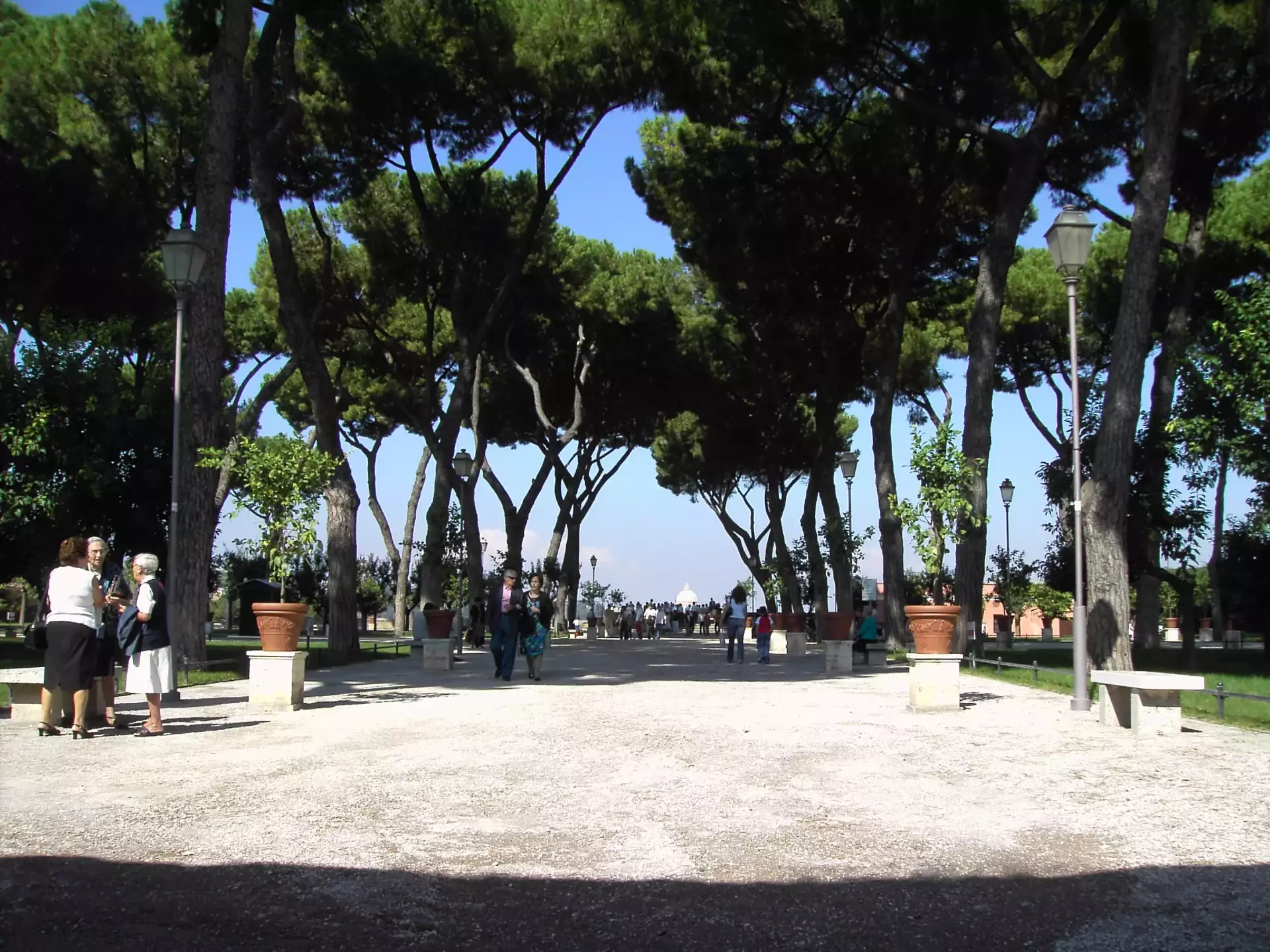
This is not, contrary to popular belief, one of the original seven hills that Rome was founded on. It is the second highest after Monte Mario, though, and offers incredible panoramic views of the city as long as the authorities remember to prune the trees on the hillside (if they are too tall you can walk a few meters down the hill for views that are just as good). On the other side of the piazza there is also a nice view of the dome of St. Peter's. The Piazza and the street leading up the hill are dedicated to Giuseppe Garibaldi who led Italian troops against the French here in 1849. There are also several commemorative statues.
The remains of the ancient Roman archives, where Cicero and Seneca did research. Visible from the Forum and accessible through the Capitoline Museum.
More modern than most Roman churches: it was not started until 1873. This is Rome’s Episcopalian church. Some very interesting artwork, particularly the mosaics by Edward Burne-Jones of the Pre-Raphaelite school.
The Piazza di Spagna (Spanish Square) is the most famous square in Rome. For a very long time it was the meeting point of all foreigners coming to Rome. In the 17th century it was the residence of the Spanish Ambassador to the Holy See. The area around the residence was Spanish territory and foreigners who stayed here without permission were forced to serve in the Spanish army. The Fontana della Barcaccia (Old Boat Fountain) on Piazza di Spagna was designed and built in 1627-29 by Pietro Bernini, father of the more famous Gian Lorenzo Bernini. The fountain celebrates the fact that before high walls were built along the banks of the Tiber Rome often used to flood. Once the waters were so high that a boat ended up in the square. The decorations on the fountain imitate the coat of arms of Pope Urban VII, Barberini'p, who ordered the fountain to be built. A less aesthetic occupant of the square is Italy's first McDonalds, dating back to 1986. Also in the piazza is a column erected in 1856 to commemorate the Immaculate Conception. The column is topped by a statue of the Virgin Mary, and rests on a base with statues of Moses, David, Isaiah and Ezekiel. The Pope visits the Piazza every year on December 8th to celebrate Immaculate Conception.
Permanent collection features paintings and drawings of Rome between the 18th and 20th centuries together with a fascinating black and white photo exhibition of Rome from 1950-80. Also offers rotating exhibitions, usually of the work of photographers.
A medieval church dating from the 6th century and home to the Bocca della Verità (Mouth of Truth). The Bocca della Verità at the entrance to the church is thought to be a 1st-century manhole cover. It is believed that if you put your hand in the mouth and tell a lie, the hand will be bitten off. Queues for the privilege of risking this can get rather long. Don't ignore the church, which is a gem, and has a separate entrance. Its mosaic floor in the Cosmatesque style is more rustic and less intricate than some others (Santa Maria in Trastevere, for example), but its simplicity gives it a solidity not found in the more ornate styles. S.M. in Cosmedin has a fine medieval choir enclosure and the tallest medieval belfry in Rome.
Built in 141 AD and dedicated to the Empress Faustina; after her husband emperor Antoninus Pius died in 161 AD the temple was rededicated to the couple.
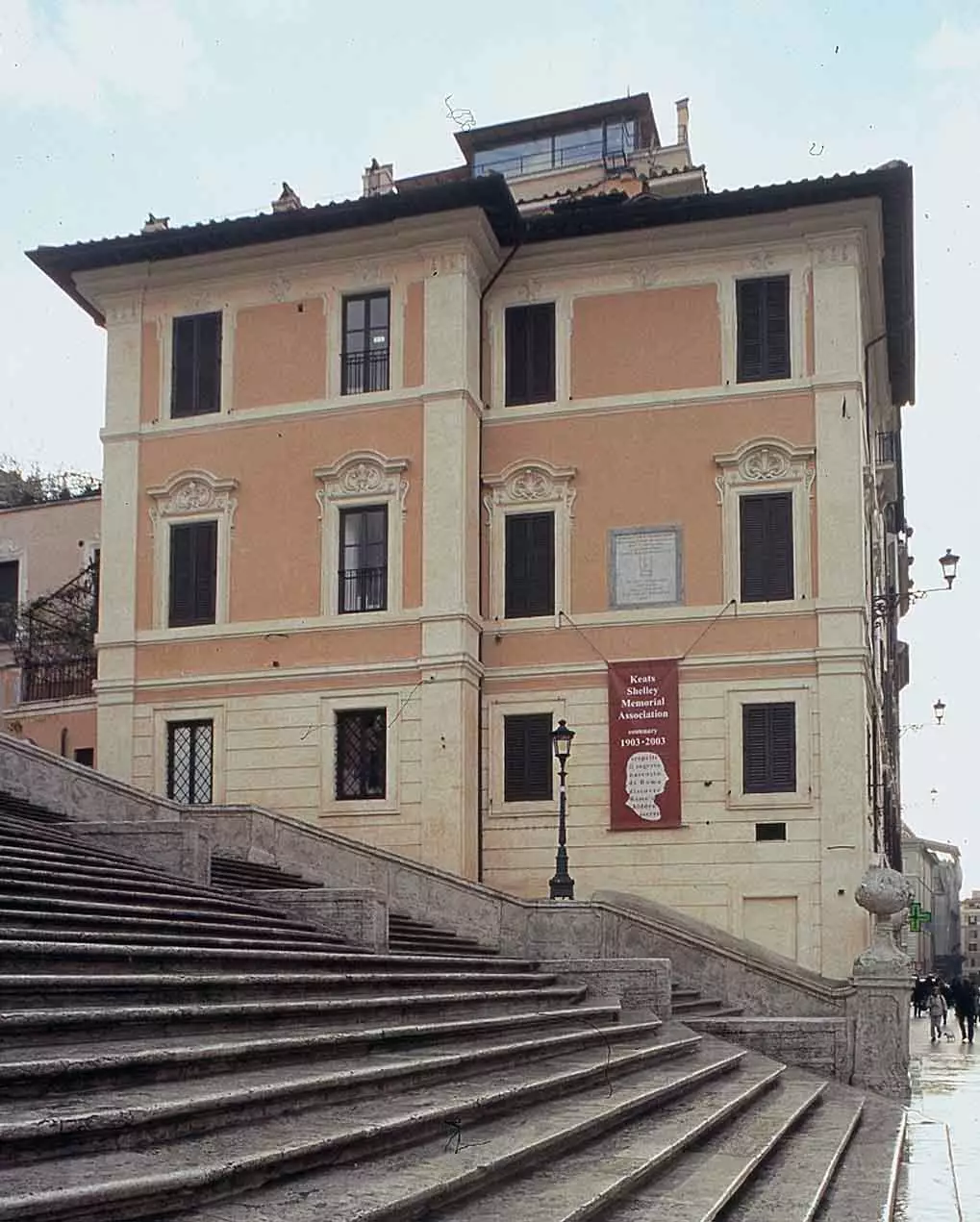
The house in which the famous English poet John Keats succumbed to consumption, now preserved as a memorial to his life and that of his friend Shelley, both of whom are buried in Rome's Protestant Cemetery (see Testaccio).
Beautiful park, the 2nd largest in Rome (after Villa Doria Pamphili) at 450 acres/182 hectares. Hosts concerts on summer evenings. former summer residence of Italian monarchs. Also known for it's bunker.
This palace of the 16th century was erected by the famous Medici family. It was the residence of Cardinals Giovanni and Giuliano Medici, later Pope Leo X. and Clement VII. Catherine de Medici, Pope Clement VII's niece lived here until her marriage in 1553 with Prince Henry, the son of King Francis I of France. The palace is named after Madama Margerita of Austria, the illegitimate daughter of Emperor Charles V. Since 1871 it has been the seat of the Italian Senate.
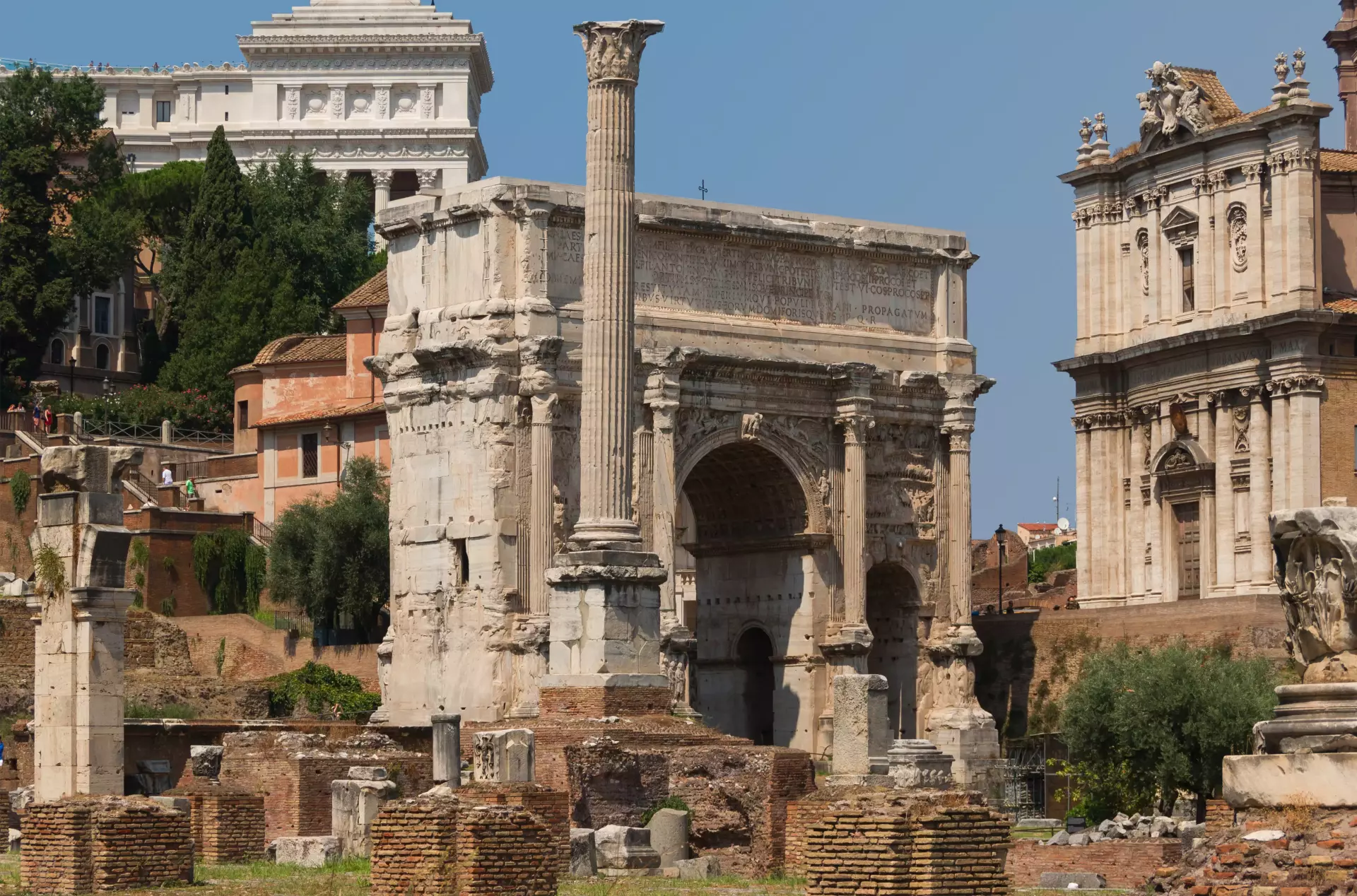
Erected in 203. You can see it close up from Via della Curia also (without entering the Forum).