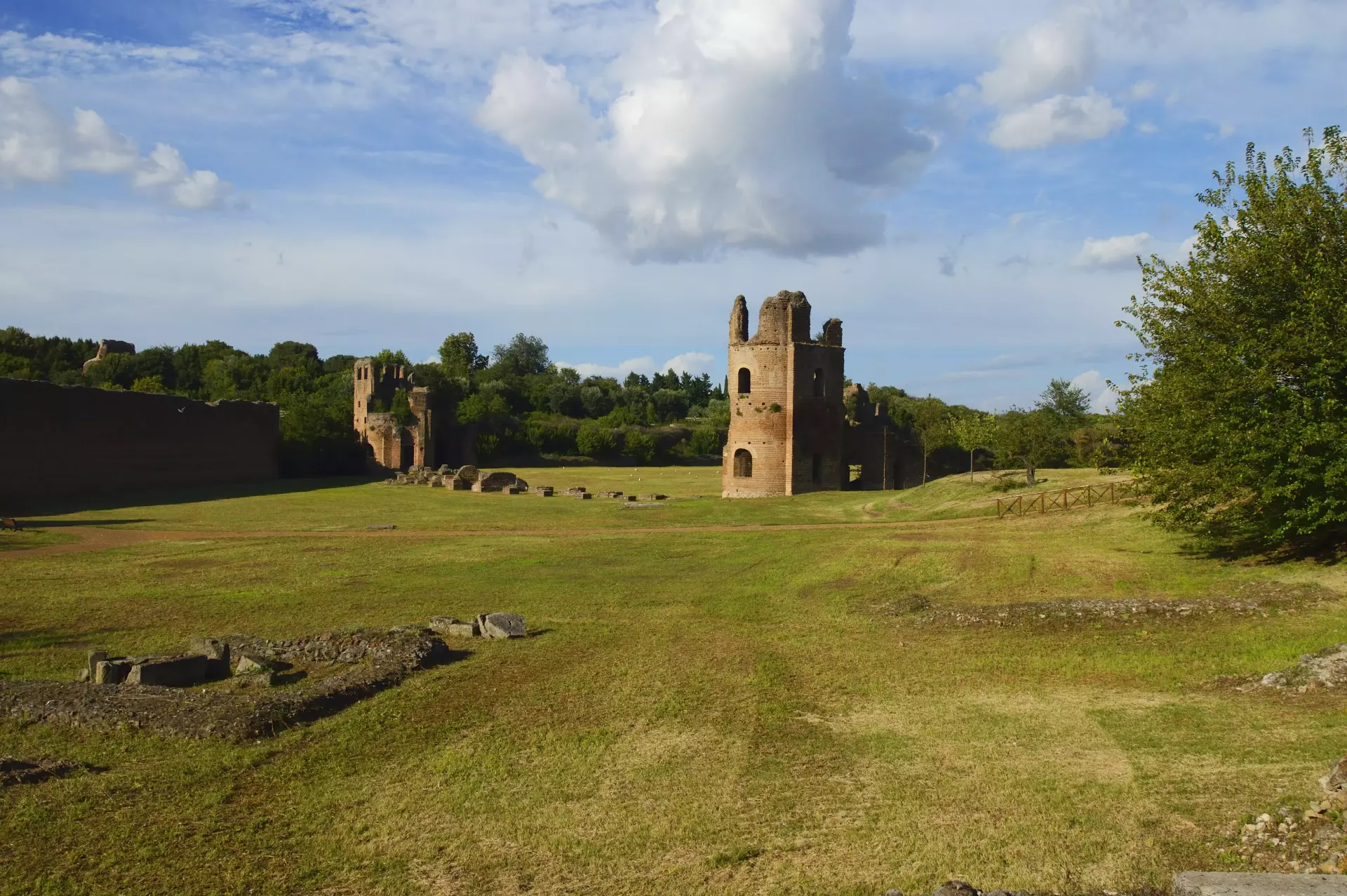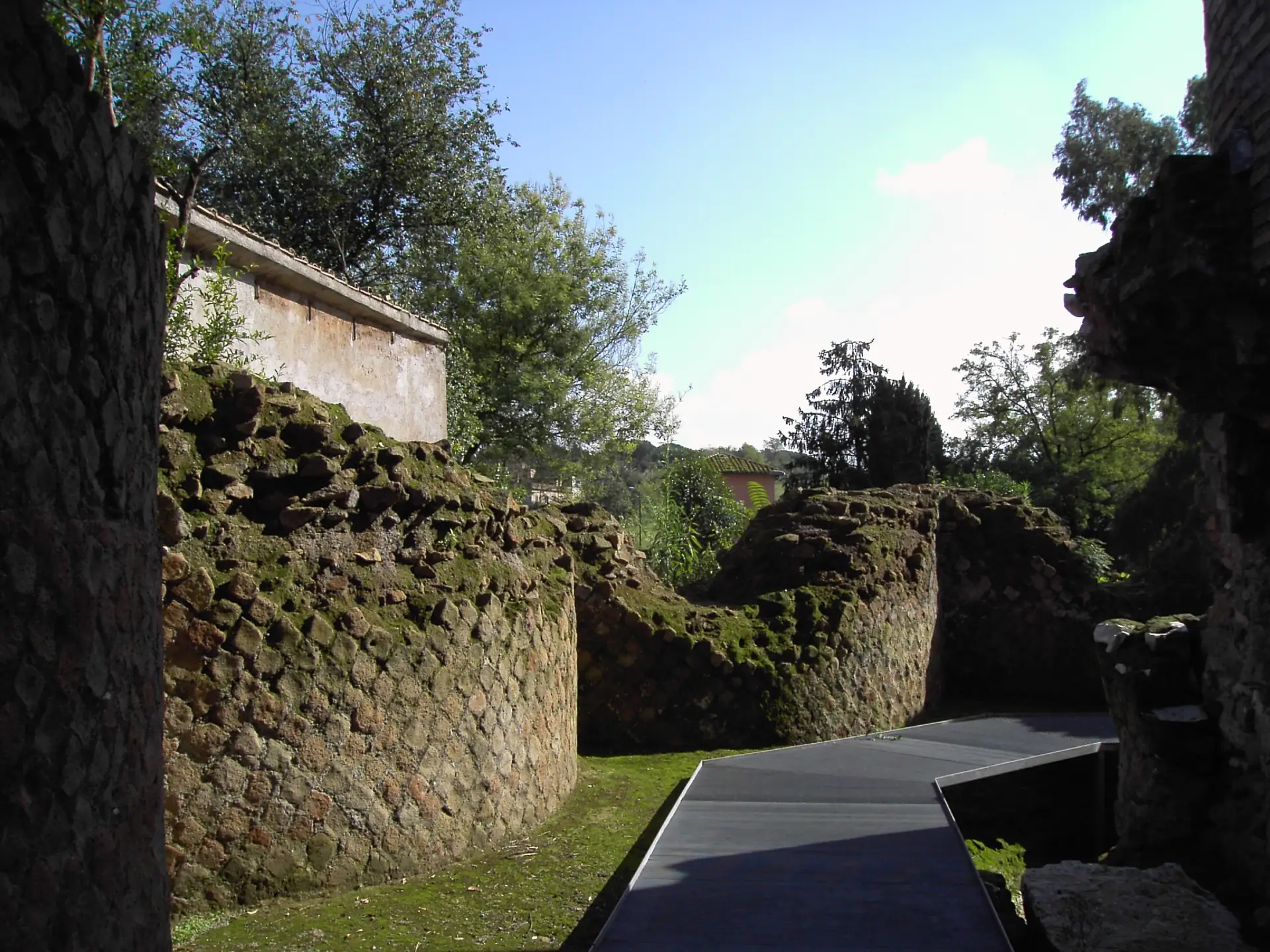
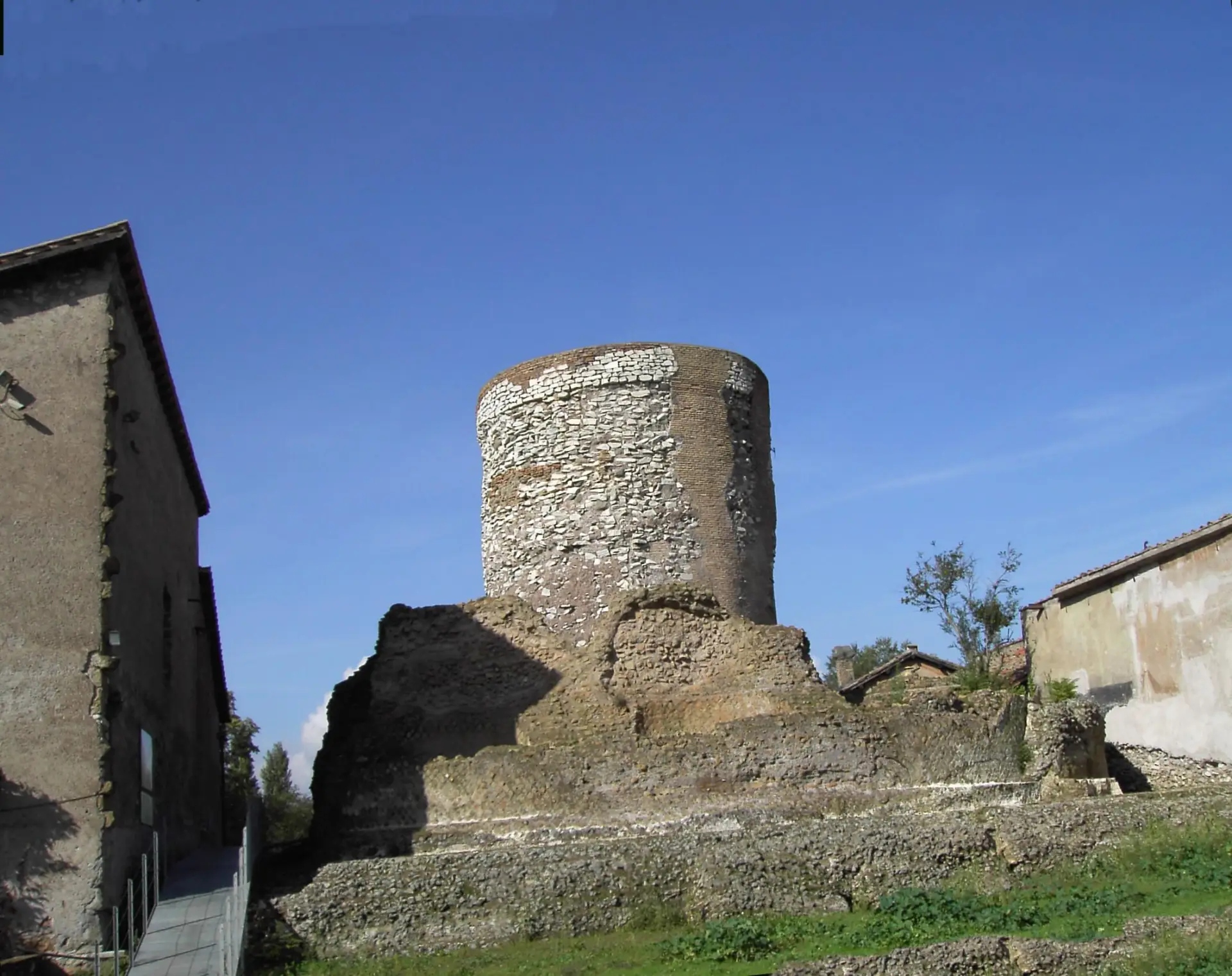
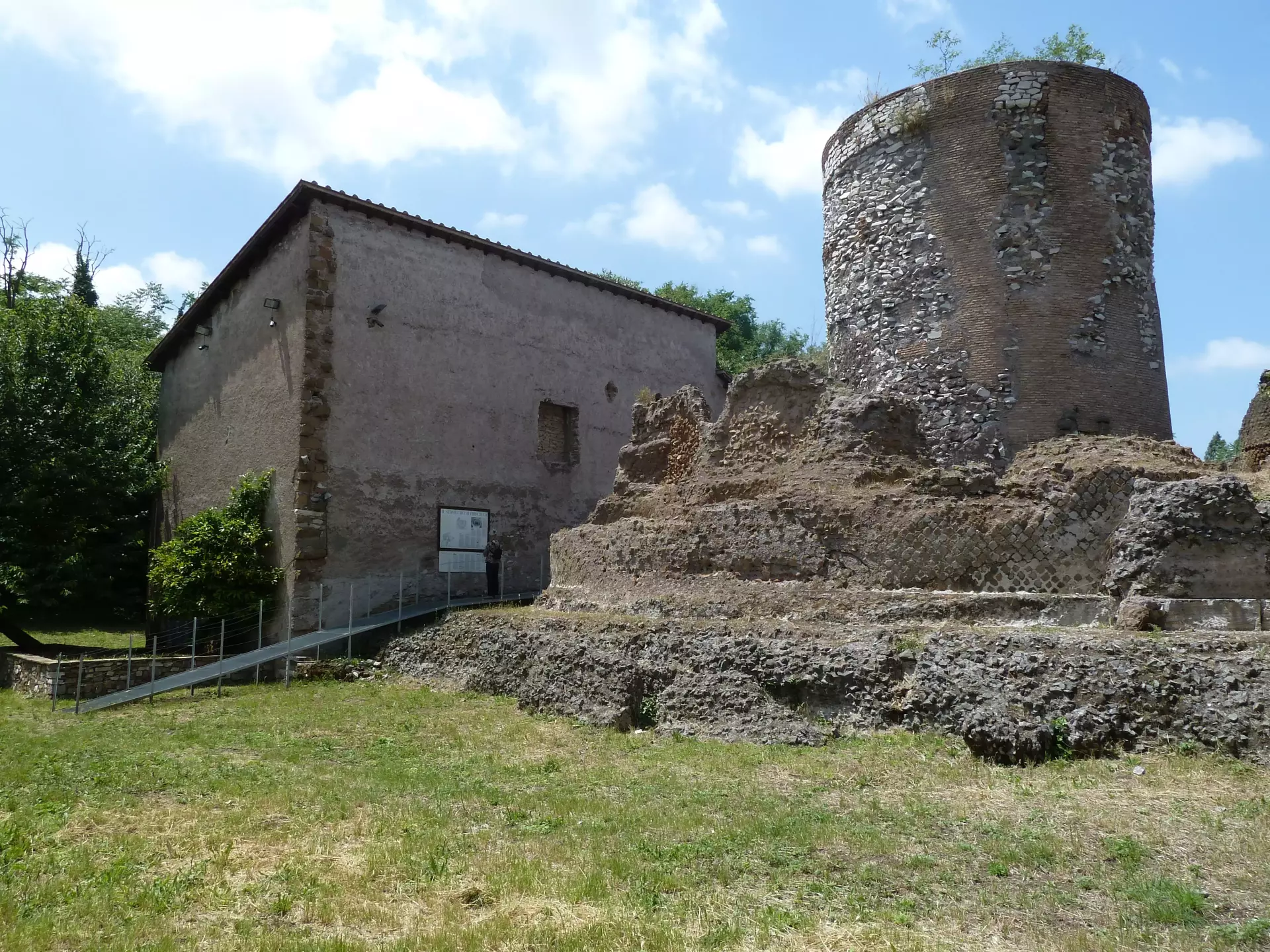
The Tomb of Priscilla offers a glimpse into history with its origins dating back to the 1st century. This ancient tomb is set within a unique landscape, flanked by two old farmhouses that were added in the Middle Ages. One of these farmhouses even served as a cheese store in the past, adding layers to the story of this spot.
The tomb is not easy to spot, as it sits quietly behind a tall wall, giving it an air of secrecy. It is rarely open, making visits a rare opportunity for those interested in exploring its past. However, on the third Sunday of every month, a guided tour is offered at 11:00 in the morning. This scheduled event gives history enthusiasts a special chance to enter and learn more about the site’s rich background.
Source - https://en.wikipedia.org/wiki/Tomb_of_Priscilla
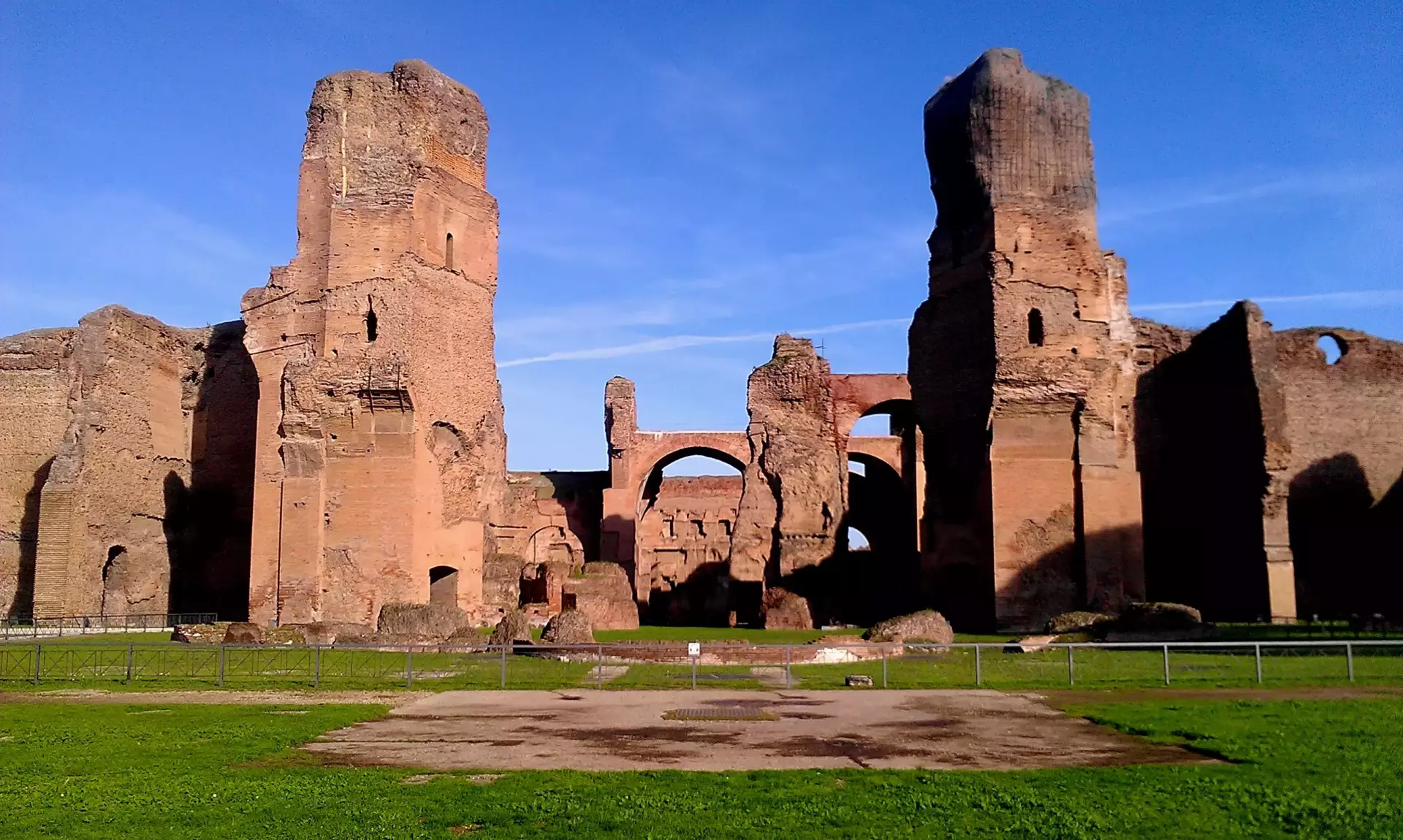
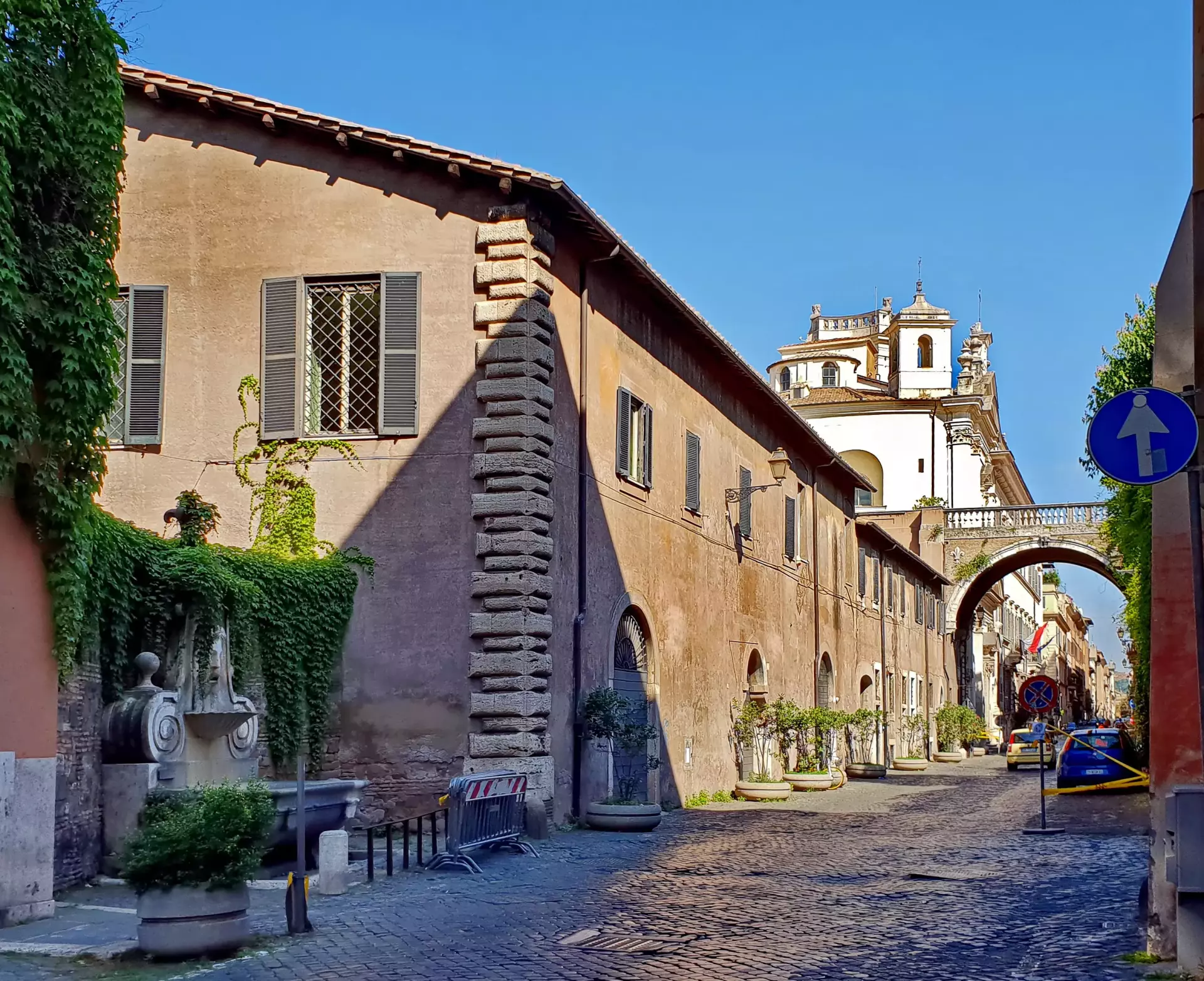
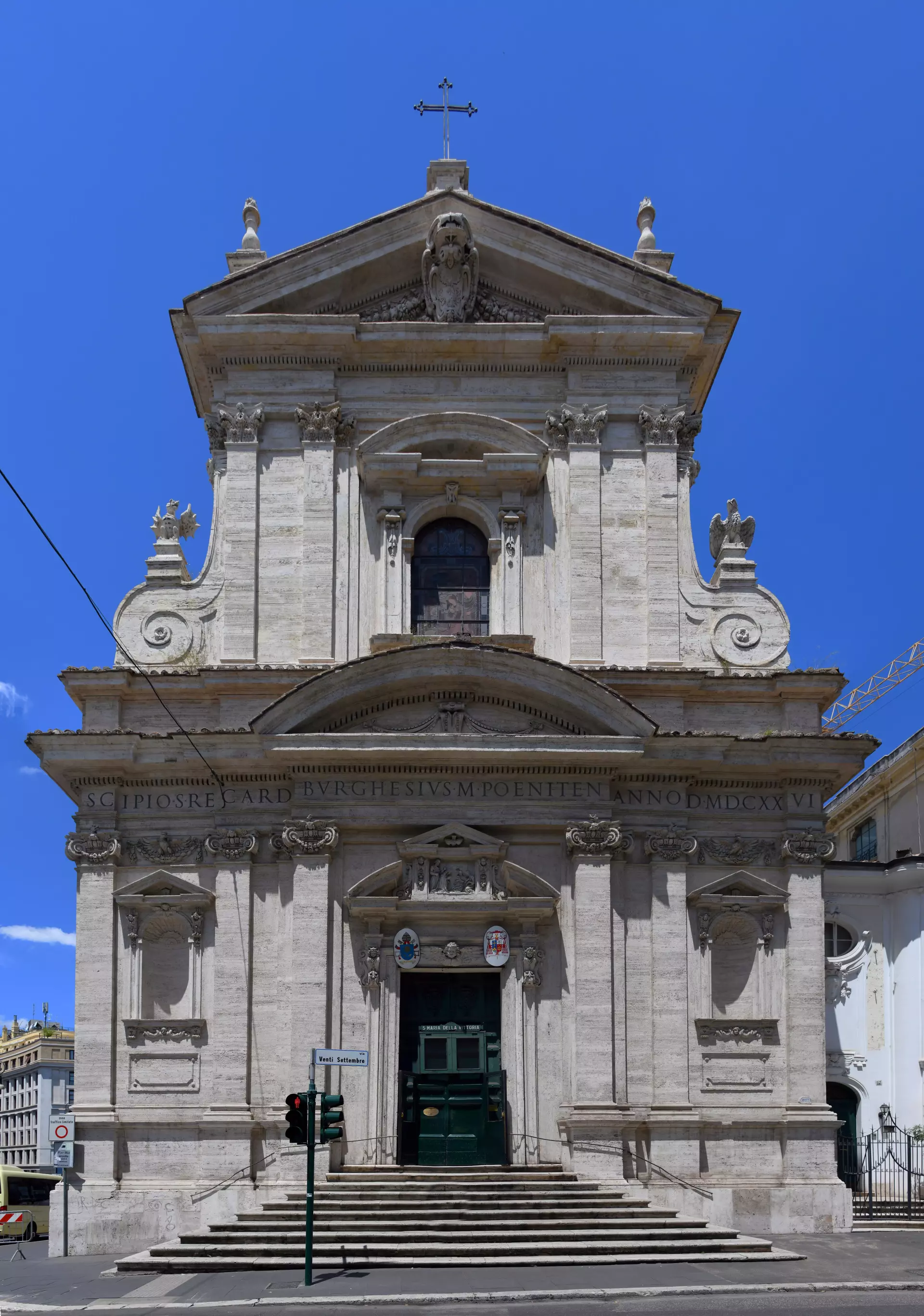
Minor basilica in 17th-century baroque style with good art inside. In a smaller Italian city, this might be a prime attraction, but in Rome, with its abundance of great churches, this is merely a pleasant church of secondary interest to visit if you are in the area.
Finished in 29 BC, marks the spot of Caesar's spontaneous cremation and Mark Antony's funeral speech, made famous by Shakespeare in his play Julius Caesar ("Friends, Romans, Countrymen, lend me your ears ...").
This is not the real name of the church on the corner by the main entrance to San Callisto but it is universally known by this name. By legend it is located on the spot where Saint Peter had a vision of the risen Christ while fleeing persecution in Rome. According to the tradition, Peter asked Jesus, Domine, quo vadis? “Lord, where are you going?” The current church is from 1637. Inside is a copy of a stone said to contain the imprints of the feet of Jesus; the original is maintained in San Sebastiano, further along the Appian Way
This is one of the two main Jesuit churches in Rome, the other being the nearby Sant'Ignazio. The interior is Baroque art on steroids. Simply astounding.
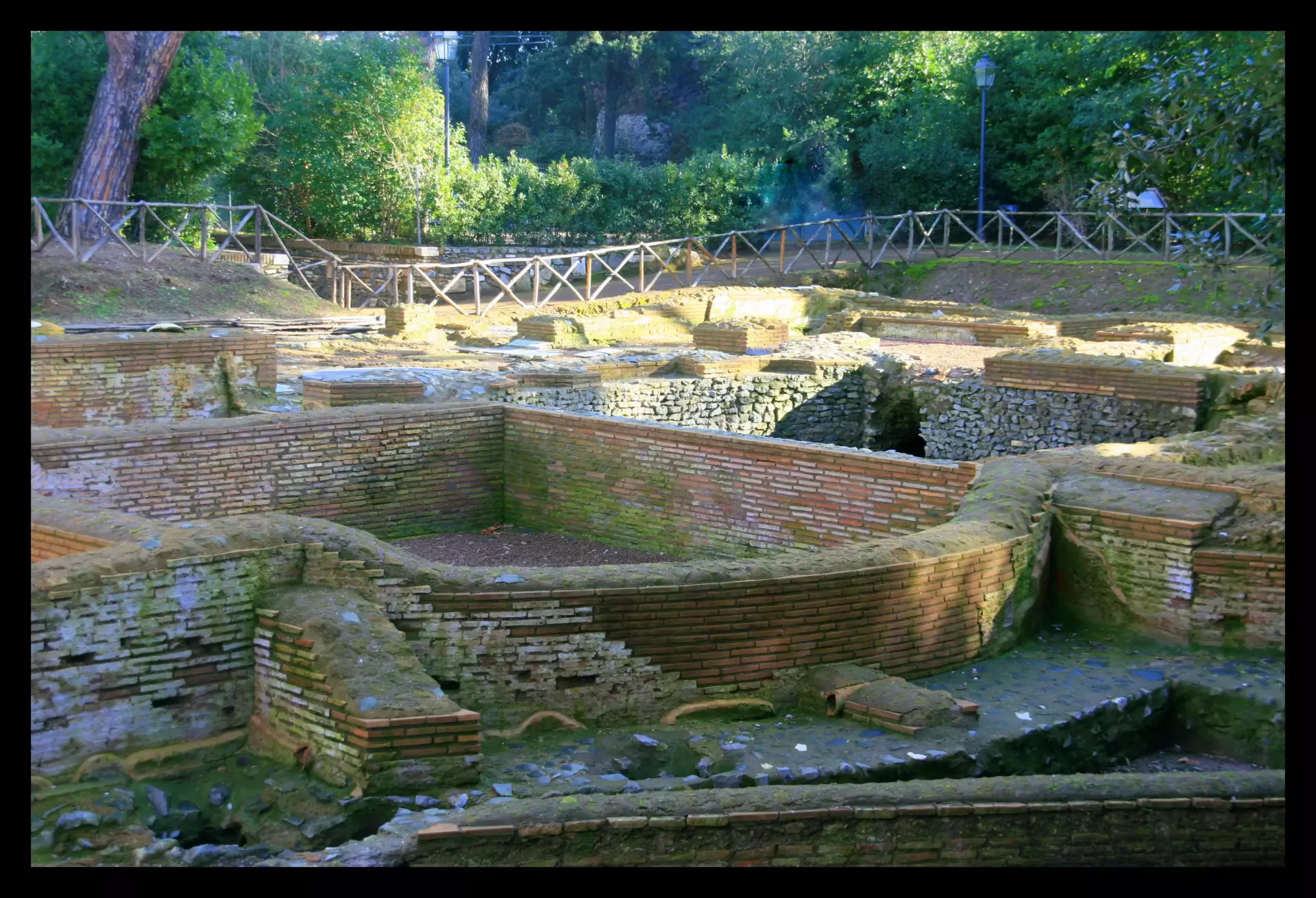
Caffarella Park covers an area of 339 ha and is part of the larger Appia Antica park. It contains both a working farm and numerous Roman ruins, some quite well preserved and is a great place for a stroll or cycle away from Rome’s traffic.
A truly quiet oasis close to the hustle and bustle of EUR. There are three churches in this complex and the doors are open all day, unlike city churches. The monks produce a range of products such as liqueurs, chocolate and honey, as well as a cure for the illnesses Romans suffer when the Scirocco wind blows in from the Sahara. These are on sale at a shop at the Abbey.
A strange building, constructed by Reginald Pole, an English cardinal and later Archbishop of Canterbury, allegedly on the spot where he was able to escape from assassins sent by the English King Henry VIII.
Located a short walk west of the Colosseum, this well-preserved monumental arch was erected (soon after 315) to commemorate the victory of Constantine, the first Christian emperor, over his rival Maxentius at the Battle of the Milvian Bridge in 312. In general design, the Arch of Constantine imitates the century-earlier Arch of Septimius Severus (nearby in the Forum). The three arches are decorated utilizing mainly materials plundered from other imperial monuments by Trajan, Hadrian and Marcus Aurelius. The quality of its sculptural decoration, however, betrays the slow degradation that Classical Roman sculpture had experienced in the 3rd century AD.
On top of the Capitoline hill. The piazza was designed by Michelangelo. The Capitoline Museum is housed in the palaces flanking the piazza. You can walk behind the Palazzo Senatorio, where Rome's government meets, to a wonderful viewpoint which overlooks the entire Roman Forum. In the centre of the square you can admire an exact copy of the Statue of Marcus Aurelius on horseback; the original is kept in one of the two museums, to preserve it from pollution.
Parco Savello is the name of the grounds and orange grove next to the Santa Sabina church at the top of the Aventino and also where you have one of the best views of the city. Families gather here to sit under the dozens of orange trees. The "Giardino degli Aranci" is also a well known spot for lovers at night. The best views are arguably from Janiculum hill, just across the Tevere (Tiber) river. Immediately below you, the Tiber snakes its way through the city, and directly beyond it you can see the lively medieval quarter of Trastevere. Beyond that is the majestic dome of St. Peter's Basilica, with the historic centre of Rome visible to the right.
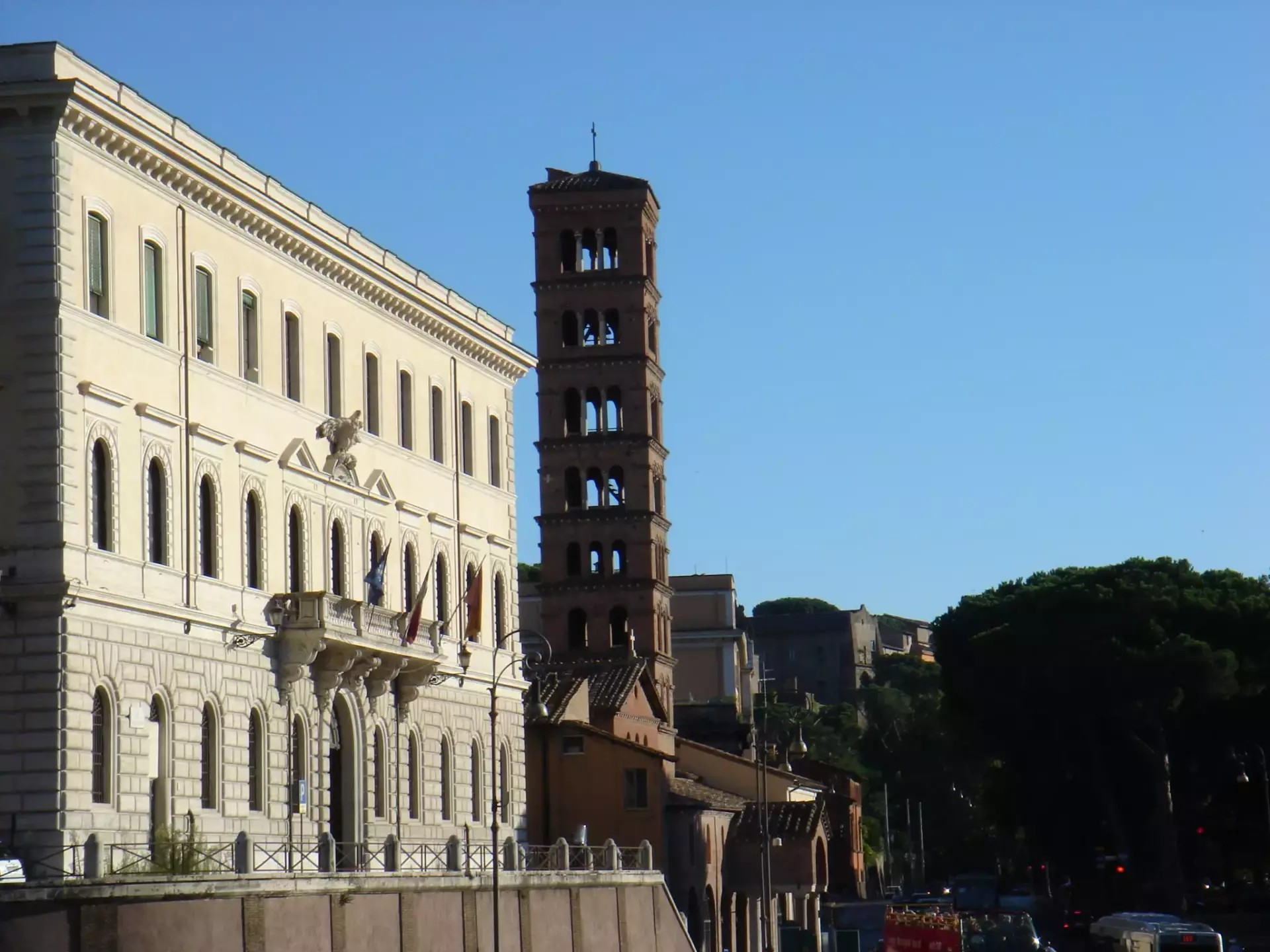
Unusual and fascinating round church dedicated to St. Stephen. It is the national church of Hungary in Rome. Dating from the 5th Century this is believed to be the largest round church in the world. Charles Dickens described its wall paintings of martyrdom and butchery as "hideous". A good starting point to visit the attractions of the Celio Hill (see Rome/Aventino-Testaccio).
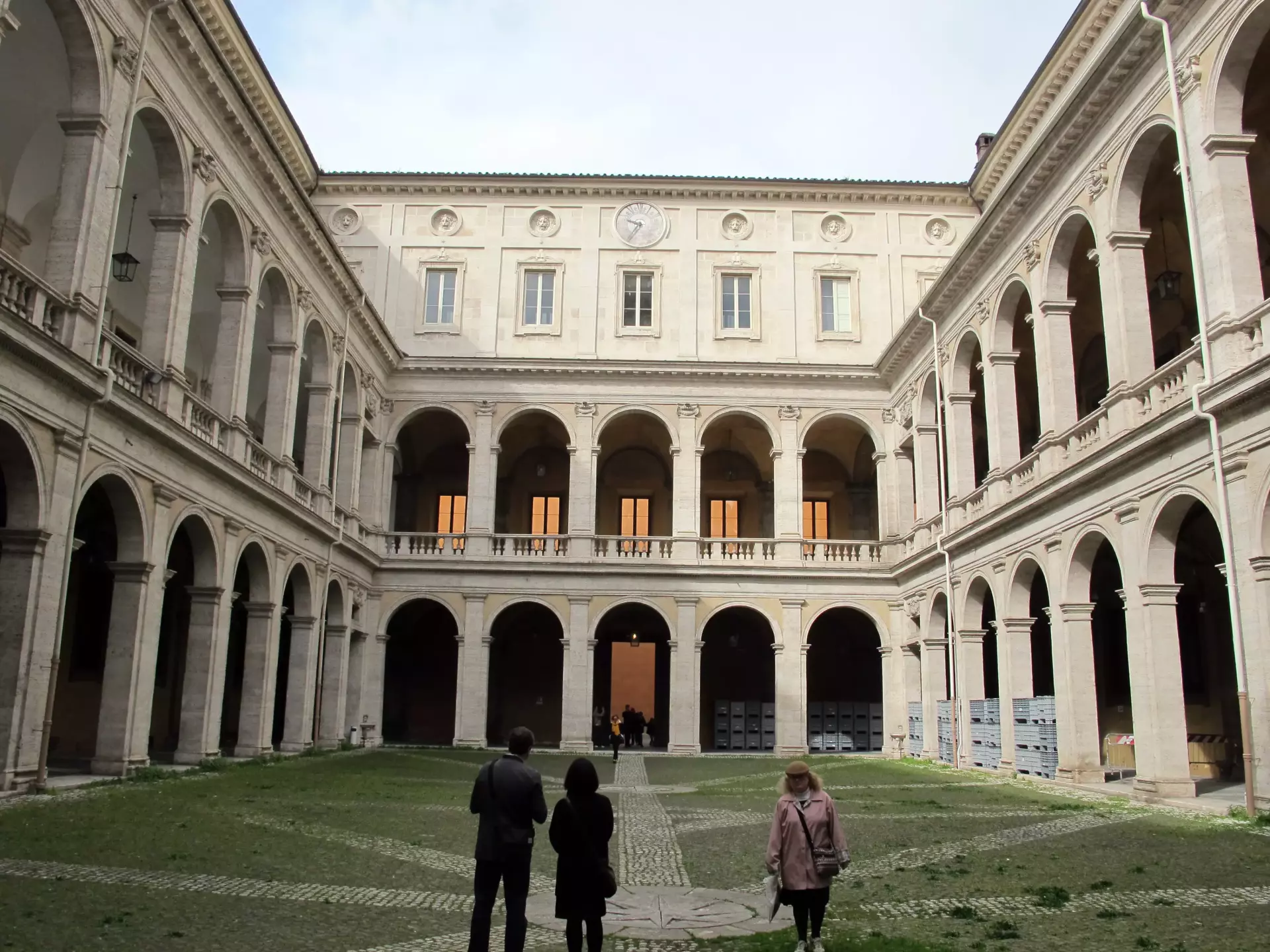
This building housed the University of Rome from the middle of the 15th century until 1935. The splendid interior courtyard was created by Giacomo della Porta. The inside church of Sant'Ivo (see above) is one of the masterpieces of the architect Borromini.
Built in the 9th century, this ancient basilica crowns the top of the Esquiline Hill. Tons of gold decorate the interior together with impressive mosaics (particularly when the floodlights are turned on), and there is a museum on the premises. If you are in Rome on Corpus Christi (Corpus Domini), which is the Thursday after the 8th Sunday after Easter, an early-evening service is held in San Giovanni by the Pope followed by a procession along Via Merulana to Santa Maria. Good opportunity for a close up view of the Pope. This is a very large church with lots to see, as for example, the main part of the church has two layers of mosaics and paintings high on the walls, the altar and apse are spectacular, and then there are several more or less large chapels you won't want to miss, including the one with the amazing golden baptismal font. Allow at least an hour if not an hour and a half or more to visit the interior, even if you do not take any special tours, and also allow time to view the exterior from all sides. Overall, at least 2 hours would not be too much time to allot.
The two museums are on opposite sides of the Piazza del Campidoglio, It is recommended to book tickets online Built in the 17th century to a design based on an architectural sketch by Michelangelo. Highlights include the ancient Colossus of Constantine statue (the Colosseum was probably named for another giant statue, the Colossus of Nero which stood near the Flavian Amphitheatre as the Colosseum was originally known), The Dying Gaul, a magnificent marble sculpture that copies a bronze Greek original of the 3rd century BC and the Capitoline Venus. It also contains the remarkable original gilt bronze equestrian statue of emperor Marcus Aurelius (the one in the piazza is a replica). Also based on a Michelangelo architectural plan, this compact gallery is well endowed in classical sculpture and paintings. Highlights include the small 1st-century-BC bronze Lo Spinario, a Greek statue of a little boy picking a thorn from his foot; the Lupa Capitolina (Capitoline Wolf), a rare Etruscan bronze statue probably dating from the 5th century BC; and (in the entrance courtyard), the massive head, hands, foot and kneecap from a colossal statue of Constantine the Great. The palace also contains a Pinacoteca (Picture Gallery) with paintings mainly from the 16th and 17th centuries - highlights include: Caravaggio's Fortune-Teller and his curious John the Baptist; The Holy Family, by Dosso Dossi; Romulus and Remus, by Rubens; and Titian's Baptism of Christ.
The remains of the ancient Roman archives, where Cicero and Seneca did research. Visible from the Forum and accessible through the Capitoline Museum.
Next door to the Pyramid, this fine gate in the Aurelian Wall is named after St. Paul as the Via Ostiense leads to the basilica of St. Paul's Outside the Walls (see Rome/South).