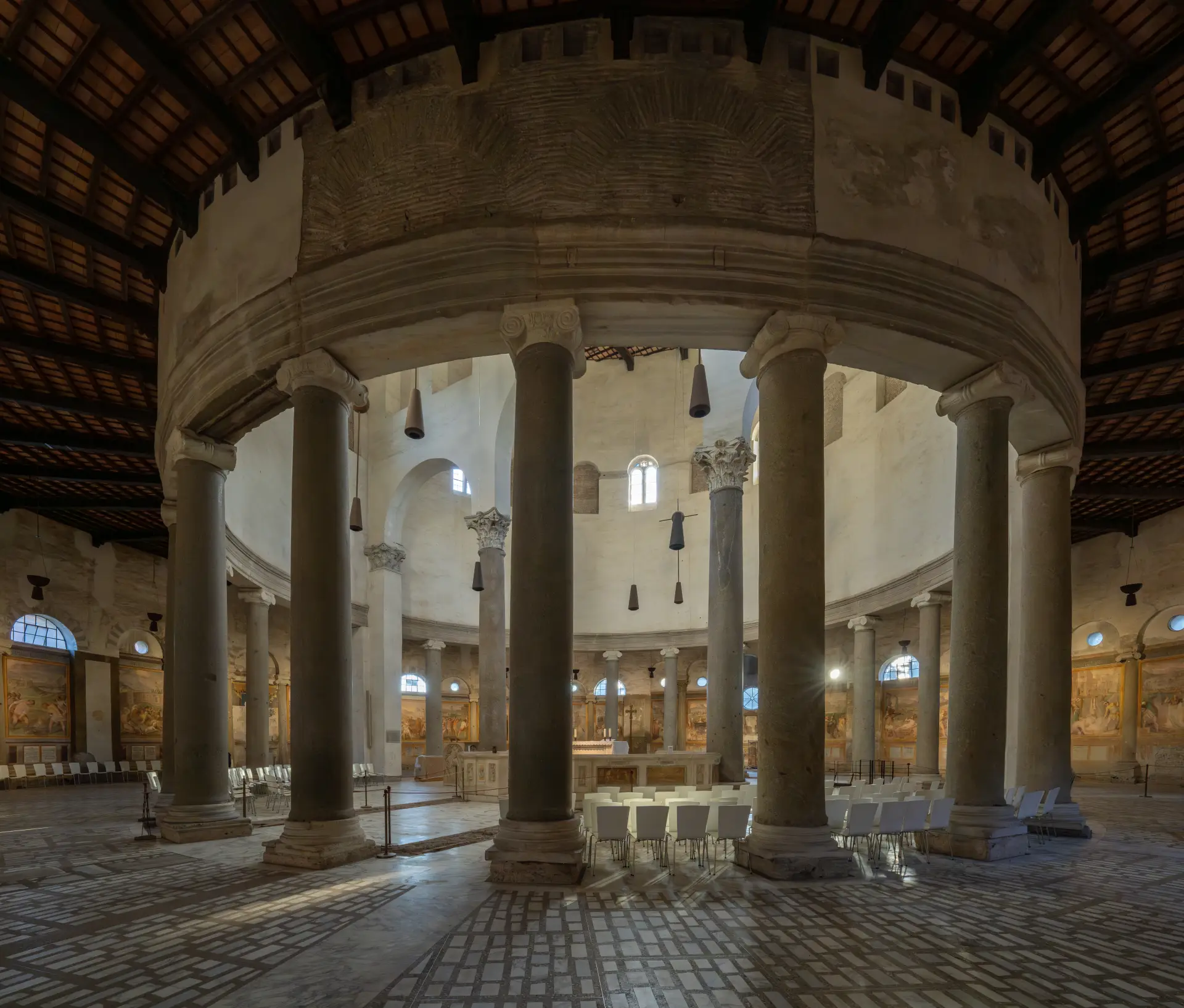
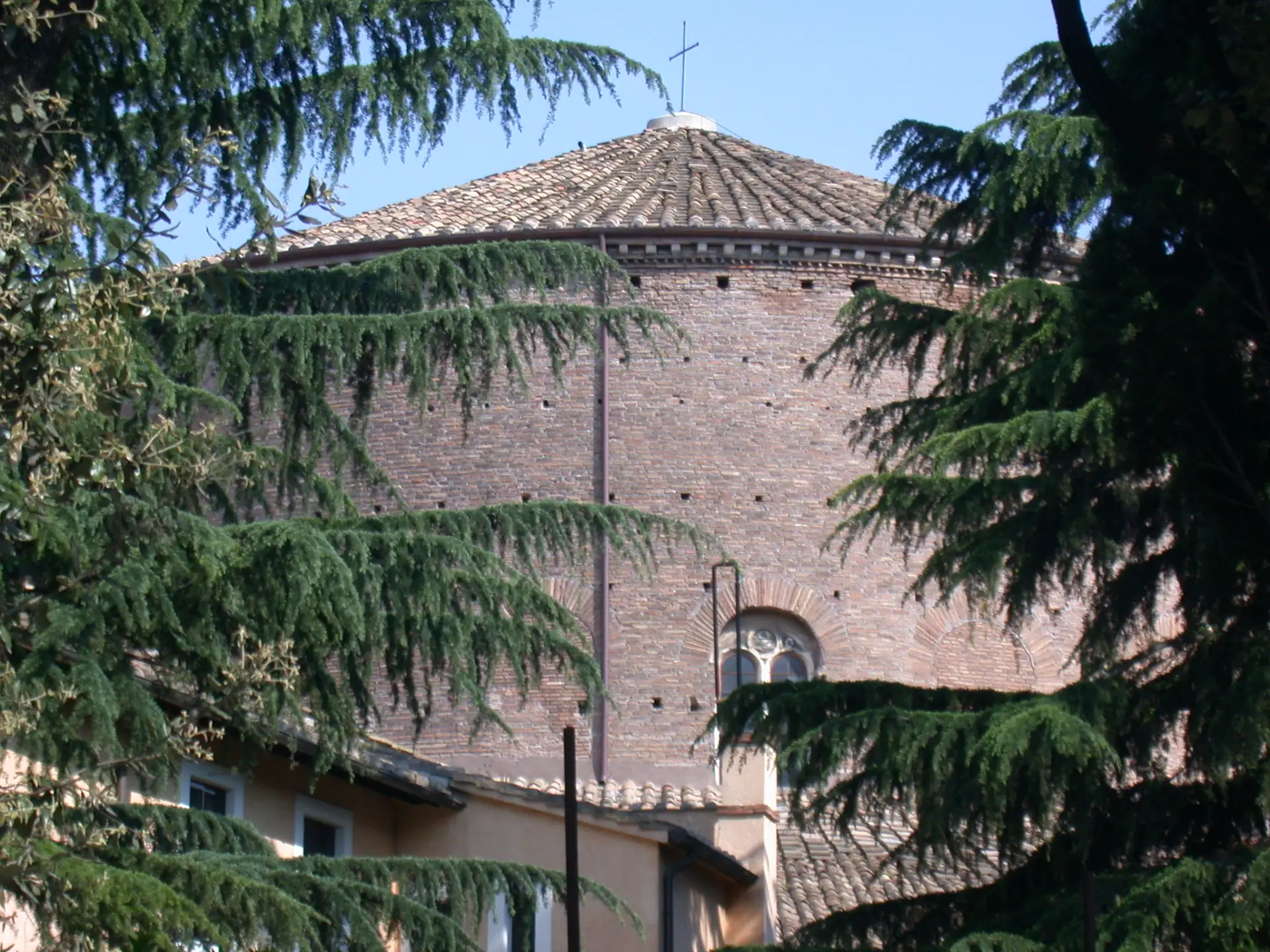
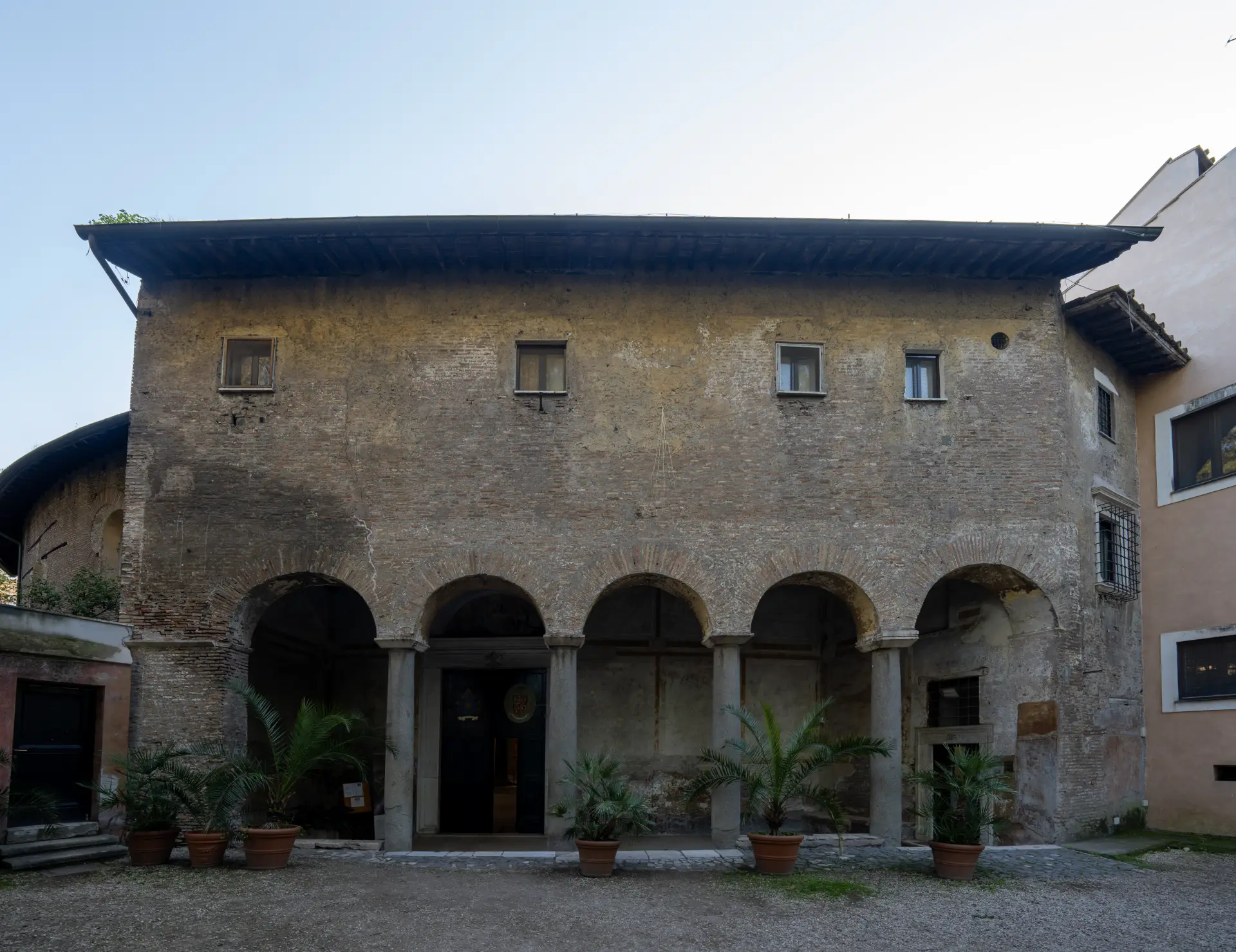
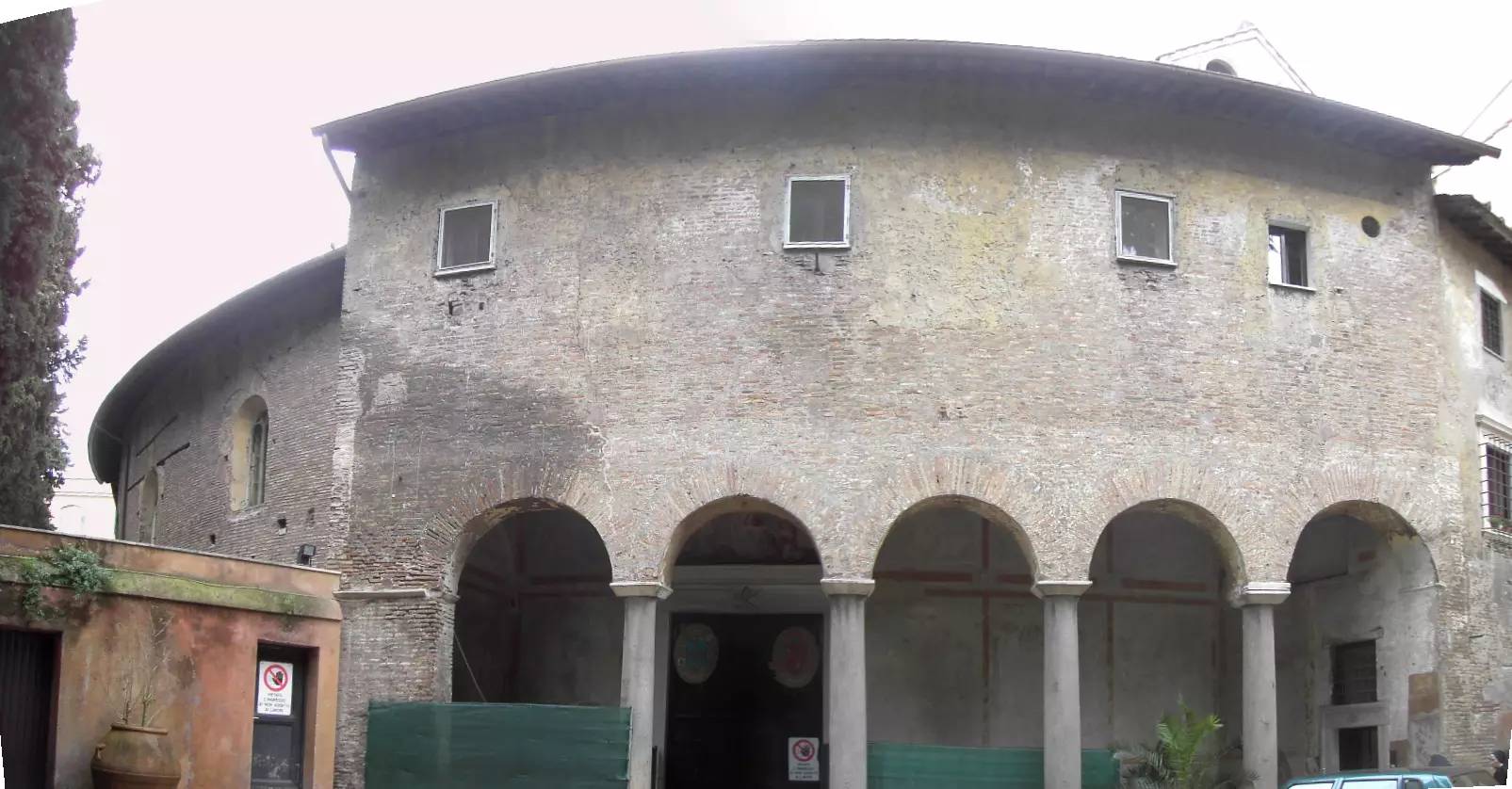
Tucked away on Rome’s historic Celio Hill lies one of the city’s most unusual gems: Santo Stefano Rotondo. This striking church, dedicated to St. Stephen, stands out not just for its unique circular architecture, but also for the intriguing stories and artwork that fill its ancient walls.
Dating back to the 5th century, Santo Stefano Rotondo is thought to be the largest round church in the world. Its striking form sets it apart from the city’s more familiar basilicas and cathedrals. The round design creates a sense of space and light that’s truly rare in Rome, making it a favorite for those seeking something off the beaten path.
Though nestled in the heart of Italy, Santo Stefano Rotondo holds deep significance for Hungary—it serves as the national church for Hungarians in Rome. Over the centuries, this connection has drawn pilgrims and visitors from Hungary, adding another layer to the church’s fascinating history.
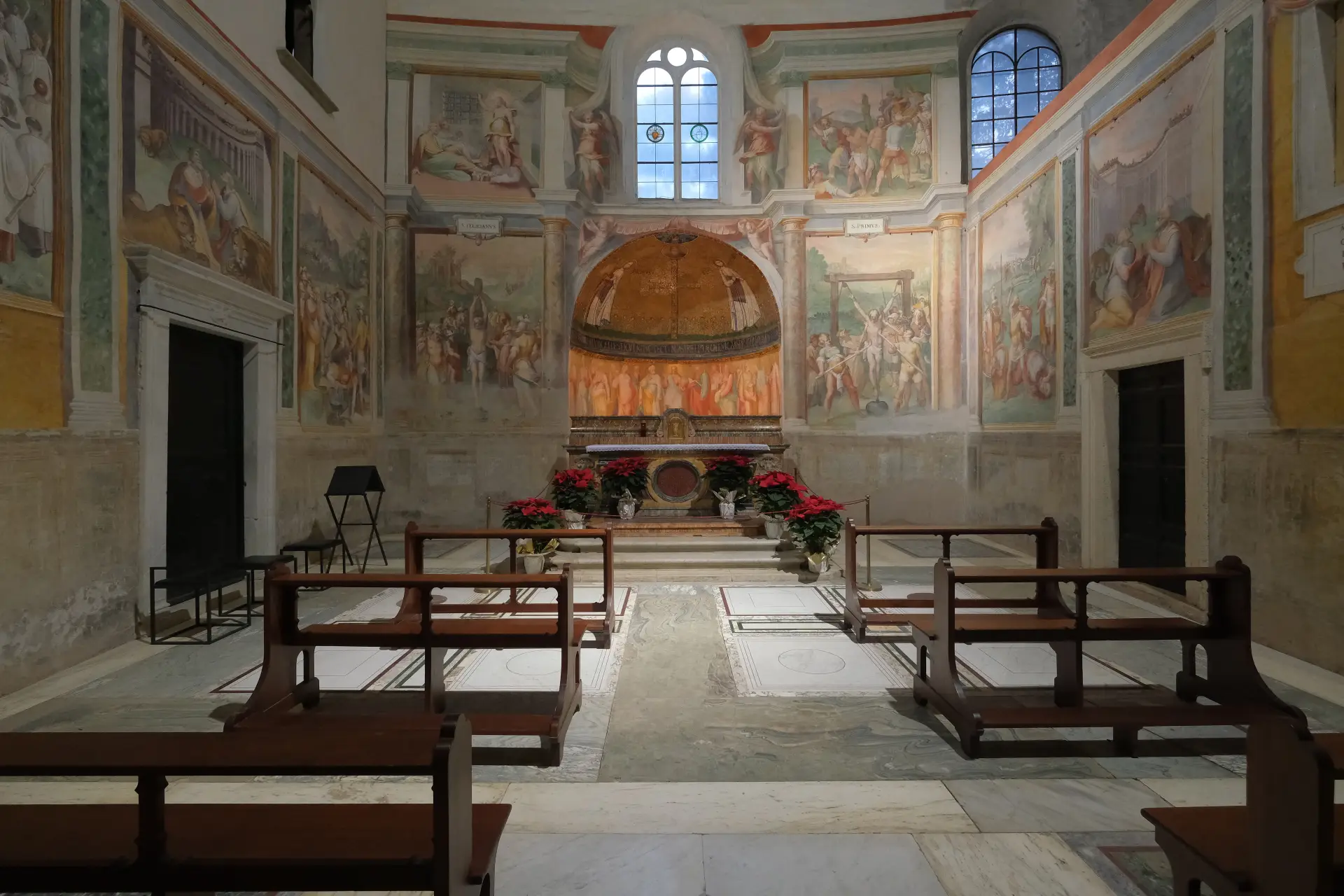
Inside, visitors are greeted by a series of vivid wall paintings that depict the brutal martyrdom of early Christians. These frescoes have left a lasting impression on many, including the famous Charles Dickens, who once described them as “hideous.” Yet, despite their gruesome subject matter, the paintings offer a unique window into the faith and passion of the early Church, and they’re sure to stir the imagination of anyone who steps inside.
Santo Stefano Rotondo isn’t just a destination in itself—it also makes a wonderful starting point for exploring the lesser-known treasures of the Celio Hill, one of Rome’s most charming districts. From here, you can set off to discover ancient ruins, quiet gardens, and panoramic views that reveal a different side of the Eternal City.
For travelers with a taste for history, mystery, and the unexpected, Santo Stefano Rotondo is a must-see—an ancient church that continues to surprise and inspire, just steps away from Rome’s bustling streets.
Source - https://en.wikipedia.org/wiki/Santo_Stefano_al_Monte_Celio
Built in the 9th century, this ancient basilica crowns the top of the Esquiline Hill. Tons of gold decorate the interior together with impressive mosaics (particularly when the floodlights are turned on), and there is a museum on the premises. If you are in Rome on Corpus Christi (Corpus Domini), which is the Thursday after the 8th Sunday after Easter, an early-evening service is held in San Giovanni by the Pope followed by a procession along Via Merulana to Santa Maria. Good opportunity for a close up view of the Pope. This is a very large church with lots to see, as for example, the main part of the church has two layers of mosaics and paintings high on the walls, the altar and apse are spectacular, and then there are several more or less large chapels you won't want to miss, including the one with the amazing golden baptismal font. Allow at least an hour if not an hour and a half or more to visit the interior, even if you do not take any special tours, and also allow time to view the exterior from all sides. Overall, at least 2 hours would not be too much time to allot.
Ballroom-like church which crowns part of the Capitoline Hill. Don't be fooled by the plain stone exterior.
Beautiful park, the 2nd largest in Rome (after Villa Doria Pamphili) at 450 acres/182 hectares. Hosts concerts on summer evenings. former summer residence of Italian monarchs. Also known for it's bunker.
A great little cathedral to visit, lovingly looked after by Irish Dominicans. There is an excavated older church below the medieval church you enter and a Mithraeum (temple to Mithras, whose cult was very popular with Roman soldiers from the 1st to 4th century AD) below that. The only place in Rome to hear the underground river that flows beneath the city.
A 5th-century basilica, simply and attractively decorated. The wooden door, of which 18 carved panels of scenes from the Bible survive, is believed to date from the church's construction.
The two museums are on opposite sides of the Piazza del Campidoglio, It is recommended to book tickets online Built in the 17th century to a design based on an architectural sketch by Michelangelo. Highlights include the ancient Colossus of Constantine statue (the Colosseum was probably named for another giant statue, the Colossus of Nero which stood near the Flavian Amphitheatre as the Colosseum was originally known), The Dying Gaul, a magnificent marble sculpture that copies a bronze Greek original of the 3rd century BC and the Capitoline Venus. It also contains the remarkable original gilt bronze equestrian statue of emperor Marcus Aurelius (the one in the piazza is a replica). Also based on a Michelangelo architectural plan, this compact gallery is well endowed in classical sculpture and paintings. Highlights include the small 1st-century-BC bronze Lo Spinario, a Greek statue of a little boy picking a thorn from his foot; the Lupa Capitolina (Capitoline Wolf), a rare Etruscan bronze statue probably dating from the 5th century BC; and (in the entrance courtyard), the massive head, hands, foot and kneecap from a colossal statue of Constantine the Great. The palace also contains a Pinacoteca (Picture Gallery) with paintings mainly from the 16th and 17th centuries - highlights include: Caravaggio's Fortune-Teller and his curious John the Baptist; The Holy Family, by Dosso Dossi; Romulus and Remus, by Rubens; and Titian's Baptism of Christ.
On top of the Capitoline hill. The piazza was designed by Michelangelo. The Capitoline Museum is housed in the palaces flanking the piazza. You can walk behind the Palazzo Senatorio, where Rome's government meets, to a wonderful viewpoint which overlooks the entire Roman Forum. In the centre of the square you can admire an exact copy of the Statue of Marcus Aurelius on horseback; the original is kept in one of the two museums, to preserve it from pollution.
Built in 141 AD and dedicated to the Empress Faustina; after her husband emperor Antoninus Pius died in 161 AD the temple was rededicated to the couple.
Perhaps most famous for a large model of imperial Rome, but also has a large display of various aspects of ancient Rome, using plaster casts, models and reconstructions of works found in museums throughout the world.
Also based on a Michelangelo architectural plan, this compact gallery is well endowed in classical sculpture and paintings. Highlights include the small 1st-century-BC bronze Lo Spinario, a Greek statue of a little boy picking a thorn from his foot; the Lupa Capitolina (Capitoline Wolf), a rare Etruscan bronze statue probably dating from the 5th century BC; and (in the entrance courtyard), the massive head, hands, foot and kneecap from a colossal statue of Constantine the Great. The palace also contains a Pinacoteca (Picture Gallery) with paintings mainly from the 16th and 17th centuries - highlights include: Caravaggio's Fortune-Teller and his curious John the Baptist; The Holy Family, by Dosso Dossi; Romulus and Remus, by Rubens; and Titian's Baptism of Christ.
One of Bernini's masterpieces, an obelisk on the back of an elephant.
Church built on the site of three Roman pagan temples, which can be explored underground for a small fee paid at a desk near the church entrance.
This is not the real name of the church on the corner by the main entrance to San Callisto but it is universally known by this name. By legend it is located on the spot where Saint Peter had a vision of the risen Christ while fleeing persecution in Rome. According to the tradition, Peter asked Jesus, Domine, quo vadis? “Lord, where are you going?” The current church is from 1637. Inside is a copy of a stone said to contain the imprints of the feet of Jesus; the original is maintained in San Sebastiano, further along the Appian Way
Designed by Bramante to mark the spot of St. Peter's martyrdom, this delightful miniature building is considered a masterpiece of Renaissance architecture. Open to the public.