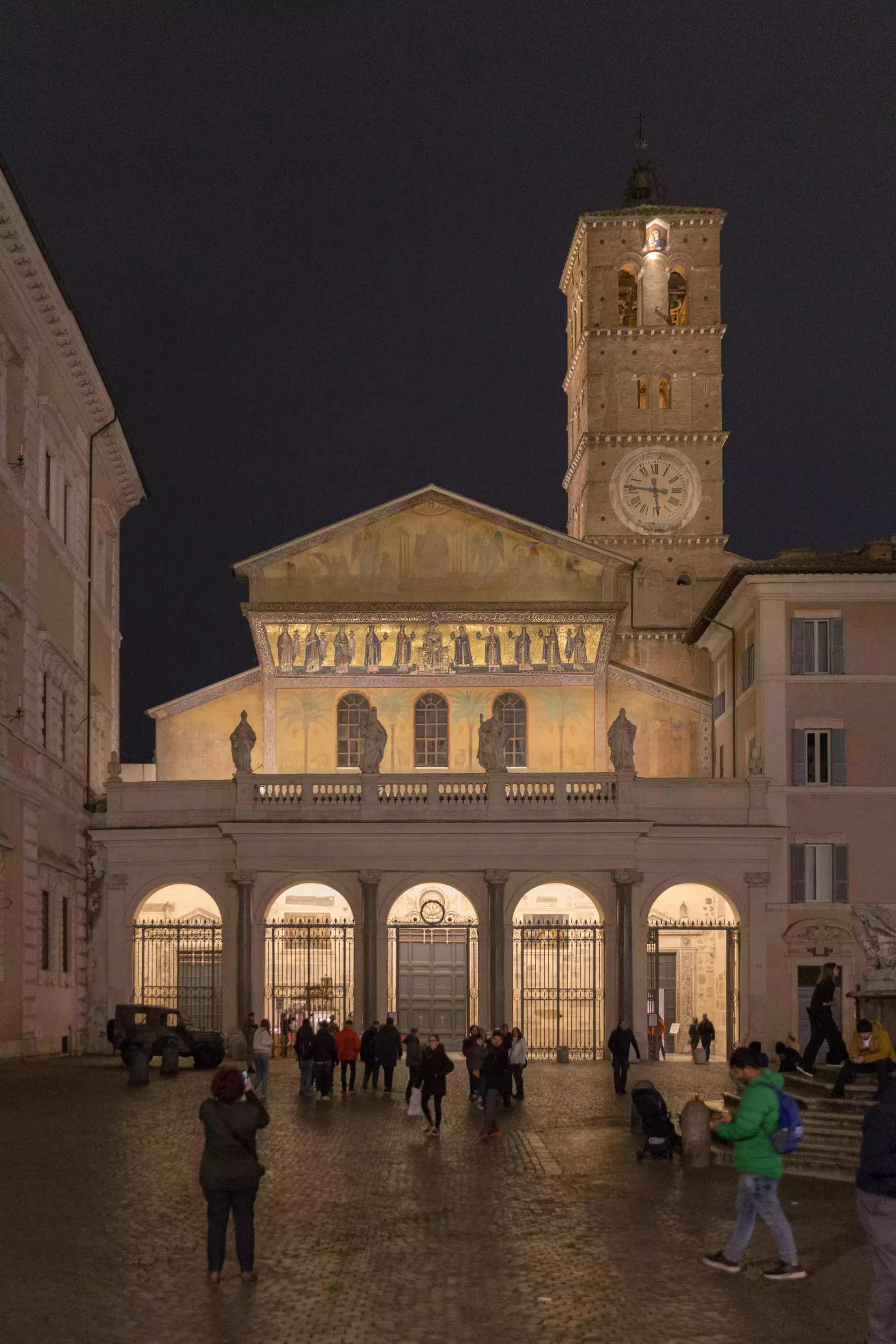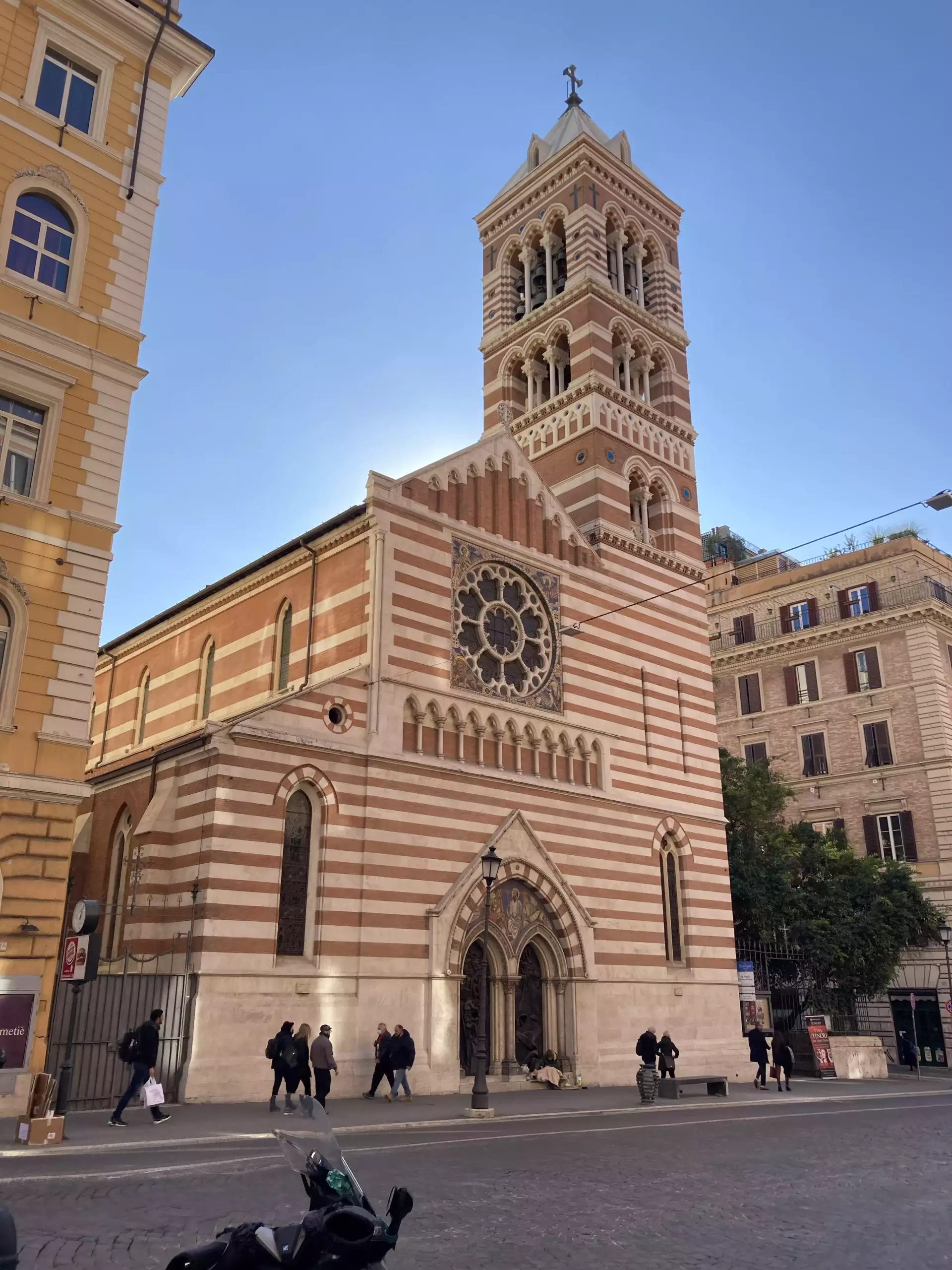
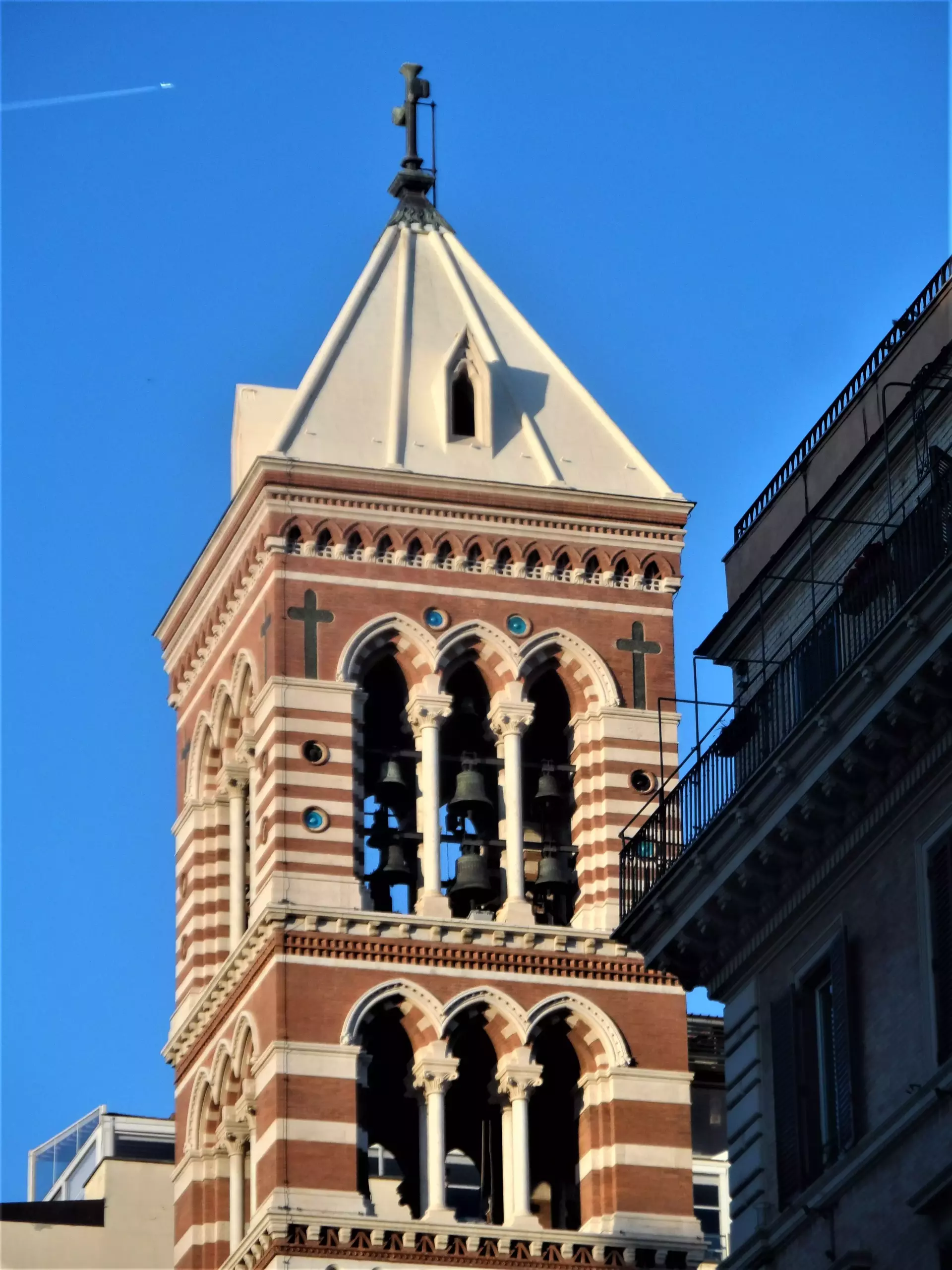
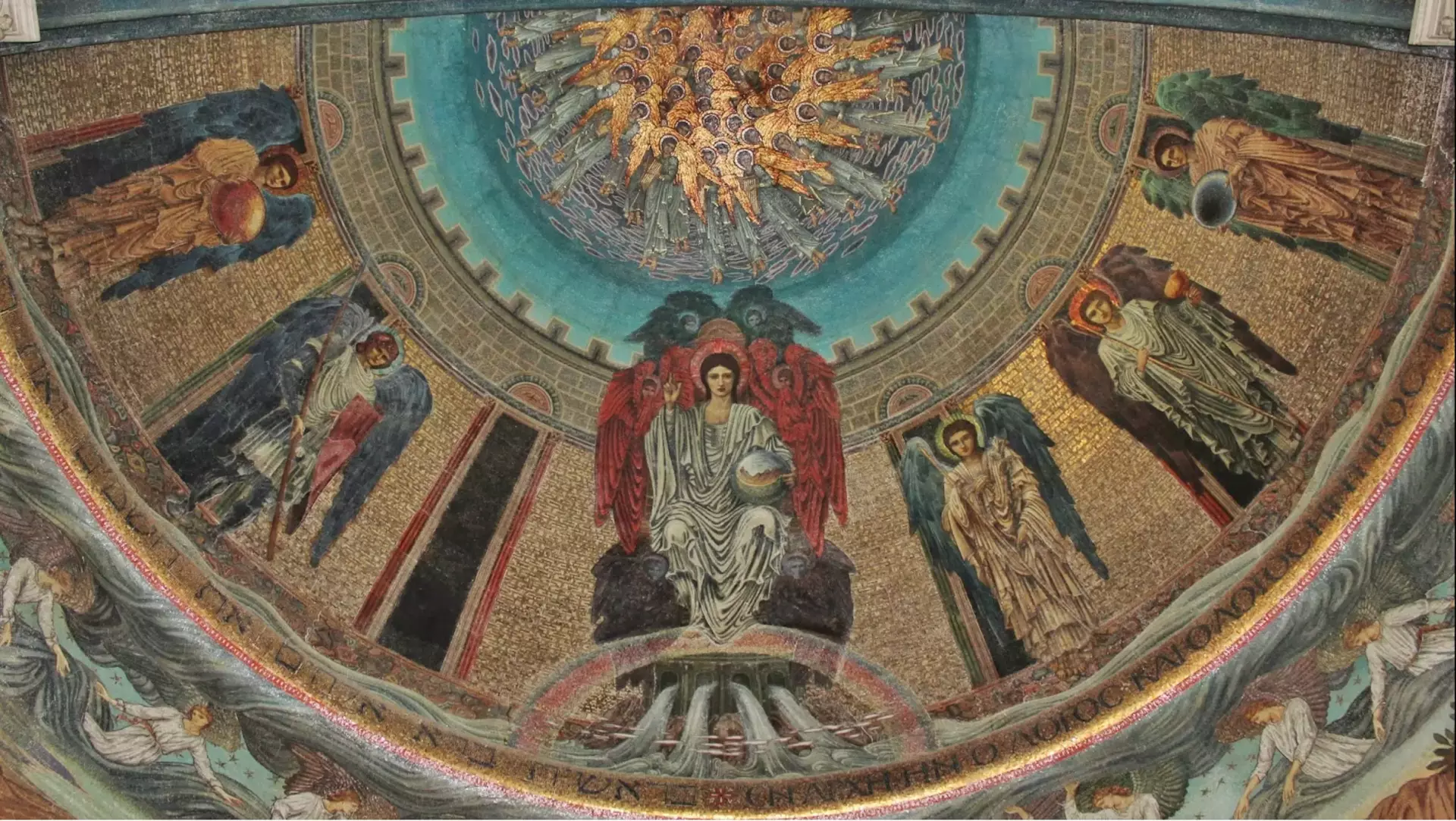
St Paul's Within the Walls stands out as one of Rome’s more modern churches, with construction beginning in 1873. This church serves as the city’s home for the Episcopalian community, offering a different spiritual and architectural perspective compared to the many ancient basilicas found across Rome.
Inside, visitors are drawn to a collection of fascinating artwork. The church is especially known for its mosaics created by Edward Burne-Jones, a prominent artist associated with the Pre-Raphaelite movement. These mosaics bring vibrant color and distinctive narratives to the space, marking a notable departure from traditional Roman church interiors. The combination of modern history and remarkable art makes this church a unique presence among Rome’s religious landmarks.
Source - https://en.wikipedia.org/wiki/St._Paul%27s_Within_the_Walls
The chains that allegedly held St. Peter are displayed in a case before the altar. More importantly, contains the impressive statue of Moses by Michelangelo. It's close to the Colosseum, but a little hard to find. Take the steps opposite the Colosseum on Via dei Fori Imperiali, cross the road at the top and seek directions. Also reachable through steps to the right leading off Via Cavour.
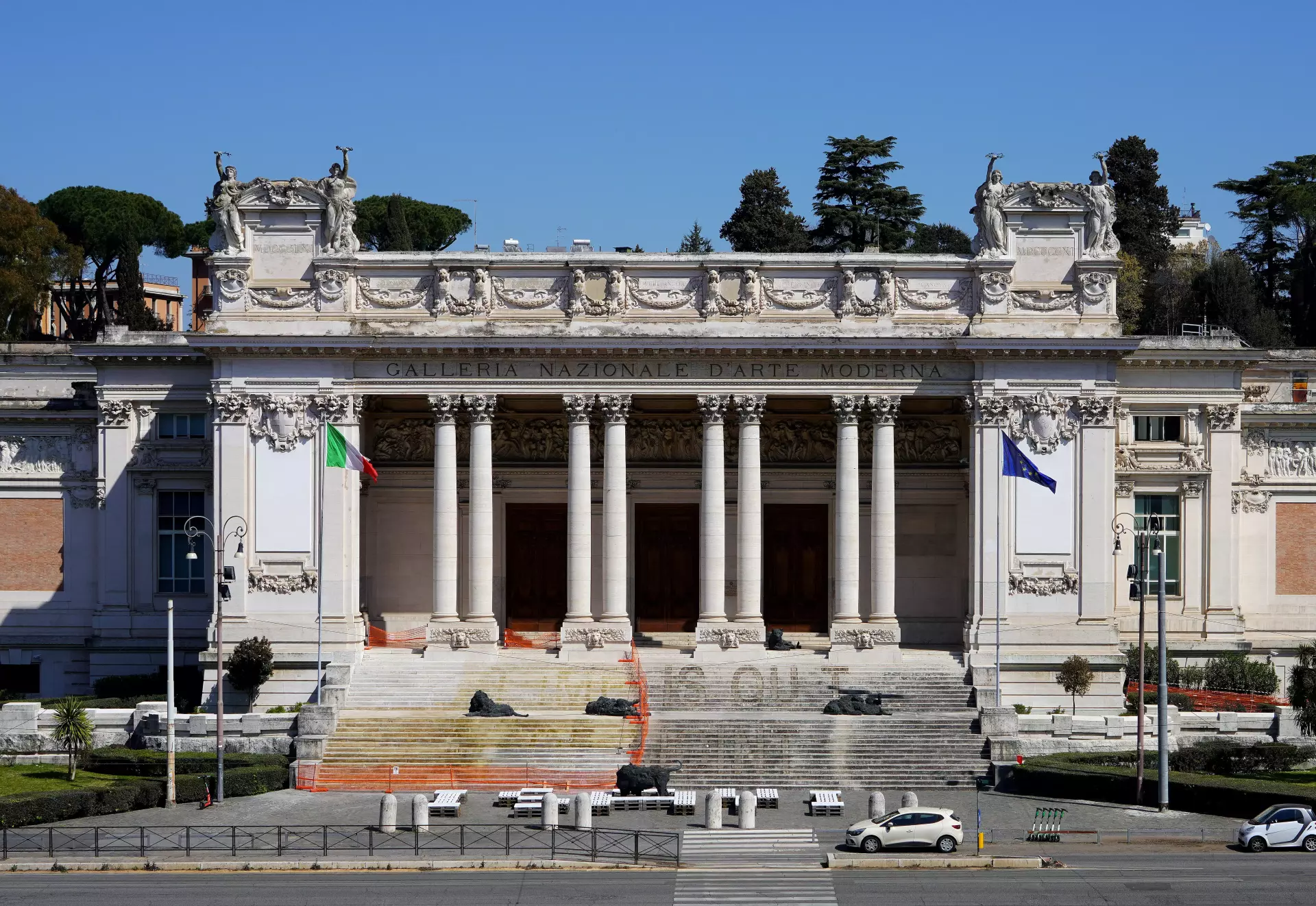
An underrated way to see fantastic art made after the Renaissance. Mainly Italian artists, notably De Chirico, but Cézanne, Degas, Kandinsky, Man Ray, Modigliani, Monet, Pollock and Van Gogh are also represented.
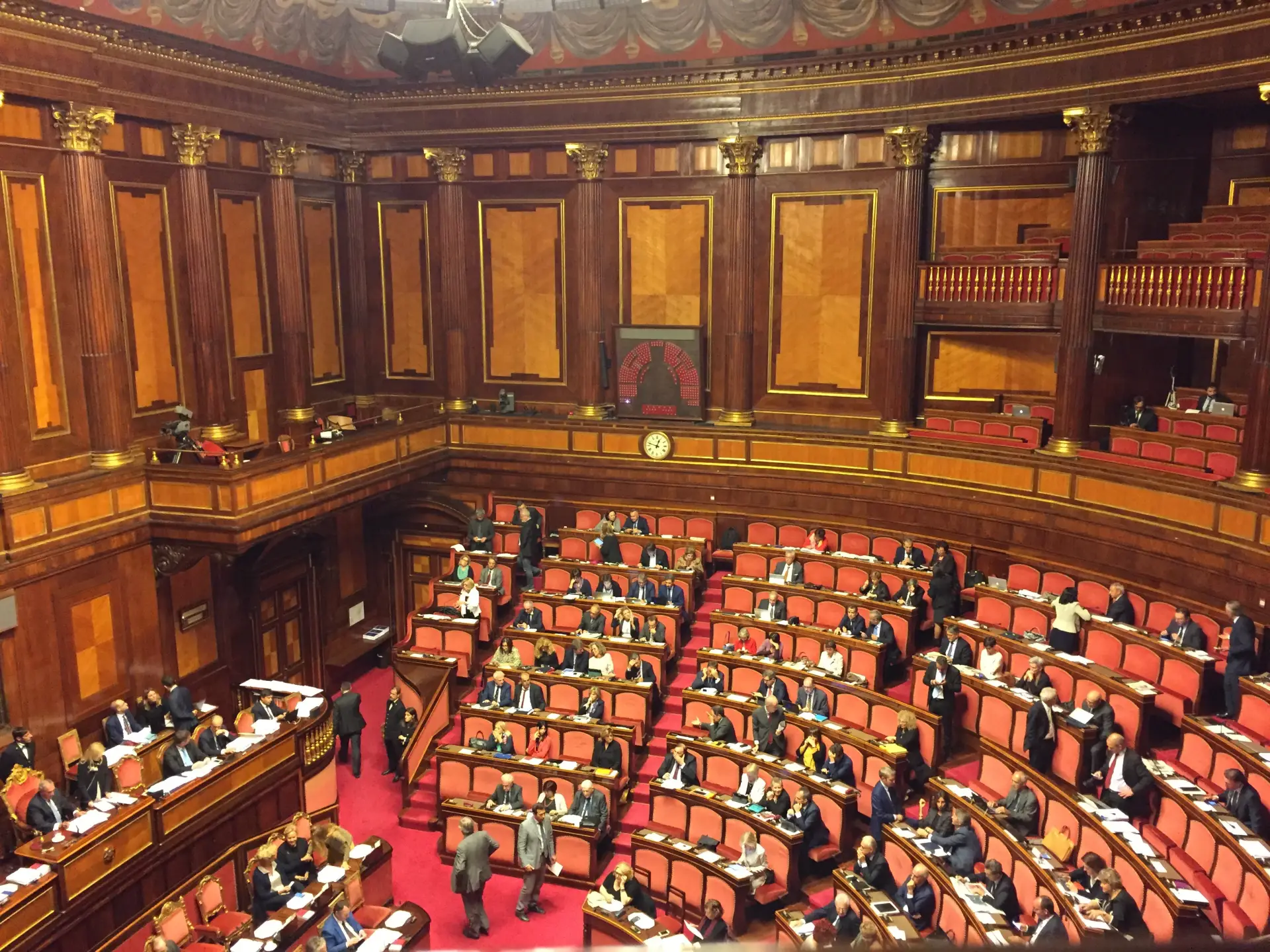
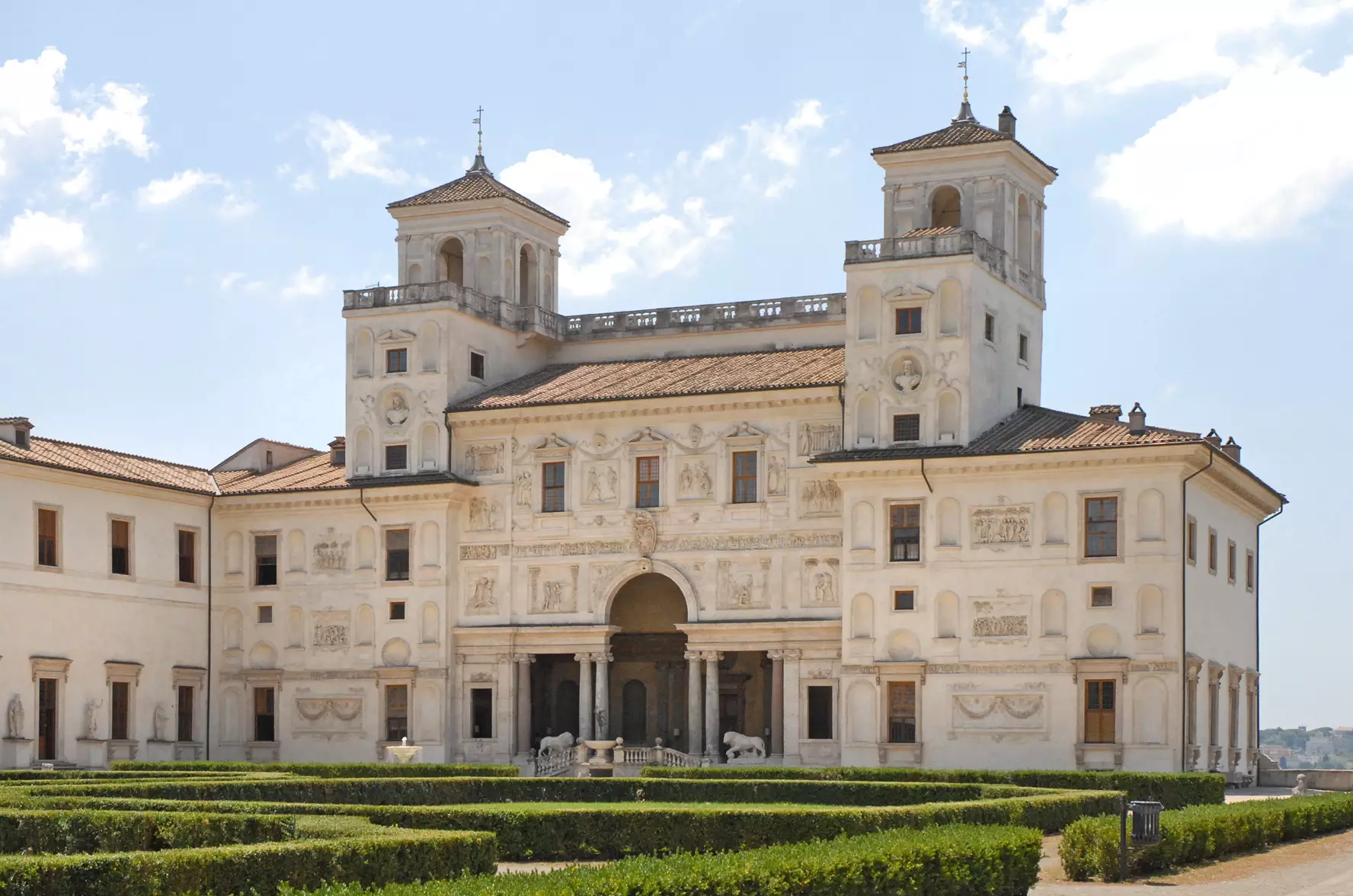
This palace of the 16th century was erected by the famous Medici family. It was the residence of Cardinals Giovanni and Giuliano Medici, later Pope Leo X. and Clement VII. Catherine de Medici, Pope Clement VII's niece lived here until her marriage in 1553 with Prince Henry, the son of King Francis I of France. The palace is named after Madama Margerita of Austria, the illegitimate daughter of Emperor Charles V. Since 1871 it has been the seat of the Italian Senate.
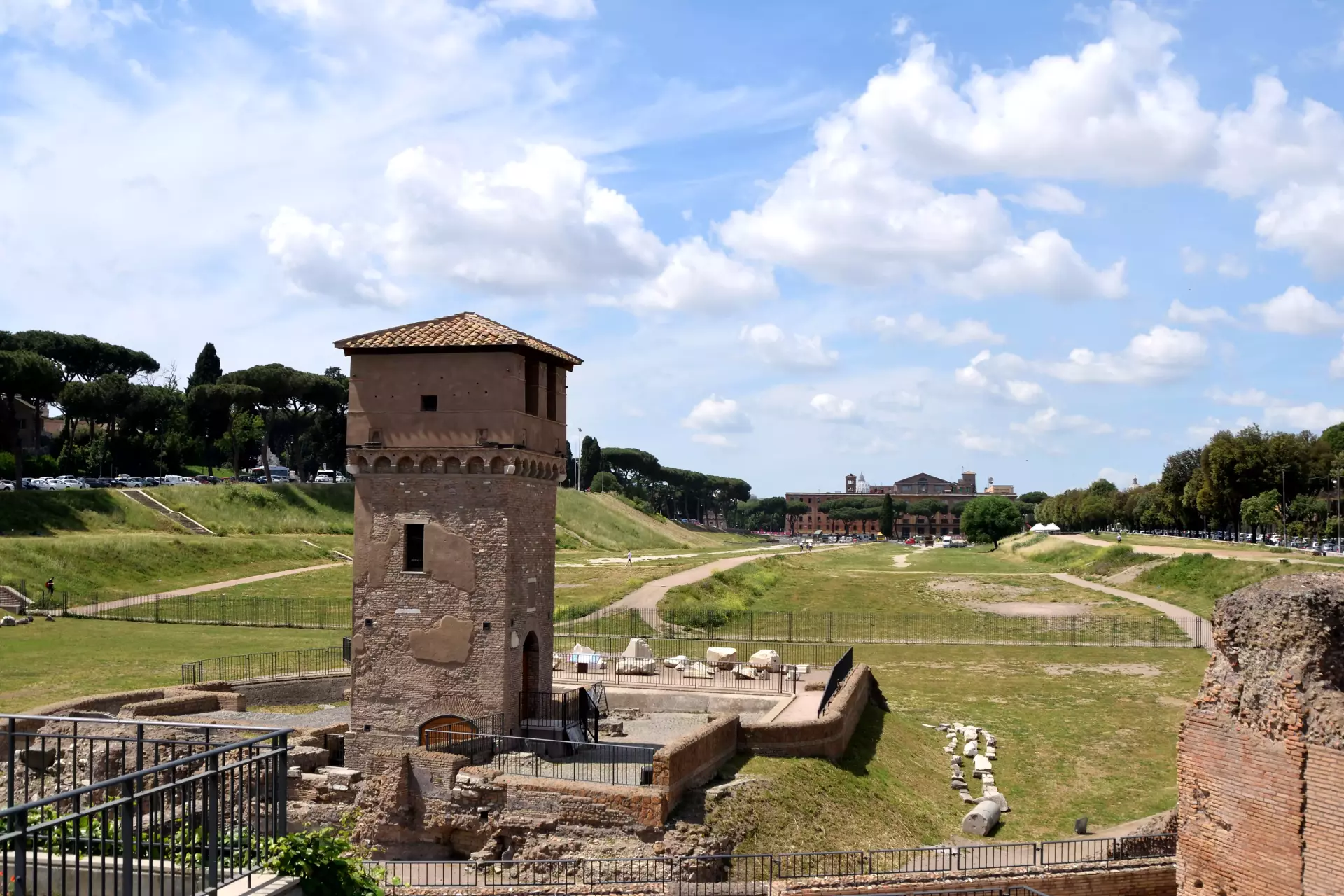
The contours of the ancient stadium, built in the 6th Century B.C., are still visible in what is now a park in the shadow of the Palatine. Circus Maximus was primarily devoted to chariot races and was used for this purpose until around 550 AD. The stadium could seat up to 150,000 people. Originally built of wood, it burnt down twice, on the second occasion starting the great fire when the Emperor Nero was said to fiddle while Rome burned. It was in one of the tunnels here that Caligula met his end. Excavations began in 2009 at the east end of the circus and are likely to go on for some years.
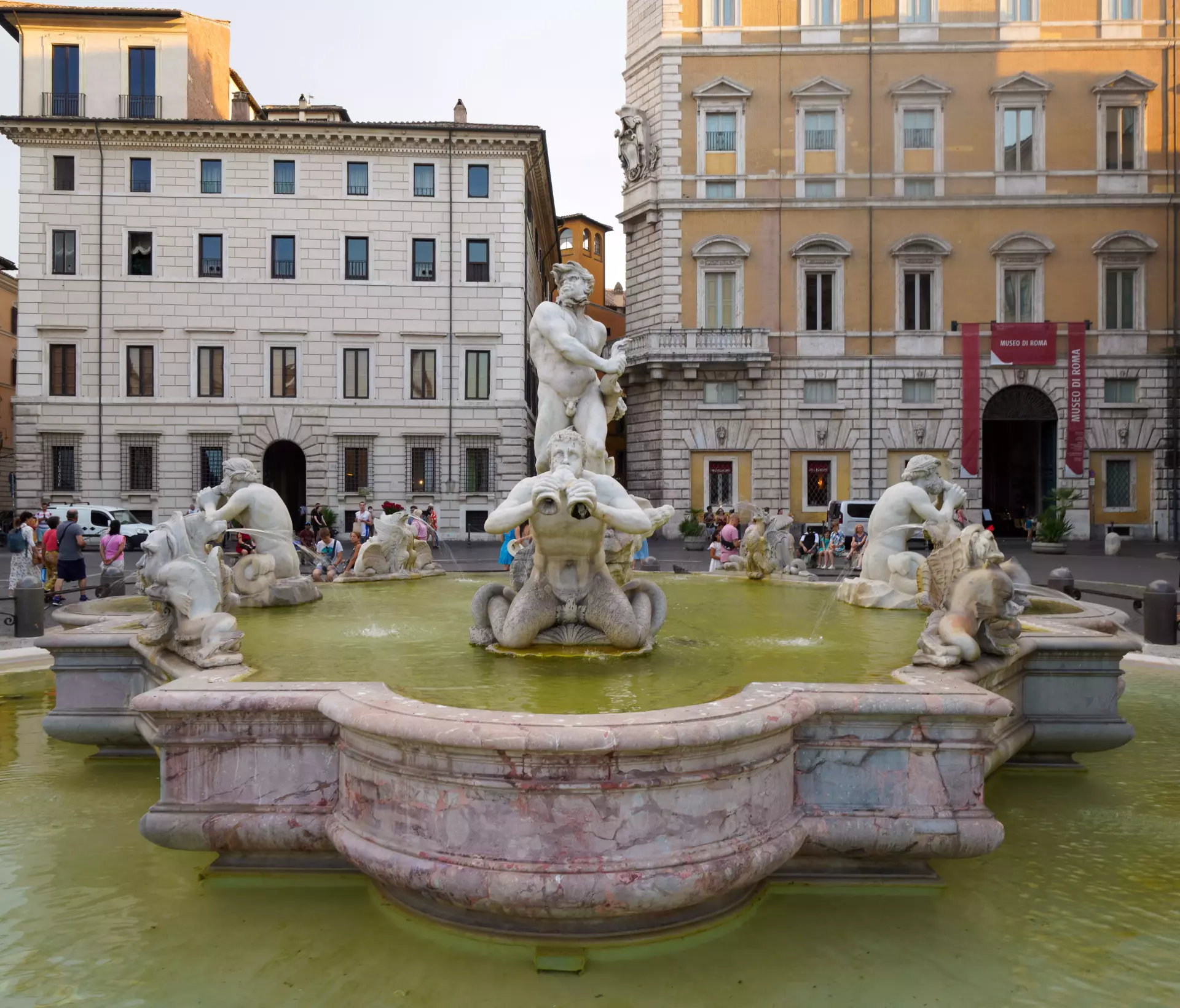
At the southern end of the Piazza, designed by Bernini but the main statue of the Moor was done by Giacomo della Porta and the other statues are 19th-century copies of the originals.
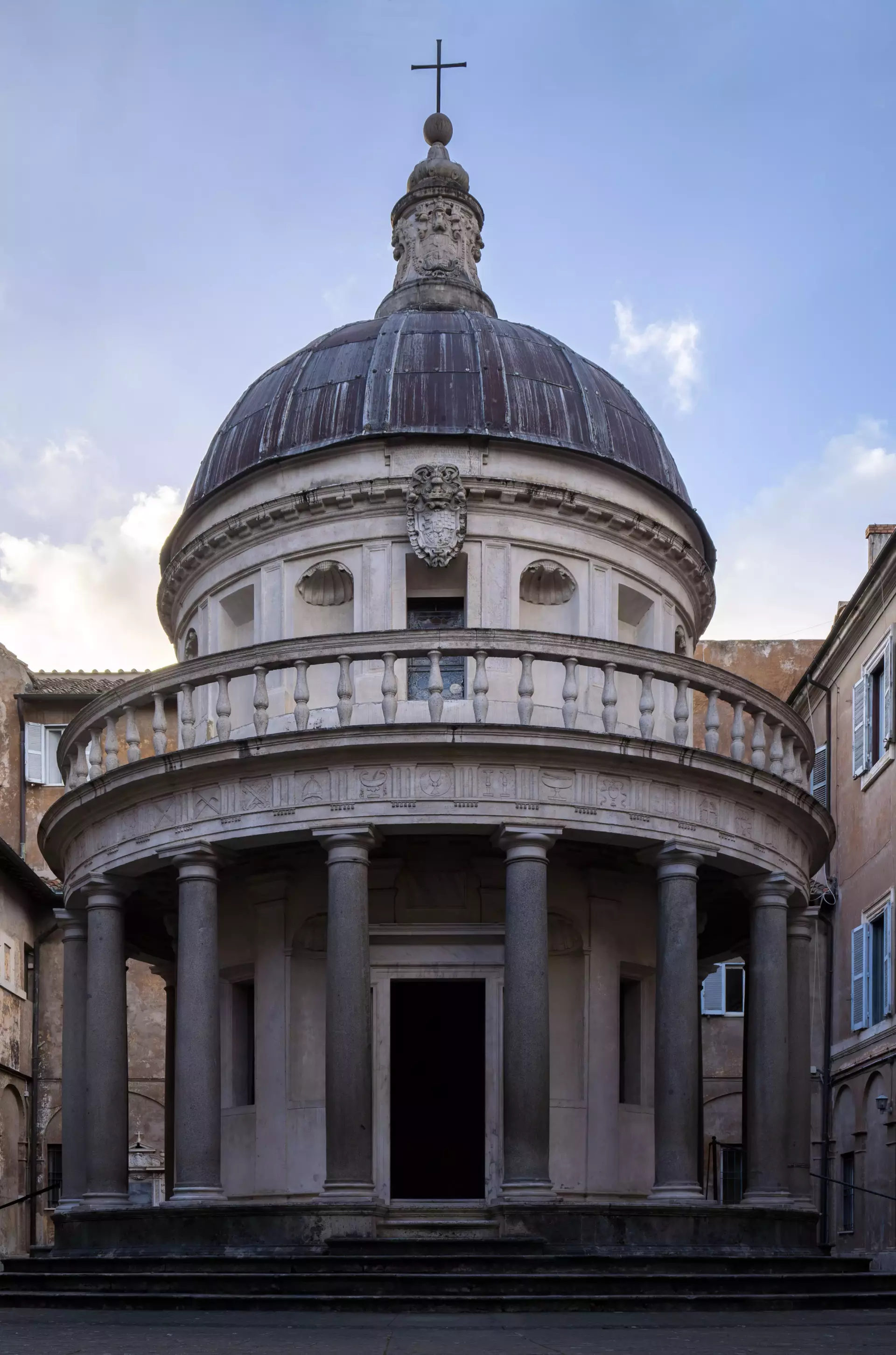
Designed by Bramante to mark the spot of St. Peter's martyrdom, this delightful miniature building is considered a masterpiece of Renaissance architecture. Open to the public.
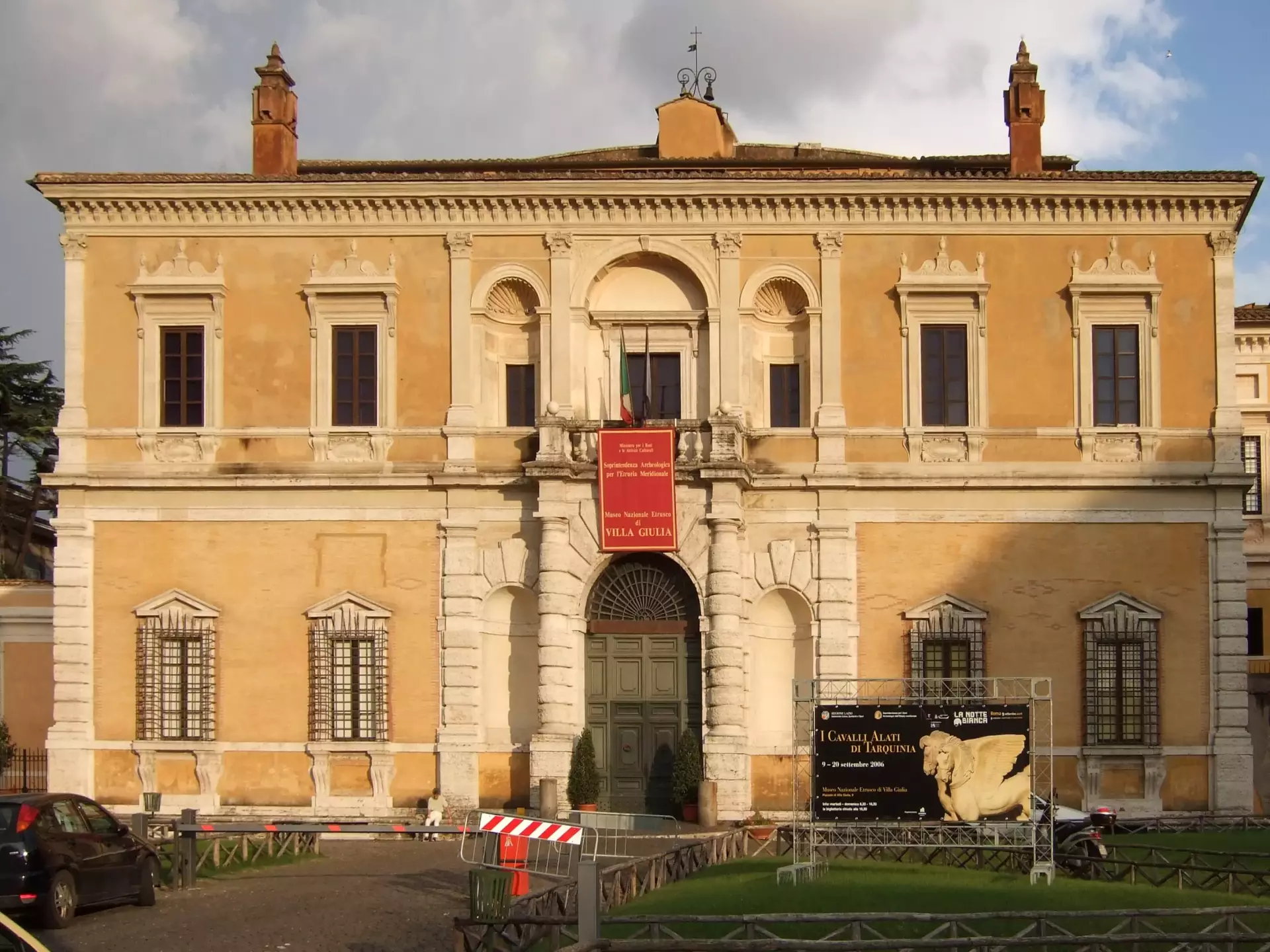
The most extensive collection of Etruscan art and artifacts anywhere. Fantastic collection and well worth the admission charge. A difficult museum to find, but a lovely display in a beautiful villa setting.
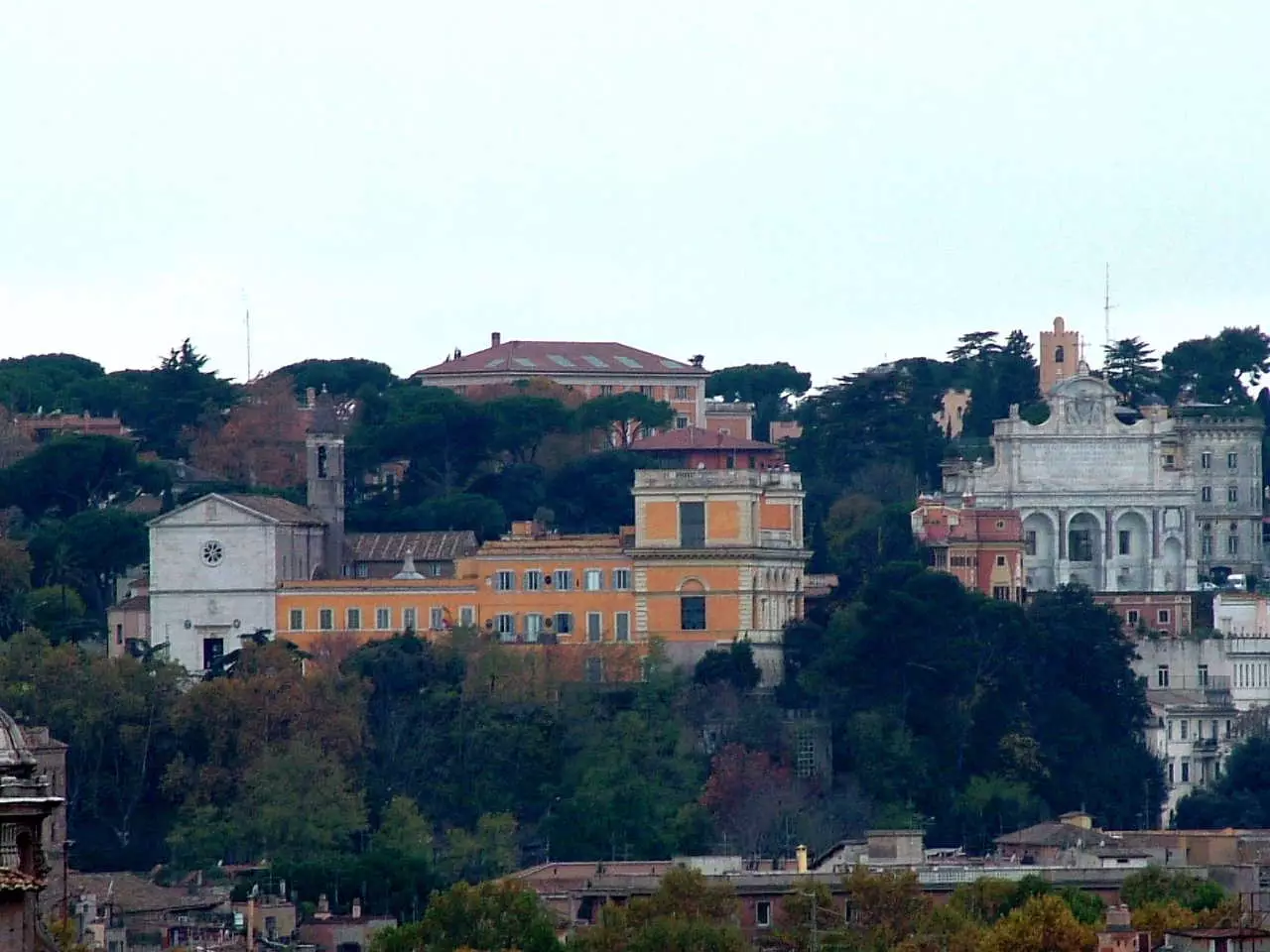
This is not, contrary to popular belief, one of the original seven hills that Rome was founded on. It is the second highest after Monte Mario, though, and offers incredible panoramic views of the city as long as the authorities remember to prune the trees on the hillside (if they are too tall you can walk a few meters down the hill for views that are just as good). On the other side of the piazza there is also a nice view of the dome of St. Peter's. The Piazza and the street leading up the hill are dedicated to Giuseppe Garibaldi who led Italian troops against the French here in 1849. There are also several commemorative statues.
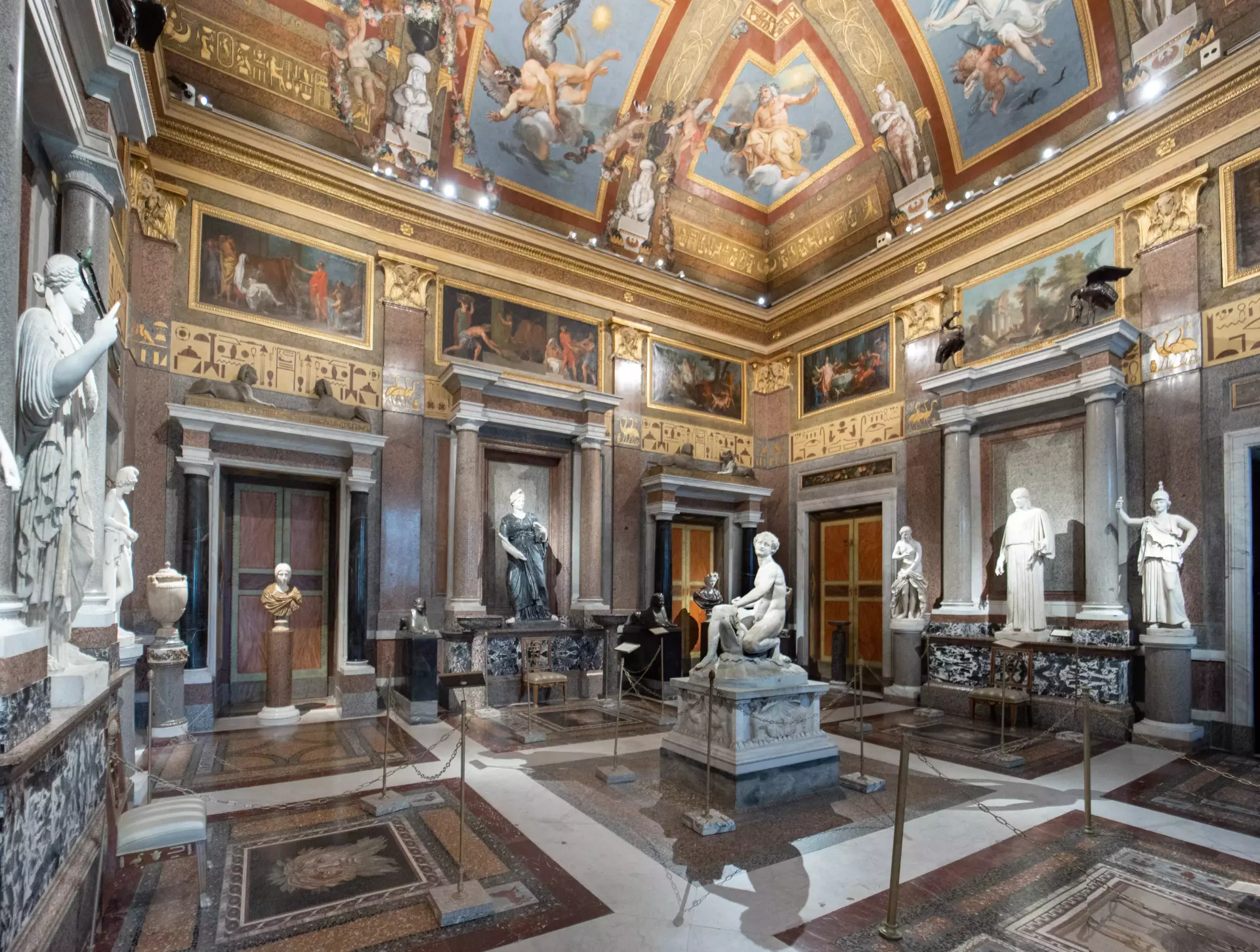
Borghese Gallery and Museum is a lovely display in a beautiful villa setting, which concentrates on the quality rather than the size of its collection. There are some very notable works by Antonio Canova and Gian Lorenzo Bernini here, Bernini's Apollo and Daphneis quite amazing. It also houses some of Caravaggio paintings, well worth the admission charge. Originally, the gallery was one of the most magnificent private art collections in the world. It was founded by Cardinal Scipione Borghese. At the beginning of the 19th century, Prince Camillo Borghese sold great parts of the collections to Paris where today they belong to the most valuable exhibits of the Louvre. Since 1902 the villa and the gallery are owned by the Italian state. The number of people admitted is limited to 360 every 2 hours, so it is best to make a well in advance for the time slot you want. Cameras and photography are allowed. Plan to arrive at the museum at least 15 minutes prior to your entry time, to obtain your ticket from Will Call and to deposit purses, strollers, backpacks, bottles, and other bulky items in the cloak room. If you are late for your reservation the museum may not allow you to use your ticket.
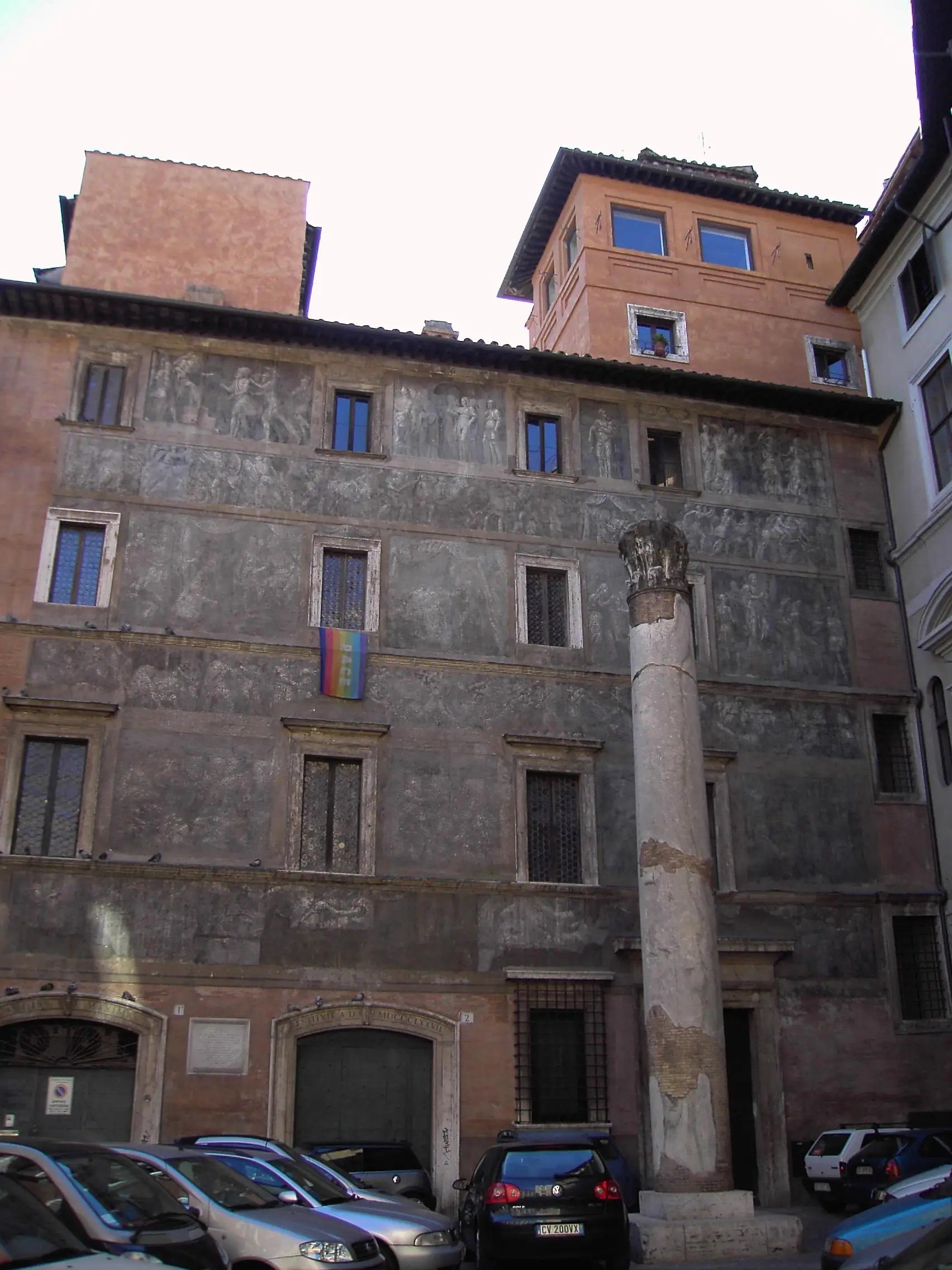
The palace was built by the architect Baldassare Peruzzi on behalf of the Massimo family. The former palace was destroyed during the pillage of Rome in 1527. The Massimo family can be traced back to Quintus Fabius Maximus who defeated Hannibal in the 3rd century BC. The building is open to the public on March 16, only in order to commemorate the miraculous reanimation of Paolo Massimo by St. Philip Neri in 1538.
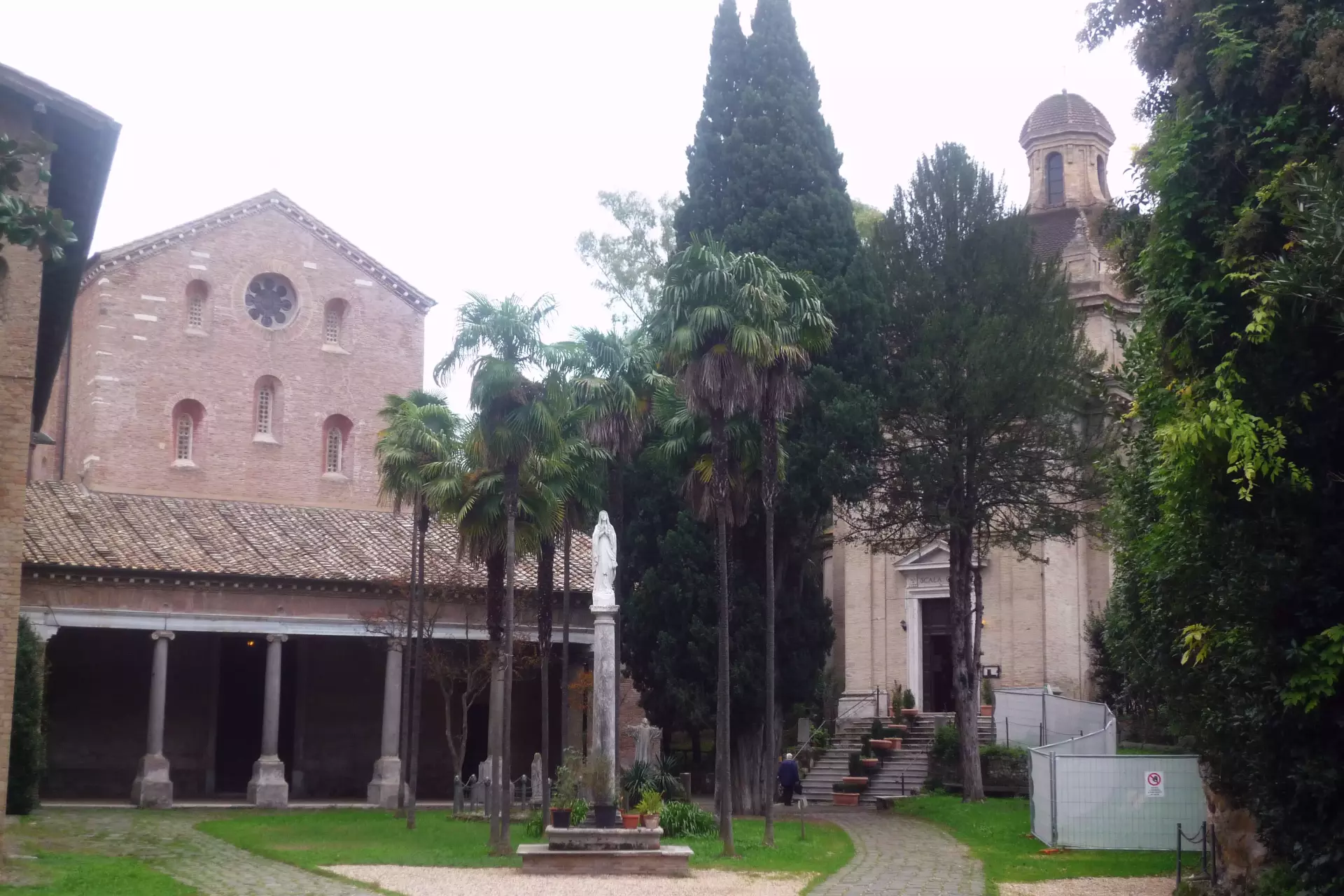
A truly quiet oasis close to the hustle and bustle of EUR. There are three churches in this complex and the doors are open all day, unlike city churches. The monks produce a range of products such as liqueurs, chocolate and honey, as well as a cure for the illnesses Romans suffer when the Scirocco wind blows in from the Sahara. These are on sale at a shop at the Abbey.
It was immortalised in 1960 by the Federico Fellini film La Dolce Vita. It is also the location of the US Embassy, in the massive Palazzo Margherita. Via Veneto went into a period of decline in the 1980s but has returned to popularity and the roadside cafes are the place to be seen if you are into that sort of thing.
More of an enormous traffic circle than a piazza, but a good central location. The centerpiece is the enormous Vittorio Emanuele Monument (aka the Wedding Cake or the Typewriter) with the Capitoline hill next door. Mussolini used to harangue Romans from the first floor balcony of Palazzo Venezia (see under Museums), to the west of the square.