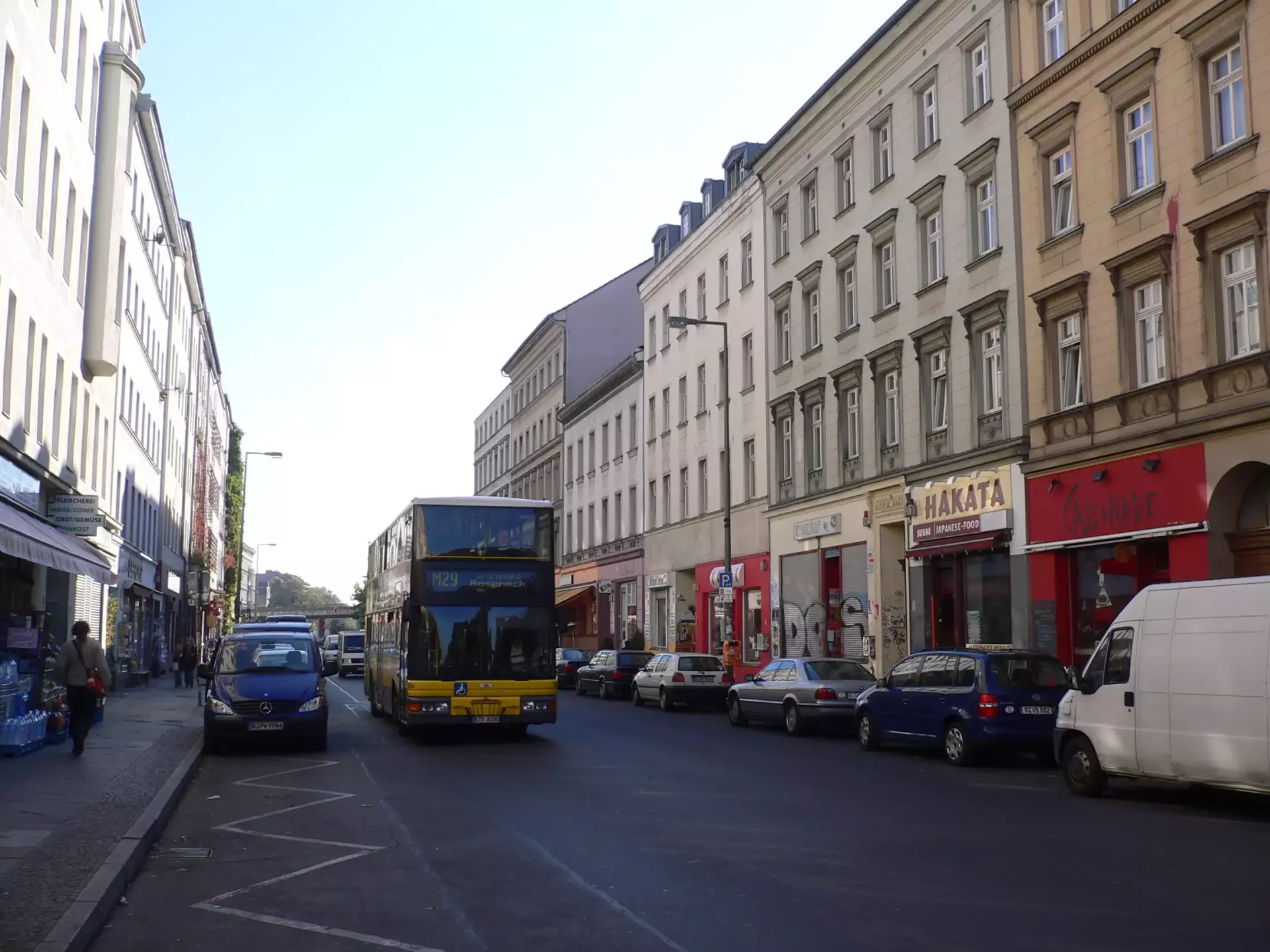
Oranienstraße is a lively Berlin street lined with independent shops, casual cafes, and busy restaurants. The atmosphere shifts throughout the day, from slow morning coffees to evening crowds drawn by good food and music. Colorful storefronts and street art add character at every corner, and the sidewalks feel active without being rushed.
Small boutiques share space with record stores, bookstores, and vintage clothing racks. Window displays change often, and many places showcase local makers and niche labels. It is easy to browse from one door to the next, finding practical items alongside playful souvenirs.
Cafes spill onto the street with outdoor seating when the weather allows. Baristas pull espresso shots while people read, chat, or work on laptops. Pastries and simple breakfasts appear in the mornings; later, iced drinks and light snacks keep tables filled. The pace is unhurried, and the aroma of coffee seems to follow along the block.
Menus reflect Berlin’s mix of cultures, with everything from kebabs and noodles to vegan plates and regional German dishes. Quick bites are served from counters and windows, while sit-down spots turn the lights low for dinner. By night, clinking glasses and music from nearby bars blend into the street’s steady hum.
Public art, posters, and murals create a changing backdrop. Weekends bring more people, bicycles weave past, and the U-Bahn nearby keeps the area connected. The overall feel is creative and open, with a strong neighborhood identity that invites lingering between stops.
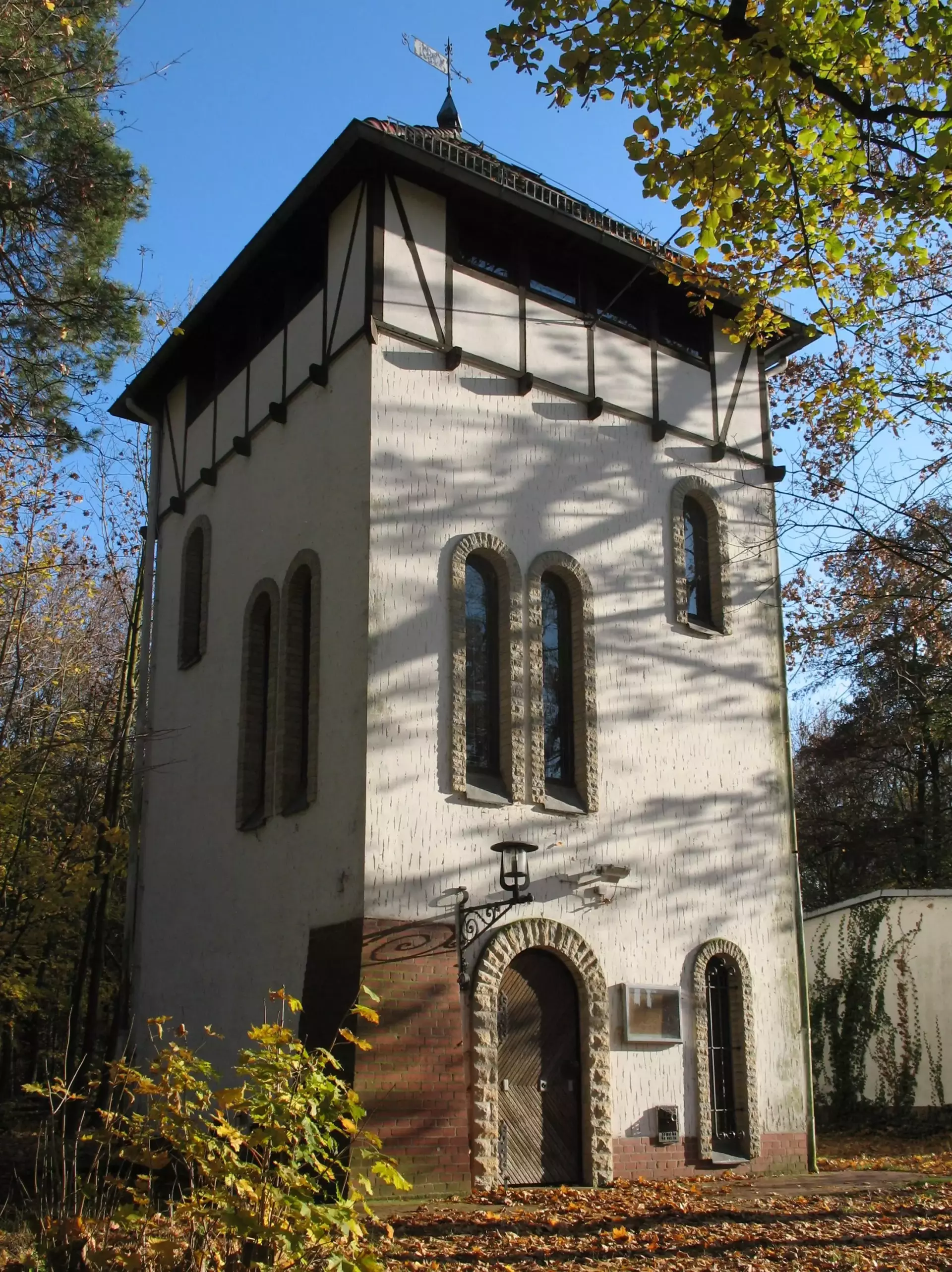
Features many objects and even whole rooms in Wilhelminian style. Only accessible by guided tour (English tours can be arranged).
The building of one of Berlin’s oldest breweries is a ravishingly beautiful and heritage-protected industrial monument.
A man-made hill of about 120 m in the Grunewald, created after the Second World War from debris of the city. On top is the Field Station Berlin, a former US listening station. Inside the building complex you can see lots of graffiti art. The hill can be accessed without any restrictions and is free; however, the building complex is surrounded by fences and requires a ticket (tours are available as well).
The Bayerischer Platz is the centre of the Bayerisches Viertel ("Bavarian district", with many streets named after Bavarian cities), which was destroyed a lot more during World War II (about 60%). Somewhere around there Albert Einstein lived once. You’ll find several memorial signs providing information about the Nazi regime's persecution of gays and Jews.
A remarkable medium-sized classical castle by the famous K.F. Schinkel built 1820 to 1824, also called "Humboldtschlösschen", because Alexander and Wilhelm von Humboldt (and their family) lived here once. Still privately owned.
Specializes in 19th-century painting and sculpture; Monet, Manet, Cézanne, C. David Friedrich and other important 18th- and 19th-century artists are well-represented.
Museum established in 1888, with a collection of 3,500 instruments.
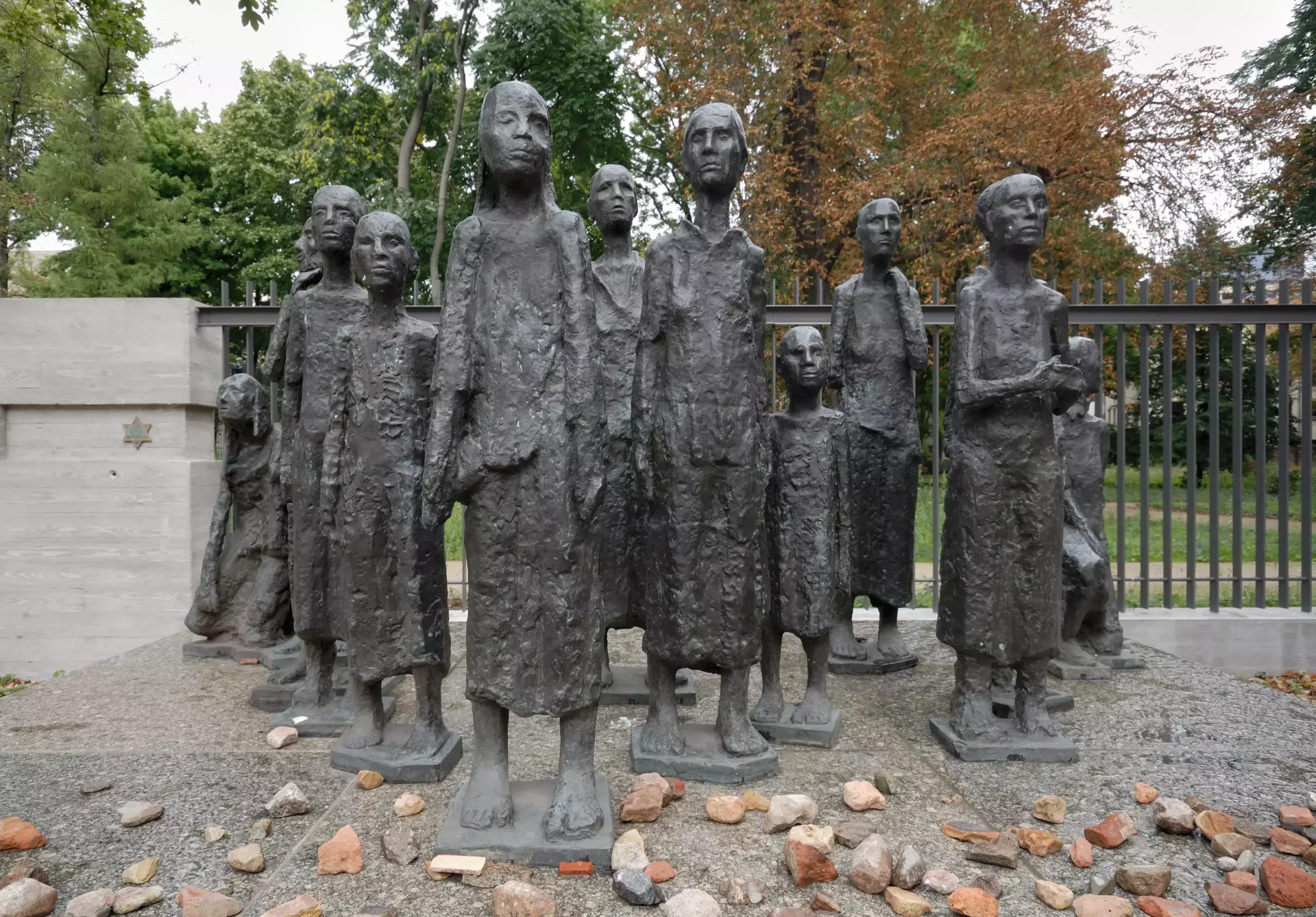
Jewish cemetery and lapidarium with old tombstones.
This area was Gay Central during the Weimar Republic, and it is today. But of course all are welcome. There is a diverse mix of restaurants and stores, several of which are open till midnight or later every day. The U-Bahn station has a superstructure and towers that echo the appearance of the Art Nouveau Neues Schauspielhaus across the street, now the Metropol, where radical left-wing dramas used to be presented in the 20s and 30s, and it is lit in rainbow colors.
The Gendarmenmarkt is a square in the Friedrichstadt with the Konzerthaus (concert hall) and in front of the statue of Germany's poet Friedrich Schiller, the Neue Kirche (New church) and the Französischer Dom (French cathedrals). Berlin’s Deutscher Dom on the magnificent Gendarmenmarkt square is not to be confused with the Berliner Dom. It was built in 1708. Since 1992 a German Parliament exhibition can be seen here entitled “Paths, Loosing Track and Detours” or the development of parliamentary democracy in Germany – ways and roundabouts. No religious services are held here. The French cathedral houses the Hugenottenmuseum. It represents the ongoing influence on Berlin by the Huguenots who emigrated from France after the revocation of the Edict of Nantes. Crown Prince Friedrich William encouraged them to settle here because most of them were skilled workers or otherwise useful to the kingdom. One memorable artwork, in room nine of the museum, pictures Crown Princess Dorothea exclaiming "But he's a refugee!" upon being presented a very valuable set of jewels by Pierre Fromery. The generally agreed-upon view of refugees as poor, without resources let alone diamonds, was blown apart by the talented French Protestants forced to leave their country due to religion. One of the most notable effects of having such a large French population was their influence on the infamous Berlin dialect. Berlinerisch words such as Kinkerlitzchen (from French "quincaillerie" - kitchen equipment) and Muckefuck (from French "mocca faux" - artificial coffee, though that etymology is not universally accepted) are unique to the area. The Französischen Dom (cathedral) itself was built to resemble the main church of the Huguenots in Charenton, France, destroyed in 1688. It has housed the museum since 1929. Closed till 2019
More than 30 million objects in the scientific collection and a fascinating exhibition in one of the most significant institutions of its kind in the world. Some parts still under construction.
Became famous from the film named after this street. During the Cold War, the street was split, with one section belonging to East Berlin and one to West Berlin.
A domed church at Bebelplatz/Unter den Linden, the oldest (mid-18th century) and one of the biggest Catholic churches in Berlin. Interior was redesigned in a modern style in the 1950s, but there are still many treasure chambers in the basement.
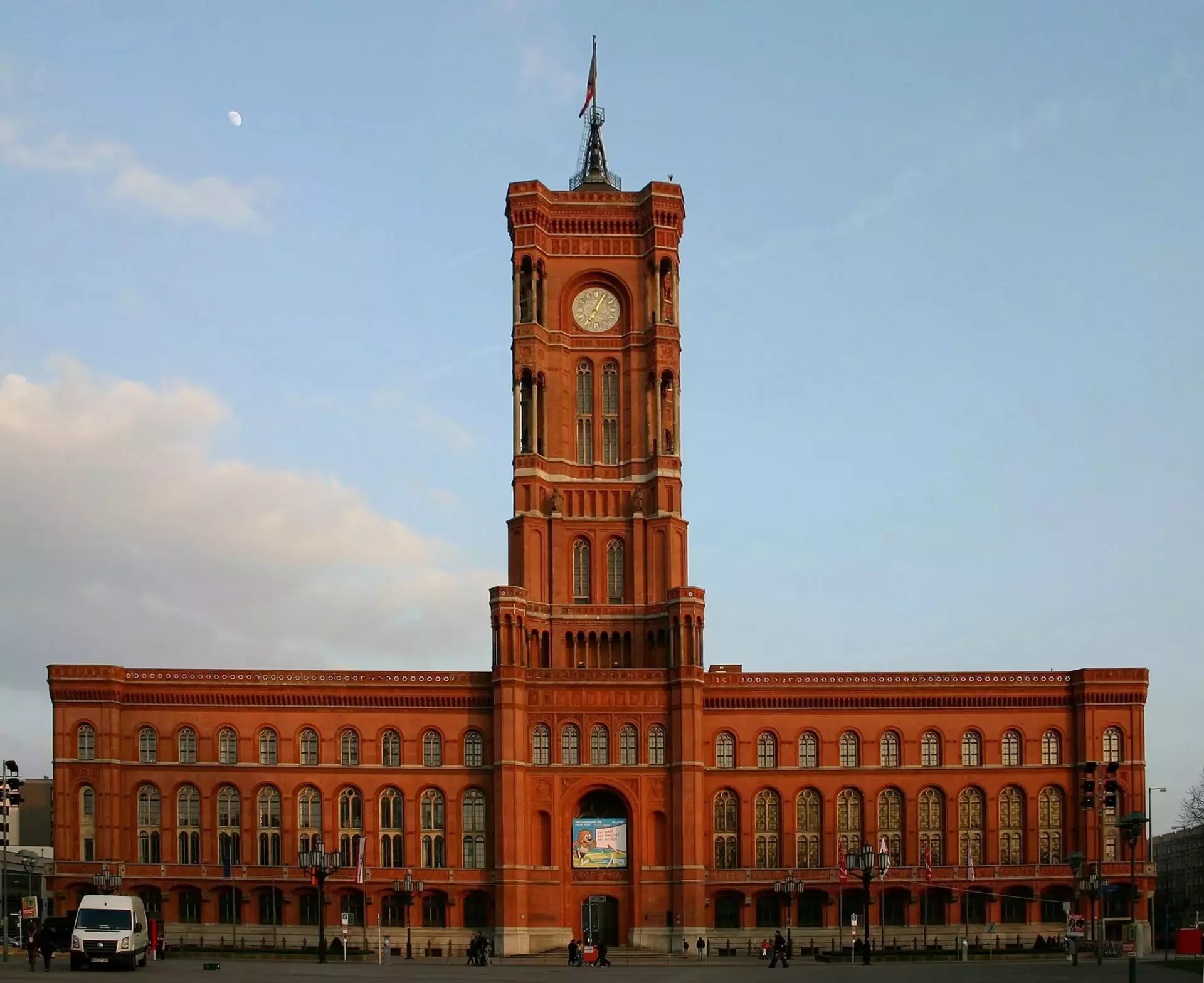
It was a museum of applied arts and a listed historical monument since 1966, and it is now a well-known Berlin exhibition hall.