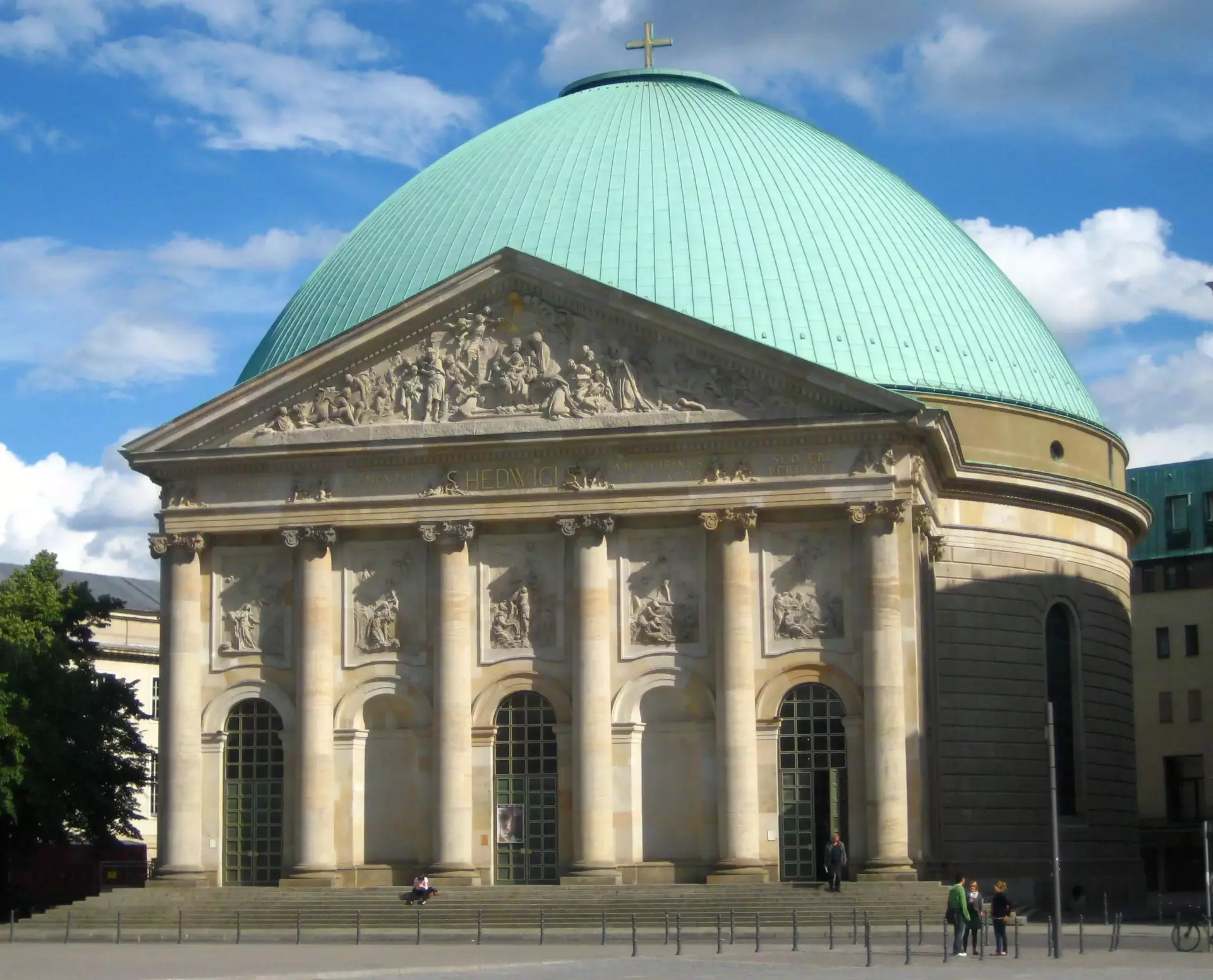
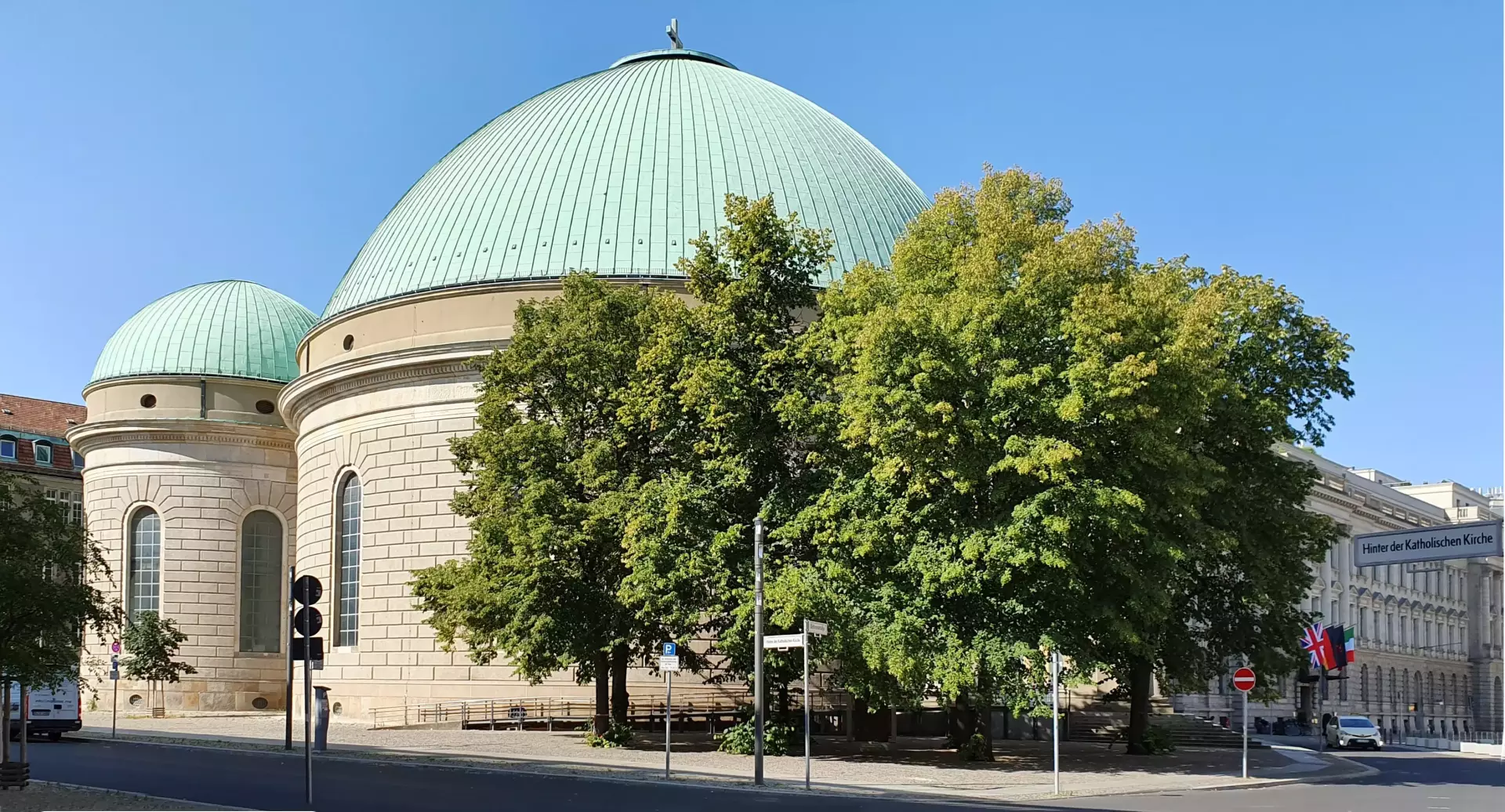
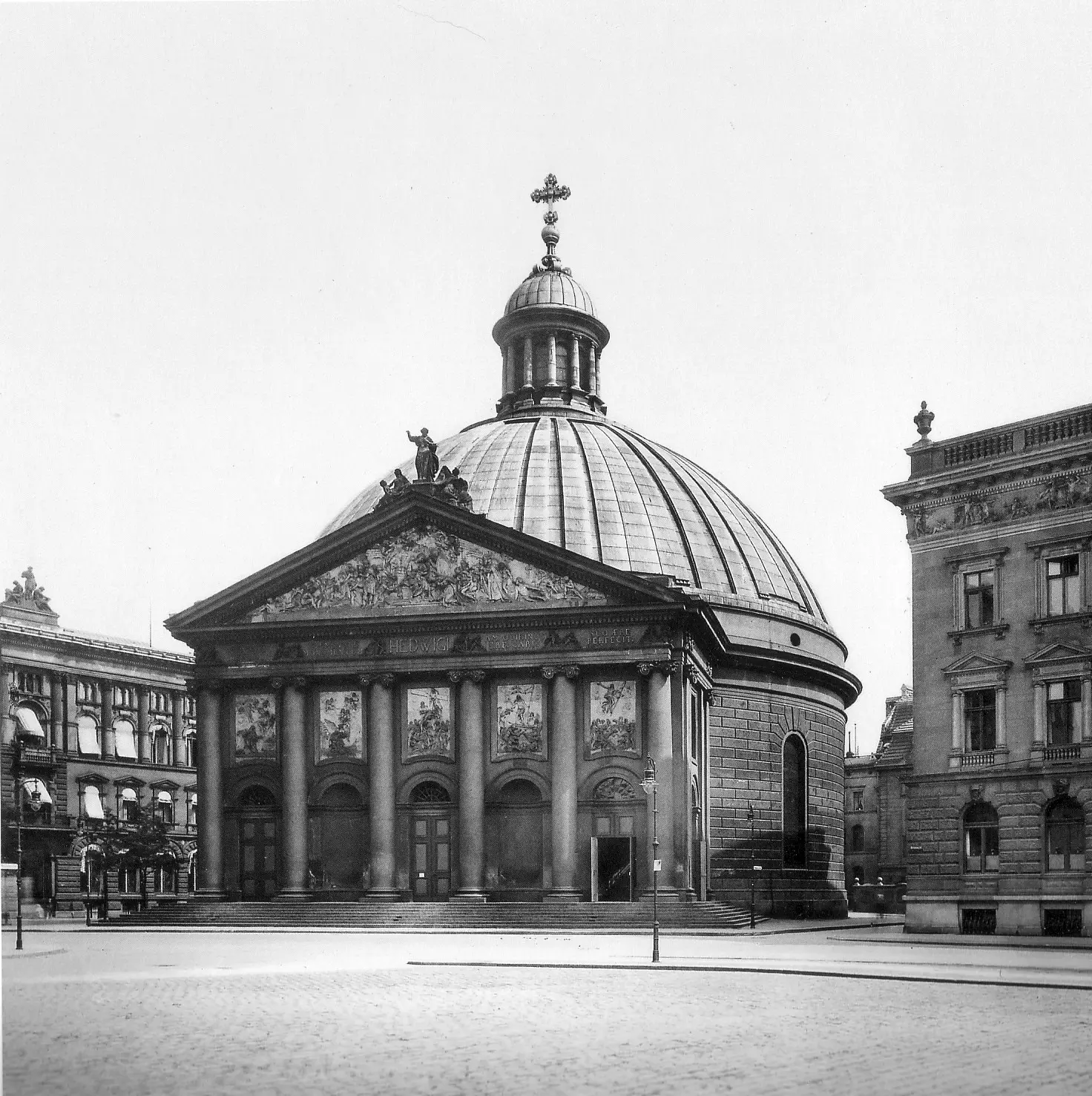
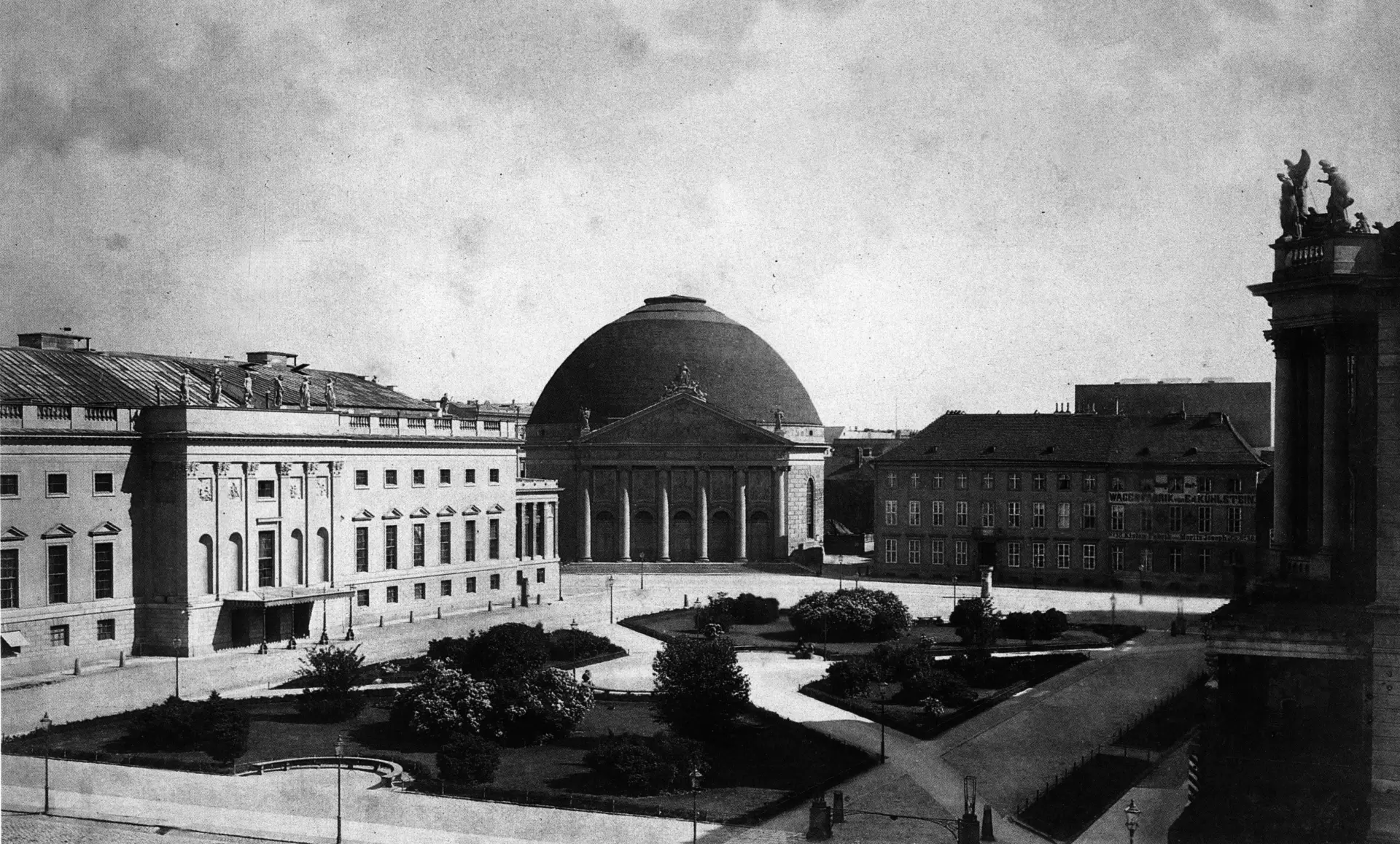
A domed church rises on Bebelplatz along Unter den Linden, standing as the oldest major Catholic church in Berlin. Built in the mid-18th century, it has long been a landmark of the boulevard, with a round, classical form that sets it apart from the city’s many spires and brick façades.
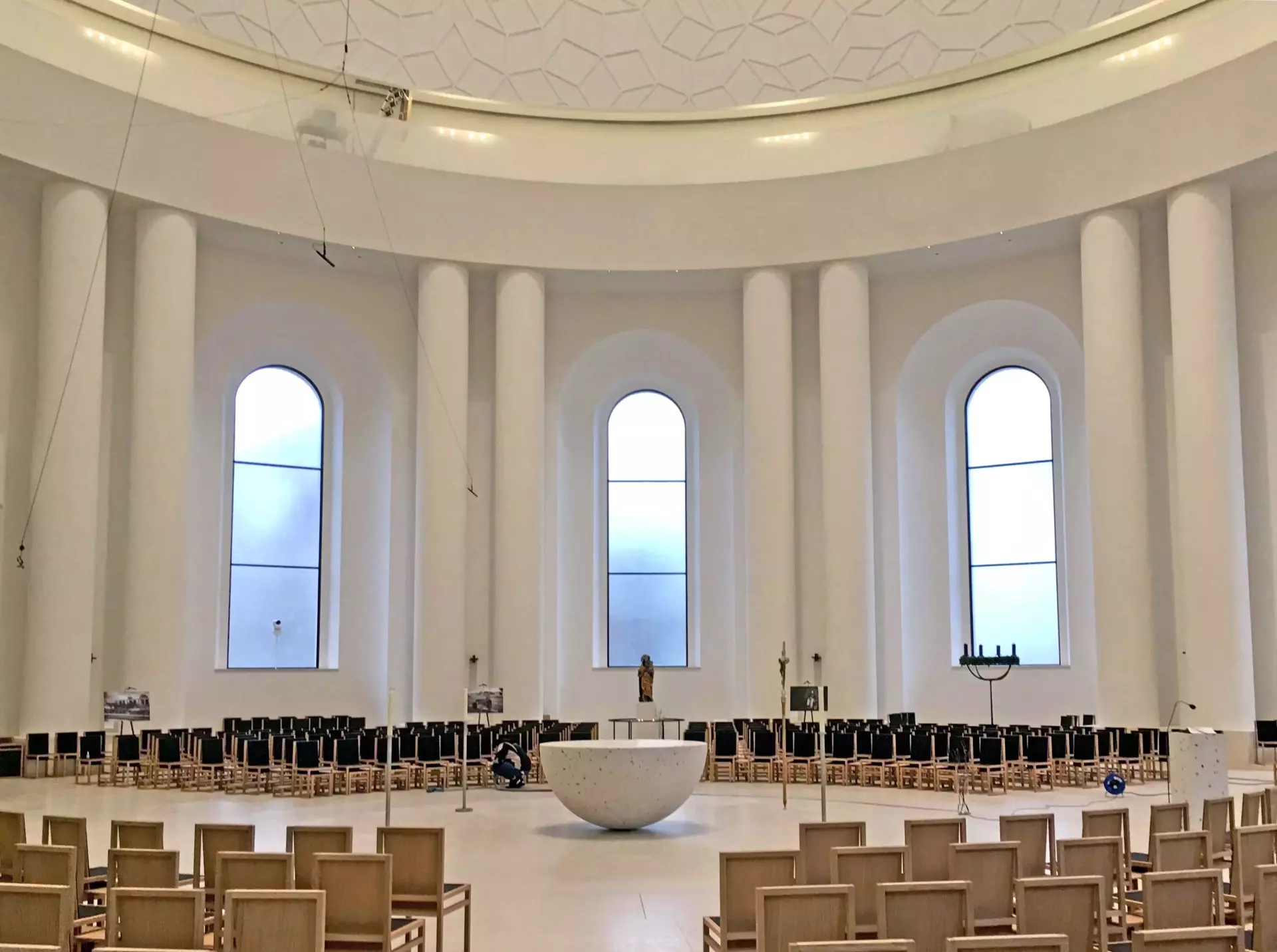
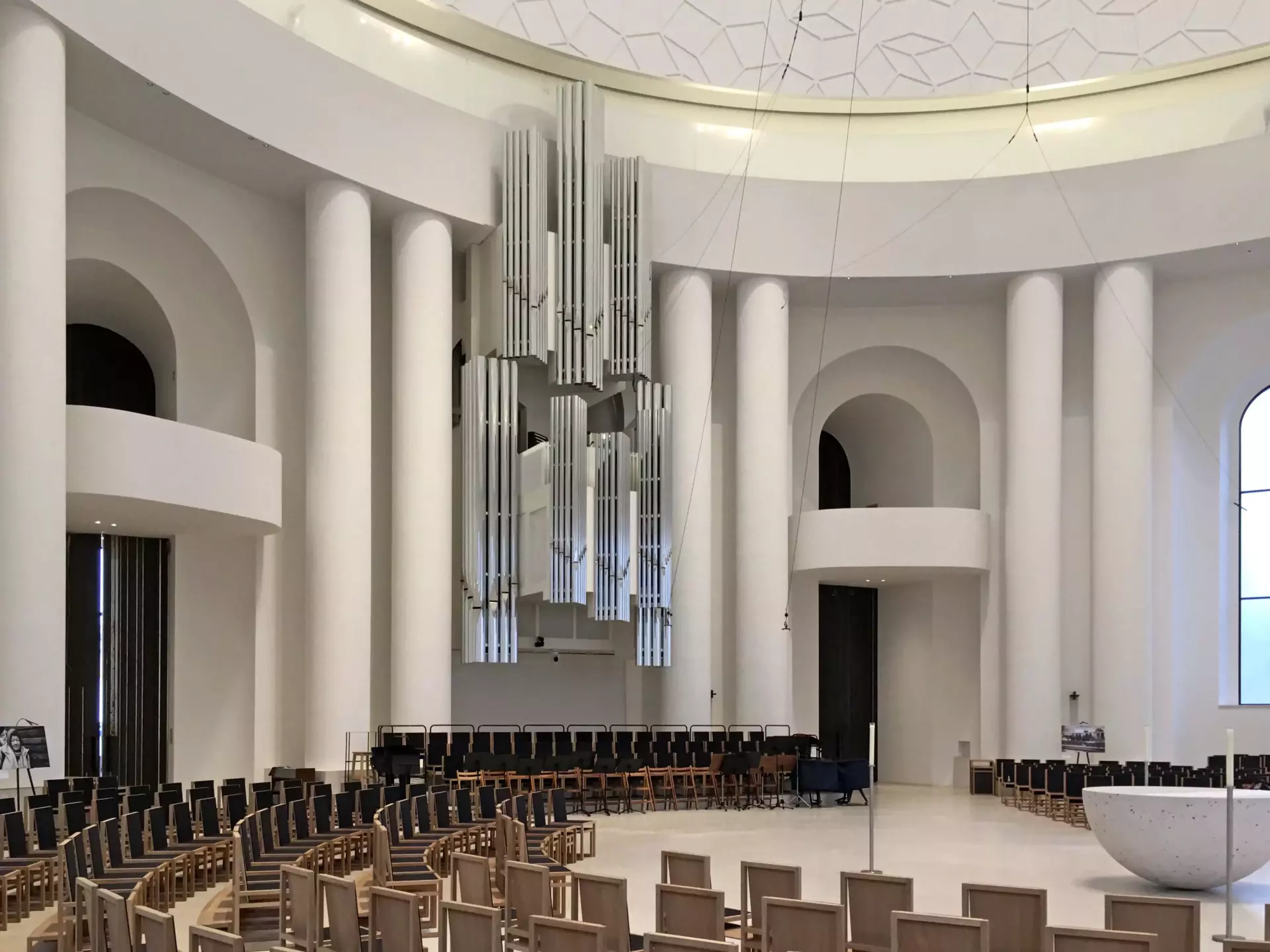
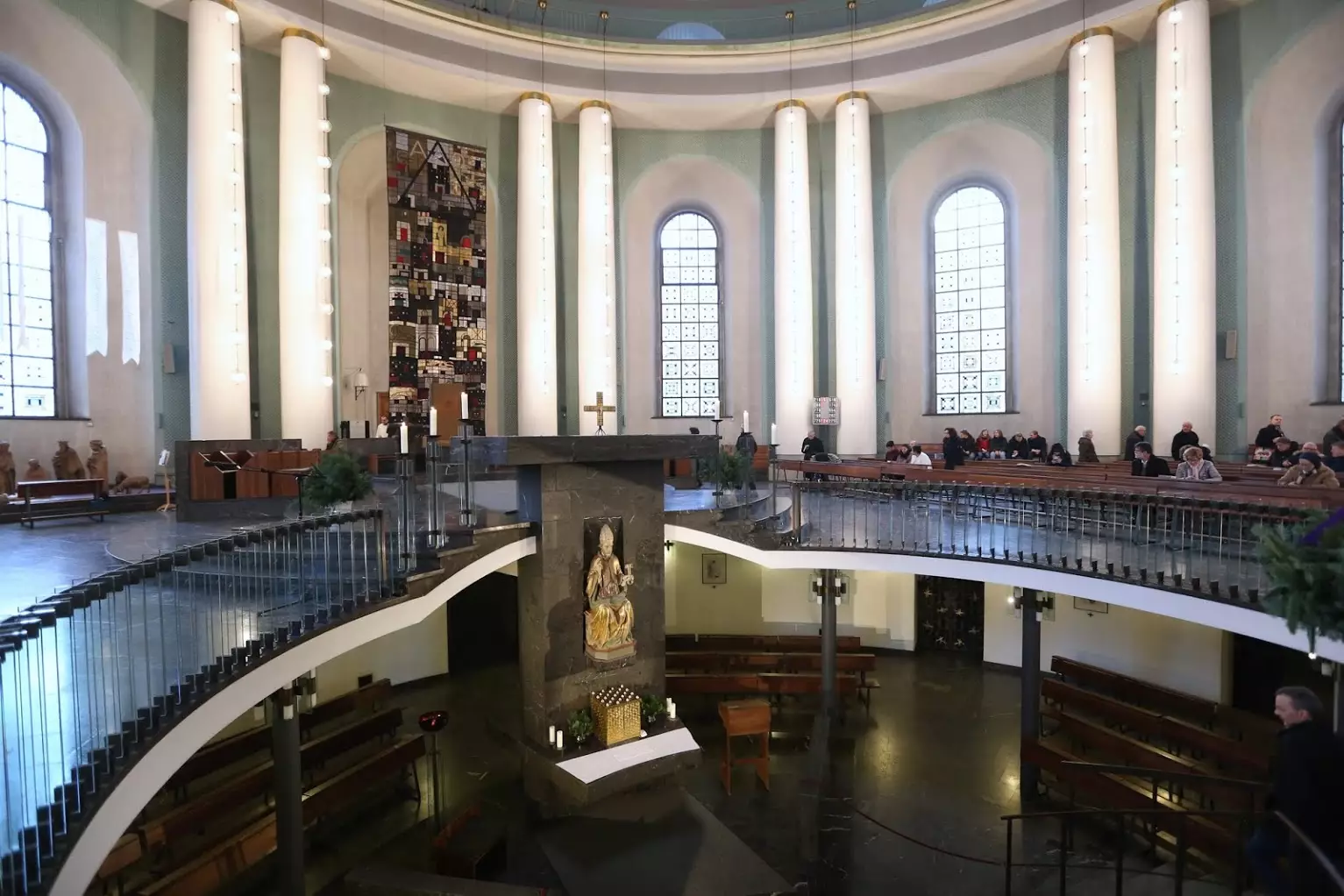
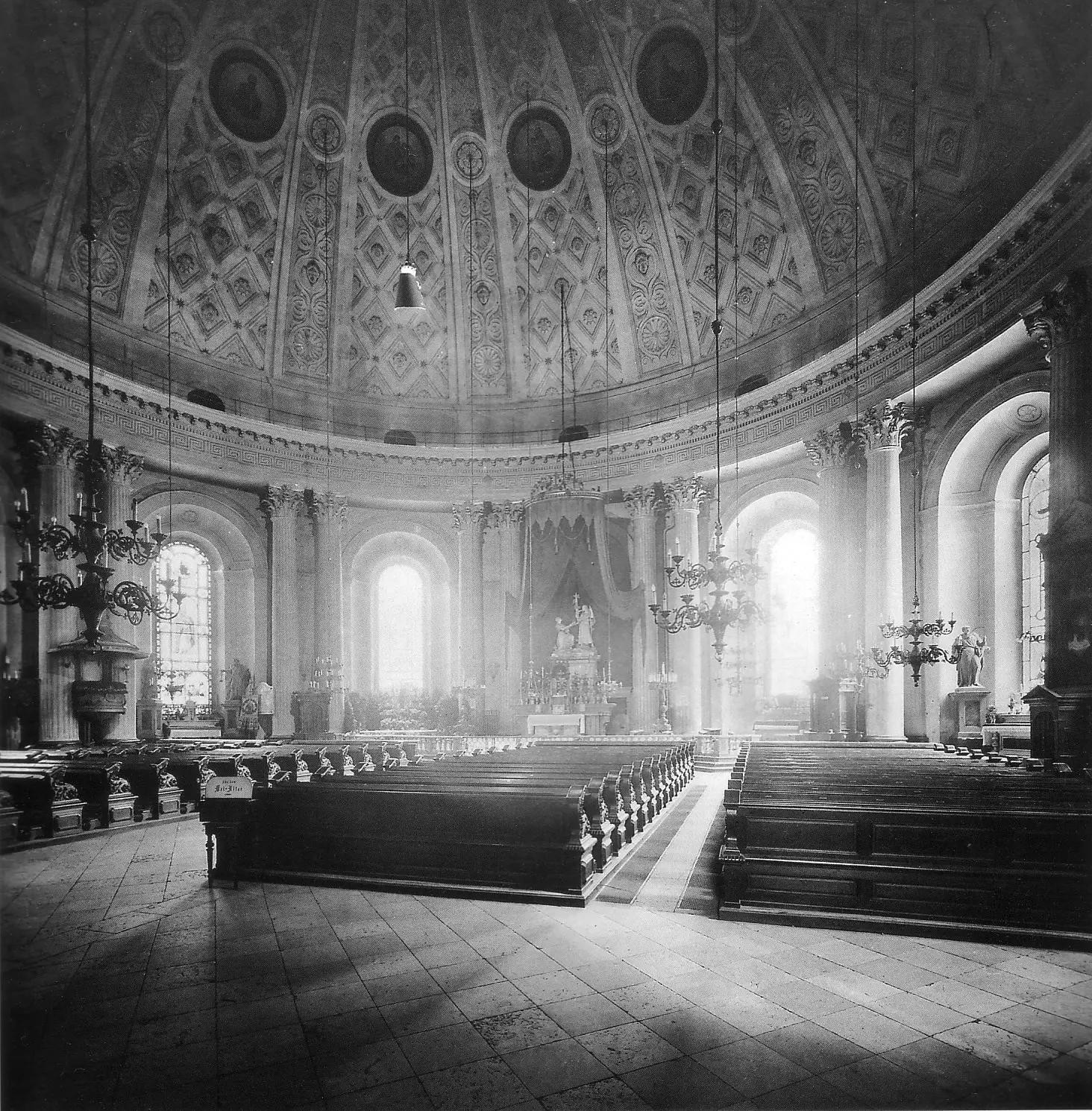
The church suffered damage during the mid-20th century and later gained a bold new interior. In the 1950s, its inside was redesigned in a clean, modern style, creating a striking contrast with the baroque-inspired exterior. Light, simple lines and open space now define the sanctuary, while the dome continues to anchor the building’s historic silhouette.
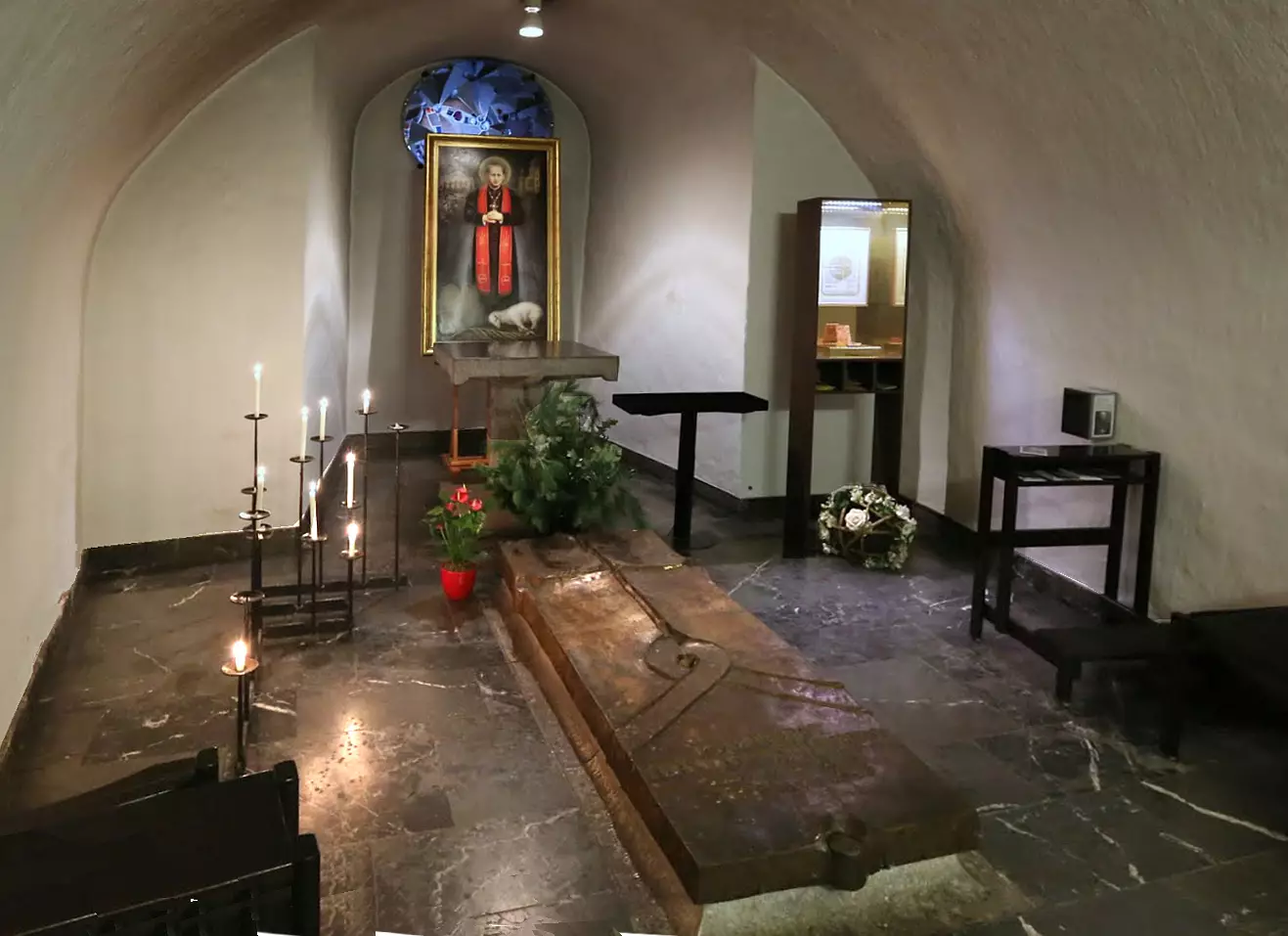
Below the main level, a series of treasure chambers offers a more intimate encounter with the church’s past. These rooms hold sacred objects and historical pieces that trace centuries of Catholic life in Berlin, adding depth to the experience above ground.
Source - https://en.wikipedia.org/wiki/St._Hedwig%27s_Cathedral
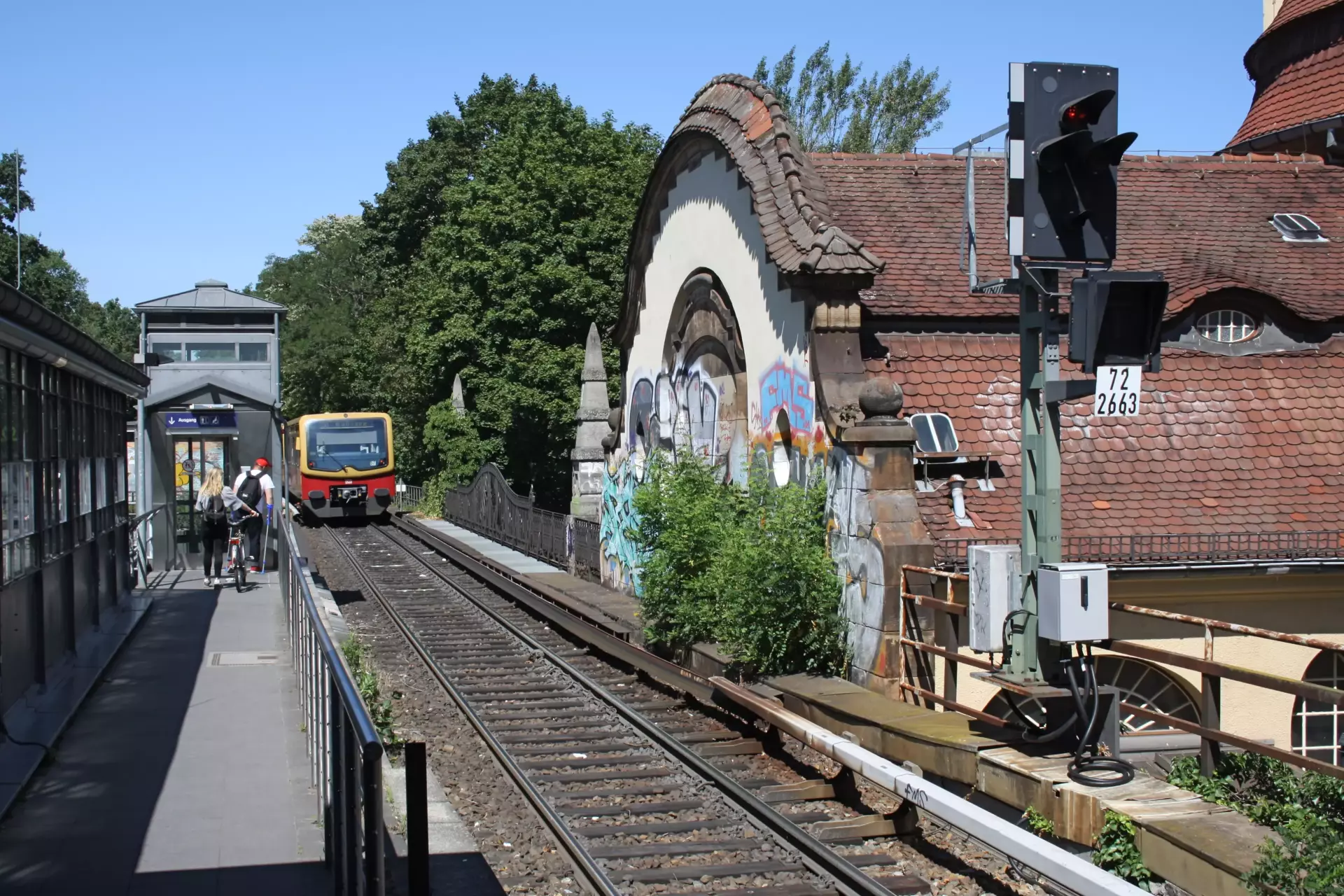
Heritage listed Art Nouveau railway station and charming surrounding city square.
The town hall of Berlin is known as such because it is made of red brick, not due to its former political persuasion. There are nice Prussian rooms inside, which are worth a look.
In 1893 the authorities of Berlin issued the artistic entrance to the National Park Friedrichshain. The fountain of fairy tales was commissioned by the National Park and later designed by Ludwig Hoffmann.
Oderberger Straße is known for its beautiful and generous Gründerzeit architecture, as well as its cafés and restaurants. Since before Germany's reunification the street has been the desired place for alternative folks and avant-gardists, but the area has seen continual gentrification since the early 2000s.
An observation tower without an elevator in Southeast Berlin, from which you can see that there is a great deal of forest around Berlin. There is a cafe at the tower.
The museum’s treasures include the sculpture collection with works of art from the middle ages to the 18th century. The Bode museum is best known for its Byzantine art collection and the coin cabinet.
Built by Hitler for the 1936 Olympic Games, this is one of the better examples of Nazi neoclassical architecture (laying claim to the legacy of Rome, fasces and all) and is still used for sporting events. At those Olympics, African-American athlete Jesse Owens won four gold medals, a party-spoiler for Aryan superiority. It's the home of soccer team Hertha BSC - they were relegated in 2023 and now play in 2. Bundesliga the second tier. In 2024 this stadium hosted games in the UEFA Euro Finals, including the final itself. For a glimpse of the Olympiastadion in its original state, seek out Leni Riefenstahl's movie Olympia - clips are shown in the Kinemathek and elsewhere.
The city's Protestant cathedral and the burial place of the Prussian kings. You can climb to the top and get a view of the city.
Small terrace on the top of the Park Inn, publicly accessible. Take the elevator to the 40th floor, and follow the signs up the stairs. Pay the attendant who also serves beer and coffee. Great views of the Fernsehturm. In the summer, consider base jumping off the roof with Jochen Schweizer. It is often closed in bad/windy weather, so look for a notice posted near the elevator that the terrace is closed.
The Gendarmenmarkt is a square in the Friedrichstadt with the Konzerthaus (concert hall) and in front of the statue of Germany's poet Friedrich Schiller, the Neue Kirche (New church) and the Französischer Dom (French cathedrals). Berlin’s Deutscher Dom on the magnificent Gendarmenmarkt square is not to be confused with the Berliner Dom. It was built in 1708. Since 1992 a German Parliament exhibition can be seen here entitled “Paths, Loosing Track and Detours” or the development of parliamentary democracy in Germany – ways and roundabouts. No religious services are held here. The French cathedral houses the Hugenottenmuseum. It represents the ongoing influence on Berlin by the Huguenots who emigrated from France after the revocation of the Edict of Nantes. Crown Prince Friedrich William encouraged them to settle here because most of them were skilled workers or otherwise useful to the kingdom. One memorable artwork, in room nine of the museum, pictures Crown Princess Dorothea exclaiming "But he's a refugee!" upon being presented a very valuable set of jewels by Pierre Fromery. The generally agreed-upon view of refugees as poor, without resources let alone diamonds, was blown apart by the talented French Protestants forced to leave their country due to religion. One of the most notable effects of having such a large French population was their influence on the infamous Berlin dialect. Berlinerisch words such as Kinkerlitzchen (from French "quincaillerie" - kitchen equipment) and Muckefuck (from French "mocca faux" - artificial coffee, though that etymology is not universally accepted) are unique to the area. The Französischen Dom (cathedral) itself was built to resemble the main church of the Huguenots in Charenton, France, destroyed in 1688. It has housed the museum since 1929. Closed till 2019
The complex consists of eight interconnected courtyards. Plenty of designer boutiques can be found here.
It was a museum of applied arts and a listed historical monument since 1966, and it is now a well-known Berlin exhibition hall.
The synagogue in the backyard of an apartment house is one of the biggest in Germany.