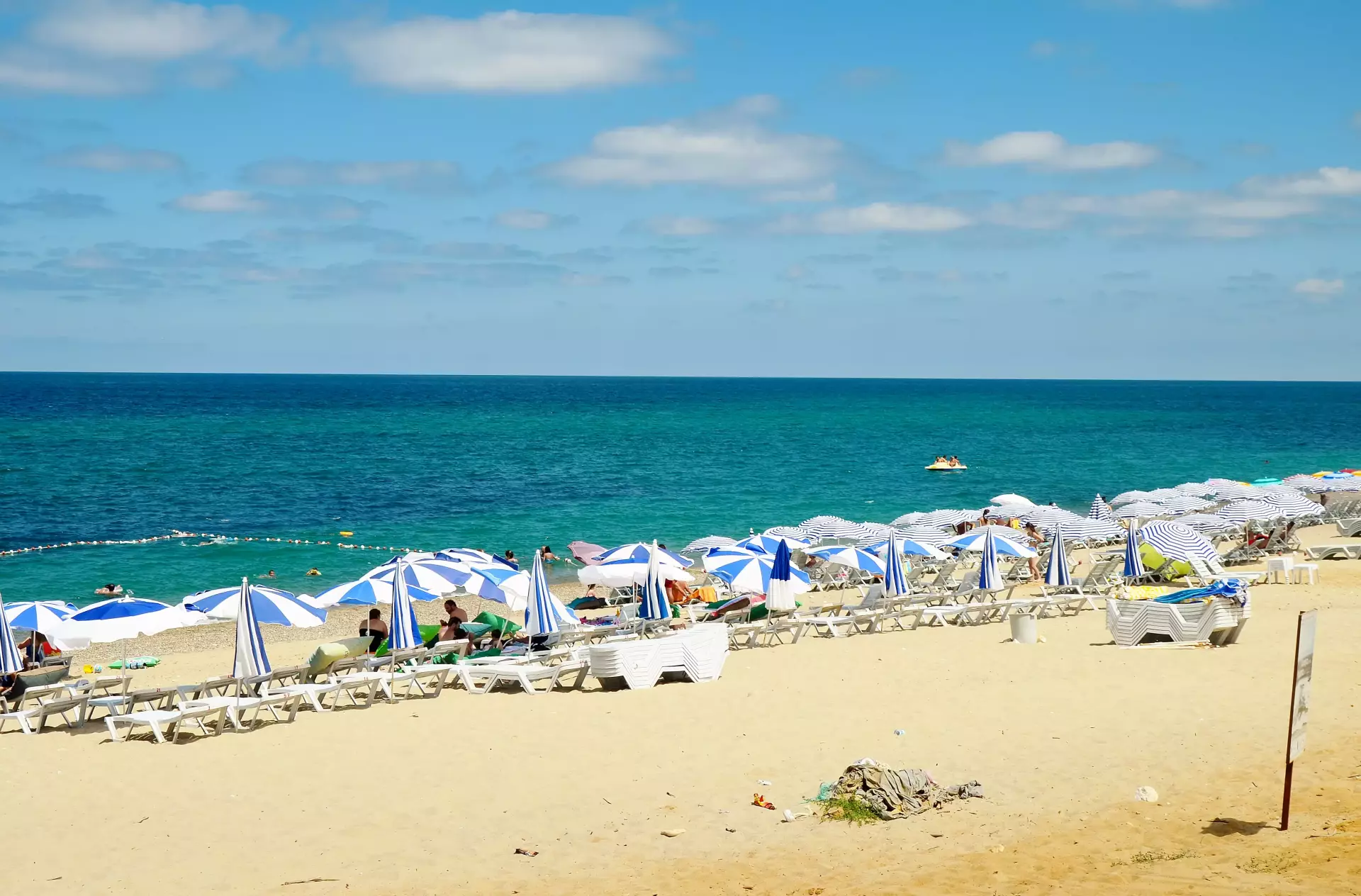
Yalıköy stands out among the resorts along this stretch of coastline. The beach here is known for its collection of multi-coloured stones, which add a unique charm to the shoreline. These vibrant stones are often chosen for creating garden mosaics in urban areas, adding a touch of nature’s artistry to city spaces.
Modern quarries operate close to Yalıköy, where the colorful stones are still extracted. These stones play an important role in the Turkish glass industry, continuing a long tradition of craftsmanship. The town itself offers a selection of restaurants and accommodations, providing visitors with a comfortable place to stay and sample local flavors while exploring the coastal scenery.
Source - https://en.wikipedia.org/wiki/Yal%C4%B1k%C3%B6y,_Istanbul
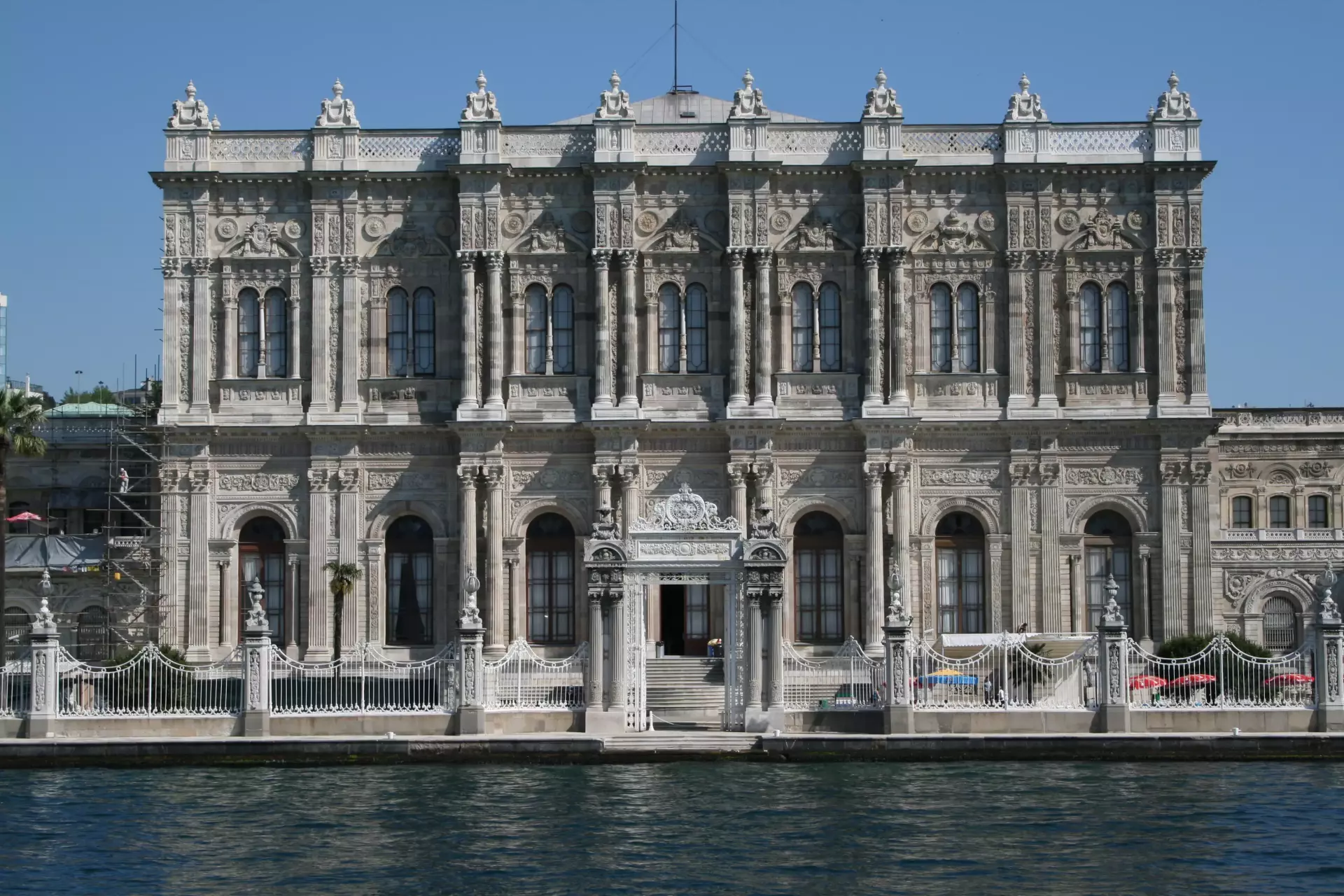
Completed in 1851, this houses a mantle said to have been worn by the prophet Muhammad. The mantle is displayed during Ramadan.
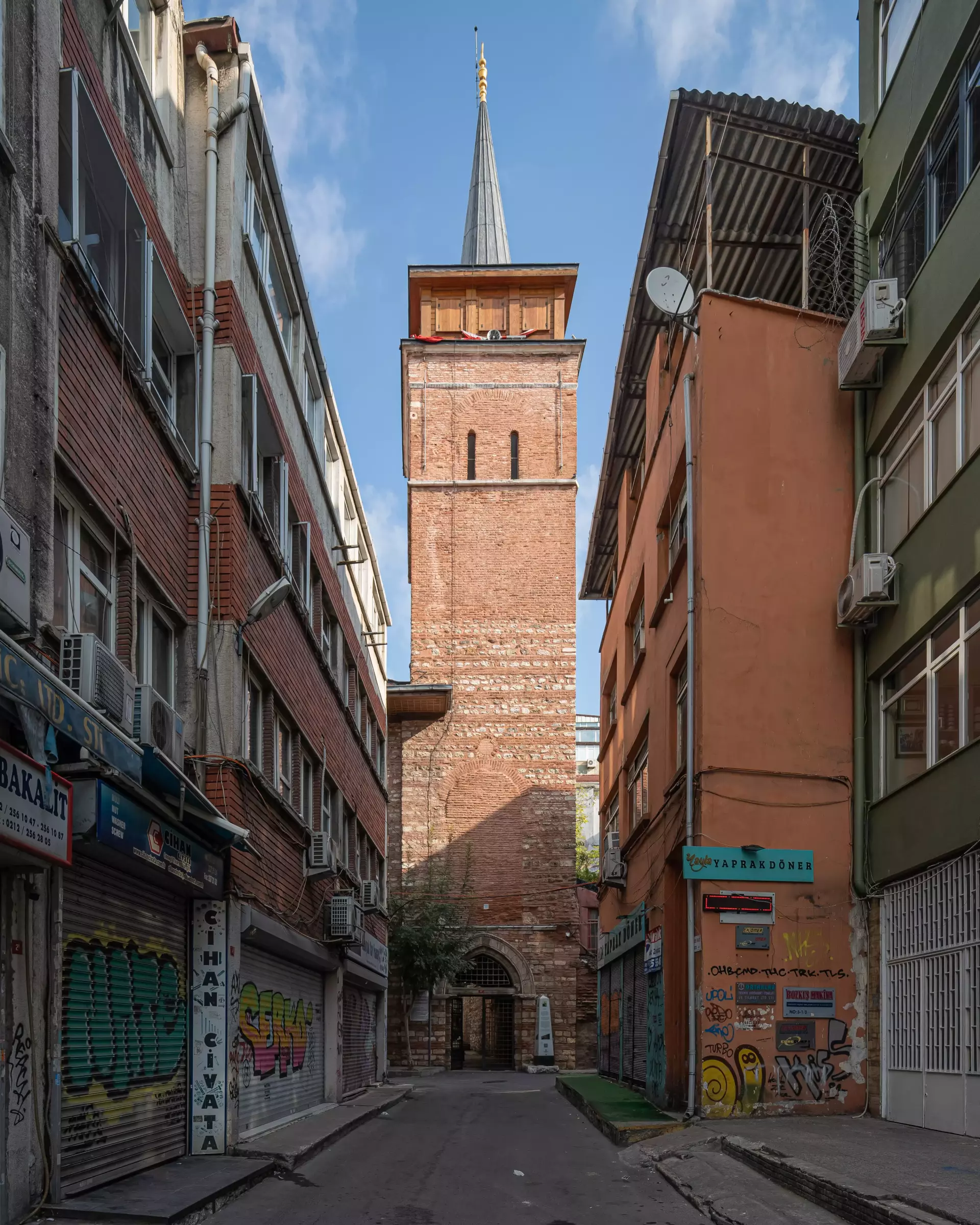
Built in the early 5th century as a monastery dedicated to Saint Andrew the Apostle, in 766 it was the burial place of Saint Andrew of Crete and was later re-dedicated to him. It was rebuilt in the late 9th century and again in the 13th, then around 1490 converted into a mosque. From the 16th century it was occupied by the Dervishes, when the legend arose that a chain hung to a cypress tree in the courtyard was a truth diviner. The chain was swung between rival witnesses and the one it hit was telling the truth. The cypress stump is still standing.
This is the main attraction around this part of the city. The holiest Islamic shrine in the city, the complex includes, right next to the mosque, the tomb of Abu Ayyub al-Ansari (Eyüp Ensari Türbesi), the standard bearer of Prophet Mohammad, died and buried here during the first Muslim siege of Constantinople (674-678 AD). The neighbourhood was named after him. Muslims flock here (in such huge numbers that sometimes you have to queue for a few minutes before entering the tomb) also to see a rather uninteresting plaque made of plastic, which is purported to be Mohammad's footprint. The interior of the tomb, covered with fine tiles/faience, is nonetheless well worth a look, however. It is also interesting to see the devout Muslims leaving the place by walking backwards through its exit hallway, as not to turn their backs to al-Ansari's catafalque, though obviously no one expects everyone to quit the place in the same manner.
On top of a hill overlooking the Golden Horn, this is a magnificent mosque built by Sinan in the 1550s. It was centrepiece of a large külliye, a religious complex which included madrasas, a public kitchen and a hospital.. The small cemetery east has the mausoleums of Suleiman the Magnificent and of his wife Hurrem Sultan or Roxelana.
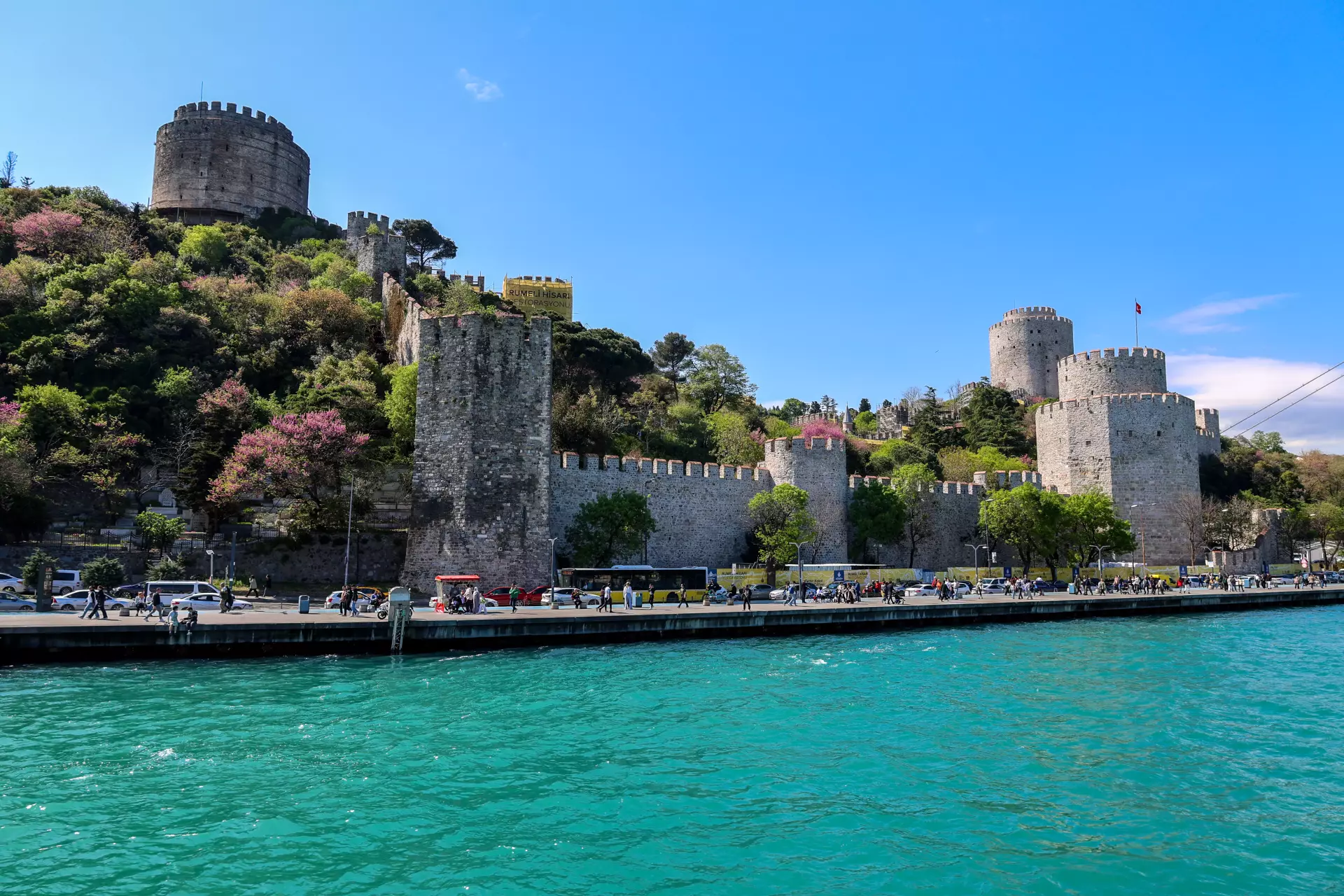
A medieval citadel on the Bosphorus at the mouth of the Göksu creek. It was built in the late 14th century to control (polite word for "choke off") shipping along the Bosphorus, which narrows to 660 m at this point. It worked in tandem with Rumeli Citadel, built some 50 years later on the European bank. It fell into disrepair but was restored in the 1990s. You can't go in, but it's a pleasant setting; the entire village is named Anadolu Hisarı after the fort and has many traditional wooden houses (yalı). Ferries along the Bosphorus call here.
Among the exhibition of this museum are five thousand pieces from the Ottoman era through WWII, with the most prominent piece possibly being the huge chain that the Byzantines stretched across the mouth of the Golden Horn to keep out the Sultan's navy in 1453 during the siege of Constantinople. In the yard of the museum, the Janissary Band (Mehter Takımı), the world’s oldest military band gives concerts of march music in traditional uniforms each afternoon, at 15:00.
Feshane began as a factory producing fezzes (fes), the red hats made of felt adopted by the Ottomans in the early 19th century as a part of westernizing efforts in lieu of much more traditional turbans. However, the fez was scrapped in favour of western garments during Atatürk's reforms of the 1920s and 30s as it was thought to symbolize the old, decidedly oriental regime. A restoration in 1998 made it a cultural and exhibition center, and after another in 2023, it was reopened as a culture and art center under the name Artistanbul Feshane.
A profusion of carpets, rugs, calligraphy, pottery, Qu'rans and other manuscripts. The museum is housed in the Palace of Pargalı Ibrahim Pasha (1495–1536), who was grand vizier to Suleiman the Magnificent, and the best of pals till Suleiman had him murdered.
Tiny house museum on the life of Turkish novelist Orhan Kemal (1914–1970).
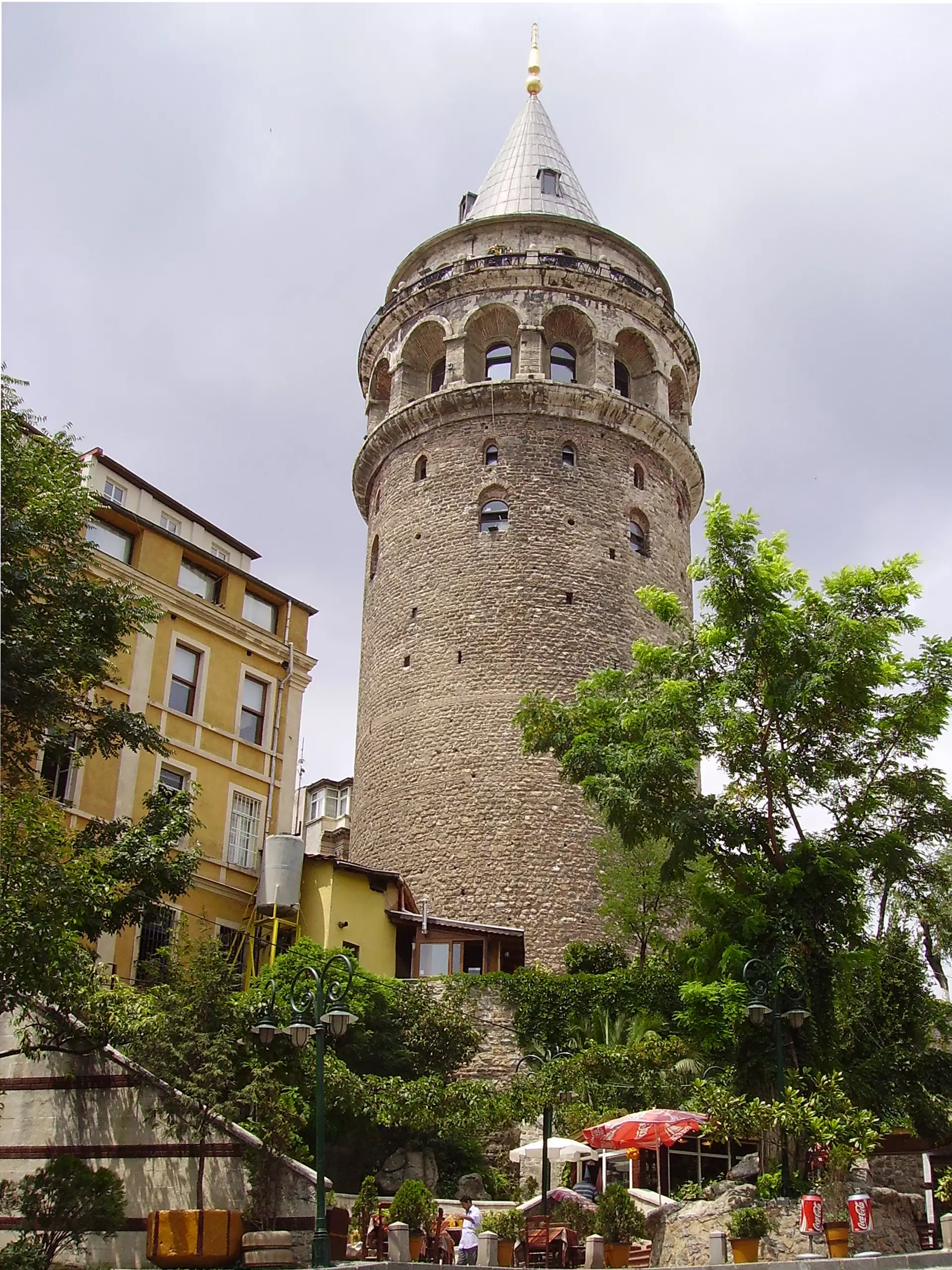
It was built in 2001 and is the first miniature park in Istanbul (the world's largest miniature park in respect to its model area). The park hosts icons of many cultures and civilizations. Models vary from the Hagia Sophia to Galata Tower, from Safranbolu Houses to the Sumela Monastery in Trabzon, from Qubbat As-Sakhrah to the ruins of Mount Nemrut. In addition, some works that have not survived into the present, such as the Temple of Artemis, the Halicarnassus Mausoleum and Ajyad Castle, were recreated. All former Ottoman Empire in one place.
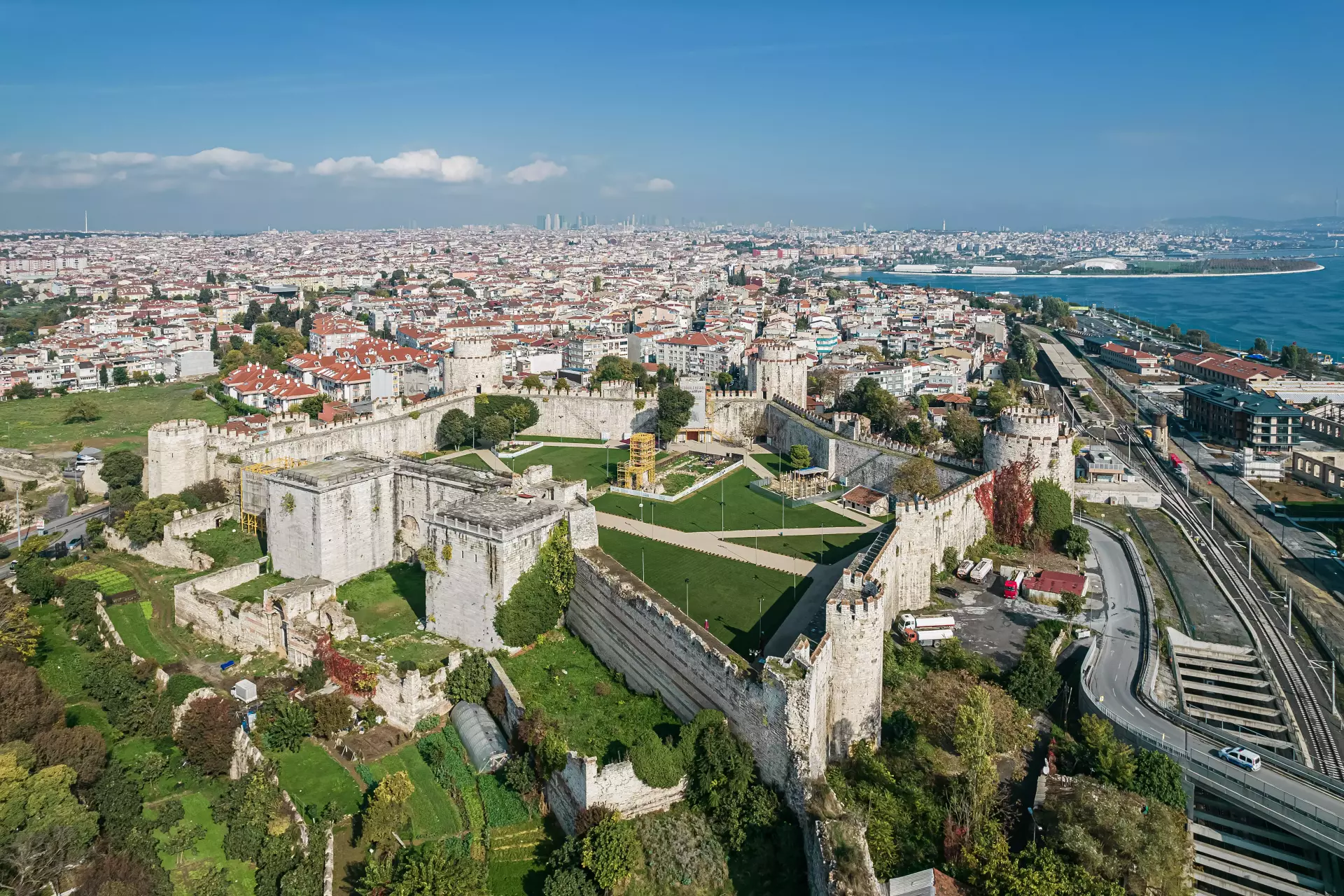
The Golden Gate was the ceremonial entrance through the Theodosian city walls. After the Ottomans captured the city in 1453, Mehmed II needed a stronghold for his treasures and documents. The gate was therefore bricked up and the walls reinforced into a fortress, with valuables stored in its seven towers, hence yedi kule. In the following century the treasury moved to Topkapi Palace and the fort became a prison for high-level detainees - Osman II was strangled here in 1622. It remained in use until 1837, whereupon the Golden Gate was re-opened.
A contemporary art museum in a building converted from an old power plant: 1914-built and coal-fired, this was the oldest in Istanbul and the Ottoman Empire. Part of the plant was kept in almost exact original condition and now serves as the "Energy Museum".
Named after a 16th-century village, founded by Serbs deported from Belgrade when it fell to the Ottomans. The village was popular as a forest resort, but its inhabitants were resettled in the 19th century and it's now a bosky ruin. The forest is mostly primordial and deciduous, predominantly oak. It's dotted with ancient aqueducts and dams as this area was a water catchment for Constantinople / Istanbul, and has lots of walking jogging and cycling trails and picnic areas. The two main ways in are via Bahçeköy (near the Arboretum entrance) and Kemerburgaz (which has the best aqueducts). There's a small access toll. The forest is supposedly a protected area but is being encroached on by highways and suburbs: this is likely to get worse as the access route to Istanbul's new airport leads right through it.
This was built in the 1430s by Grecian Jews ("Romaniotes") from the city of Ohrid, now in North Macedonia. The district of Balat was a Jewish quarter, swelled from 1492 by those expelled from Spain. The synagogue is only open for pre-arranged tours.
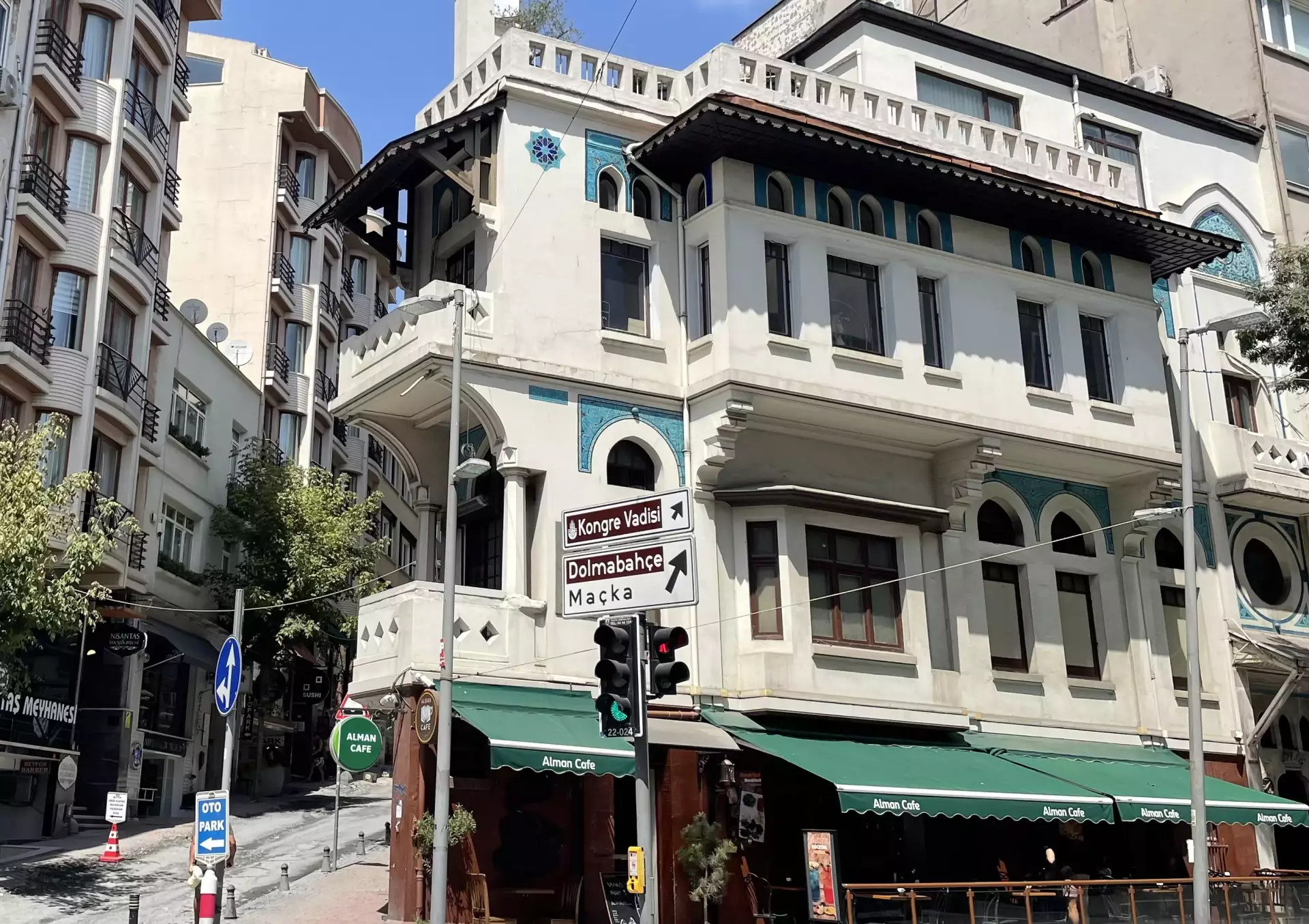
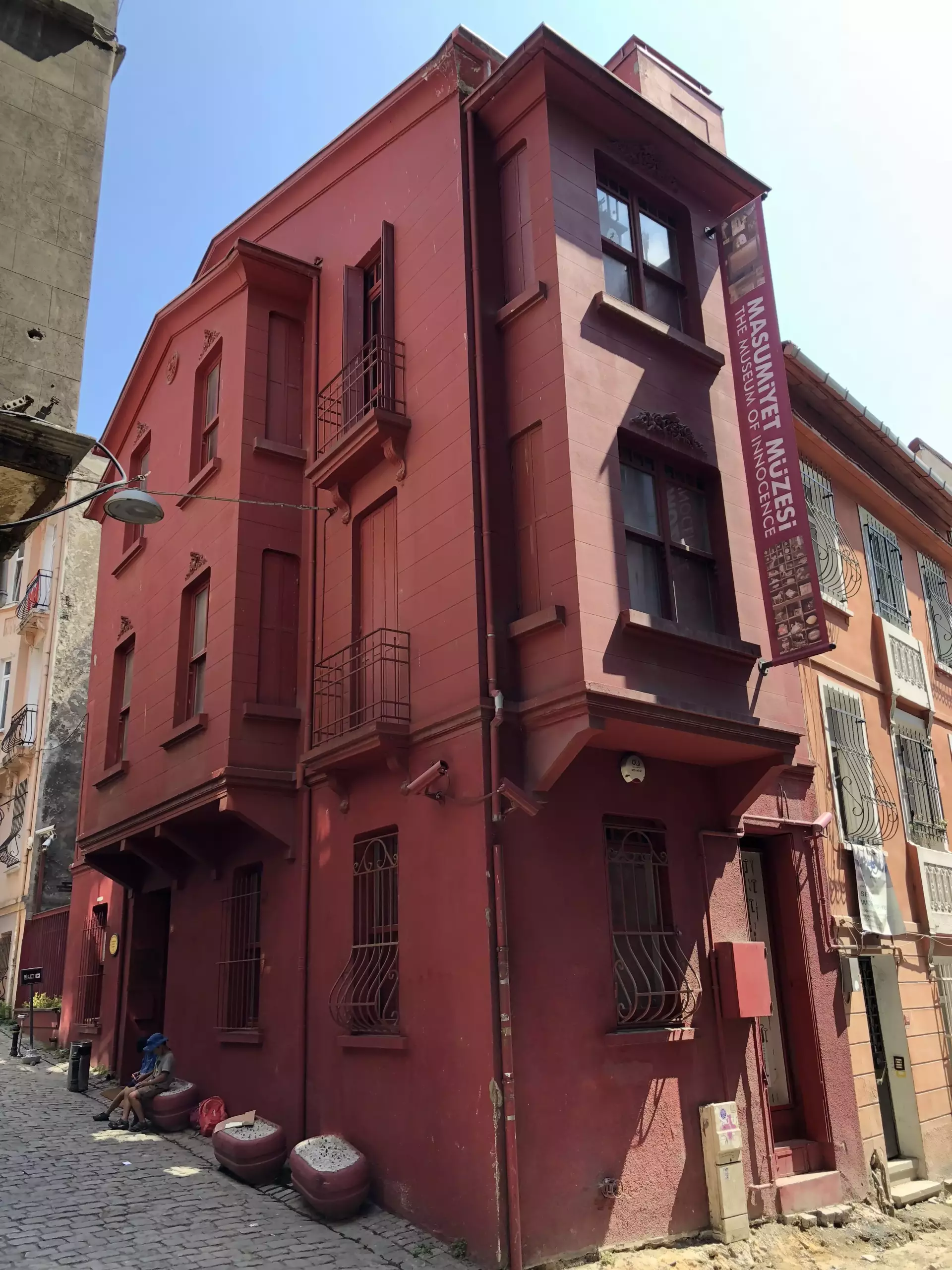
A neighbourhood east of Şişli known for its Art Nouveau apartment buildings, the ground floors of many of which are upmarket restaurants, cafes, pubs, and garment stores lining the sidewalks. Nobel laureate Orhan Pamuk, well-known Turkish novelist, is a lifelong resident of the neighbourhood which formed the background of several of his novels.
A charming domed church built in 1880 at the side of Taksim Square, now uneasily contesting with Taksim Mosque for being the main landmark of the southern edge of the square.
A village with an impressive citadel overlooking the Bosphorus and its mouth into the Black Sea. By land it's accessible only by a hairpinning road through the forest, with few buses. It's best reached by ferry from Eminönü (twice daily) or Sariyer (frequent). In the village, a road is signposted up to the hilltop Yoros citadel (a little more than 1 km, 20 min on foot, free admission). There's a pleasant area with cafés by the ferry pier; the place gets crowded at weekends during summer. Nasty big dogs stalk the citadel area at night. See Istanbul#The_classic_Bosphorus_cruise.
A historic house museum dedicated to the life of Adam Mickiewicz, renowned Polish poet. This is where he lived while in Turkey from September 1855 to 26 November 1855, when he died of illness.