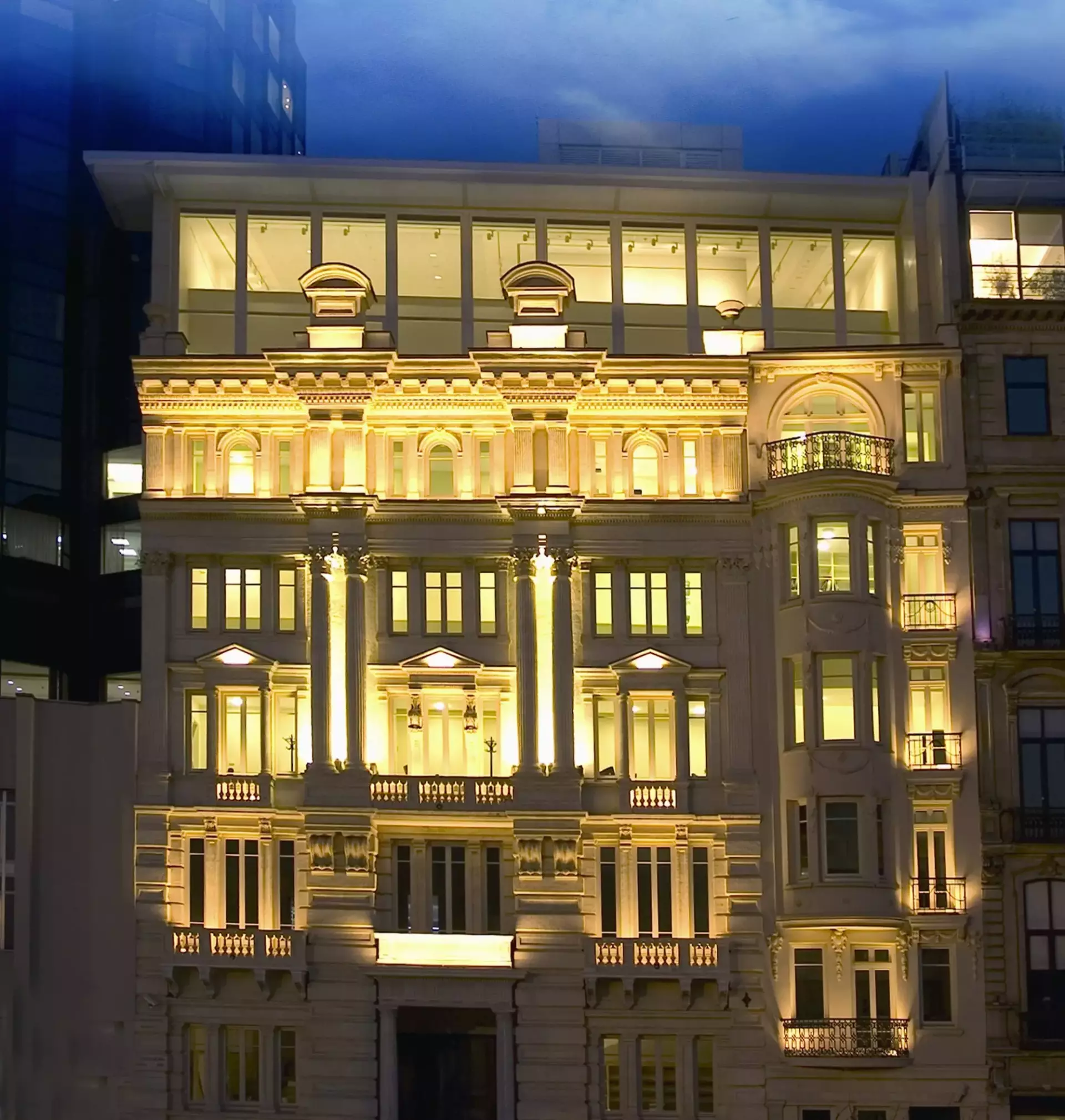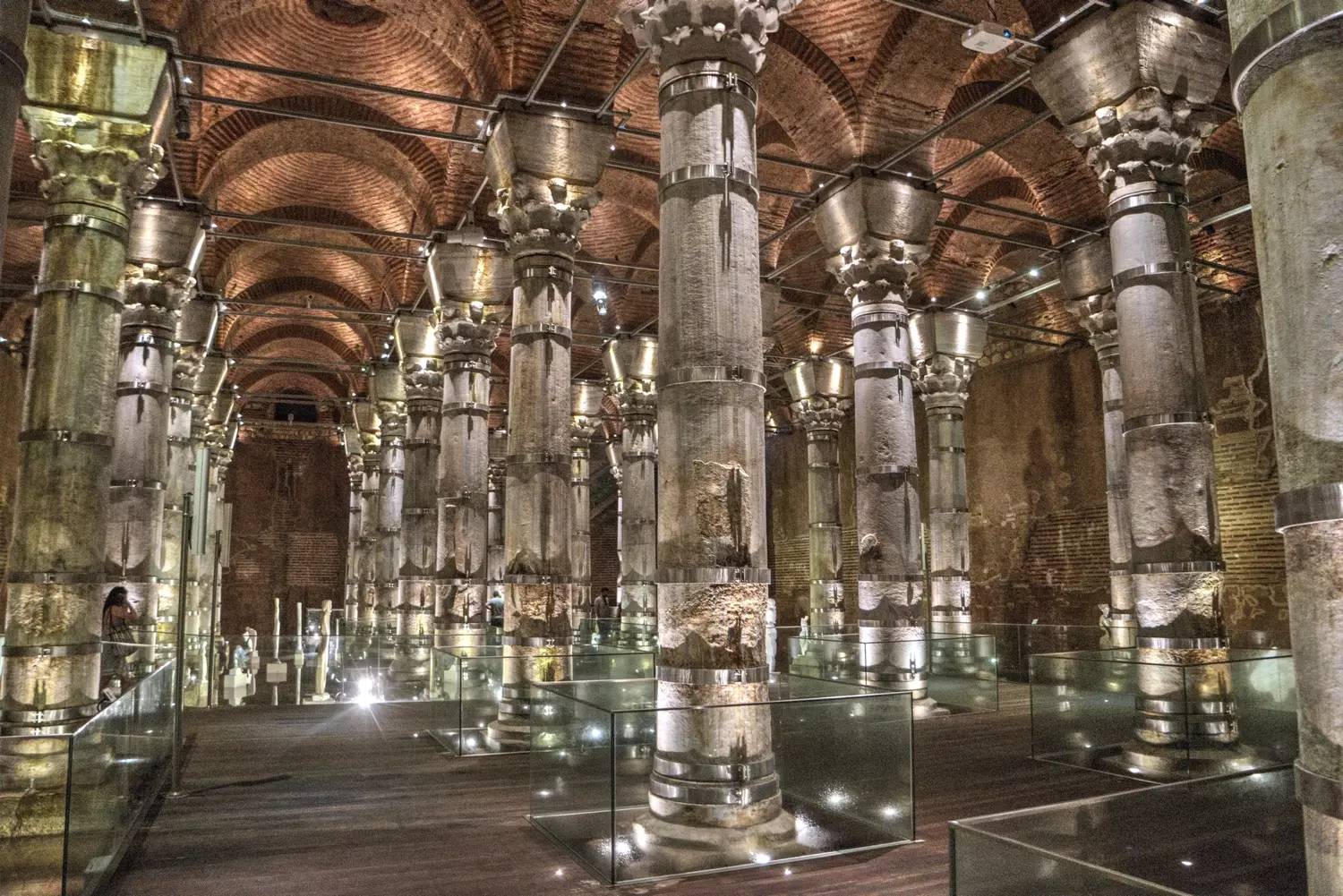
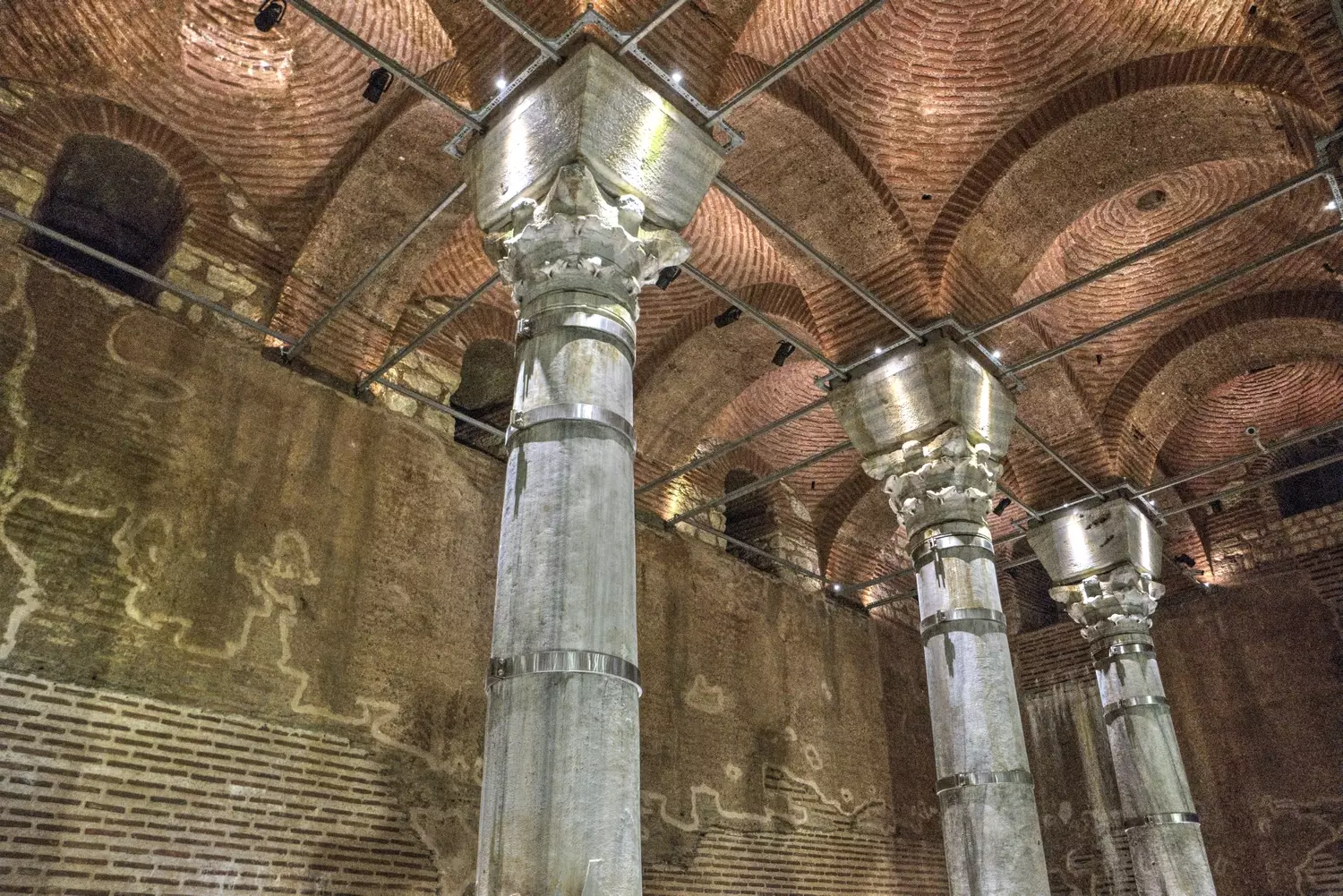
The Theodosius Cistern came to light again in 2010 after the demolition of a building that had stood above it for centuries. Originally constructed around 430 AD, this ancient structure was designed to store water supplied by the Valens Aqueduct, a key part of Istanbul’s historic water system.
Although the Theodosius Cistern is not as large as the famous Basilica Cistern, it offers a unique atmosphere. The lighting inside is thoughtfully arranged, creating a dramatic and mysterious setting that highlights its historic columns and arches. Visitors often find the quieter surroundings more peaceful, as the site tends to attract fewer crowds than other, more popular landmarks.
Source - https://en.wikipedia.org/wiki/Theodosius_Cistern
Among the exhibition of this museum are five thousand pieces from the Ottoman era through WWII, with the most prominent piece possibly being the huge chain that the Byzantines stretched across the mouth of the Golden Horn to keep out the Sultan's navy in 1453 during the siege of Constantinople. In the yard of the museum, the Janissary Band (Mehter Takımı), the world’s oldest military band gives concerts of march music in traditional uniforms each afternoon, at 15:00.
If you are already in the area, it's worth considering to visit this waterside neo-Baroque manor, built in the 19th century for the countryside and hunting excursions of the Ottoman dynasty. The area, where the Göksu River flows into the Bosphorus, was known as "the Sweet Waters of Asia" by the pioneer European travellers of the epoch (as opposed to "the Sweet Waters of Europe", another contemporary elite recreational area on the other side of the city, where the Kağıthane and Alibeyköy Rivers empty into the Golden Horn).
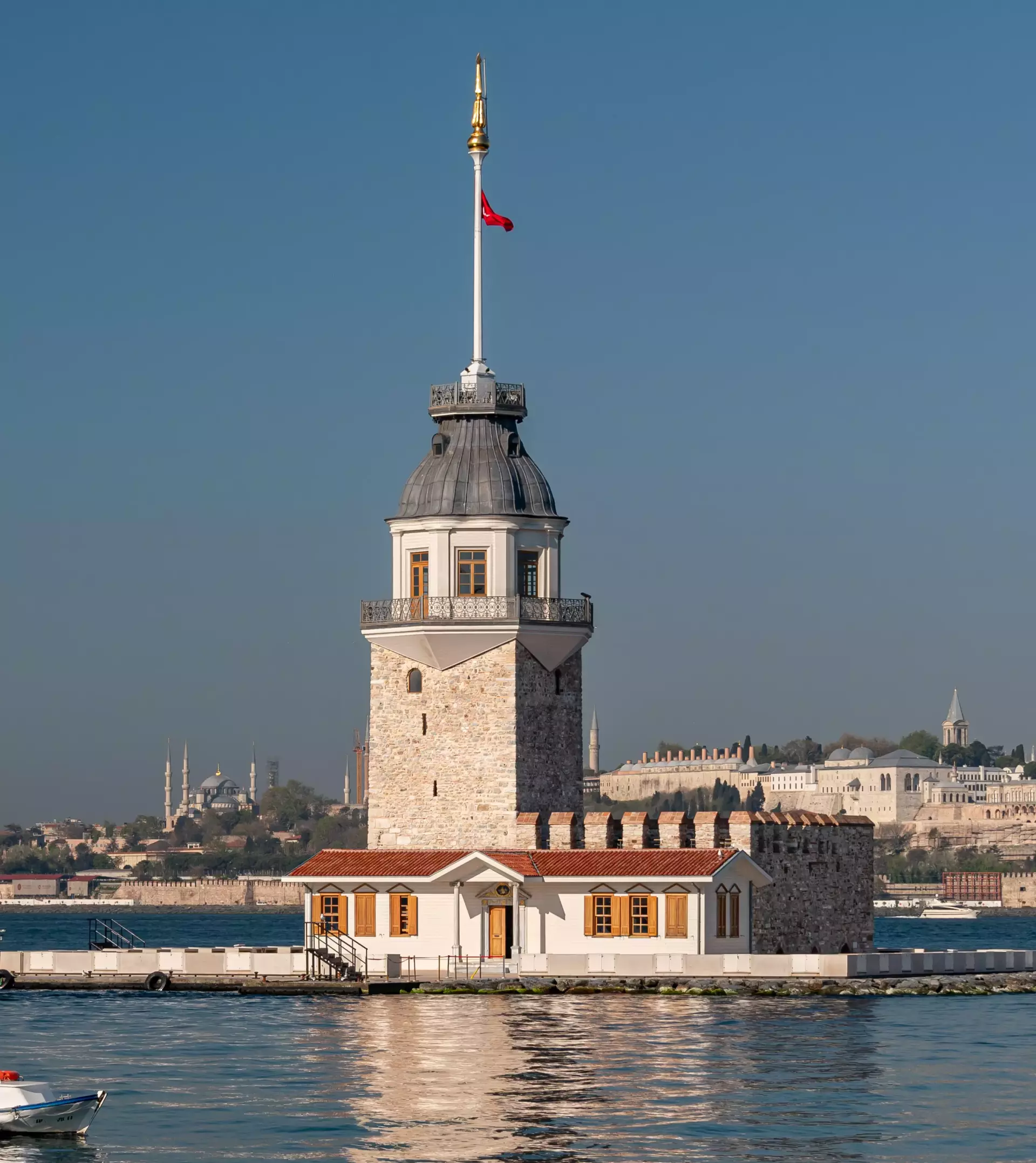
One of the icons of the city is also called the Leander's Tower, on a Bosphorus islet off Salacak. The local myth ascribes its name to a princess, whose father wanted to protect her in this offshore tower from a prophecy that she would be killed by a snakebite on her birthday, but the snake found its way inside a basket of fruits — ironically a birthday present from her father — and you've probably already guessed the rest of the story. In actual timeline, it served as a defensive structure (there was a wall connecting it to the Asian mainland, and the Byzantines used to stretch a chain from here to the European mainland across the mouth of the Bosphorus to shut it to adversary shipping in times of conflict, but they didn't during the final Ottoman siege in 1453), as a customs and quarantine station, as a lighthouse, as a warehouse of various sorts of goods, and as a high-end restaurant before the last restoration finished in 2023 dedicated it as a museum. There is a light show viewable from the mainland every day at 21:00.
Istanbul's former Asia-side railway station nowadays has no trains, but is worth a look. It was built by the Germans in 1908 in a distinctive Teutonic-castle style - to make an impact on travellers from Asia about to step into Europe, and a counterpoint to Sirkeci station (also closed) on the European side which is modelled in Oriental style. It's intended eventually to make this the terminus for the high speed rail network.
The Golden Gate was the ceremonial entrance through the Theodosian city walls. After the Ottomans captured the city in 1453, Mehmed II needed a stronghold for his treasures and documents. The gate was therefore bricked up and the walls reinforced into a fortress, with valuables stored in its seven towers, hence yedi kule. In the following century the treasury moved to Topkapi Palace and the fort became a prison for high-level detainees - Osman II was strangled here in 1622. It remained in use until 1837, whereupon the Golden Gate was re-opened.
A ritual dancing hall of the mystical Mevlevi order, the followers of the teachings of Mewlānā Rumi. The quiet and peaceful garden is a welcome escape from the hustle and bustle of Beyoğlu. The oldest Mevlevi lodge in Istanbul, the convent was started in 1491, when the surrounding area was, hard to believe today but, pure wilderness beyond the city walls of Galata, although the current building dates back to 1855, as the older versions succumbed to repairs, rebuildings, and fires. However, the lodge was shut down in the early years of the republic (in 1925) along with all other 'reactionary' movements in Turkey, and the building has been serving as a museum dedicated to the Mevlevi order since 2010. Downstairs is a series of rooms dealing with the daily life of an average dervish, with informational signs in Turkish and English about the history of Islam and the Mevlevi order (also notice the original wooden pillars that support the building on this floor). On the upper floor is a dancing hall, a perfect example of 19th century Ottoman Baroque. Pre-Covid, this was where the sema whirling ceremonies were held every weekend evenings (admission by an extra ticket costing around 100 TL); check if they resumed. On the third floor is a display of various traditional Turkish/Islamic arts, including paper marbling (ebru), and calligraphy. After exiting the building, check out the small graveyard (or the "silent house" as the sign at its entrance says) on one side of the building, shaded by a number of hackberry trees, which Ottomans favoured to plant in the yards of mosques and graves to sign holiness. Here, the carved fez, or the basket of flowers in case of women, perched upon the highly detailed marble gravestone indicates the occupant's rank in the dervish hierarchy. At one corner of the necropolis is the grave of İbrahim Müteferrika, a converted Hungarian who was the first to start automated publishing in Ottoman Turkish in the 18th century, and served as the translator of Hungarian revolutionaries who sought asylum in Turkey, such as Kossuth, who stayed for a year in Kütahya, or Ferenc Rakoczi, who lived his last years in Tekirdağ.
This lavish palace with 285 rooms and 43 halls was the admin centre for the Ottoman Empire in its last 60 years. The palace government block (Selamlık) includes the Imperial Mabeyn (State Apartments) and Muayede Hall (Ceremonial Hall), while the Imperial Harem was the sultan's private quarters. Also here are the Painting Gallery, Music Museum, Clock Museum and Museum of Palace Collections. Free audio guide in several languages available by the ticket office. No photography inside, no backpacks but you can leave them in the cloakroom. Allow 3 hours to see everything.
Turkey was slow to protect its antiquities and to display them properly, but in 1867 Sultan Abdülaziz toured the museums of Paris, London and Vienna and saw what was needed. The main collection is in a grand neo-classical building of 1891, with two annexes for ancient art and Islamic art. Exhibits include Sumerian tablets, pieces of the wall of Babylon, Roman statues, and the sarcophagus of Alexander the Great, which he never lay in.
Situated on the gentle hill overlooking the neighbourhood of Emirgan and the Bosphorus, Emirgan Park was for long the only place in the city where Istanbulites can admire the beauty of tulips. Having lost that distinction since the first decade of the 2000s as tulips are now everywhere, this is still a beautiful park with artificial ponds, small waterfalls, and impressive views of the Bosphorus. There are also cafes with open-air sections housed in pleasant former imperial hunting manors. Squirrels are there, too, in the middle of this metropolis of more than 15 million people, though you may have to look a bit deeper (or a bit upper on the branches!) to spot them.
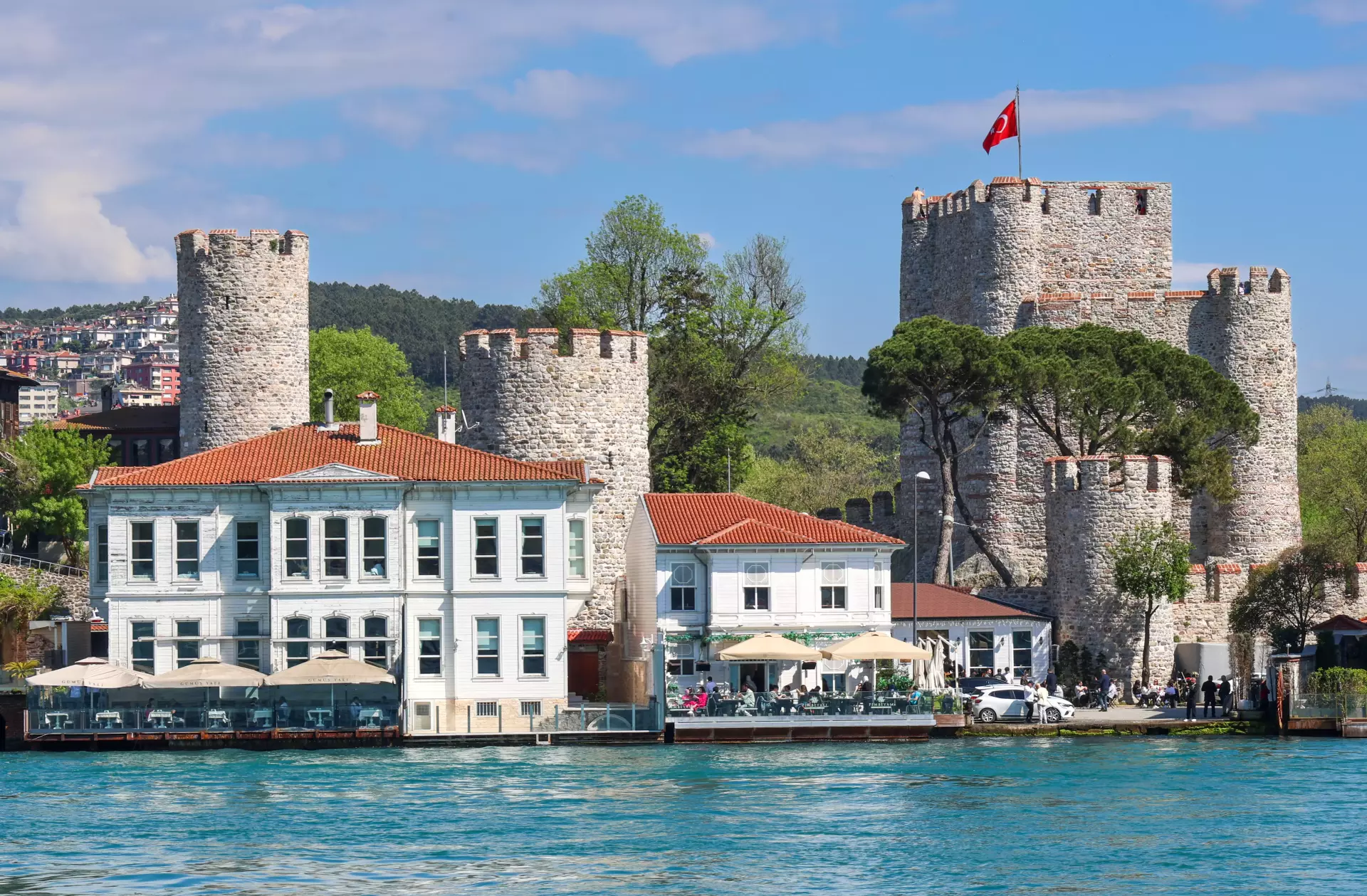
A medieval citadel on the Bosphorus at the mouth of the Göksu creek. It was built in the late 14th century to control (polite word for "choke off") shipping along the Bosphorus, which narrows to 660 m at this point. It worked in tandem with Rumeli Citadel, built some 50 years later on the European bank. It fell into disrepair but was restored in the 1990s. You can't go in, but it's a pleasant setting; the entire village is named Anadolu Hisarı after the fort and has many traditional wooden houses (yalı). Ferries along the Bosphorus call here.
A charming domed church built in 1880 at the side of Taksim Square, now uneasily contesting with Taksim Mosque for being the main landmark of the southern edge of the square.
The only active Ashkenazi Synagogue open to visits and prayers.
The "Polish village" was founded in 1842 by Polish settlers in the wake of the failed uprising against Russian Imperial rule, and reinforced by more settlers after every subsequent civil upheaval until Poland's independence in 1918. Most then returned, but several stayed on, adopting Turkish citizenship but maintaining their Polish language and culture. The village has houses in traditional Polish style, a 1914 little Catholic chapel, and the Church of Matka Boska Częstochowska. It's set in woodland (a nature park) and is a popular day-trip from the city. There's four restaurants and half a dozen small hotels, plus more of each in nearby Beykoz.
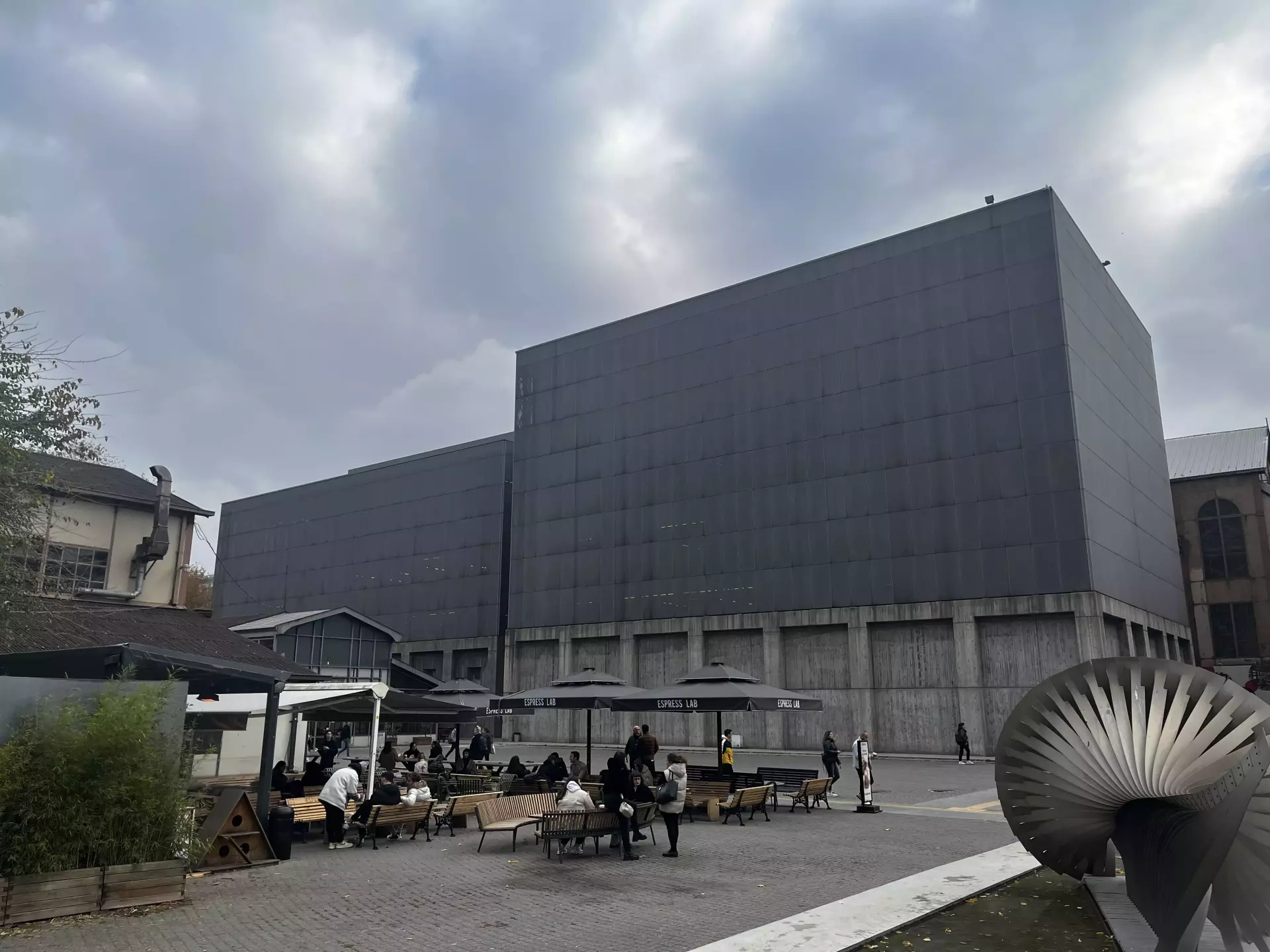
Feshane began as a factory producing fezzes (fes), the red hats made of felt adopted by the Ottomans in the early 19th century as a part of westernizing efforts in lieu of much more traditional turbans. However, the fez was scrapped in favour of western garments during Atatürk's reforms of the 1920s and 30s as it was thought to symbolize the old, decidedly oriental regime. A restoration in 1998 made it a cultural and exhibition center, and after another in 2023, it was reopened as a culture and art center under the name Artistanbul Feshane.
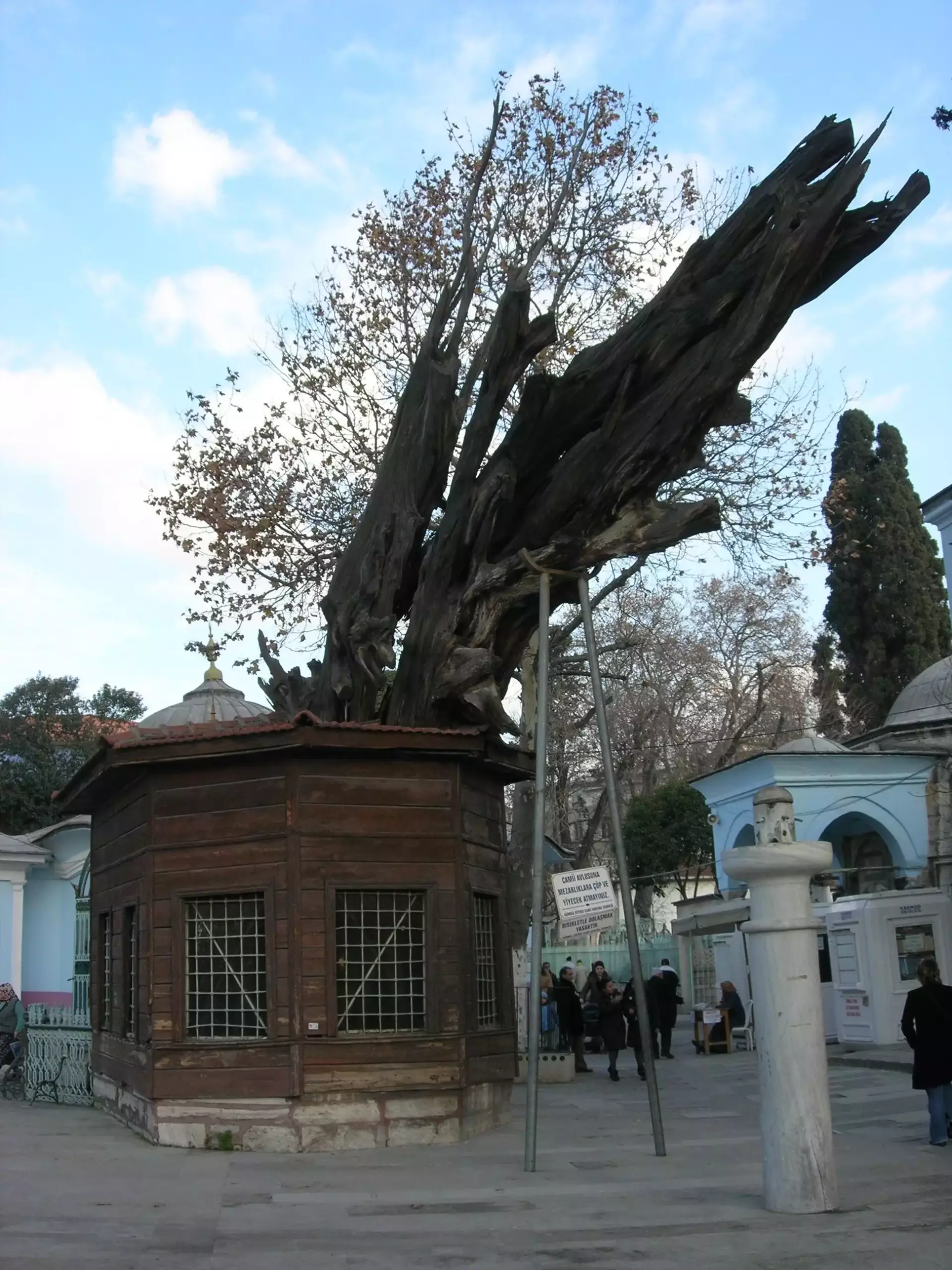
Built in the early 5th century as a monastery dedicated to Saint Andrew the Apostle, in 766 it was the burial place of Saint Andrew of Crete and was later re-dedicated to him. It was rebuilt in the late 9th century and again in the 13th, then around 1490 converted into a mosque. From the 16th century it was occupied by the Dervishes, when the legend arose that a chain hung to a cypress tree in the courtyard was a truth diviner. The chain was swung between rival witnesses and the one it hit was telling the truth. The cypress stump is still standing.
This was built in the 1430s by Grecian Jews ("Romaniotes") from the city of Ohrid, now in North Macedonia. The district of Balat was a Jewish quarter, swelled from 1492 by those expelled from Spain. The synagogue is only open for pre-arranged tours.
Tiny house museum on the life of Turkish novelist Orhan Kemal (1914–1970).