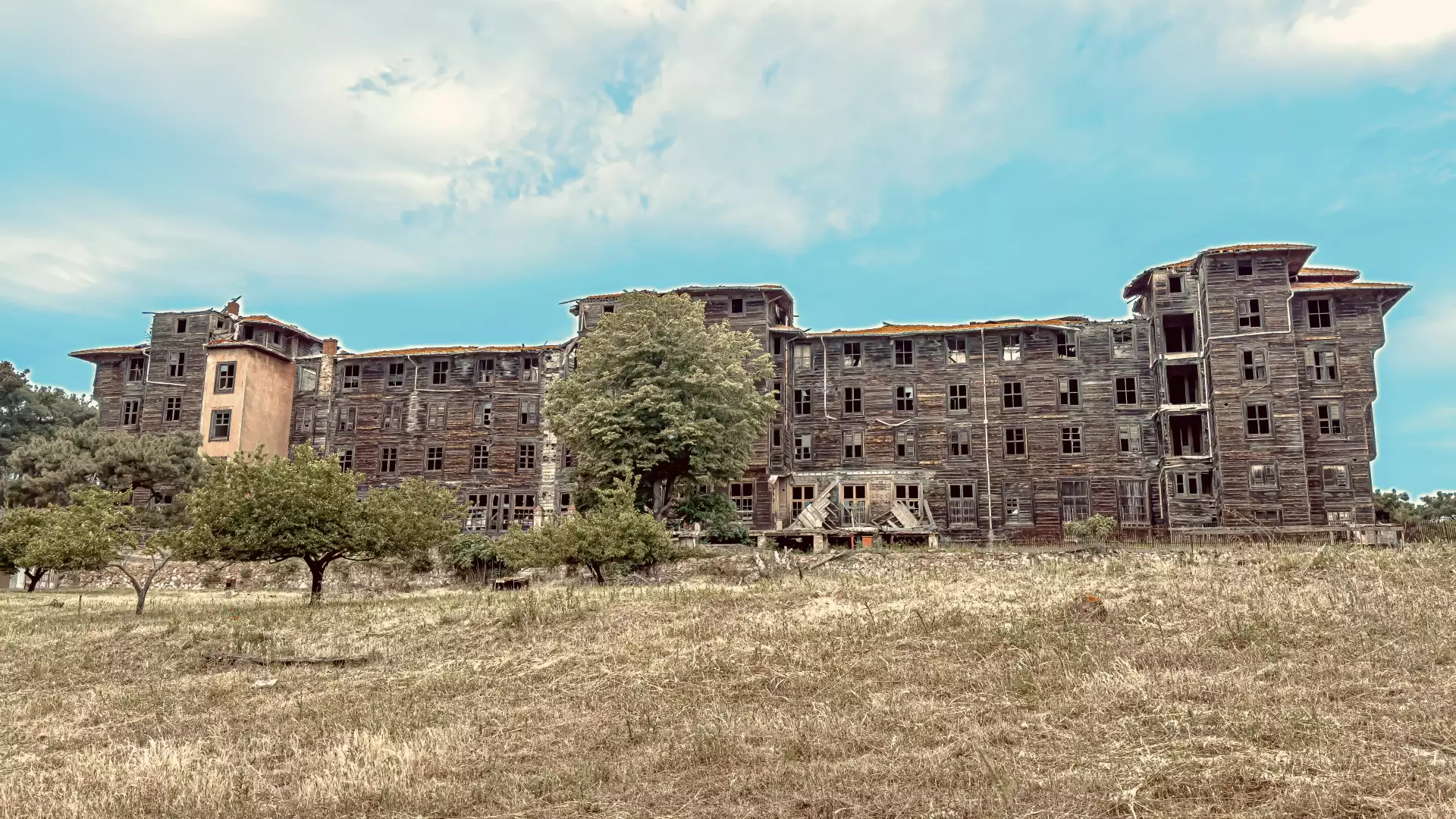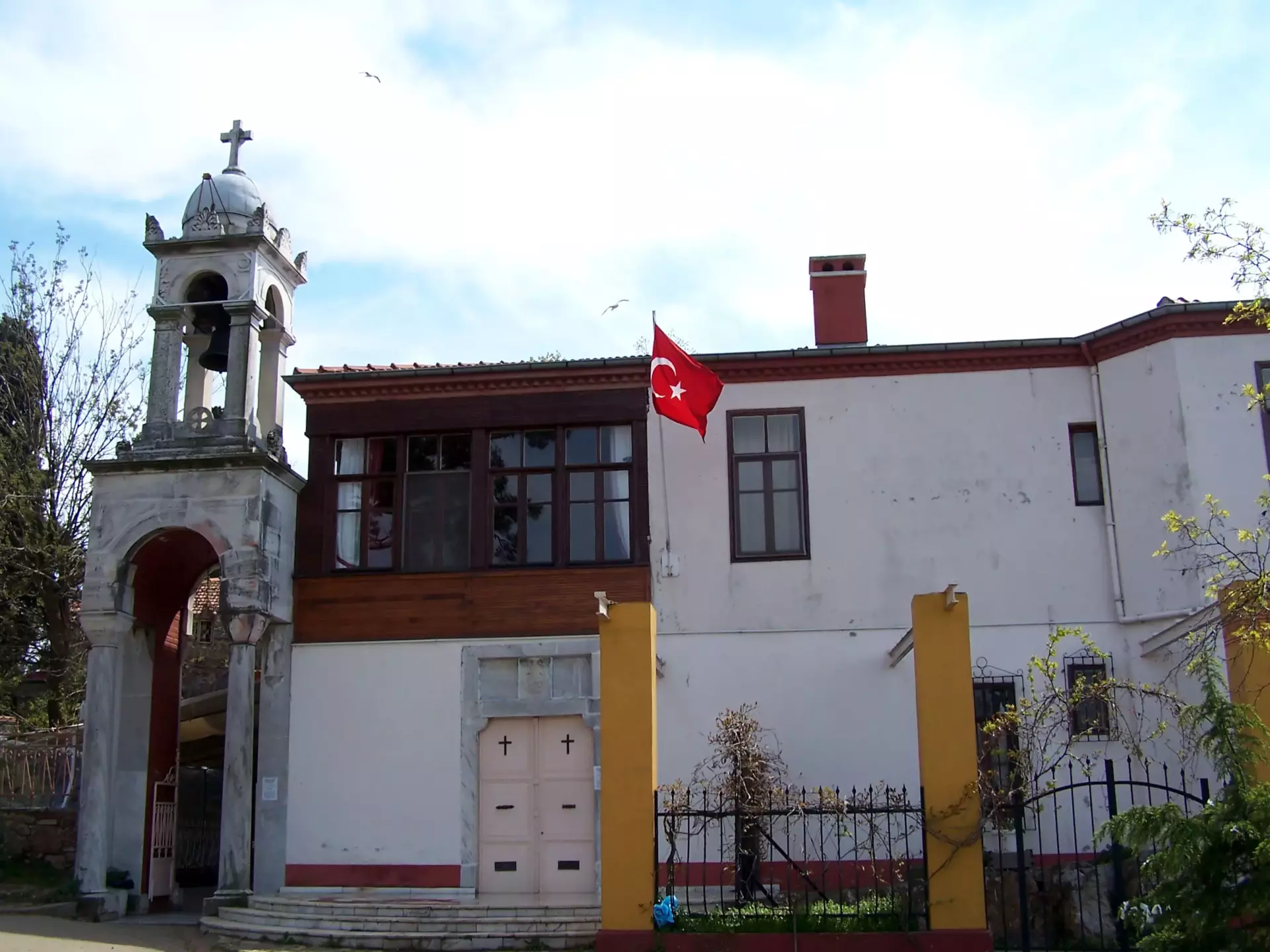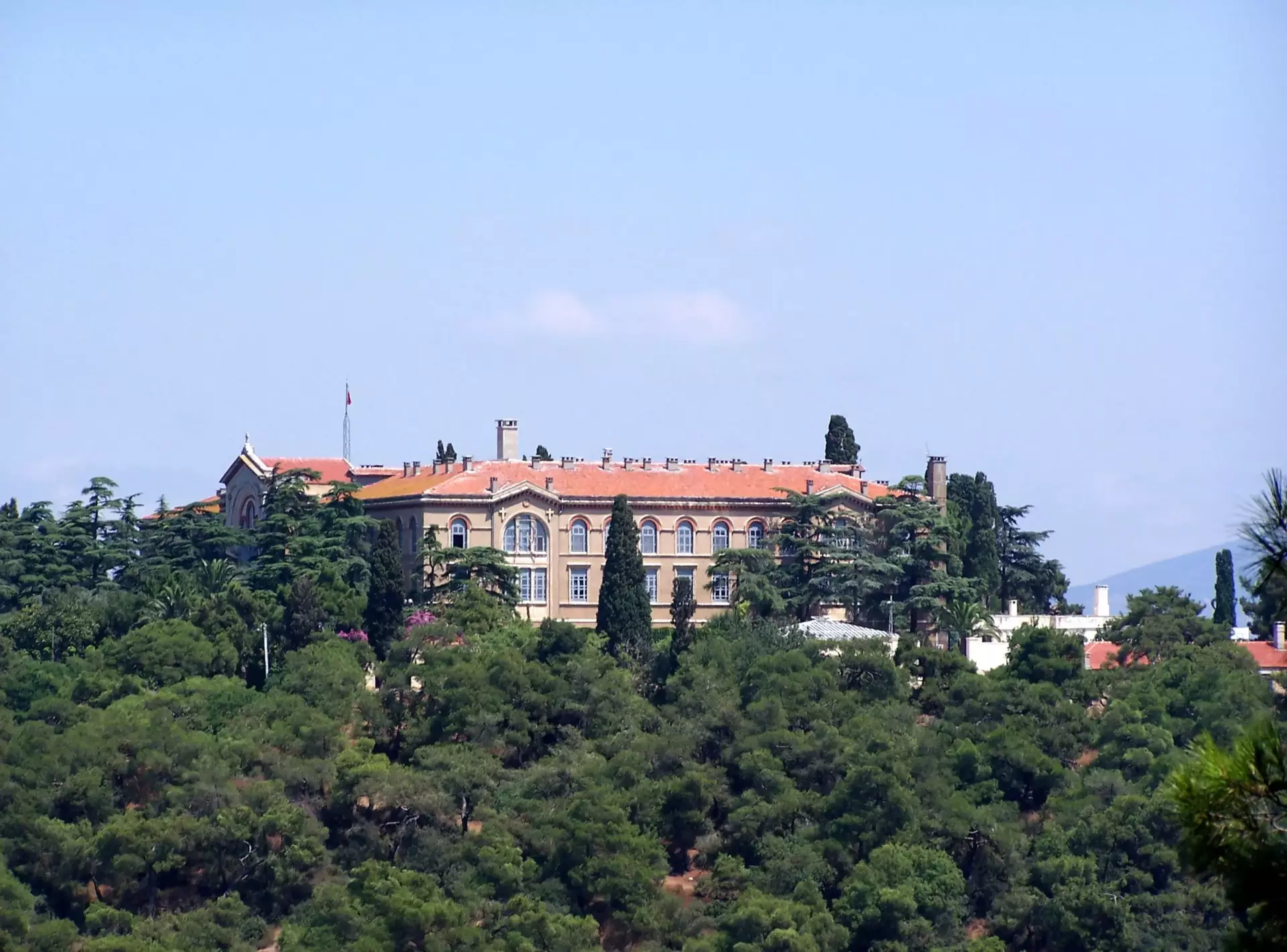
Halki Seminary is an important religious and educational institution located on the island of Heybeliada, near Istanbul, Turkey. Built in 1844, it served as the main school of theology for the Eastern Orthodox Church for more than a century. The seminary is part of the Monastery of the Holy Trinity, which was originally founded in the ninth century.
For many years, Halki Seminary trained future leaders, priests, and teachers of the Orthodox Church. Students came from many different countries to study philosophy, theology, and languages. The campus includes classrooms, a library with thousands of books, and a chapel where students and teachers gather to pray and reflect.
In 1971, the school had to close its doors due to changes in Turkish law. Since then, the buildings have been closed for education, but the site is still carefully maintained. The monastery and its gardens remain peaceful, surrounded by pine trees and offering views of the sea. Many people visit for religious reasons or simply to see the beautiful grounds and historic architecture.
Halki Seminary is more than just a school. It is a symbol of the Orthodox Christian presence in Turkey and a reminder of the country’s diverse religious history. Over the years, the seminary has welcomed visitors including politicians, church leaders, and journalists, all interested in its story and future.
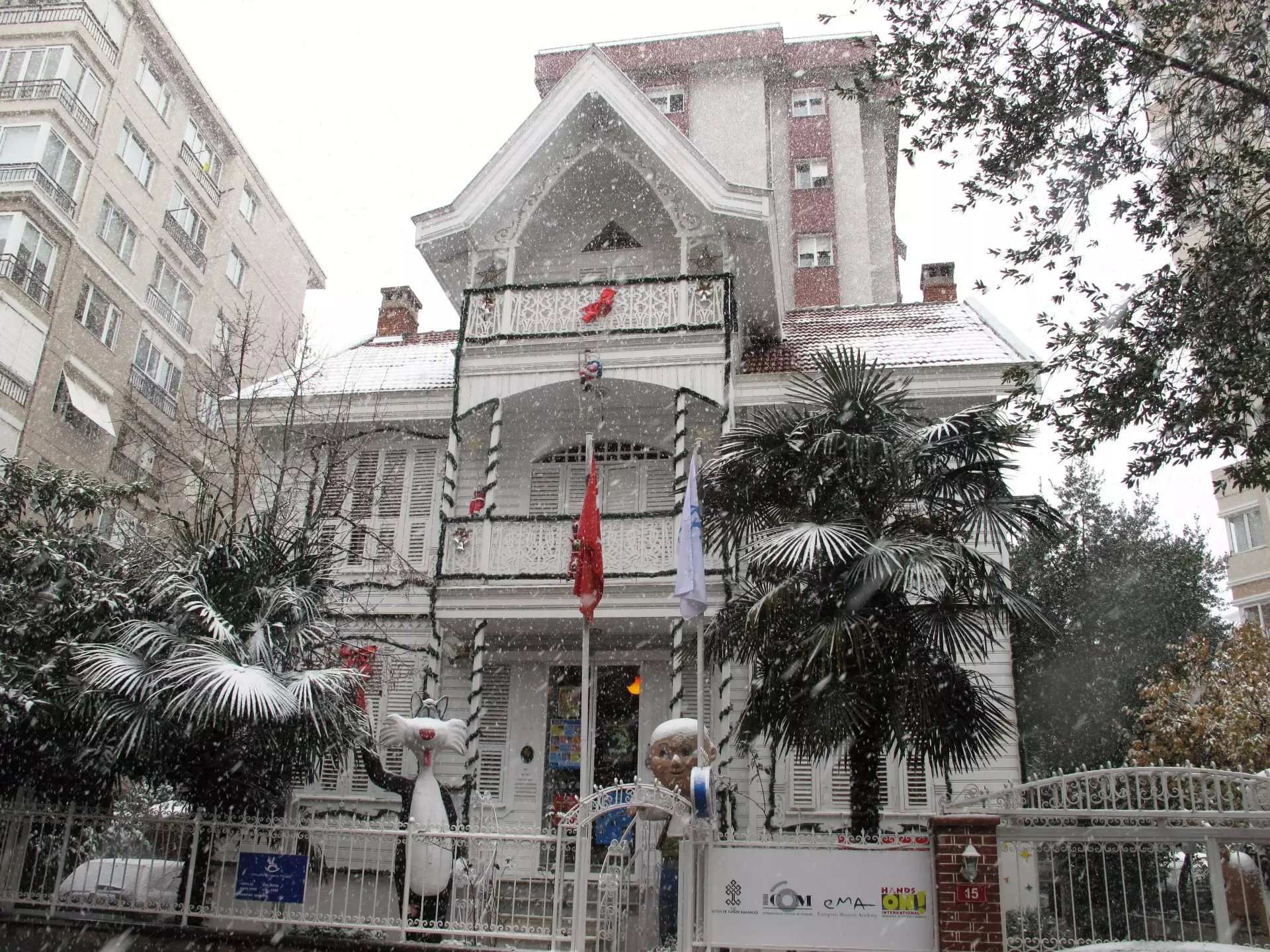
If you are already in the area, it's worth considering to visit this waterside neo-Baroque manor, built in the 19th century for the countryside and hunting excursions of the Ottoman dynasty. The area, where the Göksu River flows into the Bosphorus, was known as "the Sweet Waters of Asia" by the pioneer European travellers of the epoch (as opposed to "the Sweet Waters of Europe", another contemporary elite recreational area on the other side of the city, where the Kağıthane and Alibeyköy Rivers empty into the Golden Horn).
A neo-gothic Anglican cathedral which would not be out of place in northwestern Europe, the Crimean Memorial Church was built for the Protestant community of the city by Britain in the late 19th century. It was named in honour of the soldiers died in the Crimean War of 1856, fought against Russia by the allied Ottoman and British Empires. The congregation of the church today mostly consists of Anglican East Asians and Sri Lankans resident in Istanbul.
The avenue has little in common with Baghdad, except it was the beginning of the Ottoman-era route to that city followed by many, including Ottoman sultan Murat IV during his march upon Persia, after which he captured Baghdad. In fact, with its sidewalk cafés and Western restaurants, Bağdat Caddesi is usually considered as one of Istanbul's most western-flavoured streets, ironically located in Asia. This street is not completely pedestrianized unlike Istiklal Street, which serves a similar function on the European Side, but its broad sidewalks with tree shade offer a pleasant walk. The restaurants and cafés on the avenue are mainly upscale, but there are also some quite affordable ones scattered around occasionally. Shopping opportunities also abound. From Kadıköy, take the Bostancı-bound dolmuşes (from just south of the ferries) or the public bus #4 (its stop is near the one for the dolmuş, but separate).
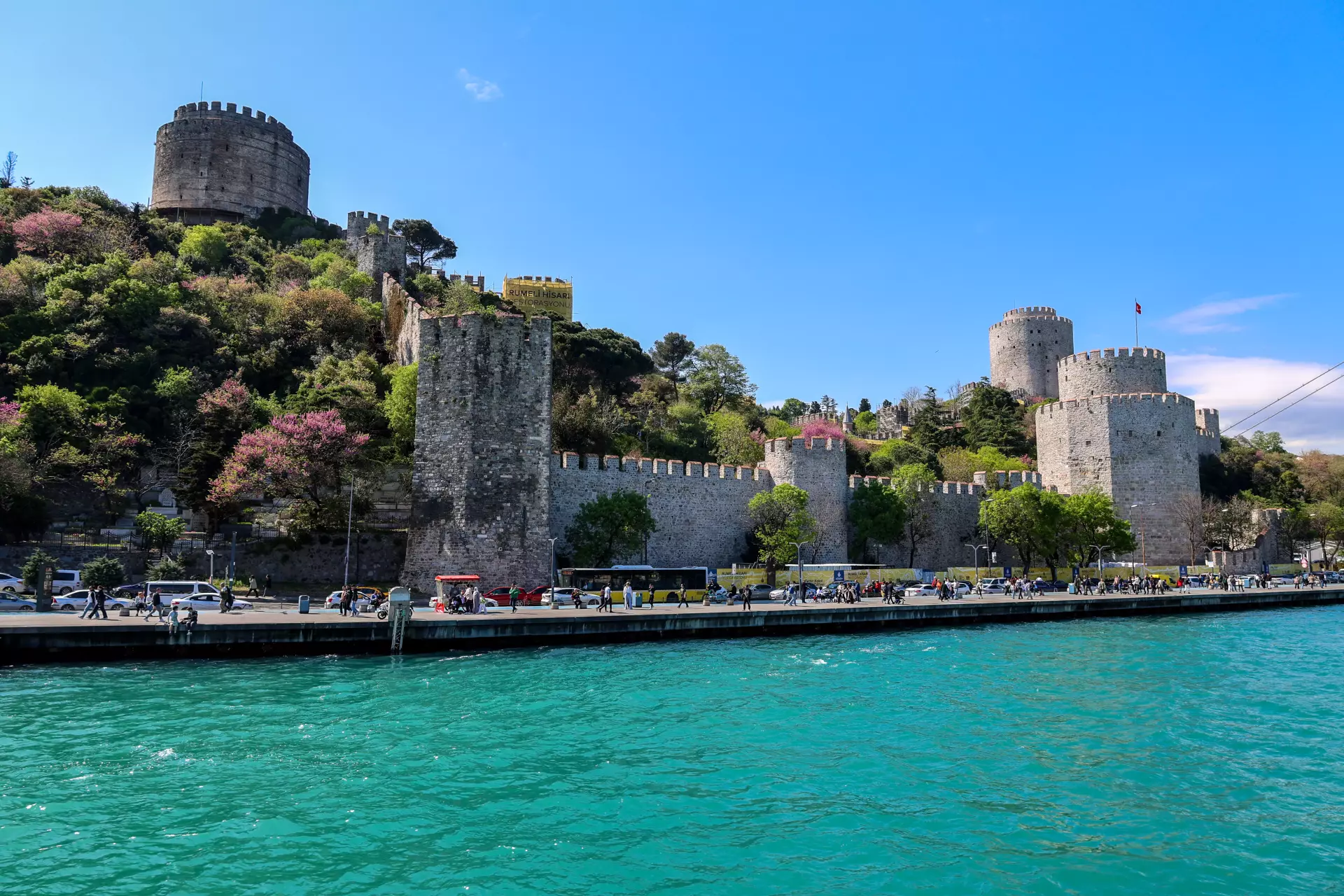
A medieval citadel on the Bosphorus at the mouth of the Göksu creek. It was built in the late 14th century to control (polite word for "choke off") shipping along the Bosphorus, which narrows to 660 m at this point. It worked in tandem with Rumeli Citadel, built some 50 years later on the European bank. It fell into disrepair but was restored in the 1990s. You can't go in, but it's a pleasant setting; the entire village is named Anadolu Hisarı after the fort and has many traditional wooden houses (yalı). Ferries along the Bosphorus call here.
Sokollu Mehmet Pasha was the grand vizier and de facto ruler of the Ottoman Empire during its 16th century golden age. He commissioned this mosque, one of three in the city to bear his name, but the sloping site was a challenge. He hired the best, Mimar Sinan, who completed it in 979 AH / 1571 AD, with the slope resolved by a fronting courtyard above shops and a medrese. The interior has outstanding İznik blue tiles, and three fragments of the Black Stone (Hajar al-Aswad) of the Kaaba: above the main entrance, minbar and mihrab.
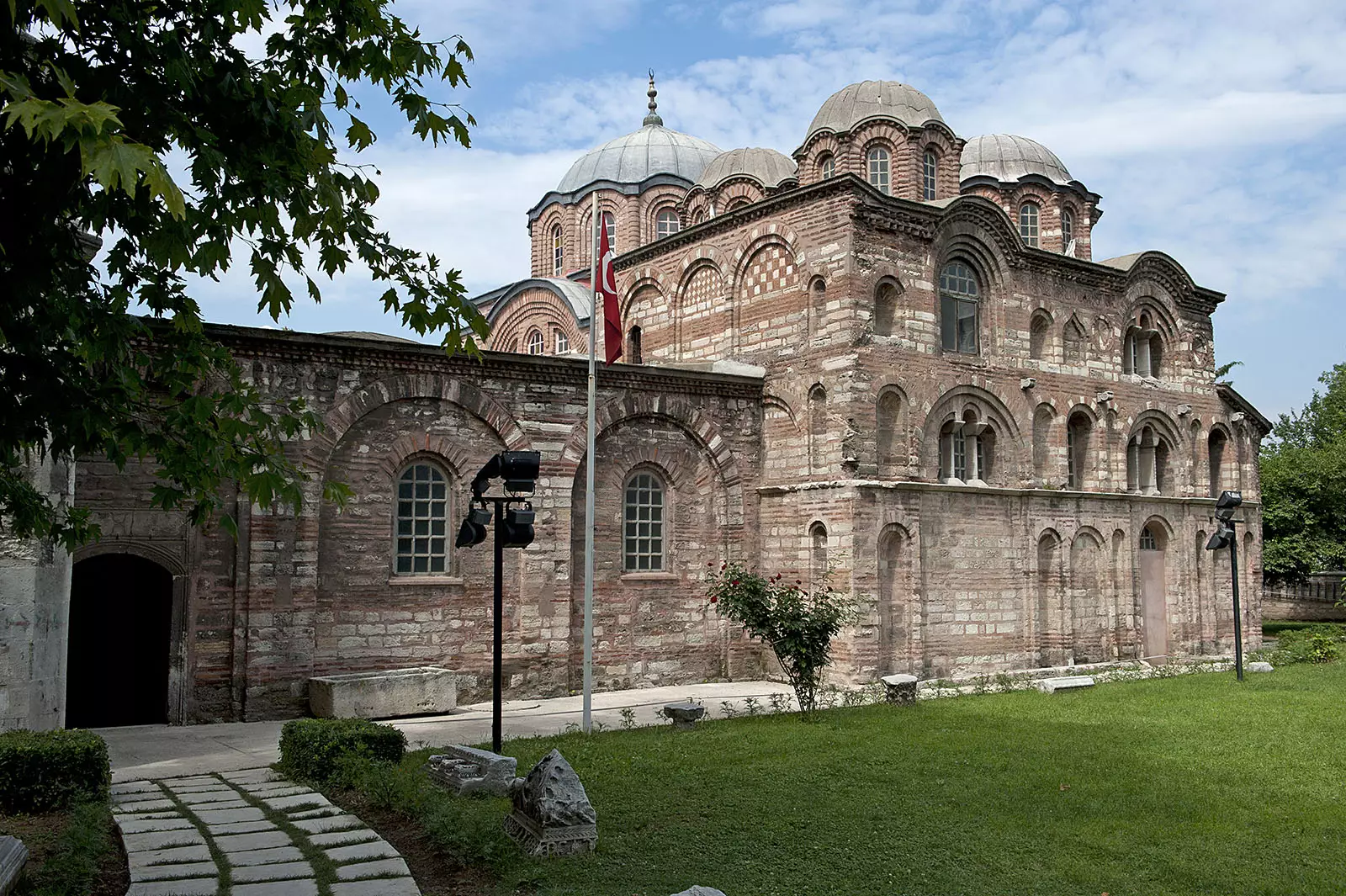
This is a triple structure: the church of the Monastery of Pantokrator built 1118, then a public church circa 1136 plus a chapel that served as a royal mausoleum. It became a mosque and medresse in Ottoman times, but without massive alteration so it's a prime example of middle-Byzantine architecture. It's nowadays again a mosque, photogenic by day or dusk but the area should be avoided at night.
A contemporary art museum in a building converted from an old power plant: 1914-built and coal-fired, this was the oldest in Istanbul and the Ottoman Empire. Part of the plant was kept in almost exact original condition and now serves as the "Energy Museum".
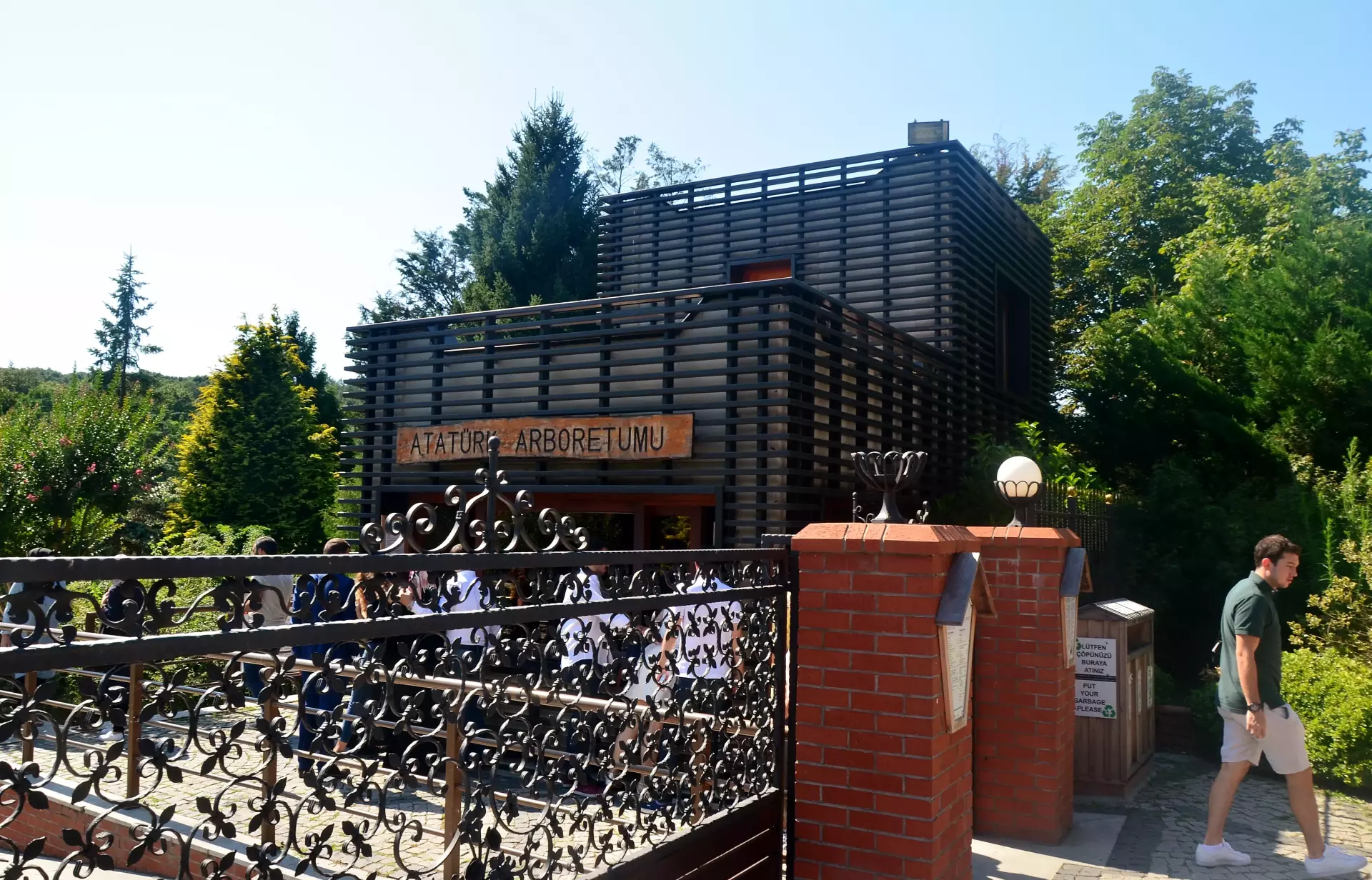
Named after a 16th-century village, founded by Serbs deported from Belgrade when it fell to the Ottomans. The village was popular as a forest resort, but its inhabitants were resettled in the 19th century and it's now a bosky ruin. The forest is mostly primordial and deciduous, predominantly oak. It's dotted with ancient aqueducts and dams as this area was a water catchment for Constantinople / Istanbul, and has lots of walking jogging and cycling trails and picnic areas. The two main ways in are via Bahçeköy (near the Arboretum entrance) and Kemerburgaz (which has the best aqueducts). There's a small access toll. The forest is supposedly a protected area but is being encroached on by highways and suburbs: this is likely to get worse as the access route to Istanbul's new airport leads right through it.
Started in 1613 by the Ottoman sultan Ahmet I (r. 1603–1617, who also had the Blue Mosque in the Old City built), and extensively renovated by the art-loving Selim III (r. 1789–1807), this sole building, which itself has the distinction of being the only intact structure that dates back to the rule of Ahmet III (r. 1703–1730), set inside a beautiful garden of pools and mature cedar and magnolia trees is the only remaining part of what was once the fourth largest palatial complex in Istanbul, extending all the way to the banks of the Golden Horn (which is now occupied by the derelict buildings of the closed shipyard, which also block part of the view towards the shore). According to the local rumour, its name (which in Turkish means "mirrored poplar") derives from the now absent mirrors gifted by Venice to the palace that were presumably "as tall as the poplars" (aynalar kavak). The highly decorative and colourful interior includes several rooms of original furnitures fit for a sultan, some of which are covered with nacre, and walls embellished with Ottoman poems praising the palace and Selim III. Downstairs is a small museum dedicated to music, which exhibit some of the instruments (violins, ouds, and kamanchehs) and gramophone records owned by Fatma Gevheri Sultana (1904–1980), the granddaughter of Abdülaziz I (r. 1861–1876). While you are outside, also check out the old main entrance (now closed) towards the Golden Horn, topped by a dome. Worth the half hour spent there.
On top of a hill overlooking the Golden Horn, this is a magnificent mosque built by Sinan in the 1550s. It was centrepiece of a large külliye, a religious complex which included madrasas, a public kitchen and a hospital.. The small cemetery east has the mausoleums of Suleiman the Magnificent and of his wife Hurrem Sultan or Roxelana.
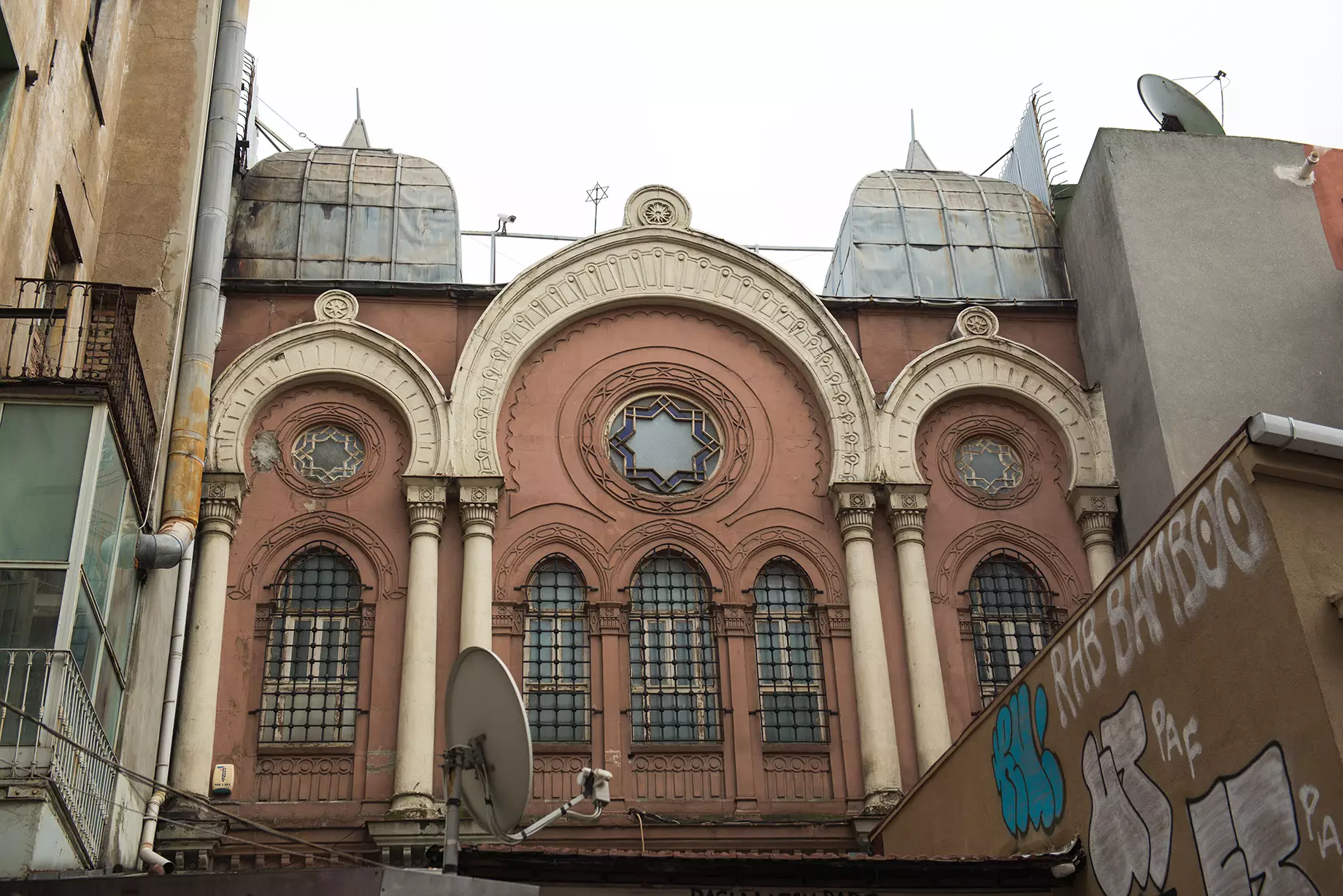
This was built in the 1430s by Grecian Jews ("Romaniotes") from the city of Ohrid, now in North Macedonia. The district of Balat was a Jewish quarter, swelled from 1492 by those expelled from Spain. The synagogue is only open for pre-arranged tours.
The original mosque was built between 1463-1470 by the Greek architect Atik Sinan, by order of Sultan Mehmet II the Conqueror, on the site of the former Church of the Holy Apostles, which had served as Byzantine Imperial burial place for a thousand years. The grand complex with eight medreses, a library, hospital, hospice, caravanserai, market, hamam, primary school and public soup kitchen was smashed again and again by earthquakes, and the present building is from 1771 to a different design. The interior is lavish, and outside is the ornate tomb of Mehmet II and his wife Gülbahar Hatun.