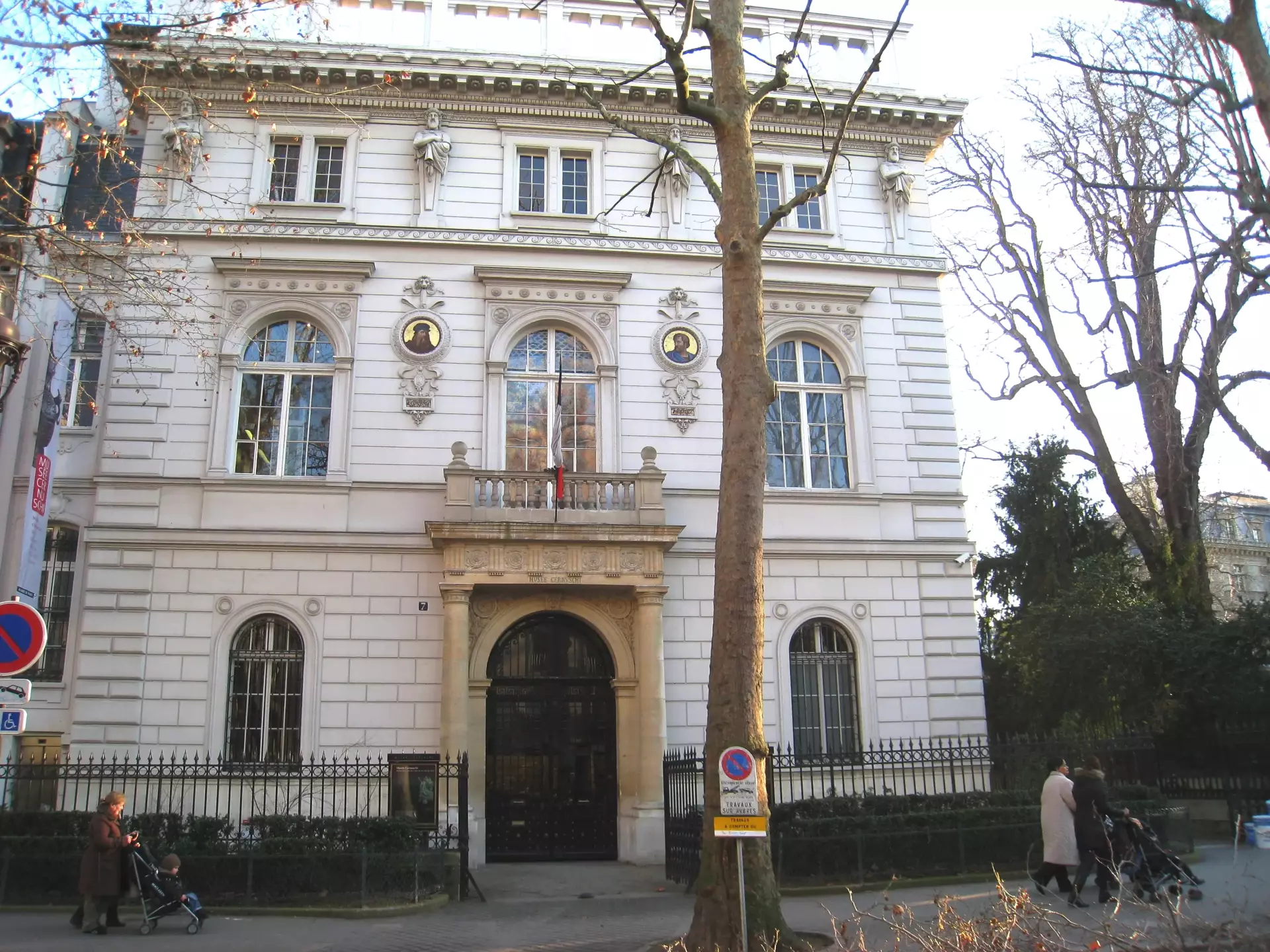
Tucked away in the Marais district of Paris, the Musée de la Serrure offers a glimpse into the fascinating world of locks and keys. Housed in the elegant Hôtel de Vigny, a 17th-century mansion, this unique museum showcases centuries of craftsmanship and innovation in the art of securing doors, chests, and treasures.
The museum is set in a historic residence that was once home to Parisian nobility. The building itself is a work of art, with grand windows, carved details, and a peaceful courtyard. Walking through its rooms, visitors can sense the rich heritage that surrounds the exhibits.
The Musée de la Serrure features a remarkable collection of locks, keys, bolts, and ornate fittings, some dating back to the Middle Ages. Each piece tells a story of its own. Some locks are simple for home use, while others are complex mechanisms with secret tricks, designed to guard priceless goods or personal letters.
Visitors can admire intricate ironwork, gilded handles, and decorative plates from many periods. Some highlights include medieval padlocks, Renaissance lockboxes, and whimsical keys shaped like flowers or animals. The creativity of past locksmiths shines through in every detail.
The museum also explains the techniques that locksmiths used through the ages. Interactive displays and models show how traditional tools shaped pieces by hand. Panels and videos reveal the secrets behind tumbler locks, combination mechanisms, and hidden compartments. The collection gives insight into both the technical and artistic side of lock-making.
Stepping into the Musée de la Serrure feels like entering a cabinet of curiosities. The peaceful rooms are filled with shadows and light, and the displays encourage careful attention to small wonders. The museum appeals to anyone interested in art, history, or clever inventions from everyday life.
Source - https://en.wikipedia.org/wiki/Mus%C3%A9e_de_la_Serrure
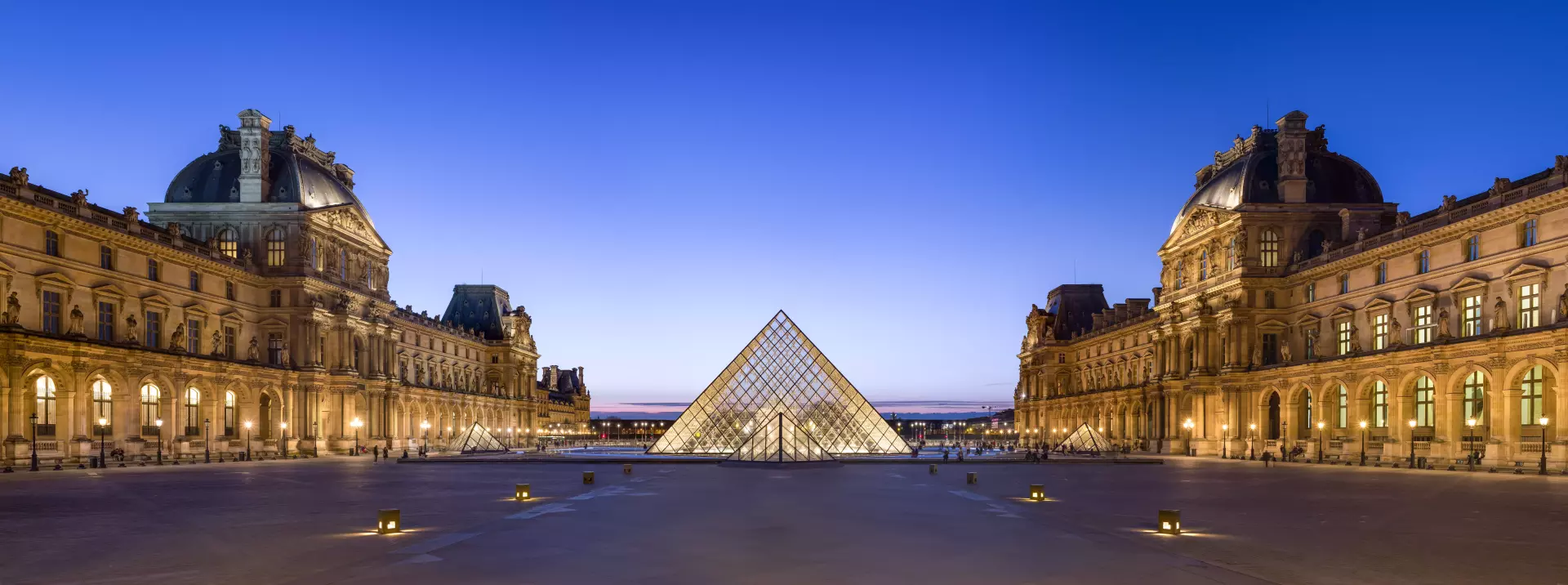
Reopened after extensive renovations, this small museum near the Louvre houses the Jean Walter and Paul Guillaume Collection, sold to the French Republic on very generous terms and numbering 143 paintings from the late 19th century and the first half of the 20th century (15 Cézannes, 24 Renoirs, 10 Matisses, 12 Picassos, 28 Derains, 22 Soutines). The collection joined the eight immense Water Lilies that Monet gave France in 1922 and which have been displayed since 1927 in two huge oval rooms purpose-built on the artist's instructions.
Opened in January 2005, the Holocaust Memorial comprises a major documentation centre and a wall bearing 76,000 names of Jews deported from France to the Nazi camps between 1942-1944. Includes an archive of a million artefacts, including 55,000 photographs. Excursions are run from the memorial to French internment camp sites such as Drancy.
One of the most eye-popping sights of Paris, the catacombs represent a network of labyrinthine tunnels, first excavated in the Roman period, that now house the remains of over 6 million burials removed here from the various overcrowded cemeteries and charnel houses all over Paris in the late 18th and early 19th centuries. Well worth a visit: the atmosphere is suitably morbid and gloomy (without being too scary), the dark tunnels containing neatly stacked piles of skulls and long bones. There is a limit to the number of visitors allowed within the Catacombs at one time (200 persons). So, if you arrive just after opening, you must wait until someone exits, approximately 45–60 minutes, before anyone is admitted. Steep stairwell on the exit of the catacombs. Can be challenging for the elderly or the unfit. Tickets can be purchased online at a small premium (€29, includes audioguide), allows you pick a date&time and to skip the long line
This wedding cake-white church rises visibly above the north part of Paris. The striking building, with its towers and white onion dome (83 m high), was built between 1875-1914 on the birthplace of La Commune, officially as an act of penitence for the sins committed during the civil war in which thousands of Communards were executed, as well as for the previous bloodshed of the 1870 Franco-Prussian war. A number of prominent businessmen put up the money, and a dizzying combination of architects worked to put together the mock Romano-Byzantine extravaganza. Consecration followed in 1919. The view over Paris from the dome and from the square before it (200 m above sea level) is unsurpassed, apart from that enjoyed at the Eiffel Tower (50 km on a clear day). For the athletic traveller there are stairs from several directions to the top of the hill; otherwise there is also a funicular which runs every few minutes during the daytime from Place St. Pierre. Follow the signs that say "Funiculaire De Montmartre". Beware that the guards don't like it if they catch you taking pictures inside and will even yell "No photo!" and chase you down if they see you with a camera. Be warned: along the lower steps leading up to church, groups of mostly young African men gather and reach toward you with a small string, offering to loop it round your finger. In case it happens, pull back your hand, brush them off and move on. They might claim that "This is for the church." In case your feel that things go sideways, raise your voice to get people's attention and ask them call the police.
A former fortress and royal residence at the edge of the city, alongside the Bois de Vincennes. Most of the building is open to public.
A little district within the district. Very charming little streets on a hill on the west end of the 13 district. Nice for lunching/dining activities. This is the place where the band "Mano Negra" was hanging around.
This charming scientific museum preserves the offices and laboratories of Pierre and Marie Curie, pioneers in the discovery of radioactivity. Their instruments, equipment, and furniture is arranged as it was during their critically important research. Guided tours in English available.
The sleaze of boulevard de Clichy between place Pigalle and place Blanche can provide a moment of distraction. Be warned if you are male it is better to do this in the company of a female fellow traveller, as the clubs often send the girls outside to attempt to physically drag passing men off of the street. These strip clubs are big ripoffs. They tempt you with a free drink for €10 entry; once in the girl who starts dancing orders a couple of drinks (Red Bull) and then before you realise you are presented with a bill ranging from €500-700. They have these big bouncers who threaten/manhandle you till you arrive at some settlement with them. The whole of Pigalle is a rip off, best avoided. The police know about these places but nothing is done.
Great perspective on the Eiffel Tower and Left Bank from Place du Trocadéro in between the two buildings of the palais. Former location of the Palais du Trocadéro. It accommodates three museums, an aquarium, and the Theatre Nationale du Chaillot.
Considered one of the most colourful Parisian parks, a local favourite, the Parc Montsouris was opened in 1878, having been designed by Alphand for Baron Haussmann. A large man-made lake and waterfalls are surrounded by long stretches of gently sloping lawns. Bronze statues are to be found studding the grounds, amongst the 1,400 trees, including such exotic varieties as the giant sequoia and the ginkgo. The park is featured in the film Cléo de 5 à 7. It is popular among families (there are two playground areas for children) and students.
The foundation opened its doors in May 2003. It preserves Henri Cartier-Bresson and Martine Franck’s archives. Exhibition of photographs, paintings, sculptings, and illustrations.
The magnificent setting of The Phantom of the Opera, the inside is as opulent as the outside. However, since the opening of the Opera Bastille (12th) in 1989, the Palais Garnier has been reserved mostly for dance performances, particularly ballet.
The largest French museum of Jewish art and history
The early Gothic Cathédrale de Notre Dame (Our Lady) has a 12th century design but wasn't completed until the 14th. Still it is a good example of the development of the style, though the west or main portal is a bit unusual in its rigidity. A April 2019 fire caused severe damage, but after extensive renovation the cathedral was reopened to the public in December 2024.
Housed in an amazing Art Deco building, purpose-built for the 1931 Colonial Exhibition, featuring an elaborate frieze across the front facade that depicts the achievement of French overseas territories. It houses an Aquarium and an Immigration Museum. The aquarium can be seen in about an hour and is popular with families with small children.
Established in 1926, it was meant to show appreciation for Muslim help in fighting the Germans. The café serves excellent mint tea and North African food.